How To Spot A Constipated Dog Before It Becomes A Bigger Problem
Dog Constipation Symptoms You Should Never Ignore
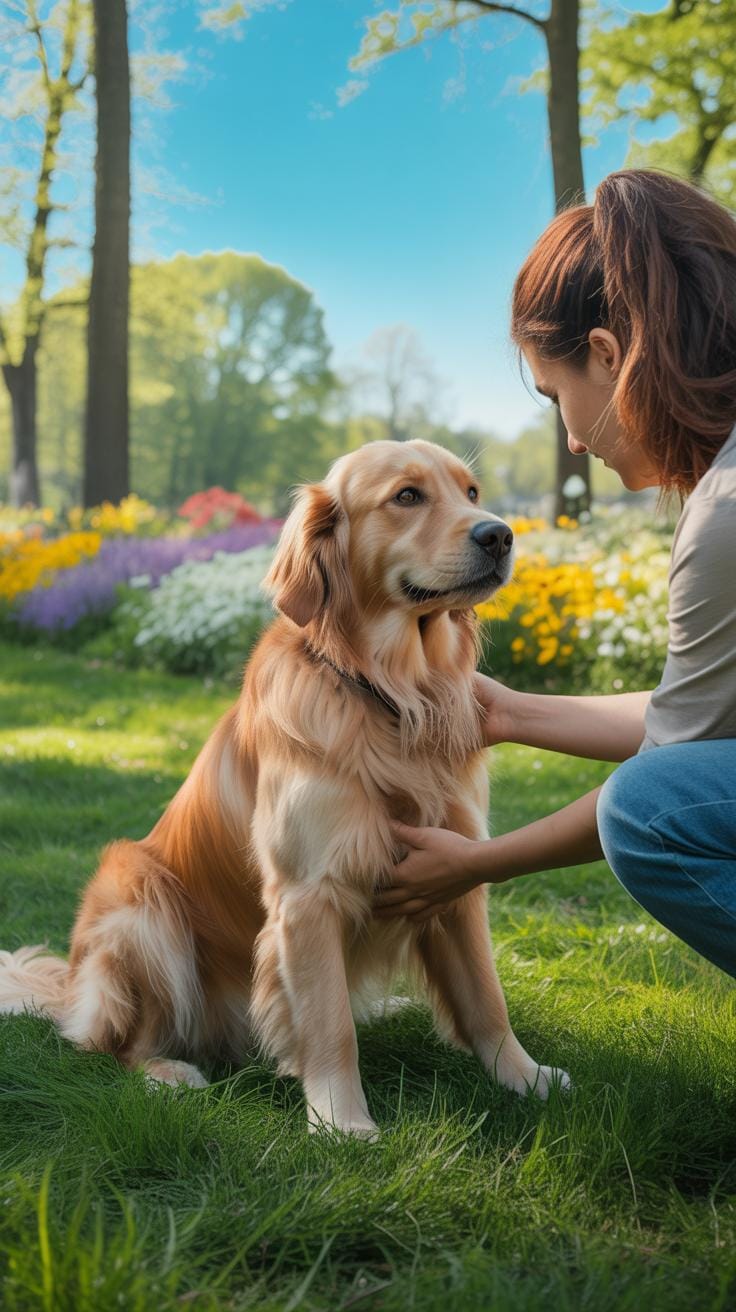
Watch for your dog straining or circling excessively without result. This behavior often mimics the urge to urinate but involves the hindquarters. You might see your dog produce small, rock-hard pebbles instead of soft logs. Hard stools indicate that the colon has absorbed too much water. This happens when waste sits too long in the lower digestive tract during the process of elimination.
Pay close attention to vocalizations like yelping or whimpering while they try to defecate. A hunched posture or a tucked tail suggests significant abdominal pain or pressure. Do not ignore a swollen anus or mucus on the stool. These signs prove that the body is struggling to move waste. Promptly identifying these shifts in behavior prevents a minor blockage from turning into a life-threatening impaction.
How Long Is Too Long Without A Bowel Movement In Dogs
Healthy dogs typically move their bowels once or twice every day. Missing twenty four hours is not always a crisis but requires immediate observation. Check for changes in diet or recent stress levels that may halt digestion. If your dog goes forty eight hours without a bowel movement, they are officially constipated. Do not wait for the third day to start looking for a remedy.
Missing more than two days puts your dog at risk for megacolon or permanent tissue damage. The colon continues to pull moisture from trapped waste which making it harder to pass. This cycle creates a physical barrier that the dog cannot overcome alone. You must act when you hit the forty eight hour mark. Failure to pass waste by day three usually requires a professional medical intervention.

Common Causes Of Constipation In Dogs Every Owner Should Understand
Dietary And Lifestyle Factors That Lead To Constipation In Dogs
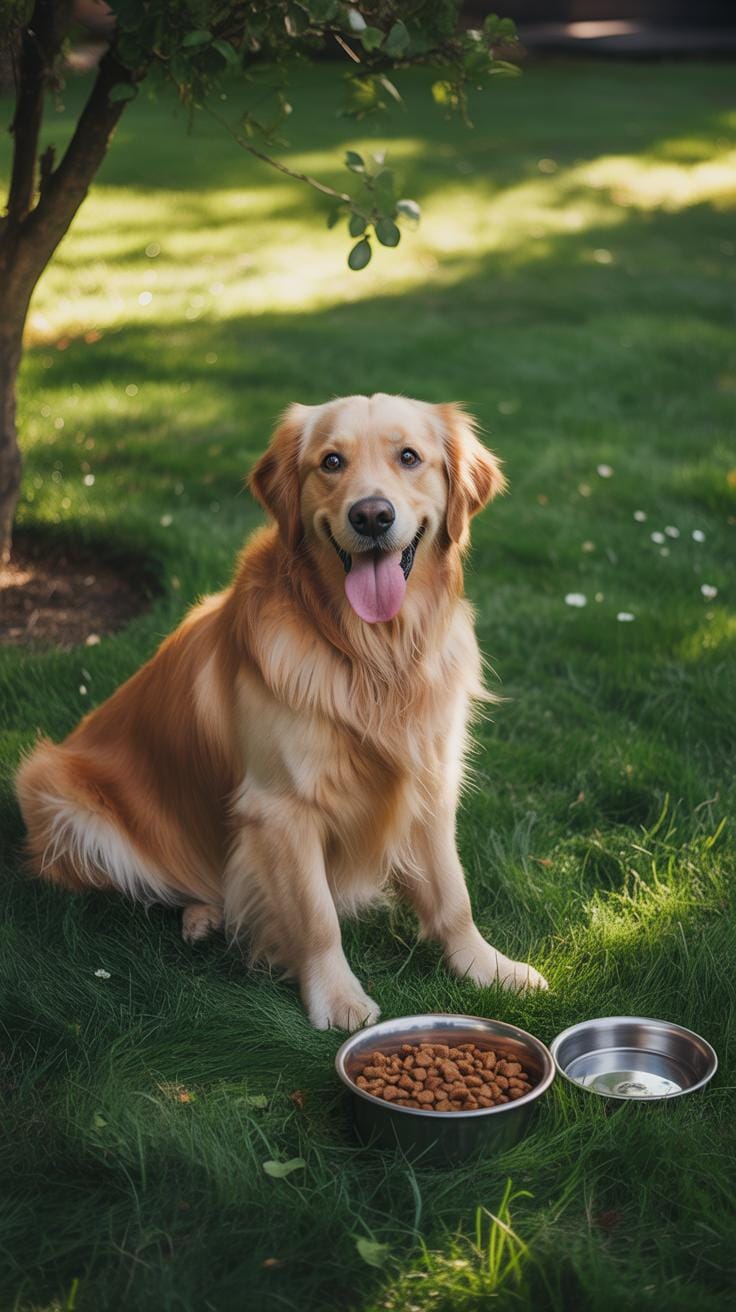
Low fiber intake remains the primary dietary driver of canine constipation. Dogs require insoluble fiber to add bulk to their stool and stimulate the colon. When a diet consists mostly of processed proteins without roughage, the digestive tract slows down. This lack of movement causes the colon to absorb too much water. The result is a hard and dry stool.
Dehydration and lack of exercise also halt regular bowel movements. Water is essential for keeping waste pliable as it moves through the intestines. Inactive dogs suffer from poor muscle tone in their abdomen and colon. Physical movement triggers the natural contractions needed to push waste forward. Without consistent hydration and daily activity, your dog cannot maintain a functional and healthy digestive rhythm.
Medical Conditions That Can Cause Chronic Dog Constipation
Internal obstructions and physical blockages often create chronic issues for dogs. Many dogs ingest non-food items like toy parts, rocks, or bone fragments. These objects lodge in the intestinal tract and stop waste from passing. Enlarged prostate glands in older male dogs also cause mechanical blockages. The swelling puts direct pressure on the rectum. This narrowing makes it very painful for your dog to defecate.

Neurological disorders and metabolic imbalances also compromise the digestive system. Conditions like hypothyroidism or kidney disease change how the body manages fluids and electrolytes. These imbalances weaken the nerves that control the colon muscles. If the nerves do not fire correctly, the waste stays trapped in the lower gut. Chronic constipation often signals a deeper systemic failure that requires a targeted medical strategy.
The Role Of Dietary Fiber As A Dog Constipation Remedy
How Pumpkin Puree Works As A Natural Constipation Remedy For Dogs
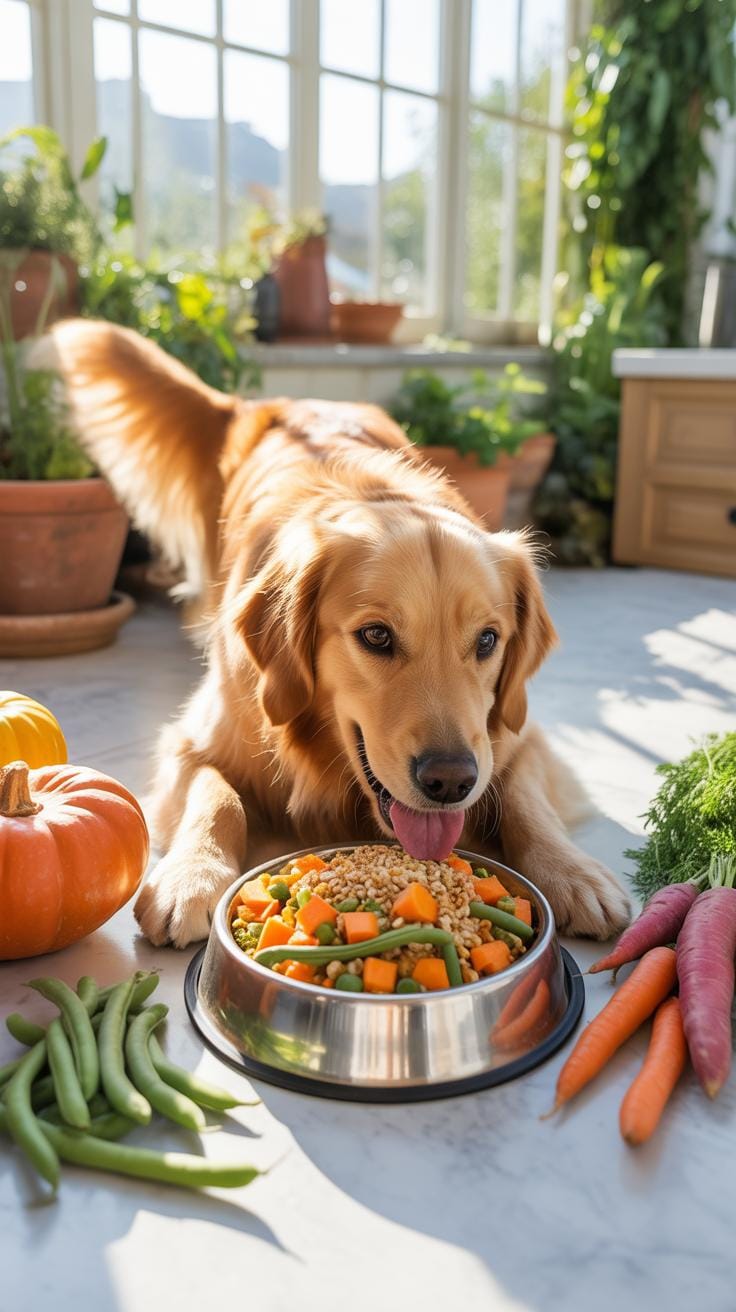
Plain canned pumpkin puree provides a concentrated source of soluble fiber. This fiber absorbs water as it moves through the digestive tract. The process adds bulk to the stool and softens the texture. Soft stools move through the colon with less resistance. This mechanism helps a dog pass waste without straining. You must use plain puree rather than pie filling to avoid toxic additives.
The high water content in pumpkin also improves intestinal hydration. Proper hydration is necessary for the fiber to function correctly. Without enough water, fiber can actually make constipation worse by hardening the stool further. This dual action of fiber and moisture makes pumpkin a reliable first response. Always measure the serving size based on the weight of your dog to ensure the best results.
A simple spoonful of pumpkin or a gentle walk can restore that joyful wag we remember from his puppy days. There is no greater comfort than healing a faithful friend with the gentle remedies nature provided.
Other High Fiber Foods That Are Safe To Give A Constipated Dog
Ground flaxseeds offer an effective alternative for increasing fiber intake. These seeds contain both soluble and insoluble fiber to promote regular bowel movements. You should grind the seeds to ensure the dog can digest the nutrients properly. Flaxseeds also contain omega fatty acids which support a healthy gut lining. Adding a small amount to the daily meal helps maintain consistent digestive speed.

Green beans serve as a low calorie fiber source for dogs with regular blockages. You can use fresh or steamed beans to add bulk to their diet. This bulk stimulates the muscles in the intestinal wall to push waste forward. Steaming the beans makes the fiber easier to break down without losing nutritional value. Monitor your dog for gas when introducing these new fiber sources into their routine.
What To Give A Dog For Constipation Safe Home Remedy Options
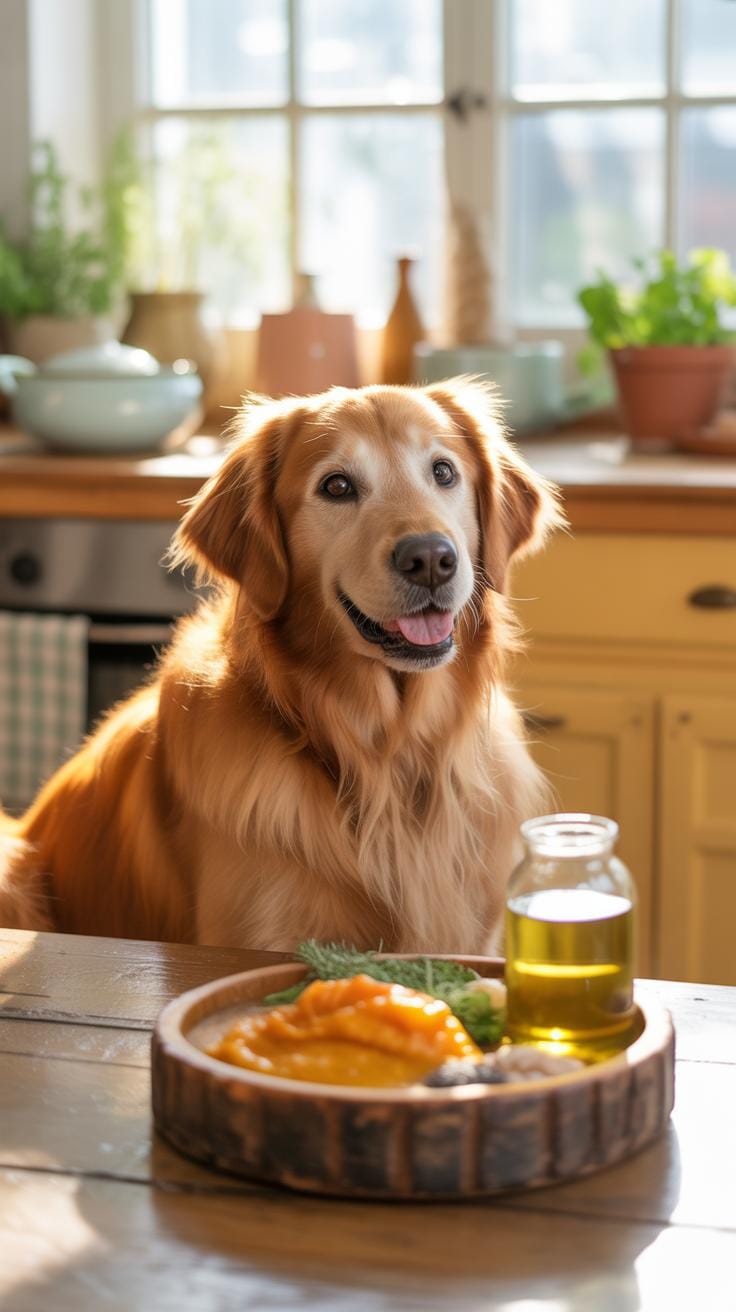
Using Olive Oil Or Coconut Oil To Ease Constipation In Dogs
Dietary fats act as lubricants within the digestive tract to facilitate the passage of hardened stool. Olive oil and coconut oil are effective options for short-term relief. These oils coats the intestinal walls and soften the fecal matter. You must control the dosage strictly to avoid causing diarrhea or acute pancreatitis. One teaspoon per twenty pounds of body weight is the standard measurement.
Mix the oil directly into the dog’s regular food to ensure ingestion. Do not force-feed oil directly into the mouth to avoid the risk of aspiration pneumonia. Limit this treatment to two days maximum. If the dog does not produce a bowel movement within twenty-four hours, stop the administration. Excessive oil consumption can lead to caloric imbalance and weight gain over long periods.
Hydration As A First Line Dog Constipation Home Remedy
Water intake is the most critical factor in colon health. The colon absorbs water from waste, and dehydration leads to dry, hard stool that becomes stuck. Increasing fluid intake restores the moisture balance required for natural peristalsis. Check the dog’s gums and skin elasticity to assess hydration levels immediately. Proper hydration allows the body to process fiber and move waste through the system.

Encourage drinking by adding low-sodium chicken broth to the water bowl. You can also switch from dry kibble to wet canned food temporarily to increase moisture content. Fresh water must remain available at all times to prevent future blockages. If the dog refuses to drink, use an oral syringe to provide small amounts of water. Consistent hydration prevents chronic constipation and reduces the need for medicinal intervention.
Constipated Dog Home Remedies Using Ingredients Already In Your Kitchen
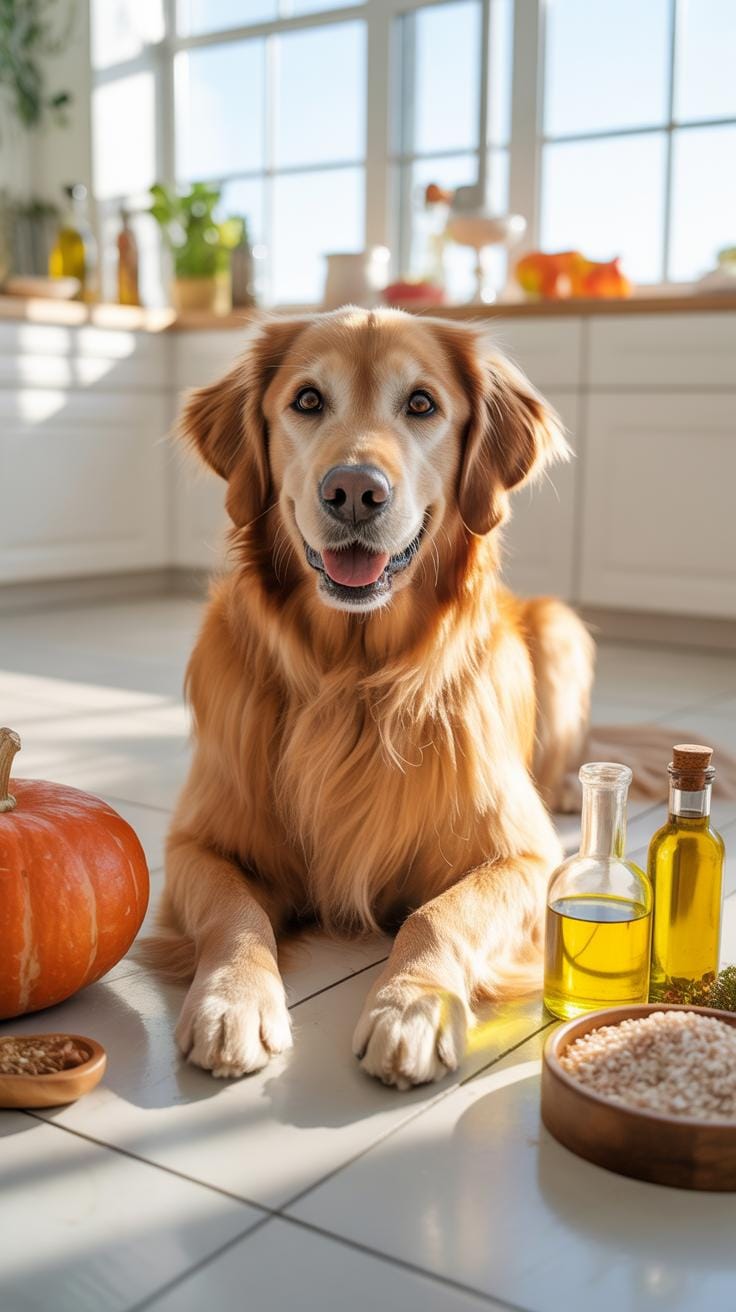
Step By Step Guide To Preparing A Safe Home Remedy For Dog Constipation
Effective home treatment requires selecting a high fiber or lubricating agent and introducing it into the dog’s meal properly. You must ensure the dog has constant access to fresh water to support the fiber intake. Mixing the remedy into wet food is the best delivery method. This ensures the dog consumes the entire dose while adding critical moisture to the digestive tract.
- Pureed Pumpkin: Use plain canned pumpkin without added sugars or spices. This ingredient provides soluble fiber that absorbs water and adds bulk to the stool. It stimulates the colon to move waste through the system more efficiently. Always check the label to avoid xylitol or pie fillings which are toxic to dogs.
- Coconut Oil: This medium chain triglyceride acts as a safe lubricant for the intestinal walls. It helps dry stool slide through the colon with less resistance. Coconut oil also contains lauric acid which supports overall gut health. Stir it into warm food so it melts and coats the ingredients for even distribution.
- Olive Oil: Use standard kitchen olive oil to soften hard waste quickly. It works as a mild laxative by stimulating the gallbladder and bile production. It is particularly effective for dogs that are straining due to very dry fecal matter. Limit this remedy to short periods to prevent nutrient malabsorption.
- Psyllium Husk: Add plain psyllium powder to increase fecal volume and moisture content. This fiber expands when wet and pushes materials through the intestines. You must mix this with extra water to prevent it from clumping and causing further blockages. Only use non flavored varieties to ensure canine safety.
- Ginger Broth: Boil fresh ginger in water or low sodium chicken broth to relax the digestive muscles. Ginger reduces inflammation in the gut and can stimulate movement in the bowel. Allow the liquid to cool completely before pouring a small amount over the dog’s dry kibble or wet food.
Avoid using fiber sources that contain artificial sweeteners like xylitol which are lethal to dogs. Stick to single ingredient additions to track what works best for your pet. If the dog refuses the food, do not force the remedy. Monitor the dog for any signs of vomiting or lethargy after the first dose. Stop the treatment immediately if the condition does not improve within twenty four hours.
Dosage Guidelines How Much Of Each Remedy Is Safe For Your Dog
Precision in dosing prevents side effects like diarrhea or cramping. Small dogs under fifteen pounds should start with only one teaspoon of pumpkin or a few drops of oil. Medium dogs can handle one tablespoon while large breeds may require two tablespoons per meal. You should always start with the smallest possible dose and wait for results before adding more to the next feeding.

Do not exceed two doses within a twelve hour period. Too much fiber can lead to gas and bloating which causes additional pain for the dog. If you use oil based remedies, excessive amounts can trigger pancreatitis in sensitive breeds. Watch for loose stools as a sign to stop the treatment. Consistency in monitoring ensures the remedy corrects the constipation without creating a new digestive crisis.
How Exercise Helps Dog Constipation And Why Movement Matters
How To Help Dog Constipation Through Daily Physical Activity
Physical activity serves as a primary driver for gastrointestinal motility. When a dog moves, the abdominal muscles contract and relax. This action puts gentle pressure on the intestines. This external stimulation helps push waste through the colon. Sedentary dogs often suffer from slow transit times. Increased blood flow during exercise further supports the smooth muscles responsible for moving stool toward the rectum.
Walking is the most effective form of exercise for a constipated dog. A brisk fifteen-minute walk can trigger the urge to defecate. High-intensity play also increases heart rate and metabolic speed. These factors decrease the time it takes for food to pass through the body. More movement means less water is absorbed from the stool. This keeps the waste soft and much easier to pass.
Why A Consistent Routine Supports Healthy Digestion In Dogs
A consistent routine regulates the internal biological clock of a dog. Dogs thrive on predictable schedules for feeding and walking. Routine stabilizes the digestive system by training the bowels to empty at specific times. When a dog expects exercise, its body prepares for the physical activity. This preparation includes the activation of the digestive tract. Irregular schedules disrupt these natural cycles and lead to backup.

Maintaining a strict schedule also prevents long periods of holding waste. Holding stool for too long leads to dehydration of the fecal matter. Hard stools are painful and difficult to move. Frequent breaks ensure the colon stays clear and functional. You must align feeding times with activity periods. This alignment utilizes the gastrocolic reflex. This reflex triggers a bowel movement shortly after the dog consumes a meal.
Probiotics And Gut Health As A Long Term Dog Constipation Remedy
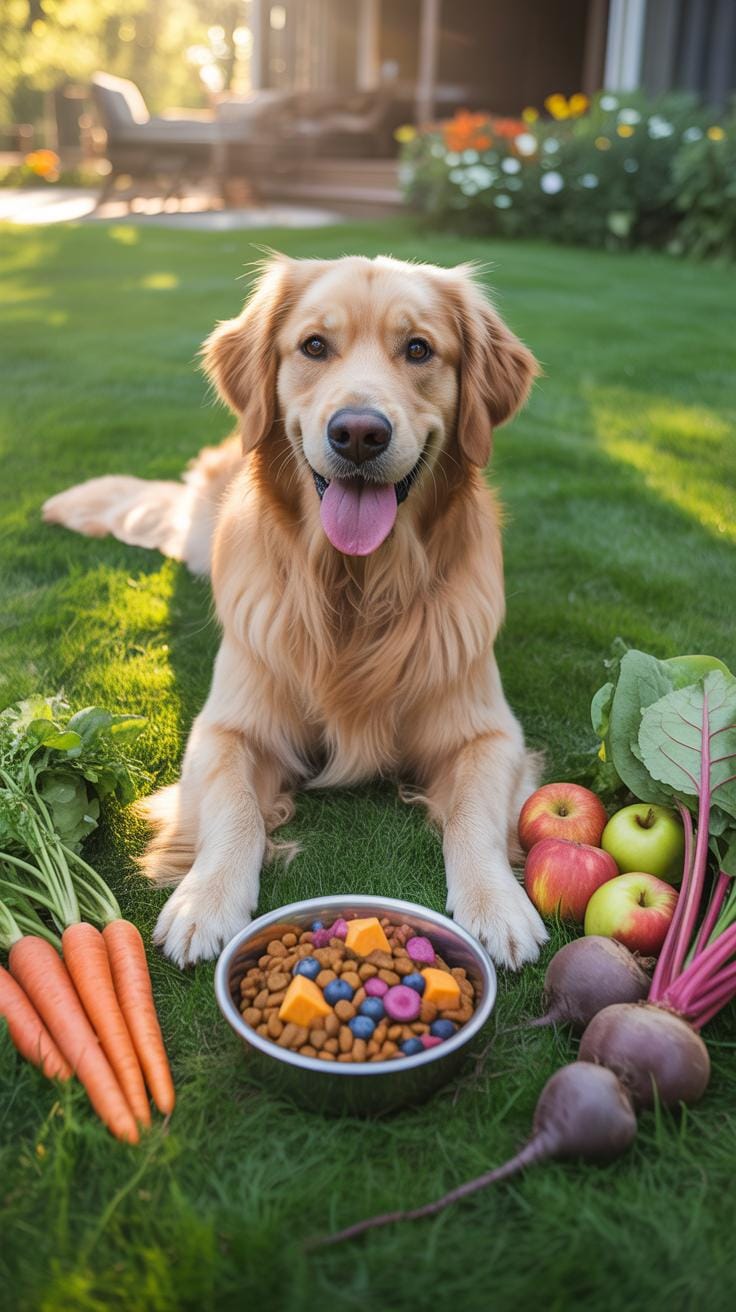
How Probiotics Support Digestive Health In A Constipated Dog
Probiotics introduce beneficial bacteria into the canine digestive tract. These microorganisms balance the gut microbiome and improve overall bowel function. Constipation often occurs when harmful bacteria outnumber good bacteria. This imbalance slows down the movement of waste through the colon. Probiotics restore this balance. They help the intestines process food more efficiently. This internal regulation prevents stool from becoming hard and dry.
Adding these microbes to a dog’s diet stimulates peristalsis. Peristalsis is the muscle contraction that moves waste through the gut. Efficient contractions ensure regular bowel movements and prevent future blockages. Probiotics also strengthen the intestinal barrier. This helps the dog absorb nutrients while maintaining proper moisture levels in the stool. Consistent use creates a stable environment. It reduces the frequency of digestive upsets and chronic constipation.
Probiotic Rich Foods And Supplements That Are Safe Dog Remedies
Plain Greek yogurt and kefir serve as effective natural sources of probiotics. Ensure these products contain no added sugars or artificial sweeteners like xylitol. Xylitol is toxic to dogs. A small spoonful added to regular meals introduces live cultures like Lactobacillus. These cultures survive the stomach acid and reach the lower intestine. They work quickly to improve the consistency of the stool and ease the passing of waste.

Commercial probiotic supplements designed specifically for dogs offer higher concentrations of beneficial bacteria. These powders or chews often include strains like Enterococcus faecium. This specific strain survives the harsh environment of the canine gut better than human versions. Consistently administering these supplements builds a resilient digestive system. This long-term strategy addresses the root cause of slow bowels. It moves beyond temporary fixes to ensure lasting gut health.
Dog Constipation Remedies To Avoid What Can Do More Harm Than Good
Human Laxatives And Medications That Are Dangerous For Dogs
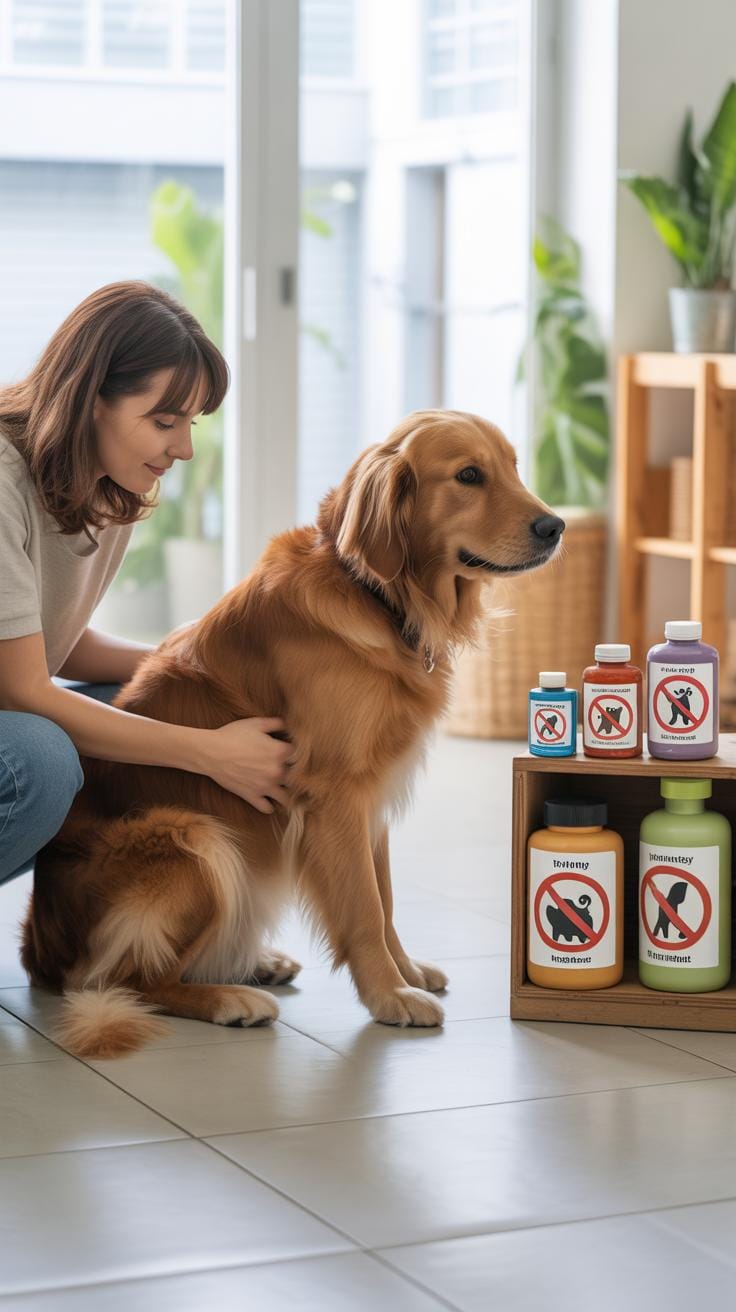
Human laxatives contain chemicals that do not work with canine biology. Products like Ex-Lax or Miralax often use stimulant ingredients or artificial sweeteners like xylitol. Xylitol triggers rapid insulin release in dogs. This causes life-threatening low blood sugar and liver failure. Even small doses of human medication can cause severe dehydration. These drugs pull too much water from the dog’s blood into their intestines.
Never administer mineral oil orally to a dog. It lacks taste and smell, which stops the dog’s gag reflex. Dogs often inhale the oil into their lungs instead of swallowing it. This leads to aspiration pneumonia, which is frequently fatal. Many human stool softeners also contain electrolytes that disrupt a dog’s heart rhythm. Stick to veterinary-approved solutions to avoid accidental poisoning or acute organ damage.
Foods And Home Remedies That Can Worsen Constipation In Dogs
Some common kitchen items worsen digestive blocks instead of clearing them. Feeding a dog too much dry fiber without enough water creates a hard mass in the gut. This mass becomes impossible to pass and requires surgery. Dairy products often cause gas and painful bloating since most adult dogs are lactose intolerant. These items create new digestive problems while the original constipation remains unsolved.
- Excessive Bone Meal: Adding too much bone meal or crushed bones creates a dry and sandy stool. This material acts like concrete in the colon and stops all movement. High calcium intake from bones causes severe impaction that requires manual extraction by a veterinarian.
- Dairy Products: Most dogs lack the enzyme to process lactose found in milk or cheese. While some think the resulting diarrhea helps, it actually causes inflammation and dehydration. This weakens the intestinal walls and makes the constipation more painful for the dog to manage.
- High Fiber Cereal: Human cereals contain processed grains and excessive sugars that slow down canine digestion. The high fiber content absorbs all available moisture in the gut. This turns the stool into a hard plug that the dog cannot push through their system without medical help.
- Large Doses of Rice: White rice is a binder often used to stop diarrhea. Giving rice to a constipated dog has the opposite effect of what you want. It firms up the stool further and strips away the necessary moisture needed for a smooth bowel movement.
- Raw Wheat Bran: Adding raw bran or husk without proper hydration backfires quickly. These fibers expand in the stomach and suck up liquid. If the dog is already dehydrated, the bran becomes a dry blockage that stays stuck in the lower intestine for days.
Incorrect food choices increase the pressure inside the dog’s colon. This pressure damages the nerves that tell the brain it is time to go. Over time, pushing these failed remedies can lead to megacolon. This condition means the colon loses its ability to contract forever. Always ensure any fiber addition comes with a massive increase in water intake. Without water, fiber is just another source of blockage.
When Home Remedies Are Not Enough Recognizing A Veterinary Emergency
Warning Signs That Your Dogs Constipation Needs Immediate Vet Attention
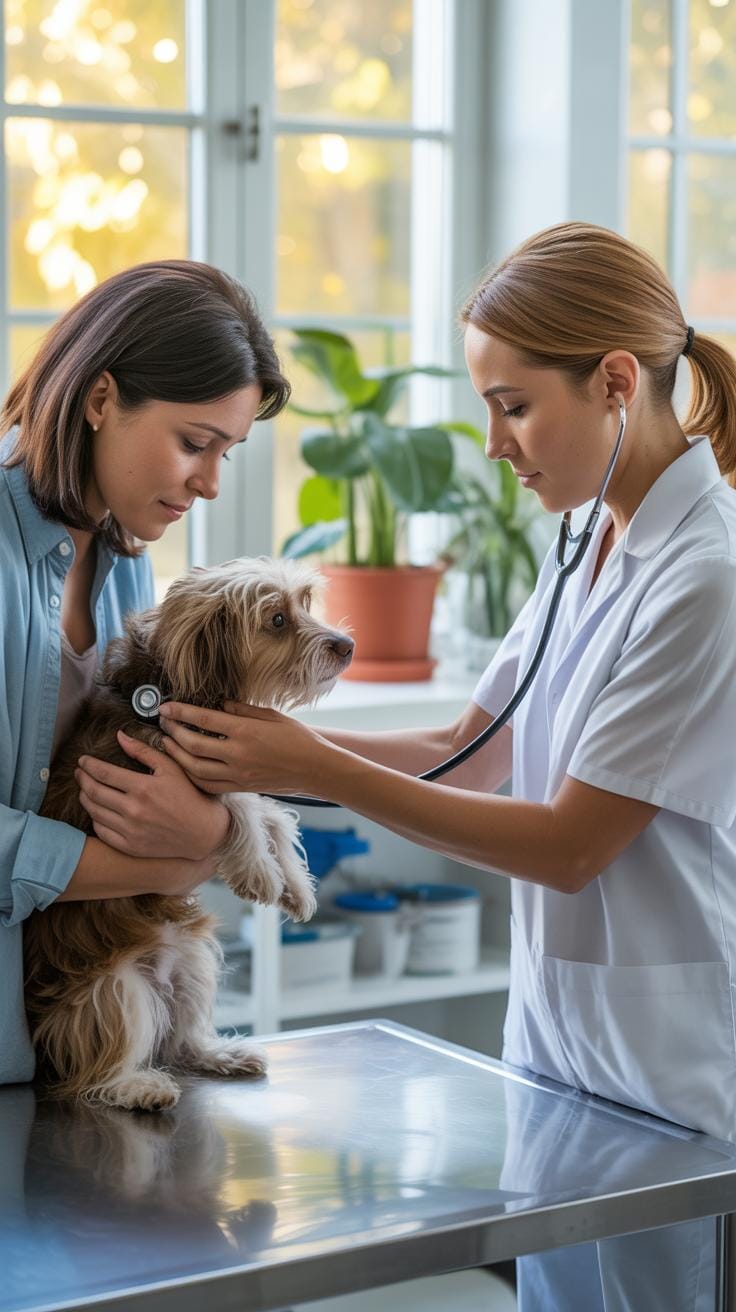
Home treatment stops when your dog shows signs of systemic distress. Watch for repeated vomiting or a bloated, hard abdomen. These symptoms suggest a physical obstruction or a twisted bowel rather than simple dryness. This situation is a medical emergency that home remedies cannot fix. If your dog has not passed stool for over forty-eight hours, you must seek professional help immediately to prevent permanent damage.
Lethargy and a total loss of appetite indicate your dog is in significant pain. Look for straining without any production of waste or the presence of blood in the small amount of stool passed. These signs often point to impacted colons or rectal injuries. Speed is vital because toxins can build up in the bloodstream quickly. Do not wait for the next morning if your dog appears weak or dehydrated.
What A Vet Can Do When At Home Constipation Remedies Have Failed
A veterinarian uses diagnostic tools to find the root cause of the blockage. They will perform a physical exam and likely take X-rays to see the location of the mass. This data tells them if the issue is a simple blockage or a swallowed object. They can then choose the most effective path for removal. You cannot get this level of tactical insight from home observation alone.
Medical intervention often involves intravenous fluids to hydrate the colon from the inside. Vets use professional-grade enemas that are safer and more effective than over-the-counter options. If the impaction is severe, they may perform manual extraction under sedation. In extreme cases of physical blockage, surgery is the only way to save the dog. These clinical steps resolve the issue when fiber and water fail to work.
How To Help Dog Constipation From Coming Back Prevention Tips That Work
Building A Diet Plan That Keeps Constipation In Dogs At Bay
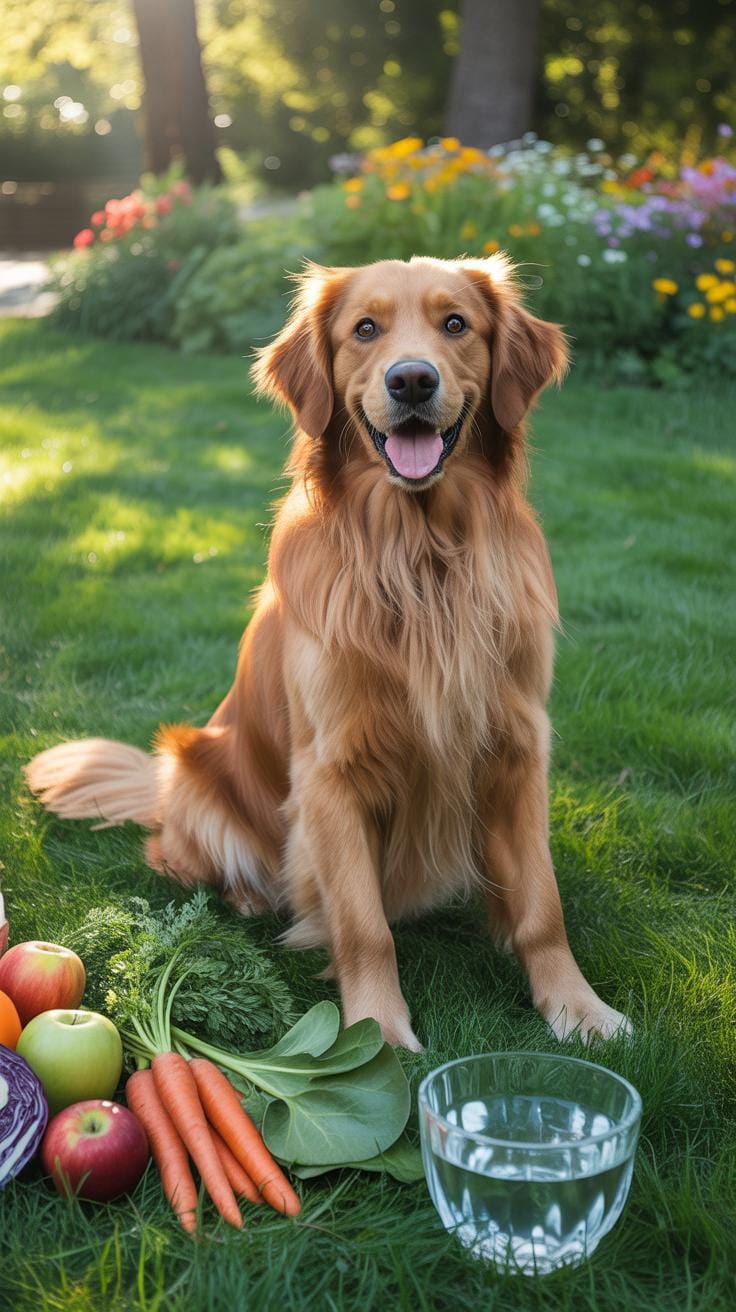
Consistency remains the foundation of canine digestive health. You must provide a balanced ratio of soluble and insoluble fiber to move waste through the colon. High quality proteins minimize undigested filler that causes bulk backup. Monitor caloric intake to prevent obesity. Excess fat often slows metabolic rates and physical movement. A lean dog processes nutrients faster. This reduces the time waste sits in the intestines.
Eliminate abrupt dietary changes that shock the microbiome. Introduce new foods over seven to ten days to maintain gut flora stability. Wet food provides immediate moisture and helps soften stools naturally. If you use dry kibble, add water or low-sodium broth to every meal. This ensures the dog consumes liquid while eating. Proper hydration levels prevent the large intestine from pulling too much water from waste.
Daily Habits And Dog Remedies That Promote Long Term Digestive Wellness
Physical activity is a non-negotiable requirement for bowel regularity. Exercise stimulates the natural contraction of intestinal muscles. This process is called peristalsis. It pushes waste toward the rectum for evacuation. Aim for at least thirty minutes of vigorous movement twice daily. A sedentary lifestyle leads to a sluggish gut. Do not let your dog hold their waste for long periods. Frequent bathroom breaks prevent stool hardening.
Maintain a strict routine for feeding and bathroom trips. Dogs thrive on biological cycles that prime the body for digestion. Check the consistency of their stool every day to catch issues early. Small doses of plain pumpkin or specialized probiotics can serve as a maintenance strategy. Always provide access to fresh water in multiple locations. Monitoring these small details prevents minor blockages from turning into serious medical emergencies.
Frequently Asked Questions

How do I know if my dog is constipated and needs help?
Identifying the signs early is essential for your pet’s comfort. You may notice your dog straining to defecate, producing small, hard pebbles, or showing signs of discomfort during their walk. If it has been more than two days since their last successful bowel movement, it is time to consider a dog constipation home remedy to help get their digestive system moving smoothly again and prevent any further blockages.
What is the fastest way to help a constipated dog at home?
Adding moisture and fiber to their diet is often the most effective approach. Mix two to four tablespoons of plain canned pumpkin—not pumpkin pie filling—into their meals to provide a boost of soluble fiber. This popular dog constipation home remedy works by softening the stool and regulating the colon. Always ensure your pet has plenty of fresh water available, as hydration is the key to making fiber work efficiently.
Are there affordable household items that can help relieve my dog’s constipation?
Absolutely; you likely already have effective solutions in your pantry. A small amount of olive or coconut oil can act as a natural lubricant for the digestive tract, making it easier for waste to pass. Additionally, promoting physical activity through an extra long walk or a game of fetch is a completely free way to stimulate bowel contractions. These accessible methods provide gentle relief without requiring a specialized trip to the store.