Understanding Dog Diarrhea Causes WhatS Really Going On Inside Your Dog
How A Dog’S Digestive System Works And Why It’S Sensitive
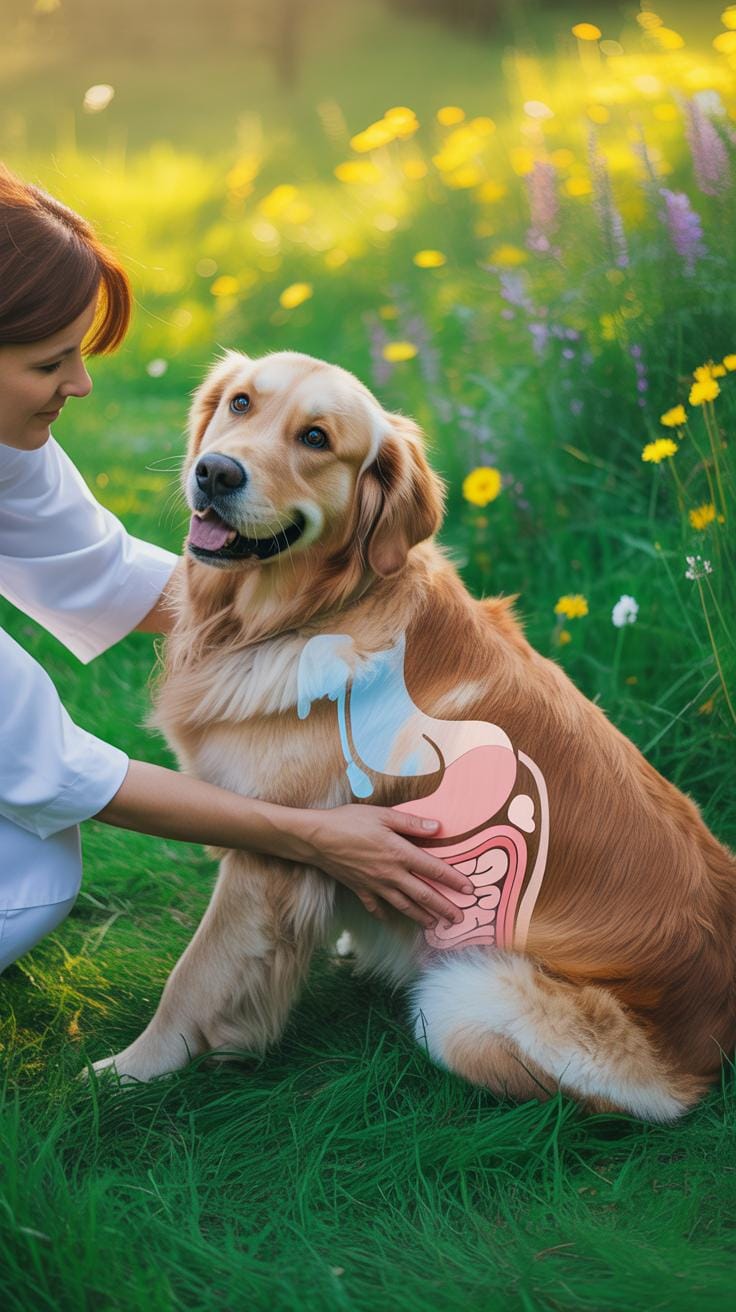
A dog’s digestive tract is built for efficiency and speed. Food travels from the mouth to the stomach where powerful acids break down proteins. The small intestine absorbs nutrients before waste moves to the large intestine for water extraction. This process happens faster in dogs than in humans. Any interruption in this rapid flow causes the system to flush out contents prematurely.
Sensitivity levels vary by breed and individual health history. Modern canine diets often lack the microbial diversity found in wild ancestors. This makes the gut flora fragile and susceptible to minor changes. If the intestinal lining becomes irritated by bacteria or new ingredients, it stops absorbing fluid. The body then ejects the liquid waste as a survival mechanism to remove potential toxins immediately.
The Difference Between Acute And Chronic Diarrhea In Dogs
Acute diarrhea starts suddenly and lasts for a short duration. It usually results from dietary indiscretion like eating trash or a sudden food change. Most cases resolve within a few days once the irritant leaves the body. Stress or minor infections also trigger these brief episodes. You must monitor the dog for dehydration but the long term health risks remain low.
Chronic diarrhea persists for three weeks or recurs frequently over time. This indicates a deeper systemic issue that requires diagnostic testing. Underlying causes often include food allergies, inflammatory bowel disease, or organ dysfunction. You cannot fix chronic issues with simple dietary rests. Persistent symptoms drain the dog of vital nutrients and require a structured medical plan to stabilize the digestive environment.
Dietary Triggers And The Upset Stomach Connection In Dogs
How Sudden Food Changes And Table Scraps Lead To An Upset Stomach
A dog’s digestive system relies on a stable microbiome. Specific bacteria break down consistent protein and fiber sources. When you switch brands overnight, you overwhelm these microbes. They cannot adapt fast enough to new ingredients. This failure causes fermentation and rapid water movement into the colon. The result is osmotic diarrhea. You must transition food over seven days to avoid this reaction.
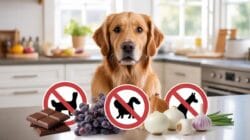
Table scraps introduce high fat levels that a dog’s pancreas cannot handle. Human foods often contain oils, seasonings, and sugars that irritate the intestinal lining. These fats trigger gallbladder contractions and speed up waste transit time. High fat intake also risks secondary issues like pancreatitis. Stick to a controlled diet to maintain bowel consistency. Avoid giving your dog leftovers if you want to prevent sudden digestive distress.
The love of a dog is a pure thing, and tending to their small physical upsets is just another way we honor that lifelong bond. Understanding their quiet discomfort allows us to restore the wag to their tail and the peace to our shared home.
Choosing The Best Dog Food To Support A Healthy And Stable Gut
Select dog food based on ingredient transparency and biological value. Quality kibble uses named meat meals rather than vague animal derivatives. High protein digestibility reduces the load on the lower intestine. Look for fermentable fibers like beet pulp or chicory root. These fibers feed beneficial gut bacteria. A stable gut environment prevents the inflammation that leads to chronic loose stools and gas.
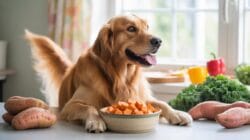
Consistency is the most important factor for long term gut health. Find a formula that works and stick to it strictly. Ensure the food meets AAFCO standards for a balanced nutrient profile. Avoid products with excessive fillers or artificial dyes that offer no nutritional value. Clean ingredients minimize the risk of food sensitivities. A predictable diet ensures the digestive tract functions at peak efficiency without unnecessary interruptions.
Infections Parasites And Viruses As Common Dog Diarrhea Causes
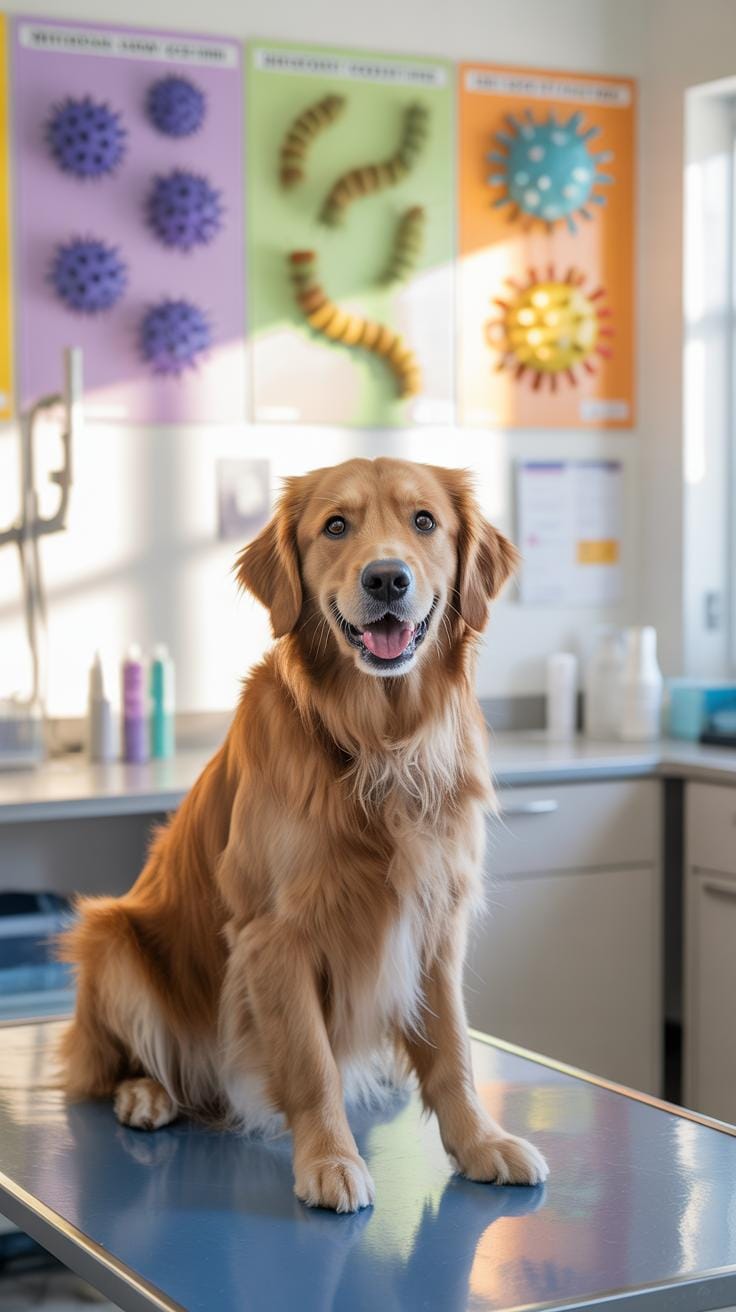
Bacterial And Viral Infections That Disrupt Your Dog’S Digestive Health
Pathogenic bacteria like Salmonella and Campylobacter invade your dog through raw meat or contaminated water. These pathogens attack the intestinal lining directly. This causes inflammation and rapid fluid loss. Your dog cannot absorb nutrients properly when these bacteria multiply. You will see liquid stools and lethargy. You must act fast because bacterial overgrowth can lead to sepsis. Sepsis is a life-threatening blood infection.
Viral threats like Parvovirus and Distemper represent the highest risk level. Parvovirus destroys the cells in the small intestine. This results in severe bloody diarrhea and dehydration. High-density areas like dog parks or shelters increase exposure risks. Vaccinations provide the only reliable defense against these specific viruses. You should monitor for fever and vomiting alongside sudden bowel changes. These signs indicate a standard upset has become a medical emergency.
Intestinal Parasites In Dogs: Roundworms, Giardia, And Hookworms
Intestinal parasites steal nutrients and damage the gut wall. Roundworms often appear in puppy stools as thin white strands. They live in the small intestine and interfere with digestion. Hookworms attach to the intestinal lining to feed on blood. This leads to dark or tarry diarrhea. Dogs pick up these worms by swallowing eggs in contaminated soil. Regular deworming protocols prevent these infestations from causing chronic damage.
Giardia involves microscopic protozoa rather than visible worms. Dogs ingest these organisms from stagnant water or feces. Giardia prevents the gut from absorbing fats. This creates greasy and foul smelling diarrhea. Some parasites also pose a risk to humans in the household. You need a fecal exam from a vet to identify these hidden invaders. Proper sanitation and clean water sources are the best tactical defenses against parasitic outbreaks.
Stress Anxiety And Environmental Factors That Affect Dogs
How Emotional Stress Triggers Gastrointestinal Upset In Dogs
The brain and the gut connect through the vagus nerve. When a dog feels fear or anxiety, the body releases cortisol and adrenaline. These hormones trigger a flight or fight response. This process speeds up rhythmic contractions in the colon. High motility pushes waste through the system too quickly. The intestines cannot absorb water fast enough. This leads to immediate loose stools or watery diarrhea.
Chronic stress causes physical changes in the intestinal lining. Persistent anxiety weakens the gut barrier and disturbs healthy bacteria. This imbalance makes the digestive tract sensitive to even small dietary changes. Owners often notice this after loud events like fireworks or thunderstorms. You must stabilize the dog’s environment to stop the chemical cycle. Reducing emotional triggers is the fastest way to restore normal bowel function and gut health.
Environmental Changes And New Surroundings That Can Cause Loose Stools
Moving to a new house or boarding at a kennel creates high environmental pressure. Dogs rely on routine and familiar scents to feel secure. A change in location disrupts their sense of safety. This shift puts the autonomic nervous system on high alert. Physical movement and new sounds stimulate the bowels. Vet clinics call this stress colitis. It is a common reaction to sudden geographic changes.
Travel also impacts the digestive system through motion and climate shifts. Long car rides or plane trips cause physical fatigue and internal tension. Even a new person living in the home alters the social hierarchy. These factors force the dog to adapt constantly. If the dog cannot relax, the digestive tract remains inflamed. You should monitor the dog closely during transitions. Providing familiar items like bedding helps regulate their internal biological response.
Bland Diet As A First Line Dog Remedy For Mild Diarrhea
What A Bland Diet Is And Why Vets Recommend It For Digestive Recovery
A bland diet provides simple carbohydrates and lean proteins that the canine gut can process with minimal effort. Veterinarians recommend this approach because it reduces the workload on the pancreas and small intestine. When a dog has diarrhea, its digestive lining is inflamed and sensitive. Feeding complex fats or fibers worsens this irritation. A bland diet allows the system to rest while maintaining necessary caloric intake.
The goal of this dietary strategy is to firm up the stool quickly. These foods absorb excess water in the colon and slow down gastric emptying. This process helps prevent dehydration and electrolyte loss during mild bouts of upset. If the dog shows no vomiting or lethargy, this food shift acts as a primary tool for recovery. It bridged the gap between illness and a return to regular nutrition.
Bland Diet Ingredients And How To Transition Your Dog Back To Normal Food
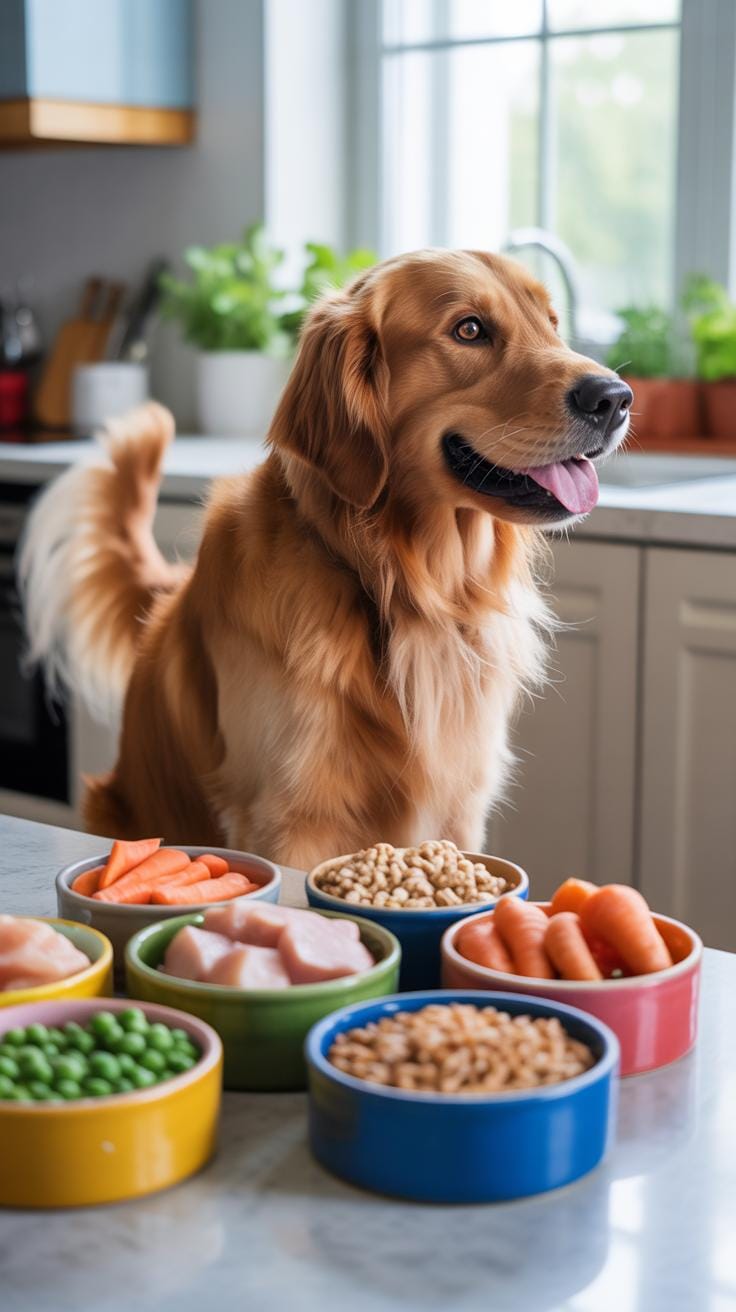
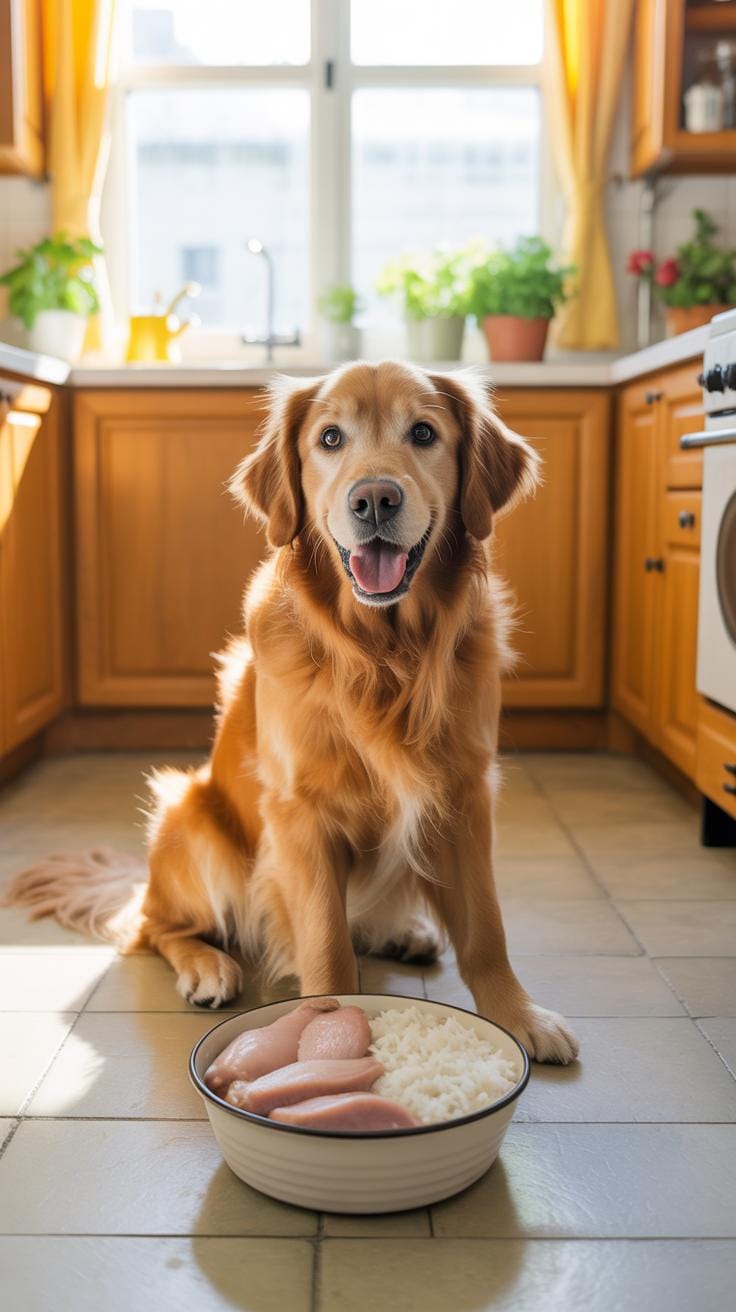
Select high-quality, low-fat ingredients to prepare a bland meal at home. The standard ratio consists of two parts starch to one part protein. Avoid using any oils, salts, or seasonings during the cooking process. These additions can trigger further gastric distress and delay the healing process. Stick to boiled methods to ensure the food remains soft and easy for the dog to swallow and digest.
- Boiled Chicken Breast: Use skinless and boneless white meat only. Boiling removes excess fats that can trigger pancreatitis or worsen diarrhea. Shred the meat into small pieces to ensure the dog can digest the protein without straining its sensitive stomach lining.
- White Rice: Steam or boil plain white rice until it is soft and slightly overcooked. Unlike brown rice, white rice has a low fiber content. This makes it very easy to digest and helps bind the stool by absorbing moisture in the intestinal tract.
- Lean Ground Beef: Choose a very high lean-to-fat ratio for this protein source. Boil the beef in water and drain all the grease before serving it. This serves as an alternative for dogs with poultry allergies while keeping the fat content low for recovery.
- Plain Pumpkin: Add a small amount of canned 100 percent pure pumpkin puree to the meal. Pumpkin contains soluble fiber that regulates the speed of digestion. Ensure the product is not pumpkin pie filling, which contains toxic xylitol or sugar and spices that irritate the gut.
- Low Fat Cottage Cheese: Offer a small spoonful of low-fat cottage cheese if the dog can tolerate dairy. It provides a highly digestible protein source and essential electrolytes. Monitor the dog closely for any signs of lactose intolerance, which could potentially cause additional gas or bloating.
Transition the dog back to regular kibble slowly over three to five days. Start by mixing seventy-five percent bland food with twenty-five percent regular food. If the stool remains firm, increase the ratio of regular food daily. Rapidly switching back to heavy fats or fibers can cause a relapse of diarrhea. Monitor the dog’s waste consistency during every meal change to ensure the digestive tract has fully recovered.
Effective Dog Remedies To Help Your Dog Feel Better At Home
Safe And Proven Home Remedies For Mild Dog Diarrhea Including Hydration Tips
Manage mild cases by resting the digestive system immediately. Stop all solid food for twelve to twenty-four hours to reduce gut inflammation. This fasting period allows the intestinal lining to recover without processing new waste. Ensure your dog has constant access to fresh water during this time. Dehydration is the primary risk when fluids leave the body faster than the dog consumes them.
- Bland Diet: Feed boiled white meat chicken and white rice after the fasting period ends. Remove all skin and bone from the meat. This combination is easy to digest and provides necessary energy without stressing the colon. Give small portions multiple times per day.
- Plain Canned Pumpkin: Use 100 percent pure pumpkin puree rather than pie filling. Pumpkin contains soluble fiber that absorbs excess water in the GI tract. This helps firm up loose stools quickly. Start with one tablespoon for every twenty pounds of body weight.
- Electrolyte Solutions: Add unflavored pediatric electrolyte drinks to the water bowl. This replaces essential salts lost during bouts of diarrhea. Maintaining electrolyte balance prevents lethargy and organ stress. Ensure the product contains no xylitol or artificial sweeteners which are toxic to dogs.
- Probiotics: Administer high quality canine specific probiotics to restore healthy gut bacteria. Diarrhea flushes out the good microbes needed for proper digestion. Supplementing these bacteria speeds up recovery time. Use powders or capsules designed specifically for a dog’s unique internal pH level.
- Bone Broth: Offer low sodium beef or chicken bone broth to encourage fluid intake. The nutrients in the broth support gut health and provide hydration for dogs refusing plain water. Make sure the broth contains no onions or garlic. These common human ingredients can cause red blood cell damage.
Monitor the frequency and consistency of the stool throughout the home treatment process. Reintroduce regular kibble slowly over three days by mixing it with the bland diet. Start with twenty-five percent regular food and seventy-five percent bland food. Increase the ratio of regular food daily if the stool remains firm. Quick dietary changes often cause a relapse of the original symptoms.
When Home Remedies Are Enough And When They Fall Short
Home care works for adult dogs with normal energy levels and clear eyes. If the dog is playful and drinks water, the issue is likely a simple dietary indiscretion. Most mild cases resolve within forty-eight hours of starting a bland diet. You can manage these situations without expensive clinical intervention. Stick to the protocol and avoid giving any rich treats or human scraps during recovery.
Transition to professional medical care if you see blood or if the dog acts lethargic. Puppies and senior dogs dehydrate rapidly and require immediate veterinary attention. High fever or persistent vomiting alongside diarrhea indicates a serious infection or obstruction. Do not wait more than twenty-four hours if symptoms do not improve. Standard home remedies cannot fix parvovirus, parasites, or organ failure that require prescription medication.
Recognizing Dog Constipation Symptoms Alongside Diarrhea Episodes
How To Tell The Difference Between Dog Constipation Symptoms And Diarrhea
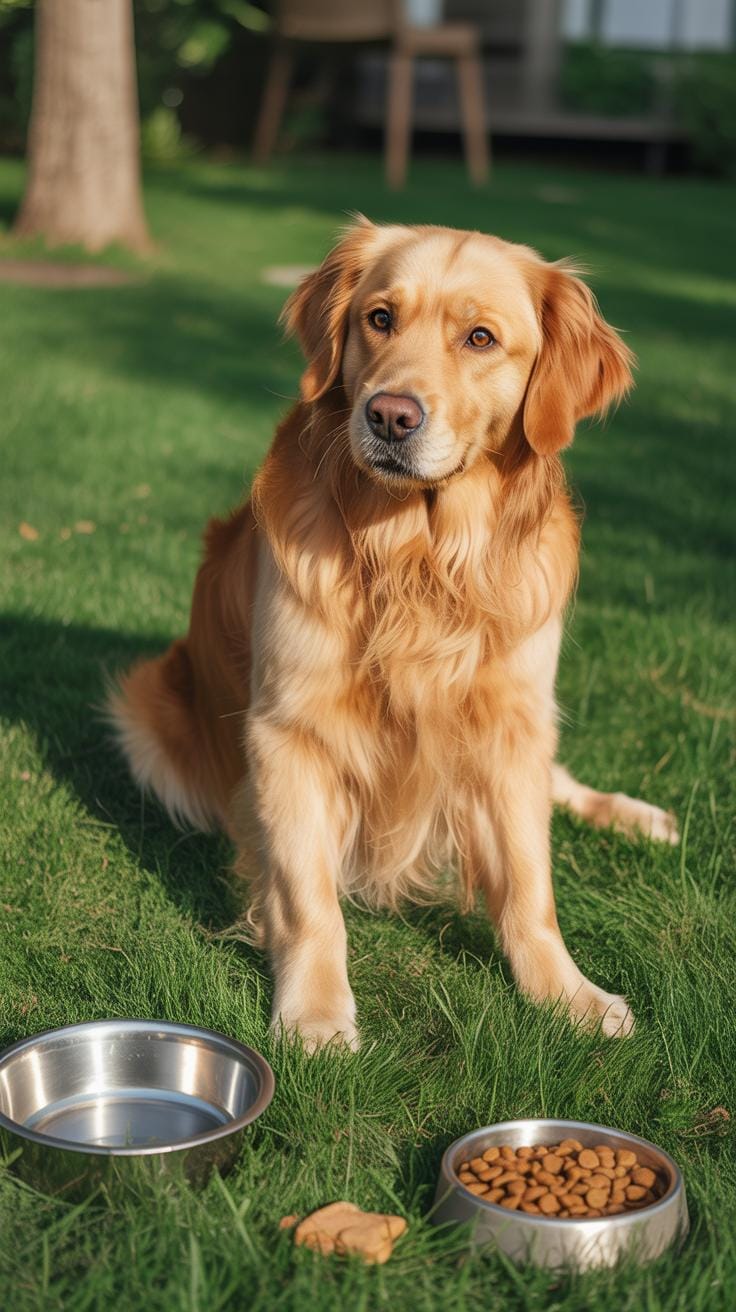
Dog owners often mistake tenesmus for constipation. Tenesmus is the urge to defecate even when the bowels are empty. It frequently occurs during severe diarrhea bouts. Your dog may strain or hunch for long periods without producing stool. This behavior creates a false appearance of constipation. You must observe the stool quality from previous hours to identify the actual underlying issue correctly.
True constipation results in hard and dry stools that are difficult to pass. This condition differs from the liquid or loose movements seen in diarrhea cases. Some dogs experience paradoxical diarrhea where liquid stool leaks around a hard fecal blockage. If your dog strains but only releases small amounts of liquid, a blockage might exist. Watch for vocalizing or visible pain during these attempts to differentiate the two.
What To Give A Dog For Constipation And How Diet Plays A Key Role
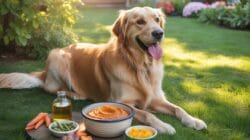
Hydration is the first tactical fix for a constipated dog. Water softens the stool and aids movement through the colon. You can add low sodium broth to their water bowl to encourage drinking. Dietary fiber also plays a vital role in regulating bowel movements. Canned pumpkin provides soluble fiber that absorbs water and adds bulk to the stool. High quality fiber promotes regular muscle contractions.
Exercise helps stimulate the digestive tract and moves waste forward. A brisk walk often triggers a bowel movement in mildly backed up dogs. Avoid giving your dog over the counter human laxatives without direct veterinary approval. These products can cause severe dehydration or chemical imbalances. Stick to simple dietary adjustments like adding moisture to dry kibble. Consistent feeding schedules help maintain a predictable and healthy digestive rhythm.
When To Seek Veterinary Care For Your Dogs Diarrhea
Warning Signs That Mean Your Dog Needs Immediate Veterinary Care
Identify red flags immediately to prevent life-threatening complications. Diarrhea combined with lethargy, vomiting, or a fever requires an urgent clinic visit. Watch for blood in the stool, which appears as bright red streaks or dark, tarry deposits. These signs indicate internal trauma or severe infection. Owners must monitor gum color. Pale or tacky gums signal dehydration or shock. Act fast when these symptoms occur.
Assess the frequency and duration of the illness accurately. If the diarrhea lasts more than forty-eight hours, the risk of electrolyte imbalance increases significantly. Very young puppies and senior dogs have less physical reserve. They can deteriorate in a matter of hours. Professional intervention is mandatory if your dog acts painful or has a bloated abdomen. Early diagnosis prevents minor ailments from becoming fatal medical emergencies.
What To Expect During A Vet Visit For Persistent Or Severe Dog Diarrhea
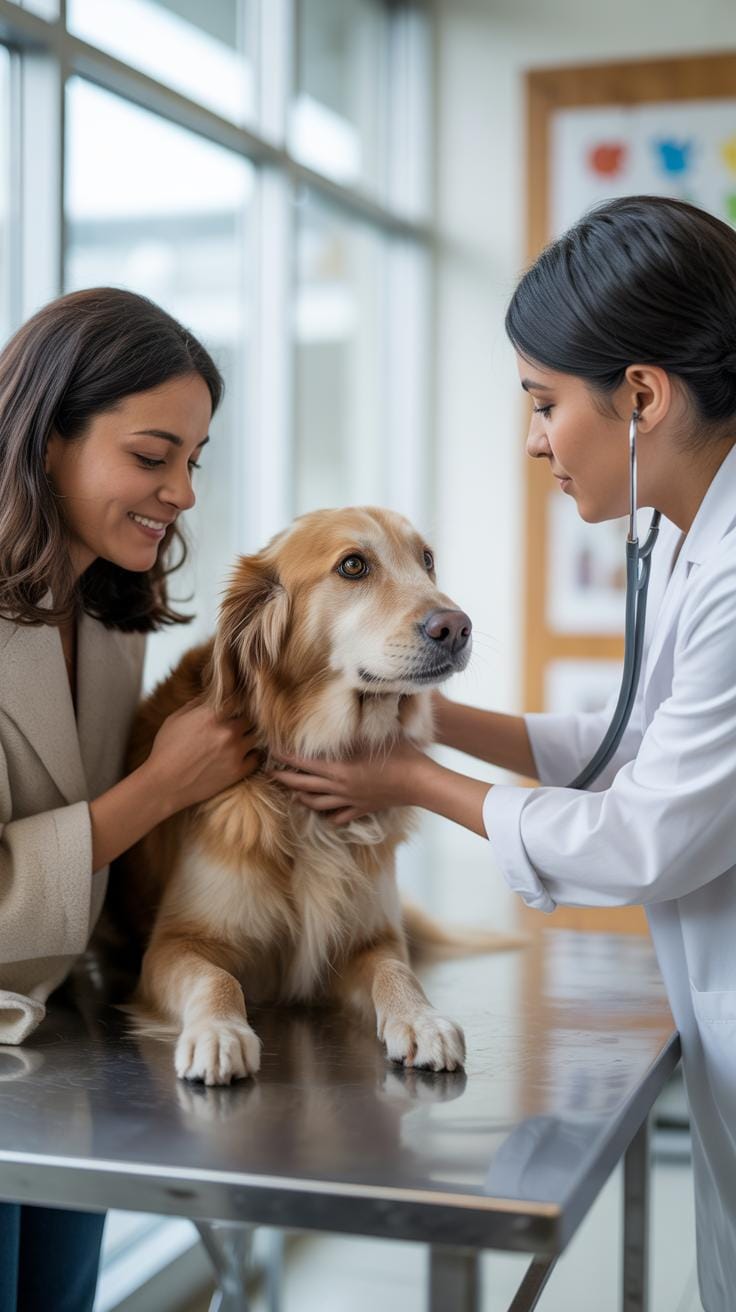
The veterinarian will start with a physical exam and a detailed history. Expect questions about your dog’s diet, recent travel, and toxin exposure. You should bring a fresh stool sample for immediate testing. The staff will check for parasites, bacteria, and protozoa like Giardia. Blood work is often necessary to check organ function and hydration levels. These tests provide a clear roadmap for effective treatment.
Advanced cases may require diagnostic imaging like X-rays or ultrasound. These tools help the doctor find intestinal obstructions or tumors. Treatment focuses on stabilizing the animal through subcutaneous or intravenous fluids. The vet may prescribe specific medications to stop the diarrhea or target an infection. Follow all discharge instructions exactly to ensure a full recovery. Consistent monitoring at home is the final step in this process.
Frequently Asked Questions

What are the most frequent triggers for sudden digestive issues in dogs?
Understanding common dog diarrhea causes is the first step in helping your pet feel better. Most cases stem from dietary indiscretion, such as eating table scraps or garbage. Other frequent culprits include sudden changes in kibble brands, intestinal parasites, bacterial infections, or emotional stress. If the stool is loose but your dog is otherwise acting normal, it is likely a minor reaction to something they ingested recently.
How can I safely treat my dog’s mild diarrhea at home?
For mild cases, start by fasting your adult dog for 12 to 24 hours to let their digestive tract rest. Afterward, introduce a bland diet consisting of boiled white meat chicken and plain white rice. This gentle approach addresses many dog diarrhea causes effectively. Gradually transition back to their regular food over several days once the stool firms up, ensuring they have constant access to fresh water to prevent dehydration.
Are there affordable household remedies to help firm up my dog’s stool?
Yes, you can use budget-friendly pantry staples to aid recovery. Plain, canned pumpkin puree—not the spiced pie filling—is an excellent source of soluble fiber that helps regulate digestion. Another low-cost option is plain Greek yogurt, which provides natural probiotics to balance gut bacteria. These accessible remedies are great for minor upsets, but always consult a veterinarian if symptoms persist, as professional care is essential for more serious underlying health conditions.