
Can Dogs Eat Grapes The Short And Critical Answer

Why Grapes Are Considered Toxic To Dogs
Grapes and raisins cause sudden kidney failure in dogs. Veterinary researchers identified tartaric acid and potassium bitartrate as the specific toxins responsible for this reaction. These substances exist in high concentrations within grapes. When a dog eats them, the compounds attack the renal system directly. This leads to a rapid loss of organ function. You must treat every ingestion as a medical emergency.
The canine body cannot process these organic acids efficiently. This metabolic failure causes immediate cellular damage to the kidneys. Unlike other food toxins, the reaction does not depend on the age or health of the dog. Even a healthy animal can suffer complete renal shutdown within hours. Early symptoms often include vomiting or lethargy. Do not wait for these signs to appear before seeking professional help.
There Is No Safe Amount: Even Small Quantities Can Be Harmful
Toxicology reports show that there is no established safe dose for grapes. Some dogs suffer life-threatening reactions after eating just one or two fruits. This unpredictable sensitivity makes every grape a potential killer. Size and weight do not provide a safety buffer. A large breed can die from the same small amount as a toy breed. The risk remains absolute regardless of the dog.
Individual tolerance varies wildly between different dogs. Veterinary experts cannot predict which animals will react more severely to the toxin. Because the threshold for poisoning is unknown, you must enforce a zero-tolerance policy. Never use grapes as treats or rewards. Keep all grape products and raisins out of reach. If your dog consumes any amount, contact a veterinarian or animal poison control immediately.

Can Dogs Eat Raisins Understanding Why Dried Grapes Are Even More Dangerous
Are Raisins Bad For Dogs? What Veterinary Science Tells Us
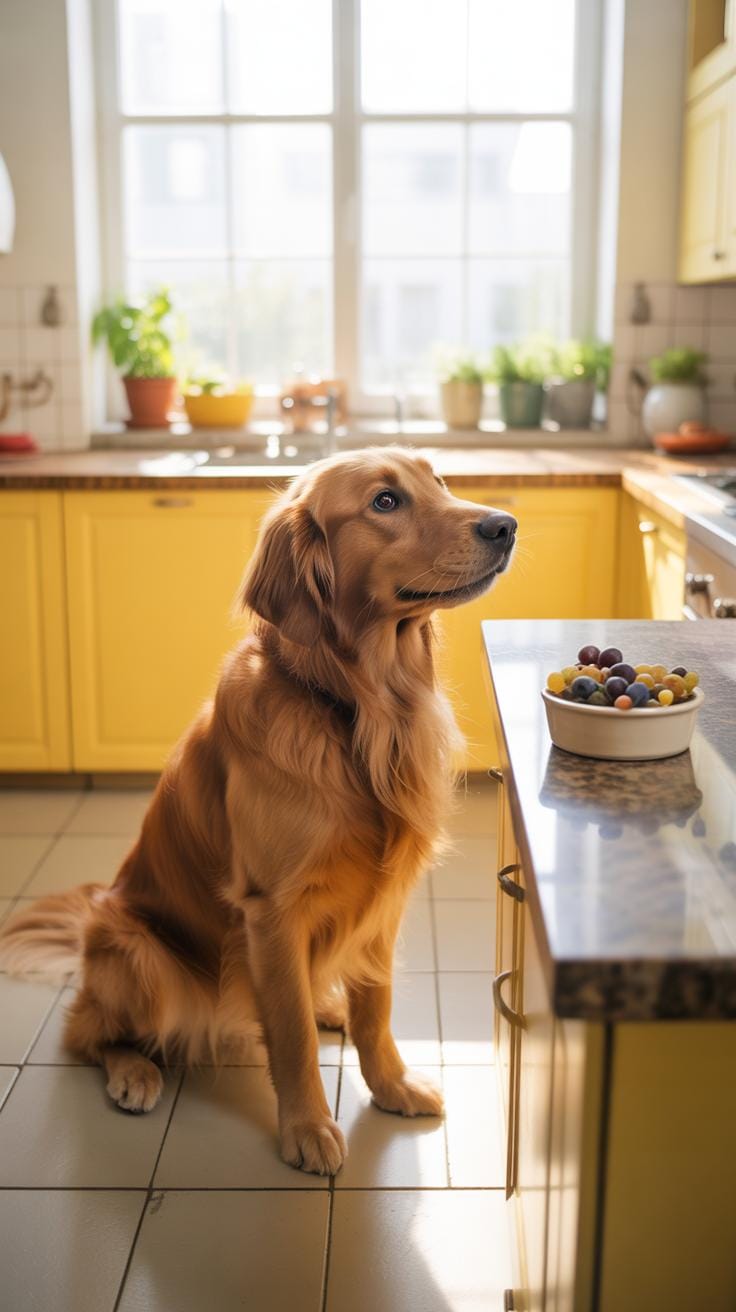
Veterinary science confirms raisins are highly toxic to dogs. Ingestion causes sudden kidney failure in many cases. Researchers identified tartaric acid and potassium bitartrate as the toxic components within the fruit. Dogs cannot metabolize these substances correctly. The toxins cause rapid damage to the renal tubules. This damage prevents the kidneys from filtering waste out of the bloodstream.
Death can occur within days of consumption. Any amount of raisin intake represents a medical emergency. Clinical signs include vomiting and lethargy followed by complete kidney shutdown. Vets look for elevated creatinine and phosphorus levels in blood tests. Quick intervention is the only way to save the animal. Do not wait for symptoms to appear before seeking professional help at a clinic.
Why Raisins Pose A Higher Concentration Risk Than Fresh Grapes
Raisins are dried grapes that have lost most of their water content. This dehydration process shrinks the fruit but leaves the toxins intact. A raisin contains the same amount of tartaric acid as a large fresh grape. Because raisins are small, dogs often eat more of them. This leads to a massive dose of poison in a very short period.

The density of the toxin makes raisins far more lethal by weight. A handful of raisins contains significantly more poison than a handful of fresh grapes. Small dog breeds face extreme risk from just one or two raisins. The concentrated sugar and fiber in the dried fruit do not change the toxicity levels. You must treat every raisin as a potent delivery system for renal poison.
The Unknown Toxin Why Scientists Still Cannot Fully Explain Grape Toxicity In Dogs

What Research Has Uncovered So Far About The Toxic Compound
Veterinary researchers spent decades searching for the specific trigger in grapes. They examined pesticides, heavy metals, and fungal toxins without success. Recent studies now point toward tartaric acid and its salt, potassium bitartrate. Dogs have a unique inability to process these substances. This failure leads to rapid cellular damage within the kidneys. High concentrations of these compounds appear in grapes and raisins.
The scientific community previously missed this link because tartaric acid levels vary by grape variety and ripeness. This discovery explains why some dogs react violently while others seem unaffected. Research confirms the toxin causes acute renal failure by destroying the proximal tubules. While the tartaric acid theory gains ground, labs still work to finalize the exact metabolic pathway. Knowledge of this mechanism changes how clinics treat exposure.
Why The Mystery Makes It Even More Dangerous For Dog Owners
The lack of a defined toxic dose creates extreme risk for every dog. Science cannot predict how much fruit will cause a fatal reaction. Some dogs eat several grapes and survive with minor symptoms. Others suffer total kidney failure after consuming just one fruit. This inconsistent response makes “wait and see” a deadly strategy. You cannot rely on past experiences or the size of your pet.

Emergency veterinarians must treat every ingestion as a life-threatening event. No test currently exists to measure the toxin level in a dog’s blood. Doctors rely entirely on clinical signs after the damage starts. Decontamination must occur immediately to prevent the kidneys from absorbing the unknown amount of acid. The uncertainty means you must act fast. Delaying medical help often results in irreversible organ damage or death.
Recognizing The Warning Signs Symptoms Of Grape Or Raisin Poisoning In Dogs
Early Symptoms That Appear Within Hours Of Ingestion
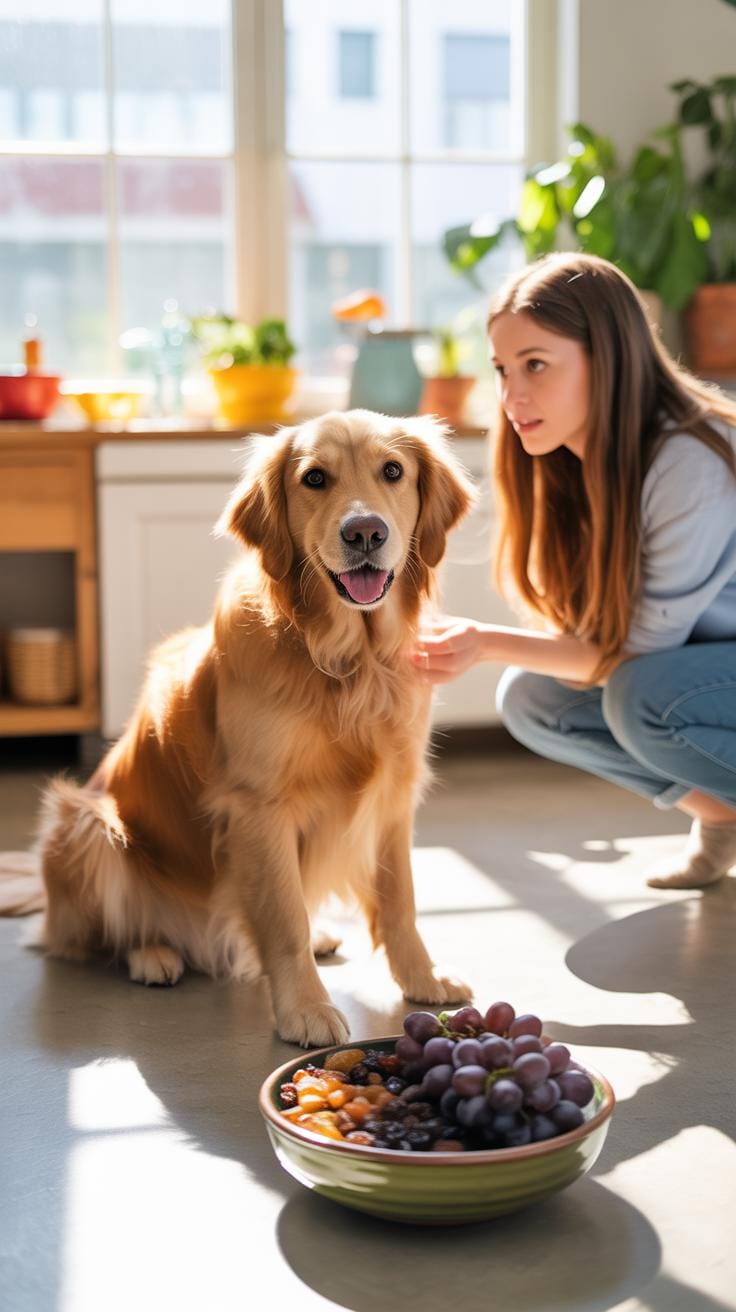
Grape toxicity begins rapidly after ingestion. The digestive system reacts to the unknown toxin found in the fruit skin or flesh. Owners must monitor their dogs for immediate physical changes. Most dogs show the first signs of distress within six to twelve hours. Early detection is clinical and time-sensitive. You must watch for behavioral shifts and physical refusal of food or water immediately.
- Vomiting: This is typically the first sign of poisoning. It usually occurs within the first twenty-four hours after the dog eats the fruit. The vomit may contain undigested grape skins or whole raisins which confirms ingestion and requires an immediate emergency vet visit.
- Lethargy: Dogs will show a sudden and significant drop in energy levels. They may refuse to play or move from their bed. This weakness occurs as the body starts to process the toxin and the internal organs begin to experience initial stress and metabolic dysfunction.
- Loss of Appetite: Affected dogs will suddenly refuse treats or their regular meals. Anorexia is a key clinical sign that the gastrointestinal tract is inflamed or the kidneys are struggling. This refusal to eat often accompanies the initial waves of nausea and stomach pain in the animal.
- Diarrhea: The dog may have loose stools or bloody diarrhea shortly after eating grapes. This indicates severe gastrointestinal irritation. It contributes to dehydration which accelerates the damage to the renal system. Rapid fluid loss makes the dog significantly more vulnerable to the toxic effects of the fruit.
- Abdominal Pain: Dogs might act tender when you touch their stomach area. They may arch their backs or hide due to discomfort. This physical pain signals that the toxin is actively causing inflammation. It is a tactical indicator that the poisoning is progressing past the initial stage.
Secondary symptoms often mirror general sickness but require urgent action. Dehydration becomes a major factor as the dog loses fluids through vomiting. You will notice dry nose and pale gums. If your dog stops producing urine, the situation has moved into a critical phase. Do not wait for symptoms to worsen. Medical intervention at this early stage provides the best chance for a full recovery.
How Grape Toxicity Progresses To Acute Kidney Failure If Left Untreated
As the toxin remains in the system, it attacks the renal tubules. The kidneys lose their ability to filter systemic waste products from the blood. This failure leads to a buildup of nitrogen and creatinine. The dog will eventually stop producing urine entirely which is a condition called anuria. Once the kidneys shut down, the body enters a state of total metabolic collapse.

The final stages of poisoning involve neurological and systemic failure. You may see tremors, seizures, or a coma as toxins reach the brain. Most dogs will succumb to kidney failure within forty-eight to seventy-two hours without aggressive hospitalization. Fluids and supportive care are the only way to manage this progression. Once the damage to the kidney tissue is complete, it is usually permanent and fatal.
What To Do If Your Dog Eats Grapes Immediate Steps And Veterinary Care
How Quickly You Need To Act And Who To Call First
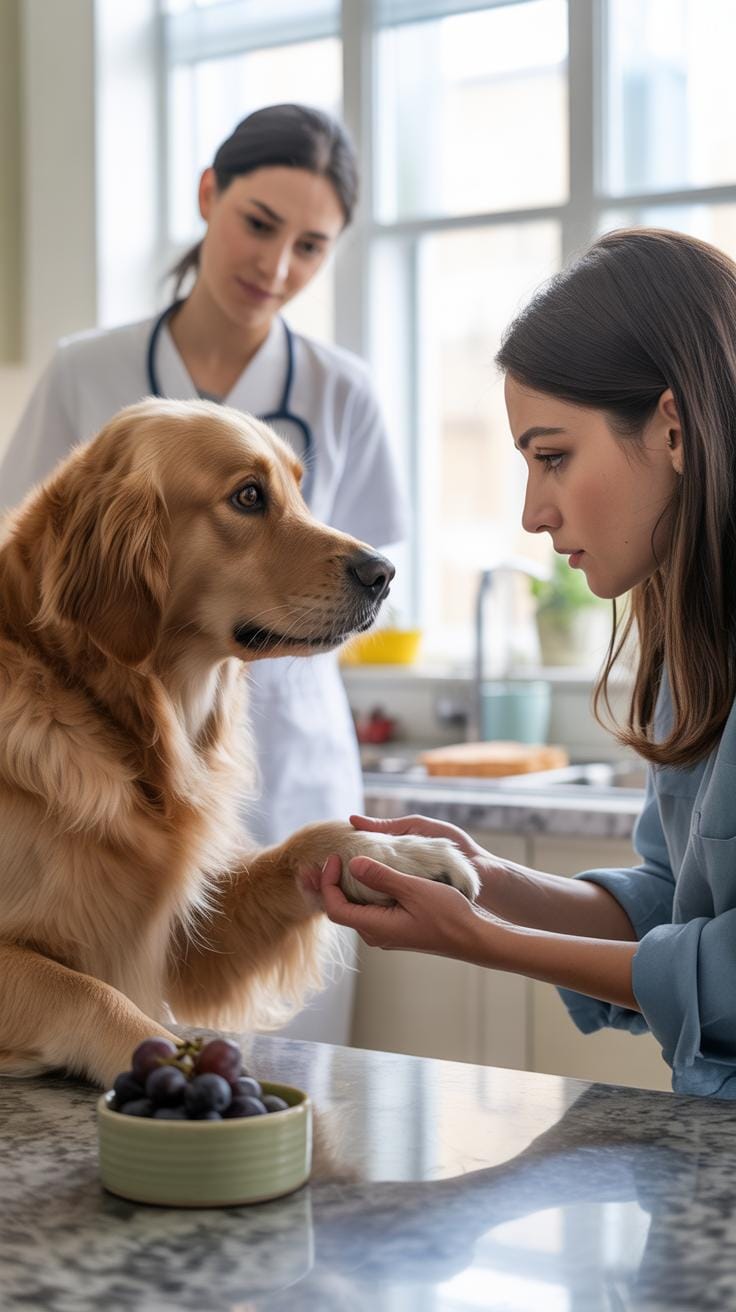
Time determines the survival of your dog after grape ingestion. You must act within minutes rather than hours to prevent kidney failure. Do not wait for symptoms like vomiting or lethargy to appear. Physical signs often mean the toxin already entered the bloodstream. Contact your primary veterinarian or the nearest emergency animal hospital immediately. Speed is your only tactical advantage in this situation.
Call the ASPCA Animal Poison Control Center or the Pet Poison Helpline while you drive. These experts provide a case number for your vet. This number gives the medical team instant access to specific toxicological data. Tell them the exact time of ingestion and the quantity consumed. Do not induce vomiting at home unless a licensed professional explicitly instructs you to do so over the phone.
Protecting our loyal companions from hidden dangers like grapes is the simplest way to honor the unconditional love they give us every day. Our dogs are not just pets, but the heartbeats at our feet that deserve our utmost care.
What Treatment Options Veterinarians Use For Grape Poisoning
Veterinarians stabilize the patient by stopping toxin absorption and protecting the kidneys. They prioritize decontamination if the ingestion happened recently. The medical team will likely perform blood work to establish a baseline for kidney function. This allows them to monitor creatinine and BUN levels closely over the next forty eight hours. Modern protocols focus on aggressive hydration and constant monitoring to prevent permanent renal damage.
- Decontamination: Vets induce vomiting using apomorphine to remove remaining fruit from the stomach. This step is only effective if performed within two hours of ingestion. It prevents the toxin from reaching the intestines.
- Activated Charcoal: Staff administer this liquid to bind any remaining toxins in the digestive tract. The charcoal prevents the body from absorbing the harmful compounds into the blood. It acts as a final internal chemical barrier.
- Intravenous Fluids: High rate fluid therapy flushes the kidneys and maintains blood pressure. This constant flow helps the body process toxins without stalling the renal system. It is the most critical part of the recovery.
- Blood Monitoring: Techs draw blood every twelve to twenty four hours to check for rising waste levels. These tests prove if the kidneys are failing or recovering. Sharp increases in chemical markers dictate more aggressive care.
- Anti emetics: Doctors prescribe these medications to stop vomiting and nausea during treatment. Keeping the dog comfortable prevents dehydration from fluid loss. It also ensures the dog can hold down necessary oral medications later on.

Hospitalization usually lasts between forty eight and seventy two hours. The dog stays on a constant drip to support organ health. The vet will only discharge the pet once blood values stay within the normal range without fluid support. You must follow all post care instructions to prevent a relapse. Early intervention remains the most effective way to ensure a positive outcome for the dog.
Grapes Are Good For Humans So Why Are They Deadly For Dogs

The Nutritional Benefits Of Grapes For People And Why Dogs Cannot Share Them
Grapes provide humans with high levels of vitamin C, vitamin K, and powerful antioxidants like resveratrol. These nutrients support heart health and reduce inflammation in the human body. Our digestive systems process the natural sugars and acids in the fruit without issue. We benefit from the fiber and hydration found in every grape. Humans have evolved to safely consume these compounds daily.
Dogs lack the specific metabolic pathways to process tartaric acid found in grapes. This acid causes a rapid buildup of toxins in a dog’s bloodstream. While the fruit is a superfood for people, it triggers acute kidney failure in canines. The biological difference is absolute and lethal. Never assume human health foods are safe for pets. A dog’s internal chemistry operates on entirely different rules.
Can Cats Eat Grapes? Comparing Feline And Canine Sensitivity To Grape Toxicity
Cats face the same severe risks as dogs when consuming grapes or raisins. Although reports of cat poisonings are less frequent, the biological threat remains high. Feline kidneys cannot filter the compounds found in the fruit. This leads to the same decreased urine production and eventual organ failure seen in dogs. Veterinary toxicologists treat grape ingestion as a critical emergency for both species.

The primary difference between the two animals is their natural diet. Cats are obligate carnivores and rarely show interest in eating fruit. Dogs are scavengers and will eat almost anything they find on the floor. This behavior makes dogs more likely victims of grape toxicity in a household setting. Despite the lower statistical frequency in cats, the chemical danger is identical. Keep all grape products away from every pet.
Can Dogs Eat Other Fruits Safe Alternatives And What To Avoid When Feeding Dogs
Can Dogs Have Cherries, And Other Fruits That Are Also Dangerous For Dogs
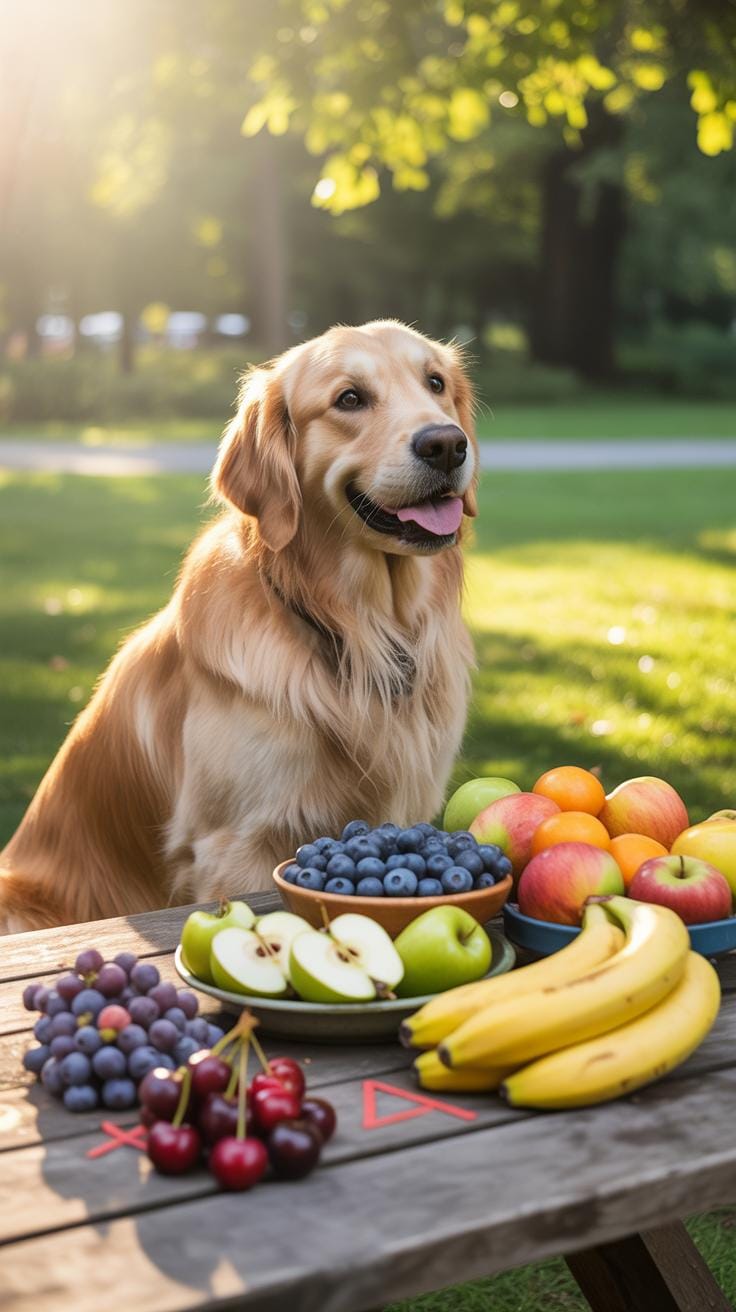
Cherries present multiple hazards to canine health. The pits, stems, and leaves contain cyanide. This toxin prevents cells from transporting oxygen correctly. Dogs that ingest cherry pits face immediate risks of respiratory distress and collapse. Small dogs also risk physical intestinal blockages from swallowing the hard seeds. You must monitor your pet for dilated pupils and red gums if they consume these fruits.
Other common fruits like citrus can cause severe digestive upset. Large amounts of citric acid lead to central nervous system depression. Avocados contain persin, which causes vomiting and diarrhea in many animals. Persin levels vary by variety, but risk remains high for domestic pets. Always remove pits from peaches and plums because they also contain cyanide compounds. Keep these dangerous items out of reach to ensure safety.
Dog Friendly Fruits You Can Safely Offer As Healthy Treats Instead
Blueberries and strawberries offer safe vitamin sources for your dog. These fruits provide antioxidants and fiber without toxic compounds. Wash all fruit thoroughly to remove pesticides before serving. Cut strawberries into small pieces to prevent choking. Limit these treats to ten percent of your dog’s daily calorie intake. High sugar content in fruit can lead to weight gain if fed too frequently.

Apples make excellent snacks when you remove the core and seeds. Sliced apples provide a crunchy texture that helps clean teeth. Bananas offer potassium but contain high sugar levels. Only feed small banana slices as occasional rewards. Watermelon is safe if you remove the rind and all seeds. These options provide hydration and nutrients without the lethal risks associated with grapes or cherry pits.
Can Horses Eat Grapes How Grape Toxicity Differs Across Animal Species

Why Horses Can Safely Consume Grapes Unlike Dogs
Horses can safely eat grapes as an occasional treat. Their digestive systems process the tartaric acid found in grapes differently than dogs. A horse possesses a large, complex hindgut designed to break down tough plant material and various sugars. Large animals like horses often tolerate small amounts of these fruits without suffering internal organ damage or metabolic distress during digestion.
Dogs face fatal risks from even small grape doses because of acute kidney failure. Scientists recently identified tartaric acid as the likely toxic agent for canines. Horses do not share this specific physiological vulnerability. You should still limit grape intake for horses to avoid sugar spikes. Always remove any stems or seeds to prevent choking. Stick to fresh, clean fruit to ensure the horse stays healthy.
Why Dog Owners Should Never Assume What Is Safe For Other Animals Is Safe For Their Pet
Dog owners often make the mistake of projecting human or livestock diets onto their pets. This logic leads to emergency vet visits and tragic outcomes. Animal metabolism varies wildly between species. What fuels a horse or a human can act as a potent poison for a dog. You must evaluate ogni food item based on canine biology alone. Never trust general animal safety labels.

Tactical pet ownership requires verifying every ingredient against dog-specific data. Evolution gave different animals unique enzymes to neutralize specific plant toxins. Dogs lack the necessary pathways to handle compounds found in grapes, raisins, and certain nuts. Do not use your own diet as a blueprint for your dog. Stick to proven safe foods. Research every snack before you let your dog eat it.
Frequently Asked Questions

Is it safe for my pet to have just one or two small grapes?
No, it is never safe to test this. You should never wonder can dogs eat grapes because even a single grape or raisin can lead to sudden kidney failure in some dogs. Toxicity is not necessarily dose-dependent; while some dogs may show no immediate reaction, others can experience severe poisoning from a tiny amount. Since there is no known safe limit, the best practice is to keep this fruit entirely out of reach.
What should I do immediately if I suspect my dog ate a grape?
If you suspect your pet ingested one, contact your veterinarian or a pet poison control hotline immediately. Do not wait for symptoms like vomiting or lethargy to appear, as internal damage can begin quickly. When people ask can dogs eat grapes, the answer is a firm no, so professional intervention—such as induced vomiting or intravenous fluids—is often necessary to flush the toxins and protect your dog’s long-term renal health and recovery.
What are some affordable and safe fruit alternatives to grapes for my dog?
If you are looking for a budget-friendly treat, reach for seedless watermelon, blueberries, or sliced apples instead. These options provide a satisfying crunch and essential vitamins without the high risks associated with toxic snacks. Most of these fruits are inexpensive at local grocery stores and serve as a much healthier reward. Choosing safe, low-cost produce ensures your dog stays happy and hydrated while avoiding the life-threatening complications caused by dangerous foods.