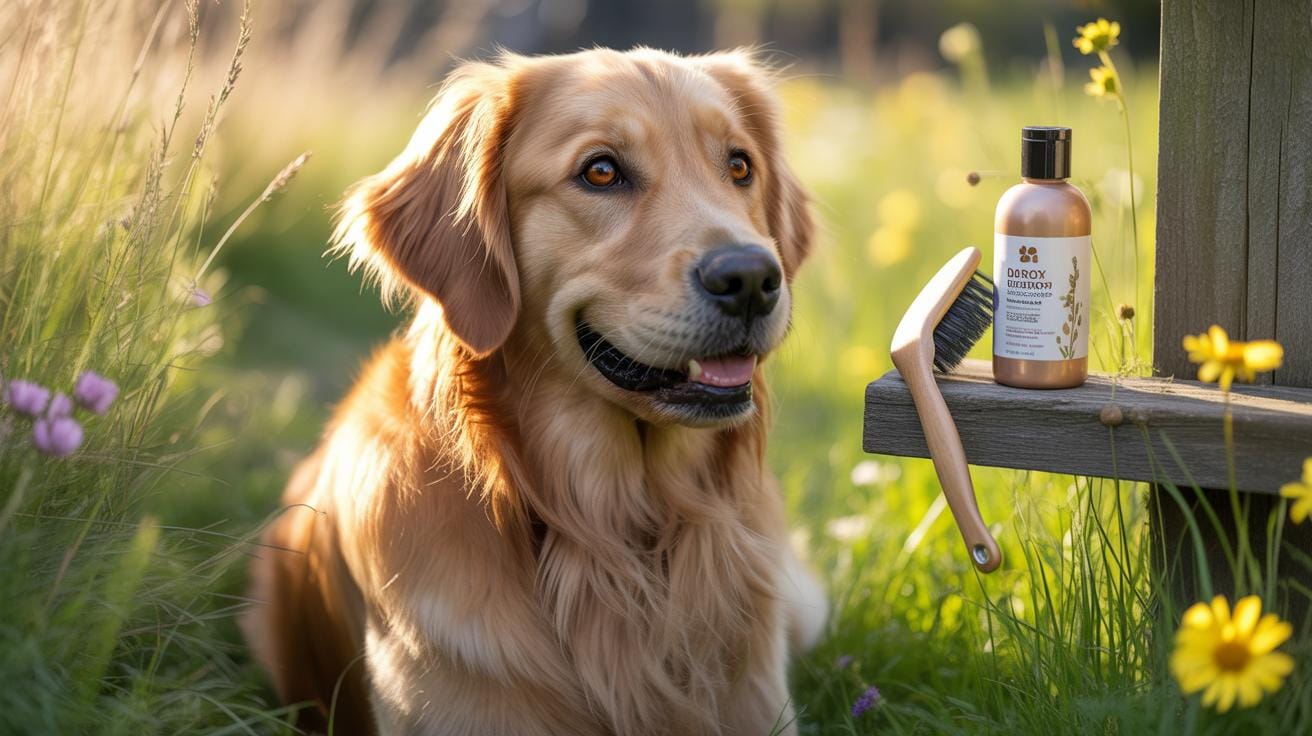
What Is Dog Dandruff And Why Should You Take It Seriously
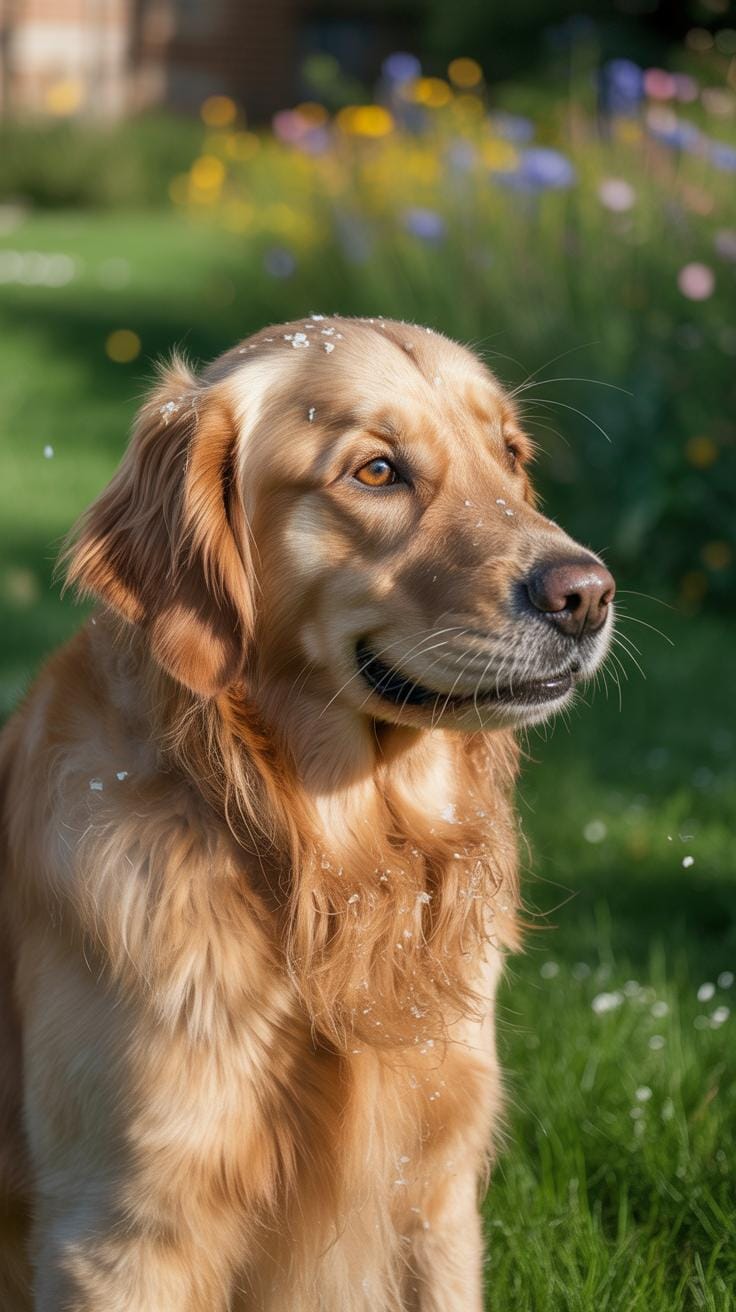
How Dog Dandruff Differs From Normal Shedding
Normal shedding involves the loss of dead hair shafts as part of a natural growth cycle. Most dogs drop hair throughout the year to make room for new growth. You will recognize this by finding loose fur on your furniture or clothes. It is a biological necessity for temperature regulation. Healthy fur should still look shiny and feel smooth to the touch.
Dandruff is a skin condition called seborrhea. It happens when the skin cells turn over too quickly. These dead skin cells clump together and form visible white flakes. Unlike fur, these flakes are skin debris that often stick to the hair or fall onto surfaces. You can tell the difference because dandruff usually comes with dry, brittle hair and itchy, irritated skin patches.
When Dandruff In Dogs Is A Sign Of An Underlying Health Issue
Dandruff is rarely just a cosmetic problem. It often indicates that the skin’s protective barrier has failed. While low humidity can cause dry skin, persistent flaking usually points to internal trouble. Environmental allergies or poor nutrition are common culprits that disrupt skin health. You must identify these root causes immediately to prevent secondary skin infections or chronic inflammation.
Severe flaking can signal dangerous health conditions like Cushing’s disease or thyroid imbalances. Parasites such as Cheyletiella mites also mimic standard dandruff by creating moving white flakes. If the skin smells bad or looks red, the dog needs medical intervention. Ignoring these signs leads to hair loss and open sores. Proper diagnosis ensures you are treating the disease rather than just the symptoms.

The Most Common Dog Dandruff Causes You Need To Know
Dry Skin, Low Humidity, And Environmental Triggers
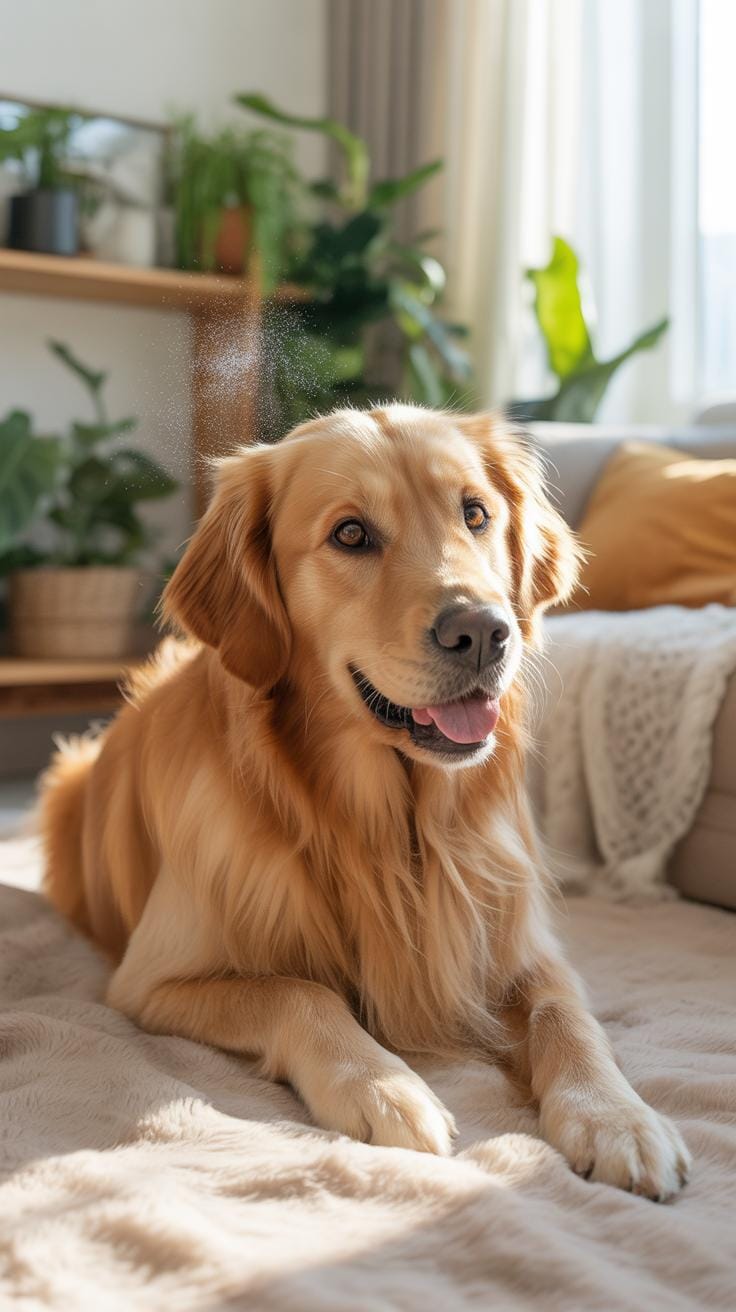
Low humidity levels represent a primary cause of canine seborrhea sicca. During winter months, forced-air heating systems strip moisture from the indoor air. This process dehydrates the canine epidermis quickly. When the skin loses its natural moisture barrier, cells die and flake off prematurely. You will see these white flakes mostly on the back and neck areas where the skin is often the tightest.
Environmental factors beyond air quality also impact skin health. Frequent bathing with harsh detergents strips essential sebum oils from the coat. These oils protect the skin from drying out. Using human shampoos disrupts the natural pH balance of a dog. This imbalance leads to irritation and massive flaking. You must monitor the grooming frequency and the humidity levels in your home to prevent chronic dry skin issues.
Allergies, Parasites, And Fungal Infections As Root Causes
Biological threats often trigger severe dandruff outbreaks. Fleas and mites like Cheyletiorella cause intense itching and skin scaling. This specific mite is often called walking dandruff because it moves under the scales. If your dog scratches constantly, the physical trauma to the skin increases flake production. Parasites require immediate medical intervention to stop the cycle of skin damage and secondary infections that follow untreated infestations.

Internal systemic issues like food or environmental allergies also manifest on the skin. When the immune system overreacts to proteins or pollen, the skin becomes inflamed. This inflammation accelerates the life cycle of skin cells. Fungal infections like ringworm or yeast overgrowth also destroy the skin barrier. These conditions create thick, greasy scales or dry patches. You cannot fix these issues with simple brushing or topical coat conditioners.
Dogs With Dandruff Which Breeds Are More Prone And Why
Breed Specific Skin Conditions That Contribute To Flaking
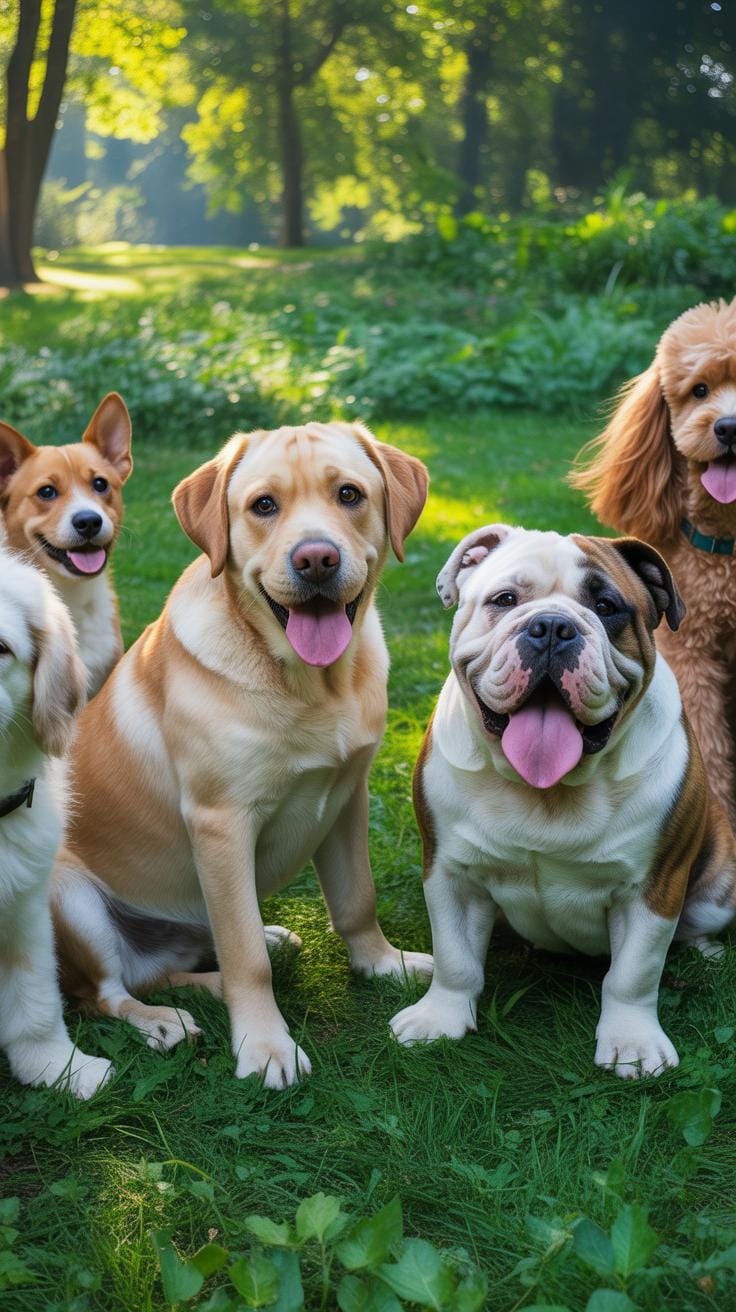
Certain breeds face genetic predispositions to skin disorders that cause chronic flaking. Primary seborrhea is a common culprit in West Highland White Terriers, American Cocker Spaniels, and Basset Hounds. This hereditary condition disrupts the skin cell life cycle. Instead of shedding over weeks, cells regenerate in days. This rapid turnover creates a constant buildup of greasy or dry scales across the dog’s entire body.
Doberman Pinschers and Standard Poodles often suffer from sebaceous adenitis. This inflammatory disease destroys the skin’s oil glands. Without natural sebum, the skin becomes brittle and sheds large silver scales. Owners often mistake this for simple dry skin, but it is a deep structural failure. Proper diagnosis requires a skin biopsy to confirm gland destruction. Managing these genetic traits requires lifelong topical therapy and specific dietary fatty acids.
How Coat Type And Skin Sensitivity Affect Dandruff Risk
Coat structure determines how easily dander accumulates or escapes. Thick double-coated breeds like Siberian Huskies and Alaskan Malamutes trap dead skin cells near the surface. Lack of airflow in the undercoat creates a stagnant environment where flakes collect over time. Regular brushing is mandatory to move these cells out. Failure to groom leads to a thick layer of dander that irritates the skin further.
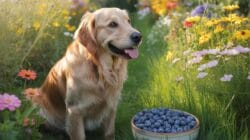
Hairless breeds like the Xoloitzcuintli or Chinese Crested face different risks. These dogs lack a protective fur barrier against environmental pollutants and sun. Their skin dries out rapidly and produces flakes as a defense mechanism. Without hair to absorb oils, the skin becomes hyper-sensitive to touch and temperature. Owners must use specific moisturizers to replace the missing natural protection provided by a standard fur coat.
Puppy Dandruff Is It Normal And What Should You Do About It
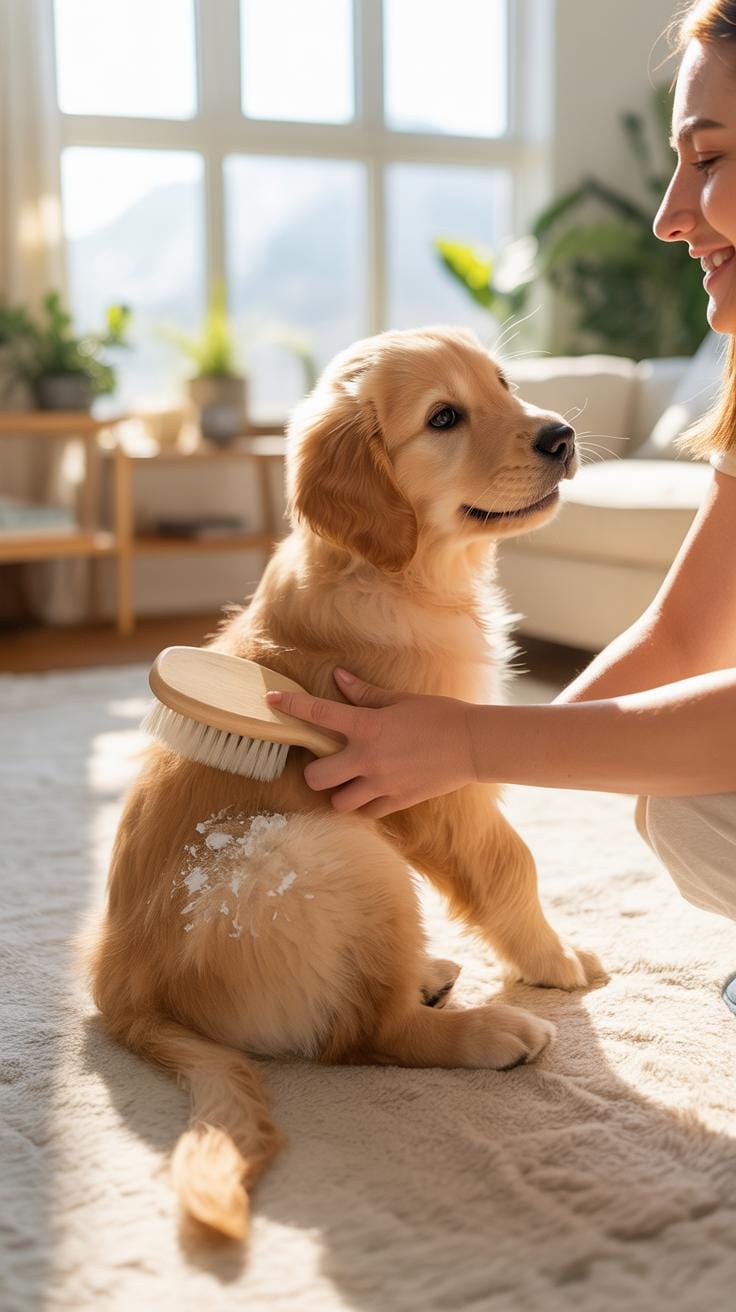
Why Puppies Are More Susceptible To Skin Flaking Than Adult Dogs
Mature dogs have fully developed sebaceous glands that produce protective oils. Puppies lack this functional maturity. Their skin barrier is thinner and loses moisture rapidly. This physiological gap makes them prone to dryness. Rapid growth phases also stress the skin. The body prioritizes organ development over cutaneous health. Frequent shedding of birth coats further complicates the process. Dead skin cells accumulate quickly during this transition period.
Puppies also possess immature immune systems. They are vulnerable to external parasites like Cheyetiella mites. These mites cause walking dandruff which looks like standard flaking. Environmental changes also impact young dogs more severely. Their bodies do not regulate temperature or moisture well yet. Harsh cleaners or low humidity can trigger immediate scaling. You must distinguish between normal growth shedding and parasitic infections. Early intervention prevents long term skin damage.
Safe Puppy Dandruff Remedies That Won’T Harm Sensitive Skin
Eliminate harsh chemical shampoos immediately. Puppies require pH balanced formulas designed specifically for young skin. Use lukewarm water during baths to prevent thermal irritation. Excessive heat strips away the meager oil supply they have. Look for ingredients like colloidal oatmeal or aloe vera. These provide moisture without disrupting the natural barrier. Frequent brushing is also essential. It distributes existing oils across the body and removes dead cells.

Dietary fat intake directly affects skin health. Consult a veterinarian about adding omega three fatty acids to their meals. Use a humidifier in the room where the puppy sleeps. Dry indoor air is a primary cause of non infectious flaking. Avoid over bathing as it worsens the condition. Spot clean only when necessary to preserve the skin barrier. If flaking persists or itches, seek medical testing for mites or fungal issues.
How Nutrition And Diet Play A Role In Pet Dandruff
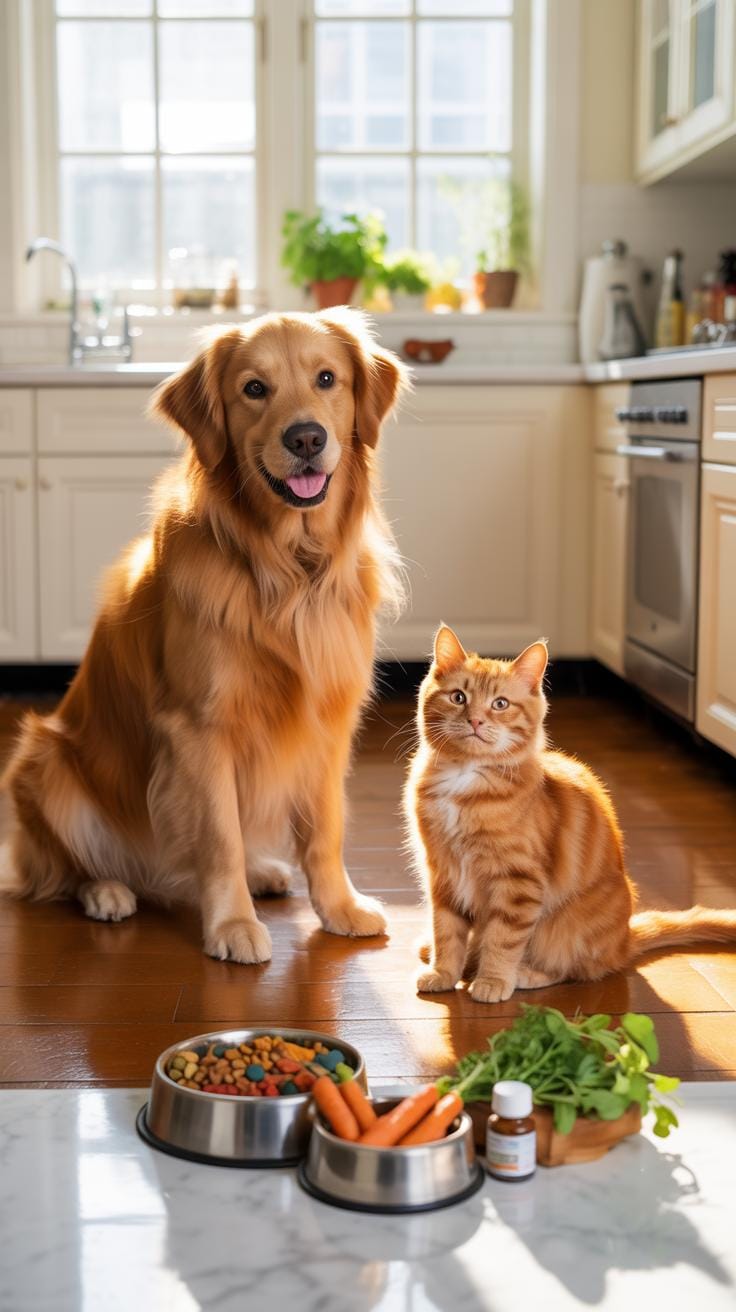
The Link Between Omega Fatty Acid Deficiency And Dry, Flaky Skin
Omega fatty acids are the building blocks of healthy skin. Dogs cannot produce these essential fats on their own. They must get them through their diet to maintain a functional skin barrier. Without enough Omega-3 and Omega-6, the skin loses its ability to retain moisture. This leads to cell death and the visible white flakes commonly known as dandruff. Low-quality kibble often lacks these heat-sensitive nutrients.
A lack of healthy fats triggers structural failure in the epidermis. This breakdown allows water to escape and irritants to enter. The body responds by speeding up skin cell turnover to compensate for the damage. These immature cells accumulate on the surface as dry scales. You see this as chronic flaking across the back and tail. Correcting the diet is the only way to stop this cycle at the cellular level.
Best Foods And Supplements To Support A Healthy Skin Barrier In Dogs
High-quality animal proteins provide the amino acids necessary for keratin production. Keratin keeps the skin tough and resilient against environmental stressors. Look for whole food sources like wild-caught fish or eggs. These ingredients provide highly bioavailable nutrients that the canine body can process quickly. Avoid fillers like corn and soy that offer little nutritional value for the skin. These cheap ingredients often lead to inflammation and poor coat quality.

Supplements can fill the gaps found in standard commercial diets. Cold-pressed salmon oil or krill oil deliver concentrated doses of EPA and DHA. Zinc and Vitamin E also play critical roles in repairing damaged tissue. Always check for freshness because rancid oils will worsen skin inflammation. Introduce new fats slowly to avoid digestive upset. Consistency is key because skin regeneration takes several weeks. Proper nutrition creates a shiny coat and stops dandruff fast.
Dog Dandruff Remedy DIY Home Treatments That Actually Work
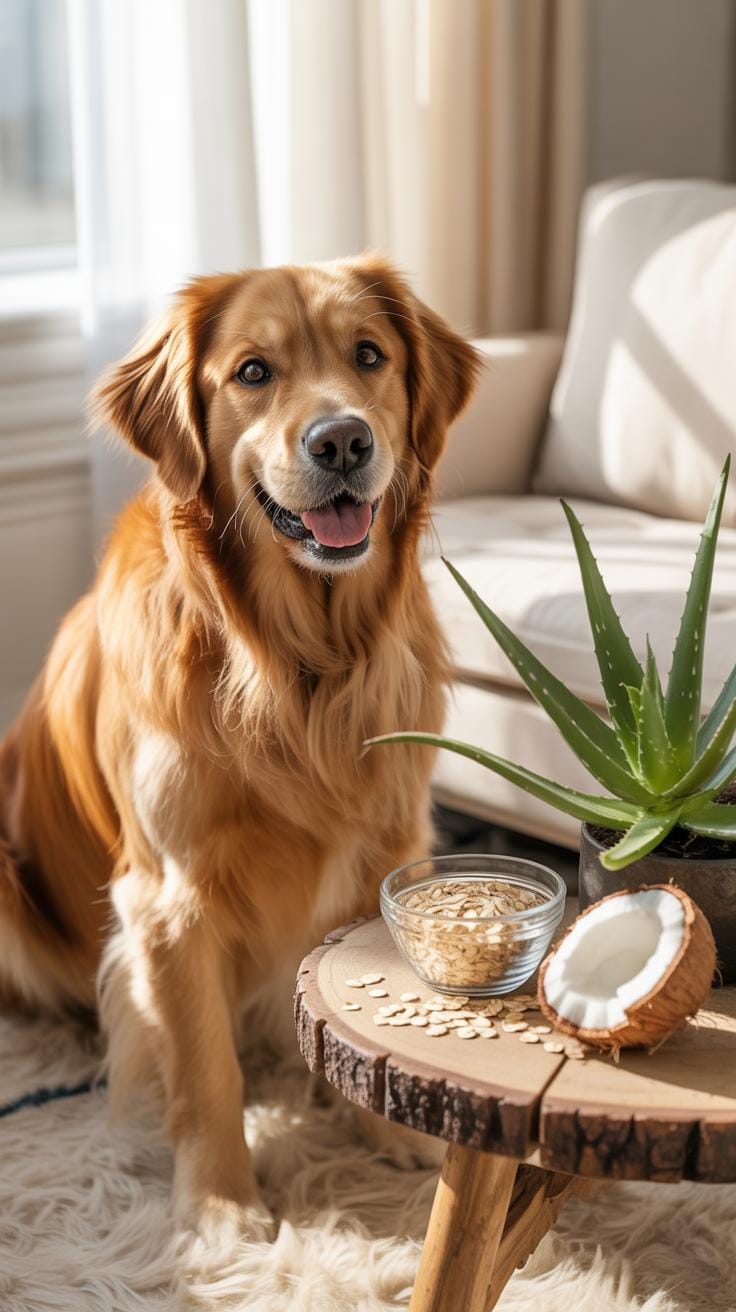
Natural Ingredients You Can Use At Home To Soothe Flaky Dog Skin
Natural oils and household staples provide immediate relief for dry canine skin. These substances restore the epidermal barrier and reduce inflammation without harsh chemicals. Use these ingredients to target localized dry patches or as an additive to bath water. Proper application ensures the skin absorbs the lipids needed to stop the shedding of dead skin cells.
- Coconut Oil: This stable fat contains lauric acid which has antimicrobial properties. Apply a small amount directly to dry patches to hydrate the skin and reduce yeast overgrowth. It creates a physical barrier that prevents moisture loss in harsh environments.
- Oatmeal: Finely ground colloidal oatmeal acts as an anti-inflammatory agent. When mixed with water, it forms a protective film that binds to the skin and provides a buffer against external irritants. It relieves itching and stabilizes the pH levels of the coat.
- Apple Cider Vinegar: A diluted mixture of vinegar and water balances the skin pH. This acidity helps kill surface bacteria and yeast that contribute to flaking. Do not use this on open sores or raw skin as the acid will cause significant pain.
- Aloe Vera: Pure gel from the plant cools the skin surface and reduces redness. It contains enzymes that help repair damaged skin cells and provide deep hydration. Ensure the product does not contain alcohol or artificial fragrances which further irritate the dermal layers.
- Omega-3 Fatty Acids: Adding fish oil to a dog’s diet improves skin health from the inside out. These fatty acids strengthen the cell membranes and regulate oil production in the sebaceous glands. Consistent supplementation reduces systemic inflammation and improves the overall quality of the coat.
Dry skin often stems from environmental factors or nutritional gaps. Using these topical treatments addresses the symptoms while you investigate the underlying cause. Monitor your dog for any allergic reactions to new ingredients by testing a small patch of skin first. Consistent application is necessary to see long-term changes in skin texture and a reduction in visible white flakes.
How To Give Your Dog A Moisturizing Rinse The Right Way
A moisturizing rinse works by sealing the hair cuticle and hydrating the skin after a deep clean. Start with warm water because hot water strips natural oils and worsens dandruff. Apply the rinse thoroughly from the neck down to the tail. Massage the liquid into the skin with your fingertips to ensure the active ingredients reach the dermal layer.

Let the treatment sit on the coat for at least five minutes before rinsing. This dwell time allows the skin to absorb moisture and nutrients effectively. Use a gentle stream of water to remove excess product without irritating the skin surface. Pat the dog dry with a clean towel instead of rubbing. Extreme friction causes micro-tears in the skin and triggers more flaking.
Choosing The Right Dog Dandruff Remedy Shampoos Sprays And More
What To Look For In An Anti Dandruff Shampoo Formulated For Dogs
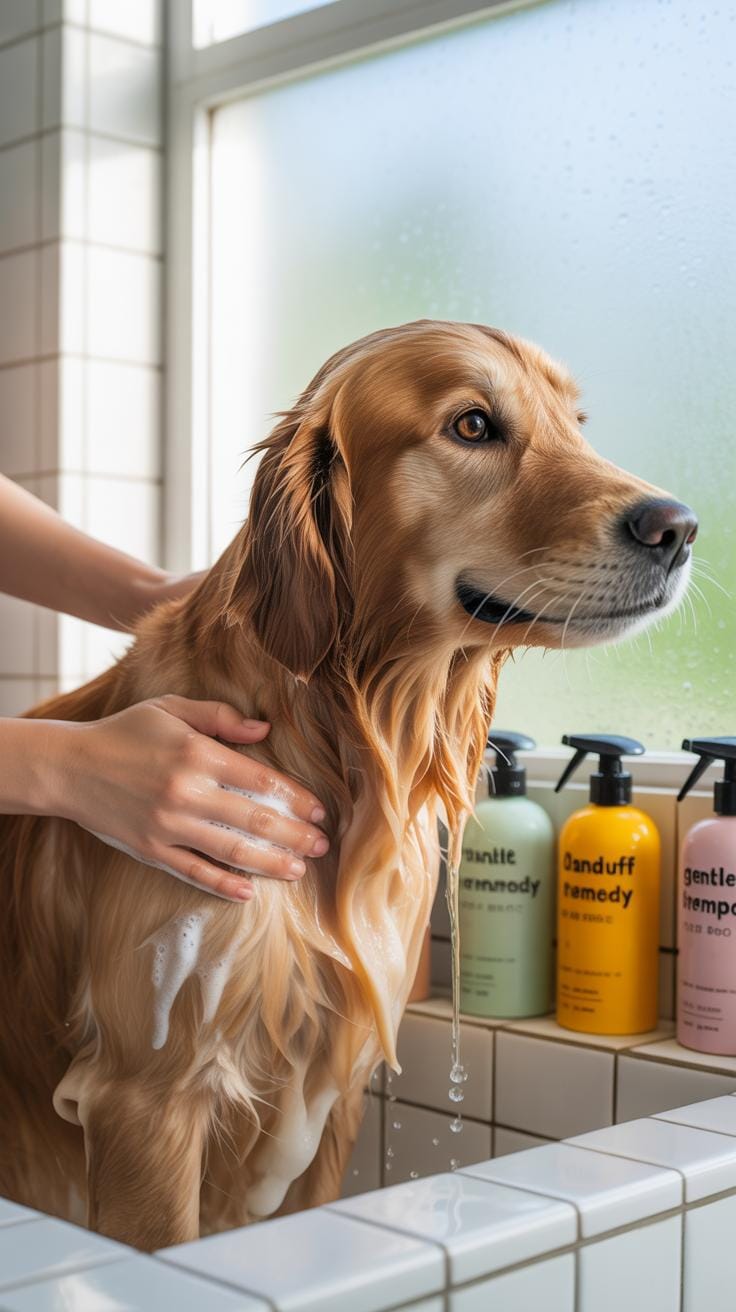
Identify the specific skin condition before purchasing products. Targeted ingredients determine the success of the treatment. Look for salicylic acid or sulfur if you see oily flakes. These ingredients break down skin cells and reduce grease. Ensure the product maintains a pH balance between 6.5 and 7.5. Dog skin is less acidic than human skin. Using human shampoo disrupts this barrier.
Avoid products containing harsh detergents or artificial fragrances. These chemicals strip natural oils and worsen dry skin. Look for colloidal oatmeal to soothe inflammation immediately. Check for ceramides to help rebuild the skin moisture barrier. High quality formulas list active concentrations clearly on the label. Select shampoos that rinse off quickly to prevent residue buildup. Residue causes itching and further bacterial growth.
Medicated Vs. Natural Dog Dandruff Remedies: Which One Is Right For Your Dog?
Medicated remedies treat clinical issues like fungal infections or seborrhea. They contain active agents like ketoconazole or benzoyl peroxide. Use these when your vet identifies a specific pathogen. These formulas work fast to kill bacteria and fungus. They provide the necessary strength for severe cases. Do not use medicated options for standard dry weather flaking. Excessive use of chemicals can irritate healthy tissue.

Natural remedies work best for mild dryness and preventative care. Ingredients like aloe vera and coconut oil provide deep hydration. They soothe the skin without using aggressive synthetic chemicals. These options are ideal for dogs with sensitive skin or minor seasonal changes. They lack the power to fight deep infections. Switch to medicated products if you see redness or smell an odor. Monitor the skin for three days to check effectiveness.
How To Get Rid Of Dog Dandruff With Grooming And Lifestyle Changes
The Role Of Regular Brushing And Bathing In Preventing Dandruff
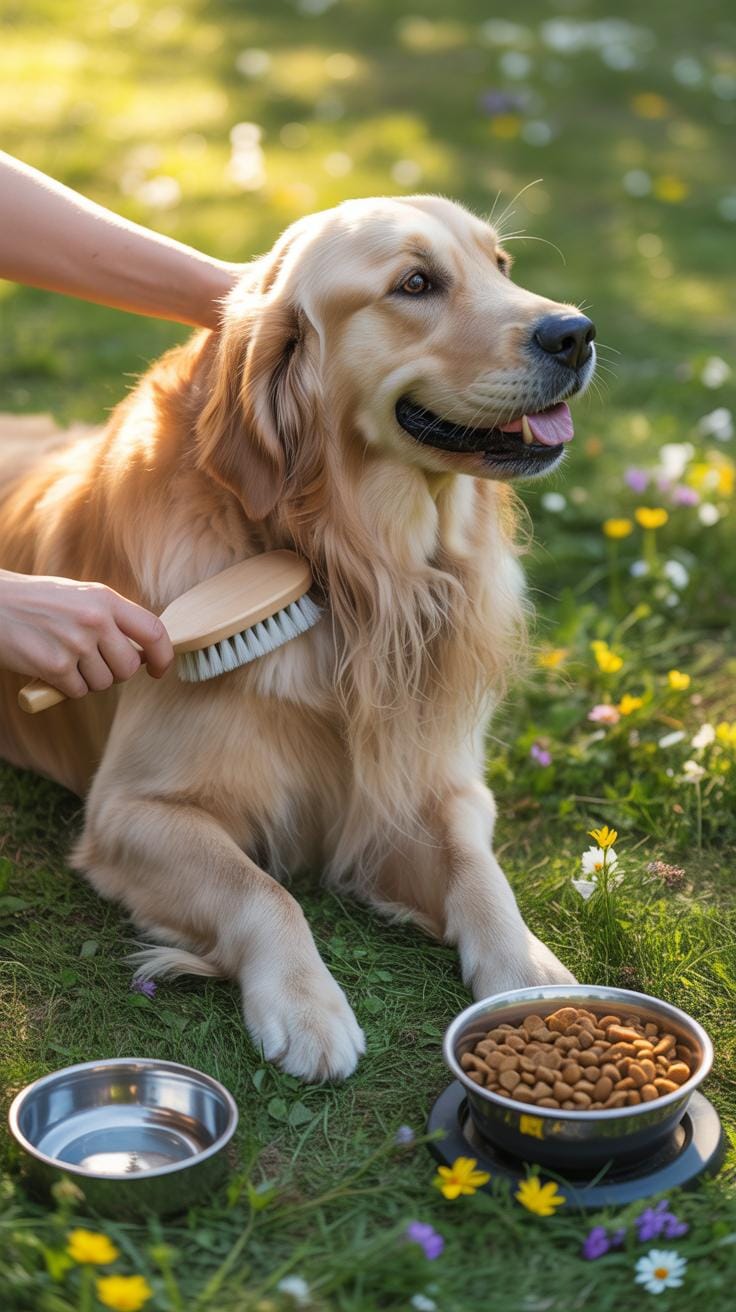
Brushing is the most effective way to manage dog dandruff causes at home. Daily brushing stimulates the skin and distributes natural oils across the coat. These oils act as a barrier against moisture loss. This process also removes dead skin cells and loose hair before they clump into visible flakes. Use a brush suited for your dog’s specific coat type to avoid skin irritation.
Bathing frequency determines skin health. Over-washing strips essential lipids and causes secondary dryness. Use a soap-free, pH-balanced shampoo designed specifically for dogs. Human products are too acidic and damage the canine skin barrier. Rinse the coat thoroughly to remove all chemical residue. Leftover soap creates itchiness and scaling. Limit baths to once a month unless a veterinarian prescribes a medicated routine for skin infections.
A dog’s coat is the velvet mirror of their inner health and the many seasons you have shared together. Caring for their skin is just another way to honor the gentle soul that has always been by your side.
Environmental Adjustments That Help Reduce Skin Dryness And Flaking
Indoor environments often lack necessary moisture during winter months. Forced-air heating systems drop humidity levels and sap moisture from your dog’s dermis. This leads to seasonal flaking and itching. You must manage the air quality and surface contact points to protect the skin barrier. Low humidity is a primary driver of non-medical dandruff. Control these external factors to see immediate improvements in coat texture.
- Humidifier Use: Run a humidifier in the rooms where your dog sleeps and spends the most time. Keeping indoor humidity between 40 and 60 percent prevents the skin from losing water to the dry air. This simple mechanical fix reduces static and surface flaking.
- Water Filtration: Provide filtered drinking water to limit chlorine and heavy metal intake. High levels of chemicals in tap water can lead to systemic dehydration or sensitivities. Clean water supports cellular hydration from the inside out and maintains a healthy skin moisture balance.
- Hypoallergenic Bedding: Wash dog beds in hot water using fragrance-free and dye-free detergents. Residual chemicals in standard laundry soaps irritate the belly and chest. Choose natural fibers like cotton or hemp. These materials breathe better than synthetic polyesters and do not trap heat or bacteria.
- Temperature Control: Keep your home at a moderate temperature to prevent overheating. Excess heat causes dogs to pant and lose internal hydration rapidly. It also encourages the skin to overproduce sebum or become extremely brittle. Cool environments help maintain a calm and stable epidermal surface.
- Regular Cleaning: Vacuum high-traffic areas frequently to remove dust mites and dander. Environmental allergens accumulate in carpets and trigger inflammatory skin responses. Reducing the allergen load in the home lowers the risk of allergic dermatitis. Clean surfaces ensure the skin is not constantly fighting external irritants.

Dietary changes and hydration also influence how the skin reacts to the environment. Ensure your dog has constant access to fresh water to maintain elasticity in the skin layers. Dehydrated dogs show flakes much faster than well-hydrated ones. Small adjustments to the living space produce measurable results. Monitor your dog’s reaction to these changes over two weeks to determine which environmental factor is the main culprit.
When To See A Vet About Your Dogs Dandruff
Warning Signs That Your Dogs Dandruff Requires Professional Diagnosis
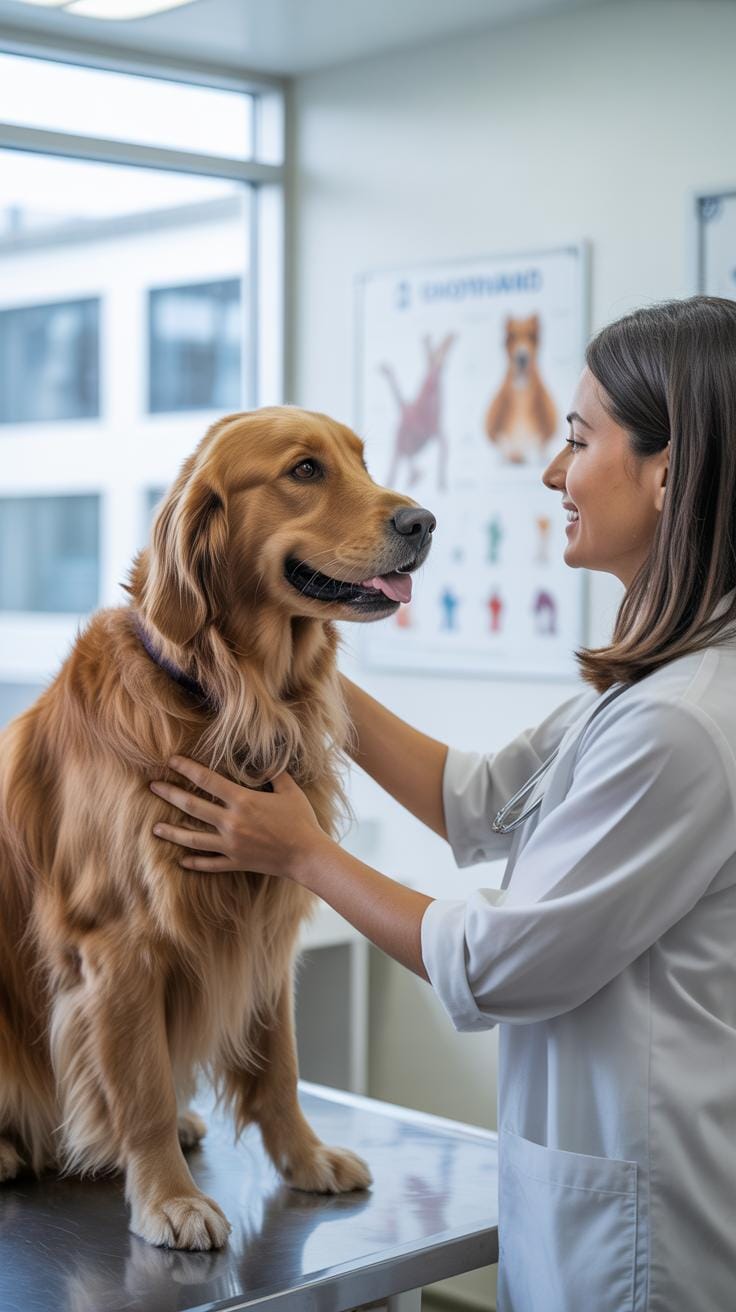
Dandruff often acts as a visible signal for deeper physiological stress or infection. You must monitor for skin redness, swelling, or a foul odor emanating from the coat. These symptoms indicate bacterial or fungal overgrowth common in secondary infections. If your dog scratches excessively or bites at its skin, the risk of open sores increases. Do not ignore these escalated physical changes.
Persistent hair loss or thinning patches suggest hormonal imbalances or parasitic infestations like Cheyetiella mites. If the skin feels greasy or appears thickened and dark, simple grooming will not fix the issue. These changes point to chronic conditions like seborrhea. Seek a professional diagnosis immediately when home remedies fail to show results within two weeks. Delaying care leads to pain and higher costs.
Medical Treatments A Vet May Prescribe For Severe Or Chronic Dog Dandruff
Veterinarians prioritize underlying causes over surface symptoms during treatment. They often prescribe clinical strength medicated shampoos containing benzoyl peroxide or salicylic acid to degrease skin. For bacterial issues, your dog will require a full course of oral antibiotics. Fungal infections demand specific antifungal tablets or topical creams. These medical interventions stabilize the skin barrier and stop the cycle of irritation and flaking.
If the dandruff stems from allergies or immune issues, vets prescribe corticosteroids or immunosuppressants to reduce inflammation. They might also suggest specialized diets high in omega fatty acids to repair skin from the inside. For hormonal causes like hypothyroidism, daily oral medication becomes necessary. Follow the prescribed dosage strictly to ensure the skin recovers fully. Skipping doses allows the dandruff and irritation to return.
Frequently Asked Questions

What are the primary reasons my dog’s skin looks so flaky?
Seeing white flakes on your pet can be concerning, but understanding common dog dandruff causes is the first step toward relief. This condition often stems from environmental factors like low humidity, poor grooming habits, or underlying health issues like allergies and parasites. When the skin’s natural oil production is disrupted, dead skin cells shed prematurely, resulting in that telltale “snowy” appearance on your dog’s coat and favorite furniture.
How can I effectively treat and remove dandruff at home?
To tackle dog dandruff causes effectively, start with a consistent grooming routine using a moisturizing, oatmeal-based shampoo. Brushing your dog daily is also crucial, as it distributes natural oils across the skin and removes loose flakes. Additionally, integrating a high-quality Omega-3 fatty acid supplement into their diet can strengthen the skin barrier from the inside out, providing a long-term solution for a smoother, shinier, and flake-free coat.
Are there any affordable home remedies for a dog with dry skin?
Absolutely! You don’t need expensive prescription treatments to see results. Adding a small teaspoon of organic coconut oil to your dog’s food can provide essential fats that hydrate the skin. Another budget-friendly tip is using a DIY apple cider vinegar rinse after baths to balance skin pH. Keeping your home’s humidity up with a simple water bowl near a heater can also prevent the dry air that often triggers flaking.