
Understanding Dog Itching Why Your Dog May Scratch Without Having Fleas

The Difference Between Flea Related Itching And Other Forms Of Dog Itching
Flea-related itching stems from a specific allergic reaction to saliva. When a flea bites, it injects proteins that trigger the immune system. This usually causes intense irritation at the base of the tail or on the neck. You can identify this by finding flea dirt or live insects on the skin. If these signs are missing, the cause shifts to internal or environmental triggers.
Non-flea itching involves complex factors like food sensitivities or seasonal allergens. Pollen, dust mites, and molds cause atopic dermatitis, which looks different than flea bites. This type of itching often affects the paws, ears, and belly rather than just the rump. Recognizing these patterns helps you rule out pests and focus on secondary issues like yeast infections or dry skin problems.
How Often Is Normal Scratching And When Does It Become A Concern
Occasional scratching is a normal grooming behavior for all dogs. A healthy dog might scratch a few times a day to kick off loose fur or debris. This behavior is brief and does not interrupt their daily routine. They should stop immediately when prompted or when they move to a new activity. The skin underneath should remain pale and free of any visible sores.
Scratching becomes a clinical concern when it turns into a fixation. If the dog wakes up at night to scratch, you have a problem. Physical signs like redness, hair loss, or a foul odor indicate trauma to the skin barrier. Excessive licking of the paws or rubbing the face on furniture are also red flags. Watch for these behavioral shifts to stop self-mutilation before it starts.

Environmental Allergies And Itchy Dog Skin Pollen Dust And Mold Triggers

How Seasonal Allergens Like Pollen And Grass Cause Itchy Dog Skin
Pollen and grass cause atopic dermatitis through direct skin contact. Dogs do not just inhale these allergens. Their paws and bellies pick up microscopic particles during walks. These particles penetrate the skin barrier and trigger an overactive immune response. This leads to intense scratching, licking, and chewing in specific areas. You will notice redness on the feet and groin when these counts rise.
Seasonal triggers change based on the time of year. Trees pollinate in the spring while weeds dominate the late summer. Grasses present a risk throughout the entire growing season. You must track when your dog starts itching to identify the specific culprit. Rinsing your dog after outdoor activity removes these irritants physically. Chronic exposure weakens the skin and leads to painful secondary bacterial infections.
To sit with a dog on a hillside on a glorious afternoon is to be back in Eden, where doing nothing was not boring. When their comfort is disrupted by an invisible itch, our devotion is the steady hand that restores their peace.
Indoor Environmental Triggers Such As Dust Mites And Mold That Affect Dogs
Indoor allergens cause year-round itching regardless of the weather. Dust mites live in carpets, bedding, and upholstered furniture. They feed on shed skin cells from humans and pets. Dogs with this allergy show symptoms inside the home. You will see them rubbing their faces on rugs or scratching constantly while resting. Managing the indoor environment is the only way to reduce this specific physical stress.

Mold spores thrive in damp areas like basements or laundry rooms. These fungi release particles into the air that settle on the dog’s coat. Dogs then ingest or absorb these spores through their skin. High humidity levels increase mold growth and worsen the dog’s condition. You must clean bedding frequently in hot water to kill mites. Use dehumidifiers to keep indoor air dry and prevent mold colonies from forming.
Food Allergies And Dog Itching Could Your DogS Diet Be The Culprit

Common Food Allergens In Dogs Including Beef, Chicken, Dairy, And Wheat
Food allergies trigger an overactive immune response to specific proteins in a dog’s diet. This constant internal battle causes inflammation that manifests as intense itching, red skin, and chronic ear infections. Unlike seasonal allergies that come and go, food-related itching persists year-round regardless of the weather. Proteins like beef and chicken are the most frequent triggers for these allergic reactions in canines.
Grains and dairy products also cause significant skin irritation for many dogs. Historically, wheat and corn were blamed for most issues, but clinical data shows animal proteins are the primary culprits. When your dog consumes a restricted protein, their body mistakenly identifies it as a threat. This creates a cycle of scratching and biting that damages the skin barrier. You must focus on the protein source first to solve this problem.
How An Elimination Diet Can Help Identify The Source Of Dog Itching From Food
An elimination diet is the only gold standard method to diagnose a food allergy. You must switch your dog to a novel protein or an extensively hydrolyzed diet for at least eight to twelve weeks. Stop all treats, flavored medications, and table scraps during this trial period. This process flushes out old allergens and allows the skin to heal. Success requires total control over every calorie the dog eats.

Once the itching stops during the trial, you begin a systematic reintroduction period. Add one single ingredient back into the diet at a time and monitor the dog for a physical reaction. If the itching returns within days, you have found a specific trigger. This tactical approach removes the guesswork and prevents you from buying expensive specialty foods that do not work. Clear data leads to a permanent solution for the itch.
Skin Conditions Behind Itchy Dog Skin Mange Yeast Infections And Dermatitis
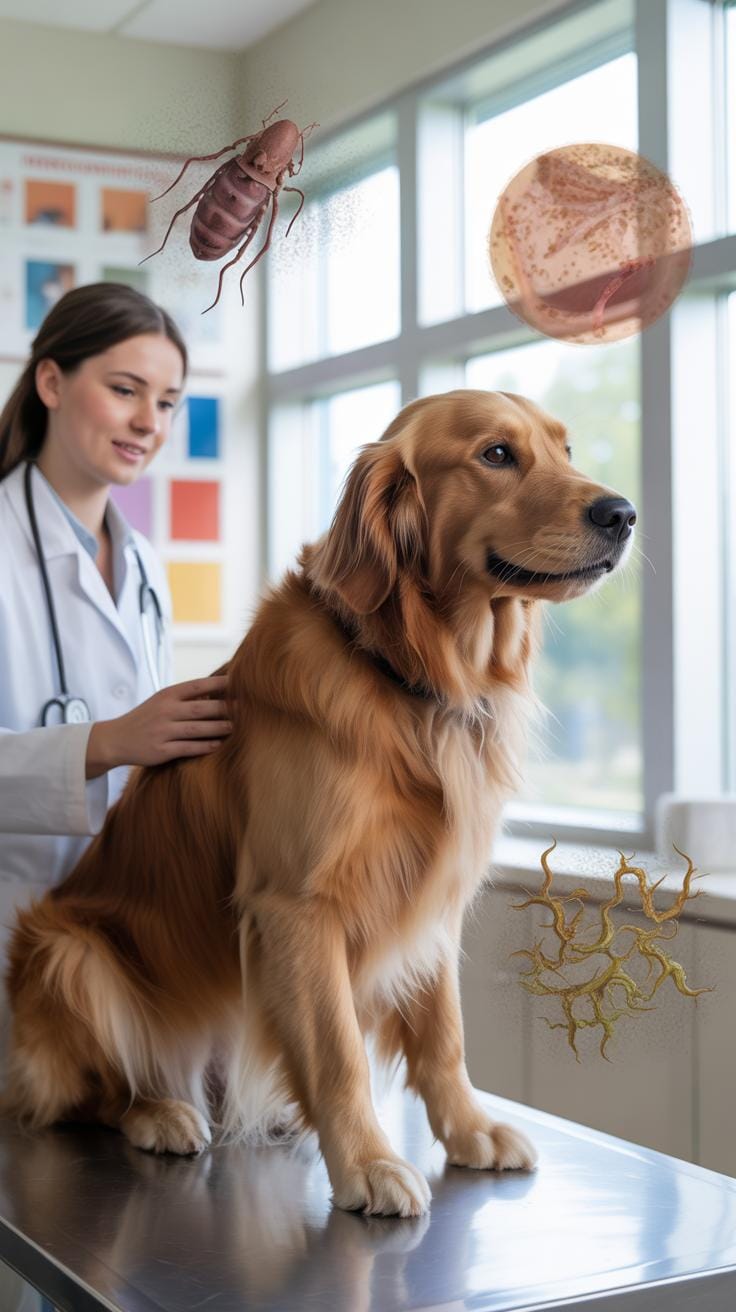
What Is Mange And How Mites Cause Intense Itching Without Any Visible Fleas
Mange comes from microscopic mites that burrow into or live on a dog’s skin. Sarcoptic mange is highly contagious and causes extreme itching through an allergic reaction to mite waste. You will not see these pests with the naked eye like you do with fleas. The dog scratches constantly because the mites tunnel under the skin surface. This leads to hair loss and red sores.
Demodectic mange happens when a dog’s immune system cannot control the natural mite population. This type is not usually contagious but still causes significant irritation and secondary infections. You will notice thinning hair around the eyes and muzzle first. Diagnosis requires a deep skin scraping by a veterinarian. Do not wait for symptoms to clear on their own. Mites require specific medical miticides to eradicate.
Yeast Overgrowth And Contact Dermatitis As Hidden Causes Of Itchy Dog Skin
Yeast thrives in warm and moist areas on a dog’s body. Malassezia pachydermatis is the fungus responsible for most infections. It causes a distinct musty odor and greasy skin. Dogs with skin folds or floppy ears are at higher risk. The itching is relentless and often leads to thickened skin. You must fix the underlying moisture or allergy issue to stop the yeast from returning.

Contact dermatitis occurs when a dog touches an irritating substance. Common triggers include floor cleaners, lawn chemicals, or synthetic carpet fibers. The reaction is localized to the area that touched the trigger. You will see red bumps or a flat rash on the belly and paws. Identifying the specific chemical or material is the only way to stop the cycle. Remove the irritant to allow the skin to heal properly.
Dry Skin And Poor Coat Health As A Root Cause Of An Itchy Dog

How Low Humidity, Over Bathing, And Nutritional Deficiencies Lead To Dry, Itchy Skin
Low humidity environments strip moisture from a dog’s skin. Forced air heating in winter accelerates this water loss. When the skin loses its natural barrier, it cracks and flakes. This process creates micro-irritations that trigger the itch response. Without proper ambient moisture, the skin cannot maintain its elasticity. The dog scratches to relieve the tension, which further damages the protective outer layer.
Over-bathing is a primary tactical error for many owners. Harsh shampoos remove essential sebaceous oils that coat the skin and hair. These oils prevent dehydration and block environmental irritants. Frequent washing disrupts the natural pH balance of the canine epidermis. Nutritional gaps also play a role. If a diet lacks specific amino acids and minerals, the body cannot produce high-quality skin cells to replace old ones.
The Role Of Omega 3 Fatty Acids In Supporting Healthy Skin And Reducing Itchiness
Omega-3 fatty acids function as natural anti-inflammatory agents within the body. Specifically, EPA and DHA found in fish oil stabilize the cell membranes of skin cells. Stronger cell membranes retain more water and keep out pathogens. This reduces the overall systemic inflammation that leads to chronic itching. High-quality fats ensure the skin stays supple and less prone to environmental cracking or irritation from common household dust.

Adding these fats to a dog’s diet directly improves the lipid barrier. A robust lipid barrier prevents allergens from penetrating the skin surface. Most commercial dog foods sit in storage for months, causing these fragile fats to oxidize and lose potency. Supplementing with fresh, stabilized oils restores the necessary fat balance. This intervention targets the biological root of the itch rather than just treating the surface symptoms with topical creams.
Dog Itching Remedies Veterinarian Recommended Treatments To Relieve Scratching
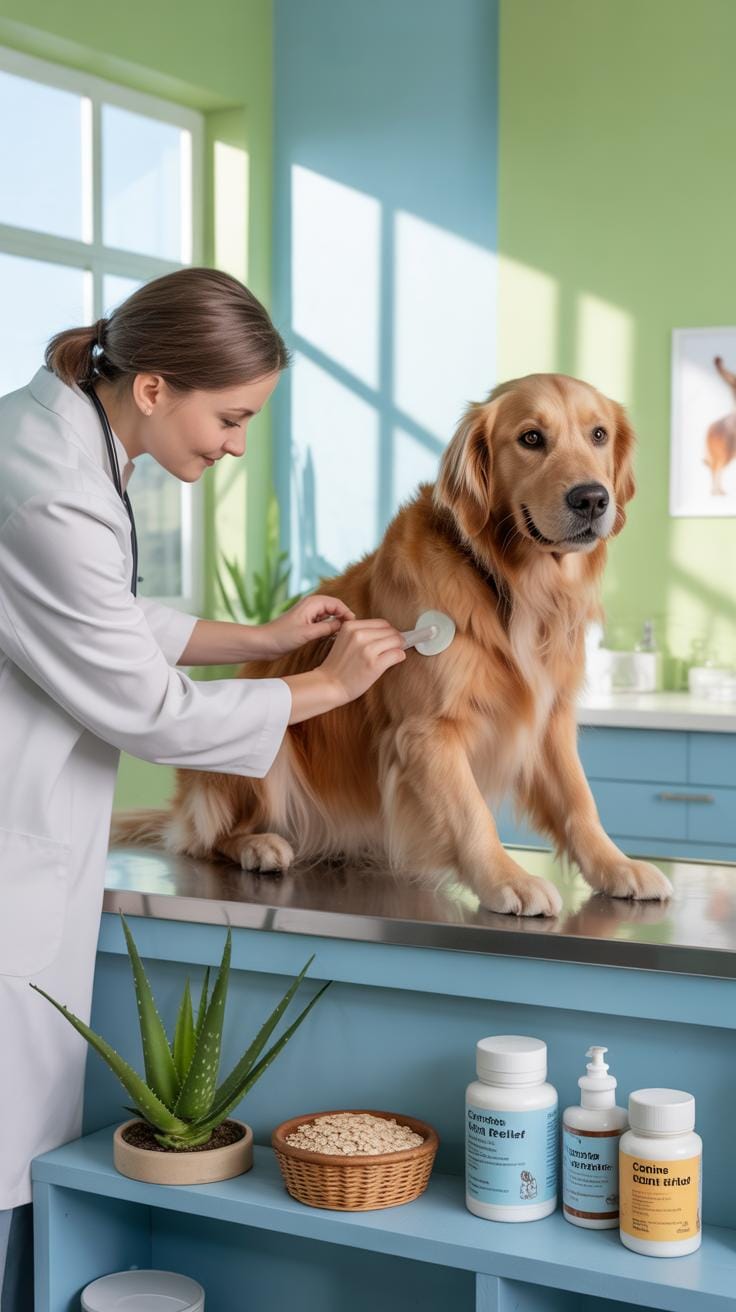
Medicated Shampoos, Topical Creams, And Antihistamines Vets Use For Itch Relief For Dogs
Veterinarians often start with medicated shampoos containing chlorhexidine or ketoconazole. These ingredients kill bacteria and fungi on the skin surface. Regular bathing flushes away allergens like pollen or dust before they trigger an immune response. Use cool water to reduce skin inflammation during the bath. Leave the lather on for ten minutes to ensure the active ingredients penetrate the hair follicles effectively.
Topical creams and antihistamines provide immediate localized relief for hot spots or minor reactions. Vets prescribe hydrocortisone sprays to stop the itch reflex and prevent self-mutilation. While over the counter antihistamines like diphenhydramine can help, they often provide limited results for canine skin allergies compared to humans. These treatments manage symptoms but do not fix the underlying cause. Always consult a vet for correct dosage instructions.
When Your Vet May Recommend Allergy Testing Or Prescription Medications For Chronic Itching
Chronic itching requires a deeper diagnostic approach when basic topicals fail. Vets recommend blood tests or intradermal skin testing to identify specific environmental triggers. These tests pinpoint exactly what proteins or pollutants cause the reaction. Once identified, your vet can create a custom immunotherapy plan. This process desensitizes the immune system over time. It is the only way to treat the actual source of environmental allergies.

Prescription medications like oclacitinib or injectable biological therapies block the itch signal at the nerve level. These drugs work faster than traditional steroids with fewer long term side effects. Vets choose these options for dogs with year round discomfort or severe skin damage. These tools allow the skin barrier to heal by stopping the cycle of scratching. Constant itching leads to secondary infections that require expensive antibiotic cycles if left untreated.
Natural Flea Remedies And Home Based Solutions For Itchy Dogs Relief

Natural Flea Remedies That Also Soothe Skin Irritation: Apple Cider Vinegar, Coconut Oil, And Oatmeal Baths
Natural topical treatments offer immediate relief for dogs suffering from non-parasitic itching. These ingredients work by restoring the skin barrier or altering pH levels to discourage secondary microbial growth. You must apply these solutions directly to the affected areas for maximum impact. Consistent application helps calm inflammation caused by environmental allergens. Use these items as a first line of defense before seeking pharmaceutical interventions.
- Colloidal Oatmeal: Finely ground oats create a protective film on the skin. This barrier locks in moisture and reduces redness. Use lukewarm water to avoid further drying the skin during the soaking process for fifteen minutes.
- Apple Cider Vinegar: Mix this with equal parts water to create a pH-balancing spray. It acts as a mild antiseptic that kills yeast and bacteria on the skin surface. Avoid using this on open sores or broken skin to prevent stinging.
- Coconut Oil: This oil contains lauric acid which has potent antifungal and antibacterial properties. Apply it topically to dry patches or cracked paws to improve skin hydration. It also helps soothe small insect bites that cause lingering irritation.
- Aloe Vera: Use pure gel from the plant to cool thermal heat in the skin. It provides instant relief for hot spots and localized rashes. Ensure the product does not contain alcohol or perfumes that could further irritate the dog’s dermis.
- Chamomile Tea Soaks: Brewed and cooled tea bags function as a natural anti-inflammatory compress. This method works well for itchy paws or sensitive belly skin. The tannins in the tea help dry up moist lesions without causing excessive irritation.
Properly administered baths and topical oils prevent the itch-scratch cycle from escalating into a skin infection. Watch for changes in skin color or smell during the treatment period. If the dog continues to scratch despite these remedies, the root cause may be internal rather than external. Combine these topical fixes with a clean environment to ensure the dog remains comfortable and itch-free.
Precautions To Take When Using Natural Or Home Remedies On An Itchy Dog
Always perform a patch test on a small area of skin before applying any home remedy over the entire body. Wait twenty-four hours to check for adverse reactions like increased redness or swelling. Natural ingredients are powerful and can cause sensitivities in certain breeds. Stop use immediately if the dog shows signs of discomfort or if the itching worsens.

Do not allow your dog to ingest large quantities of topical treatments during or after application. Ingredients like coconut oil have a high fat content that can cause digestive upset if licked off. Monitor the dog closely until the product absorbs or rinse it off as directed. Maintain a sterile environment and avoid using expired kitchen products on open wounds to prevent serious bacterial infections.
Dog Itchy Skin Remedy The Best Grooming Practices To Reduce Skin Irritation
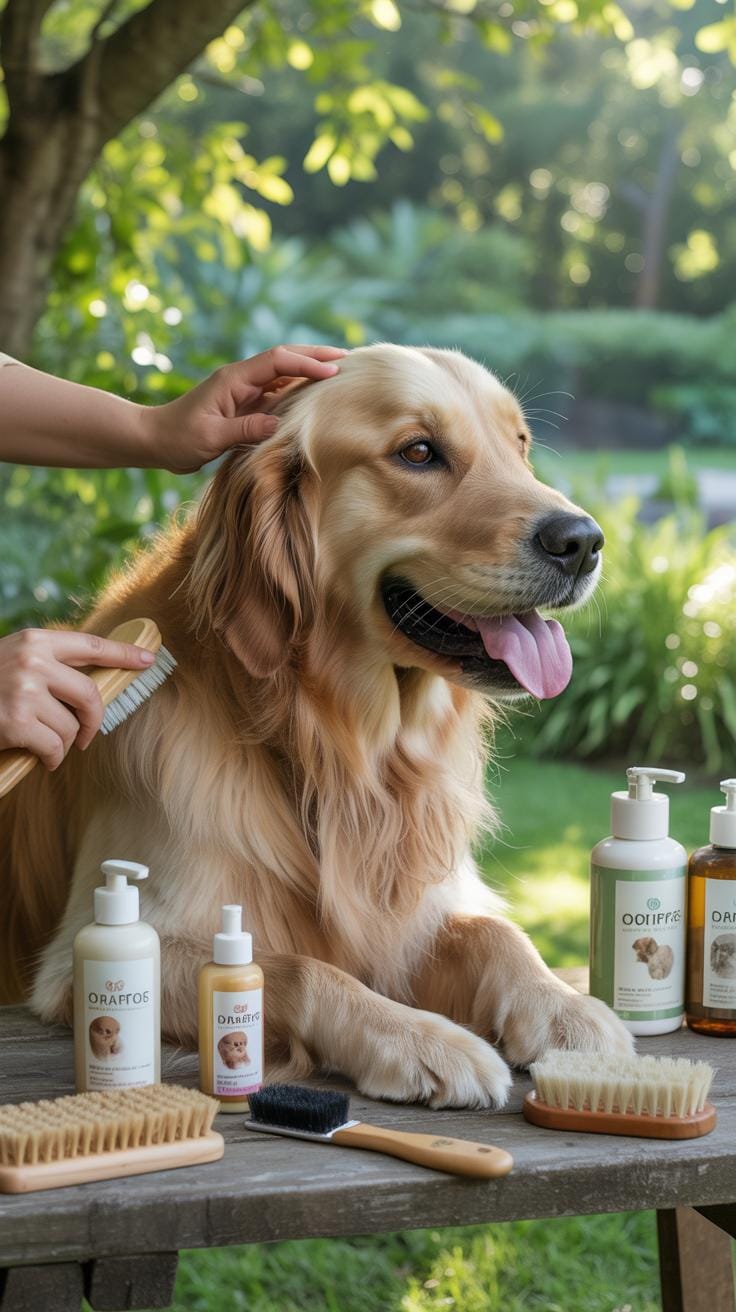
How Regular Brushing And Proper Bathing Frequency Contribute To A Dog Itchy Skin Remedy Routine
Regular brushing removes dead skin cells and loose fur that trap heat against the body. This prevents the buildup of dander and environmental allergens like pollen or dust. Brushing also stimulates the production of natural oils that coat the hair shaft. This creates a functional barrier against external irritants. Direct physical contact during brushing allows you to spot hot spots or rashes early.
Bathing frequency must match the specific needs of the skin barrier. Over-washing strips essential lipids and causes secondary dryness which increases scratching. Most dogs with environmental allergies benefit from a bath every two to four weeks. Use lukewarm water exclusively because high temperatures cause blood vessels to dilate and worsen inflammation. Consistent schedules prevent the accumulation of yeast and bacteria that thrive in oily fur.
Choosing The Right Shampoo And Conditioner Formulated For Sensitive Or Irritated Dog Skin
Select shampoos that contain colloidal oatmeal or aloe vera to soothe active inflammation. Avoid products with artificial fragrances, dyes, or harsh detergents like sodium lauryl sulfate. These chemicals disrupt the acid mantle and raise the skin pH level. Look for hypoallergenic formulas explicitly labeled for sensitive skin. These products usually have a neutral pH specifically balanced for canine physiology rather than human skin.

Follow the shampoo with a moisturizing conditioner to seal the hair cuticle. Proper conditioning replaces moisture lost during the cleaning process and reduces static electricity. Leave-on conditioners provide a secondary layer of protection against allergens. Ensure you rinse all soap residue thoroughly from the coat. Dried soap creates a film that causes intense itching and encourages the dog to lick the affected area.
How To Stop Dog Itching Long Term Lifestyle And Preventative Strategies

Dietary Adjustments, Supplements, And Environmental Changes That Help Stop Dog Itching
Dietary changes and environmental control reduce the overall allergen load on your dog’s immune system. Start by switching to a limited ingredient diet to identify hidden food triggers. Replace common proteins like chicken or beef with novel sources like venison or rabbit. Remove household irritants like scented floor cleaners and synthetic fragrances. Consistent maintenance of the skin barrier prevents environmental allergens from penetrating the surface and causing inflammation.
- Omega-3 Fatty Acids: Use high-quality fish oil supplements to reduce skin inflammation. These fatty acids strengthen the skin barrier and improve coat health. Consistency is vital because visible improvements often take six to eight weeks of daily dosing to appear.
- Air Filtration: Install HEPA filters in your home to capture airborne pollen, dust mites, and mold spores. These particles frequently settle on your dog’s skin and trigger intense itching. Regular vacuuming with a HEPA-equipped machine further reduces the allergic burden in carpets.
- Regular Bathing: Wash your dog weekly with soap-free, medicated shampoos containing oatmeal or aloe. This physically removes allergens like grass pollen from the fur before they cause a reaction. Ensure you rinse the coat thoroughly to avoid leaving any irritating residue behind.
- Probiotics: Add canine-specific probiotic supplements to daily meals to support gut health. A balanced microbiome regulates the immune system and can decrease the severity of allergic responses. Look for strains like Lactobacillus acidophilus that specifically target skin health and immune function.
- Foot Rinses: Wipe your dog’s paws with a damp cloth after every outdoor walk. This simple action prevents the tracking of outdoor allergens into your living space and onto their bedding. It specifically targets the paws, which are a primary contact point for environmental irritants.
Eliminating environmental triggers requires a disciplined cleaning schedule and strict dietary control. Avoid feeding table scraps that may contain hidden grains or preservatives known to irritate sensitive dogs. Wash canine bedding weekly in hot water using hypoallergenic, fragrance-free detergents to kill dust mites. These tactical adjustments create a controlled environment where the skin can finally heal without constant exposure to new irritants.
How Stress And Anxiety Can Manifest As Compulsive Scratching And What You Can Do
Psychogenic itching occurs when a dog uses scratching, licking, or chewing as a self-soothing mechanism. This behavior often stems from boredom, separation anxiety, or sudden changes in the household environment. Unlike physical allergies, this scratching usually follows a specific pattern or occurs during high-stress moments. Identifying the emotional trigger is necessary to stop the cycle of self-mutilation and skin trauma.
Address compulsive scratching by increasing physical exercise and mental stimulation for your dog. Use food puzzles and structured play to refocus their energy away from their skin. If the behavior persists, consult a professional trainer or behaviorist to develop a desensitization plan. Implementing a predictable daily routine reduces cortisol levels and provides the security a dog needs to stop the repetitive scratching habit.
When To See A Vet Warning Signs That Your DogS Itching Requires Professional Care

Red Flags Like Open Sores Hair Loss And Skin Infections That Go Beyond General Dog Itching
General itching becomes a clinical emergency when the skin barrier breaks. Open sores and moist lesions indicate a secondary bacterial or yeast infection. These infections cause intense pain and heat. If you see discharge or smell a foul odor, the dog needs immediate medical intervention. You cannot treat deep tissue infections with over the counter shampoos. Immediate action prevents the infection from spreading into the bloodstream.
Hair loss and thickening skin signal chronic distress. If the skin looks like elephant hide or turns black, the inflammation is long term. This damage often stems from high levels of trauma. Constant licking and biting lead to self mutilation. Check for red bumps or pimples on the belly and armpits. These signs confirm that the dog has moved past simple allergies into a serious medical condition.
What To Expect At The Vet And How A Diagnosis Plan Is Typically Structured For Chronic Itchy Dogs
The vet starts with a clinical history and a physical exam. They perform skin scrapings to look for microscopic mites. They use clear tape to collect surface cells for cytology. This process identifies specific bacteria or yeast types. Identifying the exact pathogen allows for targeted antibiotic or antifungal prescriptions. Without these tests, you are simply guessing at the cause and wasting money on ineffective treatments.
Expect a systematic elimination trial if the initial tests are clear. The vet will likely suggest a strict hypoallergenic food trial for eight to twelve weeks. They may also run blood tests to rule out thyroid issues or Cushing disease. Systematic testing narrows down the cause to environmental or food triggers. You must follow the protocol exactly to get accurate results. Data replaces guesswork in a professional clinical diagnosis.
Frequently Asked Questions

Why is my dog itching if I can’t find any fleas on them?
It is incredibly frustrating when you notice your dog itching no fleas in sight, but several factors could be the culprit. Common causes include environmental allergies to pollen or dust, food sensitivities, or even dry skin caused by low humidity. Sometimes, a single flea bite can trigger an allergic reaction called flea allergy dermatitis, even if the pest itself has already jumped off, leaving your pup scratching incessantly.
How can I soothe my dog’s itchy skin at home?
To help a dog itching no fleas, start by giving them a soothing oatmeal bath to calm inflammation. Ensure you use lukewarm water, as hot water can worsen irritation. You can also try wiping their paws after walks to remove outdoor allergens. Adding a high-quality omega-3 fatty acid supplement to their diet can significantly improve the skin barrier, providing long-term relief from dryness and minor environmental irritants.
Are there affordable ways to treat a dog’s itchy skin without an expensive vet visit?
If your budget is tight, start by switching to a hypoallergenic, dye-free laundry detergent for your dog’s bedding. Over-the-counter antihistamines can sometimes help, but always consult a professional for dosage first. Additionally, simple coconut oil applied topically can act as a natural moisturizer. Keeping your home clean of dust and using a humidifier are low-cost lifestyle changes that often reduce scratching without requiring expensive prescriptions or specialized medical testing.