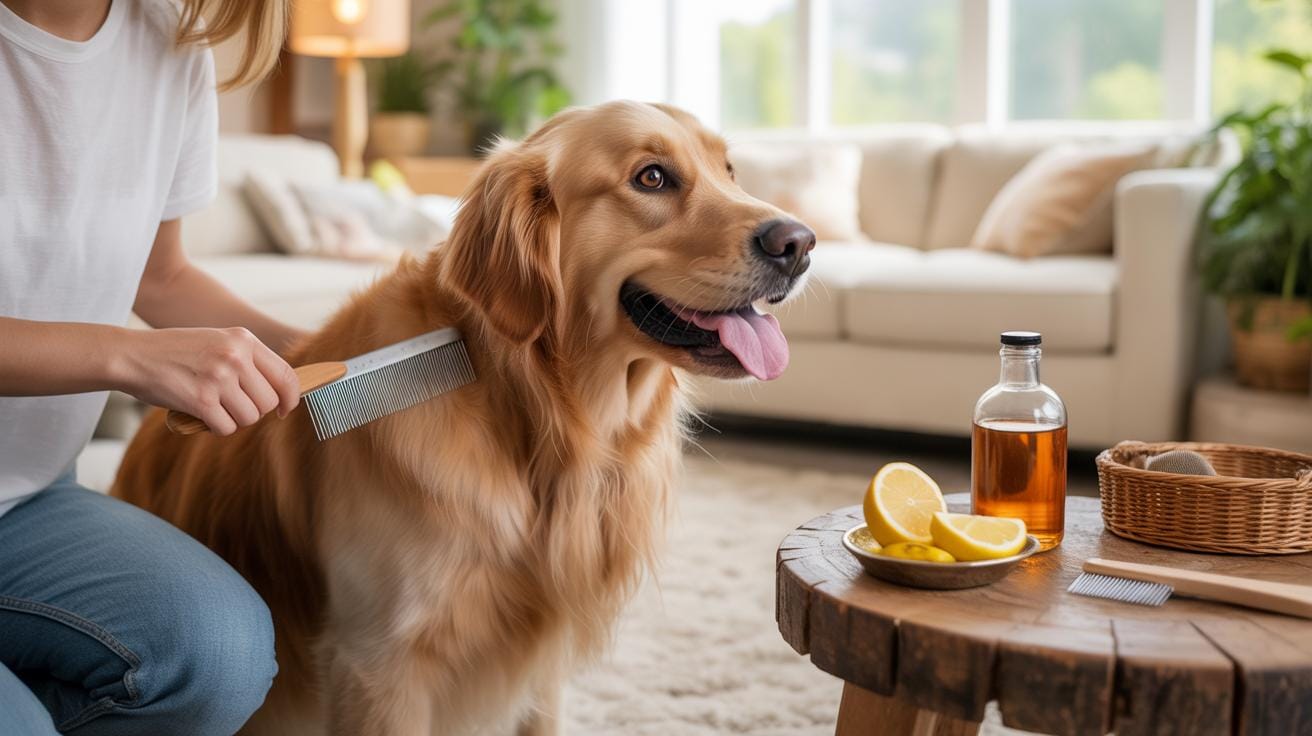
Understanding Dog Fleas The First Step In Any Flea Remedy For Dogs
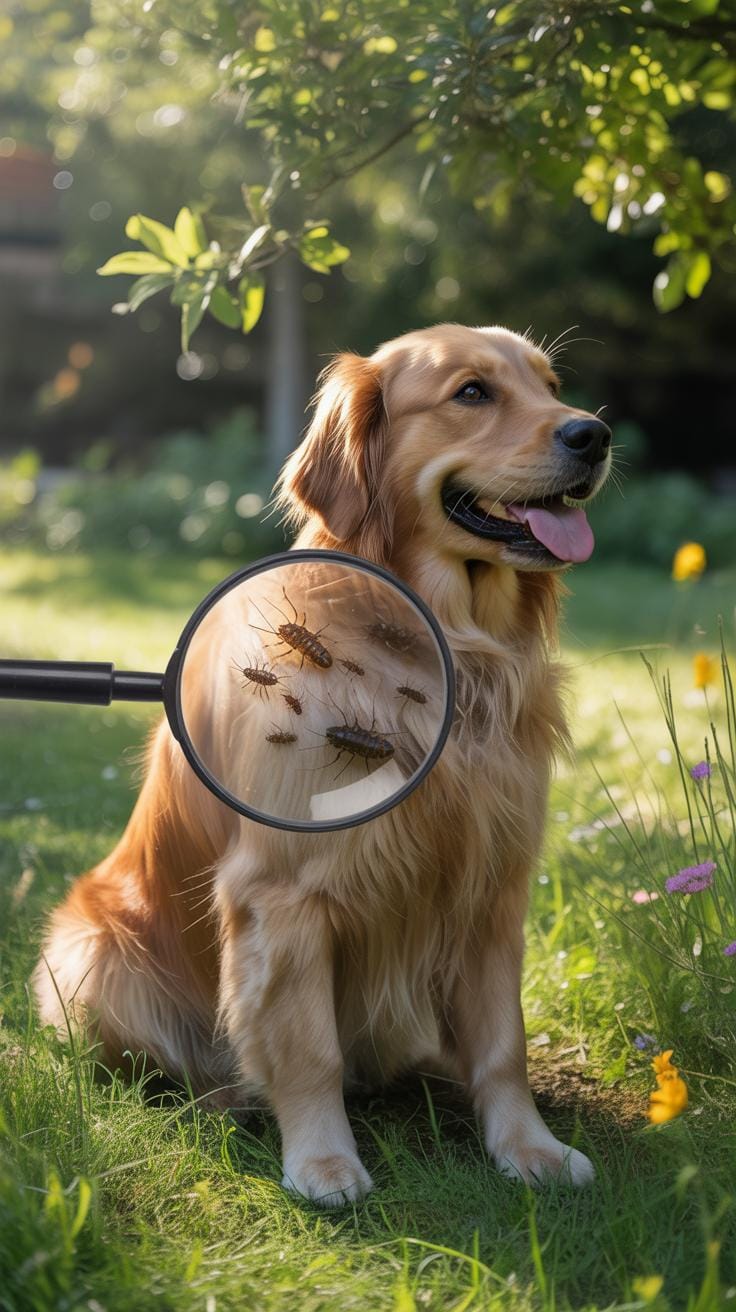
What Are Fleas And How Do They Affect Your Dog?
Fleas are wingless parasites that survive by consuming host blood. These insects jump onto your dog to feed and reproduce. Saliva from flea bites contains proteins that trigger immune responses in dogs. This often lead to intense itching and skin inflammation. A single female flea lays up to fifty eggs per day. This rapid reproduction cycle makes a small infestation become a major house problem quickly.
Persistent itching causes your dog to bite or scratch their own skin. This trauma creates open sores and secondary bacterial infections. Fleas also transmit tapeworms if a dog swallows an infected insect during grooming. Heavy infestations cause significant blood loss in puppies or small dogs. You must stop the life cycle immediately to prevent anemia. Effective dog flea treatment without vet intervention requires understanding these biological facts first.
How To Confirm Your Dog Actually Has Fleas Before Treating
Do not guess if your dog has parasites. Use a fine-toothed flea comb to inspect the skin near the base of the tail and neck. Look for small moving insects or black specks. These specks are flea dirt which is actually dried blood. Place the debris on a wet white paper towel. If the spots turn red or rust-colored then you have confirmed a flea presence.
Check your dog for skin redness and hair loss in common bite areas. Fleas prefer warm and protected spots like the armpits and groin. Watch for excessive licking or sudden biting at the hindquarters. If you see white segments in the stool then the dog likely has tapeworms from fleas. Identifying the physical evidence ensures you do not waste money on unnecessary chemical or natural treatments.

How To Get Rid Of Fleas On Dogs Using Flea Combs And Bathing
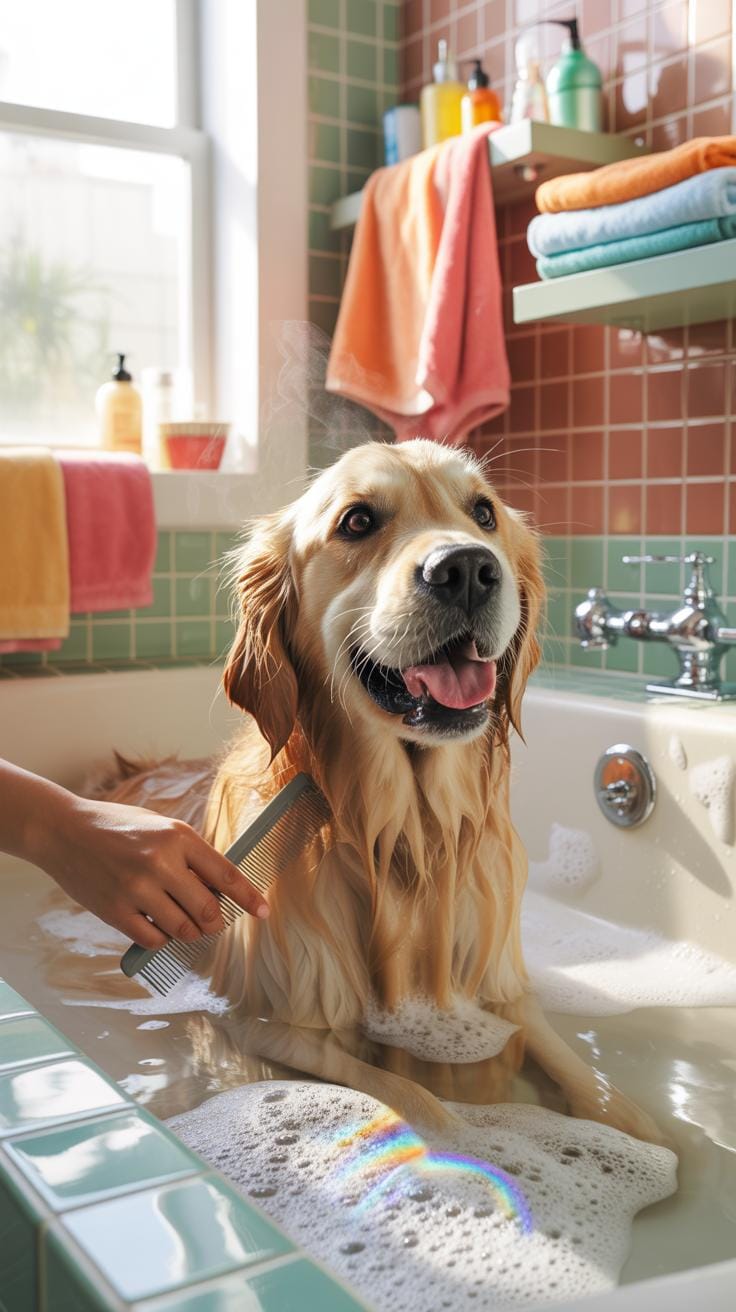
Using A Fine Tooth Flea Comb To Manually Remove Fleas
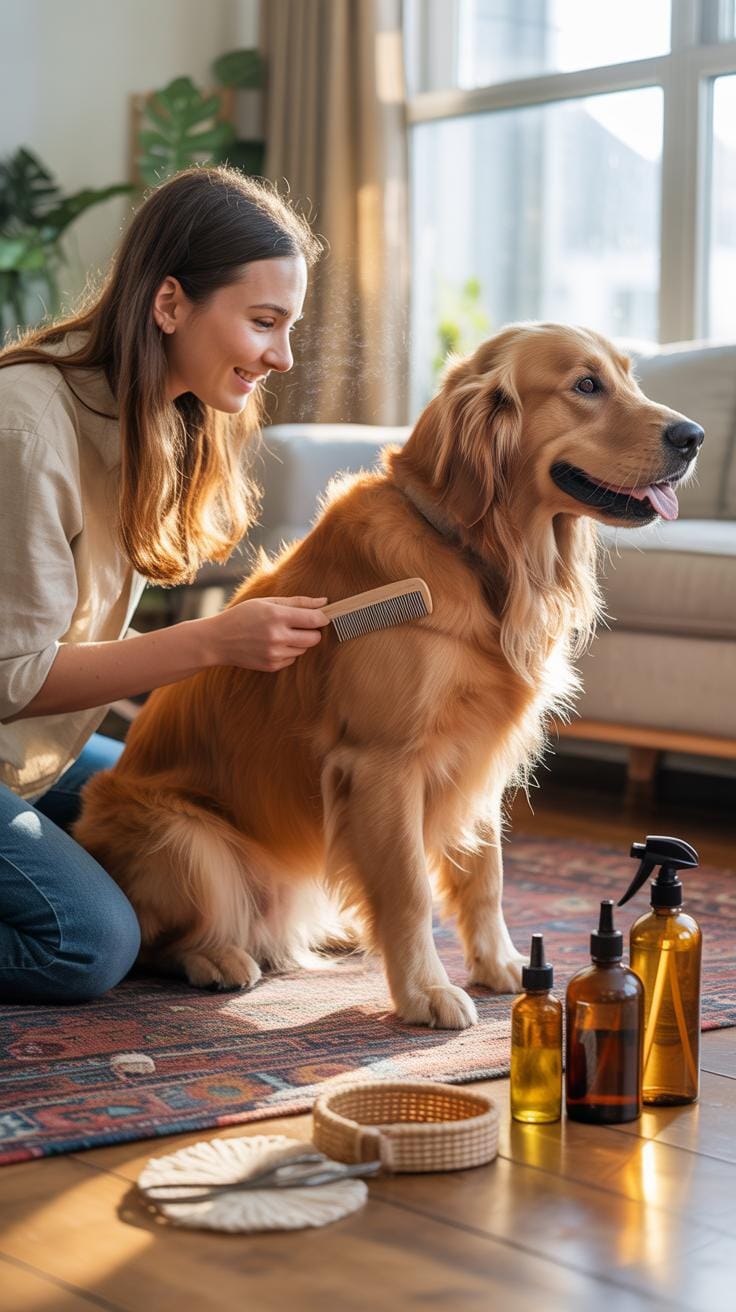
Manual removal requires a metal flea comb with tightly spaced teeth. These tools physically pull adult fleas and eggs from the dog hair. Targeted areas include the base of the tail, armpits, and neck. You must comb in the direction of hair growth to avoid skin irritation. This process identifies an infestation early by catching flea dirt. Keep a bowl of soapy water nearby to kill the fleas instantly.
Dipping the comb in soapy water prevents fleas from jumping back onto the animal. Wipe the comb after every pass to clear debris. Continue this process daily until you find no more pests. Consistency is the only way to break the life cycle without chemicals. Combine this with regular cleaning of the dog’s bedding. Manual combing provides immediate relief by reducing the adult flea population on the skin surface.
How A Proper Bath With Dog Safe Dish Soap Can Help Eliminate Fleas
Basic dish soap acts as a surfactant to kill fleas quickly. It breaks the surface tension of the water and drowns the insects. Fleas have a hard exoskeleton that naturally repels water. The soap penetrates their respiratory openings and causes immediate death. This method provides a cheap and effective way to clear a heavy infestation. Use warm water to keep the dog calm during the process.

Start by applying soap around the dog’s neck. This prevents fleas from migrating to the ears and eyes during the bath. Work the lather down the body and let it sit for five minutes. Rinse thoroughly to prevent skin dryness or irritation from the soap residue. Repeat this process once a week to catch newly hatched fleas. Always dry the dog completely to prevent skin infections or chills after the bath.
Natural Remedy For Fleas On Dogs Safe Ingredients From Your Kitchen
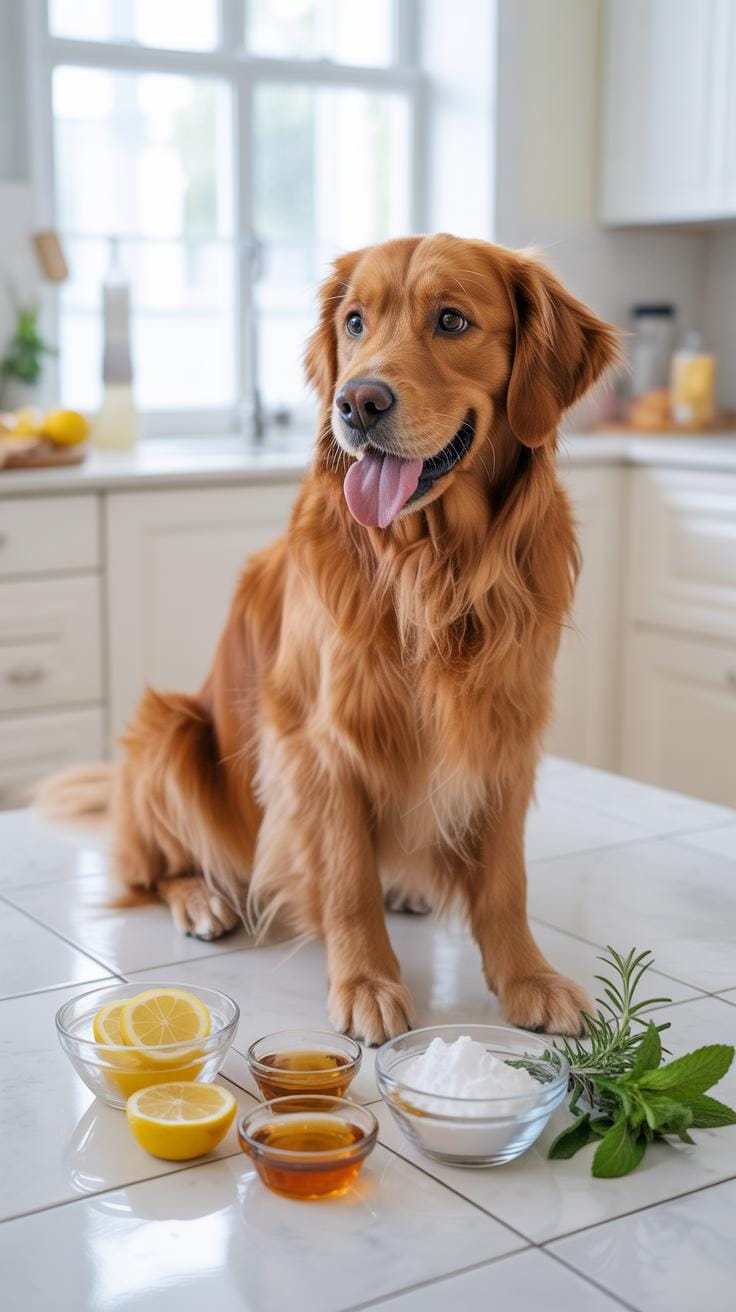
Apple Cider Vinegar As A Natural Flea Deterrent For Dogs
Apple cider vinegar does not kill fleas on contact. It changes the pH balance of the dog’s skin. This makes the surface acidic and unappealing to biting insects. You create a hostile environment that forces fleas to seek a different host. This method works best as a preventative measure. It keeps new infestations from taking hold after an initial deep cleaning.
Mix equal parts water and vinegar in a spray bottle for application. Mist the dog’s coat before it goes outside or into wooded areas. Focus on the neck and the base of the tail where fleas congregate. Do not spray this solution near the eyes or on open sores. The acidic nature will cause pain on broken skin. Dilution ensures the dog remains comfortable while the scent repels pests.
Diatomaceous Earth: How This Food Grade Powder Works Against Fleas
Food-grade diatomaceous earth is a mechanical killer rather than a chemical one. It consists of fossilized algae with microscopic sharp edges. These edges slice through the waxy exoskeleton of a flea. This causes the insect to dehydrate and die within hours. You must use only the food-grade version to ensure safety around pets. Industrial versions for pools contain toxic chemicals and are dangerous.

Apply the powder directly to the dog’s fur and bedding. Work the dust down to the skin level for maximum impact. Wear a mask during application to avoid inhaling the fine particles. Diatomaceous earth remains effective as long as it stays dry. Moisture ruins the abrasive texture and stops the killing process. Vacuum the treated areas after three days to remove dead fleas and excess dust.
How To Make A Homemade Flea Spray That Actually Works
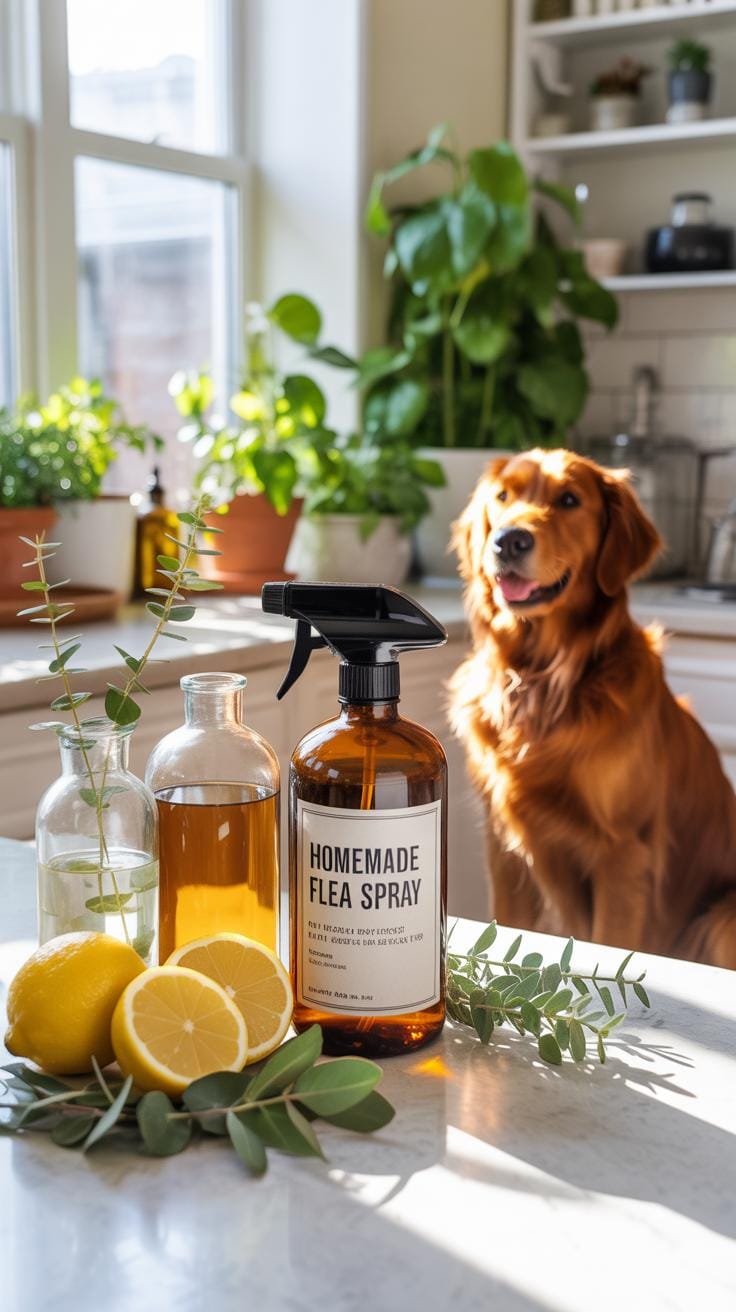
Simple Homemade Flea Spray Recipes Using Vinegar And Lemon
Vinegar and lemon juice serve as effective natural repellents because fleas despise acidic environments and specific citrus scents. These ingredients do not kill adult fleas instantly like neurotoxins but they make the dog an unattractive host. You must use distilled water to prevent bacterial growth in your spray bottle. Acidity levels in apple cider vinegar also help balance a dog’s skin pH during an infestation.
- Apple Cider Vinegar Solution: Mix equal parts apple cider vinegar and water in a clean spray bottle. This classic ratio creates an acidic barrier on the fur that repels adult fleas. It is safe for most dogs and helps soothe skin that is already irritated by flea bites.
- Lemon Citrus Extract: Slice two whole lemons and boil them in a quart of water then let the mixture steep overnight. Strain the liquid before pouring it into a sprayer for a potent limonene-based repellent. High concentrations of citrus oils found in the peel act as a natural deterrent.
- White Vinegar Heavy Duty Mix: Combine one cup of white vinegar with one quart of water and add a teaspoon of salt. Salt helps dehydrate flea larvae and eggs lingering on the coat. This version is more aggressive than apple cider vinegar and works well for dogs with thicker double coats.
- Witch Hazel Vinegar Blend: Substitute half of the water in a vinegar recipe with witch hazel to increase the drying speed of the spray. Witch hazel acts as an astringent that reduces inflammation from flea saliva. This blend remains effective on the coat longer than water-based sprays alone.
- Essential Oil Reinforcement: Add two drops of lavender or cedarwood oil to your vinegar base to increase the repellent power. Use these oils sparingly because dogs have a sensitive sense of smell. These specific scents disrupt the sensory receptors fleas use to locate a host animal.
Consistency is the main factor for success when using natural vinegar or lemon sprays. These solutions evaporate and lose their potency within twenty-four hours after application. You must reapply the mixture daily until you no longer see active fleas. If the dog gets wet or goes outside for a long time you should spray them again immediately to maintain the protective barrier.
There is a simple, old-fashioned comfort in tending to your loyal friend with a gentle bath and a fine-toothed comb. True healing begins at home with the quiet patience of a loving hand.
How To Safely Apply Homemade Flea Spray On Your Dog And Around The Home
Start the application by shielding the dog’s eyes and nose with your hand or a cloth. Mist the fur starting from the neck and moving toward the tail while ruffling the hair to reach the skin. Pay close attention to the armpits and the base of the tail where fleas often cluster. Rub the solution into the coat using your fingers to ensure full coverage across the entire body.

Apply the same spray to carpets and bedding to address the flea life cycle in the environment. Focus your efforts on dark corners and areas where the dog sleeps because larvae hide away from light. Vacuum the treated surfaces once the spray dries to remove dead fleas and loosened eggs. Repeat this process every two days to prevent remaining eggs from hatching and restarting the infestation cycle.
Choosing The Best Flea Spray For Dogs Available Over The Counter
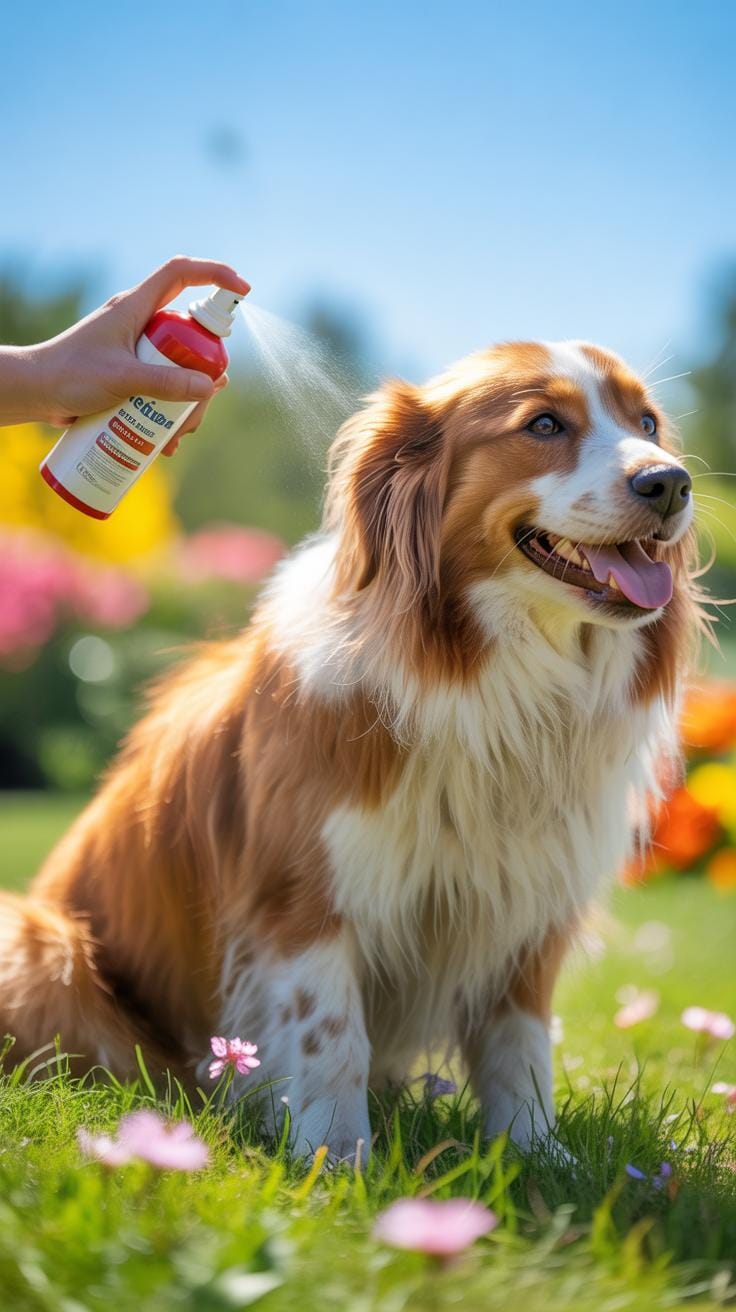
What To Look For In An Over The Counter Flea Spray For Dogs
Effective over-the-counter sprays must target multiple life stages of the parasite. Look for products containing adulticides like pyrethrins or fipronil to kill living fleas on contact. You also need an Insect Growth Regulator such as methoprene or pyriproxyfen. These chemicals stop eggs and larvae from maturing into biting adults. Without an IGR, the infestation will continue to cycle in your carpets and upholstery despite initial treatment.
Check the label for specific safety data regarding your dog’s age and weight. High-quality sprays distinguish between canine and feline formulas. Never use a product containing permethrin on a dog if cats live in your home. Read the duration of effectiveness to ensure the spray provides residual protection for at least thirty days. Choose a quiet applicator pump rather than a loud aerosol can to keep the dog calm during the process.
How Over The Counter Flea Sprays Compare To Homemade Alternatives
Commercial sprays outperform homemade mixtures because they utilize regulated chemical concentrations. Lab-tested formulas ensure the active ingredients remain stable and effective over time. Homemade sprays often rely on essential oils like cedar, peppermint, or rosemary. These natural oils may repel fleas temporarily but rarely kill them on contact. They lack the residual power required to break the flea life cycle found in professional pharmaceutical grade products.

Homemade solutions frequently pose hidden risks to your pet. Many essential oils are toxic to dogs if ingested or absorbed through the skin in high doses. Professional sprays undergo rigorous testing to determine safe application limits. You gain predictability with over-the-counter options that homemade recipes cannot match. Stick to EPA-registered products to guarantee the spray actually kills insects. Use commercial sprays for active infestations and reserve natural options for mild repellent use.
The Best Way To Get Rid Of Fleas Treating Your Home Not Just Your Dog
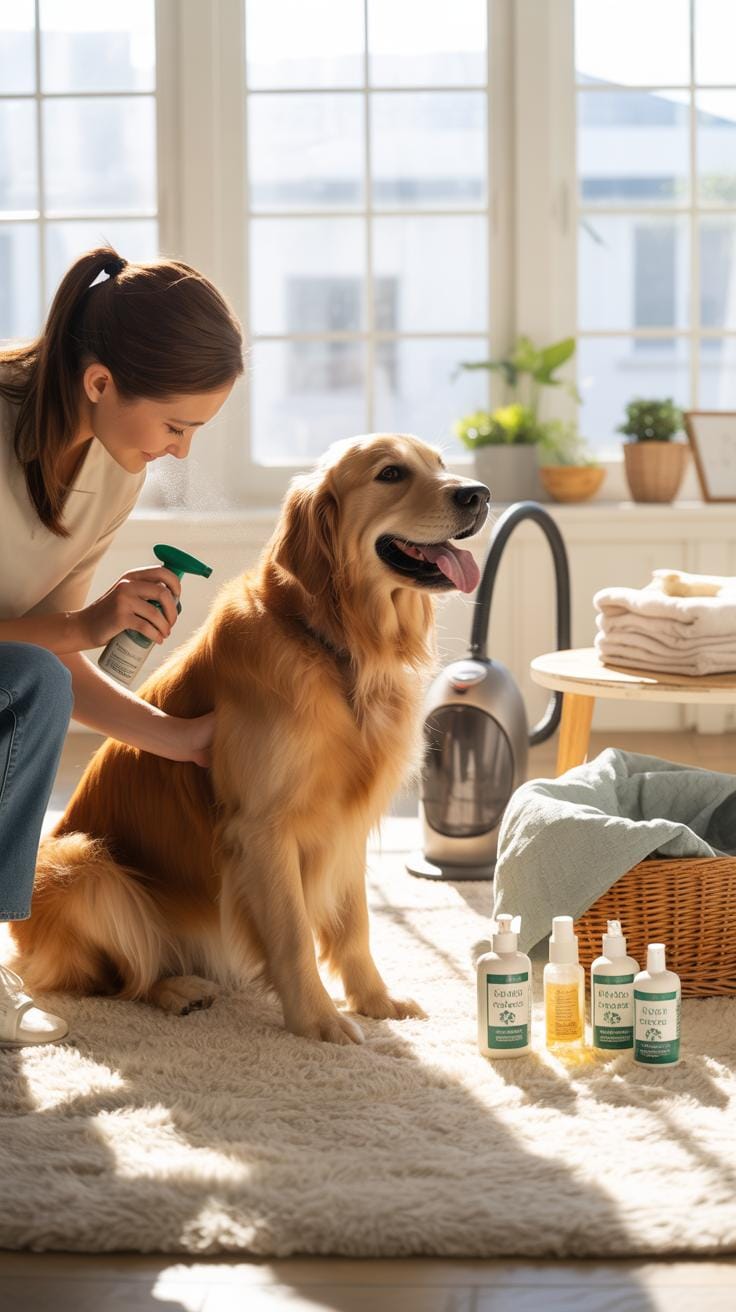
Why Vacuuming And Washing Bedding Is Critical To Breaking The Flea Life Cycle
Adult fleas live on your dog, but eggs and larvae live in your carpet. These life stages make up ninety percent of the population. Vacuuming pulls these stages out of the fibers using suction and heat. You must target dark areas under furniture and baseboards. This action disrupts the development cycle. It prevents new adults from hatching and biting your dog later.
Heat kills fleas at every stage of development. Wash all pet bedding and human linens in water at least one hundred forty degrees fahrenheit. Dry these items on the highest heat setting for thirty minutes. High temperatures destroy the protective shells of flea eggs. Repeat this process every few days until the infestation ends. Clean fabrics remove the food source for developing flea larvae.
How To Use Salt And Baking Soda To Treat Flea Infested Carpets And Floors
Salt acts as a powerful dehydrating agent against flea larvae and eggs. It draws moisture out of their bodies on contact and causes death. You must use finely ground salt for the best results. Sprinkle it heavily over all carpeted surfaces and rugs. Brush the salt into the fibers so it reaches the base. Leave the salt in place for two full days.

Baking soda works with salt to increase the effectiveness of the treatment. It helps penetrate the carpet fibers by loosening dirt and debris. This combination makes it easier to vacuum up Dead fleas and eggs later. Apply the mixture and wait forty eight hours before vacuuming thoroughly. Always empty the vacuum canister into an outdoor bin immediately. This prevents any surviving fleas from escaping back into your living room.
DIY For Fleas On Dogs Building A Consistent At Home Flea Prevention Routine
How Often You Should Treat Your Dog And Home To Prevent Flea Reinfestation
Flea life cycles dictate your treatment schedule. Most over the counter topical treatments require application every thirty days. You must apply these products on the same date each month to maintain a chemical barrier. Gaps in application allow surviving larvae to mature and restart the infestation. Consistency prevents the population from regaining a foothold on your dog or in your carpets.
Environmental cleaning requires a more aggressive timeline during active outbreaks. Vacuum all floor surfaces every two days to remove eggs and pupae. Wash pet bedding in hot water weekly to kill developing insects. Outdoor areas need attention every two weeks during peak flea season. Combine these schedules to disrupt the three month life cycle. Skipping one week can result in a new wave of adult fleas.
DIY Flea Traps And Environmental Controls To Keep Fleas Away Long Term
Effective environmental control focuses on physical removal and lethal traps. These methods target fleas in the carpet and furniture before they reach your dog. You can build simple traps using household items to monitor flea activity levels. Strategic placement near pet sleeping areas yields the best results. Use these tools alongside regular cleaning to ensure your home stays clear of pests.
- Light Traps: Place a dish of soapy water under a low hanging lamp at night. Fleas gravitate toward the heat and light then jump into the water. The soap breaks the surface tension and drowns the insects instantly.
- Diatomaceous Earth: Spread food grade powder across carpets and baseboards to dehydrate adult fleas and larvae. This natural mineral remains effective as long as it stays dry. Vacuum the powder and trapped debris after forty eight hours of contact.
- Frequent Vacuuming: Use a vacuum with high suction to pull eggs and pupae from deep carpet fibers. Empty the canister or bag immediately into an outdoor bin to prevent escape. This physical removal is the most effective way to stop the life cycle.
- Hot Water Washing: Launder all fabric items at temperatures above one hundred forty degrees Fahrenheit. High heat kills fleas at every stage of development including the resilient egg stage. Dry the items on the highest heat setting for maximum lethality.
- Steam Cleaning: Use a commercial vapor steamer on upholstery and heavy rugs where larvae hide. The intense heat penetrates thick materials that standard vacuums cannot reach. This method destroys flea populations living inside furniture cushions and deep pile carpeting.

Control the outdoor environment to prevent new fleas from entering the house. Keep grass cut short to reduce moisture and shade where fleas thrive. Remove piles of leaves or wood debris near the home foundation. Use nematodes in the soil to naturally hunt flea larvae in the dirt. These tactical moves create a perimeter that keeps your dog safe during daily outdoor trips.
When Home Treatment Is Not Enough Knowing When Dog Fleas Require Vet Attention
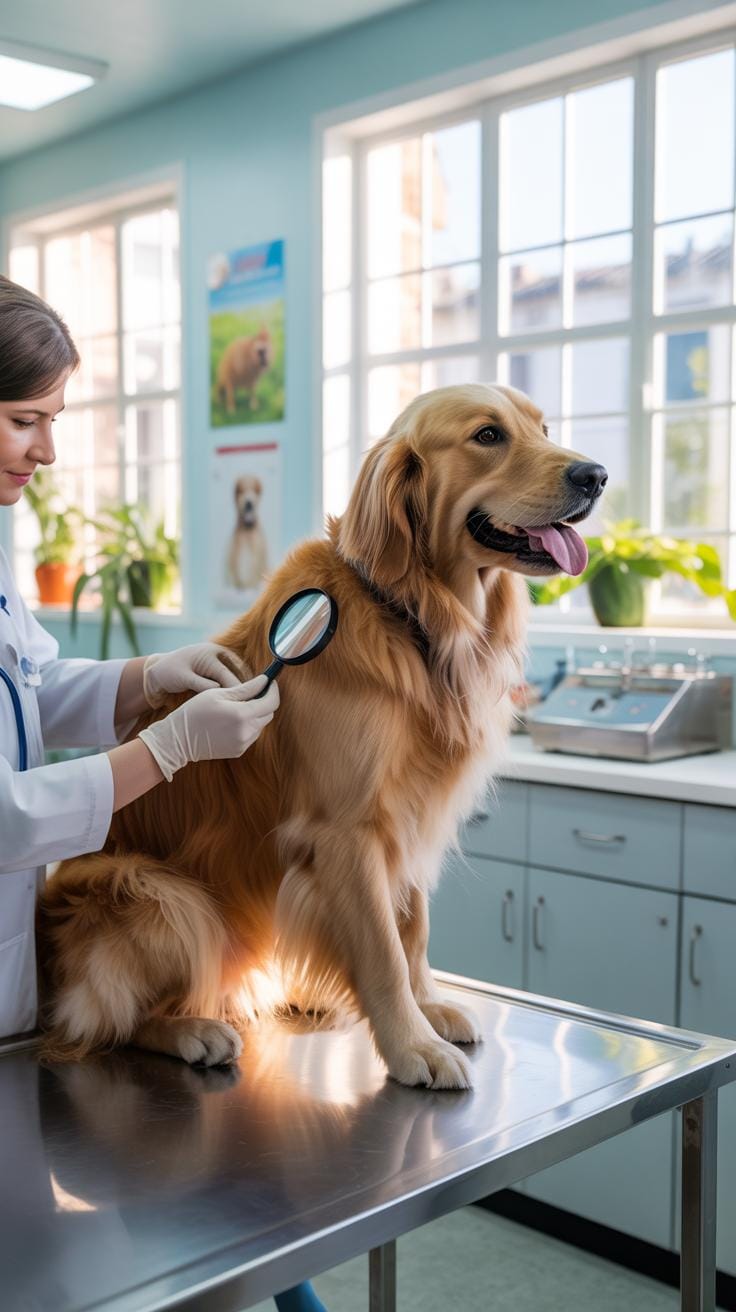
Warning Signs That Your Dog’S Flea Problem Has Become A Medical Issue
Home remedies fail when a flea infestation triggers systemic health failure. You must watch for pale gums or extreme lethargy in your dog. These signs indicate flea anemia from massive blood loss. Puppies and small breeds face the highest risk of death from this condition. If the dog stops eating or shows coordination loss, stop home treatment immediately. Professional medical intervention is the only way to stabilize the animal.
Skin infections represent another critical tipping point for owners. You will see oozing sores, hot spots, or a foul odor from the skin. Scratching often introduces bacteria into open wounds created by flea bites. This leads to secondary staph infections that require prescription antibiotics. Topical store-bought creams cannot reach deep tissue infections. Monitor for significant hair loss or thick, crusty scabs that do not heal with standard cleaning.
Flea Related Conditions Like Flea Allergy Dermatitis And Tapeworm Infection Explained
Flea Allergy Dermatitis occurs when a dog reacts to flea saliva. A single bite triggers an intense immune response across the entire body. The dog will chew at its tail base and inner thighs until the skin bleeds. Antihistamines and shampoos rarely solve this systemic inflammation. You need a vet to prescribe corticosteroids to break the itch cycle. Without these drugs, the dog remains in constant physical distress and pain.

Internal parasites often follow external flea problems. Dogs swallow fleas while grooming and ingest tapeworm larvae in the process. You will notice small, white segments that look like grains of rice near the dog’s tail. Natural dewormers often lack the strength to kill these specific flatworms entirely. A vet provides targeted praziquantel treatments to eliminate the parasite. Failure to treat tapeworms leads to weight loss and nutritional deficiencies over time.
Frequently Asked Questions

Can I really get rid of fleas on my pet without visiting a clinic?
Yes, it is entirely possible to clear an infestation using over-the-counter products and natural remedies. Many owners successfully manage these pests by combining deep cleaning with consistent topical applications. Finding a reliable dog flea treatment without vet intervention requires patience and diligence, but by focusing on both the pet’s coat and the home environment, you can eliminate the life cycle of the fleas and keep your furry friend comfortable and itch-free.
What is the most effective way to apply a home remedy?
For a successful dog flea treatment without vet assistance, start with a thorough bath using dawn dish soap or a specialized flea shampoo. Use a fine-toothed flea comb while the hair is wet to manually remove adults and eggs. Afterward, apply a diluted apple cider vinegar spray as a natural repellent. Consistency is vital; you must repeat this process and wash all bedding in hot water to prevent a re-infestation.
Are there affordable household items that kill fleas on dogs?
Many effective solutions are likely already in your pantry. Baking soda and salt are excellent for dehydrating flea larvae in carpets, while lemon juice can be boiled to create a potent citrus spray for your dog’s bedding. These low-cost methods provide an accessible alternative to expensive prescriptions. Combined with regular grooming, these household staples offer an budget-friendly approach to maintaining a pest-free home without needing a professional office visit.