What Is Dog Heatstroke And Why Its A Medical Emergency
Understanding How A Dogs Body Regulates Heat
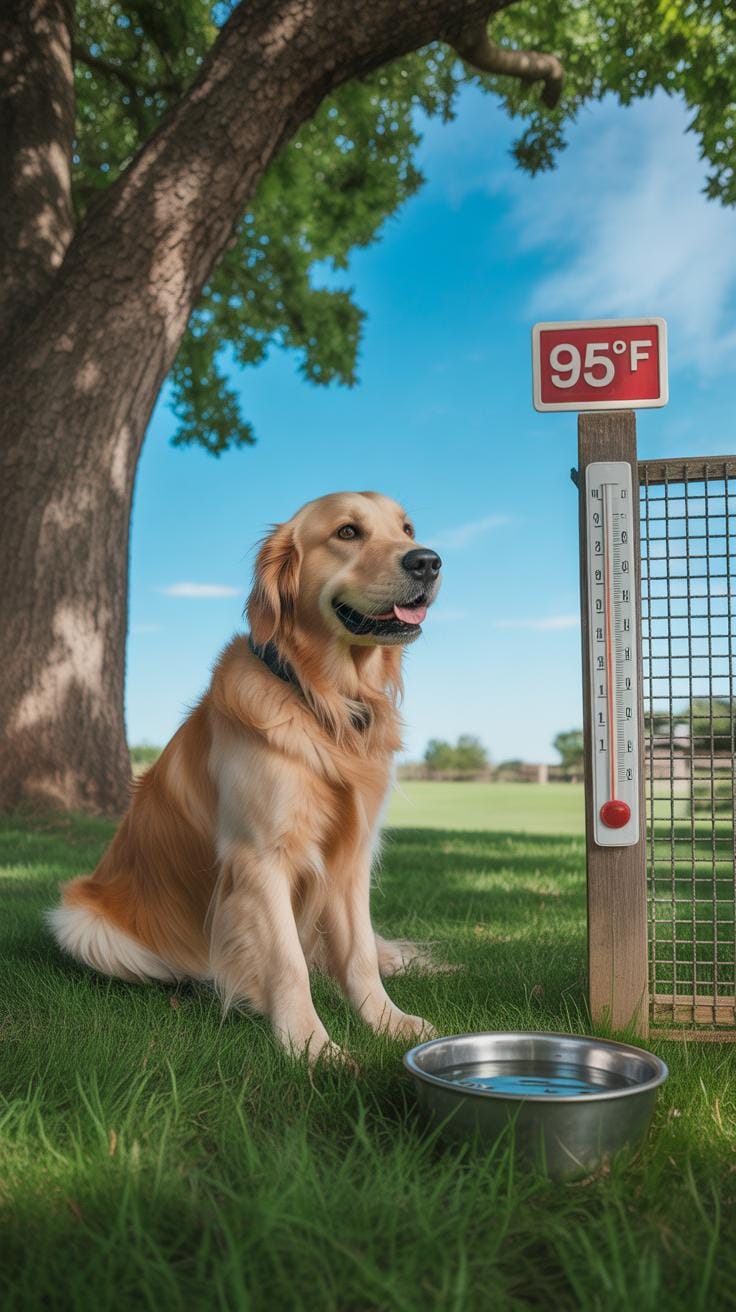
Dogs regulate their internal temperature primarily through evaporation. Panting serves as their main cooling mechanism. When a dog pants, they move air quickly over the moist tissues of the tongue and lungs. This process evaporates moisture and carries heat away from the body. It works well in moderate conditions but fails when the surrounding air becomes too hot or humid for evaporation to occur.
Direct radiation and conduction also play minor roles in cooling. A dog will seek out cold surfaces like tile or dirt to transfer body heat through touch. They also utilize vasodilation. This process expands blood vessels in the face and ears to bring warm blood closer to the skin surface. These methods are secondary and cannot keep up with extreme external temperatures or intense physical exertion.
Why Dogs Are More Vulnerable To Overheating Than Humans
Humans have sweat glands distributed across their entire body surface. This allows for rapid cooling through perspiration. Dogs only possess sweat glands in their paw pads. These small glands cannot provide enough cooling to stabilize their core temperature in high heat. They rely almost entirely on their respiratory system to stay cool. This biological limitation makes them prone to heat exhaustion much faster than humans.
Environmental factors also increase their vulnerability. Dogs wear a permanent fur coat that traps heat against the skin. They breathe air closer to the hot ground where pavement temperatures can exceed air temperatures by thirty degrees. Because they lack an efficient full body cooling system, their internal temperature can rise to dangerous levels in minutes. Once their core temperature hits 106 degrees, organ damage begins immediately.

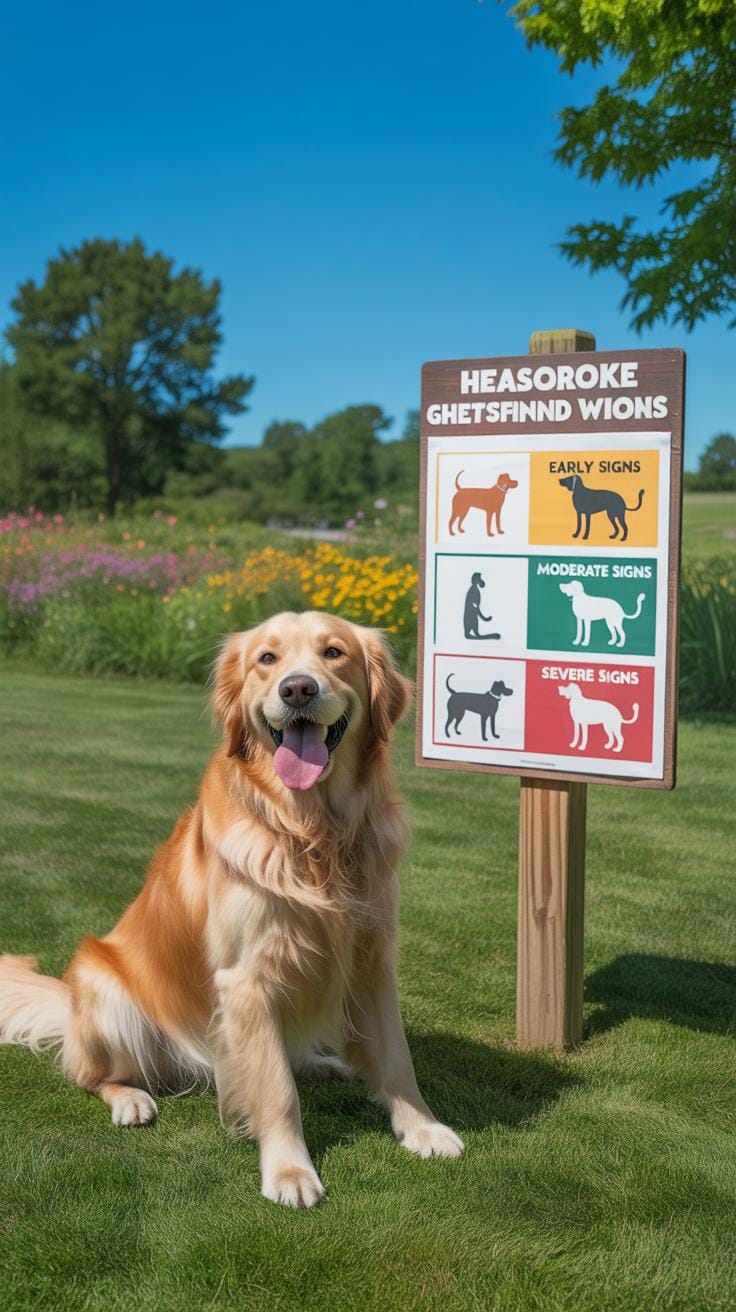
The Pet Heatstroke Warning Chart Early Moderate And Severe Dog Heatstroke Signs
Early Warning Signs Of Heatstroke Every Dog Owner Should Recognize
Dogs regulate heat primarily through panting and sweat glands in their paw pads. Early dog heatstroke signs begin with heavy and frantic panting that does not stop after rest. You will notice the dog seeking shade or cool surfaces aggressively. Their tongue may appear longer than usual and turn a bright red color. These initial physical changes indicate the animal is struggling to maintain a safe internal body temperature.
Pay close attention to the saliva thickness and the dog’s energy levels. The spit becomes thick and sticky as the dog loses hydration. You might see the dog move slower or stumble slightly while walking. Gums often become dry to the touch instead of slippery. Do not ignore these subtle shifts in behavior. Immediate cooling efforts at this stage can prevent the condition from progressing into a life-threatening medical emergency.
Severe Dog Heatstroke Signs That Require Immediate Veterinary Attention
Severe heatstroke occurs when the dog’s internal temperature exceeds 106 degrees Fahrenheit. At this stage, the brain and internal organs begin to suffer permanent damage. Look for dark red, purple, or gray gums which signal a lack of oxygen in the blood. The dog may stop panting entirely and collapse. Vomiting and bloody diarrhea are common as the lining of the digestive tract starts to break down from extreme heat.

Advanced neurological symptoms demand instant action to save the dog’s life. You will see tremors, seizures, or a complete lack of responsiveness to its name. The dog might breathe with a loud, raspy sound due to swelling in the throat. Rapid heart rates and pinpoint pupils indicate the body is failing. If these signs appear, you must transport the animal to a clinic while applying cool water to its body during the drive.
Dog In Heat Symptoms Vs Heatstroke Symptoms Knowing The Difference
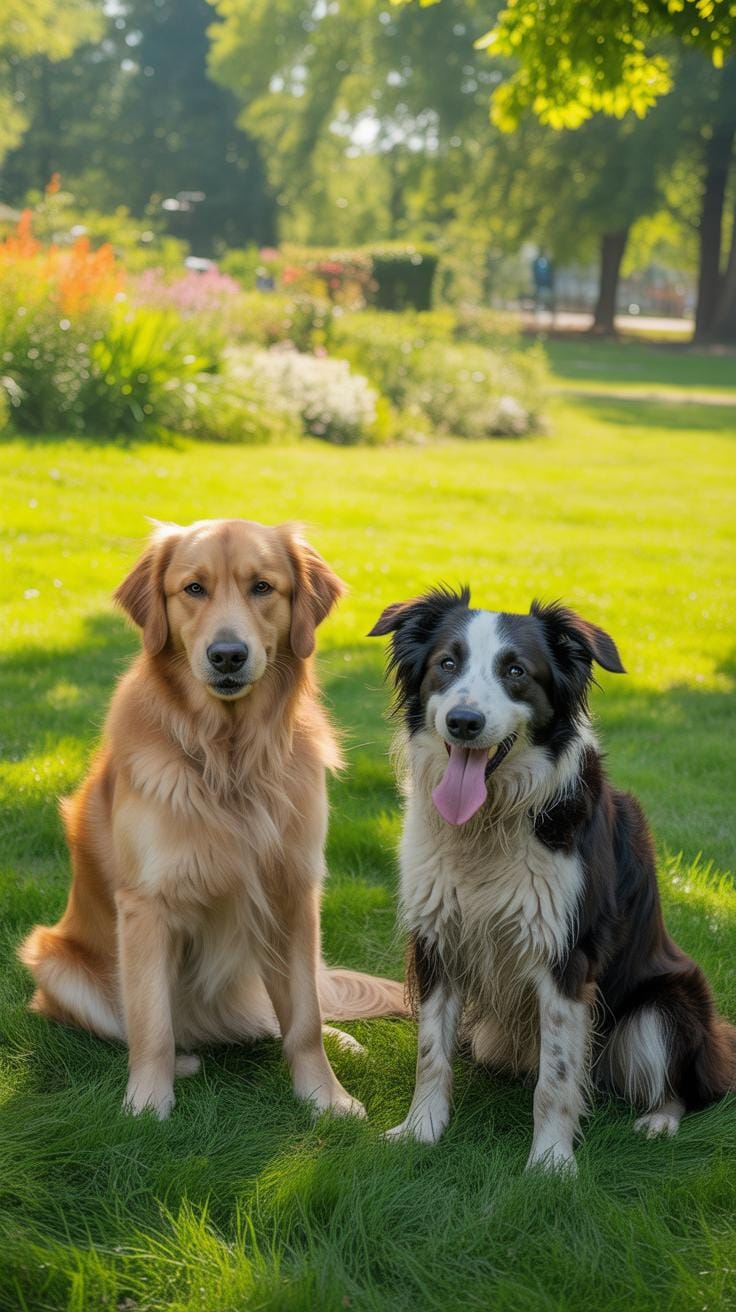
What Dog In Heat Symptoms Actually Look Like And How They Differ From Heatstroke
A female dog in heat shows specific reproductive changes. You will see a swollen vulva and bloody discharge. The dog may urinate more often to spread pheromones. These biological markers indicate the estrus cycle. They do not involve the respiratory system or internal temperature spikes. Behavior remains mostly alert but focused on finding a mate. Physical changes are localized to the rear area.
Heatstroke involves a total systemic failure from high body temperature. Most dogs in heat do not pant heavily or collapse. Dog heatstroke signs include thick saliva and bright red gums. While a dog in heat is restless, a heatstroke victim is distressed or unconscious. If your dog pants rapidly while showing a swollen vulva, she may have both issues. Never assume discomfort is just hormonal.
Why Confusing The Two Conditions Can Put Your Dog At Risk
Mistaking heatstroke for a reproductive cycle leads to fatal delays. Heatstroke causes brain damage and organ failure within minutes. Owners often think a restless dog just needs space or a mate. This error allows the internal temperature to climb past 106 degrees. By the time you notice the mistake, the damage is often permanent. Speed is the only thing that saves a dog.

You must monitor the environment to distinguish the two. High humidity and direct sun trigger heatstroke regardless of the hormonal cycle. If the dog cannot stop panting, it is a medical emergency. Do not wait for discharge to stop before seeking help. A dog in heat can still suffer from heat exhaustion. Treat any signs of heavy breathing as a life safety threat immediately.
What To Do Immediately When You Notice Dog Heatstroke Signs
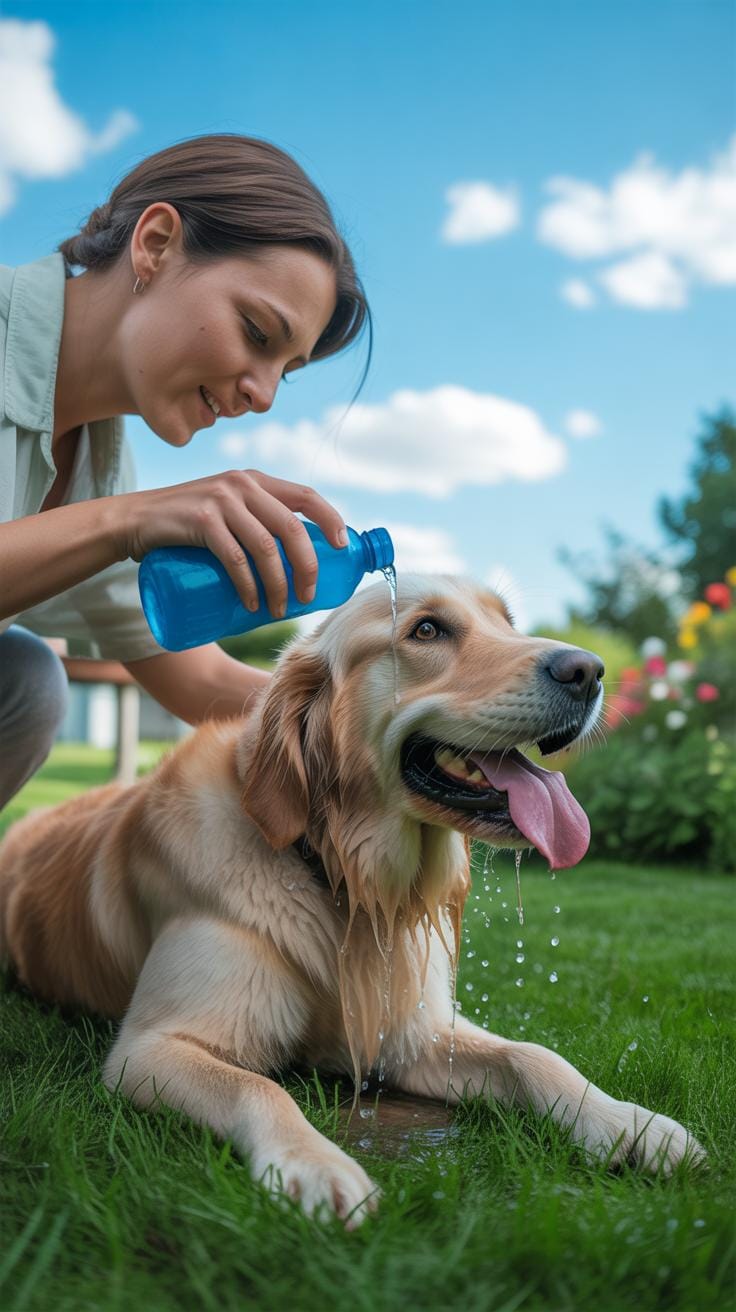
Step By Step First Response Actions To Cool Your Dog Down Safely
Seconds count when a dog overheats. You must stop the core temperature from rising immediately. Move the animal to a shaded or air conditioned area. Airflow is your primary tool for heat exchange. Position the dog in front of a fan or near an air vent. This facilitates evaporative cooling. Do not wait for a veterinarian to begin these basic cooling steps.
- Apply Lukewarm Water: Soak the coat and skin with cool or lukewarm water. Focus on the underbelly, armpits, and groin area where blood vessels are closest to the surface. Avoid freezing water as it causes blood vessels to constrict and traps heat.
- Enhance Air Circulation: Place the dog directly in the path of a high powered fan or air conditioning unit. Moving air speeds up the evaporation of moisture from the skin. This process draws heat away from the body core effectively and rapidly.
- Offer Small Drinks: Provide cool water for the dog to lap up. Do not force water down the throat or into the mouth. Forced hydration can lead to aspiration pneumonia. If the dog cannot drink on its own, move to the next cooling step.
- Monitor Body Temperature: Use a rectal thermometer to check the temperature every few minutes. Stop active cooling efforts once the dog reaches 103 degrees Fahrenheit. Continuing to cool beyond this point puts the animal at risk of hypothermia and organ failure.
- Transport To Clinic: Place the dog on a wet towel inside a cooled vehicle. Call the emergency vet while you are in transit. They need to prepare for your arrival. Keep the air conditioning on high and directed toward the dog during the entire drive.
Stable cooling requires constant vigilance and precision. You are trying to bridge the gap between the onset of symptoms and professional medical intervention. Never leave the dog unattended during this process. Watch for signs of shock or respiratory distress. Your goal is a gradual but steady decline in temperature. Rapid fluctuations can cause further internal damage to the vital organs.
Critical Mistakes To Avoid When Treating A Dog Showing Heatstroke Signs
Avoid using ice or extremely cold water on an overheating dog. Sudden cold causes the peripheral blood vessels to seize up. This creates an insulating layer that keeps the core heat trapped inside. You might think you are helping, but you are actually cooking the internal organs. Stick to lukewarm or cool water to ensure the heat can actually escape the body.

Do not cover the dog with wet towels and leave them there. A wet towel quickly becomes a heat trap as it warms up to the dog’s body temperature. It stops evaporation and blocks airflow. You must constantly refresh the water and keep air moving over the skin. Never force the dog to move or exercise once you notice the initial distress signs.
Dog Health Care Breeds And Risk Factors That Increase Heatstroke Vulnerability
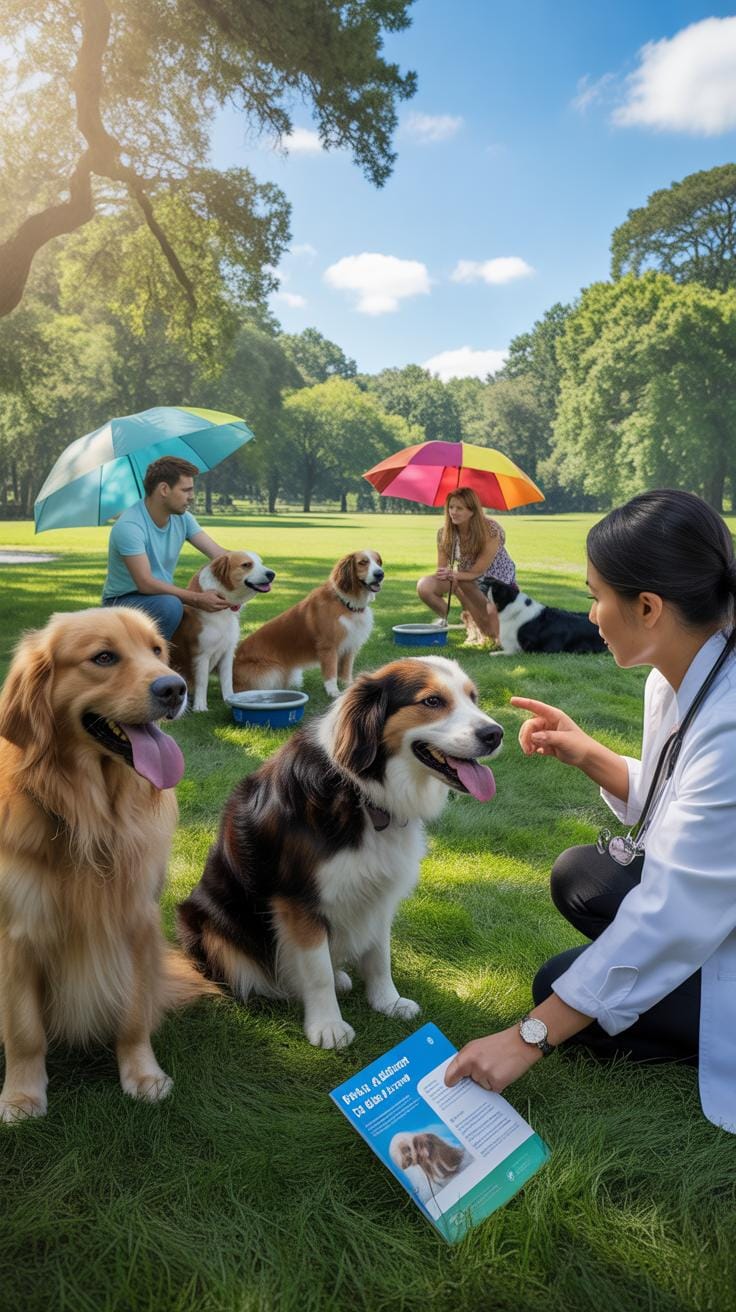
Why Brachycephalic Breeds Face A Higher Risk Of Heatstroke
Brachycephalic breeds have flat faces and shortened snouts. This anatomy restricts the upper airway. Dogs do not sweat like humans to cool down. They rely on panting to move air over wet tongue surfaces. Shortened facial structures reduce the surface area available for evaporation. This physical limitation makes it difficult for these dogs to expel body heat efficiently during high temperatures.
Extreme heat causes these dogs to pant harder to compensate for poor airflow. This intense effort creates inflammation in the throat and narrow airways. Swelling further blocks the passage of oxygen and traps heat inside the body. Owners must monitor Pugs, Bulldogs, and Boxers closely in warm weather. Their cooling systems fail much faster than dogs with longer muzzles and open nasal passages.
To protect the spark in their eyes, watch for heavy panting or stumbling and move them to the shade with cool water immediately. Our faithful companions depend on us to be their cool breeze on a sweltering day.
How Age, Weight, And Underlying Health Conditions Affect Your Dog’S Heat Tolerance
Age and body mass directly impact how a dog handles thermal stress. Puppies have underdeveloped thermoregulation systems. Senior dogs often suffer from declining organ function or poor circulation. These factors prevent the body from responding quickly to rising external temperatures. Obesity acts as insulation. Excess fat layers trap heat and force the heart to work harder. Fat dogs reach dangerous internal temperatures more rapidly.

Underlying medical issues create hidden vulnerabilities. Heart disease prevents efficient blood flow to the skin for cooling. Laryngeal paralysis stops the dog from panting effectively. Respiratory infections limit oxygen exchange during heat stress. Diabetic dogs may struggle with dehydration which thickens the blood. You must recognize that a dog with existing health problems has a lower breaking point. Manage their environment to avoid any heat exposure.
Pet Heatstroke Prevention Practical Dog Health Tips For Hot Weather
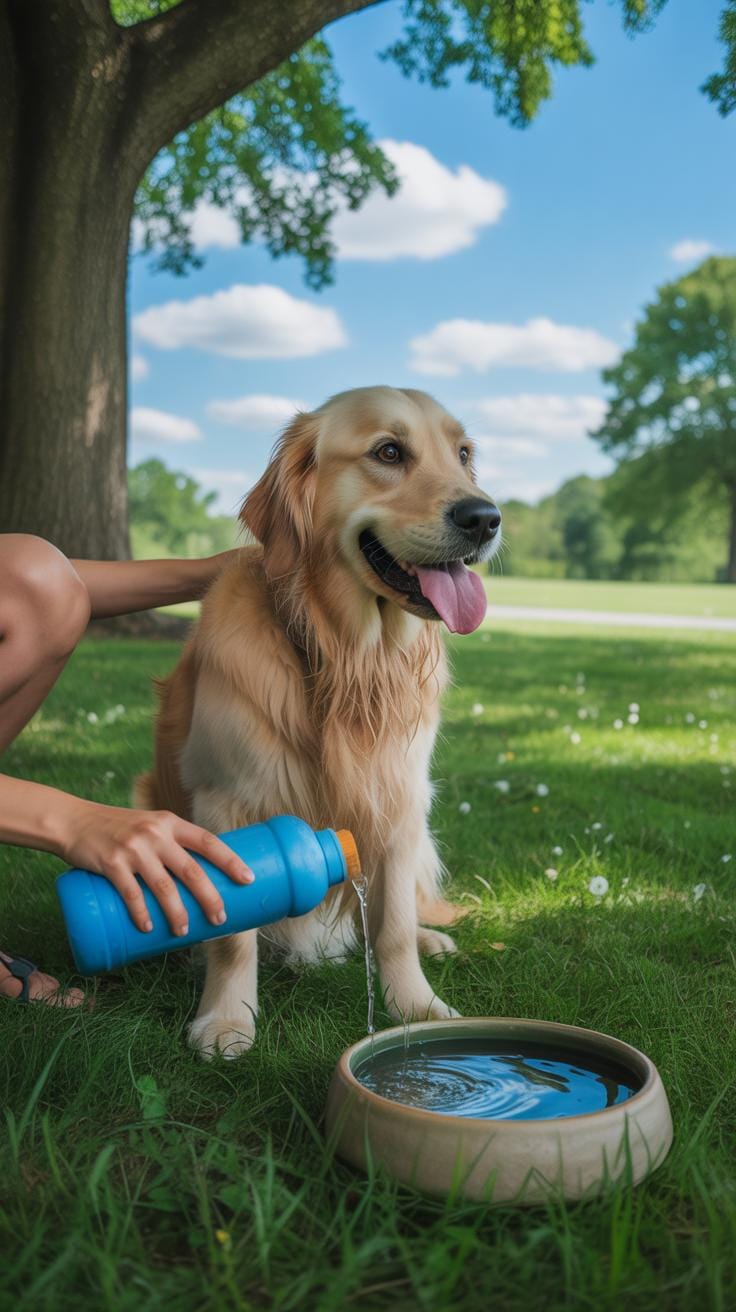
Daily Habits That Significantly Lower Your Dog’S Risk Of Overheating
Effective heatstroke prevention starts with environmental control. Dogs cannot sweat like humans to dump heat. They rely on panting and conduction to regulate temperature. You must provide a cool environment to keep their baseline temperature low. Humidity is just as dangerous as heat because it stops panting from working. Watch the weather every morning to plan your dog’s day.
- Hydration Access: Keep multiple water bowls filled with fresh, cool water at all times. Dogs lose significant moisture through panting and need 1 ounce of water per pound of body weight daily. Lack of water leads to thick saliva which makes cooling less efficient.
- Shade Management: Ensure outdoor areas have deep shade with airflow if your dog is outside briefly. Direct sunlight can raise a dog’s body temperature by several degrees in minutes. Trees and covered porches offer better protection than enclosed plastic dog houses.
- Cool Surfaces: Offer access to tile floors or cooling mats rather than carpets or rugs. Dogs transfer heat from their bellies to cold surfaces through conduction. In many homes, the bathroom floor is the safest place for a dog to rest during a peak heatwave.
- Ventilation Control: Use fans or air conditioning to move air across the dog’s body. Stagnant air traps heat around the fur and prevents effective evaporation from the tongue. If the indoor temperature exceeds 80 degrees, standard fans may not be enough to prevent stress.
- Grooming Maintenance: Brush your dog regularly to remove trapped undercoat hair. Thick mats act as insulation that holds heat against the skin. Avoid shaving double-coated breeds because their outer fur can actually provide a layer of protection against the sun’s rays.
Monitoring behavior is the second part of a daily safety routine. Look for changes in energy or persistent seeking of cold spots. If your dog stops eating or seems lethargic, check the room temperature immediately. Small adjustments to the home environment prevent the physical stress that leads to heatstroke. Consistency in these daily habits is the only way to ensure your dog stays safe.
How To Safely Exercise Your Dog During Summer Without Triggering Heat Stress
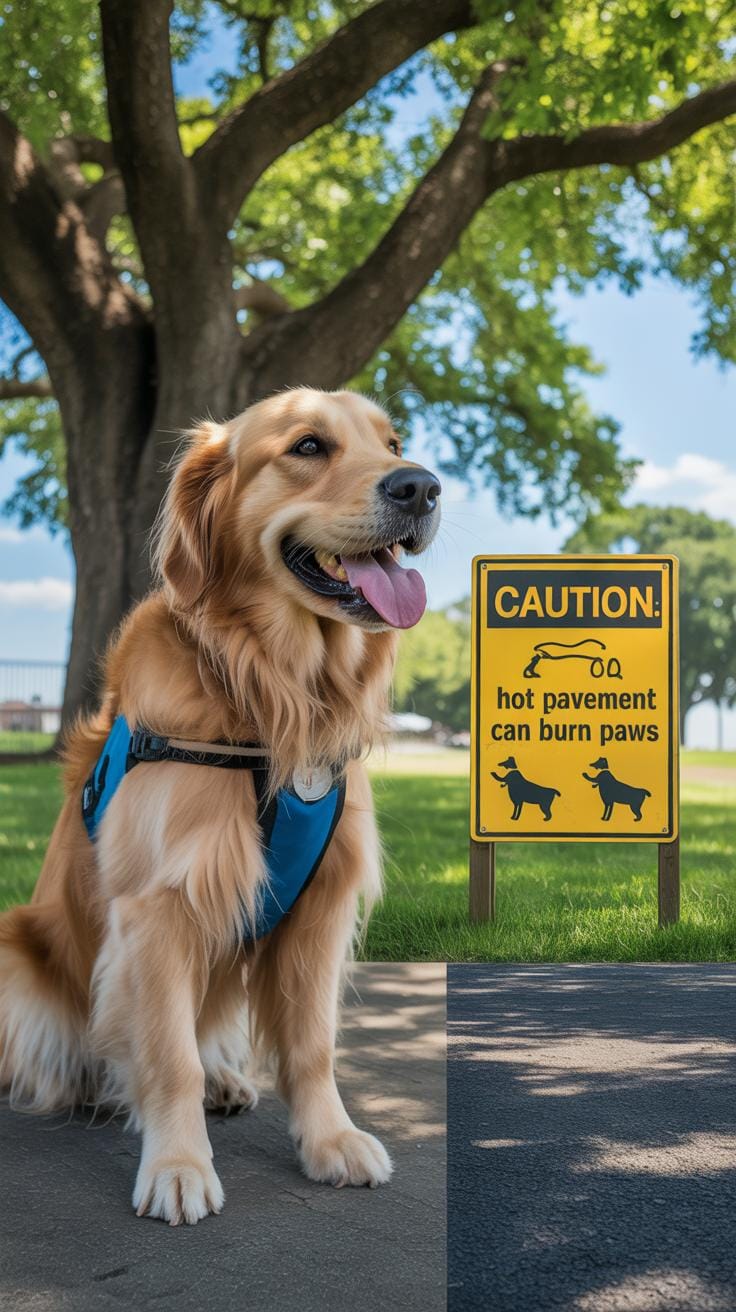
Exercise your dog during the early morning or late evening hours. Avoid the peak sun between 10 AM and 6 PM when the ground holds the most heat. Asphalt and concrete absorb thermal energy and deliver it directly to the dog’s paws and low-slung body. Test the ground with your hand for five seconds. If it’s too hot for you, it’s too hot for them.

Lower the intensity and duration of all physical activities during summer months. Replace long runs with slow walks or indoor mental games. Bring a portable water bowl and stop for frequent breaks in the shade. If your dog starts to lag behind or pant heavily, stop the walk immediately. Pushing a dog through heat leads to permanent organ damage or death within minutes.
Dog Heat Safety Guide Dangerous Environments And Situations To Avoid
Why Parked Cars Are One Of The Deadliest Places For A Dog In Hot Weather
A parked car acts as a greenhouse by trapping solar radiation through glass. Interior surfaces like dashboards and seats absorb this heat and radiate it back into the cabin. This process raises the internal temperature far above the outside air. Cracking a window does nothing to stop this climb. A dog cannot sweat to cool down like a human. They rely on panting alone.
Panting requires cool air to be effective. Inside a sealed or poorly ventilated car, the air becomes saturated with moisture and heat. The dog quickly begins breathing in hot air, which raises their core body temperature to lethal levels. Brain damage and organ failure occur within minutes. Never leave a dog in a vehicle. Even a mild day can turn a car into a furnace.
Outdoor And Indoor Environments That Silently Push Dogs Toward Heat Exhaustion
High humidity is a silent killer for dogs. When the air is thick with moisture, panting fails to evaporate saliva from the tongue. This evaporation is the primary way a dog sheds heat. Without it, their cooling system breaks down completely. Shaded areas help but provide no protection if the ambient air is too humid. Stagnant air in garages or sheds creates similar risks.

Asphalt and concrete store thermal energy long after the sun goes down. Walking a dog on these surfaces causes heat to transfer directly into their paws and belly. This raises their internal temperature rapidly. Indoor spaces without proper airflow or air conditioning also pose threats. Dogs trapped in rooms with direct sunlight and no ventilation can suffer heatstroke. Always prioritize moving air and cool surfaces.
Dog Care After A Heatstroke Event Recovery Monitoring And Vet Follow Up
What To Expect During Your Dog’S Recovery After A Heatstroke Diagnosis
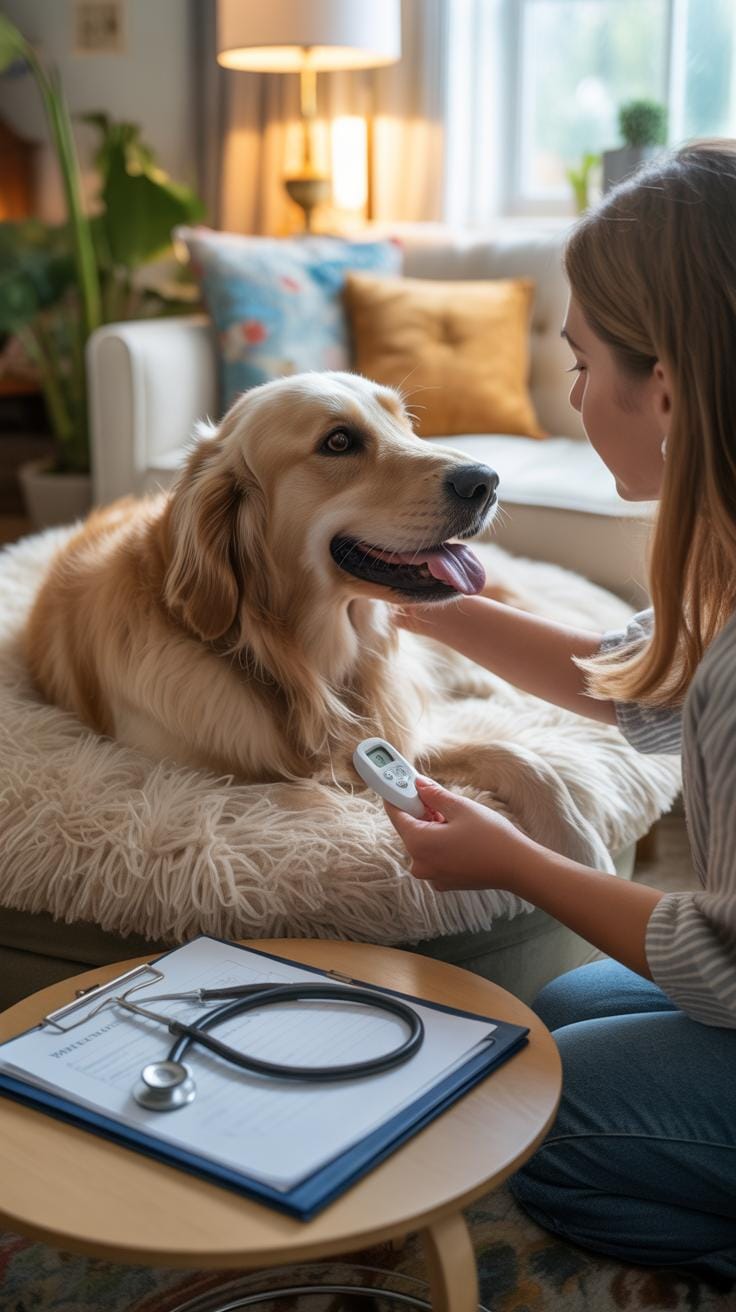
A dog recovering from heatstroke requires intense medical supervision for at least forty-eight hours. The initial crisis often leads to secondary complications that do not appear immediately. Veterinarians focus on stabilizing body temperature and maintaining blood pressure through intravenous fluids. You must expect your dog to stay in a climate-controlled hospital setting. Doctors will monitor oxygen levels and heart rhythms to prevent sudden collapse.
Recovery is not a linear process for many animals. Organ damage may manifest hours after the temperature stabilizes. Your vet will perform frequent blood tests to check kidney and liver function. They will also look for signs of disseminated intravascular coagulation or abnormal blood clotting. You must manage your expectations during this period. Survival often depends on how quickly you initiated cooling before reaching the professional medical facility.
Long Term Dog Health Care Considerations Following A Heatstroke Episode
Once home your dog remains highly vulnerable to future heat events. The brain’s thermoregulation center often suffers permanent damage during a heatstroke episode. This means your dog cannot regulate its internal temperature as effectively as before. You must strictly limit exercise during warm hours. Provide constant access to shade and fresh water. Monitor your dog for any returning signs of distress or heavy panting.

Internal scarring can impact long-term health and organ efficiency. Some dogs develop chronic kidney issues or heart arrhythmias because of the initial thermal trauma. Schedule regular follow-up appointments to track these vital systems. Inform every future caregiver or kennel about this medical history. Any slight elevation in environmental temperature now poses a lethal threat. You must adapt your lifestyle to prioritize the dog’s cooling and safety necessities.
Frequently Asked Questions

What are the most common early dog heatstroke signs to look for?
Recognizing dog heatstroke signs early can save your pet’s life. The most common initial symptoms include heavy, frantic panting and thickened saliva. You may also notice your dog’s gums turning a bright, dark red color or observe unusual lethargy. If your dog seems distressed, disoriented, or starts staggering while walking in the heat, these are critical red flags that require immediate cooling measures and a quick call to your local veterinarian.
What is the first thing I should do if my dog is overheating?
If you notice primary dog heatstroke signs, move your pet to a cool, shaded area immediately. Use lukewarm water—never ice-cold—to wet their fur and skin, focusing on the neck, armpits, and groin. Place them near a gentle fan to encourage evaporative cooling. Offer small amounts of cool water to drink, but do not force it. Always transport them to an emergency vet clinic right away for professional monitoring and hydration.
Are there low-cost ways to prevent heatstroke for my dog at home?
Keeping your pet safe doesn’t have to be expensive. Provide constant access to multiple shaded areas and fresh, cool water bowls throughout your home and yard. You can create a DIY cooling station by freezing water in plastic bottles and wrapping them in old towels for your dog to lie against. Ensure indoor spaces have good airflow with simple floor fans, and always schedule outdoor walks during the early morning or late evening hours.