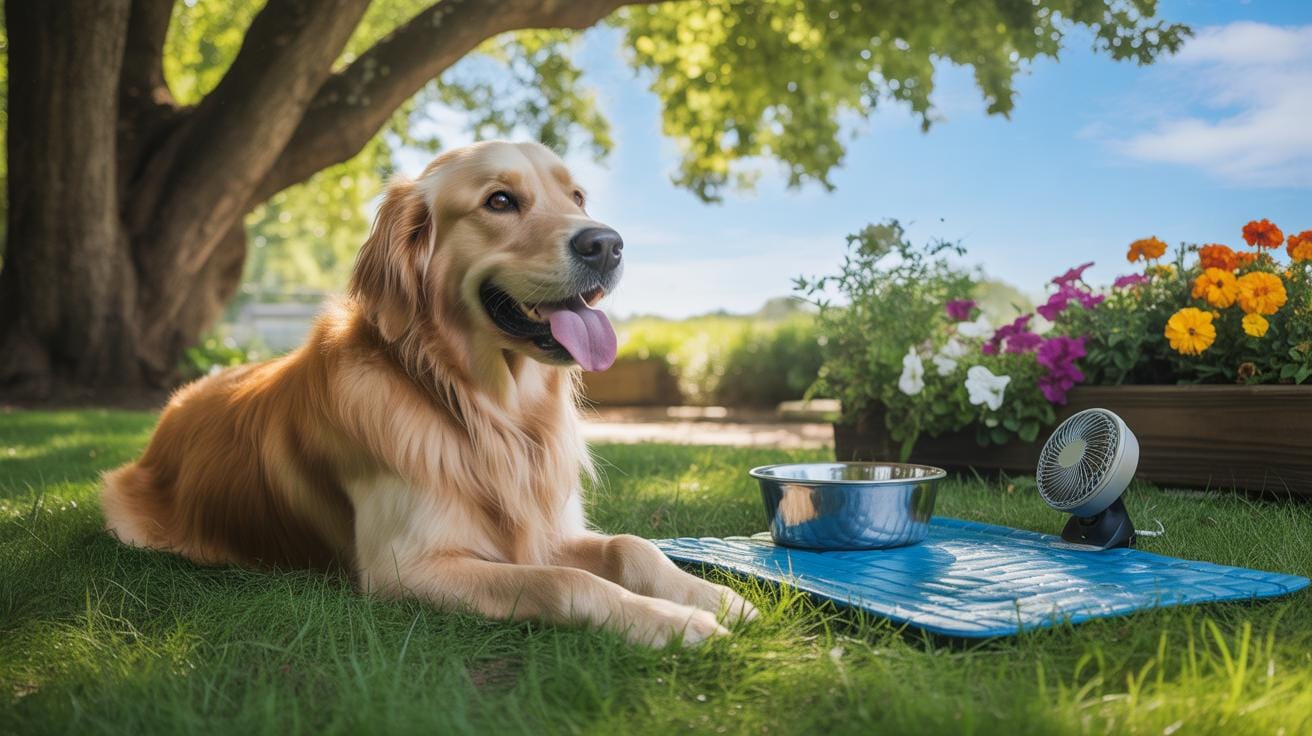
Understanding Summer Heat Dog Care Tips Every Owner Should Know
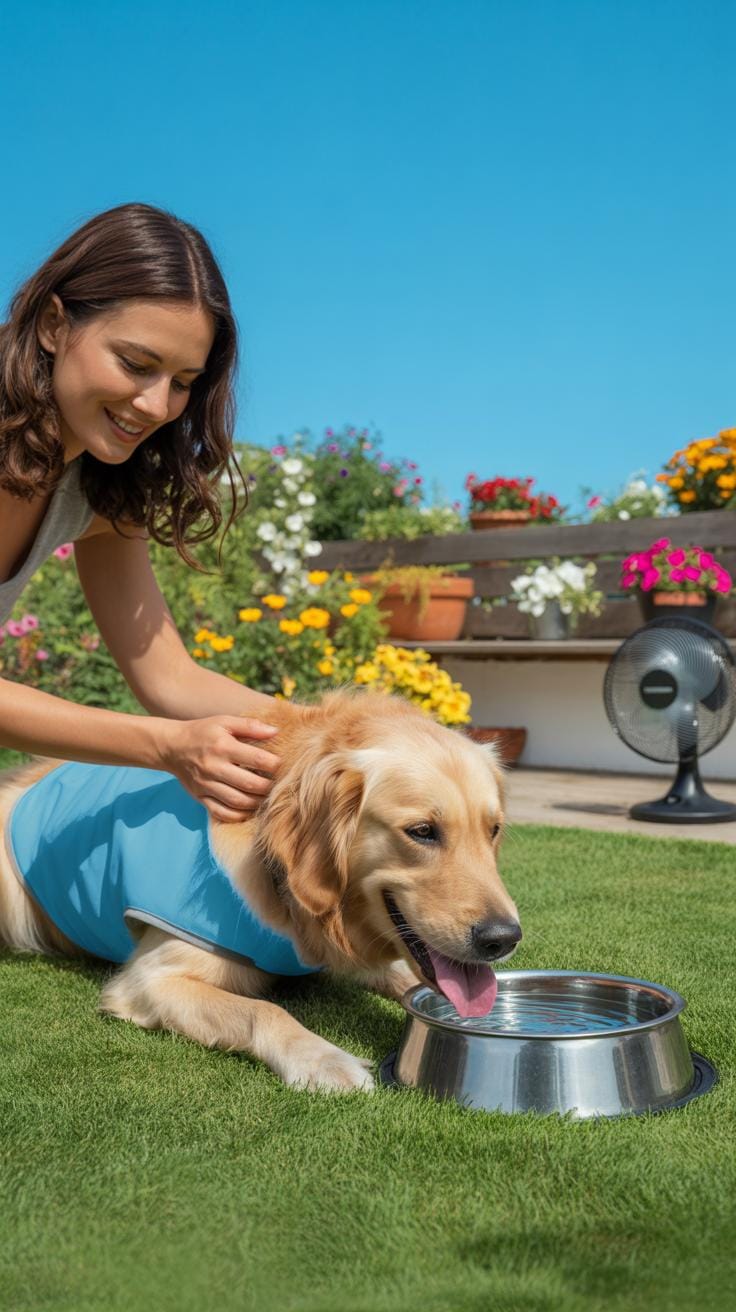
Why Dogs Struggle More Than Humans In The Heat
Dogs lack the sweat glands that cover human skin. Humans release heat through perspiration across their entire body. Dogs only have active sweat glands in their paw pads. Small paw surface area makes this cooling method inefficient during extreme heat. Fur coats also trap heat against the skin instead of allowing it to escape. This biological design prevents rapid cooling in high temperatures.
Ambient humidity and ground temperature create immediate risks for canines. Dogs stay closer to the ground where asphalt and concrete radiate intense heat. Their bodies absorb this heat through their belly and paws. Since they cannot shed heat through skin evaporation, their internal temperature rises faster than a human’s. Owners must understand that dogs reach critical heat levels before people even feel uncomfortable in many environments.
How Dogs Regulate Their Body Temperature Through Panting
Panting serves as the primary cooling mechanism for any dog. A dog moves air rapidly over the moist tissues of the tongue and lungs. This process evaporates moisture and carries heat away from the body. Effective cooling requires the dog to inhale through the nose and exhale through the mouth. This exchange depends entirely on the surrounding air temperature being lower than the dog’s body.
High humidity kills the efficiency of panting. Moisture in the air prevents the evaporation needed to lower the dog’s temperature. When the air is too hot or humid, panting becomes a circular exercise that wastes energy and generates more internal heat. This leads to respiratory distress and eventual heatstroke. You must provide shade and cool water to assist this natural but limited cooling process during summer.

Recognizing Heat Related Risks A Dog Heat Safety Guide
Early Warning Signs Of Overheating In Dogs
Dogs rely on panting to regulate their internal temperature because they lack sweat glands across most of their bodies. Excessive or heavy panting indicates the cooling system is failing to keep up with ambient heat. Watch for a wide, flattened tongue and dark red gums. These physical changes show the dog is struggling to move air and oxygen. Early detection prevents minor heat stress from turning into a fatal medical crisis.
Pay close attention to changes in behavior and movement. Overheated dogs often appear disoriented or search frantically for shade and water. You might notice thick, ropey saliva or a sudden refusal to follow commands. Some dogs will lay down and refuse to move despite your calls. If the dog shows any weakness or wobbling while walking, you must take immediate action to lower their temperature. Do not wait for more severe symptoms.
The Difference Between Heat Exhaustion And Heatstroke In Dogs
Heat exhaustion is the first stage of serious thermal distress. It occurs when a dog can no longer maintain a safe core temperature through natural cooling. The animal remains conscious but shows significant fatigue and elevated heart rates. You can reverse this condition by moving the dog to a cool area and applying room temperature water. It is a critical warning that the body is reaching its thermal limit.

Heatstroke is a life-threatening medical emergency that follows untreated heat exhaustion. It occurs when the core body temperature rises above 106 degrees Fahrenheit. This extreme heat causes cellular damage and organ failure. Symptoms include seizures, vomiting, and bloody diarrhea. A dog in heatstroke may lose consciousness or collapse. This stage requires immediate veterinary intervention to prevent permanent brain damage or death. Use cold water only on the extremities to avoid shock.
Pet Safety In Summer Avoiding The Most Common Warm Weather Hazards
Why Hot Pavement And Sand Can Seriously Burn Your Dog’S Paws
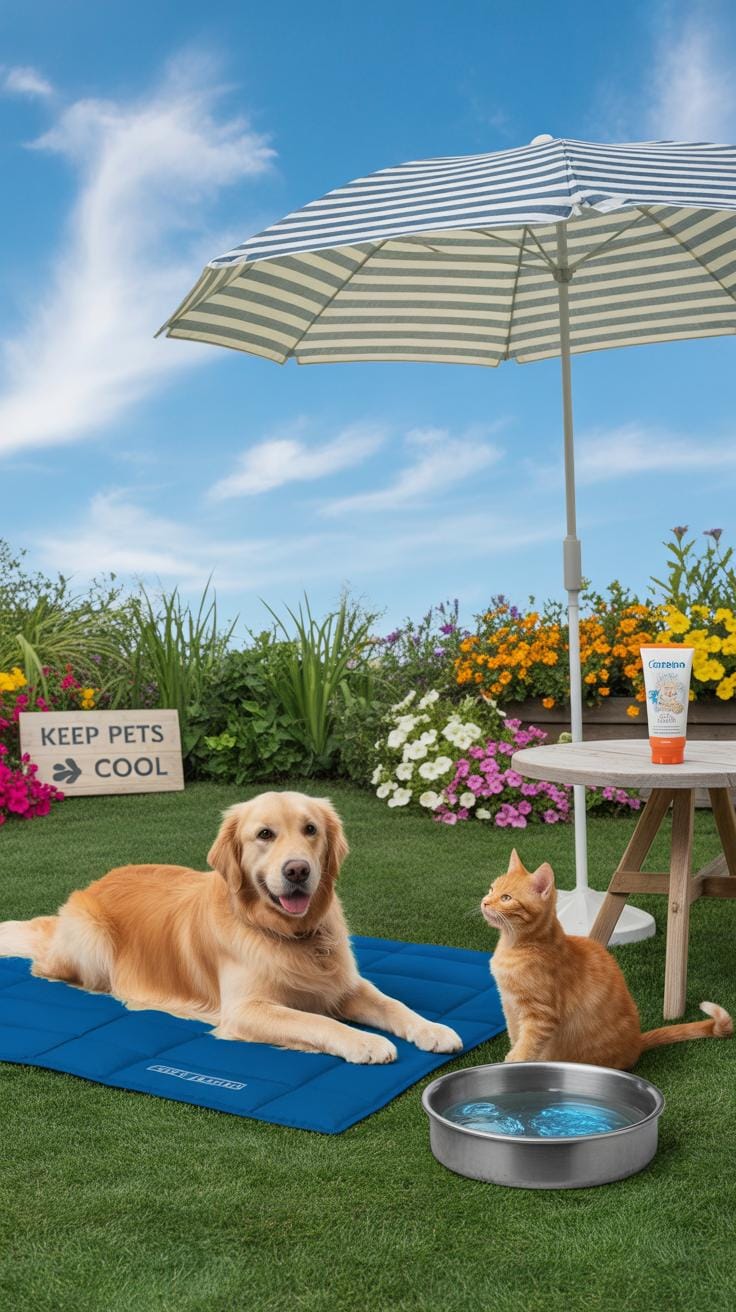
Asphalt and sand absorb thermal energy rapidly under direct sunlight. Surface temperatures often exceed the ambient air temperature by forty degrees or more. When the air is seventy-seven degrees, asphalt can reach one hundred and twenty-five degrees. This level of heat causes painful blisters and destroys skin tissue on contact. Dogs cannot sweat through their paw pads to regulate this intense heat.
Protect your dog by checking the ground temperature with your bare hand. Press your palm against the surface for seven seconds. If the heat is too intense for your skin, it will burn your dog. Limit walks to early morning or late evening when surfaces are cooler. Use grass or shaded paths to avoid thermal injury. Specialized dog boots provide a physical barrier against extreme heat.
The Deadly Danger Of Leaving Dogs In Parked Cars During Summer
Parked cars transform into convection ovens within minutes. Cracking a window does not provide enough airflow to stop the temperature rise. On an eighty-five-degree day, the interior of a vehicle hits one hundred degrees in ten minutes. Dogs rely on panting to cool down, but this method fails in an enclosed, hot cabin. The animal quickly loses the ability to regulate its internal body temperature.
Heatstroke leads to organ failure and death in a short timeframe. Even a quick errand can turn fatal if the air conditioner is off. High humidity inside the vehicle makes the situation worse because it prevents evaporation. If you cannot bring your dog inside your destination, leave them at home. The risk of permanent brain damage or cardiac arrest is too high for a car ride.
Practical Dog Care Tips For Staying Cool Outdoors In Summer
Best Times Of Day To Walk Your Dog During A Heat Wave
Schedule all exercise during the early morning before the sun peaks. Ground temperatures remain lowest at dawn because the earth sheds heat overnight. Avoid walking between ten in the morning and six in the evening. Peak solar radiation occurs mid afternoon. This timing prevents heat stroke and exhaustion. Physical activity in high humidity prevents efficient cooling. Shift routines to match lower ambient temperatures.
Test the pavement with your hand for seven seconds. If the surface burns your skin it will damage your dog’s paw pads. Asphalt absorbs heat and reaches temperatures far higher than the air. Use grass paths or dirt trails instead of concrete or blacktop. Carry water on every outing regardless of duration. Keep walks short and slow during heat waves. Monitor for heavy panting immediately.
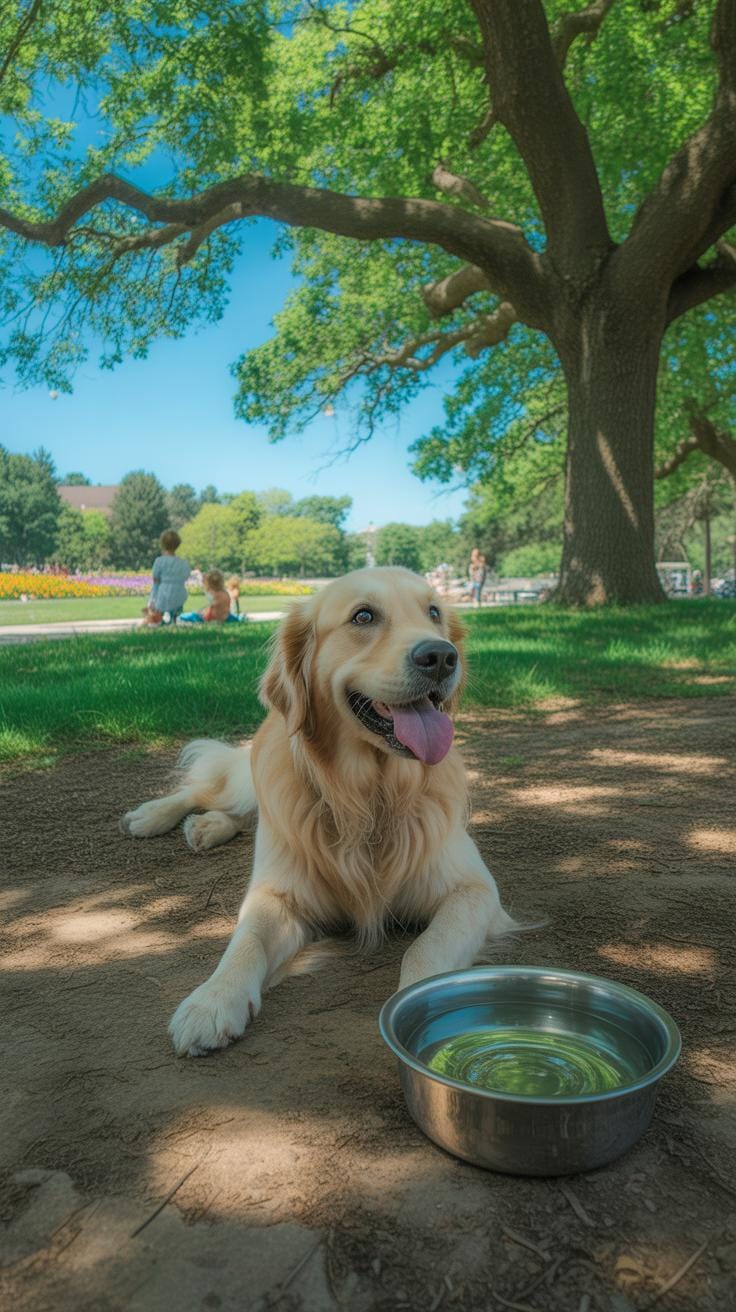
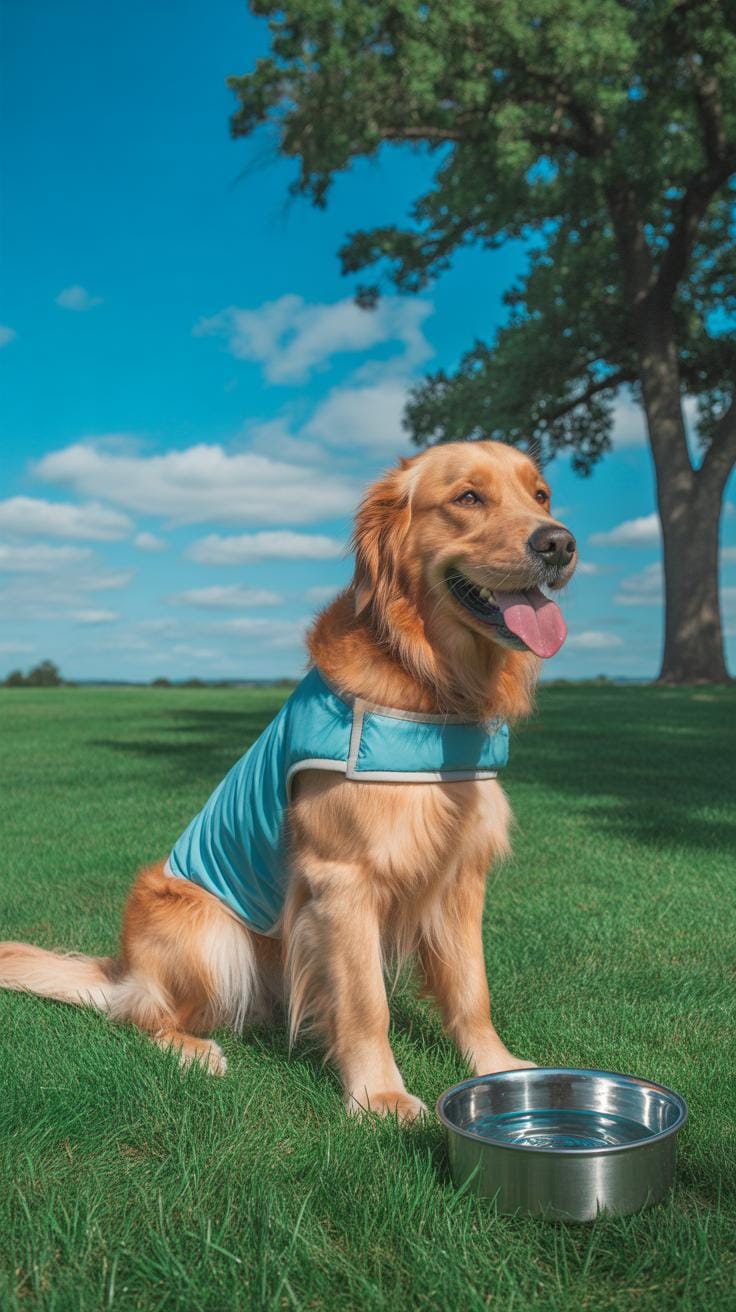
The cooling shade of an old oak tree and a bowl of fresh water are the simplest acts of love we can offer our loyal companions. True friendship is ensuring their comfort while the golden sun warms our shared world.
Shaded Rest Areas, Cooling Stations And Outdoor Setups That Help
Create dedicated recovery zones in your yard to block direct solar radiation. Natural shade from trees provides better cooling than structures because leaves release moisture. If natural shade is unavailable use physical barriers. Position these areas in spots with high airflow. Consistent wind movement helps evaporate sweat from paw pads and tongue. Proper airflow prevents heat from trapping against the ground.
- Elevated Dog Beds: These frames use mesh fabric to lift your dog off the hot ground. They allow air to circulate under the belly. This convection cooling lowers core body temperature faster than lying on warm grass or concrete surfaces.
- Misting Systems: Low pressure nozzles attach to standard garden hoses to create a fine water spray. Evaporative cooling drops the local air temperature by up to twenty degrees. Direct the mist toward a shaded area to create a cold microclimate.
- Pool Stations: Hard plastic kiddie pools provide an immediate heat sink for overheating dogs. Water has high thermal conductivity and pulls heat away from the body quickly. Keep the water shallow and replace it daily to prevent bacterial growth and mosquito breeding.
- Cooling Mats: Pressure activated gel mats require no electricity or refrigeration. They absorb body heat on contact through heat transfer. Place these mats in shaded crates or on porches to provide a cold surface for the dog to rest its chest.
- Reflective Tarps: Use aluminized covers to bounce sunlight away from outdoor kennels or resting spots. These materials reflect up to ninety percent of radiant heat. Standard plastic tarps trap heat underneath while reflective versions keep the air below significantly cooler.

Build your outdoor setup using materials that do not retain thermal energy. Industrial shade cloths with high UV ratings work better than solid roofs. Solid covers can trap hot air pockets. Ensure the dog has constant access to fresh water near the shade. Dehydration accelerates heat injury. Check the temperature of water bowls regularly. Metal bowls in the sun will boil water quickly.
Hydration And Summer Pet Health Advice For Active Dogs
How Much Water Does A Dog Actually Need In Hot Weather
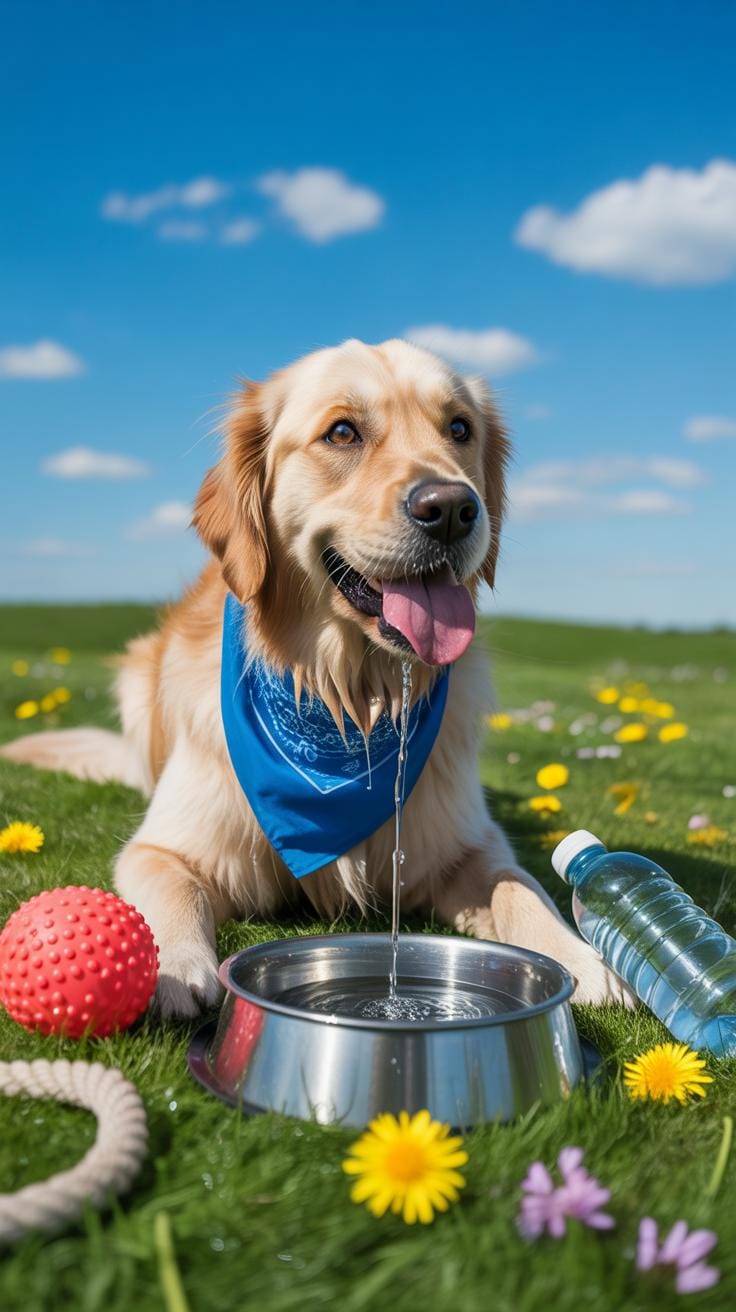
Standard hydration rules require one ounce of water per pound of body weight daily. High temperatures and physical activity increase this requirement significantly. You must monitor your dog for signs of dehydration like dry gums or loss of skin elasticity. Provide cool water at all times to help regulate their internal core temperature. Do not wait for the dog to act thirsty.
Active dogs lose moisture through panting and paw pad perspiration. You should offer small amounts of water every fifteen minutes during outdoor exercise. Guard against water intoxication by preventing your dog from gulping massive quantities at once. Use portable bowls to ensure access during hikes or walks. Consistent intake is more effective than infrequent heavy drinking for keeping dogs cool summer after summer.
Hydrating Treats And Foods That Help Cool Your Dog Down Naturally
Feed high moisture snacks to supplement liquid intake during peak heat. Watermelon without seeds or rind provides vitamins and deep hydration. Cucumber slices offer a crunch that stimulates saliva and cools the mouth. Frozen blueberries act as small ice cubes with nutritional benefits. These snacks provide an immediate cooling effect on the digestive tract. They help lower body heat from the inside out.

Avoid salty commercial treats that increase thirst and tax the kidneys. You can freeze low sodium chicken broth into cubes for a strategic cooling tool. Plain Greek yogurt frozen in small portions provides protein and moisture. These options move beyond basic water to keep energy levels stable. Strategic feeding schedules help maintain hydration without bloating the stomach. Use these natural foods to manage heat stress effectively.
Dog Health Tips For Summer Grooming Coat Care And Sun Protection
Should You Shave Your Dog’S Coat In Summer? What The Science Says
Shaving a double-coated dog ruins its natural temperature control system. These breeds have a soft undercoat for insulation and tough guard hairs to block heat. Air stays trapped between these layers to keep the dog cool in summer and warm in winter. Removing the fur exposes the skin to direct solar radiation. This increases the risk of heatstroke and permanent skin damage.
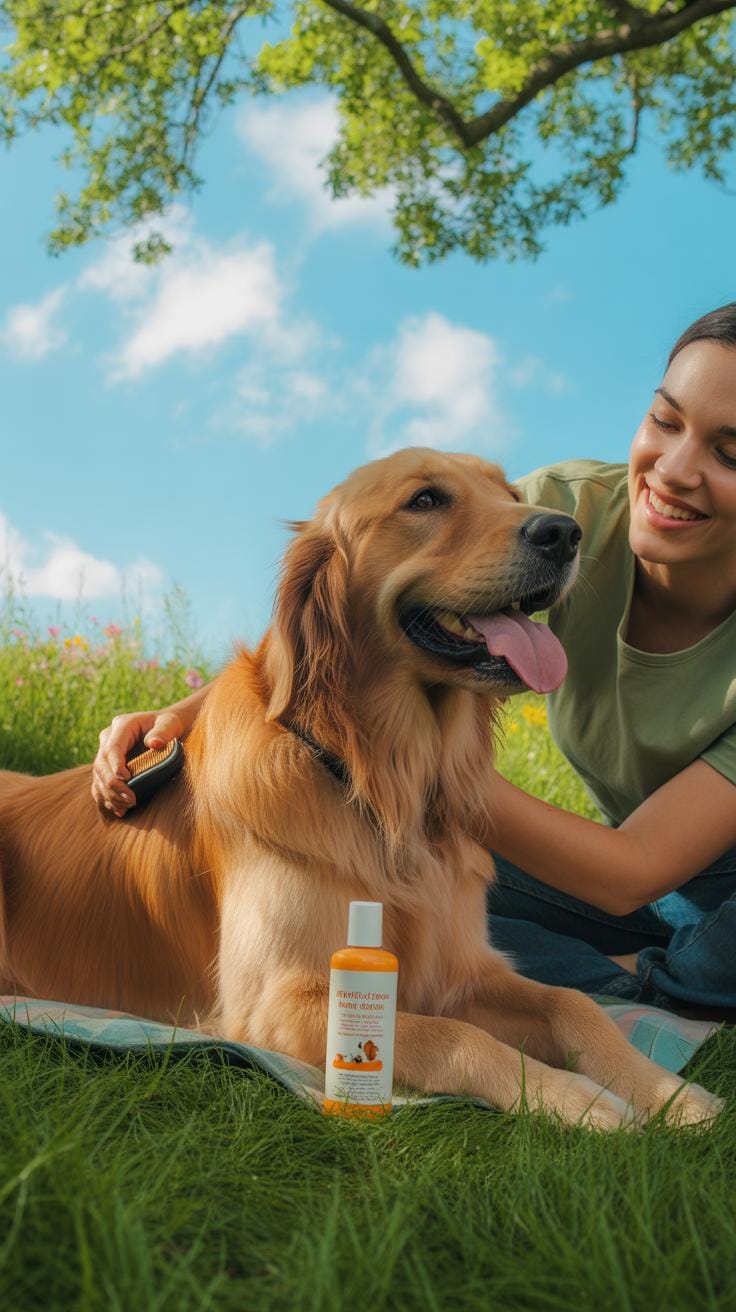
Professional groomers recommend brushing over shaving. Proper brushing removes the dead undercoat while leaving the protective guard hairs intact. This allows air to circulate against the skin. Shaving often causes the fur to grow back unevenly or with a different texture. Stick to trimming long hair on the paws and belly. Focus on hygiene and airflow rather than removing the entire protective barrier.
Protecting Light Coated And Short Haired Dogs From Sunburn
Dogs with white fur or thin coats face high risks of skin cancer. Solar rays penetrate thin hair and damage the sensitive skin underneath. The nose, ears, and belly have the least protection. These areas burn quickly during peak daylight hours. Chronic sun exposure leads to painful sores and malignant tumors. You must act as the primary defense for these vulnerable breeds.

Apply dog-specific sunscreen to exposed areas before going outside. Never use human products containing zinc oxide or salicylates because they are toxic if licked. Reapply the cream every two hours or after the dog swims. Use UV-protective clothing for extended outdoor sessions. Proper gear blocks harmful rays without trapping excess body heat. Limit direct sun exposure between ten in the morning and four in the afternoon.
Choosing And Using A Dog Cooling Mat Effectively
How Dog Cooling Mats Work And What To Look For When Buying One
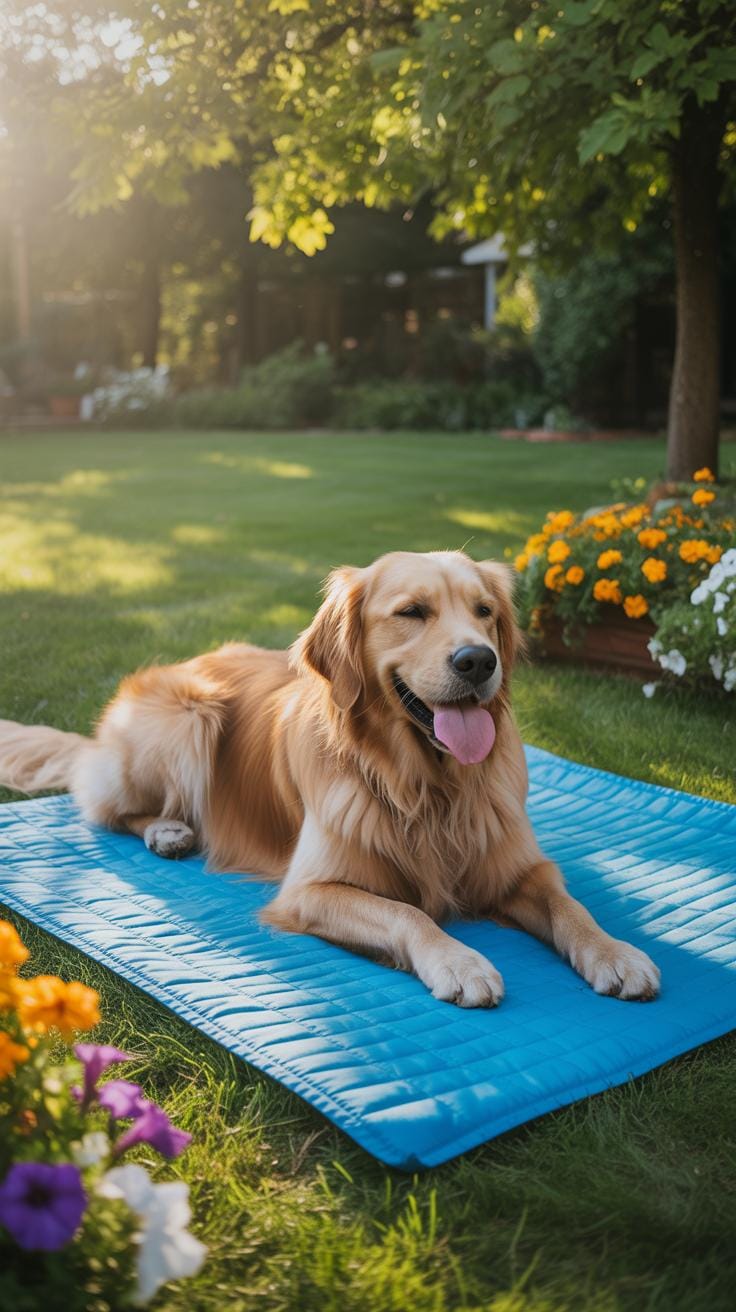
Pressure-activated cooling mats use specialized non-toxic gels to absorb body heat from your dog. These surfaces stay cooler than the surrounding air temperature without electricity or water. When the dog lies down, the gel reacts to the pressure and draws heat away from the animal. This process provides immediate relief for several hours. The mat recharges itself automatically after a period of non-use.
Select a mat with a puncture-resistant exterior like heavy-duty nylon. Dogs with long claws can easily tear thin plastic covers. Ensure the gel inside is certified non-toxic in case of accidental ingestion. Size the mat so your dog can sprawl out completely. Smaller mats do not provide enough surface area to lower the core temperature of a large breed effectively.
Other Cooling Products Worth Considering Alongside A Cooling Mat
Cooling mats offer a solid foundation for heat management, but specialized gear expands your tactical options. Different environments require different cooling methods to keep a dog safe. You should match the product to the specific activity level and sun exposure. Combining these tools creates a comprehensive cooling system for high-heat scenarios.
- Evaporative Cooling Vests: These vests use the power of evaporation to pull heat away from the dog. You soak the vest in cold water and wring it out before use. The middle layer stores water while the inner layer keeps the dog dry.
- Elevated Pet Beds: These beds lift your dog off the hot ground or floor. The mesh fabric allows air to circulate freely under the belly and around the body. This setup prevents heat from trapping between the dog and the sleeping surface.
- Cooling Bandanas: A cooling bandana targets the neck area where major blood vessels are close to the skin. Some use ice inserts while others rely on evaporative cooling technology. They provide a lightweight solution for temperature regulation during short walks.
- Insulated Water Bowls: Standard plastic bowls allow water to reach ambient temperature quickly. Double-walled stainless steel bowls keep water cold for several hours. Cold water helps lower the internal body temperature when a dog drinks after physical exertion.
- Battery Powered Fans: Portable fans provide active airflow in stagnant environments like crates or cars. Increased air movement helps sweat evaporate from the paw pads and speeds up heat loss through panting. Look for models with pet-safe blades or protective covers.

Assess your specific environment before purchasing secondary cooling gear. A vest works best in low humidity where evaporation occurs rapidly. Elevated beds excel on decks or concrete surfaces that hold thermal energy. Use these tools to supplement the cooling mat when your dog is active or outdoors. Consistent monitoring remains the most important factor in preventing heat stroke.
Keeping Dogs Cool In Summer Indoor Strategies For Hot Days
Setting Up A Dog Friendly Cool Zone Inside Your Home
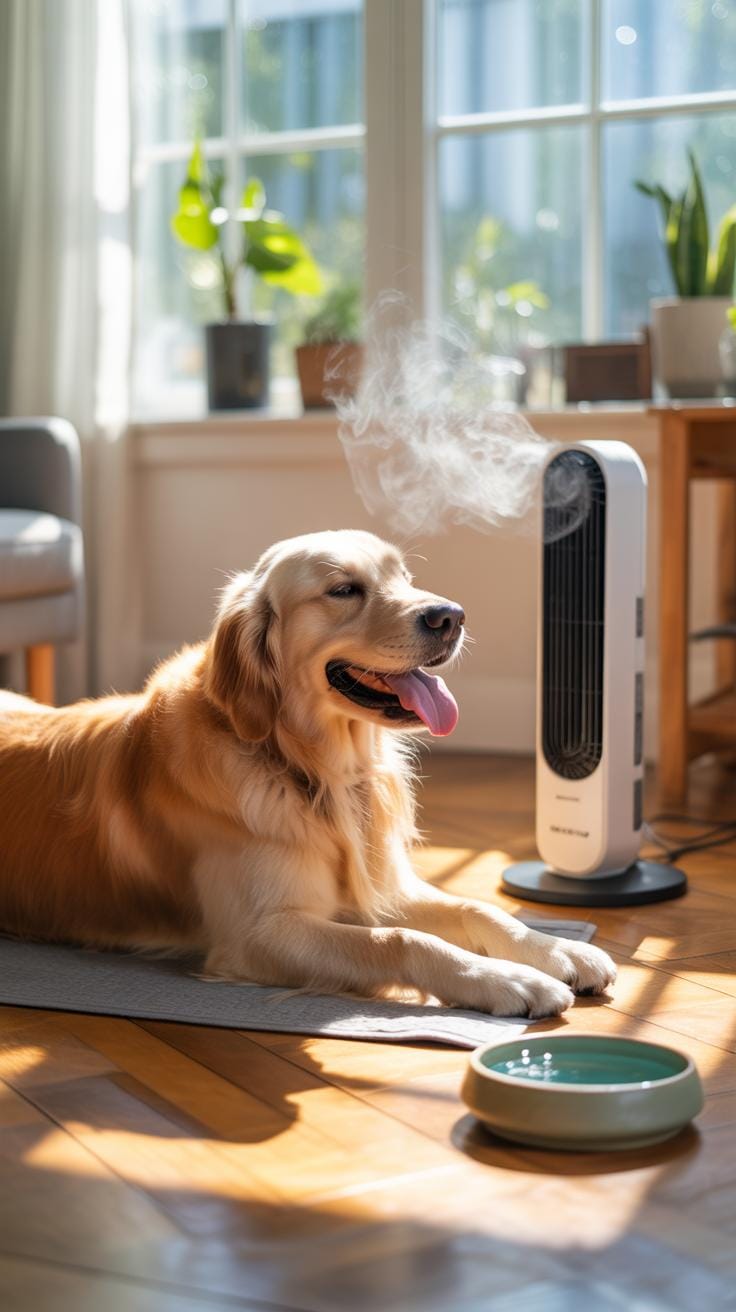
Designate a specific area in your home where your dog can escape rising temperatures. Focus on rooms with tile, stone, or hardwood flooring. These materials conduct heat away from the body better than carpet. Ensure this space remains dark by closing curtains or blinds during peak sunlight hours. This block prevents the greenhouse effect from heating the floor where your dog rests.
Position water bowls in multiple locations within this cool zone to encourage hydration. Use ceramic or stainless steel bowls as they maintain lower water temperatures than plastic. Elevate the dog bed if possible to allow air to circulate underneath the animal. If your dog prefers the floor, clear all rugs to expose the cold substrate. This setup provides a reliable retreat for your pet.
Using Fans, Air Conditioning And Ventilation Safely Around Dogs
Air conditioning is the most effective way to lower indoor temperatures for dogs. Set the thermostat to a consistent level between seventy and seventy-five degrees Fahrenheit. This range prevents heat exhaustion while keeping energy costs manageable. Ensure your dog cannot sit directly in front of the cold air vent for long periods. Direct blasts of cold air can cause joint stiffness in older animals.

Fans move air but do not lower the actual room temperature. They only cool dogs through convection if the air is cooler than the dog’s skin. Place fans near open windows at night to pull in cool air from outside. Always secure fan covers to prevent paws or tails from touching moving blades. Proper ventilation ensures that stagnant, warm air does not trap heat inside your home during the day.
A Dog With Summer Health Guide Breeds Age Groups And Special Considerations
Which Dog Breeds Are Most Vulnerable To Summer Heat And Why
Brachycephalic breeds suffer most in high temperatures. These dogs have short muzzles and flat faces. Examples include Bulldogs, Pugs, and Boxers. Their narrow nostrils and small airways restrict airflow. Dogs do not sweat like humans. They rely on panting to move air over wet tongue surfaces. Short-faced dogs cannot move enough air to cool their blood effectively. This anatomical defect leads to rapid heatstroke.
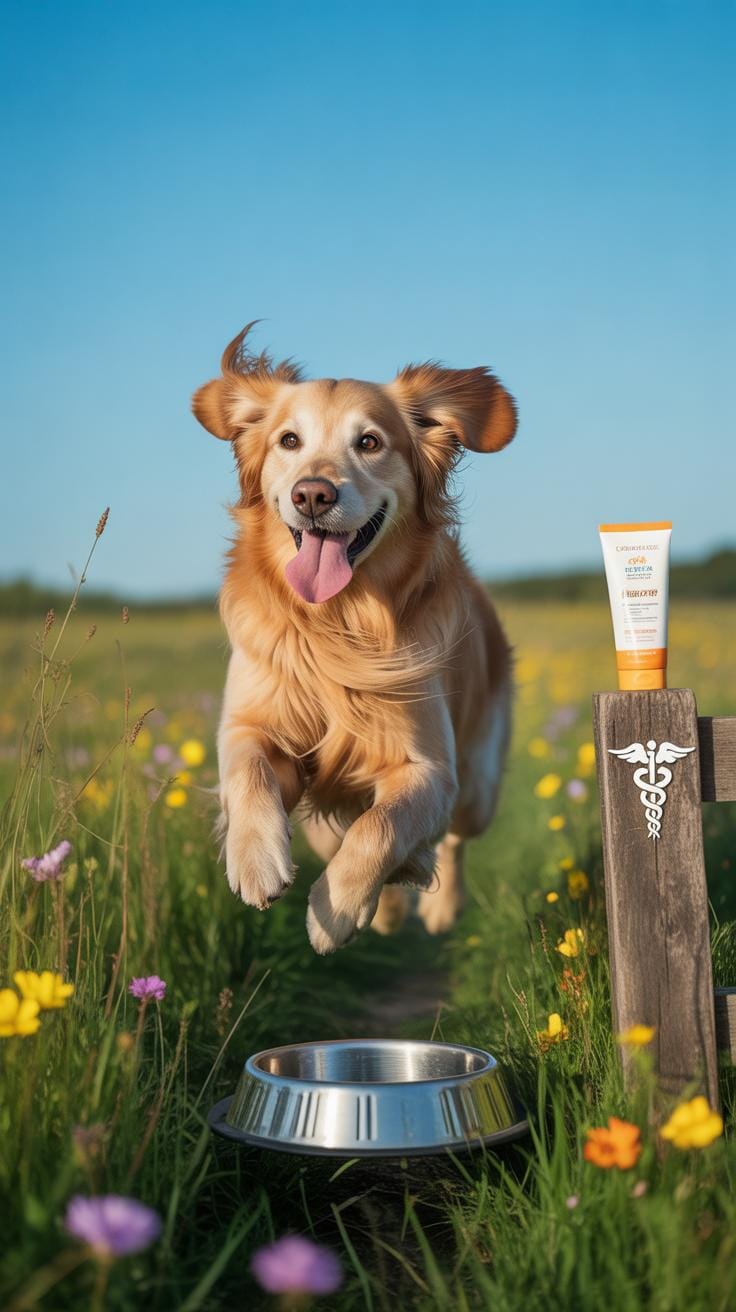
Double-coated breeds also face high risks. Huskies, Malamutes, and Golden Retrievers carry thick insulation. This fur traps heat once the body temperature rises. Heavy coats act like parkas in direct sunlight. Dark-colored dogs absorb more thermal energy than light-colored dogs. Owners must monitor these specific types closely. Lack of airflow through dense fur prevents skin cooling. Never shave double coats as this destroys their natural thermal regulation.
Special Summer Care For Senior Dogs, Puppies And Overweight Dogs
Senior dogs and puppies lack robust thermoregulation systems. Aging organs struggle to pump blood to the skin for cooling. Many older dogs have underlying heart or lung issues. These conditions worsen when the body works to shed heat. Puppies have high energy but small bodies that overheat quickly. They often do not know when to stop playing. You must force rest periods in shaded areas every fifteen minutes.
Overweight dogs carry excess fat that acts as insulation. This fat traps internal heat and forces the heart to work harder. Extra weight puts massive strain on the respiratory system during exercise. These dogs reach critical temperatures much faster than lean dogs. Keep walks short and use air conditioning for recovery. Provide constant access to cold water. Watch for heavy panting or glazed eyes as immediate danger signs.
Frequently Asked Questions

How can I tell if my dog is getting too hot during the summer?
Monitoring your pet’s behavior is the first step in keeping dogs cool summer after summer. Watch for excessive panting, drooling, or lethargy, as these are primary signs of overheating. If your dog’s gums appear bright red or they seem uncoordinated, move them to a shaded area immediately and provide fresh water. Recognizing these early warning signs ensures you can intervene before heat exhaustion becomes a serious medical emergency for your furry friend.
What are some effective ways to lower a dog’s body temperature quickly?
When focusing on keeping dogs cool summer heat can be managed by applying room-temperature water to their underbelly, paws, and armpits. You can also place a damp towel over them or use a fan to circulate air. Avoid using ice-cold water, as this can cause blood vessels to constrict and actually trap heat inside. Providing a cooling mat or a shallow wading pool in the shade offers instant physical relief.
Are there any affordable DIY methods to help my dog stay cool?
Absolutely! You don’t need expensive gadgets to protect your pup. Creating “pupsicles” by freezing low-sodium chicken broth or water with a few treats inside provides a hydrating, chilled snack. Another budget-friendly tip is to freeze a plastic water bottle, wrap it in a thin sock, and place it in your dog’s bed. This acts as a homemade cooling pack that allows them to regulate their temperature while napping comfortably.