What Is Hypothermia In Dogs A Dog Health Temperature Guide
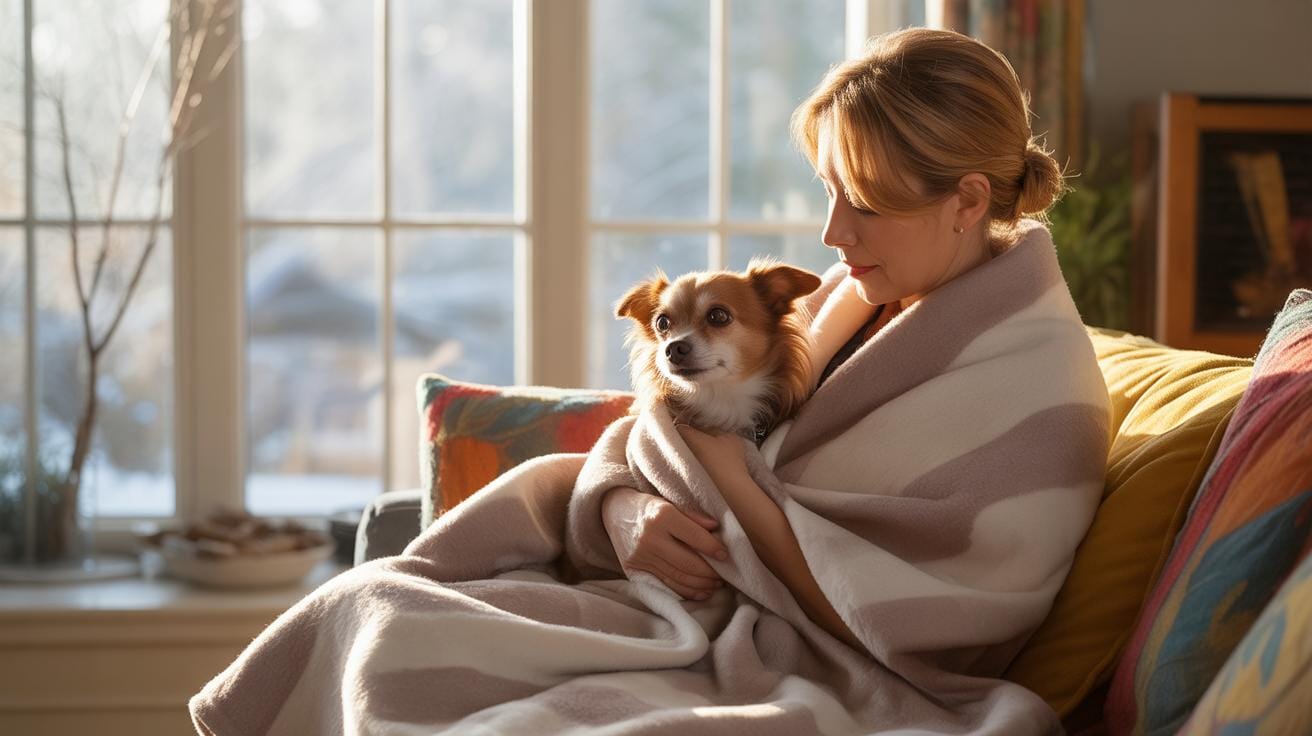
How A Dog’S Body Regulates Core Temperature
Dogs maintain a higher base temperature than humans. Their bodies use a process called thermoregulation to balance heat production and loss. The hypothalamus in the brain acts as a thermostat. It triggers physiological responses when the blood temperature shifts. Dogs rely on metabolic processes and movement to generate internal warmth. Fur provides insulation by trapping a thin layer of air against the skin.
Vascular changes play a critical role in temperature control. When cold, a dog’s blood vessels constrict near the skin surface. This process is peripheral vasoconstriction. It pushes warm blood toward vital organs like the heart and liver. Dogs also shiver to create heat through rapid muscle contractions. They do not sweat through their skin like humans. They release heat primarily through panting and their paw pads.
At What Body Temperature Does Hypothermia Begin In Dogs?
A healthy dog maintains a core temperature between 101 and 102.5 degrees Fahrenheit. Veterinary experts define hypothermia as a body temperature falling below 99 degrees Fahrenheit. At this stage, the body loses heat faster than it can produce it. The dog’s internal systems begin to slow down. Efficiency drops as the heart and lungs struggle to function. You must measure this temperature rectally for an accurate reading.
Hypothermia follows three distinct stages of severity. Mild cases occur between 90 and 99 degrees Fahrenheit. Moderate hypothermia ranges from 82 to 90 degrees Fahrenheit. Severe cases fall below 82 degrees Fahrenheit and carry a high risk of death. Central nervous system function declines rapidly as the temperature drops. Cold blood returning from the extremities can further lower the core temperature. Immediate intervention is necessary to prevent organ failure.

How Cold Is Too Cold For Dogs Understanding Dangerous Thresholds
Outdoor Temperature Ranges And When They Become Dangerous
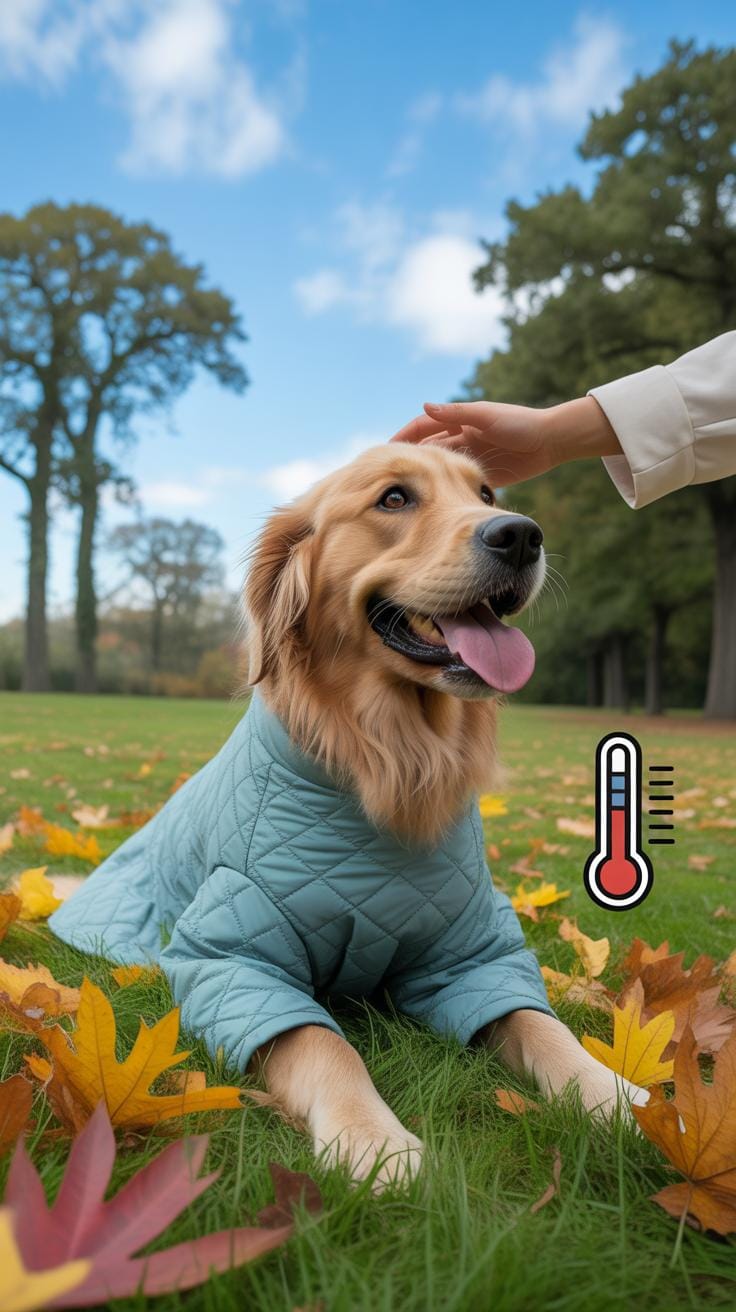
Most dogs handle temperatures above 45 degrees Fahrenheit without significant risk. When the thermometer drops below this mark, small breeds and short-haired dogs begin to feel discomfort. Danger increases substantially at 32 degrees Fahrenheit. Owners of vulnerable dogs must limit outdoor exposure at this freezing point. Sustained activity helps maintain core heat, but stationary dogs lose body temperature rapidly in these conditions.
Critical danger begins at 20 degrees Fahrenheit for all breeds. At this level, hypothermia and frostbite become immediate threats to canine health. Large breeds with thick coats may tolerate these temperatures longer, but they are not immune. You must monitor your dog for shivering or lifting paws off the ground. These clear signals mean the environment has exceeded the safe physiological limit for your pet.
How Factors Like Wind Chill And Moisture Make Cold Worse For Dogs
Ambient temperature alone does not dictate safety. Wind chill strips heat away from a dog’s body through convection. This process forces the heart to work harder to maintain internal warmth. A windy day at 40 degrees can be more lethal than a still day at 30 degrees. Wind penetrates thin fur easily and reaches the skin. This rapid heat loss accelerates the onset of secondary dog hypothermia signs.

Moisture represents the greatest environmental threat to canine heat retention. Wet fur loses its insulating properties immediately. Water conducts heat away from the body twenty-five times faster than air. A dog that gets wet in cold weather faces an emergency situation. High humidity or damp ground also pulls heat through the paws. Keep your dog dry to ensure their natural coat can function as an effective thermal barrier.
Recognizing Dog Hypothermia Signs Early Moderate And Severe Stages
Early Warning Signs: Shivering, Lethargy, And Seeking Warmth
Mild hypothermia occurs when the core body temperature drops slightly below the normal range of 101 to 102.5 degrees Fahrenheit. Shivering serves as the primary defense mechanism to generate heat through muscle contractions. You will notice the dog seeking heat sources or curling into a tight ball to conserve energy. These initial behavioral shifts indicate the body is struggling to maintain its thermal equilibrium against cold air.
Lethargy follows as the metabolic rate slows down to protect vital organs. The dog may move slowly or appear unresponsive to common verbal commands. Peripheral blood vessels constrict to redirect blood flow toward the core. This physiological shift causes the paws and ears to feel cold to the touch. You must act at this stage to prevent the condition from progressing into more dangerous clinical territory.
Severe Hypothermia Symptoms: Muscle Stiffness, Shallow Breathing, And Loss Of Consciousness
Severe hypothermia happens when the core temperature falls below 90 degrees Fahrenheit. At this critical point, shivering stops because the body lacks the energy reserves to continue the physical process. Muscles become rigid and stiff due to chemical changes in the tissue. The central nervous system fails to function properly. You will observe dilated pupils and fixed gazes as the dog loses consciousness and enters a coma.

Respiratory and heart rates drop to dangerously low levels. Breathing becomes shallow and erratic while the pulse grows difficult to find. The skin turns blue or pale as oxygen levels in the blood deplete rapidly. Vital organ failure begins without immediate and professional medical intervention. At this stage, you cannot rely on surface warming alone. The animal requires internal stabilization from a veterinarian to survive the thermal collapse.
Dog Shivering When Is It A Normal Response And When Is It A Red Flag
The Physiological Role Of Shivering In A Dog’S Warming Response
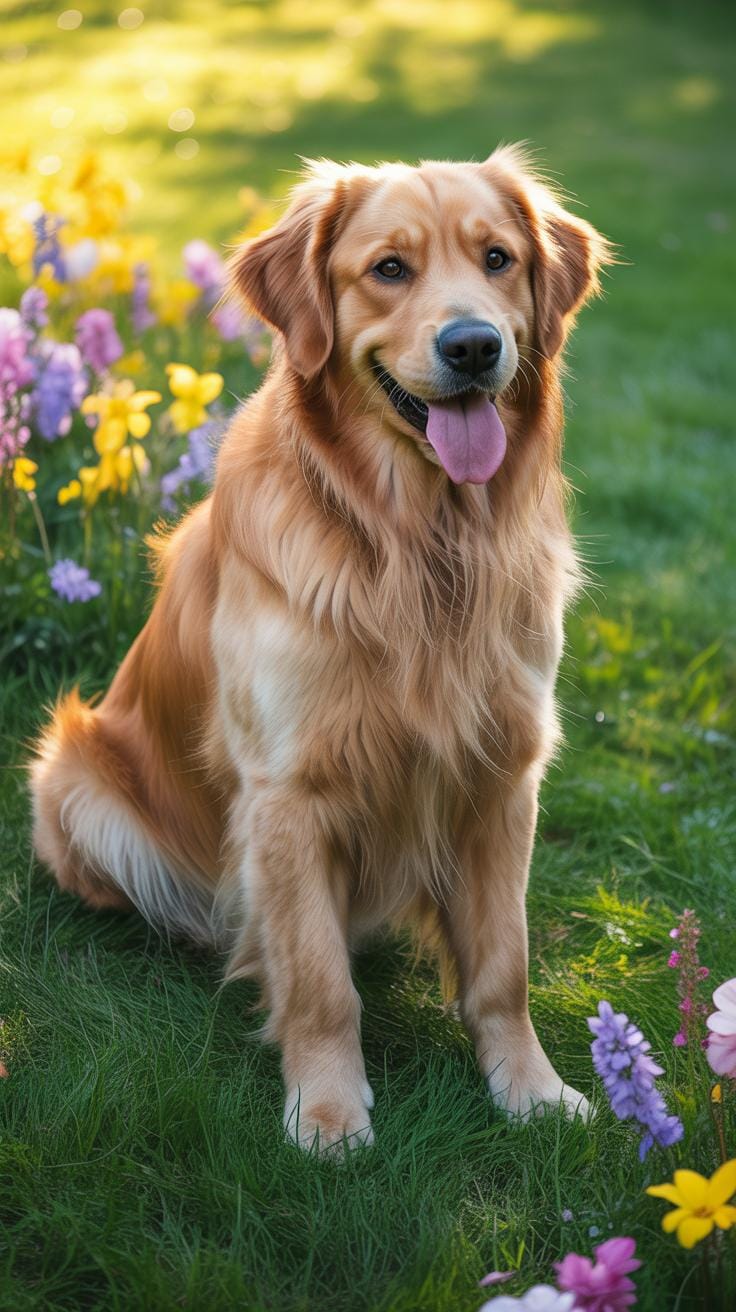
Shivering serves as the primary involuntary defense against cold. When a dog’s core temperature drops, the brain sends rapid signals to the skeletal muscles. These muscles contract and relax at a high frequency. This kinetic energy generates metabolic heat to stabilize the body. It is a functional survival mechanism. You will see this as the first sign of mild hypothermia.
Normal shivering indicates the dog still has sufficient energy reserves. The body is actively fighting to maintain homeostasis. At this stage, the dog is alert and responsive. You must act immediately to move the animal to a warm environment. Shivering consumes a massive amount of glucose and oxygen. If the cold exposure continues, the dog will soon exhaust its internal fuel.
Why Shivering That Suddenly Stops Can Signal A Dangerous Decline
Shivering that stops while the dog remains in the cold is a critical emergency. This transition marks the shift from mild to moderate or severe hypothermia. The muscles stop twitching because they have no more glycogen for fuel. The central nervous system is failing to regulate temperature. This is not a sign of recovery. It is a sign of physiological collapse.

When shivering ceases, the dog’s heart rate and breathing slow down significantly. The body enters a state of conservation to protect vital organs. The dog will likely become lethargic, stiff, or unconscious. You must recognize this silence as a red flag for imminent death. Do not wait for further symptoms. Provide external heat sources and transport the dog to a veterinarian immediately.
Monitoring Dog Vitals In The Cold What Numbers You Need To Know
Normal Heart Rate, Breathing Rate, And Body Temperature Ranges For Dogs
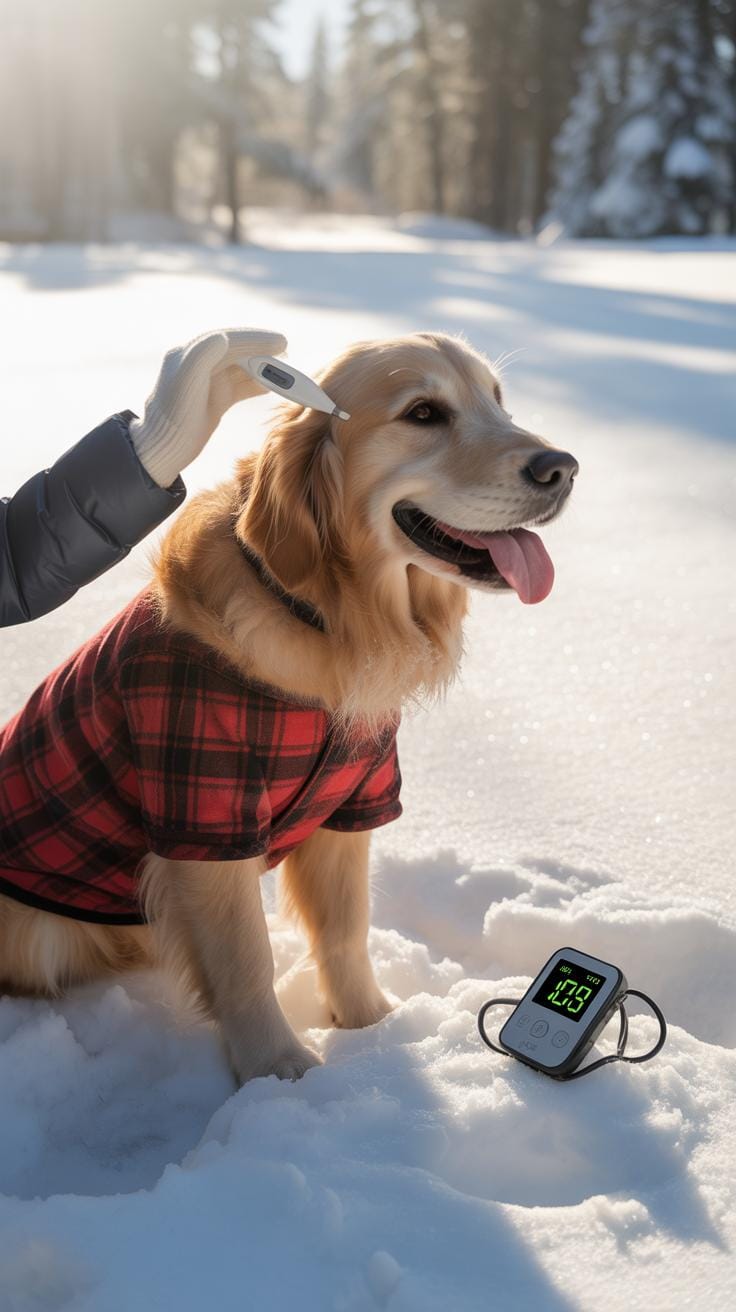
You must know your dog’s baseline numbers before an emergency occurs. Vitals change based on size, age, and activity level. When identifying dog hypothermia signs, compare current readings against these standard veterinary benchmarks. Cold exposure causes initial spikes in heart rate followed by a dangerous decline. Tracking these shifts allows you to determine the severity of the thermal crisis.
- Body Temperature: A dog’s normal internal temperature ranges from 101 to 102.5 degrees Fahrenheit. Anything below 99 degrees indicates the start of hypothermia. You must use a rectal thermometer for an accurate reading because ear or skin sensors fail in cold weather conditions.
- Small Dog Heart Rate: Smaller breeds typically maintain a resting heart rate between 100 and 140 beats per minute. These dogs lose body heat faster due to a higher surface-area-to-mass ratio. Monitor for a rapid heartbeat that suddenly slows down as the core temperature continues to drop.
- Large Dog Heart Rate: Large adult dogs usually have a resting heart rate between 60 and 100 beats per minute. Their larger mass provides more insulation, but their heart rate remains a critical indicator of shock. Extreme shivering can make it difficult to feel a steady pulse during your assessment.
- Respiratory Rate: A healthy, resting dog takes between 10 and 30 breaths per minute. Watch for heavy panting in the cold, which may indicate stress or pain. As hypothermia progresses into the later stages, the breathing will become shallow, slow, and irregular as the metabolic rate collapses.
- Capillary Refill Time: Press your finger against the dog’s gums and release it to check blood flow. The tissue should turn from white back to pink in under two seconds. If the color takes longer to return, the dog is likely experiencing poor circulation or cardiovascular distress.
Vitals change rapidly as the body tries to stay warm. Shivering consumes massive amounts of energy and increases the heart rate. Once the dog stops shivering, the internal temperature drops even faster. This transition is a medical emergency. Always record the time and the specific numbers you find to give the veterinarian a clear timeline of the decline.
When the winter wind turns bitter and your faithful companion begins to shiver, wrap them in the warmth of your love and a heavy blanket to bring the hearth fire back to their spirit. A dog’s cold paws are mended best by the watchful eye and steady heart of the friend they walk beside.
How To Check Your Dogs Pulse And Breathing Rate At Home
Locate the femoral artery to find a pulse. This artery runs along the inside of the back leg where the thigh meets the groin. Use two fingers to apply firm pressure until you feel the beat. Count the beats for fifteen seconds and multiply by four to get the total. Practice this while the dog is healthy so you can find it quickly during a crisis.

Watch the chest movements to measure the breathing rate. One rise and fall counts as a single breath. If the dog is shivering too hard to see chest movement, place your hand near the nostrils to feel for airflow. Count the breaths for thirty seconds and multiply by two. Deep, rhythmic breathing is normal, while gasping or very faint breaths indicate a total system failure.
Which Dogs Are Most At Risk A Dog Temperature Safety Guide For Vulnerable Breeds
How Breed, Age, Size, And Health Status Affect Cold Tolerance
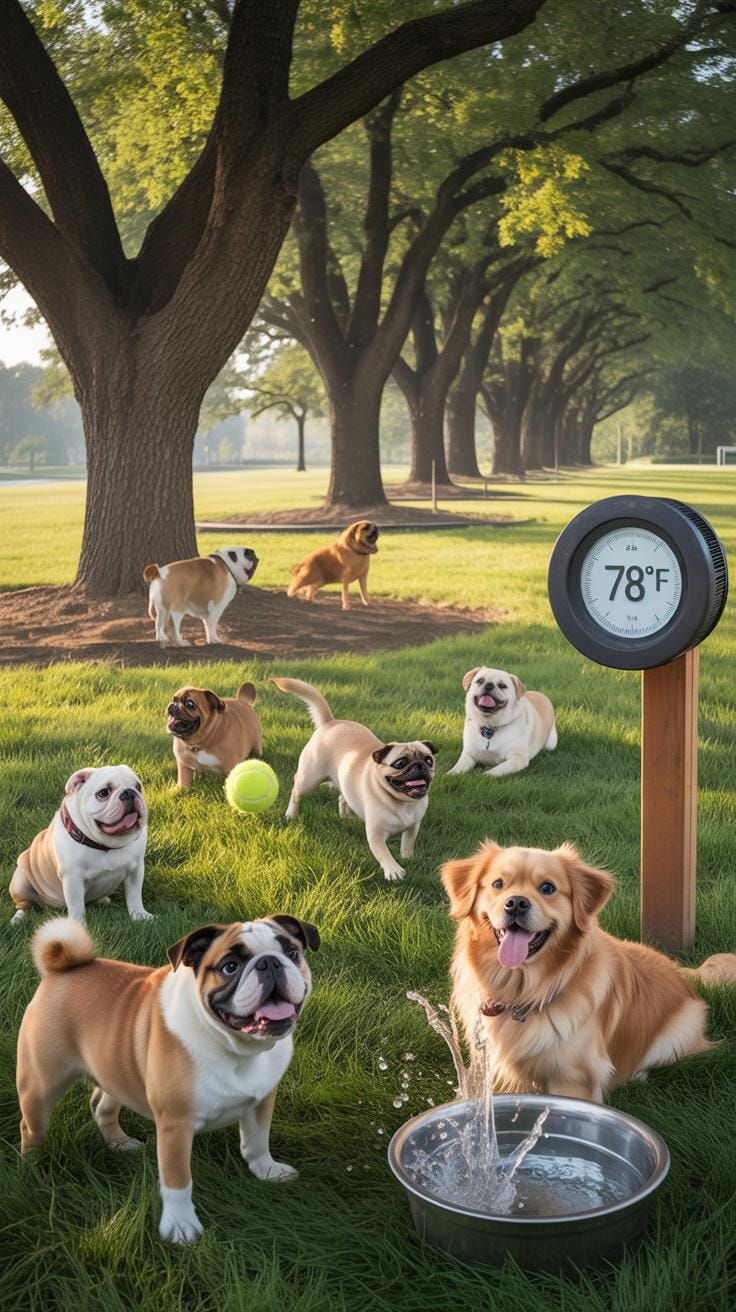
Physical traits determine how fast a dog loses body heat in cold environments. Large dogs with thick double coats retain heat better because of high body mass and insulation. Small dogs have a larger surface area relative to their weight. This causes them to lose heat quickly. Biological factors like body fat percentage and coat density dictate the specific temperature thresholds for every animal.
Health status and age change how the body regulates internal temperature. Pre-existing conditions like heart disease or kidney failure weaken the metabolic response to cold. Dogs with arthritis move less and generate less muscle heat. You must monitor these pets more closely. Age affects the ability to shiver effectively. Shivering is the primary way a dog produces heat during the first stages of cold exposure.
Why Puppies, Senior Dogs, And Short Coated Breeds Need Extra Protection
Puppies and senior dogs lack the physical hardware to fight off hypothermia. Puppies have little body fat and immature thermoregulation systems. They cannot keep their core temperature stable when the air grows cold. Senior dogs often have slower metabolisms and thinner skin. These older animals cannot generate enough heat to overcome low ambient temperatures. You must limit their time outside when the mercury drops below freezing.

Short-coated breeds like Greyhounds or Boxers have no natural insulation. They lack the thick undercoat found in northern breeds like Huskies. Without this barrier, cold air reaches the skin immediately. Wet weather increases this danger. Moisture strips away what little heat remains. Owners must provide external insulation like jackets for these breeds. Do not rely on their natural fur to protect them from significant temperature drops.
Too Cold For Dogs Environments And Situations That Raise Hypothermia Risk
The Hidden Dangers Of Cold Water Exposure And Wet Fur In Winter
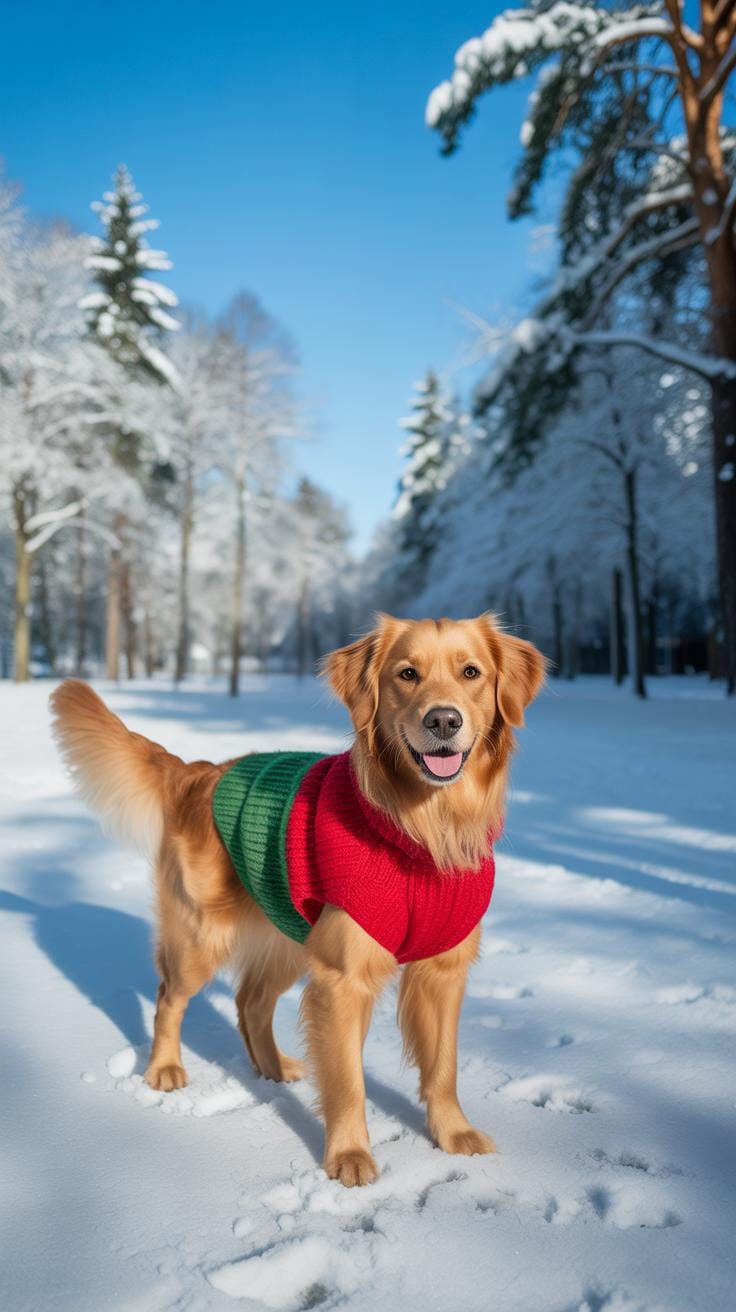
Water conducts heat away from the body twenty five times faster than air. A dog that gets wet in winter loses core heat at a dangerous rate. Fur loses its insulating power when it becomes saturated with water. This breakdown of the thermal barrier allows cold air to reach the skin directly. Evaporation then pulls even more heat from the animal as the moisture dries.
Ice shards and frozen slush trapped in the coat also accelerate cooling. Owners often overlook the risk of melting snow on a warm dog. This moisture seeps down to the skin level during rest periods. You must dry a wet dog immediately to stop the heat loss process. Use towels or a low heat dryer to restore the loft of the fur. A wet dog is a high risk hypothermia candidate.
Why Leaving Dogs In Cold Cars Is Just As Dangerous As Hot Ones
Cars act like refrigerators in cold weather by trapping freezing air inside a metal shell. The engine stops producing heat as soon as you turn it off. Thin glass windows offer zero insulation against dropping external temperatures. The interior temperature quickly matches the outside environment. A dog confined in a small metal box has no way to generate enough movement to stay warm during a freeze.

The floor of the vehicle often stays colder than the air. Dogs lose heat through conduction when they lie on cold seats or floor mats. Without a heat source, the animal exhausts its energy reserves trying to maintain a safe body temperature. Hyperthermia is the summer risk, but hypothermia is the winter reality. Never leave a dog unattended in a vehicle when temperatures drop below freezing levels.
How To Help A Dog With Hypothermia First Aid Steps For Dog Owners
Safe And Effective Ways To Rewarm A Hypothermic Dog At Home
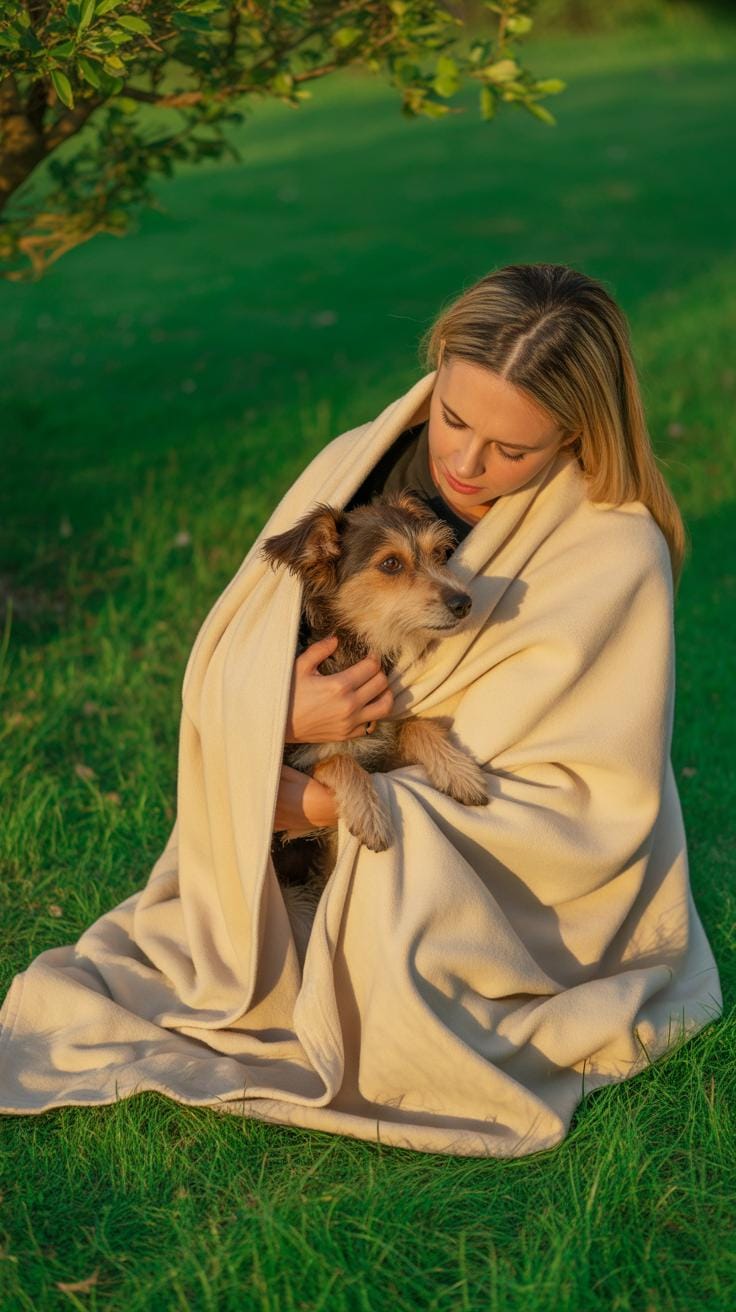
Immediate action saves lives when dog hypothermia signs appear. You must move the animal to a climate controlled environment right away. Remove all moisture from the coat using dry towels. This stops evaporative cooling from further lowering the core temperature. Focus on passive rewarming first. Use the body heat of a person or another healthy dog to stabilize the patient during the initial recovery phase.
- Dry Towel Rubbing: Use brisk but gentle motions to dry the fur. Wet hair conducts cold directly to the skin and prevents heat retention. Swap damp towels for dry ones frequently until the skin feels warm and the coat is fully dry to the touch.
- Insulation Layers: Wrap the dog in thick wool blankets or thermal foil sheets. These materials trap existing body heat and create a microclimate. Focus on covering the chest and abdomen where vital organs reside. Keep the dog off cold floors by using pillows or rugs.
- Warm Water Bottles: Fill plastic bottles with warm water and wrap them in cloth. Place these against the dog’s groin and armpits. These areas have thin skin and large blood vessels. Never place hot items directly against the skin as this causes thermal burns and shock.
- Mylar Blankets: Utilize space blankets to reflect radiant heat back to the dog. These lightweight sheets are highly effective at stopping heat loss in emergency situations. Ensure the blanket does not restrict breathing or movement while the dog recovers from its cold state.
- Hair Dryers: Use a hair dryer on the lowest heat setting to warm the fur. Keep the nozzle at least twelve inches away from the body. Move the dryer constantly to avoid hot spots. This method helps dry the undercoat which traps air for natural insulation.
Continue monitoring the rectal temperature every fifteen minutes. Stop active rewarming once the temperature reaches one hundred degrees Fahrenheit. Excess heat causes vasodilation which can lead to a dangerous drop in blood pressure. Keep the dog calm and minimize movement to prevent cold blood from the limbs rushing to the heart. This tactical approach ensures a steady and safe rise in the rectal temperature.
Critical Mistakes To Avoid When Treating A Cold And Shivering Dog
Never immerse a hypothermic dog in a hot bath. Rapid external heating forces blood away from the internal organs to the skin. This causes the core temperature to drop further in a process called afterdrop. It can lead to heart failure or sudden shock. Use gradual methods to ensure the internal organs warm up at the same rate as the skin and extremities.

Do not rub the limbs of a frozen dog vigorously. Cold extremities often contain crystals or fragile blood vessels. Rough handling can damage the skin or release lactic acid and cold blood into the central circulation too quickly. This creates a toxic spike that threatens the heart. Keep the dog still and focus all warming efforts on the torso to protect the vital life functions.
Winter Dog Care Practical Dog Cold Weather Advice To Prevent Hypothermia
Choosing The Right Dog Coats, Boots, And Bedding For Cold Climates
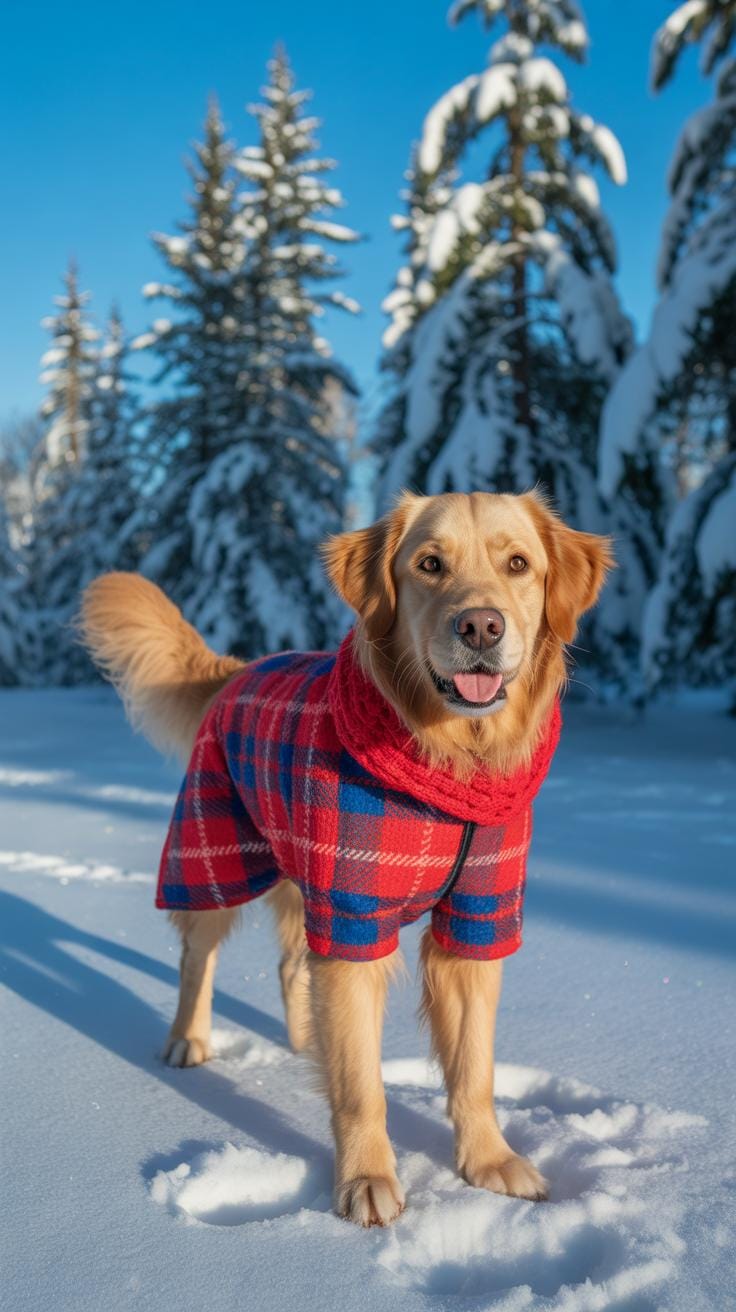
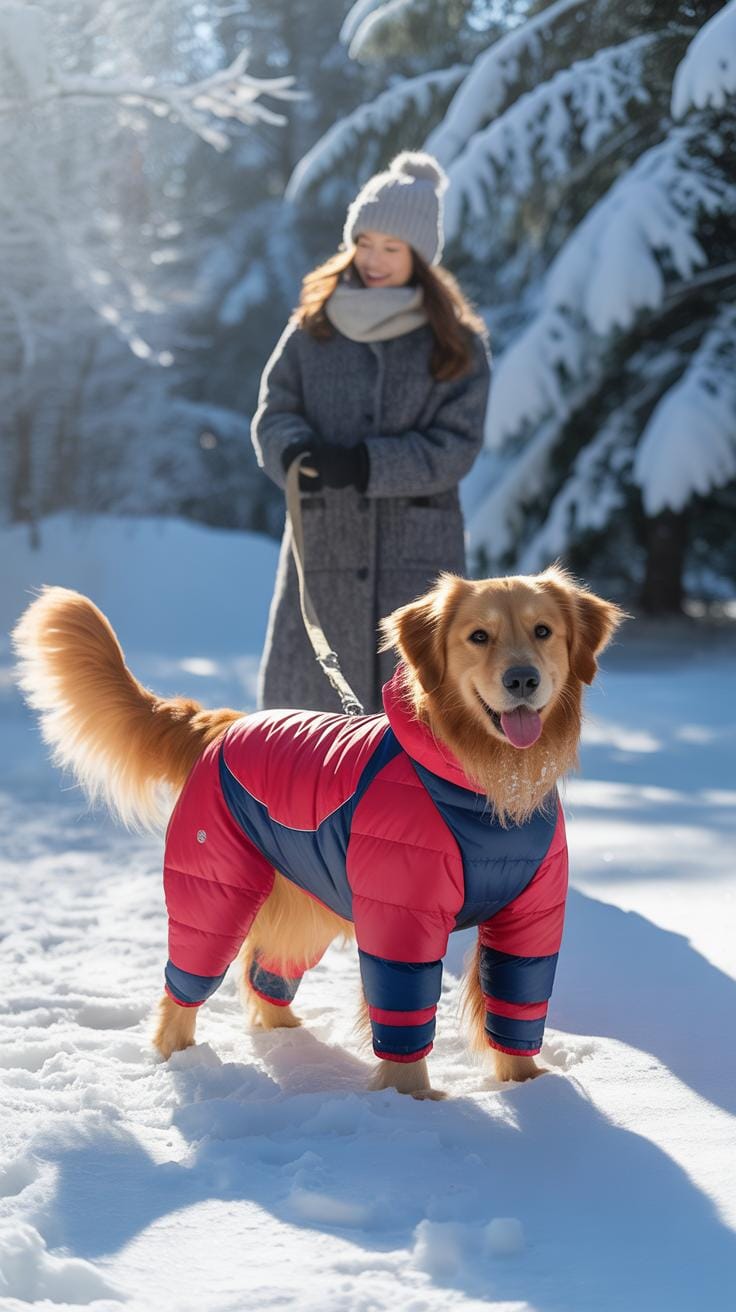
Insulated dog coats are essential for short-haired breeds and small dogs. Select gear with a waterproof outer shell and a fleece or wool lining. Ensure the garment covers the base of the tail and the entire ribcage. Properly fitted attire prevents heat loss from the core. High-visibility strips assist with safety during dark winter hours. Check for restricted movement around the shoulders to maintain normal gait.
Protective boots prevent ice buildup between paw pads and shield skin from chemical de-icers. Salt and grit cause chemical burns and irritation on contact. At home, elevate bedding off cold floors to stop conductive heat loss. Use self-warming mats or heavy blankets in draft-free areas. Senior dogs need extra padding to protect joints from the cold. Monitor the sleeping area temperature to ensure a consistent environment.
How To Adjust Your Dogs Exercise Routine And Outdoor Time In Winter
Shorten walk durations as temperatures drop to avoid prolonged exposure. High-energy dogs still need physical activity but should stay close to home. Monitor the ground temperature because frozen pavement can damage paw tissue. If the dog lifts its paws or shivers, end the session immediately. Older dogs and puppies lose body heat faster and require frequent, brief outings instead of long treks. Focus on quality over duration.
Utilize indoor mental stimulation to replace outdoor physical exertion. Use scent work or basic command training to tire the dog without risking frostbite. If you must go outside, choose the warmest part of the day. Avoid frozen bodies of water and deep snow drifts where hidden hazards exist. Drying the dog immediately after reentry prevents moisture from chilling the skin. Thoroughly wipe paws to remove toxic salt and ice melt.
When To Call The Vet Recognizing Dog Hypothermia Signs That Need Professional Care
Symptoms That Mean Your Dog Needs Emergency Veterinary Treatment Immediately
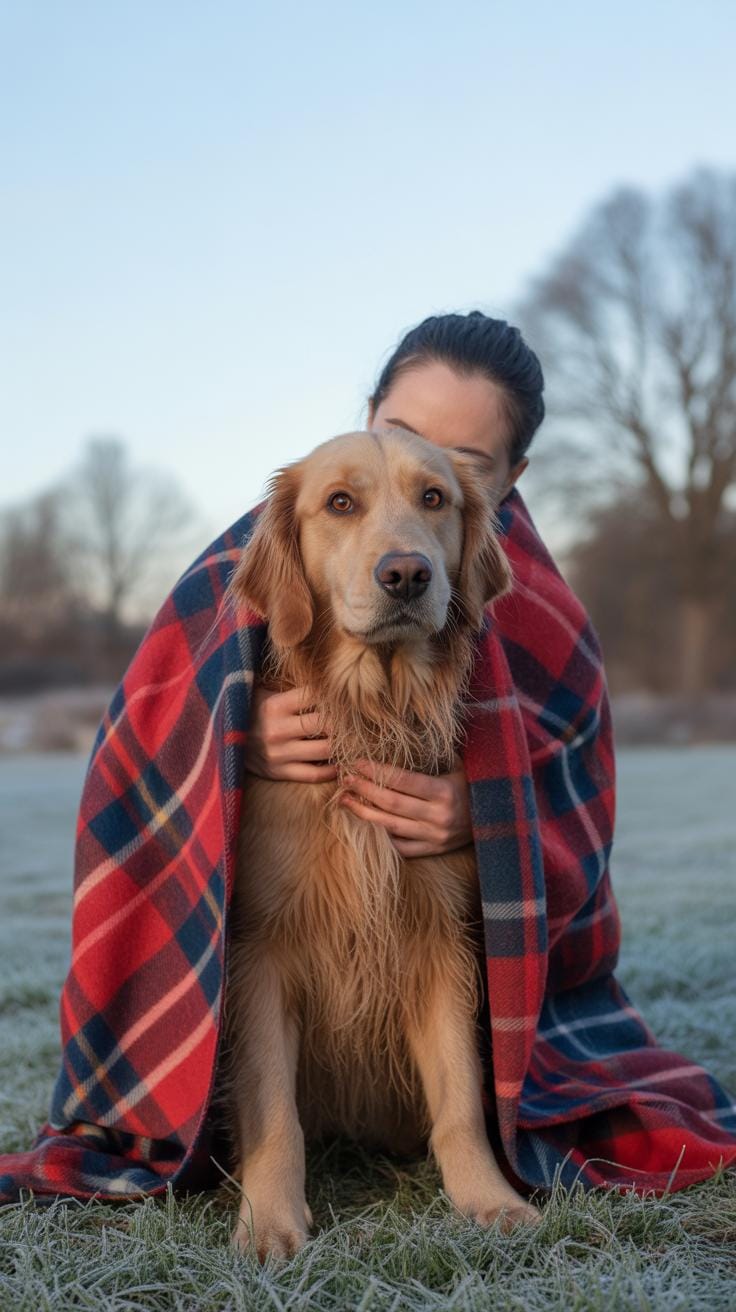
Critical hypothermia signs require instant action to prevent organ failure or death. You must monitor for shallow breathing and a weak pulse. If your dog stops shivering but remains cold, their body has lost the ability to generate heat. This indicates a transition from moderate to severe distress. Check the gums for a blue or gray tint which signals poor oxygen levels.
Neurological symptoms demand a professional response. Fixed and dilated pupils suggest your dog is entering a state of shock. Stupor or an inability to stand means the core temperature has dropped below a safe threshold. Do not wait for these signs to worsen before leaving. Wrap the animal in warm towels and transport them to the nearest emergency clinic without delay.
What To Expect During Veterinary Treatment For Canine Hypothermia
Veterinary teams use aggressive warming techniques to stabilize the animal. They monitor core temperature via rectal probes and track heart rhythms with an EKG. Staff will likely administer warmed intravenous fluids to heat the body from the inside out. This method treats dehydration and helps maintain blood pressure. They also use specialized heated blankets to provide consistent external warmth to the dog.
Advanced cases may require oxygen therapy or warm water gastric lavage. The medical team watches for secondary complications like frostbite or heart arrhythmias during the rewarming process. Rapid warming can sometimes cause blood pressure drops so they keep the dog for observation. Professional care ensures the heart and kidneys do not fail as the body temperature returns to a normal range.
Frequently Asked Questions

What are the most common dog hypothermia signs that owners should look for?
Early identification is vital for your pet’s safety during winter. The most common dog hypothermia signs include intense shivering, lethargy, and cold ears or paws. As the condition progresses, you may notice your dog becoming clumsy or unresponsive, with their breathing slowing down significantly. If your pup seems unusually stiff or disoriented after being outdoors, it is important to begin warming them up immediately and contact your veterinarian for professional guidance.
What should I do immediately if I notice my dog is getting too cold?
If you spot dog hypothermia signs, move your pet to a warm indoor environment right away. Gently pat them dry with a towel if they are wet, then wrap them in warm blankets straight from the dryer. You can place well-insulated warm water bottles near their abdomen, but never use high heat or heating pads directly on their skin. Offer warm broth or water to help raise their core temperature safely and slowly.
Are there affordable ways to protect my dog from the cold without buying expensive gear?
Absolutely! You can protect your dog on a budget by repurposing old fleece sweaters or thick wool socks into DIY leg warmers. Limiting outdoor time during freezing temperatures is the most effective free preventative measure. Inside the home, ensure their bed is elevated off cold tile or hardwood floors using extra household blankets or towels. Simple lifestyle adjustments are often more effective at preventing illness than high-end designer winter accessories.