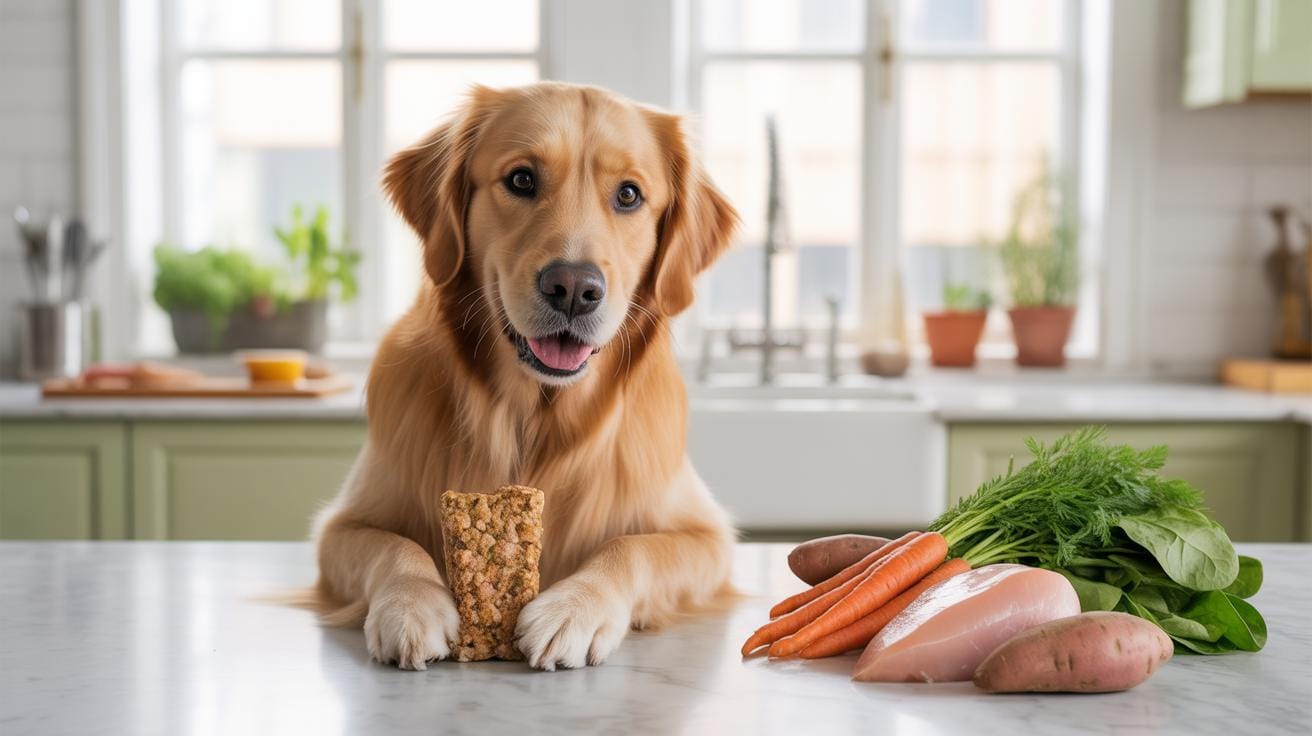
Understanding Dog Treats Grain Free What It Means And Why It Matters
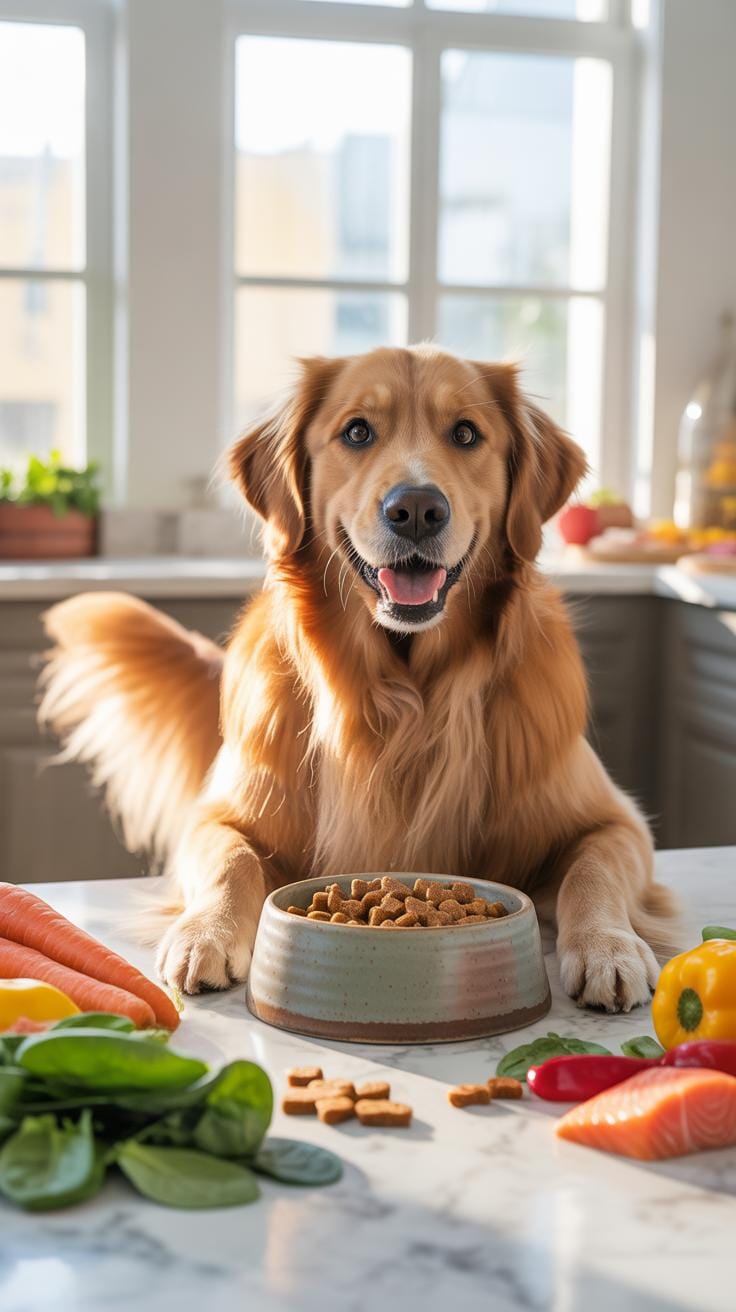
What Makes A Dog Treat Grain Free And How It Differs From Regular Treats
Grain-free dog treats exclude specific ingredients like wheat, corn, rice, and barley. These common fillers provide carbohydrates but often lack high nutritional density. Manufacturers replace these grains with alternative starch sources such as chickpeas, lentils, or sweet potatoes. These substitutes help the treat maintain its structure during the baking or dehydration process. A grain-free dog treats recipe focuses on protein and fiber over simple starches.
Regular treats rely on grain gluten to bind ingredients together cheaply. Grain-free options use legumes or tubers to achieve a similar texture. This shift changes the glycemic index of the snack. Many owners choose these treats to mimic a primal canine diet. While not all dogs require this restriction, removing grains eliminates common allergens. Tactical feeding requires understanding these ingredient swaps to manage your dog’s caloric intake effectively.
Signs Your Dog May Benefit From A Grain Free Diet
Dogs with grain sensitivities show clear physical indicators. Watch for persistent skin irritation or chronic ear infections. Constant paw licking or scratching often signals a dietary trigger. Grains can cause inflammation in the gut of sensitive animals. If your dog has frequent gas or loose stools, the current carbohydrate source might be the problem. Identifying these symptoms early prevents long-term health complications and reduces veterinary costs.
Monitor your dog’s coat quality and energy levels after meals. A dull coat or lethargy can indicate poor nutrient absorption. Switching to a grain-free dog treats recipe removes potential irritants from the digestive tract. This allows the gut to heal and improve waste consistency. You should see results within a few weeks of consistent dietary changes. Always track physical responses when introducing new proteins or starches to confirm the allergy source.

Key Ingredients To Stock Up On For Grain Free Dog Treat Recipes
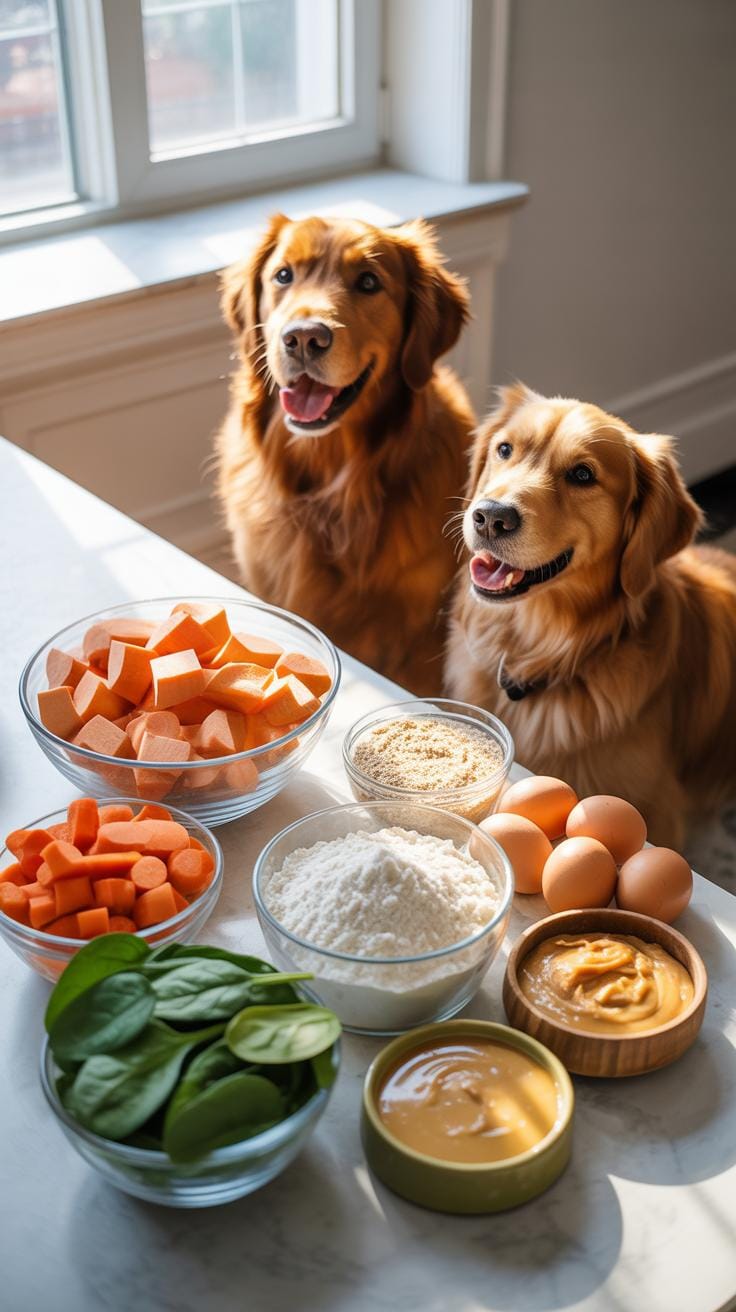
Safe And Nutritious Grain Free Flours And Binders To Use In Dog Treat Baking
Grain free baking requires specific structural alternatives to wheat flour. Traditional flour provides elasticity through gluten which dogs with sensitive stomachs often cannot process correctly. You must select base ingredients that offer high nutritional density without causing digestive inflammation. These binders ensure the treat holds its shape during the baking process while providing essential vitamins and minerals for canine health.
- Chickpea Flour: This dense flour contains high protein and fiber levels. It helps stabilize blood sugar and provides a sturdy texture for crunchy biscuits. It is a reliable 1:1 substitute for many grain-based recipes in dog treat production.
- Coconut Flour: This highly absorbent flour requires more liquid than other options. It is rich in healthy fats and medium-chain triglycerides. Use small amounts to avoid making the treats too dry or crumbly for the dog to eat easily.
- Almond Flour: This ingredient provides healthy fats and Vitamin E to support skin health. It creates a soft texture ideal for older dogs with dental issues. Ensure the flour is finely ground to prevent any choking hazards or digestive blockages during consumption.
- Tapioca Starch: Manufacturers use this starch as a powerful binding agent in grain free recipes. It creates a chewy texture and helps the dough stick together without using wheat gluten. It is easy on the digestive tract and provides a quick energy source.
- Buckwheat Flour: Despite the name, this is a seed relative and contains no wheat or gluten. It provides complex carbohydrates and antioxidants. It works well for recipes requiring a hearty, earthy flavor and a darker color that mimics traditional whole wheat treats.
Select your binders based on the final texture requirements of the treat. Harder biscuits require denser flours like chickpea or buckwheat to withstand the baking time. Softer rewards benefit from almond or coconut flours which retain more moisture. Always check the ingredient labels to ensure no fillers or additives exist in the packaging. Pure flours yield the most predictable and healthy results for your dog.
Ingredients To Always Avoid When Making Homemade Grain Free Dog Treats
Eliminate toxic human foods from your pantry before starting any batch. Xylitol is a common sweetener in peanut butter and yogurt that causes rapid insulin release and liver failure in dogs. Always read the label on every nut butter jar to confirm it is xylitol-free. Raisins and grapes can lead to acute kidney failure even in small quantities. Never use these as natural sweeteners in any canine recipe.

Macadamia nuts and walnuts pose significant neurological and digestive risks to dogs. Chocolate and caffeine contain methylxanthines which cause heart palpitations and seizures. Avoid onions and garlic because they damage red blood cells and cause anemia over time. Stick to vet-approved fruits and vegetables like pumpkin or carrots for flavor. Reliable safety starts with strict ingredient control and zero tolerance for these known canine toxins.
Dog Treats Homemade Easy Simple 3 Ingredient Grain Free Recipes Anyone Can Make
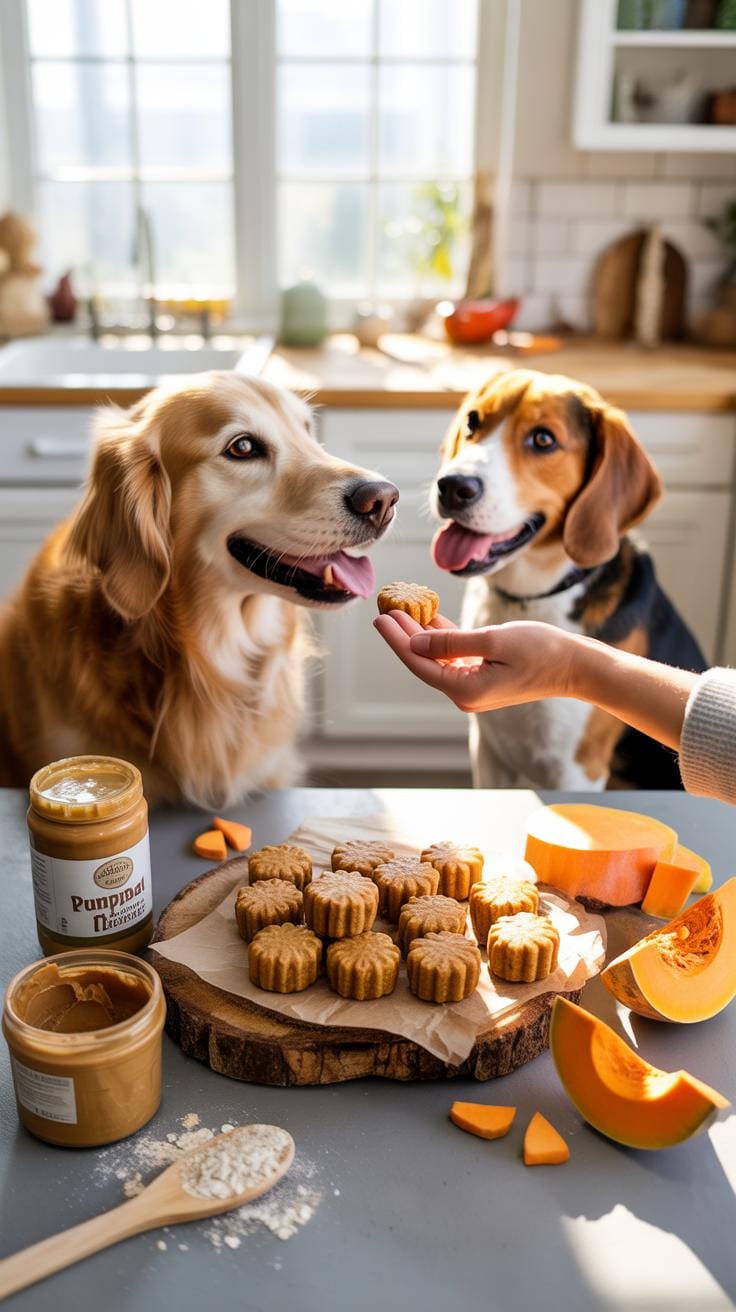
Peanut Butter And Banana Grain Free Bites: A No Fuss Recipe For Beginners
This grain free dog treats recipe uses garbanzo bean flour as a structural base. Mashing one ripe banana provides natural sugars and moisture to bind the dough. Ensure you use peanut butter that contains zero xylitol to prevent toxicity. Mix one cup of flour with half a cup of peanut butter and the mashed fruit. This combination creates a dense dough that holds its shape during the baking process.
Roll the dough to a quarter inch thickness on a silicone mat. Use a basic cutter to portion the treats into uniform sizes. Bake at 350 degrees Fahrenheit for approximately fifteen minutes until the edges firm up. These treats offer a high protein profile without the digestive stress of wheat or corn. Store them in an airtight container for up to one week to maintain their texture and freshness.
Coconut Flour And Egg Chews: A Quick Grain Free Treat That Requires Minimal Prep
Coconut flour absorbs more liquid than standard grain flours. Use two eggs and one tablespoon of coconut oil for every half cup of coconut flour. This ratio prevents the final product from becoming too crumbly for the dog to eat. Whip the eggs first to incorporate air before folding in the dry ingredients. This method ensures a consistent texture throughout the batch without needing complex kitchen machinery.

Form the mixture into small balls and press them flat on a greased baking sheet. Bake at 325 degrees Fahrenheit for twenty minutes. Lower temperatures prevent the coconut flour from scorching while the center sets properly. This recipe suits dogs with extreme grain allergies or gluten intolerance. The healthy fats from the coconut oil support skin health and coat shine. These treats provide immediate energy without using processed fillers.
Sweet Potato Dog Treats Wholesome Grain Free Recipes Packed With Nutrients
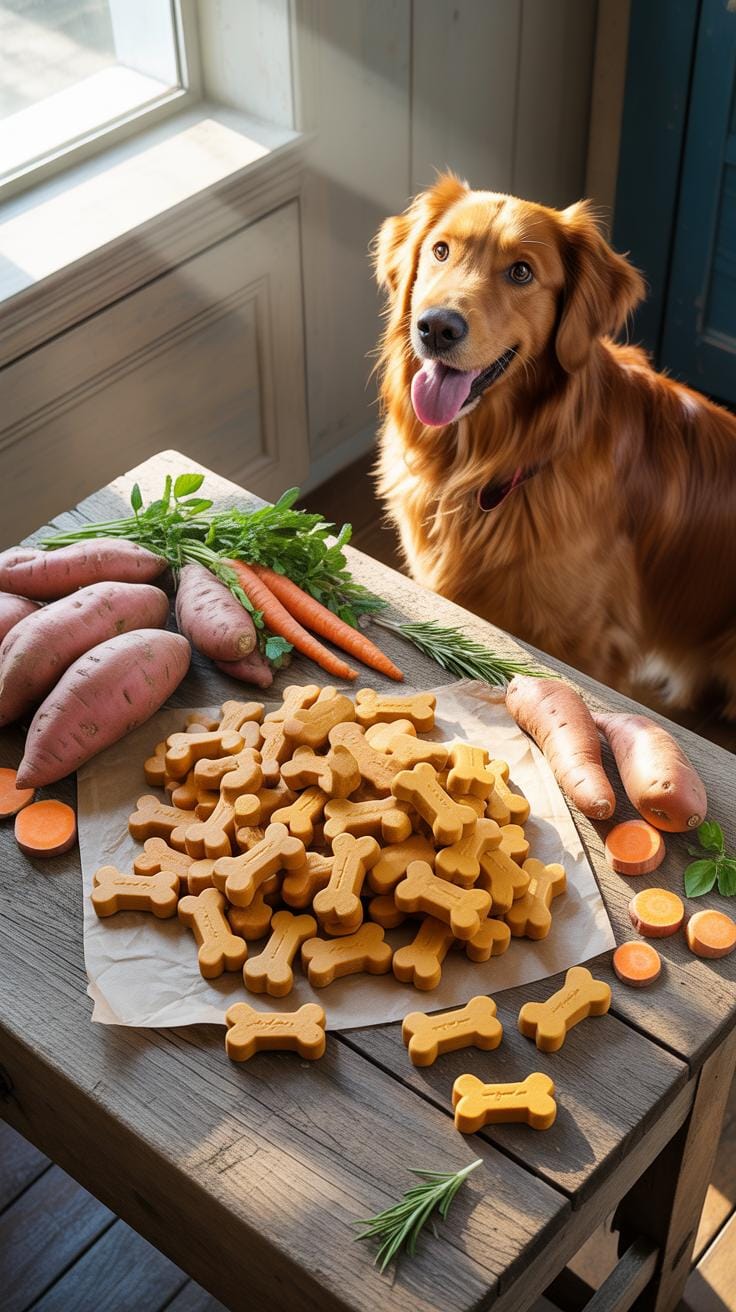
Why Sweet Potatoes Are An Excellent Ingredient In Grain Free Dog Treats
Sweet potatoes serve as a superior base for grain free dog treats recipe formulations due to high levels of dietary fiber. This fiber supports digestive transit in dogs with sensitive GI tracts. They provide a dense source of beta-carotene and Vitamin A. These nutrients support eye health and immune function. Unlike white potatoes, sweet potatoes have a lower glycemic index. This prevents rapid blood sugar spikes in canine systems.
The natural starch in sweet potatoes acts as a structural binder in recipes without requiring wheat gluten or corn meal. This helps the treats maintain their shape during the baking process. Sweet potatoes also contain potassium and manganese. These minerals support bone density and muscle function. Choosing this root vegetable eliminates common allergens found in commercial snacks. You gain total control over the raw nutrient profile of your dog treats.
Baked Sweet Potato And Oat Free Dog Treat Recipe Step By Step
Start by roasting two medium sweet potatoes until the flesh is soft. Scoop the pulp into a bowl and discard the skins. Mix the pulp with one-half cup of coconut flour and one large egg. The coconut flour absorbs moisture and provides more structure than traditional grain based flours. Stir this mixture until it forms a thick dough. Ensure there are no large lumps remaining.

Preheat your oven to 350 degrees Fahrenheit. Roll the dough between two sheets of parchment paper to a one-quarter inch thickness. Use a cookie cutter to create uniform shapes. Place the pieces on a lined baking sheet. Bake for thirty minutes until the edges turn firm. Turn off the oven and let the treats sit inside for ten minutes. This extra step removes moisture to increase shelf life.
Pumpkin Dog Treats Gut Friendly Grain Free Recipes For Sensitive Stomachs
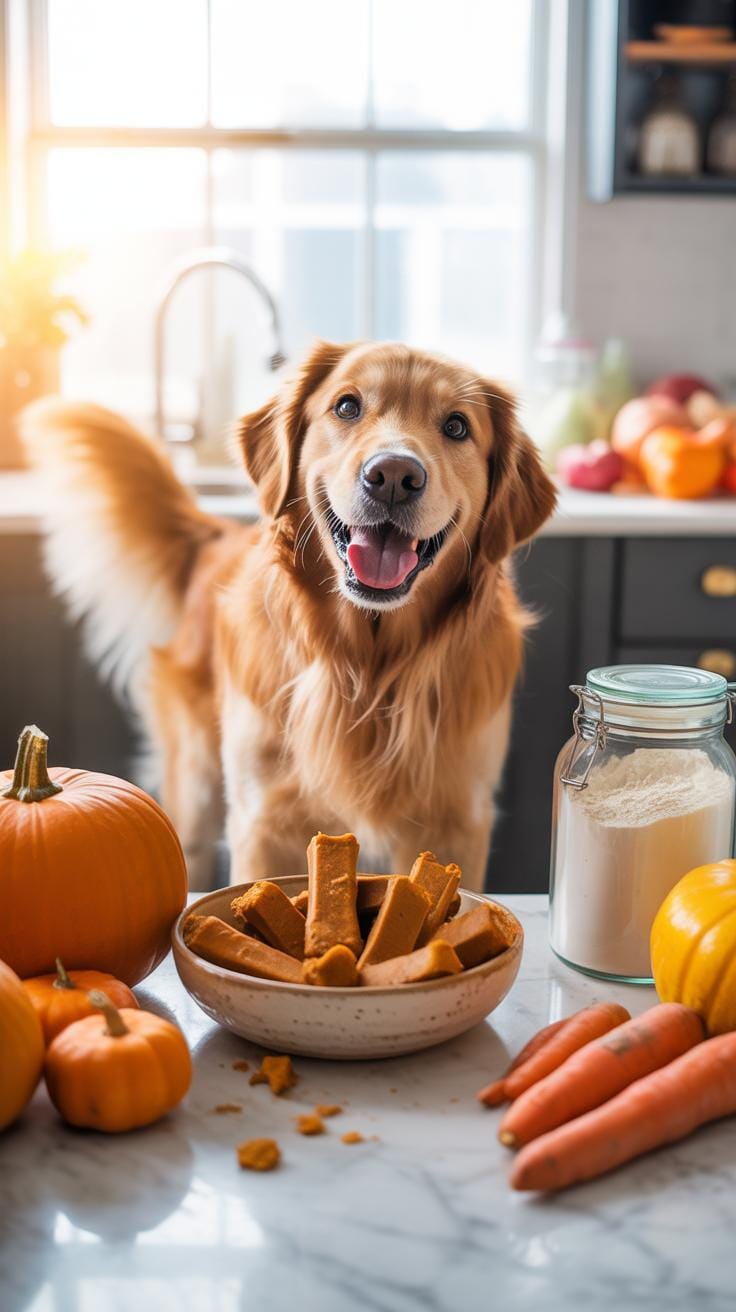
The Digestive Benefits Of Pumpkin For Dogs And Why It Works In Grain Free Treats
Pumpkin provides a dense source of soluble fiber that regulates canine digestion. This fiber absorbs excess water in the bowels to stop diarrhea. It also adds bulk to the stool to fix constipation issues quickly. Pureed pumpkin contains essential vitamins like A, C, and E. These nutrients support the immune system and help skin health. It acts as a natural prebiotic for gut bacteria.
Grain-free recipes rely on pumpkin as a structural binder. It replaces the sticky properties of gluten without triggering allergic reactions. Most dogs with sensitive stomachs react poorly to wheat or corn fillers. Pumpkin maintains a low glycemic index and prevents blood sugar spikes. It offers a high moisture content that keeps treats soft and easy to chew. This ingredient simplifies the digestion process for senior dogs.
Easy Pumpkin And Coconut Flour Dog Treat Recipe Your Dog Will Beg For
This grain free dog treats recipe uses coconut flour to provide a dry balance to wet pumpkin. Mix one half cup of pure pumpkin puree with two large eggs. Gradually stir in one cup of coconut flour until a thick dough forms. Coconut flour absorbs more liquid than traditional flours so the dough will feel dense. Ensure the pumpkin is plain and lacks added sugars or spices.

Preheat your oven to 350 degrees Fahrenheit. Roll the dough and cut it into small circles or bone shapes. Place the pieces on a parchment-lined baking sheet to prevent sticking. Bake the treats for twenty minutes until they feel firm to the touch. Let them cool completely before serving to your dog. Store these treats in the refrigerator to maintain freshness for up to one week.
No Grain Dog Treats Recipes Protein Packed Options For Active And Allergy Prone Dogs
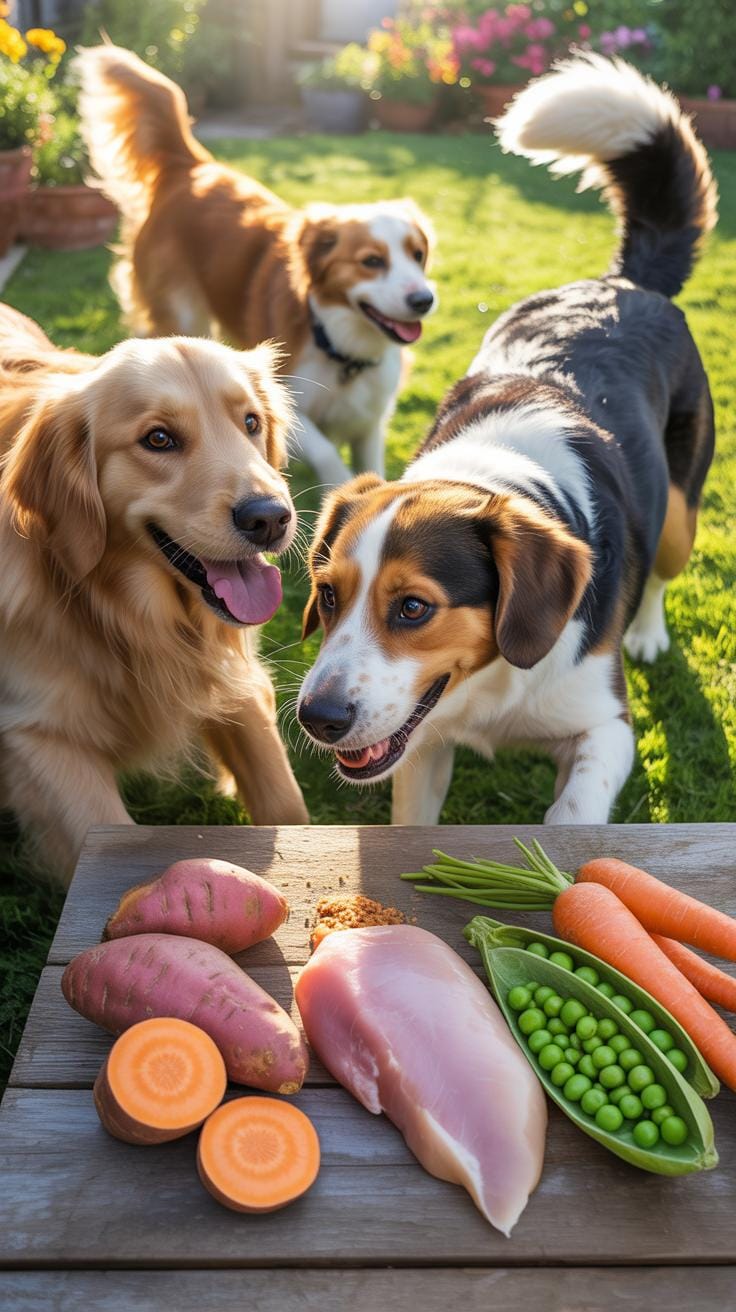
Chicken And Almond Flour Dog Treats: A High Protein Grain Free Recipe
Almond flour serves as a functional replacement for wheat in this grain free dog treats recipe. It contains high levels of vitamin E and magnesium. These nutrients support muscle function and immune health in active dogs. Lean chicken breast provides the primary protein source. Combine cooked shredded chicken with almond flour and one egg. This mixture creates a dense dough that holds its shape.
Bake the treats at 350 degrees Fahrenheit for approximately 25 minutes. Ensure the centers are firm to prevent mold growth during storage. This recipe avoids common allergens found in commercial snacks. Almond flour has a low glycemic index compared to corn or soy. It prevents blood sugar spikes in canine athletes. Store these treats in the refrigerator for up to one week to maintain freshness.
Sardine And Flaxseed Dog Treats: An Omega 3 Rich Grain Free Snack For Coat Health
Sardines offer a concentrated source of omega-3 fatty acids and vitamin D. These nutrients reduce skin inflammation and improve coat luster. Use sardines packed in water to avoid excess salt or poor-quality oils. Mash the fish and mix with ground flaxseed and coconut flour. Flaxseed adds fiber which aids digestion. This combination works well for dogs with extreme chicken or beef sensitivities.

Mix the ingredients thoroughly until the dough is pliable. Roll the dough thin and cut into small pieces for training rewards. Bake at 325 degrees Fahrenheit until the edges turn golden brown. The low temperature preserves the integrity of the delicate fish oils. These treats provide essential fatty acids that support brain health in aging dogs. Keep them in an airtight container to manage the strong scent.
Gluten Free Dog Treats Homemade Understanding The Difference Between Gluten Free And Grain Free
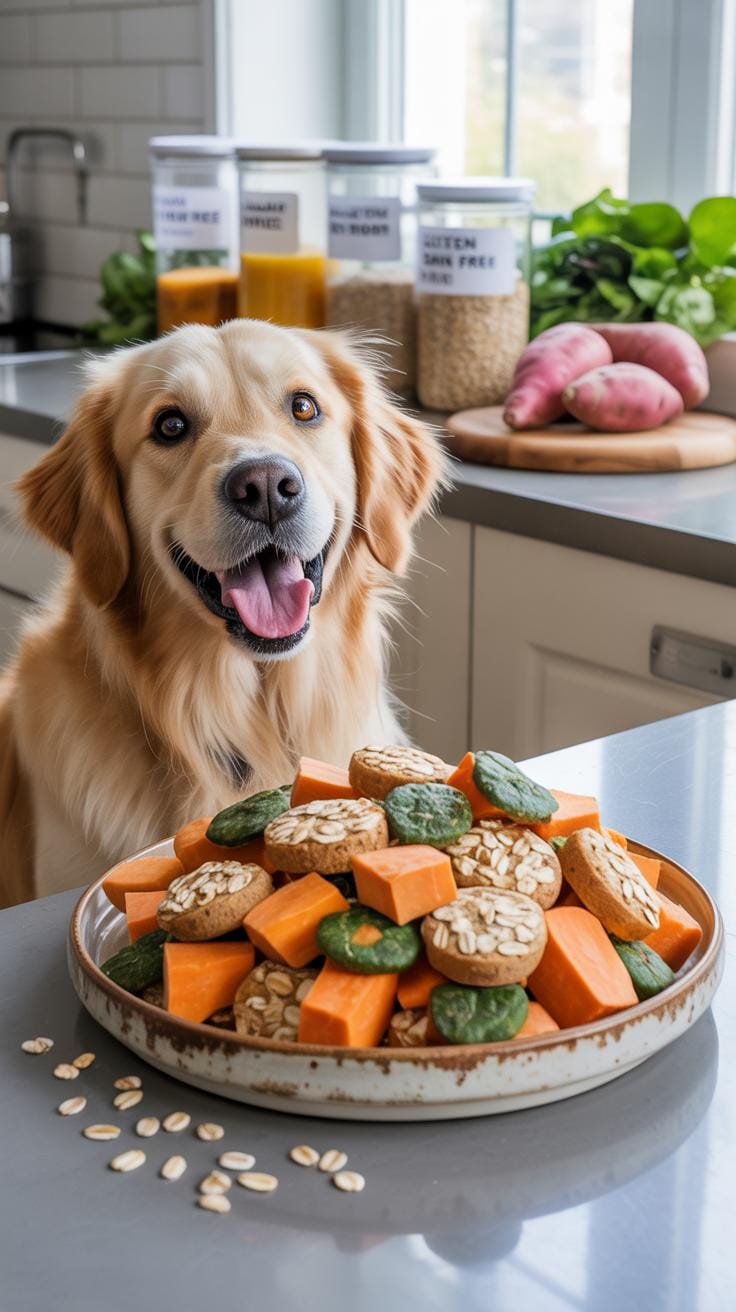
Gluten Free Vs. Grain Free Dog Treats: Why The Distinction Matters For Your Dog’S Health
Grain-free diets exclude all cereal grains like corn, wheat, rice, and barley. Gluten-free diets only remove specific proteins found in wheat, barley, and rye. A grain-free dog treats recipe is inherently gluten-free, but a gluten-free recipe may still contain non-gluten grains like rice or oats. Owners must identify the specific trigger for their dog to avoid unnecessary dietary restrictions that impact nutrition.
Gluten sensitivity in dogs is rare but serious, often linked to specific breeds like Irish Setters. Grain-free options often rely on legumes or tubers which change the carbohydrate profile. Confusing these terms leads to feeding mistakes that upset sensitive stomachs. Tactical feeding requires knowing if the dog reacts to the protein gluten or the entire grain structure. Always check labels for hidden wheat derivatives.
The greatest privilege of a long life is the opportunity to nurture those we love with simple, honest food from our own kitchens. There is no greater comfort than a belly full of goodness and a heart full of peace.
Tapioca And Turkey Gluten Free Homemade Dog Treat Recipe For Sensitive Pups
This recipe uses ground turkey and tapioca flour to create a protein-heavy snack. Mix one pound of lean ground turkey with one cup of tapioca starch and one egg. Tapioca provides a smooth texture without the inflammatory risks of wheat gluten. It acts as a binding agent that stays firm after baking. This combination is ideal for dogs with common chicken or grain allergies.
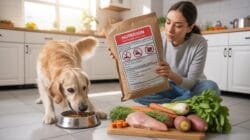
Roll the dough out on a flat surface and cut into small squares. Bake at 350 degrees Fahrenheit for twenty minutes or until the treats feel firm. Dehydrate them further by leaving them in the cooling oven to increase shelf life. Store these treats in the refrigerator because they lack artificial preservatives. Fresh turkey provides essential amino acids while the tapioca starch ensures easy digestion.
Homemade Dog Food Crossover Turning Grain Free Meals Into Treat Sized Snacks
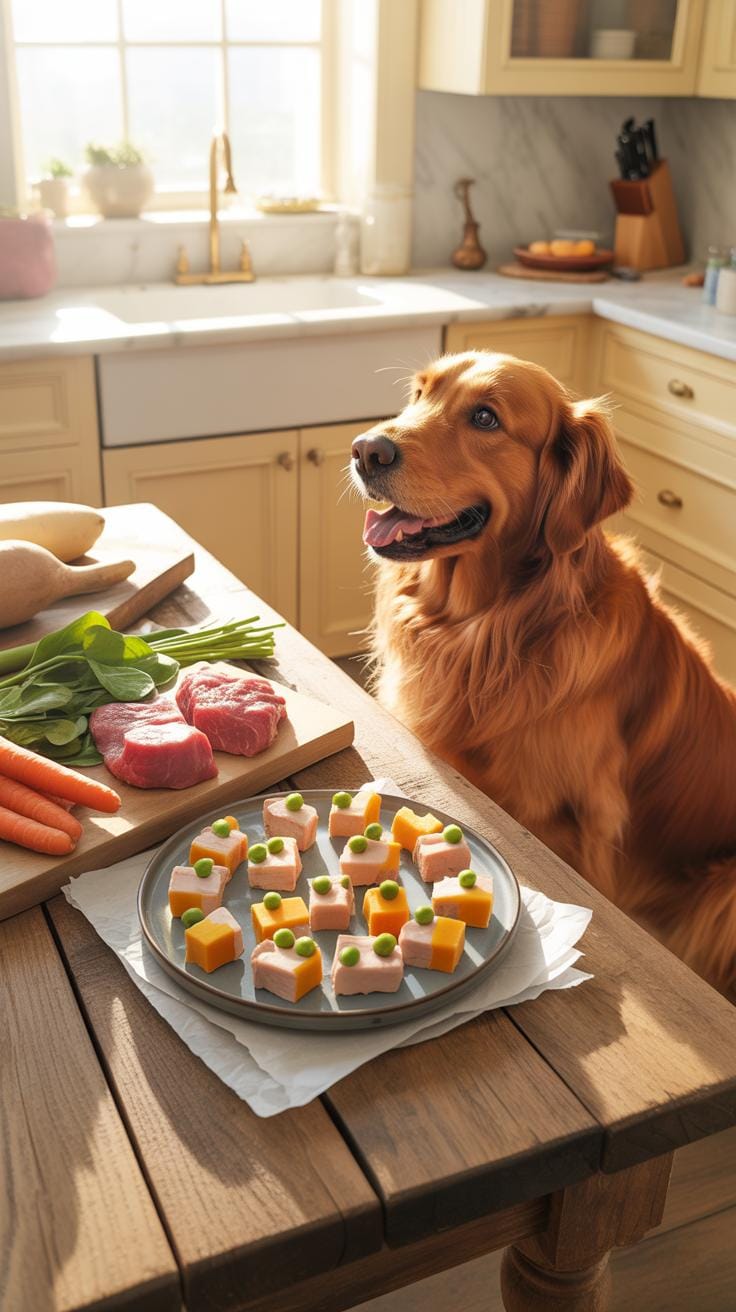
How To Repurpose Grain Free Homemade Dog Food Recipes Into Portable Bite Sized Treats
Standard grain-free dog food often uses lean proteins and starches like sweet potato or pea flour. To convert these meals into treats, you must reduce the moisture content. Use a food processor to blend cooked meats and vegetables into a thick paste. Spread this mixture thin on a parchment lined baking sheet. Bake at a low temperature until the texture becomes firm and dry.
Dehydration is the most effective method for creating shelf-stable snacks from wet meal ingredients. Cut solid proteins like beef liver or chicken breast into uniform strips before drying. This process removes water that promotes bacterial growth. Ensure the final product is brittle rather than chewy to maximize portability. High protein snacks work best for training because they maintain structural integrity in your pocket.
Batch Cooking And Storing Grain Free Dog Treats To Keep Them Fresh Longer
Efficient batch cooking requires consistent heat distribution and proper cooling techniques. Use heavy grade baking sheets to prevent hot spots that cause uneven drying. Grain-free dough lacks the structural gluten found in wheat, so treats can crumble if handled while warm. Allow all snacks to reach room temperature on a wire rack before moving them to storage containers to prevent condensation.
- Airtight Glass Containers: Glass does not leach chemicals or absorb odors like plastic. Use these for short-term storage in cool, dark pantries. Airtight seals prevent humidity from softening the treats and inviting mold growth on the protein.
- Vacuum Sealing: Remove oxygen to stop oxidative rancidity in fats. This method extends the shelf life of high-fat treats like salmon or liver by several months. It is the best option for bulk preparation and long-term storage needs.
- Refrigeration Requirements: Moist or chewy grain-free treats require cold storage to remain safe for consumption. Most homemade recipes lack the inorganic preservatives found in commercial bags. Keep these snacks in the refrigerator for no more than five to seven days.
- Freezer Preservation: Spread treats on a tray and freeze them individually before bagging. This prevents the pieces from sticking together in a solid block. Frozen grain-free treats last up to six months without losing their nutritional profile or flavor.
- Silica Gel Packs: Place food-grade desiccant packets in your storage jars to manage residual moisture. These packs pull dampness away from the treats to maintain a crisp texture. This is a critical step for baked biscuits in humid environments.

Organizing your storage by expiration date ensures the oldest treats are used first. Label every container with the production date and the primary protein source. This tracking prevents digestive upset caused by feeding spoiled or degraded fats. Harder, dryer treats always last longer than soft versions. Prioritize feeding the high-moisture snacks first to minimize waste and ensure maximum nutritional value.
Dog Recipes For Special Needs Adapting Grain Free Treats For Senior Dogs And Puppies
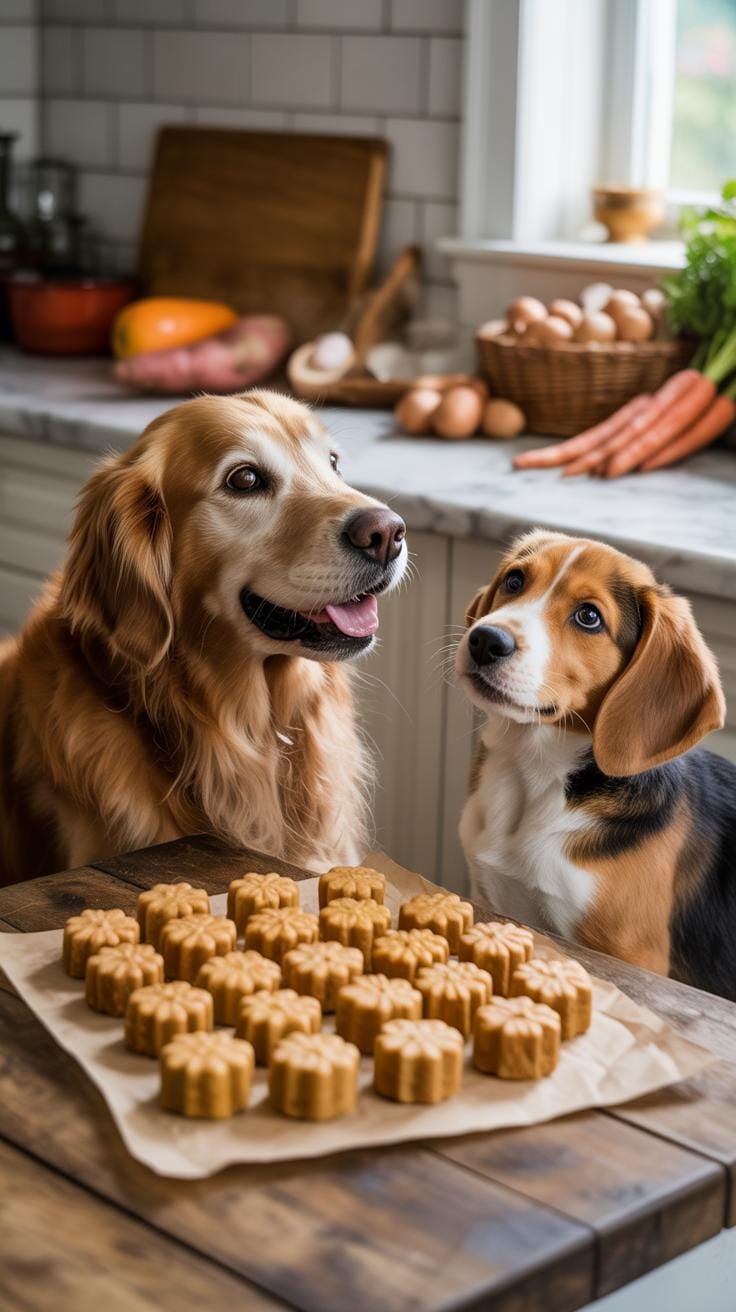
How To Adjust Grain Free Dog Treat Recipes To Suit Senior Dogs With Aging Digestive Systems
Senior dogs require softer textures due to tooth decay and gum sensitivity. Hard biscuits cause pain and discourage eating. Replace dry baking methods with steaming or quick searing to keep treats moist. High moisture helps digestion and prevents dehydration in older pets. Use base ingredients like pureed pumpkin or mashed sweet potato. These provide necessary fiber to regulate slowing metabolic rates and bowel movements.
Reduce fat content in your grain-free dog treats recipe for aging dogs. Senior livers and pancreases process heavy fats poorly. Avoid bacon grease or excessive coconut oil. Substitute these with small amounts of unsweetened applesauce for binding. Focus on lean proteins like boiled chicken breast or whitefish. These ingredients offer high bioavailability without taxing the kidneys. Small, soft portions ensure the dog gets nutrients without struggling to chew.
Puppy Safe Grain Free Treat Recipes: What To Include And What To Leave Out
Puppies need nutrient-dense calories to support rapid bone and muscle growth. Use high-quality animal proteins as the primary ingredient in their treats. Blueberries and carrots provide antioxidants and vitamins without adding empty fillers. Avoid adding salt or sugar to any puppy recipe. Their developing kidneys cannot process high sodium levels effectively. Keep treat sizes small to prevent choking hazards and maintain balanced daily caloric intake.
Exclude common allergens and irritants like onions, garlic, and grapes immediately. These are toxic to dogs of all ages but especially dangerous for small puppies. Stick to simple recipes with three or four recognizable ingredients. Complex recipes make it difficult to identify the cause of allergic reactions or stomach upset. Introduce new proteins one at a time. This controlled approach ensures the puppy develops a strong immune system and healthy gut flora.
Frequently Asked Questions

Why should I consider making grain-free treats for my dog at home?
Making homemade snacks is a fantastic way to support your pet’s digestive health, especially if they suffer from allergies or dietary sensitivities. By using a grain free dog treats recipe, you gain full control over the ingredients, ensuring there are no hidden fillers, artificial preservatives, or wheat-based additives. This transition often leads to shinier coats, reduced inflammation, and much happier tummies for dogs with specific nutritional requirements.
What are the best flour substitutes to use in a grain-free dog treats recipe?
When you are following a grain free dog treats recipe, swap traditional wheat flour for nutrient-dense alternatives like coconut flour, almond flour, or chickpea flour. Coconut flour is highly absorbent and rich in fiber, making it excellent for digestion. Just remember that these alternative flours behave differently than wheat; you may need to add extra moisture, such as unsweetened applesauce or an extra egg, to achieve the perfect cookie consistency.
Is it expensive to start baking grain-free snacks for my pet?
Not at all! In fact, baking at home is often more budget-friendly than buying premium specialty brands from the store. You can save money by using pantry staples like sweet potatoes, pumpkins, and eggs as your base. Buying alternative flours in bulk or making your own oat-free binders from dehydrated vegetables ensures your pup gets high-quality, hypoallergenic rewards without breaking the bank or sacrificing the quality of their sensitive diet.