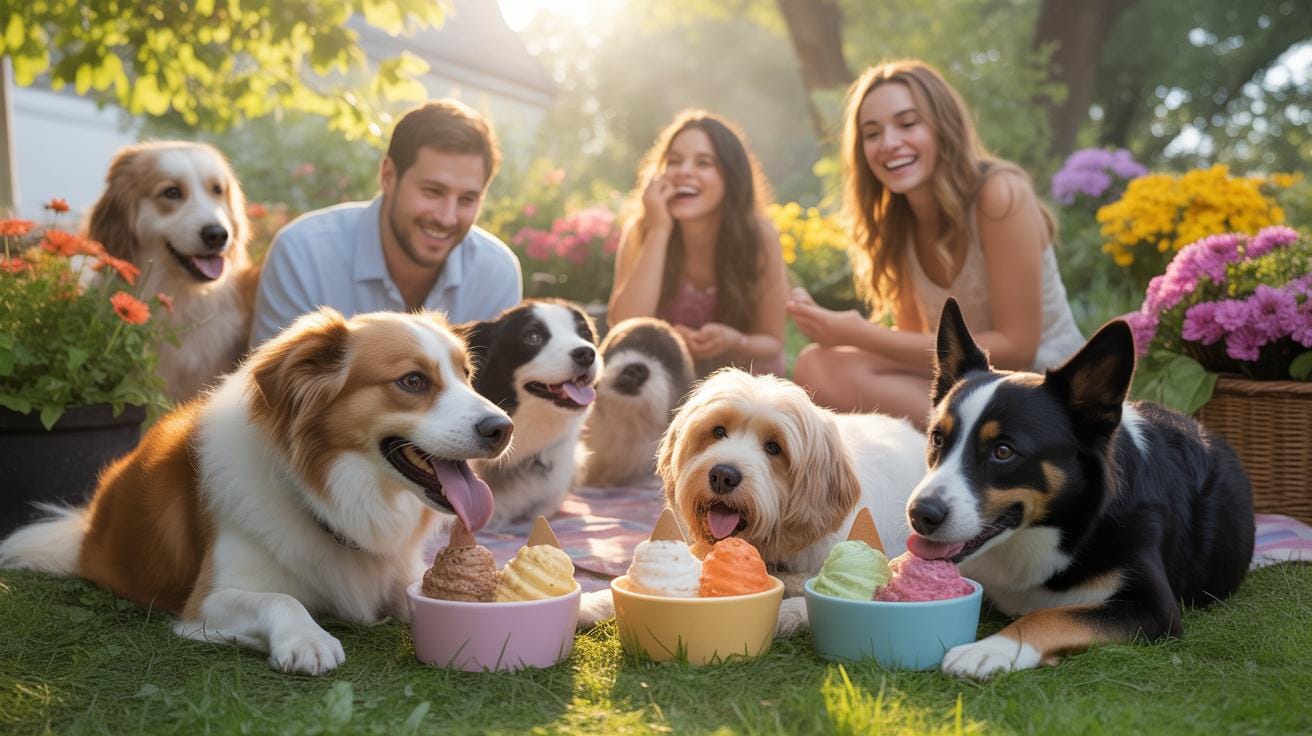
What Is Dog Ice Cream And Why Is It Different From Human Ice Cream
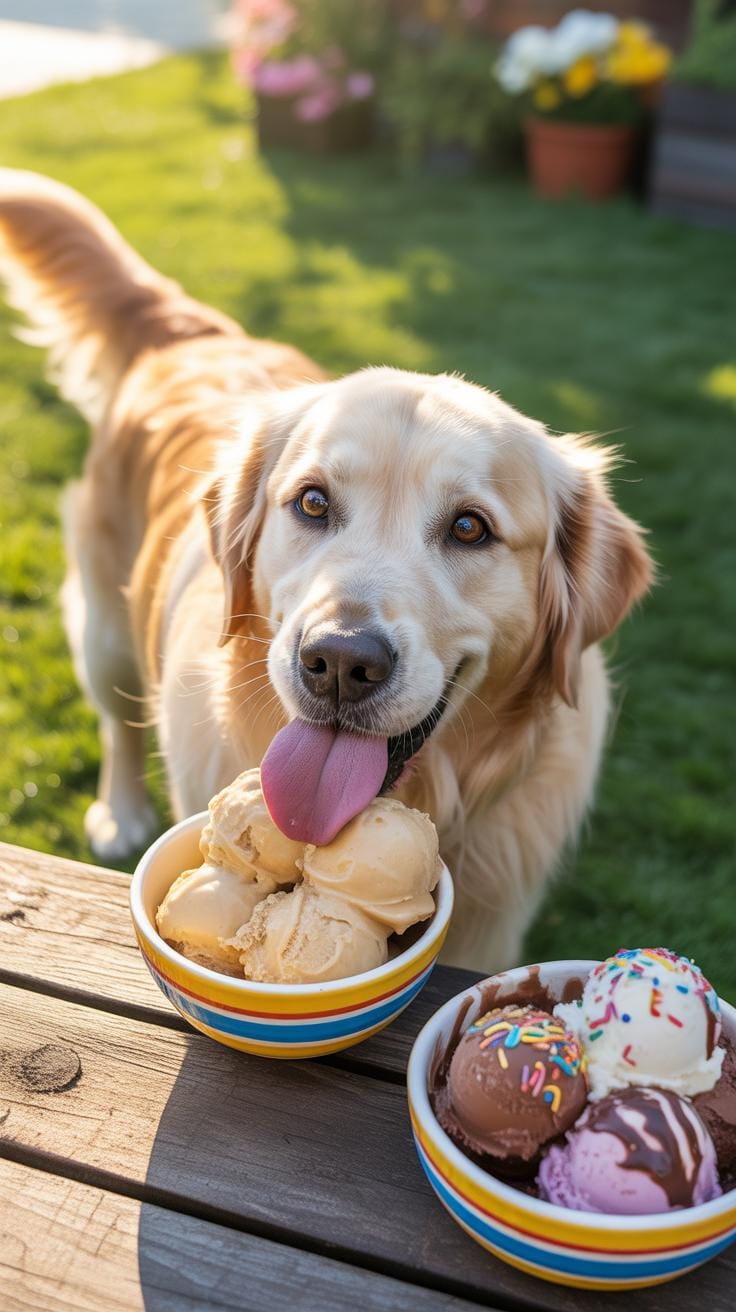
Why Regular Ice Cream Is Not Safe For Dogs
Standard human ice cream contains high levels of lactose. Most adult dogs lack the enzyme lactase required to break down dairy sugars. Consuming these products leads to significant gastrointestinal distress, bloating, and diarrhea. Dairy is a common dietary trigger for canine inflammation. High fat content in heavy cream also puts pets at risk for pancreatitis, a severe and painful medical condition.
Sugar and toxic additives pose the greatest danger in commercial human desserts. Many brands use Xylitol as a sweetener which causes rapid insulin release and liver failure in dogs. Chocolate and certain nuts are also poisonous. Even plain vanilla ice cream contains excessive sugar levels that lead to canine obesity and dental decay. You must avoid these ingredients to protect your dog from immediate toxicity.
What Makes A Dog Ice Cream Recipe Safe And Dog Friendly
A dog ice cream recipe homemade approach focuses on digestible base ingredients. Successful recipes use plain Greek yogurt or coconut milk instead of heavy cream. These alternatives provide a creamy texture with significantly less lactose or harmful fats. Probiotics found in yogurt actually support canine gut health. Using a safe base ensures your pet enjoys a cold treat without the risk of a stomach upset.
Natural flavoring replaces refined sugars and artificial chemicals in these recipes. Pureed bananas, pumpkin, or peanut butter provide sweetness and nutrients. Tactical preparation involves freezing these blends into small portions to control calorie intake. You skip the toxic preservatives found in store-bought pints. Selecting whole food ingredients creates a functional snack that supports your dog’s energy levels and health.

The Best Base Ingredients For A Dog Ice Cream Recipe Homemade Treat
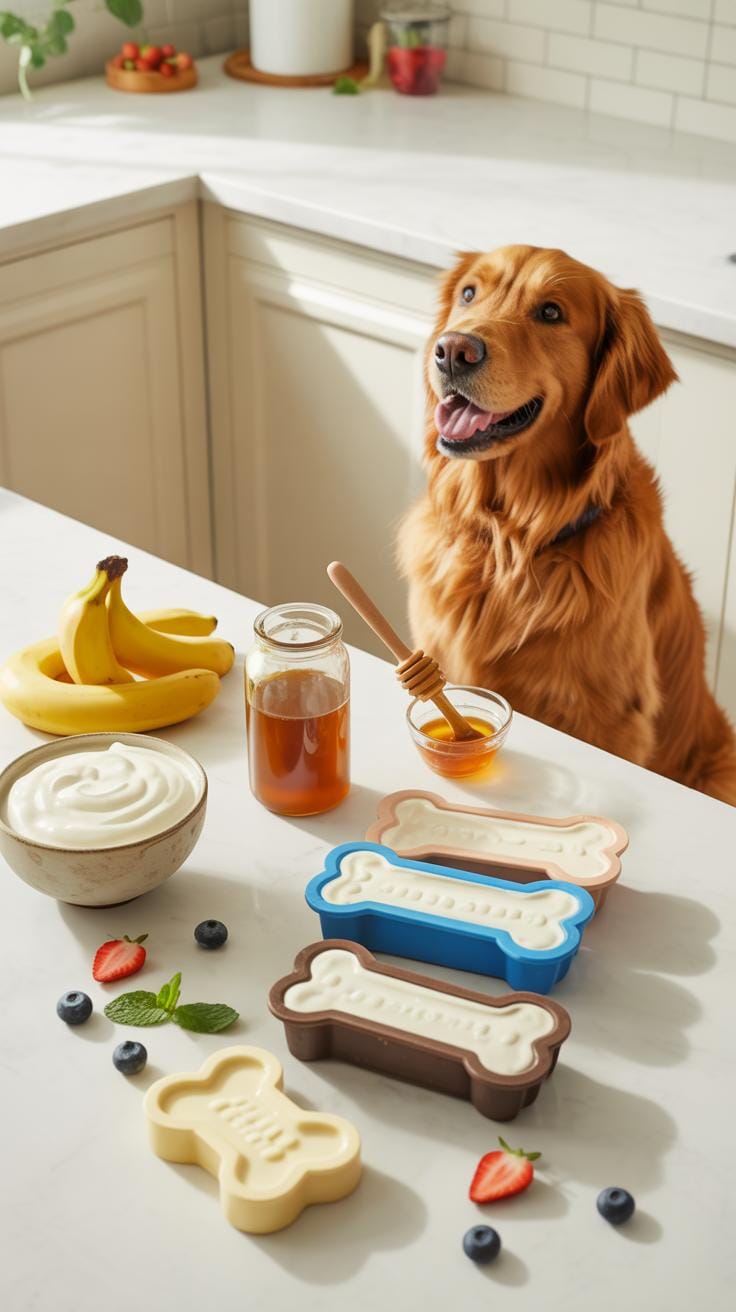
Guidance On Using Plain Yogurt And Peanut Butter As A Creamy Dog Safe Base
Plain Greek yogurt serves as a primary foundation for most frozen canine snacks. It contains probiotics that support digestive health in many animals. You must use unsweetened varieties to avoid dangerous additives. Check labels for xylitol because this sweetener is toxic to dogs. High protein levels in Greek yogurt provide a thicker texture that mimics traditional dairy ice cream without the heavy fat.
Natural peanut butter adds significant flavor and healthy fats to the mixture. Choose brands containing only peanuts and salt. Avoid any products with hydrogenated oils or artificial sweeteners. Peanut butter acts as a binding agent that keeps the treat from becoming too brittle when frozen. This combination creates a dense and satisfying snack. It provides essential vitamins while remaining easy for most dogs to digest.
Why Banana And Coconut Milk Work Wonderfully In Frozen Dog Treats
Bananas act as a natural sweetener and thickener for non-dairy recipes. They offer potassium and fiber which benefit heart health and digestion. Use overripe bananas to ensure they blend into a smooth puree. The high starch content creates a creamy mouthfeel that prevents ice crystals from forming. This makes the final product easier for dogs to lick and chew comfortably.

Full-fat coconut milk provides a lactose-free alternative for dogs with dairy sensitivities. It contains medium-chain triglycerides which support healthy skin and coat condition. Ensure you use canned coconut milk without added sugars or thickeners like carrageenan. Combine it with fruit to create a shelf-stable base before freezing. This mixture stands up well to low temperatures. It delivers a rich texture that remains scoopable after several days.
Ingredients You Must Always Avoid In Any Dog Ice Cream Recipe
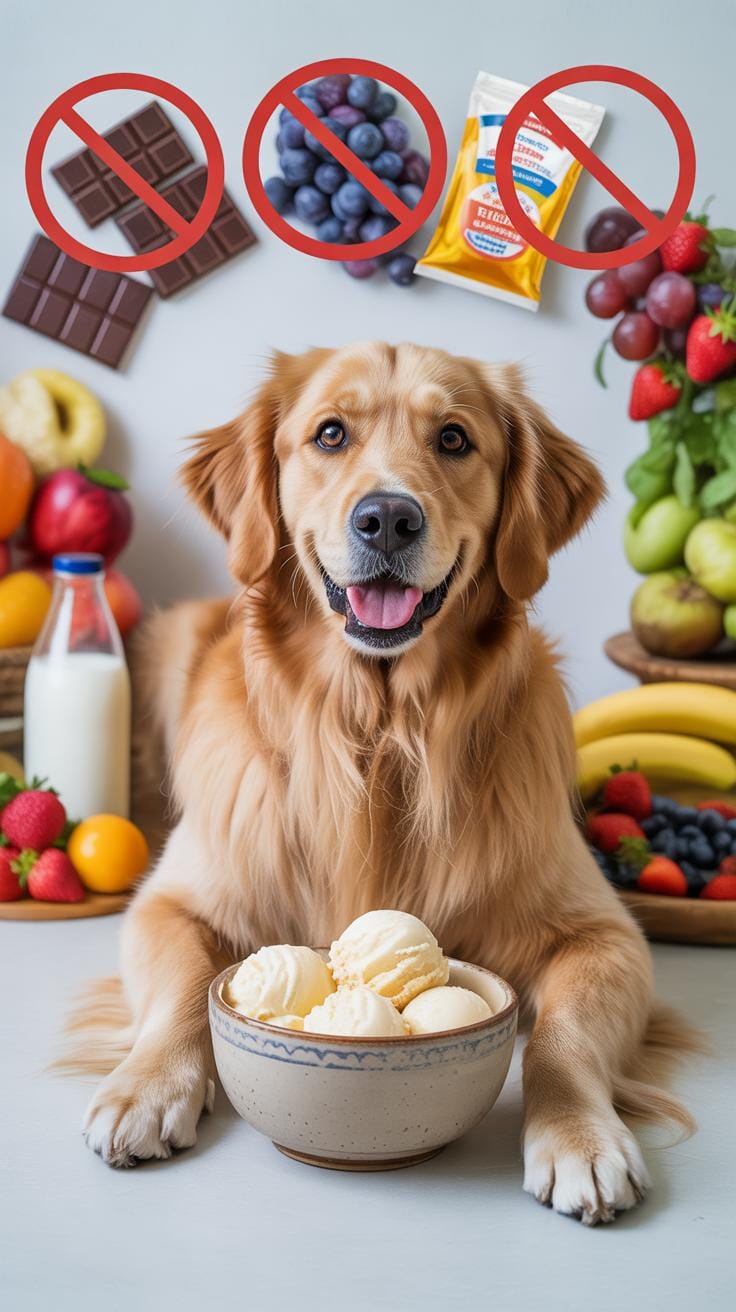
The Danger Of Xylitol, Chocolate, And Grapes In Dog Treats
Xylitol is a sugar substitute found in many human foods. It causes a rapid insulin release in dogs. This leads to life-threatening low blood sugar and liver failure within hours. Even small amounts are lethal. Always check peanut butter labels before adding it to your dog ice cream recipe homemade batch. Manufacturers often hide this ingredient under the name birch sugar or wood sugar.
Chocolate contains theobromine and caffeine. Dogs cannot metabolize these chemicals effectively. Dark chocolate and cocoa powder pose the highest risk of heart issues and seizures. Grapes and raisins cause sudden kidney failure in canines. Scientists still lack a consensus on the exact toxic compound in grapes. You must exclude these ingredients to keep your treats safe. Never gamble with these known toxins when mixing ingredients.
Understanding Lactose Sensitivity In Dogs And How To Work Around It
Most adult dogs lack the enzyme lactase. This enzyme breaks down the sugars found in cow milk. Ingesting dairy leads to bloating, gas, and severe diarrhea. These symptoms cause discomfort and dehydration. While some dogs tolerate small amounts, large quantities in ice cream will distress their digestive systems. You must prioritize your dog’s gut health over traditional dairy textures in your recipes.

To avoid digestive upset, use goat milk or plain Greek yogurt. These options contain less lactose and more probiotics. Coconut milk provides a creamy base without the risks of cow dairy. Unsweetened almond milk also works as a safe liquid carrier. Always choose plain versions to avoid added sugars or artificial flavors. These substitutions ensure your homemade treats remain digestible and safe for dogs with sensitive stomachs.
Classic Peanut Butter And Banana Dog Ice Cream Recipe Your Pup Will Love
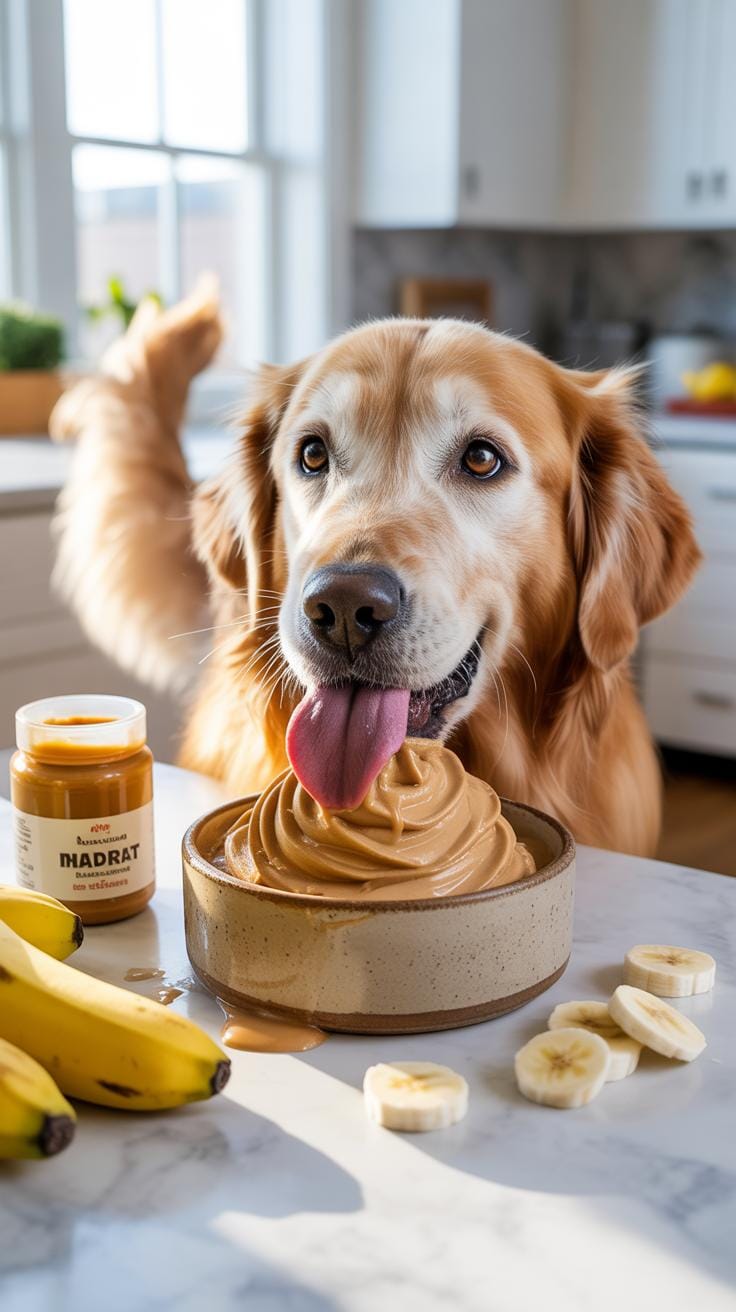
Ingredients And Step By Step Instructions For This Fan Favorite Recipe
This recipe targets the biological drive for fats and sugars in a controlled manner. You will need two ripe bananas, one cup of plain yogurt, and half a cup of natural peanut butter. Ensure the peanut butter contains no xylitol. This sweetener is toxic to dogs and causes rapid insulin release. Use a high-speed blender to achieve a smooth consistency that mimics traditional dairy ice cream textures.
- Ripe Bananas: Use bananas with brown spots to maximize natural sugar content. These fruits provide essential potassium and magnesium for muscle function. Mash them thoroughly before blending to ensure no large chunks remain in the final frozen mixture.
- Plain Yogurt: Choose Greek or regular yogurt without added sugars or artificial flavors. This ingredient provides the probiotic base required for gut health. High protein content in yogurt supports muscle maintenance while the cold temperature numbs gum inflammation.
- Natural Peanut Butter: Verify the ingredient label for peanuts and salt only. Avoid brands with hydrogenated oils or palm oil. Peanut butter delivers healthy fats and protein that keep dogs satiated. It acts as the primary flavor attractor for most breeds.
- High Speed Blender: Utilize a mechanical blender or food processor to emulsify the ingredients. Air incorporation during blending creates a lighter texture. This process prevents the treat from turning into a solid block of ice that is difficult for dogs to chew.
- Freezer Safe Containers: Pour the blended mixture into silicone molds or airtight plastic tubs. Small molds allow for better portion control and faster freezing times. Ensure the containers are level in the freezer to prevent spills and uneven crystallization during the hardening process.
Execute the process by blending all three ingredients until the mixture is uniform. Pour the liquid into your chosen molds immediately to prevent oxidation of the fruit. Place the containers in the freezer for at least four hours. Once the treats are firm, remove them from the molds. Store the finished product in a sealed bag to prevent freezer burn and odor absorption.
Happiness is a cold snack and a wagging tail on a porch in the middle of July. There is no better way to show your love than with a bowl of something sweet and homemade.
How To Store And Serve This Homemade Frozen Dog Treat Safely
Proper storage prevents the growth of bacteria and maintains the nutritional integrity of the ingredients. Keep the treats in an airtight container at zero degrees Fahrenheit. Use the ice cream within two weeks for maximum freshness. Exposure to air causes the bananas to brown and the fats in the peanut butter to go rancid. Label your containers with the date of production to track shelf life.

Limit serving sizes based on your dog’s weight and caloric needs. This treat is calorie-dense due to the fat content in the peanut butter. Large dogs can handle a full scoop while small breeds require only a tablespoon. Monitor your dog for signs of lactose intolerance during the first feeding. Serve the treat in a shallow bowl to prevent a mess as the ice cream melts.
Puppy Ice Cream Recipes Made With Gentle And Easily Digestible Ingredients
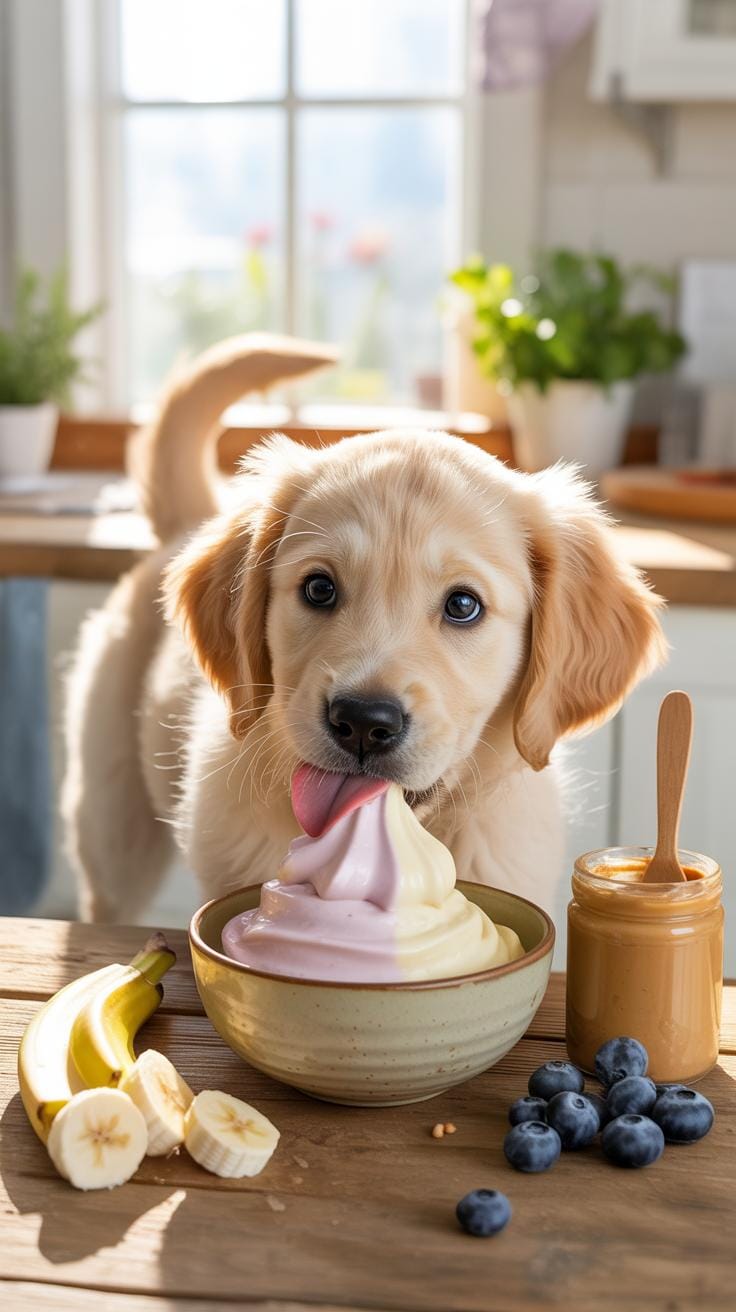
Guidance Why Puppies Need Specially Formulated Frozen Treats Compared To Adult Dogs
Puppies possess developing digestive systems that react poorly to rich or complex ingredients. Their gut microbiome is still maturing during the first year of life. Conventional adult dog treats often contain high fat levels or additives that cause diarrhea in young dogs. You must prioritize simple bases that support growth without stressing the pancreas. Maintaining strict control over ingredient density ensures the pup remains healthy.
A puppy requires precise calorie management to avoid bone growth issues. Adult dog treats often pack too many calories for a small animal. Frozen treats for puppies should focus on hydration and probiotics. You want to avoid any sugar or artificial sweeteners like xylitol which is lethal. Using clean ingredients helps prevent allergic reactions during this critical developmental stage. Focus on functional nutrition over flavored fillers.
A Simple Pumpkin And Plain Yogurt Puppy Ice Cream Recipe To Try Today
Puree one cup of plain canned pumpkin with one cup of low fat Greek yogurt. Do not use pumpkin pie filling because it contains toxic spices and sugar. Mix these ingredients until the texture is smooth. Pumpkin provides soluble fiber which helps regulate puppy digestion. Greek yogurt adds necessary probiotics for gut health. This combination remains gentle on the stomach while providing a cooling effect.

Pour the mixture into small silicone molds or ice cube trays. Limit the portion size to one cubic inch per serving for small puppies. Freeze the trays for at least four hours until the pucks are solid. Store the finished treats in an airtight container to prevent freezer burn. Offer one treat after a training session to reward the puppy. This specific recipe minimizes the risk of gas or upset stomach.
Healthy Dog Treats Homemade Recipes Using Fruits And Vegetables
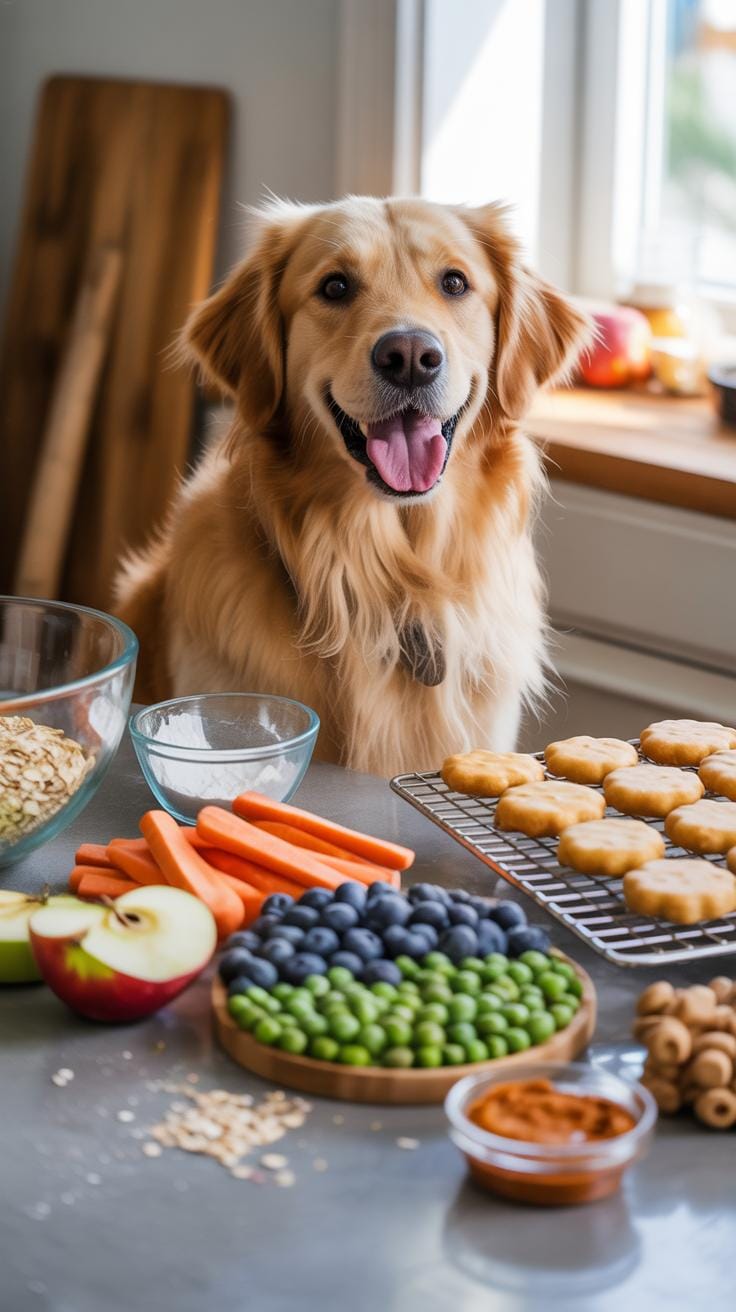
Dog Safe Fruits Like Blueberries Watermelon And Apples That Shine In Frozen Treats
Blueberries provide antioxidants and fiber without high calorie counts. These small berries freeze well and blend into smooth bases easily. Frozen blueberries maintain their shape if you want texture in the treat. Watermelon offers high hydration levels for summer snacks. Always remove every seed and the green rind before processing. These parts cause digestive blockages or distress in most dogs.
Apples deliver vitamin C and essential minerals to the diet. You must remove the core and all seeds before blending. Apple seeds contain cyanide which is toxic to canines. Mash these fruits with plain yogurt or coconut water for a solid freeze. This combination creates a nutrient dense snack that supports immune health. Avoid adding sugar or artificial sweeteners like xylitol during the process.
How To Blend Vegetables Like Sweet Potato And Carrot Into A Nutritious Frozen Treat
Sweet potatoes require thorough steaming or boiling before you freeze them. Raw sweet potatoes are too hard for a dog to digest properly. Peel the skin to ensure a smooth texture in the final product. Mix the cooked mash with a small amount of water or unsalted broth. This vegetable provides beta carotene and keeps the ice cream thick and creamy without using dairy.

Carrots work best when finely grated or pureed into a liquid state. Coarse chunks may not freeze evenly and can be a choking hazard. Carrots add natural sweetness and vitamin A to the frozen treat. Blend them with unsweetened applesauce to improve the flavor profile. Pour the mixture into silicone molds for consistent portion control. This method ensures your dog receives vitamins in a cold snack.
No Churn Dog Recipes That Come Together In Under 10 Minutes
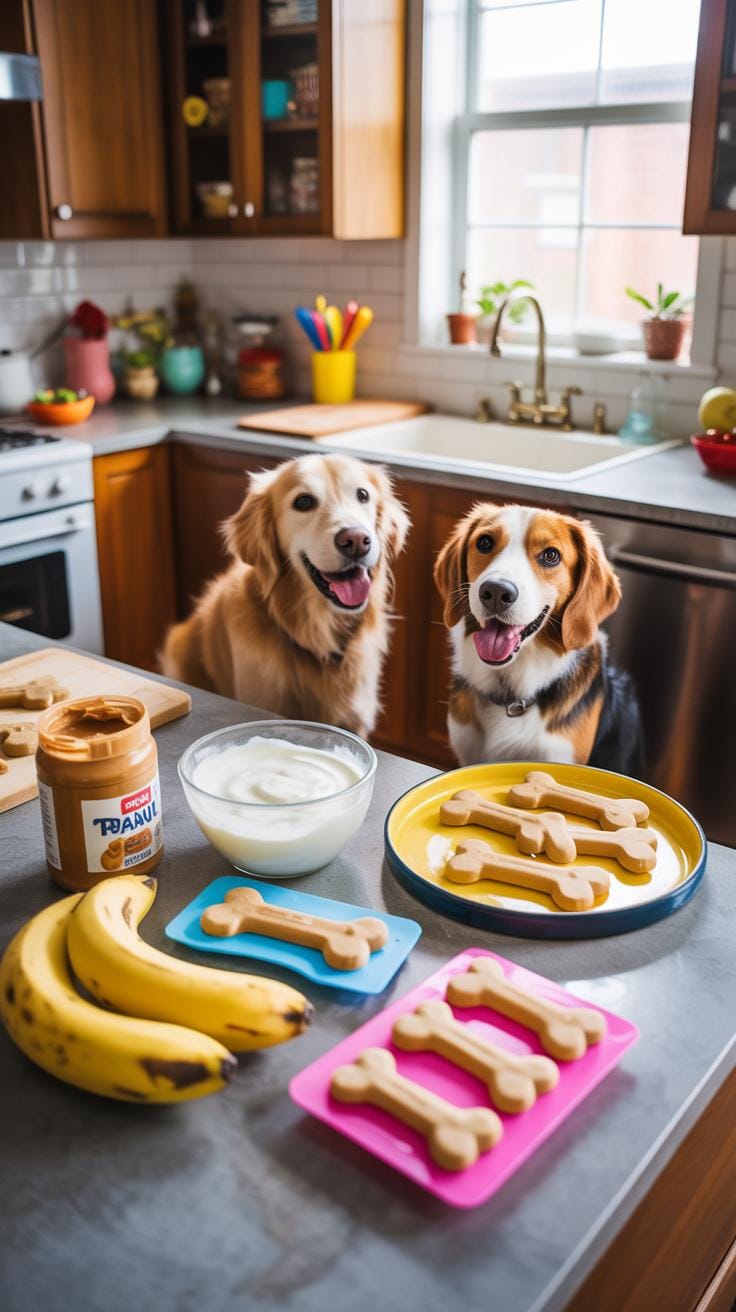
The Easiest Two Ingredient Frozen Dog Treat You Can Make Right Now
Combine plain Greek yogurt and unsweetened peanut butter for the fastest dog ice cream recipe homemade version. Ensure the peanut butter contains no xylitol. This sweetener is toxic to canines. Use a one-to-one ratio for these ingredients. Mix them in a bowl until the texture is smooth and uniform. You do not need a blender for this specific combination.
Pour the mixture into silicone molds or a flat container. Freeze the treats for at least four hours. This method skips the heavy machinery found in commercial production. You control the quality of the fats and proteins. Plain yogurt provides probiotics that aid canine digestion. Peanut butter offers healthy fats. This simple strategy delivers a high-value reward without any chemical additives.
Tips For Getting The Perfect Texture Without Any Special Equipment
Manual aeration is the secret to soft dog ice cream. Whisk your base vigorously before freezing to incorporate air bubbles. This prevents the mixture from turning into a solid block of ice. Choose high-fat dairy or coconut milk. Fat does not freeze as hard as water or sugar-free liquids. Use shallow containers to speed up the cooling process and ensure even consistency.
- Full-Fat Bases: High fat content prevents large ice crystals from forming. Use whole milk yogurt or full-fat coconut milk to keep the treat scoopable. This mimics the mouthfeel of traditional dairy products without the need for an expensive electric churner.
- Mashing Technique: Use ripe bananas as a natural thickener. Mash them until no lumps remain before folding them into your liquid base. The pectin and fiber in the fruit create a creamy structure that holds up well during the freezing process.
- Silicone Molds: Small molds increase the surface area exposed to cold air. This leads to faster freezing and smaller ice crystals. Smaller crystals mean a smoother texture for your dog to enjoy. It also makes portion control much easier for the owner.
- Timed Agitation: Stir the mixture every thirty minutes during the first two hours of freezing. This manual churning breaks up ice shards as they form. This technique is a reliable substitute for a mechanical stirrer. It ensures the final product remains soft and edible.
- Room Temperature Tempering: Take the container out of the freezer five minutes before serving. Let it sit on the counter to soften slightly. This brief rest period makes the treat easier for the dog to lick. Hard, frozen blocks can be difficult for some dogs to consume.
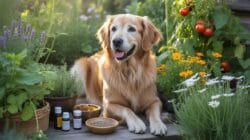
Avoid overfilling your containers to allow for slight expansion. Consistency depends on the water content of your add-ins. Pureed pumpkin or berries add moisture which can lead to a harder freeze. Balance these watery ingredients with thick binders like mashed potato or almond butter. Follow these steps to achieve a professional result using only basic kitchen tools and standard grocery staples.
Fun Shapes And Mold Ideas For Serving Pet Treats Recipes At Home
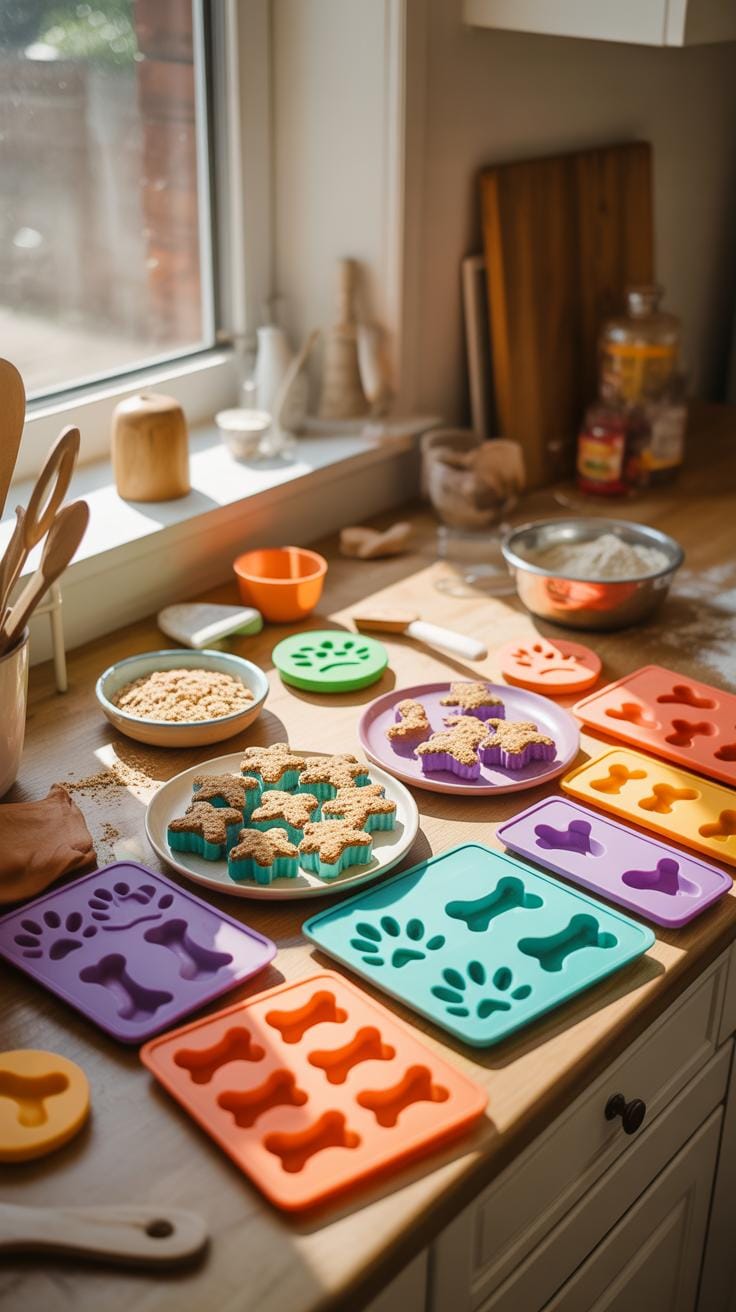
Using Silicone Molds, Ice Cube Trays, And Paper Cups For Creative Presentation
Silicone molds offer the best utility for freezing dog ice cream. These flexible tools allow for easy removal without breaking the frozen treat. Look for food-grade silicone to ensure safety. Standard ice cube trays work for smaller portions but require more effort to pop out. Choose shapes like paws or bones to differentiate pet treats from human snacks. This prevents accidental ingestion by house guests.
Paper cups provide a practical solution for larger breeds. Fill a small three-ounce cup and peel the paper away once frozen. This method creates a sturdy puck that resists melting during outdoor play. Avoid using glass containers for freezing as the contents expand and may cause cracks. Stick to durable plastics or silicone for long-term use. These materials survive repeated dishwasher cycles and keep the process efficient for busy owners.
How Portion Size And Serving Frequency Keep Your Dog Healthy And Happy
Control caloric intake by matching treat size to your dog’s weight. A small breed should receive a treat no larger than a standard ice cube. Large breeds can handle up to half a cup per serving. Treats must never exceed ten percent of a dog’s daily calories. Monitor your pet for signs of gastrointestinal distress after introducing new ingredients. Excessive cold snacks can cause temporary stomach upset or brain freeze.
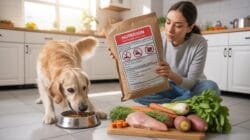
Consistency improves digestive health and behavior. Establish a routine by offering frozen treats only after exercise or during high heat. This creates a positive association with cooling down. Use small molds for frequent rewards and save larger cups for special occasions. Do not feed ice cream immediately before a full meal. Proper spacing ensures your dog maintains an appetite for nutritionally balanced kibble. Track treat frequency to prevent obesity.
Summer Dog Treats Keeping Your Dog Cool And Hydrated During Hot Months
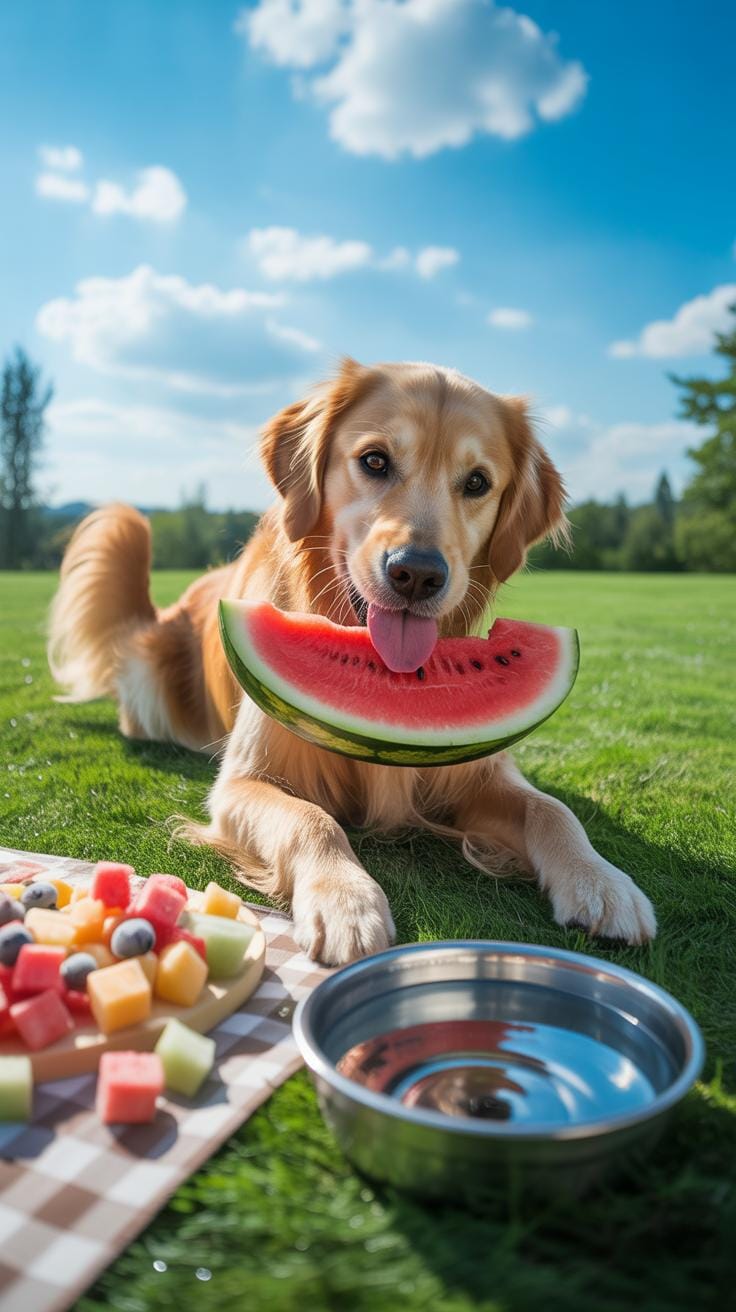
How Frozen Treats Help Regulate A Dog’S Body Temperature In Summer Heat
Dogs do not sweat like humans to stay cool. They rely on panting and heat exchange through their paw pads. Consuming a frozen dog ice cream recipe homemade helps pull heat from the core of the body. Cold snacks lower the temperature of the digestive tract. This internal cooling method works faster than external cooling alone during peak summer hours.
Strategically timing these treats prevents heat exhaustion. Owners should provide frozen treats during the hottest part of the day. A cold treat provides immediate relief when the ambient temperature rises above eighty degrees. This tactical feeding keeps the dog comfortable and reduces the physical stress of heat. Focus on small portions to avoid stomach upset while maintaining a steady internal temperature.
Hydration Boosting Summer Dog Ice Cream Recipes With Bone Broth And Coconut Water
Traditional dairy bases can cause digestive issues and do not provide optimal hydration. Experts use bone broth or coconut water to increase fluid intake. Bone broth adds essential electrolytes and minerals like calcium and magnesium. Coconut water provides potassium which supports muscle function. These liquids turn into a functional dog ice cream recipe homemade when frozen into molds or small cups.
Combine these liquids with pureed fruits like blueberries or melon to add natural sugars. These sugars provide quick energy for dogs playing outdoors. Avoid adding salt or artificial sweeteners to these mixtures. Freeze the liquid base until solid to ensure a slow release of moisture. This method ensures the dog stays hydrated even if they refuse to drink plain water from a bowl.
Storing Freezing And Gifting Your Homemade Dog Ice Cream Creations
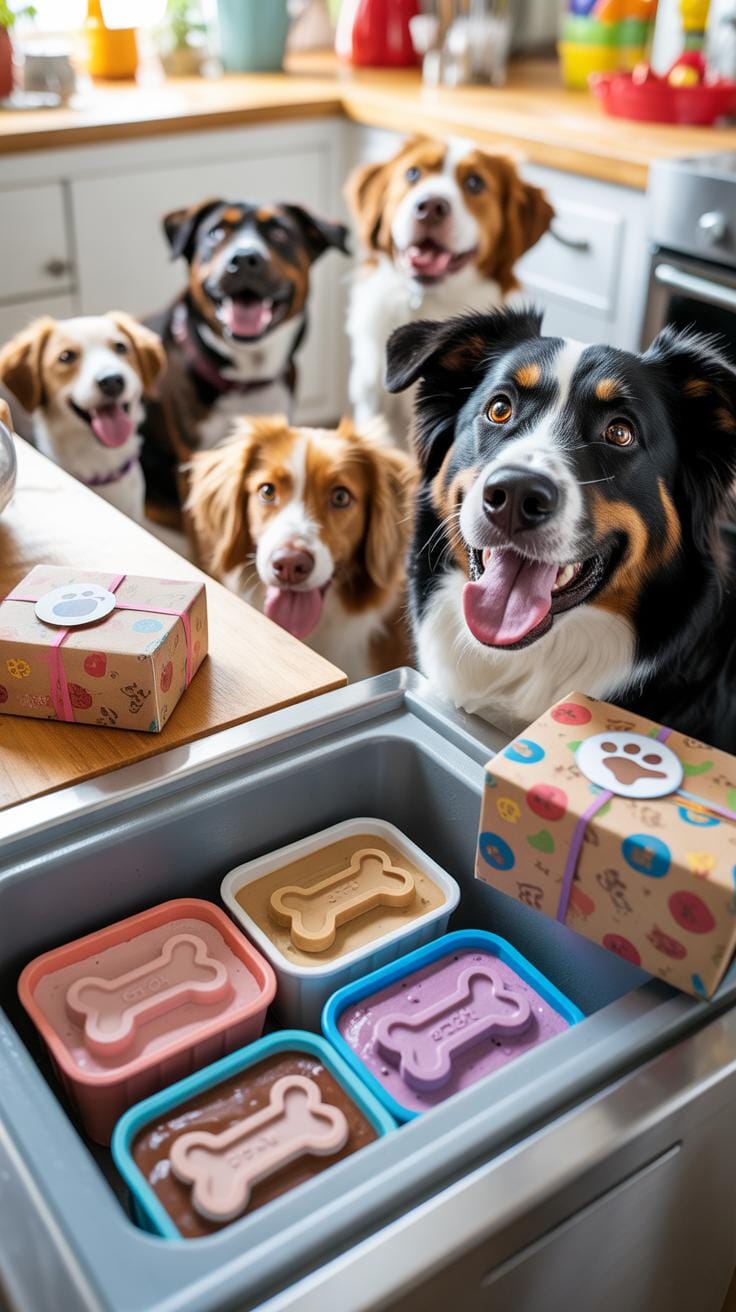
Best Practices For Freezing And Preserving Homemade Dog Ice Cream Freshness
Maintain the quality of your dog ice cream by using airtight containers. Freezer burn occurs when air reaches the food surface and dehydrates it. Choose glass or BPA free plastic tubs with locking lids to prevent ice crystals. Fill the container near the top to minimize oxygen exposure. High fat ingredients like plain yogurt freeze harder than water based purees. Ensure your freezer stays at zero degrees Fahrenheit for safety.
Label every container with the date and specific ingredients used. Homemade treats lack the preservatives found in commercial products. Most dairy based recipes stay fresh for up to two weeks. Fruit based frozen treats may last four weeks if sealed properly. Thaw the treat for five minutes before serving to reach a soft texture. Cold temperatures dull flavor but dogs focus primarily on the scent and mouthfeel.
How To Package And Gift Your Dog Ice Cream Recipes To Fellow Pet Parents
Gifting frozen treats requires thermal management to prevent melting. Use small single serve paper cups with lids for easy portioning. These containers allow owners to serve the treat directly without washing extra bowls. Place the cups in an insulated cooler bag during transport. Include a printed label that lists every ingredient clearly. This step is critical because many dogs have specific allergies to common foods.
Presentation should remain functional and professional. Avoid using glass jars for gifting if the treats will be handled by children or active dogs. Use biodegradable wooden spoons or sticks for pups that prefer popsicles. Tie a simple string around the package for a clean look. Remind the recipient to keep the items frozen until use. Clear communication ensures the dog receives a safe and enjoyable snack without any mess.
Frequently Asked Questions

Is homemade ice cream actually safe for dogs to eat?
Yes, as long as you use pet-safe ingredients. Traditional human ice cream contains high levels of lactose and sugar that can cause digestive distress. However, a dog ice cream recipe homemade with a base of plain Greek yogurt or pureed bananas is a healthy, refreshing treat. Always ensure your ingredients are free from xylitol, chocolate, and raisins to keep your furry friend safe while they enjoy their cooling snack.
How do I store and serve these frozen treats to my pet?
Once you have mixed your dog ice cream recipe homemade, pour the mixture into silicone molds or ice cube trays for easy portion control. Store them in an airtight container in the freezer for up to two months. When it is time for a snack, let a cube sit at room temperature for a minute to soften slightly, making it easier for your pup to lick and enjoy safely.
Can I make these treats if I am on a tight budget?
Absolutely! One of the best things about making DIY frozen snacks is that they are much cheaper than store-bought brands. You likely already have the ingredients in your pantry. Using overripe bananas, a spoonful of peanut butter, or even leftover low-sodium chicken broth allows you to create a delicious reward without spending extra money. It is an affordable way to provide a high-quality, preservative-free treat for your dog.