Understanding Harmful Ingredients In Dog Food And Why They Matter
How Commercial Dog Food Is Made And What Gets Left Out Of The Marketing
Most commercial dog food undergoes a process called extrusion. Manufacturers mix dry and wet ingredients into a dough. They cook this dough under high pressure and extreme heat. This method destroys pathogens but also kills natural enzymes and vitamins. To fix this loss, companies spray synthetic nutrients and fats back onto the finished kibble. This creates a shelf-stable product designed for profit.
Marketing focuses on images of fresh meat and whole vegetables. The reality involves rendered meals and low-quality fillers. Manufacturers use these ingredients to meet protein percentages at a lower cost. They exclude details about the high-heat processing that alters protein structures. Quality control often prioritizes speed over nutrient density. You see a balanced meal on the bag, but the contents are highly processed.
Why Pet Owners Are Often Unaware Of What Is In Their Dogs Daily Diet
Pet food labels use complex legal terms that hide the true nature of ingredients. Terms like animal fat or poultry meal do not specify the source animal. Regulatory bodies allow these vague descriptions. This lack of transparency makes it hard for owners to identify potential allergens. Companies rely on these broad definitions to swap ingredients based on market prices without changing the physical label.
The industry uses heavy branding to build trust. Bright colors and healthy claims distract from the fine print of the ingredient list. Many owners assume that if a store sells it, the food is safe. This results in a knowledge gap regarding chemical preservatives and artificial dyes. Most people do not know how to read a guaranteed analysis. They trust the brand rather than the actual science.

Meat By Products And Rendered Meals The Worst Ingredients In Dog Food You Should Recognize
What Meat By Products Actually Means On A Dog Food Label
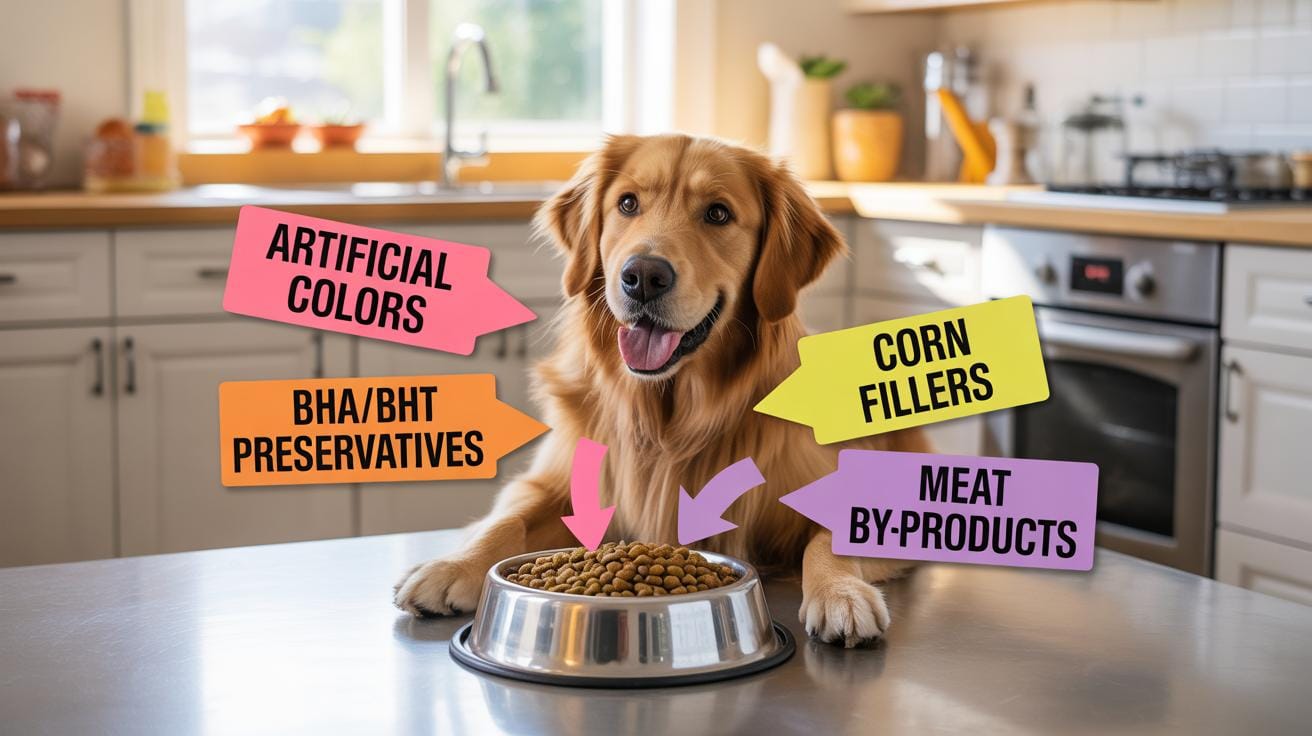
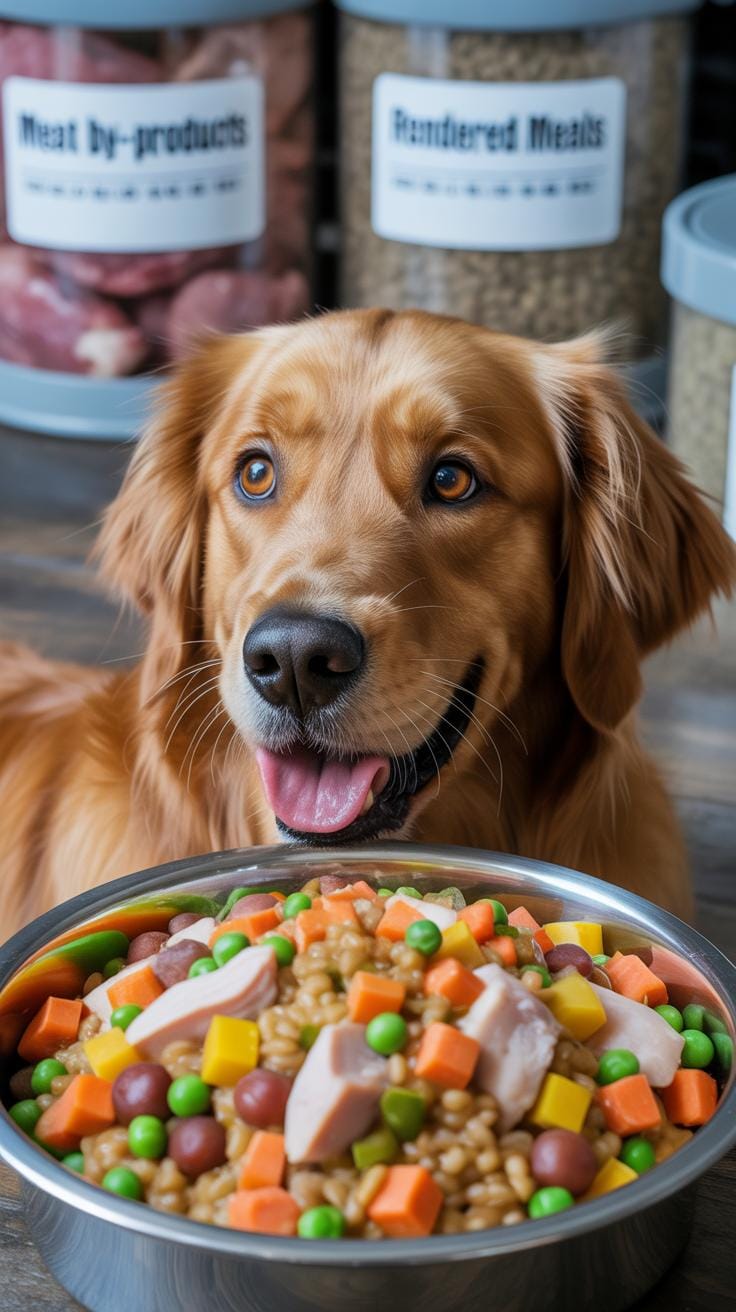
Meat by-products are the non-rendered parts of a slaughtered animal. This includes organs like lungs, spleen, and kidneys. It also includes brains, blood, and bone. It does not include hair, horns, teeth, or hooves according to official definitions. Manufacturers use these parts because they cost less than muscle meat. The quality of these parts varies wildly depending on the source and processing method.
Labeling high-volume waste as a protein source allows companies to pad their margins. You cannot track the specific nutritional profile of a generic by-product. These ingredients often undergo heavy heat processing. This intense heat destroys many natural enzymes and vitamins. Brands prioritize these fillers to keep prices low. You lose control over the actual nutrient density when you see this vague term on a bag.
The Difference Between Named Meat Meals And Generic Animal Meals In Dog Food
A named meat meal like chicken meal is a concentrated protein source. The manufacturer removes the water and fat from the tissue through rendering. This process creates a dry powder that is high in protein. When the label names the species, you know exactly what animal your dog consumes. This transparency is vital for managing allergies and ensuring consistent quality in every single bowl.

Generic animal meal is a massive red flag on any ingredient list. Terms like meat meal or poultry meal do not specify the animal source. This lack of detail allows manufacturers to change recipes based on the lowest market price. These generic meals may contain meat from various unnamed sources. You should avoid these ingredients because they lack traceability and indicate a low-quality production standard.
Artificial Preservatives That Make Bad Food For Dogs Even Worse
BHA, BHT, And Ethoxyquin: Synthetic Preservatives Linked To Health Risks In Dogs
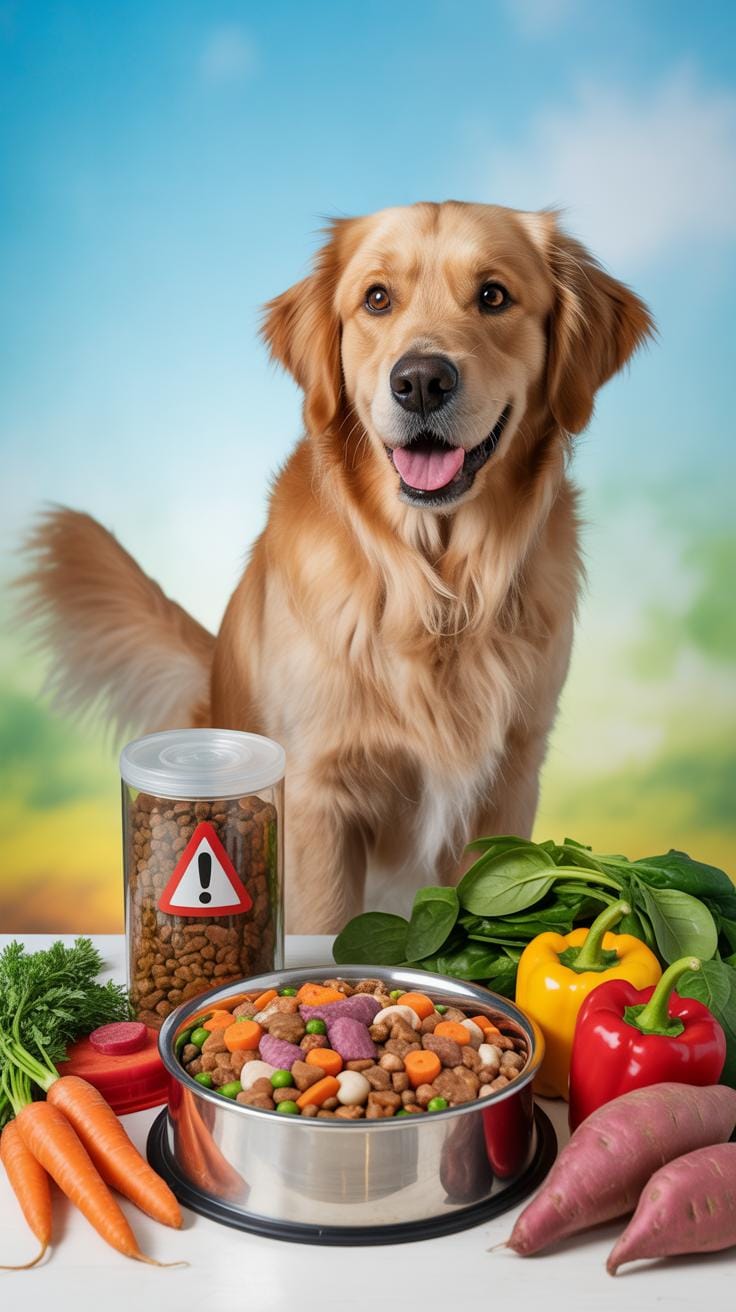
Manufacturers use BHA and BHT to prevent fats from turning sour. These chemicals allow dry kibble to sit on shelves for months. The Department of Health and Human Services considers BHA a known carcinogen. Studies link these additives to liver and kidney damage in animals. Companies choose them because they are cheap. They prioritize profit over the long-term health of your dog.
Ethoxyquin started as a pesticide for fruit and a stabilizer for rubber. It now stops fat rancidity in low-quality dog foods. The FDA regulates its use, but concerns about organ failure persist. You often find it in fish-based meals where transparency is low. Avoid any food listing these three chemicals. They offer zero nutritional value. They only serve the manufacturer by extending the product expiration date.
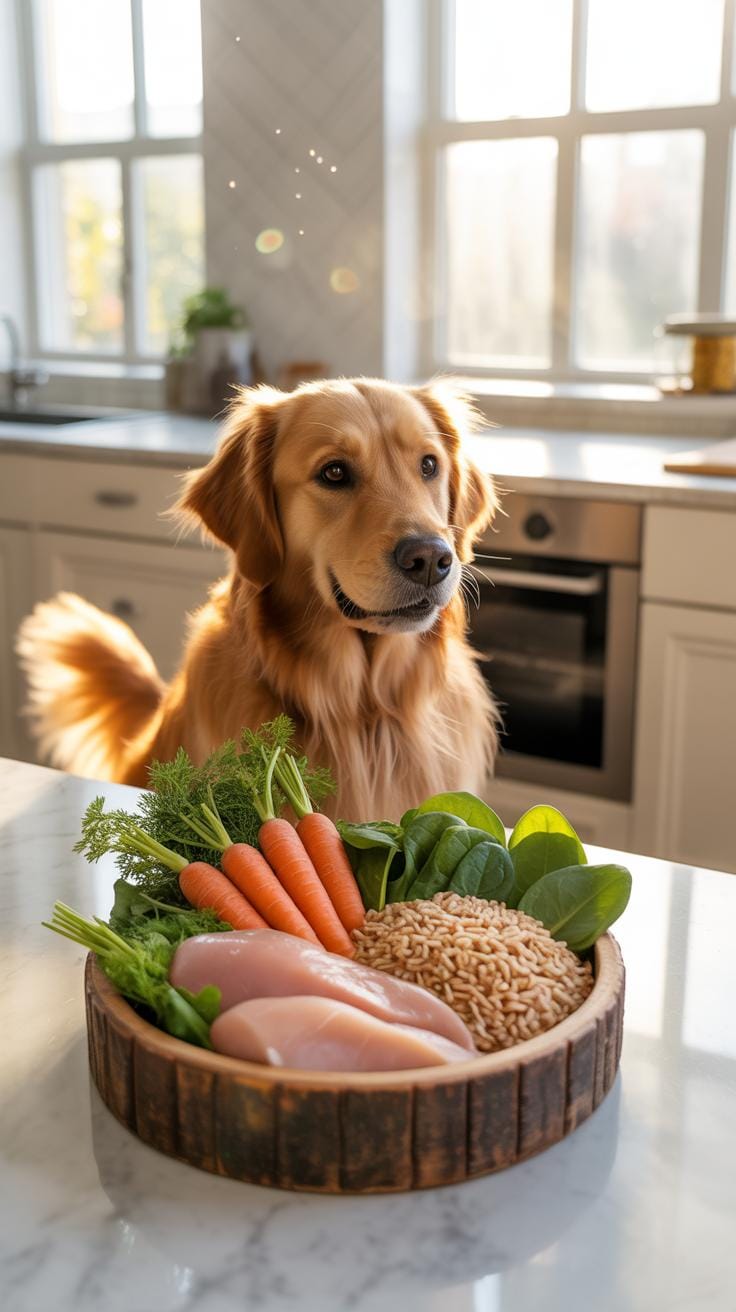
The purity of a dog’s devotion deserves the simple goodness of a kitchen, not the hidden labels of a factory. Our old friends bloom when we replace industrial fillers with the honest, wholesome meals they were always meant to enjoy.
Why Natural Preservatives Like Mixed Tocopherols Are A Safer Alternative
Natural preservatives protect food without high toxic loads. Mixed tocopherols are blends of vitamin E. They stop oxidation by neutralizing free radicals in the fat. This process keeps the food fresh and safe for your dog. Manufacturers also use rosemary extract and citric acid for the same purpose. These ingredients come from plants. They do not carry the same cancer risks as synthetic options.

Read the label to find these safer choices. Natural stabilizers have a shorter shelf life than chemicals. This means the food is fresher when you buy it. You must store these foods in cool, dry places. Check the expiration dates more carefully. High-quality brands always use vitamins to keep their formulas stable. Switching to natural preservatives reduces the chemical burden on your dog’s immune system and vital organs.
Artificial Colors Flavors And Sweeteners Food Bad For Dogs Hidden In Plain Sight
Why Artificial Dyes Like Red 40 And Yellow 5 Have No Place In Dog Food
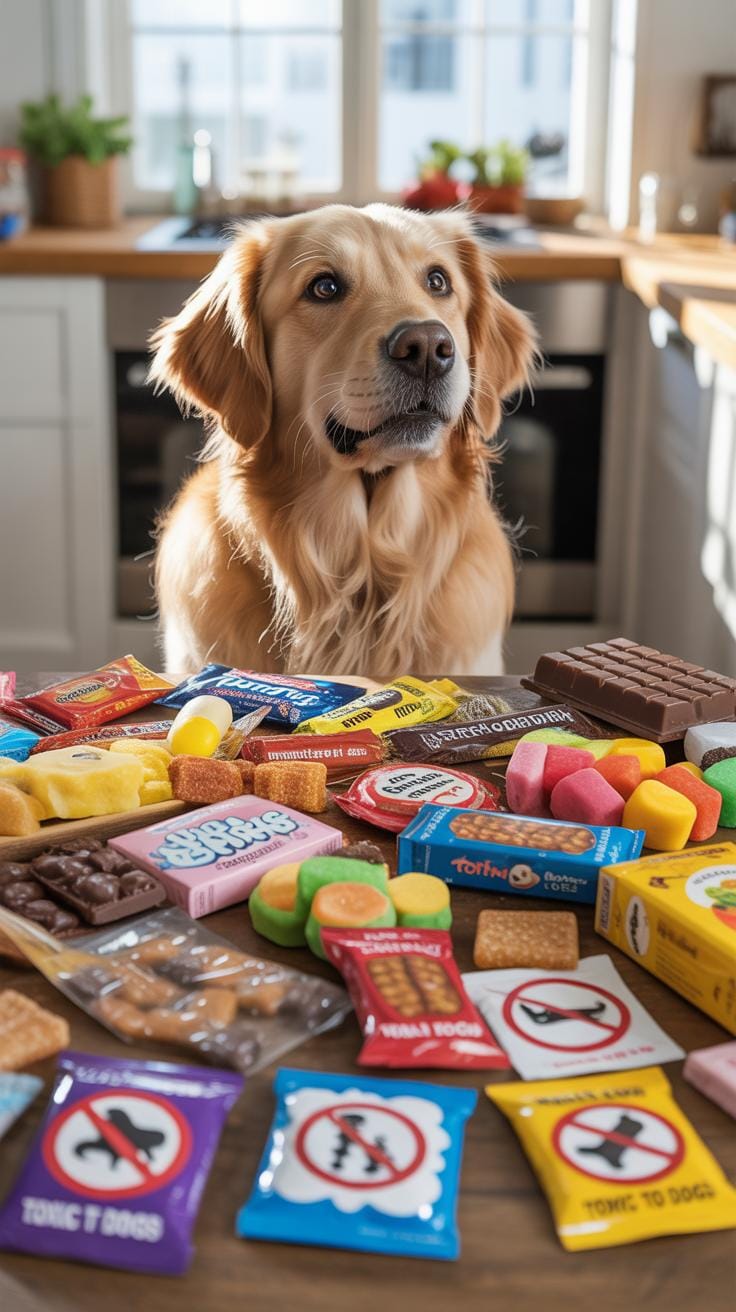
Dogs do not see the full color spectrum that humans do. They rely on smell to identify food quality and safety. Manufacturers add dyes like Red 40, Yellow 5, and Blue 2 purely to appeal to human owners. These chemicals serve no nutritional purpose for the animal. Feeding these dyes daily creates unnecessary chemical exposure for a pet throughout its entire life.
Studies link artificial colors to hyperactivity and behavioral issues in various species. Some regulatory bodies flag specific dyes as potential carcinogens. Processed kibble often contains these additives to mask the gray color of low quality rendered meats. You should prioritize food that looks natural over products with vibrant hues. If the food is bright red or neon orange, it contains chemicals your dog does not need.
Sweeteners Like Xylitol, Corn Syrup, And Propylene Glycol And Their Dangers To Dogs
Sweeteners provide empty calories that lead to weight gain and diabetes in dogs. Corn syrup spikes blood sugar levels and creates a cycle of energy crashes. Manufacturers use these agents to make low-grade ingredients taste better to the animal. This practice encourages overeating and can lead to obesity. Excess sugar also promotes tooth decay and gum disease in canines, leading to expensive veterinary dental cleanings.

Xylitol is a highly toxic sugar substitute that causes rapid insulin release in dogs. This leads to acute liver failure and seizures. Propylene glycol is another dangerous additive used to keep semi-moist kibble soft. While the FDA allows it in some dog foods, it is banned in cat food for safety reasons. Avoid any product containing these chemicals to protect your dog from long-term organ damage and sudden toxicity.
Corn Wheat And Soy Fillers What Foods Are Bad For Dogs Disguised As Nutrition
How Cheap Grain Fillers Are Used To Bulk Up Dog Food Without Nutritional Benefit
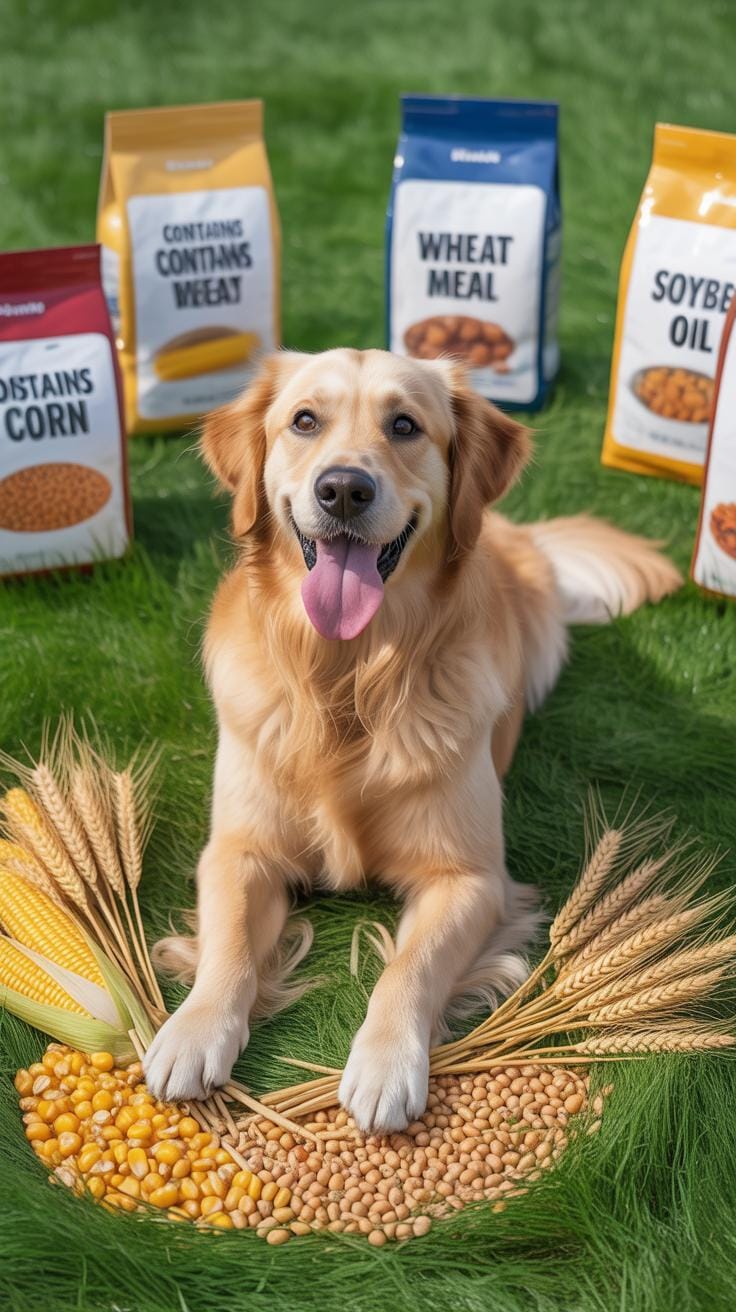
Manufacturers use corn, wheat, and soy to lower production costs. These ingredients serve as cheap calories and structural binders for kibble. They offer high glycemic loads but lack the complex amino acid profiles found in animal proteins. Companies prioritize these fillers because they are easy to source and process. This strategy maximizes profit margins while providing minimal biological value to your dog.
These grains act as caloric padding rather than functional nutrition. Dogs lack the specific salivary enzymes required to break down large amounts of starch efficiently. While these fillers keep the animal full, the body treats much of the material as waste. This leads to larger stools and poor nutrient absorption. You pay for weight and volume that the dog cannot effectively use for muscle maintenance or energy.
The Link Between Soy And Corn Ingredients And Digestive Issues Or Allergies In Dogs
High concentrations of corn and wheat often trigger adverse food reactions. These ingredients contain gluten and lectins that can irritate the intestinal lining. Chronic exposure leads to systemic inflammation and skin conditions. Many dogs develop hotspots, ear infections, or itchy paws due to these specific plant proteins. Eliminating these fillers often resolves long-standing health issues that owners mistake for seasonal allergies or aging.

Soy contains phytoestrogens and anti-nutrients that interfere with normal hormone function and mineral absorption. It serves as a common allergen that causes gas, bloating, and diarrhea. The heavy processing of these grains further degrades their quality and increases the risk of contamination. Stick to meat-based diets to avoid these digestive stressors. Removing these fillers stabilizes the gut microbiome and improves the overall health of the animal.
Toxic Foods For Dogs That Occasionally Appear In Low Quality Commercial Formulas
Onion, Garlic, And Allium Based Flavorings: Why Even Small Amounts Are Dangerous
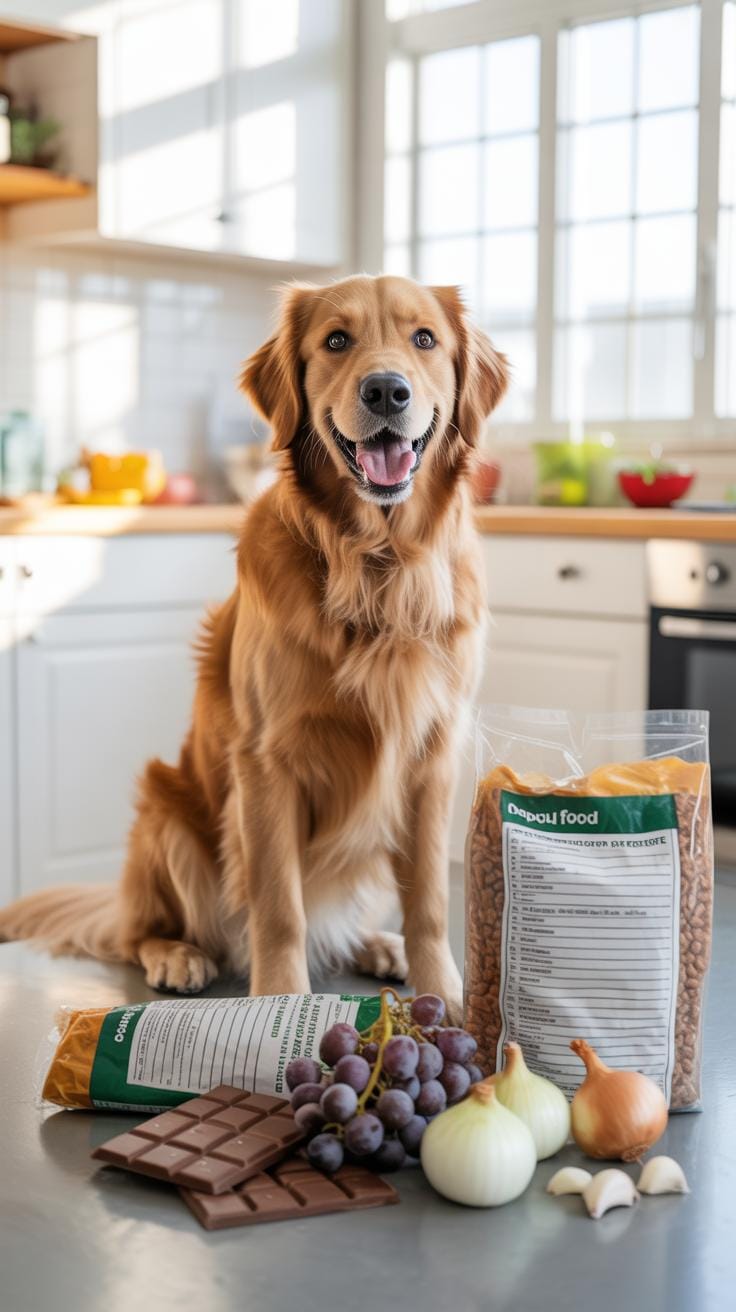
Manufacturers use alliums to increase palatability in cheap dog food. These ingredients contain N-propyl disulfide and thiosulfate. These compounds damage canine red blood cells. Digestion releases oxidative toxins into the bloodstream. This process leads to Heinz body formation. The dog’s immune system then attacks its own blood cells. This causes hemolytic anemia. It happens even with small, repeated doses over several weeks.
Low-quality brands disguise these toxins under terms like natural flavorings or powders. Garlic appears in some formulas as a natural flea repellent or preservative. This is a dangerous marketing tactic. No safe level of onion or garlic exists for long-term consumption. Clinical signs include lethargy, pale gums, and dark urine. Owners must check labels for any mention of leeks, chives, or related plant extracts immediately.
Salt, Nutmeg, And Other Household Seasonings That Are Toxic To Dogs
High salt content acts as a cheap preservative and flavor enhancer. Excessive sodium leads to salt poisoning and water deprivation. Dogs cannot process heavy minerals as efficiently as humans. This puts massive strain on the kidneys and the central nervous system. Commercial foods often exceed the daily recommended intake to hide bland ingredients. This results in vomiting, tremors, and seizures in sensitive or small breeds.

Nutmeg contains a toxin called myristicin. It rarely appears as a primary ingredient but hides in spiced seasoning blends. Small amounts cause high heart rates and hallucinations in dogs. Large doses lead to seizures or death. Avoid any commercial food that lists generic spices on the label. High-quality brands list every specific seasoning used. Transparency is the only way to ensure the formula does not contain these household toxins.
Most Recalled Dog Food Brands And The Dangerous Ingredients Behind Their Recalls
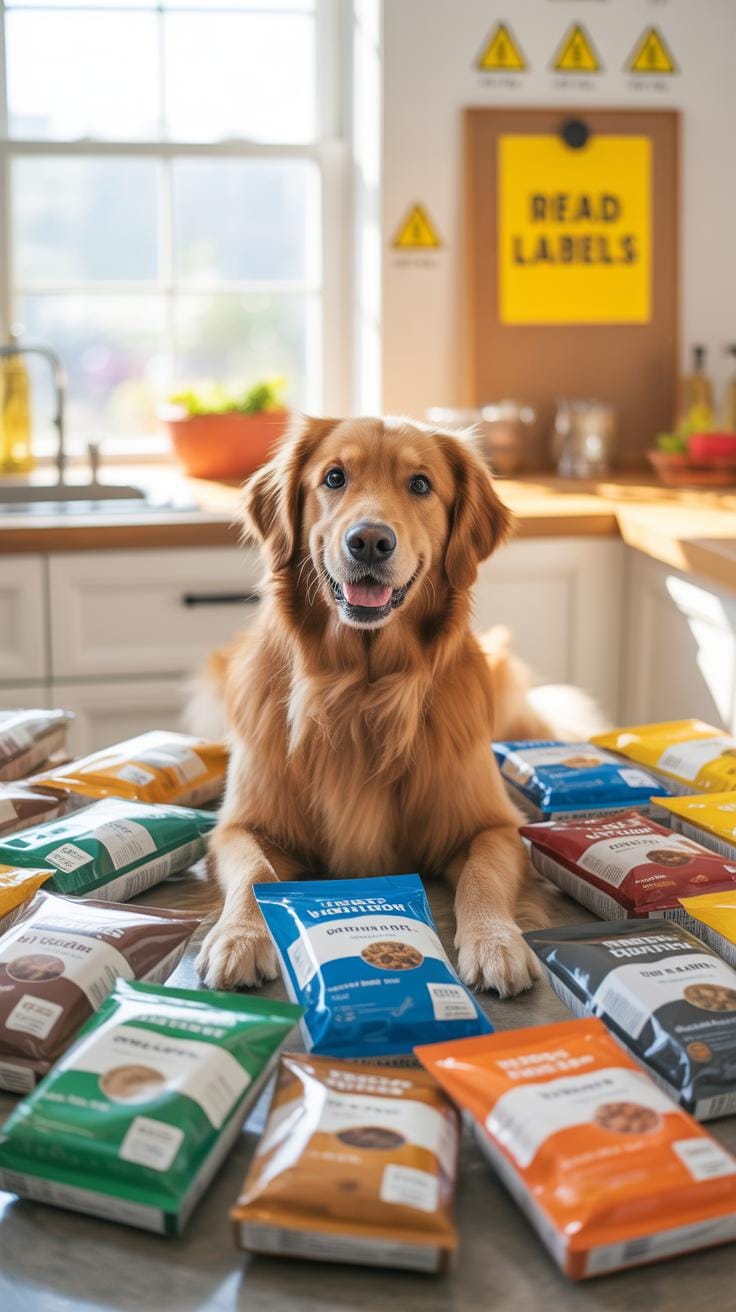
A Look At Major FDA Dog Food Recalls And The Contaminants That Triggered Them
The FDA monitors systemic failures in the pet food supply chain to protect animals. High-profile recalls often stem from chemical or biological contamination in the raw materials used by large manufacturers. Major brands including Hill’s Science Diet and Midwestern Pet Foods have faced massive recalls after testing confirmed lethal levels of toxins. These incidents prove that even premium labels can suffer from poor ingredient sourcing and inadequate safety testing.
Contamination usually happens during the processing or storage of low-grade grains and fats. The FDA issues recalls when these batches reach store shelves and cause illness or death in pets. Manufacturers must then pull products to prevent further harm. These events highlight the danger of using bulk ingredients from unverified suppliers. You must track these recalls to identify which brands consistently fail to meet basic safety standards for dog health.
How Salmonella, Aflatoxin, And Pentobarbital Have Been Found In Commercial Dog Food
Aflatoxin is a deadly mold that often grows on cheap corn and grain fillers. It causes liver failure and death in dogs even in small amounts. Salmonella is another common hazard that impacts both pets and owners through cross-contamination. These pathogens thrive in facilities with poor hygiene and moisture control. If a brand uses theater-grade or livestock-grade corn, the risk of these biological threats increases significantly.
Pentobarbital is a sedative used to euthanize livestock and horses. Its presence in dog food indicates that rendered animal protein includes deceased animals from shelters or farms. This chemical survives the high temperatures of the rendering process. Major recalls have targeted brands like Smucker’s and Gravy Train for containing this drug. This reinforces the need to avoid vague ingredients like meat meal or animal fat which hide these sources.
Worst Dog Food Brands List Patterns In Brands That Repeatedly Use Harmful Ingredients
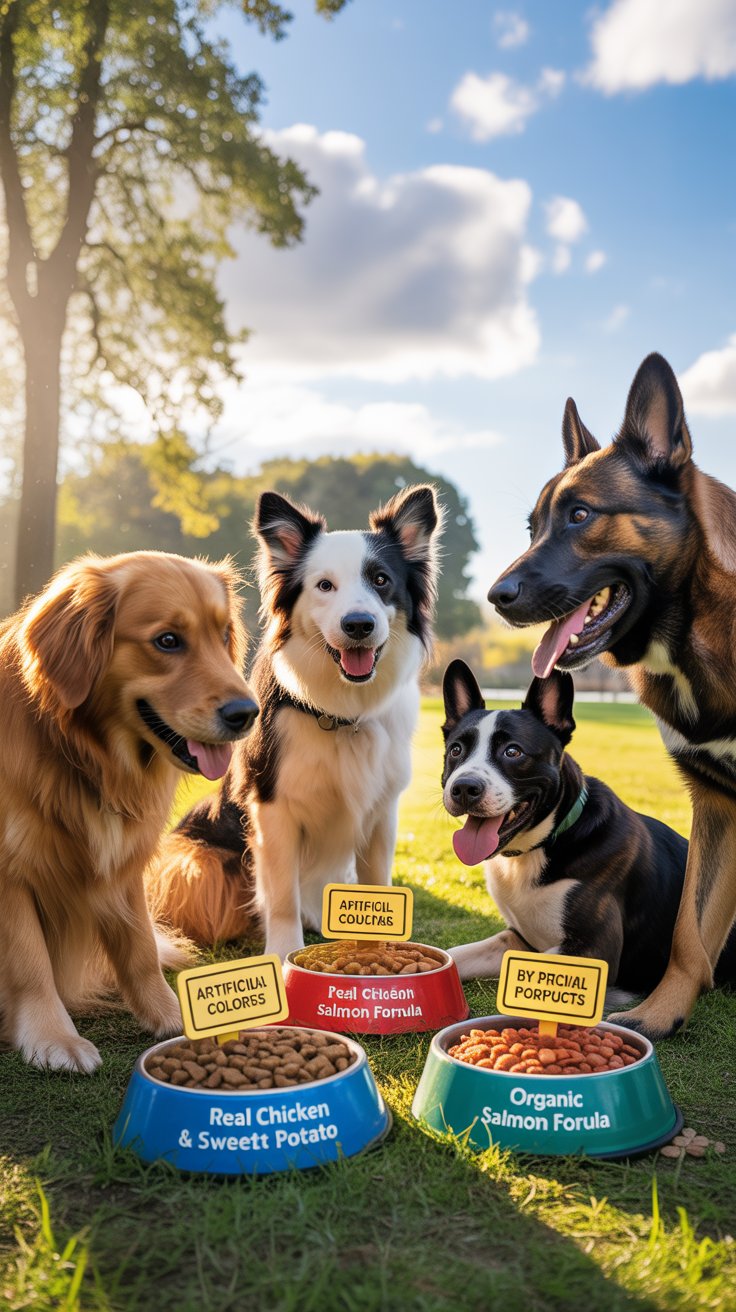
Common Traits Shared By Low Quality Dog Food Brands With Poor Ingredient Standards
Low-quality brands prioritize profit margins over biological nutrition. These companies rely heavily on generic labeling to hide cheap fillers. They use vague terms like animal fat or meat meal instead of naming specific species. This allows them to switch ingredients based on market price fluctuations. These brands also use artificial colors to appeal to human buyers rather than providing actual health benefits for the dog.
Budget brands often use high concentrations of corn, wheat, and soy to provide bulk. These ingredients lack the essential amino acids found in whole animal proteins. Frequent use of chemical preservatives like BHA and BHT is another common signal. These manufacturers focus on shelf stability and low production costs. They ignore the long-term health risks associated with synthetic additives and low-grade byproduct meals.
How To Research A Brands History Of Recalls And Ingredient Transparency
Systematic research reveals the truth about a manufacturer. Start by searching the FDA recall database for specific brand names. Look for patterns of contamination like salmonella or high levels of pentobarbital. Multiple recalls for the same issue indicate failing quality control systems. A brand that hides its manufacturing location likely outsources production to fly-by-night third-party facilities with very little oversight.
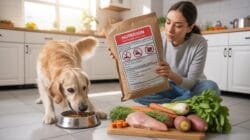
Transparency is the ultimate test of a reliable pet food brand. Honest companies list the exact source of every protein and carbohydrate. You should verify if the company employs full-time veterinary nutritionists or just marketing teams. Check if they conduct third-party testing for heavy metals and toxins. If a brand refuses to disclose its ingredient origins, assume they are using the cheapest possible options.
Dog Nutrition 101 What A Balanced And Safe Dog Food Should Actually Contain
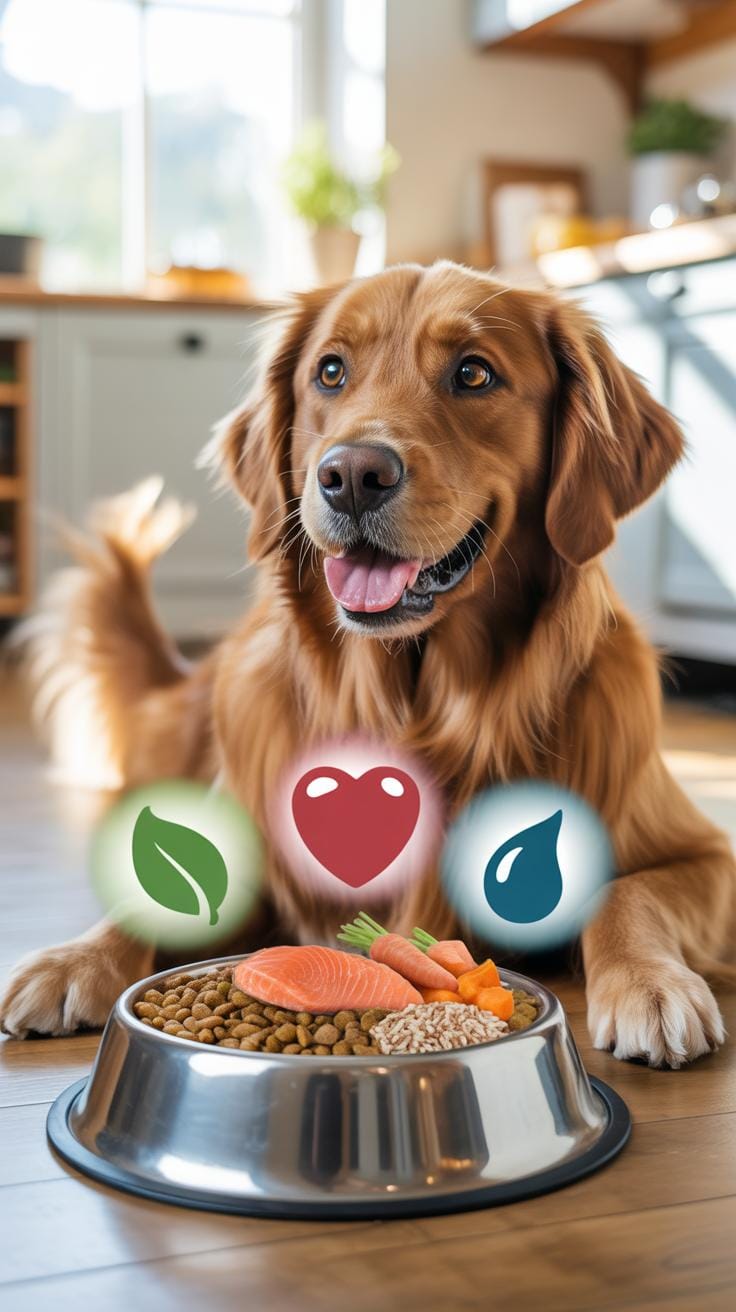
The Core Macronutrients And Micronutrients Dogs Need To Thrive According To AAFCO Guidelines
Dogs require specific levels of protein, fat, and carbohydrates to maintain biological functions. The Association of American Feed Control Officials sets these profiles for growth or adult maintenance. Proteins must provide essential amino acids that the canine body cannot produce alone. High quality animal tissues should serve as the primary source. Fat provides concentrated energy and supports skin health through omega fatty acids.
Vitamins and minerals complete the nutritional profile by supporting bone density and immune response. Calcium and phosphorus ratios must stay precise to prevent skeletal deformities in younger dogs. Fiber helps regulate digestion but should not replace caloric density. Manufacturers must prove their recipes meet these nutrient levels through laboratory analysis or feeding trials. Always verify the nutritional adequacy statement printed on the bag before purchasing.
Key Red Flags To Watch For On A Dog Food Ingredient Label Before You Buy
Ingredient labels list items by weight before processing. Manufacturers often use cheap fillers or chemical additives to cut costs and extend shelf life. You must learn to identify vague terms that hide low quality materials. Scientific studies link several common preservatives and dyes to health issues in pets. Avoid foods that prioritize marketing buzzwords over clear and identifiable whole food sources.
- Generic Meat Meals: Terms like poultry meal or meat meal do not specify the animal source. These often consist of low quality rendering plant scraps and diseased tissues. Always look for named species such as chicken or beef meal to ensure ingredient consistency.
- Artificial Preservatives: Chemicals like BHA, BHT, and ethoxyquin prevent fats from spoiling but carry significant health risks. Some studies suggest these synthetic antioxidants act as carcinogens in lab animals. Natural alternatives like tocopherols or rosemary extract provide safer preservation methods for dry kibble.
- Artificial Colors: Blue 2, Red 40, and Yellow 5 serve no nutritional purpose for the dog. Manufacturers add these dyes only to make the food look appealing to human buyers. These additives provide zero health benefits and can trigger allergic reactions or hyperactivity in sensitive pets.
- Excessive Simple Sugars: Corn syrup, sugar, and molasses increase palatability but lead to obesity and diabetes. Dogs do not need refined sugar in their daily diet. These ingredients provide empty calories that spike blood glucose levels and cause long term metabolic stress on the canine system.
- Vague By-Products: Animal by-products can include heads, feet, and entrails that lack high protein value. While not always harmful, the lack of transparency makes it impossible to track the actual nutrient quality. Premium brands avoid these mystery ingredients in favor of recognizable meat cuts and organs.
Compare the first five ingredients to determine the actual quality of the product. The primary source should always be a clearly named animal protein. Large amounts of corn, wheat, or soy often indicate a formula designed for profit rather than performance. If the label contains words you cannot pronounce, the food likely relies on synthetic fillers. Your dog requires biological nutrients rather than industrial chemicals for longevity.
Dog Friendly Food Options How To Choose Safer Alternatives To Harmful Commercial Dog Food
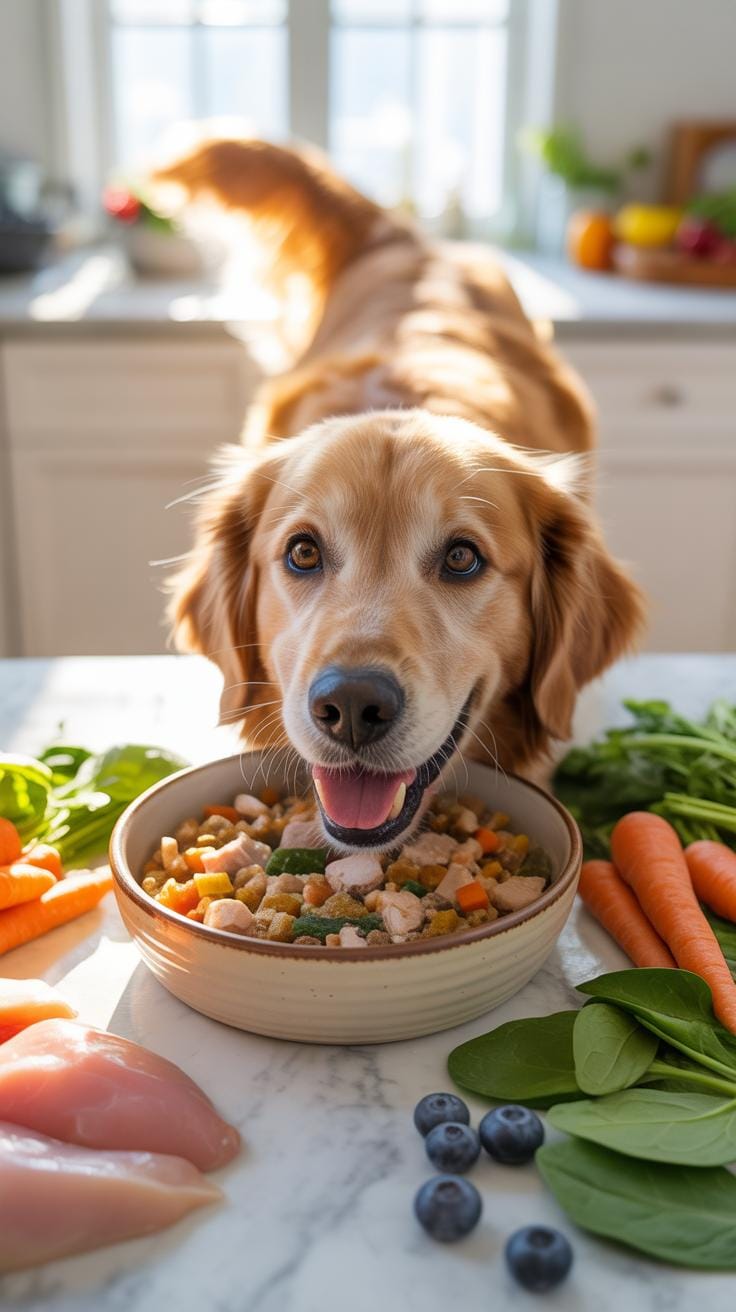
Top Criteria For Selecting A High Quality Commercial Dog Food With Clean Ingredients
Stop buying food based on colorful bags or celebrity endorsements. Look directly at the ingredient panel. High-quality food must list a specific whole animal protein as the first ingredient. Avoid generic terms like animal fat or poultry meal. These vague labels hide low-quality waste products from the rendering industry. Demand transparency and exact sources for every protein and fat included in the recipe.
- Named Animal Proteins: Identify specific sources like beef, chicken, or lamb. Avoid generic meat meal or animal derivatives. Named proteins ensure you know exactly what animal your dog consumes. This prevents exposure to mystery proteins that cause allergies and digestive distress in sensitive pets.
- No Synthetic Preservatives: Eliminate bags containing BHA, BHT, or ethoxyquin. These chemical stabilizers increase shelf life but link to serious health issues. Choose brands using natural tocopherols or rosemary extract instead. Natural preservatives are safer for long-term consumption and do not carry heavy toxic loads.
- Absence of Artificial Colors: Reject any food containing Red 40, Yellow 5, or Blue 2 dyes. Manufacturers add these chemicals strictly to appeal to human buyers. Dogs do not care about the color of their kibble. These additives serve zero nutritional purpose and may trigger hyperactivity or skin irritations.
- Low Glycemic Carbs: Seek out lentils, chickpeas, or sweet potatoes instead of corn, wheat, or soy. High-glycemic fillers cause rapid blood sugar spikes and contribute to canine obesity. Complex carbohydrates provide steady energy and better fiber content. Clean formulations prioritize nutrient density over cheap bulk fillers used by profit-focused corporations.
- Third-Party Testing: Verify that the manufacturer conducts independent lab tests for contaminants. Look for brands that screen for heavy metals, mold, and salmonella. Reliable companies publish these results or provide them upon request. This extra layer of accountability ensures the finished product matches the clean profile promised on the label.
Check the guaranteed analysis for high protein and moderate fat ratios. Quality manufacturers use low-heat processing methods to preserve natural vitamins. Excessive heat destroys nutrients and creates harmful byproducts like acrylamides. Prioritize brands that follow strict safety protocols and source ingredients from human-grade suppliers. A short ingredient list usually indicates a cleaner product. Always cross-reference the manufacturer’s recall history before making a final purchase.
Whole Food Toppers And Fresh Ingredients That Safely Supplement Your Dog’S Daily Diet
Boost your dog’s nutrition by adding fresh, unprocessed foods to their bowl. Simple additions provide enzymes and antioxidants that commercial kibble lacks after high-heat processing. Use lightly steamed broccoli or blueberries to provide essential phytonutrients. These whole foods support the immune system and improve gut health. Always introduce new toppers gradually to monitor for digestive upset or individual sensitivities.
Raw goat milk and plain kefir offer powerful probiotics for a healthy microbiome. Pureed pumpkin serves as an excellent fiber source for regulating digestion. Ensure all additions remain unseasoned and free of xylitol, onions, or grapes. Fresh proteins like sardines packed in water provide vital omega-3 fatty acids for coat health. Small, tactical dietary upgrades effectively bridge the gap between basic survival and optimal canine wellness.
Frequently Asked Questions

Why is it important to identify the worst ingredients in dog food?
Understanding the worst ingredients in dog food is crucial because many commercial brands prioritize cost-cutting over canine health. Fillers like corn syrup, artificial colors, and generic “animal by-products” offer little nutritional value and can lead to long-term issues like obesity, allergies, or organ strain. By learning to spot these low-quality additives, you can ensure your furry friend receives the high-quality proteins and nutrients they need to thrive and live longer.
How can I accurately read a label to spot the worst ingredients in dog food?
To protect your pet, always scan the first five ingredients listed on the package, as these make up the bulk of the formula. Look for specific protein sources like “deboned chicken” rather than vague terms like “meat meal.” Be wary of chemical preservatives such as BHA or BHT. Identifying the worst ingredients in dog food becomes easier when you prioritize whole foods and avoid items with excessive “split” carbohydrates like pea flour.
Can I find affordable pet food without harmful additives on a budget?
Absolutely! You do not need the most expensive boutique brand to avoid toxic additives. Many mid-tier options provide excellent nutrition by focusing on simple, clean ingredient lists. To save money, consider buying in bulk from reputable manufacturers that skip artificial dyes and fillers. Monitoring sales on high-quality kibble is often more cost-effective than paying for the future vet bills associated with feeding your dog low-quality, chemical-heavy commercial blends.