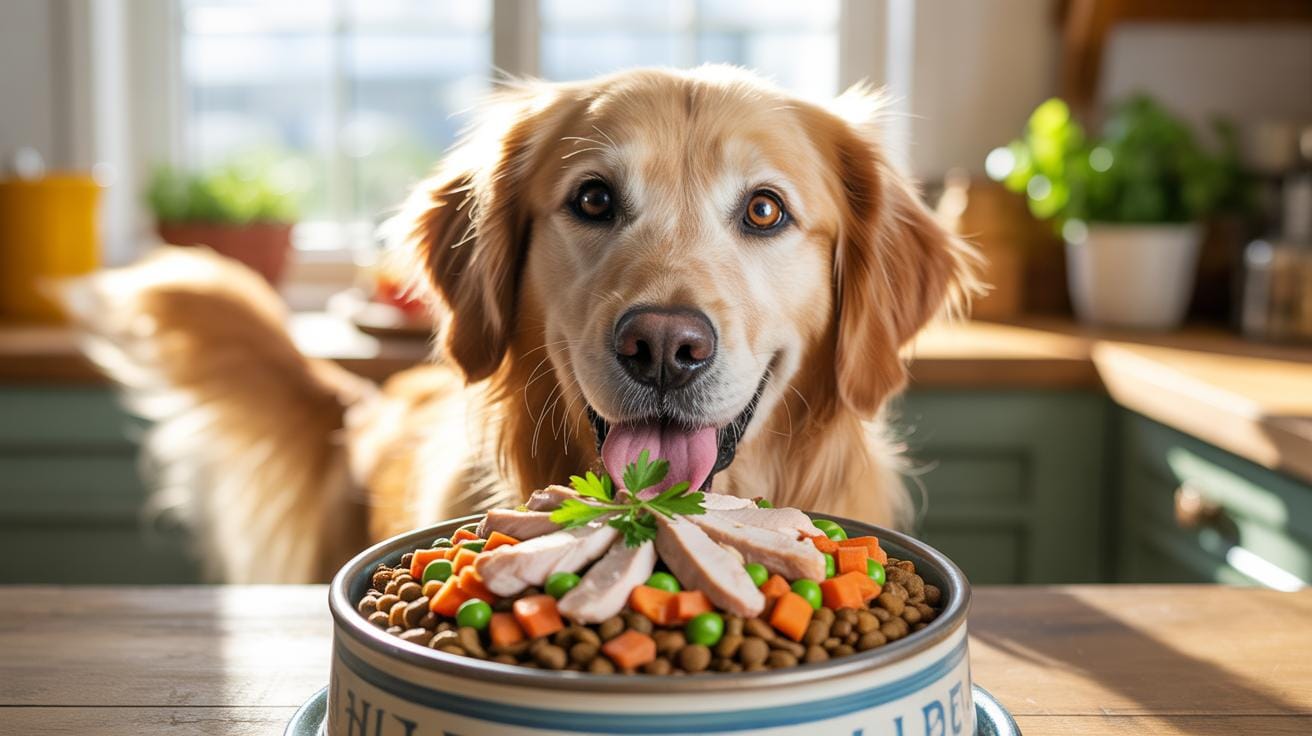
What Are Dog Food Toppers And Why Do They Matter For Your DogS Diet
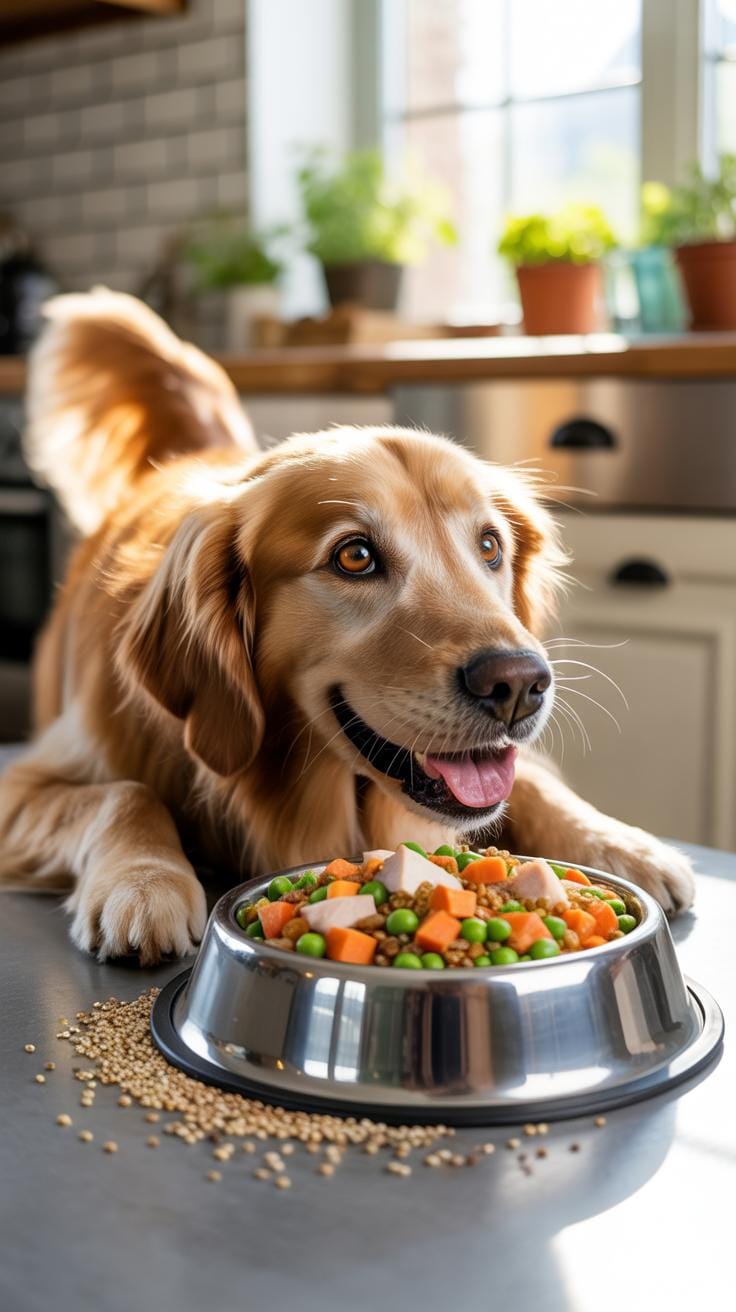
Understanding The Role Of A Food Topper In Your Dog’S Daily Nutrition
A dog food topper is a concentrated addition placed on top of standard base kibble. These additions serve as functional tools to increase protein density or introduce specific micronutrients. You use them to target health goals like joint support or skin health without replacing the entire meal. Toppers bridge the gap between basic commercial processing and the nutrient requirements of active or aging canines.
Standard dry food often loses essential enzymes during high-heat extrusion. Toppers restore these vital components through raw, freeze-dried, or fresh ingredients. They act as a delivery system for hydration when you use wet toppers like bone broth. This strategy improves metabolic function and kidney health. You must ensure the topper does not exceed ten percent of the daily caloric intake to maintain a balanced nutritional profile.
Signs Your Dog Is Bored With Their Food And How A Topper Can Help
Canine dietary boredom often manifests as slow eating or complete refusal of meals. If your dog sniffs the bowl and walks away, they lack sensory stimulation from their current diet. This behavior suggests the protein source or texture has become monotonous. Consistent refusal leads to weight loss or energy dips. You need to address this avoidant behavior before it becomes a chronic health issue.
Toppers solve this problem by introducing new olfactory and tactile signals. A change in scent triggers the drive to eat. Adding a crunchy or soft topper alters the mouthfeel and keeps the animal engaged with the food bowl. This variety mimics natural scavenging patterns where dogs consume diverse nutrient sources. Using creative dog meal toppers ensures the animal receives adequate fuel while preventing the stress of mealtime strikes.

Top Healthy Dog Food Toppers You Can Add To Any Kibble Or Wet Food Bowl
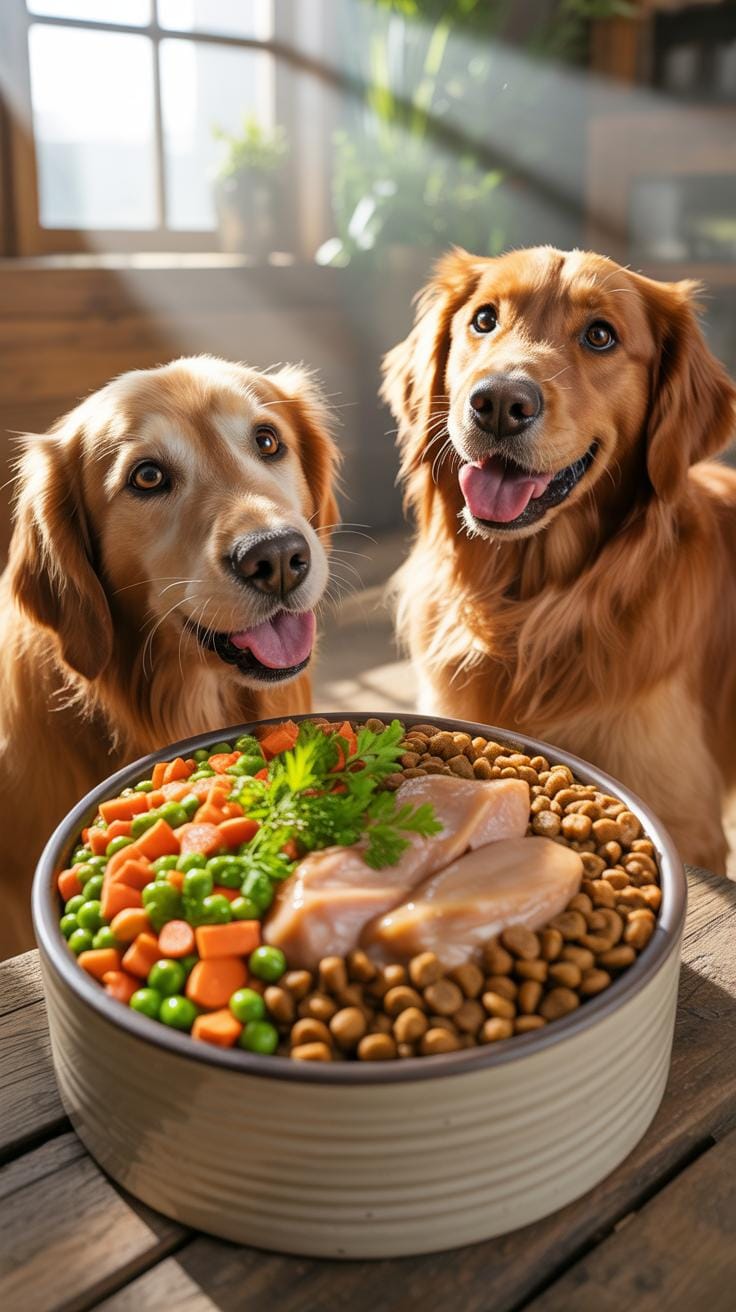
Nutrient Rich Whole Foods That Double As Healthy Dog Food Toppers
Whole foods provide bioavailable nutrients that processed kibble often lacks due to high heat manufacturing. Fresh blueberries offer antioxidants like anthocyanins to support cognitive function and cellular health. Plain canned pumpkin delivers soluble fiber to regulate digestion and firm up stools. Low sodium sardines provide omega three fatty acids which improve coat quality and reduce systemic inflammation. These items offer immediate biological value without artificial fillers.
Steamed broccoli and carrots provide essential vitamins and minerals in a low calorie format. Fermented foods like plain kefir or goat milk introduce live probiotics to the gut microbiome. These additions improve the nutrient density of every meal. Always choose single ingredient items to avoid hidden xylitol or excessive sodium. These fresh additions bridge the gap between commercial processing and ancestral feeding patterns for better long term health.
How To Balance Nutrition When Adding Healthy Toppers To Your Dogs Meals
Maintaining a proper caloric balance prevents obesity when using creative dog meal toppers. Most veterinarians recommend the ten percent rule for supplemental foods. This means toppers should never exceed ten percent of the total daily caloric intake. If you add heavy proteins or fats, you must reduce the base kibble amount accordingly. This strategy ensures the dog receives a complete and balanced diet while enjoying variety.

Calcium and phosphorus ratios are critical for bone health especially in large breed puppies. Excessive meat toppers can offset this balance by providing too much phosphorus. Stick to vegetable based toppers or small amounts of lean protein to keep minerals in check. Monitor your dog for changes in weight or energy levels after introducing new items. Rotational feeding prevents nutrient deficiencies and keeps the digestive system resilient against dietary changes.
Dog Food Toppers Homemade Simple Recipes You Can Make In Your Own Kitchen
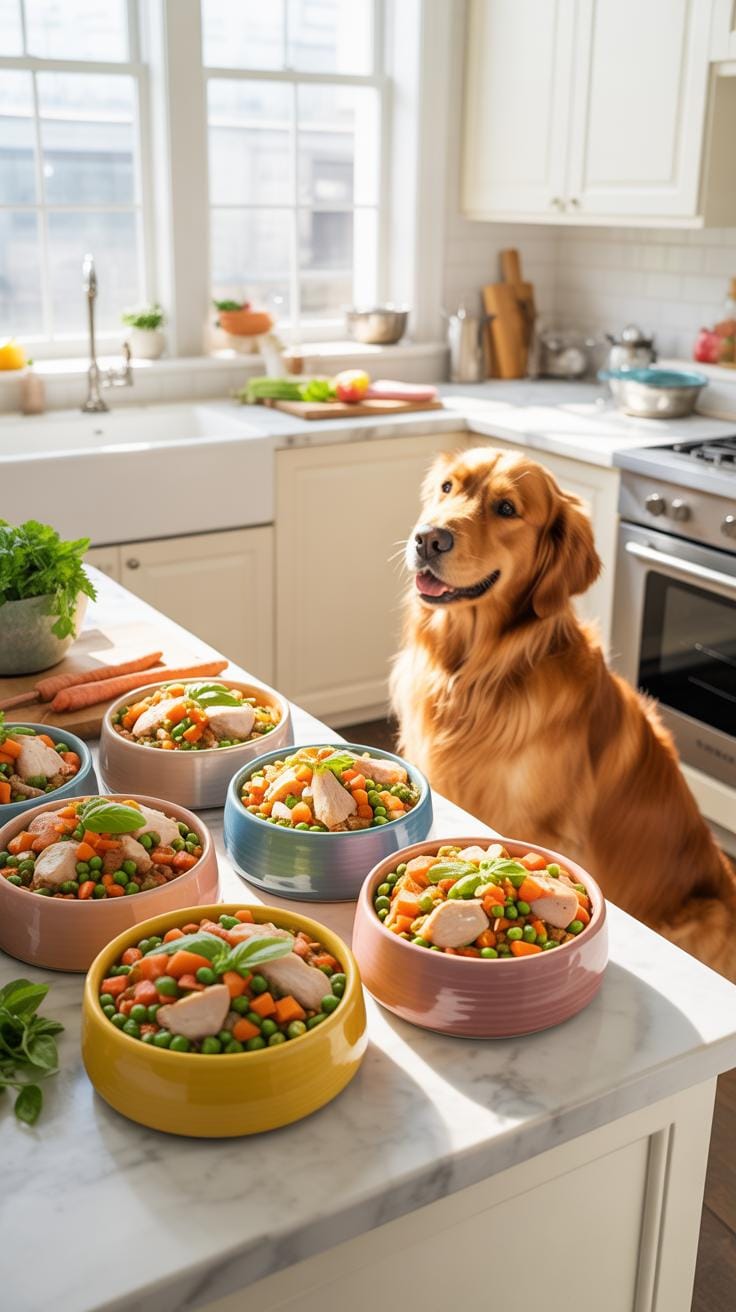
Easy Homemade Dog Meal Toppers Using Ingredients You Already Have At Home
Your kitchen contains powerful tools to improve canine nutrition immediately. You do not need expensive boutique ingredients to increase food palatability and nutrient density. Common pantry staples provide essential vitamins and minerals that processed kibble often loses during high heat extrusion. Focus on single ingredient additions to avoid digestive upset. These items provide moisture and fresh enzymes that support better gut health.
- Plain Greek Yogurt: This fermented dairy product provides concentrated probiotics and high protein levels. Choose only unsweetened varieties without xylitol. The active cultures support a healthy microbiome and improve stool quality. It serves as an excellent cooling topper for dogs during hot summer months.
- Lightly Steamed Carrots: Carrots offer high beta carotene and Vitamin A content for eye health. Steaming breaks down the tough cellulose walls that dogs cannot digest efficiently. This process makes the nutrients bioavailable while maintaining a satisfying crunch. Use small pieces to prevent choking hazards.
- Point Free Bone Broth: Slow simmering bones with apple cider vinegar extracts collagen and marrow nutrients. Avoid adding onions, garlic, or excessive salt which are toxic to canines. This liquid adds hydration to dry kibble and supports joint health through natural glucosamine content. It works well for senior dogs.
- Scrambled Eggs: Eggs provide a complete amino acid profile and high quality protein. Cook them plain without butter or oil to keep calorie counts low. The yolk contains choline which supports brain function and a healthy nervous system. One egg provides a massive boost to any standard meal.
- Pureed Pumpkin: Standard canned pumpkin contains high soluble fiber which regulates digestion and firms up stools. Ensure the label says one hundred percent pumpkin and not pie filling with spices. This low calorie addition adds significant volume to help overweight dogs feel full without extra fat.
Rotation prevents boredom and ensures a wider spectrum of nutrients over time. Introduce one new topper at a time to monitor for allergic reactions or sensitivity. Maintain a ratio where toppers make up no more than ten percent of the total daily caloric intake. This balance ensures the dog still receives the complete nutrition found in their base diet without causing obesity.
How To Store And Safely Serve Your Homemade Dog Food Toppers
Proper storage prevents bacterial growth and preserves nutrient integrity in fresh toppers. Liquid additions like bone broth or pureed vegetables last three to five days in the refrigerator. Use airtight glass containers to prevent leached chemicals from plastics. For long term management, freeze portions in silicone molds or ice cube trays. This tactic allows you to pop out single servings as needed without wasting large batches.

Temperature control is vital for safety and scent. Serve refrigerated toppers at room temperature to enhance the natural aroma which stimulates a dog’s drive to eat. Never microwave toppers in plastic containers due to chemical migration risks. Check for signs of spoilage like off odors or mold before every feeding session. Clean the food bowl daily to remove residues from fresh toppers that can harbor dangerous pathogens.
DIY Dog Food Toppers Creative And Budget Friendly Ideas For Every Dog Owner
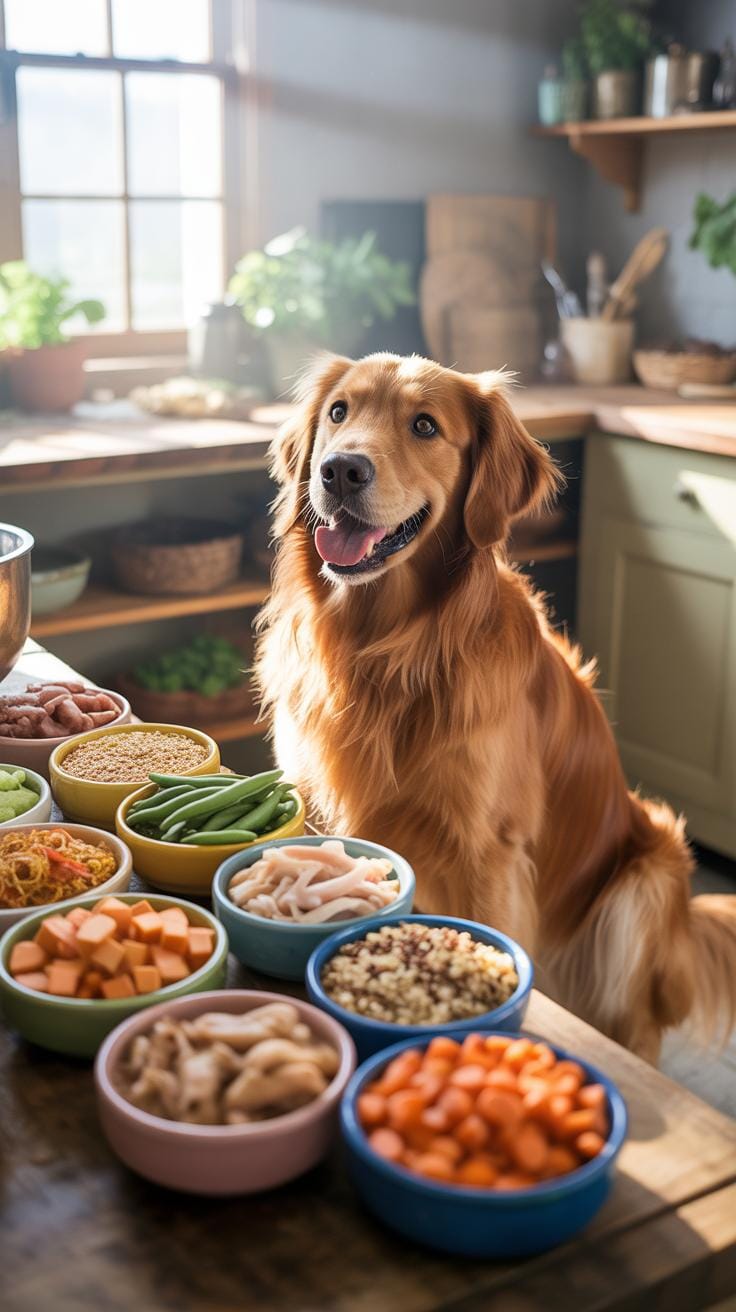
How To Build A DIY Dog Food Topper Using Proteins, Veggies, And Healthy Fats
Constructing a functional topper requires balancing three core components. Start with a lean protein base like boiled chicken breast or ground turkey. These provide essential amino acids for muscle maintenance. Add cooked vegetables such as carrots or green beans to increase fiber intake without adding high calorie counts. Fiber supports digestion and helps your dog feel full longer during the day.
Finish the topper with a source of healthy fats. Small amounts of sardines packed in water or a teaspoon of flaxseed oil provide omega-3 fatty acids. These fats support skin health and coat shine. Mix these ingredients thoroughly into the kibble to ensure the dog eats the entire portion. Proper ratios ensure you enhance the meal without unbalancing the dog’s total daily nutrient intake.
Cost Effective DIY Dog Food Topper Strategies That Do Not Compromise On Quality
Save money by repurposing safe kitchen scraps into nutritional boosters. Use the liquid from boiled vegetables or meat as a hydrating topper. This broth adds moisture to dry kibble without extra cost. Store these liquids in ice cube trays for easy portioning later. Freezing prevents spoilage and allows you to buy ingredients in bulk when prices are low at the grocery store.

Focus on seasonal produce to reduce your total spending. Sweet potatoes and squash are often inexpensive in autumn and provide excellent vitamins. Buy plain canned pumpkin during sales, but ensure it contains no added sugar or spices. Scrambled eggs or plain Greek yogurt serve as high quality proteins that are cheaper than premium fresh meats. Using these staples maintains high quality nutrition while protecting your budget.
Food Toppers For Dogs With Picky Appetites Or Special Dietary Needs
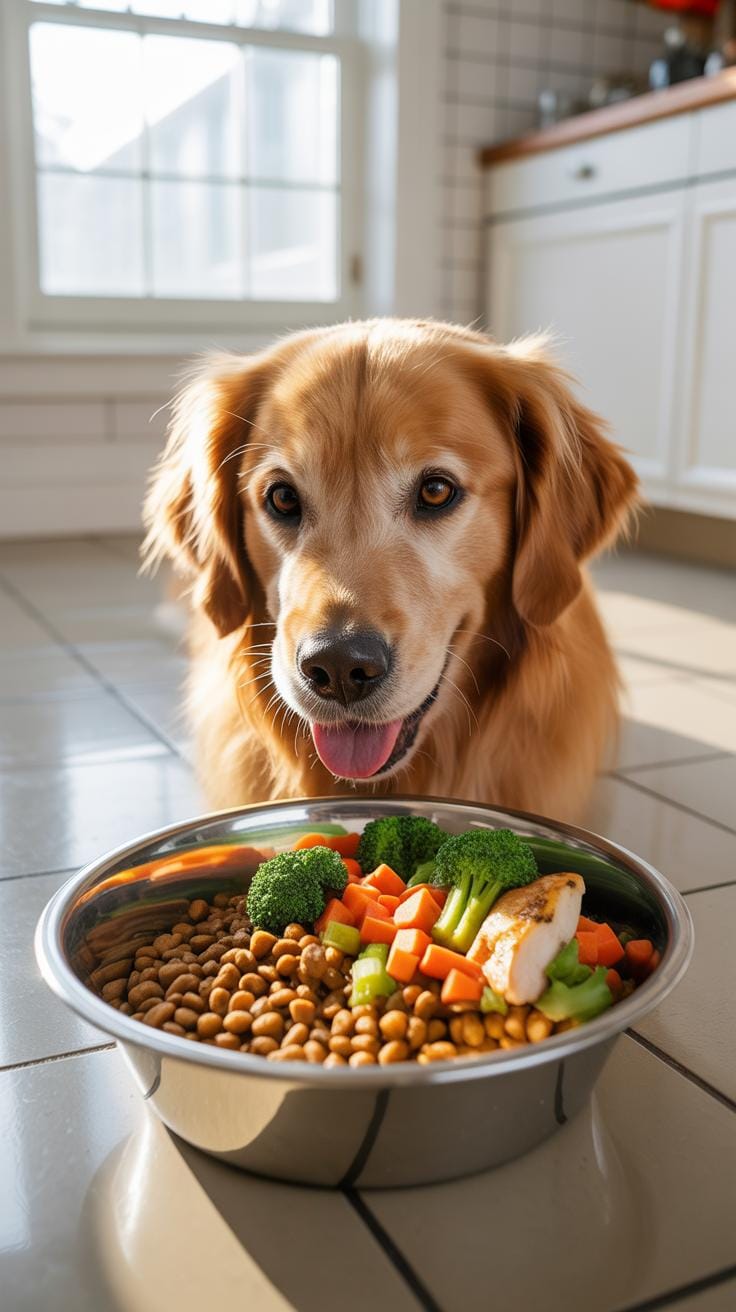
Best Food Toppers For Dogs That Refuse To Eat Their Regular Meals
Picky eaters often respond to smell and texture changes. Olfactory stimulation triggers the appetite response in the canine brain. You should apply toppers with high moisture content and strong natural scents. Warm bone broth or plain canned sardines provide the intense aroma necessary to jumpstart interest. These additions alter the flavor profile of boring kibble without requiring a complete diet change.
Texture variety prevents meal fatigue in stubborn dogs. Mix freeze-dried raw bites or air-dried meat crumbles into the bowl. These options provide a crunch that mimics fresh prey. You must ensure the topper integrates fully with the base food to prevent sorting. Dogs will often eat around the kibble to reach the topper. Proper mixing forces them to consume the entire balanced meal.
Choosing The Right Dog Topper Food For Dogs With Allergies Or Sensitivities
Dogs with sensitivities require limited ingredient profiles to avoid flare-ups. You must identify the specific protein or filler causing the reaction before selecting a topper. Novel proteins like venison, rabbit, or duck work best for animals with common chicken or beef allergies. Avoid products with hidden thickeners like carrageenan or guar gum. These additives often cause digestive distress in sensitive systems.

Single-ingredient toppers eliminate the risk of cross-contamination during feeding. Use pureed pumpkin or plain steamed green beans to add volume and fiber. These plant-based options soothe the digestive tract and regulate bowel movements. Clear labeling is the most important factor when buying commercial toppers for allergic pets. Verify that the manufacturing facility follows strict cleaning protocols to prevent traces of allergens from entering the bag.
Puppy Food Toppers What Is Safe And Beneficial For Growing Dogs
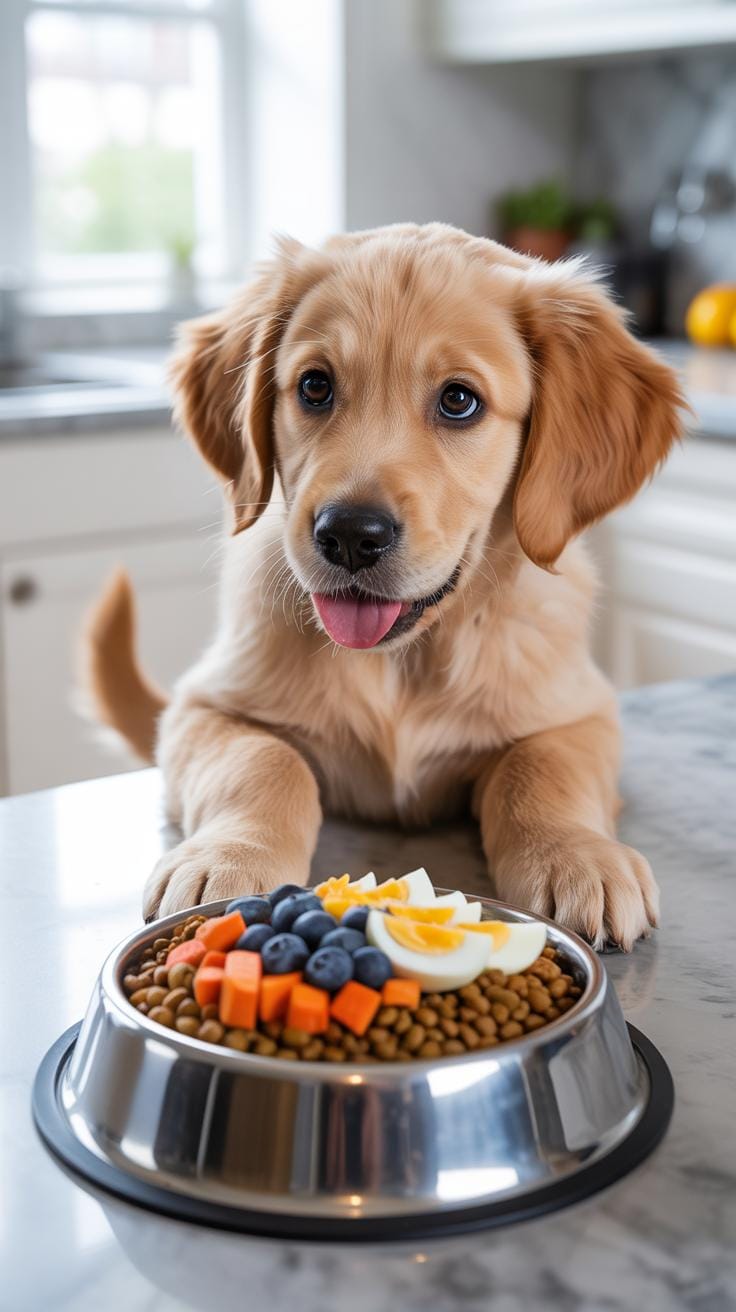
Nutritional Considerations When Selecting Puppy Food Toppers For Young Dogs
Puppies require a precise balance of calcium and phosphorus for skeletal development. Excess minerals from toppers can cause orthopedic diseases. You must ensure toppers do not exceed ten percent of the total daily caloric intake. This rule prevents nutrient dilution in the primary growth diet. High protein toppers support muscle growth but must match the puppy’s specific energy requirements to avoid rapid weight gain.
Select toppers that provide functional benefits without adding empty calories. Avoid products with added sodium or artificial preservatives that stress developing kidneys. Focus on bioavailability to ensure the growing body absorbs every nutrient. Use liquid toppers like bone broth to improve hydration during the transition to dry kibble. Always monitor stool consistency when adding new elements to maintain digestive health during this critical life stage.
To a dog, a simple meal becomes a feast When seasoned with the love and care of a kitchen shared together. Every pinch of something extra is a memory in the making.
Safe And Vet Approved Puppy Food Topper Ingredients To Introduce Gradually
Introduce new ingredients one at a time to identify specific food sensitivities early. Start with small portions to allow the puppy’s gut microbiome to adapt. High-quality animal proteins and specific fiber sources provide the best results for growth. Stick to whole food options that lack complex seasonings or additives. These selections provide clean energy and support a healthy immune system during early development.
- Plain Boiled Chicken: This lean protein source provides essential amino acids for tissue repair and muscle growth. Remove all skin and bone to prevent digestive upset or choking hazards. It is highly digestible for sensitive young stomachs.
- Pureed Pumpkin: Use plain canned pumpkin to provide soluble fiber for digestive regularity. It helps firm up loose stools common in transitioning puppies. Avoid pumpkin pie filling which contains toxic xylitol or harmful spices like nutmeg.
- Low-Sodium Bone Broth: Potent broth adds moisture and collagen to support joint health in large breeds. It makes dry kibble easier to chew and swallow. Ensure the recipe contains no onions or garlic as these are toxic to dogs.
- Plain Greek Yogurt: This topper offers probiotics to build a strong immune system and healthy gut flora. Choose unsweetened varieties with no artificial sweeteners. The calcium content supports bone health but use it sparingly to avoid mineral imbalances.
- Scrambled Eggs: Eggs provide a complete protein profile and healthy fats for brain development. Cook them thoroughly to eliminate any risk of salmonella. They offer high bioavailability, making them an efficient energy source for active, growing puppies.

Observe your puppy for any signs of allergic reactions such as itching or vomiting. Increase the portion size slowly over seven days to prevent diarrhea. Consistency is vital for maintaining a stable metabolism during growth spurts. Consult a veterinarian before adding supplements like fish oil to ensure they do not interfere with the balanced fats in commercial puppy food. Reliable nutrition now prevents chronic health issues later.
Ingredients To Always Avoid When Making Homemade Dog Meal Toppers
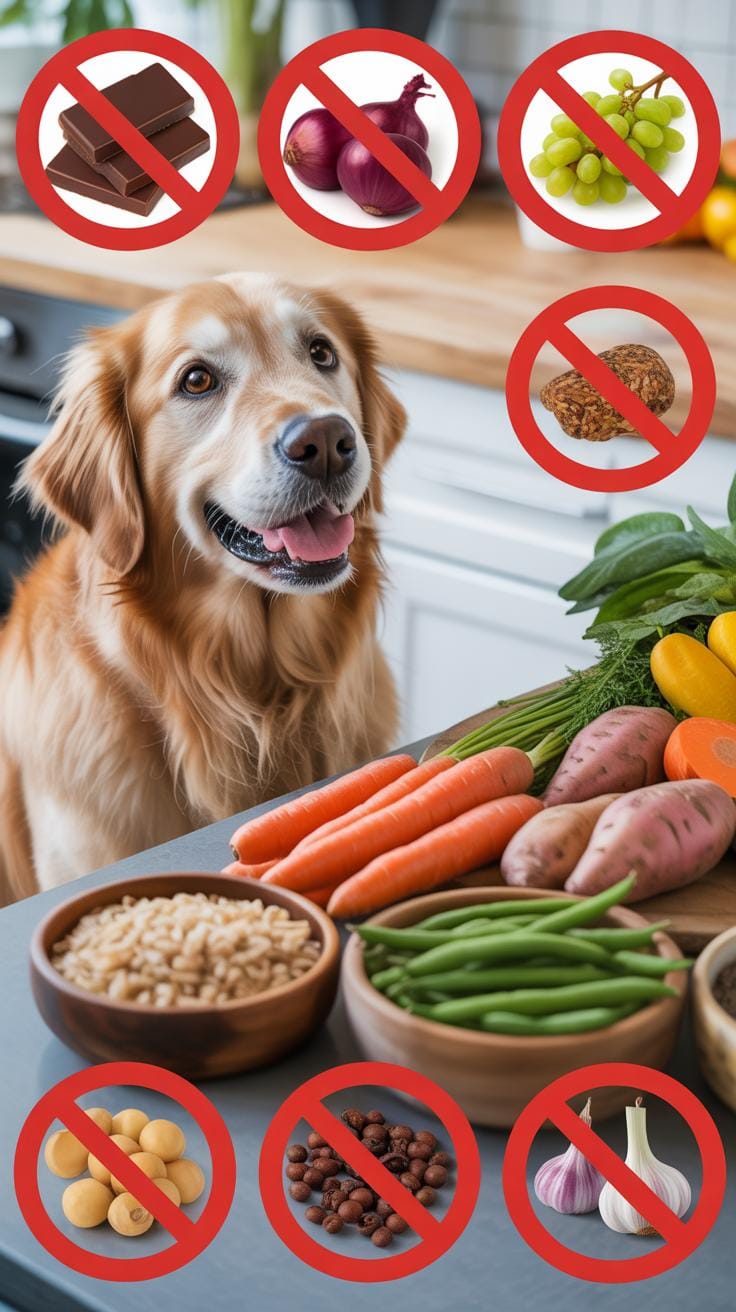
Common Human Foods That Are Toxic To Dogs And Must Never Be Used As Toppers
Kitchen scraps often contain hidden threats that trigger immediate biological failure in canines. Grapes and raisins cause rapid kidney damage even in small amounts. Allium plants like onions, garlic, and chives destroy red blood cells through oxidative damage. Macadamia nuts impact the nervous system and lead to temporary paralysis. Chocolate and caffeine contain methylxanthines that overstimulate the heart and nervous system. You must exclude these entirely to protect your dog.
Xylitol is a common sweetener found in peanut butter and yogurt that causes lethal insulin spikes. Avocados contain persin which causes distress in many animals. Raw yeast dough expands in the stomach and produces ethanol poisoning in the bloodstream. Cooked bones are brittle and splinter easily to puncture the digestive tract. Alcohol and citrus oils also create severe metabolic issues. Verify every single ingredient before adding it to the food bowl.
How To Read Labels And Spot Harmful Additives In Store Bought Dog Toppers
Commercial products frequently hide low quality fillers and chemical preservatives behind technical names. Look for Butylated Hydroxyanisole and Butylated Hydroxytoluene on the ingredient list. These synthetic antioxidants preserve fat but are suspected carcinogens. Ethoxyquin is another chemical preservative to flag and avoid immediately. Artificial colors like Red 40 serve no nutritional purpose and often cause allergic reactions. High sodium levels also strain the heart and kidneys.

Carrageenan is a common thickener in wet toppers that often causes intestinal inflammation. Avoid any product containing unspecified meat by-products or generic animal fat. These terms lack transparency regarding the source and quality of the protein. Corn syrup and excessive sugar lead to obesity and dental decay. Always prioritize short ingredient lists with recognizable whole foods. If you cannot pronounce a chemical additive, do not feed it to your dog.
How To Introduce New Dog Topper Food Into Your DogS Routine Without Digestive Upset
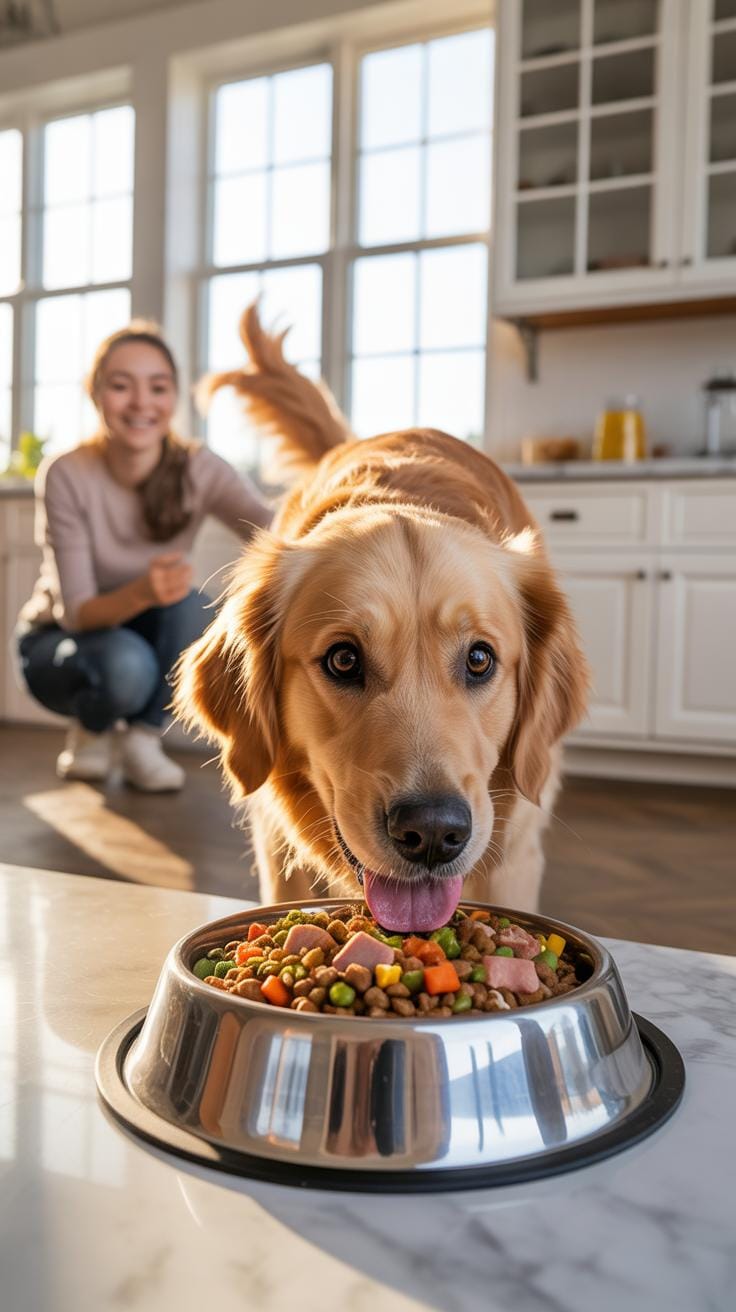
A Gradual Approach To Adding New Food Toppers For Dogs Without Causing Stomach Issues
Sudden dietary shifts trigger gastrointestinal distress. Your dog needs time to adapt to new proteins and fats. Start by adding a small teaspoon of the topper to their regular kibble. This minimal amount allows the gut microbiome to adjust without overreacting. Keep the total topper volume under ten percent of the daily caloric intake. This prevents nutritional imbalances while testing for sensitivity.
Consistency serves as the baseline for transition. Maintain the initial small dose for three consecutive days. If the stool remains firm, increase the portion slightly every forty-eight hours. Speed leads to diarrhea or vomiting. Slow introduction ensures the digestive enzymes can process the new ingredients effectively. Watch for immediate physical reactions during this first week. This tactical pace protects the dog from preventable pain.
Monitoring Your Dog’S Response To New Toppers And When To Consult Your Veterinarian
Observation is your primary tool for safety. Note any changes in stool consistency, gas production, or energy levels. Look for signs of allergic reactions like skin redness or excessive scratching. These symptoms indicate the specific topper ingredient does not suit your dog. Stop the new food immediately if these signs appear. Return to a bland diet until symptoms clear before trying a different topper.
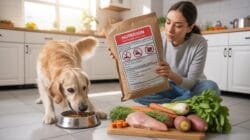
Professional medical advice becomes necessary when symptoms persist beyond twenty-four hours. Contact your veterinarian if you notice lethargy, blood in the stool, or refusal to eat. These signals suggest a more serious issue than simple indigestion. Provide the vet with the exact ingredient list of the topper. Early intervention prevents dehydration and more complex gut issues. Always prioritize clinical health over meal variety when problems arise.
Frequently Asked Questions

What are the benefits of adding creative dog meal toppers to my pet’s bowl?
Adding creative dog meal toppers is a fantastic way to boost your pet’s nutrition while preventing “food fatigue.” Beyond making dinner time more exciting, toppers can provide essential moisture, antioxidants, and healthy fats that standard kibble might lack. They are especially helpful for senior dogs with declining appetites or picky eaters who need a little extra encouragement to finish their balanced meals every single day.
How do I safely introduce new toppings to my dog’s daily diet?
When introducing creative dog meal toppers, the golden rule is “low and slow.” Start by adding just a teaspoon of a new ingredient, like plain pumpkin puree or unsalted bone broth, once a day. Monitor your dog for any signs of digestive upset or allergies over 48 hours. Always ensure that any new additions make up no more than ten percent of your dog’s total daily caloric intake to maintain nutritional balance.
Can I make nutritious meal toppers at home using budget-friendly ingredients?
Absolutely! You don’t need expensive boutique products to enhance your dog’s dining experience. Many pantry staples like plain Greek yogurt, scrambled eggs, or even steamed carrots make excellent, low-cost additions. Dehydrating leftover sweet potatoes or freezing small amounts of salt-free chicken stock into ice cubes are great ways to utilize what you already have in your kitchen to create healthy, enticing snacks that fit perfectly within a modest household budget.