
Understanding Dog Nutrition The Core Nutrients Every Dog Needs

The Six Essential Nutrient Groups In A Dog’S Diet
Water is the most critical nutrient for canine survival. It makes up the majority of a dog’s body mass. Proteins provide the necessary amino acids for tissue repair and growth. Fats supply concentrated energy and support cell structure. These macronutrients form the foundation of any biological diet. Owners must balance these components to ensure the dog functions at a high level daily.
Carbohydrates offer a quick source of glucose for energy and fiber for digestion. Vitamins act as biochemical catalysts for various metabolic reactions. Minerals like calcium and phosphorus build strong bones and teeth. Each category is non-negotiable for long-term health. Deficiencies in any group lead to systemic failure over time. A complete plan addresses all six groups through high-quality ingredients and precise ratios.
How Each Nutrient Supports Your Dog’S Body Functions And Overall Health
Proteins build muscle and repair damaged tissues through amino acids. Fats enable the absorption of fat-soluble vitamins like A, D, and E while keeping the skin healthy. Carbohydrates fuel the brain and provide the stamina needed for physical activity. Minerals regulate nerve transmission and muscle contraction. Each nutrient has a specific clinical job to perform within the complex systems of the dog.
Vitamins protect the body from oxidative stress and boost the immune system. Water regulates body temperature and flushes metabolic waste through the kidneys. Without proper nutrient balance, the dog will experience organ strain and reduced mobility. Consistency in these levels prevents chronic illness and extends the life of the animal. Knowledge of these functions allows owners to make better decisions regarding commercial or raw food choices.

Choosing The Right Dog Diet Commercial Vs Raw Vs Homemade Food

Comparing Dry Kibble, Wet Food, And Raw Feeding For Your Dog’S Diet
Dry kibble dominates the market due to shelf stability and low cost. It uses an extrusion process to cook ingredients under high pressure. This method creates a dense nutrient profile but often relies on starch for structure. Most commercial brands follow AAFCO standards to ensure basic calorie and mineral needs. You must check the ingredient list for meat sources rather than filler grains.
Wet food contains higher moisture levels and more animal proteins. It undergoes a canning process that kills bacteria through heat. Raw feeding focuses on uncooked meat, bones, and organs to mimic ancestral diets. This approach avoids heavy processing but requires strict handling to prevent contamination. Each method alters how your dog digests nutrients and manages hydration. You must match the format to your dog’s lifestyle.
Pros And Cons Of Each Diet Type To Help You Make An Informed Choice
Kibble offers convenience and dental friction but provides little hydration. It stores easily and remains safe at room temperature for hours. Wet food improves kidney health and appeals to picky eaters but costs more per serving. It spoils quickly once opened and demands refrigeration. Raw diets provide highly digestible proteins but carry risks of salmonella and nutritional imbalances. Owners must balance these risks against potential coat and energy gains.

Homemade diets give you total control over every ingredient. This path eliminates hidden additives and low-quality byproducts. However, most owners fail to balance calcium and phosphorus ratios without expert guidance. Constant monitoring is necessary to avoid long-term deficiencies. Commercial foods provide safety and ease of use. Homemade and raw options offer freshness but require significant time and knowledge. Choose the option you can sustain consistently.
How To Prepare Homemade Dog Food Safely And Nutritionally

Vet Approved Ingredients To Include In A Balanced Homemade Dog Food Recipe
Homemade diets require a precise ratio of macronutrients to support canine health. Most veterinary nutritionists recommend a base of lean animal protein combined with specific carbohydrates and healthy fats. You must select ingredients that provide high bioavailability to ensure the dog absorbs the nutrients. Avoid guessing quantities because imbalances lead to skeletal issues or organ failure over time.
- Lean Muscle Meats: Ground turkey, chicken breast, or lean beef provide essential amino acids. These proteins support muscle maintenance and immune function. Always cook meats thoroughly to eliminate the risk of salmonella or E. coli infections.
- Organ Meats: Beef liver or chicken hearts deliver concentrated doses of Vitamin A and B vitamins. These should only make up about five percent of the total diet. Excessive organ meat can cause vitamin toxicity which damages the liver.
- Complex Carbohydrates: Sweet potatoes, brown rice, or oats provide steady energy and necessary dietary fiber. Fiber supports gut health and maintains consistent stool quality. Always cook these grains until they are soft to ensure the dog can digest them easily.
- Non-Starchy Vegetables: Carrots, green beans, and spinach add vital minerals and antioxidants without adding excessive calories. These ingredients help the dog feel full while providing hydration. Pulse or finely chop vegetables to break down the cellulose walls for better nutrient uptake.
- Healthy Fats: Fish oil or flaxseed oil provides omega-3 fatty acids for skin and coat health. These fats manage inflammation and support brain development in younger dogs. Store these oils in the refrigerator to prevent oxidation and keep them fresh for daily use.
Calcium is the most frequently missed component in homemade recipes. Most meats are high in phosphorus but low in calcium. You must add a specific calcium supplement like crushed eggshells or pharmaceutical-grade calcium citrate. Without this addition, your dog will suffer from bone demineralization. Consult a professional to determine the exact milligrams required based on your dog’s current weight.
Common Mistakes To Avoid When Cooking Homemade Meals For Your Dog
The biggest mistake owners make is practicing nutritional drift. This happens when you slowly swap original ingredients for leftovers or cheaper alternatives. These small changes destroy the nutrient balance of the meal. You must follow a strictly formulated recipe every time you cook. Measuring by eye is not sufficient. Use a digital kitchen scale to track every gram of protein and fat.

Cooking methods also impact the nutritional value of the food. High-heat frying can create harmful compounds and add unnecessary fat. Steaming or boiling are the most effective ways to preserve vitamins while ensuring safety. Never add onions, garlic, or excessive salt to the pot. These common human seasonings are toxic to dogs and can cause life-threatening anemia or kidney stress during long-term consumption.
Your Complete Nutrition Guide Reading Dog Food Labels The Right Way

Decoding The Ingredient List And Guaranteed Analysis
The ingredient list follows a strict weight-based hierarchy. Manufacturers list ingredients by their weight before processing. Meat contains heavy water content and often sits at the top. However, grains or vegetables might provide more actual protein after dehydration. You must look past the first item. Scan for specific animal proteins rather than vague terms like poultry meal. Named sources provide better quality control and safety for your dog.
The Guaranteed Analysis provides the minimum levels of protein and fat. It also shows maximum levels of fiber and moisture. These numbers represent the food in its current state. You cannot compare kibble to wet food using these percentages alone. You must convert these figures to a dry matter basis. This calculation removes water weight to reveal the true nutrient density of the product.
What AAFCO Nutritional Adequacy Statements Mean And Why They Matter
The AAFCO statement serves as the only legal proof of nutrition. This small text confirms if the food meets specific profiles for growth or maintenance. Some labels claim the food is for all life stages. This means the formula meets the high calorie and mineral needs of a puppy. Older dogs may gain excess weight on these diets. Always verify the statement matches your dog’s current age.

Manufacturers prove adequacy through two methods: formulation or feeding trials. Formulation uses computer models to match nutrient targets. Feeding trials involve actual dogs eating the food under supervision. Trials offer a higher standard of proof because they track how dogs digest the nutrients. If a label lacks an AAFCO statement, the food is often a topper. It cannot serve as a primary meal for your pet.
Dog Feeding Schedules How Often And How Much To Feed Your Dog

How Age, Breed Size, And Activity Level Affect Your Dog’S Daily Feeding Frequency
Age dictates metabolic demand and stomach capacity. Puppies require three to four meals daily to support rapid growth and prevent blood sugar drops. Adult dogs thrive on two meals spaced twelve hours apart to maintain steady energy levels. Senior dogs often benefit from smaller and more frequent portions. This approach reduces digestive strain as their metabolism slows down and internal organ efficiency decreases over time.
Breed size and activity level further refine these requirements. Small breeds have high metabolic rates and need frequent feedings to avoid hypoglycemia. Large breeds risk gastric torsion if they eat one massive meal. Working dogs require timed feedings around their performance tasks to ensure peak energy. Sedentary lap dogs need strictly timed meals to prevent fat accumulation. Adjust puppy schedules to adult frequency at one year.
Portion Control Strategies To Prevent Overfeeding And Maintain A Healthy Weight
Standardize your measurements to ensure consistency across every meal. Never use a coffee mug or a generic scoop to estimate volume. Use a standard liquid or dry measuring cup for every serving. Check the caloric density on the product label because calories vary between brands. Weigh your dog every month to detect small weight gains early. Adjust the total volume based on body condition rather than strictly following bag charts.

Account for every treat and topper within the daily caloric limit. Treats should never exceed ten percent of the total daily intake. If you provide a high-value reward during training, subtract that equivalent caloric amount from the next meal. Monitoring the rib cage area provides immediate feedback on fat levels. You should feel the ribs easily without seeing them. Consistent portions prevent obesity and extend the lifespan of your dog.
Puppy Care And Nutrition Feeding Your Puppy For Healthy Growth

Key Nutritional Differences Between Puppy Food And Adult Dog Food
Puppies require higher calorie counts per pound of body weight than adult dogs. Their bodies build bone and muscle at a rapid pace. This growth demands a dense concentration of protein and fat. Puppy formulas contain extra amino acids to support tissue development. Adult food lacks the nutrient density needed for this life stage. Feeding adult food to a puppy can cause stunted growth or skeletal defects.
Mineral balance is the most critical difference between these two life stages. Puppy food contains specific ratios of calcium and phosphorus. This balance ensures bones harden at the correct speed. Too much calcium causes joint issues in large breeds. Too little leads to weak bones. Adult dog food maintains existing body mass instead of building new structure. It does not provide the precise mineral levels required for a developing skeleton.
When And How To Transition Your Puppy From Milk To Solid Food Safely
The weaning process starts when puppies reach three to four weeks of age. Breeders begin by offering a soft slurry of puppy food mixed with warm water or canine milk replacer. This mixture mimics the consistency of gruel. It allows the digestive system to adapt to solid proteins without stress. Puppies still nurse from their mother during this phase. The goal is gradual exposure to new textures and nutrients.

By seven or eight weeks of age, the puppy should eat solid kibble or canned food. You must decrease the water content in the food over several days. Solid food provides the mechanical action needed for dental health as teeth emerge. Maintain a strict feeding schedule to prevent blood sugar drops. Consistent meal times also help with house training. Monitor stool quality daily to ensure the digestive tract handles the transition effectively.
Keeping Dogs Healthy Tailoring Nutrition To Life Stage And Health Conditions

How Nutritional Needs Shift From Puppyhood To Senior Years In Dogs
Puppies require high caloric density and specific amino acids to build muscle and bone. They need more calcium and phosphorus than adult dogs to prevent skeletal deformities. Rapid growth phases demand consistent energy intake to support developing immune systems. You must monitor weight gain weekly to adjust portions. Overfeeding at this stage causes permanent joint damage in large breeds. Feed puppy-specific formulas until skeletal maturity occurs.
Adult dogs require maintenance energy to keep a steady weight. Their diet focuses on balancing protein and fats to support daily activity. Excessive calories now lead to early obesity and metabolic stress. Senior dogs need fewer calories but higher quality protein to prevent muscle wasting. They often benefit from increased fiber for gut health and antioxidants to combat cellular aging. Adjust their intake based on their declining metabolic rate.
The greatest love we can show our loyal companions is found in the bowl we prepare for them each day, balancing nature and care to keep their tails wagging through the years. Nourishing a dog’s life with a complete plan is the quietest, most profound way to say thank you for their devotion.
Feeding Dogs With Health Conditions Such As Obesity, Allergies, Or Kidney Disease
Obesity is the most common nutritional disease in dogs. It triggers chronic inflammation and puts stress on internal organs. Managing it requires strict portion control and high-fiber fillers to maintain satiety. You must eliminate high-fat treats and replace them with measured dietary portions. Successful weight loss depends on calculating the exact caloric needs for the target weight. Accurate tracking prevents the common rebound effect in canine weight gain.

Allergies often require limited ingredient diets or novel protein sources like rabbit or venison. These diets eliminate common triggers like beef or dairy to stop skin and gut irritation. Kidney disease requires a different strategy. You must lower phosphorus levels and use high-quality, restricted protein to reduce renal workload. Proper hydration is critical for these dogs. Always consult a vet to match the nutrient profile to the specific medical diagnosis.
Using A Dog Food Feeding Chart To Measure The Right Daily Portions
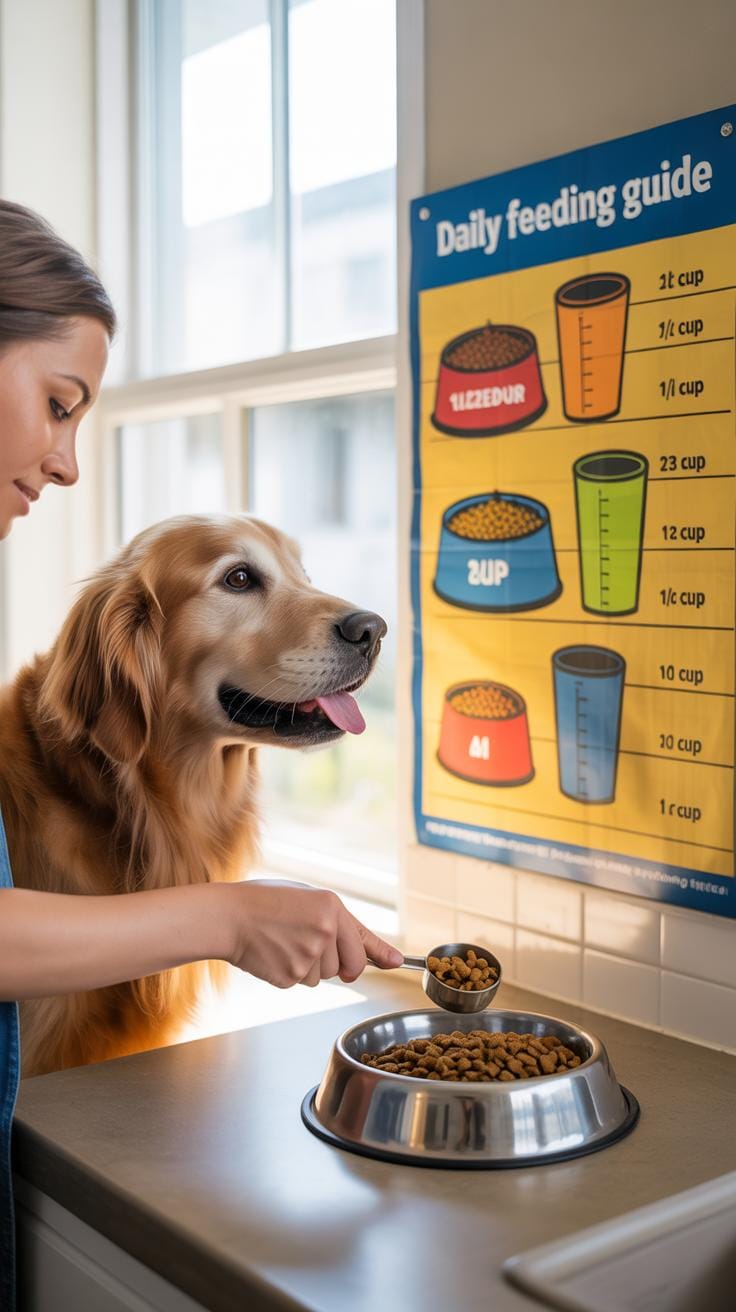
Guidance On How To Read And Apply A Dog Food Feeding Chart Based On Weight And Breed
Dog food labels provide a feeding chart based on the adult weight of the animal. Most manufacturers calculate these numbers using the average calorie needs of a moderately active dog. You must locate your dog’s current weight on the axis of the chart to find the suggested daily volume. This measurement represents the total amount for twenty-four hours rather than a single meal.
Breed type significantly impacts metabolic rates. Working breeds or high-energy dogs often require more fuel than sedentary breeds of the same size. Large breeds also have different calcium and phosphorus needs during growth phases compared to toy breeds. Use the chart as a baseline but recognize that breed specific physiology dictates how efficiently your dog processes these calories. Proper portioning prevents skeletal issues in heavy frames.
Adjusting Feeding Amounts Over Time As Your Dog’S Weight And Age Change
Metabolism shifts as a dog moves from puppyhood to seniority. Puppies require frequent, nutrient-dense meals to support rapid bone and muscle development. As a dog reaches maturity, growth slows and calorie needs drop. You must reduce portions during this transition to prevent early obesity. Monitor body condition scores monthly and look for visible ribs or a tucked waistline. Adjust the daily scoop size accordingly.

Senior dogs often become less active and lose muscle mass. Their bodies require fewer calories but high-quality protein to maintain strength. Environmental factors like cold weather or increased exercise also demand temporary feeding adjustments. If your dog gains weight, reduce the daily portion by ten percent and reassess in two weeks. Consistency in measuring tools ensures your adjustments remain accurate over the life of the animal.
Puppy Food Chart A Week By Week Feeding Guide For Growing Puppies

Monthly Puppy Feeding Milestones From Birth Through 12 Months
Puppies require specific nutrient densities to support rapid skeletal and muscular development. From birth to four weeks, puppies rely entirely on maternal milk or specialized replacer formulas. Transitioning to solid food begins around week four with a gruel of softened kibble. By week eight, most puppies are fully weaned and require four consistent meals per day to maintain steady blood glucose levels.
From four to six months, growth rates remain high but the frequency of feeding typically drops to three meals daily. Large breeds require careful monitoring to prevent excessive weight gain, which stresses developing joints. By six to twelve months, most dogs transition to two meals per day. Small breeds reach physiological maturity sooner than large breeds, often switching to adult maintenance profiles at the one-year mark.
Top Tips For Using A Puppy Food Chart To Track Growth And Adjust Portions
A puppy food chart serves as a baseline rather than a rigid law for every dog. Owners must reconcile chart recommendations with the specific caloric density of the chosen formula. Metabolism varies based on breed, activity level, and individual genetics. Monitoring the physical condition of the puppy ensures you are providing the correct energy levels for healthy development without causing obesity.
- Monitor Body Condition: Check the ribcage area weekly to ensure the puppy maintains a visible waist. You should feel the ribs easily under a thin layer of fat. Adjust portions if the ribs become buried or protrude too sharply.
- Weigh Weekly: Use a digital scale to track weight gain every seven days during the first six months. Consistent gains indicate the current caloric intake meets the metabolic demands of growth. Sudden spikes or drops require immediate portion adjustments or a veterinary consultation.
- Assess Activity Levels: High-energy puppies burning more calories through play require more food than sedentary individuals. Increase portions slightly during weeks of intense training or physical activity. Always prioritize lean muscle growth over total body mass to protect developing skeletal structures.
- Account for Treats: Deduct the caloric value of all training treats from the total daily allotment found on the chart. Treats should never exceed ten percent of the total daily intake. Overlooking these calories leads to nutrient imbalances and unhealthy weight gain during critical growth phases.
- Consult Breed Standards: Compare your puppy’s progress against established growth curves for their specific breed type. Large breeds grow slower and longer than small breeds. Tailoring the chart data to these known biological timelines prevents developmental bone diseases caused by overnutrition.
Evaluating energy levels and stool consistency provides immediate feedback on the feeding plan. Loose stools often indicate overfeeding, as the digestive system cannot process the excess volume efficiently. If the puppy leaves food in the bowl, reduce the portion sizes slightly for the next meal. Constant adjustments keep the growth rate steady and prevent long-term health complications associated with improper early nutrition.
Frequently Asked Questions

What are the basic components of a balanced canine diet?
A balanced diet for your furry friend requires a precise mix of proteins, healthy fats, carbohydrates, vitamins, and minerals. When you begin to develop a complete nutrition plan for dogs, it is vital to provide high-quality animal protein as the primary ingredient. This foundation supports muscle growth and energy levels, while added fiber from vegetables keeps their digestive system running smoothly and ensures they receive essential micronutrients for long-term health.
How do I calculate the right portion sizes for my dog?
To determine the correct portions, consider your dog’s age, weight, and activity level. Start by consulting the feeding guidelines on your high-quality pet food packaging, but remember these are just estimates. For a truly complete nutrition plan for dogs, monitor your pet’s body condition score regularly. If you can feel their ribs but not see them, you are likely feeding the right amount. Adjust slightly if they become too sluggish or gain weight.
Can I provide high-quality nutrition if I am on a tight budget?
Absolutely! You do not need the most expensive boutique brands to keep your dog healthy. Look for affordable kibble that lists a specific meat as the first ingredient and carries an AAFCO adequacy statement. You can also boost nutritional value by adding small amounts of safe human foods like boiled carrots, plain eggs, or green beans. Buying in bulk and storing food in airtight containers ensures freshness while keeping costs manageable for any household.