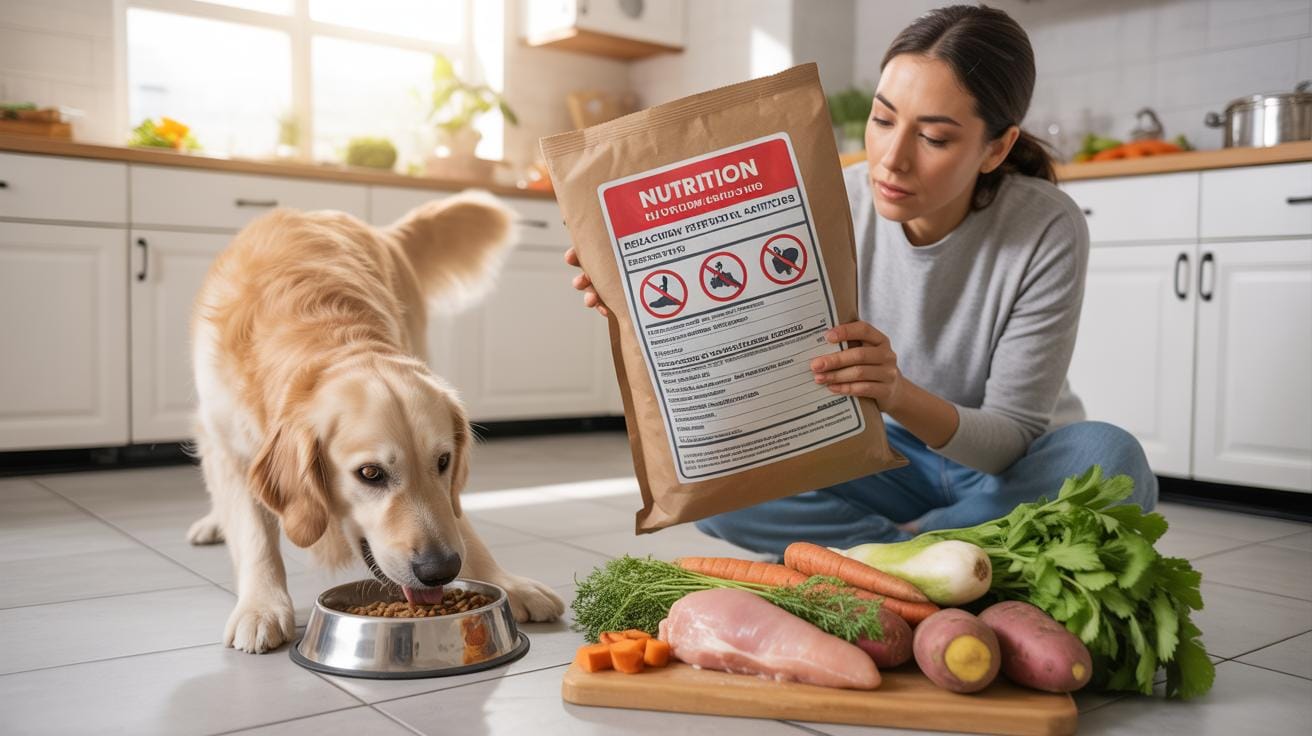
Understanding Toxic Additives In Commercial Dog Food And Why They Matter
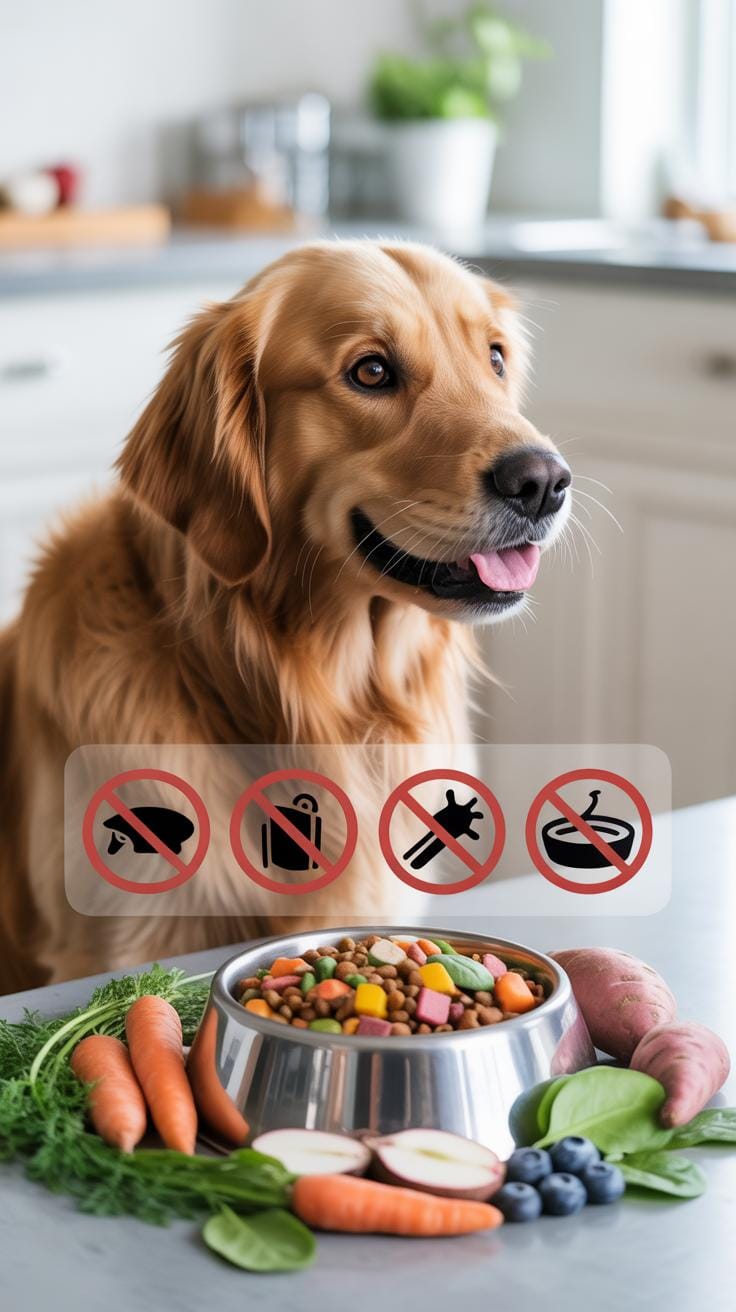
What Are Food Additives And Why Are They Used In Commercial Dog Food?
Food additives are synthetic or natural substances added to pet food during processing. Manufacturers use these chemicals to maintain shelf life and prevent fat rancidity. They also add dyes to make the product look like real meat to the human buyer. Flavors and enhancers hide the poor quality of the base ingredients. These additives serve the manufacturer’s profit margins by lowering production costs.
These chemicals ensure the food stays “fresh” in a bag for months or years. Without preservatives, the high fat content in kibble would spoil quickly. Additives also provide a consistent texture and smell. This makes the dog want to eat the same dry pellets every day. Manufacturers prioritize logistical ease and visual appeal over biological necessity. They design these products for convenience and long term storage.
How Toxic Additives In Commercial Dog Food Accumulate Over Time In Your Dog’S Body
Dogs eat the same meal twice a day for their entire lives. This creates a phenomenon called bioaccumulation. When a dog consumes low levels of toxins daily, their liver and kidneys must process these chemicals constantly. Some synthetic preservatives and heavy metals do not leave the body quickly. They store in fat cells and organs. This steady intake creates a permanent chemical load.
This toxic burden eventually overwhelms the dog’s natural filtration systems. Over years, the accumulation triggers chronic inflammation and cellular damage. The body cannot repair itself as fast as the toxins arrive. This often leads to organ failure or metabolic issues in senior dogs. Owners often mistake these symptoms for normal aging. In reality, the body is failing because of decades of processing synthetic waste.

The Most Dangerous Artificial Preservatives Found In Toxic Dog Food Lists
BHA And BHT: Synthetic Preservatives Linked To Health Risks In Dogs
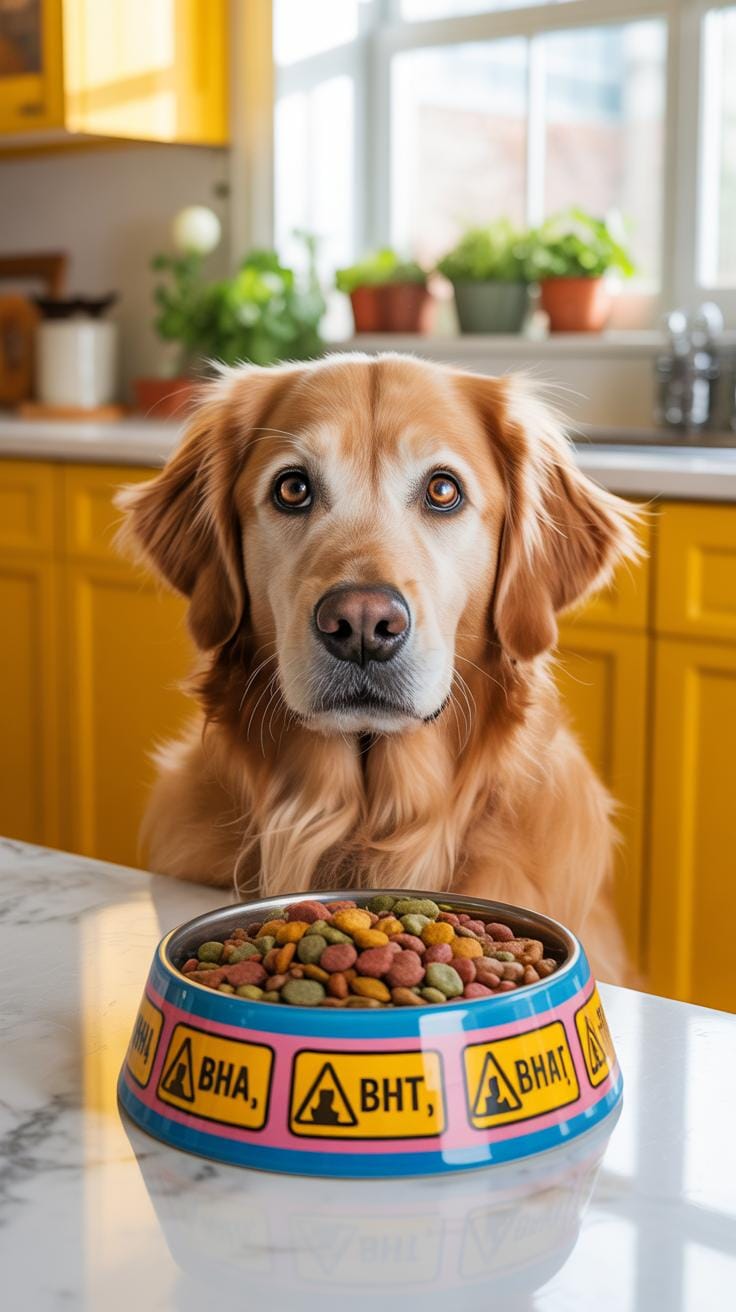
Butylated hydroxyanisole and butylated hydroxytoluene are synthetic antioxidants. Manufacturers add these chemicals to fats and oils to prevent spoilage. This extends shelf life for months on warehouse pallets. The National Institutes of Health identifies BHA as a consistent carcinogen in animal studies. These compounds stop fats from reacting with oxygen. This chemical stability keeps dog food smelling fresh even when it is old.
The FDA currently allows these additives in pet food at specific concentrations. However, many veterinary experts warn about long term exposure through daily feeding. These chemicals can impact the endocrine system and disrupt hormonal balance in canines. Many premium brands now avoid these ingredients. They use natural alternatives like vitamin E or rosemary extract instead. Smart buyers check the label for these specific acronyms to protect their pets.
The greatest fear of the old-fashioned dog lover is that our faithful friends might be nourished by the chemistry of a laboratory rather than the bounty of the kitchen.
Ethoxyquin: The Controversial Pesticide Derived Preservative Still Found In Some Dog Foods
Ethoxyquin started as a chemical pesticide and a stabilizer for rubber. It later entered the pet food supply chain to prevent rancidity in fish meals. The FDA regulates it as a food additive, but concerns remain regarding liver and kidney health. This chemical often enters dog food through raw ingredients before they reach the manufacturing plant. This means it does not always appear on the final ingredient label.

Pet owners must look for fish meal sources that are specifically naturally preserved. Some manufacturers hide ethoxyquin by claiming they did not add any preservatives during their specific process. This ignores what happened at the rendering plant. High levels of this chemical can lead to pigment buildup in the liver. Always call the manufacturer to ask about their sourcing of fish and animal fats to ensure safety.
Artificial Colors And Dyes On The Toxic Dog Food List You Should Avoid
Why Dogs Don’T Need Artificial Dyes And What These Colorants Can Do To Their Health
Dogs possess limited color vision and do not care about the hue of their kibble. Manufacturers add these chemicals solely to appeal to human owners. People associate red with meat and yellow with corn. This psychological trick hides poor ingredient quality. These dyes serve zero nutritional purpose for the animal. Removing them changes nothing about the food quality but reduces chemical exposure.
Toxic additives in commercial dog food like synthetic dyes often trigger severe allergic reactions. They can cause skin irritation and chronic itching. Some studies link these chemicals to hyperactivity and behavioral issues in pets. The canine body must process these foreign compounds through the liver and kidneys. Long term consumption creates unnecessary physiological stress. Stick to natural brown kibble to protect your dog from these risks.
Common Synthetic Dyes Found In Commercial Dog Food And Their Known Side Effects
Red 40 is the most common dye in the industry today. It contains p-Cresidine which is a known carcinogen in some animal models. Yellow 5 and Yellow 6 are also prevalent in low cost brands. These specific dyes often contain benzidine and other impurities. Regulatory bodies allow small amounts but daily consumption builds up over time. This bioaccumulation poses a serious long term health threat.

Blue 2 is another frequent offender found in many treats and dry foods. Research connects this dye to brain tumors in laboratory rats. While the FDA approves these colors for general use they remain controversial among veterinary researchers. Many European countries require warning labels or have banned these substances entirely. Check your pet food labels for these numbers immediately. Switch to brands that use beet juice or turmeric for color.
Harmful Flavor Enhancers And Their Impact On Dog Nutrition
Monosodium Glutamate (MSG) In Dog Food: What The Science Says About Its Safety
Manufacturers add MSG to low quality kibble to make bland ingredients taste like meat. Science labels MSG as an excitotoxin because it overstimulates nerve cells to the point of damage. Regulations do not require companies to list MSG by name on the label. Instead look for hydrolyzed protein or yeast extract which contain high levels of processed free glutamic acid. This chemical tricks a dog into eating more.
Overconsumption of MSG leads to metabolic issues and neurological strain in canines. It creates an addictive response to poor nutrition leads to obesity. Owners often see behavioral changes or physical reactions like skin irritation after dogs consume these secret additives. Avoiding these flavor enhancers forces the brain to recognize satiety signals properly. Check ingredient lists for hidden terms to protect your dog from these avoidable brain excitants.
Rendered Animal By Products As Flavor Enhancers: What They Are And Why They Raise Concerns
Rendered animal by-products start as waste from the food industry. This includes tissues from diseased or dying animals processed in large vats. Heat and pressure separate fat from solids to create meat meal or animal fat. Manufacturers spray this concentrated fat onto dry kibble to make it smell appetizing. This process recycles biological waste into a cheap flavor source for commercial pet food products.

The primary concern involves the lack of source transparency in these rendered fats. Contaminants like heavy metals or chemical residues from euthanasia drugs can remain in the final product. These additives provide calories but lack the micronutrients found in fresh whole foods. Dogs become dependent on the intense smell of rendered fat and refuse better diets. Stop buying foods that use generic animal fat or unnamed meat meals as primary flavorings.
Foods Toxic To Dogs That Sneak Into Commercial Formulas As Ingredients
Onion And Garlic Derivatives Hidden In Commercial Dog Food: A Serious Toxic Foods For Dogs Concern
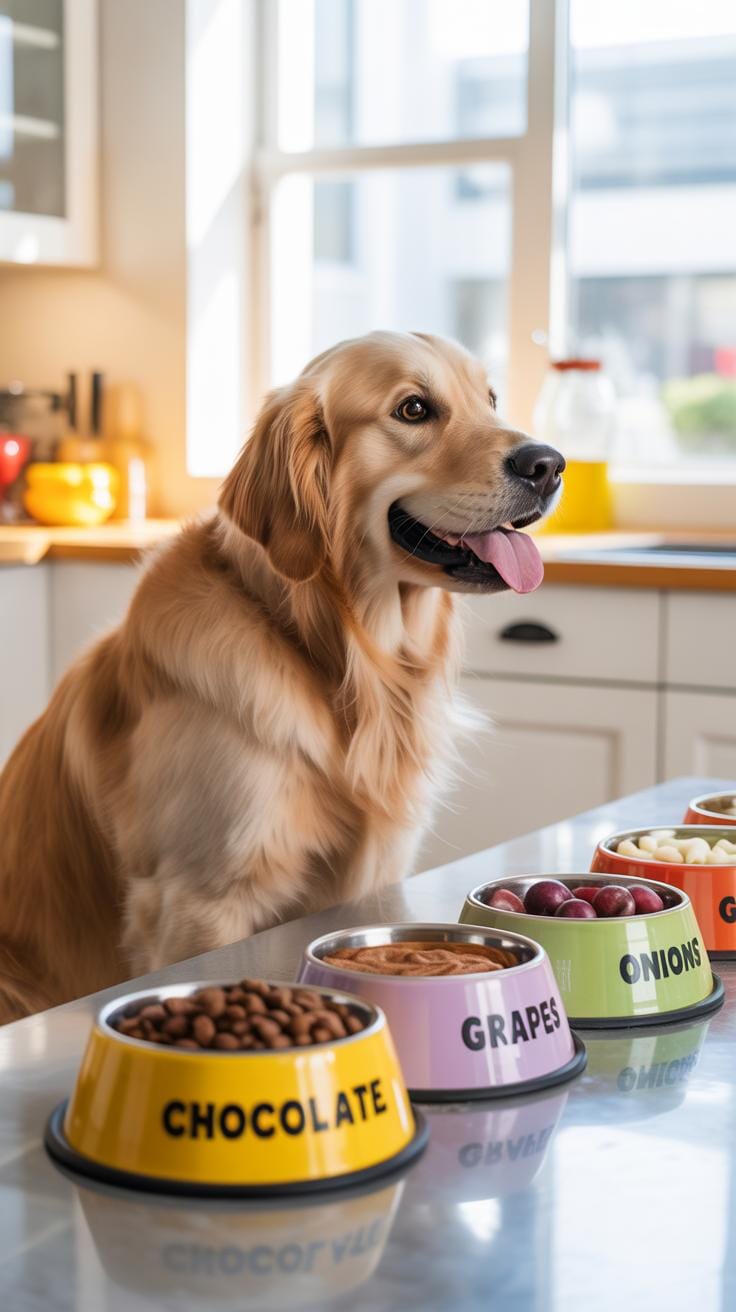
Manufacturers use onion and garlic powders as cheap flavor enhancers in wet and dry dog foods. These ingredients contain thiosulfate and N-propyl disulfide. These compounds cause oxidative damage to red blood cells. Consumption leads to Heinz body anemia and metabolic distress. Dogs lack the enzyme needed to process these chemicals safely. Small doses accumulate over time and cause long-term health decline.
Check labels for vague terms like natural flavors or dried vegetable powders. Companies hide these toxins to boost palatability in low-quality kibble. Symptoms of poisoning include lethargy, pale gums, and elevated heart rates. Even cooked or processed versions remain dangerous for all dog breeds. You must avoid any product listing these bulbs in the ingredient deck. Strategy requires strict avoidance of all Allium family derivatives.
Xylitol And Other Human Food Sweeteners That Are Toxic To Dogs When Added To Pet Products
Xylitol is a sugar alcohol used in human foods that is migrating into pet products. It appears in some specialty canned foods and dental treats to improve taste without adding calories. This substance triggers a massive insulin release in dogs. This reaction causes life-threatening hypoglycemia within thirty minutes. Many owners overlook this ingredient in premium or prescription pet treats and hygiene pastes.

Extended exposure to xylitol leads to acute hepatic failure and blood clotting disorders. Other sweeteners like sorbitol are less deadly but still cause severe gastrointestinal upset and osmotic diarrhea. Do not trust marketing claims of sugar-free or low-calorie benefits. Always scan the end of the ingredient list for chemical names ending in -itol. Protect your dog by rejecting any formula containing these synthetic sweeteners.
Macadamia Nuts Grapes And Other Human Food Derivatives That Appear In Dog Formulas
Why Macadamia Nuts Are Dangerous For Dogs And How They Can Appear In Flavored Dog Treats
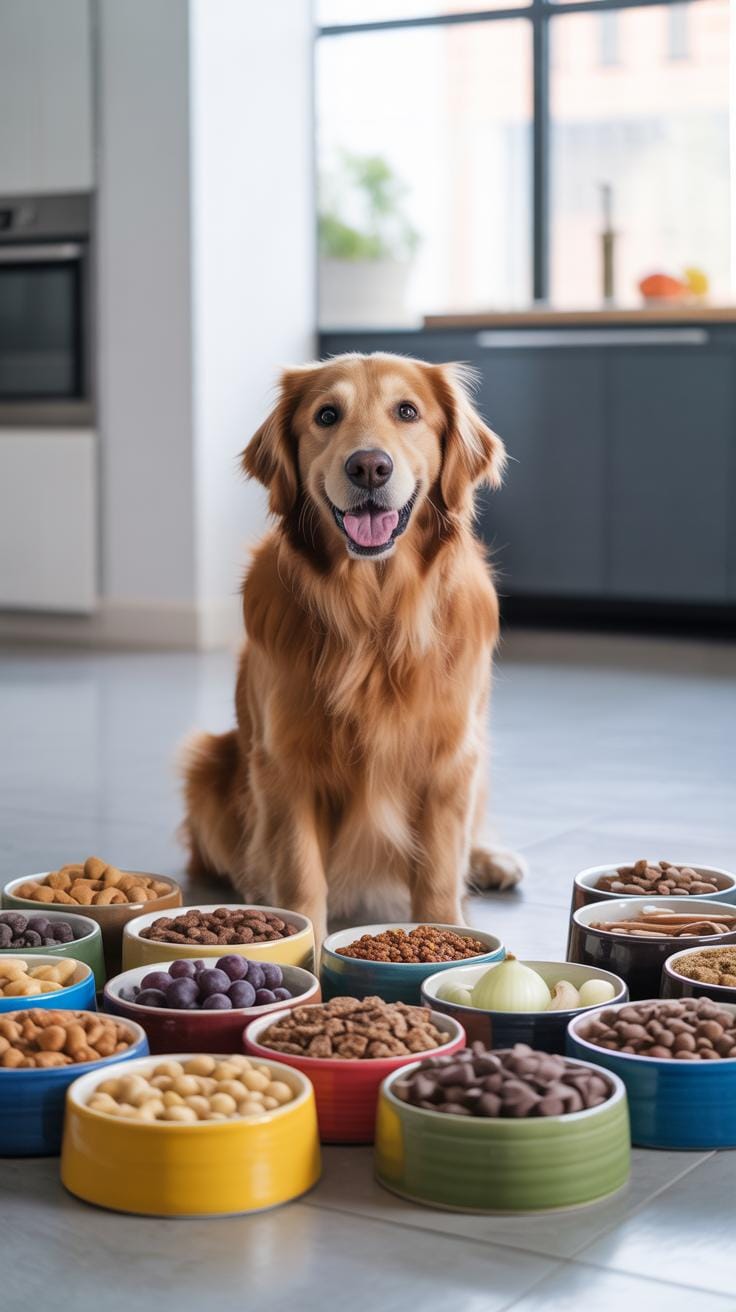
Macadamia nuts cause severe neurological and muscular issues in canines. Even small amounts lead to weakness, vomiting, and tremors. Dogs lose control over their back legs and may suffer from hyperthermia. Scientists do not fully understand the specific toxin, but the biological reaction is documented and dangerous. You must keep these nuts away from your pets. Prompt medical care is often necessary for recovery.
Commercial food manufacturers rarely use whole macadamia nuts because of cost. However, they sometimes use nut oils or meal in premium, “human-grade” flavored treats. These additives target owners who want exotic ingredients for their dogs. Check labels for generic nut oil or mixed nut meal. These terms often hide specific high-risk ingredients. Avoiding vague descriptors is the best way to prevent accidental macadamia ingestion and toxicity.
Grape And Raisin Extracts In Commercial Products: A Hidden Risk In Foods Toxic To Dogs
Grapes and raisins cause sudden kidney failure in dogs. Most owners know to avoid the whole fruit, but extracts are harder to spot. Some specialty manufacturers use grape seed extract as a natural antioxidant or preservative. While proponents claim seed extracts lack the flesh-based toxins, research remains inconclusive. The risk of renal shutdown is too high to justify using these ingredients in any canine formula.

Manufacturers often hide these derivatives in lists of natural flavors or botanical blends. These extracts contain tartaric acid, which is now the primary suspect for canine toxicity. If a food label lists grape derivatives of any kind, put it back on the shelf. Tactical pet health requires total avoidance of these substances. Stick to safe, proven preservatives like vitamin E or rosemary extract to ensure your dog remains healthy.
How To Read A Dog Food Label Essential Dog Care Tips For Identifying Harmful Additives
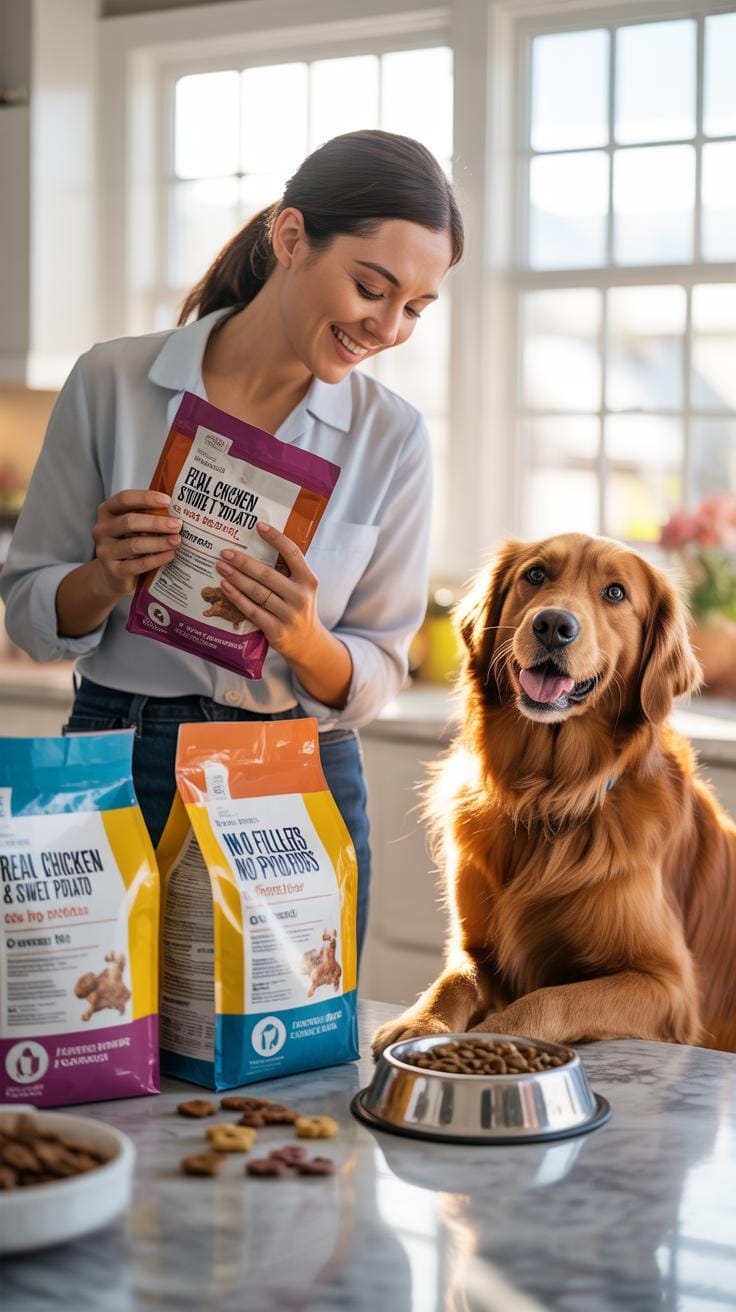
Decoding The Ingredient List: What Every Dog Owner Needs To Know About Label Reading
Manufacturers list ingredients by weight before processing. High water content items like fresh chicken often appear first but lose mass during cooking. This practice pushes low quality fillers further down the list where they seem less significant. You must look past the first three items. Check for split ingredients like rice flour and rice bran. Companies use this tactic to hide the total grain volume.
AAFCO standards require specific naming conventions for animal proteins. Terms like poultry meal or meat by-products are anonymous and dangerous. These generic names allow suppliers to use any animal source, including diseased livestock or roadkill. Accurate labels name the specific species such as beef or salmon. If the source is vague, the quality is low. Always prioritize transparency over marketing claims on the front of the bag.
Red Flag Ingredients To Watch For: A Dog Care Tips Guide To Spotting Harmful Additives
Identify chemical preservatives and synthetic dyes immediately. These substances extend shelf life and improve appearance but offer zero nutritional value. Manufacturers include them to keep bags on retail shelves for years. Many of these chemicals are linked to organ failure and chronic inflammation. You must act as the final filter for your pet. Avoid any product containing the following high risk chemical additives.
- BHA and BHT: These synthetic antioxidants prevent fats from turning rancid in the bag. The World Health Organization and California EPA classify them as potential carcinogens. They can interfere with hormone function and cause liver damage over long periods of consumption.
- Ethoxyquin: Originally developed as a pesticide, some manufacturers use this to preserve fish meal. It often does not appear on the final label because it is added before the meal reaches the factory. This chemical has links to kidney failure and immune system issues.
- Propylene Glycol: This additive maintains moisture levels in semi-moist kibble and treats. While technically different from engine antifreeze, it belongs to the same chemical family. It is toxic to red blood cells and can cause Heinz body anemia in sensitive animals.
- Artificial Colors: Red 40, Yellow 5, and Blue 2 provide cosmetic appeal for human buyers. Dogs do not care about the color of their food. These dyes are derived from petroleum and are linked to hyperactivity and allergic reactions in both humans and dogs.
- Sodium Selenite: This is a cheap, inorganic form of the essential mineral selenium. High doses are toxic and can damage the heart and lungs. Premium brands use organic selenium yeast instead because the body absorbs it safely and effectively without the risk of toxicity.
Eliminate ingredients that use vague terminology. Meat meal and animal fat provide no accountability regarding the source material. These mystery meats often contain high levels of toxins because they come from rendered waste. Clean labels use specific terms like chicken fat or lamb meal. If you cannot identify the animal, do not buy the food. Protecting your dog starts with refusing to feed them industrial waste products.
Your Printable List Of Toxic Foods For Dogs And Additives To Always Avoid
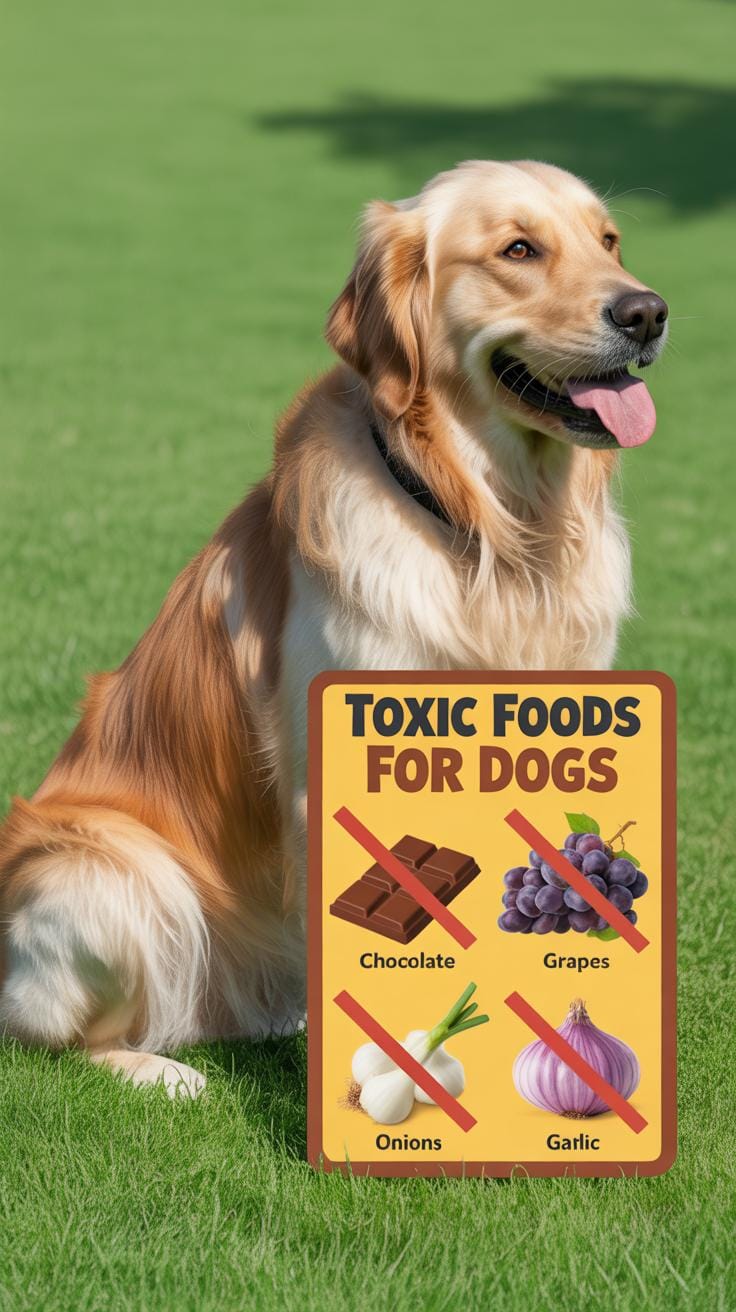
How To Use A Printable List Of Toxic Foods For Dogs As An Everyday Reference Tool
Keep this list visible in your kitchen where you prepare food. Busy owners often make mistakes when rushing to feed their pets. A physical list eliminates guesswork during meal prep. It serves as a hard barrier against feeding dangerous scraps. You must treat this tool as a safety protocol rather than a suggestion. It prevents medical emergencies before they happen.
Share this document with every person who enters your home. Pet sitters and guests often lack specific knowledge about canine toxicity. They might unintentionally poison your dog with common human snacks. Forcing everyone to follow the list creates a controlled environment. Regular reviews of the list keep safety top of mind. Consistency is the only way to ensure your dog stays healthy.
The Most Important Toxic Additives And Ingredients To Include On Your Toxic Dog Food List
Commercial manufacturers use specific additives to extend shelf life or enhance appearance. These chemicals provide no nutritional value and often cause long term internal damage to organs. You must identify these ingredients on every label before the product reaches the checkout counter. Awareness of these toxins allows you to filter out heavy marketing and focus on actual biological safety requirements.
- BHA and BHT: These chemical preservatives prevent fats from turning rancid in the bag. The World Health Organization and California EPA identify them as potential carcinogens. They can interfere with hormonal balance and cause kidney damage over time.
- Propylene Glycol: Manufacturers use this as a humectant to keep kibble moist and chewy. While the FDA bans it in cat food, it remains legal in dog food. It can cause blood cell abnormalities if consumed in large quantities.
- Xylitol: This artificial sweetener is extremely toxic to dogs and appears in some specialty foods. It triggers a massive insulin release that leads to rapid liver failure. Even tiny amounts can be fatal within hours of ingestion by your pet.
- Artificial Colors: Blue 2, Red 40, and Yellow 5 serve only to make the food look appealing to humans. These dyes provide zero benefit to the dog. They are linked to hyperactive behavior and various allergic reactions in most canine breeds.
- Carrageenan: This thickening agent comes from seaweed but causes significant inflammation in the digestive tract. It can lead to ulcers and may be linked to intestinal cancer. Many premium wet foods still include this ingredient to maintain a consistent texture.

Eliminating these items from your dog’s diet requires constant vigilance. Do not trust front of package claims like natural or veterinarian recommended. These terms have little regulatory weight and often hide cheap chemical fillers. Reading the fine print on the ingredient panel is your best defense. Sharp eyes and a strict list will protect your dog from profitable but dangerous manufacturing practices.
Safer Alternatives And Better Dog Nutrition Choices For Your PetS Long Term Health
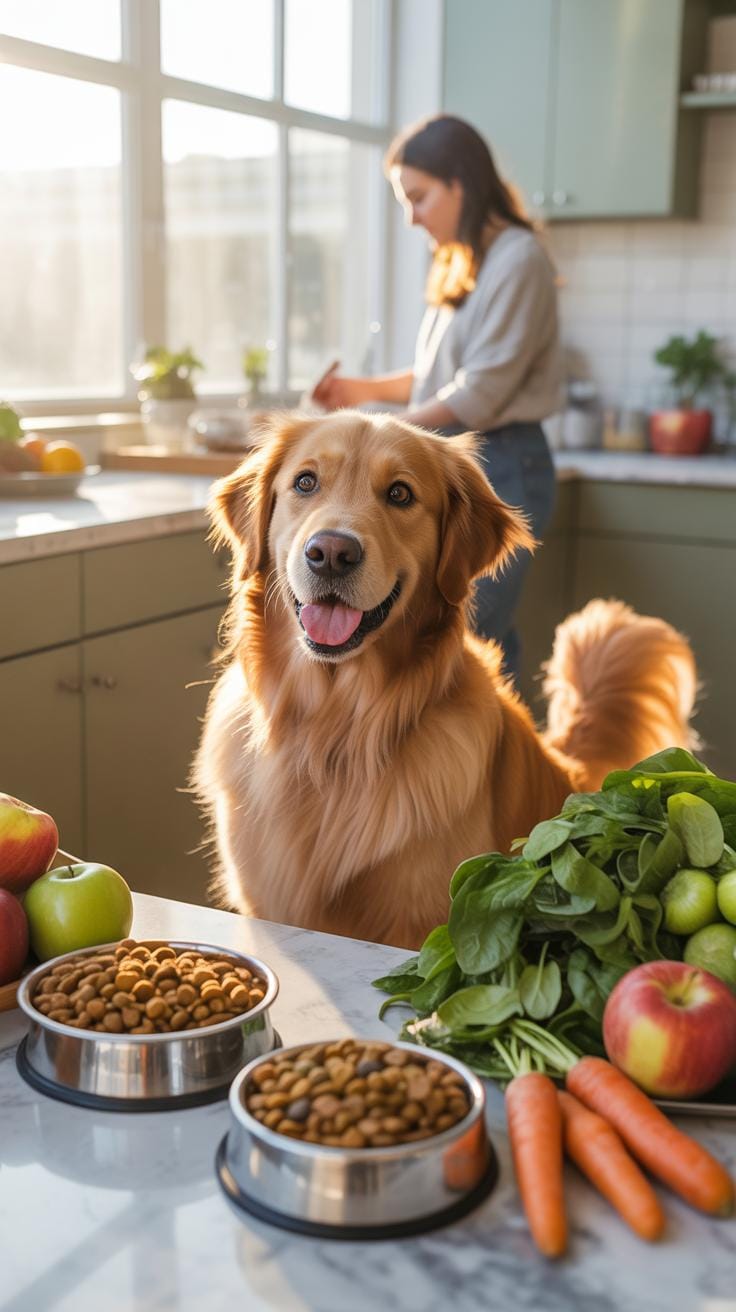
What To Look For In A Clean Label Dog Food That Prioritizes Genuine Dog Nutrition
Identify foods with specific animal proteins listed as the first ingredient. Avoid generic terms like animal fat or poultry meal. These vague labels often hide low-quality rendered leftovers. Look for whole food sources like deboned chicken or wild-caught fish. Check the label for natural preservatives like mixed tocopherols or rosemary extract instead of chemical antioxidants. Real nutrition requires transparent sourcing of every single ingredient.
Avoid bags containing synthetic dyes like Red 40 or Yellow 5. These provide no nutritional value and only appeal to human buyers. High-quality manufacturers use transparent packaging and third-party testing to prove purity. Select brands that prioritize low-glycemic carbohydrates over cheap fillers like corn or soy. Clean labels list recognizable foods you would eat yourself. Accurate labeling reflects a company commitment to biological appropriateness and safety.
Transitioning Your Dog Away From Additive Heavy Foods: A Practical And Gradual Approach
Switching diets too fast causes digestive distress and gut microbiome shock. Start by mixing 25 percent of the new food with 75 percent of the old food. Maintain this ratio for three days to monitor stool consistency and energy levels. Gradual changes allow the stomach to produce necessary enzymes for different protein structures. Rushing this process leads to vomiting and diarrhea which complicates the transition period.
Increase the new food to 50 percent once your dog shows stable digestion. Move to 75 percent after another three days of success. Finalize the switch to 100 percent new food after a full ten-day cycle. Watch for skin improvements and reduced inflammation as toxic additives leave the system. Consistent monitoring ensures the body adapts to the higher nutrient density. Use this slow method to guarantee long-term dietary success.
Frequently Asked Questions

What are the most common harmful ingredients I should look for on dog food labels?
When scanning labels, watch out for synthetic preservatives like BHA, BHT, and ethoxyquin, which are linked to serious health concerns. You should also avoid artificial colors and vague terms like “animal by-products.” Identifying these toxic additives in commercial dog food is the first step toward improving your pet’s long-term wellness. Prioritizing whole-food ingredients ensures your dog receives nutrition without the chemical interference often found in highly processed, mass-market kibbles.
How can I accurately check my current dog food for dangerous chemicals?
Start by reading the fine print on the “Guaranteed Analysis” and ingredient list. Look specifically for chemical dyes like Red 40 or Blue 2 and humectants like propylene glycol. To ensure you are avoiding toxic additives in commercial dog food, use a highlighter to mark any ingredient you cannot pronounce or recognize as real food. Researching each unknown term online can help you decide if it is time to switch brands.
Is it possible to find safe, additive-free dog food on a tight budget?
Yes, feeding your dog safely does not have to be expensive. Many mid-tier brands now offer “limited ingredient” lines that skip unnecessary fillers and harmful preservatives. You can also supplement affordable, clean kibble with budget-friendly fresh toppers like cooked carrots, green beans, or plain eggs. By focusing on quality protein sources rather than flashy packaging, you can provide a healthy diet that remains free from the most common risky chemical enhancers.