Understanding The Dog Brain And Why It Craves Mental Challenges
How A Dogs Brain Processes Stimulation And Problem Solving
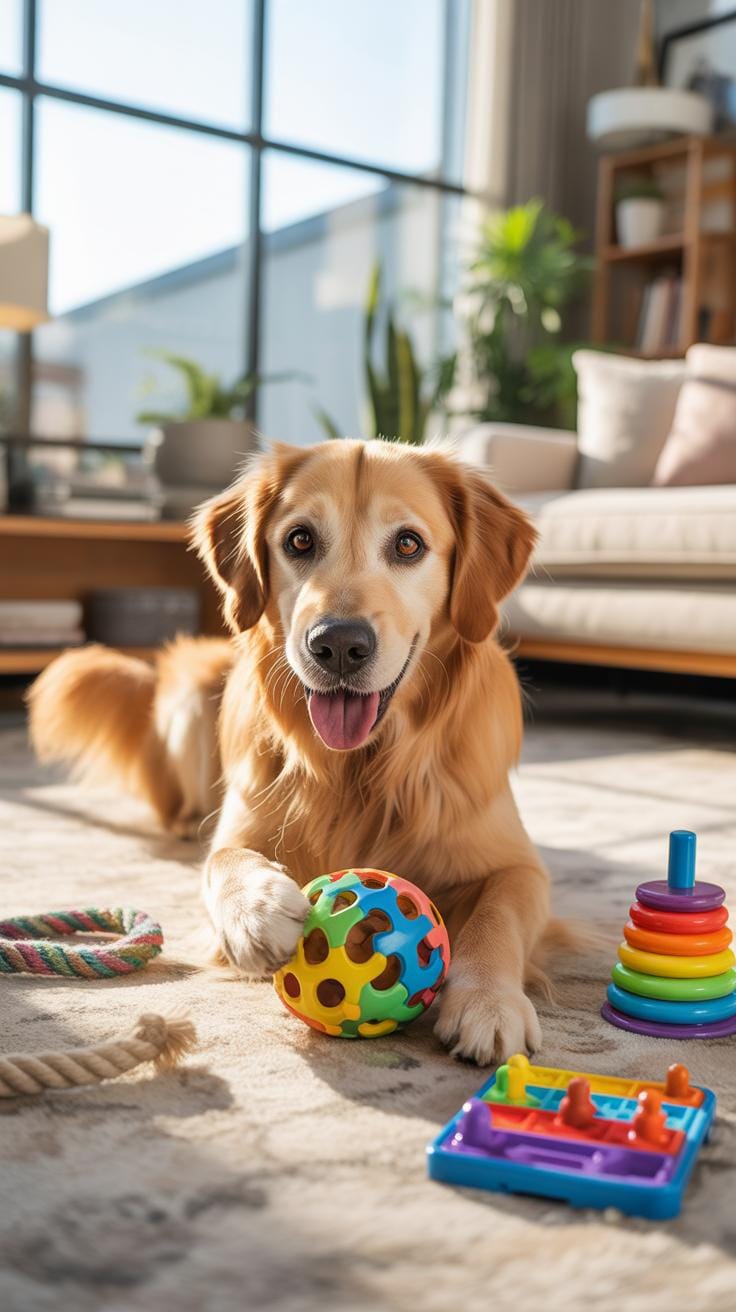
A dog processes the world primarily through the olfactory bulb and the cerebral cortex. The olfactory bulb handles scent data and connects directly to the limbic system. This area manages emotions and long term memory. When a dog solves a puzzle it uses the frontal lobe to plan and execute tasks. Positive reinforcement during these challenges releases dopamine in the brain.
Mental work exhausts a dog faster than physical exertion alone. High level cognitive tasks force the brain to reorganize neural pathways to find solutions. This process builds confidence and reduces anxiety. Engaging the canine brain through scent or logic mimics natural foraging behaviors. These activities satisfy ancient survival instincts that domestic life often ignores. Dogs need these challenges to maintain sharp neurological function.
The Link Between Boredom And Destructive Behavior In Dogs
Boredom triggers a stress response in the canine nervous system. Without a job the dog seeks its own stimulation to lower cortisol levels. This often results in chewing furniture or digging holes to relieve built up energy. These actions provide immediate sensory feedback that the dog lacks elsewhere. Owners mistake these behaviors for spite when they are actually biological coping mechanisms.
Consistent lack of mental stimulation leads to chronic distress and cognitive decline. The brain enters a state of hyper vigilance or lethargy. Destructive habits become ingrained when the dog finds no other outlet for its mental drive. You must replace these negative behaviors with structured problem solving tasks. Providing specific mental stimulation ideas for dogs stops the cycle of destruction before it starts.

What Is Dog Enrichment And How Does It Differ From Exercise
Defining Enrichment And Its Role In A Dogs Overall Wellbeing
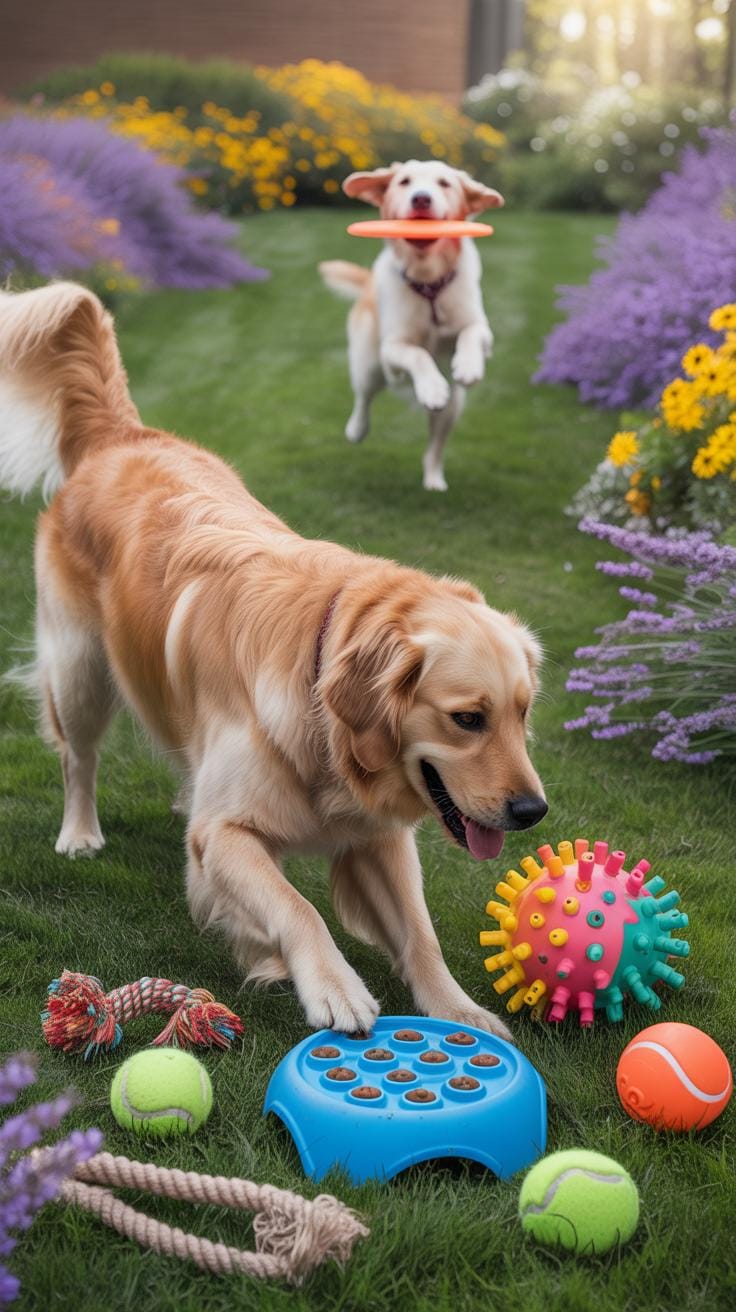
Enrichment is the practice of modifying a captive animal’s environment to encourage natural behaviors. For dogs, this means providing outlets for scavenging, sniffing, and problem-solving. It goes beyond entertainment. It addresses specific instinctual needs that domestication often ignores. Proper enrichment reduces stress and prevents unwanted destructive habits. It helps dogs stay calm and focused in a human-centric world.
Biological fulfillment requires more than a comfortable bed and consistent meals. Dogs possess sensory capabilities that demand regular engagement. A dog that cannot use its nose or brain becomes frustrated. This frustration manifests as anxiety or hyperactivity. Enrichment creates a balanced nervous system by satisfying these deep-seated evolutionary urges. It makes the dog more resilient to environmental changes and improves their quality of life.
Why Physical Exercise Alone Is Not Enough For A Mentally Fulfilled Dog
Physical exercise builds stamina and conditions the body. It does not challenge the mind. A dog that only runs or fetches becomes an athlete with no off switch. High-intensity exercise spikes cortisol and adrenaline levels. Without mental work, the dog remains in a state of high arousal. They lack the cognitive fatigue necessary for true rest and long-term behavioral stability.
Mental stimulation tires a dog faster than physical exertion. Sniffing or solving a puzzle engages the cortex and burns significant energy. Ten minutes of focused brain work equals an hour of walking. Relying solely on physical activity creates a cycle of increasing demand. The dog requires more movement to get tired each day. Integrating mental tasks breaks this cycle and ensures a peaceful, satisfied animal.

Top Brain Games For Dogs You Can Start Today
Hide And Seek With Treats: A Classic Brain Game That Never Gets Old
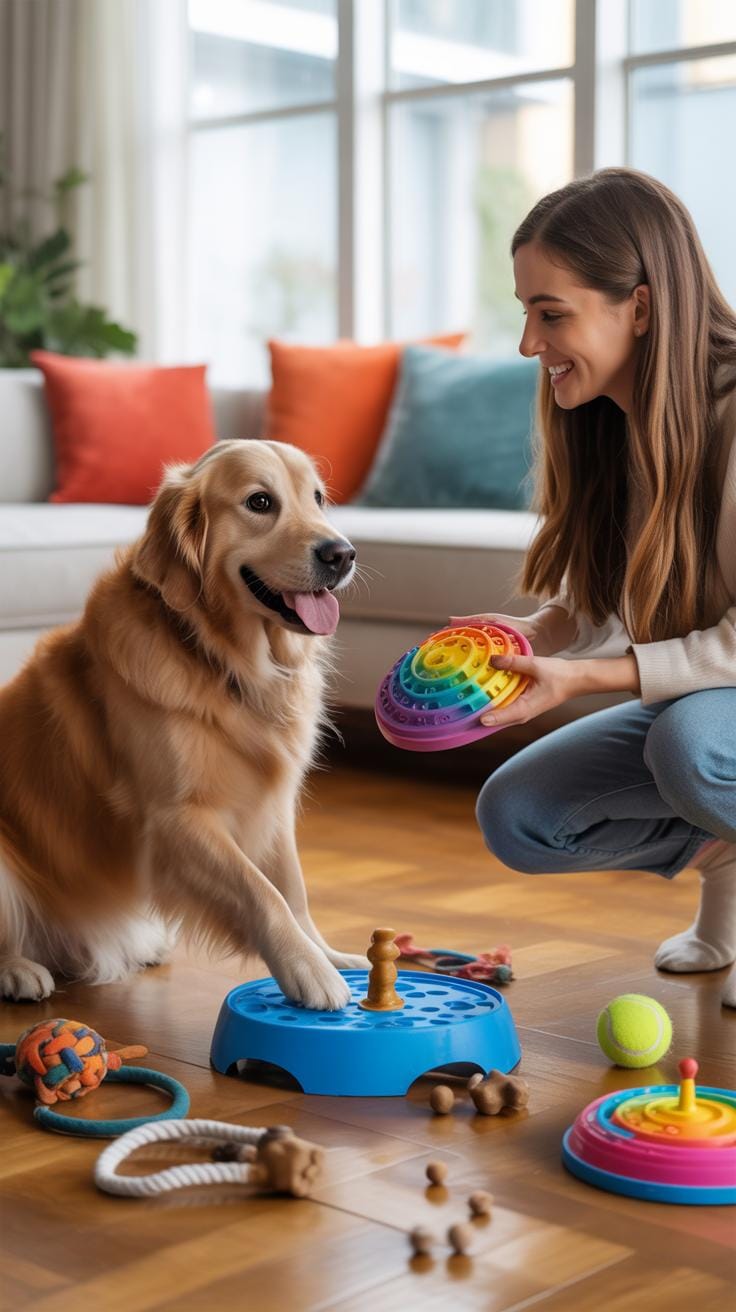
Hide and seek leverages a dog’s primary sensory tool. Dogs possess up to 300 million olfactory receptors in their noses. This game forces the animal to use its brain to filter scents. You start by placing high-value treats in plain sight. Use a release command to initiate the search. Gradually increase the difficulty by placing items under rugs or behind furniture.
This activity lowers cortisol levels by providing a structured outlet for natural foraging behaviors. It bridges the gap between physical exercise and cognitive labor. You must remain quiet during the process to ensure the dog relies on scent rather than verbal cues. This builds confidence and independent problem-solving skills. Repeat this drill twice daily for ten minutes to see significant behavioral improvements.
The Shell Game And Cup Puzzles As Engaging Dog Brain Games
The shell game tests focus and visual tracking abilities. Place three identical opaque cups on the floor and hide a treat under one. Rotate the cups slowly while your dog watches the movement. This requires the dog to maintain attention on a specific target. It mimics the cognitive demands of high-level obedience training. The game rewards calm observation and precise identification.

Precision is the goal of this exercise. If the dog guesses wrong, show the treat but do not give it. This teaches the dog that accuracy matters more than speed. You can increase the rotation speed as the dog improves. Use heavy cups that the dog cannot easily tip over by accident. This ensures the dog must use its nose or paw to signal the choice.
Mental Stimulation For Dogs DIY Homemade Puzzles And Activities
How To Build A Simple Muffin Tin Puzzle With Household Items
The muffin tin puzzle utilizes standard kitchenware to challenge a dog’s spatial reasoning and scent detection. This strategy forces the animal to solve a physical problem before receiving a caloric reward. Use a metal or silicone tray with six or twelve indentations. This setup creates a controlled environment where the dog must manipulate objects to access hidden food items.
- Muffin Tin: Use a standard metal or silicone baking tray. The depth of the holes provides the necessary physical barrier. Ensure the tray is clean and free of sharp edges that could cause injury during active engagement.
- Tennis Balls: These act as the primary obstacles. Standard size balls fit most muffin tins perfectly. The dog must learn to lift or nudge the ball away to reveal what lies beneath it in the cup.
- High-Value Treats: Select small pieces of food with a strong scent profile. Smelly treats motivate the dog to use its nose to locate the specific cups containing the reward. This engages the olfactory system and increases focus levels.
- Non-Slip Mat: Place the tin on a rubber mat or carpet. This prevents the tray from sliding across the floor while the dog works. Stability ensures the dog focuses on the puzzle rather than chasing the tray around the room.
- Supervision: Watch the dog during the initial sessions. Some dogs might try to chew the tennis balls or flip the entire tray. Correct improper behavior immediately to ensure the dog learns the intended mechanics of the specific mental task.
Control the difficulty by varying the number of balls used. Begin by placing treats in every cup and covering only half with balls. As the dog improves, place treats in fewer cups and cover every hole. This progression maintains the challenge and prevents boredom. This activity burns mental energy faster than a standard walk because it requires constant decision making and motor skills.
The world is full of magical things patiently waiting for our wits to grow sharper. A dog’s mind, like our own, finds its greatest joy in the discovery of a hidden scent or a new puzzle to solve.
Repurposing Cardboard Boxes And Bottles Into DIY Enrichment Toys

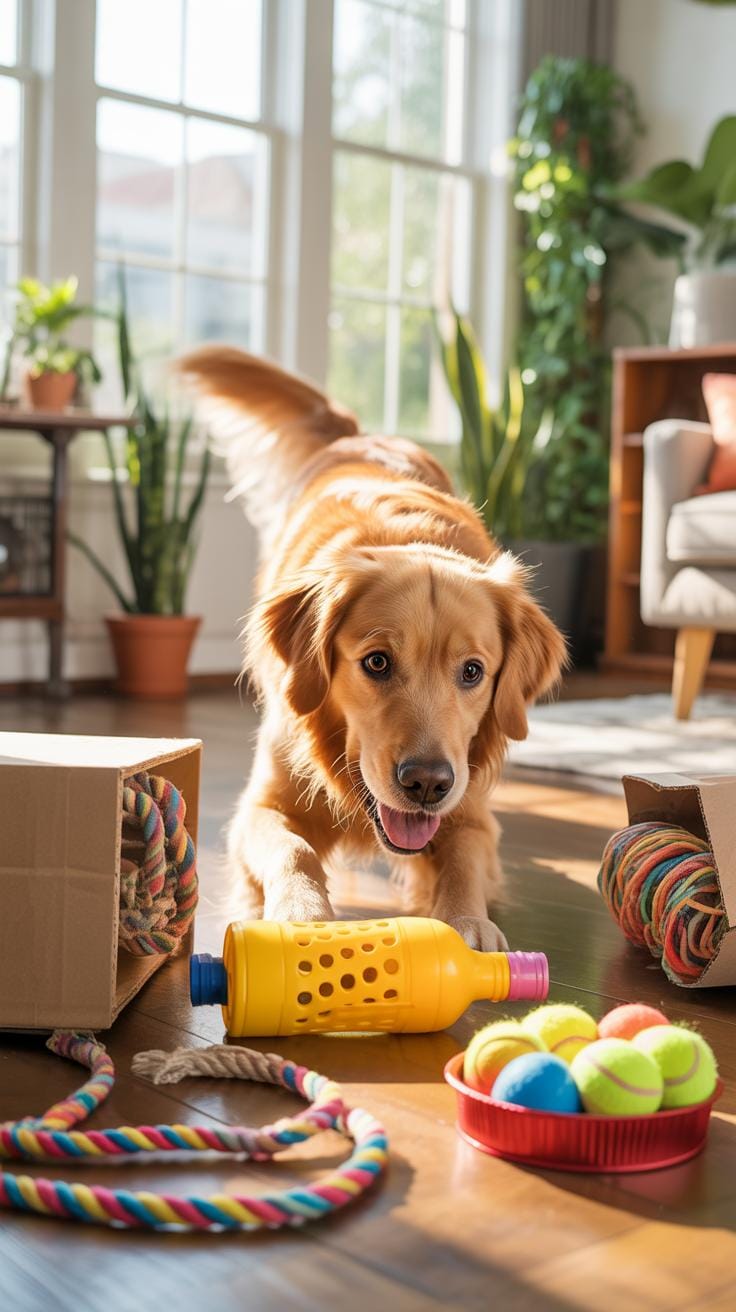
Empty cardboard boxes and plastic bottles provide raw materials for high-intensity destructive foraging. Dogs possess a natural drive to shred and dissect items. You can satisfy this urge safely by hiding kibble inside nested boxes. Place small treats in a small box, tape it shut, and put it inside a larger box. The dog must work through layers to reach the food reward.
Remove all plastic caps and rings from bottles before use to prevent choking hazards. Cut small holes in the sides of a dry plastic water bottle and fill it with dry food. As the dog bats the bottle around, food falls out at random intervals. This creates an unpredictable reward schedule which keeps the dog engaged for longer periods. Always discard damaged cardboard or plastic immediately after the session ends.
Scent Based Brain Activities For Dogs That Tap Into Natural Instincts
Introduction To Nose Work And How Scent Detection Engages The Dog Brain
Dogs possess up to 300 million olfactory receptors in their noses. Humans have only about six million. A significant portion of the canine brain focuses specifically on processing smells. When a dog engages in scent detection, the olfactory bulb transmits data directly to the limbic system. This process regulates emotions and memory. High intensity sniffing lowers a dog’s heart rate and reduces cortisol levels.

Nose work provides mental exhaustion that physical exercise cannot match. It forces the dog to use problem solving skills to locate a specific odor source. This activity taps into ancient hunting instincts. It build confidence in fearful dogs by allowing them to master their environment. Professionals use scent work to stabilize high energy breeds. This work provides a productive outlet for natural biological drives.
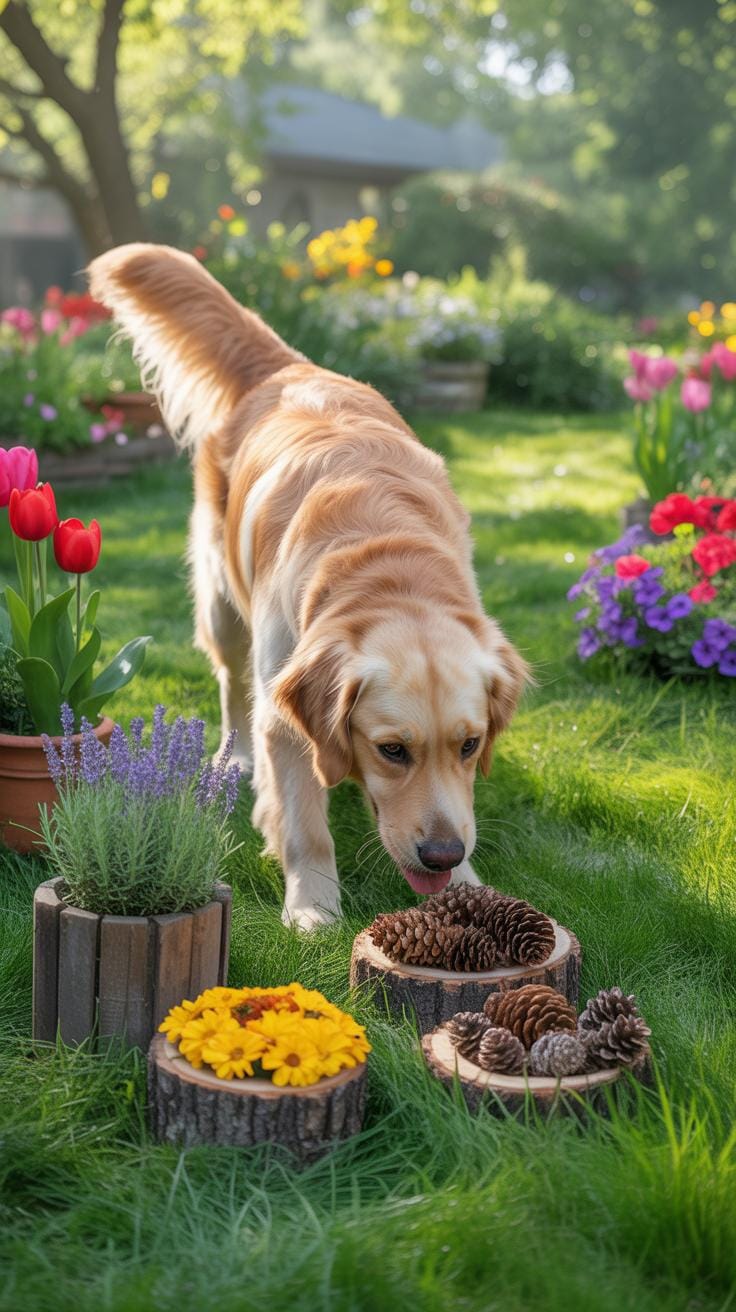
Setting Up A Simple Sniff Trail Or Scent Garden At Home
A sniff trail uses high value food or target odors to create a path for the dog to follow. Place small treats in a line across a grass or floor surface. Increase the difficulty by adding turns or hiding treats under objects. This setup encourages the dog to keep its head down and focus. Focus on the scent rather than visual cues to ensure maximum brain engagement.
A scent garden uses physical plants or stationary objects to provide sensory variety. Use dog safe herbs like rosemary, lavender, or mint to create localized smell stations. Arrange these items in a dedicated outdoor space or use indoor pots. Rotate the scents weekly to prevent habituation. This constant variation keeps the environment novel. It forces the dog to process new data during their daily routine.
Dog Enrichment Ideas Using Training As A Mental Workout
Teaching New Tricks And Commands As A Form Of Cognitive Enrichment

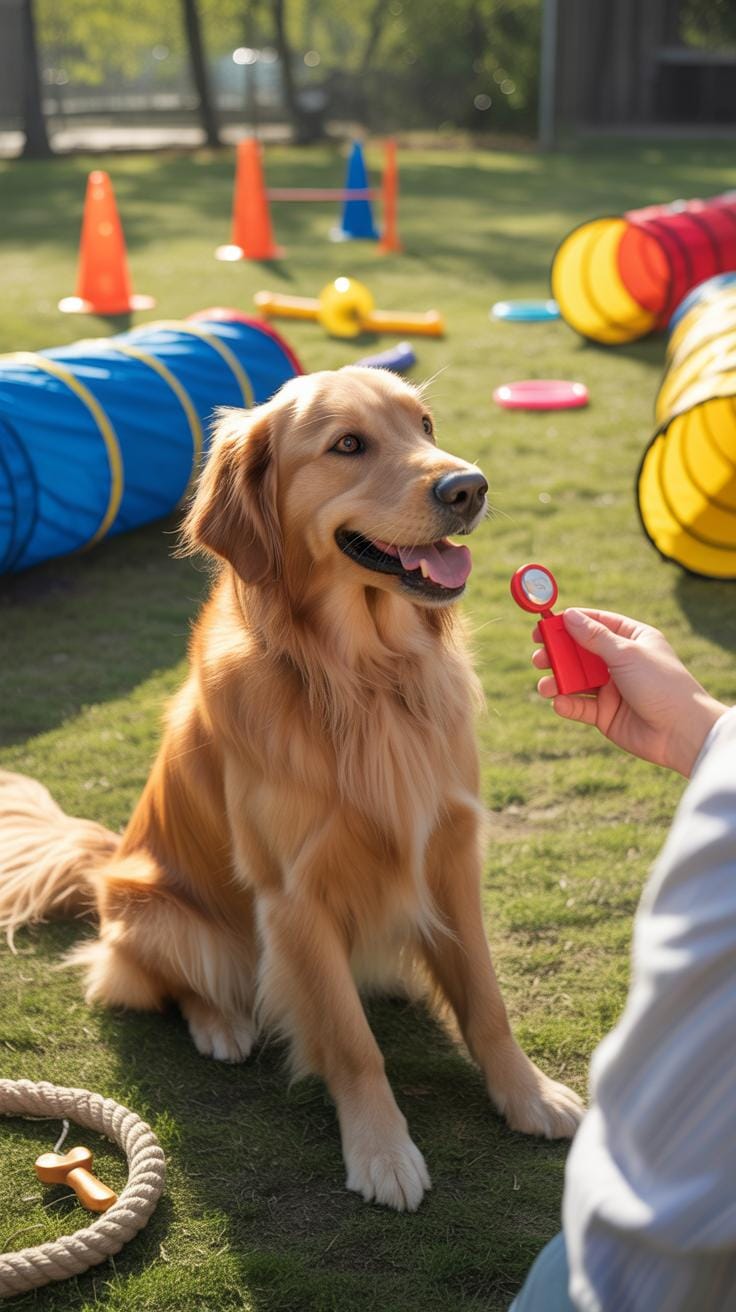
Training serves as a practical cognitive workout. Every new command forces a dog to process unfamiliar verbal and visual cues. This process builds new neural pathways in the brain. Most owners stop at basic obedience. This is a mistake. Advanced tricks require higher levels of focus and physical coordination. Constant learning prevents age-related mental decline. It keeps the dog sharp and engaged.
Short training sessions provide high intensity mental stimulation. Spend fifteen minutes on a complex task like fetching specific named objects. This tires a dog more than a long walk. It forces the animal to use its memory and discrimination skills. Focus on precision and consistency during these sessions. You establish a clear communication loop. This strengthens the bond while meeting the dog’s biological need for work.
How Shaping And Clicker Training Challenge A Dogs Problem Solving Ability
Shaping is a powerful training technique. You do not lure or physical guide the dog. Instead, you wait for the dog to offer a behavior. You mark and reward small steps toward the final goal. This method forces the dog to think and experiment. It creates an active learner rather than a passive follower. The dog must solve the puzzle to earn the high value reward.
Clicker training provides instant feedback. The distinct sound marks the exact moment the dog performs a correct action. This precision reduces confusion and speeds up the learning process. It encourages the dog to take risks and try new movements. You turn training into a game of hot and cold. This high level of engagement burns significant mental energy. It builds confidence and improves the dog’s ability to learn future tasks.
Interactive Feeding Strategies That Double As Mental Stimulation For Dogs


Switching From A Bowl To A Slow Feeder Or Lick Mat For Mealtime Enrichment
Standard food bowls allow dogs to consume their entire caloric intake in seconds. This speed eliminates a natural opportunity for cognitive work and often leads to digestive issues. Replacing the bowl with a slow feeder or lick mat forces the dog to use problem solving skills. They must navigate a silicone or plastic landscape to reach their food. This simple change turns a mindless chore into a tactical mental exercise.
Lick mats offer a different sensory experience by triggering the release of endorphins through repetitive tongue movement. Spread soft food across the textured surface to increase the time spent on a single meal. This technique lowers stress levels while providing consistent mental engagement. Use these tools daily to build a routine that prioritizes focus over speed. Owners gain a calmer animal by making food harder to access through intentional design.
Using Food Dispensing Toys And Puzzle Feeders To Extend Mental Engagement
Food dispensing toys require the dog to manipulate an object to earn a reward. These devices use gravity or mechanical friction to release kibble only when the dog applies specific movements. Dogs must nudge, flip, or roll the toy to succeed. This mimicry of foraging behavior engages their predatory drive in a safe environment. It builds persistence and improves the animal’s ability to handle frustration through structured play.
Advanced puzzle feeders introduce multiple layers of complexity by involving sliders, lids, and removable components. These tools test the dog’s memory and fine motor skills during every meal. You can adjust the difficulty level as the dog becomes more proficient at the task. This progressive challenge ensures the mental stimulation remains effective over time. High drive breeds specifically benefit from this high intensity cognitive work to prevent destructive behaviors in the home.

Social And Environmental Dog Enrichment Ideas For Everyday Life
How New Environments And Sights Provide Natural Mental Stimulation For Dogs
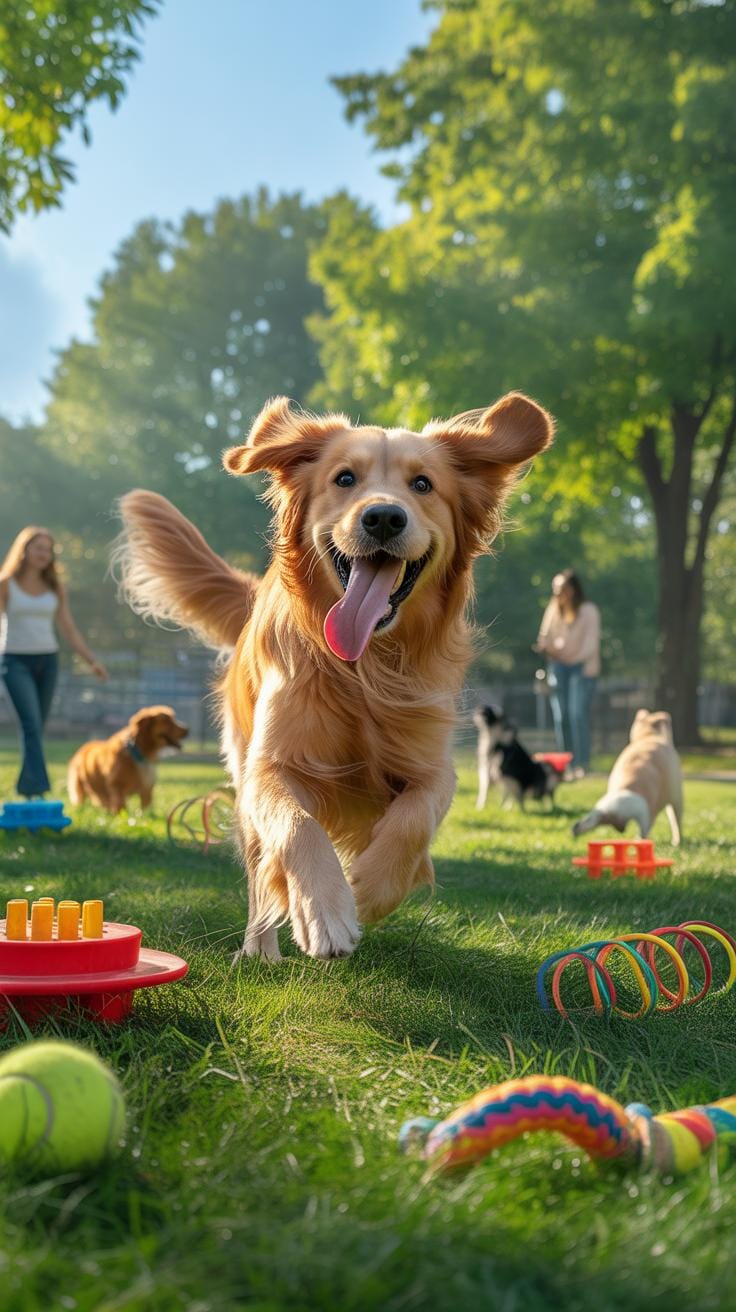
Dogs process information through the olfactory bulb and the visual cortex. Navigating a new environment forces the brain to map unfamiliar territory. This creates new neural pathways. Novelty triggers a dopamine release. A different trail or an industrial park offers unique scents. These scents act as data points. The dog analyzes these signals to understand the area. This work tires the brain faster than physical exertion.
Change your route to break the habit of autopilot walking. Stop at new surfaces like gravel, sand, or metal grates. These textures provide tactile feedback. Visual changes also matter. Watching traffic or cyclists from a distance builds focus and calm. You do not need long trips. A five-minute session in a new parking lot provides more mental load than a mile on a familiar path.
Structured Playdates And Social Interaction As A Form Of Dog Enrichment
Social interaction requires constant communication. Dogs use body language, ear position, and tail movement to signal intent. This social processing is a high-level cognitive task. It requires the dog to read a partner and react appropriately. Managing these interactions builds impulse control. A structured playdate is not a free-for-all. It is a controlled environment where dogs practice social cues. This prevents boredom and reduces frustration.
Select play partners with compatible styles to ensure success. Monitor the intensity of the play. Break the session if the energy becomes too high. This teaches the dog to regulate its own arousal levels. Use neutral ground for meetings to remove territorial stress. Regular social exposure keeps the brain sharp. It prevents the atrophy of social skills. Proper socialization makes a dog more adaptable to the human world.
Breed Specific Mental Stimulation Ideas For Dogs With High Cognitive Needs
Working And Herding Breeds: Why Standard Activities Often Fall Short
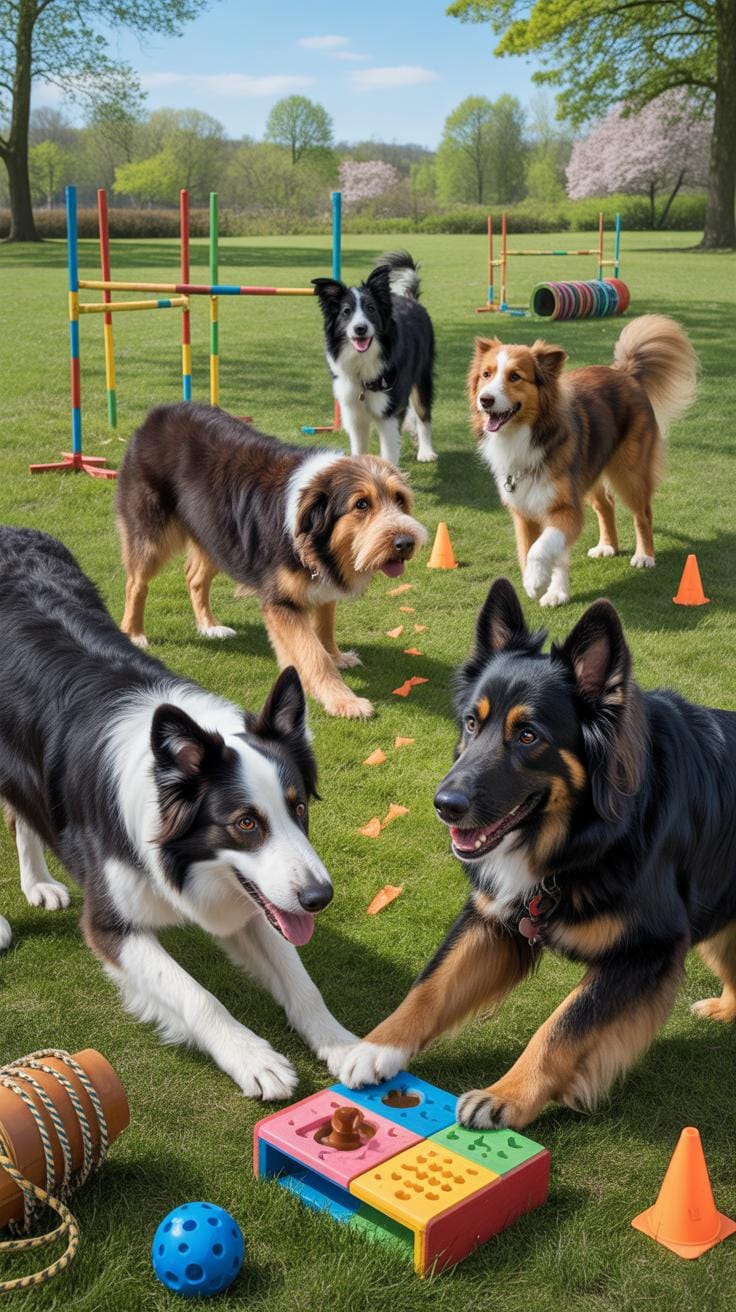
Working and herding breeds evolved to perform complex tasks in demanding environments. Border Collies, Malinois, and German Shepherds possess high neural plasticity and massive energy reserves. Standard walks fail because these dogs prioritize task completion over simple movement. They require a job to occupy their minds. Without a clear objective, these breeds often develop destructive habits or obsessive behaviors to vent their internal pressure.
Standard toys provide passive engagement that lacks the mechanical challenge these dogs crave. Forcing a working dog into a sedentary lifestyle ignores centuries of selective breeding. They need activities that mimic their historical roles such as sorting, searching, or patrolling. Success requires structured puzzles that force the dog to make independent choices. If the activity lacks a clear start and finish, it will not satisfy their drive.
Tailoring Brain Activities For Dogs Based On Instinct, Drive, And Energy Level
Effective mental training requires matching the activity to the genetic history of the dog. You must identify if your dog is a sighter, a fetcher, or a guardian. Use their natural prey drive or tracking ability to dictate the game. Low-impact movements can still yield high cognitive exhaust if the task is sufficiently difficult. Focus on high-value rewards that reinforce the specific behavioral sequence you want to encourage.
- Herding Simulations: Use large yoga balls or Treibball sets to mimic livestock movement. This forces the dog to use directional cues and spatial awareness to drive the object toward a goal. It taxes their impulse control and stamina simultaneously.
- Scent Discrimination: Hide specific essential oils or target scents within a search area. Scent work engages the olfactory bulb and requires intense focus. This mimics the historical tracking roles of hounds and pointers while draining mental energy quickly.
- Advanced Retrieval: Train the dog to identify and retrieve specifically named objects from a pile. This builds a large vocabulary and forces the dog to discriminate between shapes and textures. It turns a physical game of fetch into a complex memory exercise.
- Mobility Puzzles: Set up obstacle courses that require the dog to balance or crawl. This builds body awareness and requires the dog to think about foot placement. Working through physical challenges forces the brain to process proprietary feedback and remain calm under stress.
- Task-Based Delivery: Teach the dog to carry a light pack or bring you specific tools. Giving a dog a functional role within the household boosts their confidence. It provides a sense of purpose that aligns with the historical utility of working group breeds.
Balance mental load with physical recovery to avoid overstimulation and burnout. High-drive dogs often lack an off switch and need you to dictate the end of a session. Rotate through these specific tasks to prevent the dog from memorizing the solution too quickly. Keeping the routine unpredictable ensures the brain stays sharp and the dog remains engaged with the handler.
How To Build A Consistent Dog Enrichment Routine That Sticks
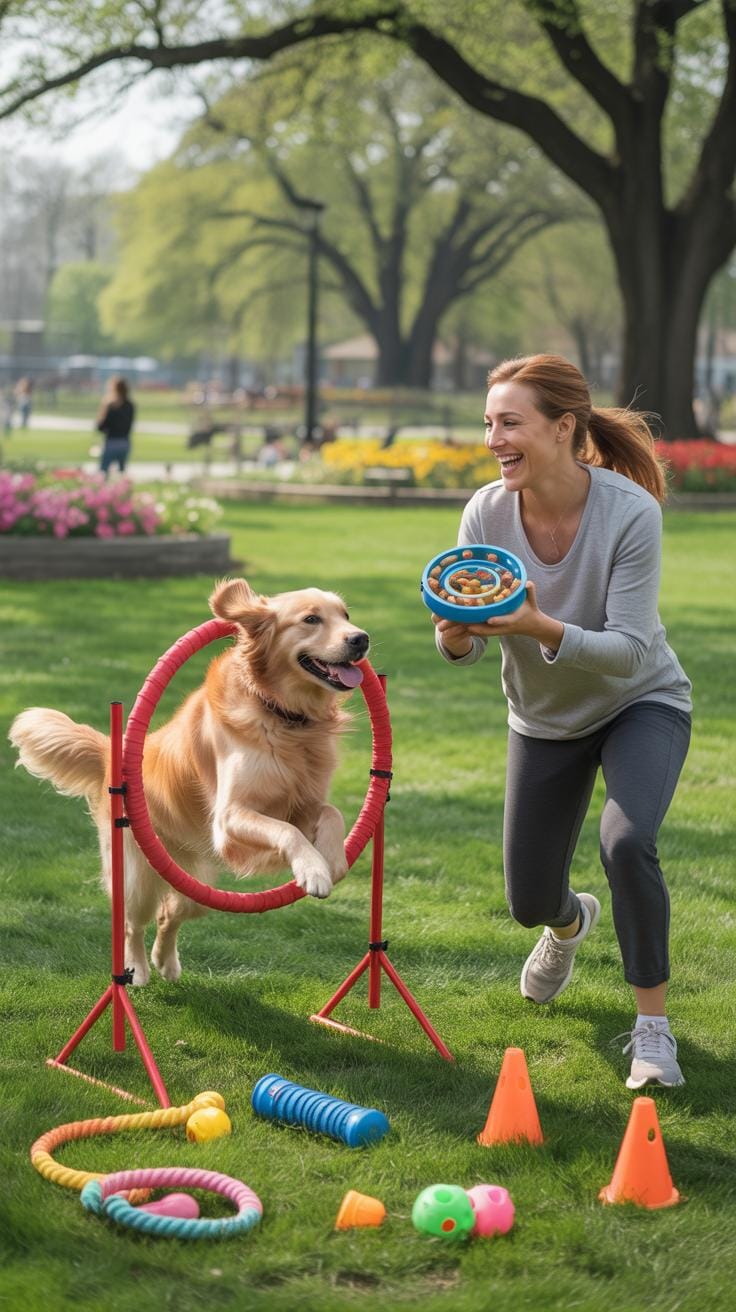
Balancing Physical Activity And Mental Stimulation In A Daily Dog Schedule
A successful routine requires a 50/50 split between physical exertion and cognitive work. High-energy breeds often fail to settle because owners focus only on running. This creates an athlete with no “off” switch. You must pair cardiovascular exercise with scent work or problem-solving. Use the morning for high-intensity movement. Use the evening for low-intensity brain games to lower the dog’s cortisol levels and heart rate.
Consistency trumps duration every time. A ten-minute session of structured shaping or nose work exhausts a dog more than a sixty-minute walk. Schedule these mental blocks during transition periods like meal times. Feed your dog using puzzles instead of bowls. This forces the brain to engage during natural periods of high motivation. Strategic planning ensures the dog remains calm and satisfied throughout the day without requiring hours of labor.
Signs That Your Dog’S Mental Enrichment Routine Is Actually Working
You will observe specific physiological and behavioral shifts when a routine is effective. The most prominent sign is an increase in passive rest. A mentally satisfied dog chooses to sleep without being told. You will notice a significant decrease in destructive behaviors like chewing furniture or excessive barking. These behaviors usually stem from boredom or frustration. When the brain is tired, the urge to create self-directed chaos disappears.
Long-term success shows up in the dog’s ability to focus despite distractions. You will see improved impulse control during walks and training sessions. The dog will recover faster from stressful events like loud noises or strange visitors. This emotional resilience proves the nervous system is balanced. Look for a dog that waits for direction rather than reacting to every stimulus. These indicators confirm your enrichment strategy is meeting the dog’s biological needs.
Frequently Asked Questions

Why is mental exercise just as important as physical exercise for my dog?
While physical walks are essential, mental engagement prevents boredom and destructive behaviors at home. Engaging your pet’s brain helps tire them out more effectively than a stroll around the block. By exploring various mental stimulation ideas for dogs, you can lower their stress levels and improve their overall cognitive health, ensuring they remain calm, satisfied, and well-behaved companions within your living space throughout the day.
How can I introduce scent work to my dog’s daily routine?
Scent work is one of the most effective mental stimulation ideas for dogs because it taps into their natural instincts. Start by hiding high-value treats around a room while your dog watches. Use a command like “find it” to encourage them to search. As they improve, hide the treats in more challenging spots or under cardboard boxes, forcing them to use their nose rather than their eyes to locate the rewards.
Are there ways to provide enrichment without buying expensive puzzle toys?
Absolutely! You can create amazing enrichment using common household items. Try rolling treats inside an old towel and tying it in a knot, or placing kibble inside a muffin tin covered with tennis balls. These DIY methods are fantastic mental stimulation ideas for dogs that don’t cost a cent. They challenge your pet to problem-solve and stay engaged, proving that high-quality lifestyle improvements for your dog can be both affordable and accessible.