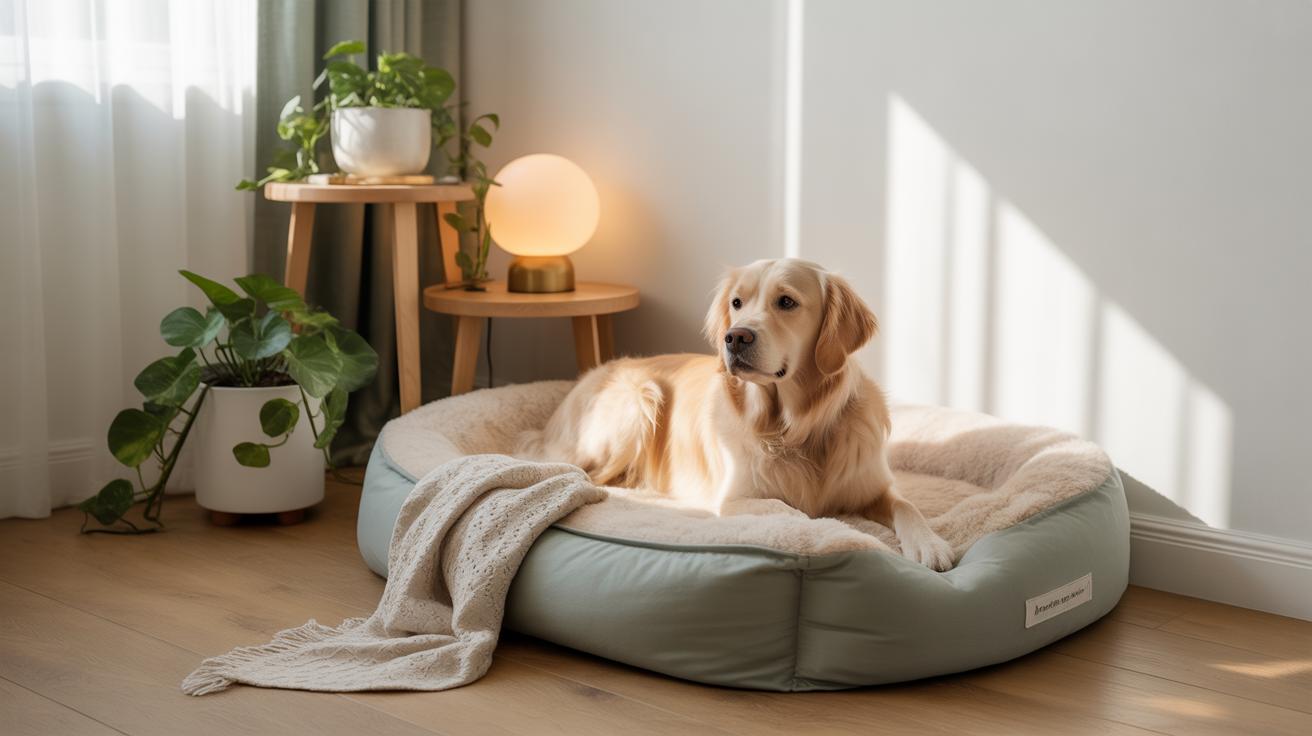
Understanding What Makes A Dog Bedroom Truly Calming
How Dogs Perceive Their Sleeping Environment
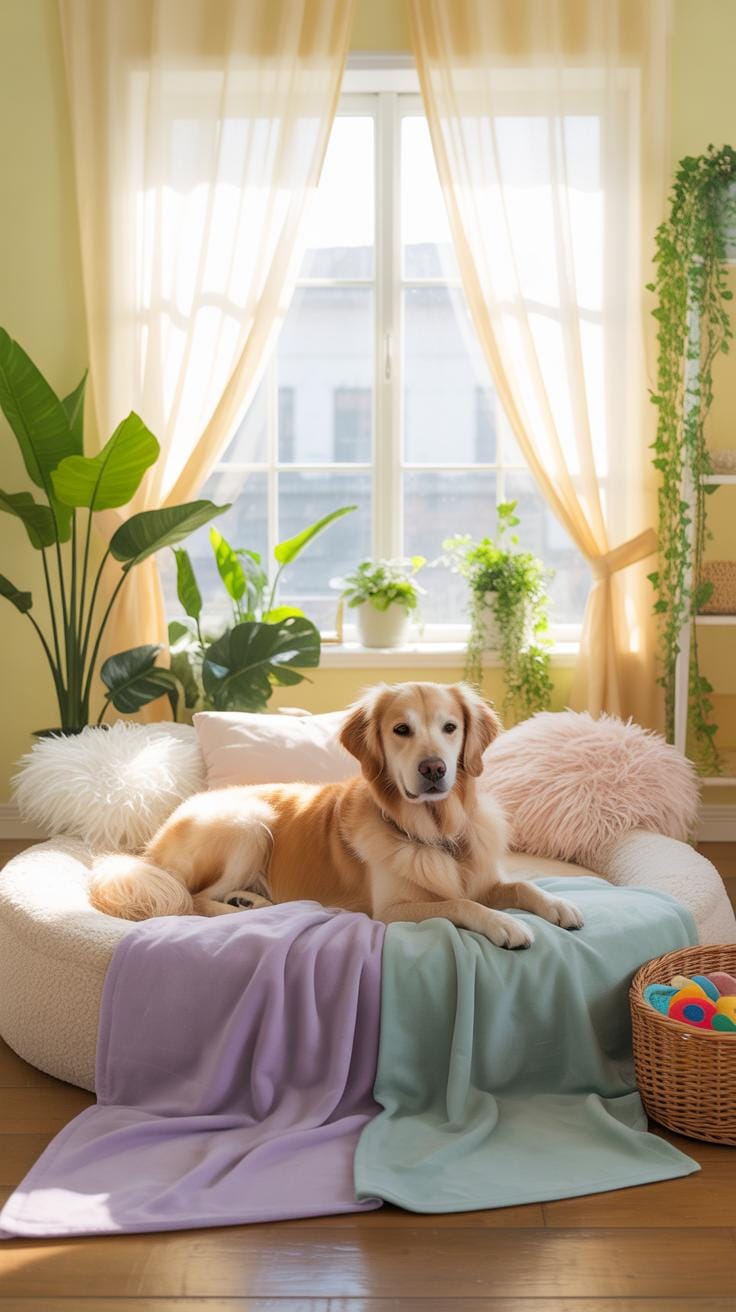
Dogs do not see the world like humans. They rely on scent and sound before visual aesthetics. A dog perceives a sleeping space through its olfactory bulbs and sensitive ears. They seek areas that smell like their pack for security. They also look for physical boundaries. Walls or raised edges provide a sense of protection from predators. This behavior stems from their ancestral denning instincts.
Light and color also impact their perception. Dogs see a limited color spectrum consisting mostly of blues and yellows. They lack the receptors for red and green. A calming environment avoids high-contrast patterns that cause visual overstimulation. Low light levels signal the brain to produce melatonin. A dark corner mimics a natural den. This setup helps the dog feel hidden and safe from environmental threats.
The Science Behind Stress And Comfort In Dogs
Stress in dogs triggers the release of cortisol. High cortisol levels prevent deep sleep and cause hyper-vigilance. Physical comfort reduces these levels. Contact with soft, supportive surfaces mimics the warmth of a litter. Orthopedic foam supports joints and lowers physical pain. Reduced pain leads to lower heart rates. A calm heart rate allows the dog to enter the REM cycle faster for better recovery.
Sound plays a major role in physiological stress. High-frequency noises or sudden thuds trigger the startle reflex. Soundproofing or white noise machines mask these triggers. This stabilizes the nervous system. Consistent temperatures also matter. A dog cannot relax if it must constantly regulate body heat. Aim for a cool, steady temperature. This stability tells the canine brain that the immediate environment is controlled and safe.

Choosing The Right Bedroom Corner For Your DogS Dedicated Space
How To Evaluate The Best Bedroom Corner Locations In Your Home
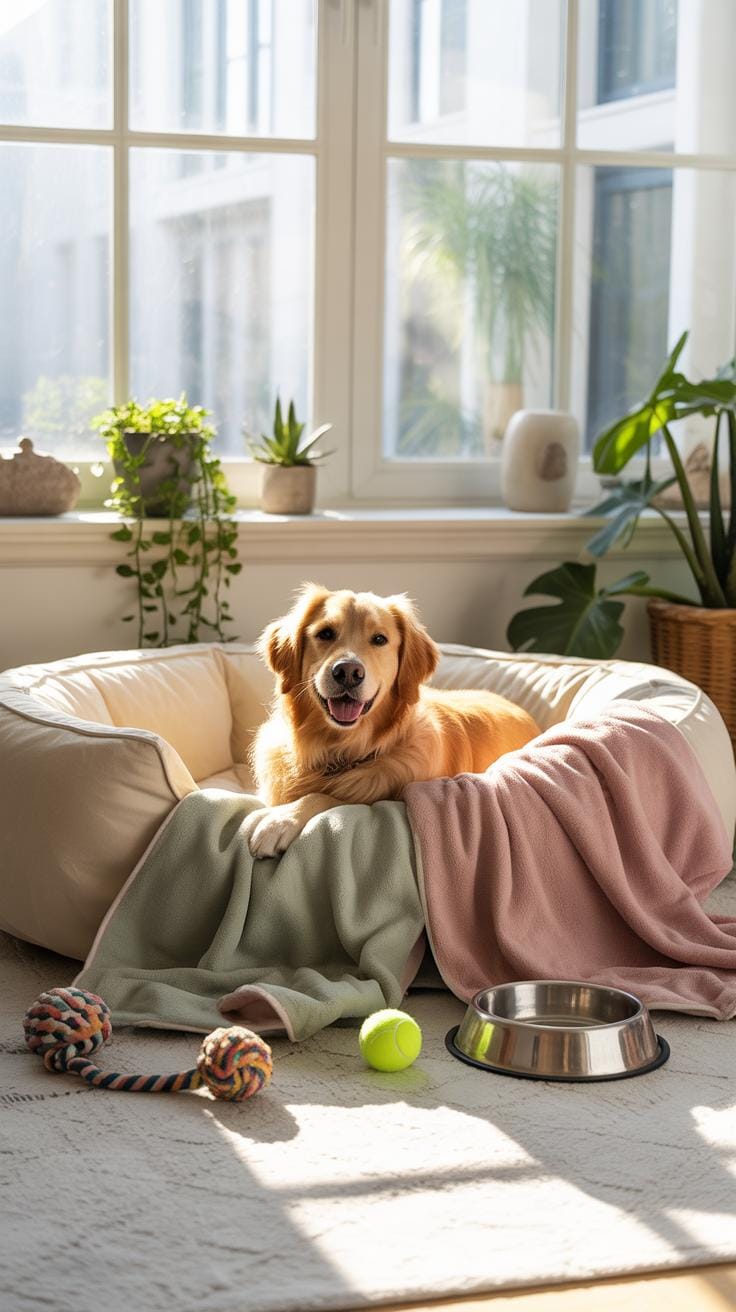
Select a corner away from high traffic paths and drafty windows. Heavy foot traffic triggers a dog’s guarding instinct and prevents deep sleep. Measure the floor space to ensure your dog can stretch fully without hitting walls or furniture. Check for nearby electrical outlets or cords that pose a safety risk. A solid wall behind the bed provides a sense of physical security for the animal.
Audit the light and sound levels in your chosen spot. Avoid areas directly under air vents or next to loud appliances. Natural light is beneficial during the day but the space must remain dark at night. Use a corner with minimal vibration from household machinery. A consistent environment helps regulate the dog’s internal clock. Proper placement reduces cortisol levels and encourages your dog to use the space voluntarily.
To sit with a dog on a hillside on a glorious afternoon is to be back in Eden, where doing nothing was not boring, it was peace. Creating a soft corner for them is simply building a small piece of that paradise right at home.
Balancing Your Dog’S Need For Privacy With Staying Close To The Family
Dogs are pack animals and require sightlines to their owners to feel safe. Position the bed so the dog can see the room entrance without being in the way. This layout satisfies their natural denning instinct while maintaining social connection. A corner that offers a view of the bed or main seating area works best. Total isolation often leads to anxiety and destructive behavior.

Privacy does not mean total seclusion from the family unit. Use furniture like a side table or a low partition to create a physical boundary. This defines the dog’s personal territory within the shared room. Modern canine behavior studies show that dogs sleep better when they feel part of the group. Strategic placement allows the dog to retreat when tired while still feeling protected by the presence of the pack.
Essential Elements To Include In Your Bedroom For Dogs Ideas
Selecting The Right Bed Crate Or Cushion For Comfort And Security
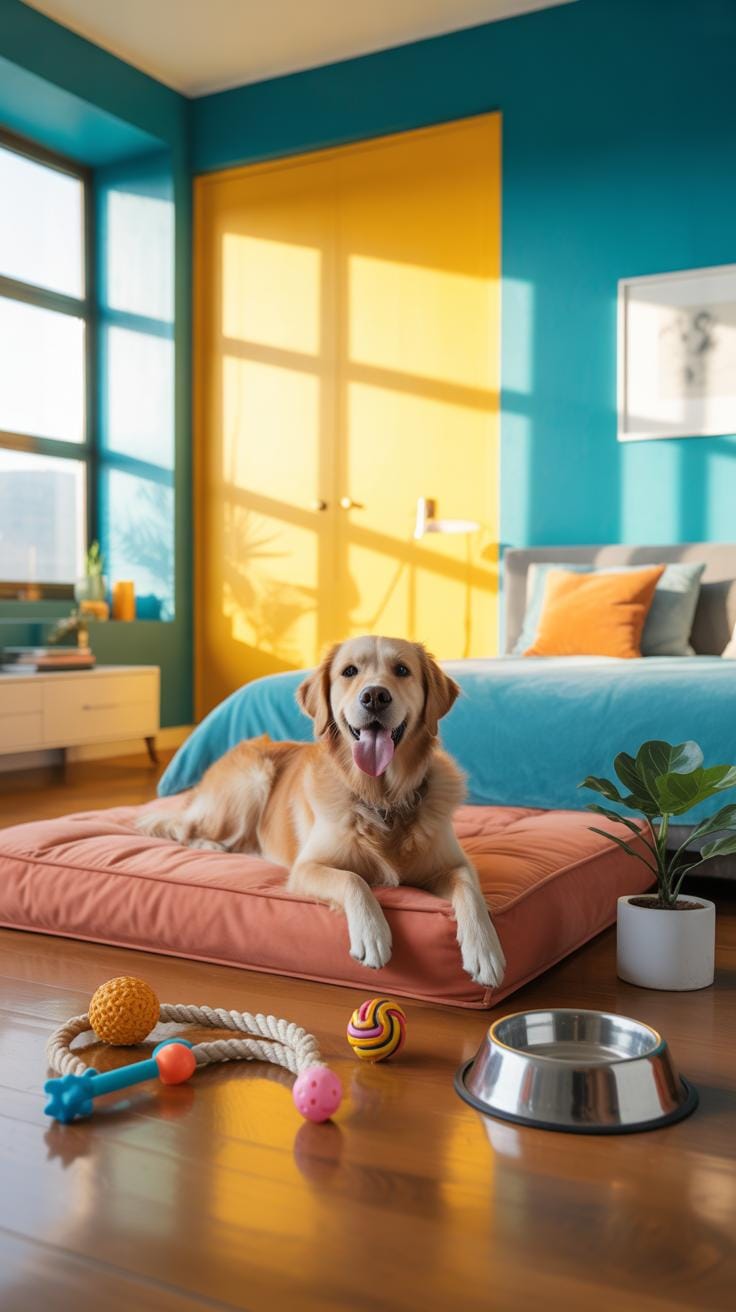
Dogs require a specific sleep surface to reduce joint pressure and manage anxiety. Orthopedic foam provides the best support for a dog’s skeletal system. High-density memory foam distributes weight evenly and prevents sores. Avoid cheap polyester fill as it lumps quickly and offers zero structural support. A quality bed acts as a foundation for the entire calming environmental strategy.
Select a bed shape based on natural sleeping postures. Curled sleepers need bolstered sides to feel protected and secure. Sprawlers require flat mattresses with open edges for maximum temperature regulation and movement. For anxious dogs a crate provides a den-like environment that mimics natural burrows. Proper sizing ensures the dog can stand up and turn around without hitting the sides.
Must Have Accessories And Items For A Well Equipped Dog Nook
Functional accessories complete the tactical design of a dog corner. Each item must serve a specific psychological or physiological purpose to be effective. Focus on utility over aesthetics to ensure the space actually works for the animal. Remove any items that create clutter or potential hazards. High-quality materials resist wear and simplify the cleaning process for the owner.
- Sound Machines: White noise or specialized canine music masks sudden outside sounds that trigger barking. Consistent auditory environments lower cortisol levels and help dogs maintain deep sleep cycles throughout the night.
- Pheromone Diffusers: Synthetic versions of calming dog pheromones send chemical signals of safety to the brain. These devices plug into wall outlets and provide constant stress relief without the use of oral medications.
- Weighted Blankets: Gentle pressure mimics the sensation of being held and releases oxytocin in the dog. Use blankets specifically designed for pets to ensure the weight is safe for their body size and mass.
- Blackout Covers: Heavy fabric covers for crates block visual stimuli that cause hyper-vigilance. Removing light and movement helps the dog settle faster and prevents them from reacting to shadows or passing foot traffic.
- Non-Spill Water Bowls: Hydration is essential but standard bowls create mess and slip hazards. Use heavy ceramic or silicone-based bowls with high walls to keep the sleeping area dry and safe for the dog.

Storage solutions keep the area clean and reduce distraction. Use bins to hold toys that the dog uses for self-soothing or chewing. A clean space reduces the mental load on the animal and keeps them focused on rest. Ensure all accessories are durable and easy to sanitize. Proper maintenance prevents the buildup of allergens and bacteria in the sleeping zone.
Calming Colors And Materials That Work Best In A Dog Corner
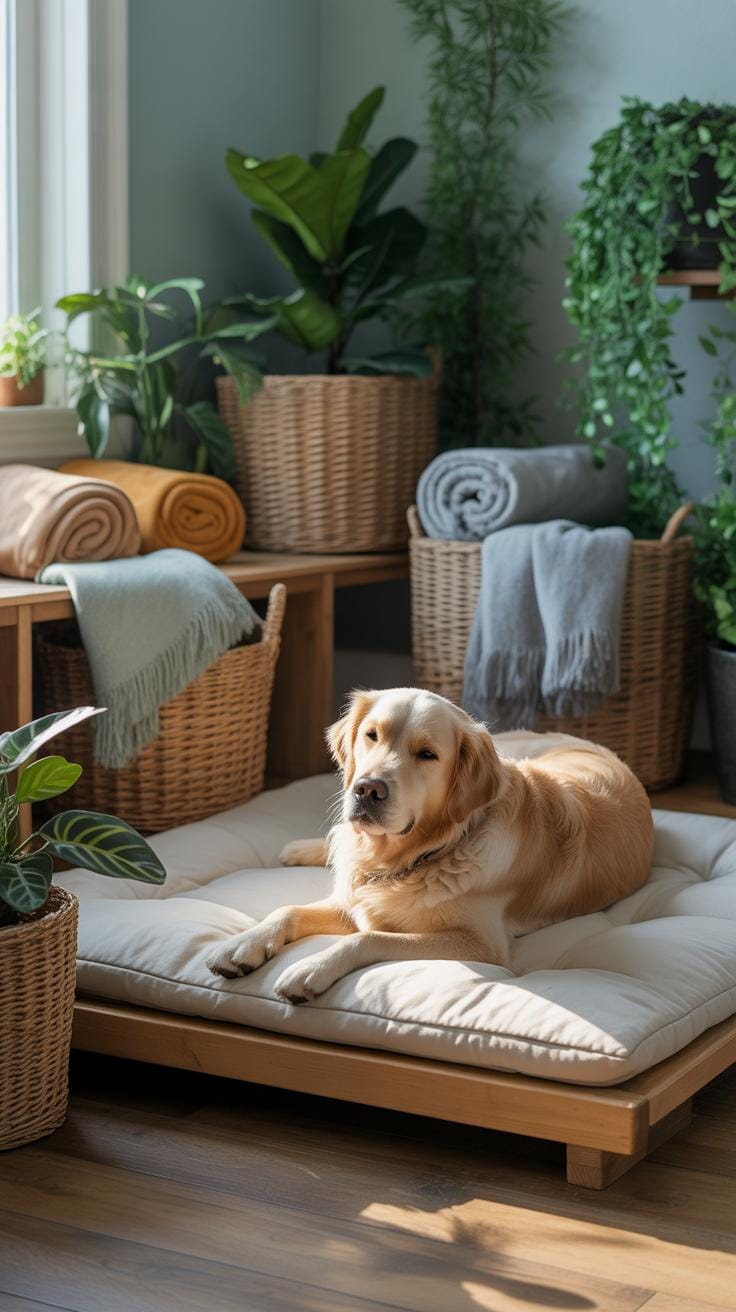
What Color Palettes Create A Soothing Atmosphere For Dogs
Dogs possess dichromatic vision. They see the world primarily in shades of blue and yellow. Avoid using reds or oranges in the dog corner. These colors look like dull brownish-gray to a dog and offer zero visual stimulation. Stick to pale blues and soft yellows to create a space the dog can actually distinguish. This clarity reduces environmental confusion and promotes a sense of safety.
Cooler tones like muted greens and grays also function well. While dogs do not see green as humans do, neutral tones provide a low-contrast environment. High contrast and bright white walls can cause glare that irritates canine eyes. Select matte finishes over high-gloss paints to eliminate reflections. This strategic color choice creates a predictable and stable visual field. Simple palettes lead to lower stress levels.
Choosing Pet Safe, Durable, And Easy To Clean Fabrics And Flooring
Select high-performance fabrics like micro-suede or tightly woven canvases for bedding. These materials resist puncture from claws and prevent hair from becoming trapped in the fibers. Avoid loose weaves or knits that snag easily. If using leather, ensure it is top-grain and protected. This prevents moisture absorption and makes wiping away grime easy. Proper material selection ensures the corner remains hygienic and lasts through heavy daily use.
Flooring must prioritize traction and moisture resistance. Natural cork or textured vinyl planks provide the best grip for older dogs or high-energy breeds. Hardwood is prone to scratches and water damage from drool or spills. If using rugs, choose low-pile synthetic fibers with a rubber backing. This prevents the rug from sliding when the dog shifts weight. Stable footing reduces physical anxiety and prevents joint injuries over time.
Lighting And Sound Considerations For Dog Rooms In House
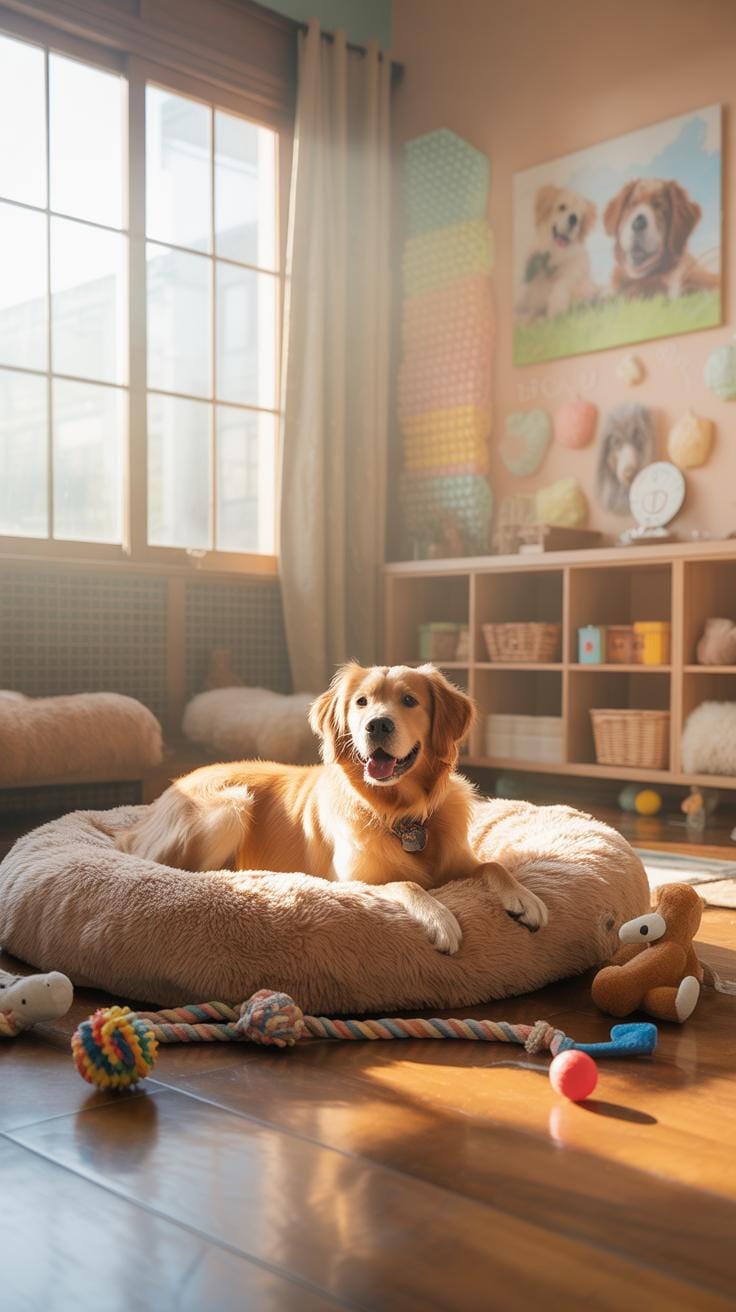
How Lighting Levels Affect Your Dog’S Ability To Relax And Sleep
Dogs follow a natural sleep cycle controlled by light exposure. Bright blue light from screens or modern LED bulbs disrupts melatonin production in their brains. This hormone regulates their internal clock. High light levels signal the body to stay alert and active. You must eliminate harsh overhead glare. Soft light mimics the natural progression of sunset. This prepares the dog for deep rest.

Warm amber bulbs provide the best environment for canine relaxation. Avoid flickering lights that are invisible to humans but stress a dog’s sensitive vision. Control natural light with blackout curtains to manage daytime naps. Darkness boosts the quality of their sleep. A dimmer switch allows you to lower intensities gradually. This tactical adjustment signals a shift from play time to quiet time.
Using White Noise, Calming Music, And Sound Dampening To Reduce Anxiety
External noise triggers a dog’s natural protective instincts. Sudden sounds like sirens or loud neighbors cause physiological stress responses. You can mask these triggers using white noise machines or specific sound frequencies. Constant low level sound creates a predictable environment. It helps the dog ignore small changes in the background. This strategy reduces barking and pacing behavior in high traffic homes.
Sound dampening materials further improve the dog’s personal space. Use heavy rugs or acoustic panels to absorb echoes in the room. These materials physically block intrusive vibrations that dogs feel through their paws. Calming music with a slow tempo mimics a resting heart rate. This biological match lowers cortisol levels in mammals. Consistent audio patterns ensure the dog feels safe and undisturbed.
Smart Storage And Organization Tips For Dog Areas In Bedroom
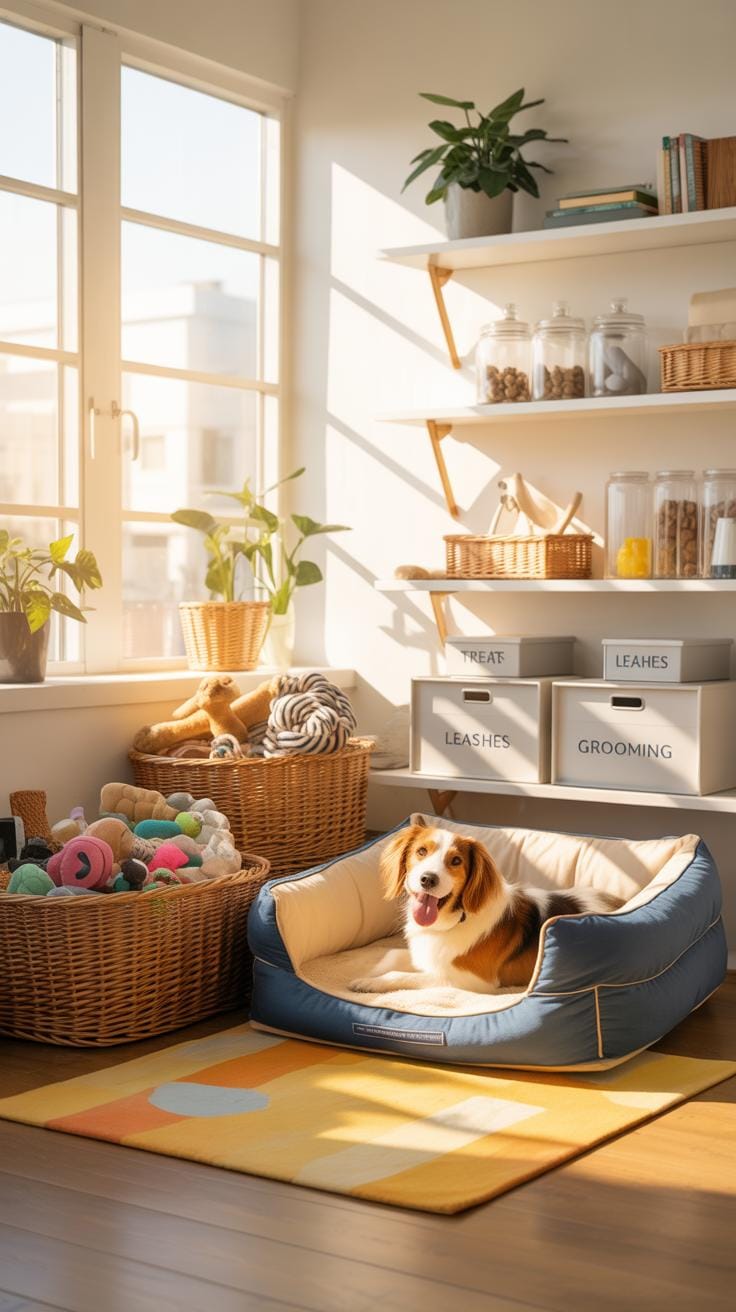
Guidance On How To Neatly Store Toys Leashes And Supplies In A Small Corner Space

Maximize vertical space to keep the floor clear. Use wall-mounted hooks for leashes and harnesses near the entry point. Small corners require tactical placement of items based on frequency of use. Keep daily essentials at eye level for quick access. Store seasonal items like winter coats or cooling vests in higher bins. This system prevents clutter from encroaching on the dog’s resting area.
Transparent bins allow you to identify contents quickly without rummaging. Use soft-sided baskets for toy storage to prevent noise during late-night retrieval. High-traffic items should stay within reach but out of the direct walking path. Maintaining a strict organization grid reduces sensory overload for the dog. A tidy space promotes a calmer environment. Professional organizers suggest grouping similar items to streamline the daily routine.
Built In And Furniture Based Storage Solutions That Keep The Room Tidy
Multi-functional furniture integrates dog supplies into the existing bedroom aesthetic. Custom cabinetry or modified dressers provide hidden compartments for bulky items like food bins or grooming kits. These solutions eliminate visual noise that contributes to a chaotic atmosphere. Selecting pieces with smooth finishes makes cleaning easier. Ensure all storage units remain stable and anchored to the wall for safety.
- Storage Ottomans: These pieces offer a hollow interior for bulky blankets or surplus toys. The padded top serves as a step for dogs needing help reaching the bed. This dual-purpose furniture saves square footage in small rooms.
- Custom Cabinetry Toe-Kicks: Install shallow drawers in the base of built-in cabinets. These hidden spots hold flat items like leashes and travel bowls. It utilizes often-wasted space at the floor level without adding furniture.
- Refitted Nightstands: Replace standard nightstands with units featuring open bottom shelves or integrated crates. This keeps the dog close to the owner while housing their bedding. It creates a seamless look within the bedroom furniture set.
- Wall-Mounted Cubbies: Floating shelves keep cleaning supplies and medications out of reach. Positioning these units high prevents curious dogs from ingesting harmful materials. Wood and metal materials provide durability and match most modern interior design styles.
- Under-Bed Rolling Bins: Use low-profile containers to store out-of-season gear or extra towels. Wheels allow for easy access under the bed frame. This keeps items dust-free and completely out of sight during the day.
Integrated storage prevents the bedroom from looking like a kennel. Built-in solutions prioritize floor space for the dog’s movement and comfort. Using matching materials ensures the dog’s area feels like a planned part of the room. High-quality hardware prevents drawers from sticking or making loud noises. These strategic design choices maintain a peaceful environment for both the owner and the pet.
Design Inspiration Room For Dog Spaces That Are Stylish And Functional

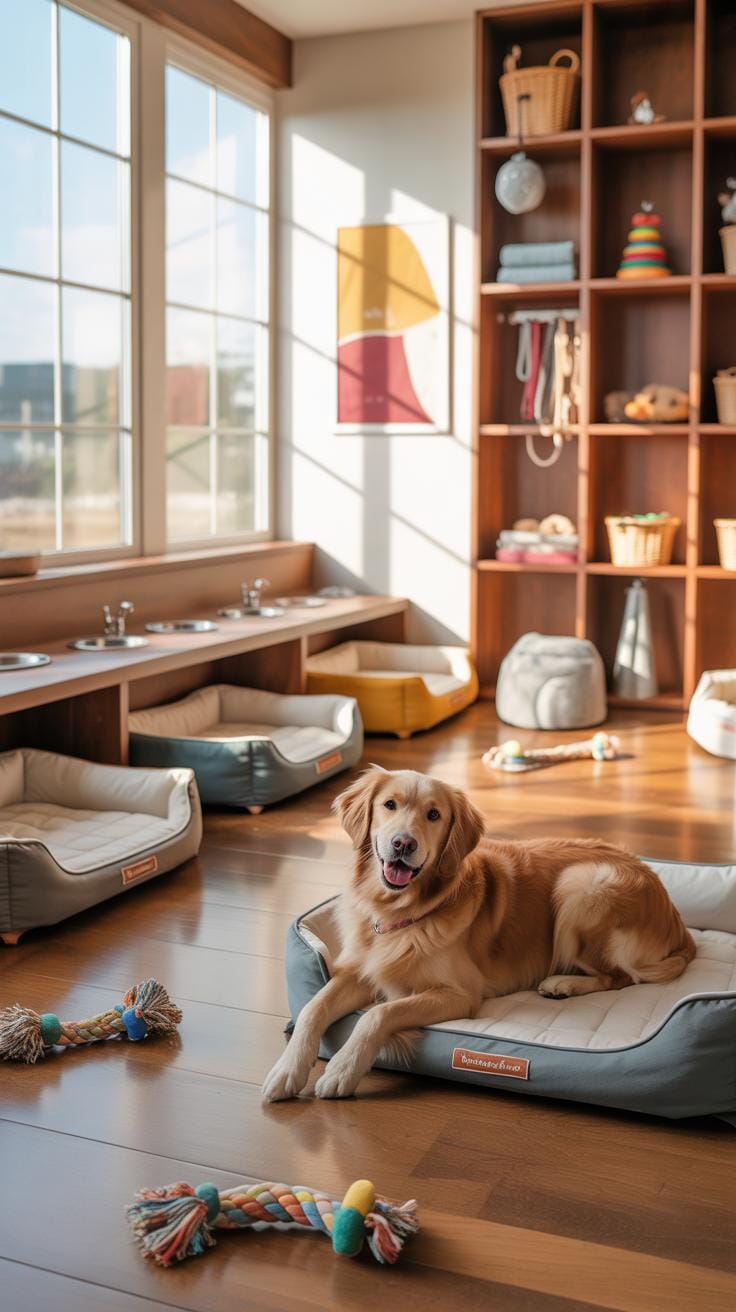
Modern And Minimalist Dog Nook Designs That Blend With Your Bedroom Decor
Modern design prioritizes clean lines and neutral palettes. You must match the dog bed textile to your existing room furniture. Choose high density foams that maintain a geometric shape over time. This prevents the messy look of sagging cushions. Position the nook inside existing furniture gaps or under sleek side tables. This saves square footage while providing the dog a defined boundary.
Use industrial materials like powder coated steel or bent plywood for crates. These materials withstand wear and offer a sharp visual profile. Avoid ornate patterns that clash with minimalist aesthetics. Select monochromatic tones like charcoal or slate to hide pet hair effectively. Correct placement near a window provides natural light without cluttering the floor. This approach treats the dog space as a structural element.
Cozy And Rustic Dogs Home Ideas That Feel Warm And Inviting
Rustic design utilizes natural textures like reclaimed wood and woven fibers. Use a sturdy wicker basket or a timber frame to create a tactile boundary. These materials provide a grounding effect in the bedroom. Ensure the wood is sanded smooth and treated with non toxic finishes. Thick wool blankets offer insulation and durability. This style works best in rooms with existing earth tones.
Incorporate repurposed furniture like vintage trunks or open bottom nightstands. These pieces provide a den like environment that dogs prefer for security. Line the interior with heavy canvas or fleece to absorb sound. Natural materials breathe better than synthetic fabrics. This reduces odors and keeps the temperature stable. Position the rustic unit against a solid wall to maximize the feeling of a permanent home.

Maintaining And Refreshing Your Dogs Bedroom Corner Over Time
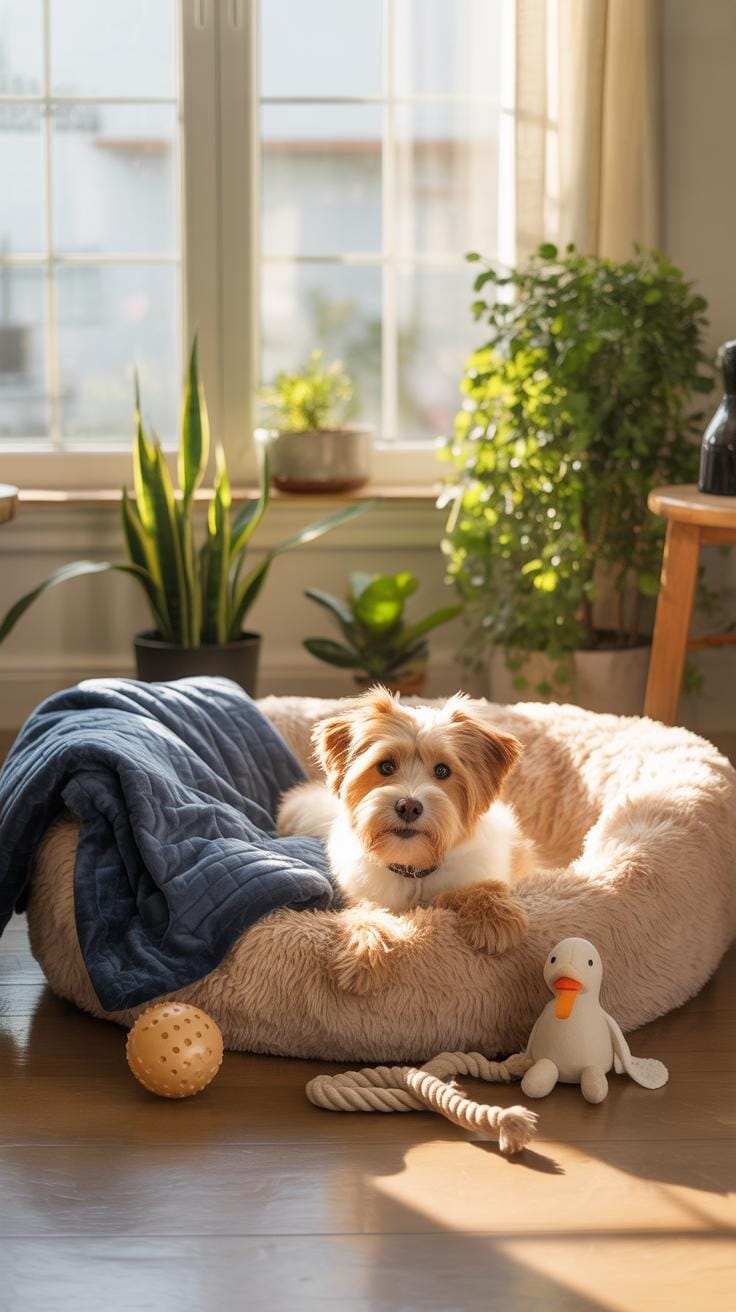
How Often To Clean, Replace, And Update Dog Corner Essentials
Wash all removable fabric covers weekly using scent-free detergents. This practice removes dander and prevents the buildup of skin oils that cause odors. High-quality canvas and denim materials withstand heat better than cheap synthetics. Vacuum the surrounding floor area every three days to manage fur accumulation. Deep clean the underlying mattress every six months to eliminate deep-seated allergens and dust mites that affect air quality.
Inspect the structural integrity of the bed and furniture quarterly. Low-density foam usually compresses and loses its supportive properties within twelve to eighteen months. Replace internal cushioning when it no longer rebounds to its original shape. Check weighted blankets for leaks or fraying seams immediately. Keeping the area free of physical hazards ensures the space remains a safe zone for the animal during high-stress events.
Adapting The Space As Your Dog Ages Or Their Needs Change
Transition from standard polyester fill to medical-grade orthopedic foam as your dog enters senior years. Older dogs require firm support to alleviate pressure on joints and bones. Simplify the layout by removing elevated steps or high-walled beds that impede movement. Ensure the flooring provides high traction to prevent slipping. Add heating elements only if they feature automatic shut-off timers to prevent thermal burns on thinning skin.
Modify the light and sound settings to accommodate sensory declines. Senior dogs often develop cataracts or lose hearing, making consistent spatial layouts critical for their confidence. Keep the corner in the same location to leverage their muscle memory. Introduce pheromone diffusers if the dog shows signs of cognitive dysfunction or increased nighttime anxiety. These tactical adjustments maintain the corner as a functional sanctuary throughout the entire life cycle.
Frequently Asked Questions

Why should I create a dedicated calming space for my dog in my bedroom?
Dogs are den animals by nature and instinctively seek out secure, quiet areas to decompress. By integrating calming dog bedroom ideas into your master suite, you provide a “safe zone” that reduces anxiety and promotes better sleep for both of you. Having a designated corner helps your pet understand where to go when they feel overwhelmed, ensuring they stay relaxed without encroaching on your personal sleeping space throughout the night.
How can I choose the best location and materials for a dog corner?
Look for a low-traffic corner away from drafty windows or noisy doors. To implement effective calming dog bedroom ideas, choose a high-quality orthopedic bed with soft, neutral-toned fabrics that blend with your decor. Add a weighted blanket or a piece of your clothing to provide a comforting scent. Consider using a small rug to define the area and acoustic panels or heavy curtains to dampen external household noises that might startle them.
Is it possible to design a relaxing dog nook on a limited budget?
Absolutely! You don’t need expensive designer furniture to create a peaceful retreat. Start by repurposing an old duvet as extra padding for an existing bed or using a simple wooden crate styled with a chic fabric cover. DIY solutions, such as painting a thrifted end table to serve as a bedside kennel or using white noise machines you already own, can effectively transform a simple corner into a high-end sanctuary.