Understanding Dog Car Sickness Why It Happens And What To Watch For
The Science Behind Motion Sickness In Dogs
Motion sickness in dogs stems from a sensory mismatch within the vestibular system. Located in the inner ear, this system controls balance and spatial orientation. When a car moves, the inner ear detects motion, but the eyes may focus on a static interior. This conflict sends confused signals to the brain. The brain processes this discrepancy as a toxin ingestion, triggering a physical response to clear the system.
Younger dogs suffer more frequently because their ear structures have not fully developed. Puppies often outgrow this condition as their bodies mature and regulate balance more effectively. For adult dogs, the cause is often psychological rather than physiological. Previous bad experiences create a learned fear response. The brain associates the vehicle with nausea or stress. This creates a cycle of anxiety that mimics physical motion sickness during every trip.
Common Signs And Symptoms Of Dog Car Sickness To Recognize Early
Early detection allows you to intervene before your dog vomits. Watch for excessive drooling or hypersalivation first. This happens because the brain triggers the salivary glands as a precursor to nausea. You might also notice your dog licking their lips repeatedly or yawning. These are not signs of boredom or hunger. They are tactical indicators that the dog feels internal unease and is trying to soothe the digestive tract.
Behavioral shifts serve as secondary warnings. A sick dog often becomes lethargic or motionless. Some dogs may whine or bark to signal distress. Look for panting that occurs without physical exertion or heat. If the dog refuses to move or looks stiff, pull over immediately. Managing these symptoms early prevents the dog from forming a permanent negative association with the car. Taking action now keeps the dog calm for the long drive.
How To Prevent Car Sickness In Dogs Before The Trip Even Starts
Pre Trip Feeding And Fasting: Timing Your Dog’S Last Meal Wisely
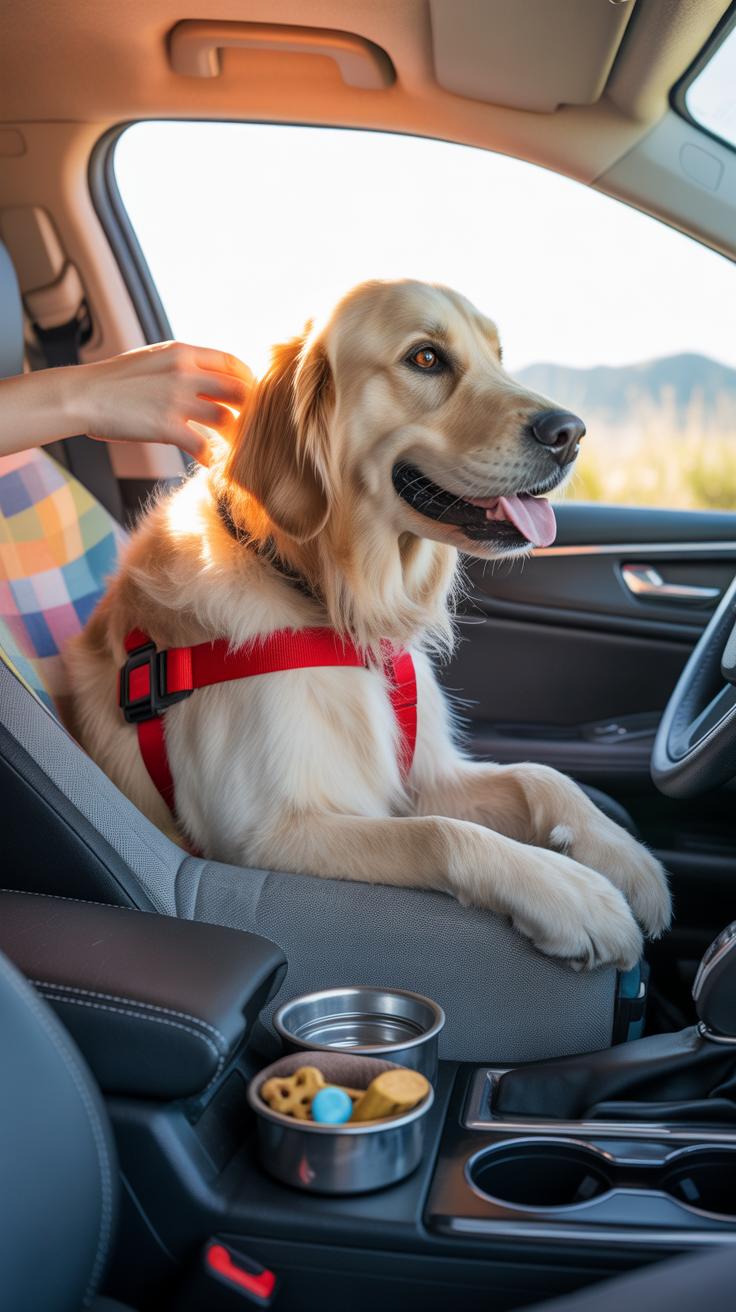
Empty stomachs reduce the risk of vomiting. Feed your dog a small meal twelve hours before departure. Most dogs benefit from fasting for six to eight hours before the car moves. An empty stomach keeps the digestive system quiet. This prevents the physical mess of motion sickness. Limit water intake right before you leave. These simple steps stop nausea before it starts.
You must handle blood sugar for small breeds. Tiny puppies can get lightheaded if they fast too long. Give them a tiny treat an hour before the ride. High protein snacks work best because they digest slowly. Avoid fatty foods or dairy products. These ingredients irritate the stomach lining during movement. Stick to a strict schedule to ensure a clean car and a comfortable pet.
Gradual Desensitization: Training Your Dog To Associate The Car With Calm
Desensitization breaks the link between the car and fear. Start by sitting in the parked car with your dog. Do not start the engine yet. Give them a favorite toy or praise. Spend ten minutes inside then go back to the house. This builds a neutral or positive memory. Fear causes physical stress that makes nausea worse. Eliminate the fear to reduce the sickness.
Increase the challenge once the dog stays calm while parked. Start the engine but do not move. Later move the car to the end of the driveway. Graduate to short trips around the block. Reward calm behavior immediately after every session. Consistency retrains the brain to ignore the motion. You are building tolerance for the inner ear and the eyes. This process takes time but works.
How To Help Your Dog Get In The Car Comfortably And Without Anxiety
How To Help A Dog Get Into The Car Using Positive Reinforcement Techniques
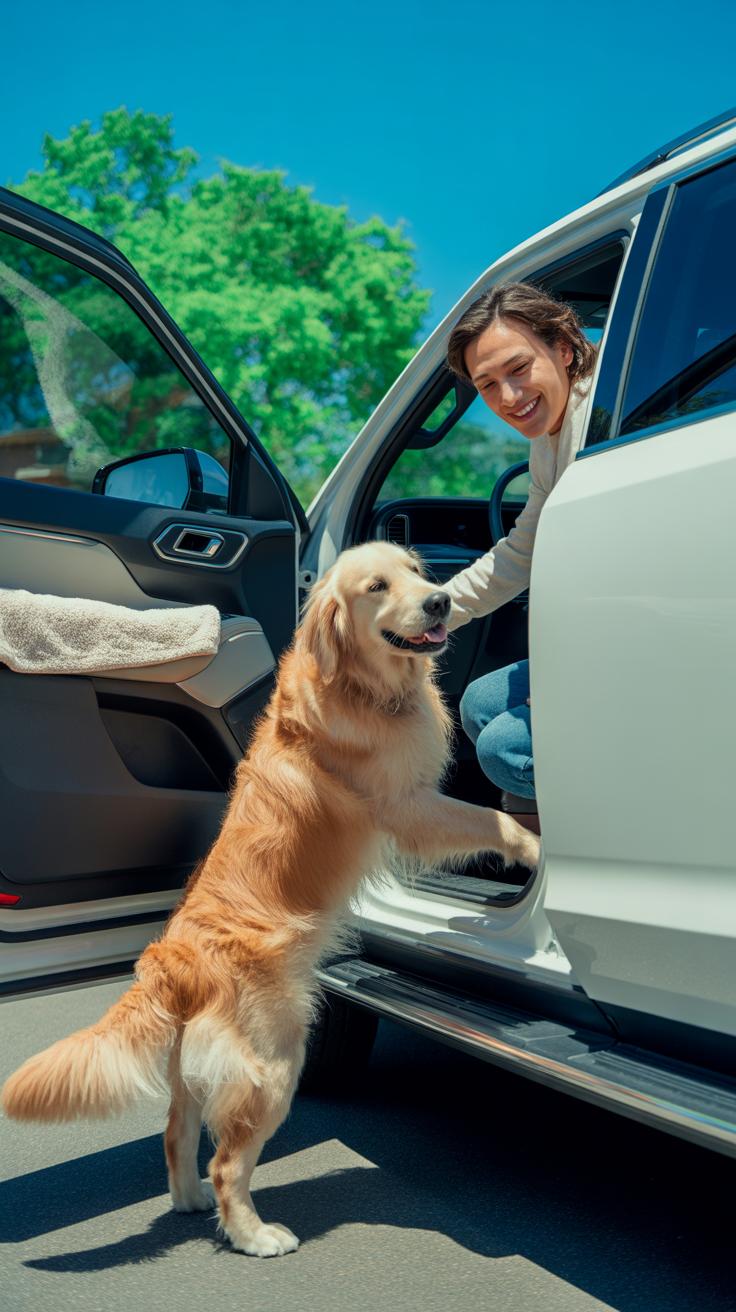
Conditioning begins long before you start the engine. Association dictates behavior in dogs. If the car only leads to the vet or nausea, the dog will resist entry. Use high value treats to create a positive link with the vehicle. Reward the dog for looking at the car, then for walking toward it. This process builds a new mental map for the animal.
Patience prevents setbacks in training. Open the doors and let the dog explore the interior while the car is parked in the driveway. Do not force the dog inside. Force creates cortisol spikes and heightens physical tension. Give rewards for calm behavior near the seats. You want the dog to view the cabin as a safe zone. Consistent repetition turns a fear response into a neutral habit.
The journey may start with a gentle pause, but with patience and a window cracked for the breeze, every road eventually leads to the joy of being together.
Choosing The Right Entry Point And Using Ramps Or Steps For Easier Access
Physical strain increases stress and aggravates motion sickness. Large breeds and senior dogs often struggle with high vehicle floors. Standard SUVs require a significant jump that can jarringly impact joints. Use the side doors for smaller dogs to keep them close to the center of gravity. This area experiences less sway than the rear cargo space. Minimizing physical effort helps the dog remain calm before the trip.
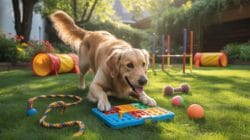
Ramps and folding steps provide a stable path into the cabin. Select a ramp with a high friction surface to prevent slipping. Slip events cause immediate panic and long term car avoidance. Ensure the incline is shallow to reduce muscle exertion. Steady footing lowers the heart rate and prevents the adrenaline surges that contribute to nausea. A calm entry sets the tone for a stable and quiet ride.
Dog Car Setup Positioning And Safety Gear That Can Reduce Nausea
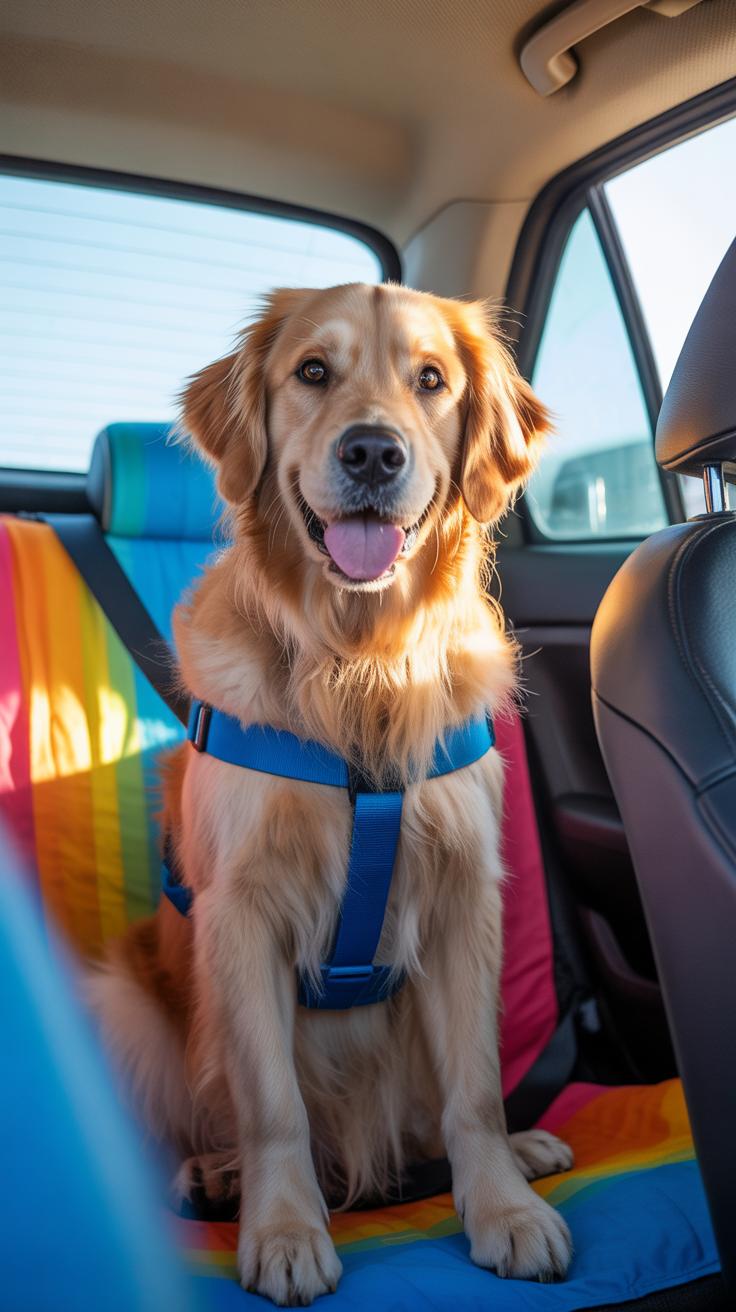
The Best Seating Position In The Dog Car To Minimize Motion Sickness
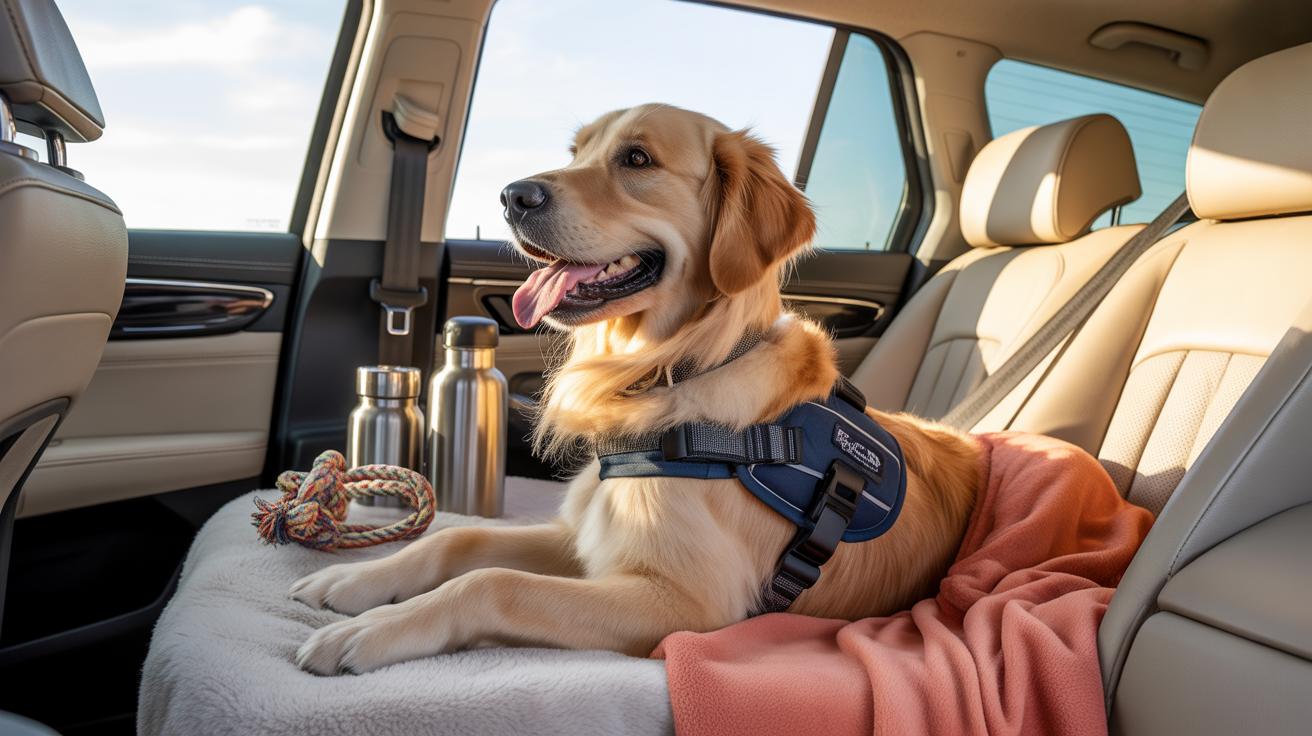
Position your dog in the middle of the back seat. This location offers the most stable ride. Movement at the center of the vehicle remains minimal compared to the ends. Dogs feel less sway when you turn corners or change lanes. Stability helps the inner ear maintain balance during the trip. This placement also allows the dog to look forward toward the horizon.
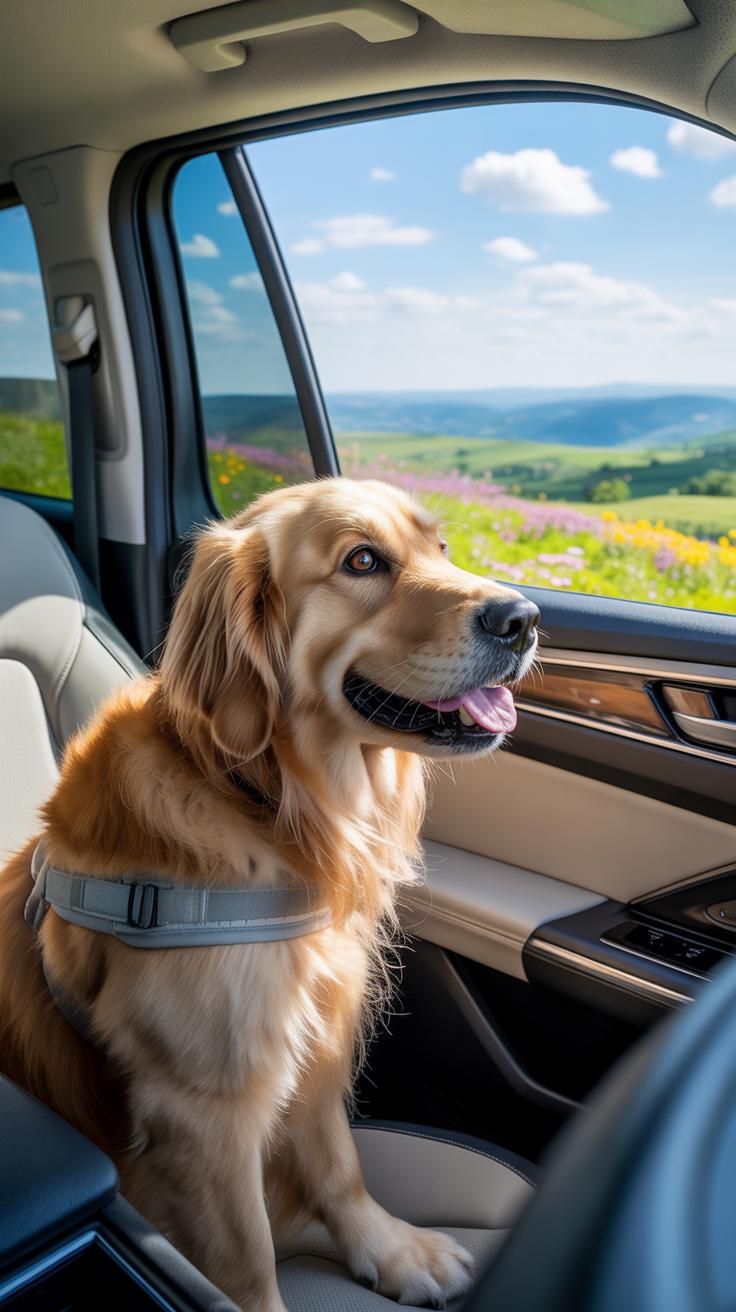
Force your dog to face the front of the car. Looking out side windows creates a visual blur that triggers nausea. Looking through the windshield provides a steady point of reference. Ensure the dog sits low enough to avoid seeing fast trees but high enough to see the road ahead. Use a booster seat if necessary to maintain this specific line of sight.
What To Do If Your Dog Gets Stuck Between Car Seats During A Trip
Pull the vehicle over immediately when a dog slips into the footwell. Do not attempt to reach back while driving. A dog stuck between seats panics and increases its heart rate. Rapid breathing and stress accelerate the onset of vomiting. Clear the gap by moving the front seat forward. Lift the dog firmly back onto the bench to restore a flat resting surface.

Prevent future falls by installing a sturdy back seat bridge. These solid platforms extend the seat surface to the back of the front chairs. They eliminate the gap where dogs often slide during sudden braking. Use a crash-tested harness to tether the dog to the seat belt buckle. This gear restricts movement and keeps the dog centered. Tethering prevents the physical instability that causes motion sickness.
Natural Sick Dog Remedies Vet Approved Home Solutions For Car Nausea
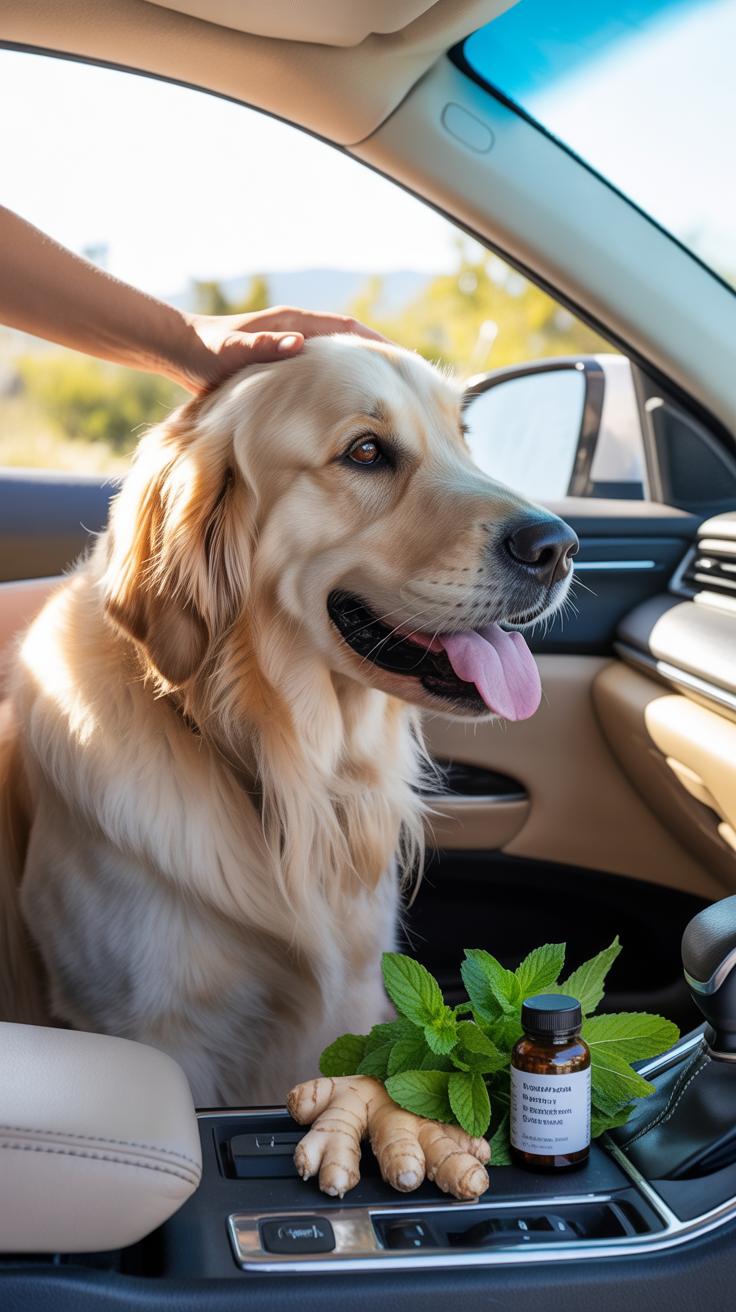
Ginger, Lavender, And Other Natural Dog Car Sickness Remedies That Actually Work
Ginger root effectively blocks serotonin receptors in the gut that trigger vomiting. Administer fresh ginger or dried capsules thirty minutes before loading the dog. This root acts as a natural prokinetic agent to speed up gastric emptying. It reduces the physical sensation of nausea without causing sedation. Always verify dosage with a vet to ensure the concentration matches the weight of your dog.
Lavender oil provides a potent olfactory distraction that lowers cortisol levels during travel. Place a few drops on a cotton ball and hide it inside the vehicle. Avoid direct skin contact to prevent irritation. Research shows that specific scents calm the central nervous system in canines. This approach addresses the anxiety component of motion sickness. Combine scent therapy with ginger for a dual-action system.
Hydration, Fresh Air, And Rest Stops: Simple Remedies That Make A Big Difference
Physical environment adjustments resolve most mild cases of canine motion sickness. High temperatures inside a vehicle rapidly increase panting and distress. Keeping the cabin cool stabilizes the internal temperature of the dog. Cracked windows equalize pressure and provide a steady stream of oxygen. Strategic stops allow the inner ear fluid to settle and reset the balance system of the dog.
- Temperature Control: Keep the car interior cool and circulate fresh air constantly. Dogs cannot sweat to regulate heat and rely on panting to stay cool. High cabin temperatures accelerate the onset of nausea and physical distress during long transit periods.
- Window Positioning: Open the rear windows a few inches to allow airflow and equalize cabin pressure. Moving air provides a scent-based distraction and helps the dog stabilize its breathing. Ensure the dog cannot jump out while the vehicle is in motion.
- Hydration Management: Offer small amounts of water during every rest stop to prevent dehydration. Use a portable bowl and avoid large gulps that could lead to bloating. Hydrated dogs maintain better focus and experience less physical stress while the car is moving.
- Rest Frequency: Stop every ninety minutes to let the dog stand on solid ground. This break allows the vestibular system in the inner ear to recalibrate. Short walks help burn off nervous energy and reset the digestive tract before the next leg begins.
- Visual Access: Limit the dog’s ability to see fast-moving objects out the side windows. Use a crate or a harnessed seat to keep the dog facing forward. Looking ahead reduces the sensory conflict between the eyes and the inner ear during the journey.
Eliminate food intake three hours before the trip to keep the stomach empty. A full stomach increases the risk of vomiting when the car hits bumps or turns corners. Provide a small high-protein snack if the dog suffers from bile reflux on an empty stomach. Monitor the dog for excessive drooling or lip licking. These signs indicate that you need to stop the vehicle immediately.
Veterinarian Prescribed Dog Car Sickness Remedies And Medications
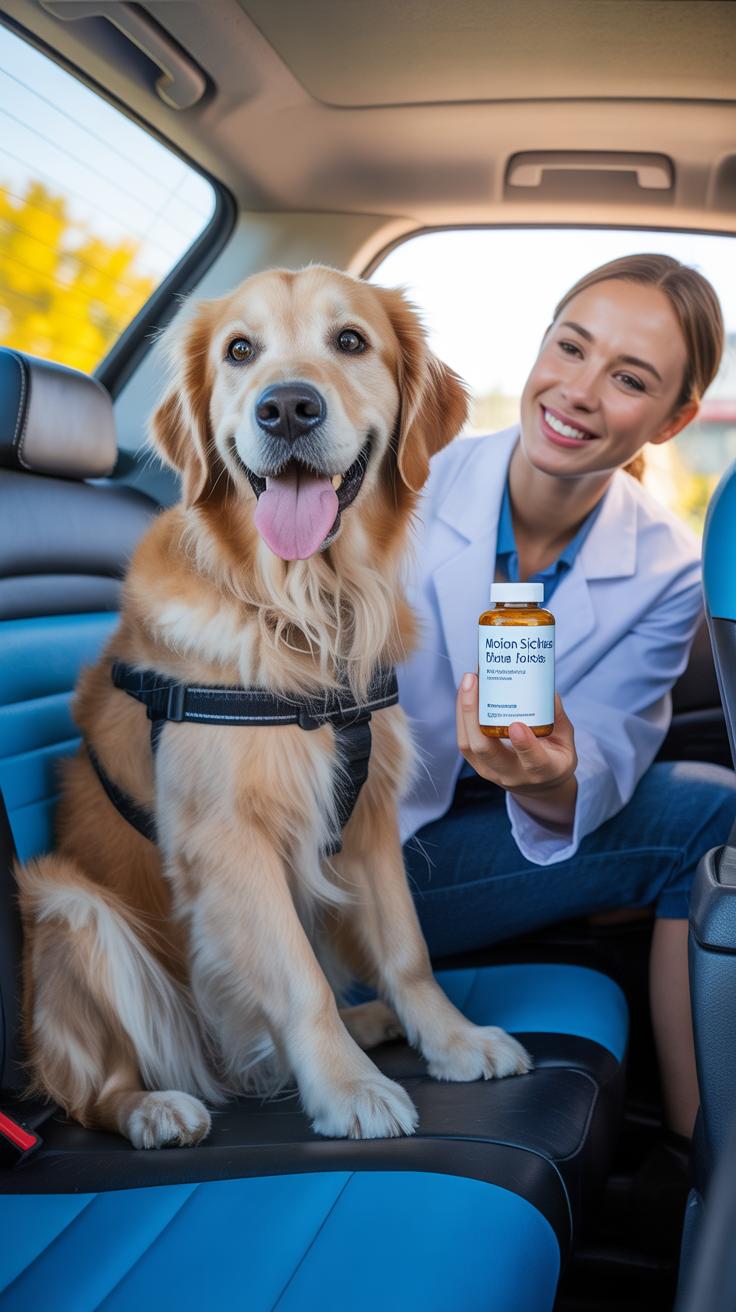
When To Talk To Your Vet About Prescription Anti Nausea Medications For Dogs
Consult your veterinarian if behavioral training and environmental changes fail to stop vomiting. Persistent car sickness indicates a physiological issue or high-intensity anxiety. Professional intervention becomes necessary when a dog displays extreme distress before even entering the vehicle. Vets can assess if the issue stems from the inner ear or a fear response. They provide clinical solutions that simple home fixes cannot match.
Modern veterinary medicine offers targeted drugs like maropitant citrate. This specific medication blocks the brain signals that trigger vomiting without causing heavy sedation. You should discuss prescriptions if your trip exceeds two hours or involves winding terrain. A vet will calculate the exact dosage based on your dog’s weight and health history. These medications work best when administered two hours before you start driving.
Over The Counter Options: What Is Safe And What To Avoid Giving Your Dog
Many owners use human antihistamines like diphenhydramine or meclizine for canine motion sickness. These drugs reduce inner ear stimulation and often provide a mild sedative effect. However, you must verify the active ingredients and correct dosage with a professional first. Some human formulas contain xylitol or decongestants which are toxic to dogs. Proper labeling checks prevent accidental poisoning during long road trips.

Avoid giving any medication without clear diagnostic guidance from a clinic. Ineffective dosing leads to breakthrough nausea or dangerous side effects like high heart rates. Never use herbal supplements as a substitute for medical advice without checking for drug interactions. Stick to plain formulations and avoid flavored syrups meant for children. Accuracy in measurement ensures the dog stays safe while you focus on the road ahead.
How To Keep Dogs Calm On Road Trips With Behavioral And Environmental Strategies
Comfort Items, Familiar Scents, And Crate Training For A Calmer Car Ride
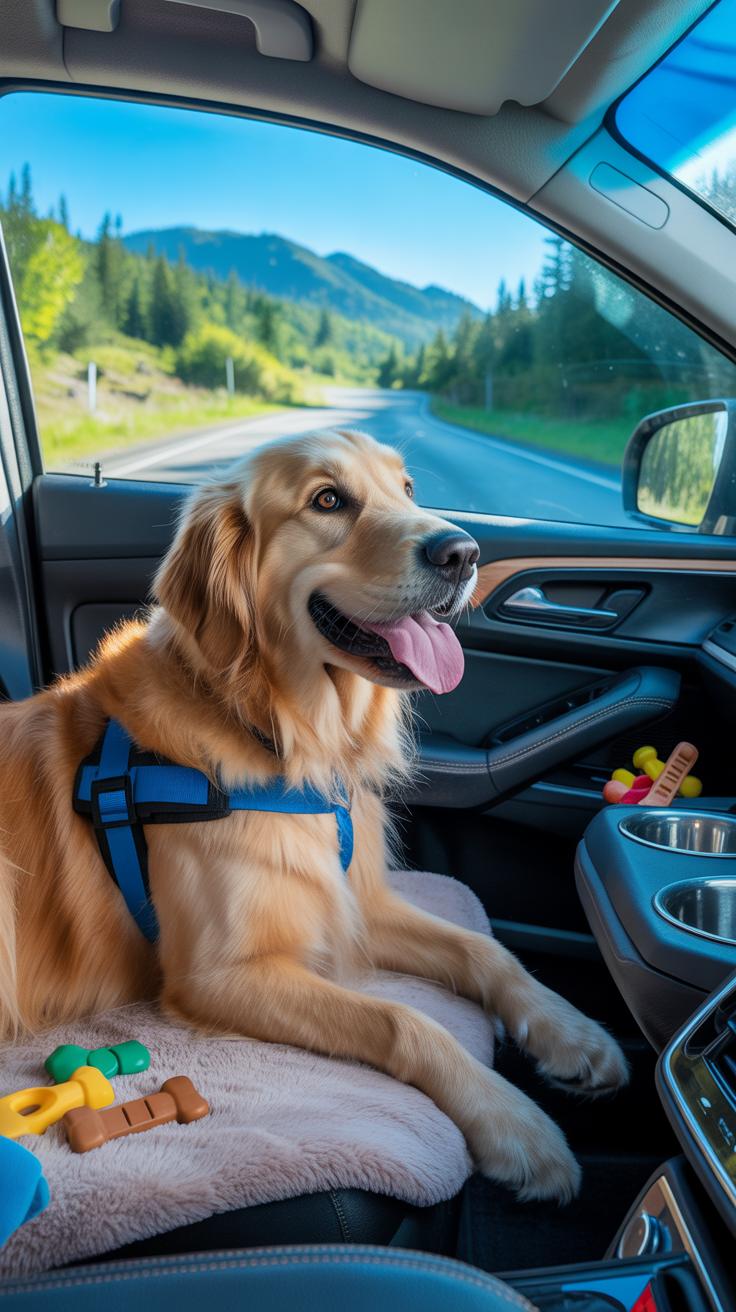
Dogs rely on scent to navigate their environment and assess safety. A sterile car cabin often increases cortisol levels because it lacks familiar biological markers. You must place a recently worn shirt or the dog’s favorite bedding in their designated travel area. These items provide a sensory anchor that signals security. Familiar scents lower heart rates and help the animal settle into a resting state during transit.
Crate training provides a physical boundary that reduces sensory overload. A dog inside a crate feels less need to monitor every passing car or obstacle. Use a crash-tested crate and cover the sides to limit visual triggers. This strategy prevents the brain from processing rapid motion cues that conflict with the inner ear. Proper containment keeps the dog stable and reduces the physical swaying that triggers nausea.
Practical Road Trip Tips To Reduce Stress And Nausea In Dogs On Long Journeys
Mechanical vibrations and fluctuating temperatures directly influence canine equilibrium and stress levels. You must control the cabin environment to minimize physical triggers. Keep the air cool and circulating at all times. Use sunshades on windows to block direct heat and reduce visual movement. These tactical adjustments prevent the physiological spiraling that leads to vomiting. Consistent routines and physical stabilization keep the dog calm.
- Face Forward Positioning: Secure the dog so they face the direction of travel. This alignment helps the eyes see what the inner ear feels. Use a harness or crate to prevent the dog from looking sideways or backward.
- Fresh Air Intake: Crack the windows slightly to equalize cabin pressure. Fresh air provides oxygen and reduces the build-up of smells that cause nausea. Moving air helps cool the dog and lowers their stress response during the drive.
- Strategic Feeding Schedule: Feed your dog a small meal several hours before departure. Do not feed a large meal right before loading. An empty or settled stomach is less likely to react to the motion of the vehicle on curved roads.
- Scheduled Rest Stops: Stop every two hours to allow the dog to walk and reset their equilibrium. Physical movement on solid ground helps clear the sensory confusion caused by the car. Use these breaks for hydration and quick bathroom opportunities only.
- Visual Limitation: Block the side windows to prevent the dog from seeing objects blur past. Limit their view to the windshield or use a covered crate. Reducing the rapid visual flow prevents the brain from becoming overwhelmed by conflicting motion signals.
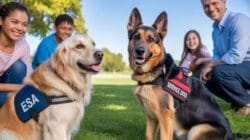
Driving style dictates the severity of a dog’s car sickness. Avoid sudden braking and sharp turns that toss the animal against their restraints. Gradual acceleration and steady speeds maintain the dog’s balance and lower their anxiety. If the dog associates the car with physical discomfort, they will develop anticipatory stress. Smooth driving prevents this negative association and ensures the dog remains relaxed throughout the entire trip duration.
When Car Sickness In Dogs Is A Sign Of Something More Serious
Distinguishing Between Motion Sickness And Anxiety Related Symptoms In Dogs
Physical motion sickness stems from a balance mismatch in the inner ear. This occurs most often in puppies because their ear structures are not fully developed. They will vomit or drool heavily only when the vehicle is moving. The symptoms stop shortly after the car reaches a full stop. This is a physiological response to the movement of the cabin.
Anxiety mimics car sickness but begins before the engine starts. Observe your dog as you approach the vehicle. Panting, pacing, and trembling near the garage indicate a behavioral issue rather than a physical one. If your dog drools while the car is parked, you are dealing with a learned fear response. You must separate these two triggers to choose the correct treatment path.
Red Flag Symptoms That Mean Your Dog Needs A Vet Before The Next Road Trip
Standard car sickness is predictable and ends with the trip. You must seek a vet if your dog shows neurological signs. Watch for stumbling, head tilting, or rhythmic eye flickering. These symptoms suggest vestibular disease or an inner ear infection. Chronic vomiting that continues hours after the ride indicates a deeper medical problem. Do not ignore persistent lethargy or a refusal to eat.

A professional exam rules out physical blockages or organ dysfunction. Some dogs have underlying gastrointestinal issues that the car ride merely aggravates. Dehydration from excessive panting or vomiting requires immediate medical intervention. If over the counter remedies fail after multiple attempts, a vet must prescribe stronger antiemetics. Precise diagnosis prevents minor ear issues from becoming permanent hearing loss or chronic balance disorders.
Frequently Asked Questions

Why do some dogs experience motion sickness during long car rides?
Puppies are most susceptible because the ear structures used for balance aren’t fully developed, but many adult dogs still struggle due to anxiety or past negative experiences. Understanding car sickness in dogs remedies begins with recognizing signs like excessive drooling, whining, or lethargy. When a dog feels nauseated, they associate the vehicle with discomfort, creating a cycle of stress that can make even a short trip feel overwhelming for your pet.
How can I prepare my dog’s environment to prevent nausea on the road?
Creating a stable environment is key to comfort. Facing your dog forward in a crash-tested crate or harness helps minimize visual confusion. You can also experiment with car sickness in dogs remedies like lowering the windows slightly for fresh air and maintaining a cool temperature. Restricting food for a few hours before departure ensures an empty stomach, which significantly reduces the likelihood of vomiting and makes the journey smoother for everyone.
Are there any natural or low-cost ways to help my dog feel better?
Absolutely! You don’t always need expensive prescriptions to help a queasy pup. Fresh ginger or ginger biscuits are excellent natural options for settling a dog’s stomach before a drive. Additionally, desensitization training is a free, effective tool; try sitting in a stationary car with treats to build positive associations. Providing a familiar blanket from home can also lower anxiety levels, making the travel experience much more soothing without breaking your budget.