Understanding Pet Disaster Preparedness And Why Most Pet Owners Are Caught Off Guard
How Natural Disasters Impact Pets Differently Than Their Human Owners
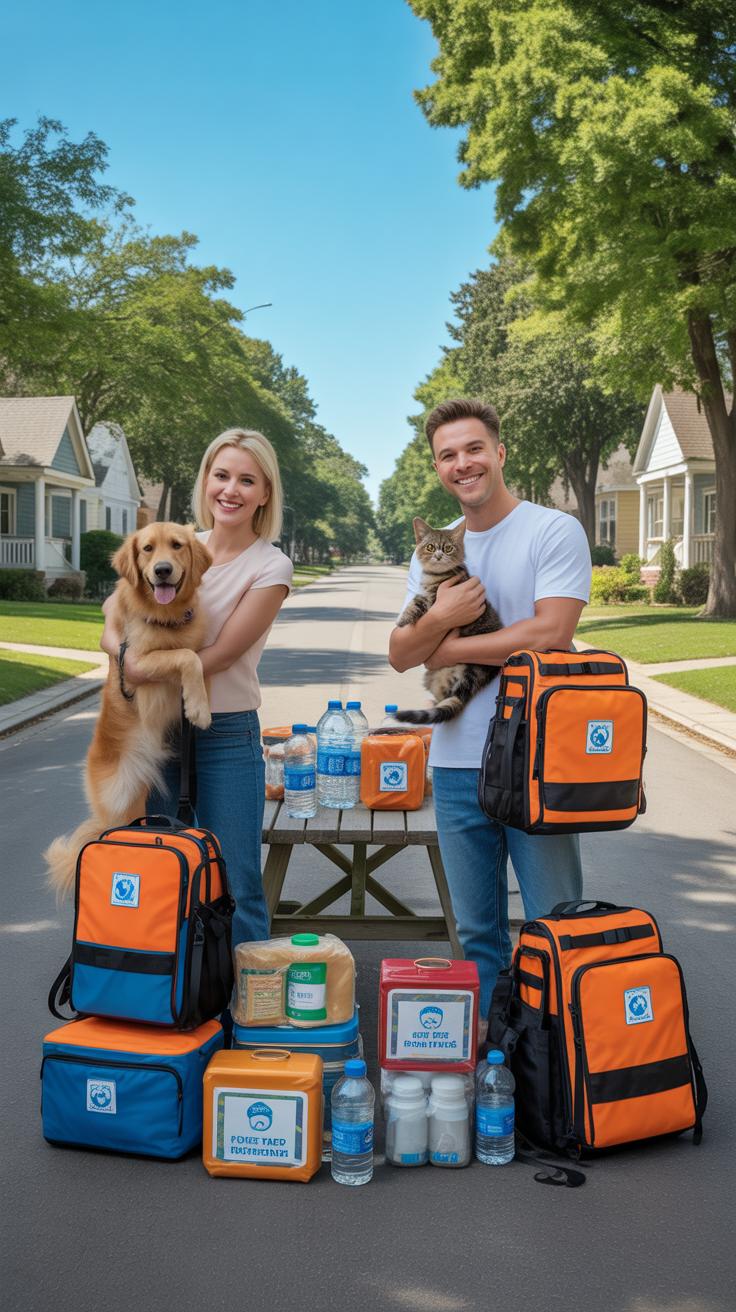
Natural disasters overwhelm animal senses long before humans notice physical threats. High winds, seismic shifts, and rapid pressure changes trigger intense flight responses in domestic animals. This instinct forces pets to hide in small, inaccessible spaces or bolt from familiar territory. Owners who wait for official orders to pack often find their animals have already vanished. You cannot reason with a terrified animal during a crisis.
Animals rely entirely on human infrastructure for survival. When floods or fires destroy local landmarks, pets lose their scent markers and visual cues. They cannot read emergency signs or navigate to relief centers without assistance. Humans prioritize logical exits while pets react to immediate physical stimuli. You must bridge this gap by controlling their movement early. Failure to act fast leaves your pet trapped in a lethal environment.
The Emotional And Logistical Toll Of Being Unprepared When Disaster Strikes
Unprepared owners face a brutal reality during evacuations. Many public shelters do not allow pets due to health codes and safety risks. This forces people to choose between their personal safety and their animals. Historical data shows that people who refuse to leave without pets often become casualties themselves. Lack of a solid plan creates a dangerous bottleneck during the most critical minutes of a disaster.
Poor logistics leads to permanent loss. Without proper identification and portable kits, pets become part of a massive stray population. Rescue organizations struggle to reunite families because basic paperwork is missing. The stress of an unplanned exit causes simple mistakes like forgetting specialized medication or leashes. These errors lead to high vet bills or death. You must treat pet evacuation as a cold, tactical operation to ensure survival.

How To Prepare For Pet Evacuations Long Before A Disaster Warning Is Issued
Registering Your Pet With Local Emergency Management Systems In Advance
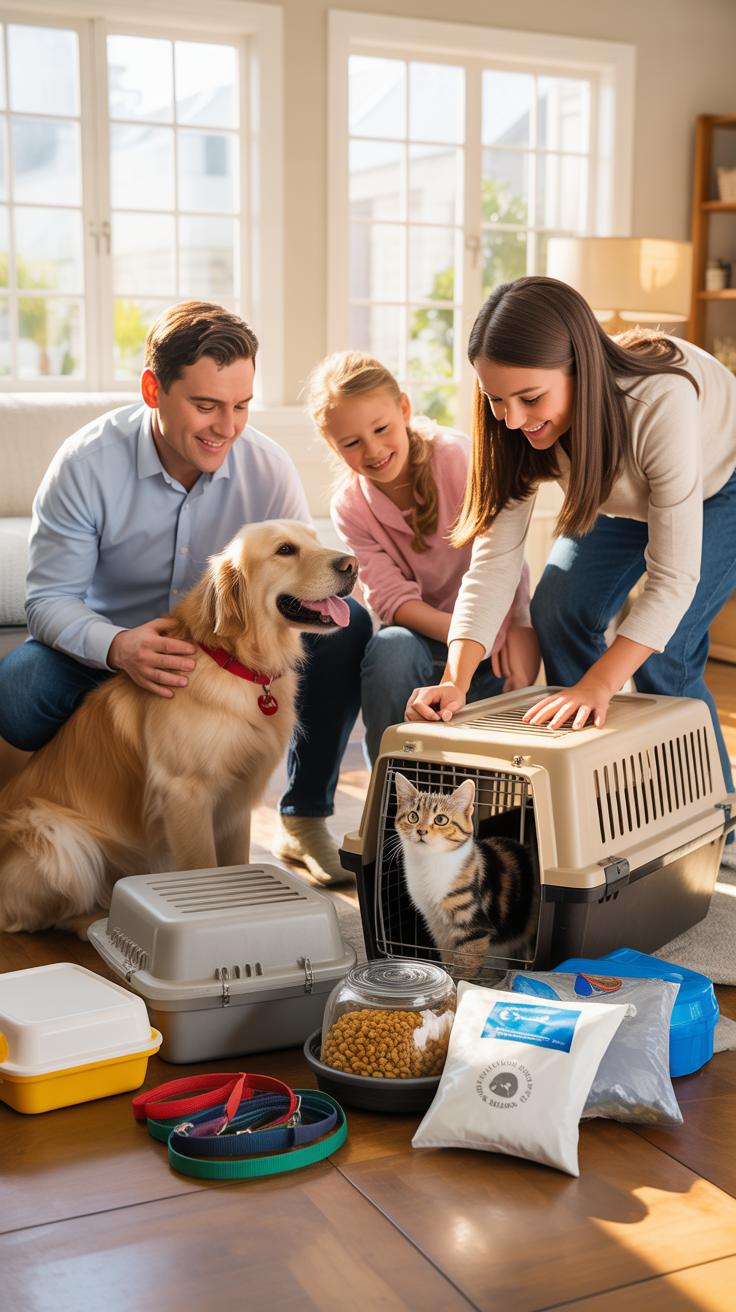
Contact your local emergency management office to identify available pet resources. Many counties maintain voluntary registries for residents with animals. These databases help officials plan for shelter capacity and rescue needs. Do not wait for a storm to research these programs. Early registration ensures your data is in the system. This allows authorities to allocate proper transport and housing resources for your specific zip code.
Check with your local fire department or animal control office for pet rescue stickers. Place these decals on your front door or windows. They tell first responders how many pets are inside the house. Update this information every year to reflect your current household status. Reliable data prevents rescuers from wasting time or missing animals. Secure documentation of these local contacts in your mobile phone and physical go-bag.
True security is found in keeping the family together, no matter the storm that gathers outside. Prepare your heart and your plan so that when the time comes to leave, every paw and heartbeat stays by your side.
Why Microchipping And ID Tags Are The First Steps In Any Pet Evacuation Plan
Microchipping provides a permanent link between you and your animal. Collars can break or fall off during a chaotic evacuation. A chip under the skin remains scanable by any vet or shelter. You must register the chip number with a national database. Provide current phone numbers and backup contacts. Many owners fail to update their data which makes the technology useless during a crisis.

Physical ID tags act as the fastest way for neighbors to help. Use a tag that lists your cell phone number and any critical medical needs. Do not include the pet name if you want to prevent theft. Ensure the tag metal is legible and not worn down. Replace plastic tags that crack in cold weather. Fast identification reduces the time your pet spends in a crowded municipal shelter system.
Building A Pet Evacuation Kit Guide That Covers Every Essential Your Animal Needs

What To Pack In A Pet Emergency Go Bag For Dogs, Cats, And Small Animals
You must build a dedicated go-bag for every animal in your home. Relying on shared supplies leads to critical shortages during high-stress evacuations. Most shelters and hotels require specific documentation and containment tools before they allow entry. Personal kits ensure your pet has familiar resources. These items preserve health and maintain order when you are away from your home environment.
- Medical Records and Identification: Keep physical copies of rabies certificates, vaccination history, and recent photos of you with your pet. Digital files on a waterproof drive act as a backup. These documents prove ownership and health status at checkpoints and emergency boarding facilities.
- Food and Potable Water: Pack airtight containers of familiar dry food to prevent digestive distress during crises. Include bottled water specifically for the animal. Sudden diet changes cause illness. Ensure you have enough calories to maintain the animal’s energy levels in cold or wet conditions.
- Manual Can Opener and Bowls: Plastic or silicone collapsible bowls save space and weight in your tactical bag. Bring a manual can opener if you pack wet food. Most emergency centers will not provide these tools. Durable equipment prevents spills and ensures the animal stays hydrated.
- Leashes, Harnesses, and Carriers: Use secure nylon leashes and sturdy carriers for transport. Cats and small animals require hard-sided crates for safety in crowded vehicles or shelters. Properly fitted harnesses prevent flight risks. Secure containment is the only way to manage animals in loud, chaotic environments.
- Sanitation and First Aid: Include waste bags, paper towels, and disinfectant for cleanup. Pack a pet-specific first aid kit with bandages, antiseptic, and tweezers. Managing waste maintains hygiene in tight quarters. Immediate medical tools address minor injuries before they become life-threatening infections during a disaster.
Small animals like hamsters or birds need specific enclosures and substrate. Pack extra bedding and heat packs if power goes out. Dogs and cats need comfort items like a familiar blanket to reduce cortisol levels. Keep all gear in a waterproof backpack near your primary exit. This setup allows for an immediate departure when local authorities issue an evacuation order without notice.
How Long Your Pet’S Emergency Supplies Should Last And When To Rotate Them
Prepare for a minimum of seven days of self-sufficiency. FEMA and Red Cross standards shifted from three days to a full week due to supply chain delays during major floods and hurricanes. Road closures often block aid delivery to remote or hard-hit zones. Your kit must bridge the gap between the initial impact and the arrival of organized relief services.

Rotate your supplies every six months to ensure freshness and utility. Set a recurring calendar alert to check expiration dates on food and medications. Replace water stored in plastic bottles to avoid chemical leaching. Update the medical records and photos in the kit as the animal ages or changes appearance. Regular maintenance ensures your gear functions perfectly the moment a disaster strikes your area.
Creating A Pet Disaster Safety Checklist Tailored To Your Household And Pet Type
Special Considerations For Owners With Multiple Pets Or Large Animals Like Horses
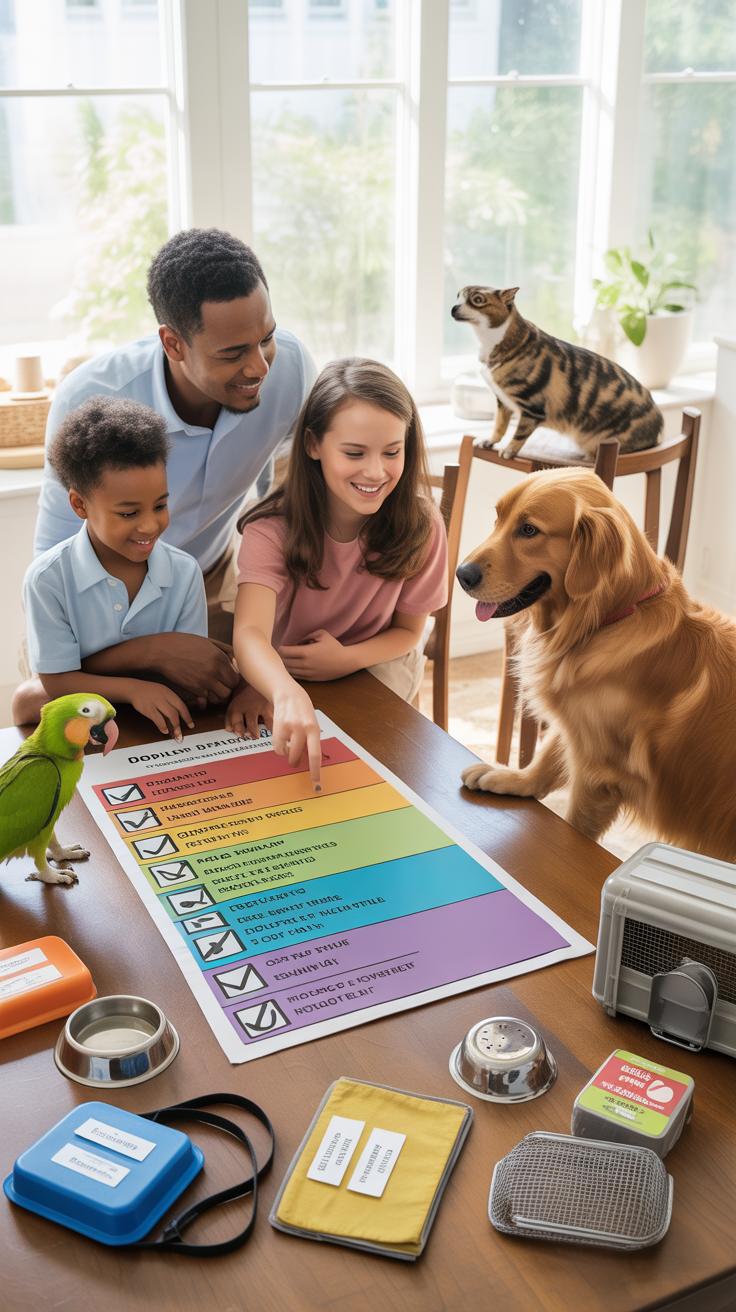
Evacuating multiple animals requires a scalable logistics plan. You must have a dedicated carrier for every small pet to prevent injury or escape during transit. Label each crate with the animal name and your contact details. Do not assume you can carry three cats in one container. Stress causes aggressive behavior and physical harm. Secure enough trailer space for large stock well before a disaster strikes.
Large animals like horses demand specialized transport and designated safe zones. Confirm your trailer is roadworthy and that tires are inflated. Map out secondary routes that accommodate the weight and height of your rig. Most general emergency shelters do not accept livestock. Identify fairgrounds or private stables outside the danger zone. Keep halters and lead ropes near stalls for a fast exit under pressure.
How To Customize Your Safety Checklist Based On The Disasters Common To Your Region
Tailor your gear to local threats. Flooding requires waterproof containers for all food and medical records. Ensure your pets have life vests if you live in high-risk surge zones. Wildfire areas demand smoke protection and heat-resistant bedding. High-ash environments can cause respiratory failure in birds and small mammals. Keep air-tight covers for cages ready to move. Pack extra water for heatwaves or drought conditions.

Winter storms and hurricanes require different tactical supplies. Stockpile self-heating pads and heavy blankets if you live in cold climates. Power outages Choice kill reptiles and tropical fish quickly without a heat source. Identify battery-backed heaters or insulated shipping boxes for these species. High-wind events require sturdy crates that protect against flying debris. Always include a physical map of local veterinary clinics that operate during regional power failures.
How To Evacuate Pets During Disasters When Time Is Critically Short
The Fastest And Safest Way To Secure Your Pet For An Immediate Vehicle Evacuation
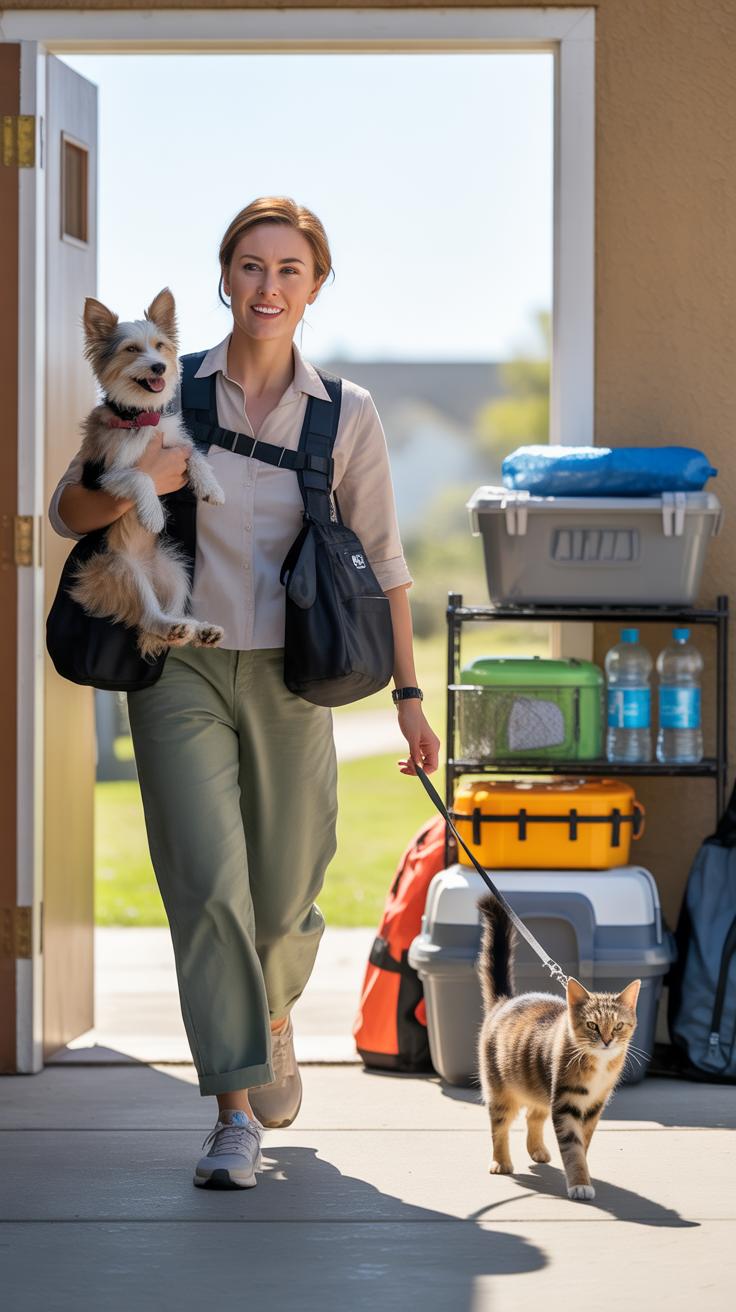
Secure your pet quickly to prevent injury during a rapid departure. Small dogs and cats must go into plastic carriers immediately. Hard-shell cases provide the best protection against falling debris and shifting luggage. Position the carrier on the floorboard behind the front seat. This location is the most stable spot in the car. It prevents the crate from becoming a projectile if you brake hard.
Large dogs require a heavy-duty harness that clips into the seatbelt system. Do not let animals roam free in the cabin while driving through disaster zones. Distracted driving causes accidents when visibility is low. If you lack a crate, use a pillowcase for a cat as a last resort. This keeps the animal contained and manageable until you reach a safe staging area.
What To Do If Your Pet Hides Or Panics And Refuses To Move During An Emergency
Panic creates a flight response in animals during loud storms or fires. Cats usually head for dark corners or under heavy furniture. Do not chase them because this increases their heart rate and fear. Use a large towel or thick blanket to scoop them up quickly. This protects your hands from scratches and immobilizes the animal safely. Move with speed but keep your voice low.

Dogs often freeze or resist the leash when they sense danger. Use high-value food or a favorite squeaky toy to lure them out of hiding spots. If the dog refuses to budge, apply a slip lead for better control. Do not waste time trying to soothe the pet with long hugs. Physical force is necessary if the fire or flood is imminent. Save the life first.
Pet Friendly Emergency Planning For Shelter Stays And Temporary Housing Options

How To Find Pet Friendly Shelters, Hotels, And Boarding Facilities Along Evacuation Routes
Research your route before the disaster strikes. Standard search engines fail when cell towers go down during a crisis. Use dedicated apps like BringFido or GoPetFriendly to identify hotels that waive pet fees during emergencies. Call these locations directly to confirm their current policy. Many national chains suspend breed and weight restrictions when a state of emergency is officially declared by the governor.
Locate boarding facilities and veterinary offices outside your immediate danger zone. These businesses often provide emergency space for animals when human shelters reach capacity. Contact your local emergency management office for a list of pet-friendly staging areas. Secure these contacts in a physical folder. Do not rely on digital access. Most facilities operate on a first-come basis. Planning two or three backup locations ensures your safety.
Understanding Your Rights And Limitations When Bringing Pets Into Public Emergency Shelters
The PETS Act of 2006 requires local governments to include pets in their evacuation plans. This law does not force every public shelter to accept animals. It only mandates that the jurisdiction provides a solution. You may find that humans stay in one building while animals stay in another nearby. Always bring a crate. Most shelters require animals to remain confined for the safety of other evacuees and staff.

Service animals have different legal protections than pets. The Americans with Disabilities Act allows service dogs to stay with their owners in all public areas. This does not apply to emotional support animals. You must provide food, water, and medicine for your pet. Shelters rarely have these supplies on hand. If you arrive without a leash, collar, and records, staff can legally deny entry to your animal for safety reasons.
Following A Pet Disaster Preparedness Guide For Pets With Medical Or Special Needs
How To Store And Transport Prescription Medications And Veterinary Records During A Crisis
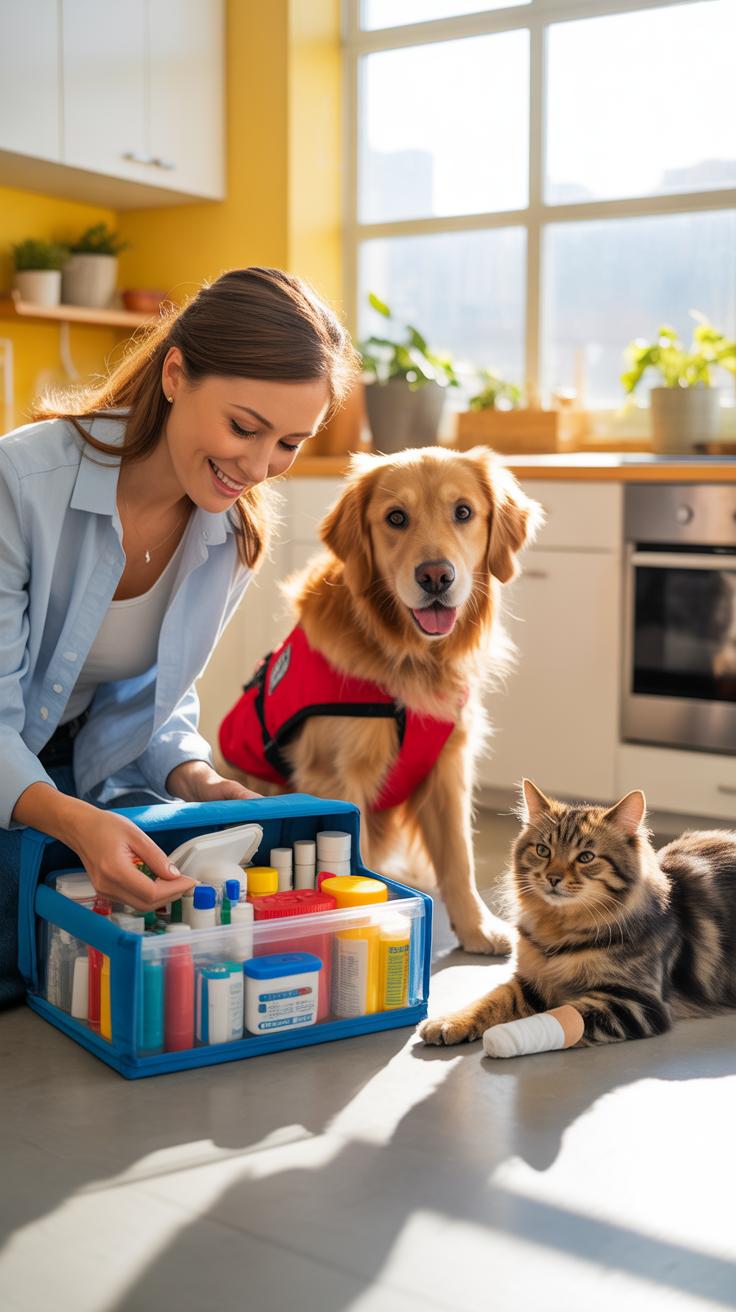
Store all pet medications in a waterproof and airtight container. Heat and moisture degrade chemical stability. Label every bottle with the pet name, dosage, and frequency. Keep a two-week supply of pills or liquids ready for immediate departure. Pharmacies often close during major disasters. You cannot rely on local refills. Maintain a physical copy of current prescriptions in your emergency kit.
Digital records fail when power grids go down. Keep hard copies of vaccination records and medical histories in a sealed plastic sleeve. These documents prove ownership and health status at shelters or boarding facilities. Include your veterinarian contact information and a summary of known allergies. Attach a photo of your pet to these records. Rapid identification ensures continuity of care during transition periods.
Managing Anxiety And Stress In Pets With Behavioral Conditions During Evacuations
Evacuation environments trigger extreme cortisol spikes in animals. This stress leads to aggression or flight risks. You must prepare a behavioral kit to maintain safety. Thundershirts, pheromone sprays, and familiar bedding provide sensory stability. High-value treats help distract a pet during transit. Consult your veterinarian about sedative options before a disaster occurs. Practice loading your pet into a carrier frequently to reduce panic.
- Pheromone Therapy: Synthetic sprays or collars mimic natural calming signals. Use these tools inside crates or vehicles to lower heart rates. Application thirty minutes before movement yields the best results for stressed cats and dogs.
- Visual Barriers: Cover crates with a thick towel or blanket. Limiting a pet’s field of vision prevents overstimulation from flashing lights and crowds. This creates a dark and safe den environment during loud transport phases.
- Sound Management: White noise machines or soft music mask chaotic exterior noises. Sudden bangs or sirens cause pets to bolt. Controlled audio environments help maintain a sense of normalcy in shelters or temporary housing during the crisis.
- Exercise Rituals: Maintain a strict schedule for physical activity if the environment is safe. Expending energy through play or walking reduces pent-up nerves. Routine movements signal to the animal that the situation is managed and predictable despite the move.
- Compression Garments: Tight-fitting anxiety vests apply constant and gentle pressure. This physical sensation calms the nervous system of many dogs. Ensure the fit is snug but does not restrict breathing or movement during long periods of wear.

Safety remains the highest priority during behavioral crises. Use double leashes or reinforced harnesses to prevent escapes. A stressed pet may ignore basic commands or act out in fear. Keep your own demeanor calm and your voice low. Your energy dictates the animal’s reaction to the disaster. Constant physical contact or proximity helps reassure pets with separation anxiety. Monitor their eating and drinking habits closely for changes.
Building A Disaster Preparedness Plan For Pets That Accounts For When You Are Away From Home
How To Set Up A Trusted Neighbor Or Pet Emergency Contact Network In Your Absence
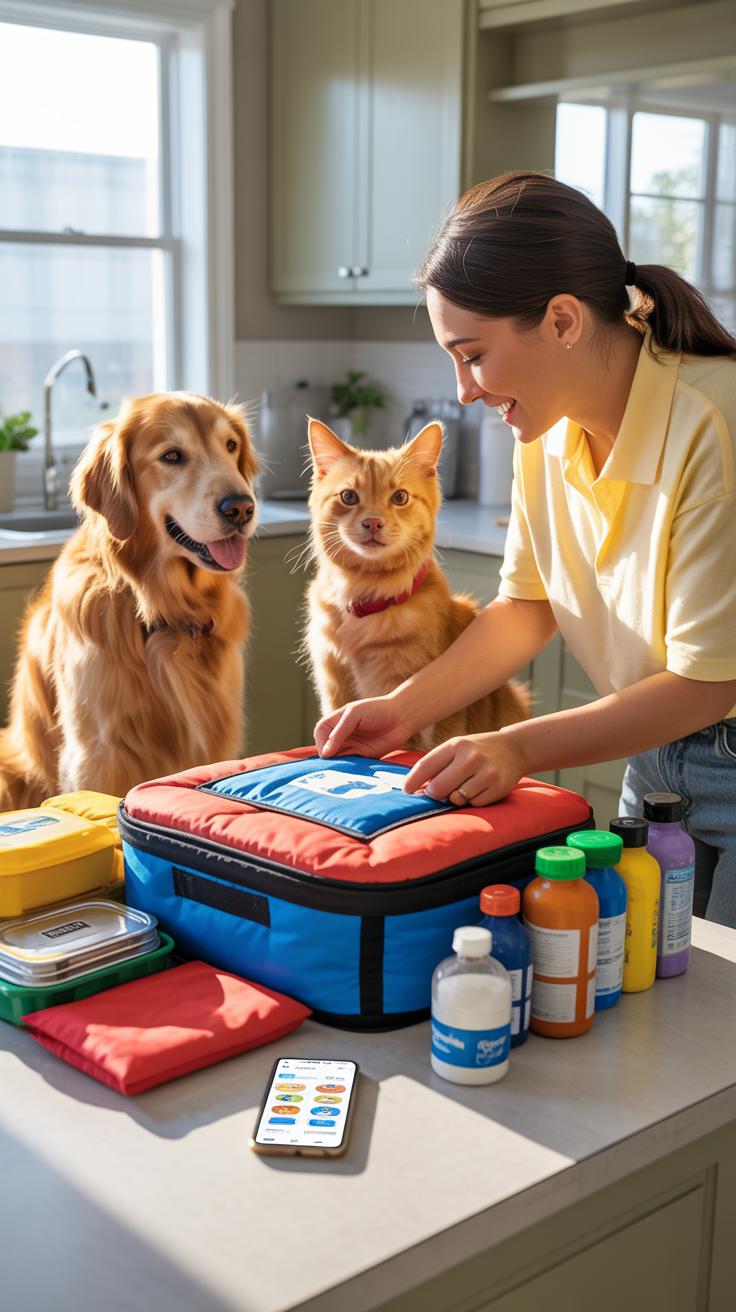
Disasters happen when you are at work or traveling. You must recruit at least three people who live within walking distance of your home. Give these individuals a physical key or digital access code. Ensure they know your pets and their hiding spots. A neighbor is your first line of defense when local authorities block road access to your neighborhood during a crisis.
Confirm that your contacts are willing to transport your pets to a pre-arranged meeting point. Exchange cell phone numbers and secondary contact methods. Update this group whenever your travel schedule changes. Test the plan by asking a neighbor to locate and leash your dog or crate your cat while you are out. Real-world practice reveals flaws in your communication and access strategy.
Creating Written Instructions And Authorization Documents For Emergency Pet Caretakers
Your emergency contacts need a physical pet rescue folder kept in a visible location. This folder must contain a signed veterinary medical directive. This document authorizes your neighbor to seek emergency care and sets a spending limit for treatment. Without written consent, clinics may delay life-saving procedures. Include a recent photo of you with your pet to prove ownership during a chaotic evacuation.

Write clear instructions on how to handle each animal. List specific triggers that cause fear or aggression. Detail the exact location of the evacuation go-bag and any daily medications. Document your pets’ microchip numbers and your preferred out-of-area contact person. Clear documentation removes guesswork for the caretaker. It ensures your pets receive consistent care until you can safely reunite with them.
Pet Emergency Preparedness After The Disaster Helping Your Pet Recover And Resettle Safely
How To Assess Your Pet For Injuries, Trauma, And Stress After Returning Home
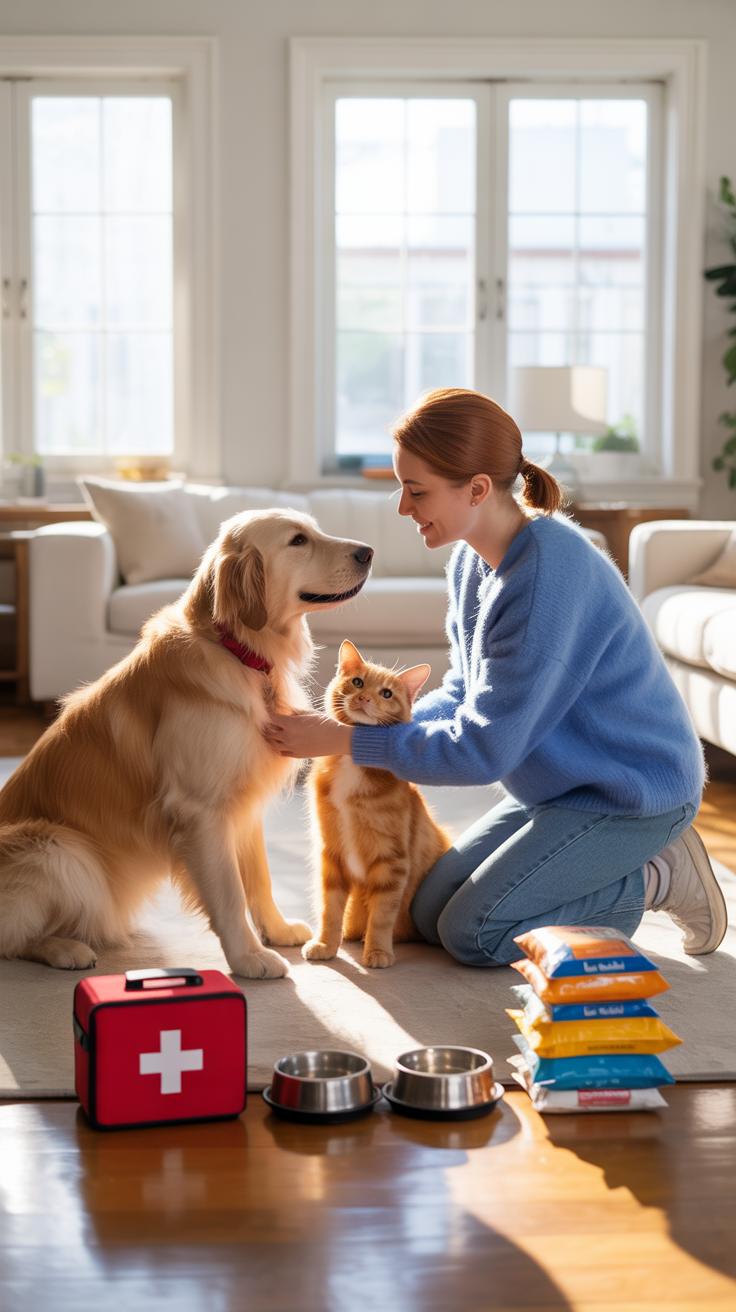
Physical assessments must happen immediately upon reaching safety. Check your pet for deep lacerations, burns, or puncture wounds hidden under their fur. Observe their movement for limping or stiffness that indicates muscle strain or bone fractures. Look at their eyes for redness and discharge. Inspect their paws for chemical burns or embedded debris. Run your hands over their body to feel for heat or swelling.
Psychological trauma manifests through behavioral changes. Watch for excessive hiding, trembling, or sudden aggression toward familiar people. Some pets stop eating or drinking due to high cortisol levels. Monitor their bathroom habits for signs of digestive distress or urinary accidents. If these symptoms persist for more than forty-eight hours, consult a veterinarian. Record all unusual behaviors to provide a clear history for medical professionals.
Rebuilding Routine And Stability For Pets In The Weeks Following A Natural Disaster
Predictability reduces animal anxiety after a crisis. Restore your pet to their original feeding and walking schedule immediately. Use the same food brands and bowls they used before the disaster to provide sensory familiarity. Keep their sleeping area in a quiet part of the home away from repair noise. Consistency signals to the animal that the threat has passed and the environment is secure again.
Limit visitors and loud activities during the first two weeks back. Your pet needs a low-stimulation environment to recalibrate their nervous system. Provide interactive toys to distract them from external stressors like construction or sirens. Do not punish them for separation anxiety or accidents during this transition phase. Re-establish basic training commands to reinforce your bond and give the pet a sense of purpose and order.
Frequently Asked Questions

What is the most important first step when preparing for a disaster with animals?
The most critical first step is creating a comprehensive pet emergency kit and identifying pet-friendly shelters well in advance. When evacuating with pets natural disaster scenarios require quick action, so having your records, leashes, and carriers staged by the door is vital. Never leave your animals behind; if it is not safe for you to stay, it is not safe for them to remain in the home alone.
How should I manage my pet’s anxiety and safety during a sudden evacuation?
To keep your pet calm, use a sturdy crate or carrier lined with familiar-smelling blankets from home. Practice loading them into the vehicle regularly so they remain comfortable with travel. When evacuating with pets natural disaster stressors can cause animals to bolt, so ensure they are wearing collars with up-to-date ID tags and that their microchip information is current. Calming pheromone sprays or specialized wraps can also help reduce their distress.
Are there low-cost ways to prepare for a pet emergency evacuation?
Planning for an emergency does not have to be expensive. You can build a budget-friendly kit by repurposing old towels, using airtight food storage containers you already own, and rotating through your pet’s regular kibble to ensure freshness. Many local animal shelters and non-profits also offer low-cost microchipping clinics and free emergency decals for your windows. Preparation is more about organization and having a solid communication plan than spending a lot of money.