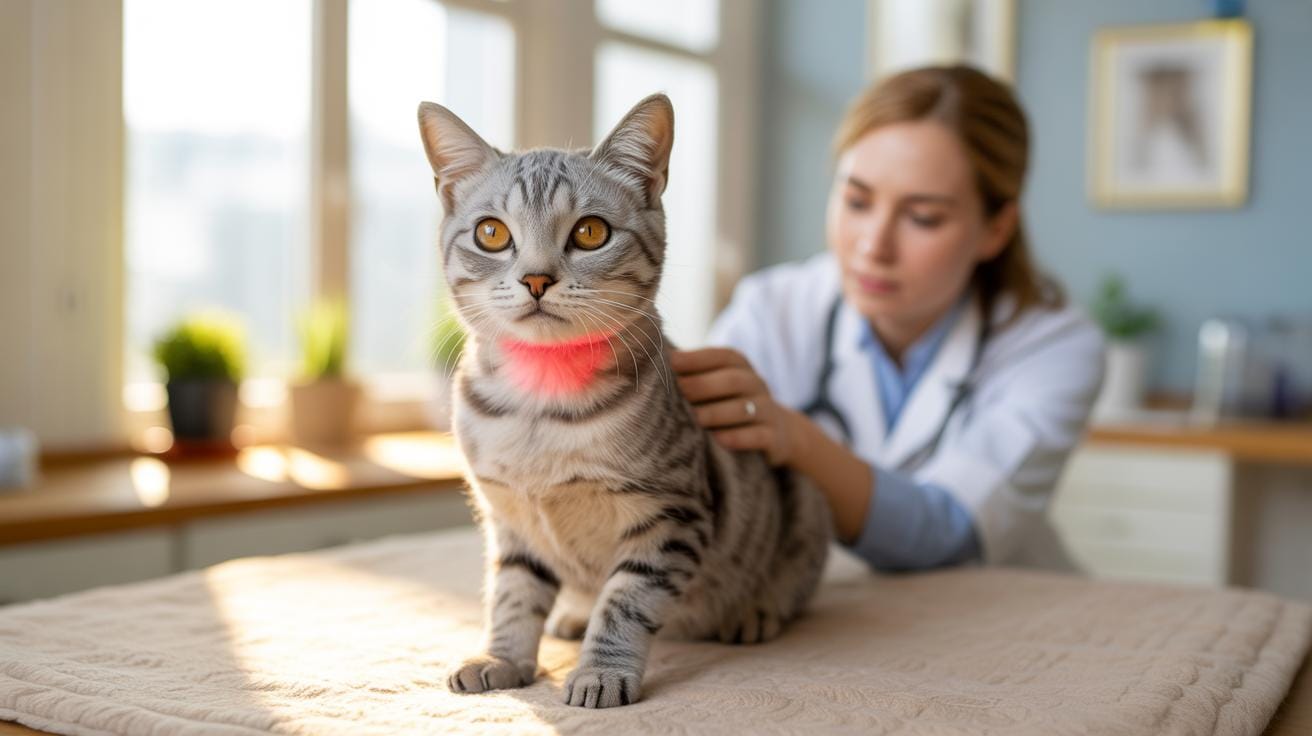
Understanding Signs Of Cat Respiratory Problems And Why They Happen
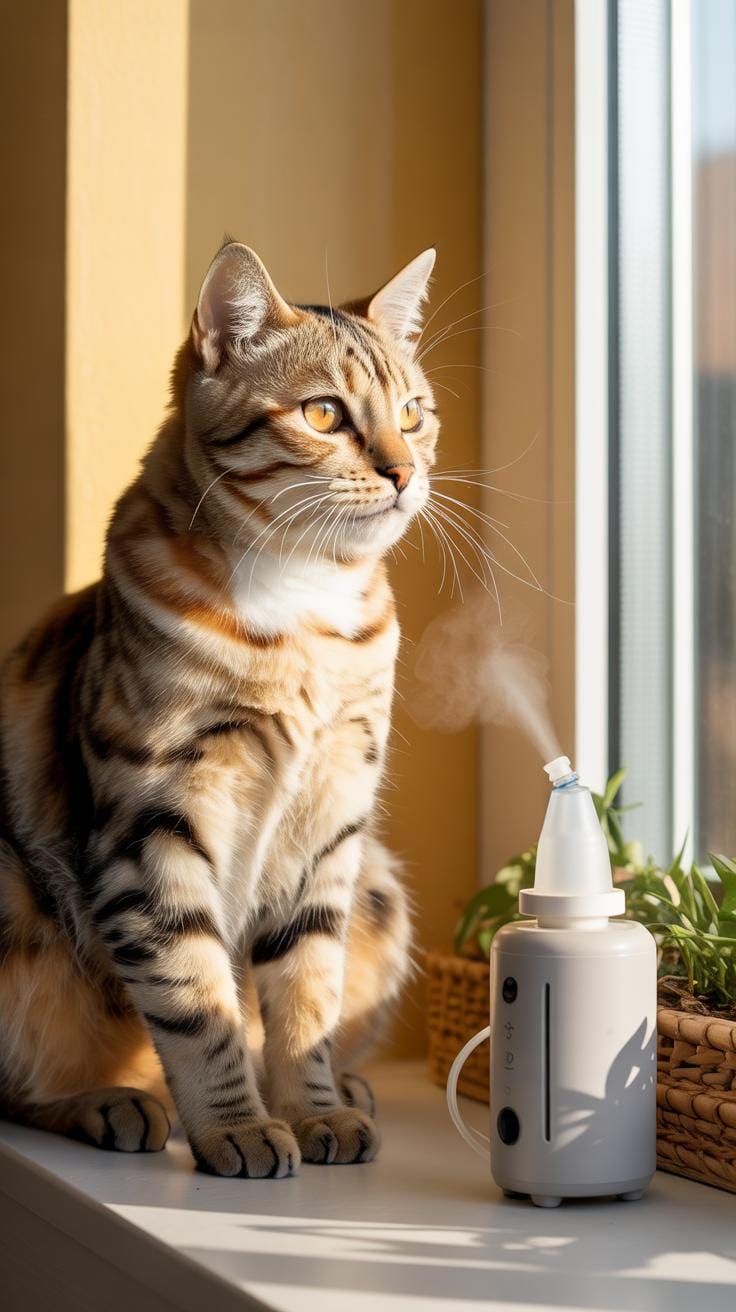
What Is A Respiratory Infection In Cats And How Does It Develop
Feline upper respiratory infections are common illnesses caused by viral or bacterial pathogens. These infections function similarly to the human common cold. Primary culprits include Feline Herpesvirus-1 and Feline Calicivirus. Cats contract these germs through direct contact with an infected animal. They also pick up pathogens from contaminated surfaces like food bowls or bedding. The infection spreads rapidly in multi-cat environments.
Once a cat inhales or swallows the pathogen, the germ invades the mucosal linings. It replicates within the cells of the nose and throat. This process triggers an immediate immune response from the body. You will notice inflammation and increased mucus production as the cat tries to expel the invaders. Chronic carriers often experience flare-ups during periods of high physiological or environmental stress.
Which Parts Of A Cats Respiratory System Are Typically Affected
The infection primarily targets the upper respiratory tract. This zone includes the nasal passages, the sinuses, and the throat. In most cases, the germs stay localized in these areas. The linings become swollen and irritated. This makes breathing through the nose difficult for the cat. Inflammation in the throat leads to gagging or coughing. These signs indicate the infection is active in the upper chambers.
In severe cases, the infection moves into the lower respiratory tract. This involves the trachea and the lungs. Lower tract involvement is much more dangerous for the cat. It can lead to pneumonia or permanent lung damage. Most common infections remain in the nose and eyes. However, you must monitor for deeper chest sounds. Prompt identification of the location helps determine the necessary level of medical intervention.

Surprising Cat Facts About How Felines Fight Respiratory Illness
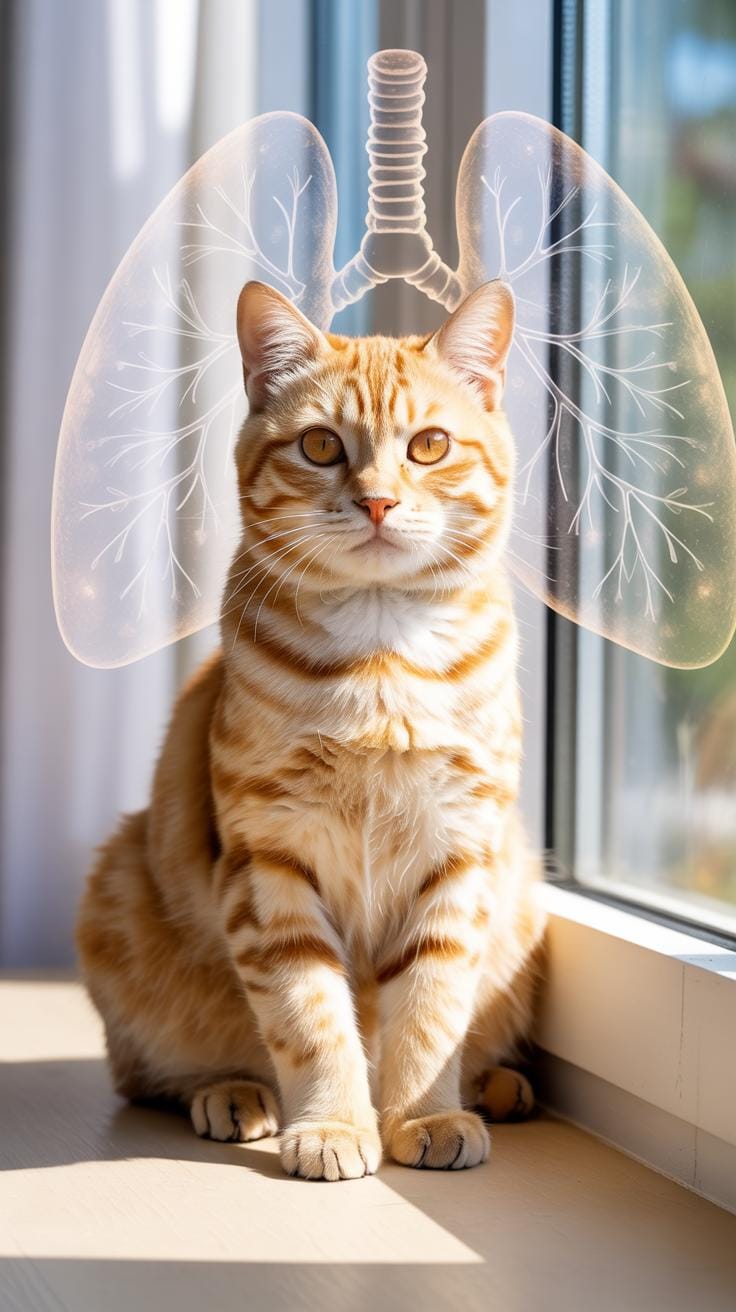
How A Cat’S Immune System Responds To Respiratory Pathogens
A cat’s immune system uses a multi-layered defense to fight off invaders. The first line includes physical barriers like mucus and tiny hairs called cilia in the airway. These trap dust and germs before they reach the lungs. When these barriers fail, the body triggers an inflammatory response. Blood flow increases to the infected area to deliver white blood cells that destroy the invading virus or bacteria.
The secondary response involves high-speed antibody production. B-cells identify the specific protein markers of the pathogen and create targeted weapons to neutralize it. This process creates biological memory. A healthy cat can recognize a familiar virus and stop it faster the next time. However, excessive inflammation often causes the visible symptoms owners see. Fever and nasal discharge are signs that the cat’s internal defenses are actively engaged in combat.
Why Cats Are More Susceptible To Respiratory Infections Than Many Pet Owners Realize
Cats possess a unique upper respiratory anatomy that creates several traps for pathogens. Their narrow nasal passages and complex sinus structures provide many hiding places for bacteria. Viral infections like Herpesvirus and Calicivirus are highly contagious and spread quickly through shared air or surfaces. Once a cat catches these viruses, they often stay in the body for life. They hide in nerve cells and wait for the immune system to weaken.
High stress levels also destroy a cat’s ability to fight illness. Stress triggers the release of cortisol which shuts down the immune response. This makes cats in shelters or multi-cat homes extremely vulnerable. Many owners do not realize that minor changes in the home can trigger a flare-up of a dormant infection. Understanding these biological vulnerabilities is key to preventing severe illness. Minimal stress and clean air are essential for feline health.

Common Cat Virus Symptoms That Signal A Respiratory Infection
How Feline Herpesvirus And Calicivirus Present As Respiratory Symptoms
Feline Herpesvirus-1 primarily targets the eyes and nasal passages. You will see clear or cloudy discharge from the nose and eyes. Infected cats often squint or claw at their faces due to corneal irritation. This virus stays in the body forever and flares up during times of high stress. It causes severe sneezing fits and can lead to permanent damage if left untreated.
Feline Calicivirus presents differently by focusing on the mouth and joints. Look for painful ulcers on the tongue and gums that make eating difficult. Some cats experience sudden lameness or stiff walking because the virus causes joint inflammation. While it also causes nasal congestion, the mouth sores are the specific diagnostic marker. This virus is hard to kill and spreads rapidly through shared surfaces.
How To Tell The Difference Between A Viral And Bacterial Respiratory Infection In Cats
Viral infections usually produce clear, watery discharge in the early stages. The cat may still act energetic but will sneeze frequently. Most feline respiratory issues start as viruses. These do not respond to antibiotics. You must focus on supportive care like hydration and nutrition. A virus often runs its course in ten days if the cat has a strong immune system.

Bacterial infections often follow an initial viral attack. You will notice the discharge change from clear to thick yellow or green. This color change indicates the presence of white blood cells fighting a secondary invader. The cat will likely stop eating and become very lethargic. Bacterial cases require specific medical intervention. You cannot wait for these to clear up on their own or lung damage occurs.
Cat Sneezing When It Is Normal And When It Is A Red Flag
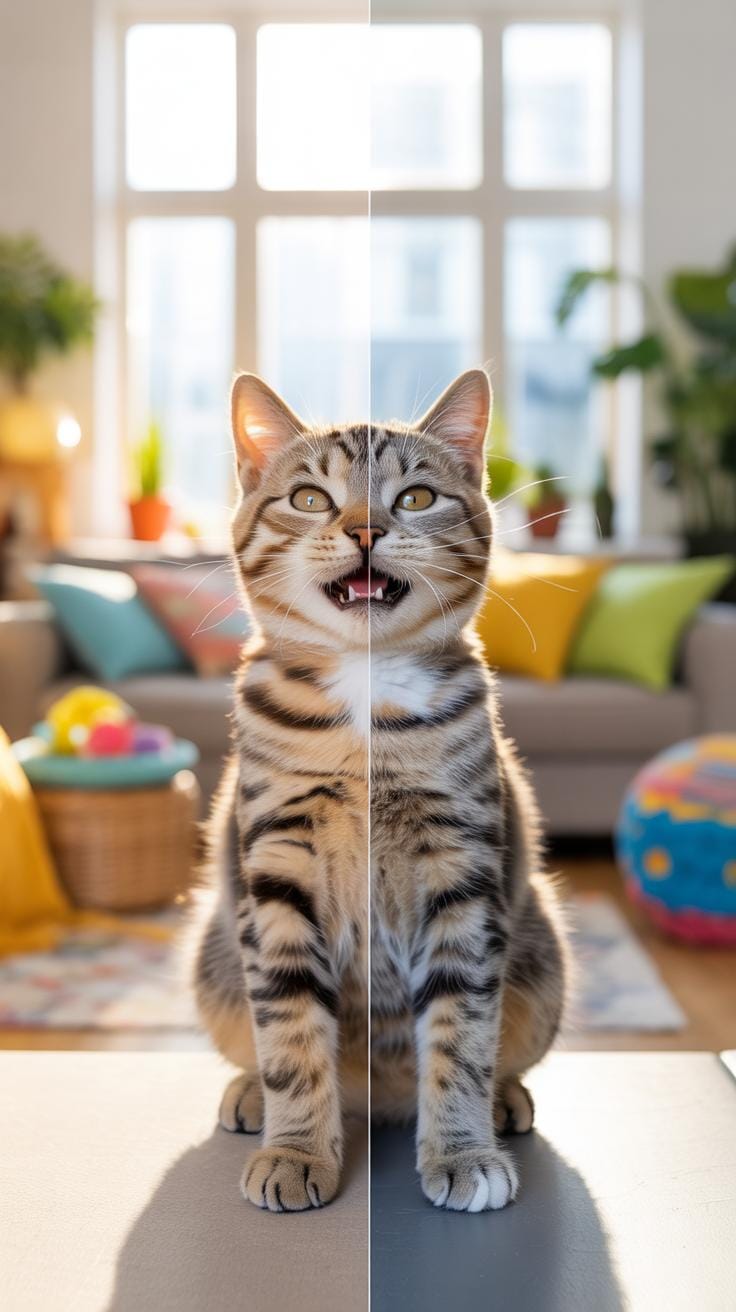
What Causes Excessive Sneezing In Cats And How It Relates To Respiratory Infections
Occasional sneezing is a physical reflex to clear debris from the nasal passages. This happens when dust or strong odors irritate the lining of the nose. These single events are normal and do not indicate a medical problem. You should not worry if your cat sneezes once after digging in litter or sniffing a dusty corner. Normal sneezing remains infrequent and lacks other symptoms.
Persistent or violent sneezing signals an Upper Respiratory Infection. Viral pathogens like Feline Herpesvirus or Calicivirus attack the nasal membranes. This causing inflammation and force frequent sneezing fits. Bacterial invaders such as Bordetella or Chlamydia can also trigger these episodes. In these cases, the sneezing does not stop on its own. The frequency increases over several days as the pathogens multiply and irritate the airways.
Other Physical Signs That Accompany Sneezing During A Respiratory Infection
Sneezing rarely occurs alone during a serious respiratory infection. You will likely see fluid leaking from the eyes and nose. This discharge often starts clear but turns yellow or green as the condition worsens. Inflamed tissues cause the cat to squint or paw at its face. Congestion makes it difficult for the cat to smell its food. If the cat stops eating, the infection is impacting its basic survival needs.

Watch for changes in energy and breathing patterns. Infected cats often become lethargic and hide in dark places. You might hear a whistling sound or heavy snoring when they breathe. This indicates blocked nasal passages or throat swelling. Open mouth breathing is a critical emergency sign that requires a vet visit. Fever often accompanies these symptoms as the immune system tries to fight the viral or bacterial load.
Upper Respiratory Infection In Cats Causes Triggers And At Risk Groups
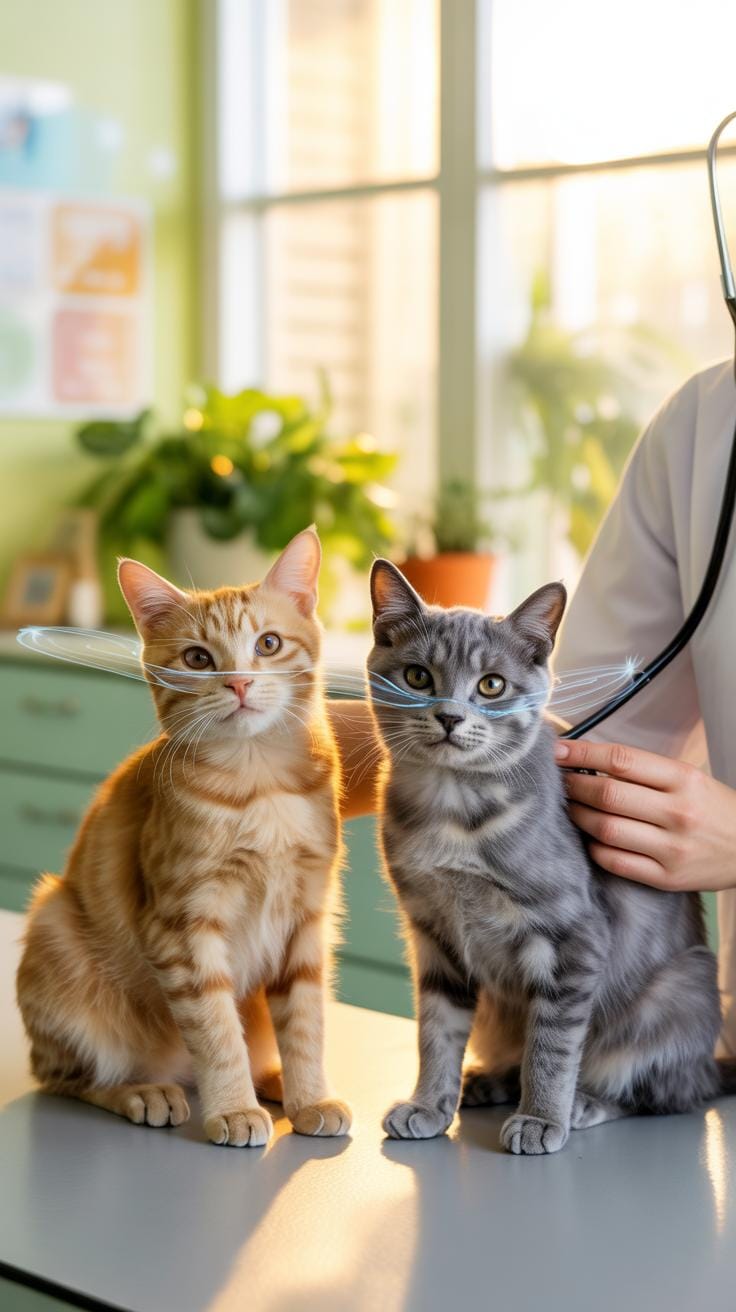
The Most Common Causes Of Upper Respiratory Infections In Cats
Viral pathogens cause the majority of feline respiratory illnesses. Feline Herpesvirus-1 and Feline Calicivirus account for ninety percent of all cases. These viruses spread through direct contact with saliva or eye discharge. Once a cat catches herpesvirus, it stays in the body forever. Stress or illness can reactivate the virus later. This creates a cycle of recurring symptoms that owners must manage.
Secondary bacterial infections often complicate the initial viral attack. Bordetella bronchiseptica and Chlamydia felis are the primary bacterial culprits. These bacteria can strike alone or follow a virus that weakened the immune system. Chlamydia specifically targets the eyes. It causes severe swelling and discharge. Effective treatment requires specific antibiotics. You cannot treat viral causes with these drugs. Knowing the specific pathogen helps you choose the right medical strategy.
Which Cats Are Most Vulnerable To Developing An Upper Respiratory Infection

Age and environment determine the level of risk for every cat. Kittens are the most vulnerable group. Their immune systems are not fully developed yet. They lack the strength to fight off aggressive pathogens. Senior cats also face high risks. Their bodies lose the ability to recover quickly from infections. Any cat with a pre-existing condition like FIV or FeLV has a compromised defense system.
High-density living quarters increase the speed of transmission. Shelters, catteries, and multi-cat households see the most outbreaks. Poor air circulation allows germs to linger in the environment. Chronic stress from overcrowding also lowers a cat’s immune response. Vaccinated cats have better protection but can still become carriers. Even indoor cats are at risk if they stay in boarding facilities. Managing the environment is critical for prevention.
How To Help A Cat With A Cold At Home Before Visiting The Vet
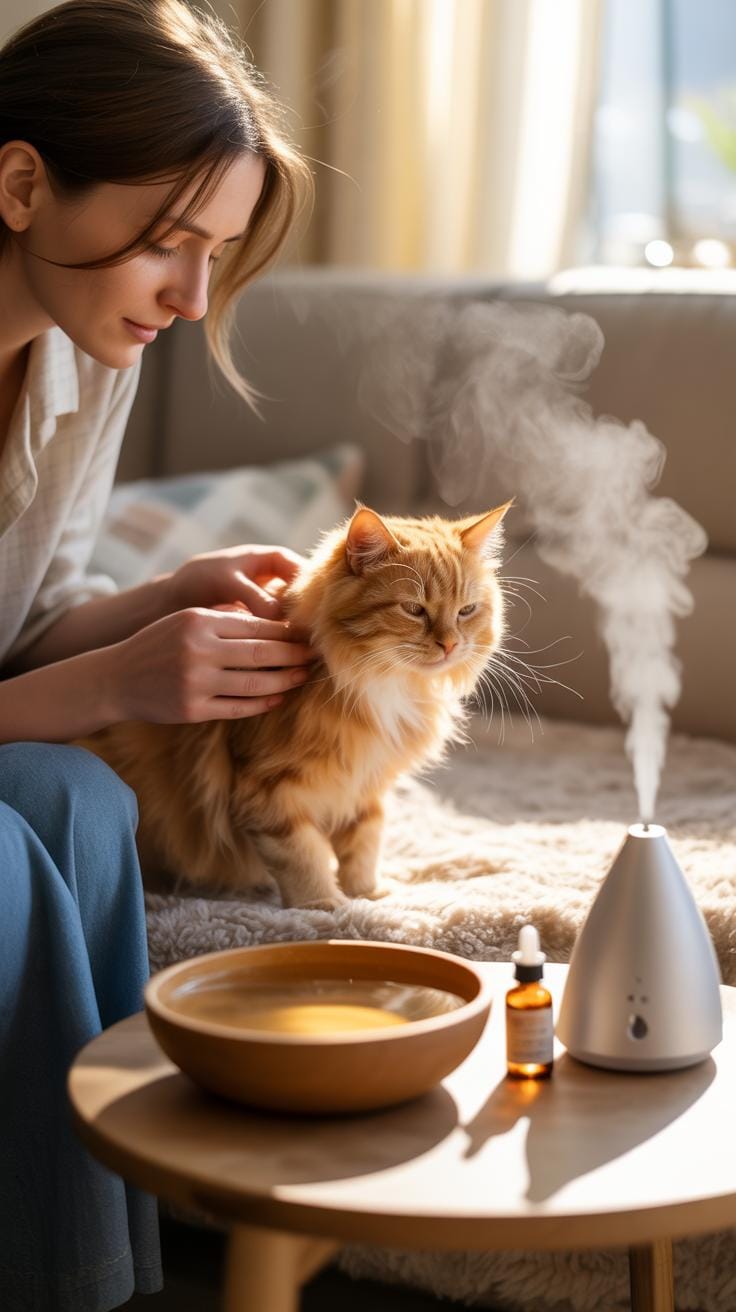
Safe And Effective Ways To Comfort A Cat Showing Mild Respiratory Symptoms
Home care focuses on symptom management and stress reduction to support the immune system. You must monitor your cat closely for any decline in health while providing a calm environment. Focus on clear airways and physical warmth to prevent the condition from worsening. Use these tactical steps to keep your cat stable while you schedule a professional veterinary examination for a formal diagnosis.
- Steam Therapy: Place your cat in a bathroom with a hot shower running for fifteen minutes. The warm steam thins out thick mucus in the nasal passages. This action helps the cat breathe more easily by clearing temporary obstructions. Repeat this process twice daily for maximum respiratory benefit.
- Nose Cleaning: Use a warm and damp cloth to gently wipe crusty discharge from the eyes and nose. Cats rely heavily on their sense of smell to feel safe and hungry. Keeping the face clean prevents skin irritation and allow the cat to breathe through its nostrils without resistance.
- Stress Reduction: Provide a quiet and secluded space away from other pets and loud noises. Stress hormones actively suppress the immune system and slow down the recovery process. High quality rest allows the body to redirect its energy toward fighting the viral or bacterial pathogen effectively.
- Heat Support: Offer a self-warming pet bed or a safe heating pad on a low setting. Maintaining body temperature is critical because a sick cat often struggles to regulate its own heat. Ensure the cat can move away from the heat source easily to prevent overheating or thermal skin burns.
- Gentle Brushing: Brush your cat daily to assist with grooming while they lack the energy to do it themselves. Grooming stimulates blood flow to the skin and provides a sense of normalcy. Removing loose fur prevents matting and helps the cat feel more comfortable while they are resting and recovering.
Avoid using human medications like ibuprofen or acetaminophen because these are toxic to felines. Never use essential oils or diffusers near a cat with breathing issues as these can cause further lung irritation. If the cat stops eating or starts breathing with an open mouth, stop home care and seek emergency help immediately. Monitor the consistency and color of nasal discharge for changes daily.
Foods Hydration And Environment Tips To Support Your Cats Recovery

Congestion reduces a cat’s sense of smell which leads to a loss of appetite. You must offer strong smelling wet foods to encourage them to eat. Warm the food slightly to release more scent molecules. Nutrition provides the necessary fuel for the immune system to fight the infection. A cat that stops eating for twenty four hours faces a high risk of liver failure.
Hydration keeps the mucus membranes moist and thins out respiratory secretions. Add extra water or unseasoned chicken broth to their food to increase fluid intake. Ensure fresh water is always available in multiple locations throughout the house. Dehydration makes it harder for the body to flush out toxins. Monitor the litter box to confirm the cat is urinating at a normal and healthy frequency.
Upper Respiratory Infection Warning Signs That Mean You Must See A Vet Now
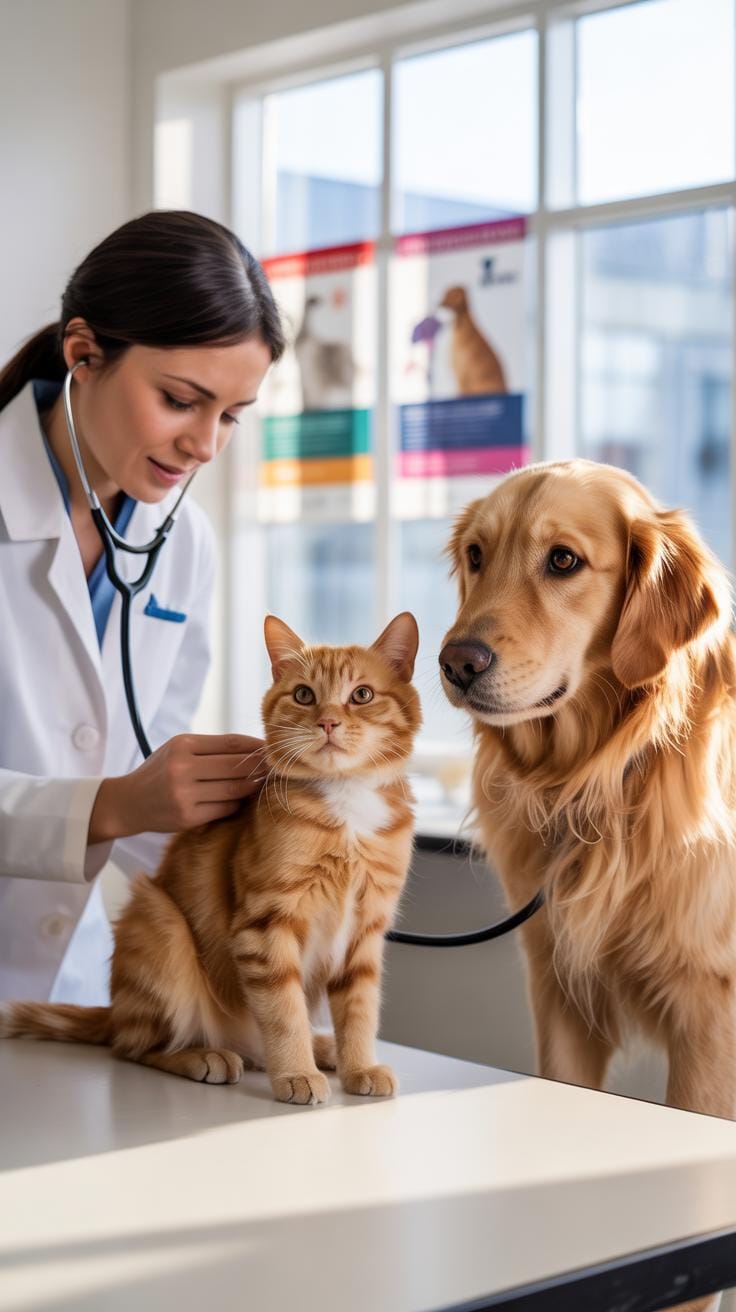
Severe Symptoms That Indicate A Cat Respiratory Infection Has Become An Emergency
Cats hide pain well until a medical crisis occurs. You must act if your cat struggles to breathe or uses its chest muscles to pull in air. Open-mouth breathing in cats is never normal and signals oxygen deprivation. Check the color of the gums for a blue or gray tint. This indicates a life-threatening lack of oxygen that requires immediate veterinary intervention.

High fevers and complete refusal of food also require an emergency visit. Cats rely on their sense of smell to eat. If congestion blocks their nose, they stop eating entire meals. Dehydration follows quickly once a cat stops drinking or eating. Look for extreme lethargy or a cat that hides in unusual spots. These behaviors mean the infection has likely spread to the lungs or blood.
How Vets Diagnose And Treat Upper Respiratory Infections In Cats
Veterinarians start with a physical exam to check the eyes, nose, and throat. They listen to the lungs with a stethoscope to rule out pneumonia. If the cat is very sick, the vet may take a swab of mucus. This test identifies the specific virus or bacteria causing the illness. X-rays are necessary if the vet suspects the infection moved into the lower chest.
Treatment focuses on clearing the infection and managing pain. Vets prescribe antibiotics if they detect a secondary bacterial infection. Antiviral medications help if a specific virus like herpesvirus is the cause. The vet may also give fluids under the skin to fix dehydration. They often recommend saline drops to clear nasal passages. This helps the cat smell its food so it starts eating again.
Cat Health Care Routines That Help Prevent Respiratory Infections
The Role Of Vaccinations In Protecting Cats From Respiratory Viruses
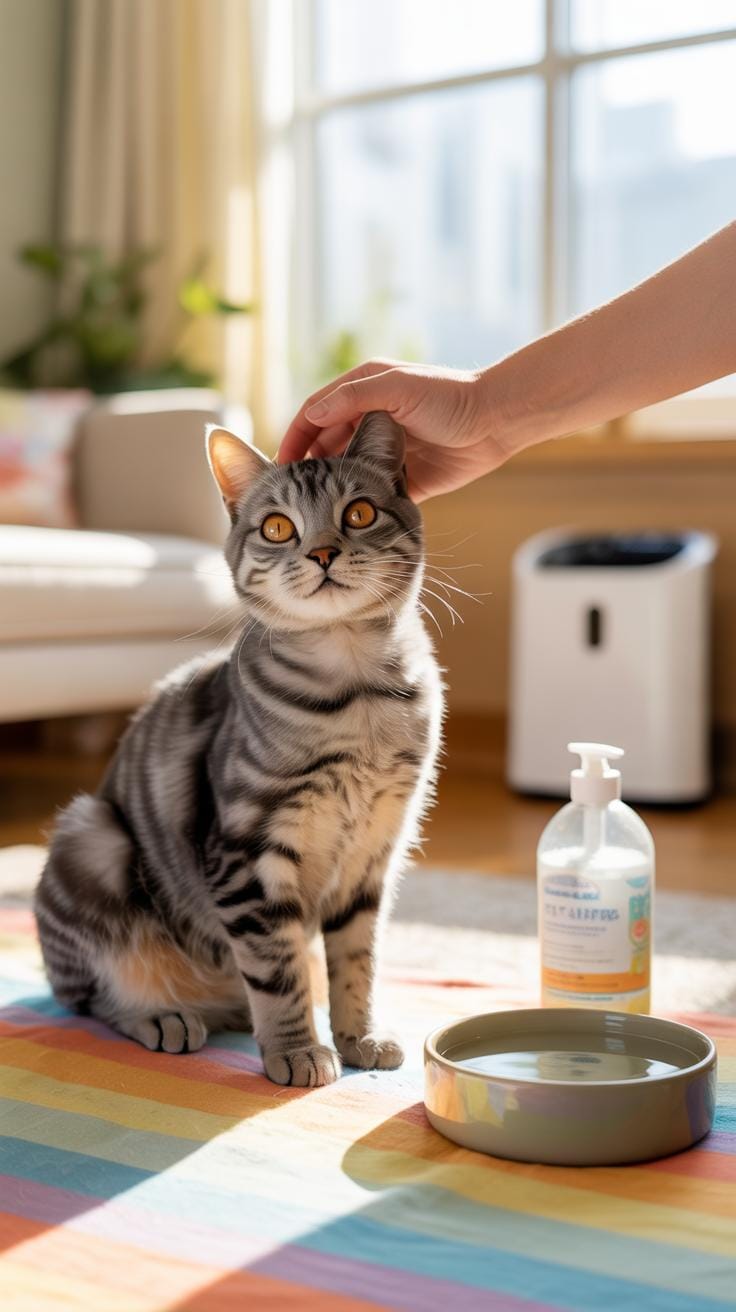
Vaccinations act as the first line of defense against common viral pathogens. Feline calicivirus and feline herpesvirus cause the majority of upper respiratory issues. Core vaccines prime the immune system to recognize these threats early. This reduces the severity of symptoms if an exposure occurs. Keeping a consistent schedule ensures the cat maintains high antibody levels throughout its life cycle.

Strategic immunization prevents the rapid spread of illness in multi-cat environments. While vaccines do not always stop infection entirely, they prevent life-threatening complications like pneumonia. Consult your vet to determine the correct frequency based on lifestyle and age. Early kitten shots provide the necessary baseline for long-term health. Timely boosters keep these defenses strong as your cat interacts with other animals.
If you find your companion’s clear-eyed bright spirit dimmed by a heavy breath or a silent sneeze, do not wait for the sun to set before seeking help. Our small friends give us their hearts, and in return, we must be the guardians of their every breath.
How Regular Vet Checkups And Clean Living Conditions Reduce Infection Risk
Annual veterinary exams detect subtle health shifts before they become major crises. Doctors check for inflammation in the nose and throat during these visits. Early detection of dental disease or weak immunity helps prevent secondary bacterial infections. These visits also allow for weight monitoring and nutritional advice. A healthy body weight supports a more robust immune response against airborne bacteria and viruses.
Sanitation in the home environment directly impacts lung health and immune stability. Frequent cleaning of food bowls and water fountains removes harmful biofilm and bacteria. High-quality air filtration reduces dust and allergens that irritate sensitive feline airways. Keep litter boxes in well-ventilated areas to prevent ammonia buildup. Scrubbing shared surfaces prevents the transfer of germs between pets living in the same household.
Practical Cat Care Tips To Manage And Monitor Respiratory Health Long Term
How To Track Your Cat’S Breathing Patterns And Spot Early Warning Signs
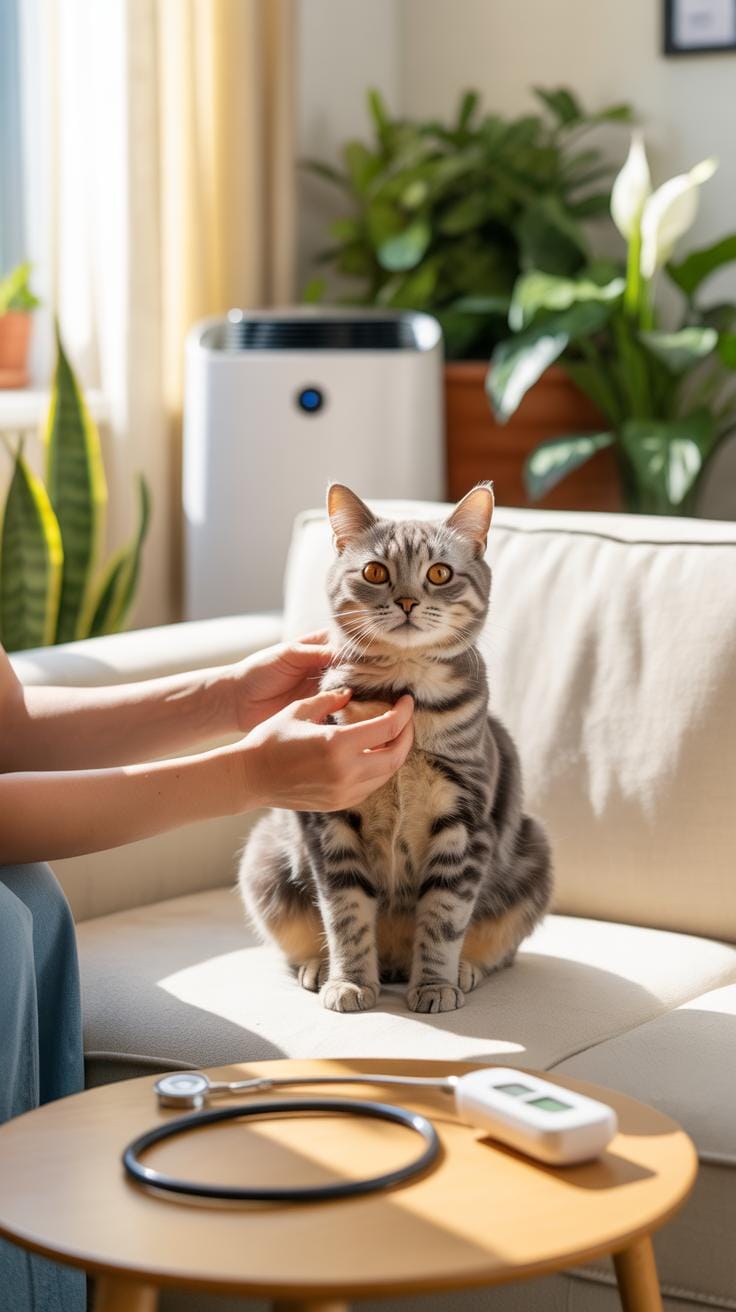
Monitoring resting respiratory rates provides the most reliable data on lung health. Observe your cat while it sleeps deeply. Count how many times the chest rises in sixty seconds. A healthy cat usually takes between fifteen and thirty breaths per minute. Higher rates often signal fluid in the lungs or inflammation. Establish this baseline early so you can detect subtle changes before symptoms worsen.
Look for changes in breathing effort rather than just speed. Abdominal breathing occurs when the stomach moves significantly to help the lungs pull in air. Open-mouth breathing is always a medical emergency in cats. Record these observations in a dedicated health log. Note the date and time of any coughing or sneezing fits. Consistent data helps your veterinarian make an accurate diagnosis during urgent clinical visits.
Key Daily Habits Every Cat Owner Should Adopt To Support Respiratory Wellness
Environmental control directly impacts feline airway health. Cats possess sensitive respiratory systems that react poorly to airborne irritants. Dust from clay litter and strong chemical scents trigger inflammation in the bronchial tubes. Reducing these triggers prevents chronic conditions like feline asthma from developing. You must manage the air quality in the primary living spaces to protect your cat from long-term lung damage.
- Switch To Low-Dust Litter: Traditional clay litters release silica dust that cats inhale while digging. Use paper, pine, or walnut alternatives to keep the airways clear. This reduces the mechanical irritation that often leads to chronic coughing and secondary bacterial infections in the nose.
- Eliminate Aerosols And Fragrances: Plug-in air fresheners, scented candles, and heavy perfumes contain volatile organic compounds. These chemicals irritate the delicate lining of the feline respiratory tract. Removing these toxins prevents unnecessary sneezing and helps maintain a healthy immune response within the nasal passages.
- Control Indoor Humidity: Dry air parches the mucous membranes in the throat and nose. Maintain humidity levels between forty and sixty percent using a humidifier. Moist membranes trap pathogens more effectively than dry ones. This simple environmental adjustment helps the body naturally defend against common viral invaders.
- Manage Dust And Mold: Vacuum floors with a HEPA filter to remove allergens like pollen and dust mites. Wash cat bedding weekly in hot water to kill pathogens. Reducing the total allergen load prevents the immune system from becoming overworked. Clean air keeps the lungs clear and functioning at peak capacity.
- Maintain Ideal Body Weight: Excess body fat puts physical pressure on the chest wall and diaphragm. Obesity makes it harder for cats to expand their lungs fully. Keeping your cat lean ensures they can breathe deeply and recover faster from minor infections. Lean cats face fewer complications during respiratory distress.
Vaccination remains the primary defense against severe respiratory disease. Keep all boosters current for feline viral rhinotracheitis and calicivirus. These viruses cause the majority of upper respiratory infections in domestic cats. Regular medical checkups allow doctors to listen to the lungs for abnormal sounds. Early detection through sound physical exams prevents minor congestion from turning into life-threatening pneumonia.
Frequently Asked Questions

What are the most common cat respiratory infection signs to look out for?
Early identification is key to helping your feline friend recover quickly. Common cat respiratory infection signs include frequent sneezing, nasal congestion, and clear or colored discharge from the eyes and nose. You may also notice your cat becoming lethargic, losing interest in food, or developing a persistent cough. If your cat is squinting or their third eyelid is visible, these are clear indicators that an upper respiratory issue is beginning to take hold.
How can I care for a cat with a respiratory infection at home before the vet visit?
While waiting for your appointment, focus on comfort and hydration. You can clear nasal passages by bringing your cat into a steamy bathroom for fifteen minutes to loosen mucus. Gently wipe away eye and nose discharge with a warm, damp cloth. Since a stuffy nose reduces their sense of smell, try feeding extra-smelly wet food warmed slightly to encourage eating, as maintaining nutrition is vital when managing cat respiratory infection signs.
Are there low-cost options if I suspect my cat has a respiratory infection?
If a traditional clinic visit is outside your budget, look for local non-profit animal shelters or veterinary colleges that often provide subsidized care. Many communities offer low-cost wellness clinics specifically for common ailments. You can also utilize telehealth services for an affordable initial consultation. Don’t delay care entirely, as treating a minor infection early is significantly cheaper than managing advanced pneumonia or chronic sinus issues that require emergency intervention later on.