Understanding Why A Cat Stops Eating WhatS Normal And WhatS Not
How Long Can A Cat Go Without Eating Before It Becomes A Problem
A cat that refuses food for twenty four hours requires immediate attention. Unlike dogs or humans, feline metabolism handles fasting poorly. After just two days without calories, a cat faces significant internal risks. Their bodies begin processing fat stores too quickly. This metabolic shift creates a dangerous buildup in the liver. You cannot wait out a cat that refuses to eat for several days.
Hepatic lipidosis is the primary threat when a cat stops eating. This condition occurs when the liver becomes overwhelmed by fat. It often leads to liver failure if left untreated. Veterinary intervention is critical by the forty eight hour mark. Even a healthy, overweight cat can suffer rapid organ damage from starvation. Monitoring daily intake is your most important task for maintaining their long term survival.
Telling The Difference Between Occasional Fussiness And True Loss Of Appetite
Fussiness often appears as a preference for specific textures or flavors. A picky cat might sniff the bowl and walk away but later accept a different treat. They remain active and alert despite their refusal. This behavior usually stems from external factors like a dirty bowl or stale kibble. If the cat eats something else, the issue is likely preference rather than a medical emergency.
True loss of appetite, or anorexia, involves a total lack of interest in any food. The cat will ignore high value treats and favorite wet foods. You will often notice other symptoms like lethargy, hiding, or weight loss. These physiological signs point to underlying illness or pain. Do not confuse a tactical hunger strike with a clinical inability to eat. Medical issues require a doctor instead of a new flavor.

Common Medical Reasons Why A Cat Stops Eating
Dental Pain, Digestive Issues, And Internal Illness That Suppress Appetite
Dental disease causes immediate food refusal. Broken teeth, inflamed gums, or oral tumors make chewing painful. Cats often approach the bowl but back away after one bite. Gingivitis and stomatitis create chronic discomfort that suppresses the drive to eat. Owners might see drooling or pawing at the mouth. You must check for red gums or bad breath to identify these physical barriers.
Digestive tract blockages or infections also stop a cat from eating. Gastritis and inflammatory bowel disease cause nausea. A cat feels full or sick when they try to swallow. Foreign objects like hairballs or string can block the stomach. This creates a physical backup that kills the appetite. Pancreatitis is another common culprit. It causes severe abdominal pain and makes food repulsive to the animal.
When Kidney Disease, Diabetes, Or Hyperthyroidism Affect Your Cats Hunger
Chronic kidney disease is a primary reason cats stop eating. Malfunctioning kidneys allow toxins to build up in the blood. This process is called uremia. It causes severe nausea and mouth ulcers. Cats lose their sense of smell and taste. They often stop eating because the body feels poisoned. Increased thirst and weight loss usually accompany this condition. Early detection is vital for managing these symptoms.
Diabetes and hyperthyroidism change how a cat processes energy. While these often start by increasing hunger, they can eventually lead to a total loss of appetite. Uncontrolled diabetes causes ketoacidosis. This makes the cat feel very ill and lethargic. Hyperthyroidism speeds up the metabolism but can lead to heart failure or gastrointestinal upset. Both conditions require blood tests to confirm. Medical intervention is necessary to restore normal feeding patterns.

Stress And Environmental Changes As Cat Care Concerns That Affect Eating
How Moving, New Pets, Or Household Disruptions Can Cause A Cat To Refuse Food
Cats are solitary hunters that rely on territory for security. Moving to a new home or adding a pet removes their sense of control. This loss of safety triggers the fight or flight response. The body suppresses hunger to focus on potential threats. A cat in fear will prioritize hiding over calories. This biological mechanism ensures survival in the wild but causes starvation in domestic settings.
Environmental changes create high cortisol levels. Loud noises or construction disrupt a cat’s mental map of their territory. When a cat feels vulnerable, they stop visiting their food bowl. The bowl is often in an open area where predators could strike. An anxious cat refuses to eat because the act of eating requires them to lower their guard. Restoring a sense of safety is the only way to restart their appetite.
The Role Of Routine In Keeping Your Cat’S Appetite Stable And Predictable
Predictability regulates a cat’s internal clock. Consistent feeding times align with their natural metabolic rhythms. When you feed a cat at the same hour, their body prepares for digestion. This routine lowers stress and creates a reliable cycle of hunger and satisfaction. Sudden changes to this schedule cause anxiety. A stressed cat often ignores food even when it is available because their internal rhythm is broken.

Establish a firm schedule to prevent food refusal. Serve meals in the same quiet location every day. Avoid moving the water bowl or litter box during high-stress periods. Consistency tells the cat that their environment is stable. A stable environment keeps cortisol low and appetite high. If household changes occur, keep the feeding routine identical to maintain caloric intake. Routine is the most effective tool for preventing stress-related fasting.
What Can Cats Eat Safely Foods That Support Appetite And Overall Health
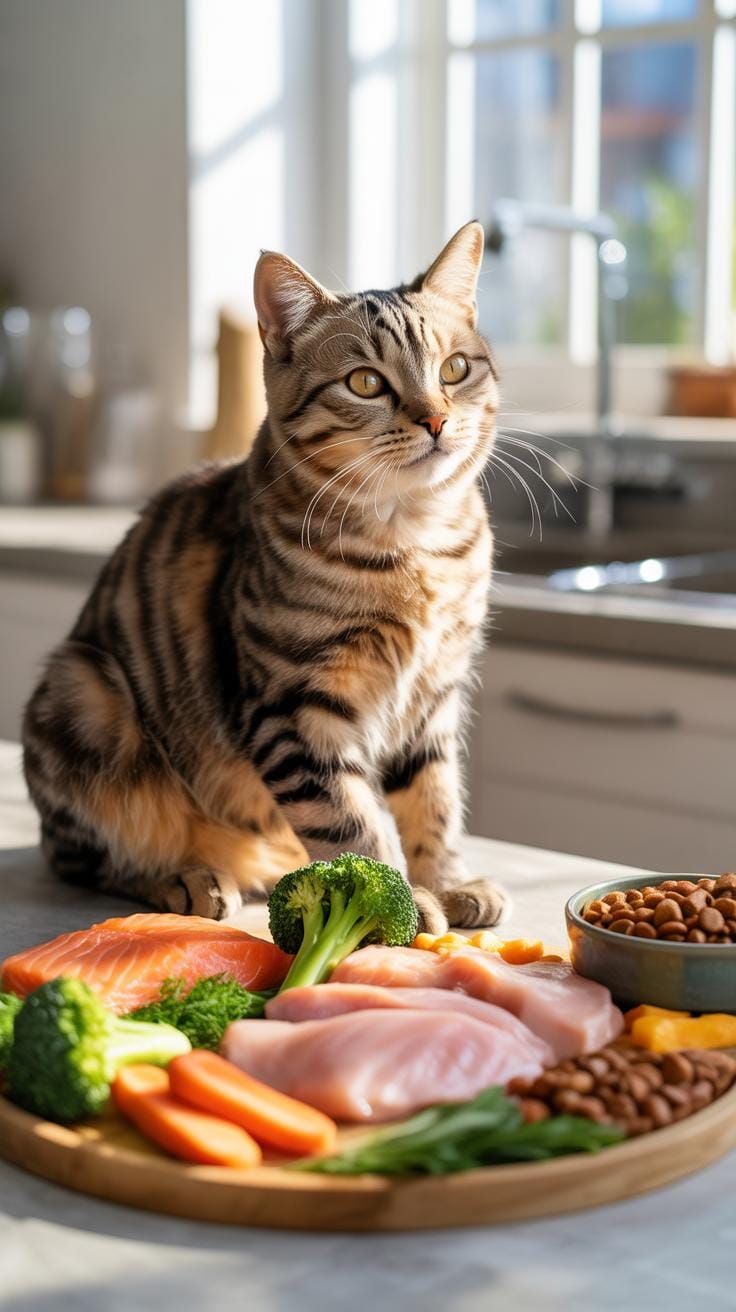
Safe And Nutritious Foods That Are Appropriate For Cats To Consume
Cats are obligate carnivores. They require animal protein to survive and maintain organ function. When a cat stops eating, prompt them with high-value meats that mimic their natural diet. These foods provide essential amino acids like taurine. Always serve these items plain without any seasonings or oils. Proper nutrition supports the immune system and encourages a steady metabolism.
- Cooked Chicken Breast: Boil or bake skinless chicken without salt or spices. This lean protein is easy on the digestive system and provides necessary fuel for muscle maintenance. It acts as a bland diet staple for sick cats.
- Canned Sardines: Select fish packed only in water with no added salt. The strong scent often triggers a suppressed appetite. Sardines offer high levels of omega-3 fatty acids which support skin health and reduce internal inflammation.
- Plain Turkey: Offer cooked turkey meat as an alternative protein source. Ensure all bones and skin are removed before serving. Turkey contains high-quality protein that helps cats maintain their energy levels during recovery from illness or stress.
- Boiled White Fish: Use cod or flounder to provide a low-fat protein option. Fish is highly palatable to most felines. This helps bridge the gap when they refuse standard kibble. Ensure every bone is meticulously removed to prevent choking.
- Beef Liver: Serve small amounts of cooked beef liver to provide intense nutrient density. It contains high levels of Vitamin A and iron. Use this sparingly as an appetite stimulant because excessive amounts can lead to vitamin toxicity over time.
Balance is critical for long-term health. Treats and plain meats should not exceed ten percent of the daily caloric intake. Standard commercial cat food contains added vitamins that plain meat lacks. If the cat refuses to eat for more than 24 hours, consult a veterinarian immediately. Use these safe foods as temporary tools to jumpstart the eating process.
Foods And Substances That Are Toxic To Cats And Should Always Be Avoided

Many common kitchen items cause rapid organ failure in felines. Onions, garlic, and leeks contain compounds that destroy cat red blood cells. This leads to life-threatening anemia. Grapes and raisins also cause acute kidney failure in many cases. Even small amounts can be fatal. You must keep these items in secured cabinets where cats cannot reach them.
Chocolate contains theobromine and caffeine which overstimulate the feline nervous system. Alcohol and xylitol are equally dangerous and can cause seizures or liver collapse. Dairy products often cause severe gastrointestinal distress because most adult cats are lactose intolerant. Do not offer milk as a treat. Stick to species-appropriate proteins to avoid accidental poisoning and maintain stable health for your pet.
Cat Nutrition Why The Right Diet Keeps Your Cat Eating Consistently
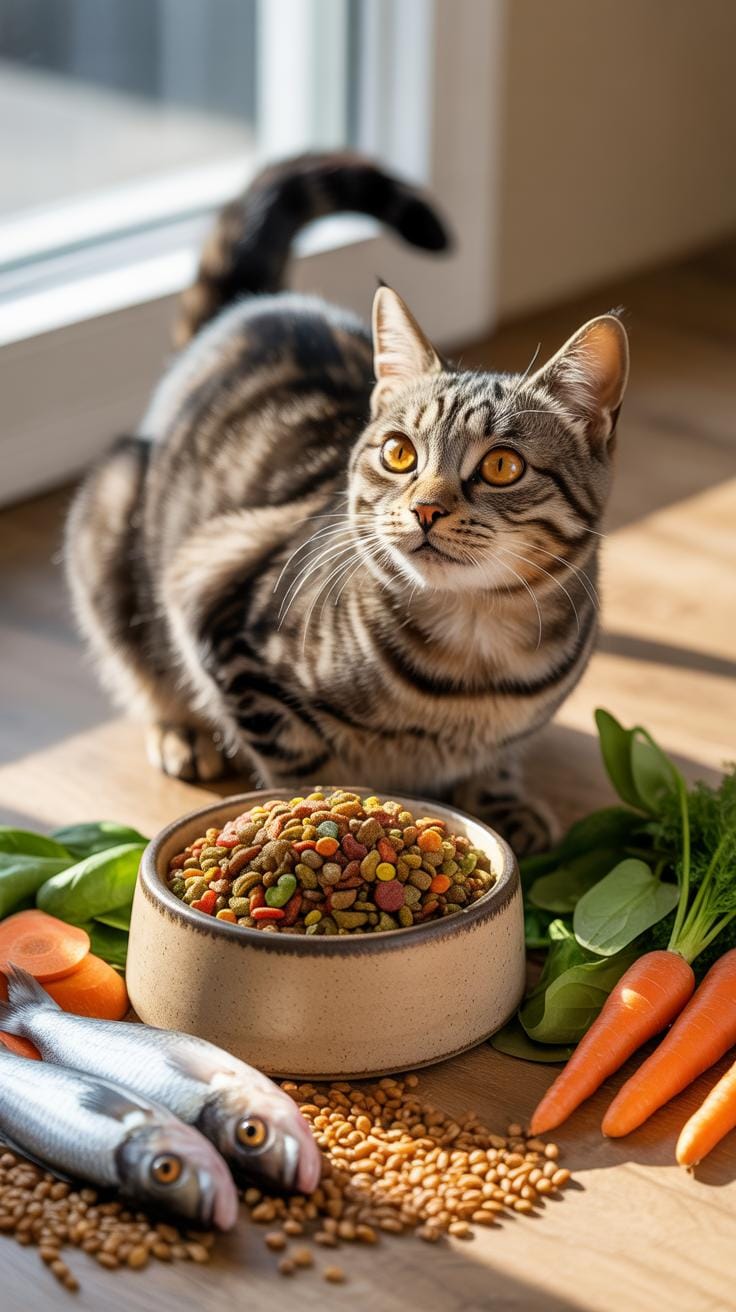
Why Cats Are Obligate Carnivores And What That Means For Their Dietary Needs
Cats must eat meat to survive. This biological requirement defines the obligate carnivore. Their bodies lack the enzymes to process plant based proteins efficiently. They rely on animal tissues for energy and essential vitamins. If you feed a cat too many carbohydrates, they suffer. Their digestive systems are short and designed for rapid meat processing. This is why cats stop eating low quality fillers.
Evolution shaped the cat as a solitary hunter. Their ancestors thrived on small prey. This diet provided high protein and low sugar. Modern cats still require this specific nutrient profile to maintain health. When a diet deviates from these biological needs, metabolic stress occurs. A cat may refuse food that does not meet their evolutionary requirements. Proper meat sources ensure appetite and long term survival.
The Importance Of Taurine, Protein, And Moisture In A Balanced Cat Diet

Taurine is an essential amino acid found only in animal protein. Cats cannot produce it themselves. Without taurine, cats develop heart disease and vision loss. High protein levels provide the necessary calories for daily function. Most cats prefer food that mimics the protein content of natural prey. If a food lacks these core components, a cat might lose interest in eating entirely.
Hydration is a critical factor in feline nutrition. Cats have a low thirst drive because they evolved to get water from prey. Dry kibble often leads to chronic dehydration and kidney issues. Wet food provides the moisture needed for organ health and digestion. A lack of moisture can make eating painful or difficult. Balanced moisture levels keep the metabolism moving and ensure the cat continues to eat regularly.
How To Encourage Cat Eating When Your Feline Refuses Their Bowl
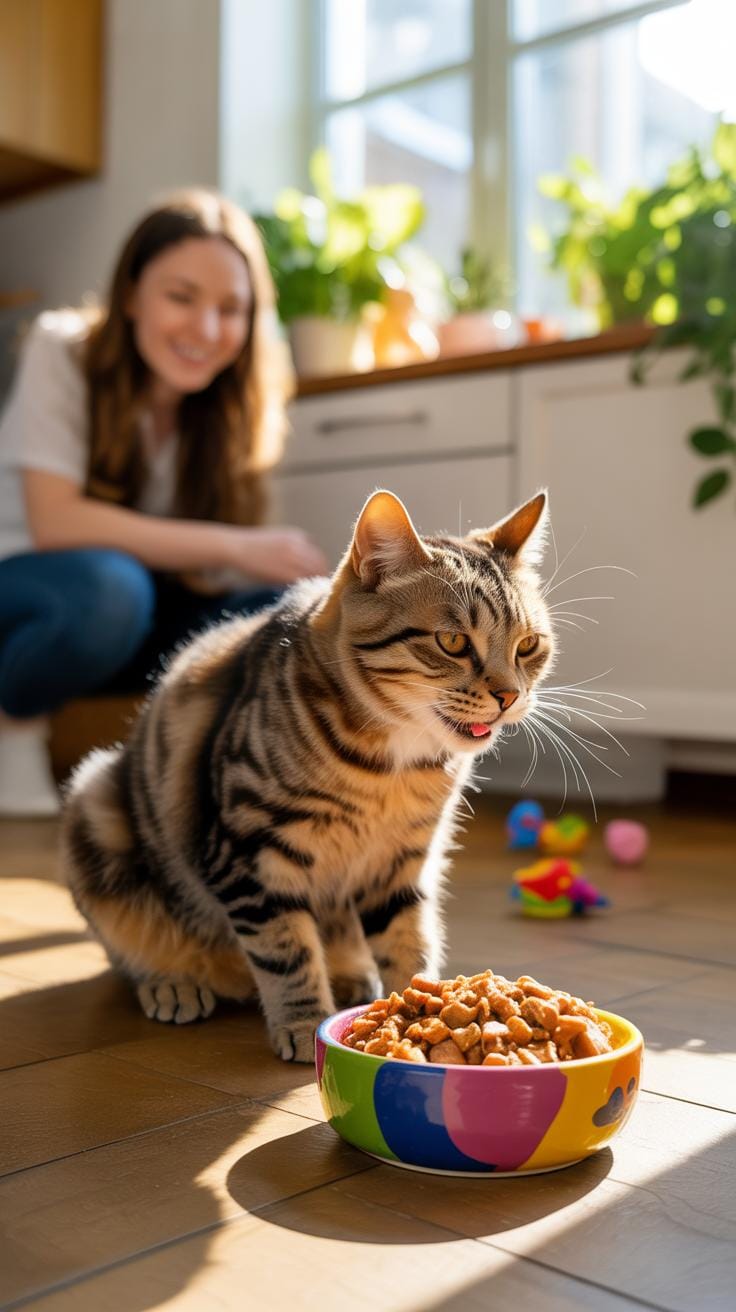
Practical Techniques To Stimulate A Cat’S Appetite During A Refusal Episode
Cats rely heavily on scent to trigger their hunger response. If a cat cannot smell its food, it will likely refuse to eat. You must enhance the aromatic profile of the meal to bypass this sensory block. Warming the food to body temperature releases fats and odors that appeal to feline instincts. Ensure the feeding environment is quiet and free from high traffic to reduce stress.
- Heat Wet Food: Place wet food in a microwave-safe dish and warm it for several seconds. High temperatures increase the volatility of fat molecules and strengthen the scent. Always stir the food to eliminate hot spots that could burn the cat’s mouth or tongue.
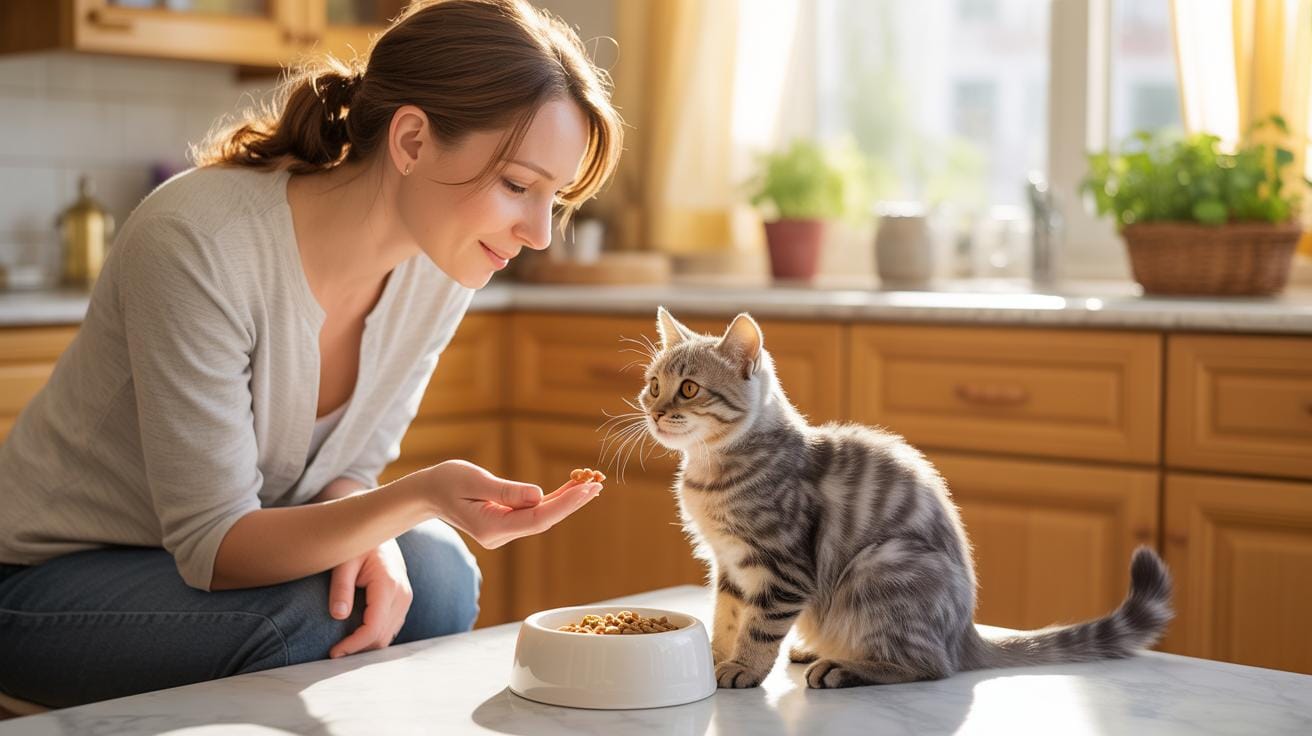
- Hand Feeding: Offer small morsels of food on your fingertip or a flat palm. This technique utilizes the bond between owner and pet to provide reassurance. Many sick or stressed cats feel safer eating directly from a trusted human than from a stationary bowl.
- Aromatic Toppers: Add small amounts of tuna juice, low-sodium chicken broth, or freeze-dried liver to the dish. These high-value ingredients provide intense olfactory stimulation. Stronger scents can entice a cat that has lost interest in its standard kibble or canned pate due to illness.
- Whiskers Fatigue Prevention: Use a shallow plate or a wide, flat bowl instead of a deep dish. Cats have sensitive nerve endings in their whiskers that cause discomfort when they touch the sides of a bowl. Reducing this physical irritation often removes a significant barrier to eating.
- Hydration Additives: Mix warm water into the food to create a slurry or soup-like texture. This makes the food easier to lap up and provides necessary hydration simultaneously. A softer consistency is particularly beneficial for senior cats with dental issues or cats experiencing mild dehydration.
Move the food bowl away from the water dish and litter box. Cats naturally avoid eating near their waste or where water might be contaminated. Raising the bowl off the floor can also help cats with arthritis or digestive issues. This posture allows food to travel more easily to the stomach using gravity. Constant access to fresh food prevents spoilage and keeps the meal appealing.
When And How To Transition Foods Gradually Without Triggering More Refusal

Rapid diet changes often cause gastrointestinal upset or total food refusal. A cat’s digestive system requires time to adapt to new proteins and fat levels. Start by mixing a small amount of the new food into the current diet. This method hides the new scent and texture within a familiar base. Slow transitions help identify if a specific ingredient causes an adverse reaction or physical discomfort.
The transition process should take seven to ten days for most healthy cats. Increase the ratio of new food by twenty-five percent every two days. If the cat stops eating at any stage, return to the previous ratio immediately. Keeping the transition slow prevents the cat from developing a taste aversion. Monitoring stool consistency and energy levels throughout this period ensures the cat processes the new nutrients effectively.
How To Help Cat Eat Slower And Why Eating Speed Matters For Digestion
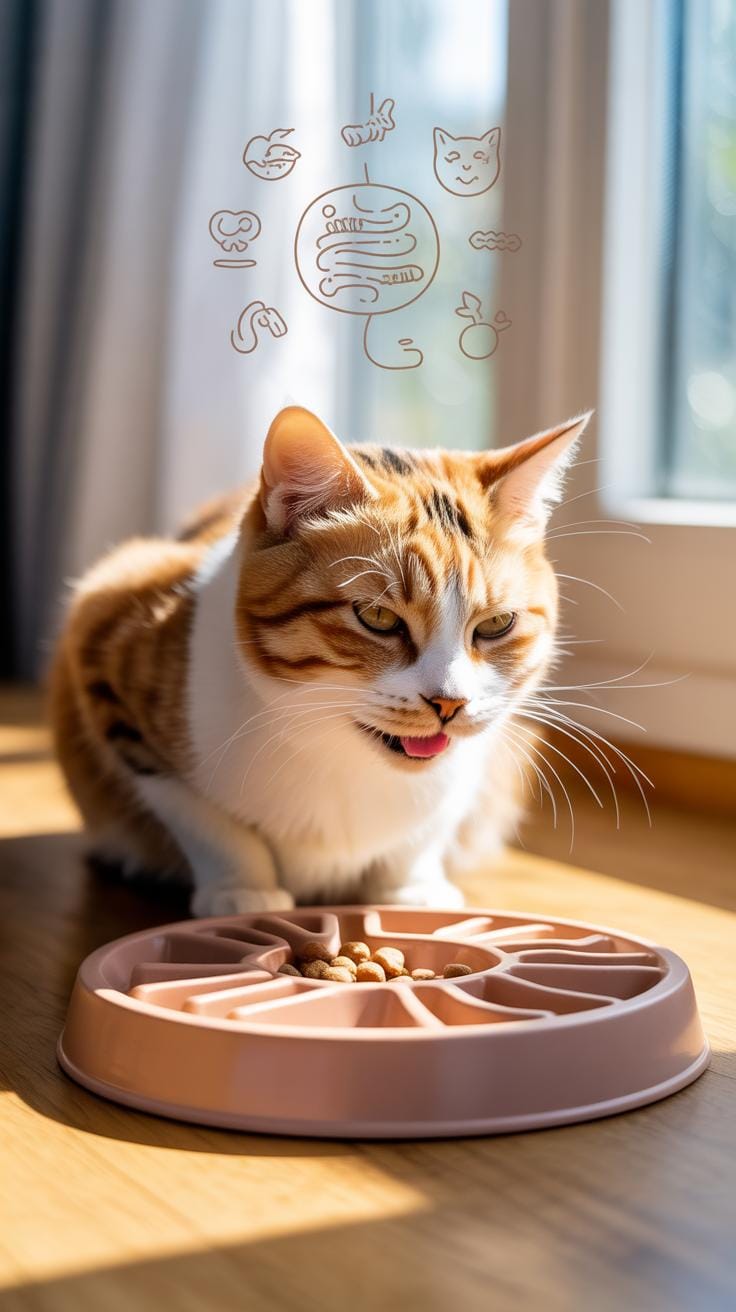
The Health Risks Associated With Cats That Eat Too Quickly Including Vomiting
Rapid food consumption causes immediate digestive distress. This behavior often leads to the scarf and barf phenomenon. When a cat eats too fast, they swallow excess air and unchewed kibble. The stomach expands too quickly. This trigger forces the body to eject the meal before digestion begins. You will see whole pieces of food in the vomit. This habit creates a cycle of hunger and irritation.

Chronic fast eating leads to long term weight issues and bloat. While rare in cats compared to dogs, gastric dilation is a risk. Fast eaters do not feel full in time to stop. They override natural satiety signals. This leads to overeating and obesity. Regurgitation also irritates the esophagus over time. Frequent vomiting causes dental wear from stomach acid. You must intervene to protect their internal lining.
The smallest change in a cat’s appetite is often a silent plea for the comfort and care they cannot put into words. When the purring stops at the food bowl, it is time for us to listen with our hearts and seek the healing they deserve.
How To Slow Down Cat Eating Using Puzzle Feeders And Portioned Meal Strategies
Tactical feeding requires physical barriers to slow mouth movement. Puzzle feeders force cats to use paws to extract kibble. This mimics natural foraging behaviors. It stops the cat from taking large gulps of food. Silicone lick mats work well for wet food. Spreading the meal thin increases the time it takes to finish. This gives the brain time to register that the stomach is full.
Portion control is your second line of defense. Stop feeding two large meals a day. Use an automated feeder to schedule several small portions. This prevents the cat from feeling extreme hunger. Extreme hunger drives the urge to bolt food. If you have multiple cats, feed them in separate rooms. Competition often causes a cat to eat faster. Removing the threat of food theft stabilizes their eating pace.
Older Cats And Appetite Loss What Every Cat Lover Should Know
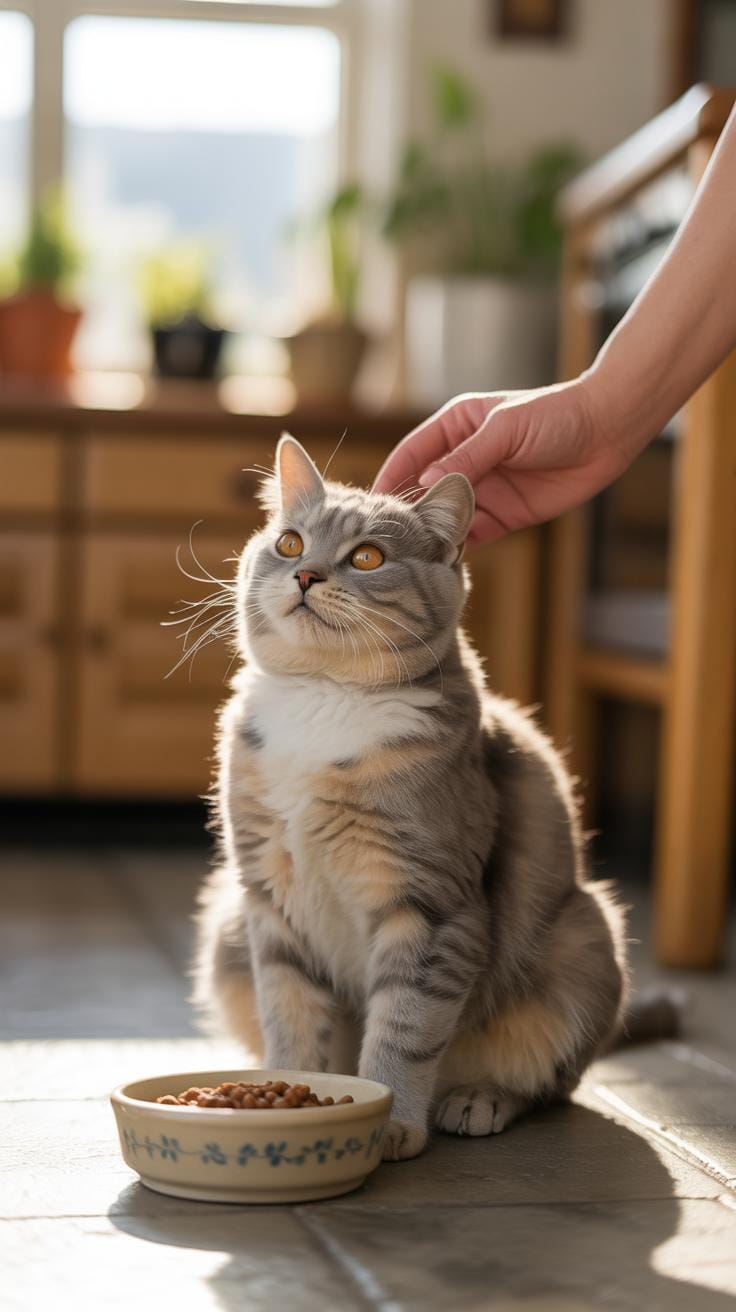
Why Senior Cats Experience Changes In Appetite, Smell Sensitivity, And Food Preference
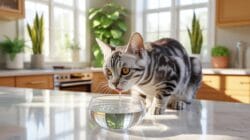
Aging cats lose their sense of smell and taste. This decline makes high-quality food seem bland and unappealing. Since cats rely on scent to trigger their hunger drive, a weak nose often leads to total food refusal. You will notice your cat ignoring meals that they previously enjoyed. This physical change is a natural part of feline aging and requires immediate intervention.
Senior cats also experience dental wear and reduced jaw strength over time. Cracked teeth or gum disease make chewing hard kibble painful. When a cat associates eating with physical pain, they stop seeking food. Chronic conditions like kidney disease also alter how food tastes in the mouth. These metabolic changes create a metallic taste that further discourages your cat from eating their daily meals.
Dietary Adjustments And Feeding Strategies That Support Nutrition In Aging Cats
You must increase the aroma of the food to stimulate a senior cat. Warm wet food to body temperature to release scent molecules. This tactic bypasses a weak sense of smell and triggers the eating reflex. Switch from hard kibble to soft textures like paté or shreds. Softer food reduces the mechanical strain on old teeth and keeps the cat comfortable while they chew.
High protein content remains vital for preventing muscle loss in older cats. Choose highly digestible proteins that do not overwork the kidneys. Add small amounts of warm water or tuna juice to increase hydration and flavor. Feeding smaller meals more frequently throughout the day helps maintain steady energy levels. Always place food bowls in accessible areas so the cat does not have to climb or travel far.
When To See A Vet Recognizing The Warning Signs In A Healthy Cat Turned Ill
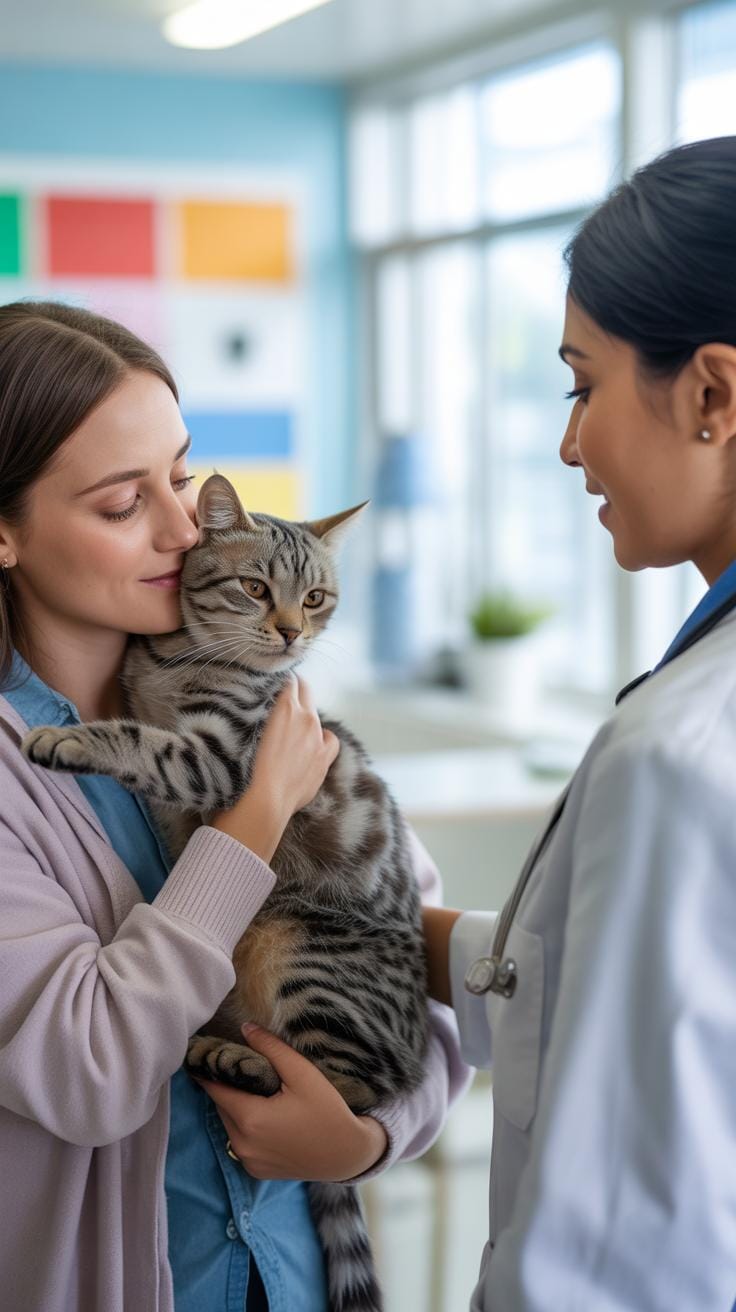
Physical Symptoms That Should Prompt An Immediate Veterinary Consultation
A cat that refuses food for twenty-four hours requires professional medical attention. Rapid weight loss or visible lethargy indicates a serious internal issue. Look for yellowing in the eyes or skin which signals liver failure. Cats often hide pain until it becomes critical. You must monitor their hydration levels by checking gum moisture. Dry or tacky gums mean the cat is dangerously dehydrated and needs fluids immediately.
Watch for respiratory changes such as open-mouth breathing or heavy panting. These signs suggest chest fluid or heart problems linked to appetite loss. Vomiting or frequent diarrhea alongside fasting leads to rapid electrolyte imbalances. Persistent hiding or unusual vocalization confirms the cat is in distress. Do not wait for symptoms to improve on their own. Early intervention prevents permanent organ damage and improves the overall recovery rate.
What To Expect At The Vet And How A Diagnosis Is Typically Approached
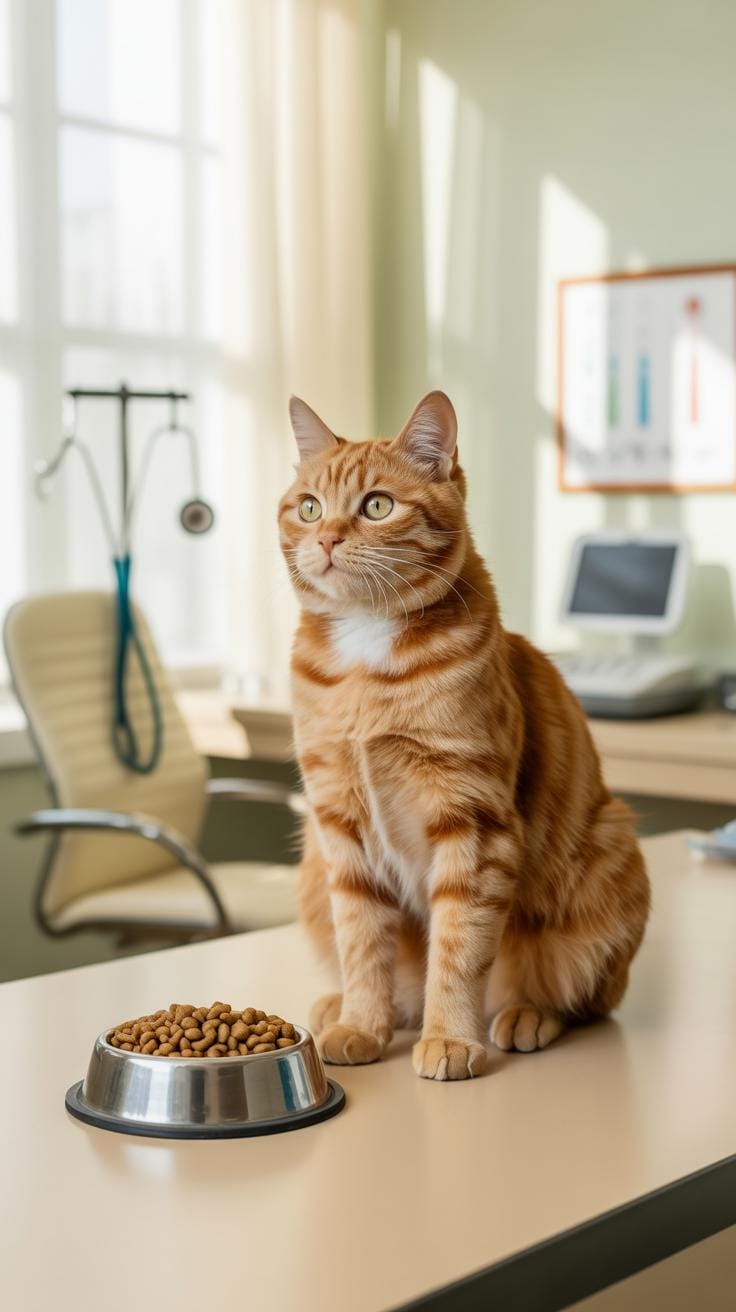
The veterinarian starts with a physical exam to check for masses or dental pain. They will ask about recent changes in the home environment or diet. Blood tests provide the most data regarding kidney and liver function. High white blood cell counts point to hidden infections. Urinalysis helps rule out metabolic disorders like diabetes. These baseline tests allow the doctor to narrow down the cause quickly.
Advanced cases require imaging like X-rays or ultrasounds to find internal obstructions. The vet may use a sedative to examine the mouth for hidden growths or broken teeth. If the cat is severely dehydrated they will start intravenous fluids right away. Targeted treatment depends on the specific test results found during this process. Following the vet’s diagnostic plan ensures the cat receives the correct medication for its condition.
Preventative Cat Care Habits That Keep Appetite Problems From Developing
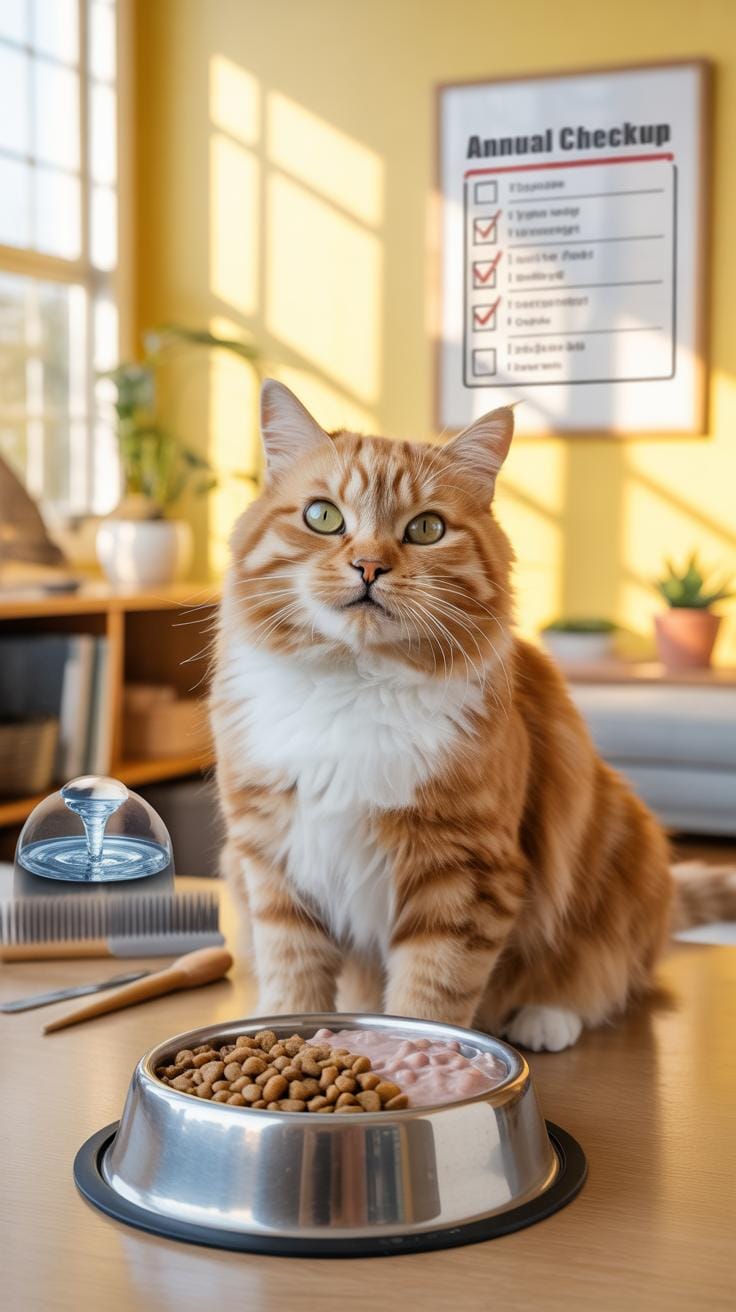
Building A Consistent Feeding Routine That Supports Long Term Feline Wellbeing
Cats thrive on predictability because they are territorial hunters. A fixed feeding schedule regulates their metabolic response and insulin production. Random feeding times cause stress and cortisol spikes. High stress levels shut down the digestive system and lead to food avoidance. You must establish a set morning and evening window. This consistency trains the body to expect food and maintain a healthy appetite cycle.
Freshness is a critical factor in maintaining food interest. Cats have sensitive olfactory systems and will reject oxidized fats or stale kibble. Store dry food in airtight containers to prevent rancidity. Clean food bowls after every meal to remove bacterial buildup and old odors. Proper hygiene prevents oral infections and sensory aversions. Strategic food management keeps the cat engaged with its diet and prevents unnecessary hunger strikes.
Regular Health Checkups And Early Detection As The Best Defence Against Appetite Loss
Annual veterinary exams provide a baseline for your cat’s normal weight and organ function. Blood panels detect early signs of kidney disease or hyperthyroidism before physical symptoms appear. These conditions often manifest first as a subtle change in eating habits. Catching metabolic shifts early allows for dietary adjustments that preserve appetite. Proactive monitoring prevents acute crises and long-term refusal of food due to internal discomfort.
Dental health requires professional monitoring to prevent painful lesions or periodontal disease. Cats often stop eating because chewing causes physical pain. A vet can identify fractured teeth or inflamed gums that the owner cannot see. Regular cleanings remove plaque that leads to systemic inflammation and organ stress. Addressing oral health removes the primary physical barrier to eating. Constant medical oversight ensures that a dip in appetite gets treated quickly.
Frequently Asked Questions

What are the most common reasons why my cat is suddenly refusing their food?
It is distressing when a why cat stops eating, but the causes range from simple picky behavior to underlying medical issues. Common culprits include dental pain, respiratory infections that dull their sense of smell, or even stress from household changes. Because felines are experts at hiding discomfort, a sudden lack of appetite is often their first signal that something is wrong, requiring a close look at their environment and physical health.
How can I encourage my cat to start eating again at home?
If your cat is acting normal otherwise, try enhancing their meal’s aroma by warming up wet food or adding a splash of tuna juice. Texture matters too; some cats prefer a smooth pate over chunks when feeling unwell. However, if your cat stops eating for more than twenty-four hours, home remedies should take a backseat to professional advice, as prolonged fasting can lead to serious liver complications like hepatic lipidosis.
Is there a way to handle a loss of appetite without an expensive vet visit?
To save on costs, first check for simple environmental triggers like a dirty bowl or a new brand of kibble. You can also try small portions of plain, boiled chicken as a budget-friendly way to stimulate their appetite. While minor pickiness is easy to fix at home, never skip the vet if the fast lasts two days, as early intervention is always more affordable than treating an advanced secondary illness.