An Overview Of British Shorthair Cat Breed Information And General Health
The Origins And Physical Build That Influence British Shorthair Health
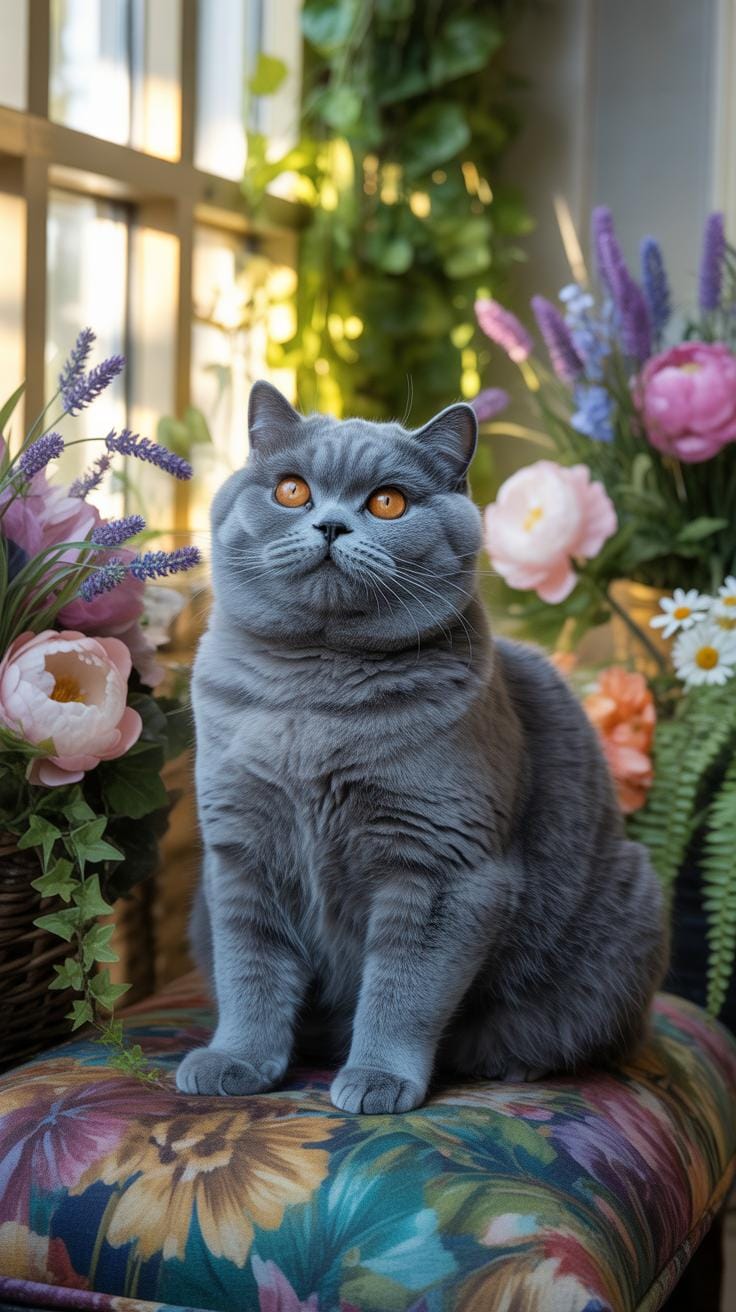
The British Shorthair descended from Roman cats brought to Great Britain. Selective breeding since the nineteenth century focused on a dense coat and a powerful frame. Breeders prioritized a compact body and a broad chest. This heavy bone structure puts unique pressure on the skeletal system. Their thick fur hides weight gain easily. Owners must monitor physical condition through touch rather than sight alone.
A broad head and short muzzle define the breed profile. This structure affects dental health and respiratory function. Large round eyes are prone to specific drainage issues. The muscular build requires high protein intake to maintain lean mass. Lack of exercise leads to rapid fat accumulation. Excess weight worsens joint strain in this naturally heavy breed. You must manage their diet to protect their mobility.
How Lifespan And Genetic Background Shape Common Health Concerns
British Shorthairs typically live between twelve and fifteen years. Their genetic pool remains relatively stable but carries specific inherited risks. Controlled breeding programs help track these issues over generations. You must verify the health history of the parent cats. This prevents the spread of known heart and kidney defects. Long lifespans require proactive medical screening to catch age related decline early.
Genetic diversity decreased during the twentieth century wars. Breeders used Persians and other breeds to rebuild the population. This crossbreeding introduced new health variables to the lineage. Hypertrophic cardiomyopathy and polycystic kidney disease emerged as primary threats. Modern testing allows for better management of these risks. Responsible ownership involves regular cardiac ultrasounds and blood panels. Understanding these genetic markers helps extend the life of your cat.

Hypertrophic Cardiomyopathy The Most Serious British Shorthair Health Issue
What Is Hypertrophic Cardiomyopathy And Why Are British Shorthairs Prone To It
Hypertrophic Cardiomyopathy or HCM is the most common heart disease in cats. The muscular walls of the heart thicken over time. This reduces the size of the heart chambers and prevents the organ from pumping blood effectively. In British Shorthairs, this condition often has a genetic cause. The thickening leads to scarring and stiffening of the cardiac tissue.
Breeding practices play a major role in the prevalence of this disease. Specific gene mutations passed down through bloodlines increase the risk for this breed. Research shows that British Shorthairs carry a higher predisposition than many other domestic cats. You must identify carriers before they breed to stop the cycle. This condition is progressive and currently has no known cure.
Signs To Watch For And How Veterinary Screening Can Help
Early stages of HCM rarely show outward symptoms. Most owners only notice issues when the cat develops congestive heart failure or blood clots. Look for rapid breathing or lethargy during normal activity. Some cats may experience sudden paralysis in the hind legs due to a clot. Immediate veterinary intervention is the only way to manage these severe and painful complications.
Regular screening is the best tactical defense against this silent killer. Veterinary cardiologists use echocardiograms to measure heart wall thickness. These ultrasounds provide the most accurate diagnosis available. You should schedule yearly scans for any British Shorthair used for breeding. Identifying heart changes early allows for medication that improves quality of life and manages fluid buildup in the lungs.

Obesity And Weight Management Understanding The British Shorthair Weight Chart
Why British Shorthairs Are Prone To Gaining Excess Weight
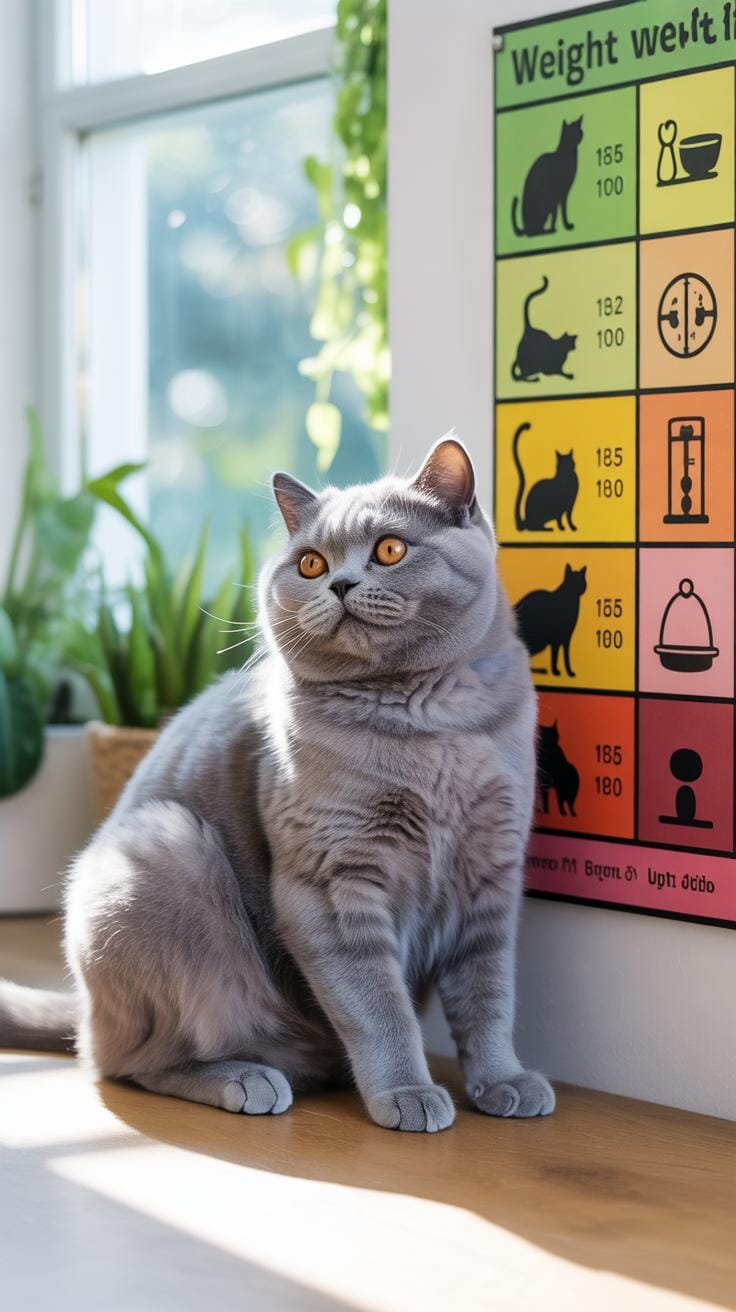
British Shorthairs possess a naturally stocky physique and a slow metabolism. This breed descends from working farm cats, but modern indoor living reduces their caloric needs significantly. Their calm temperament often leads to a sedentary lifestyle. Unlike high-energy breeds, they do not burn calories through constant movement. Owners frequently mistake their dense bone structure for muscle, leading to overfeeding and rapid fat accumulation.
Sterilization further slows their metabolic rate. Hormonal changes after neutering or spaying increase hunger while decreasing energy expenditure. This combination makes weight gain nearly inevitable without strict portion control. The breed also matures slowly, taking up to five years to reach full size. Owners often continue feeding high-calorie kitten food for too long. This creates a caloric surplus that settles as visceral fat around internal organs.
Practical Tips For Keeping Your Cat Within A Healthy Weight Range
Effective weight management requires precise caloric tracking and physical stimulation. You must ignore begging behaviors and stick to a schedule. Transition from free-feeding to set meal times to prevent grazing. Use a digital kitchen scale to weigh food portions in grams. This ensures accuracy that measuring cups cannot provide. Monitor their body condition score by feeling for ribs under the fur layer.
- Control Portion Sizes: Use a digital scale to measure every meal. Do not rely on eye-balling or scoops. Follow the caloric guidelines for their target weight rather than their current weight. Small adjustments prevent sudden fat storage.
- Increase Vertical Movement: Place food bowls on elevated surfaces or cat trees. Forcing the cat to jump or climb burns more calories than eating from the floor. This utilizes their natural hunting instincts to encourage physical exertion during the day.
- Utilize Puzzle Feeders: Slow down eating speed with interactive toys or maze bowls. These devices make the cat work for their kibble. This prevents ব্যায়াম bloating and increases the time spent on physical activity. It also provides necessary mental stimulation.
- Schedule Regular Play: Commit to two fifteen-minute play sessions daily. Use feathers or laser pointers to trigger their predatory drive. British Shorthairs prefer short bursts of intense activity over long endurance exercises. Consistent daily movement keeps their metabolic rate higher.
- Monitor Body Scores: Evaluate the cat’s silhouette from above every month. You should see a visible waistline behind the ribs. If the spine is buried under fat, reduce intake immediately. Early detection of weight gain makes the reversal process easier.
Consult a veterinarian before making drastic changes to a cat’s diet. Rapid weight loss in felines can trigger hepatic lipidosis, a dangerous liver condition. Aim for a gradual loss of one to two percent of body weight per week. Professional guidance helps determine the correct balance of protein and fiber. High-protein diets help maintain muscle mass while shedding excess fat stores effectively.

Dental Disease And Oral Health In British Shorthair Cats
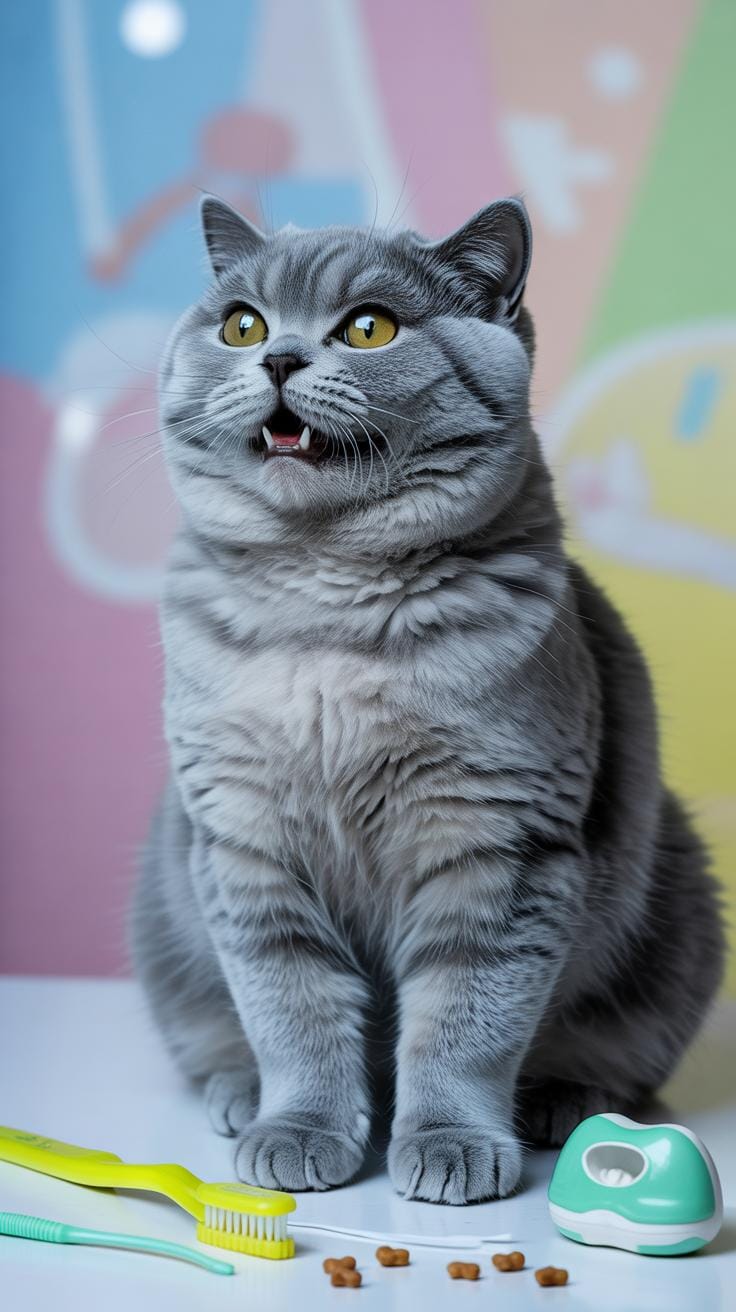
How Dental Problems Develop In British Shorthairs And What Causes Them
British Shorthairs possess a distinct brachycephalic facial structure. This shorter muzzle causes tooth crowding in the jaw. Bacteria thrive in these tight spaces and form plaque on the enamel. Within days, minerals in the saliva turn this plaque into hard tartar. This buildup irritates the gums and triggers inflammation. Left untreated, the infection destroys the bone and tissues supporting the teeth.
Genetic factors increase the risk of gingivitis and periodontitis in this breed. Chronic inflammation often leads to cervical neck lesions or resorptive lesions. The body begins absorbing the tooth structure starting at the gum line. This process exposes sensitive nerves and causes significant pain. Most owners fail to notice these issues because cats hide discomfort well. Constant monitoring of the mouth is mandatory for this specific breed.
Routine Dental Care Practices Every British Shorthair Owner Should Follow
Daily brushing remains the most effective way to remove soft plaque. Use a soft-bristled brush and enzymatic toothpaste specifically designed for felines. Start this process during kittenhood to build tolerance. Focus on the outer surfaces of the upper teeth where tartar builds fastest. Consistency prevents the need for invasive medical interventions later in life. Mechanical scraping from brushing is the only way to disrupt bacterial biofilm effectively.

Professional veterinary cleanings must supplement home care. A vet performs these procedures under general anesthesia to reach below the gum line. They use ultrasonic scalers to remove hardened calculus that manual brushing cannot touch. Full dental X-rays identify hidden bone loss or root infections. Schedule these exams annually to catch issues before they require extractions. Proper oral hygiene extends the life of your cat by protecting vital organs from bacteria.
Polycystic Kidney Disease A Key British Shorthair Breed Information Alert
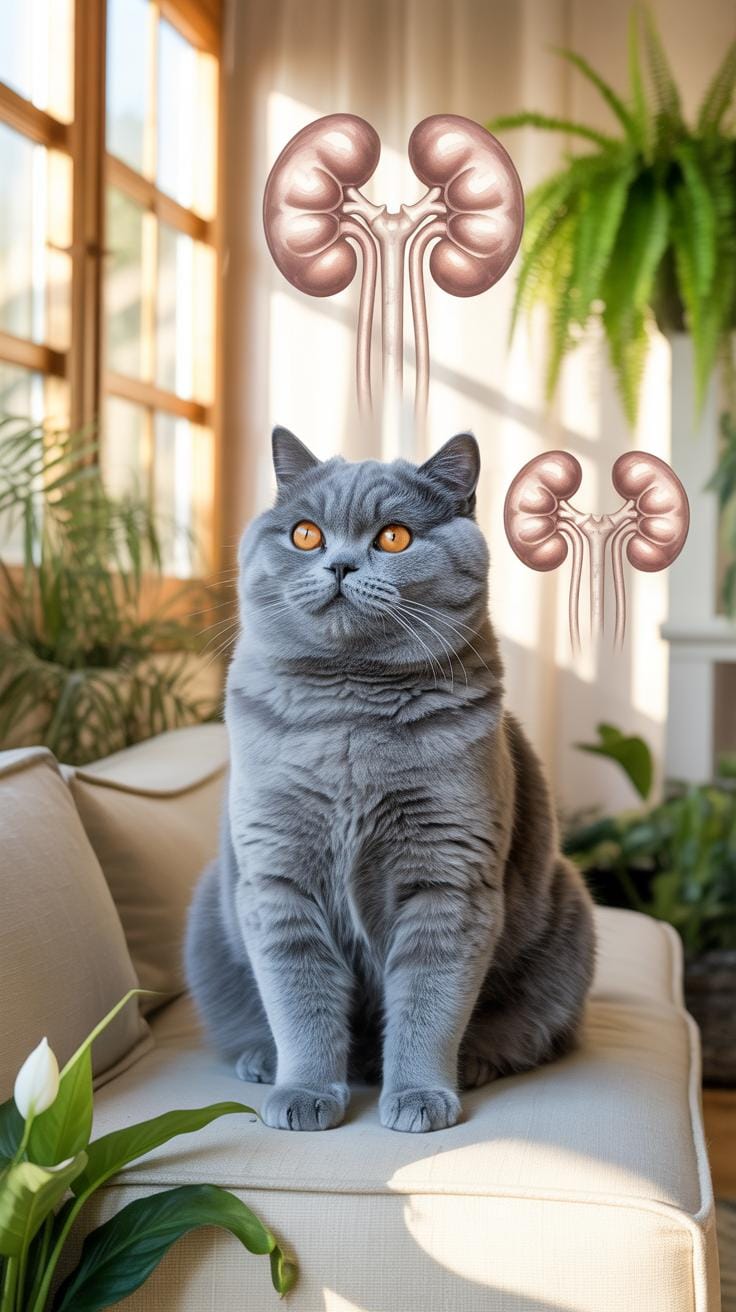
Understanding Polycystic Kidney Disease And Its Link To British Shorthair Genetics
Polycystic Kidney Disease is a dominant genetic disorder. It causes multiple fluid filled cysts to grow in the kidney tissue. These cysts are present at birth but grow over time. They eventually destroy healthy kidney structures. This leads to permanent organ failure. British Shorthairs carry this gene due to historical outcrossing with Persian cats. Owners must understand this specific ancestry.
The PKD1 gene mutation identifies this disease. A cat only needs one copy of the gene from one parent to develop the condition. There is no cure for the cysts. They slowly replace the functional parts of the kidney. This process is irreversible. Early detection is the only way to lengthen a cat’s life. Knowledge of a cat’s genetic status is vital for every owner.
Diagnosis, Management, And The Role Of Responsible Breeding

Veterinarians use DNA testing and ultrasound to find PKD. DNA tests pinpoint the mutation early in a cat’s life. Ultrasound scans show actual cyst growth in older cats. Early signs of kidney failure include increased thirst and sudden weight loss. Medical management focuses on diet and hydration. Low protein food helps reduce the workload on the kidneys. Regular blood work monitors the progression.
Responsible breeding is the only way to eliminate this disease. Breeders must test all cats before they mate. Only cats that are negative for the PKD1 gene should produce kittens. This practice stops the mutation from passing to the next generation. Buyers must ask for official DNA results before purchasing a British Shorthair. Eliminating the gene at the source protects the entire breed.
Joint And Mobility Issues Tied To British Shorthair Cat Breeds Characteristics
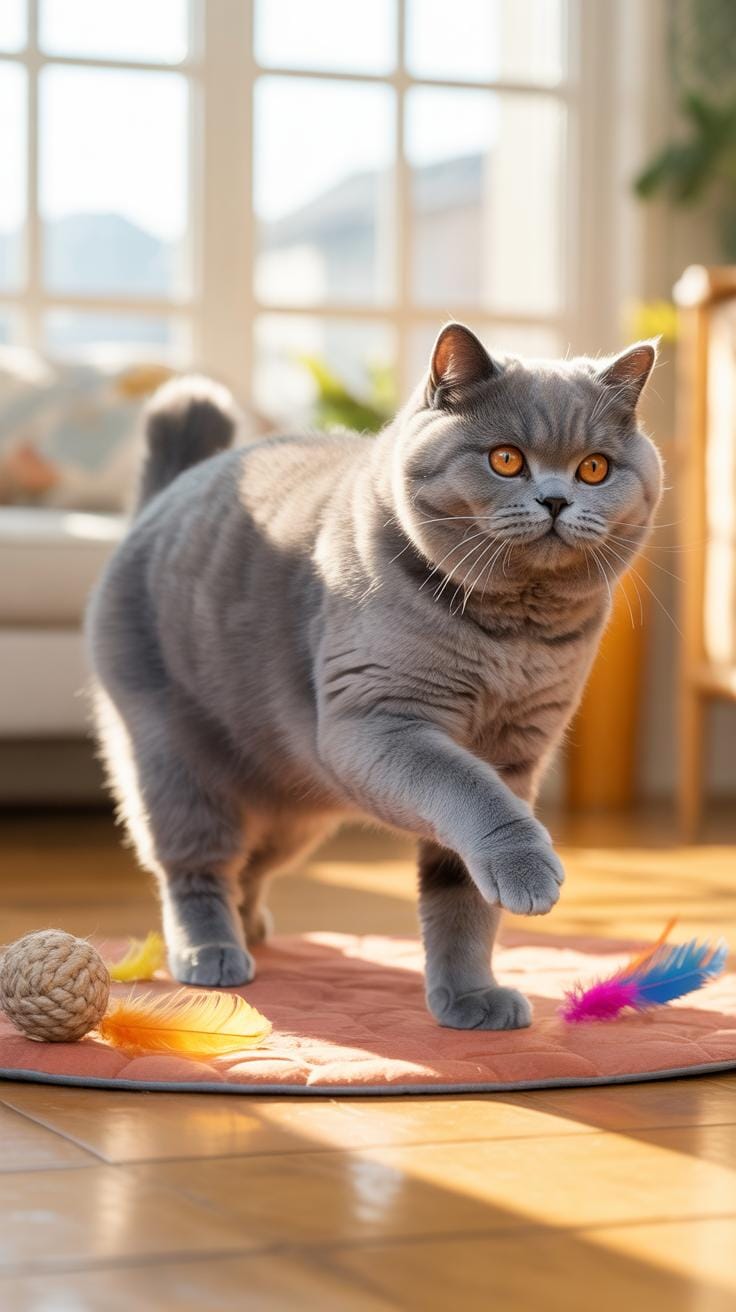
Osteoarthritis And Hip Dysplasia In The British Shorthair’S Stocky Frame
The British Shorthair possesses a heavy bone structure and a compact, cobby body. This physical build places significant daily stress on their skeletal system. Unlike leaner breeds, these cats carry more weight relative to their height. This constant load accelerates wear on the cartilage within the joints. Over time, this friction leads to chronic inflammation and the development of painful osteoarthritis in the hips and elbows.

Genetic factors also play a role in joint degradation. Hip dysplasia occurs when the ball and socket joint fails to fit together properly. This misalignment causes grinding during movement rather than smooth rotation. In British Shorthairs, this condition often remains hidden until the cat shows visible limping or a refusal to jump. Early detection is difficult because these cats possess a high pain tolerance and a stoic temperament.
The gentle heart of a British Shorthair is a treasure worth guarding through every season of their life. By watching over their health with a tender eye, we honor the quiet loyalty they have shared with us since the days of old.
How To Support Joint Health Through Diet, Exercise, And Environment
Managing joint health requires a proactive strategy focused on weight control and structural support. Excess body fat is the primary enemy of a British Shorthair’s joints. Owners must monitor caloric intake strictly to prevent obesity. Specialized diets containing omega-3 fatty acids, glucosamine, and chondroitin help maintain cartilage density. These nutrients provide the raw materials necessary for joint fluid production and reduce systemic inflammation throughout the body.
- Weight Management: Maintain a lean body condition score to reduce mechanical stress on the hips. Use digital scales to measure precise food portions daily. Avoid free-feeding habits that lead to rapid weight gain.
- Low-Impact Exercise: Encourage short bursts of play using floor-based toys rather than high-jumping activities. This maintains muscle tone around the joints without causing impact trauma to the skeletal frame or connective tissues.
- Nutritional Supplements: Integrate high-quality fish oils and joint lubricants into the daily diet. These compounds decrease the production of inflammatory enzymes. Consult a veterinarian for correct dosages based on the cat’s current weight.
- Environmental Modifications: Provide ramps or steps to help the cat reach favorite resting spots. Reduce the need for jumping from high surfaces to protect the joints. Use low-sided litter boxes to accommodate limited range of motion.
- Orthopedic Bedding: Use memory foam or heated beds to soothe aching joints and improve circulation. Soft surfaces reduce pressure points when the cat rests for long periods. Proper support prevents stiffness after the cat wakes up.
Environment and routine adjustments ensure long-term mobility for aging cats. Physical therapy techniques or massage can stimulate blood flow to stiff limbs. Regular veterinary checkups must include gait analysis to spot early signs of lameness. Addressing mobility issues early prevents secondary injuries caused by the cat overcompensating for pain. A structured approach to movement and nutrition keeps the British Shorthair active and functional well into their senior years.
British Shorthair Weight By Age Tracking Growth To Detect Health Problems Early
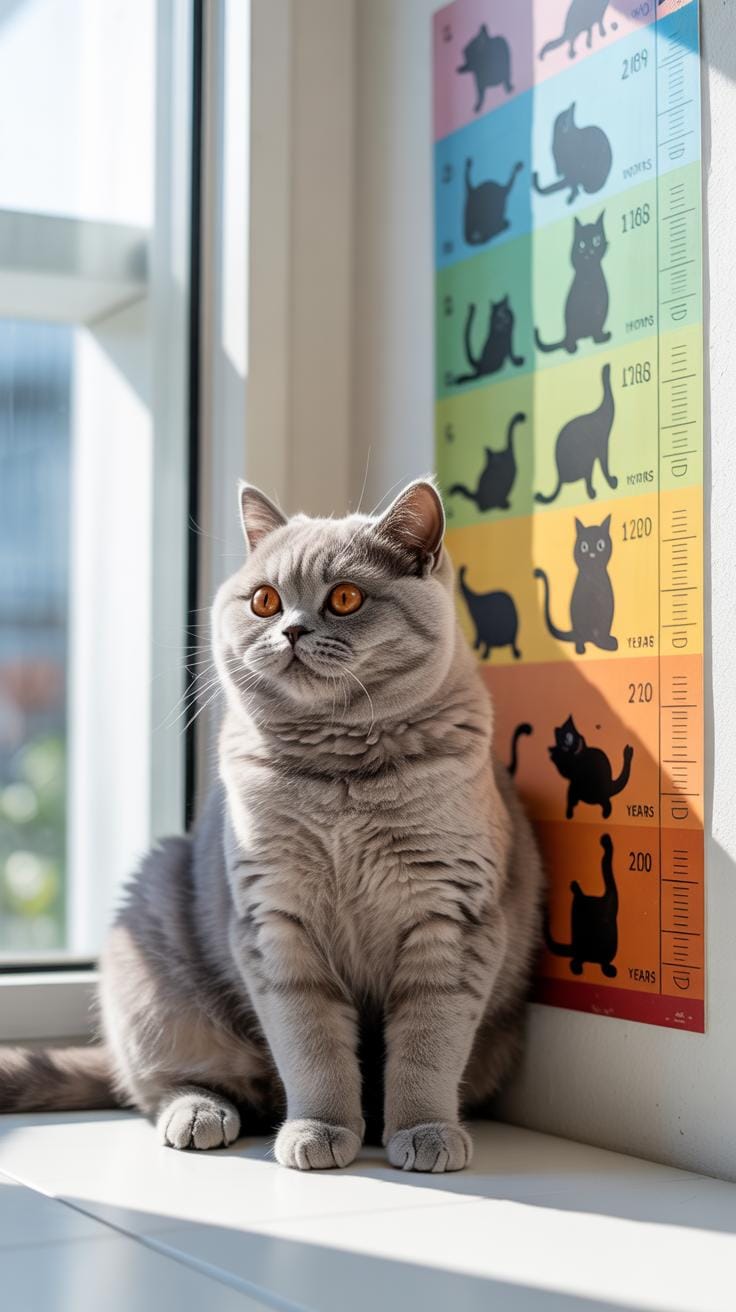
How Weight Changes Across Life Stages Can Signal Underlying Health Issues

British Shorthairs take up to five years to reach full physical maturity. This slow growth cycle makes consistent weight tracking vital for identifying internal health shifts. Kittens should gain weight steadily without sudden plateaus. Adult cats must maintain a dense build without accumulating excessive abdominal fat. Any deviation from a steady upward or stable trend usually points to metabolic or digestive problems that require fast attention.
Fluctuations in weight during the senior years often indicate chronic kidney disease or hyperthyroidism. Losing lean muscle mass while maintaining overall body weight masked by fat can hide cardiac issues. You must monitor the body condition score rather than just the number on the scale. Thick coats often hide skeletal changes. Feeling the ribs and spine regularly ensures you catch muscle wasting before it becomes a critical health emergency.
When To Consult A Vet Based On Abnormal Weight Gain Or Loss Patterns
A weight loss of ten percent of total body mass necessitates an immediate veterinary visit. Rapid drops often signal dental pain, intestinal parasites, or late-stage organ failure in older British Shorthairs. Even slight, unexplained decreases can indicate early diabetes or heart disease. Do not wait for other symptoms like lethargy to appear. Proactive intervention based on scale data saves lives and reduces long-term treatment costs for chronic conditions.
Excessive weight gain increases the risk of arthritis and hepatic lipidosis. British Shorthairs have a natural tendency toward obesity due to their sedentary nature. If the waistline disappears or you cannot feel the ribs under the fat layer, consult a professional for a metabolic screening. Your vet can rule out hypothyroidism and establish a strict caloric plan. Controlling weight prevents joint degradation and ensures the cat remains mobile and healthy.
Choosing A British Shorthair Health Checks And Breeder Questions You Must Ask
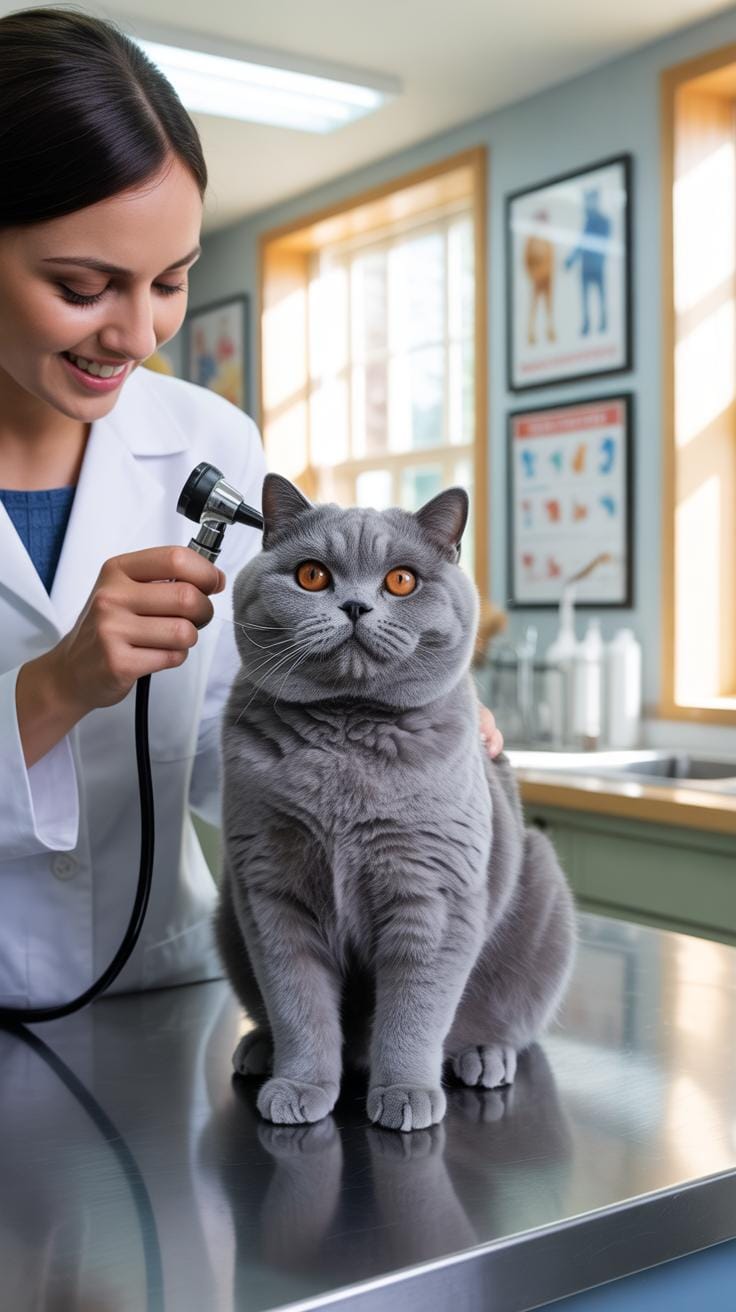
What Health Screenings Reputable Breeders Should Provide Before Adoption

You must demand proof of genetic testing before signing any contract. Reputable breeders screen all breeding stock for Polycystic Kidney Disease and Hypertrophic Cardiomyopathy. These conditions are hereditary and common in the breed. A simple DNA test identifies the gene for kidney disease. Ask to see the actual lab results for both parents. Do not accept verbal promises or vague health guarantees.
High quality breeders also provide recent ultrasound reports for heart health. Blood tests should confirm the cats are free from Feline Leukemia and Feline Immunodeficiency Virus. Responsible professionals track the lineage of their cats to avoid inbreeding. This reduces the risk of congenital defects. You are paying for a healthy animal. Demand the documentation that proves the breeder takes these risks seriously.
Building A Preventive Healthcare Routine For Your New British Shorthair
Actionable health management starts with weight control. British Shorthairs have a heavy bone structure but gain fat easily. Obesity puts extreme stress on their joints and heart. You must measure their food every day. Use high protein diets with low grain content to maintain lean muscle. Schedule annual dental cleanings to prevent periodontal disease. Bacteria from the mouth can travel to the heart.
Early detection saves money and lives. Visit a vet twice a year once the cat reaches middle age. Blood panels catch kidney issues before the cat shows symptoms. Keep their environment stress free to avoid feline idiopathic cystitis. This breed hide pain well so you must watch for subtle behavior changes. Focused care prevents minor issues from becoming fatal. Consistency is your best tool for longevity.
Frequently Asked Questions

Are British Shorthair cats generally a healthy breed for new owners?
While they are known for being sturdy and resilient companions, there are specific British Shorthair health issues that every new owner should recognize. These include a genetic predisposition to heart conditions like Hypertrophic Cardiomyopathy and polycystic kidney disease. By choosing a reputable breeder who performs DNA testing, you can significantly reduce these risks and ensure your plush feline friend enjoys a long, vibrant life in your home.
How can I monitor my cat at home for early signs of illness?
Proactive monitoring is essential for managing British Shorthair health issues effectively. Regularly check for changes in appetite, lethargy, or difficulty breathing, which can signal underlying cardiac concerns. Additionally, because this breed is prone to obesity, you should perform weekly “rib checks” to ensure they maintain a healthy weight. Early detection through observation and routine veterinary screenings is the best way to prevent minor symptoms from becoming serious complications.
Is it expensive to manage the long-term health needs of this breed?
Managing a cat’s well-being can vary in cost, but being prepared makes it more accessible. While routine check-ups and vaccinations are standard, potential genetic screenings or specialized diets for weight management can add up. To keep costs manageable, many owners invest in comprehensive pet insurance early on. This financial planning ensures that if any chronic conditions arise, your cat receives the best possible care without causing significant financial strain.