Why Dogs Are Natural Comedians The Science Behind Funny Dog Pictures
How Dogs Developed Expressive Faces Through Domestication
Domestication altered the facial anatomy of dogs to facilitate communication with humans. Scientists identified a specific muscle called the levator anguli oculi medialis. This muscle allows dogs to raise their inner eyebrows. Wolves do not possess this muscle. This physical trait creates intense facial expressions. These expressions often mimic human emotions. Human owners find these looks endearing or hilarious during daily interactions.
Selective breeding prioritized dogs that could mirror human social cues. This evolutionary path strengthened the bond between the two species. Dogs use these facial movements to trigger a nurturing response from people. When a dog makes an exaggerated face, it often happens because their muscles are highly mobile. This mobility creates the visual comedy we see in photos. Evolution turned the canine face into a tool for social manipulation.
The Role Of Play Behavior In Creating Naturally Hilarious Dog Moments
Play behavior is a vital survival mechanism that persists into adulthood for most dogs. Biologists call this neoteny or the retention of juvenile traits. During play, dogs perform exaggerated movements like the play bow or rapid directional changes. These actions lack a functional hunting purpose. They serve only to signal friendly intent. These awkward body positions provide the foundation for most goofy photos and videos.
Dogs also engage in self-handicapping during social play. This means they intentionally put themselves in vulnerable or submissive positions to keep the game going. They might roll over or let a smaller dog win. This behavior creates distorted body shapes and strange angles. These moments look chaotic and illogical to the human eye. The resulting physical comedy is a direct byproduct of these complex social rituals and motor patterns.
Dogs Caught Being Goofy In Their Sleep Twitches Snores And Silly Poses
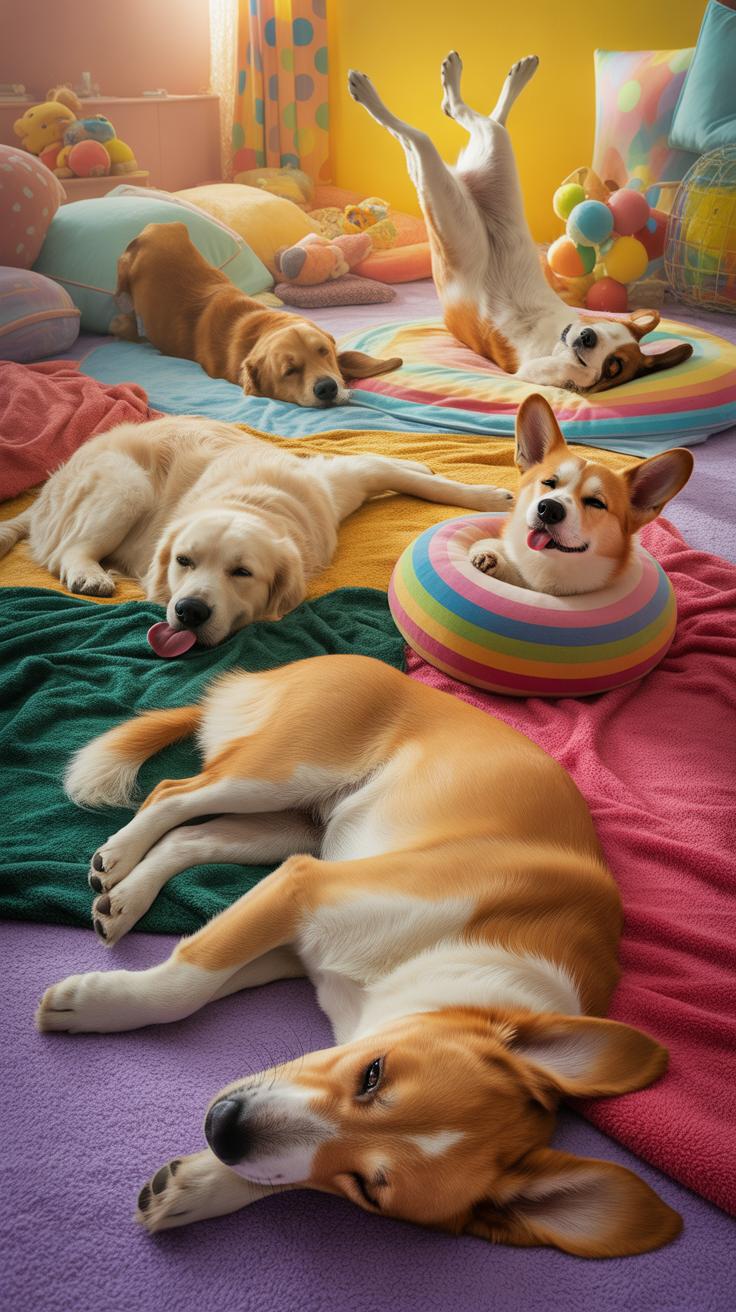
What Dogs Dream About: The Truth Behind Those Sleeping Wiggles
Dogs enter the REM sleep cycle approximately twenty minutes after falling asleep. This stage triggers high brain activity and involuntary muscle movements. You will see paws paddling and ears twitching. These physical reactions mirror the dog’s mental state. Research shows dogs dream about common daily activities like chasing birds or playing. Smaller breeds dream more frequently but for shorter durations than large breeds.
These sudden movements look silly but serve a biological purpose. The pons in the brain stem usually paralyzes large muscles to prevent movement. Young puppies and older dogs have weaker pons function. This leads to more dramatic kicks and vocalizations during sleep. Physical twitches confirm the dog is reaching deep rest. Owners should not wake a twitching dog. Interruption breaks the vital recovery process.
The Funniest Sleeping Positions Dogs Get Caught In
The sprawled position often called the sploot or superman involves legs extended in opposite directions. Dogs use this to cool down fast. They press their bellies against cold floors to regulate body temperature. This layout provides maximum surface area contact with the ground. It is common in puppies with flexible joints and breeds with shorter legs. This posture signals a relaxed and confident animal.
Sleeping on the back with paws up is the ultimate sign of trust. This position exposes the most vulnerable organs. It also helps with heat exchange through the paw pads and belly. Dogs only do this when they feel completely safe in their environment. While it looks uncomfortable to humans, it allows for total muscle relaxation. Owners find this goofy because gravity pulls the jowls back and exposes teeth.
Animal Memes And The Rise Of The Goofy Dog On The Internet
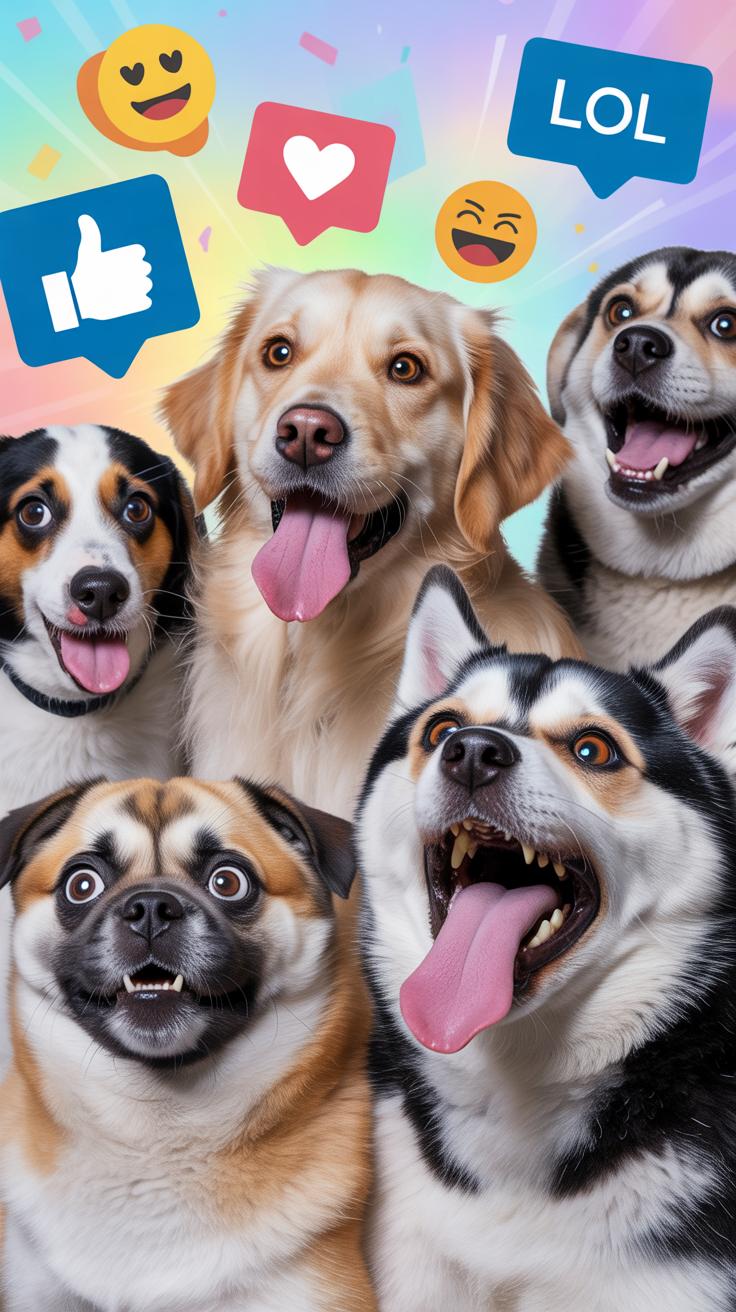
How Dog Memes Became A Cultural Phenomenon Online
Dog memes flourished because they tap into universal human emotions. Early internet forums and image boards prioritized relatable content. Owners documented their pets in awkward positions or mid-sneeze. These raw images humanized animals and bridged communication gaps across different cultures. People share these photos to express their own feelings without using words. This behavior transformed simple pet photography into a global social currency.
High speed internet and smartphone cameras accelerated this growth. Users can now capture and upload a dog being goofy in seconds. Social media algorithms reward high engagement levels found in pet content. This feedback loop encourages owners to seek out and post more absurd moments. As a result, dogs have became the primary drivers of viral traffic. They provide a common ground in a fragmented digital landscape.
Famous Goofy Dog Memes That Took The Internet By Storm
The Doge meme represents a major shift in digital communication. This image of a Shiba Inu with raised eyebrows utilized Comic Sans text to represent internal thoughts. It started on Tumblr and Reddit before reaching mainstream financial and tech circles. The broken English captions reflected a chaotic but friendly mindset. This specific style of humor defined the early 2010s internet aesthetic and remains culturally relevant today.
Other viral hits include the This Is Fine dog and Grumpy Cat counterparts. The This Is Fine dog comes from a webcomic and symbolizes stoic acceptance of chaos. It shows a cartoon dog sitting in a burning room. Users deploy this image during times of high stress or social unrest. These memes prove that goofy dog imagery serves a tactical purpose. They summarize complex human situations using a simple and recognizable animal frame.
Silly Dogs At Playtime When Fetch Tug Of War And Zoomies Go Hilariously Wrong
What Are The Zoomies And Why Do Dogs Get Them
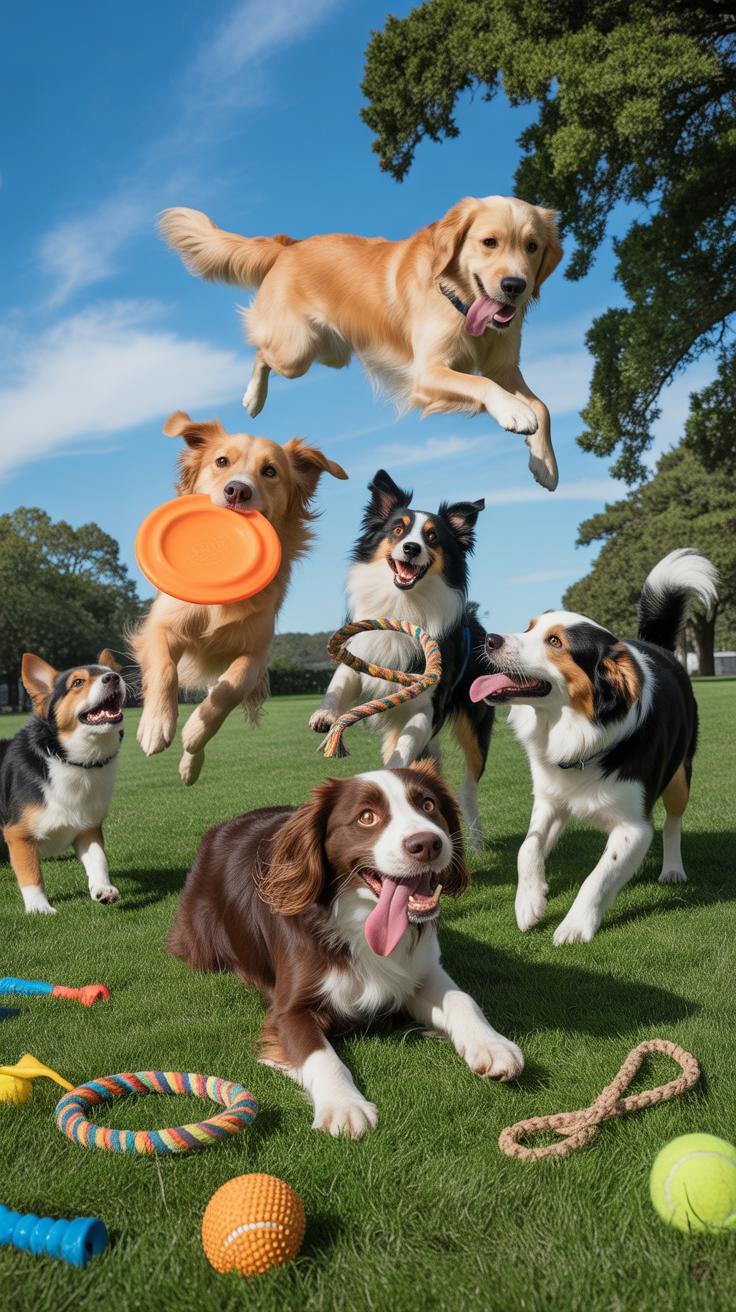
Frenetic Random Activity Periods, known as FRAPs or zoomies, occur when dogs experience a sudden burst of energy. This behavior serves as a physiological release for pent-up stress or excitement. You will see dogs tuck their tails, arch their backs, and run in tight circles. This is not random madness. It is a natural way for canines to regulate their internal arousal levels after periods of inactivity.
The timing of these episodes often follows specific triggers. Dogs frequently get the zoomies after a bath, following a successful bowel movement, or when a high-value person returns home. The physical exertion releases endorphins and lowers cortisol. While the behavior looks goofy to observers, it is a functional neurological reset. Keep the environment clear of obstacles during these bursts to prevent injury to the animal or damage to property.
Top Playful Situations Where Dogs Are Caught Being Their Goofiest Selves
Dogs lose their spatial awareness when they focus entirely on a toy or a chase. This lack of peripheral focus leads to physical comedy and uncoordinated movements. Typical scenarios involve misjudged jumps, failed catches, or losing control of their limbs during high-speed turns. These moments happen most frequently during intense interactive play sessions where the dog’s drive to reach an object overrides its natural balance and coordination.
- The Gravity Fail: Dogs often attempt to jump for a ball and realize mid-air that their trajectory is off. They end up flailing their legs in an attempt to correct their position. This results in soft landings or awkward tumbles that capture the dog in a completely uncoordinated state.
- The Sliding Stop: High-energy runs on hardwood floors or slick grass often end in a total loss of traction. Dogs apply their brakes but continue to drift forward into furniture or other objects. Their surprised facial expressions during the slide highlight the disconnect between their intent and the physical reality.
- The Toy Override: During tug-of-war, some dogs refuse to let go even when lifted or swung slightly. They prioritize the grip over their own center of gravity. This stubbornness leads to them end up in upside-down positions or doing somersaults while still maintaining a firm hold on the rope or toy.
- The Underwater Bubble: When fetching a toy from a pool or shallow water, dogs often blow air out of their noses. They become fascinated with the resulting bubbles and begin biting at the water surface. This shift from fetching to bubble-hunting creates a repetitive and objectively silly cycle of splashing and snapping at air.
- The Head Tilt Confusion: Making high-pitched noises during playtime triggers a dog’s curiosity and sound localization reflex. They cock their heads from side to side to better align their outer ears with the sound source. While this is a survival mechanism for tracking prey, it looks like a confused and funny human reaction.
Environmental factors play a massive role in these goofy displays. Soft surfaces like sand or deep snow encourage more risky movements because the dog feels safe falling. You see more rolls, flips, and face-plants in these settings. Understanding the mechanics of canine play helps owners identify when a dog is simply having fun versus when it is overstimulated. Monitor these sessions to ensure playtime remains safe and productive.
Cute Dog Pictures That Double As Funny Animal Pictures Bath Time And Grooming Reactions
Why So Many Dogs Dramatically Hate Bath Time
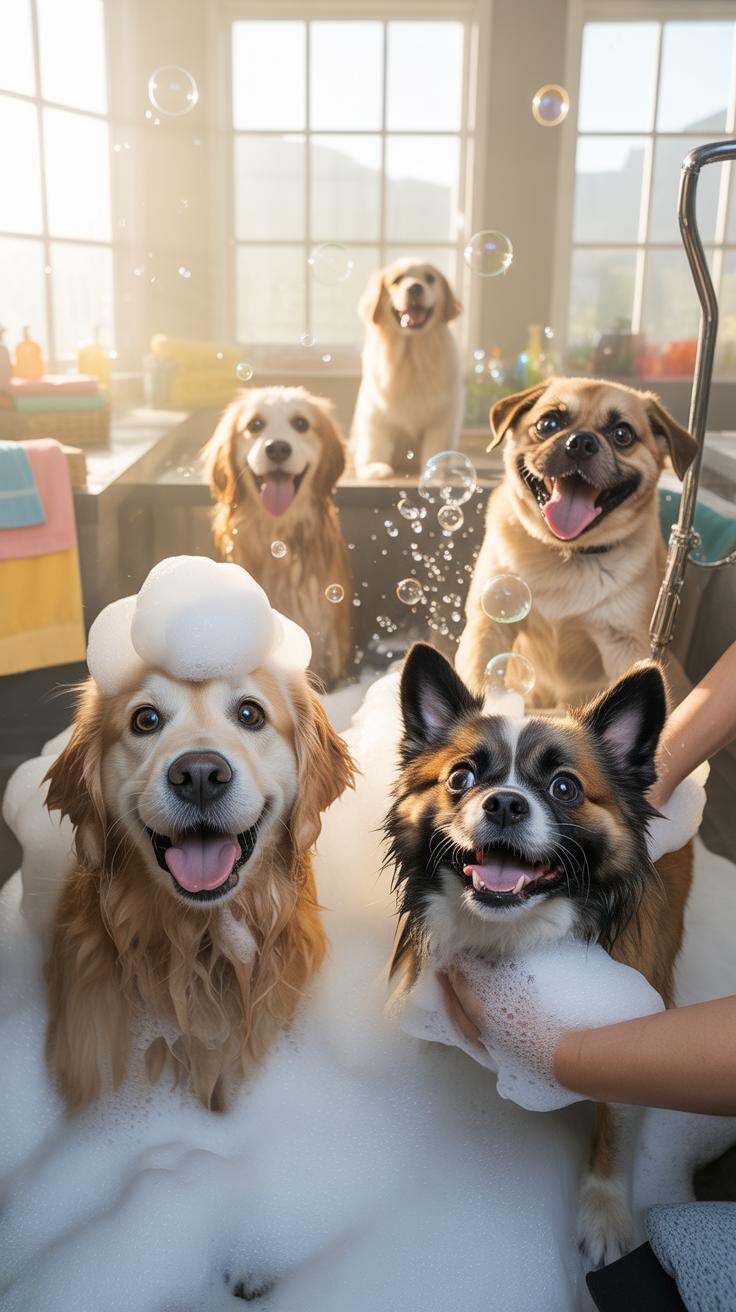
Dogs often view baths as a threat to their natural scent profile. They possess highly developed olfactory systems and use scent to communicate and identify territory. Water and scented shampoos strip away these vital markers. This process causes immediate sensory confusion. The dog reacts by freezing or attempting to escape the tub. These physical reactions create some of the best dogs caught being goofy visual content.
The sound of running water and the slippery surface of the bathtub trigger a fear response in many breeds. Ancestral survival instincts tell the animal that a lack of traction is dangerous. Their wide-eyed expressions and slumped posture are defensive mechanisms. Grooming tools like blow dryers add noise pollution that further stresses the animal. Owners capture these moments because the contrast between a dog’s typical confidence and bath-time misery is high.
Dogs are our link to paradise. They don’t know evil or jealousy or discontent, and to sit with a dog on a hillside on a glorious afternoon is to be back in Eden, where doing nothing was not boring—it was peace.
Hilarious Post Bath Zoomies And Towel Shake Moments Caught On Camera
The post-bath explosion of energy is a physiological release known as Frenetic Random Activity Periods. Most people call these the zoomies. After the stress of the bath ends, the dog experiences a massive adrenaline rush. They sprint through the house and rub their bodies against furniture or carpets. This behavior serves to dry their fur and reclaim a familiar scent. Cameras often capture these high-speed blurs as comedic action shots.
Towel dries and body shakes provide another layer of visual comedy. A dog can shed seventy percent of the water on its coat in just a few seconds. The force of the shake starts at the head and travels to the tail. This movement distorts the dog’s face and ears into bizarre shapes. These split-second moments create funny animal pictures that highlight the strange physics of canine anatomy. Speed is the primary factor in these captures.
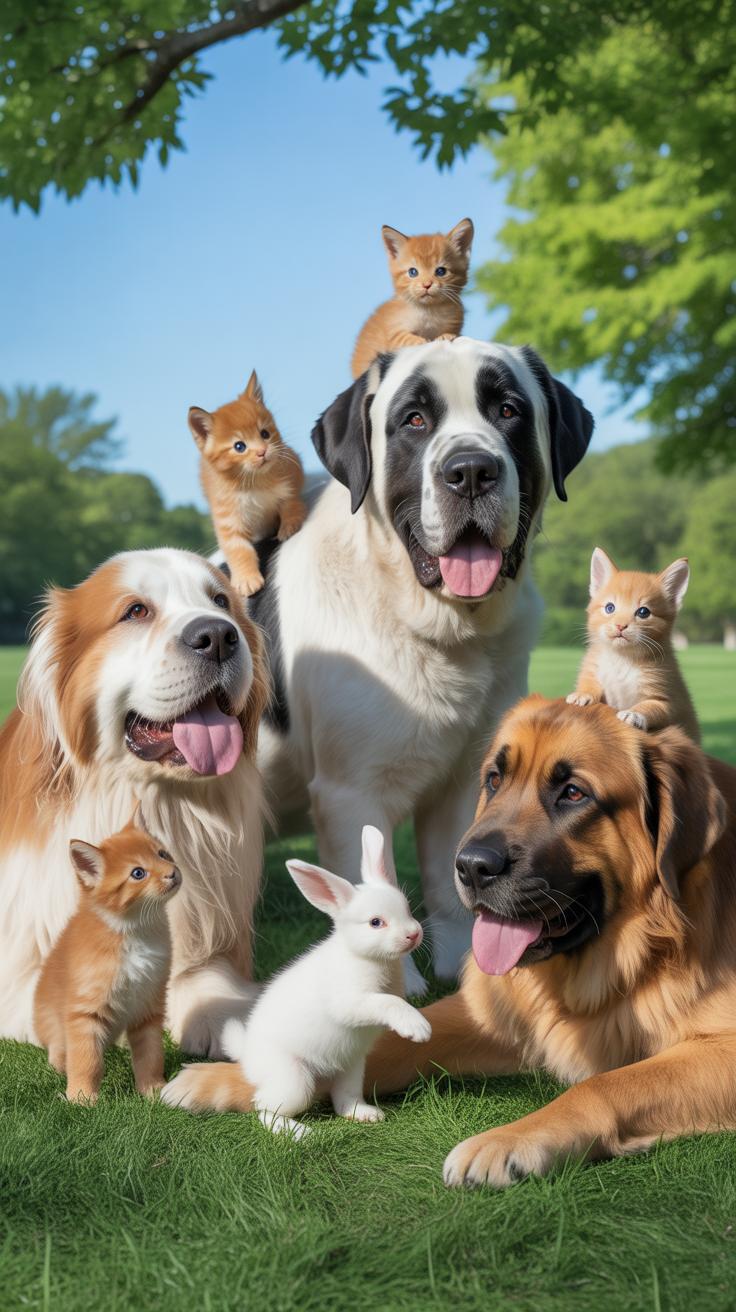
Cute Little Animals Vs Big Dogs Goofy Dog Pictures Across All Breeds And Sizes
How Different Breeds Express Their Unique Brand Of Goofiness
Breed history dictates how a dog acts silly. Working breeds like Border Collies often look goofy when they lack a job. They may stare intensely at inanimate objects or try to herd family members. This displacement behavior creates funny visual moments. Their high intelligence leads to creative ways of seeking attention. You will see these dogs frozen in strange athletic poses.
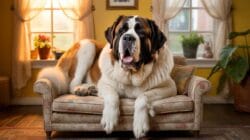
Large hounds and mastiffs show goofiness through their physical loose skin and heavy limbs. Gravity affects their facial expressions during sleep or play. These dogs often lack awareness of their massive size. They try to fit into small spaces or sit on laps like toy breeds. These physical contradictions make for the most viral photos. Their slow movements and heavy jowls create accidental humor.
Why Small Dogs Often Have The Biggest And Boldest Silly Personalities
Small dogs often compensate for their size with extreme vocalizations and physical displays. Terriers and toy breeds exhibit high energy levels that lead to frantic movements. These dogs zoom around rooms and jump onto high surfaces with confidence. This boldness results in awkward landings and funny facial expressions. Their big personalities drive them to challenge much larger animals or objects.
Targeted breeding for companionship has amplified expressive behaviors in small dogs. Many small breeds have shortened muzzles or large eyes that mimic human expressions. These physical traits make their basic reactions look dramatic or confused. A simple head tilt or stuck tongue looks more exaggerated on a small face. Owners capture these moments because the dogs constantly seek direct eye contact and interaction.
Cute Funny Animals Dogs Interacting With Other Pets In The Most Ridiculous Ways
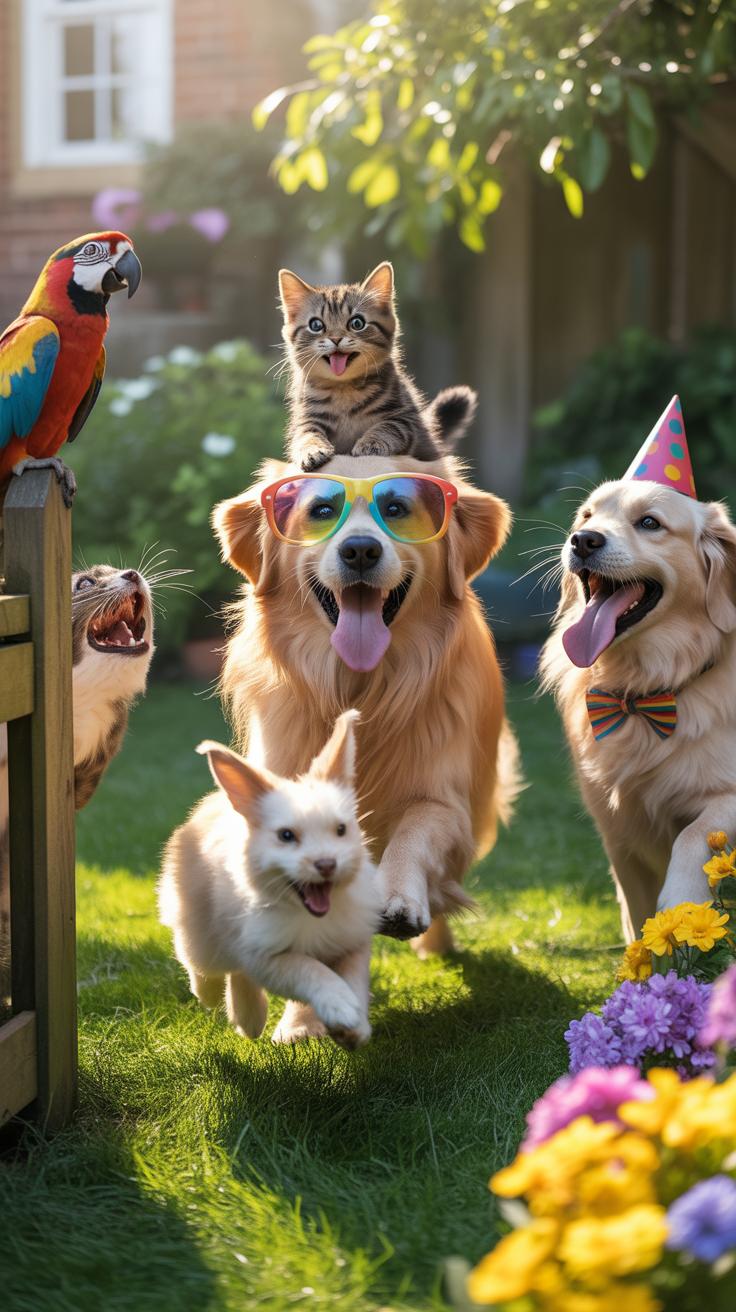
When Dogs Meet Cats: A Classic Recipe For Silly Animal Chaos
Dogs and cats operate on different social systems. Dogs use high-energy play signals like the play bow to initiate contact. Cats interpret fast movements as predatory threats or unwelcome intrusions. This communication gap creates immediate physical comedy. You will see dogs attempting to herd cats or inviting them to chase. The cat usually responds with a well-timed swat or a look of utter confusion.
The goofy behavior peaks during shared nap times or meal cycles. Dogs often try to squeeze into small cat beds to stay close. This behavior stems from the pack instinct to seek warmth and proximity. Cats might use the dog as a heater or a mountain to climb. These interspecies dynamics highlight the dog’s lack of spatial awareness. It results in funny photos of large dogs stuck in tiny baskets.
Best Tips For Capturing Multi Pet Goofy Moments On Camera
You must anticipate the action before it happens. Multi-pet goofy moments occur during transitions. Watch for the period right after feeding or when you first come home. Pets are most active and expressive during these windows. Hold your phone at the animals’ eye level. Shooting from above flattens the scene. Eye-level shots capture the facial expressions that make dogs caught being goofy so effective.
- Burst Mode: Hold the shutter button to take many photos per second. Rapid movement between species is hard to time perfectly. Burst mode ensures you catch the exact millisecond a dog makes a funny face or trips over a companion pet.
- Natural Lighting: Stick to areas with bright diffused light. Cameras struggle with fast-moving pets in dark rooms. Increased shutter speed requires more light to avoid blur. Move your pets near a large window or go outside to get the sharpest and clearest action shots.
- Silence Shutter Sounds: Turn off the artificial camera click sound on your device. High-frequency noises distract dogs and break their concentration. A silent camera allows you to remain an unnoticed observer. This preservation of natural behavior leads to more authentic and ridiculous candid photos of your pets.
- Treat Lures: Use high-value rewards to direct the animals’ gaze. Hold a treat near the camera lens to get both pets looking in the same direction. This creates the illusion of them posing together. It increases the chance of capturing a synchronized goofy expression or an accidental physical tangle.
- Focus on Eyes: Lock your camera focus on the dog’s eyes. Most modern smartphones have animal eye-tracking features. If the eyes are sharp the entire image feels professional. This technical focus highlights the frantic or confused pupils that define the most hilarious and memorable multi-pet interactions.

Clean your lens frequently to remove nose smudges. Dogs often sniff the camera which creates a blur. A clear lens maintains the contrast needed for high-quality pet photography. Keep the background simple to avoid visual clutter. Your pets should be the primary focus of every frame. Consistent practice helps you learn their play patterns. Recognition of these patterns allows you to record video right before a goofy interaction starts.
How Sharing Goofy Dog Pictures And Cute Funny Animals Content Boosts Human Well Being
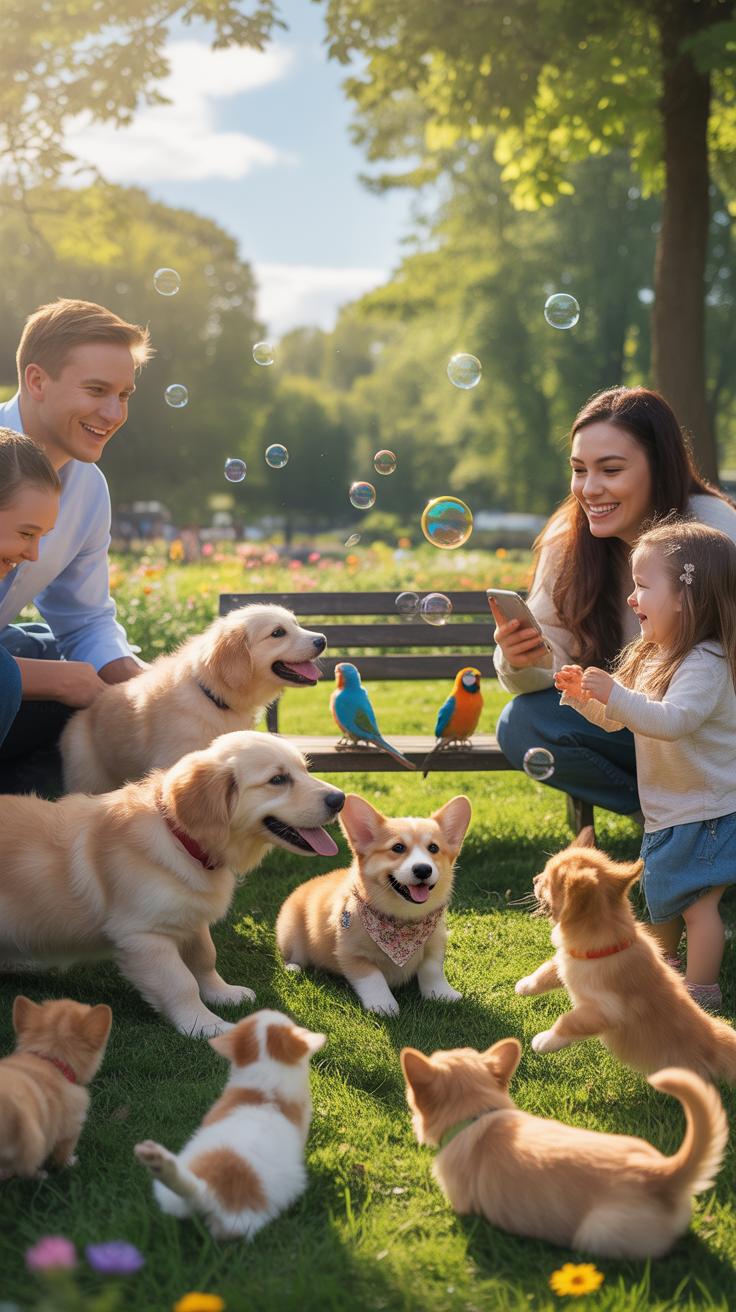
The Proven Psychological Benefits Of Watching And Sharing Funny Animal Content
Watching videos of dogs caught being goofy triggers an immediate release of dopamine and serotonin. This biological response lowers cortisol levels in your blood. High cortisol causes stress and physical tension. Brief exposure to humorous animal content acts as a cognitive reset. It breaks cycles of negative thinking and provides quick mental relief. You gain measurable improvements in focus after viewing these images.
Digital interaction with animal humor improves emotional regulation. This process works by stimulating the parasympathetic nervous system. People who share these images experience higher levels of life satisfaction. The brain views the content as a non-threatening reward. This simple habit protects your mental health during high-pressure work days. It offers a low-cost tool for stress management that requires minimal time or effort.
How Dogs Strengthen Human Social Bonds Through Laughter And Shared Joy
Sharing goofy dog photos creates instant social glue between people. It acts as a universal icebreaker that spans different cultures and ages. You build trust when you share a laugh with others. This behavior reinforces social networks and reduces feelings of isolation. Digital communities thrive on this shared humor. It provides a common ground that prevents conflict and encourages positive communication across various platforms.
Humor involving animals facilitates faster bonding in professional and personal settings. It humanizes the sender and makes them appear more approachable to peers. Laughter produces oxytocin which is the chemical responsible for social bonding. You strengthen your relationships every time you send a funny dog photo to a friend. This tactical use of media improves team morale. It turns a digital interaction into a meaningful human connection.
Frequently Asked Questions

Why do our pets act so strange and quirky sometimes?
Canine playfulness is a natural expression of joy and comfort in their environment. When you find your dogs caught being goofy, it is often a sign that they feel completely safe and bonded with you. Their silly antics, from the “zoomies” to sleeping in awkward positions, are evolutionary traits used to release excess energy or communicate affection, proving that a happy pet is often a wonderfully weird one.
How can I capture high-quality photos or videos of my pet’s funniest moments?
To get great shots of dogs caught being goofy, keep your phone camera’s burst mode ready at all times. Use natural lighting to prevent motion blur during sudden movements. Instead of forcing a pose, sit quietly on their level and wait for their natural personality to shine. Candid moments are always more authentic than staged ones, so stay patient and keep your lens focused on their expressive faces.
Do I need expensive professional camera gear to document my dog’s silly behavior?
Absolutely not! You do not need a pricey DSLR to celebrate your pet’s personality. Most modern smartphones have incredible shutter speeds and “Live Photo” features that are perfect for catching fast-paced, hilarious interactions. Creating a digital scrapbook of your pet’s funniest habits is entirely free; all it requires is a bit of observation and a willingness to embrace the messy, unscripted joy of everyday life with your pup.