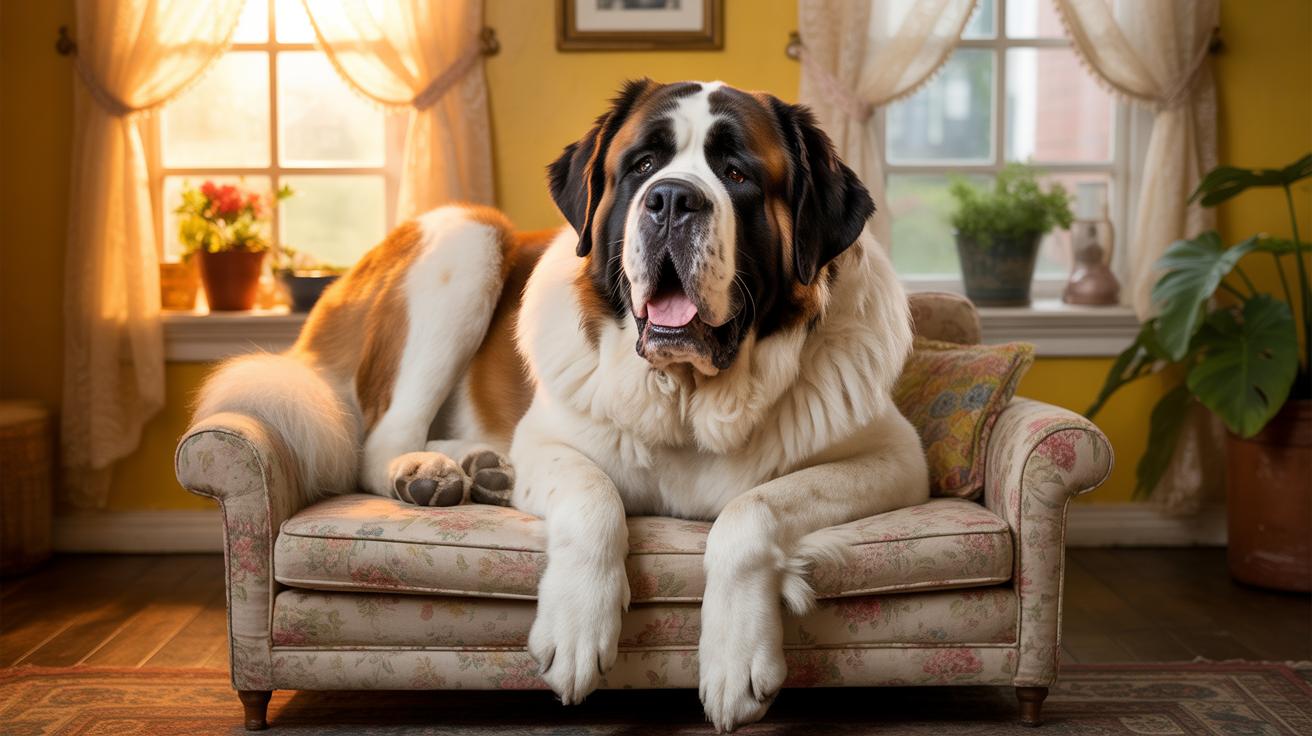
What Makes Huge Dogs Think They Are Lap Dogs
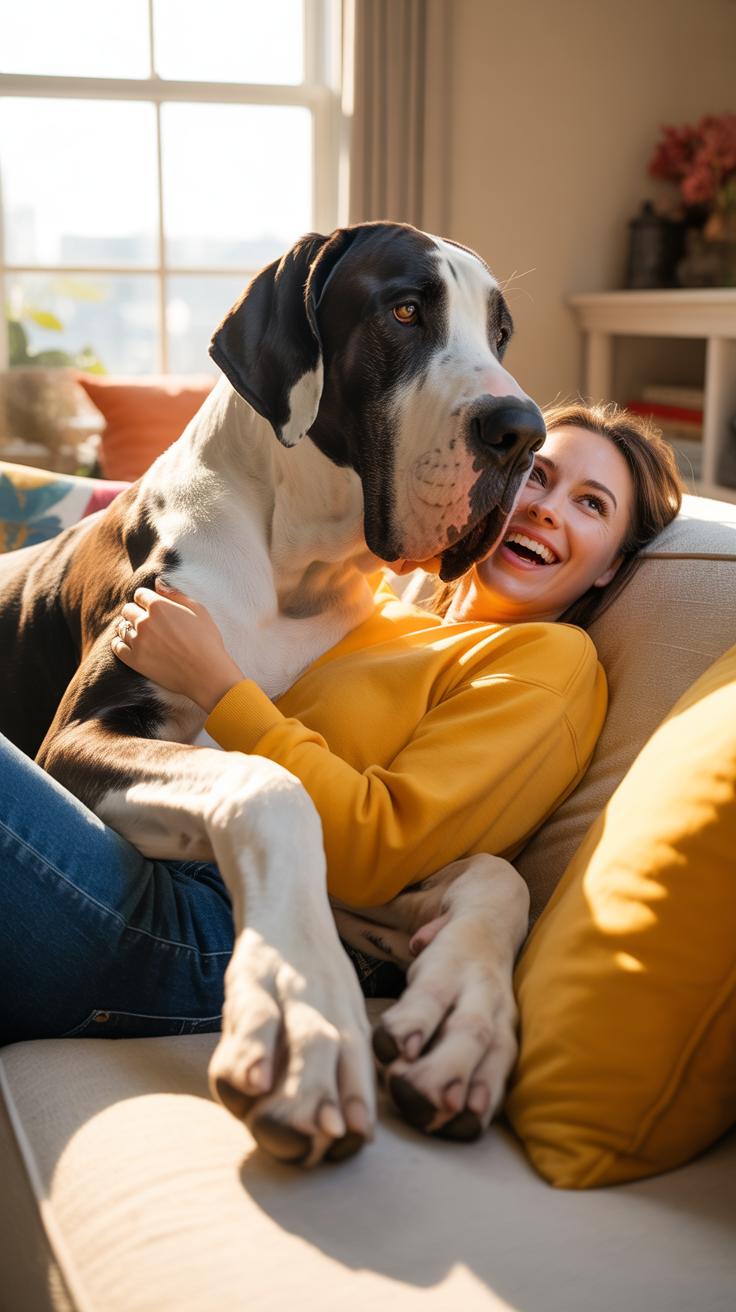
The Psychology Behind A Giant Dog’S Need For Closeness
Large breeds often lack a concept of their own physical size. Their internal self-image does not update as they grow from ten pounds to over one hundred pounds. These dogs prioritize physical contact to maintain a sense of security and pack hierarchy. Leaning on or sitting on a human provides sensory feedback. This contact releases oxytocin in the dog which lowers their stress levels.
Social grooming and physical proximity are core survival traits in canine evolution. Giant breeds like Mastiffs or Great Danes view their owners as central figures in their social unit. They seek out the lap because it represents the highest point of intimacy and protection within the pack. This behavior is not an attempt to dominate. It is a biological drive for warmth and emotional stability through direct pressure.
How Early Bonding And Puppyhood Shape Lap Seeking Behavior
Owners often encourage lap sitting when a dog is small. A twenty-pound puppy receives positive reinforcement through cuddles and attention. This conditioning creates a permanent neural pathway. The dog associates sitting on a person with rewards and safety. Once the dog reaches full size, they continue the habit because the brain remembers the success of the action. They do not realize the physical burden has changed.
Selection for temperament in giant breeds emphasizes low aggression and high sociability. Breeders historically selected these dogs for guarding or companionship roles that require constant human presence. This genetic predisposition makes them crave physical touch more than smaller, more independent hunting breeds. The behavior persists through adulthood because the owner rarely sets hard boundaries during the growth phase. Consistency in early life dictates these long-term physical interactions.

Top Giant Dog Breeds That Are Known Lap Dogs At Heart
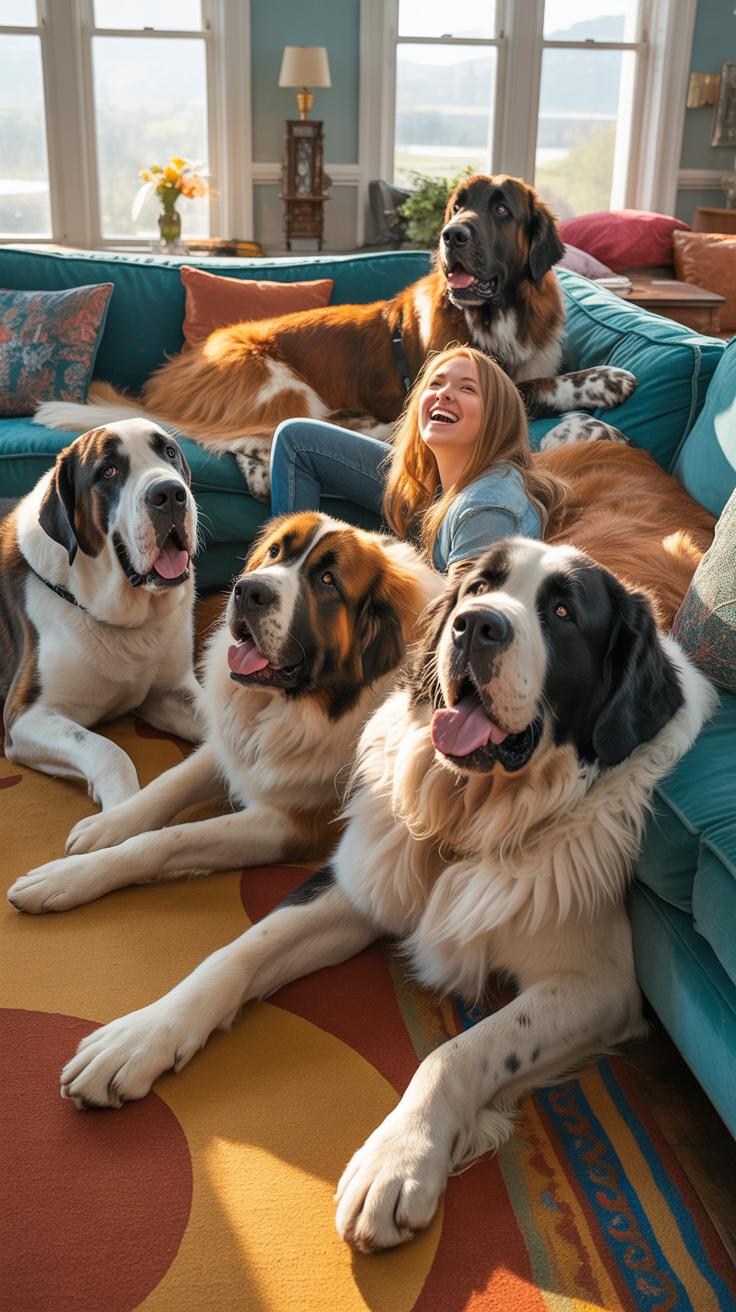
Great Danes, Bernese Mountain Dogs, And Other Gentle Giants Who Love Laps
Great Danes and Bernese Mountain Dogs regularly ignore their physical size when seeking affection. Owners call this behavior leaning. These dogs press their full body weight against a human to feel secure. They do not understand that they weigh over one hundred pounds. They simply want proximity to their pack leader. This tactile contact reduces stress for the animal and strengthens the social bond.
The English Mastiff and Newfoundland also exhibit these traits. These breeds possess a low energy drive indoors. They prefer sitting on a sofa or a lap over running in a yard. This lack of spatial awareness is a genetic trait. Large breeds often view themselves as equal members of the family unit. They use physical contact to maintain their position within the domestic hierarchy and seek constant reassurance.
A dog doesn’t care if you’re rich or poor, educated or illiterate, clever or dull. Give him your heart and he will give you his, even if it means trying to fit all eighty pounds of it onto your lap.
Why These Big Dogs Were Bred For Human Companionship
Historical breeding objectives created this needy behavior. Breeders designed Great Danes to hunt but also to guard royal chambers. They lived in close quarters with humans for centuries. This constant contact pruned away aggressive traits. It favored dogs that wanted to stay near their masters. The modern result is a giant animal that feels safest when touching a person. Physical closeness was a functional requirement.

Bernese Mountain Dogs worked as farm hands in the Swiss Alps. They herded cattle and pulled heavy carts. Farmers required these dogs to be loyal and calm around families. Selective breeding focused on a stable temperament. These dogs developed a strong drive to please their owners. Today, that drive manifests as a dog trying to fit into a small lap. They prioritize human connection over personal space or physical comfort.
Big Dogs Who Think They Are Lap Dogs The Science Of Attachment
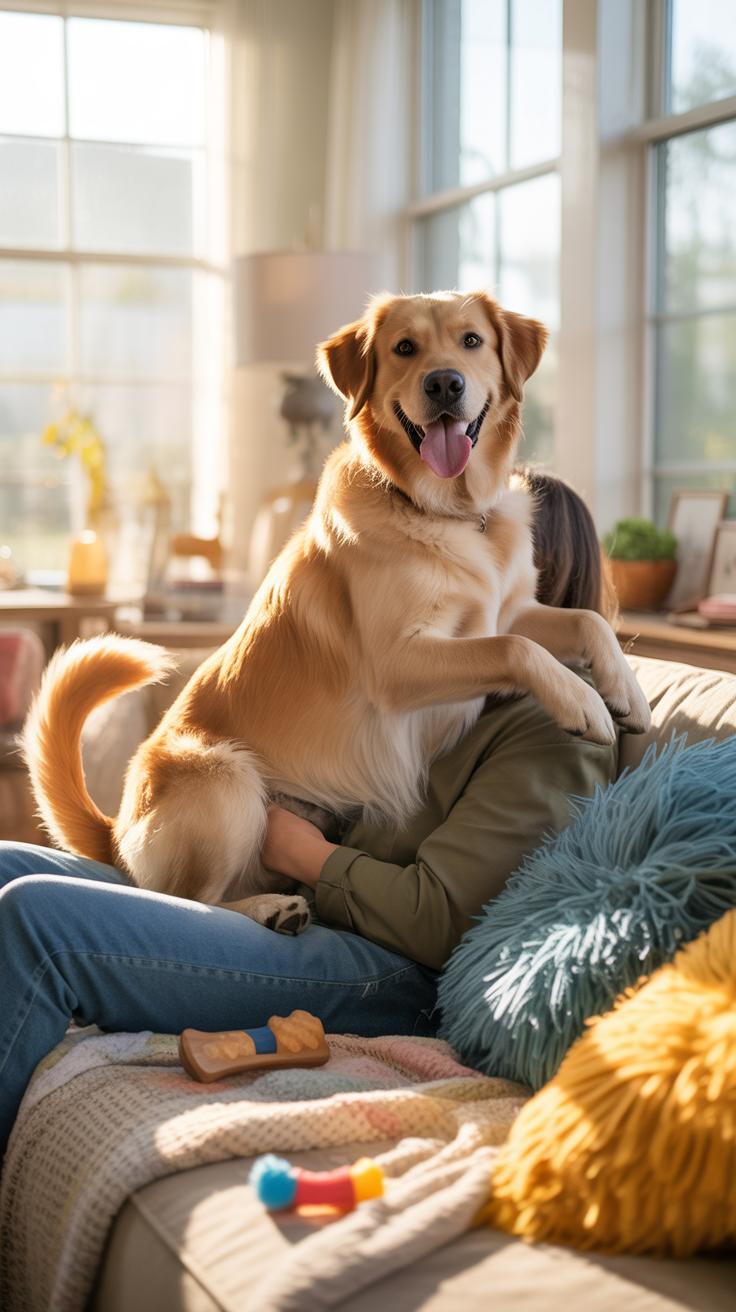
Oxytocin And The Human Dog Bond That Drives Lap Sitting
Physical contact triggers the release of oxytocin in both species. This hormone strengthens the emotional bond between the dog and the human. Large breeds experience the same physiological rewards as small breeds when they seek proximity. Sitting on a lap maximizes skin-to-skin contact. This surge in oxytocin lowers cortisol levels and reduces stress for the animal. Attachment remains a primary survival instinct.
Dogs view their human as a secure base. Seeking your lap is a tactical move to gain comfort. The size of the dog does not change the brain chemistry involved. Heavy breeds like Great Danes or Mastiffs do not perceive their own weight as a barrier to closeness. They prioritize the chemical reward of the bond over spatial logic. Contact reinforces their position within the family unit.
How Dogs Read Their Owners Body Language As An Invitation
Dogs are experts at observing human posture and movement. They monitor your center of gravity and limb placement. A slight lean back or an open lap space signals an opportunity for contact. Even if you do not call them, your relaxed muscle tone suggests safety. Giant breeds see these subtle physical cues as a direct invitation to approach and occupy your personal space.
Consistency in your reactions reinforces this habitual behavior. If you allow a puppy onto your lap, the dog views that space as its own forever. They do not understand that they grew fifty pounds since the last visit. Your scent and warmth act as powerful draws. Once the dog identifies a pattern of successful lap-sitting, they will continue to exploit every available opening they find.
The Reality Of A Dog Laying On Lap When It Weighs Over 100 Pounds
Physical Considerations For You And Your Giant Dog During Lap Time
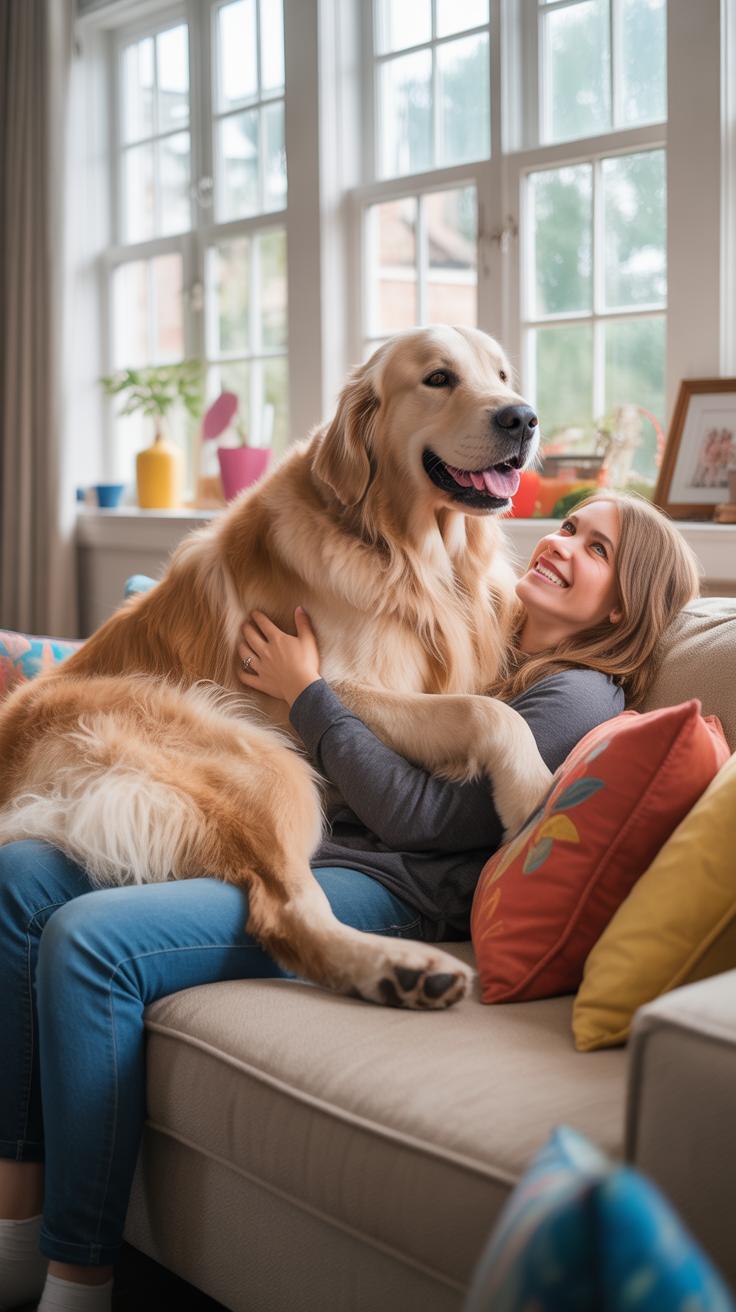
Large breeds exert significant force on human joints and soft tissues. A one hundred pound dog places extreme pressure on your femoral arteries and nerves. Chronic compression leads to numbness or restricted blood flow in your legs. You must position your body to support this mass. Sit on furniture with firm cushions to prevent spinal misalignment. Proper posture protects your lower back from strain.
The dog also faces physical risks during these interactions. Giant dogs often develop joint issues or hip dysplasia. Jumping onto a high sofa to reach your lap stresses their skeletal system. Assist your dog with sturdy ramps or steps to minimize impact. Monitor their breathing and heat levels while they lean against you. Large bodies retain heat quickly and can overheat during prolonged contact in warm rooms.
Health Benefits Of Allowing Your Large Dog To Snuggle Close
Physical contact with a giant dog triggers the release of oxytocin in humans. This chemical lowers your heart rate and reduces cortisol levels. Large dogs provide deep pressure therapy naturally due to their significant weight. This pressure calms the nervous system and reduces anxiety symptoms. Owners of large breeds often report lower stress levels after brief periods of close physical contact or lap time.

Dogs gain psychological stability from this proximity as well. Pack animals seek physical contact to establish security and social bonds. Close contact strengthens the relationship between the owner and the animal. It reinforces a sense of safety for the dog within the home environment. Regular snuggling helps prevent behavioral issues rooted in separation anxiety or fear. Consistent bonding rituals create a more predictable and calm domestic atmosphere.
Dog On Lap Understanding Why Your Giant Dog Seeks This Specific Comfort
Warmth, Security, And Pack Instinct: The Real Reasons Behind Lap Behavior
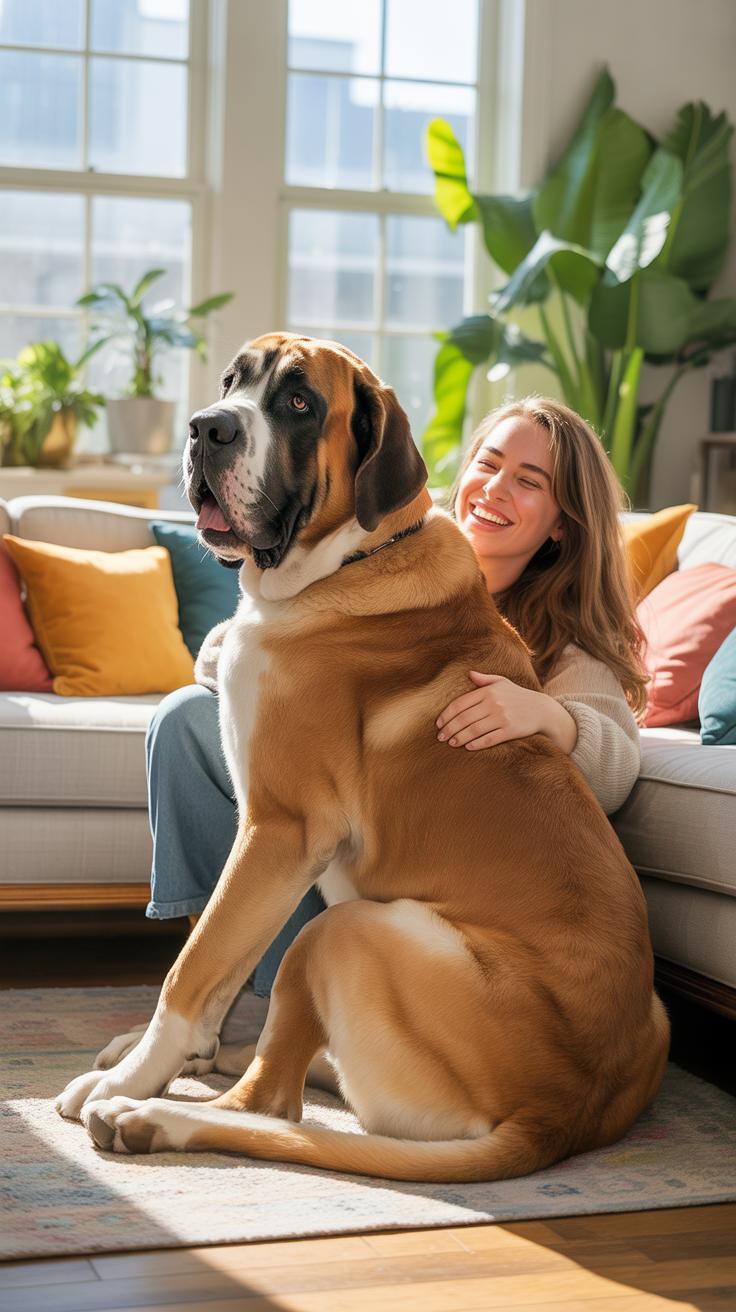
Giant dogs seek laps to regulate body temperature and find physical security. Most large breeds have deep roots in working roles where physical proximity to humans ensured survival. Contact triggers the release of oxytocin in the dog. This hormone strengthens the bond between the animal and the owner. Your lap represents a safe zone where the dog feels most protected from external threats or changes.
Pack instinct drives this behavior through the desire for physical synchronization. In the wild, canines sleep in tight groups to share heat and monitor movement. Your giant dog views you as the center of their social unit. Placing their weight on you confirms their status within the group. It is a tactical move to maintain constant connection. This behavior ensures they do not miss any cues or movements from you.
The Role Of Anxiety And Emotional Dependence In Lap Seeking Giants
Large breeds often develop separation anxiety or heavy emotional reliance on their owners. Sitting on a lap serves as a grounding mechanism for a stressed dog. The physical pressure of their body against yours provides sensory input that calm their nervous system. This is frequently seen in breeds like Great Danes or Mastiffs. They use your lap as an anchor when they feel unsure about their current environment.

Weight distribution plays a key role in how these dogs manage their internal stress levels. A giant dog may force itself into your space to seek reassurance during loud noises or schedule changes. This behavior is not about dominance or lack of training. It is a functional response to emotional triggers. By occupying your lap, the dog creates a physical barrier that makes them feel less vulnerable to perceived dangers.
Dog Sitting On Lap When To Encourage It And When To Set Boundaries
Tips For Safely Managing A Giant Dog Who Wants To Sit On Your Lap
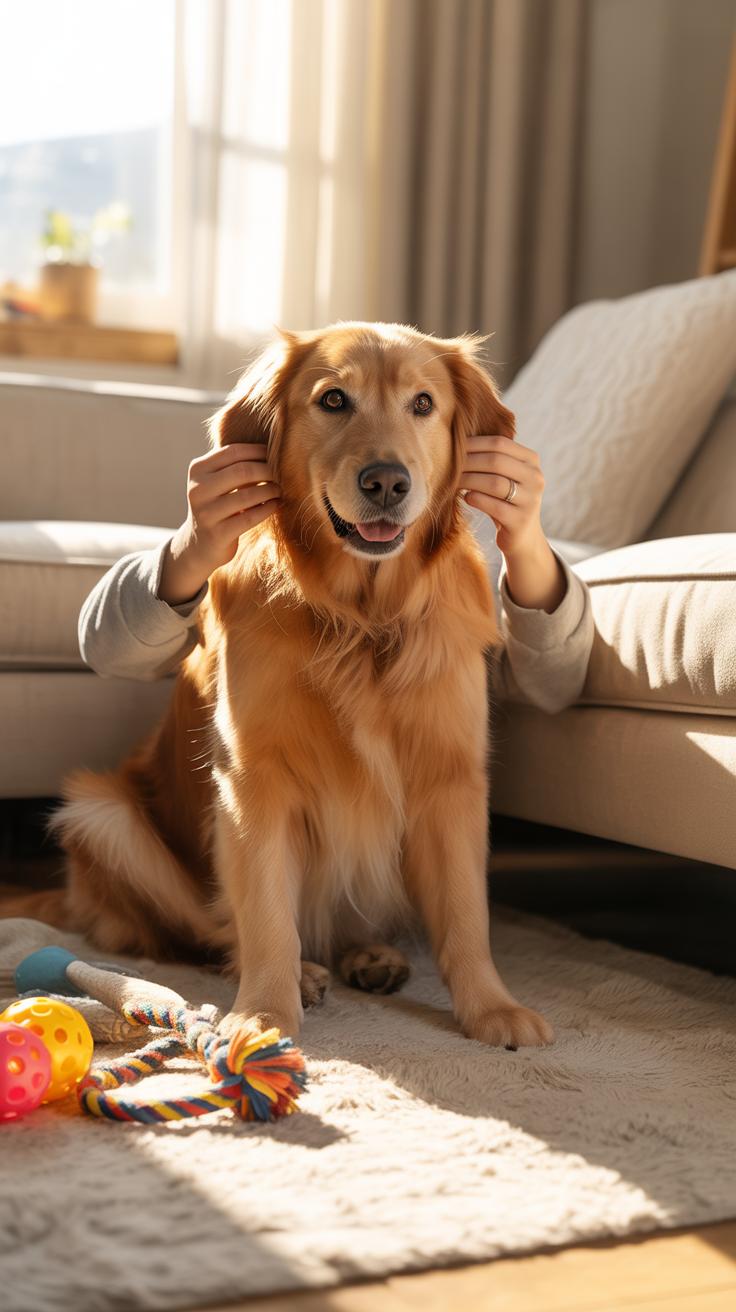
Giant breeds often weigh over one hundred pounds and do not understand their physical impact. Allowing a massive dog to jump or collapse onto your lap causes joint strain and potential injury to the human. You must control the entry and exit of the dog to ensure safety. Only permit lap contact when you are sitting in a braced position.
- Control the Ascent: Require the dog to wait for a specific verbal command before placing weight on you. This prevents surprise impacts that can cause bruising or bone fractures.
- Protect Vulnerable Areas: Use a thick furniture moving blanket or a heavy pillow to shield your legs and abdomen. Large claws can puncture skin and clothes even during gentle movements.
- Check Chair Stability: Only allow lap sitting on reinforced furniture like heavy sofas or the floor. Lightweight chairs can flip backward under the combined weight of a human and a giant dog.
- Monitor Breathing: Watch for signs of respiratory distress in yourself and the dog. A heavy dog resting its chest on your torso can restrict your lung expansion during long sessions.
- Maintain Exit Routes: Ensure you have a clear path to stand up without the dog tripping you. Train the dog to get off your lap immediately upon hearing a specific release cue.
Standardize your response to lap seeking behavior to avoid confusing the animal. Large dogs thrive on predictable routines and clear physical boundaries. If you allow the behavior sometimes but punish it later, the dog will become anxious. Focus on keeping your spine neutral and your feet flat on the floor. This posture provides the mechanical leverage needed to support a giant breed safely and comfortably.
Teaching Your Big Dog A Comfortable Alternative To Full Lap Sitting
Full lap sitting is often impractical for giant breeds due to sheer physical volume. You can satisfy the dog’s need for physical closeness by teaching the lean. This technique involves the dog pressing its shoulder against your leg while standing or sitting next to you. It provides the same biological comfort of touch without crushing your lap or straining your lower back.

Transition the dog to a specialized floor cushion placed directly against your feet. Use high-value rewards to reinforce the dog staying on its own bed while touching your leg. This creates a clear boundary while maintaining the social bond the dog craves. Strategic placement of the dog bed allows for contact without the weight. You gain comfort and the dog retains its sense of belonging.
Famous Lap Dogs In Giant Packages Real Stories Of Big Dogs On Owners Lap
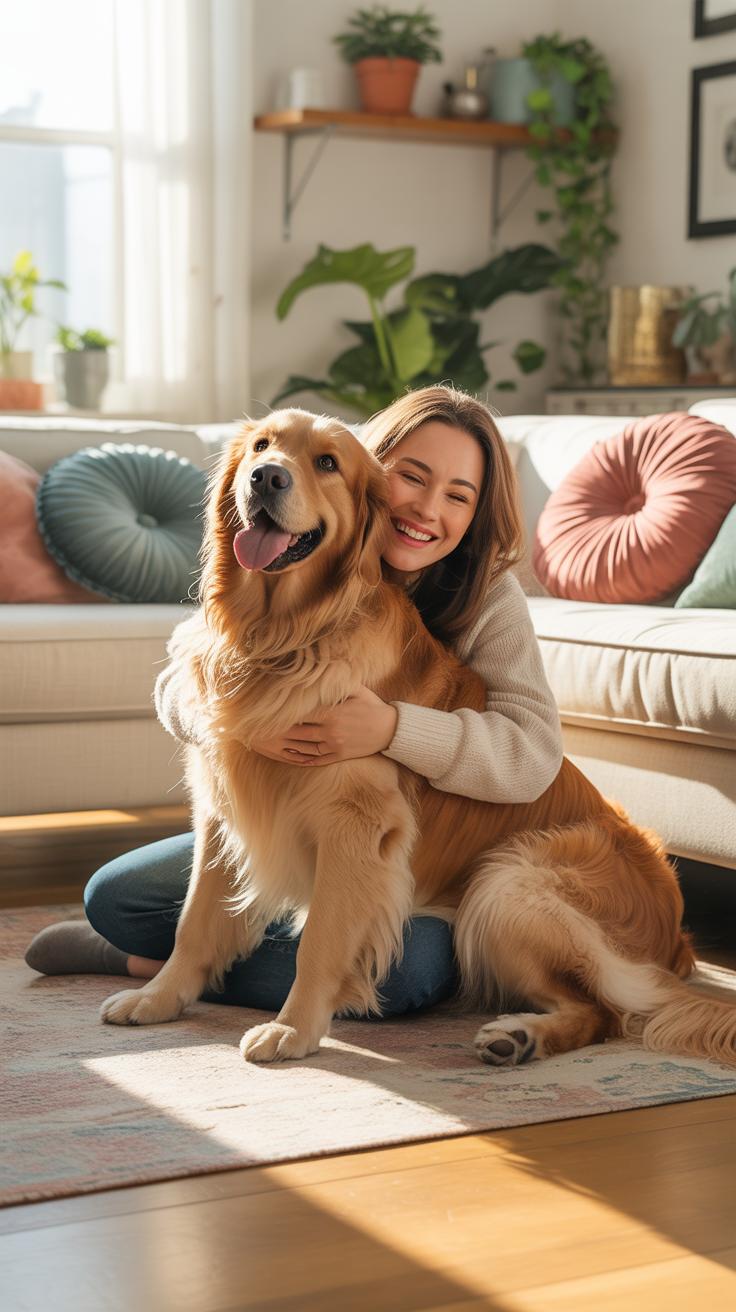
Heartwarming Accounts Of Giant Dogs Who Insist On Being Dog On Owners Lap
Owners of Great Danes and English Mastiffs report consistent leaning and sitting behavior. These breeds lack awareness of their physical size and weight. They seek physical contact to bond with their human packs. This behavior stems from a biological drive for warmth and security. A hundred pound dog will squeeze into a small chair to reach its owner. The dog views the lap as the safest place in the home.
Large dogs often use their weight to show affection and dominance. They sit on feet or laps to claim their territory. This action releases oxytocin in both the animal and the human. It strengthens the social bond between the species. Owners often accommodate this behavior despite the physical strain. Training can manage the frequency but rarely eliminates the instinctual desire for close contact.
How Social Media Has Celebrated The Giant Lap Dog Phenomenon
Digital platforms like Instagram and TikTok have normalized the sight of massive dogs on small laps. Viral videos show Great Danes and Newfoundlands climbing onto couches to sit on people. This visual contrast generates high engagement and shares. Viewers enjoy the perceived absurdity of a giant animal acting like a tiny puppy. Creators use these moments to humanize their large pets for global audiences.

Social media trends focus on the humor of the situation. Users document the struggle of breathing under a heavy dog. These posts create communities for owners of giant breeds to share their experiences. They provide a space to discuss the logistical challenges of living with oversized lap dogs. The online visibility of these breeds has increased their popularity. More people now seek these breeds specifically for their affectionate and clingy nature.
Comparing True Lap Dogs Vs Giant Dogs Who Act Like Lap Dogs
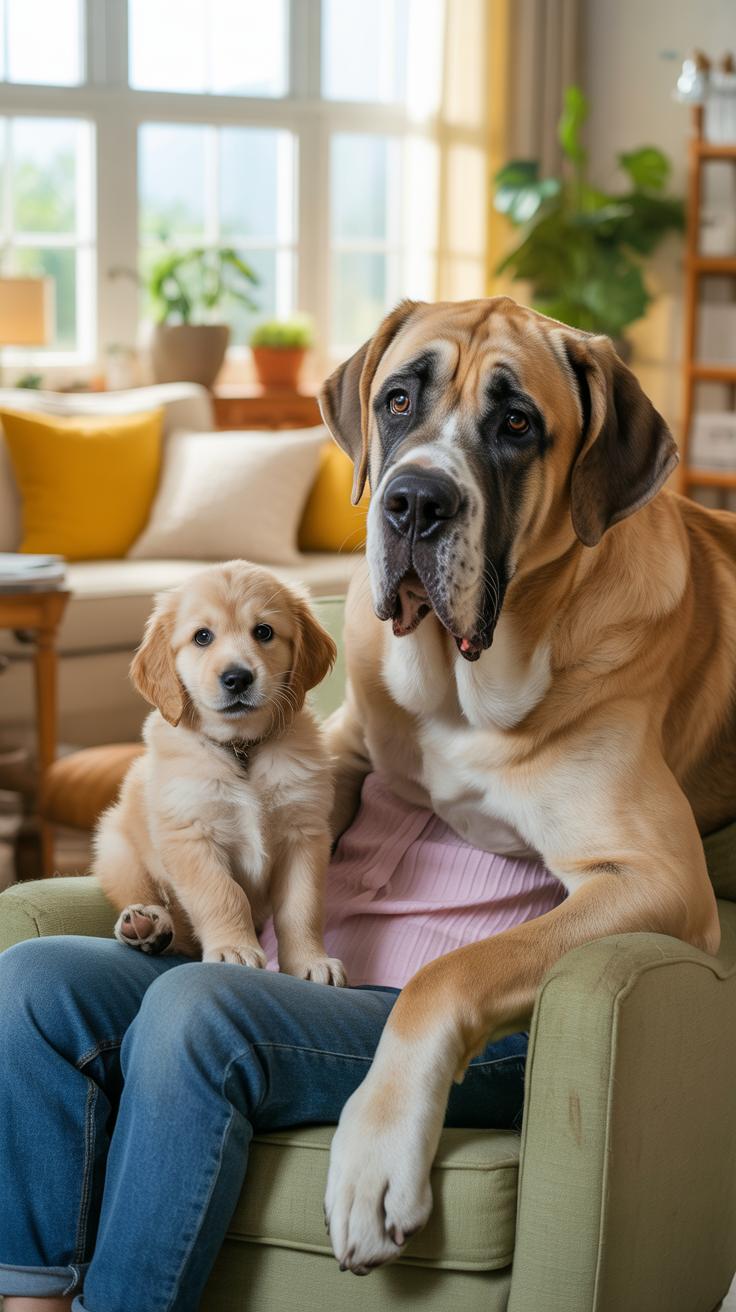
What Officially Defines A Lap Dog Breed By Size And Temperament
Traditional lap dogs belong to the Toy Group according to kennel club standards. These breeds weigh under fifteen pounds and stand less than one foot tall. Breeders specifically selected these animals to provide constant companionship and physical warmth. They possess a anatomical build that fits comfortably on a human lap. Their historical role focused purely on proximity and domestic comfort rather than labor or protection.
Temperament plays a critical role in this classification. These dogs show high levels of dependency and seek frequent physical touch. They react poorly to extended isolation and demand near constant engagement from owners. While larger breeds may display similar affection, true lap dogs possess the physical portability to maintain this contact without causing injury. Their energy levels often peak inside the home during small bursts of social interaction.
Key Personality Traits That Giant Breeds Share With Traditional Lap Dogs
Giant breeds often mirror the psychological makeup of toy companions despite their massive frames. These dogs view themselves as integral members of the inner family circle. They do not recognize the physical boundary created by their weight. This lack of spatial awareness drives them to seek small spaces alongside their owners. They prioritize closeness over the independence usually expected from large working or guardian breeds.
- Tactile Dependency: Like small toy breeds, giant dogs use leaning and sitting as primary communication tools. They press their bodies against humans to find security and confirm the social bond. This physical contact reduces stress for the animal.
- Separation Anxiety: Many large dogs struggle when left alone for long periods. They mirror the clingy nature of companion breeds. This trait can lead to destructive behavior if owners do not manage their intense need for constant human presence.
- Low Reactivity: High quality lap dogs and gentle giants both show calm temperaments in quiet home settings. They spend much of their day resting near people. This sedentary lifestyle makes them surprisingly good indoor pets despite their significant physical footprint.
- Affection Seeking: These animals actively solicit petting and physical attention from their handlers. They use their heads or paws to demand touch. This behavior shows a high drive for social reinforcement that matches the intensity found in much smaller breeds.
- Sensitive Disposition: Both groups respond strongly to the emotional state of their owners. They detect subtle changes in human moods and offer physical presence as a form of support. This emotional intelligence defines the bond between a lap dog and its person.

Training must address these shared traits to ensure safety and comfort. Owners of giant dogs must set boundaries before the animal reaches full scale. A hundred pound dog behaves exactly like a ten pound pug during social time. Without discipline, this affectionate behavior can lead to accidental falls or injuries for the humans involved. Consistency remains the most vital tool for managing a giant that craves physical intimacy.
How To Embrace And Accommodate Your Giant Dogs Lap Dog Tendencies
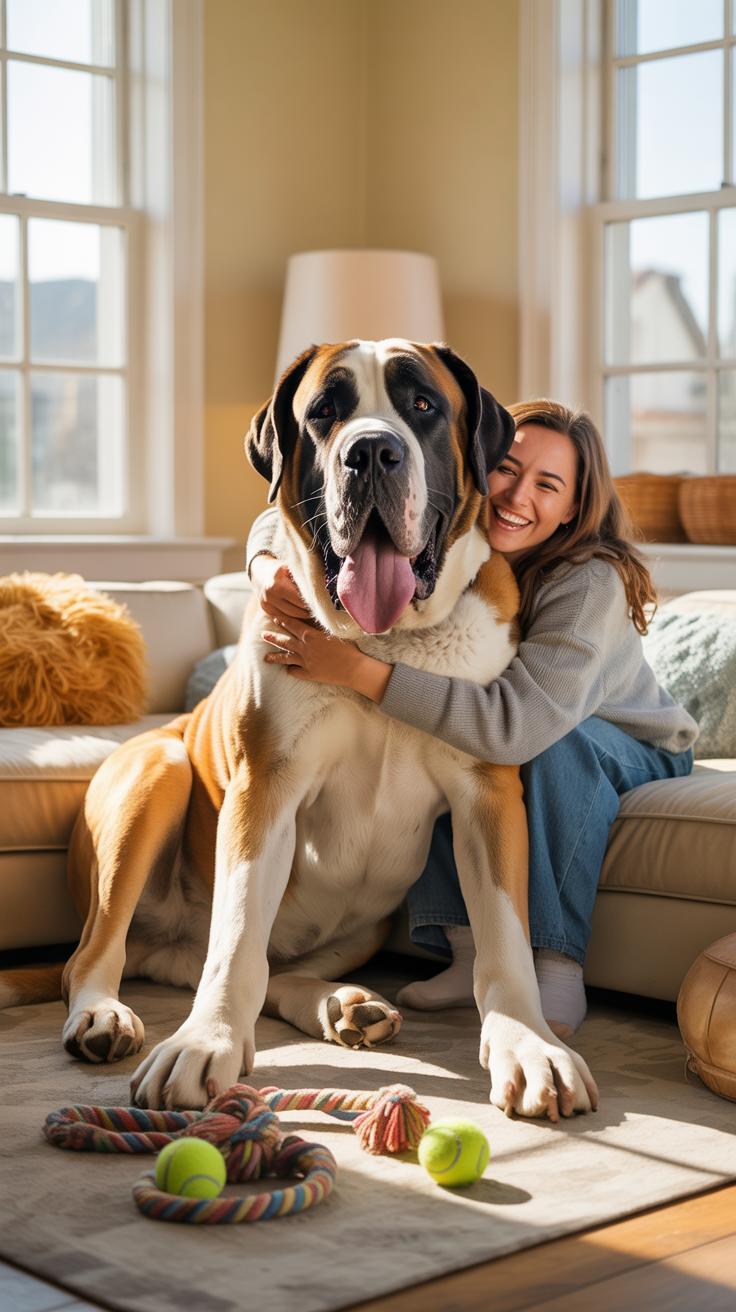
Guidance Furniture Seating And Lifestyle Adjustments For Giant Lap Dog Owners
Standard furniture often fails under the weight of giant breeds. You must select seating with reinforced frames and high-density foam. Materials like heavy-weight canvas or top-grain leather resist claw punctures better than woven fabrics. Avoid delicate mid-century modern pieces with thin tapered legs. These structures snap under sudden lateral force. Low-profile platform sofas reduce the impact on your dogs joints during mounting or dismounting.
Clear your living space of fragile items. Large dogs have a high center of gravity and wide tail arcs. Replace glass coffee tables with sturdy wooden ottomans. These provide a landing spot for your lap dog without the risk of shattering. Use non-slip rug pads to prevent the floor from shifting when the dog leans against you. Solid footing prevents orthopedic injuries for both the owner and the animal.
Strengthening Your Bond With A Big Dog Who Craves Physical Closeness
Physical contact releases oxytocin in both species. Giant breeds like the Great Dane or Mastiff use leaning to show trust. Do not push the dog away unless the behavior creates a safety risk. Instead, practice grounded sitting techniques. Shift your weight to your heels when a large dog rests its head on your lap. This position protects your spine and allows for extended periods of calm bonding time.
Establish a consistent routine for physical affection. Large dogs thrive on predictable social cues. Use specific commands to invite the dog into your space. This regulates their behavior and prevents accidental knocking. Hand-feeding and deliberate grooming also build this connection. Brushing a heavy coat provides the tactile contact these dogs crave. It fulfills their pack instinct. Strong bonds reduce anxiety and improve overall obedience in high-weight breeds.
Frequently Asked Questions

Why do giant breeds often act like they are still small puppies?
Many large breeds, such as Great Danes and Mastiffs, are famously known as dogs who think they are lap dogs because they lack awareness of their massive size. This behavior usually stems from a strong desire for physical affection and security. Since they bonded with their owners as small puppies by cuddling, they continue seeking that same close contact and reassurance well into adulthood, regardless of their hundred-pound stature.
How can I safely enjoy cuddles with a massive dog that wants to sit on me?
Safety is key when living with dogs who think they are lap dogs. To avoid injury, encourage your gentle giant to lean against your legs or rest their head on your lap while you are seated on a sturdy sofa. Using a “place” command helps manage their enthusiasm, ensuring they settle down slowly rather than jumping. Always prioritize your spinal alignment and keep your feet flat on the floor for stability.
Are there affordable ways to accommodate a large dog’s need for closeness?
You don’t need expensive custom furniture to keep your oversized pup comfortable. Large floor pillows or even recycled twin-sized mattresses offer a budget-friendly way to create a designated “cuddle zone” at floor level. By sitting on the floor with them, you satisfy their need for proximity without risking damage to your furniture or straining your back, making these heartfelt bonding moments accessible and safe for every household budget.