Understanding Horse Teeth A Foundation For Reading Equine Behavior
The Unique Anatomy Of Horse Teeth And What Makes Them Different
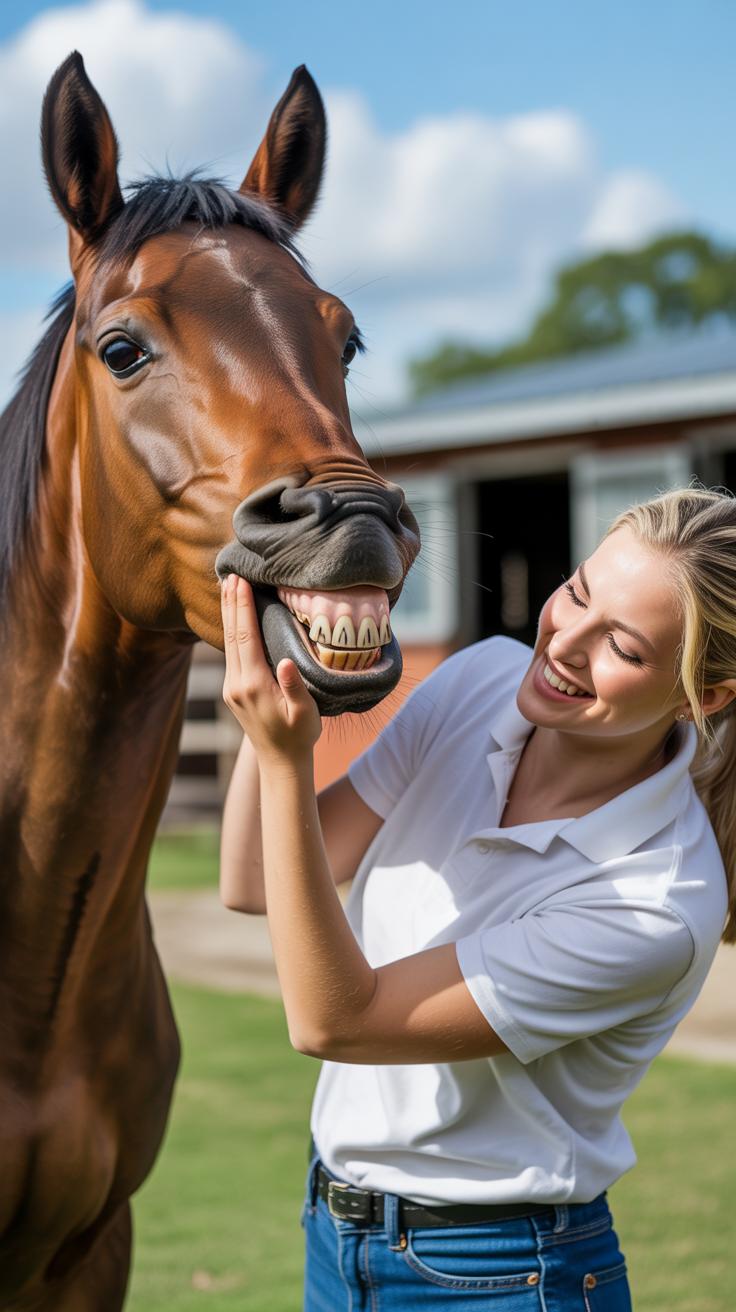
Horses possess hypsodont teeth designed for constant grazing and grinding. Unlike human teeth, horse teeth continue to erupt from the jaw over most of their lifespan. This growth compensates for the heavy wear caused by silica in grass. The front teeth, called incisors, function primarily for shearing plants. These incisors sit in a curved row at the very front of the mouth for maximum efficiency.
The upper lip plays a critical role in how these teeth function during social interactions. Strong muscles control the lip, allowing the horse to pull it back and expose the incisors completely. This movement is not about biting or eating. It is a mechanical necessity for specific sensory tasks. Understanding the physical layout of the mouth helps you identify why a horse shifts its facial structure during different activities.
How The Structure Of Horse Teeth Connects To Behavioral Signals Like The Flehmen Response
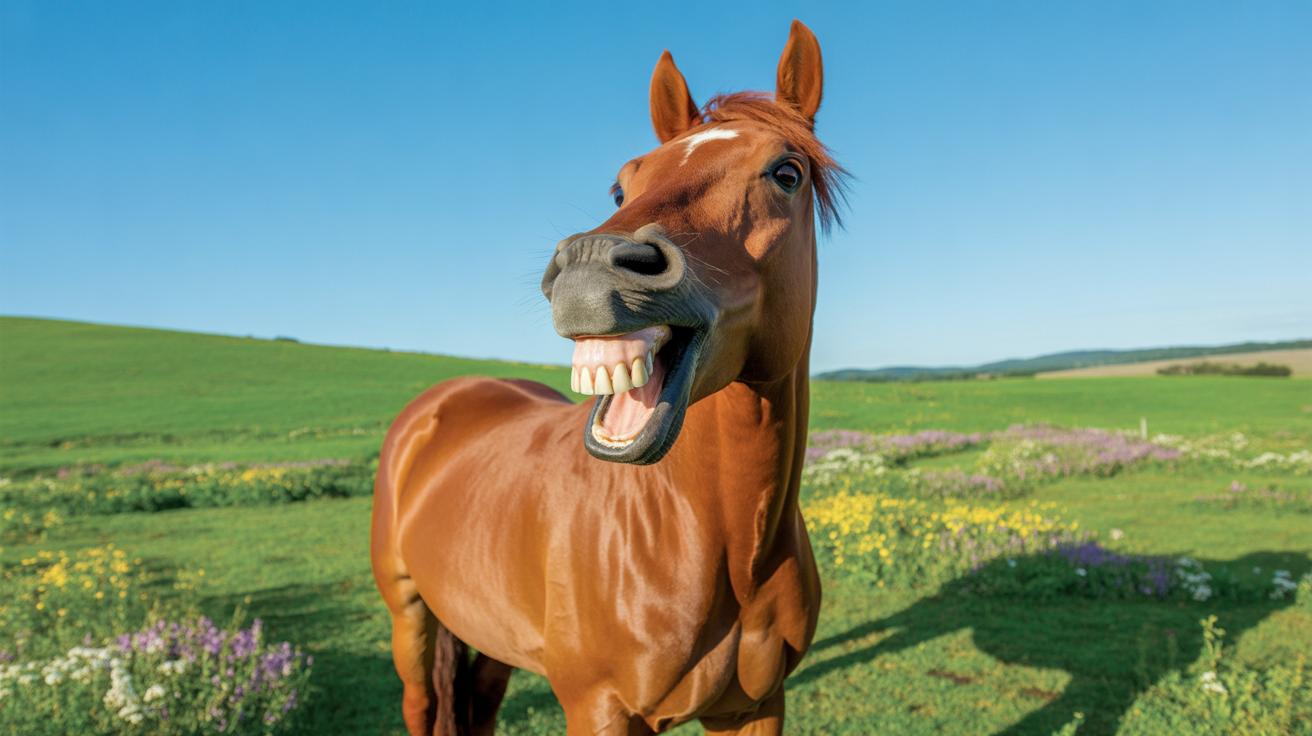
The Flehmen response requires the horse to extend its neck and retract its upper lip. This action exposes the upper incisors and the gum line to the air. While it looks like a smile or a laugh, it is a purely functional movement. The retracted lip creates a seal that traps air. This forced airflow directs scents toward the vomeronasal organ located in the roof of the mouth.
Structure dictates function in this equine behavior. The large, flat surface of the incisors provides a physical backdrop for the lip to roll upward. Without this specific dental and jaw alignment, the horse could not effectively funnel pheromones. You must recognize that showing teeth is often a sensory intake platform rather than a sign of aggression. The dental anatomy serves as a gateway for processing complex chemical data.

What Is The Flehmen Response And Why Do Horses Show Their Teeth
Defining The Flehmen Response: What Is Actually Happening When A Horse Curls Its Lip
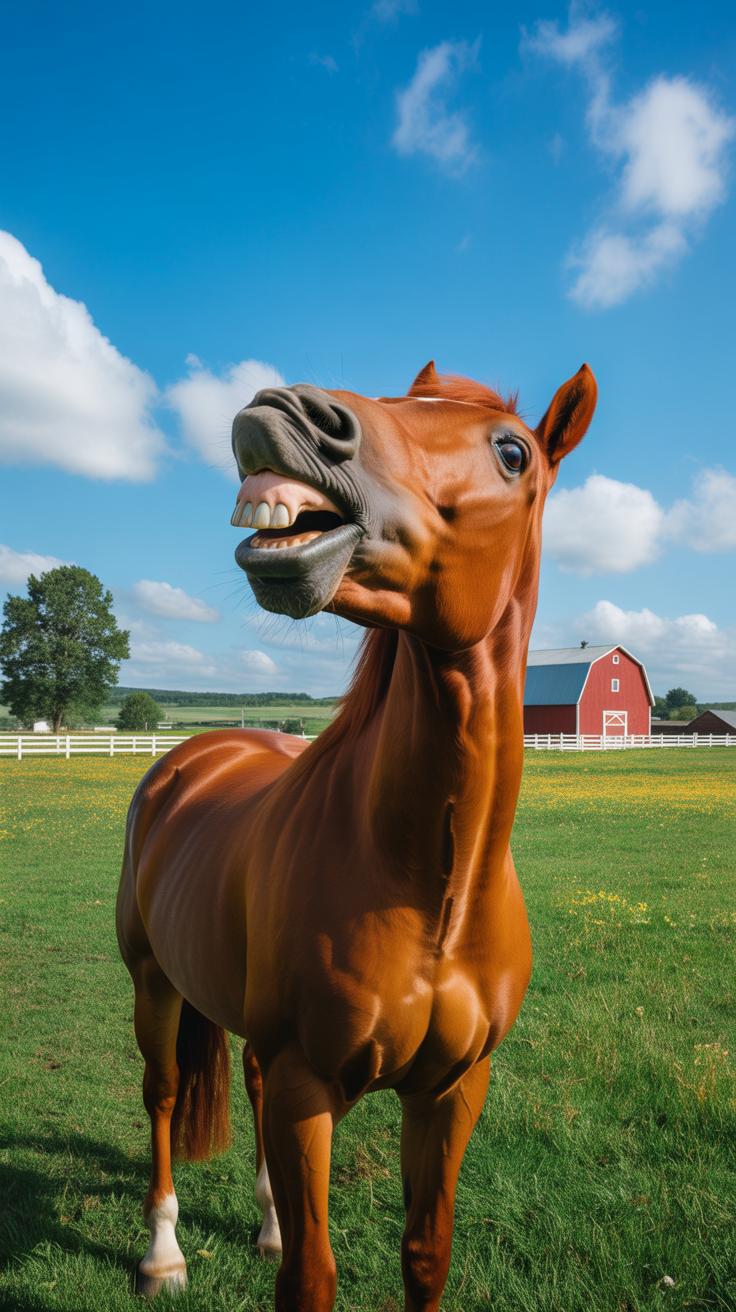
The flehmen response is a physical maneuver used to analyze scents. The horse extends its neck and curls its upper lip toward the nostrils. This action creates a vacuum effect. It forces air and fluid into a specialized sensory area. People often mistake this for a smile or a laugh. In reality, the horse is performing a focused biological assessment of its environment.
This behavior allows the horse to trap pheromones and odors. The curled lip blocks the normal breathing path through the nostrils. This pressure change pushes the scent molecules into the roof of the mouth. The horse remains still during this process to ensure clear data collection. It is a tactical move used primarily for reproduction, social bonding, and identifying unfamiliar or toxic substances.
The Role Of The Vomeronasal Organ In Triggering The Flehmen Response In Horses
The vomeronasal organ sits at the base of the nasal cavity. It is also called Jacobson organ. This structure acts as a chemical sensor. It detects non volatile compounds that regular smelling cannot process. When the horse curls its lip, it directs these chemicals into ducts leading to this organ. The organ then sends immediate signals to the hypothalamus regarding the chemical makeup of the scent.

The hypothalamus processes these signals to influence the horse’s behavior. Stallions use this organ to check if a mare is ready to mate. Mares use it to identify their foals shortly after birth. Geldings and mares also use it to investigate new food or strange predators. The vomeronasal organ provides a direct link between environmental chemicals and the horse’s endocrine system for rapid decision making.
Why Do Horses Show Their Teeth Common Triggers And Situations
Scent Based Triggers That Cause Horses To Perform The Flehmen Response
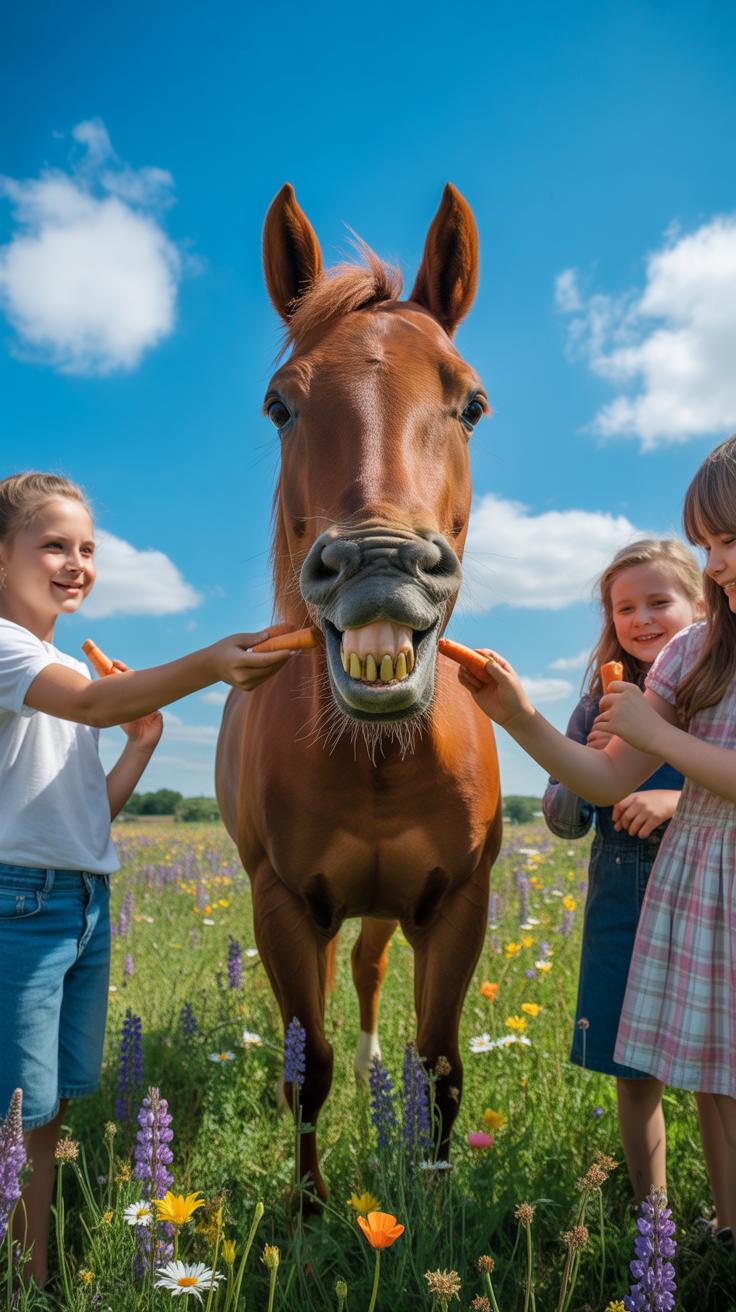
The flehmen response occurs when a horse encounters a specific chemical signal. The horse curls its upper lip to trap air in the nasal cavity. This action moves pheromones and scents directly into the vomeronasal organ. This organ sits above the roof of the mouth. This specialized biological hardware processes odors that regular smelling cannot detect. It is a tactical data collection method.
Specific biological fluids trigger this reaction most often. Stallions use flehmen to analyze the reproductive status of a mare. They track pheromones in urine to time breeding correctly. Mares also use this response to identify their newborn foals by scent. Even strange smells like blood, perfume, or new chemicals can cause a horse to curl its lip. It is a neutral way to gather environmental information.
When a horse lifts its lip to catch a passing scent, it reminds us that nature holds secrets we are only beginning to whisper back to. To understand the flehmen response is to truly listen to the silent language of the wind and the ancient soul of the horse.
Other Reasons Horses Show Their Teeth Beyond The Flehmen Response
Horses expose their teeth for reasons unrelated to scent detection. Aggression and pain are primary drivers for this behavior. A horse may bare its teeth to warn a predator or a herd mate to back off. This is a visual threat. In other cases, teeth exposure indicates severe physical distress. You must distinguish between sensory input and a physical or behavioral warning.
- Aggression and Defense: A horse bares its teeth as a clear threat to others. This behavior usually includes pinned ears and a tense neck. It signals an impending bite or attack. The horse uses this to defend its personal space or food.
- Physical Pain or Colic: Horses often stretch their lips or grind their teeth when they feel internal pain. Gastrointestinal distress like colic causes horses to make strange facial expressions. This is a stress response rather than a desire to smell the air around them.
- The Suckling Reflex: Young foals often thrust their necks out and click their teeth together. This is called snapping or champing. It is a submissive gesture toward older horses. It signals that the foal is young and poses no threat to the hierarchy.
- Dental Discomfort or Issues: Sharp points on the molars or overgrown teeth cause horses to hold their mouths open. They may tilt their heads and show their teeth while eating. This indicates the horse needs professional dental floating to remove painful obstructions in the jaw.
- Yawning and Tension Release: Horses show their teeth during a full yawn to stretch their jaw muscles. This often happens after a stressful event or a long training session. It represents a neurological shift from a state of high tension to a state of rest.

Understanding these triggers allows for better horse management. You must observe the body language accompanying the bared teeth. If the lip is curled upward, the horse is likely processing a scent. If the mouth is open and the ears are back, the horse is prepared to fight. Context determines the meaning of the action. Always look at the environment to identify the specific root cause.
Horse Showing Teeth How To Tell The Difference Between Flehmen And Aggression
Reading Body Language Alongside Teeth Display To Understand Horse Intent
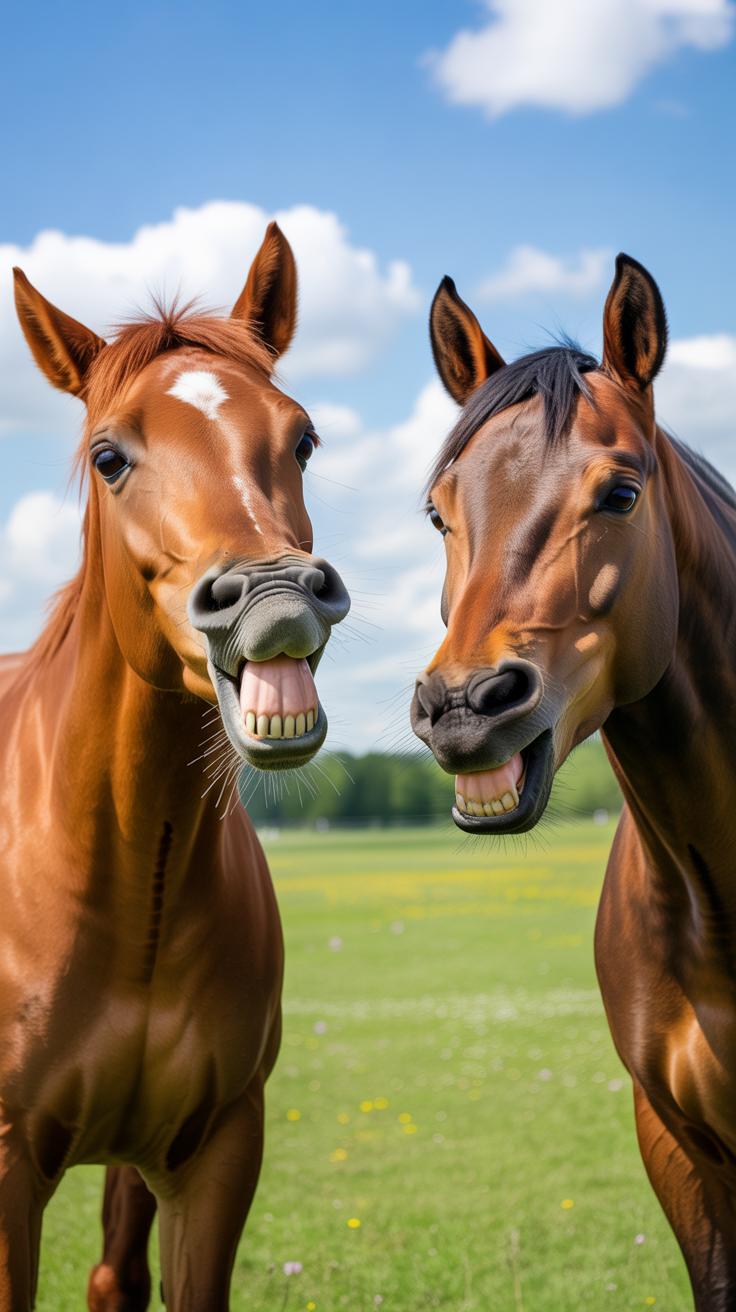
A horse showing teeth during the flehmen response raises its upper lip toward the sky. Its neck usually stretches upward and remains relatively still. The horse moves its head to trap scents in the vomeronasal organ. This behavior serves a biological purpose for analyzing pheromones or strange smells. You will notice the horse appears focused and calm while processing this specific olfactory data.
Aggression looks different because the horse pins its ears flat against its neck. The teeth are exposed in a snap or bite attempt rather than a lip curl. You will see tension in the muzzle and a hard stare in the eyes. The body shifts forward to threaten or retreat to kick. Recognizing these secondary cues allows you to differentiate between a sensory reaction and a physical threat.
Why Misreading A Horse Showing Its Teeth Can Lead To Unsafe Handling
Mistaking a bite threat for a flehmen response puts the handler at physical risk. If a horse pins its ears and bares its teeth, it is preparing to defend its space. Approaching a horse in this state results in serious injury from a strike or bite. You must identify the lack of a lip curl to know when the horse is truly dangerous.

Conversely, punishing a horse for performing the flehmen response disrupts its natural sensory processing. This creates confusion and erodes trust between the animal and the handler. Forcing a horse to stop a harmless biological function makes the animal anxious and unpredictable. Accurate identification ensures you apply the correct pressure or space needed to maintain a safe environment. Proper observation prevents unnecessary accidents and training setbacks.
Aging Horse Teeth What A HorseS Teeth Reveal About Its Age And Health
How Vets And Equestrians Use Horse Age By Teeth To Estimate A Horse’S Years
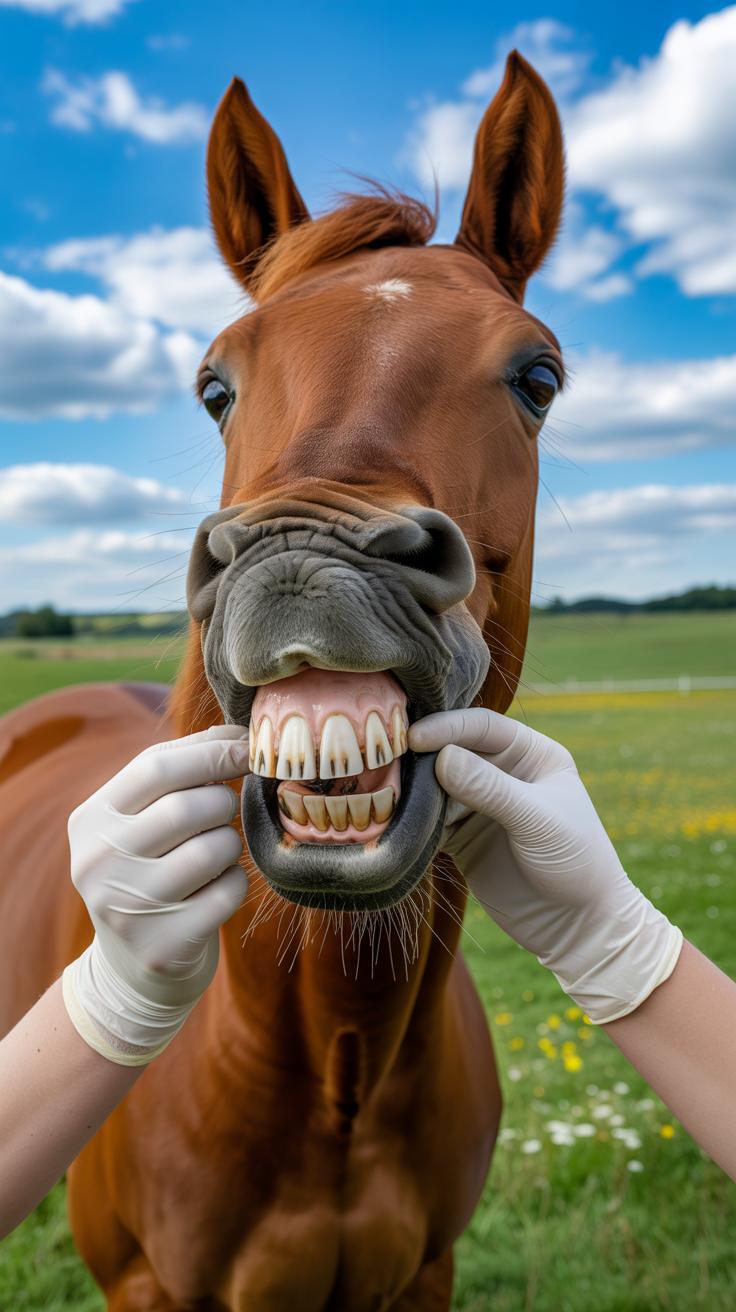
Veterinarians and horse owners examine permanent teeth to determine age. This practice relies on the predictable eruption and wear of specific teeth. Horses grow two sets of teeth during their lifetime. Deciduous teeth, or baby teeth, arrive first. These fall out as permanent adult teeth emerge. Professionals look at which teeth are present to estimate a young horse’s age with high accuracy.
As a horse gets older, the surface of the teeth changes shape. Constant grinding of forage wears down the enamel. This creates specific patterns on the chewing surface. Experts look at the angle of the jaw and the presence of specific grooves. This method is less precise for senior horses but provides a solid range. It serves as a tactical tool for buying and selling livestock.
Key Dental Markers Used When Determining The Age Of A Horse By Teeth
Galvayne’s groove is a primary marker for middle-aged horses. This dark line appears on the upper corner incisor around age ten. It grows downward and reaches the edge by age twenty. Then it begins to disappear from the top down. Observers also check for the dental star. This yellow-brown pulp appears on the biting surface as the horse ages and moves toward the center.

The shape of the incisors provides another critical data point. Young horses have wide, oval-shaped teeth. These teeth become triangular and eventually rectangular as the animal matures. The angle at which the upper and lower teeth meet also changes. In young horses, the teeth meet in a straight line. Senior horses show a much sharper angle. These physical shifts offer a reliable timeline for health management.
Horse Teeth Care Keeping Your HorseS Mouth Healthy For Life
How Often Should You Schedule A Dental Exam For Your Horse And Why It Matters
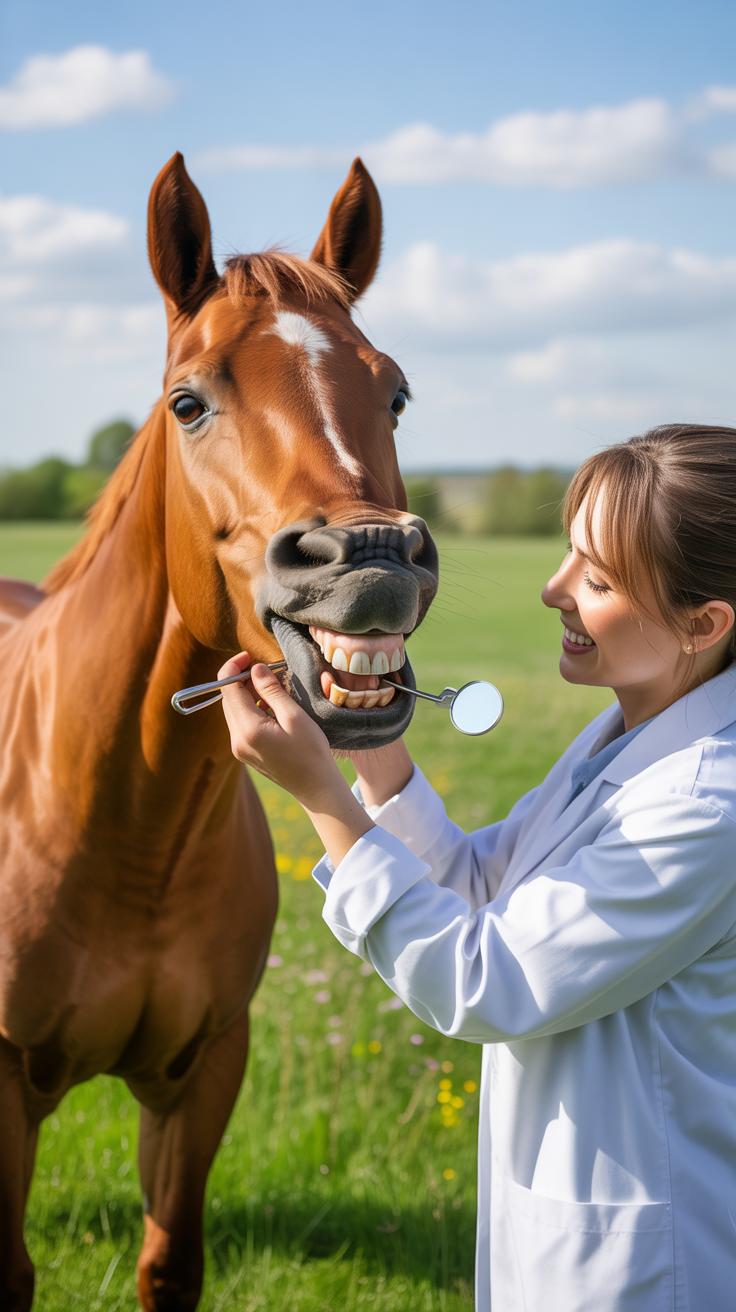
Adult horses require a professional dental exam at least once every year. Young horses and seniors often need checkups every six months due to rapid dental changes or age-related decay. Regular exams allow a veterinarian to identify sharp enamel points, lost teeth, or infected gums before they cause systemic health issues. Proper timing prevents pain that interferes with feeding and performance.
Skipping dental exams leads to poor nutrient absorption and weight loss. Horses have hypsodont teeth that erupt continuously throughout their lives. Uneven wear creates hooks and ramps that restrict natural jaw movement. These dental misalignments cause bit resistance and behavioral problems under saddle. Routine floating smooths these sharp edges. Consistent professional care preserves the tooth structure and ensures the horse remains comfortable during work.
Essential Horse Teeth Care Tips Every Owner Should Follow Year Round
Proper dental maintenance requires daily observation of eating habits and physical condition. Watch for dropped feed or slow chewing which indicates oral discomfort. Effective dental management combines professional veterinary intervention with smart environmental choices. You must monitor how your horse processes forage to catch early signs of dental disease. Maintaining a healthy mouth directly impacts the horse’s ability to perform.
- Monitor Forage Intake: Pay close attention to quidding or dropping partially chewed balls of hay. This behavior signals that the horse cannot grind fiber effectively due to pain or missing teeth. Owners must address this immediately to prevent digestive blockages or malnutrition.
- Check For Facial Swelling: Inspect the jawline and cheeks for heat, lumps, or asymmetrical swelling. These physical changes often indicate tooth root infections or sinus issues related to dental decay. Early detection prevents the need for invasive surgical extractions later.
- Evaluate Bit Behavior: Take note if the horse fights the bridle or shakes its head during work. Sharp enamel points often lacerate the soft tissue of the cheeks when the bit pulls the flesh. Resolving dental pain frequently fixes these common training and behavioral problems.
- Assess Manure Consistency: Examine the manure for long, undigested stems of hay or whole grains. Efficient digestion starts in the mouth with proper grinding. If the teeth fail to break down feed, the horse loses calories and faces a higher risk of impaction colic.
- Provide Natural Grazing: Allow the horse to graze with its head down whenever possible to promote natural jaw alignment. This posture helps the upper and lower teeth meet correctly, reducing the rate of abnormal hook formation. Natural wear patterns decrease the frequency of corrective floating.

Feed your horse on the ground to encourage the lower jaw to slide forward correctly. High feeders force the jaw into an unnatural position that accelerates uneven tooth wear. Balance the diet with adequate minerals to support strong enamel and bone density. Consistent monitoring ensures your horse remains capable of the Flehmen response and other vital behaviors. Healthy teeth are the foundation of equine longevity and performance.
How Horse Teeth Grow And Change Throughout A HorseS Lifetime
The Natural Eruption Pattern Of Horse Teeth From Foal To Senior Horse
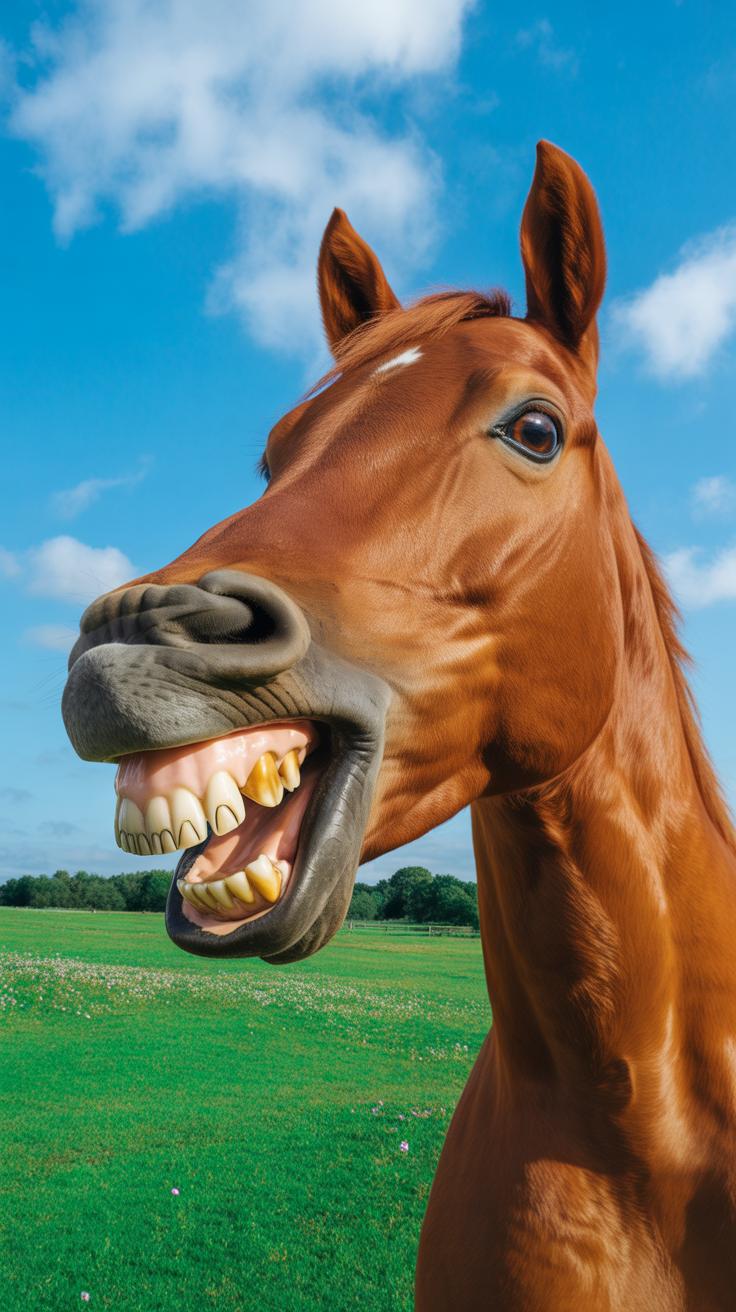
Foals arrive with no visible surface teeth or just a few incisors. By six months, a complete set of twenty-four deciduous teeth usually fills the mouth. These “milk teeth” facilitate early grazing and nursing. Owners often see these white teeth when a foal investigates new smells. This primary set serves as a temporary placeholder for the larger adult dentition.
Permanent teeth begin replacing milk teeth around age two. The horse sheds these caps as adult incisors and molars emerge from the jaw. Most horses have a full permanent set of thirty-six to forty-four teeth by age five. This timing depends on the presence of canine teeth or wolf teeth. Veterinary checks during this transitional phase ensure proper alignment and healthy bite patterns.
What Happens To Horse Teeth As They Continuously Erupt Over Decades Of Use
Horse teeth do not grow forever like rodent teeth. They utilize a hypsodont system where a long reserve crown sits inside the jawbone. This crown slowly pushes upward to compensate for the wear from grinding grass and forage. The tooth emerges at a rate of roughly two to three millimeters per year. This process maintains a consistent chewing surface for decades of use.

Aging changes the visible shape and angle of the teeth. Young horses have vertical incisors that meet in a direct line. Senior horses develop a more acute angle where the upper and lower teeth slant forward. The tooth surface also changes from oval to triangular as the horse reaches twenty years. Constant monitoring prevents sharp enamel points from damaging the tongue or cheeks during chewing.
The Flehmen Response Across Other Animals Is It Unique To Horses
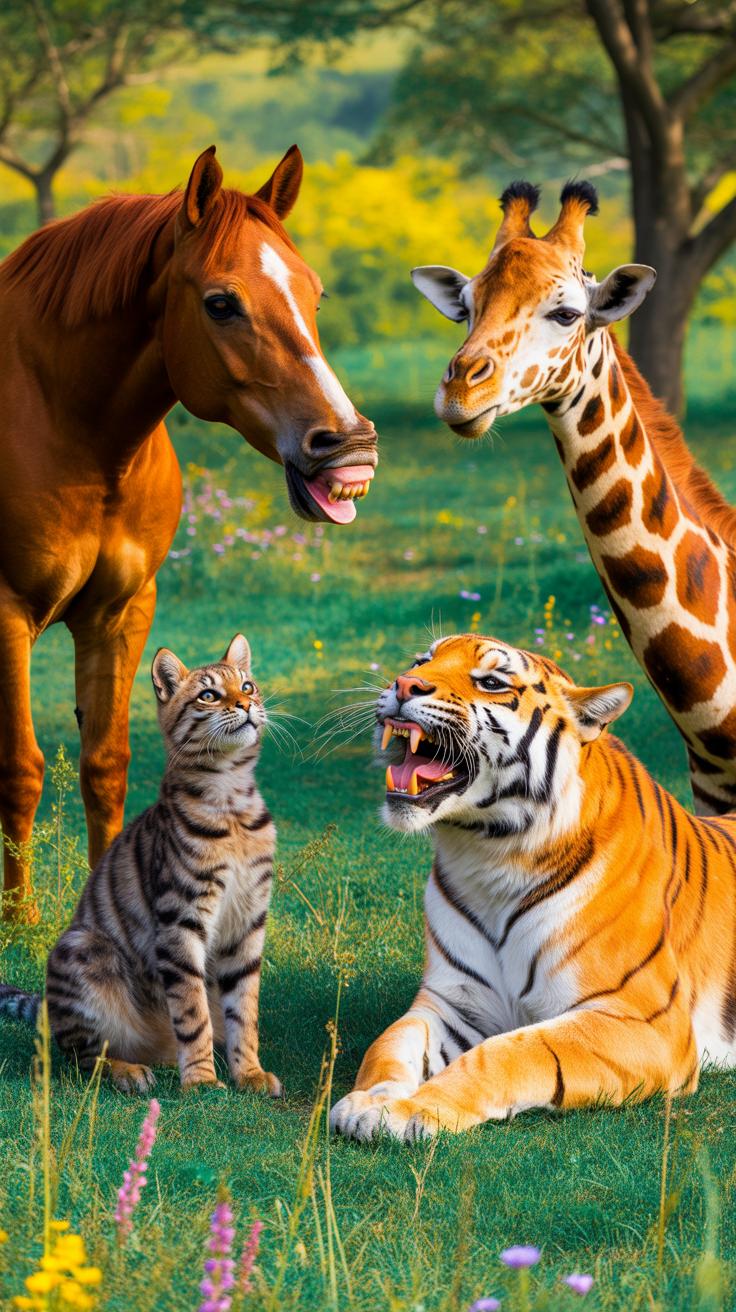
Which Other Mammals Perform The Flehmen Response And How It Compares To Horses
Horses are not the only animals that use this physical reaction. Many hoofed mammals and feline species perform the flehmen response regularly. Domestic cats and lions curl their lips to analyze scents in their environment. Bulls and goats use it even more frequently than horses. These animals all share a similar physiological structure. They possess a specialized organ to process heavy chemical signals.
The mechanics remain consistent across different species. An animal retracts its upper lip to expose its front teeth and gums. This action closes the nostrils and pushes air into the vomeronasal organ. While the facial expression varies slightly between a cat and a horse, the goal is identical. They are all pulling pheromones into a sensory duct. This helps them identify mates or recognize intruders.
What The Flehmen Response Tells Us About Evolutionary Communication In Animals
This behavior proves that animals rely on chemical data for survival. Evolutionary biology shows that the flehmen response is an ancestral trait. It provides a direct pathway for pheromones to reach the brain. This bypasses the standard olfactory system used for simple smells. Animals use this specific channel to decode complex social information. It is a tactical tool for reproduction and territorial management.

The presence of this response across diverse groups illustrates its high utility. It allows for silent communication over long distances or time periods. A male animal can determine the reproductive status of a female just by tasting her scent. This efficiency reduces physical conflict and saves energy. The vomeronasal organ provides a clear survival advantage. It ensures that critical biological messages are received and understood correctly.
Frequently Asked Questions

What exactly is the Flehmen response and why do horses do it?
The Flehmen response is a biological behavior where an equine curls back its upper lip to expose its front gums. Many owners wonder why horses show teeth flehmen style, and the answer lies in their sense of smell. By pulling back the lip, they direct scents toward the vomeronasal organ, allowing them to analyze pheromones or unusual odors in their environment much more deeply than through standard breathing alone.
How can I encourage my horse to exhibit the Flehmen response for a photo?
If you want to capture this unique expression, try introducing strong or unfamiliar scents. Many trainers find that offering a slice of watermelon, a piece of peppermint, or even a smudge of a safe, pungent substance like vinegar on a cloth works well. When you understand why horses show teeth flehmen behaviors, you can use these novel smells to trigger the natural curiosity that leads to that perfect, lip-curled photograph.
Do I need expensive equipment or supplements to observe this behavior in my horse?
Not at all! Observing this fascinating natural behavior is completely free and requires zero specialized equipment. It is an instinctual process that occurs regardless of your budget. Simply spend more time observing your horse in the pasture or during grooming. You will likely notice the behavior naturally when they encounter new flowers, different hay batches, or even the scent of a new horse nearby, making it a highly accessible joy of ownership.