What Does A Dog Groomer Actually Do In Pet Grooming
Core Responsibilities And Daily Tasks Of A Professional Dog Groomer
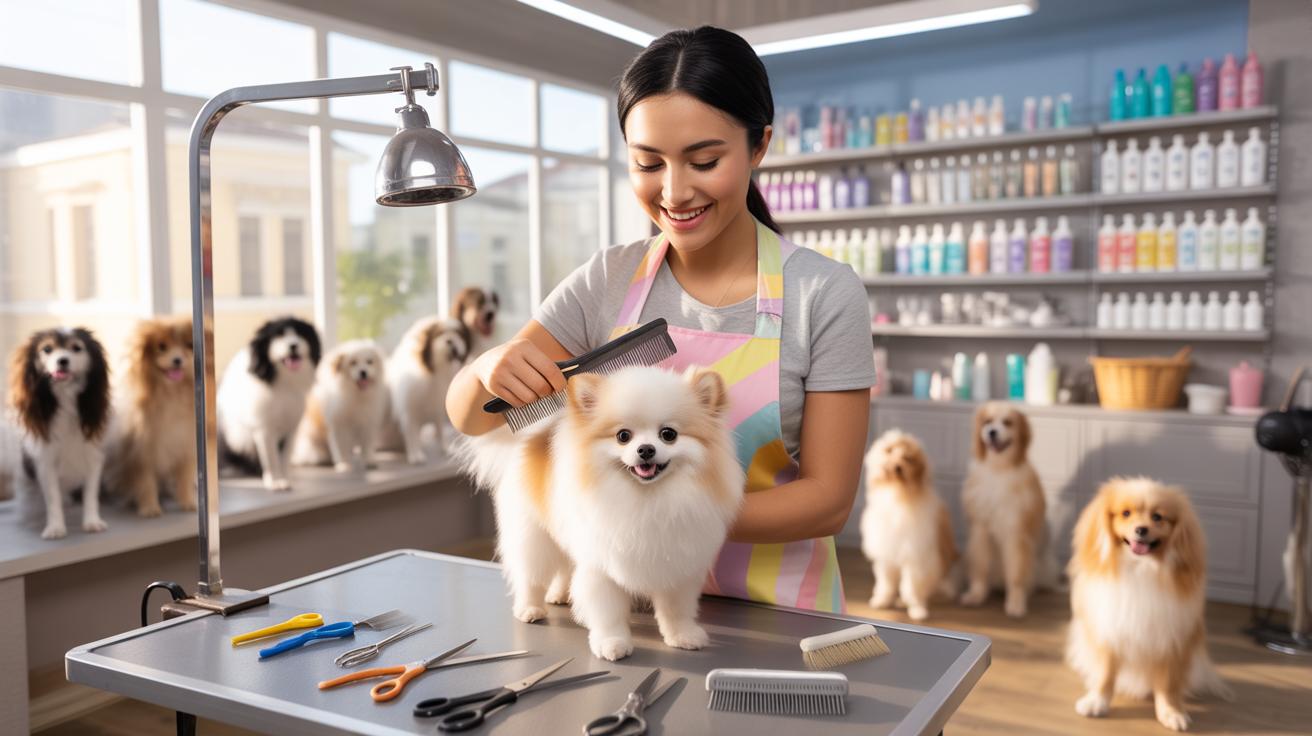
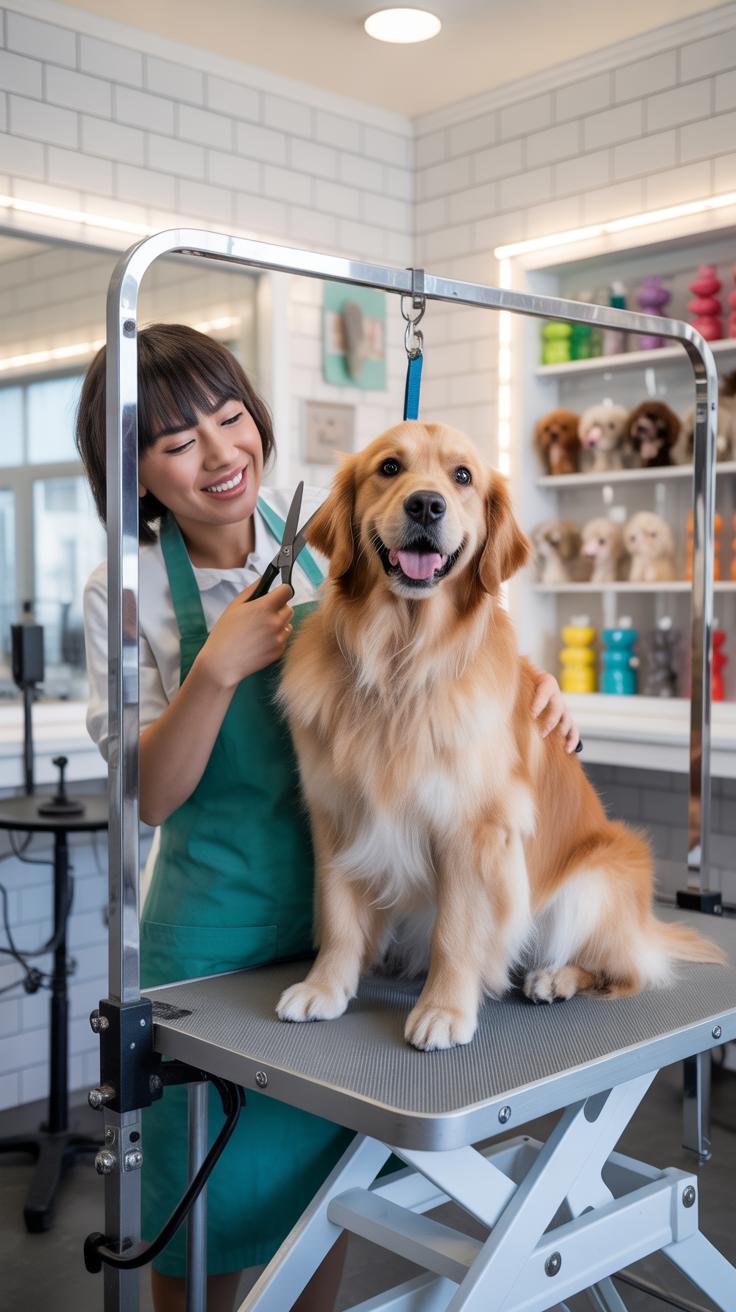
Dog groomers manage the complete sanitation and aesthetic upkeep of domestic canines. You start each day by assessing the skin and coat health of every animal. You perform deep cleaning using specific shampoos and conditioners based on fur texture. Precision work follows the bath. You must master technical skills like nail clipping, ear cleaning, and expressing anal glands. These tasks prevent infections and maintain the long-term health of the pet.
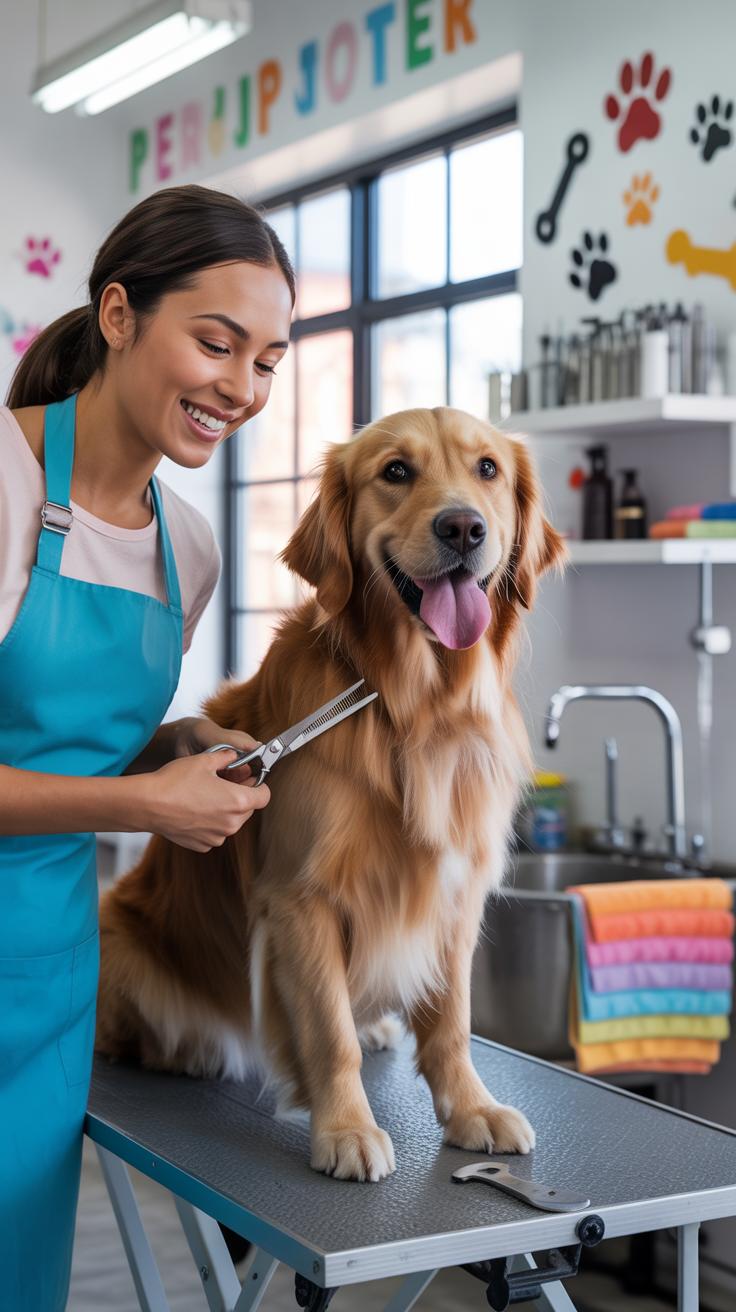
Strategic grooming involves more than just washing. You use professional shears and electric clippers to shape the coat according to breed standards or owner requests. You must understand anatomy to avoid cutting the skin or quick. Removing mats and tangles requires patience and the correct de-shedding tools. Proper drying techniques are essential to prevent dampness that leads to skin irritation. You finish by inspecting your work for symmetry and safety.
Physical And Emotional Demands You Should Know Before You Start
This career requires extreme physical stamina. You spend eight to ten hours a day on your feet. You must lift heavy dogs and hold them steady during high-stress procedures. Constant repetitive motions with your wrists and hands can lead to injury if you use poor form. Expect to deal with loud noise from industrial dryers and barking. Your environment remains humid and hair-filled throughout the entire shift.
Emotional control is just as vital as physical strength. You will work with anxious, aggressive, or uncooperative animals that do not understand your intent. You must remain calm to keep the dog safe. Owners often have high expectations and may provide vague instructions. Communication skills are necessary to manage client relationships and explain health issues found during the session. This job tests your patience and your resolve daily.
Is A Dog Grooming Career Right For You Honest Self Assessment
Key Personality Traits And Skills That Help Dog Groomers Thrive
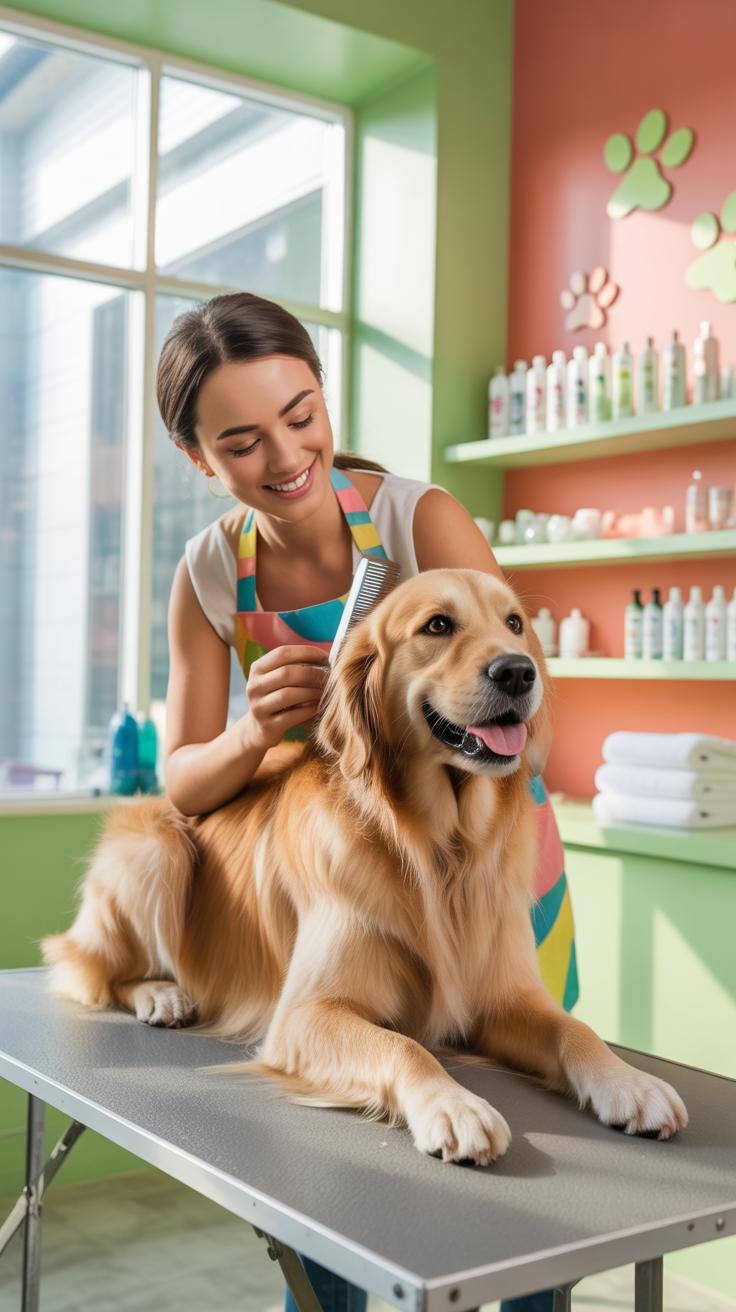
Success in this field requires extreme patience and a high tolerance for physical discomfort. You must handle unpredictable animals that often fear the grooming process. This job demands focus and a calm demeanor to prevent accidents during high-risk tasks. Sharp blades and moving pets create a dangerous environment. You need great hand-eye coordination and manual dexterity to navigate shears around sensitive areas safely.
Beyond animal handling, you must possess strong communication skills to manage human clients. Owners often have unrealistic expectations about their pet’s coat condition. You must explain technical limitations and pricing structures clearly. Physical stamina remains a non-negotiable requirement for survival. You will stand for eight hours while lifting heavy dogs and breathing in dander. Without mental grit and physical strength, you will burn out within months.
Understanding The Income Potential And Job Outlook For Dog Groomers
The financial landscape for dog grooming depends heavily on your speed and employment model. W-2 employees usually earn a base hourly wage plus a percentage of commission. Most groomers earn between fifty and sixty percent of the service price. Tips provide a significant boost to your take-home pay. High-traffic salons offer more stability while independent mobile groomers capture higher margins but face significant overhead costs.

Industry demand stays high because pet ownership continues to rise globally. People view pets as family members and spend more on hygiene than in previous decades. This shift creates a recession-resistant market for skilled labor. You can find steady work in corporate retail chains, private boutiques, or veterinary clinics. Skilled groomers who work fast and maintain a loyal client base can move into the middle-class income bracket relatively quickly.
Education And Training Pathways To Begin Your Dog Grooming Career
Grooming Schools, Apprenticeships, And Online Courses: Which Path Fits You Best
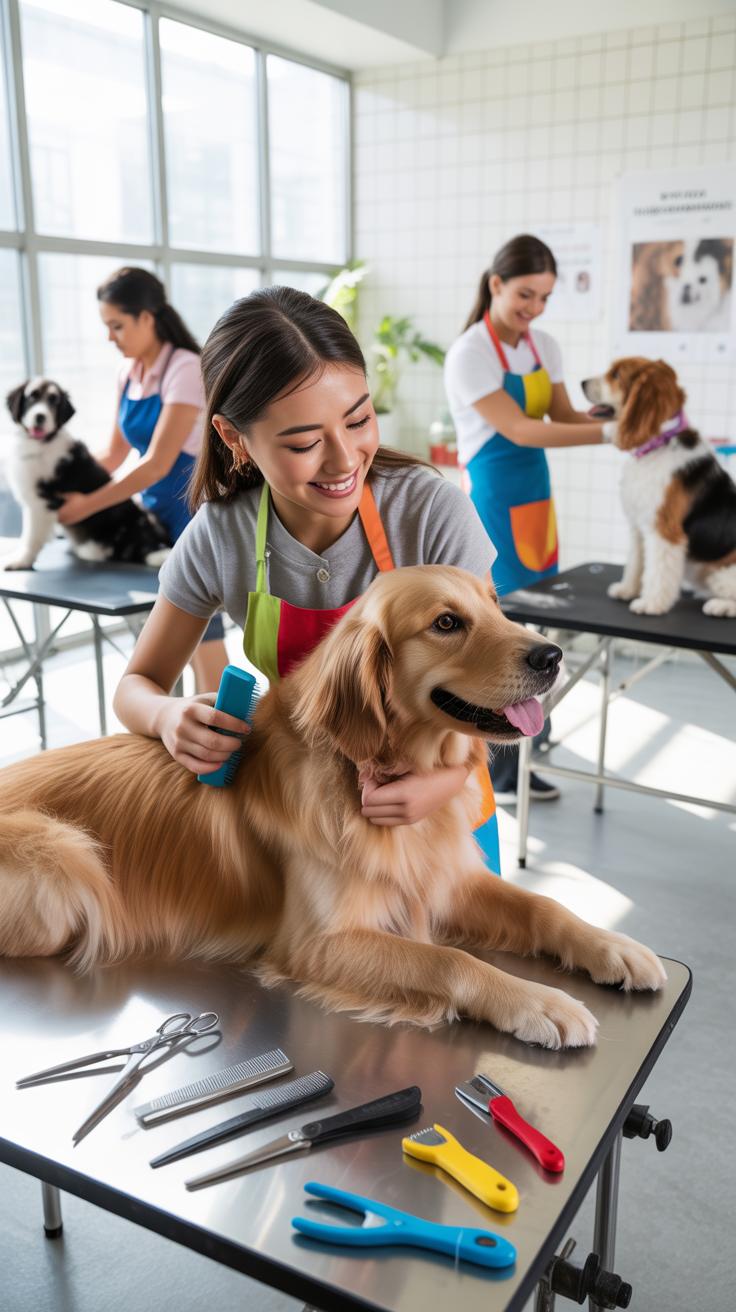
Formal grooming schools offer the fastest route to professional competency. These programs provide structured curricula and direct supervision from experienced instructors. You trade tuition money for a controlled learning environment and immediate feedback. Most trade schools complete training within twelve weeks. This path suits individuals who need a clear roadmap and want to enter the workforce quickly with a recognized certificate.
Apprenticeships provide a hands-on alternative through on-the-job training. You work under a master groomer in a high-volume salon. This path costs less but takes longer to master. You start with bathing and drying tasks before touching shears. Online courses serve as a supplemental starting point for theory. They work best for self-starters who already have access to dogs for practical application and tool practice.
Every master groomer began with nothing but a pair of shears and a heart full of love for a wagging tail. Success is simply a series of small, gentle snips toward your dream.
What A Quality Dog Grooming Training Program Should Cover
A legitimate program must prioritize safety and canine anatomy. You need to learn how to handle aggressive or nervous dogs without causing injury. Training should cover skin health, parasite identification, and basic first aid. Mastery of equipment is also mandatory. You must know how to maintain shears and clippers. Without a firm grasp of these fundamentals, you risk harming the animal and ruining your professional reputation.
Technical skill training must include breed-standard patterns and finishing techniques. Every quality course teaches the difference between a teddy bear cut and a show-standard clip. You should practice on various coat types including wire, curly, and double coats. Speed and efficiency are the final goals of any solid program. Effective training ensures you can produce clean results within a profitable timeframe while maintaining the highest animal welfare standards.
Licenses Certifications And Legal Requirements For Dog Groomers
Professional Certifications That Strengthen Your Credibility When Choosing A Dog Groomer Role
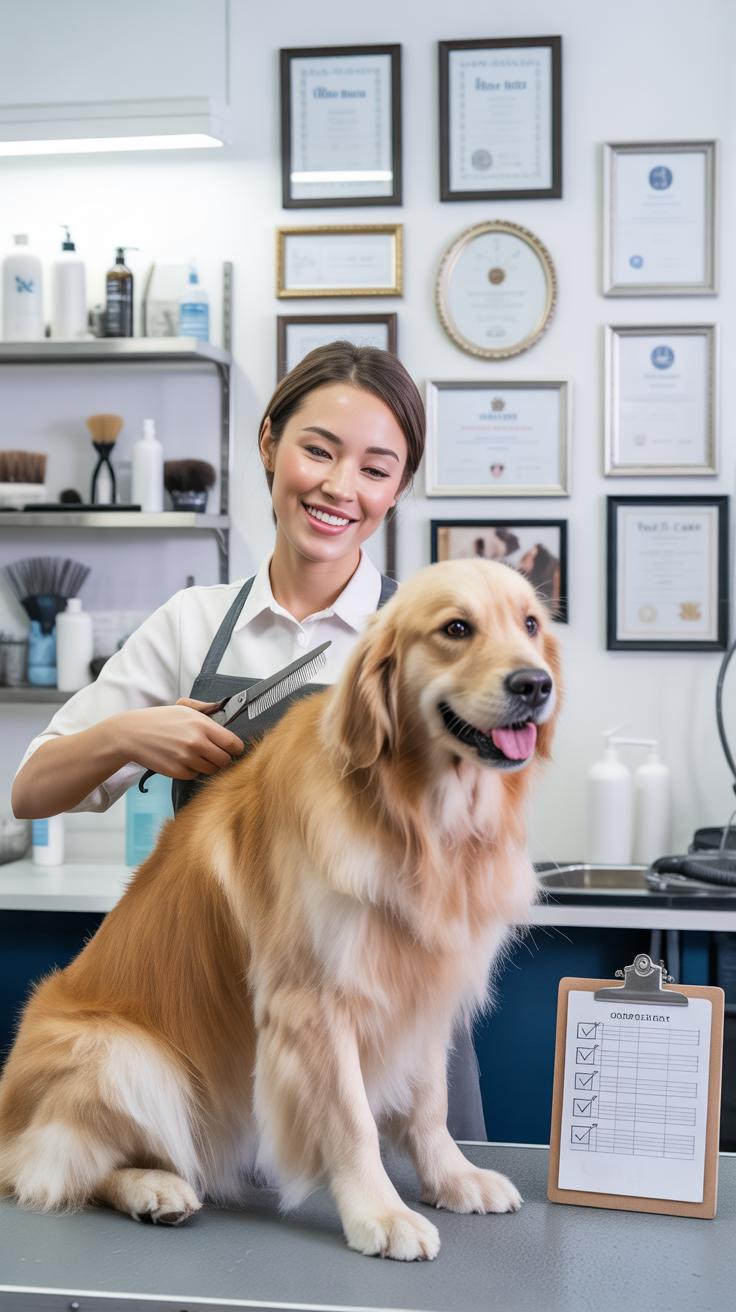
Certification is not a legal mandate but serves as a critical market signal. Most professional groomers seek validation through the National Dog Groomers Association of America. This group sets industry standards for breed-specific cuts and technical skills. Earning a title like National Certified Master Groomer proves you have passed rigorous practical exams. High-end salons and mobile grooming businesses prioritize these credentials when hiring new staff.
Credibility also comes from specialized safety training. Many groomers obtain certifications in canine CPR and first aid to mitigate workplace risk. These credentials reassure pet owners that you can handle medical emergencies during a grooming session. While experience often dictates salary, certified groomers frequently command higher rates. Focusing on these credentials allows you to differentiate yourself in a competitive market and avoid entry-level wage plateaus.
State And Local Regulations You Must Understand Before Practicing
Legislation for dog grooming varies significantly by geography. Currently, no federal license exists to practice grooming in the United States. Most states do not require a specific grooming license. However, you must obtain a standard business license if you operate independently. Some local jurisdictions require facility inspections to ensure proper sanitation and ventilation. Always check with your city clerk to confirm specific zoning laws for home-based businesses.

Compliance extends to animal welfare laws and waste management. Professional groomers must adhere to state animal cruelty statutes which dictate how to restrain and handle pets. Certain municipalities require specific permits for disposing of hair and chemical runoff from shampoos. Engaging with your local health department ensures your salon meets sanitary codes. Ignoring these local mandates can result in heavy fines or the immediate closure of your grooming facility.
Essential Dog Grooming Tools And Equipment Every Beginner Needs
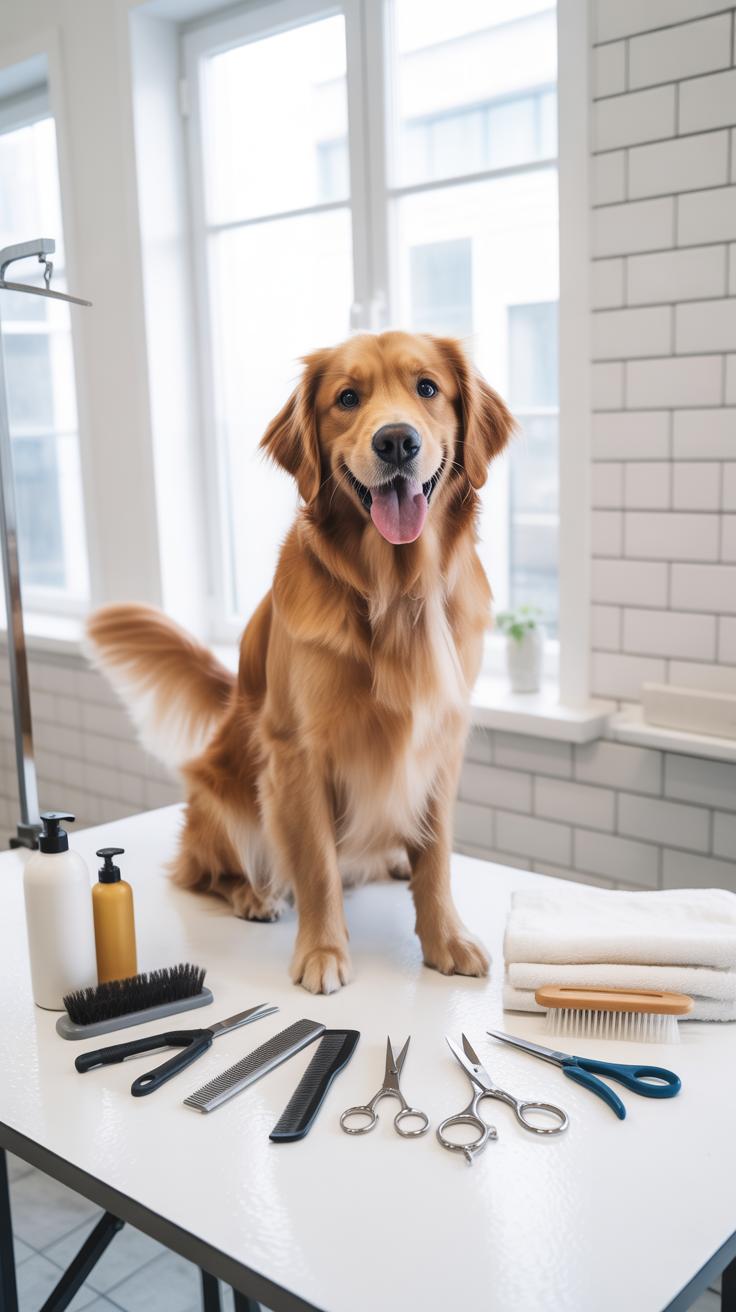
The Must Have Tools To Build Your Professional Dog Grooming Kit
Professional grooming requires specific hardware to ensure safety and precision. You cannot rely on consumer grade products found in big box retail stores. High quality tools manage heat distribution and blade tension effectively. Investing in the right core kit prevents hand fatigue and reduces the risk of cutting the animal. Start with the basics that handle the majority of coat types found in standard breeds.
- Professional Corded Clippers: Buy a variable speed clipper compatible with A5 detachable blades. These industry standard units provide the torque needed to cut through thick or matted fur without stalling. Corded models deliver consistent power for back to back appointments unlike many entry level battery operated units.
- Detachable Steel Blades: You need a range of blade lengths to handle different body areas. A number 10 blade is mandatory for sanitary trims and faces due to its safety profile. Add a number 7F and 5F for standard body lengths. High carbon steel holds its edge longer than cheaper alloys.
- Stainless Steel Shear Set: A basic set includes straight shears, curved shears, and thinning shears. Straight shears handle level lines while curves follow the natural shape of the dog. Thinning shears or blenders are critical for erasing scissor marks and bulk thinning. Look for convex edges for the cleanest cut.
- Professional Forced Air Dryer: Traditional hair dryers are too weak and too hot for canine coats. High velocity dryers use air pressure to blast water and loose undercoat away from the skin. This tool is essential for achieving a fluff dry finish and checking the skin for any hidden lumps or parasites.
- Stainless Steel Greyhound Comb: This simple tool is your most important diagnostic instrument. A dual spaced comb identifies mats that brushes often skip. If a comb cannot pass through the coat from skin to tip, the dog is not fully brushed out. Use it to lift hair before scissoring for a uniform finish.
Safety remains the primary concern when selecting your professional kit. Cheap tools dull quickly and pull on the hair which causes the animal distress. Ensure your kit includes cooling spray for blades to prevent thermal burns. Proper tool maintenance involves daily cleaning and oiling to protect your investment. A well maintained kit lasts for years and ensures your work meets professional standards every single time.
How To Choose Quality Equipment Without Overspending As A Beginner
Prioritize spending on tools that move. Motorized clippers and sharpened shears deserve the bulk of your initial budget. You can save money by purchasing stationary items like plastic tubs or basic grooming tables second hand. Avoid buying massive kits filled with tools you will rarely use. Focus on the core items that apply to every breed to keep your overhead low during your first year.

Research the resale value of brands before buying. Professional grade brands hold their value because they are repairable and have replaceable parts. If a tool cannot be serviced by a sharpener or a technician, it is a disposable item and a waste of money. Buy individual pieces rather than pre packaged sets to ensure every dollar goes toward high performance hardware. Smart spending now prevents expensive replacements later.
How To Get Your First Dog Grooming Job And Build Real Experience
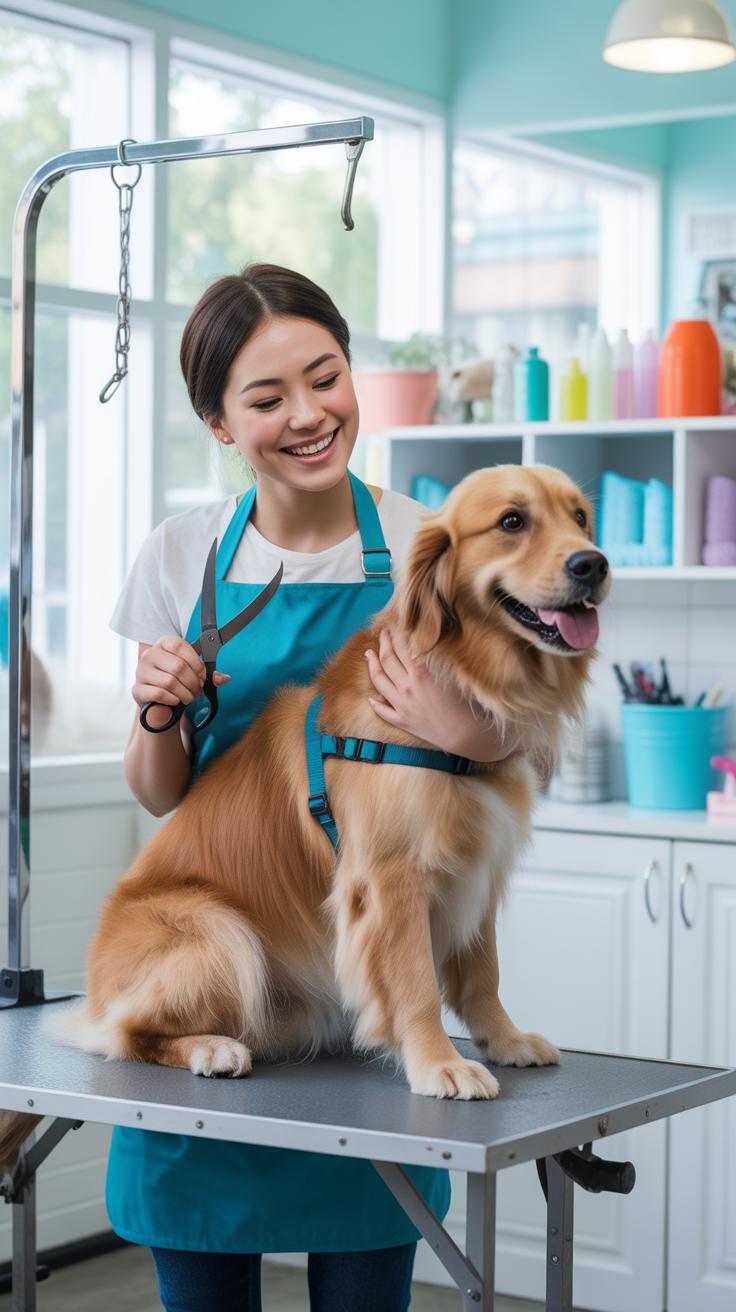
How To Land An Entry Level Position At An Established Grooming Salon
Target corporate salons or busy private shops for your first role. These businesses often hire bathers or assistants to handle the high volume of prep work. You must demonstrate a basic understanding of canine anatomy and safety protocols. Large retailers offer paid training programs that provide a steady stream of dogs. This environment forces you to learn speed and efficiency immediately.
Apply in person with a professional resume that highlights any animal handling experience. Show salon owners that you are reliable and physically capable of lifting heavy breeds. Ask for a working interview where you can demonstrate your bathing and drying techniques. Employers value a strong work ethic over advanced styling skills at this stage. You need to prove you can handle difficult dogs without losing your composure.
Building A Strong Portfolio And Client Reputation From Your Very First Grooms
Document every dog you groom from day one. Take clear photos of the dog from the side and front against a clean background. Focus on the finish of the coat and the neatness of the paws and face. Use these images to build a digital portfolio on social media or a personal website. This visual proof demonstrates your technical progress and attention to detail to future employers.
Provide exceptional service to every pet owner to secure repeat business. Word of mouth remains the most powerful marketing tool in the grooming industry. Ask satisfied clients to leave honest reviews on local business listings or social media pages. Professionalism during the intake and hand-off process builds trust. High retention rates prove to salon managers that you can manage a profitable book of business independently.
Starting A Dog Grooming Business What You Need To Know First
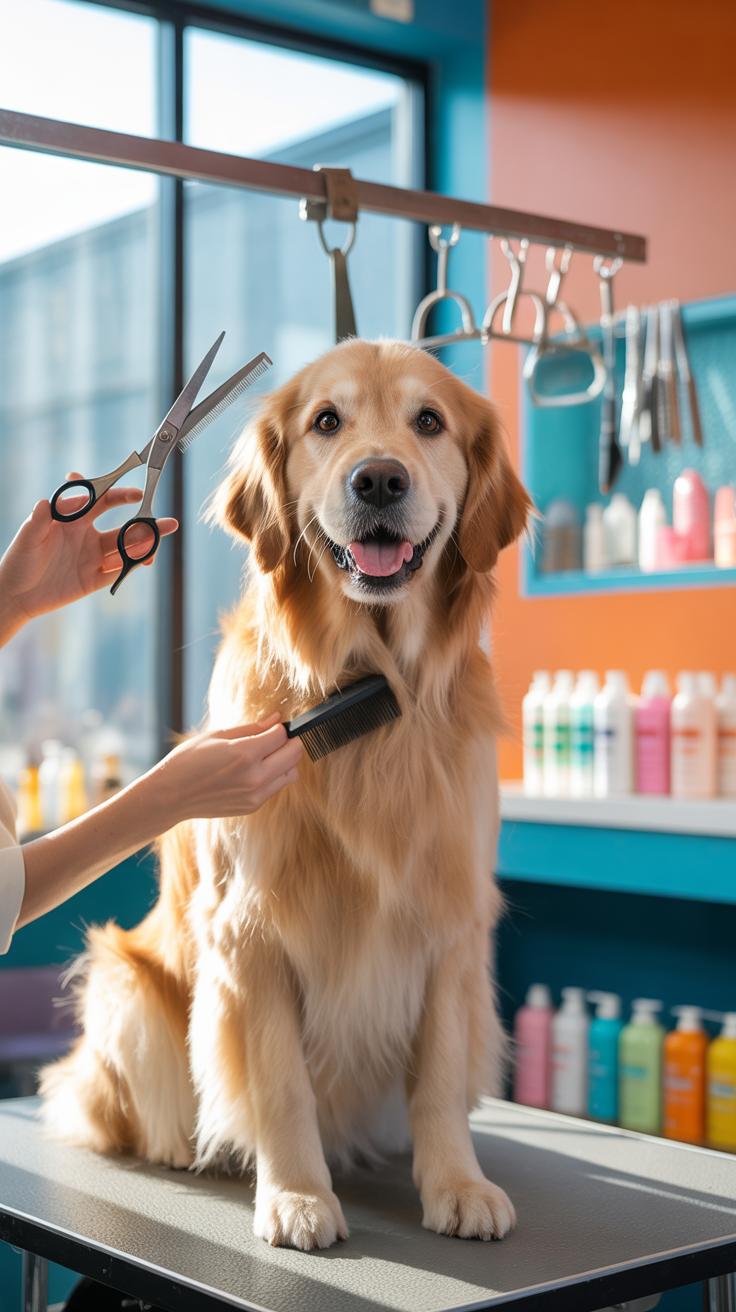
Key Business Foundations For Starting A Dog Grooming Business The Right Way
Legal structure dictates your personal liability and tax obligations. Register your business as an LLC to protect your personal assets from professional lawsuits. Secure a dedicated federal employer identification number for tax filings. You must obtain a local business license and check zoning laws before signing a lease. Some regions require specific permits for handling animals or managing wastewater from grooming tubs.
Insurance is a non-negotiable requirement for every professional groomer. You need general liability insurance to cover property damage or bodily injury. Professional liability insurance protects you if a pet is injured during a groom. Standard policies often include animal bailee coverage for pets in your care. Maintaining clean records and following safety protocols reduces your risk. Buy high-quality equipment to prevent accidents and malfunctions.
Writing A Simple Business Plan That Sets Your Dog Grooming Business Up For Success
A business plan proves your model is viable and guides your growth. Define your target market by analyzing local pet ownership rates and competitor pricing. Identify your niche such as high-end show cuts or mobile services. Your plan must list your startup costs including tubs, tables, shears, and dryers. Accurate financial projections prevent cash flow shortages during your first year of operation.
Marketing and operations sections outline how you will acquire and keep clients. Detail your booking process and software choices to manage appointments efficiently. Describe your sanitation schedule to ensure a safe environment for every dog. A solid plan includes a strategy for handling aggressive or difficult pets safely. Update your business plan annually to reflect changes in the local market and your growing service goals.
How To Start A Grooming Salon Location Setup And Dog Groomer Aesthetic
Choosing The Right Location And Layout When Learning How To Start A Grooming Salon
Selecting a location requires high foot traffic or proximity to pet stores and veterinary clinics. Visibility reduces your marketing spend. You must check local zoning laws before signing a lease. Ensure the building has heavy-duty plumbing and electrical capacity. Grooming equipment pulls significant power and creates massive amounts of hair waste. High-capacity water heaters and professional-grade hair traps are mandatory for daily operations.
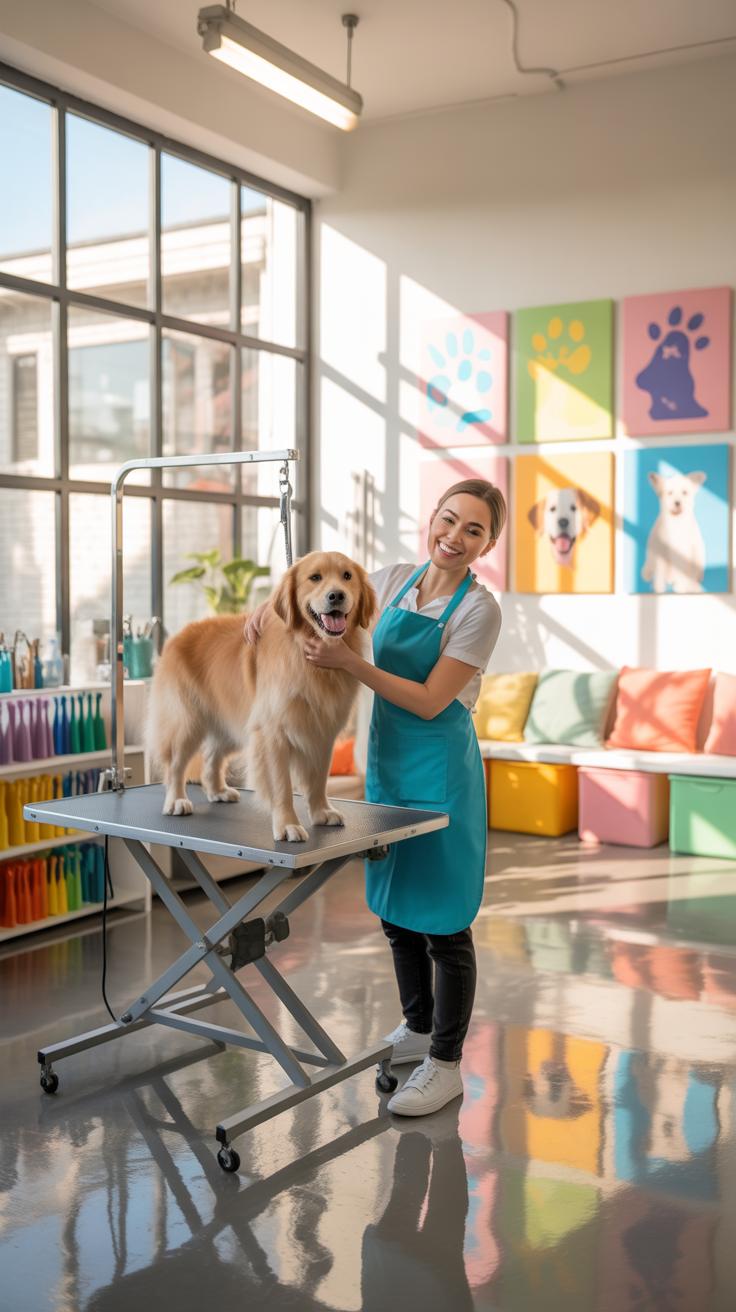
The layout must follow a linear workflow to ensure safety and speed. Separate the bathing station from the clipping area to control humidity and noise. Place the waiting area near the entrance but keep it partitioned from the grooming floor. This prevents dogs from getting distracted by owners. Use non-porous flooring like epoxy or sealed concrete. These materials withstand constant moisture and chemical cleaners without harboring bacteria or odors.
Crafting A Welcoming Dog Groomer Aesthetic That Attracts And Retains Loyal Clients
Your aesthetic should emphasize cleanliness and professional capability. Use a neutral color palette with industrial materials like stainless steel and glass. These surfaces signal a clinical level of hygiene to the client. Avoid cluttered decor that traps dust and dander. A minimalist approach allows the quality of your work to stand out. Proper lighting is also critical. Bright, cool-toned LEDs reveal coat details and instill confidence.
Functional design elements define a successful salon brand. Use open-concept grooming banks so clients can see your handling techniques. This transparency builds immediate trust. High-quality signage and branded apparel for staff create a cohesive professional image. Ensure the reception area feels calm and organized. A quiet environment reduces pet anxiety and improves the overall customer experience. Stick to durable furniture that resists scratches and heavy use.
Marketing Your Dog Grooming Business And Attracting Your First Clients
Proven Local And Online Marketing Strategies To Grow Your Dog Grooming Business
Local visibility drives the grooming industry. Register your business on Google Business Profile immediately. This ensures your shop appears when owners search for grooming near them. Optimize your profile with an accurate address and shop hours. Local SEO relies on consistency. Use the same phone number and business name across every digital platform. This builds authority with search engines and customers.
Strategic partnerships offer high conversion rates. Visit local veterinarians and pet supply stores to establish referral networks. Leave physical business cards or brochures at their front desks. Offer a discount for their first-time referrals to track lead quality. Physical signage near high-traffic pet areas also gains attention. Tactical marketing requires targeting the exact radius where your clients live and walk their dogs daily.
How To Use Social Media And Before And After Photos To Build Trust And Bookings
Visual evidence proves your technical skill. High-quality photos demonstrate your ability to handle specific breeds and coat types. Social media acts as a digital portfolio for prospective clients. They want to see clean lines and happy animals. Focus on clarity and lighting to show the transformation. This transparency removes the primary barrier to booking a new groomer which is fear of poor results.
- Consistent Lighting: Use natural light or bright ring lights to capture coat texture. Shadows hide your work and look unprofessional. Clear photos prove you do not hide skin irritations or uneven cuts during the grooming process.
- Standardized Framing: Shoot every dog from the same angle for both photos. This creates a direct comparison that highlights your skill. Consistency in your gallery helps your profile look organized and professional to new visitors.
- Direct Booking Links: Place a scheduling link in your social media biography. Clients lose interest if they must call to book. Automation reduces your administrative tasks and increases your conversion rate for late-night browsers looking for appointments.
- Client Tagging: Ask owners for permission to tag them in photos of their pets. This pushes your work into their personal networks. Word-of-mouth marketing becomes digitized and reaches a wider local audience of pet owners instantly.
- Video Content: Record short clips of the finishing touches. Seeing a calm dog during a blow-dry or scissor work builds trust in your handling skills. It proves you prioritize animal safety and comfort which is a top priority for owners.
Engagement improves your reach on discovery pages. Respond to every comment to show active management. Use local hashtags to target your specific city or neighborhood. Update your stories daily with behind-the-scenes content. This humanizes your business and creates a connection before the client enters the shop. Modern grooming success depends on maintaining a professional and active digital presence to stay competitive locally.
Growing Your Career In Dog Grooming Specializations And Long Term Success
Advanced Specializations In Dog Grooming That Can Increase Your Earning Power
Mastering breed specific show cuts drastically increases your market value. High end clients pay premiums for precise hand stripping and scissoring techniques required for Terriers and Poodles. These technical skills demand significant practice but eliminate competition from low cost volume salons. Moving into restorative skin therapy also allows you to charge clinical rates. Addressing dermatological issues through medicated baths adds a recurring revenue stream for your business.
Creative grooming serves as a high margin niche for artistic professionals. Use pet safe dyes and intricate carving to differentiate your brand from standard shops. You can also specialize in feline grooming to capture an underserved market. Most groomers avoid cats due to the risk and difficulty. Gaining certified feline training allows you to set higher rates and dominate your local area with specialized handling skills.
How To Stay Current With Industry Trends And Build A Lasting Career In Pet Grooming
Industry standards change as new tools and safety protocols emerge. Join professional organizations like the National Dog Groomers Association of America to access updated technical benchmarks. Success requires attending trade shows to test ergonomic shears and silent dryers. These tools reduce physical strain on your body. Lowering physical impact is the only way to ensure a long career in this demanding manual labor field.
Customer retention depends on your ability to implement modern booking and health tracking technology. Clients now expect digital records of their pets’ skin conditions and behavior. Use software to track these metrics over time. This data proves your value to the owner and justifies annual price increases. Constant education through workshops keeps your skills sharp. Stagnation leads to burnout and reduced income in the competitive pet service market.
Frequently Asked Questions

Do I need a formal degree to become a dog groomer career professional?
You do not need a college degree to start this journey, as the industry is largely unregulated. However, completing a certified grooming program or apprenticeship is highly recommended. These programs provide essential knowledge of breed standards, skin health, and safety protocols. Most successful professionals focus on gaining hands-on experience and earning certifications from recognized organizations to build trust with pet parents and establish a reputable become a dog groomer career.
What are the primary steps to take when starting from scratch?
To launch your new path, begin by researching local grooming schools or seeking a mentor for an apprenticeship. You will need to master basic skills like bathing, nail trimming, and coat scissoring. Once you have the fundamentals down, consider working as a bather in a salon to gain real-world experience. Building a portfolio of your work is a crucial step to officially become a dog groomer career expert and secure clients.
How much does it typically cost to purchase a starter grooming kit?
If you are starting from home or as an independent contractor, expect to invest between $500 and $1,500 for high-quality professional tools. A basic kit should include professional-grade clippers, specialized shears, various brushes, and safety equipment. While the initial overhead might seem high, investing in durable, ergonomic tools ensures the safety of the animals and prevents physical strain, making your transition into a long-term professional grooming role much more sustainable.