Understanding Why Pet Hair Clings To Clothes And Bedding
The Science Behind Pet Hair Adhesion To Fabric Fibers
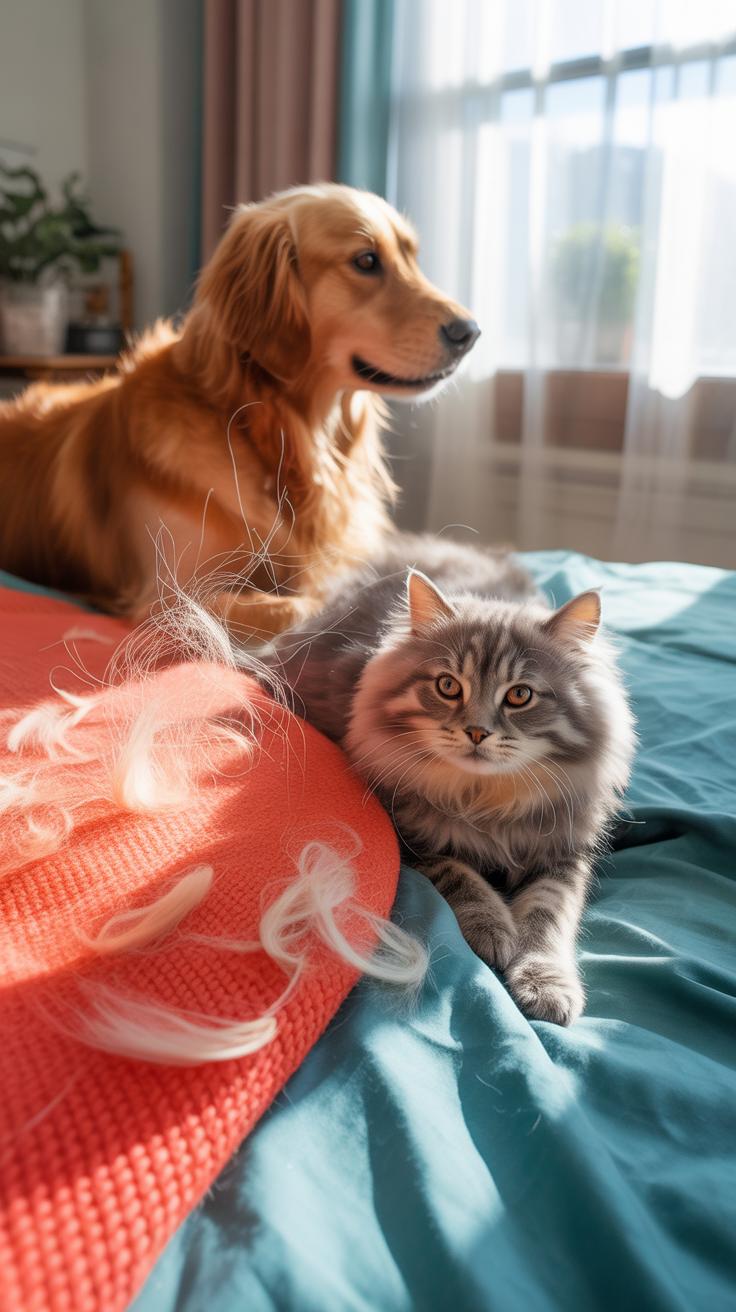
Pet hair sticks to fabric primarily due to static electricity. When two different materials rub together, electrons move from one surface to another. This creates an imbalance of electric charges. Dog and cat fur carries a positive charge while most common fabrics hold a negative charge. These opposing forces act like magnets. The hair bonds to the surface of the textile immediately upon contact.
Texture also plays a critical role in hair retention. Animal fur has microscopic scales called cuticles. These scales act like tiny hooks that latch onto the weave of clothing and bedding. Once these hooks embed themselves into the yarn, simple shaking will not remove them. The combination of electrical attraction and mechanical interlocking makes laundry day difficult. You must break these bonds to clean the items effectively.
Which Fabrics Attract The Most Dog Hair And Why
Synthetic fabrics like polyester and nylon are the worst offenders for hair buildup. These materials have low moisture regain and high electrical resistance. They generate large amounts of static electricity during wear and drying. The smooth surface of synthetic fibers allows the hair to slide into the gaps of the knit. This traps the fur deep within the structure of the garment or the bed sheets.
Natural fibers with a loose weave or fuzzy texture also capture significant amounts of pet dander and fur. Wool and flannel have a rough surface area that provides many anchor points for animal hair cuticles. These fabrics act like a brush to pull hair off the pet. Cotton is better than synthetics but still attracts hair if the thread count is low. Tight weaves like denim or silk offer the best resistance.
Essential Pet Hair Removal Tools Every Pet Owner Should Own
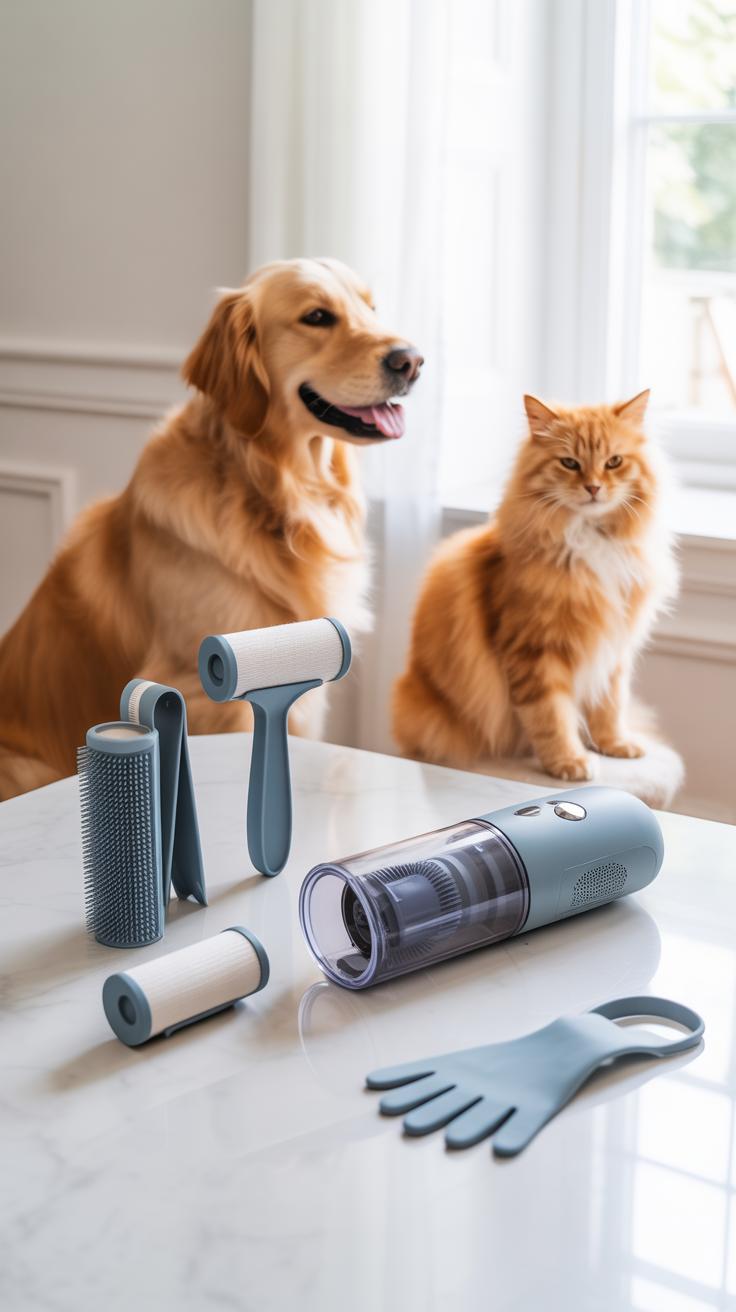
Lint Rollers, Rubber Gloves, And Fabric Brushes: What Works Best
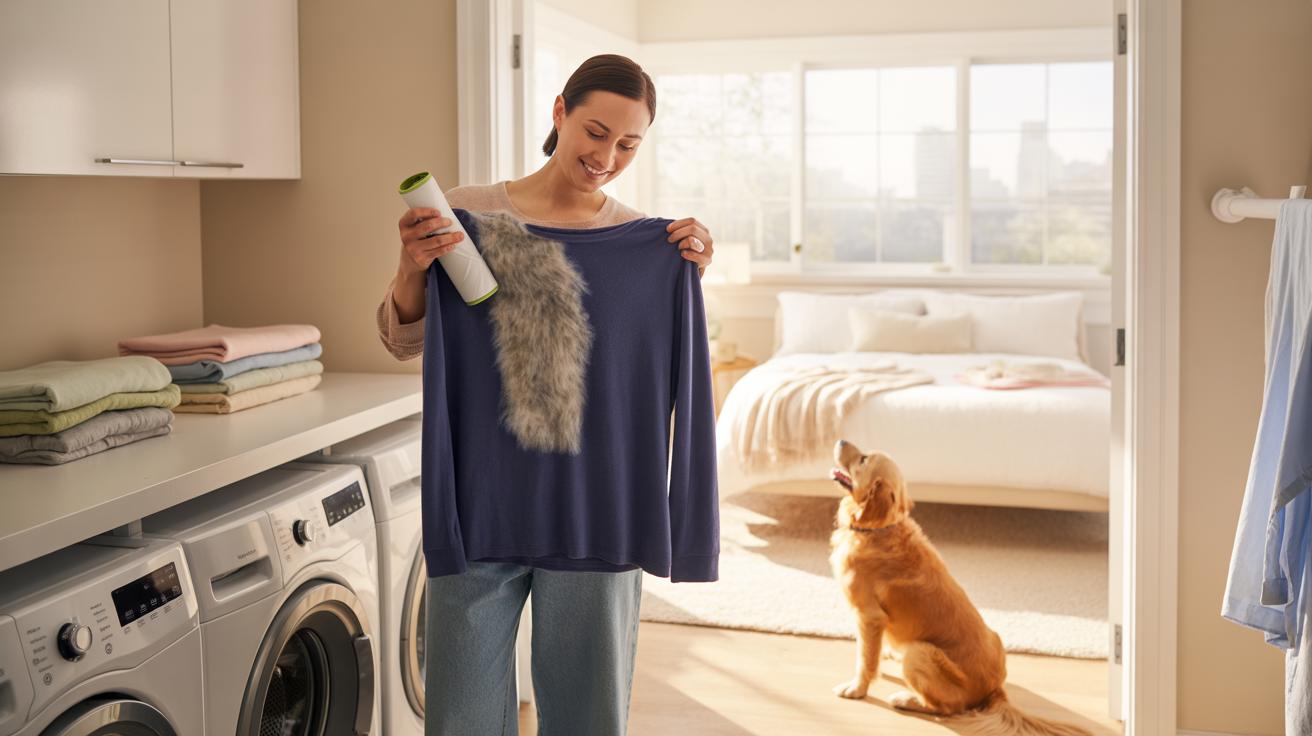
Adhesive lint rollers provide the fastest way to remove loose fur from dry garments. They work well for surface-level debris but fail on embedded hair. Rubber gloves offer a superior alternative for textured fabrics. High friction between the rubber and the cloth creates a static charge. This pulls deep hairs to the surface. Dragging a damp glove across the material gathers fur into manageable clumps for manual disposal.
Fabric brushes offer a sustainable choice compared to disposable sticky sheets. These tools use directional bristles to trap hair during a forward stroke. You must move the brush in one direction to maintain effectiveness. Velvet-faced brushes work best on delicate items like wool or silk. They lift fibers without damaging the weave. Strategic use of these manual tools before washing prevents fur from weaving into the fabric during the agitation cycle.
Must Have Pet Hair Removal Tools For Clothes And Bedding
Static electricity and mechanical friction are your primary weapons against stubborn pet hair. Most laundry cycles fail because water makes hair heavy and limp. You need tools that physically separate the strands from the base fibers before or during the wash. Choosing the right tool depends on your fabric type and the volume of shedding. Focus on durability and surface area to maximize efficiency during your cleaning routine.
- Silicone Laundry Disks: These flexible disks go into the washer and dryer to grab fur. The sticky surface attracts hair and keeps it off the clothing. They work best when the load size is small enough for the disks to move freely among the garments.
- Wool Dryer Balls: Large wool balls act as mechanical agitators in the dryer. They bounce against fabrics to loosen pet hair and increase airflow. This process forces the hair into the lint trap where it belongs. Use at least three balls for standard loads.
- Rubber Pet Hair Brushes: Solid rubber brushes utilize thick nubs to pull hair from carpets and heavy bedding. These tools excel at reaching deep into the pile. They do not wear out like adhesive rollers and require only a simple rinse to clean the surface.
- Pumice Stone Bars: Specialized stones work specifically for heavy upholstery and rugged fabrics. The rough texture catches the barbs on individual hairs and drags them out. Use light pressure to avoid thinning the fabric or creating holes in delicate items like knits.
- Microfiber Cloths: Dry microfiber creates a powerful static charge that attracts fine dander and hair. Wipe down bedding daily to prevent accumulation. These cloths are reusable and machine washable. They provide a cost-effective way to manage light shedding on a consistent schedule.

Dryer vent maintenance is the final step in any successful hair removal strategy. A clogged lint trap reduces the airflow necessary to pull hair away from the load. Clean the screen after every single cycle to maintain peak suction power. This prevents the hair from redepositing onto your clean laundry. High airflow ensures the mechanical action of your tools produces the best possible results.
How To Remove Pet Hair From Clothes Before They Hit The Washer
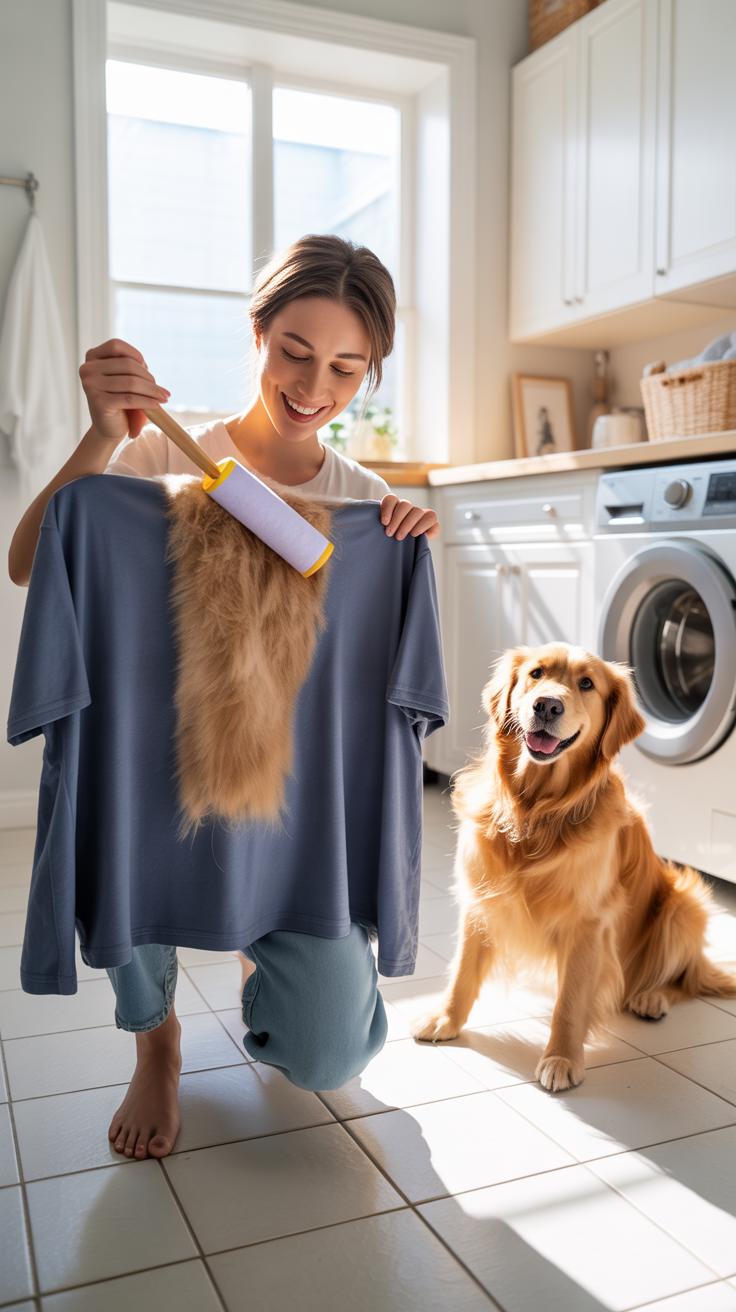
Pre Treatment Methods That Loosen Pet Hair From Fabric
Static electricity binds pet hair to fabric fibers. You must break this bond before adding water. Wet hair becomes heavy and sticks to surfaces. It forms clumps that clog drain pumps and filters. Use a rubber glove or a specialized silicone brush to create friction. This physical action pulls the hair out of the weave. Work in one direction to group the fur together.
Standard lint rollers work for light surface debris. Heavy accumulation requires deeper mechanical action. Use a dry sponge or a pumice stone on durable fabrics like denim or canvas. These rough surfaces grab the hair without damaging the base material. Clear the loose fur by hand before placing the items in the machine. Removing bulk hair now prevents it from redepositing on other clothes later.
Using A Dryer Pre Cycle To Shake Pet Hair Loose Before Washing
Running dry clothes through a ten-minute tumble cycle is the most effective pre-wash step. Select a no-heat or low-heat setting for this process. The movement of the drum tosses the fabric. This action forces pet hair to separate from the cloth. The dryer fan then pulls the loose strands into the lint trap. Most hair leaves the garment during this stage.
Add a clean dryer sheet or a wool dryer ball to increase efficiency. These tools reduce the static charge that keeps hair trapped. Do not skip cleaning the lint trap after this pre-cycle. A full trap reduces airflow and stops the machine from capturing more hair. Emptying the trap ensures the dryer works at peak performance. This step keeps the washing machine clean and functional.
How To Get Pet Hair Off Clothes During The Wash Cycle
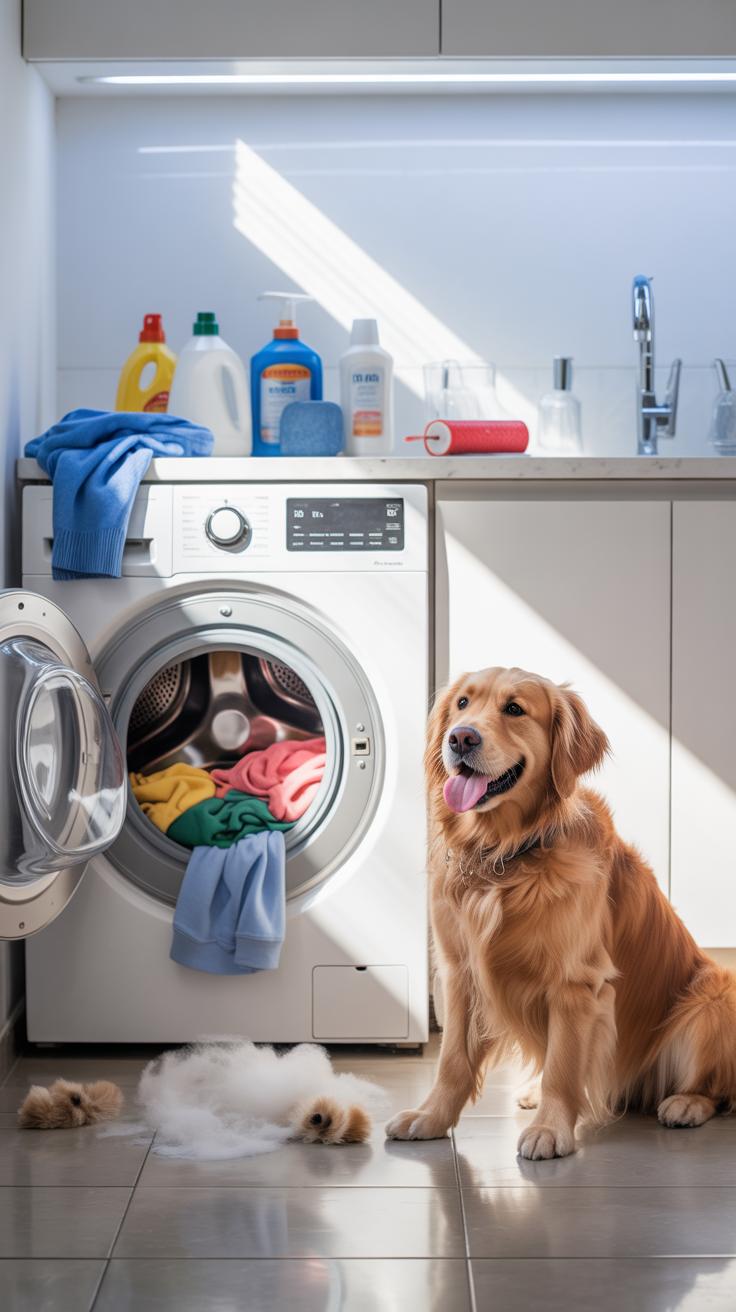
The Role Of Laundry Additives Like White Vinegar In Pet Hair Removal Laundry
Acetic acid serves as the primary engine for hair release during the wash. White vinegar contains about five percent acetic acid which breaks the static bond between fabric fibers and pet fur. This chemical reaction relaxes the grip of the hair. It acts as a natural water softener by neutralizing mineral buildup. This process prevents fur from hooking into the weave of your clothing.
Add one half cup of white vinegar to the fabric softener dispenser for maximum impact. Do not pour it directly onto the clothes as the acidity needs dilution to protect fabric integrity. The vinegar also eliminates odors and bacteria trapped under the fur layer. It flushes away the loosened dander during the final rinse cycle. This method works best on cotton and synthetic blends.
The dust of our beloved companions is a small price to pay for a life flavored with devotion. A simple damp cloth or a steady hand can brush away the fur, but it can never erase the warmth they leave in our hearts.
Washing Machine Settings That Help Remove Pet Hair From Laundry
Water volume and mechanical action dictate how effectively a machine removes trapped fur. Select the high water level or deep fill setting to ensure hair has enough space to float away from the garment. Low water levels often trap the hair against the fabric which leads to redeposition. A heavy duty cycle provides the necessary agitation to physically knock the stubborn strands loose.

Temperature control plays a minor role compared to water volume but still matters. Use warm water when the fabric allows to help fibers expand and release debris. Always perform an extra rinse cycle to flush the suspended hair out of the drum and through the drain. Clean the pump filter after every heavy load to prevent hair clogs from reducing machine efficiency and drainage performance.
How To Remove Pet Hair From Washing Machine After Every Load
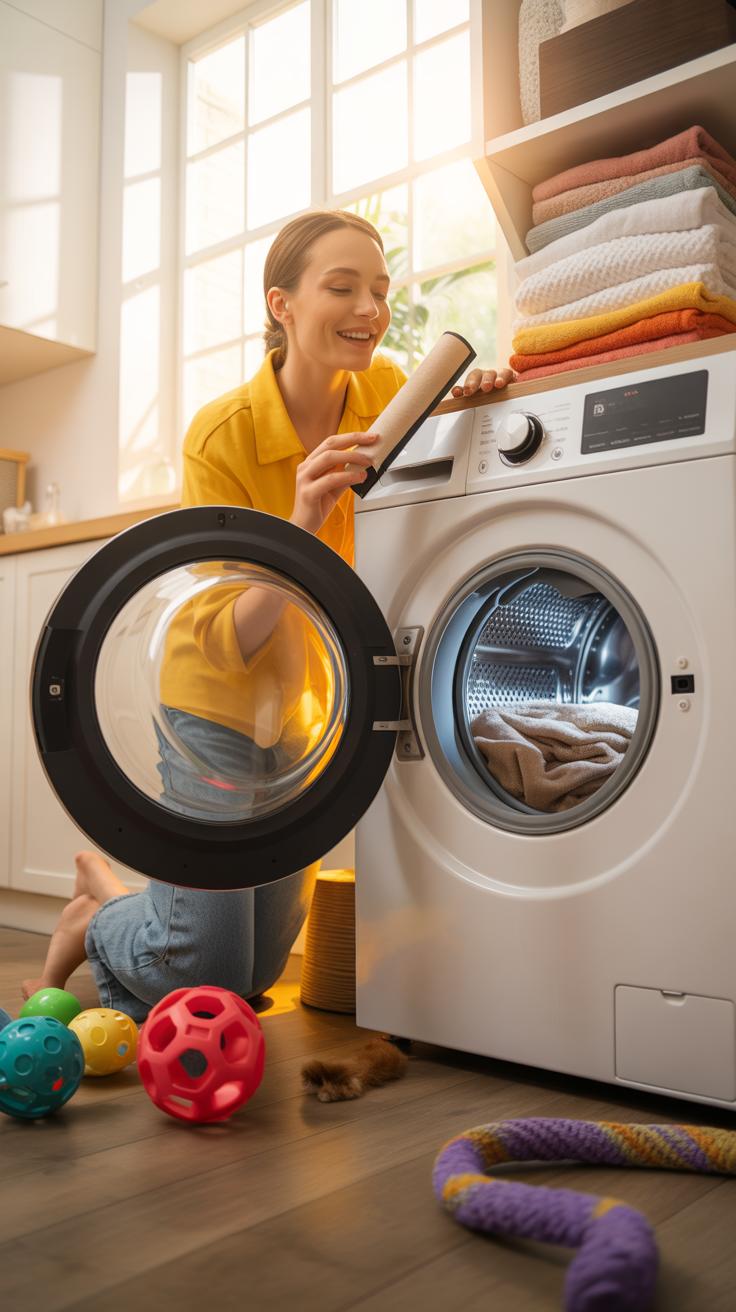
Why Pet Hair Accumulates Inside Your Washing Machine Drum And Filter
Wet pet hair becomes heavy and sticks to surfaces. During the wash cycle, water moves hair around the drum. Centrifugal force pushes these fibers into small holes and drain ports. Friction makes the hair clump together. Most modern high-efficiency machines use less water. This prevents hair from floating away. Instead, it clings to the metal drum walls and rubber door seals.
Static electricity releases during the dry phase but starts in the washer. Modern synthetic fabrics attract pet fur through ionic bonds. These strands bypass the main drainage system. They settle in the pump filter or the bottom of the outer tub. Over time, this buildup restricts water flow. It creates a recirculating loop of fur. Your clothes never get clean because the machine keeps moving the same hair.
Step By Step Guide To Cleaning Pet Hair Out Of Your Washing Machine
You must physically remove hair to prevent mechanical failure. Start by letting the drum dry completely after a load. Dry hair is easier to lift than wet hair. Use a vacuum with a brush attachment to scour the drum walls. Focus on the holes where fur gets trapped. This simple step prevents the next load from picking up old debris.
- Vacuum the Drum: Use a handheld vacuum or hose extension on a dry drum. Run the nozzle over the entire interior surface. This captures loose strands before they transition to the pump filter during the next water cycle.
- Wipe the Gasket: Pull back the rubber door seal on front-loading machines. Hair collects in the folds and creates mold. Use a damp microfiber cloth to scoop out trapped fur and sludge. Manual removal is the only way to clear this area.
- Clear the Filter: Locate the drain pump filter at the bottom of the machine. Unscrew the cap and pull out the mesh basket. Rinse away hair clumping and mineral deposits. Clean this filter weekly to maintain proper drainage and pump health.
- Run a Clean Cycle: Set the machine to its highest temperature or tub clean setting. Add one cup of white vinegar or a specialized washing machine cleaner. This breaks down the oils that help pet hair stick to the metal drum.
- Dry Wipe Surfaces: Use a dry paper towel to finish the cleaning process. Wipe the glass door and the rim. These glass surfaces hold static charges that attract fine undercoat hairs. Removing them now prevents their transfer to your clean clothes later.

Chemical cleaners work best after you remove the bulk of the hair manually. Vinegar or oxygen bleach helps dissolve the sebum that glues fur to the machine. Run an empty rinse cycle once a week if you have multiple pets. This flushes the internal pipes. It keeps the pump clear of obstructions. Consistent maintenance extends the life of your appliance.
Remove Dog Hair From Laundry Using Dryer Techniques That Actually Work
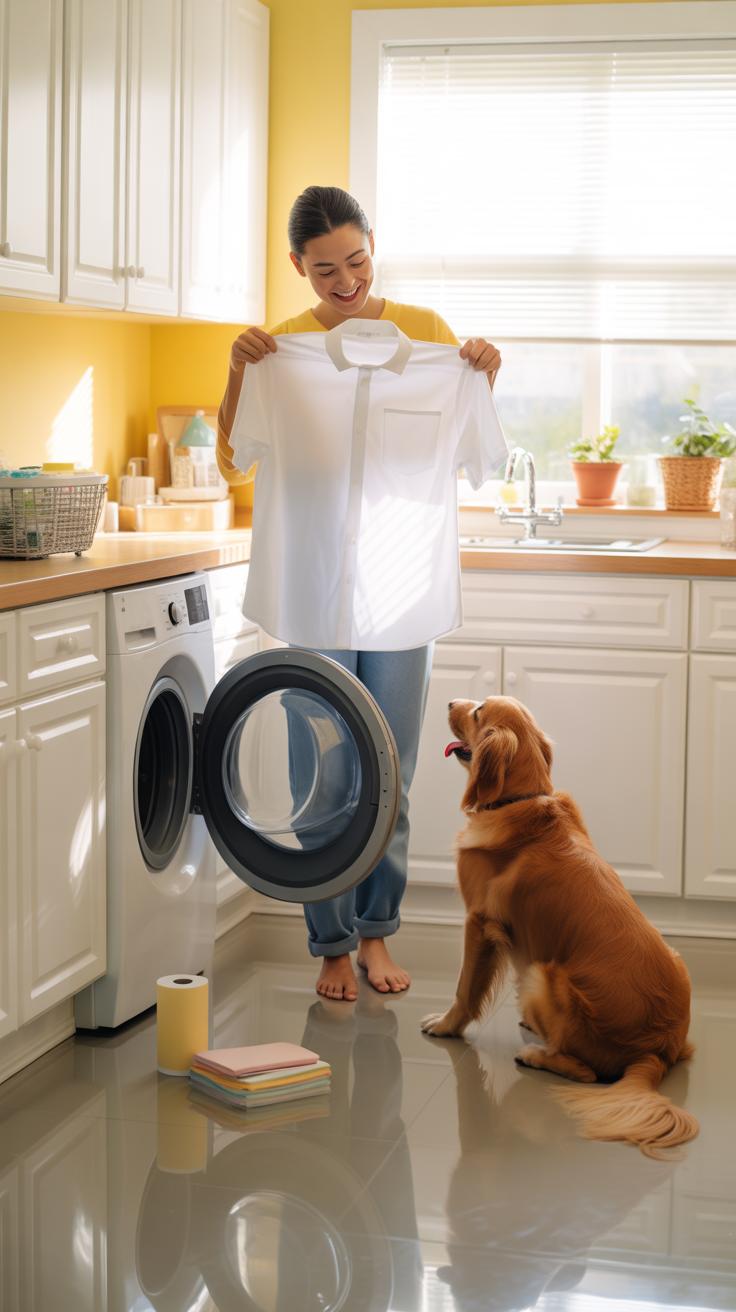
How Dryer Sheets And Wool Dryer Balls Help Tackle Dog Hair In The Dryer
Dryer sheets use anti-static agents to neutralize the electrical charge between fabric and pet hair. This process breaks the physical bond holding fur to the fibers. Once the bond breaks, the heavy airflow within the dryer drum can move the hair. The loose fur then travels toward the lint trap for collection. This is a chemical solution to a mechanical problem in the laundry cycle.
Wool dryer balls offer a mechanical alternative to chemical sheets. They bounce around the drum and physically beat the hair off the surface of the clothes. This agitation creates space between the fabric layers for better air circulation. The increased movement ensures that hair does not get trapped in folds or creases. Use at least three large balls for every load to ensure maximum surface contact and hair removal.
Optimal Dryer Settings And Cycle Times For Pet Hair Removal
Set your dryer to a ten minute tumble cycle on a no-heat or low-heat setting before you start the wash. This pre-dry treatment loosens the most stubborn hair while the garment is still dry. The mechanical action of the tumbling drum pulls the fur into the lint filter. Doing this first prevents hair from getting waterlogged and embedding deeper into the fabric during the washing machine agitation.

After the wash, dry your clothes on a regular timed cycle with high airflow. Heat is less important than air movement for removing pet hair from laundry. Check the lint trap halfway through the cycle to prevent build-up. A full lint screen reduces suction and stops the machine from pulling fur away from the clothes. Clear the trap every time to maintain the highest level of hair extraction efficiency.
How To Remove Hairballs From Clothes Without Damaging Delicate Fabrics
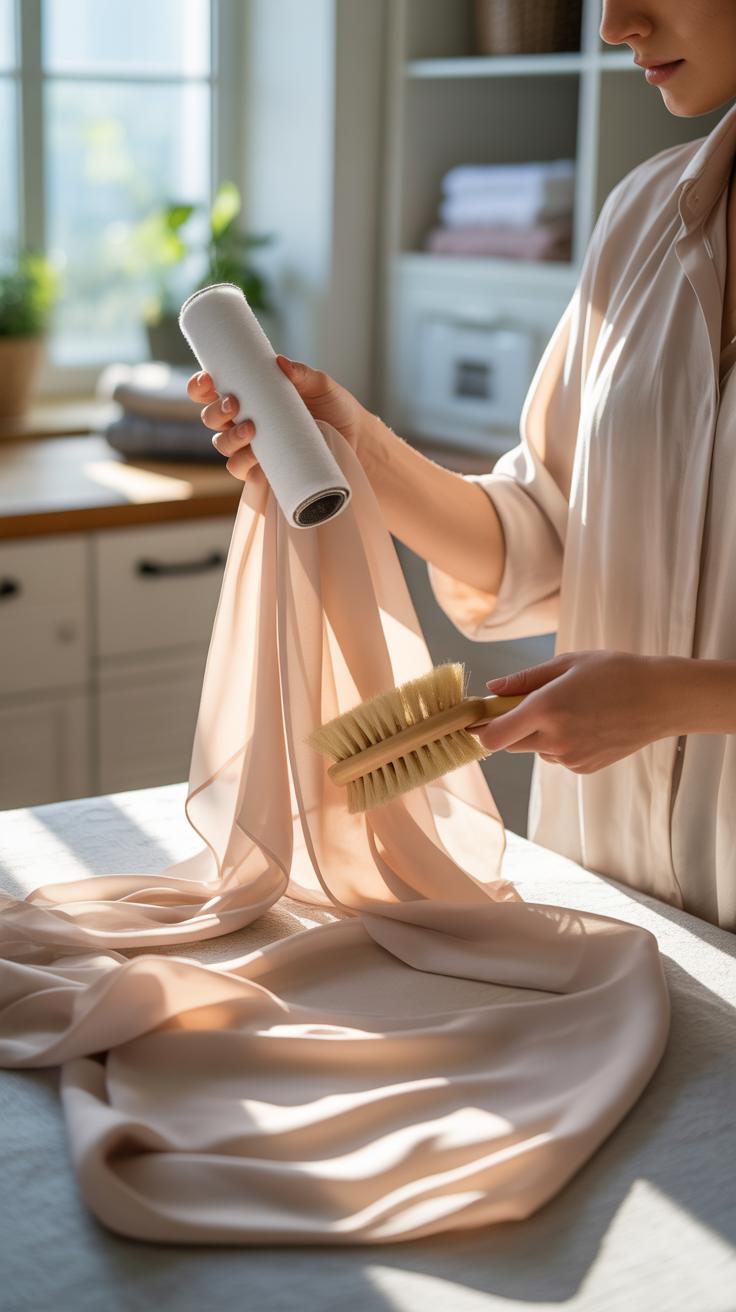
Safe Techniques For Removing Clumped Pet Hair From Delicate And Wool Garments
Mechanical friction destroys animal fibers like wool and silk. You must avoid aggressive scrubbing when pet hair clumps on these surfaces. Use a soft-bristled clothes brush instead of plastic lint rollers. Stroke the fabric in one direction following the nap of the material. This lifts the hair without pulling the delicate threads. Natural bristles provide enough tension to grab hair while remaining gentle on luxury textiles.
Static electricity binds pet hair to fabric tightly. Apply a light mist of water or a specialized anti-static spray before cleaning. Moisture neutralizes the static charge and allows the hair to release easily. For heavy clumping, use a rubber grooming glove. The texture of the rubber creates a mild grip that gathers hair into manageable balls. This method prevents the fiber abrasion common with adhesive tapes or sharp blades.
When To Hand Wash Delicate Items To Protect Fabric While Removing Pet Hair
Hand washing is the safest bridge between cleanliness and fiber integrity. Submerge the garment in lukewarm water mixed with a pH-neutral detergent. This process relaxes the fabric weave. While the item is underwater, the pet hair loses its grip and floats toward the surface. Swish the garment gently rather than wringing it. This mechanical action separates the fur from the threads without causing permanent stretching or distortion.

Use a mesh strainer to catch loose hair during the rinsing phase. This prevents the hair from redepositing on the garment or clogging your plumbing. After the final rinse, lay the item flat on a clean towel. Roll the towel to remove excess moisture instead of twisting. Once dry, any remaining stray hairs will sit on top of the fiber. You can then flick them away easily with a dry sponge.
Pet Hair Removal From Bedding Blankets And Upholstered Surfaces
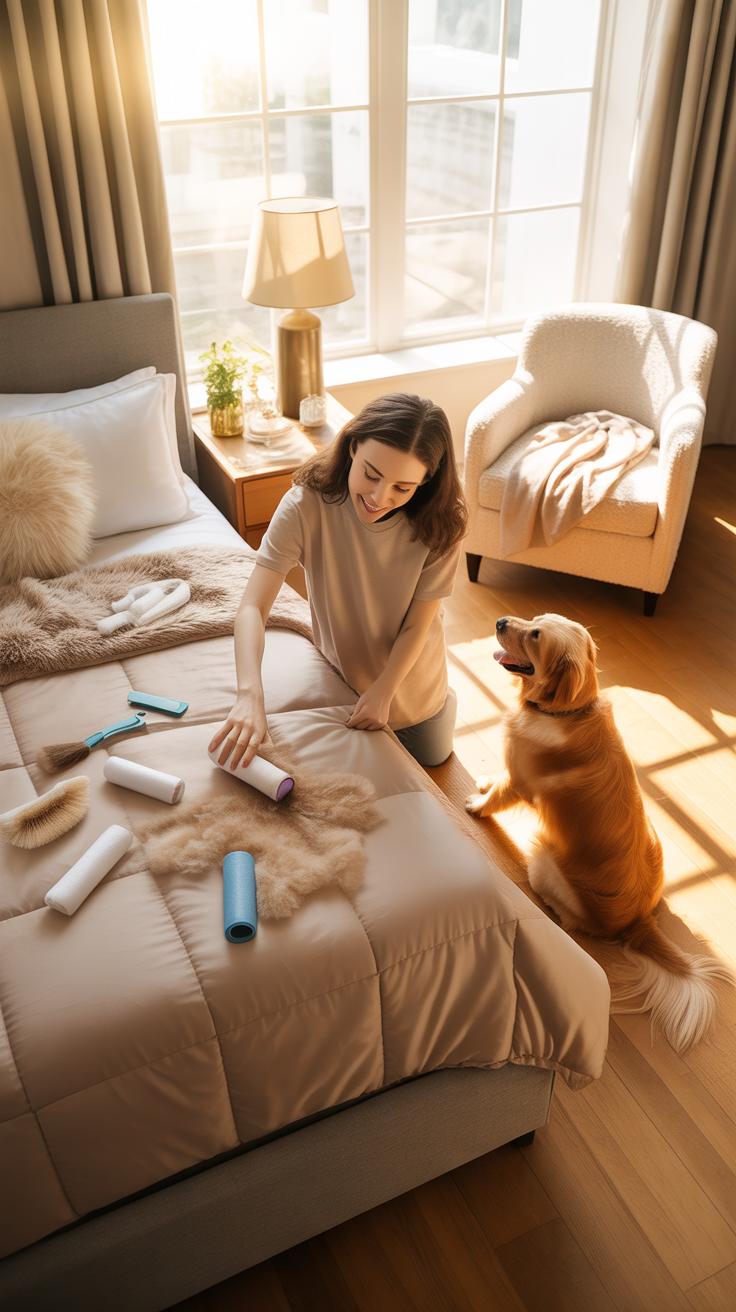
How To Wash Pet Bedding And Human Bedding Separately For Best Results
Cross-contamination ruins clean laundry. Mixing pet blankets with human sheets spreads dander and oils across all surfaces. This creates a larger cleanup task than necessary. Wash pet items in dedicated loads to contain the mess. Use the highest water level possible to allow hair to float away. This separation protects your everyday clothing from embedded fur and keeps your main machine cleaner for longer periods.
Clean your washing machine between these specific loads. Run an empty rinse cycle or a self-clean mode after washing pet bedding. This removes trapped fur from the drum and gasket. If you skip this step, the next load of human laundry will collect leftover debris. Use a wet vacuum or microfiber cloth to wipe the rubber seal. Maintaining this boundary ensures your personal bedding remains hair-free and sanitary.
Dealing With Heavy Dog Hair Buildup On Comforters And Thick Blankets
Thick blankets trap hair deep within their fibers. Do not put a fur-covered comforter directly into the washing machine. This creates a thick sludge that clogs drains and sticks to the drum. Run the dry comforter in a dryer on a no-heat fluff cycle for ten minutes first. The tumbling action and airflow loosen the hair. The lint trap catches the bulk of the mess before the wash begins.

Static electricity holds hair against the fabric surface. Use a rubber squeegee or a stiff brush to scrape the surface of the blanket before washing. This mechanical action pulls embedded hairs to the surface for easy removal. Once you remove the heavy buildup, use an extra rinse cycle during the wash. This provides more opportunities for remaining fibers to exit through the drain system. Focus on mechanical removal to ensure success.
Preventing Pet Hair From Embedding Into Clothes And Laundry Long Term
Grooming Your Pet Regularly To Reduce Shedding And Laundry Burden
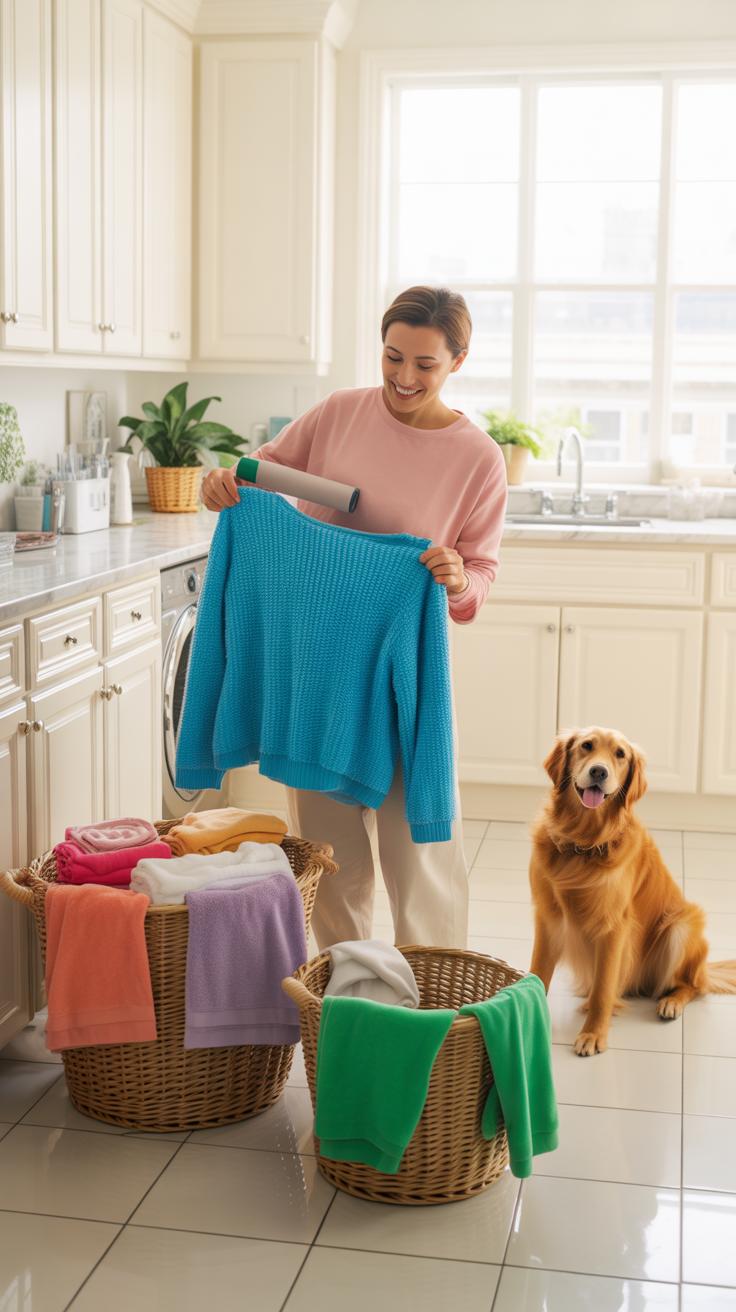
Effective hair management starts at the source. Regular brushing removes loose fur before it reaches your furniture or clothing. Use a de-shedding tool designed for your pet’s specific coat type. Undercoat rakes work best for double-coated breeds. Slicker brushes handle long hair effectively. Consistent grooming cycles significantly lower the volume of airborne dander and fur. This simple step keeps debris out of your washing machine.
Establish a firm grooming routine based on seasonal shedding patterns. Many animals lose more fur during the spring and fall. Increase brushing frequency during these periods to prevent laundry overload. Bathe your pet with appropriate conditioners to strengthen hair shafts and reduce breakage. Healthy skin produces less waste. Controlling the environment at the biological level is the most efficient way to maintain clean textiles throughout your home.
Choosing Pet Friendly Fabrics And Storage Habits To Minimize Hair Transfer
Select textiles that resist static and physical entanglement. Tight-weave fabrics like denim, canvas, or microfiber do not trap hair easily. Smooth materials such as silk or high-quality synthetics allow fur to slide off surface fibers. Avoid open-weave knits and rough wools. These materials act like magnets for pet debris. Tactical fabric choices reduce the time you spend using lint rollers and specialized laundry cycles.
Proper storage prevents clean laundry from becoming contaminated. Keep all clothing in closed drawers or closets. Use garment bags for suits and formal wear. Do not leave laundry baskets on the floor where pets sleep. Elevate your storage solutions to keep items out of the reach of wandering fur. These habits create a barrier between your clean clothes and the environment. Discipline in storage preserves the results of your cleaning efforts.
Common Pet Hair Removal Mistakes That Make The Problem Worse
Why Washing Pet Hair Covered Clothes Without Pre Treatment Backfires
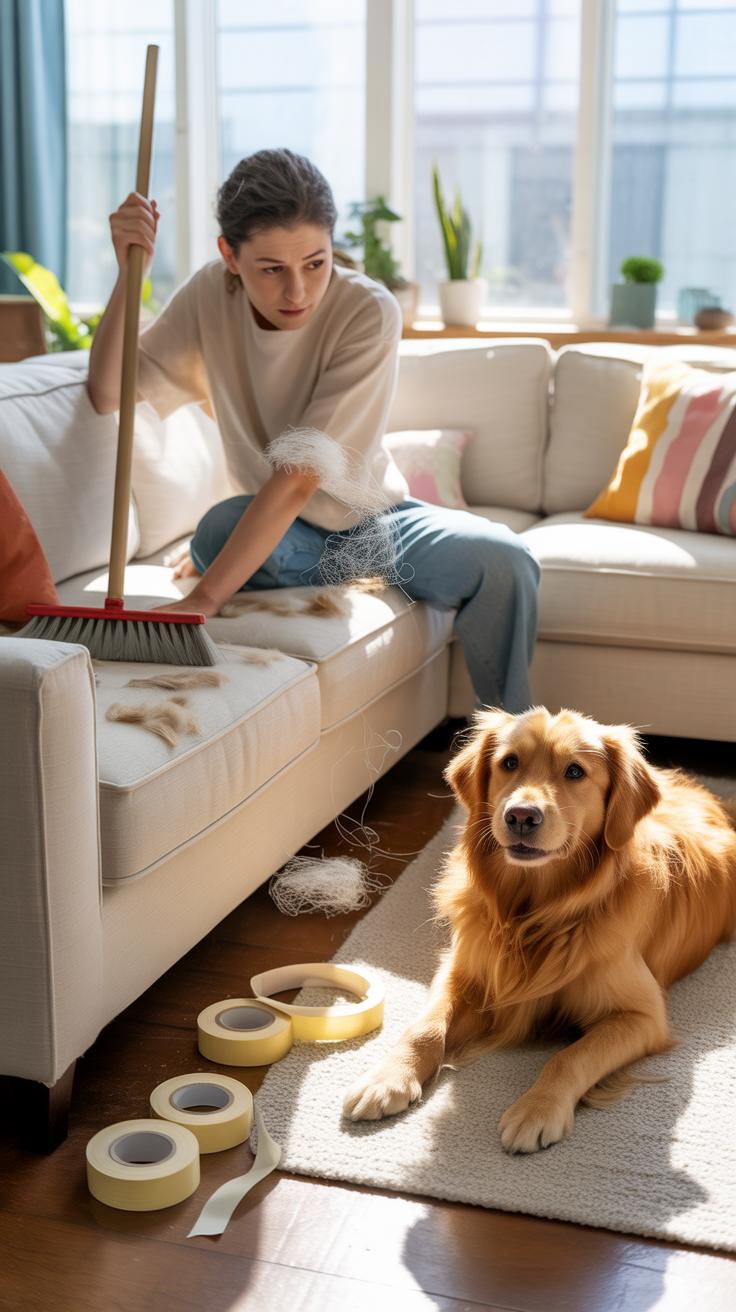
Throwing hairy clothes directly into the wash creates a mechanical failure. Water causes pet hair to expand and become heavy. This moisture makes the strands stick to the fabric fibers through surface tension. Most washing machines cannot generate enough force to break this bond once the hair is wet. You end up with wet clumps of fur deeply embedded in the weave.
Pre-treatment is necessary to break the static bond between the hair and the cloth. Run items through a dry cycle for ten minutes before washing. The heat and tumbling loosen the hair and pull it into the lint trap. Skipping this step sends all that debris into your machine. It clogs the pump filter and leaves residue on every other item in the load.
Overcrowding The Washer And Other Habits That Trap Pet Hair In Fabric
Overcrowding the drum prevents the effective removal of debris. Successful hair removal requires a high volume of water and plenty of physical space for clothes to move. When you pack the machine too tight, the hair has nowhere to go. It simply redistributes from one garment to another. This creates a cycle where the hair remains trapped in the folds of the fabric.
Excessive detergent and fabric softener also worsen the issue. These chemicals leave a thin film on the textiles that acts like an adhesive for pet fur. High suds levels prevent the hair from floating away during the rinse cycle. Use less soap and ensure the machine has enough room to circulate water freely. This allows the drain system to pull the hair out of the drum.
Frequently Asked Questions

Why does pet hair seem to stick so stubbornly to my clothes even after washing?
Pet hair often clings to fabrics due to static electricity and the microscopic barbs found on fur strands. When you wash items without pre-treating them, the water can actually cause the hair to weave deeper into the fabric fibers. Successfully removing pet hair from laundry requires breaking that static bond, which is why using dryer sheets or wool dryer balls is essential for releasing stubborn strands during the drying cycle.
What is the best process for removing pet hair from laundry before putting it in the washer?
For the best results, start by putting your dry, fur-covered items in the dryer on a “no heat” or “air fluff” cycle for ten minutes. This loosened hair is then trapped in the lint filter before the clothes get wet. After this step, give the garments a quick shake and use a lint roller or rubber glove to finish removing pet hair from laundry before starting a regular wash cycle.
Can I remove pet hair effectively without buying expensive specialized tools?
Absolutely! You can achieve great results using common household items like a damp kitchen sponge or slightly moistened rubber dishwashing gloves. Simply run your hand over the fabric in one direction; the friction and moisture create a grip that pills the hair into easy-to-grab clumps. This is a highly effective, budget-friendly strategy for managing fur on large surfaces like bedding and curtains without needing proprietary brushes or vacuum attachments.