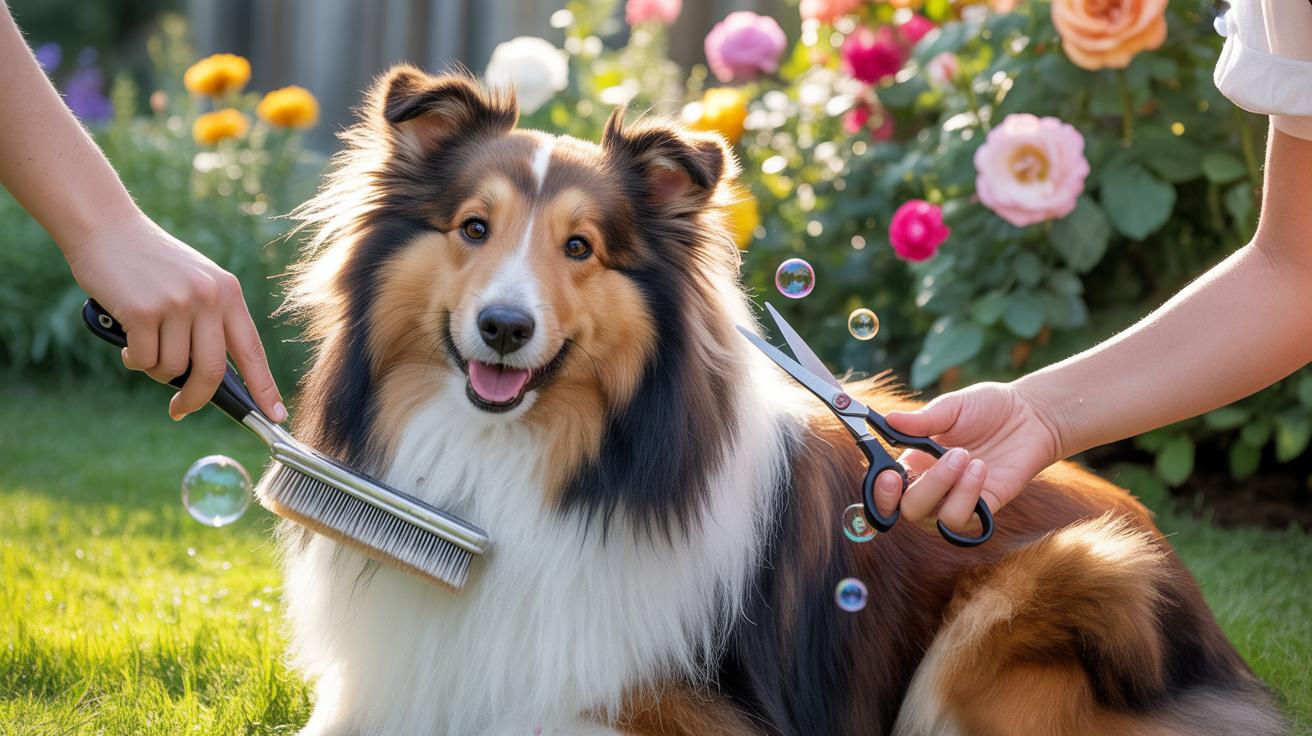
Understanding The Sheltie Double Coat A Foundation For Sheltie Grooming
The Structure Of The Sheltie’S Double Coat: Outer And Undercoat Explained
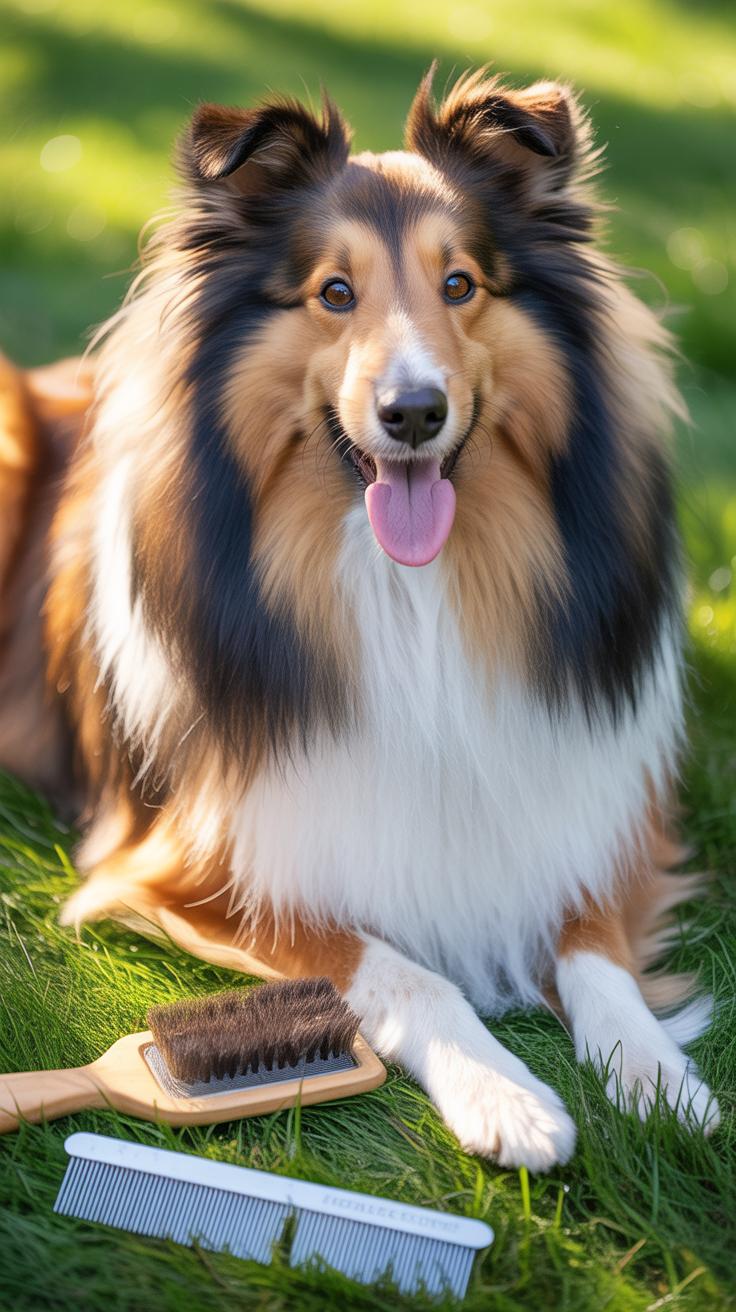
The Shetland Sheepdog possesses a functional double coat designed for harsh northern climates. The outer coat consists of long, straight, and harsh guard hairs. These hairs repel water and block dirt from reaching the skin. This layer serves as the primary shield against environmental elements. You must never shave this layer because it protects the dog from both heat and cold weather.
Beneath the guard hairs lies the undercoat. This layer is short, dense, and soft like wool. It provides critical insulation by trapping air near the body. This undercoat sheds heavily twice a year during a process called blowing coat. You must brush through this dense layer to prevent painful mats. Proper grooming requires reaching through the outer layer to manage this thick inner insulation.
How Coat Type Varies Between Individual Shelties And What That Means For Care
Not every Sheltie has the same coat volume or texture. Genetics determine the density of the undercoat and the length of the guard hairs. Some Shelties have a massive amount of fur that requires daily attention to prevent tangles. Others have a flatter, silkier coat that stays manageable with weekly sessions. You must assess the specific hair density of your dog to set a schedule.
Soft coats tend to mat more quickly behind the ears and under the legs. Harsh coats are often easier to maintain because they shed dirt naturally. Regardless of the specific volume, every Sheltie follows the same basic growth cycle. Pay close attention to the area around the elbows and hocks. These high friction spots always require more frequent thinning and brushing to keep the dog comfortable.

Sheltie Grooming Tips Essential Tools Every Owner Should Have
Choosing The Right Brushes, Combs, And Dematting Tools For A Sheltie Coat
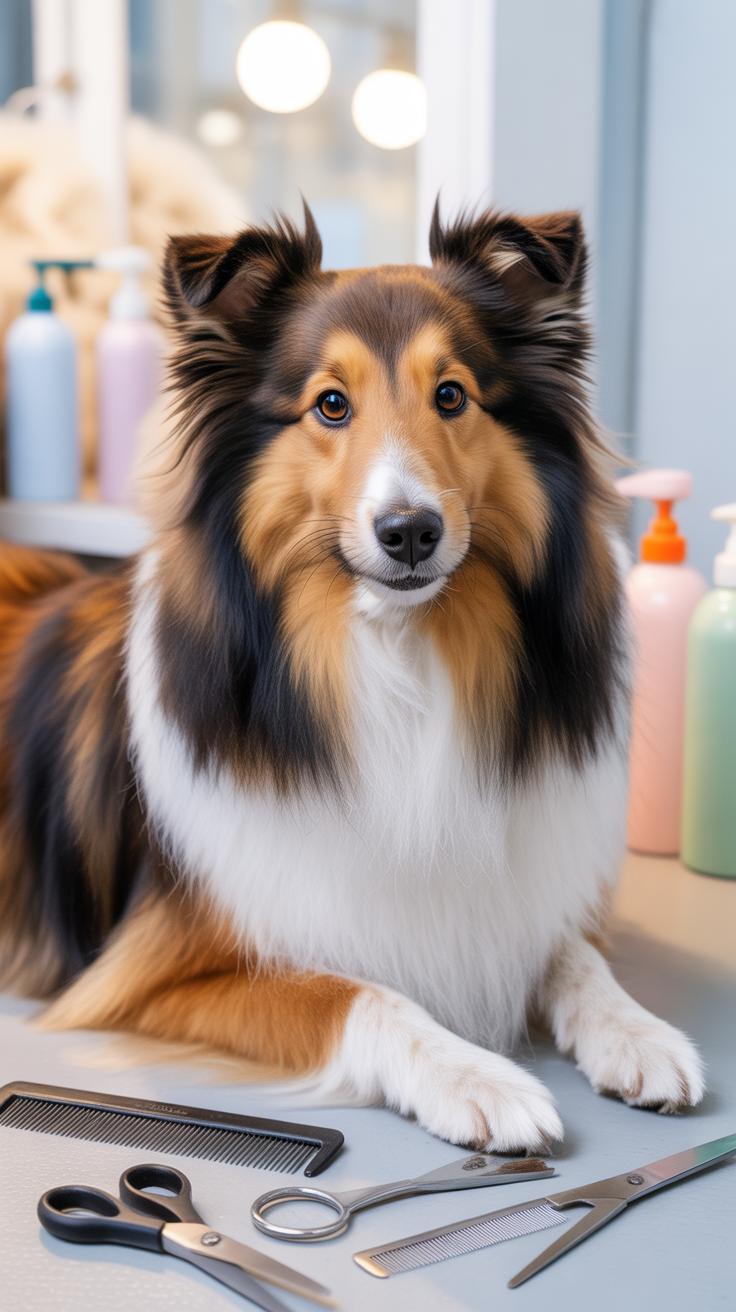
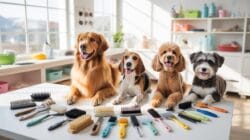
The Sheltie possesses a dense double coat consisting of a long, harsh outer layer and a soft, thick undercoat. Standard brushes fail to reach the skin through this volume. You must select tools that penetrate both layers without damaging the hair shaft or scratching the skin. High-quality stainless steel and durable wood handles provide the necessary leverage for deep coat maintenance.
- Long-Pinned Slicker Brush: Use this tool to lift the outer coat and remove loose fur from the undercoat. Ensure the pins have rounded tips to prevent skin irritation. It serves as your primary tool for daily maintenance and debris removal.
- Stainless Steel Greyhound Comb: This tool is essential for checking your work after brushing. The wide-spaced teeth glide through the coat while the fine teeth identify hidden knots. It works best behind the ears and on the leg feathering.
- Undercoat Rake: Choose a rake with tines that match the depth of the coat. This tool pulls out dead fur from the undercoat during shedding season. It prevents heavy matting by thinning out the dense insulation layer effectively.
- Line Brushing Water Mister: Never brush a Sheltie coat while it is completely dry. A spray bottle filled with water or diluted conditioner prevents hair breakage. Lightly misting the fur maintains the structural integrity of the long guard hairs during grooming.
- Detailing Scissors: Small, blunt-tipped safety scissors are necessary for trimming hair around the paw pads. This maintains traction on smooth floors and prevents the collection of outdoor debris. Keep these sharp to ensure clean cuts without pulling the sensitive hair.
Effective dematting requires patience and the right chemical assistance. Apply a detangling spray directly to stubborn knots before attempting to break them apart with your fingers or a comb. Always work from the ends of the hair toward the skin to minimize pain. Regular use of these specific tools ensures the coat remains breathable and prevents painful skin infections caused by trapped moisture.
How To Set Up A Comfortable Grooming Station At Home For Your Sheltie
Select a dedicated space with excellent lightning and a non-slip surface. Many owners prefer a sturdy table at waist height to prevent back strain during long sessions. Place a rubber mat on the surface to give the dog secure footing. This stability reduces anxiety for the animal and allows you to work with precision on sensitive areas like the hocks and ears.
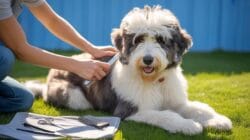
Organization improves efficiency and keeps the dog calm. Keep all brushes, shears, and sprays within arm reach but away from the dog’s direct path. Use a grooming arm or tether if the dog tends to move frequently. Proper positioning ensures you can reach both sides of the animal without forcing it to turn constantly. A professional setup transforms a chore into a focused tactical routine.
How To Groom A Sheltie A Step By Step Brushing Routine
How Often To Brush Your Sheltie And The Best Techniques To Prevent Matting
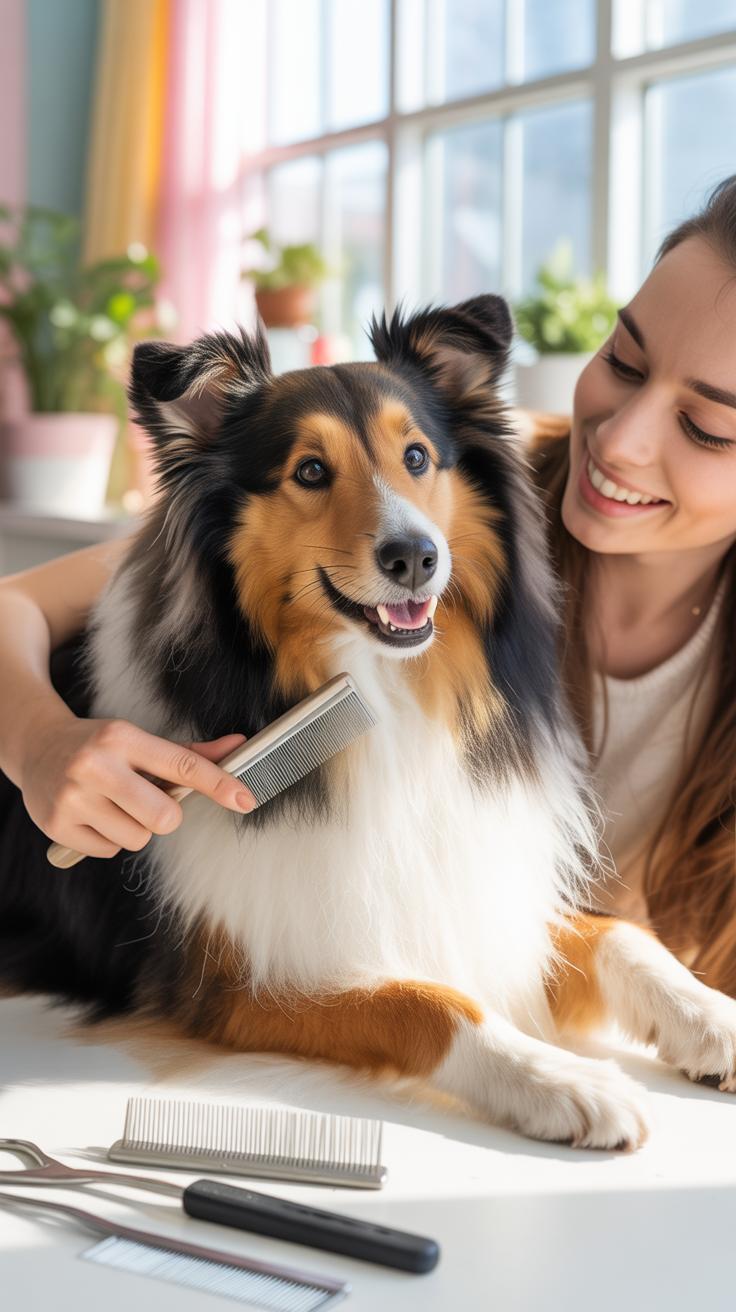
Shetland Sheepdogs possess a double coat designed for harsh weather. This consists of a long, harsh outer coat and a soft, dense undercoat. You must brush your Sheltie at least twice weekly to manage shedding and skin health. During heavy shedding seasons, daily brushing becomes necessary to prevent the undercoat from compacting. Neglecting this schedule leads to severe matting that restricts airflow to the skin.
Focus your attention on high-friction areas where mats form quickly. These spots include the fine hair behind the ears, the feathering on the legs, and the dense fur around the ruff. Use a high-quality metal comb to check your work after brushing. If the comb snags, a knot is forming. Consistent maintenance removes dead hair before it tangles. This routine keeps the skin dry and prevents painful hot spots.
Line Brushing Method: The Most Effective Way To Work Through A Sheltie’S Dense Coat
Line brushing is the only way to reach the skin through a Sheltie’s thick fur. Start at the bottom of the dog and work upward in sections. Use one hand to push the hair up and out of the way. This exposes a straight line of skin. Brush the hair downward from that line using a slicker brush. Repeat this process until you have moved through every layer of the coat.
Surface brushing is a common mistake that leaves the undercoat untouched. If you only brush the top layer, the undercoat will eventually felt against the skin. This creates a solid mass of hair that requires shaving. Use a water-based grooming spray to lightly dampen the hair before you start. This prevents hair breakage and reduces static. Effective line brushing ensures the coat remains functional, insulated, and free of debris.
Shetland Sheepdog Shedding What To Expect And How To Manage It
Seasonal Shedding Cycles In Shelties And Why They Blow Their Coat
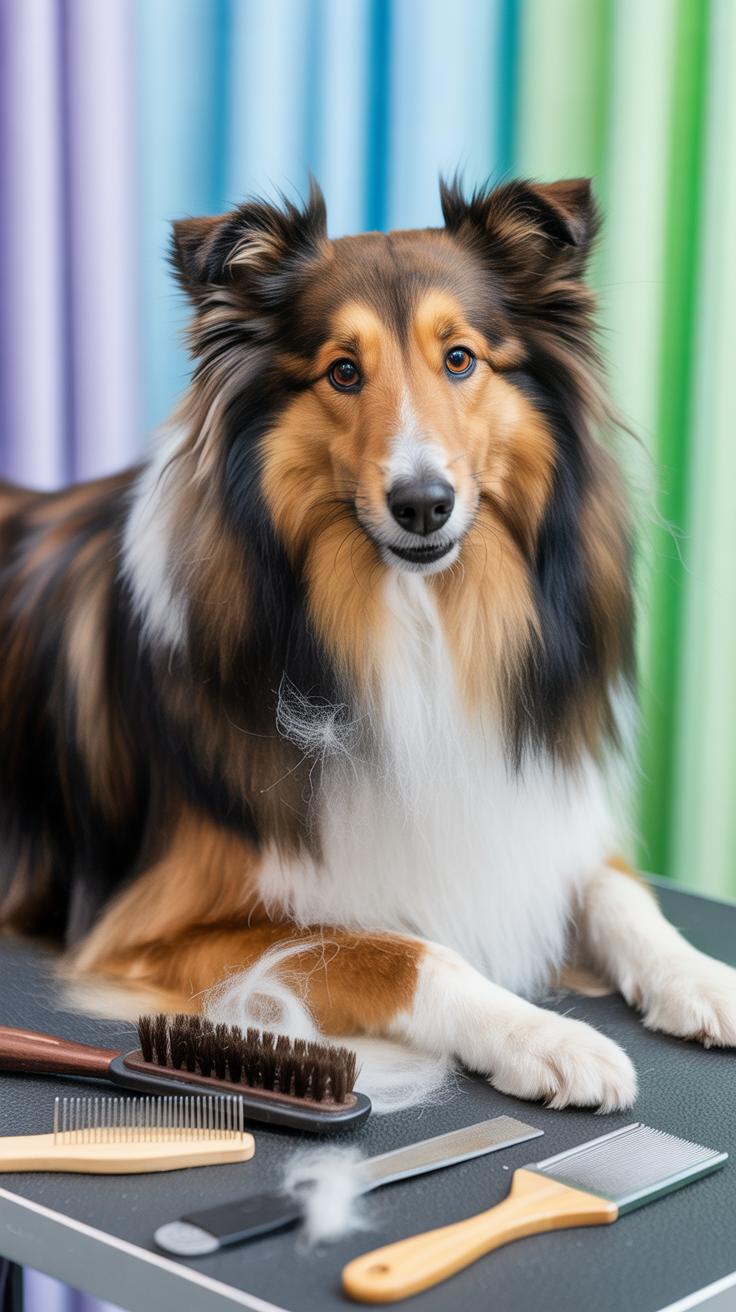
Shetland Sheepdogs possess a double coat designed for harsh Scottish climates. This anatomy consists of a long outer coat and a dense woolly undercoat. They shed moderately year-round but undergo heavy shedding twice per year. Owners call this blowing the coat. It usually happens in spring and fall. Temperature changes and daylight shifts trigger the release of the undercoat.
Females experience more frequent shedding due to hormonal fluctuations. Intact females often blow their coats after every heat cycle or after weaning a litter. Spayed and neutered dogs may shed more consistently throughout the year rather than in intense bursts. Understanding these biological cycles helps you predict when the most hair will fall. Tactical grooming during these peak windows prevents massive indoor accumulation.
Practical Strategies To Reduce Shetland Sheepdog Shedding Around The Home
Controlling hair in your living environment requires a proactive mechanical approach rather than reactive cleaning. You cannot stop the natural shedding process of a double-coated breed. You can only capture the hair before it lands on your furniture or floors. Effective management focuses on pulling dead wool from the undercoat. This prevents the hair from tangling or dropping.
- Line Brushing Technique: Part the hair down to the skin and brush outward in sections. This method ensures you reach the deep undercoat where most shedding originates. It prevents mats and clears dead hair efficiently.
- Undercoat Rakes: Use a metal rake with rounded teeth to pull out loose woolly fibers. This tool bypasses the long guard hairs to target the shedding layer. Use light pressure to avoid skin irritation.
- High-Velocity Drying: Blow out the coat with a professional forced-air dryer after a bath. The strong air pressure pushes water and loose hair out of the follicle. This is the fastest way to remove dead coat.
- Consistent De-Shedding Schedule: Commit to a full grooming session at least twice every week. Increasing frequency during seasonal transitions keeps hair in the brush instead of on the carpet. Consistency reduces the total volume of airborne dander.
- High-Quality Nutrition: Feed a diet rich in Omega-3 and Omega-6 fatty acids to keep hair follicles strong. Healthy skin holds onto hair longer and reduces excessive breakage. Poor nutrition leads to brittle coats and increased shedding.
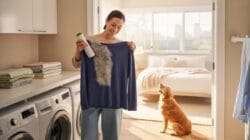
Supplement these physical grooming steps with daily vacuuming and air filtration. High-efficiency particulate air filters help capture the fine dander associated with Sheltie fur. Use rubber brushes on upholstery to lift embedded hairs effectively. These combined tactics minimize the impact of a shedding dog on your home infrastructure. Keep tools accessible to ensure you maintain the routine without friction.
Bathing Your Sheltie Shetland Sheepdog Care Tips For A Clean Healthy Coat
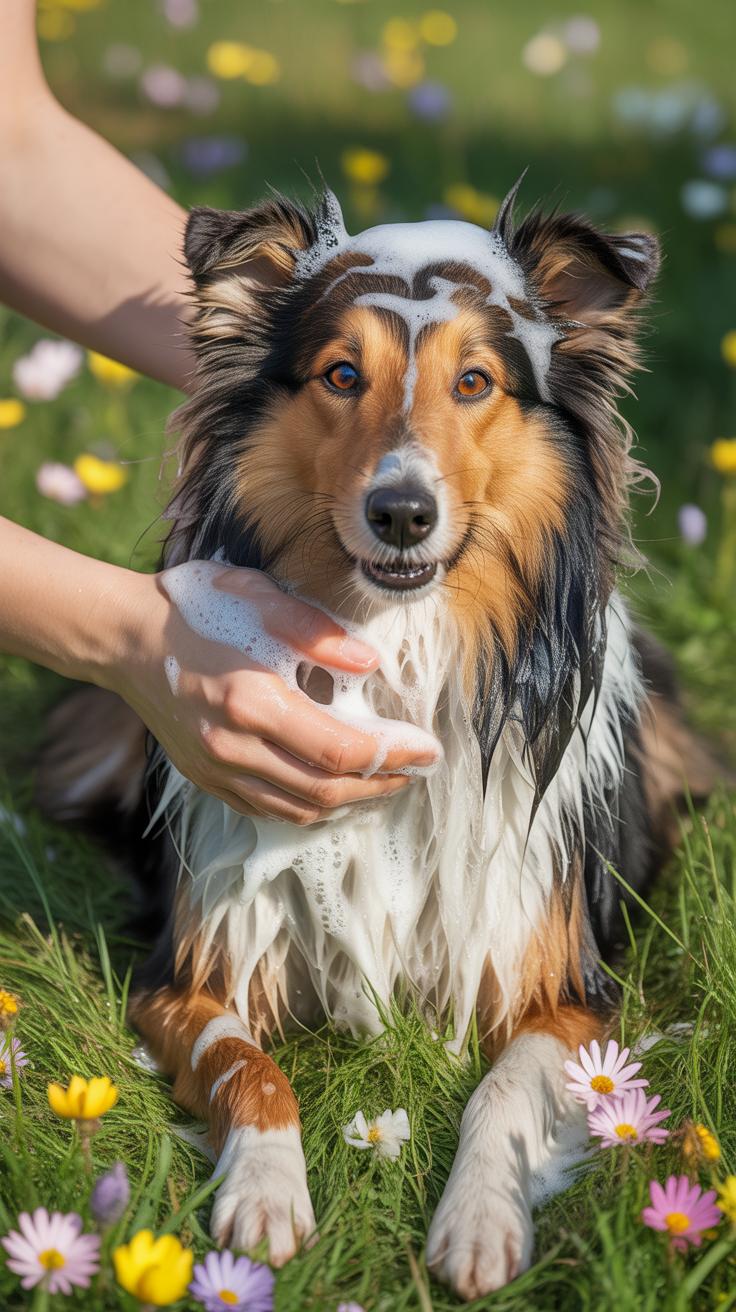
How Often Should You Bathe A Sheltie And Which Shampoos Are Safe To Use
Bathing a Sheltie too often strips natural oils and ruins the weatherproof double coat. Schedule a bath every six to eight weeks unless the dog gets exceptionally dirty. Frequent washing causes dry skin and brittle fur. Always brush the dog thoroughly before water touches the coat. Moisture locks existing mats into tight knots that require cutting. This pre-wash step ensures the skin receives proper cleaning.
Select a high-quality pH-balanced shampoo specifically formulated for dogs. Avoid human products because they disrupt the acidic mantle of canine skin. Choose soap-free formulas to prevent irritation. Look for ingredients like oatmeal or aloe to soothe the skin. Use a heavy-duty conditioner on the ends of the guard hairs to maintain elasticity. Proper products keep the coat flat and prevent the hair from becoming frizzy or unmanageable.
Proper Drying Techniques After A Bath To Protect The Double Coat’S Integrity
Drying a Sheltie requires more than a simple towel rub. Start by squeezing excess water out of the fur by hand. Use a large microfiber towel to blot the coat without tangling the hairs. Never rub vigorously as this creates painful mats and damages the outer guard hairs. The dense undercoat traps significant moisture. Only complete mechanical drying prevents the development of hotspots or fungal skin infections.
Use a high-velocity dryer to force water away from the skin. Keep the nozzle moving to avoid burning the dog. Focus on the thick areas behind the ears and around the haunches. Do not stop until the coat feels bone dry down to the skin level. Any dampness left in the undercoat will cause a sour smell and skin rot. Finish by brushing the coat back into its natural position.
Sheltie Cut And Trimming Guide Tidying Up Without Over Clipping
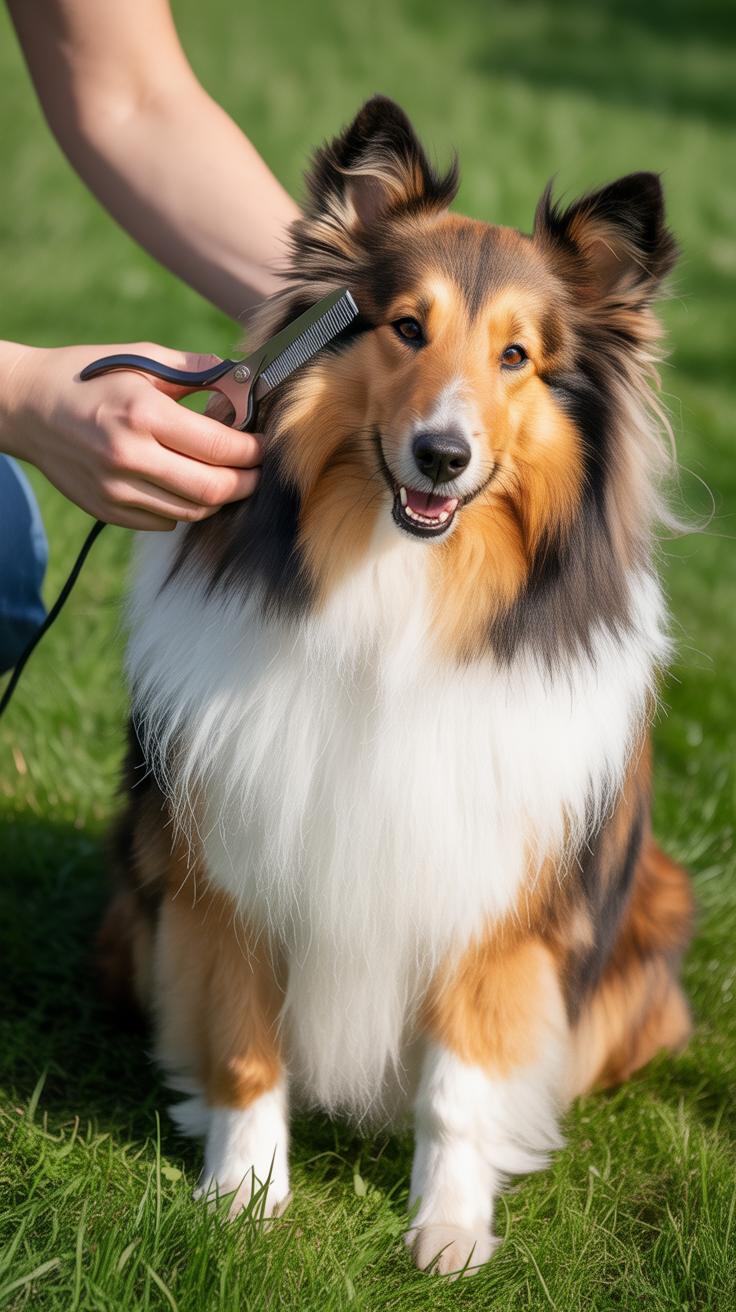
Which Areas Of The Sheltie Body Benefit From Trimming And Which To Avoid
Strategic trimming focuses on hygiene and mobility rather than changing the dog’s appearance. You must target the hair between the paw pads to prevent slipping and debris buildup. Use small safety shears to level the hair with the pads. Trim the long feathers on the back of the hocks to create a clean line. This reduces the amount of mud the dog tracks inside.
Avoid cutting the main body coat or the mane. Only trim the edges of the ears to maintain a neat silhouette. Use thinning shears on the top third of the ear to help it fold naturally if needed. Never touch the guard hairs on the back or sides. Focus exclusively on the feet, hocks, and the area under the tail for sanitary reasons.
The time spent brushing a Sheltie is never lost, for it is in those quiet moments of grooming that the deepest bonds are woven. Beneath every soft, well-tended coat lies the heart of a loyal friend who deserves our gentlest touch.
Shetland Sheepdog Haircut Considerations: Why Shaving A Sheltie Is Discouraged
Shaving a Shetland Sheepdog destroys the natural insulation system of the double coat. The soft undercoat and harsh guard hairs work together to regulate body temperature. Removing this layer exposes the skin to solar radiation and heatstroke. The coat acts as a barrier against both cold and heat. Shaving often leads to permanent follicle damage. The hair may grow back patchy or woolly.
The double coat also protects the skin from moisture and pests. Without the top layer of guard hairs, the dog lacks water resistance. Shaved Shelties suffer from increased skin irritation and insect bites. Maintenance actually becomes harder after shaving because the undercoat tangles easily without guard hairs to separate it. Keep the coat intact to ensure the skin stays healthy and the dog stays cool.
Sheltie Grooming Styles Keeping The Natural Look Of A Groomed Sheltie
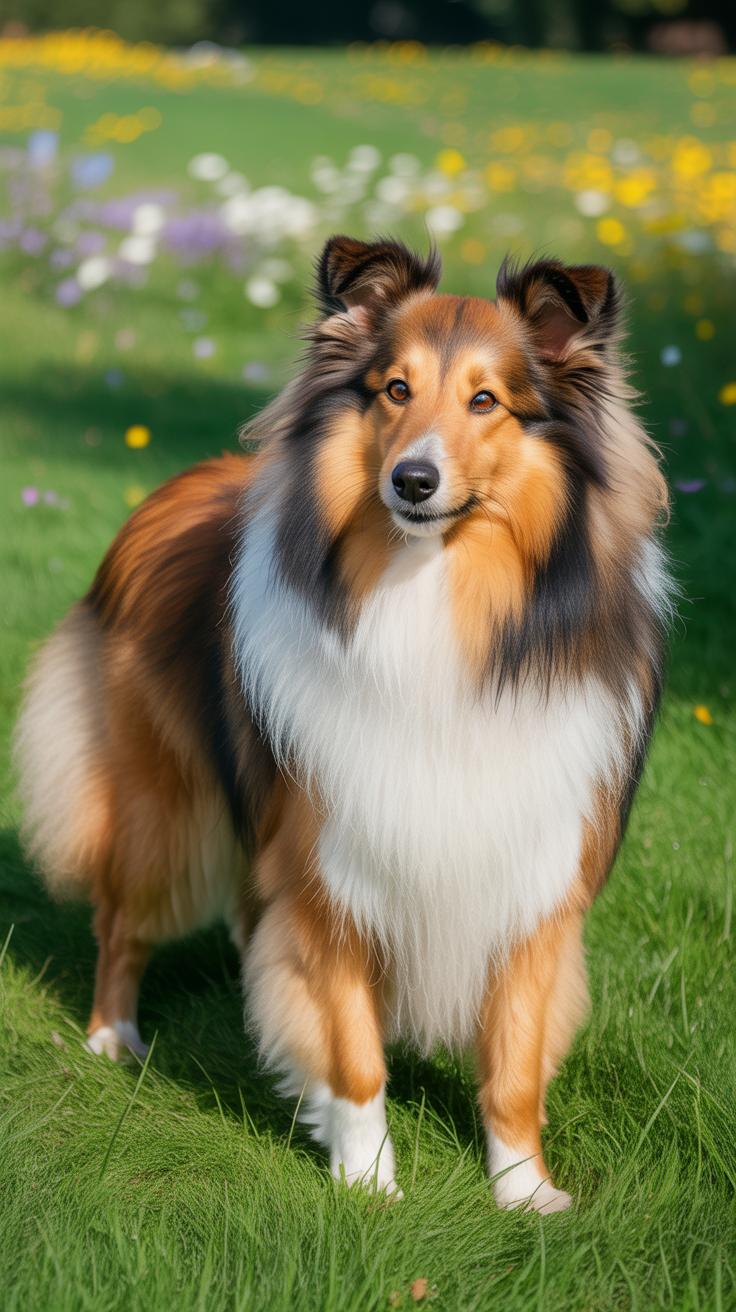
The Classic Sheltie Show Coat Look Vs. A Practical Pet Trim For Everyday Owners
The classic show coat preserves the full length of the double coat to honor the breed standard. This style requires daily maintenance to prevent mats in the dense undercoat. Owners must use line brushing techniques to reach the skin. This look emphasizes the long, straight guard hairs. It reflects the heritage of the breed as a resilient working dog in harsh weather.
A practical pet trim focuses on hygiene and maneuverability rather than silhouette. Owners often choose a sanitary cut or shorten the belly hair to reduce debris collection. You must never shave a Sheltie. Shaving destroys the insulating undercoat and ruins the fur texture permanently. The pet trim maintains the natural protective layers while reducing the daily brushing load for the owner.
Mane, Ears, Paws, And Tail: Finishing Touches That Define A Well Groomed Sheltie
Grooming the mane and ears defines the expression of a Sheltie. Use thinning shears to remove excess bulk behind the ears. This prevents painful mats in high friction areas. Tipping the ears forward maintains the correct breed look. Brush the ruff upward and outward to create the characteristic frame around the head. This technique highlights the strength and proportions of the neck.

Neat paws and a full tail complete the professional appearance. Use small safety scissors to trim long hair between the pads. This improves traction on smooth floors and prevents mud buildup. Shape the hair on the top of the foot into a tight cat foot shape. Brush the tail plume thoroughly but avoid cutting the length. A thick, flowing tail serves as a vital balance tool.
Beyond The Coat Complete Shetland Sheepdog Care Tips For Ears Nails And Teeth
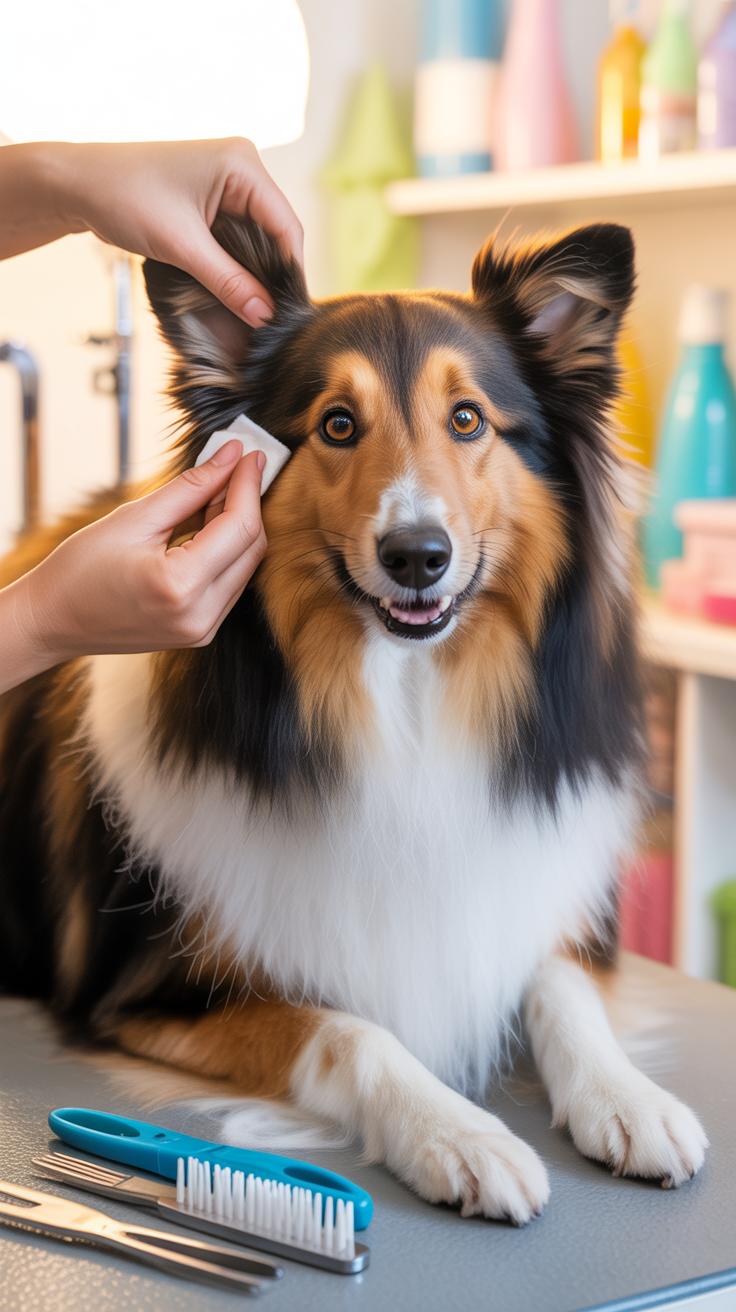
Ear Cleaning And Nail Trimming As Part Of Your Regular Sheltie Grooming Routine
Check ears weekly for wax buildup and debris. Shelties have sensitive ears that trap moisture easily. Use a veterinarian-approved ear cleaner on a cotton round. Wipe the outer canal gently without hitting the eardrum. Look for redness or a foul odor which indicates an infection. Active maintenance prevents painful inflammation and costly medical visits later.
Trim nails every two weeks to maintain proper foot structure. Long nails force the Sheltie to walk on the back of its pads. This causes joint strain and potential bone deformity over time. Use sharp bypass clippers or a dremel tool to shorten the nail. Avoid the quick to prevent bleeding. Short nails should not click on hard floors when your dog walks.
Dental Hygiene And Skin Health Checks To Keep Your Sheltie In Top Condition
Brush your Sheltie teeth daily with specialized dog toothpaste. Small breeds like the Sheltie often suffer from dental crowding. This leads to rapid plaque and tartar accumulation. Bacteria from the mouth can enter the bloodstream and damage vital organs. Use a soft brush to clean the gum line. Consistent oral care extends your dog’s life and prevents tooth loss.
Inspect the skin while brushing through the dense double coat. Look for hot spots, redness, or parasites like fleas and ticks. The thick undercoat hides skin irritations until they become severe. Feel the body for unusual lumps or signs of dry skin. Address any issues immediately to stop infections from spreading. Proper skin health ensures a thick and vibrant coat year round.
Frequently Asked Questions

How often should I brush my Sheltie to prevent matting?
Because of their dense double coat, you should ideally brush your Sheltie two to three times a week. Consistent maintenance is the most important part of any sheltie coat care guide to prevent painful mats from forming behind the ears and legs. During heavy shedding seasons, daily brushing becomes necessary to manage the loose undercoat and keep your home clean while ensuring your dog’s skin remains healthy and breathable.
What is the best technique for bathing a Sheltie at home?
When following a sheltie coat care guide, always brush your dog thoroughly before getting them wet to remove tangles. Use a high-quality diluted shampoo and ensure you penetrate the thick undercoat down to the skin. Rinse multiple times to prevent irritation, as trapped soap causes itching. Finally, use a high-velocity dryer rather than air-drying to prevent the damp undercoat from developing a “doggy” odor or causing hot spots.
Can I maintain a Sheltie’s coat properly using affordable, basic tools?
Absolutely! You do not need expensive professional equipment to keep your Sheltie looking beautiful. A basic long-pinned slicker brush, a sturdy metal greyhound comb, and a pair of blunt-nosed thinning shears are the only essentials required for home maintenance. By investing in these few quality basics and staying consistent with your grooming routine, you can achieve professional results on a budget without needing frequent, costly trips to a groomer.