Understanding The Different Types Of Coats Found In Dogs
The Six Most Common Dog Coat Categories And What Sets Them Apart
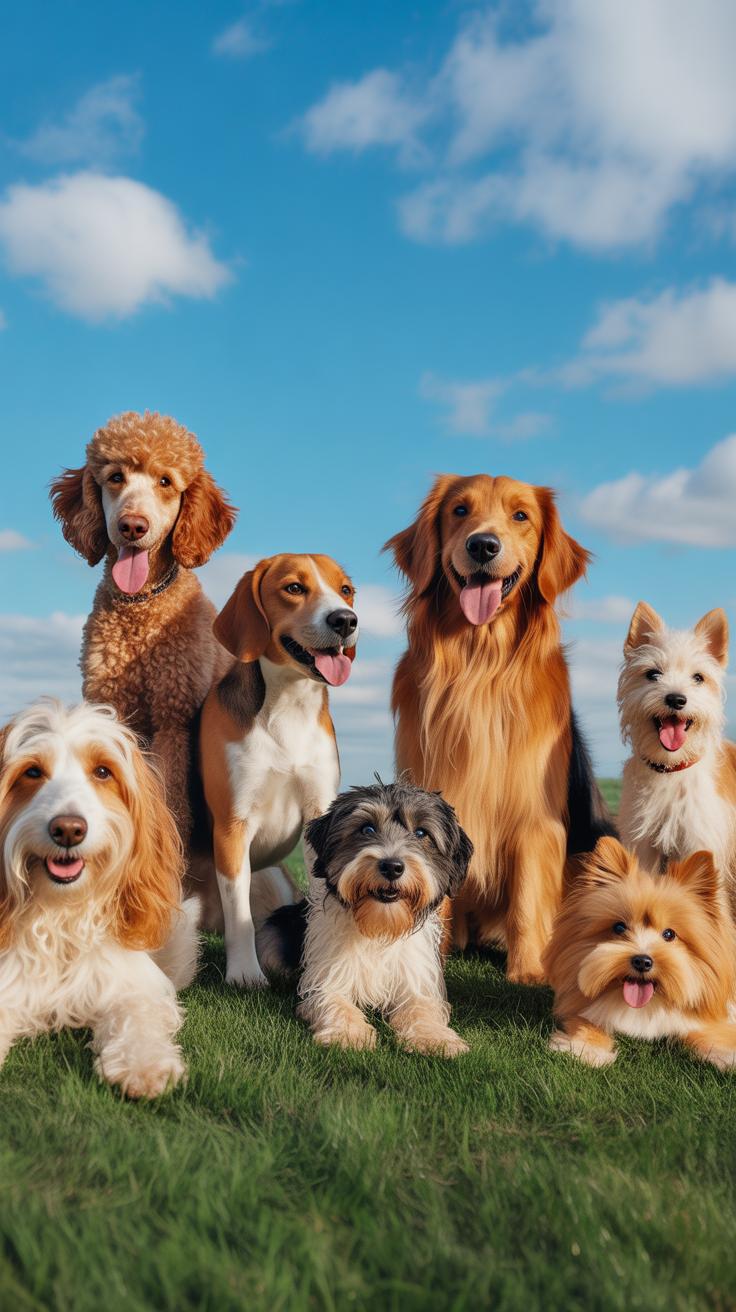
Dog coats fall into six primary categories based on length and texture. Smooth coats lay flat and short against the skin. Double coats feature a soft underlayer for temperature control and a coarse top layer. Long coats grow continuously and require constant maintenance. Wire coats feel rough and do not shed easily. Curly coats have tight spirals that trap loose fur and dander.
Silky coats represent the final category and lack a typical undercoat. Each type interacts differently with dirt and oils. Smooth coats repel debris while curly and wire coats trap it. Double coats shed heavily twice a year during seasonal changes. Understanding these physical traits is the first step in selecting tools. You must identify the specific fiber density to prevent skin irritation or painful hair matting.
How A Dog’S Breed And Genetics Determine Their Coat Type
Selective breeding for specific tasks created various coat types. Working breeds from cold climates developed thick double coats for insulation. Water retrievers possess oily, water-resistant fur to protect their skin. Terriers often have wire coats to guard against brush and brambles. Modern aesthetics also play a role in toy breeds. Genetics dictate the hair growth cycle and the specific ratio between primary and secondary hair follicles.
Ancestry influences how much a dog sheds and how fast the hair grows. Crossbreeding creates unpredictable coat textures that often combine traits from both parents. For example, a mixed breed may have the length of a retriever but the curl of a poodle. This genetic mix changes how you approach grooming. You must evaluate the coat based on its current physical state rather than just the dog’s breed name.
A BeginnerS Guide To Dog Brushing What Every Owner Should Know First
How Often Should You Brush Your Dog Based On Their Coat
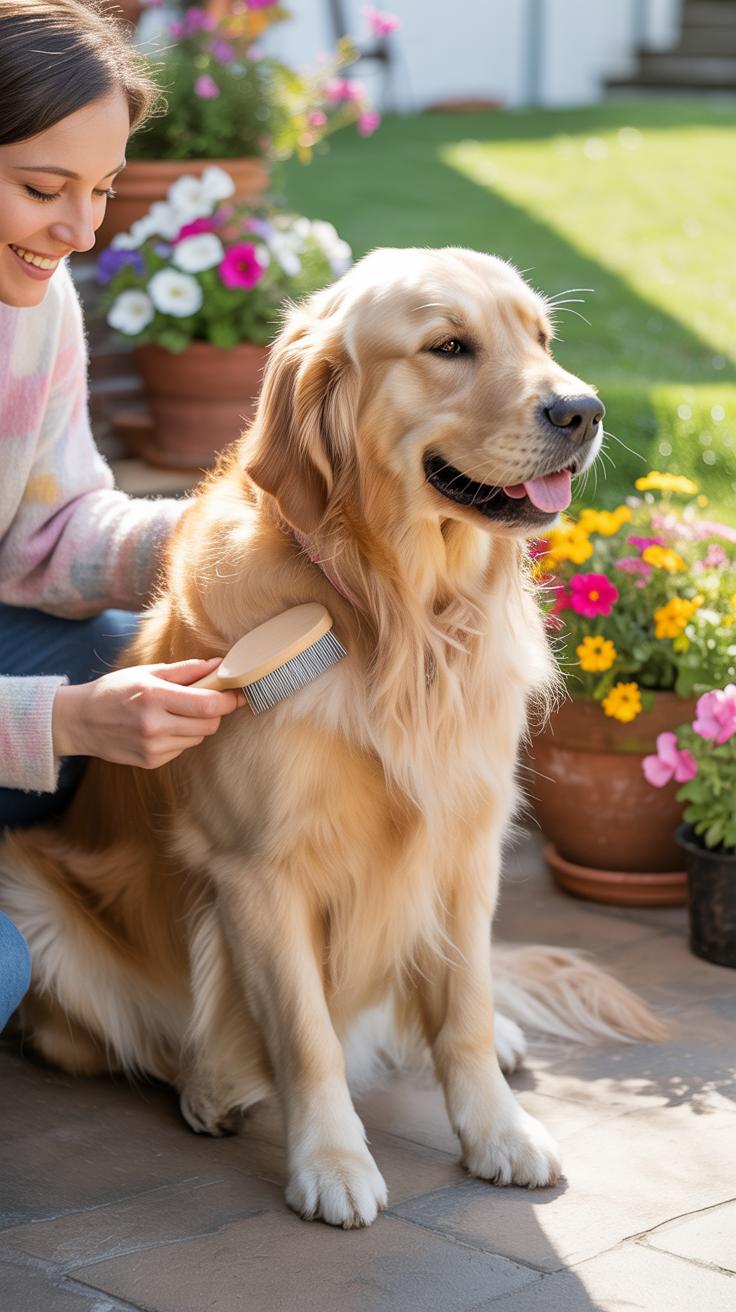
Coat type dictates your maintenance schedule. Short-haired breeds like Beagles or Labradors require brushing once or twice a week to manage shedding. Double-coated dogs and long-haired breeds need daily attention to prevent mats from forming. Brushing redistributes natural oils across the skin. This process keeps the coat healthy and reduces the amount of loose fur inside your home. Consistency prevents painful tangles.
Ignoring the schedule leads to skin infections and trapped debris. High-maintenance coats like Poodles or Doodles quickly develop severe matting without frequent intervention. These mats pull on the skin and cause discomfort. You must stick to a rigid routine to avoid expensive professional grooming fees. Regular sessions also allow you to inspect the skin for lumps, ticks, or irritation. Frequency scales with hair length and density.
Common Dog Brushing Mistakes That Can Irritate Your Dog’S Skin
Excessive pressure is a frequent error that causes brush burn. Applying too much force with wire bristles scrapes the epidermis. This leads to redness and potential secondary infections. You must use light strokes and let the tool do the work. Brushing a dry coat can also cause hair breakage and static. Lightly misting the fur with water or a detangling spray protects the hair shaft.

Many owners only brush the top layer of fur. This leaves the undercoat susceptible to dense matting near the skin. You must reach the base of the hair to remove dead fur effectively. Brushing against the grain of hair growth is another common mistake. Always move the brush in the direction the hair grows naturally. This technique ensures a comfortable experience for the dog and prevents unnecessary pulling.
Essential Dog Grooming Tips Before You Pick Up A Brush
How To Prepare Your Dog For A Calm And Stress Free Grooming Session
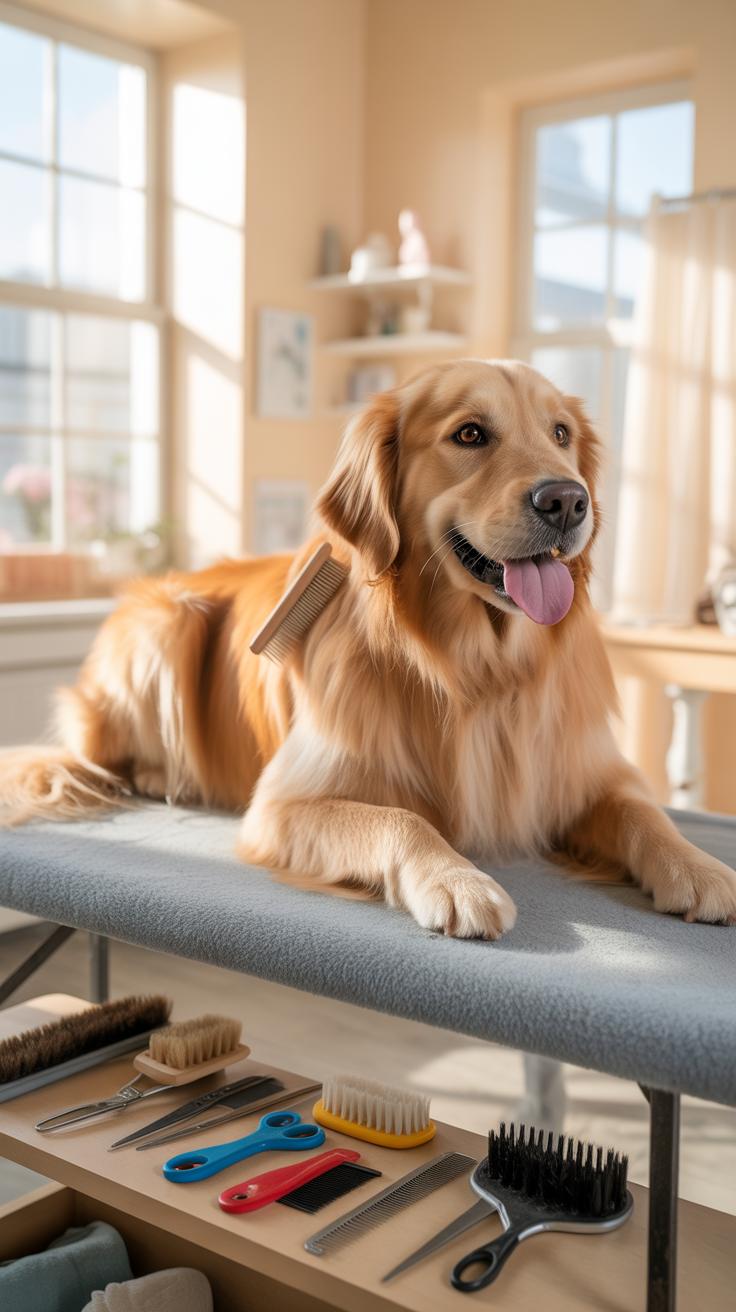
Start grooming sessions only when your dog is physically tired. High energy leads to resistance and potential injury. Place the dog on a non-slip surface to prevent sliding and anxiety. Introduce the tools slowly by letting the dog sniff the brush without contact. Reward calm behavior with high-value treats immediately. Consistency builds trust and reduces the flight response.
Keep sessions short during the initial training phase. Five minutes of positive interaction beats thirty minutes of forced restraint. Use a firm but gentle touch to stabilize the dog. Avoid sensitive areas like the face and paws until the dog relaxes. Monitor body language for signs of mounting tension or fear. Stop the session before the dog becomes overwhelmed to ensure future cooperation.
Practical Dog Grooming Tips For Maintaining Coat Health Between Brush Sessions
Regular maintenance prevents painful matting and reduces the amount of loose hair in your home. External factors like diet and hydration directly impact the strength of the hair shaft. Inspect the skin for redness or parasites during every petting session. Prompt action on small tangles saves time during deep grooming. Use these specific tactics to manage the coat effectively.
- Hydration and Nutrition: Feed high-quality proteins and omega fatty acids to strengthen the hair follicle. Poor nutrition leads to brittle coats that tangle easily and shed excessively. Healthy skin produces natural oils that act as a barrier against debris.
- Spot Cleaning Tools: Keep grooming wipes or a damp cloth near the door to remove mud and allergens. Clearing debris after walks prevents particles from sinking deep into the undercoat. This simple habit stops mats from forming around foreign objects.
- Environmental Control: Maintain a consistent indoor humidity level to prevent the skin from drying out. Dry air causes static and makes hair more prone to snapping. Using a humidifier during winter months preserves the natural elasticity of the dog’s coat.
- Checking Friction Points: Inspect high-movement areas like armpits and behind the ears every day. These spots experience constant rubbing and are the first locations to develop severe matting. Hand-separate small clumps before they tighten into knots that require cutting.
- Professional Consultations: Visit a professional groomer regularly to handle technical tasks like sanitary trims. Professionals identify skin issues that owners often miss under thick fur. Use their feedback to adjust your home routine based on your dog’s specific hair growth cycle.
Avoid over-bathing as it strips essential oils and causes skin irritation. Use only pH-balanced shampoos specifically formulated for canine skin. Human products are too acidic and damage the protective coat layer. Thoroughly dry the dog after any water exposure to prevent hot spots and fungal growth. A dry coat is significantly easier to manage and remains healthier over long periods.
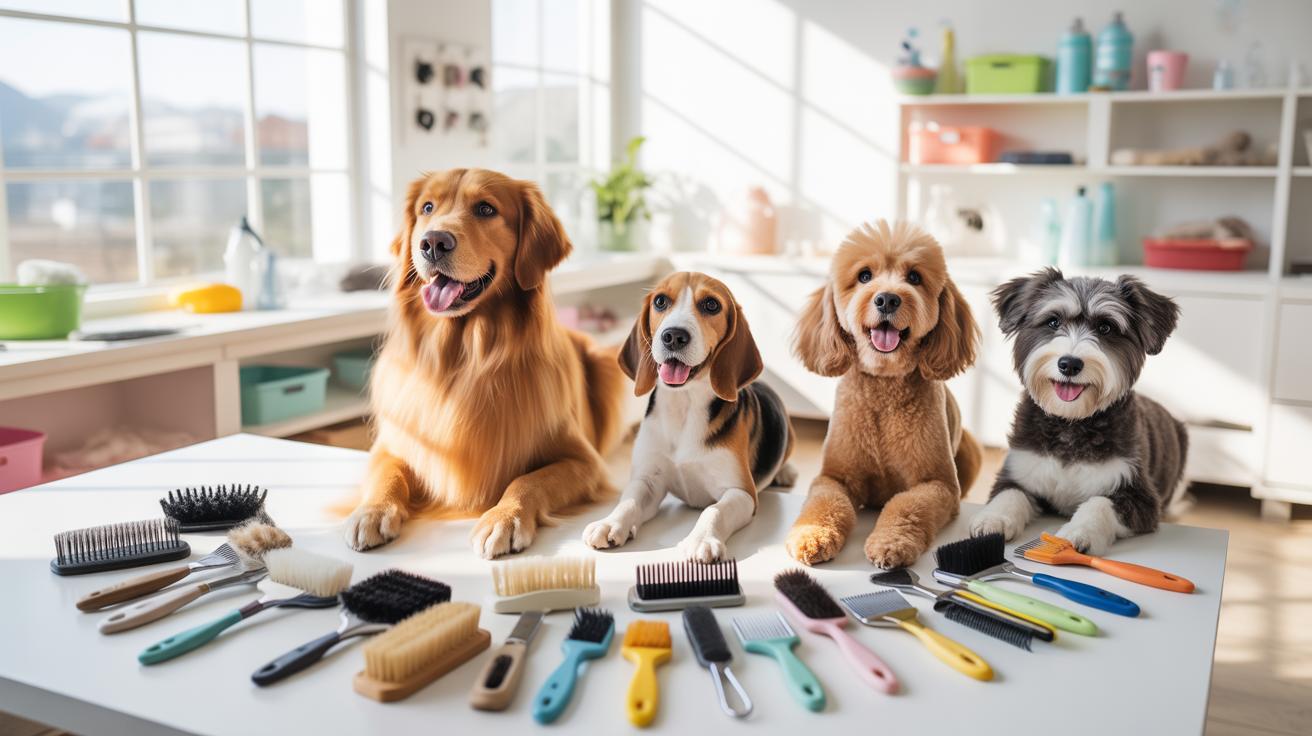
Exploring The Best Brushes Available For Every Dog Coat Type
Slicker Brushes, Pin Brushes, And Bristle Brushes: Which One Is Right For Your Dog
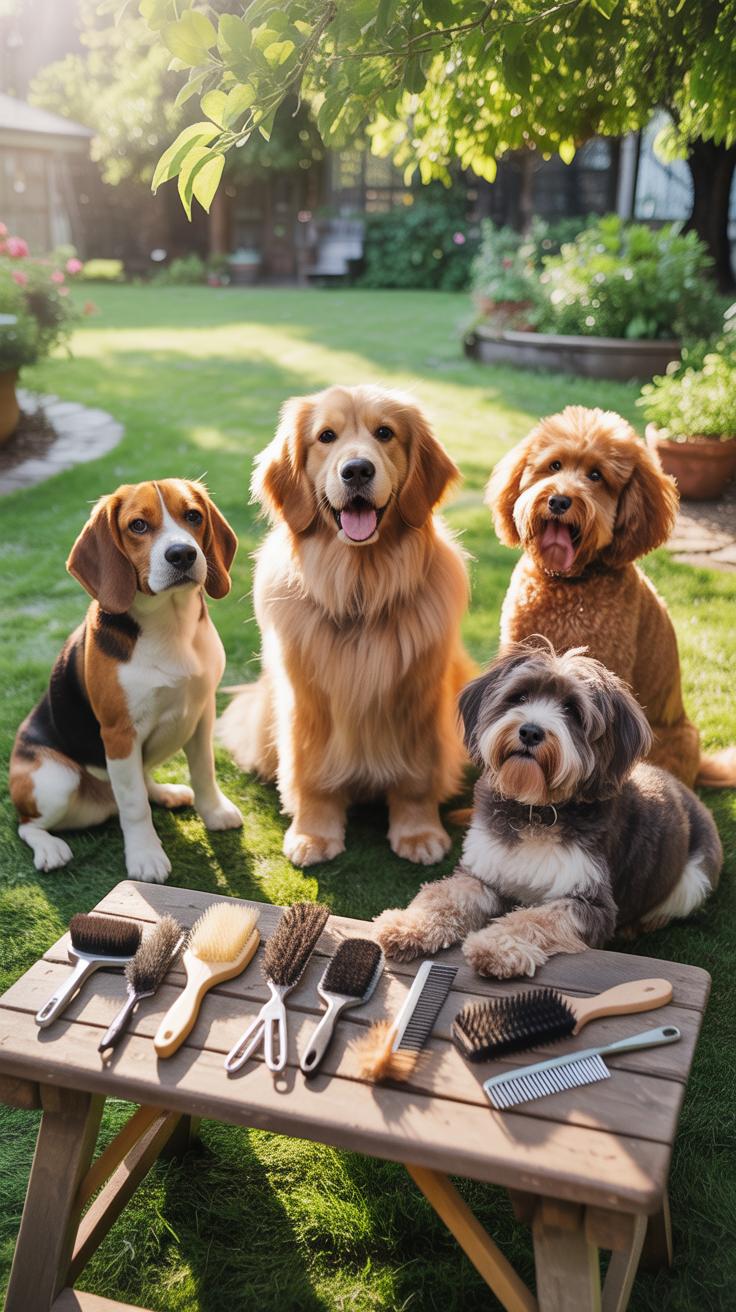
Slicker brushes feature fine wire bristles on a flat or curved base. This design targets tangles and mats in long-haired or curly-coated breeds. Use light pressure to avoid scratching the skin. Pin brushes look like human hairbrushes but have rounded metal tips. These work best for silky or wire-haired coats. They provide a finished look without pulling out excessive healthy hair during regular grooming.
Bristle brushes use natural or synthetic hairs tightly packed together. These tools are the standard choice for short-haired or smooth-coated dogs. The stiff texture removes surface dirt and distributes skin oils across the fur. This process creates a healthy shine. Choose longer, wider-spaced bristles for thicker coats. Select soft, densely packed bristles for thin hair or sensitive skin to ensure maximum comfort and efficiency.
Deshedding Tools, Rakes, And Combs: Matching The Right Brush To Your Dog’S Needs
Undercoat rakes utilize long metal tines to penetrate thick double coats. These tools reach past the top guard hairs to pull out dead fur from the insulating layer. Heavy shedders like Huskies or Golden Retrievers require these tools to prevent heat trapping and skin issues. Deshedding blades use tiny serrated teeth to grab loose hair. Use these tools only during peak shedding seasons to avoid damaging the topcoat.
Steel combs are essential finishing tools for all long-haired dogs. They identify hidden knots that brushes often skip. Always comb through the fur after brushing to ensure the coat is completely clear. Use a wide-toothed comb for thick hair and a fine-toothed version for thin hair or face areas. This two-step process prevents painful matting from forming at the skin level where brushes cannot reach.
Brushing Long Haired Dogs Techniques And Tools That Truly Work
Why Long Haired Dogs Require More Frequent Brushing And Specialized Tools
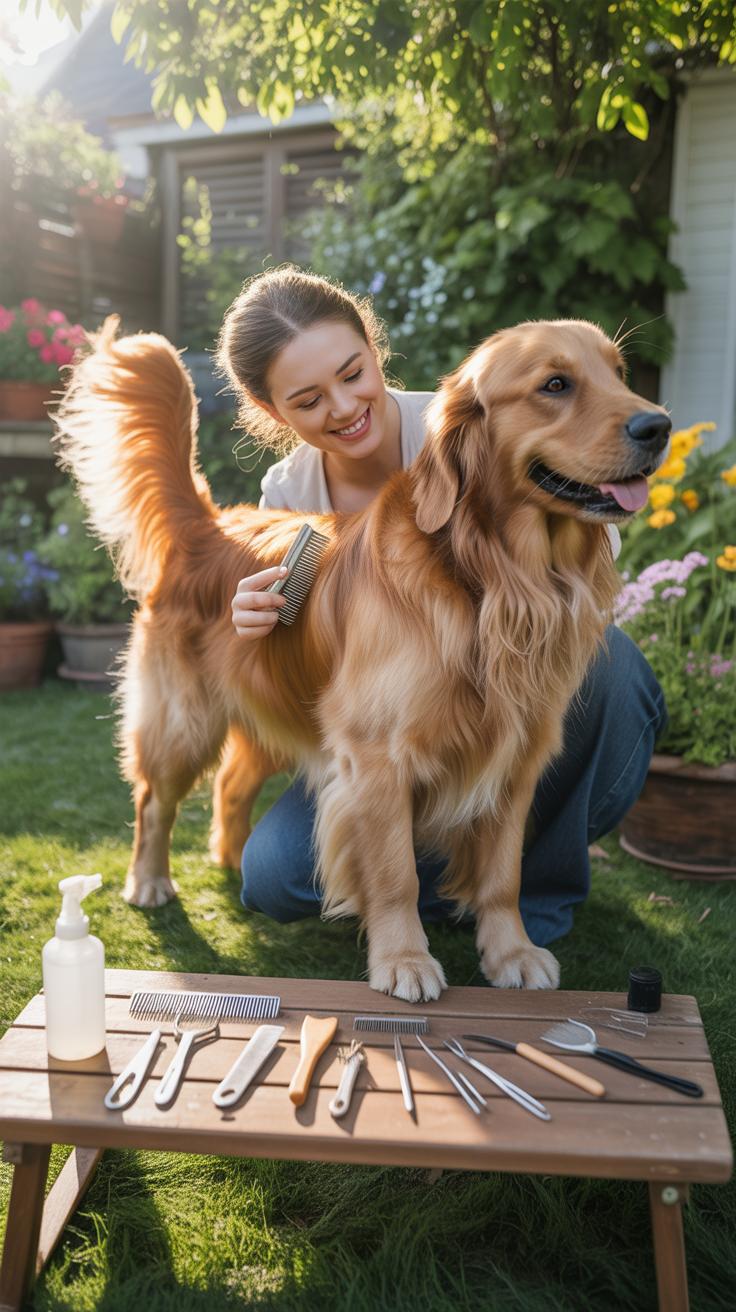
Long hair traps loose fur against the skin instead of letting it fall away. This dead hair creates knots that tighten into painful mats over time. Regular brushes cannot reach the base of these long strands. You must use tools designed to penetrate deep into the coat layer. Without daily maintenance, moisture and debris get trapped near the skin, which often leads to painful infections.
Specialized tools like slicker brushes and long pinned rakes are mandatory for this coat type. These tools reach the undercoat and pull out shedding hair before it tangles. Standard combs only smooth the top surface and leave the core messy. Effective grooming prevents the need for drastic shaving later. Consistent brushing keeps the coat aerated and healthy. It also allows you to spot parasites early.
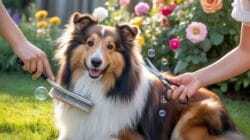
Choosing the right brush is the first step in turning a simple chore into a moment of shared golden memories. When the tool matches the coat, grooming becomes a gentle language of love that flows through your hands and into their heart.
How To Detangle And Maintain A Long Coat Without Causing Discomfort
Start by Mistng the coat with a detangling spray to reduce friction. Never brush a dry long coat because it causes static and hair breakage. Use a high quality slicker brush to work in small sections from the paws upward. This technique ensures you do not miss hidden mats near the skin. Hold the base of the hair to prevent pulling on the dog’s sensitive skin.

Switch to a metal greyhound comb to verify your work. If the comb catches, a knot remains that requires targeted attention. Use a dematting tool or the edge of a slicker brush for stubborn spots. Work from the outside of the knot toward the center. This method preserves hair length and prevents pain. Finish by brushing the entire coat in the direction of hair growth.
Managing Dog Shedding What Causes It And How Brushing Helps
The Science Behind Seasonal Dog Shedding And What Triggers Heavy Coat Loss
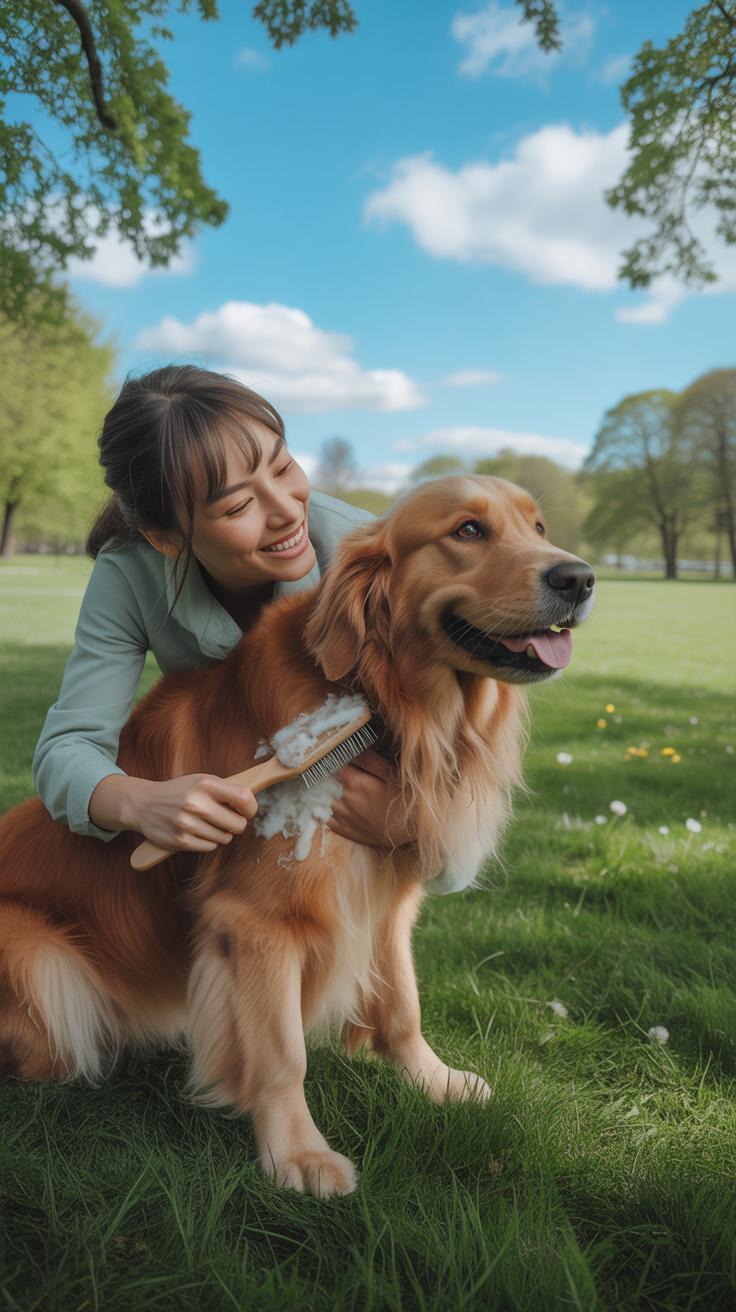
Shedding is a biological process driven by the photoperiod. This means changes in daylight hours trigger the hormone signals that start the cycle. In autumn, dogs lose their light summer hair to grow a dense undercoat for warmth. In spring, they drop that thick undercoat to prepare for heat. This process helps regulate body temperature and protects the skin from environmental damage.
Domestic dogs living entirely indoors may shed year-round instead of seasonally. Artificial lighting disrupts their natural circadian rhythms and biological clocks. Breed genetics also determine the volume of hair loss. Double-coated breeds like Huskies or Shepherds have a more intense shedding cycle than single-coated breeds. Health factors such as poor nutrition or high stress levels can also accelerate hair loss beyond normal seasonal patterns.
How Regular Brushing Reduces Excessive Dog Shedding Around Your Home
Regular brushing stops loose hair from falling onto floors and furniture. It captures dead fur directly from the dog before it detaches naturally. Brushing also distributes natural skin oils across the hair shaft. These oils keep the coat healthy and prevent hairs from becoming dry or brittle. Stronger hair stays attached to the follicle longer, which drastically reduces the amount of daily shed.
Consistent grooming cycles remove the dead undercoat that causes matting and tangles. When you skip brushing, dead hair stays trapped against the skin. This creates heat and moisture buildup that can lead to irritation or infections. Mechanical removal of this hair during seasonal transitions is the only way to manage heavy shedding. It ensures the skin can breathe and allows for new, healthy hair growth to occur.
How To Choose An Efficient Dog Shedding Brush For Heavy Shedders
Key Features To Look For In An Efficient Dog Shedding Brush
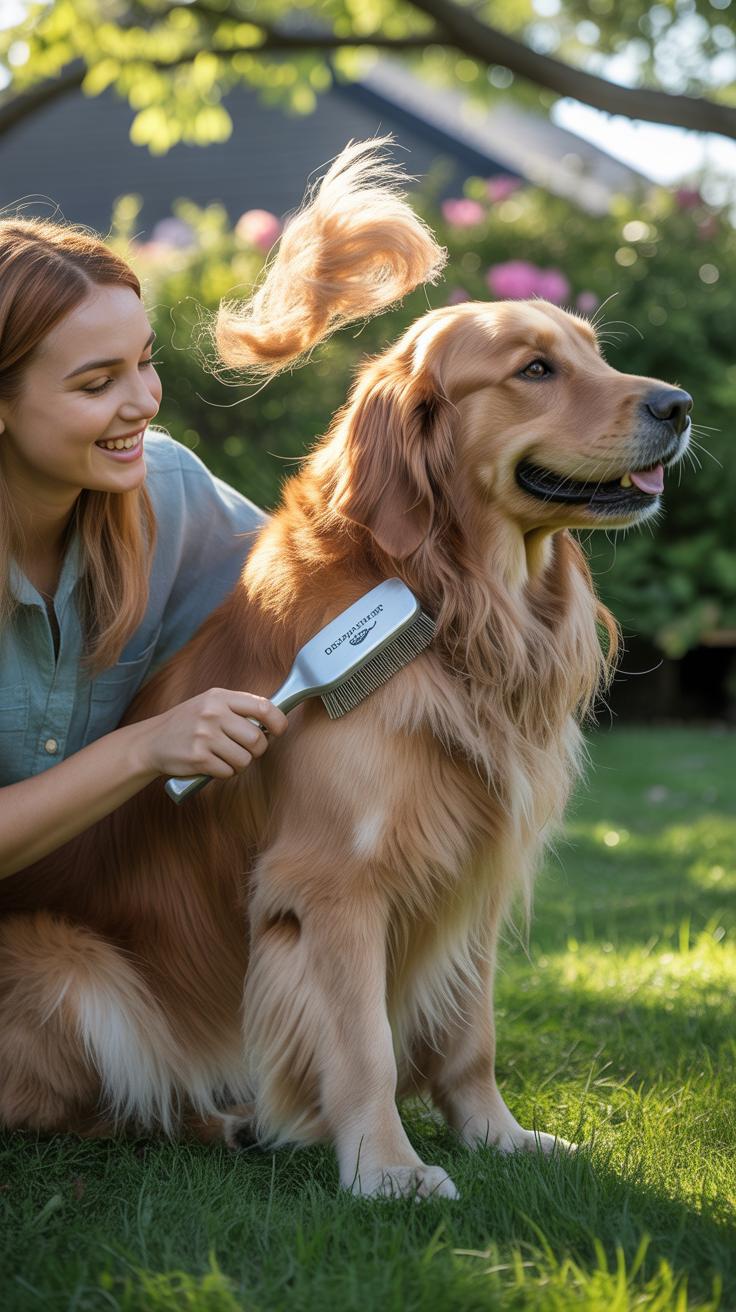
An efficient shedding brush must penetrate the topcoat to reach the dense undercoat where dead hair traps heat and moisture. You need a tool designed for extraction rather than just surface smoothing. Look for stainless steel components that resist rust and maintain structural integrity during deep grooming sessions. Ergonometric handles prevent hand fatigue when working through the heavy seasonal blow.
- Stainless Steel Teeth: High carbon steel tines provide the necessary rigidity to hook dead undercoat hair without bending. This material lasts longer than plastic alternatives and maintains a sharp edge for cleaner hair removal. It ensures the tool reaches the skin level safely.
- Edge Guard Protection: Quality shedding tools feature guards that prevent the blades from making direct contact with the skin. This safety feature allows you to apply the necessary pressure to pull out loose fur without causing scratches or irritation. It protects the dog during fast movements.
- Ejector Button: Mechanical release buttons save time by clearing the collected hair from the teeth instantly. You do not have to stop and pull hair out by hand. This makes the grooming process faster and keeps the tool at peak efficiency for every single pass.
- Ergonomic Grip: A non slip rubber handle provides better control when dealing with thick or matted fur. You need a firm hold to maintain a consistent angle while brushing. Good grip design reduces the risk of dropping the tool or losing your rhythm during long sessions.
- Specific Width Sizes: Match the blade width to the size of your dog for maximum efficiency. Small blades work best for legs and tails while wide blades cover the back and flanks quickly. Using the correct size ensures you do not miss spots or overwork specific areas.
Blade geometry determines how much hair the brush removes in a single pass. Choose a tool with refined teeth spacing tailored to your dog hair thickness. Tight spacing works best for fine undercoats while wider spacing handles wire hair better. A professional grade tool will feel heavy and balanced in your hand. This balance helps you maintain steady pressure for even hair removal results.
Top Coat Types That Benefit Most From A Dedicated Shedding Brush
Double coated breeds require specialized shedding tools to manage their dense seasonal undercoat. These dogs possess a soft insulating layer beneath a harsher outer coat that shields them from water. Without deep brushing the dead undercoat mats against the skin and blocks airflow. This leads to hot spots and poor temperature regulation during summer months. You must remove this dead layer to maintain health.

Thick and heavy coats like those found on working breeds see the most dramatic results from these tools. These dogs shed in large clumps twice a year during a process called blowing coat. A standard slicker brush cannot reach the depth required to clear these massive amounts of loose fur. Using a dedicated shedding brush cuts grooming time in half and keeps your indoor environment clean from drifting hair piles.
Grooming Tools Beyond The Brush Supporting Your Dogs Overall Coat Health
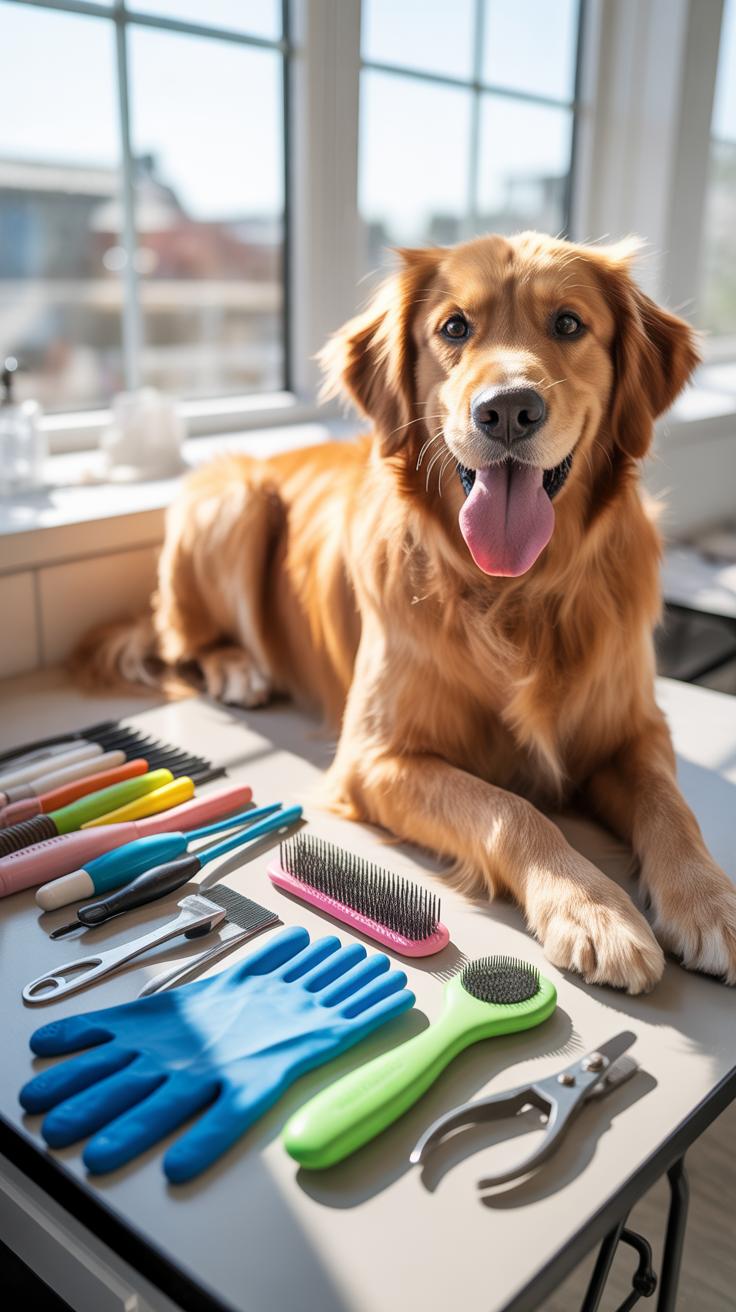
How Grooming Gloves, Dematting Combs, And Undercoat Rakes Complement Your Brush
Grooming gloves provide a high level of tactile control for nervous dogs. These rubber tipped tools remove loose surface hair while massaging the skin. They work best on short haired breeds like Boxers or Labradors. You cannot rely on gloves for deep coat penetration. Use them as a finishing tool to add shine and collect dander after a deep brushing session.
Undercoat rakes and dematting combs solve problems that standard brushes miss. Rakes feature long metal tines designed to reach through the topcoat into the thick downy layer. They pull out dead hair before it mats. Dematting combs use sharpened edges to slice through existing knots safely. These specialty tools prevent skin irritation and heat exhaustion by maintaining proper airflow through the hair.
When To Invest In Professional Grooming Tools Versus Standard Pet Store Options
Professional grade tools use high carbon steel and ergonomic designs. These materials hold their shape and stay sharp longer than cheap plastic versions. A professional undercoat rake will have rounded tips to protect the skin from scratches. Look for brands that offer tempered steel pins in their slicker brushes. These resist bending and provide more effective tension during the grooming process.
Standard pet store options often use glued components that fail under pressure. Professional tools use riveted handles and stronger alloys. You should upgrade your equipment if you own a double coated breed or a dog with high maintenance hair. Better tools reduce the physical strain on your wrist and cut your grooming time in half. Durable equipment avoids the long term cost of frequent replacements.
Choosing The Best Brush For Dogs With Sensitive Skin Or Special Coat Conditions
How To Identify If Your Dog Has A Skin Sensitivity That Affects Brush Selection
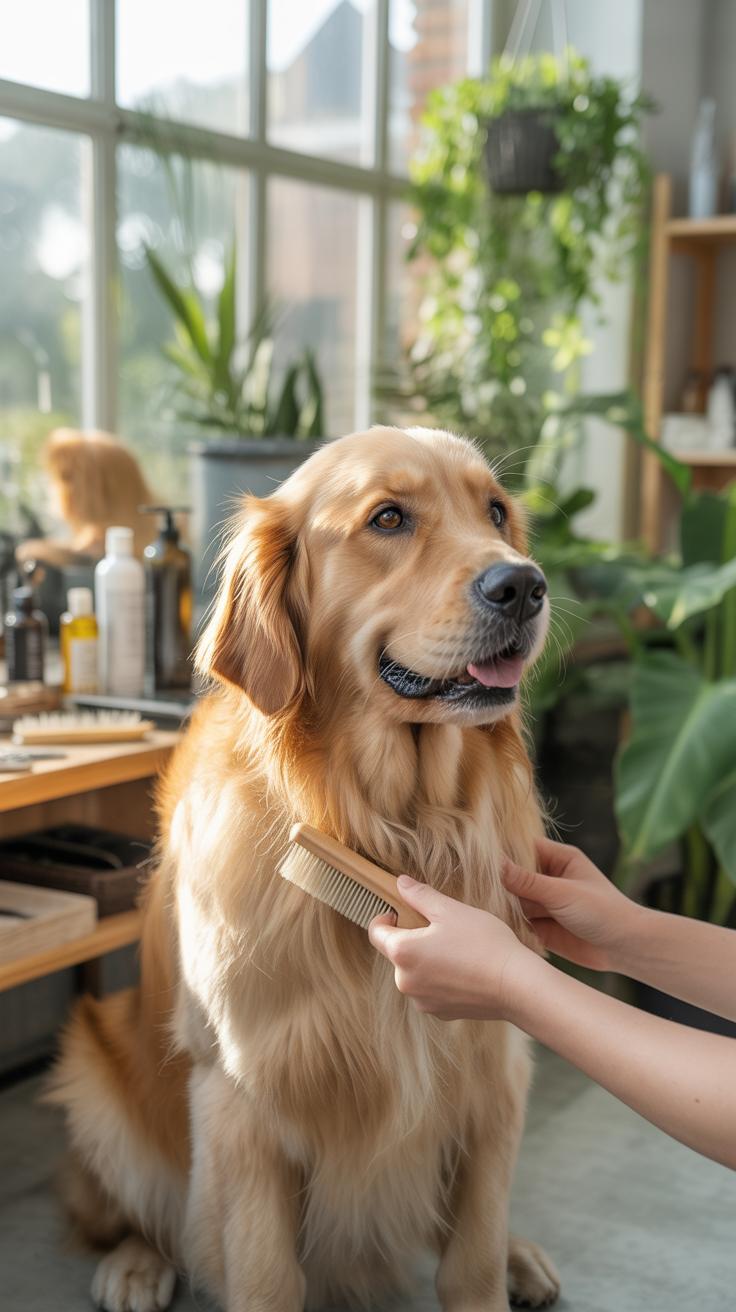
Skin sensitivity dictates your choice of grooming tools. Look for physical signs of irritation during and after brushing. Redness, bumps, or flaky skin indicate the current brush is too abrasive. If your dog flinches or tries to escape when the bristles touch their skin, the tool is likely scratching the dermis. High-friction tools can cause brush burn on dogs with thin epidermal layers.
Check for localized hair loss or hot spots. These areas suggest the skin is already compromised or inflamed. A healthy coat should move freely without pulling on the skin. If the skin stays pink for more than ten minutes after a grooming session, you must switch to softer materials. Mechanical irritation from metal pins often causes these issues. Professional groomers call this skin reactivity.
Vet Recommended Brushing Approaches For Dogs With Allergies, Dryness, Or Thinning Coats
Allergies and dryness require a gentle touch to avoid breaking the skin barrier. Use soft natural boar bristles or silicone brushes. These materials distribute natural skin oils without scratching the surface. Oil distribution helps heal dry skin and strengthens the remaining hair shafts. Avoid slicker brushes with unprotected metal tips. These can create micro-tears that allow allergens or bacteria to enter the skin.
Shorten your grooming sessions to prevent over-stimulation of the nerves. Five minutes of light brushing twice a week is better than one long session. For thinning coats, focus on massage rather than hair removal. This stimulates blood flow to the hair follicles. Always brush in the direction of hair growth. This minimizes tension on the skin and prevents further hair loss from mechanical stress.
Frequently Asked Questions

Why is it important to match a grooming tool to a specific fur style?
Understanding your pet’s unique needs is the first step toward a healthy shine. Different textures, such as wiry, silky, or double coats, require specific bristles to reach the skin without causing irritation. When you select the best brush for dog coat type requirements, you ensure that you are effectively removing loose undercoat and dander while stimulating natural oils that protect their skin from environmental allergens and painful matting.
How do I determine which tool works best for my dog’s specific hair length?
To find the best brush for dog coat type needs, start by evaluating hair density and length. Long-haired breeds often require a slicker brush or a wide-tooth comb to detangle deep knots. Conversely, short-haired dogs benefit most from rubber curry brushes or soft bristle tools that massage the skin. Always test the tool gently on your own arm first; if it feels scratchy, it may be too harsh for their sensitive skin.
Do I need to buy multiple expensive professional tools to groom my dog at home?
You do not need a massive kit to achieve professional results. Most pet owners can maintain a healthy coat with just two versatile, affordable tools: a high-quality de-shedding tool and a standard pin brush. Proper technique and consistency are more important than a high price tag. Investing in a few durable, multi-purpose items tailored to your dog’s specific texture will save you money on professional grooming appointments over the long term.