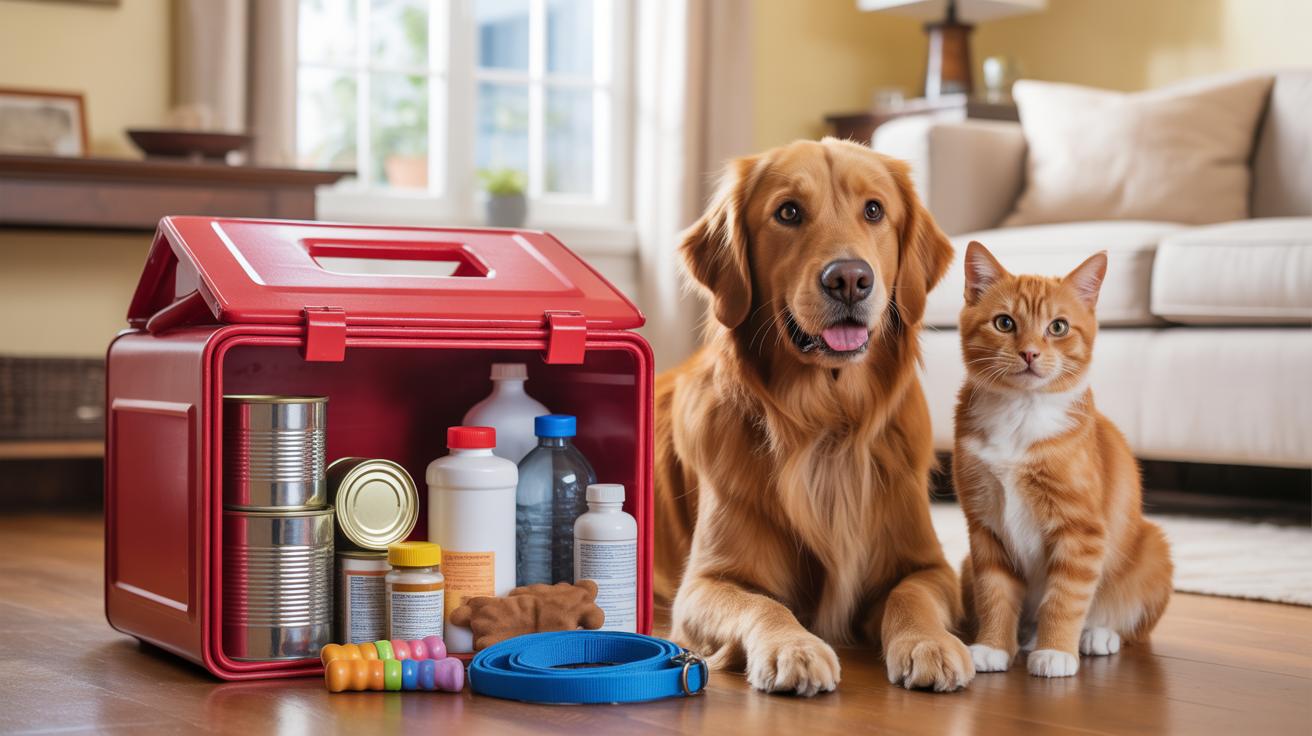
Understanding Why An Emergency Kit For Pet Owners Is An Absolute Necessity
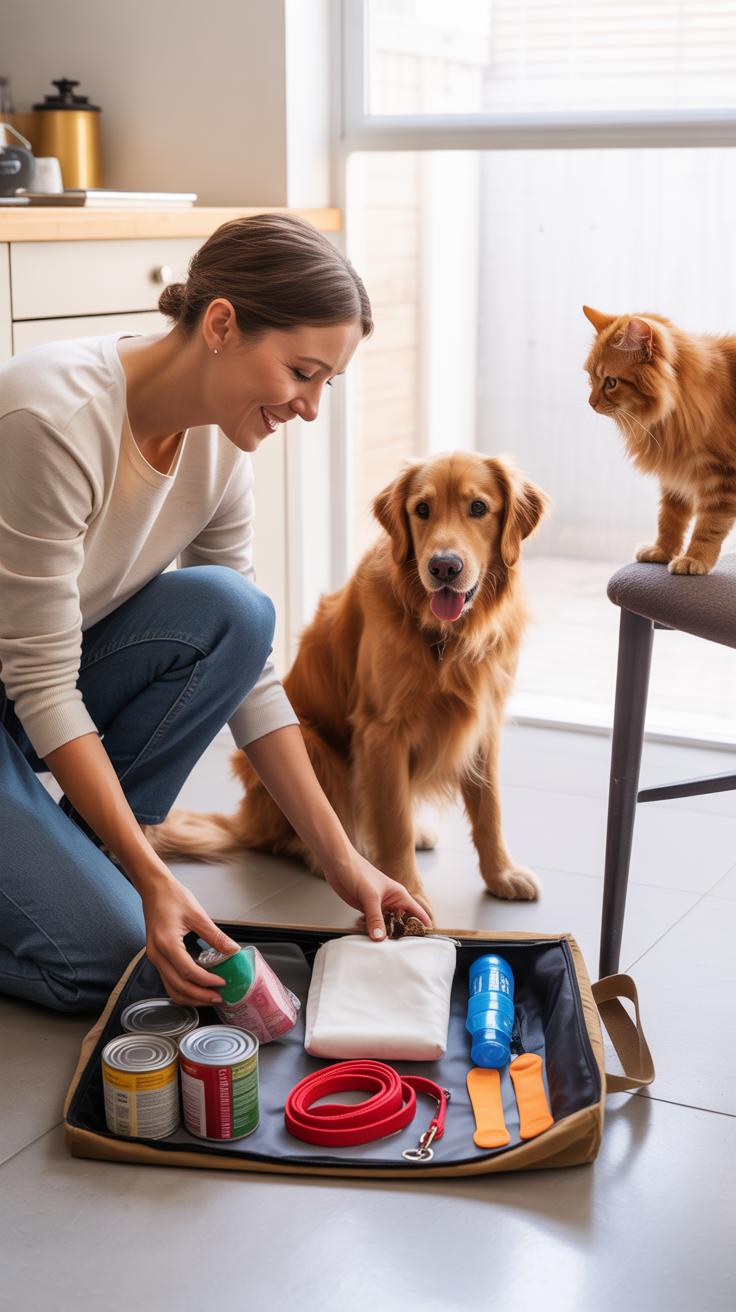
How Natural Disasters And Emergencies Put Pets At Risk
Natural disasters create immediate physical threats to domestic animals. Floods, fires, and storms force rapid evacuations where pets often face abandonment or injury. High winds and rising waters destroy fences and shelter structures. Displaced animals experience extreme stress and potential exposure to disease or toxic chemicals. Without a plan, pets become victims of the environment. Owners frequently lose track of animals during the initial chaos of a crisis.
Local rescue resources often reach capacity within hours of a major event. Emergency shelters for humans frequently deny entry to animals due to health codes. This leaves pets vulnerable to extreme weather and predatory wildlife. Lack of clean water leads to rapid dehydration and organ failure in small mammals. You cannot rely on external agencies to save your animal. Tactical preparation is the only way to ensure pet survival during a regional collapse.
The Difference Between Being Prepared And Being Caught Off Guard With A Pet
Preparedness determines whether a pet survives the first forty eight hours of a disaster. An organized owner has food, water, and medical records ready for immediate transport. This eliminates panic and saves critical minutes during an evacuation order. Standardizing your gear ensures you can maintain your pet health without outside help. Proper kits include specific tools for restraint and waste management. You must control your animal to keep it safe.
Reactive owners face life threatening delays when searching for supplies during a crisis. Forgetting medication or proof of vaccination prevents entry into private boarding facilities. Most people realize too late that specialized pet food is unavailable during supply chain breaks. Panic leads to poor decision making and lost animals. Building a supply box creates a buffer between safety and total loss. Success depends on having resources staged before the disaster occurs.

Starting From Scratch What Building A Pet Emergency Supply Box Actually Involves
Choosing The Right Container Size And Type For Your Pet’S Needs
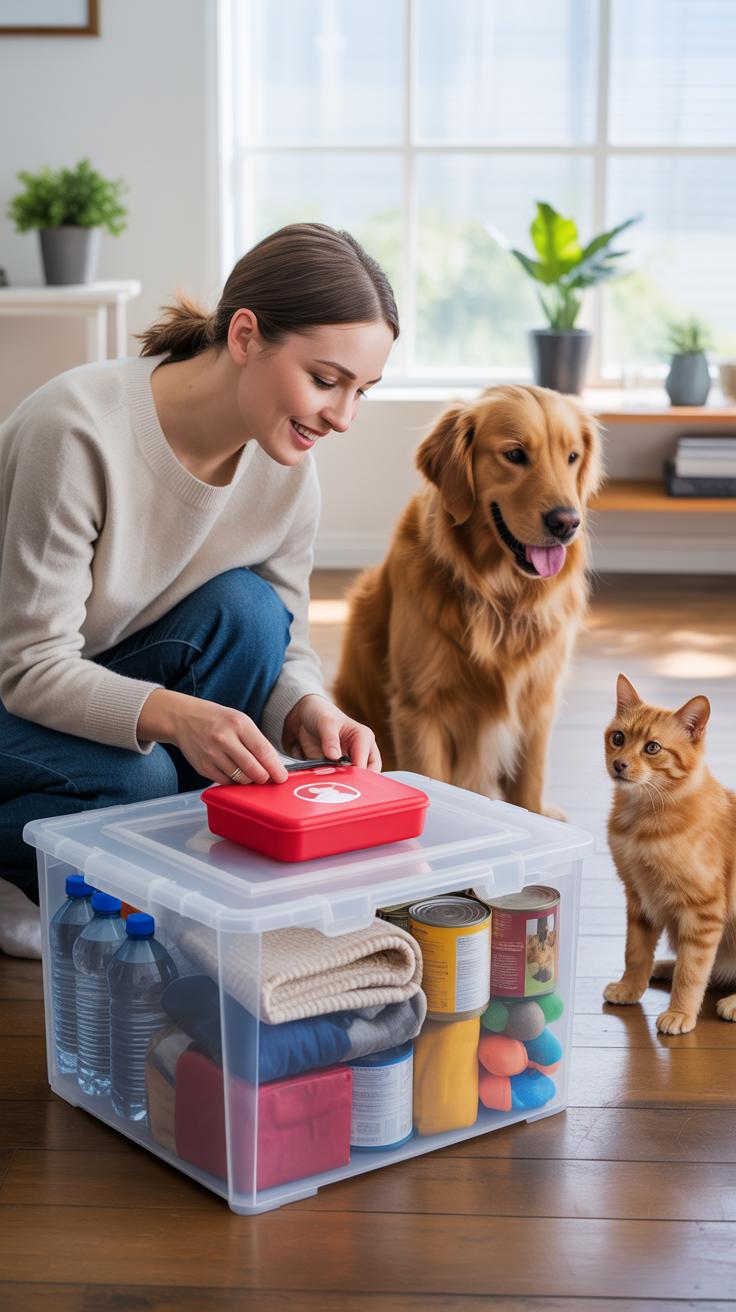
Select a container based on durability and portability. Heavy-duty plastic bins with locking lids prevent moisture and pests from ruining rations. You must ensure the box is waterproof to protect medical records and dry food. Small pets need compact kits that fit inside a vehicle easily. Large dogs require more supplies so choose a bin with wheels for rapid movement during a fast evacuation.
Avoid cardboard or fabric bags for the primary storage unit. These materials tear and absorb water during floods or storms. A rugged polyethylene box handles impact from falling debris better than cheap storage totes. Measure your vehicle cargo space before buying a container. Your box must be easy to lift when full. Weight management is critical for survival speed when seconds matter during a crisis.
How To Organize Your Pet Emergency Box For Quick And Easy Access
Effective organization requires a logical internal layout. Place heavy items like water and canned food at the bottom to maintain stability. Keep your pet first aid kit and essential medications right on top. You cannot waste time digging for life-saving tools during a trauma event. Use clear waterproof pouches to separate different categories of gear inside the main bin for instant visual identification.

Label every section with bold markers or high-visibility tape. Store digital copies of records on a rugged USB drive attached to the lid. Keep a physical copy of the evacuation plan and emergency contacts in a sealed plastic sleeve. Rotate food and water every six months to maintain freshness. Good organization reduces panic when your brain is under stress. A clean system ensures you grab exactly what you need.
The Complete Pet Emergency Kit Checklist Every Owner Should Follow
Core Supplies That Belong In Every Pet Emergency Kit Regardless Of Animal Type
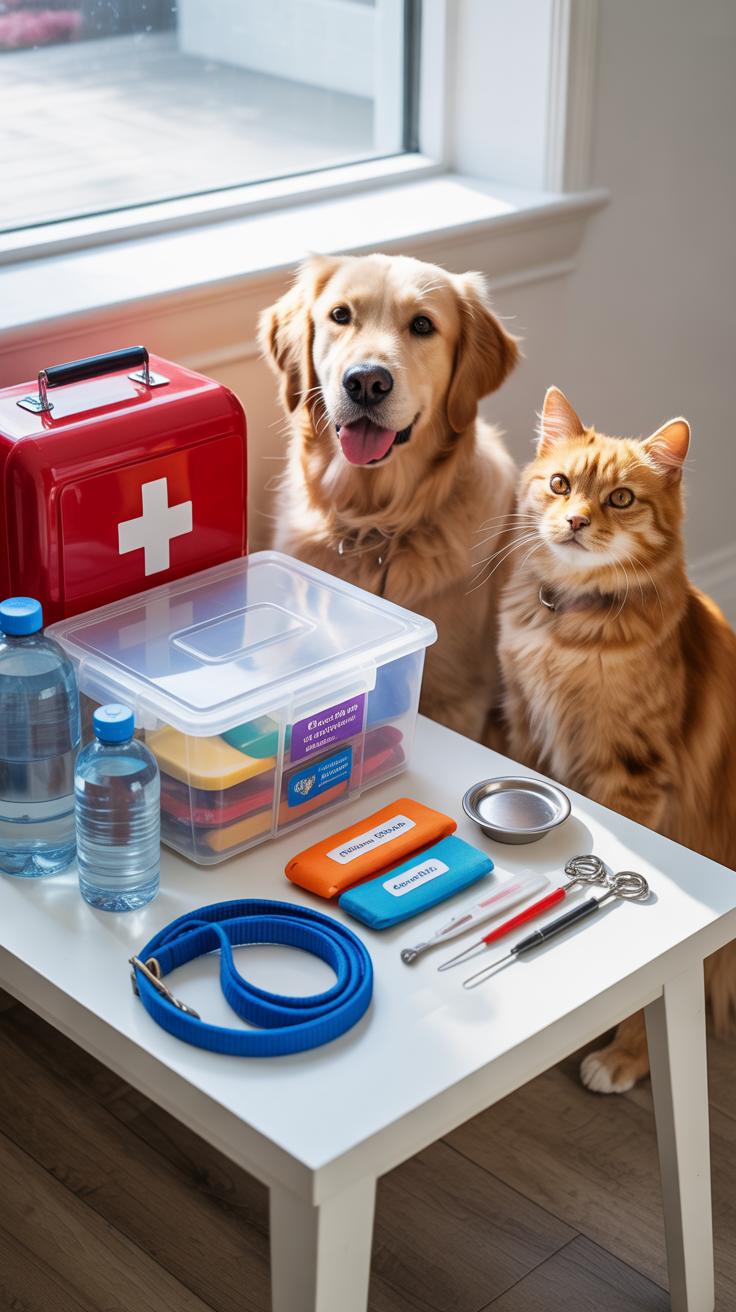
Every pet emergency kit requires foundational items to ensure animal survival during a disaster. You must prioritize hydration, nutrition, and safety control. Use waterproof containers to protect these assets from environmental damage. Store enough supplies to last at least seventy-two hours. Experts recommend a seven-day supply for long-term displacement. Proper preparation reduces panic and ensures you can evacuate your animal quickly when local authorities issue orders.
- Potable Water: Store at least one quart of water per day for small pets and more for larger animals. Keep water in sealed, BPA-free containers to prevent contamination and evaporation over time.
- Non-Perishable Food: Pack dry kibble or canned food with pull-tab lids to avoid needing a manual opener. Rotate these food stocks every six months to ensure the nutrients remain stable and the contents stay safe for consumption.
- Restraint Equipment: Include a sturdy leash, collar with current identification tags, and a properly sized carrier for each animal. These items prevent escapes in high-stress environments and allow for safe transport through crowded or dangerous areas during an evacuation.
- Sanitation Supplies: Maintain a kit containing waste bags, paper towels, and unscented disinfectant to manage animal waste and maintain hygiene. Proper sanitation prevents the spread of zoonotic diseases and keeps your temporary living area habitable during a crisis.
- Medical Records: Place physical copies of vaccination records and medical history in a waterproof bag. Most emergency shelters and boarding facilities require proof of rabies vaccination before they will allow any animal to enter their premises for safety reasons.
First aid supplies form the final pillar of the core kit. Include bandages, antiseptic wipes, and tweezers to treat minor injuries immediately. Always pack a current photo of your pet with your contact information. This helps recovery efforts if you become separated during the chaos. Check expiration dates on all medical items annually. Replace any degraded materials to maintain the effectiveness of your emergency response gear.
How To Customize Your Checklist Based On Your Pet’S Species And Breed
Species-specific needs dictate the secondary contents of your kit. Birds require cage covers to maintain body heat and reduce stress from visual stimuli. Small mammals like rabbits or guinea pigs need a steady supply of hay to prevent digestive shutdown. Reptiles must have portable heat sources to regulate their internal temperature when the power goes out. You must research the biological vulnerabilities of your specific animal to avoid fatal mistakes.

Breed characteristics also influence your tactical choices. Brachycephalic dogs with flat faces struggle in high temperatures and need cooling mats. High-energy breeds require sturdy chew toys to manage anxiety and prevent destructive behavior in tight quarters. Large breeds need specialized lifting harnesses if they become injured or immobile. Match your gear to the physical size and health risks of the animal. This customization ensures the kit functions effectively for your unique pet.
Food Water And Nutrition The Foundation Of Your Emergency Pet Supplies Checklist
How Much Food And Water To Store Per Pet And For How Long
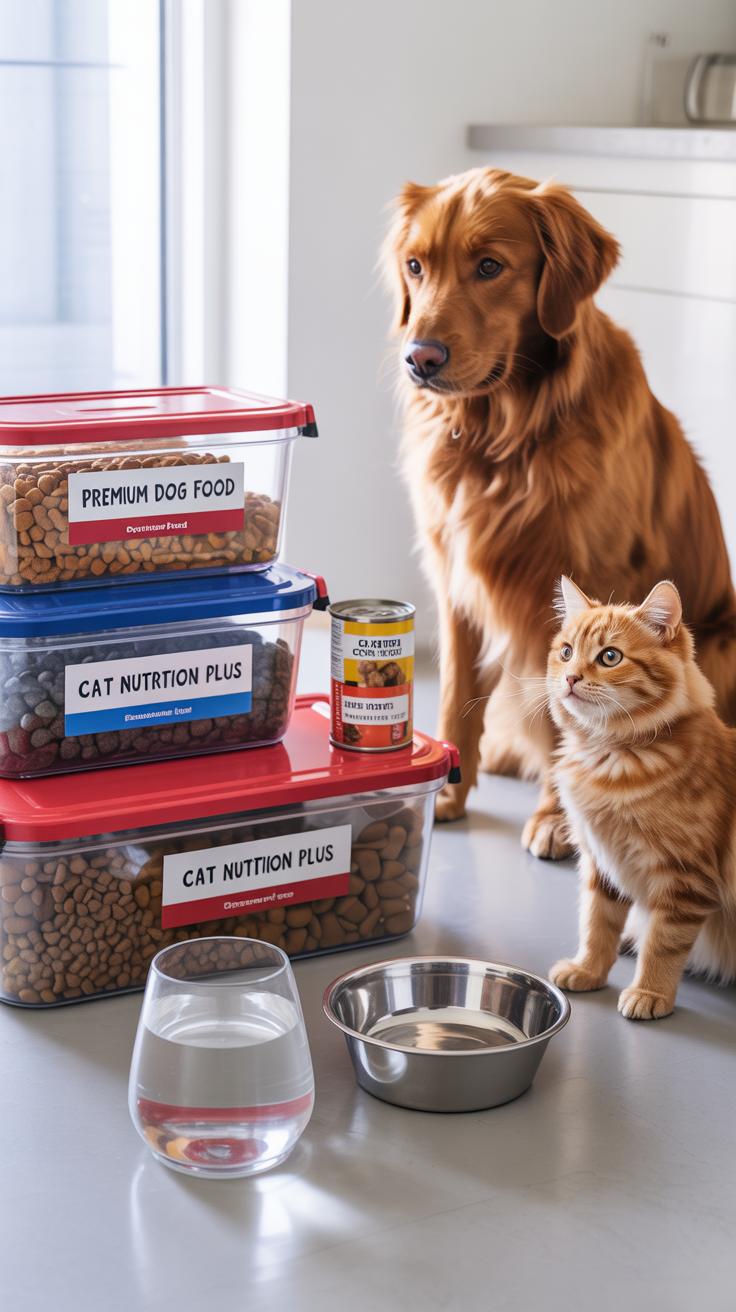
Calculation begins with a minimum fourteen-day supply for every animal in your household. FEMA and the Red Cross recommend this timeframe for modern disaster readiness. Measure exactly how many cups or ounces your pet consumes daily. Multiply that number by fourteen. This total represents your baseline inventory. Do not guess these portions. Accurate measurements prevent premature depletion of your stored resources.
Water requirements differ based on species and size. Store at least one ounce of water per pound of body weight every day. A ten-pound cat requires ten ounces daily. Large dogs need significantly more. Factor in extra water for sanitation or mixing with dry kibble. Use BPA-free containers for storage. Rotate these water supplies every six months to ensure freshness and safety for consumption.
Preparing for the unexpected is the ultimate act of love for the loyal companions who fill our homes with joy. A well-stocked kit is a promise that no matter what tomorrow brings, your best friend will be safe and cared for.
Selecting Shelf Stable Pet Food That Won’T Spoil Under Crisis Conditions
Prioritize unopened dry kibble in original airtight packaging. Manufacturers design these bags to resist moisture and pests. Check expiration dates before sealing your box. Canned wet food offers a superior shelf life of two to five years. It also provides essential hydration during stress. Avoid gourmet raw diets or refrigerated options. These fail immediately during power outages. Stick to proven and familiar brands.

Sudden dietary changes cause gastrointestinal distress in pets. This complicates a crisis. Buy the same brand and formula your pet eats daily. Rotate your inventory every three months to prevent fat rancidity. Heat destroys nutritional value and shortens the life of your supply. Keep the box in a cool, dark, and dry location. High quality seals prevent humidity from ruining your investment and endangering pet health.
Medical Essentials Building The Health Component Of Your Emergency Pet Supplies List
First Aid Items Every Pet Owner Should Keep Ready In An Emergency
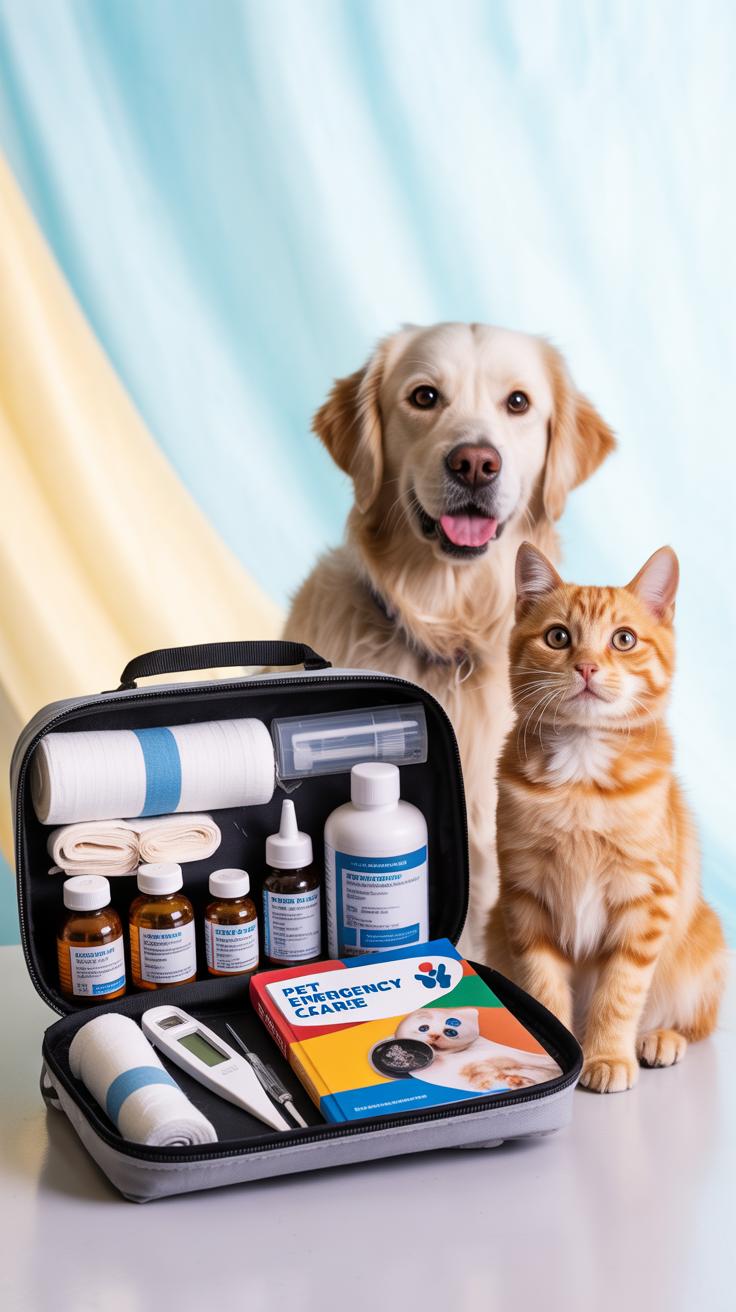
Standard first aid kits for humans lack specific tools needed for animal anatomy. You must build a dedicated kit that addresses physical trauma and environmental hazards. Tactical preparedness requires items that stop bleeding and protect paws from debris. Speed is the goal during a crisis. These supplies allow you to stabilize your pet before you can reach a professional veterinary clinic.
- Self-Adherent Bandages: Use these wraps because they stick to themselves and not to pet fur. This prevents further pain during application or removal. They provide necessary compression for limb injuries without requiring adhesive tape that fails in wet or dirty conditions.
- Digital Thermometer and Lubricant: Monitor your pet for shock or heatstroke by taking a rectal temperature reading. Normal ranges for dogs and cats differ from humans. Knowing the baseline temperature helps you identify if the animal is entering a critical state during an evacuation.
- Saline Eye Flush: Debris and smoke often irritate animal eyes during fires or storms. Use a sterile saline solution to clear out foreign objects or chemicals. Avoid using human eye drops containing medications that could harm certain species or cause allergic reactions.
- Muzzle or Soft Strips: Even the calmest pet may bite when they are in pain or terrified. Use a muzzle to ensure your safety and the safety of rescuers while you provide medical care. Ensure the muzzle allows for panting to prevent the animal from overheating.
- Styptic Powder: Apply this agent to stop minor bleeding from broken nails or small superficial cuts. It acts quickly to clot blood by constricting local vessels. This prevents blood loss and keeps your transport vehicle or carrier clean while you move toward a safer location.
Clean your kit every six months to replace expired liquids and ointments. Check that all tools remain functional and free of rust or corrosion. Store these items in a waterproof container to prevent damage from floodwaters or rain. A dry kit is a functional kit. Organize the items so you can find them in total darkness or high-stress situations.
Managing Prescription Medications And Vet Records During A Crisis
Evacuations often last longer than expected and pharmacies may close. Keep a minimum two-week supply of all maintenance medications in your emergency box. Rotate these drugs monthly to ensure they remain potent and safe. Do not wait for a warning to refill prescriptions. Maintain a written log of dosages and frequencies in case you must hand over care to a stranger.

Physical documents provide the only reliable proof of ownership and health status when power grids fail. Store copies of rabies certificates and vaccination history in a waterproof sleeve. Most shelters and boarding facilities require these records for entry. Include a recent photo of you with your pet to prove ownership. Digital copies on a thumb drive serve as a secondary backup for long-term recovery efforts.
Building A Pet Survival Kit That Covers Comfort Sanitation And Safety
Sanitation Supplies And Waste Management Tools To Include For Your Pet
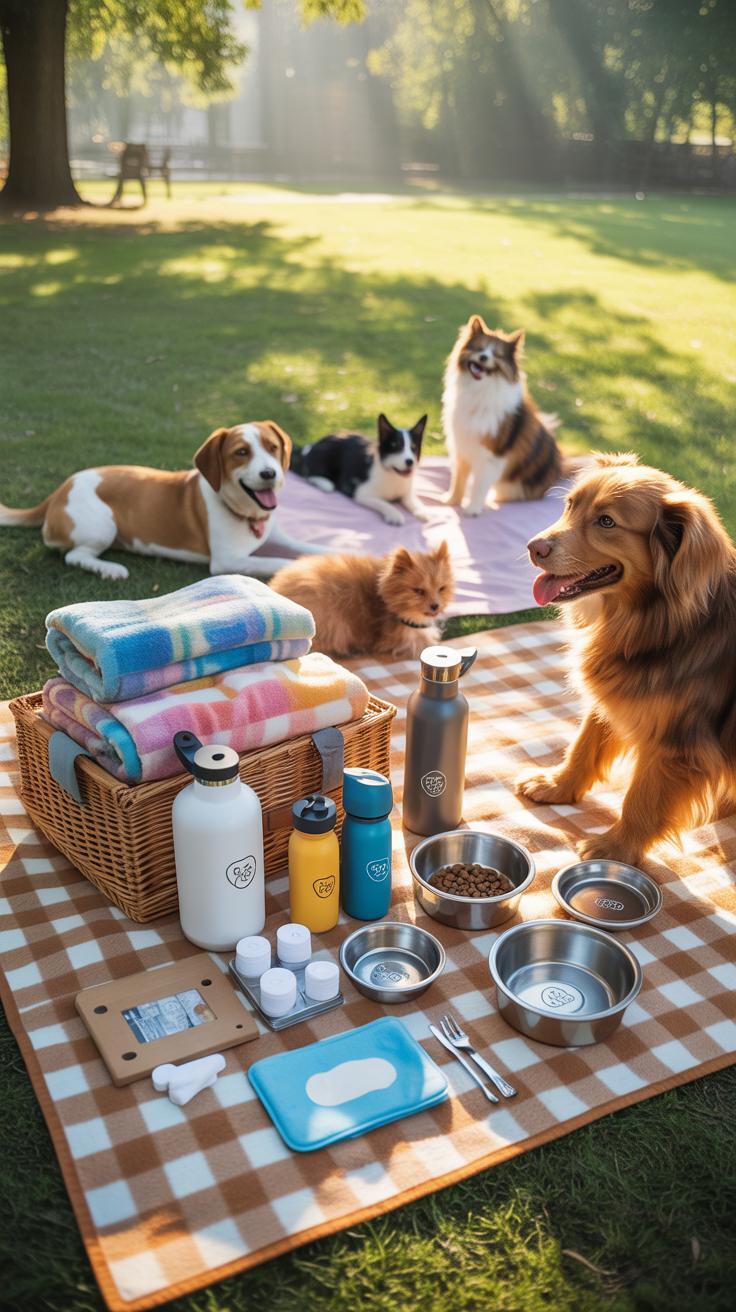
Sanitation prevents disease outbreaks in confined emergency shelters. You must pack heavy-duty waste bags and a designated scoop to handle solid excrement. Use leak-proof containers to prevent cross-contamination with food supplies. Include a small bottle of unscented dish soap and a scrub brush. These tools allow you to clean feeding bowls and crates effectively. Proper hygiene keeps your pet healthy and prevents zoonotic infections.
Disinfectants are critical for maintaining a sterile environment. Pack paper towels and fragrance-free wet wipes for quick surface cleaning. Avoid products with bleach or phenols as these chemicals irritate animal paws and respiratory systems. Include a portable litter box for cats or puppy pads for dogs. These items manage waste when outdoor access is impossible. Consistent waste management reduces stress for both the animal and the owner.
Comfort Items That Help Reduce Pet Anxiety During High Stress Situations
Familiar scents provide immediate psychological relief during a crisis. Pack a used t-shirt or a small blanket that smells like home. This item anchors your pet to a known environment when everything else changes. Avoid buying new toys specifically for the kit. A new object lacks the comforting scent profile of an old favorite. Choose durable items that withstand chewing or scratching under extreme pressure.

Anxiety wraps or tight-fitting vests serve a tactical purpose. These garments apply constant pressure to the torso and lower heart rates during loud events. Include a supply of pheromone sprays or wipes to calm the nervous system. These tools signal safety to the brain without using heavy sedation. Physical comfort directly improves the animal’s behavior and cooperation. This makes evacuation faster and safer for the entire household.
Identification And Documentation The Most Overlooked Part Of A Pet Emergency Kit
Why Up To Date ID Tags, Microchips, And Photos Are Critical In An Emergency
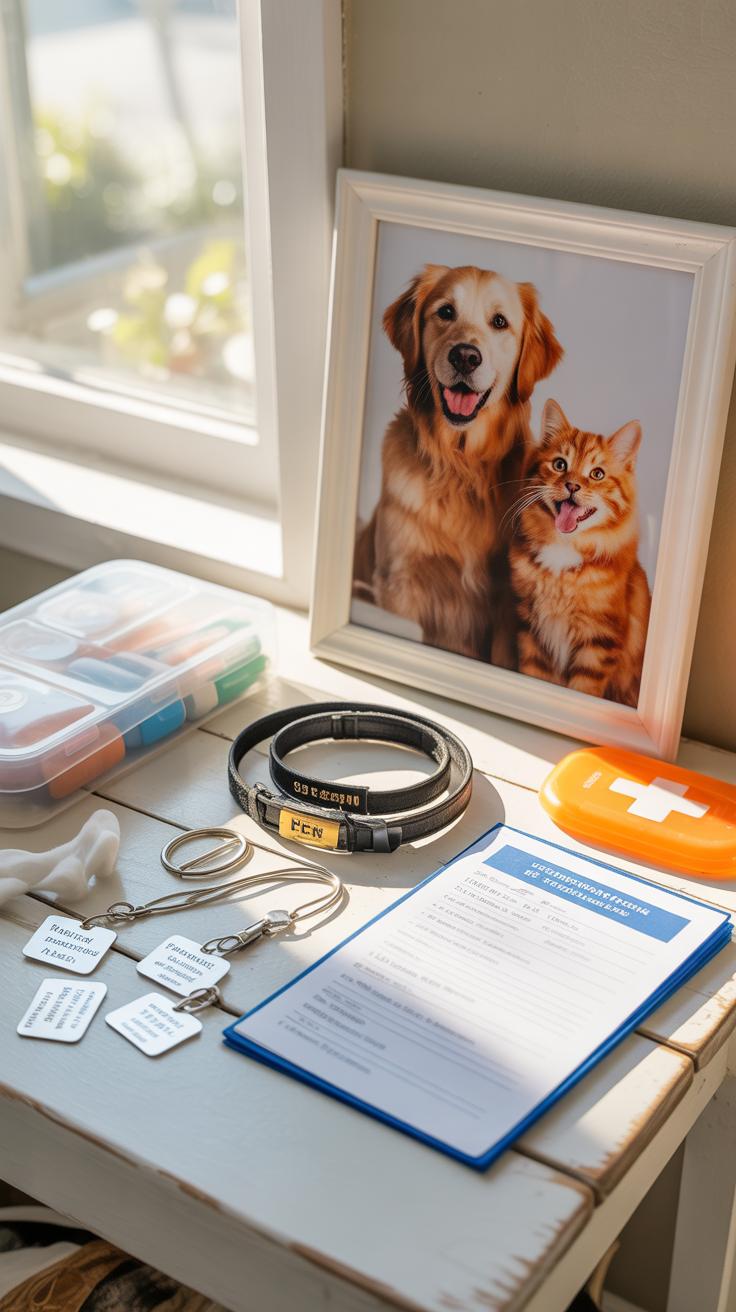
Disasters cause chaos and displacement. Animals often bolt when they feel fear or stress. Identification provides the only link back to you if you become separated. Collars can snap or slip off in a struggle. For this reason, you should prioritize a microchip with current registry data. An updated chip serves as a permanent digital record that shelters and clinics check immediately when they find a lost pet.
Visual proof of ownership is equally vital. Print physical photos of yourself with your pet to help settle ownership disputes. These photos also help rescue teams identify your animal from a distance. Update these images every year to reflect any changes in appearance. Keep these photos in a waterproof sleeve within your kit. Digital copies on a phone are good but may fail if batteries die during a power outage.
What Veterinary And Vaccination Documents To Keep Stored With Your Emergency Kit
Most emergency shelters and pet friendly hotels require proof of vaccination before they allow your animal inside. Rabies certificates and records for distemper or parvo are mandatory in high risk scenarios. Without these papers, your pet may face quarantine or refusal of entry. This creates a dangerous situation where you must choose between your safety and your pet. Keep paper copies in a sealed plastic bag to prevent water damage.

Medical history documentation saves lives during a crisis. Stress often triggers underlying health issues or creates new injuries. Provide your emergency vet with a list of current medications and dosages. Include surgical history and known allergies to avoid fatal reactions. This information lets a new doctor treat your pet without waiting for your regular clinic to open. Update these records after every checkup to ensure your emergency supply box remains ready.
Your Pet Evacuation Kit Guide Planning For Rapid Departure With Animals
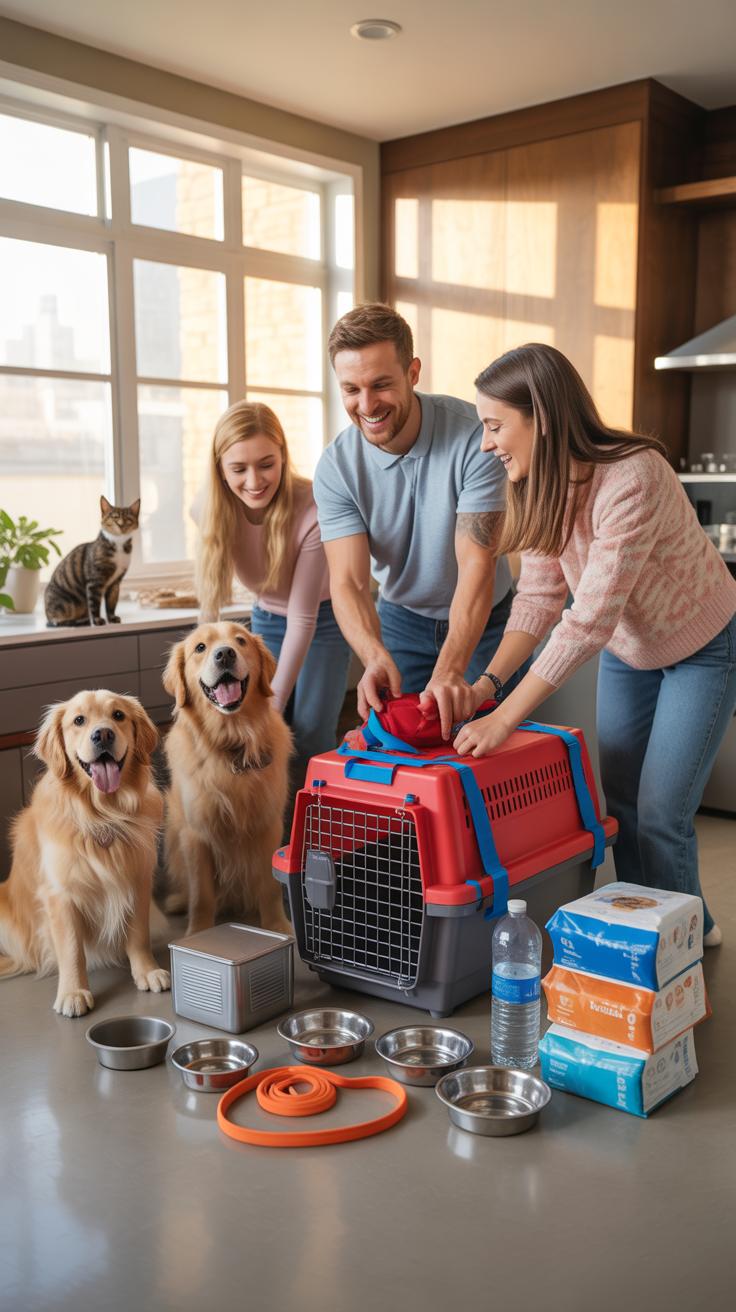
How To Create A Step By Step Pet Evacuation Plan Your Whole Household Can Follow
Assign a specific person to grab the animals when an alarm sounds. Confusion during an emergency slows your exit. Each family member must know their role and which pet they manage. Keep your pet emergency supply box near your primary exit. Store leashes and carriers in the same location for speed. Practice drills at night to ensure everyone can move quickly in the dark.
Identify multiple exit routes from your home. Animals often hide when they sense stress or danger. Map out common hiding spots and check them first. Keep a list of these spots on your fridge for first responders. Ensure all pets have collars with updated tags at all times. Microchip information must be current in the manufacturer database to facilitate reunions if you become separated.
Finding Pet Friendly Emergency Shelters And Boarding Options In Advance
Public emergency shelters often refuse pets due to health regulations. You must research hotels and motels along your evacuation route that allow animals. Do not wait for a crisis to check their pet policies. Keep a printed list of these locations in your supply box. Include their phone numbers and addresses. Relying on cellular data during a widespread power outage is a tactical mistake.

Contact local animal shelters and veterinary clinics before a disaster occurs. Many offer temporary boarding for displaced pets during state-declared emergencies. Verify their requirements for vaccinations and medical records. Most facilities demand proof of rabies and distemper shots. Keep paper copies of these records in a waterproof sleeve. Establish a network of out of town friends who can house your animals if local options fail.
Tailoring Your Emergency Supplies For Dogs Cats Birds And Small Animals
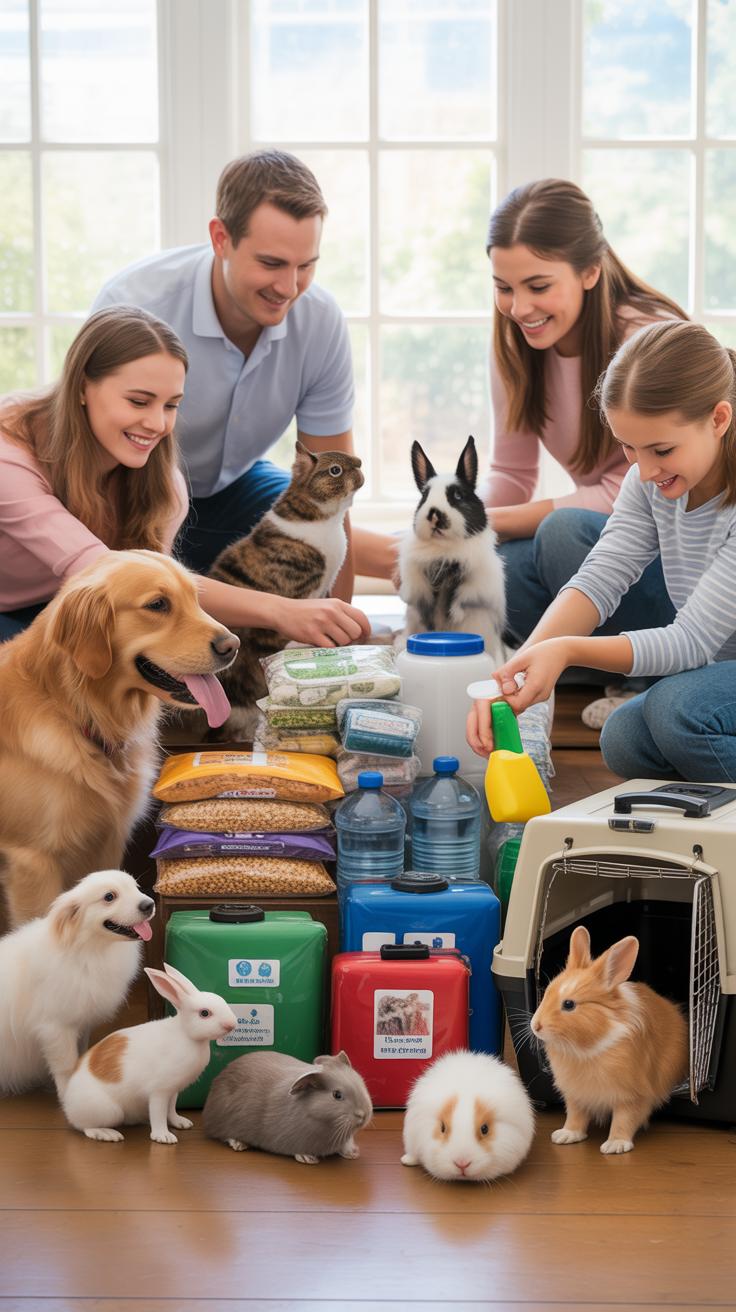
Species Specific Needs That Change What Goes Into Your Pets Emergency Box
Dogs and cats have different biological requirements for survival. Dogs require sturdy leashes and plastic bags for waste disposal. Cats need portable litter boxes and high calorie wet food to maintain hydration. Each animal reacts differently to stress. Dogs often need chew toys to lower cortisol. Cats require hiding spots like a small carrier or a familiar scent blanket to prevent them from bolting in high pressure situations.
Birds and small mammals require strict climate control. Temperature swings kill birds quickly. You must pack heat packs and cage covers. Small rodents like rabbits or guinea pigs need a constant supply of hay for digestion. Do not rely on pellets alone. These animals hide pain well. Check their food intake daily during a crisis. Pack specific grooming tools to prevent fur matting which causes skin infections during long stays in shelters.
Special Considerations For Senior Pets Puppies Kittens And Animals With Health Conditions
Life stage determines the nutritional and medical profile of your box. Puppies and kittens have high metabolic rates. They require frequent feedings and specialized milk replacers if nursing. Their immune systems are weak. You must include extra sanitizing wipes and puppy pads. Senior pets often suffer from arthritis or organ failure. They need orthopedic bedding to prevent sores. You must also pack at least two weeks of prescription medication in waterproof containers.
Chronic health conditions require specific tactical gear. Diabetic pets need glucose monitors and insulin kept in insulated coolers. Pets with heart issues need calm environments and specific diuretics. Document every dosage on a laminated card attached to the box. This prevents errors if someone else must care for your animal. Always include a current copy of medical records. Digital files are good but physical paper works when the power goes out.
Maintaining And Refreshing Your Emergency Kit So ItS Ready When You Need It Most
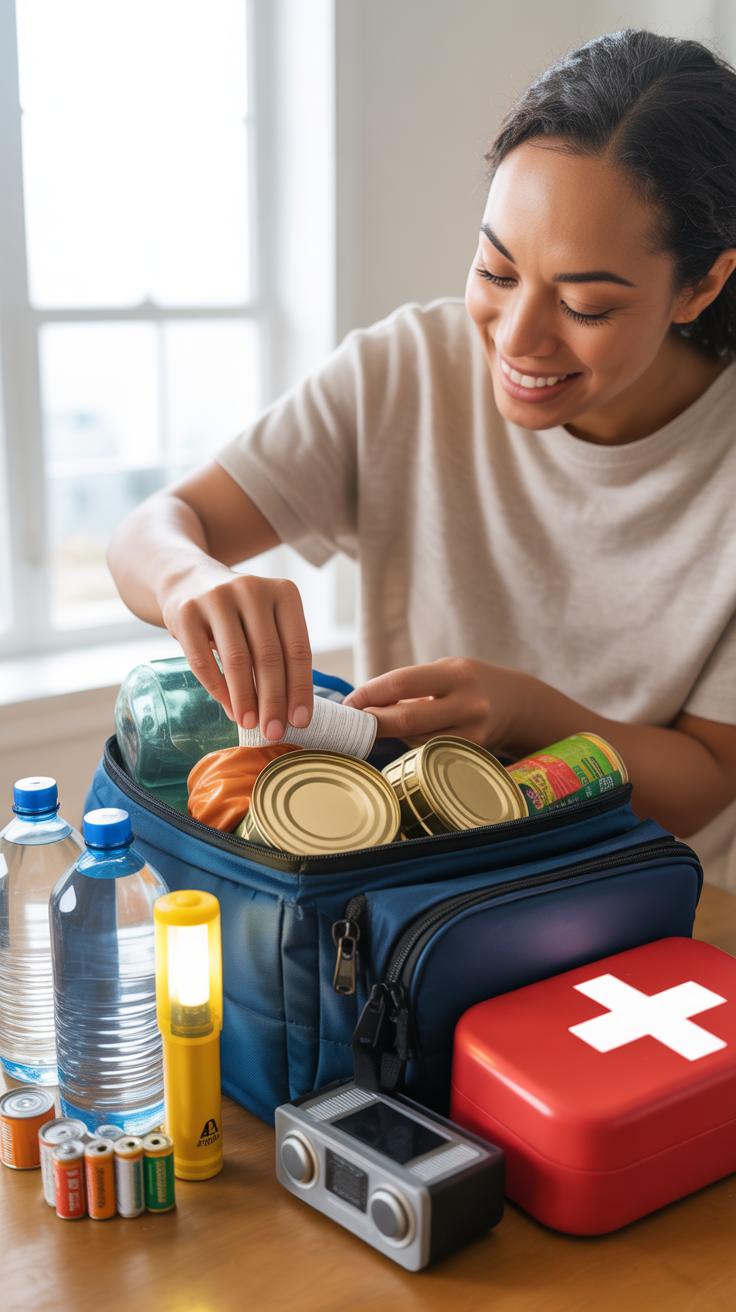
How Often To Inspect, Rotate, And Update Your Pet Emergency Supplies
Review your pet emergency supply box every six months. Schedule these checks during daylight saving time changes to ensure consistency. Check every food container and water bottle for expiration dates. High temperatures in storage areas can degrade plastic and spoil food faster than expected. Replace any items within three months of expiring. This protects your pet from illness and ensures the nutrition remains effective during a crisis.
Test all electronic equipment during your biannual inspection. Check batteries for leaks and ensure flashlights function properly. Inspect the integrity of the storage container for cracks or moisture intrusion. Update your pet’s medical records and vaccination certificates in the kit. If your pet takes medication, swap out old doses for fresh ones. Maintaining a strict rotation schedule stops your supplies from becoming useless junk when a disaster strikes.
Seasonal Adjustments And Life Changes That Should Trigger A Kit Review
Adjust your kit contents when the seasons change. Winter requires thermal blankets and paw protection from ice melt chemicals. Summer demands extra water and cooling mats to prevent heatstroke. A kit built for spring will fail your pet in a blizzard. Evaluate the local climate risks and swap gear accordingly. Do not assume a single setup works year round. Tailor the hardware to the current environmental threats.
Update the kit immediately after your pet experiences a life change. A kitten growing into an adult cat needs different food and a larger carrier. New medical diagnoses require specific prescriptions and updated veterinary contact information. If you move to a new area, map out local emergency vets and shelters. Your kit must reflect your pet’s current weight, health status, and location. Stale information and undersized gear create dangerous delays during evacuations.
Frequently Asked Questions

Why is it important for every pet owner to have a dedicated survival kit?
Emergencies often happen without warning, leaving little time to gather essentials like food, medication, or leash attachments. By building pet emergency supply box components ahead of time, you ensure your animal’s safety and comfort during a evacuation or natural disaster. Having a pre-packed kit reduces stress for both you and your pet, providing peace of mind knowing that their specific nutritional and medical needs are met during a crisis.
What are the most essential items to include when building a kit?
When building pet emergency supply box essentials, start with a three-day supply of water and non-perishable food. You should also include a manual can opener, a spare leash, copies of vaccination records, and a one-week supply of any necessary medications. Don’t forget comfort items like a familiar blanket or a favorite toy to help soothe your pet’s anxiety while you are displaced from your home during an unexpected event.
Is it possible to create a reliable emergency box on a tight budget?
Absolutely. You do not need expensive tactical gear to keep your pet safe. Many items, such as extra bowls, old towels, and spare blankets, can be sourced from around your home. You can also pick up affordable first-aid supplies like gauze and antiseptic wipes at local discount stores. Focus on the core necessities first, gradually adding specialized items over time to ensure your pet is protected without breaking the bank.