Understanding The Chinchilla Diet Guide What These Animals Eat In The Wild
The Natural Habitat And Feeding Habits Of Wild Chinchillas
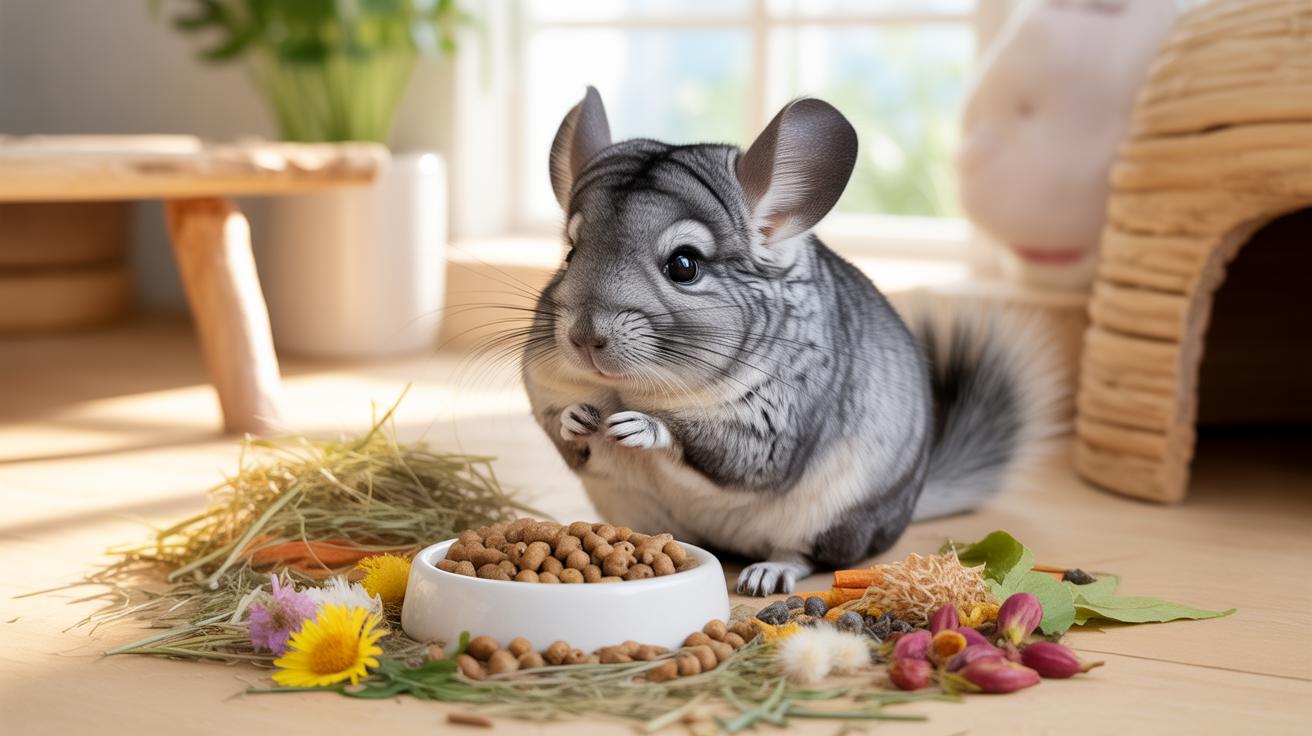
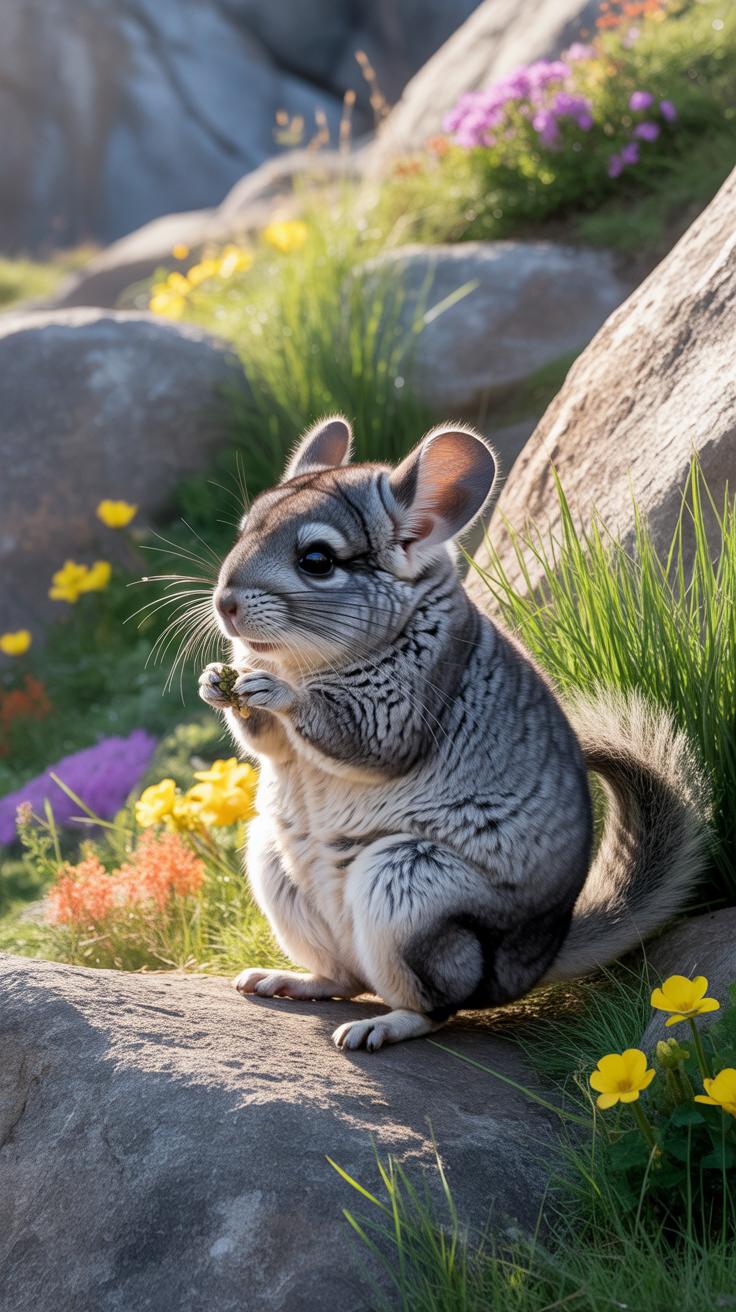
Wild chinchillas live in the Andes Mountains of South America. This region offers a harsh environment with sparse vegetation. These rodents survive on a diet of dry grasses, seeds, and cacti. They eat low-quality forage that is very high in fiber. This scarce food source forces the chinchilla to graze constantly. Their bodies adapted over centuries to extract nutrients from tough mountain plants.
Domestic chinchillas retain the same biological needs as their wild ancestors. They cannot process rich or fatty foods because their mountain habitat never provided them. You must replicate this high-fiber and low-moisture intake to maintain their health. Providing fresh greens or fruits mimics a tropical environment they do not belong to. Stick to dry materials that resemble the arid Andean landscape to ensure long-term survival.
Why A Chinchillas Digestive System Requires A Specialized Diet
A chinchilla possesses a highly sensitive digestive tract designed for roughage. They use hindgut fermentation to break down cellulose from plant walls. This process requires a constant flow of long-strand fiber to keep the gut moving. Without steady fiber intake, the digestive system stalls. This condition leads to gastrointestinal stasis which is often fatal. High fiber also wears down teeth that grow continuously throughout their life.
Proper gut health depends on a delicate balance of bacteria. Sugars and fats disrupt this balance and cause painful gas or bloating. Chinchillas cannot pass gas easily so internal pressure becomes dangerous quickly. You must avoid treats with high water content or simple sugars. These items ferment too fast in the gut and trigger infections. Consistency is the primary goal when feeding these animals to prevent metabolic shock and organ failure.
Safe Foods For Chinchillas The Foundation Of A Healthy Daily Meal Plan
Timothy Hay As The Cornerstone Of Every Chinchilla Diet
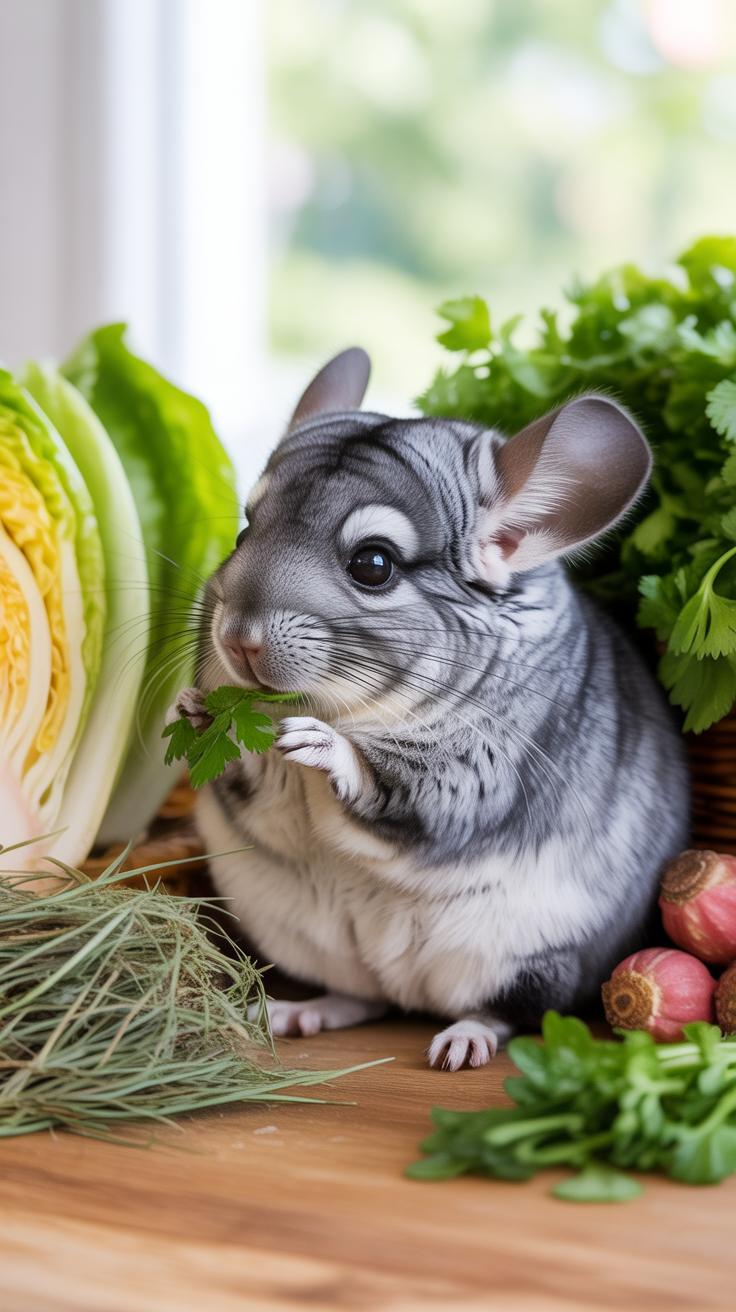
Chinchillas evolved in the high Andes mountains. Their digestive tracts require massive amounts of coarse fiber to function. High-quality Timothy hay must make up eighty percent of their daily intake. This long-strand fiber keeps the gut moving through peristalsis. Without constant access to hay, the digestive system stalls. This condition is known as GI stasis and can prove fatal very quickly.
Hay also serves a critical dental function. Chinchilla teeth grow continuously throughout their lives. Eating hay forces a side-to-side grinding motion. This mechanical action wears down the cheek teeth naturally. Use first or second-cut Timothy hay for the best results. Avoid hay that smells musty or looks dusty. Clean, fresh hay prevents respiratory issues and ensures the animal remains selective about its nutrient intake.
High Quality Pellets: How To Choose The Right Formulated Feed
Pellets provide the concentrated nutrients that hay lacks. A proper pellet must be uniform in shape and color. Do not buy mixes that contain seeds, nuts, or dried fruit. Chinchillas are selective feeders. They will pick out the sugary pieces and leave the healthy nuggets behind. This behavior leads to obesity and severe malnutrition. Look for a pellet where Timothy hay is the primary ingredient.
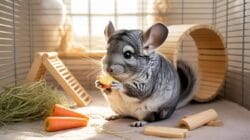
Check the nutritional analysis on the bag before purchasing. Aim for a protein content between fifteen and twenty percent. Fiber should exceed eighteen percent to support gut health. Fat must stay low, ideally under three percent, to prevent liver disease. Feed two tablespoons of pellets daily to an adult chinchilla. Avoid soy-based fillers or added chemical preservatives. Stick to plain, uniform green pellets to ensure consistent nutritional delivery.
Best Food For Chinchillas Nutritional Priorities Every Owner Should Know
The Role Of Fiber, Protein, And Low Sugar In Chinchilla Nutrition
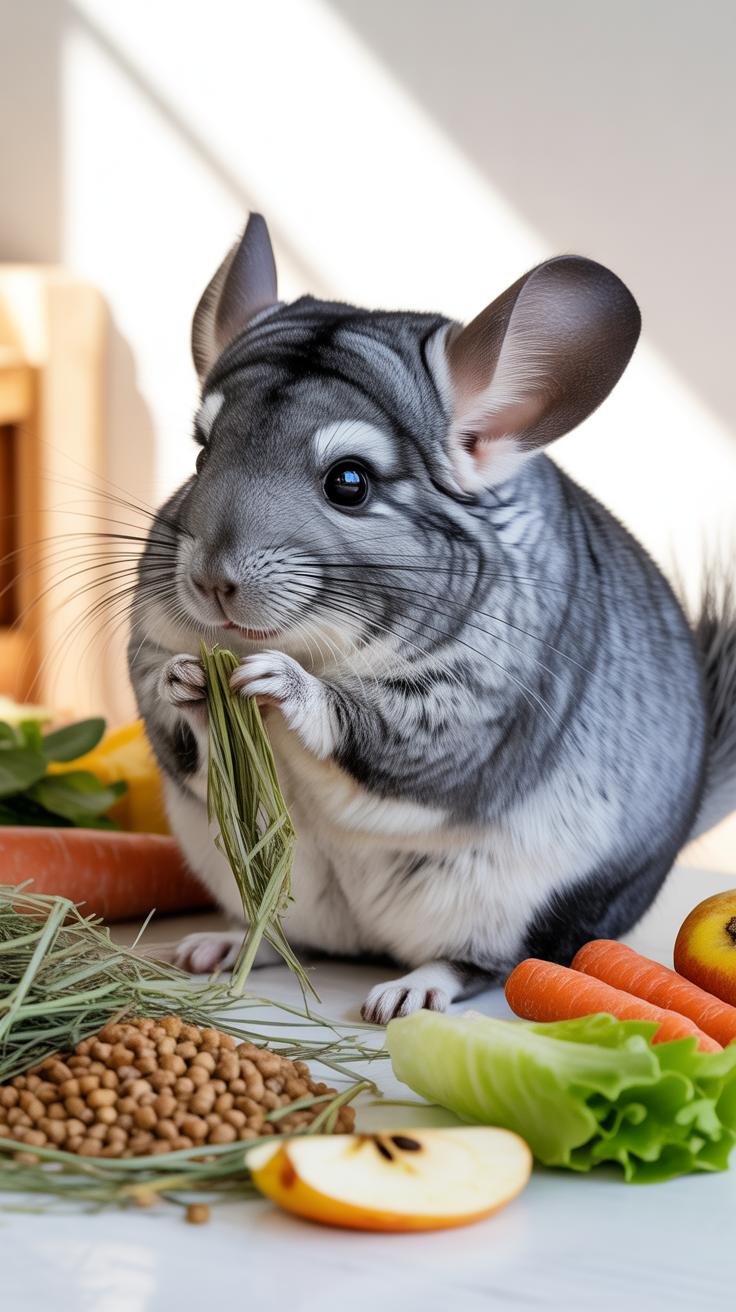
Chinchillas evolved in the harsh Andes Mountains eating tough grasses. Their digestive systems require massive amounts of fiber to function. High fiber keeps the gut moving and prevents deadly stasis. You must provide constant access to hay to meet this need. Fiber also grinds down teeth that never stop growing. Without this constant wear, dental spikes will cause severe pain and infection.
Protein supports muscle growth and tissue repair but requires strict balance. Pellets should contain roughly fifteen percent protein. Excessive protein strains the kidneys and damages long-term health. Sugar is a primary enemy for this species. Their bodies cannot process glucose efficiently. High sugar intake leads to obesity and fatty liver disease. Avoid fruits and sugary treats. Stick to dry, bland staples to ensure survival and health.
How Fresh Water Intake Supports Overall Chinchilla Health
Clean water is a non-negotiable requirement for metabolic function. Chinchillas regulate their body temperature and digest dry hay through consistent hydration. Stagnant or dirty water breeds bacteria that cause rapid illness. Use glass bottles to prevent chewing and chemical leaching. Change the water daily to ensure it remains fresh. Proper hydration allows the cecum to ferment fiber effectively without causing painful gas.

Dehydration leads to impaction and organ failure. Check the bottle nozzle every morning to ensure it is not blocked. Hard water minerals can cause bladder stones over time. Use filtered water if your tap has high mineral content. Never offer water in open bowls because it gets contaminated by bedding and waste. Maintaining a reliable water source is the simplest way to prevent expensive and dangerous veterinary emergencies.
Chinchilla Food List Approved Fruits Vegetables And Herbs
Safe Fruits And Vegetables Chinchillas Can Occasionally Enjoy
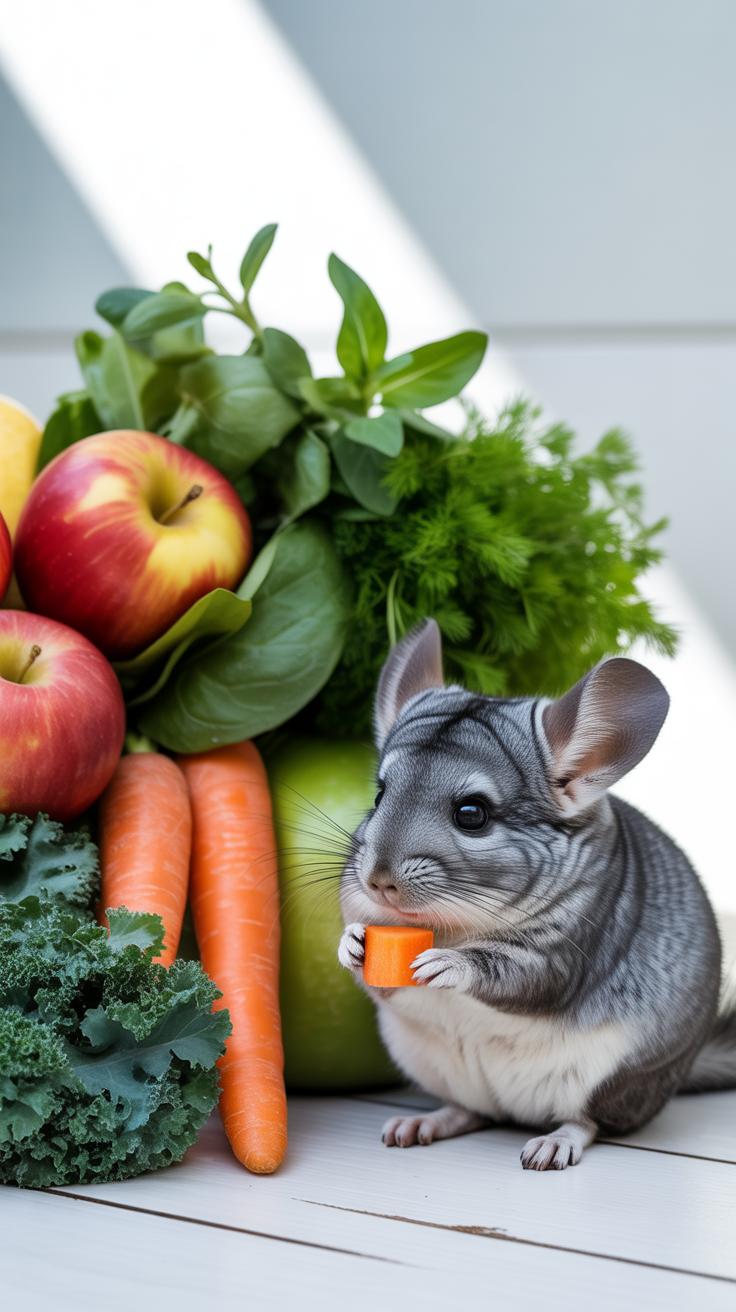
Chinchillas evolved in the high Andes mountains with access to sparse vegetation. Their digestive systems cannot handle high sugar or high moisture levels. Fresh produce must remain a rare treat rather than a primary meal. Excessive sugar causes bloating and liver disease. You must limit these portions to a small piece no larger than a fingernail once or twice per week.
- Rose Hips: These dried seed pods offer high vitamin C content and low sugar. They provide a crunchy texture that helps wear down teeth. Use the deseeded variety to ensure maximum safety for the animal.
- Dried Apple: Feed only in very small, dehydrated pieces to minimize moisture intake. Apples contain pectin but also high natural sugars. Never include seeds because they contain trace amounts of cyanide which is toxic.
- Carrot Flakes: Dried carrot slices provide beta carotene and a firm texture. Fresh carrots have too much water and sugar for daily consumption. Limit intake to prevent obesity and dental issues related to soft food diets.
- Blueberries: These fruits provide antioxidants but contain significant liquid and sugar. Feed only one single berry occasionally to avoid diarrhea. Always wash them thoroughly to remove any pesticides or chemicals before offering them to your pet.
- Squash: Certain types of dried squash or pumpkin are acceptable in tiny amounts. They offer fiber which aids in moving food through the gut. Ensure the pieces are completely dry and free from any added oils or seasonings.
Avoid watery vegetables like lettuce or celery entirely. These items cause life threatening gas and bloat in the hindgut. Stick to the dehydrated versions of approved items to maintain gut stability. Always introduce new items gradually to monitor for changes in stool consistency. If the droppings become soft, stop all treats immediately and return to a strict hay and pellet diet.
Herbs And Dried Plants That Are Gentle On A Chinchilla Gut
Dried herbs serve as the safest supplement for a chinchilla diet safe foods plan. These plants mirror the natural forage found in their native habitat. They provide essential minerals and variety without the dangerous sugar levels found in fruit. Focus on woody stems and dried leaves to support natural grinding behaviors. These materials keep the digestive tract moving through high fiber content.
Popular choices include dried dandelion greens, raspberry leaves, and nettle. Dandelion acts as a natural diuretic and supports kidney health. Raspberry leaves are high in calcium and help tone the digestive system. Always source organic herbs to avoid toxic fertilizers. These dried plants should make up less than five percent of the total daily intake. Proper forage keeps the animal engaged and healthy.
Foods Chinchillas CanT Eat Dangerous And Toxic Items To Avoid
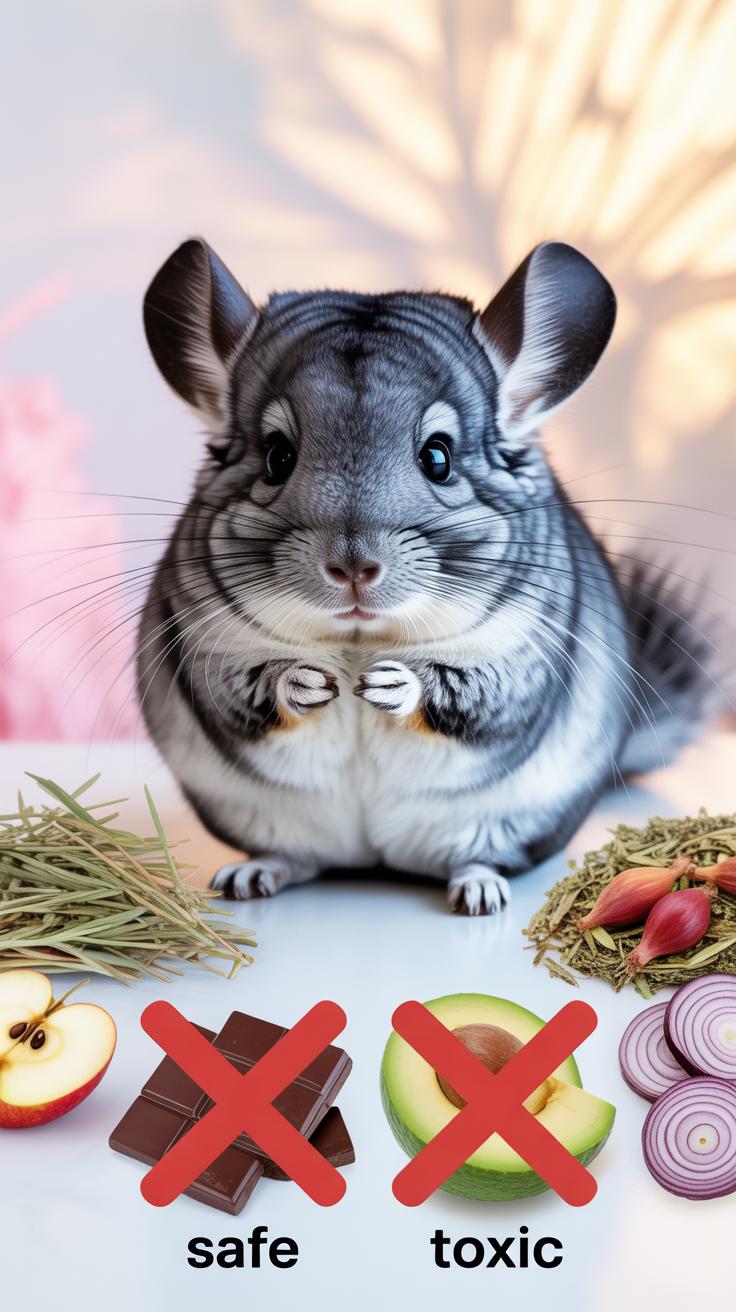
Common Household Foods That Are Toxic Or Harmful To Chinchillas
Chinchillas possess highly specialized digestive tracts evolved for high-fiber, arid-climate vegetation. Many common human foods contain compounds that trigger immediate toxic reactions or long-term organ failure. You must prevent accidental ingestion of these items to avoid costly emergency veterinary visits. Owners often mistake household staples for safe treats, but even small quantities of certain vegetables and seeds can cause fatal digestive blockages or systemic poisoning.
- Chocolate: This substance contains theobromine and caffeine which act as dangerous stimulants. Chinchilla hearts cannot process these compounds effectively. Ingestion leads to rapid heart rates, tremors, seizures, and death.
- Avocado: High fat content and the presence of persin make this fruit incredibly dangerous. Persin causes respiratory distress and fluid buildup around the heart. The dense fat also triggers immediate liver strain.
- Rhubarb: These leaves and stalks contain high levels of oxalic acid. This compound binds with calcium in the bloodstream and creates painful stones. It eventually leads to total kidney failure and death.
- Apple Seeds: The seeds of apples contain cyanide compounds that are toxic to small mammals. While the flesh is sugary, the seeds are lethal. Remove all seeds if providing tiny portions of dried fruit.
- Asparagus: This vegetable causes severe bloating and painful gas in the hindgut. Chinchillas cannot pass gas easily due to their unique anatomy. Gas buildup leads to gastrointestinal stasis, which is often fatal.
Eliminate access to these items in play areas. Chinchillas are foragers and will sample anything left on a coffee table or floor. Discipline in your household prevents accidental exposure. Secure your kitchen scraps and never share your snacks with your pet. Stick to Timothy hay and regulated pellets to ensure your animal remains healthy and functional.
Why High Sugar, High Fat, And Acidic Foods Damage Chinchilla Health
High-sugar and high-fat foods destroy the delicate microbial balance in a chinchilla’s gut. These animals evolved in the Andes Mountains where they consumed dry, tough grasses. Their livers and pancreases are not built to process concentrated sugars or oils. Excess sugar causes rapid fermentation in the gut, leading to deadly bloat. High fat intake causes fatty liver disease because their bodies cannot metabolize it.
Acidic foods like citrus fruits cause painful mouth sores and severe digestive upset. These items lower the pH level of the gut, killing the beneficial bacteria needed for fiber fermentation. Without these microbes, the chinchilla cannot extract nutrients from its hay. This leads to malnutrition and a total shutdown of the digestive system. Stick to a low-moisture, high-fiber dietary protocol for maximum longevity.
Best Chinchilla Snacks Treats You Can Offer Safely And In Moderation
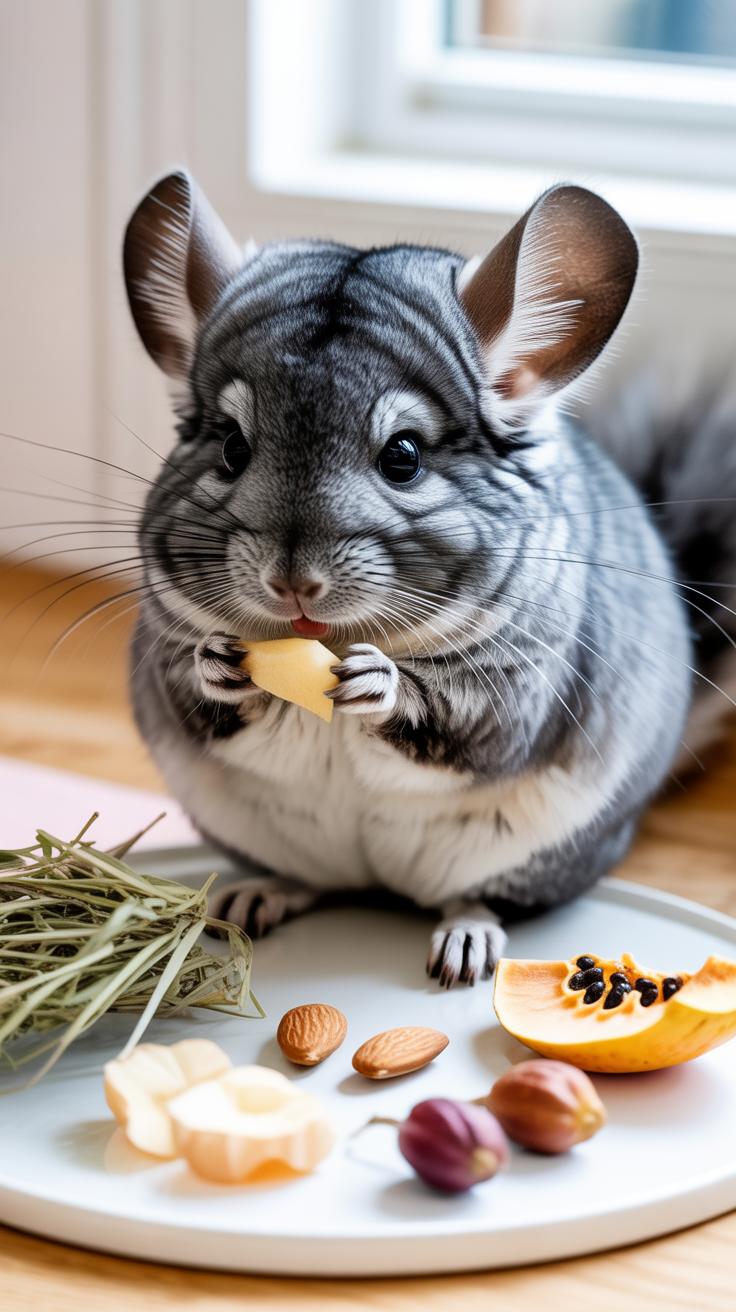
Approved Treat Options And How Frequently They Should Be Given
Safe treats focus on high fiber and low moisture content. Dried rose hips and hibiscus flowers provide the best nutritional profile for these rodents. You should limit treat intake to one small piece two or three times per week. Excessive treats disrupt the delicate pH balance of the hindgut. This leads to painful gas or fatal stasis. Stick to dried botanicals for safety.
Never feed fresh fruits or vegetables to your chinchilla. High sugar content and water levels cause rapid bacterial overgrowth in their digestive tracts. Small amounts of plain shredded wheat or rolled oats act as acceptable training rewards. Always prioritize fiber over flavor. Monitoring fecal output after introducing any new snack ensures the animal stays healthy. If droppings become soft, stop all snacks immediately.
Store Bought Chinchilla Treats: What To Look For On The Label
Read ingredient labels carefully to avoid metabolic disasters. Many commercial products marketed for chinchillas contain honey, molasses, or corn syrup. These additives rot teeth and cause obesity. Avoid any treats containing nuts, seeds, or dried fruit pieces. Chinchillas cannot process high fat or high sugar concentrations. Pure hay cubes or dried herbs are the only safe processed options found on shelves.
Look for items containing single ingredients like dried mountain grass or marigold petals. Ignore colorful packaging and marketing claims about dental health. Most brightly colored sticks use artificial dyes and chemical binders that harm the liver. Check for a high crude fiber percentage on the back of the bag. A high quality treat looks like boring dried grass because that is exactly what the animal needs.
Best Chinchilla Diet Options Comparing Hay Types And Pellet Brands
Timothy Hay Vs. Orchard Grass Vs. Alfalfa: Which Is Best For Your Chin
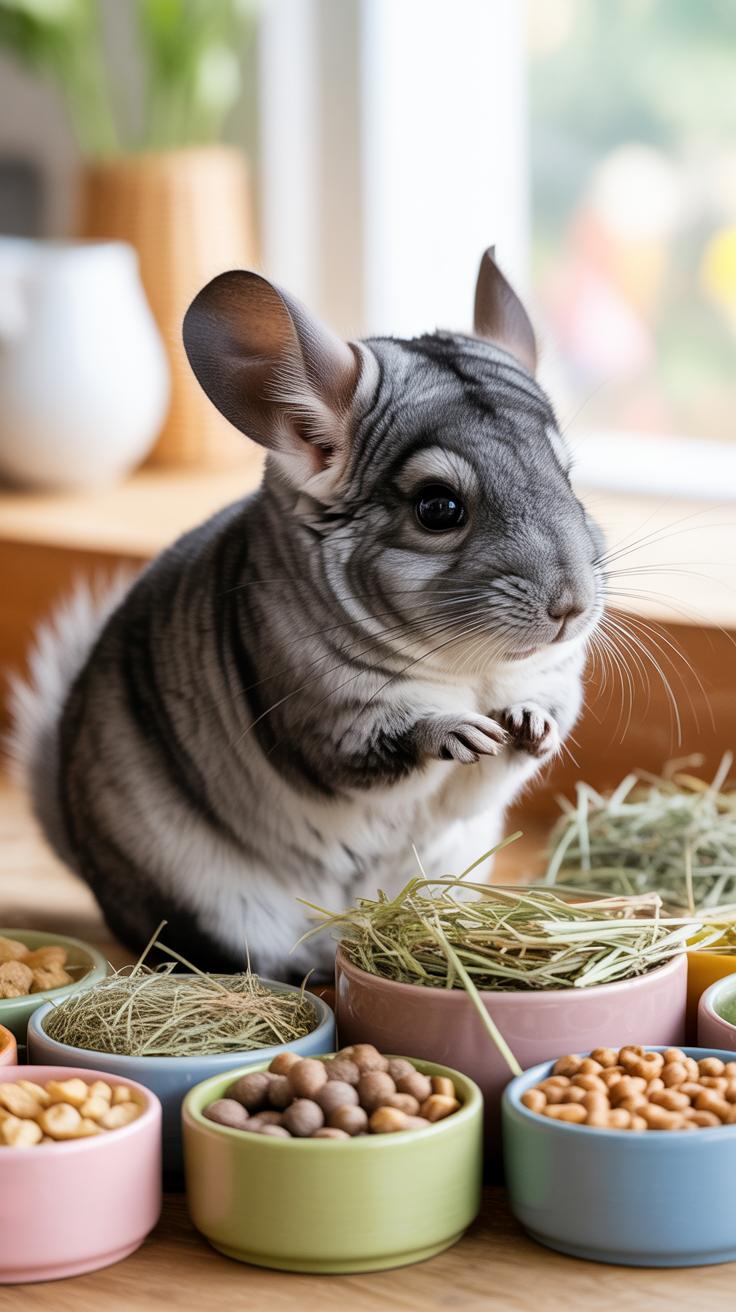
Timothy hay remains the gold standard for adult chinchillas. It provides the high fiber content necessary for gut motility. Its coarse texture grinds down teeth that never stop growing. Feeding first or second cutting ensures the right balance of protein and minerals. Avoid third cutting hay as it lacks the roughage required for dental wear. Use this hay as the primary food source.
Orchard grass serves as a valid alternative for owners with allergies. It offers similar fiber levels but has a softer leaf. Alfalfa hay is not a daily option for adults. It contains too much calcium and protein for mature animals. High calcium leads to bladder stones and kidney issues. Save alfalfa for growing kits or pregnant females. Always prioritize low calcium grass hays for long term health.
What To Look For When Selecting A Quality Chinchilla Pellet Formula
Choose a uniform pellet to prevent selective feeding. Chinchillas will pick out sugary bits in mixed muesli blends. This behavior lead to malnutrition and obesity. Look for a hay based pellet where Timothy meal is the first ingredient. Avoid products containing corn, soy hulls, or seeds. High quality pellets provide consistent vitamins and minerals without the risk of digestive upset or hepatic lipidosis.
Check the crude fiber and protein percentages on the label. Fiber should exceed twenty percent to maintain a healthy digestive tract. Protein should stay between fourteen and sixteen percent. Fat content must remain low, ideally under three percent. Avoid any pellets with added fruits or sweeteners. These additives cause tooth decay and diabetes. Stick to plain, compressed green pellets for the most stable and safe nutritional results.
How To Feed Chinchillas Portion Sizes Schedules And Best Practices

How Much To Feed Your Chinchilla Each Day And When To Offer Meals
Chinchillas require a strict feeding volume to maintain gut motility. Provide high quality grass hay in unlimited amounts at all times. This makes up eighty percent of their diet and prevents dental overgrowth. Offer two tablespoons of uniform hay based pellets daily. These pellets provide essential minerals that hay lacks. Limit treats to one small piece of dried herb or flower twice a week.
Consistency prevents digestive distress and stress in these rodents. Feed fresh pellets in the evening when chinchillas become active. This timing aligns with their natural crepuscular energy patterns in the wild. Check the hay rack every morning and night to ensure it remains full. Remove any soiled hay immediately to prevent mold growth. Always keep water bottles full with fresh filtered water for constant hydration.
Taking the time to select the right greens for your companion is a quiet act of love that mirrors nature’s own wisdom. A simple, wholesome diet is the foundation of a long and joyful life shared together.
Setting Up The Right Feeding Environment To Encourage Healthy Eating
Location determines how well your chinchilla eats. Place hay racks high on the cage walls to prevent contamination from waste. Use heavy ceramic bowls for pellets to stop the animal from tipping them over. Chinchillas are skittish and need a quiet area to eat without fear. Keep the feeding station away from the sleeping area to maintain hygiene and organization within the cage.

Verify the safety of all feeding equipment materials. Avoid plastic bowls because chinchillas will chew and ingest the toxin. Stainless steel or glass remains the best choice for water and food. Clean the heavy ceramic bowls daily with hot water to kill bacteria. Ensure the room temperature stays below seventy degrees Fahrenheit. High heat reduces their appetite and causes dangerous lethargy during meal times.
Chinchilla Care Through Diet Recognizing Signs Of Poor Nutrition

Physical Warning Signs That Your Chinchilla May Have A Nutritional Deficiency
A healthy chinchilla maintains a dense and even coat. Poor nutrition causes fur chewing or patches of hair loss. You will see dull or brittle fur when the animal lacks essential vitamins. Check the eyes for clarity and dryness. Cloudy eyes or discharge show a serious lack of nutrients. Watch for weight loss that you can feel along the ribs and spine.
The teeth provide the best health data. Healthy chinchilla teeth are deep orange. White or pale yellow teeth signal a calcium or mineral deficiency. Inspect the droppings every single day. Small or dry droppings mean the digestive system lacks necessary fiber. Soft droppings or bloat indicate too many sugars or fats in the diet. You must monitor these physical markers to prevent long term damage.
When To Consult A Veterinarian About Your Chinchilla’S Eating Habits
Monitor daily food intake to catch subtle changes. A chinchilla that stops eating hay faces immediate danger. Their digestive tract must move constantly to avoid GI stasis. If the animal refuses pellets or favorite treats, seek medical help. Watch for drooling or wet fur around the chin. This often indicates dental malocclusion caused by improper wear on the teeth from a soft diet.
Check the behavior of your pet during feeding times. Lethargy or a lack of interest in foraging is a red flag. If the chinchilla hunches over in pain, the stomach is likely distressed. Sudden weight changes require a professional exam. A doctor can check for internal blockages or root overgrowth. Early intervention prevents death. Do not wait more than twenty four hours if eating habits change.
Transitioning And Maintaining A Balanced Chinchilla Diet Long Term
How To Safely Introduce New Foods Without Upsetting Your Chinchilla’S Stomach
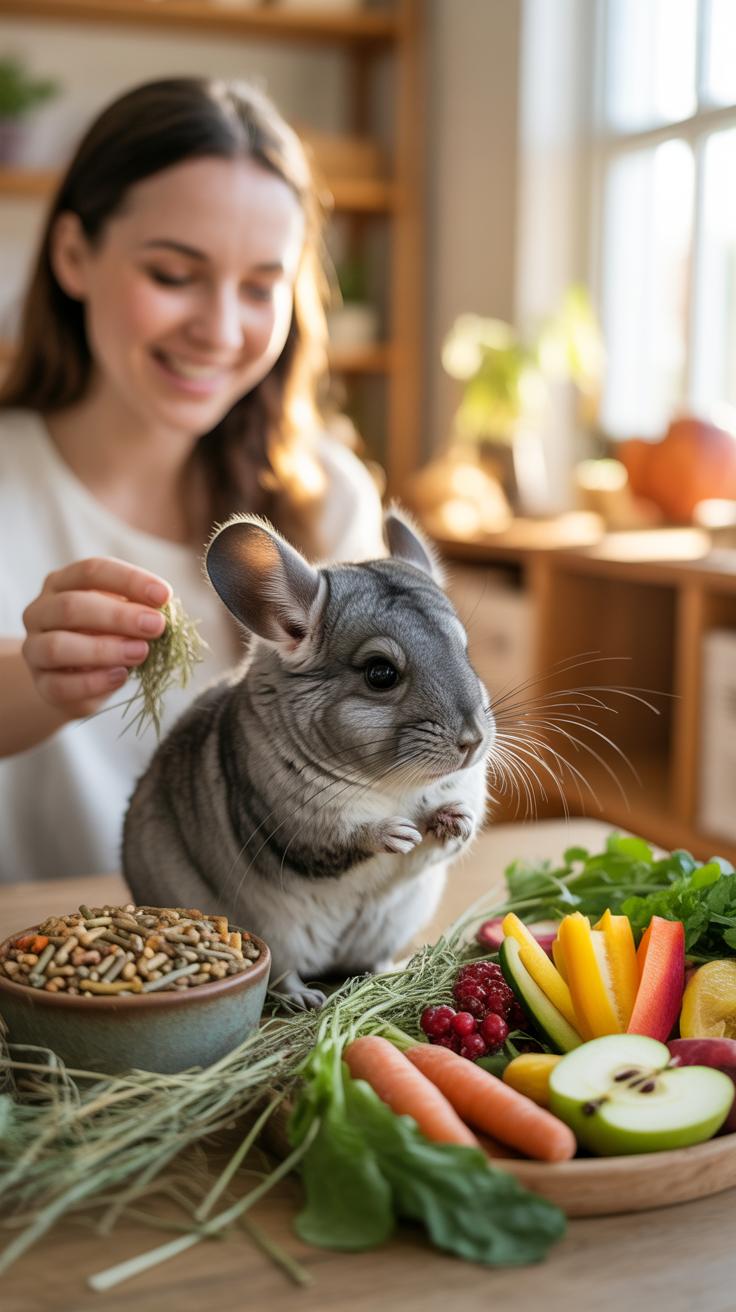
Chinchillas have a highly sensitive digestive tract evolved for low-energy forage. Sudden dietary shifts trigger gastrointestinal stasis or bloat. Both conditions are often fatal. You must introduce any new food slowly over two weeks. Start with a piece the size of a fingernail once every three days. Watch for soft droppings or lethargy. These signs indicate the gut flora cannot process the new material yet.
If soft stool occurs, stop the new food immediately. Return the animal to a strict diet of high-quality timothy hay and water. Wait for droppings to return to a firm, dry state before trying again. Never introduce two new items at the same time. This protocol allows you to isolate which specific ingredient caused the distress. Precision prevents medical emergencies. Stable gut bacteria are the foundation of chinchilla health.
Building A Consistent Long Term Feeding Routine For A Thriving Chinchilla
Consistency prevents stress and metabolic issues. Feed your chinchilla at the same time every evening. They are crepuscular and most active at dusk and dawn. Provide fresh timothy hay twenty-four hours a day. This fiber keeps the digestive system moving and wears down ever-growing teeth. Measure pellet portions strictly to prevent obesity. One to two tablespoons of high-quality pellets is the daily limit for an adult.
Refresh water daily to prevent bacterial growth in the bottle. Use glass bottles to stop plastic chewing and chemical leaching. Remove uneaten fresh greens or hay cubes after a few hours to avoid mold. Monitor weight monthly with a digital scale. Small weight drops often signal dental disease or hidden illness. A rigid routine allows you to spot these deviations early. Discipline in feeding extends your chinchilla’s lifespan significantly.
Frequently Asked Questions

What are the absolute essentials for a healthy chinchilla diet?
High-quality Timothy hay is the most critical foundation for a chinchilla diet safe foods plan, making up about 80% of their daily intake. This provides essential fiber for digestive health and helps wear down their constantly growing teeth. Supplement this with specifically formulated chinchilla pellets and fresh, filtered water. Avoid rabbit or guinea pig mixes, as these often contain ingredients that are far too fatty or sugary for a chinchilla’s sensitive system.
How should I introduce new safe foods to my chinchilla’s routine?
When introducing new items into your chinchilla diet safe foods list, slow and steady is the best approach. Start with a tiny piece of a dried herb or a rosebud and monitor their droppings for twenty-four hours to ensure no digestive upset occurs. Only offer one new food at a time so you can accurately track reactions. Consistency is key to keeping their delicate gut flora balanced while providing necessary dietary variety.
Are there affordable household items I can offer as healthy treats?
Maintaining a nutritious diet doesn’t have to be expensive. Many safe treats can be found in your own pantry or garden, provided they are organic and pesticide-free. Dried culinary herbs like basil, parsley, and dandelion greens are excellent low-cost options that chinchillas love. You can also dry your own apple wood sticks or rose hips, which provide great enrichment and dental benefits without the high price tag of commercial pet store snacks.