About Guinea Pigs And Their Natural Dietary Needs

Where Guinea Pigs Come From And Why Diet Matters
Guinea pigs originate from the Andean region of South America. They thrive in high altitude grasslands and rocky areas. These rodents are strict herbivores that evolved to eat tough grasses and low quality forage. This history dictates their current nutritional needs. They cannot survive on soft fruits or processed seeds. Their bodies require high fiber to maintain health and prevent disease.
Domestic guinea pigs share the exact biological traits of their wild ancestors. One critical fact defines their survival. They cannot produce their own Vitamin C. This trait is rare in nature and requires a specific diet. If they do not eat enough Vitamin C daily they develop scurvy and die. You must provide a diet that mimics their natural mountainous habitat for success.
How A Guinea Pig’S Digestive System Works
Guinea pigs possess a unique digestive track built for constant processing. Their teeth never stop growing throughout their lives. They must grind down these teeth by chewing long strands of hay. Without this mechanical wear their teeth will overgrow into their jaws or tongues. This leads to starvation and expensive surgery. High fiber intake is the only way to prevent this.
The secondary part of their digestion happens in the cecum. This is a large fermentation vat at the end of the digestive tract. Beneficial bacteria break down fiber here to extract nutrients. Guinea pigs then produce special droppings called cecotropes. They eat these droppings to absorb essential vitamins and protein. This process is necessary for their survival and keeps their gut moving.

Building The Foundation The Guinea Pig Diet Guide
The Role Of Hay In A Guinea Pig Diet
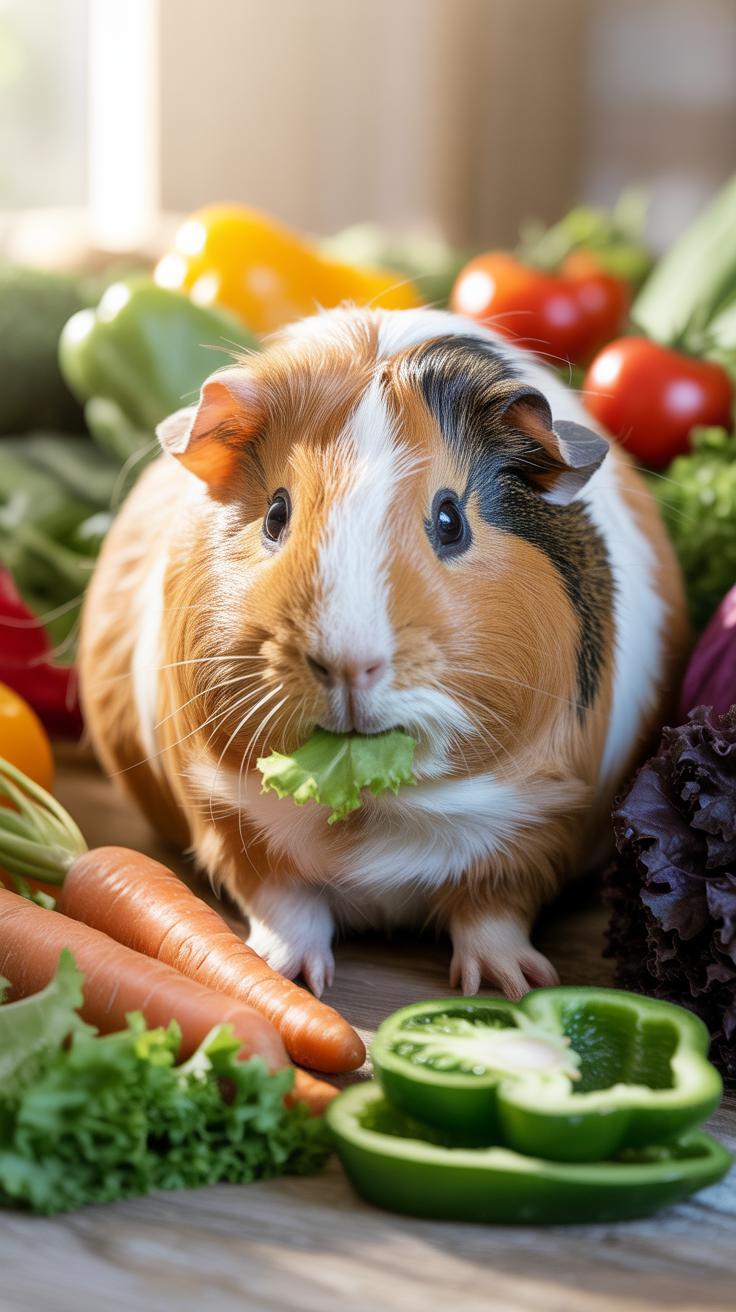
High quality grass hay serves as the primary component of a healthy guinea pig diet. This material must make up eighty percent of their total food intake. Pigs possess teeth that grow continuously throughout their lives. Constant chewing on long strand hay provides the necessary mechanical wear to prevent dental overgrowth. Without this friction, the animal will develop painful and life threatening tooth problems quickly.
Hay also provides the essential fiber needed for proper digestion. Guinea pigs have a unique digestive tract that requires constant movement of material through the gut. This process is called peristalsis. Fiber prevents GI stasis, which is a common and fatal condition where the digestive system stops working. You must provide unlimited access to fresh Timothy or orchard grass hay every day to ensure their survival.
Why Vitamin C Is Essential And How To Provide It
Guinea pigs cannot produce their own Vitamin C due to a genetic mutation. This biological trait is similar to humans and other primates. Without a daily external source, they will develop scurvy. This disease causes swollen joints, internal bleeding, and a weakened immune system. You must ensure your animal receives enough of this nutrient through fresh vegetables and fortified pellets to maintain their health.
Fresh bell peppers serve as the most reliable daily source of Vitamin C. Select green or red varieties and remove the seeds before feeding. You may also use stabilized Vitamin C supplements if your vet recommends them. Avoid adding drops to water bottles because light and air destroy the nutrient quickly. Stable intake prevents physical decline and ensures the animal lives a full and pain free life.
The Healthy Guinea Pig Food List Vegetables They Can Eat
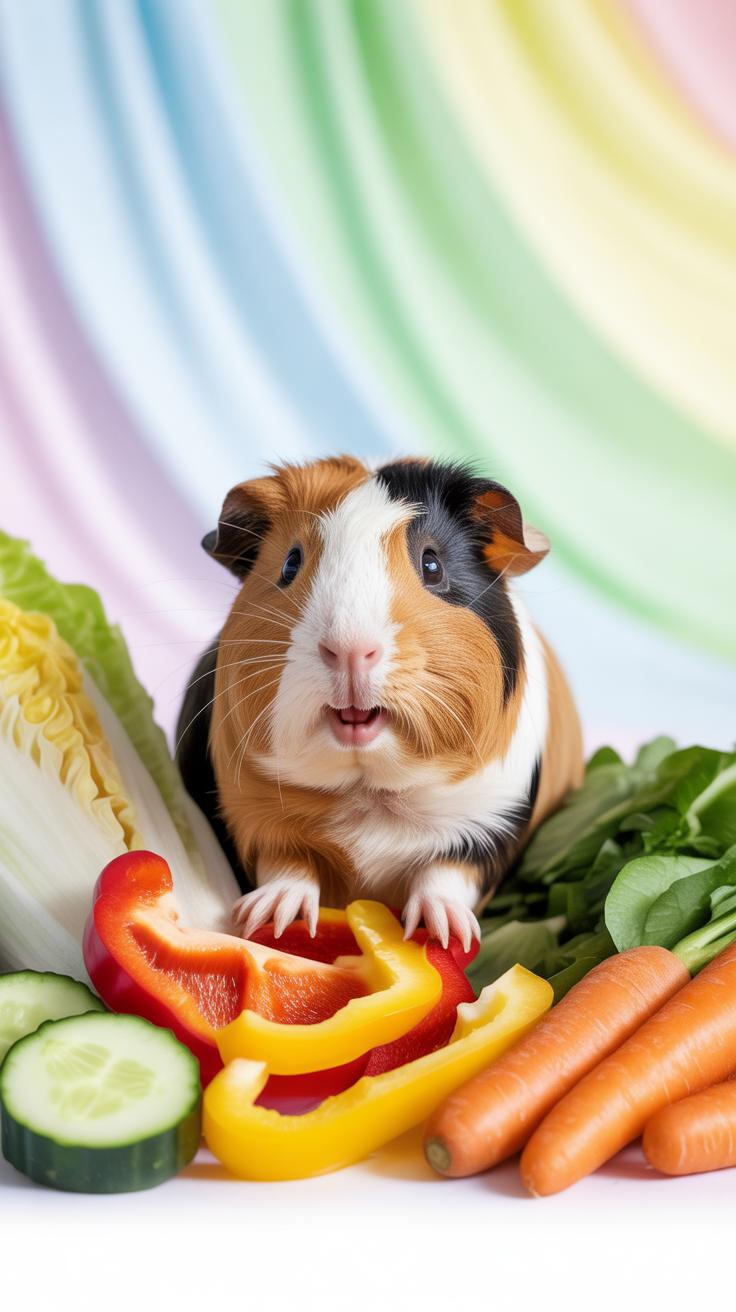
Leafy Greens And Vegetables That Are Safe Daily Choices
Guinea pigs require a steady intake of Vitamin C because their bodies cannot produce it. Leafy greens serve as the primary source of this essential nutrient in a fresh diet. You must prioritize low-calcium greens to prevent bladder stones. Choose dark, fiber-rich vegetables that mimic natural foraging patterns. Raw vegetables provide the best nutritional profile for these small herbivores.
- Bell Peppers: These are the best daily source of Vitamin C for your pet. Remove the seeds and stem before serving. Green peppers have less sugar than red or yellow varieties. Feed these daily to ensure consistent nutrient absorption and support a healthy immune system.
- Romaine Lettuce: This green provides essential fiber and hydration without the risks of iceberg lettuce. It contains more nutrients than paler varieties. Always wash it thoroughly to remove pesticides. It remains a staple for most owners due to its availability and balanced mineral content.
- Cilantro: Also known as coriander, this herb is safe for daily consumption. It offers a unique flavor profile and contains moderate Vitamin C levels. Most guinea pigs enjoy the taste and texture. It helps keep the diet interesting while staying within safe mineral limits for long-term health.
- Leaf Lettuce: Green and red leaf lettuce varieties are excellent daily base foods. They contain high water content and necessary roughage. These greens carry a lower risk of causing calcium-related issues compared to kale or spinach. Ensure the leaves are crisp and fresh to maintain maximum nutritional value.
- Zucchini: This vegetable acts as a safe, low-sugar addition to the daily rotation. It provides a different texture that helps with mental stimulation. You can leave the skin on for extra fiber benefits. Slicing it into manageable chunks prevents waste and makes consumption easier for the animal.
Avoid light-colored greens like iceberg lettuce because they lack nutritional density and cause diarrhea. Consistency is the foundation of a successful feeding strategy. Rotate your selections to provide a broad spectrum of vitamins and minerals. Clean all produce to remove chemical residues or dirt. Introduce new vegetables slowly to monitor for digestive upset or changes in stool consistency.
How Much Vegetables To Feed And How Often
One cup of fresh vegetables per guinea pig is the standard daily requirement. You should split this amount into two feedings to maintain stable blood sugar levels. Morning and evening schedules work best for most owners. This consistency prevents digestive stasis and keeps the animal engaged. Remove any uneaten fresh food after two hours to prevent spoilage and bacterial growth.
Quality control is just as important as quantity control. Never feed wilted or moldy produce to your pets. Freshness ensures the highest levels of Vitamin C and prevents toxic ingestion. Focus on variety within the one-cup limit. Overfeeding even healthy vegetables can lead to obesity or soft droppings. Monitor your pet’s weight and waste daily to adjust portions based on their specific metabolic needs.
Safe Fruits For Guinea Pigs Treats In Moderation

Which Fruits Are Safe And Nutritionally Beneficial
Guinea pigs require external sources of Vitamin C because their bodies cannot produce it. Some fruits provide this essential nutrient along with fiber and hydration. Safe options include bell peppers, blueberries, strawberries, and small pieces of citrus. These items support immune function and prevent scurvy. You must wash all fruit thoroughly to remove pesticides and chemical residues that harm small rodents.
Feed fruit as a supplemental treat rather than a meal replacement. The primary diet must remain high-fiber hay and leafy greens. Limit fruit intake to small servings once or twice a week. Pick fruits with lower acidity to prevent mouth sores or digestive upset. Always remove seeds and pits before feeding. These often contain traces of cyanide or pose a significant choking hazard to your pet.
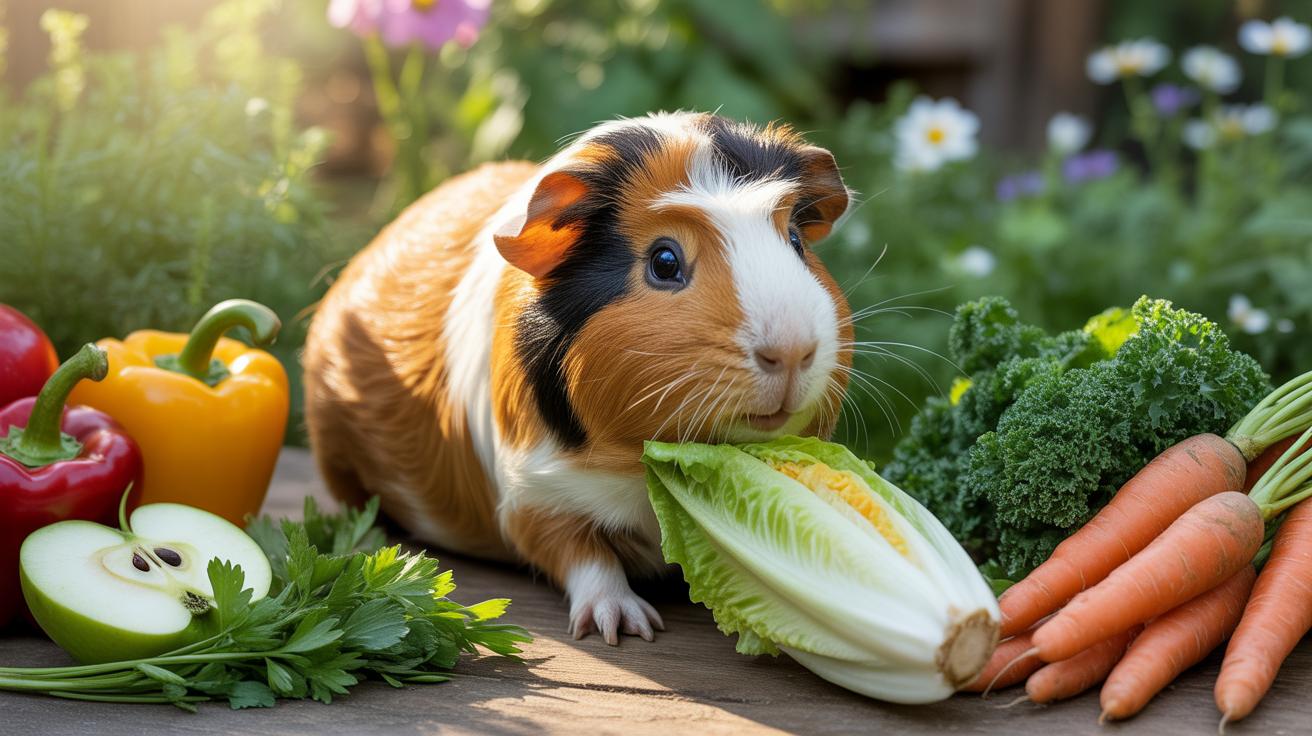
Like the crisp snap of a fresh garden carrot, the simplest joys are found in nourishing the small lives that fill our homes with music. A garden of safe greens is a gift of love that keeps their little hearts content.
How Sugar Content In Fruit Affects Guinea Pig Health
The high fructose content in fruit presents a major health risk for guinea pigs. Their digestive systems evolved to process tough, fibrous grasses and low-calorie vegetation. Excess sugar causes rapid bacterial shifts in the gut. This leads to painful gas, bloating, and life-threatening diarrhea. Constant sugar intake also causes obesity. Overweight guinea pigs develop mobility issues and bumblefoot due to increased pressure on their feet.

Sugar also fuels the development of dental issues and diabetes. Domesticated guinea pigs are prone to insulin resistance when fed an inappropriate diet. Cavies have teeth that grow throughout their lives and require abrasive forage to wear them down. Soft, sugary fruits do not provide necessary dental wear. Limit fruit portions to one tablespoon per serving. This practice prevents metabolic disorders and maintains a stable internal pH level for your animal.
Guinea Pig Food The Importance Of Pellets And Water
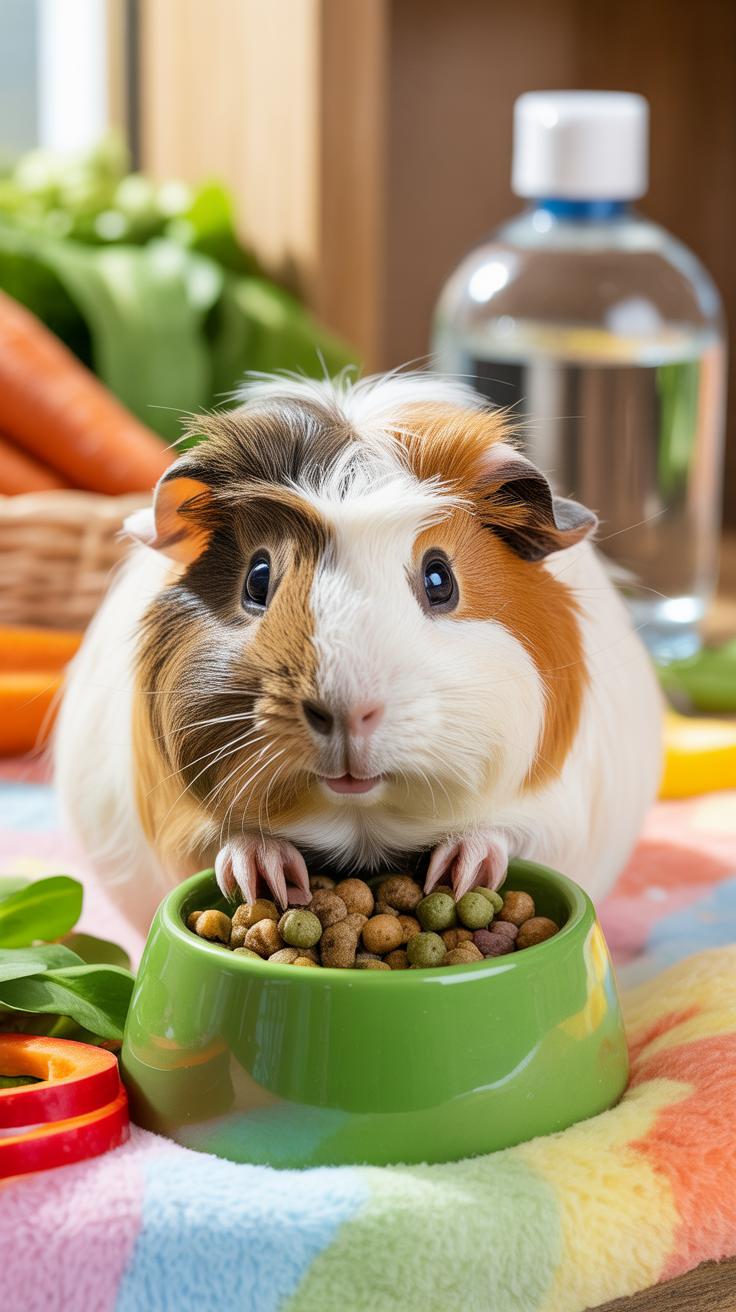
Choosing The Right Guinea Pig Pellets For Optimal Health
Buy high quality Timothy hay based pellets. Avoid products containing seeds, nuts, or colored pieces. These additives cause choking and obesity. Stick to uniform pellets to prevent selective feeding. Ensure the brand includes stabilized Vitamin C. This nutrient degrades fast when exposed to light and air. Check the manufacturing date on the bag. Fresher pellets provide better nutrition for your guinea pig long term.
Restrict pellet intake to one eighth of a cup per day for adults. Overfeeding leads to rapid weight gain and bladder stones. Look for pellets with high fiber content. Fiber keeps the digestive system moving. Avoid alfalfa based pellets for adult pigs. Alfalfa contains too much calcium for mature animals. Excess calcium creates painful kidney stones. Maintain a strict feeding schedule to keep their metabolism stable and predictable.
Fresh Water Access And Why Hydration Cannot Be Overlooked
Guinea pigs require constant access to clean water. Use a drip proof gravity bottle to keep the enclosure dry. Check the nozzle daily for clogs or leaks. Bacteria grows quickly in water containers. Wash the bottle with hot water every day to prevent biofilm buildup. Without enough water, guinea pigs develop serious urinary tract infections. Dehydration also leads to life threatening digestive stasis.
Refill the water bottle even if it is not empty. Fresh water tastes better and encourages the animal to drink more. Change the water twice daily during hot weather. Monitor how much your pet drinks. Sudden changes in water consumption indicate underlying health issues. Never add vitamins or medications to the water supply. These additives change the taste and stop the guinea pig from drinking enough fluid.
What Guinea Pigs Can And CanT Eat Foods To Avoid
Common Household Foods That Are Toxic To Guinea Pigs
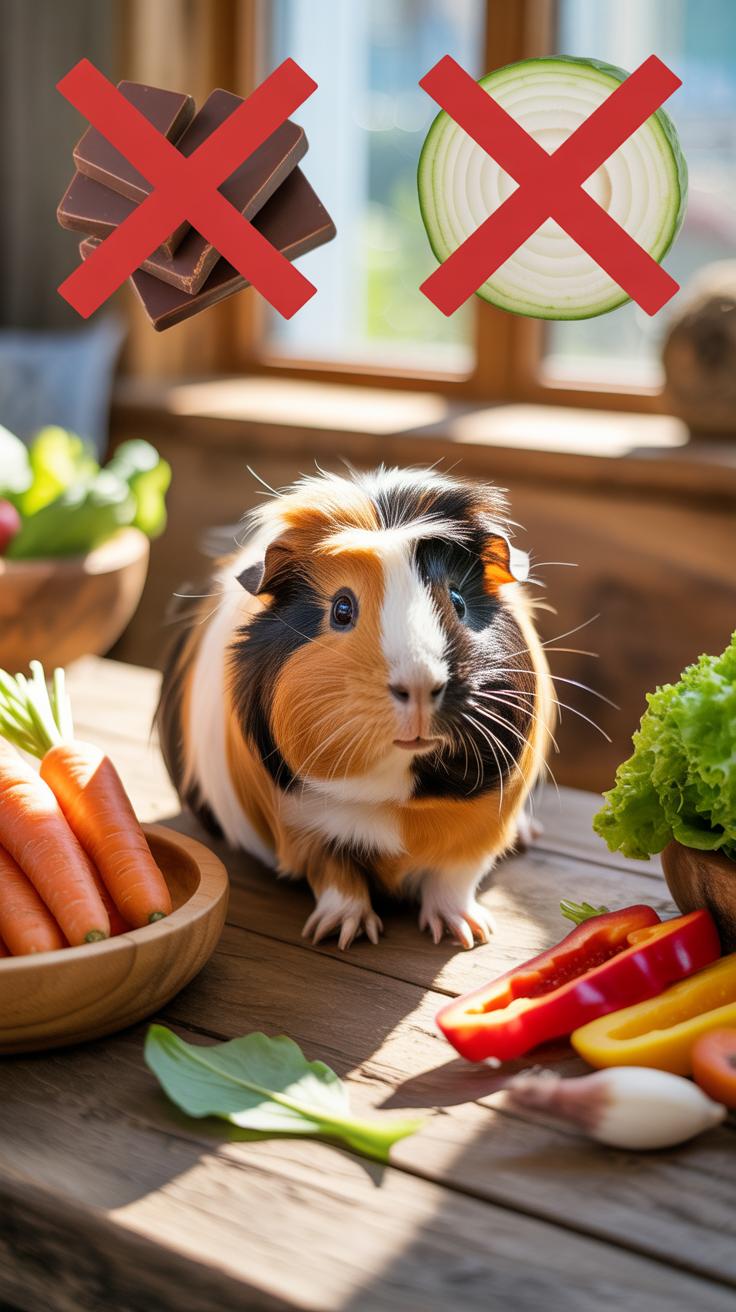
Many common kitchen staples contain chemical compounds that destroy guinea pig health. Owners often assume human safety equals pet safety. This mistake leads to fatal consequences. You must identify specific toxins like solanine and organosulfur compounds before they enter the cage. Strict avoidance is the only strategy for long term survival. Focus on raw ingredients that disrupt internal systems immediately upon ingestion.
- Onions and Garlic: These items contain disulfides that damage red blood cells. Ingestion leads to Heinz body anemia which prevents oxygen transport. Even small amounts of powder or cooked pieces cause permanent organ damage or death.
- Potatoes: Raw potatoes and their sprouts contain solanine. This toxic alkaloid attacks the nervous system and digestive tract. Guinea pigs cannot process this chemical. It leads to severe cramping, paralysis, and eventual respiratory failure in most cases.
- Rhubarb: The leaves and stalks contain high concentrations of oxalic acid. This substance creates crystals in the kidneys and bladder. Consumption causes rapid kidney failure and painful internal swelling. It is highly acidic and corrosive to their sensitive digestive linings.
- Chocolate: This product contains caffeine and theobromine which act as powerful stimulants. Guinea pigs have fast heart rates that cannot handle these chemicals. Ingestion causes seizures, heart arrhythmias, and sudden cardiac arrest. Do not leave any cocoa products near pets.
- Avocados: The skin and pits contain persin which is a fungicidal toxin. While the flesh is high in fat, the risk of persin contamination is too high. It causes fluid accumulation around the heart and lungs. This leads to death by asphyxiation.
Toxic plants and seeds also pose a high risk to small herbivores. Fruit pits and apple seeds contain cyanide which stops cellular respiration. Always remove seeds before offering any permitted fruit. Check your hay for hemlock or nightshade contamination during the visual inspection process. A clean diet prevents emergency vet visits and ensures the animal lives a full life span without pain.
Why Dairy, Meat, And Processed Foods Should Never Be Fed
Guinea pigs are strict herbivores with digestive systems designed only for plant fiber. Their bodies lack the enzymes required to break down animal proteins or fats. Feeding meat or dairy causes immediate gastrointestinal stasis. This condition stops the movement of the gut and leads to a painful death. Stick to high fiber hay and fresh greens to maintain their health.
Processed snacks contain high levels of sugar, salt, and artificial preservatives. These ingredients trigger obesity and diabetes in small rodents. Their cecum requires specific bacteria to ferment fiber effectively. Sugar disrupts this bacterial balance and allows harmful pathogens to multiply rapidly. You must ignore marketing on commercial treats that contain seeds, honey, or yogurt drops. These items have no place in a tactical feeding plan.
The Guinea Pig Diet Feeding Schedules And Portion Control

How To Structure A Consistent Daily Feeding Routine
Establish a strict schedule to stabilize the guinea pig digestive system. Feed fresh hay and water at all times. Deliver fresh vegetables once per day at a set time. This consistency prevents digestive upset and reduces stress. Morning feedings allow you to monitor intake throughout the day. Split the daily pellet ration into two smaller portions. This method keeps the animal active and prevents gorging.
Hay must make up eighty percent of the daily intake to ensure proper gut motility. Replace old hay every morning to maintain freshness. Measure pellets carefully to avoid mineral imbalances. One eighth of a cup per adult is the standard limit. Provide one cup of varied leafy greens daily. Remove uneaten fresh food after two hours to prevent spoilage and bacterial growth in the cage environment.
Signs Of Overfeeding And Weight Management In Guinea Pigs
Monitor body condition weekly to identify obesity early. A healthy guinea pig has a distinct teardrop shape. You should feel the ribs easily under a thin layer of fat. If the stomach drags on the floor or the ribs are buried, reduce pellet intake immediately. Weight gain puts extreme pressure on the tiny heart and joints. Check the feet for sores caused by carrying excess weight.
Overfeeding often leads to soft droppings or diarrhea. This happens when the diet contains too many sugars or watery vegetables. If poop becomes mushy, stop all treats and fruit. Increase hay intake to provide necessary fiber. Fiber pushes waste through the gut and keeps teeth worn down. Watch for leftover food in the bowl. If pellets remain, you are feeding too much. Adjust portions to match their actual energy needs.
Your Guinea Pig Food Guide Tips For Introducing New Foods Safely
How To Gradually Introduce New Foods Without Causing Digestive Upset
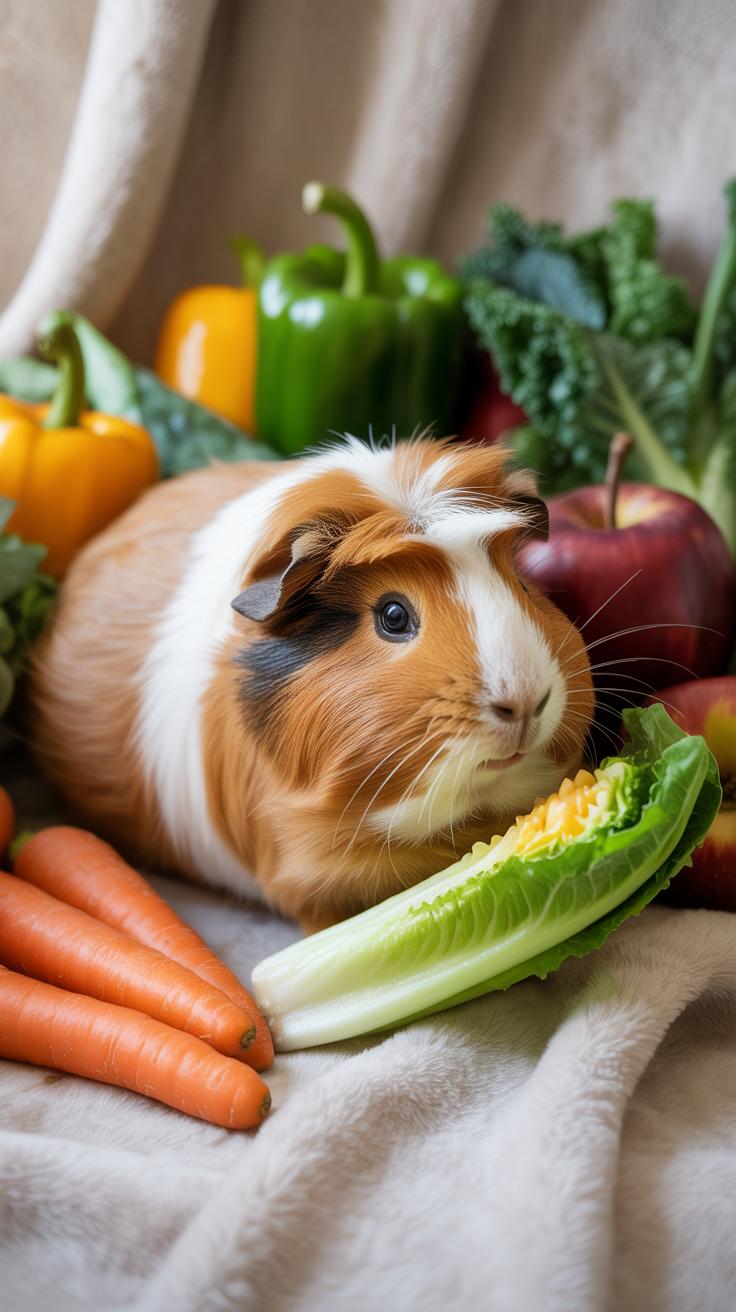
Guinea pigs possess highly sensitive digestive tracts designed for high fiber intake. Sudden dietary changes disrupt their gut flora and cause dangerous bloating or diarrhea. You must introduce one new vegetable at a time over several days. Start with a piece no larger than a fingernail. This slow method allows the cecum bacteria to adjust to different sugar and mineral levels without failing.
Provide the new item every other day to monitor its impact. Do not mix multiple new foods simultaneously because you cannot isolate the source of a bad reaction. If the animal remains healthy, gradually increase the serving size to a normal daily portion. Constancy is the priority for long term health. Keep high quality hay available at all times to maintain proper gut motility during transitions.
Reading Your Guinea Pig’S Reactions To Identify Food Sensitivities
Monitor your guinea pig closely after they eat a new food. Behavioral changes often signal physical distress before clinical symptoms appear. A healthy animal is active and alert during its normal waking hours. If the pig hunches in a corner or stops vocalizing, it may experience stomach pain. Lethargy is a critical warning sign that the digestive system is not processing the new item correctly.

Check the waste in the cage every morning to verify health. Normal droppings are firm, oval, and dark brown. Soft or shaped stools indicate the new food contains too much water or sugar for the animal to handle. If you see signs of diarrhea, remove the new food immediately and return to a strict hay and water diet. Consistency in bowel movements proves the diet is safe and effective.
Frequently Asked Questions

What are the essential components of a healthy guinea pig diet?
A balanced guinea pig diet safe food plan consists primarily of high-quality Timothy hay, which should be available at all times for digestion and dental health. Supplement this with a small portion of vitamin C-fortified pellets and approximately one cup of fresh vegetables daily. Popular choices include bell peppers, kale, and romaine lettuce. Always ensure your small pet has access to fresh, clean water to stay hydrated and active throughout the day.
How often should I introduce new vegetables to my guinea pig?
When expanding your guinea pig diet safe food list, it is best to introduce one new vegetable at a time in small quantities. Observe your pet for 24 hours to ensure they do not experience digestive upset or diarrhea. Gradually increasing variety helps prevent boredom and ensures they receive a wide range of essential nutrients. Aim for a colorful mix of leafy greens and crunchy stalks to keep their mealtime exciting and nutritious.
Can I feed my guinea pig leftovers from my own kitchen to save money?
While you can certainly share many raw vegetable scraps from your kitchen, you must avoid any cooked, seasoned, or processed human foods. Scraps like carrot tops, cucumber ends, and herb stalks are wonderful, cost-effective additions to their meals. However, always double-check that the specific scrap is non-toxic. Using kitchen leftovers is a great way to reduce waste while providing your pet with fresh, crunchy treats without spending extra at the store.