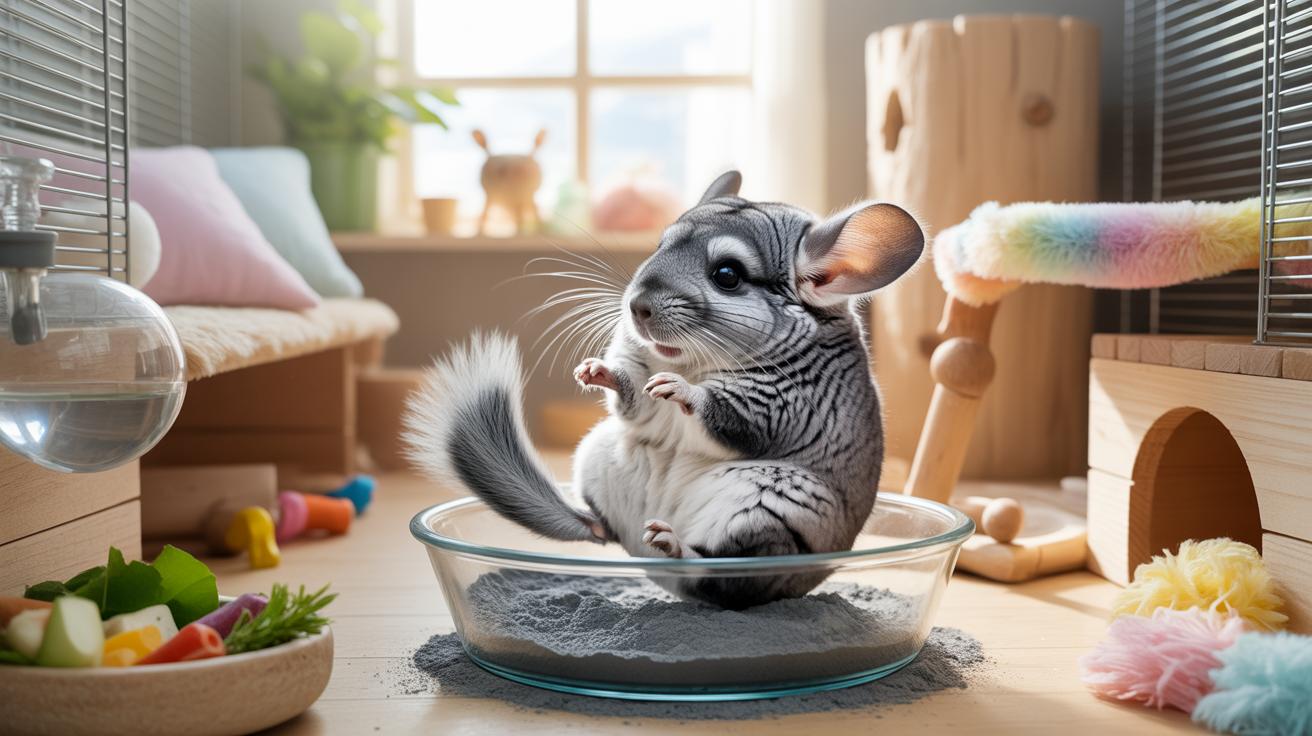
Understanding Chinchilla Natural Habitat And Why It Matters
Where Chinchillas Come From: Life In The Andes Mountains
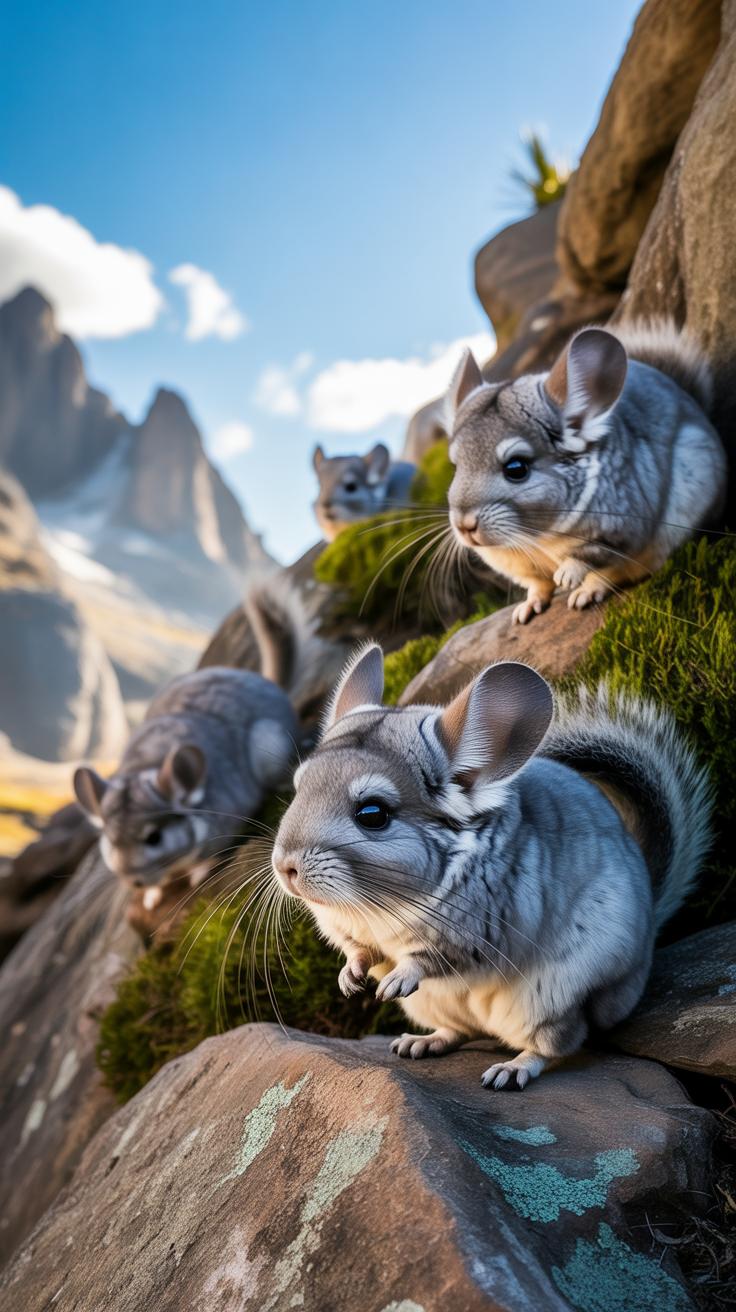
Chinchillas originate from the Andes Mountains in South America. They live at high altitudes between three thousand and five thousand meters. This region features a cold and arid climate with very low humidity. The landscape consists of volcanic rock and sparse vegetation. These rodents evolved to survive in harsh conditions where water is scarce. Their biology reflects this extreme mountainous environment.
The rocky terrain provides deep crevices for protection against predators and weather. Chinchillas occupy these narrow burrows during the day to stay cool. The high elevation means the air is thin and dry. Because they lack sweat glands, they rely on the cool mountain air to regulate body temperature. Survival depends on their ability to find shelter within the volcanic stone formations of the Andes.
How Their Natural Environment Shapes Their Captive Care Needs
The Andes environment dictates every aspect of modern chinchilla care. Their dense fur evolved to trap heat in freezing temperatures. In captivity, this thick coat leads to rapid overheating if the room exceeds seventy-five degrees Fahrenheit. Owners must maintain low humidity levels to prevent fungal growth within the fur. Moisture is the primary enemy of their coat health. Your setup must mimic these dry conditions.
Natural volcanic ash in the Andes serves as a cleaning agent. Chinchillas roll in this fine dust to remove skin oils and dirt. This behavior is a biological necessity, not a luxury. Because their fur is so dense, water cannot evaporate quickly and will cause rot. You must provide a dedicated chinchilla habitat dust bath to replicate this natural grooming process. Skip the water and use mineral dust instead.
Choosing The Right Cage Setup For Your Chinchilla Sand Bath Routine
Cage Size, Material, And Ventilation Requirements For Chinchillas
Chinchillas require vertical space to mimic their natural Andean rocky habitat. Your cage must measure at least three feet tall to allow for jumping and climbing. Avoid plastic components entirely because these rodents chew and ingest toxic materials. Select high grade stainless steel or powder coated wire. Ensure the bar spacing is no wider than half an inch to prevent escapes or head injuries.
Proper ventilation prevents heatstroke and respiratory infections. Chinchillas do not sweat and rely on airflow to regulate body temperature. Solid walls trap heat and moisture which ruins their dense fur. Wire mesh sides facilitate constant air exchange and keep the environment dry. A dry habitat is vital for the effectiveness of the chinchilla habitat dust bath routine. High humidity prevents the dust from absorbing oils properly.
Shelf Levels, Ramps, And Safe Surfaces Inside The Enclosure
Multiple shelf levels increase the usable square footage of the habitat. Use kiln dried pine or anti-pill fleece to cover surfaces. Avoid wire mesh flooring to prevent bumblefoot and broken limbs. Solid landings provide stable areas for the chinchilla to rest between active periods. Strategic shelf placement creates a vertical path that encourages exercise. High shelves also provide secure locations for the heavy dust bath container.
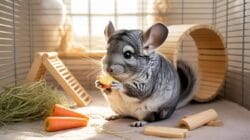
Ramps should be solid or removed entirely if the chinchilla can hop between levels. Traditional metal ramps often catch small toes and cause fractures. Wood ledges offer a dual purpose by providing a walking surface and a safe chewing outlet. Durable surfaces withstand the abrasive nature of volcanic dust tracked out of the bath. Ensure all platforms are securely bolted to the cage frame to support the weight of a jumping adult.
Temperature Lighting And Humidity Control For A Healthy Chinchilla Habitat
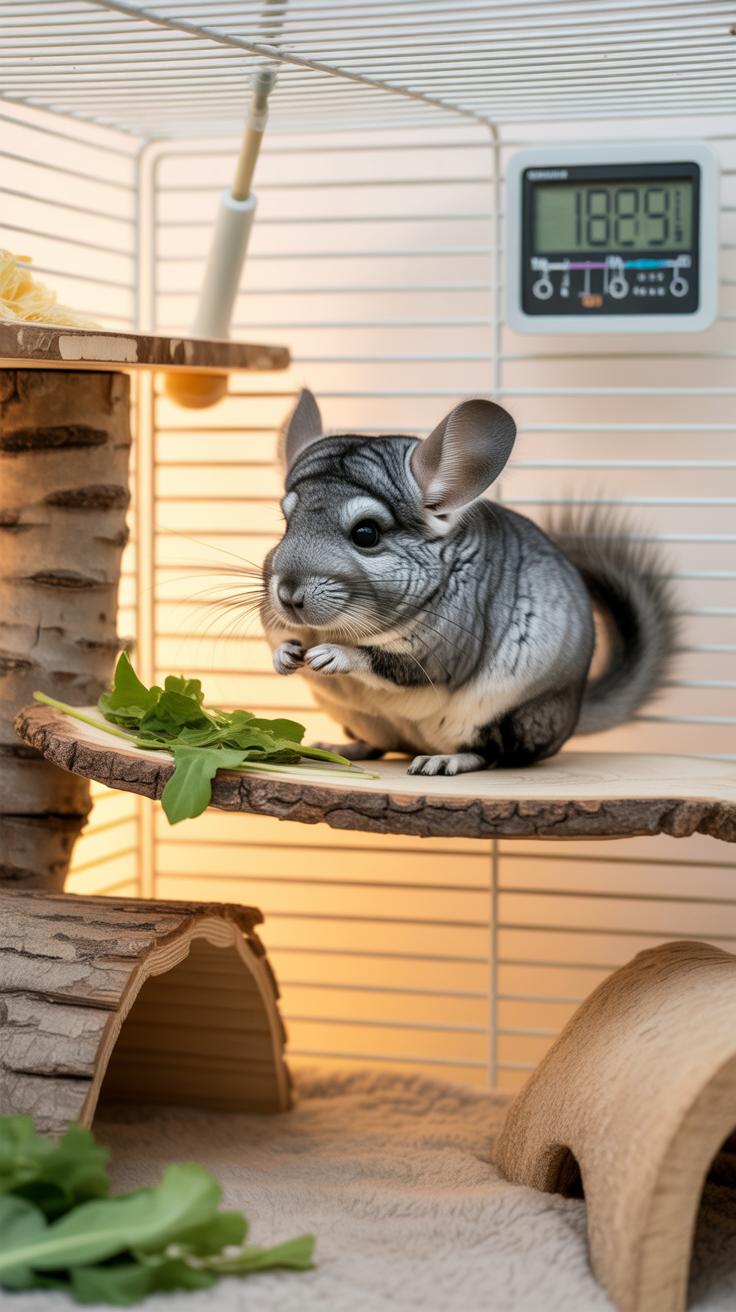
Ideal Temperature Ranges And The Risk Of Heat Stroke In Chinchillas
Chinchillas cannot sweat. Their thick fur traps heat close to the skin. This biological trait makes overheating a primary cause of death. You must maintain the room between 60 and 70 degrees Fahrenheit. Temperatures exceeding 75 degrees Fahrenheit create high risks for heat stroke. Keep the habitat away from direct sunlight. Windows and radiators cause dangerous temperature spikes that kill these animals quickly.
Monitor the environment with a dedicated thermometer placed near the cage. If the chinchilla shows red ears or lethargy, it is overheating. Use air conditioning. Fans do not cool chinchillas because they do not sweat. Place the cage in the lowest level of the home where air is naturally cooler. Always have backup power for cooling systems during summer months to prevent habitat disasters.
How Humidity Levels Affect Chinchilla Fur And Overall Health
High humidity ruins chinchilla fur quality. These animals naturally live in dry, high-altitude climates. Keep relative humidity levels below 50 percent at all times. Excessive moisture makes the dense fur clump together. It also creates a breeding ground for skin fungus and ringworm. If the air feels damp, the chinchilla cannot properly dry its coat. This leads to severe skin infections.

Dehumidifiers are essential tools in humid climates. Proper airflow prevents stagnant air from trapping moisture near the animal. Check the fur regularly for mats or damp spots. If the humidity is too high, the traditional chinchilla habitat dust bath will not work. The dust absorbs moisture from the air instead of the fur. Maintain a dry environment to ensure the dust stays effective for cleaning purposes.
What Is A Chinchilla Dust Bath And Why Is It Essential
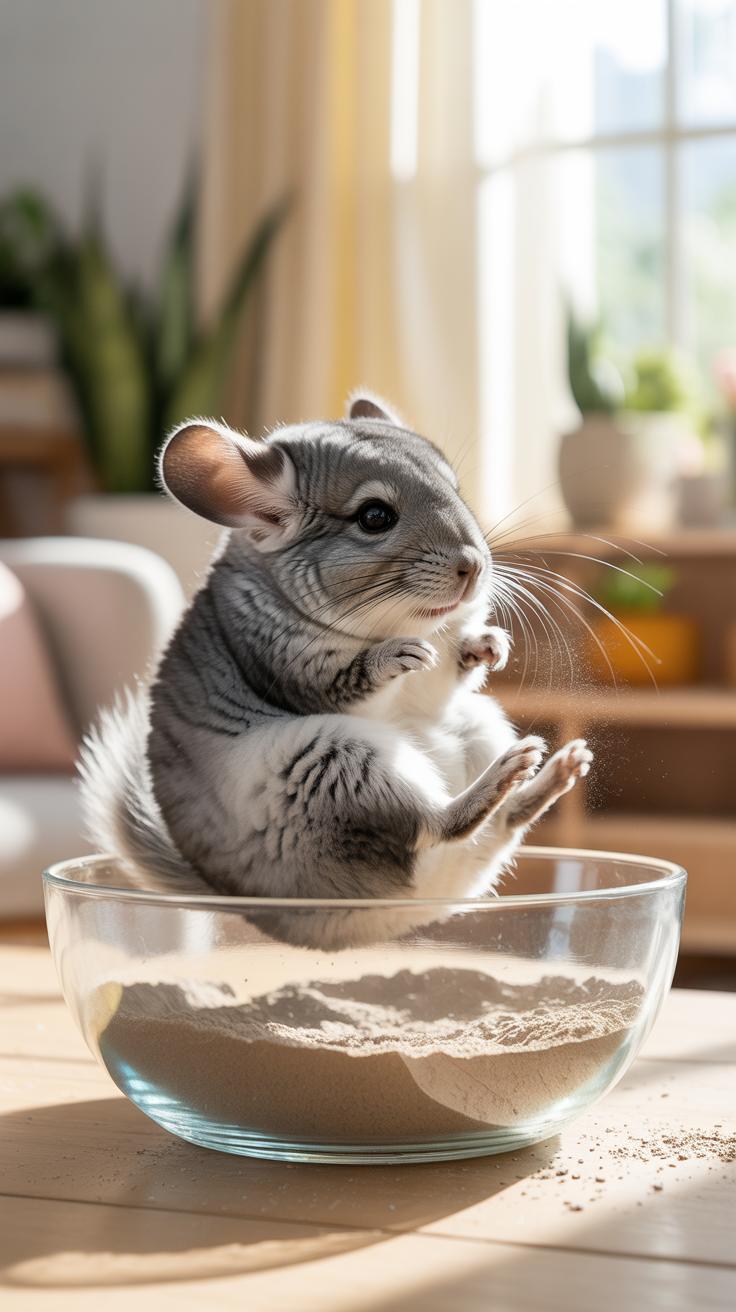
The Science Behind How Chinchillas Clean Their Dense Fur Coats
Chinchillas possess the densest fur of any land mammal. They grow up to eighty individual hairs from a single follicle. This thickness prevents water from evaporating if the coat gets wet. Trapped moisture leads to fungal growth and skin rot. Dust serves as a dry cleaning agent. It penetrates the fur to the skin level. This process maintains health without using harmful liquids.
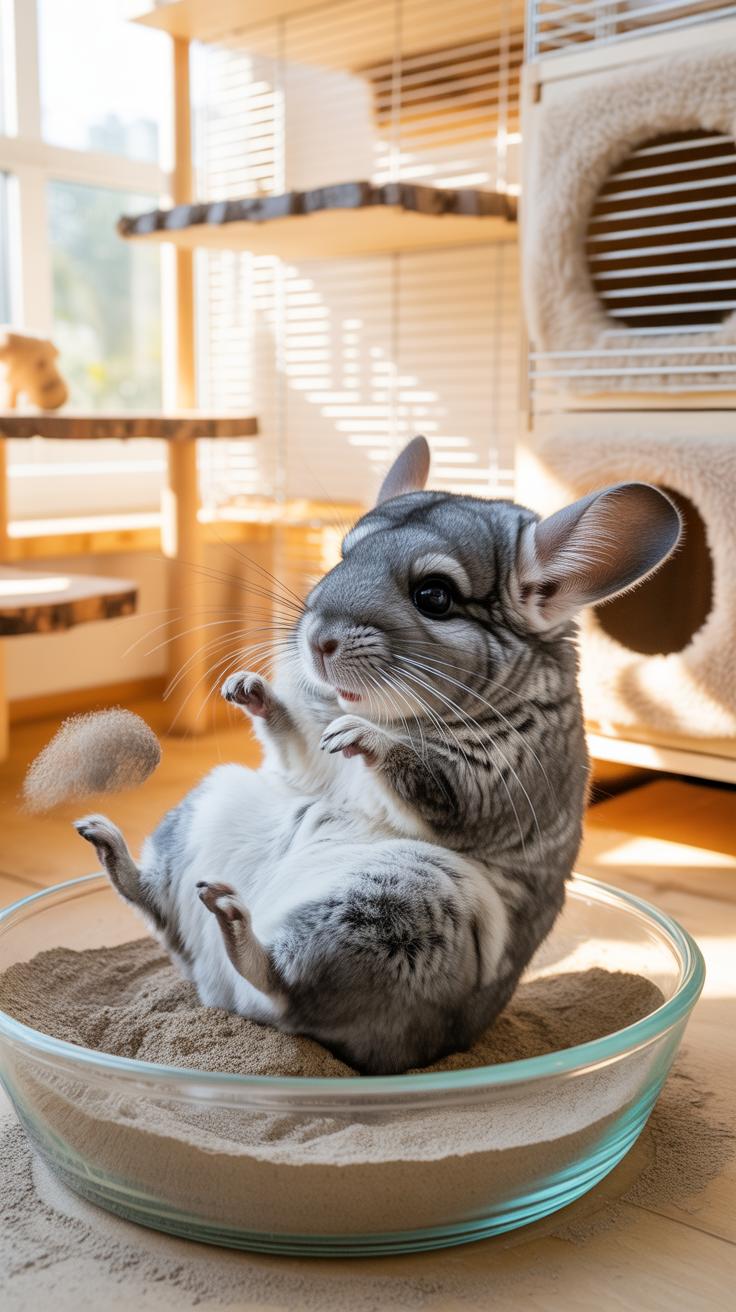
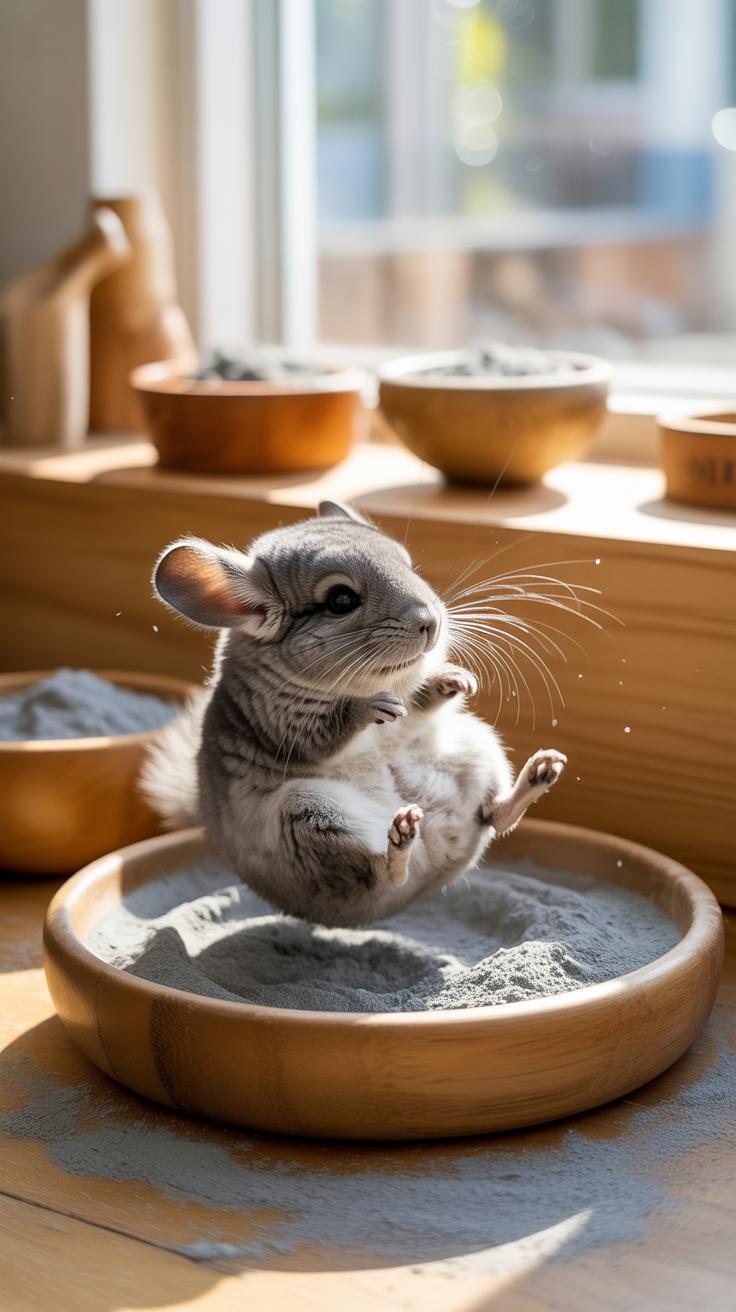
The dust particles absorb excess skin oils and environmental debris. Chinchillas perform a specific rolling motion to distribute the powder. Centrifugal force flings the oil-soaked dust away from the body. This mechanical action keeps the coat light and insulating. Without this regular cycle, the fur mats and loses its ability to regulate temperature. Clean fur is a biological necessity for survival in their native high-altitude climate.
Chinchilla Dirt Bath Vs. Chinchilla Dust Bath: Understanding The Difference
A chinchilla dust bath requires specific volcanic minerals to work. High-quality dust mimics the volcanic ash found in the Andes Mountains. It consists of fine pumice or silicate. These particles have sharp edges on a microscopic level. They cut through oils effectively. Standard playground sand or backyard dirt is too coarse. These materials damage the delicate hair shafts and do not reach the skin.

Using the wrong material causes physical harm. Heavy sand lacks the buoyancy to lift grease. Garden soil contains bacteria and organic matter that trigger infections. True volcanic dust remains the only safe medium for the chinchilla habitat dust bath. It ensures the animal stays dry and clean. Owners must provide this exact material twice a week. Proper dust selection prevents expensive veterinary bills related to skin issues.
Chinchilla Dust Bath Instructions How To Dust Bathe A Chinchilla Safely
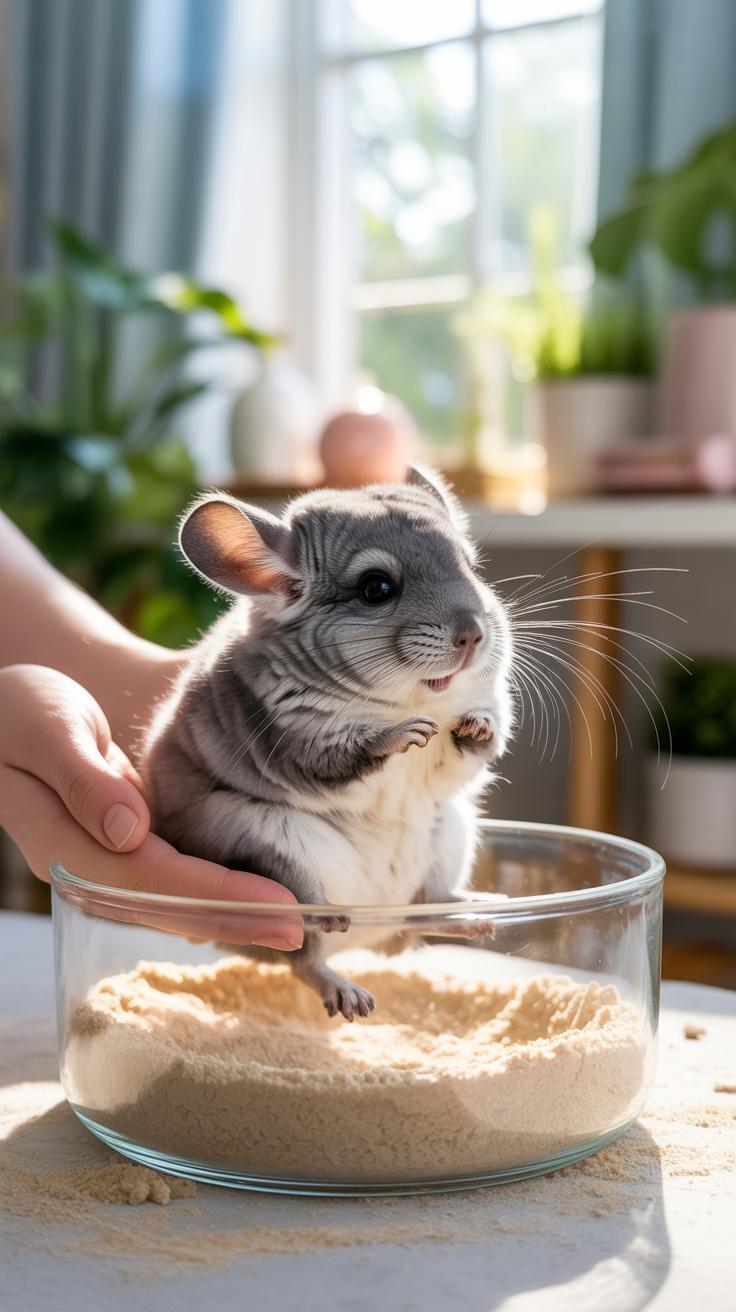
Step By Step Chinchilla Dust Bath Instructions For New Owners
Chinchillas cannot touch water because their fur is too dense to dry. Moisture causes skin infections and fungal growth. They use volcanic ash to remove oil and dirt from their coats. This process mimics their behavior in the Andes Mountains. You must provide a specific container and dust to maintain their health. Follow these steps to ensure a safe cleaning cycle.
- Select Dust: Use only 100 percent volcanic ash or commercial chinchilla dust. Never use playground sand or bird grit. These materials are too abrasive and will damage the fine hair shafts. True chinchilla dust penetrates the coat down to the skin level.
- Choose Container: Use a heavy ceramic bowl or a specialized plastic bath house. The container must be wider than the chinchilla. It needs high sides to contain the dust cloud during the rolling process. Stability is vital to prevent the bath from tipping over.
- Add Material: Pour roughly two inches of dust into the bottom of the container. This depth allows the animal to flip and roll completely. You do not need to fill the bowl. A shallow but consistent layer provides enough coverage for a full cleaning session.
- Place Chinchilla: Set the bath on a flat surface inside the cage or a play area. Most chinchillas will jump in immediately once they see the dust. They perform a series of rapid rolls and shakes. This movement distributes the ash evenly across their entire body.
- Remove Bath: Extract the container once the chinchilla finishes rolling. Leaving it in the cage leads to over-bathing. It also encourages the animal to use the dust as a litter box. Removing the bath keeps the habitat clean and protects the quality of the material.
Clean the dust often by sifting out waste or clumps. Replace the entire volume of dust every few weeks. If the dust looks dull or gritty, it has lost its effectiveness. Store the supply in a sealed container to keep it dry. Proper maintenance prevents the spread of bacteria. Your chinchilla relies on this ritual to stay dry and insulated.
Creating a home for these gentle creatures is like building a soft sanctuary of mountains and mist. From the careful placement of their ledges to the cloud of a joyful dust bath, we are simply providing a landscape for their spirits to dance.
How Often Should A Chinchilla Take A Bath And For How Long?
Standard schedules require two to three baths per week. This frequency keeps the fur soft and prevents oil buildup. In high humidity, you might need to offer the bath more often. Watch the coat for a flat or clumping appearance. If the fur looks parted or greasy, increase the bathing sessions. Consistency is the key to managing their unique coat density.

Limit each session to fifteen minutes. Prolonged exposure to dust can dry out the animal’s skin. Excessive bathing leads to itching and cracked feet. If you notice your chinchilla scratching frequently, reduce the number of baths immediately. Monitor your local weather as seasonal changes impact their needs. Adjust the routine based on the visible condition of the fur and skin health.
Selecting The Best Chinchilla Dust Bath Container And Dust Bath House
What To Look For In A Chinchilla Dust Bath Container: Size And Shape Guide
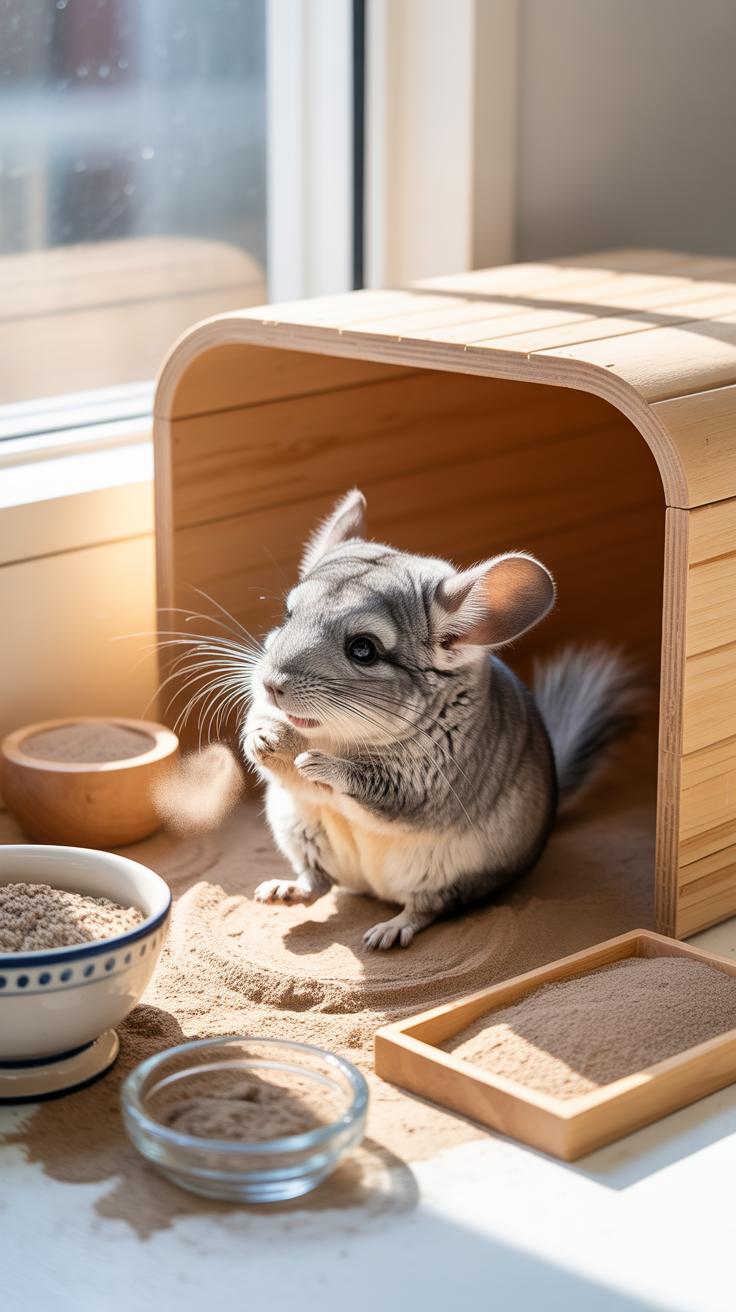
A chinchilla needs enough space to perform a full lateral roll without hitting the walls. The container should be at least two inches wider than the animal on all sides. Depth is equally important for function. You must provide enough depth to hold two inches of dust without it spilling out immediately. A sturdy base prevents the unit from tipping over during vigorous movement.
Choose heavy materials like ceramic, glass, or metal. Plastic is a poor choice because chinchillas will chew and ingest it. This leads to intestinal blockages that are often fatal. A rounded interior allows the dust to pool in the center. High walls help contain the fine particles. This keeps the habitat cleaner and ensures the chinchilla stays fully coated in the volcanic ash.
Chinchilla Dust Bath House Options: Enclosed Vs. Open Containers Compared
Enclosed bath houses are the industry standard for maintaining cleanliness. These units feature a small entry hole and a large bulbous body. They trap the airborne dust clouds generated during the rolling process. This keeps the respiratory irritants out of your home and inside the chamber. Most professional keepers prefer these for daily use. They are efficient and reduce waste by keeping the dust contained.

Open containers like glass bowls or ceramic crocks offer better visibility for the owner. You can monitor the chinchilla for skin issues or fur fungus more easily. However, these containers allow dust to coat every surface in the cage. Use open containers only if the cage has solid walls or if you bath the animal outside the habitat. Glass is superior to wood because it does not absorb skin oils.
How To Make A Dust Bath For Chinchillas At Home
Approved Dust Types And What Ingredients To Avoid For Chinchilla Safety
Chinchillas require specific volcanic ash to maintain their fur health. This material mimics the dust found in their native Andean habitat. It absorbs oils and removes dirt from their dense coat without using water. Never use play sand, bird gravel, or construction dirt. These materials are too abrasive for their sensitive skin and will cause fur damage or fungal infections.
- Volcanic Ash: This natural mineral comes from crushed volcanic rock. It is the gold standard for chinchilla hygiene. The fine particles penetrate the thick fur to reach the skin surface. It effectively absorbs excess lipids and moisture without causing irritation or respiratory distress.
- Sepiolite Dust: Many professional breeders use this clay based mineral. It offers similar absorption properties to volcanic ash. It provides a heavy texture that produces less airborne residue in your home. Ensure the product is specifically graded for small animal grooming to avoid chemical additives.
- Blue Beauty Dust: This is a premium trade name for high quality volcanic pumice. It features an extremely fine consistency that ensures deep cleaning. It mimics the natural environment of the high Andes mountains. Use this to maintain the softest possible texture in show quality animals.
- Avoid Scented Powders: Many commercial brands add perfumes or deodorizers to their dust. These chemicals cause severe respiratory inflammation in chinchillas. Avoid any product that lists fragrance or odor neutralizers on the label. Stick to pure minerals to protect your pets delicate lungs and nose.
- Avoid Talcum Powder: Human grade powders often contain cornstarch or talcum. These ingredients are too fine and contain moisture-retaining properties that can lead to skin rot. They also lack the abrasive quality needed to scrub away dead skin cells. Only use volcanic or clay based minerals for safety.
Inspect the labels of every product before purchase. Look for 100 percent natural volcanic pumice or sepiolite. Avoid products that feel gritty or sharp between your fingers. Quality dust feels like flour or fine silt. If the dust appears gray or white and has no smell, it is likely safe. Proper dust selection prevents expensive veterinary visits for skin issues.
DIY Dust Bath Setup Tips And How To Maintain Dust Hygiene Over Time
Select a heavy container that the animal cannot tip over. Ceramic bowls or glass jars work best because they resist chewing. Metal pans also provide a durable option for the habitat. Ensure the container is large enough for the chinchilla to flip and roll freely. High sides are necessary to keep the dust inside the vessel during the vigorous bathing process.
Sift the dust after every use to remove droppings or clumped fur. This practice extends the life of the material and prevents bacterial growth. Replace the entire volume of dust every two weeks to ensure maximum absorption. Store your bulk dust in a sealed plastic bin to keep it dry. Moisture ruins the effectiveness of the minerals and can cause skin irritation.
Enrichment Diet And Routine Completing Your Chinchilla Habitat Setup
Toys, Hideouts, And Exercise Wheels That Support Chinchilla Well Being
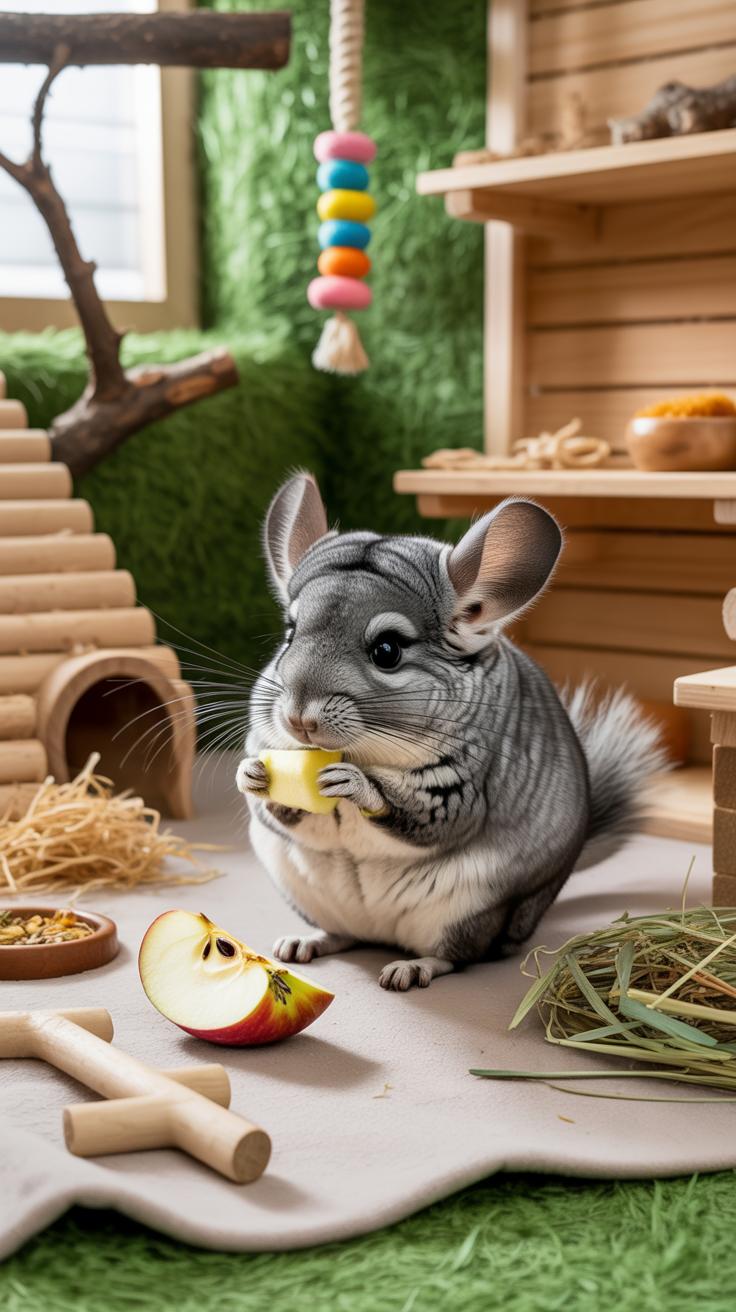
Chinchillas possess teeth that grow throughout their lives. You must provide kiln-dried pine or apple wood toys to prevent dental disease. Raw wood blocks facilitate natural gnawing behaviors. Avoid plastic materials because ingestion causes intestinal blockages. Place wooden hideouts in high corners to mimic mountain crevices. These spots offer security and regulate stress. Proper enrichment prevents boredom and destructive chewing on the cage bars.
Exercise wheels must feature a solid running surface. Wire or mesh wheels break legs and cause toe injuries. Select a wheel with at least a fifteen-inch diameter to prevent spinal curvature. Chinchillas run several miles every night. High-quality metal wheels survive heavy use and keep noise levels low. Situate the wheel away from sleeping areas to maintain a functional flow within the habitat footprint.
Feeding Schedules, Hay, And Fresh Water Essentials For A Balanced Habitat
Timothy hay is the primary component of a chinchilla diet. It provides necessary fiber for gut motility and constant tooth wear. Keep a hay rack full at all times to ensure access. Supplement this with high-quality pellets that do not contain seeds or nuts. Selective feeding on mixed treats leads to obesity and malnutrition. Stick to plain pellets to maintain a stable metabolic rate.

Clean water is a critical requirement for a chinchilla habitat dust bath environment. Use glass drip bottles to prevent chewing damage. Change the water daily to stop bacterial growth. Chinchillas cannot tolerate high humidity or dampness in their fur. Position the water bottle far from the dust bath area. This prevents moisture from clumping the volcanic ash and ruining the effectiveness of the bathing routine.
Frequently Asked Questions

Why do chinchillas need a dust bath instead of a regular water bath?
Chinchillas have incredibly dense fur that traps moisture, which can lead to dangerous fungal growth or skin infections if they get wet. To maintain hygiene, they naturally roll in fine volcanic ash. Integrating a chinchilla habitat dust bath into their weekly routine is essential because the particles penetrate deep into the fur to absorb oils and remove dirt, keeping their coat fluffy, healthy, and completely dry.
How should I set up the dust bath area within the cage?
When arranging your chinchilla habitat dust bath, place a sturdy ceramic or glass bowl at the bottom of the enclosure. Add about two inches of specialized chinchilla dust and allow your pet to roll for ten to fifteen minutes. It is best to remove the bath after use to prevent the dust from becoming soiled with waste or over-drying your pet’s sensitive skin through excessive rolling.
Can I save money by using regular sand for my chinchilla’s bath?
While it may be tempting to use play sand, it is too coarse and ineffective for their unique needs. Proper chinchilla dust is specifically processed to mimic volcanic ash, ensuring it reaches the skin without causing irritation. To stay on a budget, buy dust in bulk and sift out any debris after each session; this allows you to reuse the clean powder multiple times before needing a full replacement.