What Is The Ridgeback Guinea Pig A Breed Overview For Guinea Pig Enthusiasts
Origins And History Of The Ridgeback Guinea Pig Breed
The Ridgeback guinea pig is a relatively new development in the world of cavy fancying. Unlike ancient breeds, this variety emerged primarily in the United Kingdom and Europe during the late twentieth century. Breeders focused on a specific genetic mutation that causes hair to grow upward along the spine. This trait mirrors the physical characteristics found in Rhodesian Ridgeback dogs. Selective breeding stabilized this unique look over several decades.
Standardization of the breed remains an ongoing process within global cavy clubs. Most major organizations consider it a rare or emerging variety rather than a fully established show breed. Breeders prioritize the quality of the ridge and coat texture over color patterns. This tactical focus ensures the genetic trait persists across generations. It requires strict culling and pairing practices to maintain a straight and upright ridge without interruptions.
How The Ridgeback Differs From Other Guinea Pig Breeds
The primary differentiator is the dorsal ridge of hair running from the neck to the rump. While other breeds like the Abyssinian feature multiple rosettes, the Ridgeback must only have hair growing toward the spine. The rest of the coat stays smooth and short. This specific hair direction creates a crest that stands at least 25 millimeters high. No other smooth coated breed displays this vertical growth pattern.
Genetics also set this breed apart from the Peruvian or Silkie varieties. The Ridgeback carries a specific gene modifier that dictates hair direction along the spinal column. It lacks the long flowing locks or dense curls found in Texel or Rex breeds. Maintenance is simpler because the coat does not mat easily. Owners choose this breed for its low grooming needs and its striking architectural silhouette that stands out in a crowded pen.

Ridgeback Guinea Pig Physical Characteristics And Cute Guinea Pig Traits
The Signature Ridge: Understanding The Defining Physical Feature
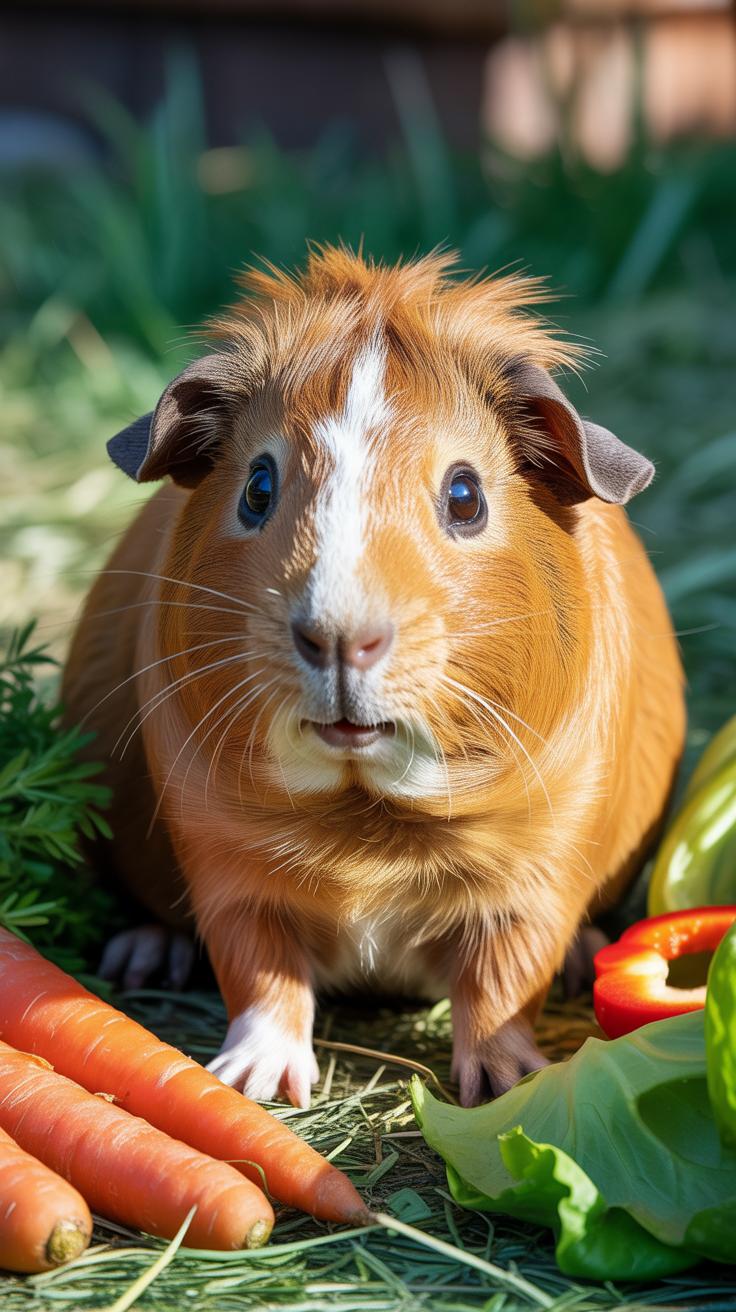
The ridge consists of a linear crest of hair growing in the opposite direction of the rest of the coat. It starts behind the ears and runs straight down the spine to the rump. This vertical growth creates a Mohawk effect. The hair must stand upright and remain stiff. Breeders look for a straight line without any breaks or gaps in the hair.
Genetics dictate the height and thickness of this dorsal ridge. It is a dominant trait but requires specific pairing to maintain quality. Unlike the Abyssinian breed, the Ridgeback has no rosettes elsewhere on its body. The coat on the sides and belly remains smooth and flat. This contrast makes the ridge the primary focal point for breed evaluation and show standards.
Coat Colors, Textures, And Body Size Of The Ridgeback Guinea Pig
Standard Ridgebacks have short and smooth hair across their entire body except for the spinal ridge. The texture is dense but soft to the touch. Breeders produce these animals in every recognized guinea pig color and pattern. This includes solid colors, agouti, and multi-colored varieties like tortoiseshell. No specific color is exclusive to this breed. The coat requires minimal grooming compared to long-haired breeds.

Adults typically weigh between one and three pounds. They possess a sturdy and compact body shape known as a cobby build. Their heads are broad with a slightly curved profile. Dark and bright eyes sit wide apart on the face. The ears are large and shaped like rose petals. They hang slightly downward. This physical structure supports a healthy weight and active lifestyle for the animal.
Ridgeback Guinea Pig Temperament What Makes This Guinea Pig Variety Special
Personality Traits And Social Behavior Of The Ridgeback Guinea Pig
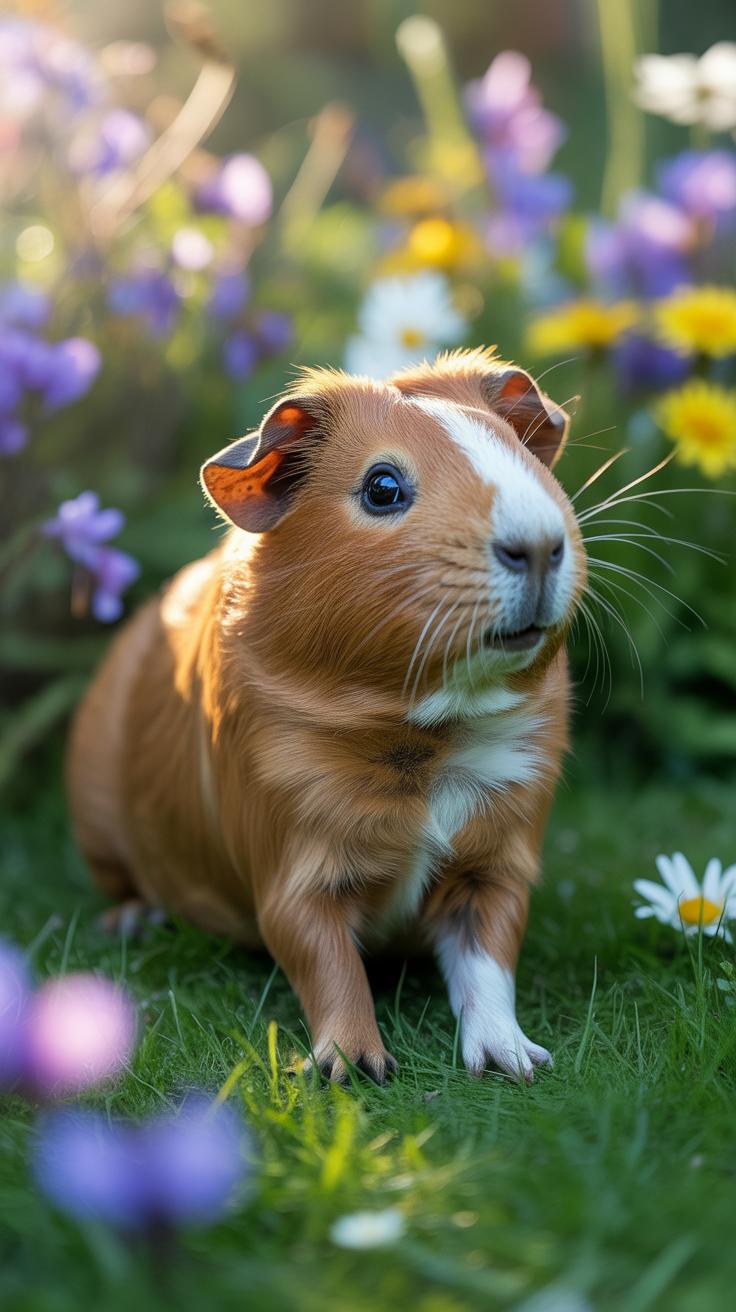
The Ridgeback guinea pig breed displays high energy levels compared to calmer breeds like the American. These animals remain alert and curious about their surroundings. They react quickly to sounds and movement. Their focus stays sharp on environmental changes. Breeders note a distinct assertive streak in their nature. This boldness stems from their heritage and physical vigor. They explore new spaces without hesitation.
Socially, the Ridgeback thrives in a structured group setting. They require constant interaction with their own kind to maintain mental health. Solitary living leads to stress and physical decline. They communicate through frequent vocalizations and body language. Dominance displays happen often during initial meetings between males. Females usually integrate faster into existing colonies. This breed functions best when keepers provide ample space for social movement.
How The Ridgeback Interacts With Humans And Other Guinea Pigs
Ridgeback guinea pigs bond effectively with humans through consistent handling and feeding routines. They do not naturally seek out quiet laps. They prefer active engagement and food rewards. Once they trust a keeper, they become vocal and expressive. You must handle them firmly to manage their quick movements. They rarely bite but will flee if they feel trapped or surprised by loud noises.
Interaction with other breeds requires careful monitoring due to the Ridgeback high energy. They often take the lead in multi breed cages. Their physical presence and erect hair can intimidate more passive breeds. Ensure the cage has multiple exits to prevent cornering during play. These animals respect clear hierarchies. Providing multiple feeding stations reduces friction and ensures peace within a mixed herd environment.
Types Of Guinea Pigs Where The Ridgeback Fits In The Guinea Pig Breed Comparison
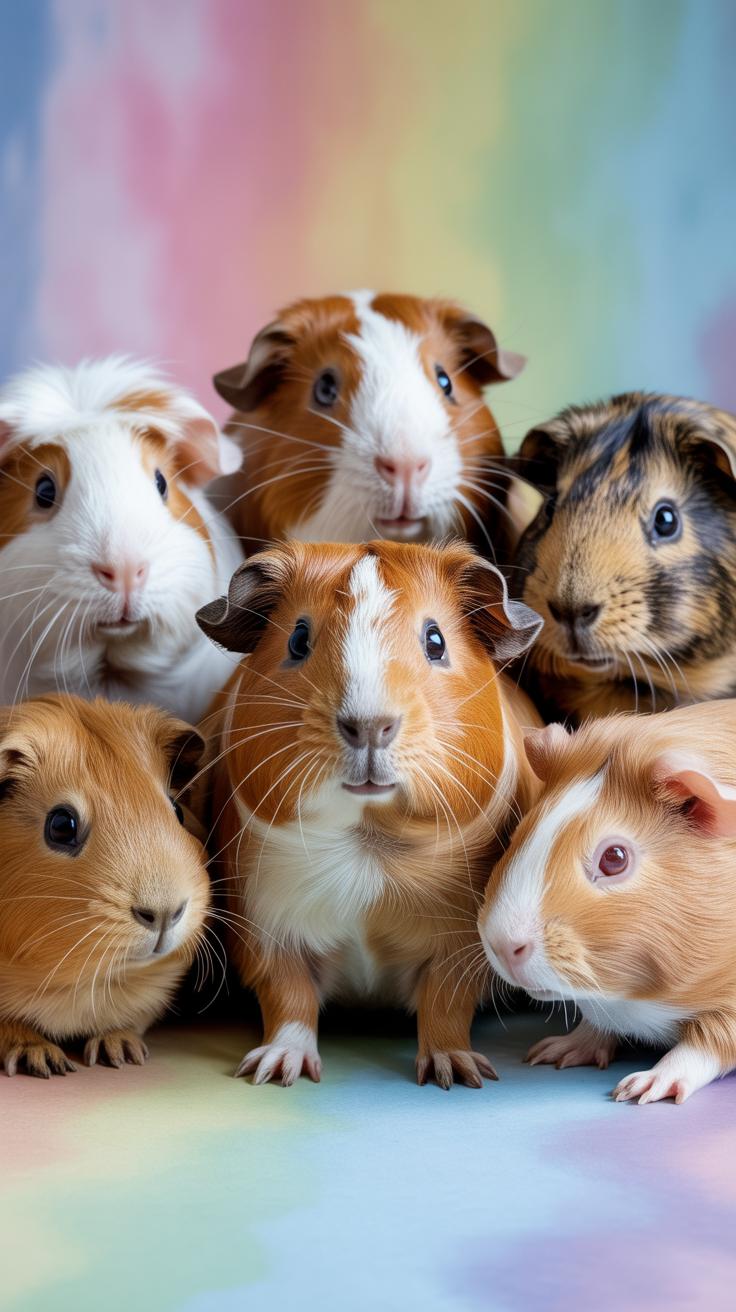
Ridgeback Vs. Abyssinian, Peruvian, And Other Popular Guinea Pig Breeds
Short haired breeds dominate the market. The American guinea pig has a flat coat. The Ridgeback shares this smooth texture but adds a linear crest. Unlike the Abyssinian, it lacks multiple rosettes. Abyssinians show coat swirls across the entire body. The Ridgeback remains sleek except for the spine. This distinction makes the Ridgeback a middle ground between smooth and rough coated types.
Peruvians and Silkies focus on hair length and flow. They Require heavy grooming and maintenance. The Ridgeback avoids these long hair issues while offering a unique look. Breeders often compare it to the Teddy breed because of texture variety. However, the Ridgeback relies on hair direction rather than kinky wool. It provides a structural point of interest without the high maintenance of long haired varieties.
Using A Types Of Guinea Pigs Chart To Understand Breed Distinctions
A breed chart organizes guinea pigs by coat length and hair direction. Most charts place the Ridgeback in the semi rough category. It sits apart from the smooth coated Self varieties. The chart highlights the dorsal ridge as the primary identifier. You can quickly see how it differs from Crested breeds. Crested pigs have one crown on the head but flat bodies.

Breeders use these charts to plan genetic crosses. The Ridgeback trait is often recessive or requires specific modifiers to stay straight. A comparison chart shows why you must avoid mixing Ridgebacks with Abyssinians. Doing so creates messy coat patterns that fail show standards. Use the chart to identify pure coat lines. This ensures you maintain the sharp vertical line required for the breed.
Housing And Habitat Requirements For The Ridgeback Guinea Pig
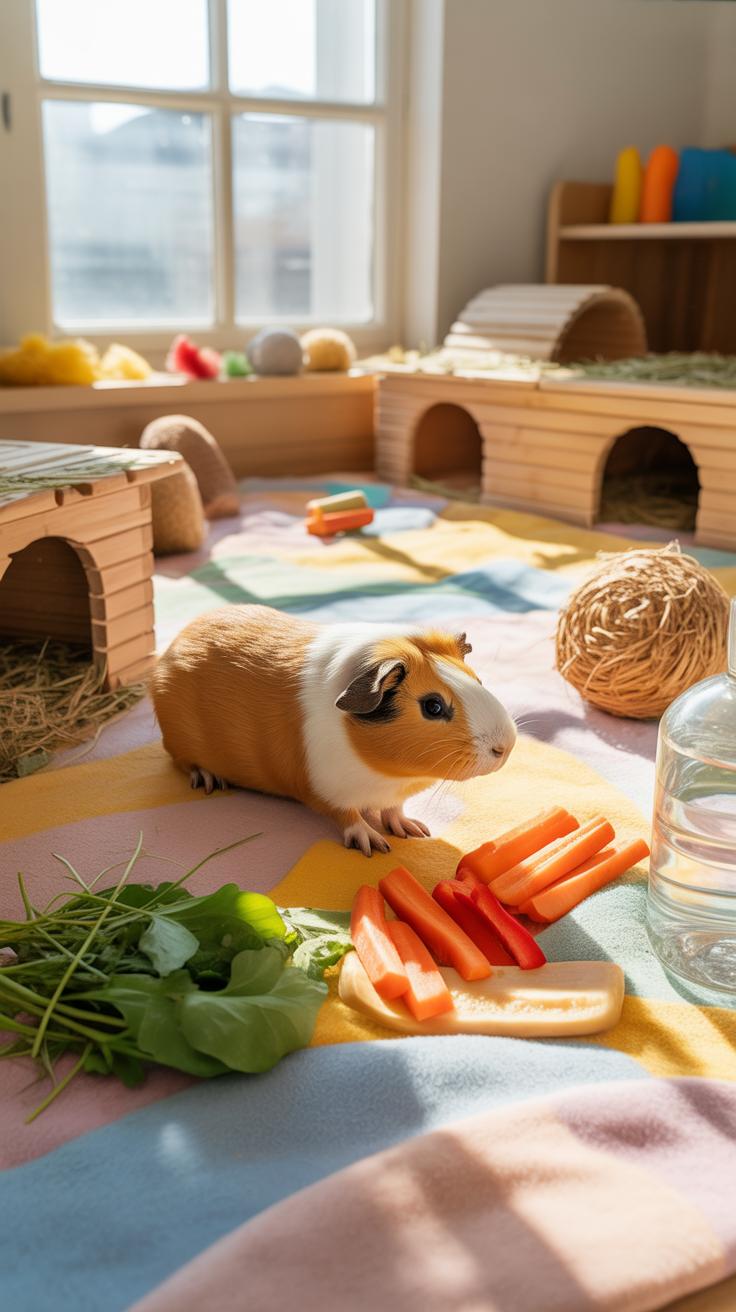
Cage Size, Bedding, And Environment Setup For A Healthy Ridgeback
The Ridgeback guinea pig requires a minimum of 7.5 square feet of flat floor space. A larger area of 10.5 square feet is better for a pair. Avoid multi-story cages because guinea pigs have poor depth perception and fragile spines. Ensure the enclosure has a solid bottom to prevent foot injuries. Wire mesh flooring causes bumblefoot and permanent damage to their limbs.
Select absorbent bedding to manage waste and protect the coat. Kiln-dried pine or paper-based pellets work well to control moisture. Avoid cedar shavings because the aromatic oils irritate the respiratory system or cause liver issues. Change the bedding twice a week to keep the environment dry. High ammonia levels from soiled bedding will damage the Ridgeback’s skin and ruin the quality of its hair.
Indoor Vs. Outdoor Living: What Works Best For This Guinea Pig Variety
Keep Ridgeback guinea pigs indoors to provide a stable climate. This breed lacks the dense coat required to withstand temperature swings or extreme moisture. Indoor housing allows you to maintain a consistent temperature between 65 and 75 degrees Fahrenheit. You also eliminate the risk of predator attacks and parasitic infestations common in outdoor hutches. Constant monitoring ensures any health issues get noticed immediately.
Outdoor living poses significant risks to the Ridgeback’s health and breed standards. Direct sunlight and wind can dry out the skin and damage the hair ridge along the spine. Damp conditions lead to fungal infections and pneumonia. If you utilize an outdoor run for exercise, never leave the animals unsupervised. Return them to their primary indoor enclosure before the temperature drops or the sun reaches its peak.
Feeding And Nutrition Guide For The Ridgeback Guinea Pig Breed
Core Diet Essentials: Hay, Vegetables, Pellets, And Fresh Water
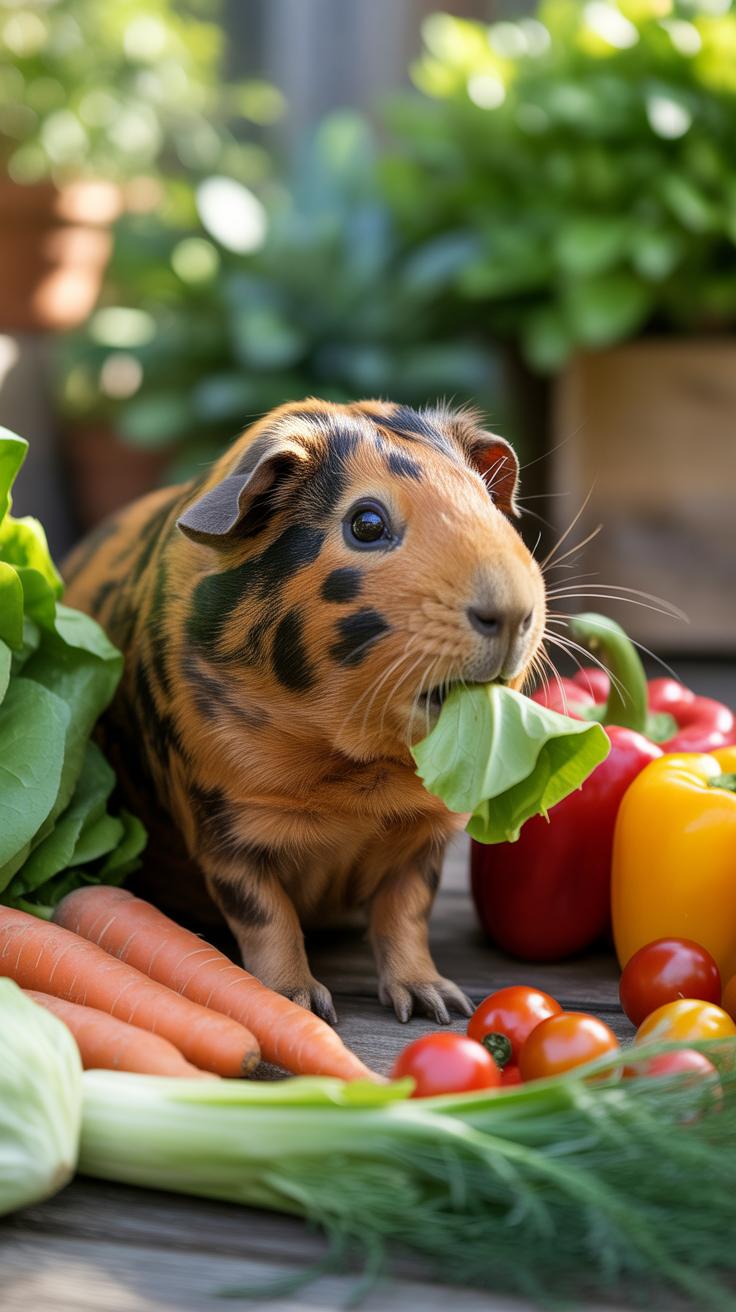
The Ridgeback guinea pig requires a diet built on high-quality grass hay. Timothy hay provides the fiber necessary for digestive motility and dental wear. This roughage must comprise eighty percent of the daily intake. Constant access to fresh hay prevents life-threatening GI stasis. You must verify that the hay is green and free of dust or mold to protect the animal’s sensitive respiratory system.
Nutrational success depends on a daily supply of fresh vegetables and fortified pellets. Choose high-fiber pellets that contain stabilized Vitamin C. Guinea pigs cannot produce this vitamin naturally. Supplement this with one cup of leafy greens per day to ensure a broad range of micronutrients. Romaine lettuce and bell peppers are effective choices. Always provide clean water in a gravity-fed bottle to maintain hydration levels.
To hold a Ridgeback is to feel the unique texture of a legacy bred with care and heart. These gentle spirits with their distinctive crests remind us that true beauty lies in the fine details of nature.
Foods To Avoid And Nutritional Tips For Keeping Your Ridgeback Healthy
Poor dietary choices can lead to obesity and bladder stones in the Ridgeback breed. This breed often hides illness, so preventative nutrition is your best tool. You must strictly monitor calcium intake to prevent painful urinary crystals. Avoid feeding alfalfa hay to adult Ridgebacks as it contains excess calcium and protein. Focus on low-sugar options to maintain a healthy weight and prevent dental decay.
- Iceberg Lettuce: This vegetable contains very little nutritional value and consists mostly of water. Feeding it can cause diarrhea and malnutrition. Stick to darker leafy greens like kale or parsley for better nutrient density and digestive health.
- Cruciferous Vegetables: Cauliflower and cabbage can cause painful gas buildup in the intestinal tract. Because guinea pigs cannot expel gas easily, these foods can lead to bloating. Limit these items or avoid them entirely to ensure digestive comfort and safety.
- Commercial Seed Mixes: Seeds and colorful grain mixes pose a significant choking hazard. These mixes often contain high levels of fat and sugar which lead to fatty liver disease. Only use plain, high-quality grass-based pellets to meet your animal’s caloric requirements.
- Sugary Fruits: Large amounts of fruit can cause obesity and mouth sores. Treats like apples or carrots should only be fed in small quantities once or twice a week. Excessive sugar disrupts the natural balance of gut bacteria in the Ridgeback.
- Human Processed Foods: Bread, crackers, and dairy products are indigestible for guinea pigs. Their systems are designed only for plant-based fiber. Feeding these items causes severe metabolic issues and can be fatal to the animal.

Stable vitamin C levels are non-negotiable for the Ridgeback breed. This physical trait does not change their internal biology or basic needs. Liquid vitamins added to water bottles degrade quickly and become useless. Focus on direct supplementation or fresh bell peppers to meet vitamin requirements. Consistency in feeding times reduces stress and keeps the digestive system functioning at peak efficiency.
Grooming And Coat Care For The Ridgeback Guinea Pig

How To Groom The Ridgeback’S Unique Ridge Without Causing Discomfort
A ridgeback guinea pig possesses a short, smooth coat with a linear crest of hair running along the spine. This ridge requires specific handling to maintain its upright structure. You must brush the hair toward the spine from both sides to reinforce the natural growth pattern. Use a soft-bristled brush or a fine-toothed comb to remove debris without irritating the skin or damaging the stiff guard hairs.
Never brush against the grain of the ridge as this causes physical stress to the hair follicles. Grooming should occur at least once per week to prevent oil buildup and skin irritation under the crest. Focus on the base of the ridge where dust and loose bedding often settle. Minimal intervention preserves the texture of the coat. Steady, gentle strokes ensure the animal remains calm during the maintenance process.
Nail Trimming, Ear Cleaning, And Routine Hygiene For This Animals Well Being
Routine hygiene prevents infection and mobility issues in the ridgeback guinea pig breed. Trim nails every three to four weeks using sharp clippers to avoid overgrowth. Long nails curve and cause foot pad injuries or skeletal strain. Maintain a clear view of the quick to prevent bleeding. If the nails are dark, use a small flashlight to locate the blood vessel before you make any cuts.

Check ears weekly for wax buildup or parasitic activity. Use a damp cotton ball to wipe only the outer ear area carefully. Do not insert objects into the ear canal. Ridgebacks generally do not need frequent baths unless the coat is soiled. If bathing is necessary, use lukewarm water and a pH-balanced small animal shampoo. Dry the ridge thoroughly to prevent the animal from chilled temperatures.
Guinea Pig Breeding Guide Responsibly Breeding The Ridgeback Guinea Pig
Understanding Genetics And The Ridge Trait In Ridgeback Guinea Pig Breeding
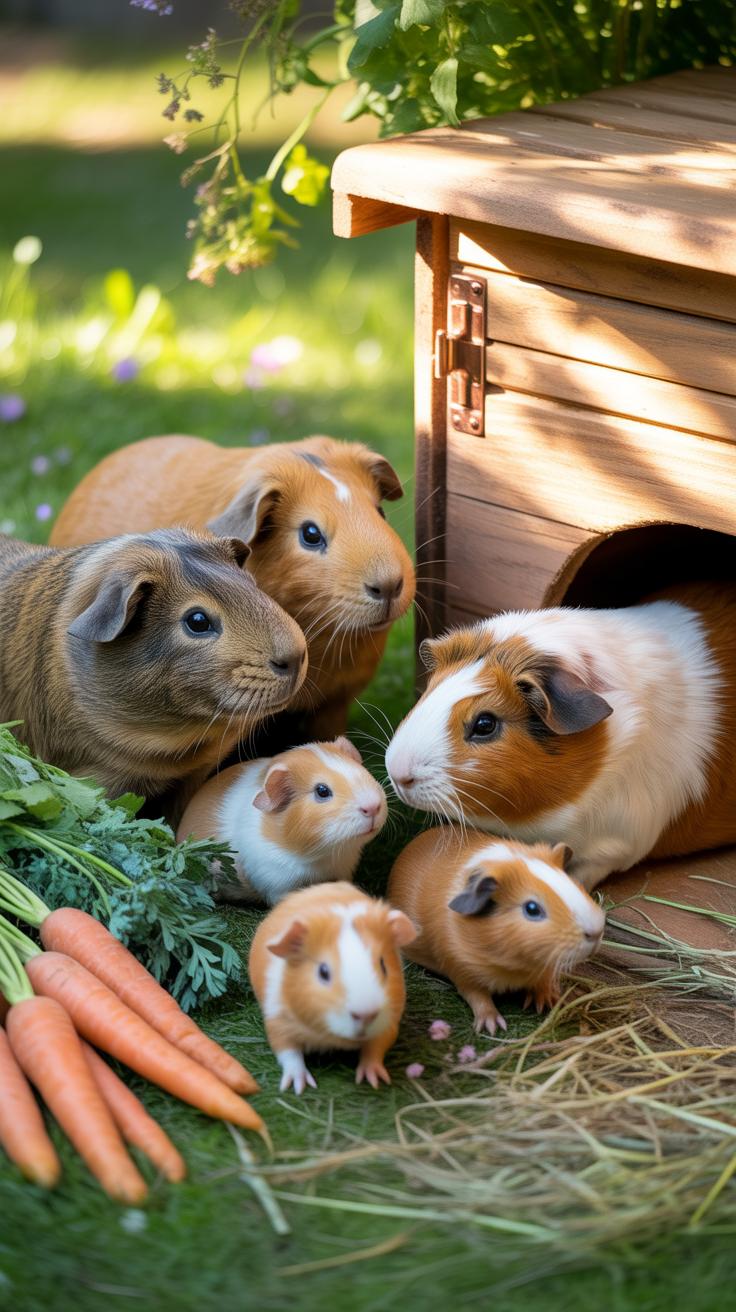
The ridgeback trait relies on a dominant gene that creates a linear crest of upright hair along the spine. Breeders typically cross a ridgeback with a smooth-coated variety to maintain health and coat quality. You must recognize that the ridge is a distinct mutation from the rosette found in Abyssinians. Professional breeders track lineages to ensure the ridge remains straight and centered.
Success in breeding requires culling for coat faults in your selection process. A true ridge must run from the neck to the hips without breaks or gaps. If you see rosettes or swirls on the body, the animal does not meet the breed standard. Genetic diversity is necessary to prevent structural defects. Focus on animals with strong bone density and clean coat lines to improve the stock.
Ethical Breeding Practices, Litter Care, And What To Expect As A Breeder
Ethical breeding requires a strict focus on the health of the sow and the quality of the offspring. You must provide a high-calorie diet and clean environment for the mother throughout the gestation period. New breeders should prepare for litters of three to four pups on average. Proper records help you track which pairings produce the straightest ridges and best temperaments.
- Sow Age Selection: Only breed sows between six and eight months of age for their first litter. Breeding too late increases the risk of fused pelvic bones, which creates life-threatening complications during the birthing process.
- Pedigree Tracking: Maintain detailed records of at least three generations for every breeding pair. This practice prevents accidental inbreeding and helps you identify which specific genetic lines carry the strongest ridge traits and health markers.
- Postnatal Monitoring: Check pups immediately for weight gain and mobility after birth. Ensure every pup successfully nurses within the first few hours. You must monitor the sow for signs of toxemia or calcium deficiency during the first week.
- Culling Standards: Remove individuals with crooked ridges or extra toes from your breeding program. These animals still make excellent pets but should not contribute to the gene pool. Focusing on strict standards preserves the integrity of the ridgeback breed.
- Weaning Process: Separate male pups from the mother and sisters at exactly three weeks old. Guinea pigs reach sexual maturity early. This tactical separation prevents unplanned pregnancies and allows the young males to develop social skills in a bachelor group.

Litter care demands constant attention to the environment to prevent respiratory issues. Pups born with the ridge gene show their coat pattern immediately after birth. You must assess the ridge quality early to determine which pups have show potential. Strategic breeders prioritize the welfare of the animal over the quantity of the litters produced. This approach ensures a sustainable and respected breeding operation.
Health Common Conditions And Veterinary Care For The Ridgeback Guinea Pig
Common Health Issues Seen In Guinea Pig Breeds Including The Ridgeback
Ridgeback guinea pigs face specific risks due to their unique coat structure and digestive biology. The ridge of hair along the spine can trap debris or parasites more easily than smooth coats. Owners must check skin health under the ridge regularly. These animals often suffer from vitamin C deficiency because their bodies cannot produce it. Lack of this nutrient leads to scurvy and joint pain quickly.
Dental health is another critical concern for this breed. Guinea pig teeth grow constantly throughout their lives. If they do not eat enough hay, their teeth become overgrown and painful. This condition prevents them from eating and leads to starvation. Owners should also watch for respiratory infections. These infections spread fast in small rodents and require immediate medical action to prevent death.
Preventative Care, Vet Visit Frequency, And Signs Of Illness To Watch For
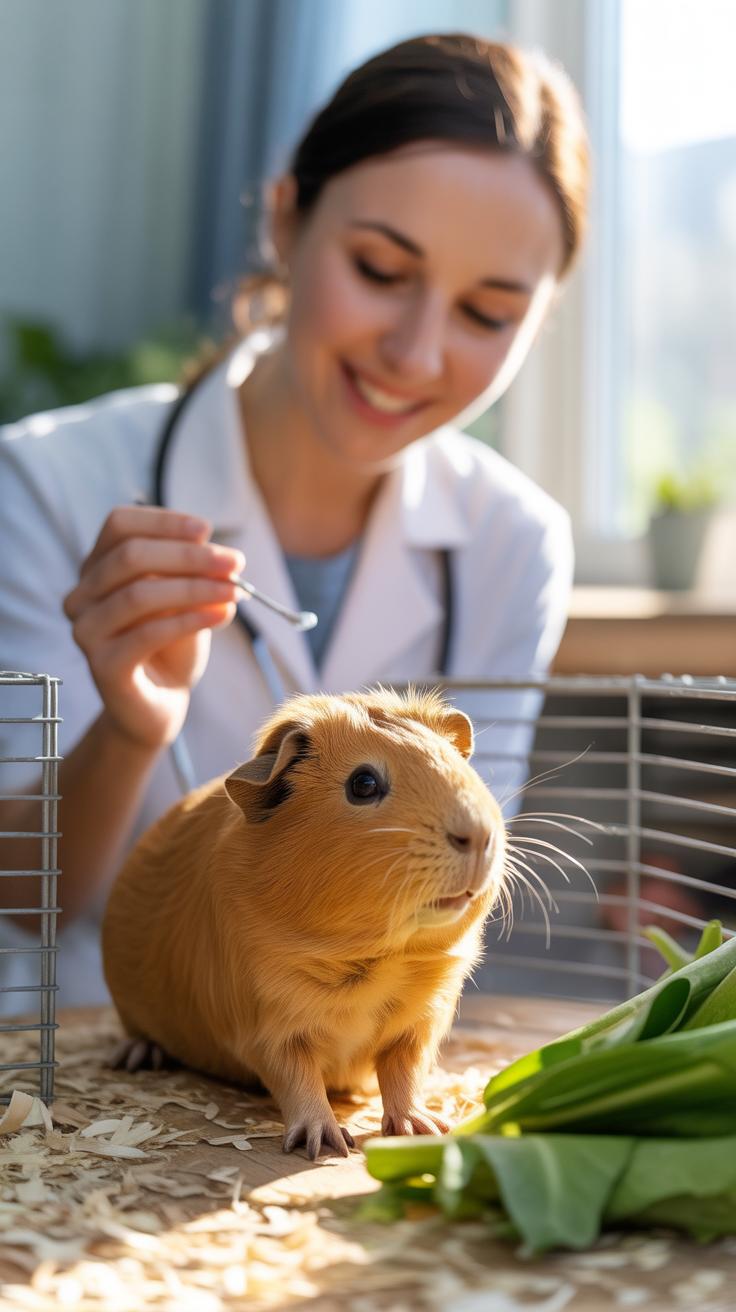
Establish a relationship with an exotic animal veterinarian immediately. Schedule full checkups at least once every year for young adults. Senior guinea pigs require visits every six months to catch age related issues. Weigh your pet weekly at home using a digital scale. Small drops in weight provide the first warning of hidden illness. Early detection saves lives and reduces medical costs.
Monitor your Ridgeback for changes in behavior or physical appearance. Signs of illness include crusty eyes, labored breathing, or a hunched posture. Dull hair or a thinning ridge often indicates poor nutrition or stress. Check the quality of droppings daily for signs of diarrhea or constipation. If the animal stops eating for even twelve hours, treat it as a medical emergency. Vital signs change rapidly in small prey animals.
Finding A Reputable Ridgeback Guinea Pig Breeder And What To Ask Before Buying

Identifying A Responsible Ridgeback Guinea Pig Breeder Versus A Backyard Seller
Responsible breeders focus on the ridge. This genetic trait requires specific selection to ensure the dorsal crest is straight and vertical from the neck to the rump. A professional breeder tracks lineage to prevent spinal defects and keeps records of ancestral health. They prioritize the breed standard over high production volume. You should see clean living conditions and documented history for every single animal.
Backyard sellers prioritize profit and ignore genetic risks. They often sell pigs with weak ridges or rosettes that disqualify the animal as a true Ridgeback. Avoid anyone who refuse to show you where the animals live. A real expert explains the dominant gene science behind the ridge. They will ask you questions to ensure the pig goes to a prepared home. High turnover indicates a mill operation.
Adoption Rescue And The True Cost Of Owning A Ridgeback Guinea Pig
Adopting a Ridgeback from a rescue is a viable option but requires patience. These pigs often enter shelters when owners realize they need social interaction. Rescues provide health checks and temperament assessments before placement. You save a life and reduce the demand for unethical breeding. Always check specialized small animal rescues. They understand the specific grooming and dietary needs of the Ridgeback guinea pig breed.
The true cost exceeds the initial purchase price. You must budget for large cages, high-quality hay, and vitamin C supplements. Exotic vet visits cost more than standard pet care. Ridgebacks live up to eight years with proper management. Factor in the cost of a companion since these animals are social. Bedding and fresh vegetables add up to a significant monthly expense. Do not ignore these long-term financial commitments.
Frequently Asked Questions

What are the unique physical characteristics of a Ridgeback guinea pig?
The most defining feature of the ridgeback guinea pig breed is the continuous crest of hair running along the spine. Unlike Abyssinian varieties that have multiple rosettes, these cavies possess a smooth coat with a distinct, upright “mohawk” starting between the ears and extending down to the rump. They are known for their alert expressions and sturdy builds, making them a fascinating favorite for owners who appreciate a truly unique aesthetic.
How do you properly groom and maintain the coat of a Ridgeback guinea pig?
Maintaining the distinctive look of the ridgeback guinea pig breed is surprisingly simple compared to long-haired varieties. Because their fur is short and dense, they only require a gentle weekly brushing with a soft-bristled brush to remove loose hairs and skin flakes. Pay extra attention to the dorsal ridge to ensure it stays debris-free. Regular nail trimming and occasional ear cleanings will keep your textured companion looking sharp and feeling healthy.
Are Ridgeback guinea pigs expensive to purchase and easy to find?
This specific breed is considered rare, which can make finding one a bit of a challenge compared to common American or Peruvian types. Because they are often produced by specialized heritage breeders, you may need to join a waiting list. Prices typically range from $40 to $80, depending on the lineage and coat quality. While the initial cost is slightly higher, their daily upkeep remains budget-friendly and similar to other cavy breeds.