Why Recognizing Guinea Pig Illness Warning Signs Early Matters For Guinea Pig Care
The Silent Nature Of Illness In Guinea Pigs
Guinea pigs are prey animals. In the wild, showing weakness invites predators. These animals evolved to hide pain and physical distress until they can no longer physically mask the symptoms. This biological trait means a guinea pig that looks slightly tired may actually be in advanced respiratory failure. You cannot wait for obvious signs. By the time a pig looks sick, it is often critical.
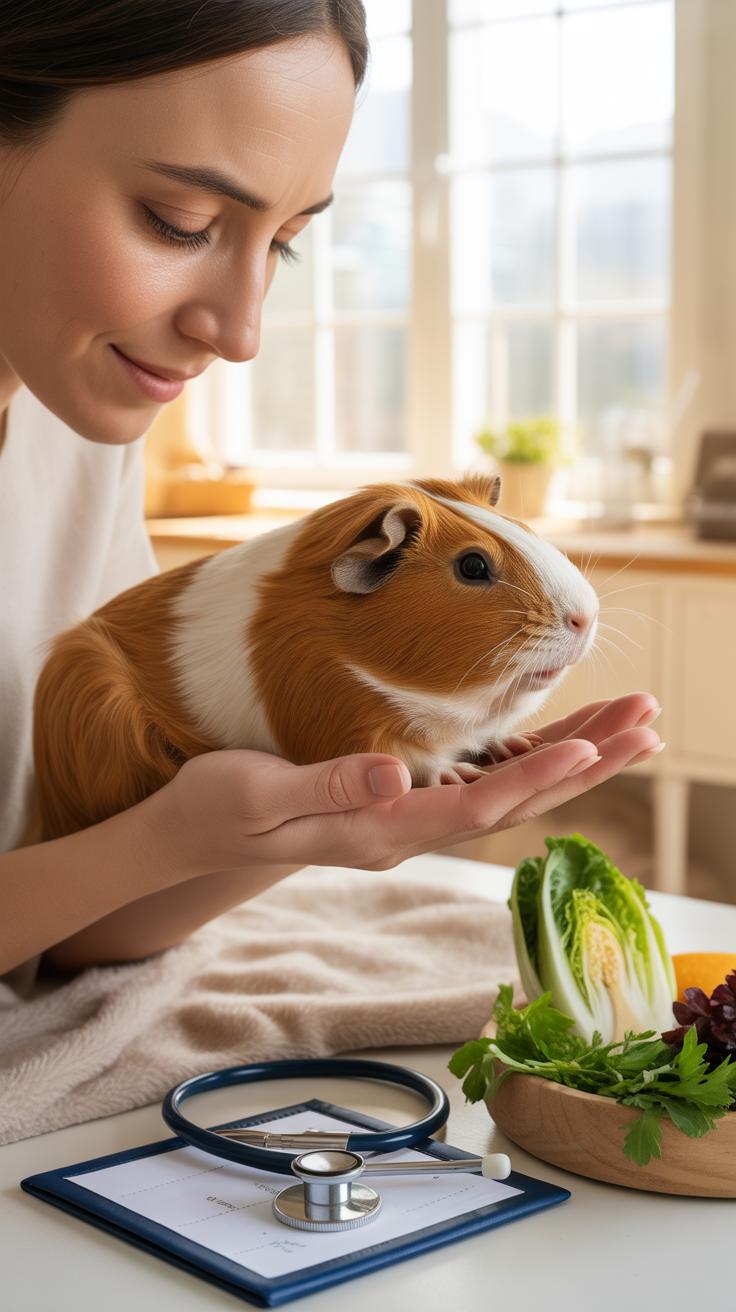
Vigilance is your primary tool for survival. You must monitor weight, eating habits, and stool daily. Any subtle shift in behavior often signals a serious internal issue. Small changes in how they move or interact are tactical clues. Because they hide their pain so well, you must act on the smallest red flags immediately. Waiting even twenty-four hours can result in a fatal outcome for the animal.
How Early Detection Can Improve Your Guinea Pig’S Prognosis
Rapid intervention changes the survival rate of a sick guinea pig. Their metabolism runs extremely fast. Low energy or a lack of appetite leads to gut stasis within hours. Early detection allows a veterinarian to stabilize the digestive system before it shuts down completely. If you catch a respiratory infection early, simple antibiotics usually work. If you wait, the infection leads to permanent lung damage.
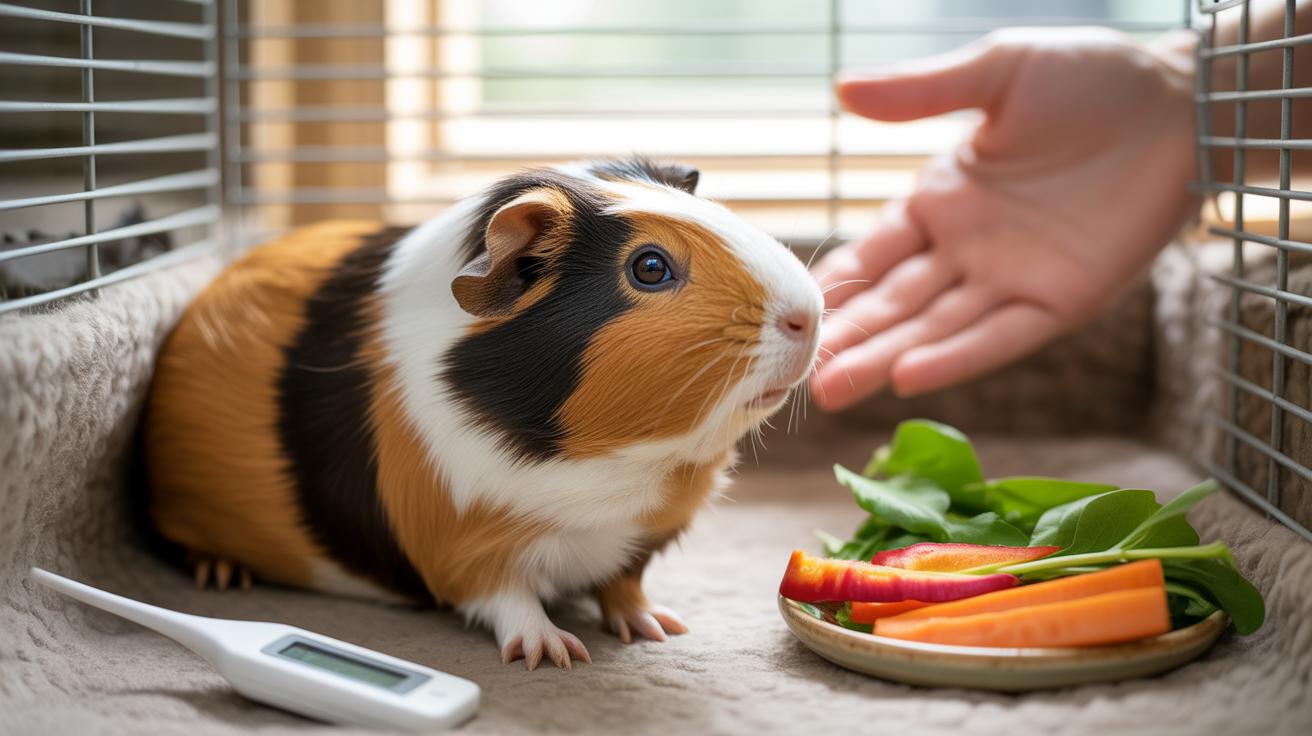
Proactive monitoring saves money and lives. Treating a minor ailment is cheaper than emergency surgery or intensive hospital care. Use a digital scale to track weight every week. A drop of one ounce is a warning. A drop of two ounces is an emergency. You must have a specialized exotic vet contact ready before you need it. Speed is the only factor that guarantees a positive medical outcome.

Understanding Normal Guinea Pig Behavior As A Baseline For Guinea Pigs Health
What Healthy, Active Behavior Looks Like In Guinea Pigs
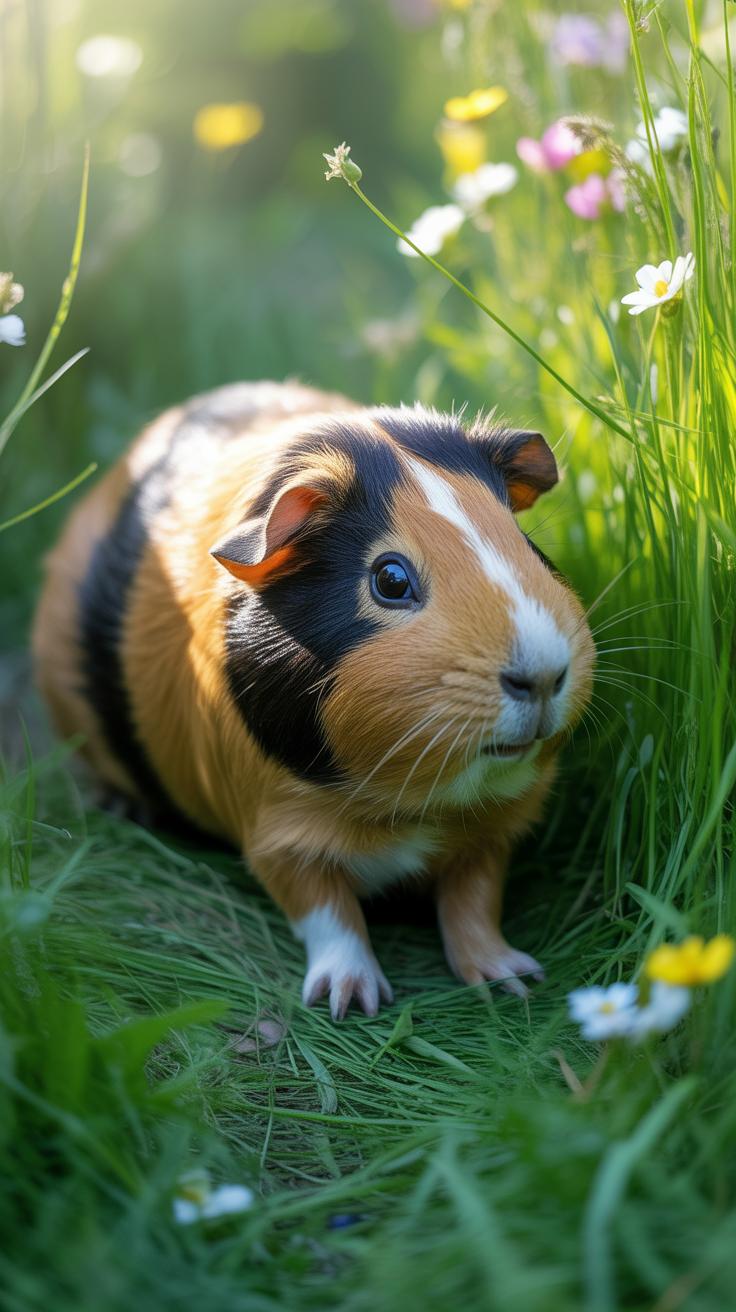
Healthy guinea pigs exhibit high levels of alertness and environmental curiosity. They spend most of their waking hours foraging for hay and interacting with their cage mates. A vital animal moves with a smooth gait and reacts quickly to sudden sounds or movements. You must observe their eating habits daily. A healthy pig maintains a steady appetite and drinks water consistently through the day.
Movement serves as a primary indicator of physical wellness. Healthy pigs often “popcorn” by jumping into the air when excited. They maintain clean coats through regular self-grooming. You will notice clear eyes and dry noses during normal interactions. Social vocalization is common and expected. A pig that constantly hides or stops responding to food cues deviates from this baseline. Keep precise notes on these daily habits.
To a heart that hears their tiny whispers, a quiet change in breath or spirit is a call to cherish them even more through the seasons of their life.
How Age And Life Stage Affect Normal Guinea Pig Activity Levels
Age dictates the expected energy output of your guinea pig. Juveniles are naturally more frantic and energetic. They spend less time sleeping and more time exploring their surroundings. Their metabolism is high and their movements are jerky. You should expect constant motion from a young pig. This high activity level is the standard for growth. Any lethargy in a young animal is a critical red flag.
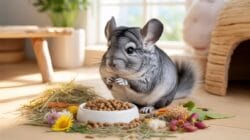
Senior guinea pigs naturally slow down as they age. They sleep more often and move with less speed. Their joints might stiffen which reduces their desire to jump or run. You must distinguish between normal aging and pain-related stillness. A senior pig should still show interest in treats and maintain social bonds. Understanding these subtle shifts prevents you from misidentifying natural aging as an acute illness.
Changes In Eating And Drinking Habits As Signs Of Sick Guinea Pig
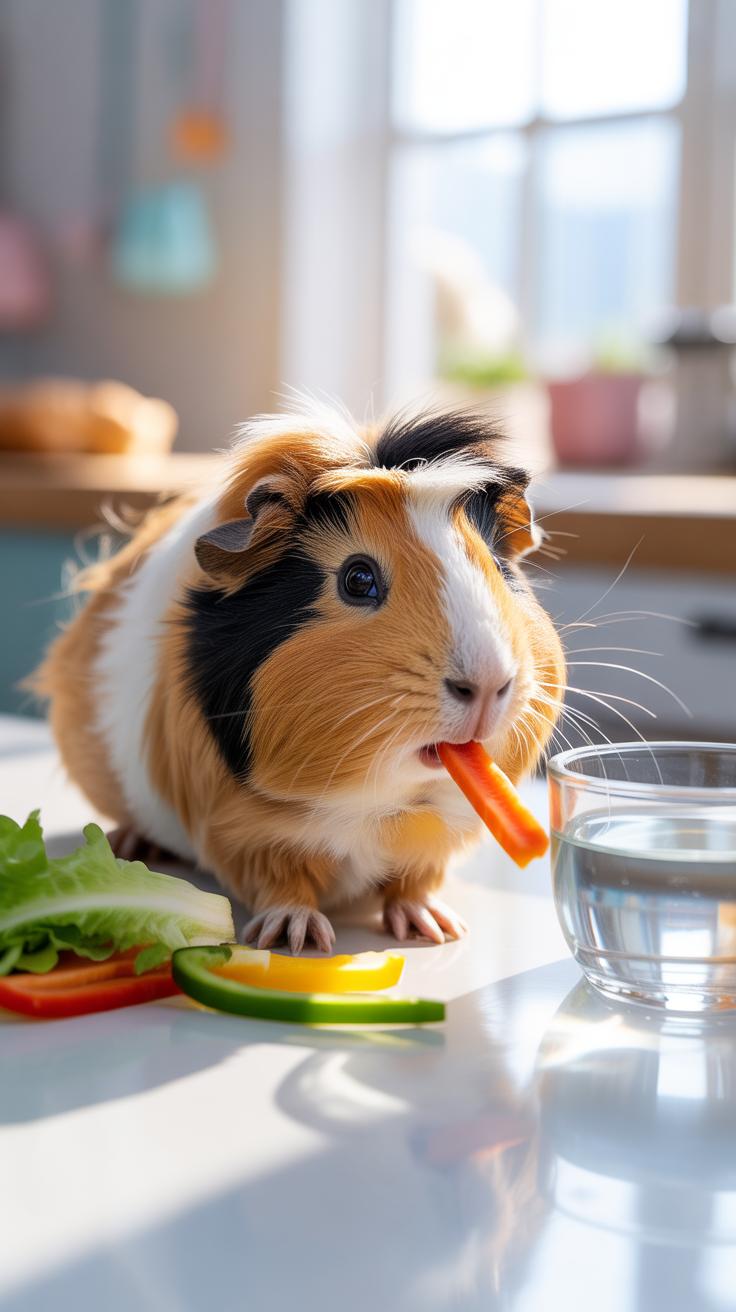
Loss Of Appetite And Refusal To Eat Hay Or Vegetables
Guinea pigs must eat constantly to keep their digestive systems moving. A total refusal of hay or fresh vegetables indicates a severe medical emergency. This behavior often stems from dental malocclusion or gastrointestinal stasis. When a guinea pig stops eating, their gut bacteria balance shifts rapidly. This shift leads to painful gas buildup and potential organ failure within twenty-four hours of onset.
Monitor the speed and manner of chewing during feeding times. If the animal drops food or shows interest but cannot chew, suspect tooth issues. Elongated roots or overgrown molars prevent normal grinding. This mechanical failure causes visible weight loss and lethargy. You must track daily food intake to spot these subtle changes. Early intervention prevents the gut from shutting down completely.
Excessive Thirst Or Noticeable Reduction In Water Intake
Sudden changes in water consumption signal internal distress or metabolic shifts. A guinea pig drinking significantly more than usual often points to renal failure or diabetes. These conditions force the body to flush toxins more aggressively. High water intake can also indicate heatstroke or high fever. You must measure water levels daily to establish a baseline for normal behavior in your specific pet.
A sharp reduction in water intake is equally dangerous. It leads to rapid dehydration and bladder stone formation. Dehydrated guinea pigs lose skin elasticity and develop sunken eyes. This lack of fluid often coincides with painful urination or urinary tract infections. Check the bottle or bowl for blockages or contamination regularly. If the water source is clean and functional, a refusal to drink requires immediate professional assessment.
Physical Appearance Red Flags To Watch For On Your Guinea Pig Health Checklist
Visible Weight Loss, Bloating, Or Changes In Body Shape
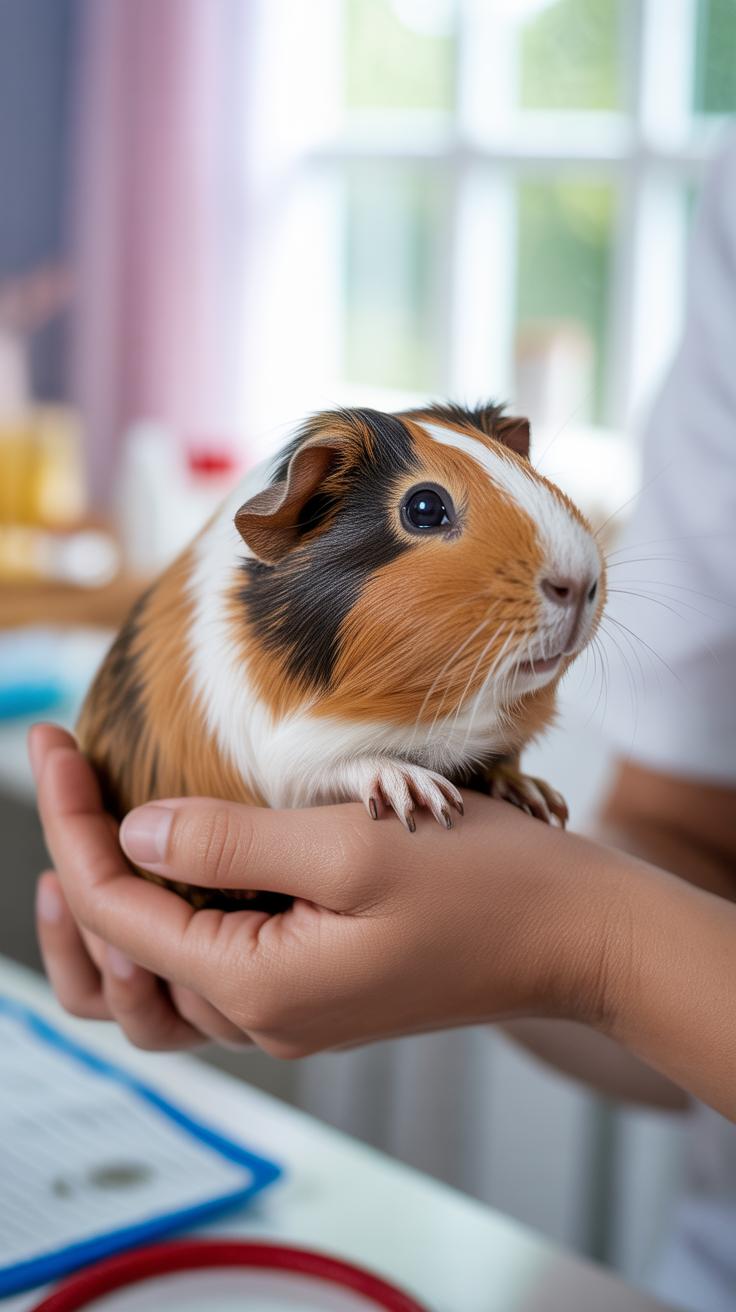
Guinea pigs process food constantly to maintain their metabolism. Rapid weight loss often indicates dental disease or internal infection. You must weigh your pet weekly using a digital scale to track small changes. A loss of two ounces is a clinical emergency. Changes in body shape usually point to serious digestive or reproductive issues that require immediate medical intervention from a veterinarian.
Bloating presents as a hard or distended abdomen. This condition is often fatal because guinea pigs cannot expel gas trapped in their digestive tract. A rounded belly that feels like a balloon indicates life threatening stasis. You can identify this by gently touching the sides of the rib cage. If the animal looks pear shaped or hunching its back, the internal organs are likely failing.
Coat Condition Changes Including Hair Loss, Dullness, Or Patchy Fur
The health of the fur reflects the internal nutritional status of the animal. A dull or thinning coat suggests a vitamin C deficiency or poor nutrient absorption. Healthy guinea pigs keep themselves clean and have smooth fur. If the hair feels greasy or looks unkempt, the animal is too weak to groom itself. This shift in behavior signals a systemic decline in physical health.

Patchy hair loss or constant scratching indicates a parasitic infestation or fungal infection. Mites live under the skin and cause extreme pain. You will see scabs or sores if the condition is advanced. Symmetrical hair loss on the flanks often indicates ovarian cysts in females. Do not ignore thinning fur. These visual cues are the first signs of serious hormonal imbalances or external skin pathogens.
Eye And Nose Discharge As Guinea Pig Illness Warning Signs Guinea Pig Eye Behavior Infographic
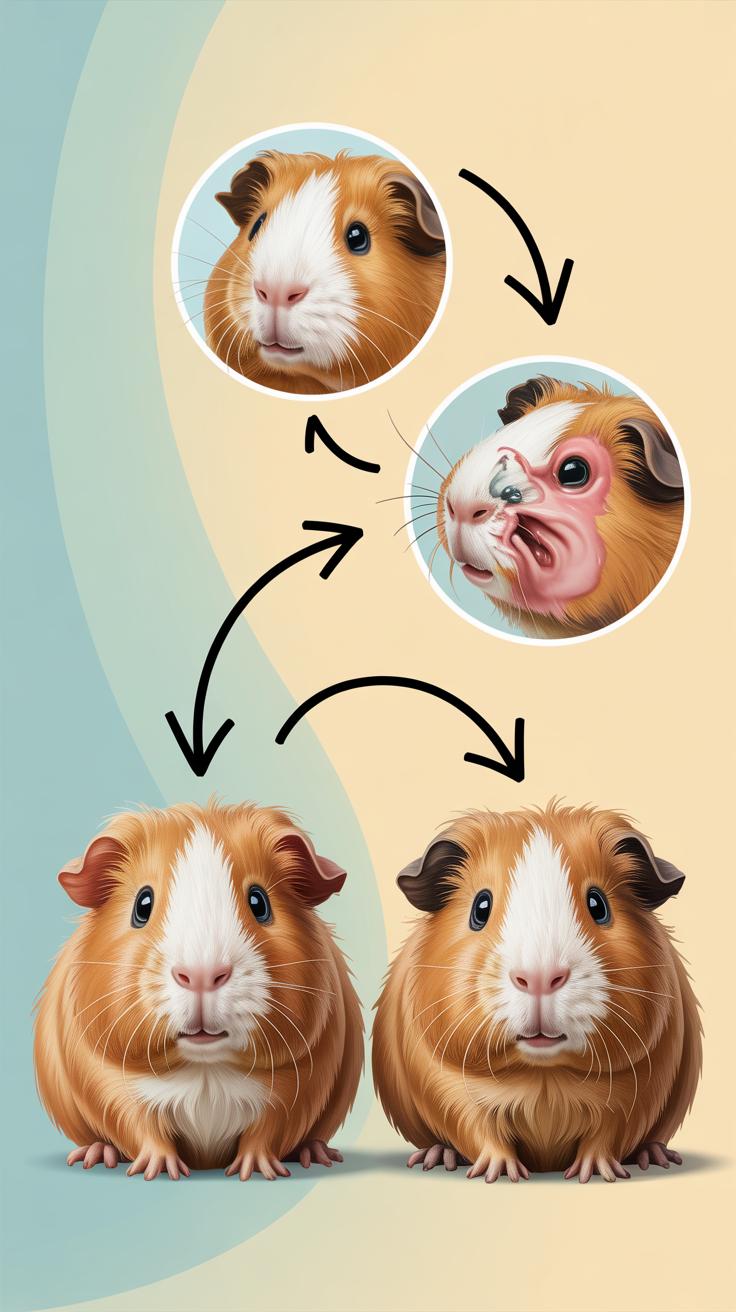
What Crusty, Watery, Or Cloudy Eyes Signal About Your Guinea Pig’S Health
Normal guinea pig eyes stay bright and clear. Milky discharge during grooming is normal cleaning fluid. However, persistent crust or thick yellow liquid indicates a problem. Crusty eyes often signal a systemic infection or a direct injury. You must distinguish between normal maintenance fluid and pathological discharge immediately. Check for squinting or redness. These signs point to corneal ulcers or painful debris under the eyelid.
Cloudy eyes require urgent attention. A blue or white film over the eye suggests a cataract or a physical scratch. Scratches become infected quickly and can lead to permanent sight loss. Dehydration also causes eyes to appear sunken into the skull. Monitor the eye position daily to assess hydration levels. If you see bulging, an abscess or tumor may be pushing from behind the socket.
Nasal Discharge And Sneezing As Early Respiratory Warning Signs
Dry noses are the standard for healthy guinea pigs. Wetness or bubbles around the nostrils signal a respiratory track infection. These animals breathe exclusively through their noses. Any blockage creates immediate distress and lowers oxygen intake. Clear fluid may stem from allergies or irritants like dusty hay. Thick or colored mucus confirms a bacterial infection that requires medical intervention to prevent pneumonia.
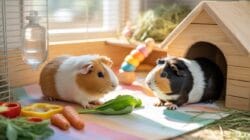
Sneezing occasionally happens due to dust in the environment. Frequent sneezing paired with labored breathing is a critical red flag. Watch the rib cage for heavy thumping or clicking sounds during breaths. Upper respiratory infections move to the lungs fast in small rodents. You must act when you see damp fur on the front paws. This occurs when the pig wipes its nose repeatedly.
Respiratory And Breathing Issues As Serious Guinea Pig Health Concerns
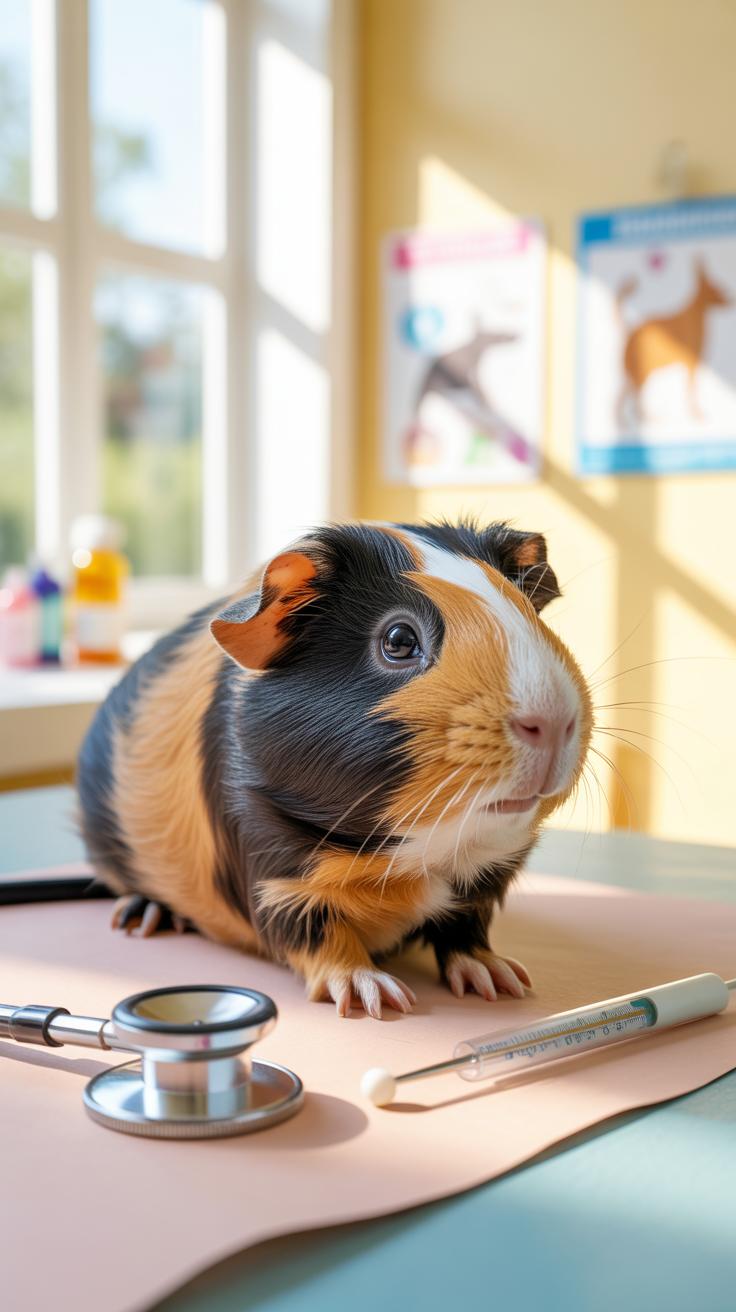
Recognizing Labored Breathing, Wheezing, And Open Mouth Breathing
Guinea pigs are obligate nasal breathers. They must breathe through their noses at all times. Any sign of open-mouth breathing indicates a severe medical emergency. Watch for heavy lifting of the chest or sides. This effort shows the animal cannot get enough oxygen. Listen for clicking or wheezing sounds during rest. These noises often signal fluid or obstruction in the lungs.
Healthy guinea pigs breathe quietly and rhythmically. You should not see their ribs pulling inward with every breath. Excessive movement of the abdomen during respiration is a major red flag. If the pig stays in a hunched position to breathe, take action. This posture helps them expand their lungs but signals distress. Do not wait for these symptoms to improve alone.
Upper Respiratory Infections In Guinea Pigs And Why They Progress Quickly
Upper Respiratory Infections (URIs) represent a top killer of domestic guinea pigs. These prey animals hide symptoms until the illness is advanced. Bacteria like Bordetella or Streptococcus cause most cases. These pathogens move from the nasal passages to the lungs rapidly. A minor sniffle can turn into fatal pneumonia within twenty-four hours. Early detection of damp fur around the nose is vital.
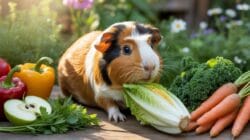
The small lung capacity of a guinea pig leaves no room for error. Inflammation and mucus quickly block their narrow airways. Their bodies cannot cough effectively to clear the lungs. This lack of a productive cough makes infections move deeper into the tissue. High stress levels or poor cage ventilation accelerate the decline. Prompt antibiotic treatment from a veterinarian is the only way to stop the spiral.
Digestive And Elimination Warning Signs Covered In Your Guinea Pig Care Sheet
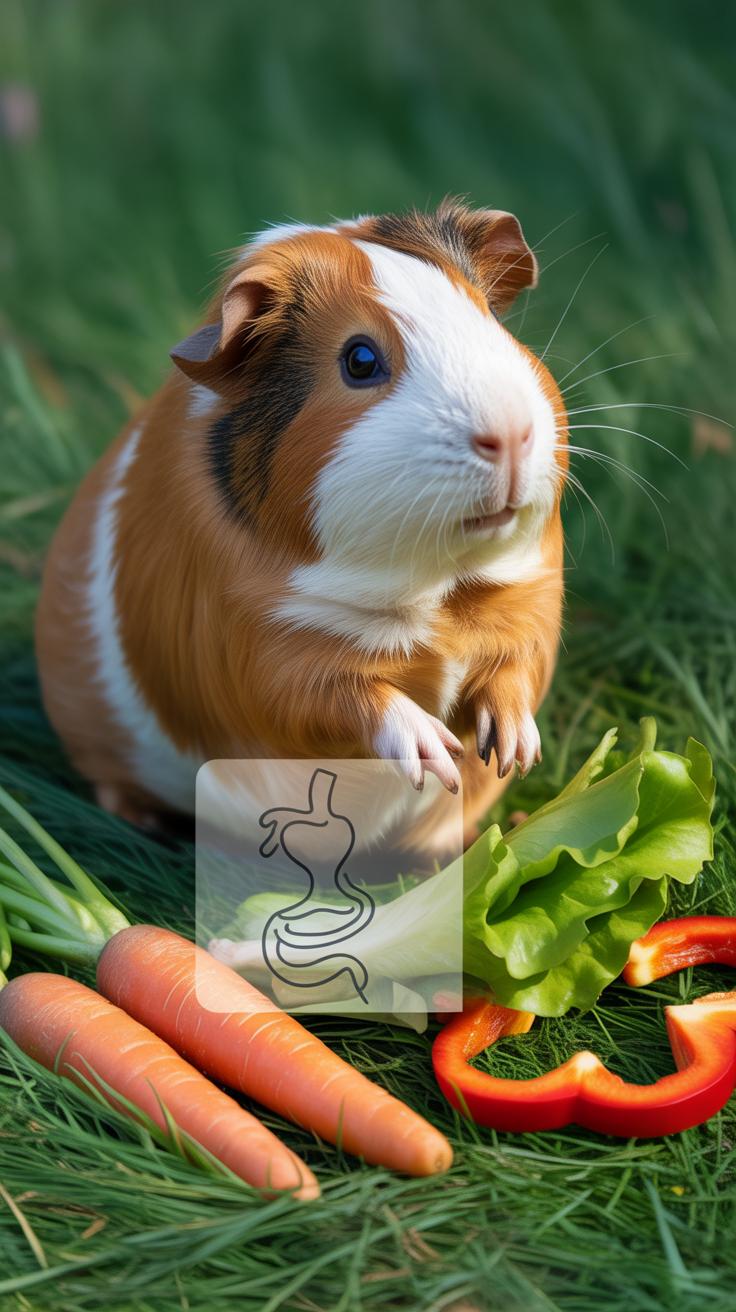
Abnormal Droppings — What Changes In Size, Shape, Or Consistency Mean
Guinea pig droppings serve as a daily health report for the owner. Healthy feces are uniform, oval, and dark brown. They should be firm but not brittle. Any deviation in these physical traits indicates an immediate digestive issue. Small or teardrop-shaped pellets suggest your pet is not eating enough or is becoming dehydrated. Pay close attention to these subtle changes in the cage.
Changes in color or texture often point to dietary imbalances or internal parasites. Pitted or dry droppings indicate a lack of fiber or water intake. Clumped droppings may signal an impaction issue, especially in older males. You must monitor the output volume every single day. A sudden drop in the number of pellets produced is a red flag for a total digestive shutdown.
Diarrhea, Constipation, And Gut Stasis In Guinea Pigs Explained
Diarrhea is a life-threatening emergency for guinea pigs. Soft or watery stool causes rapid dehydration and electrolyte loss. This condition often stems from bacterial infections or incorrect antibiotic use. You must act fast if the bedding looks wet or soiled. Most digestive failures start with a change in the gut flora. Without a balanced internal environment, the guinea pig cannot process its food.
Gut stasis occurs when the digestive tract stops moving entirely. This condition is often fatal without swift medical intervention. A guinea pig that stops eating will develop painful gas in the stomach and intestines. You will notice a bloated abdomen or a complete lack of droppings. This silence in the gut is a tactical emergency. You cannot wait for symptoms to resolve on their own.
Behavioral And Neurological Warning Signs Linked To Guinea Pig Life Stages Infographic
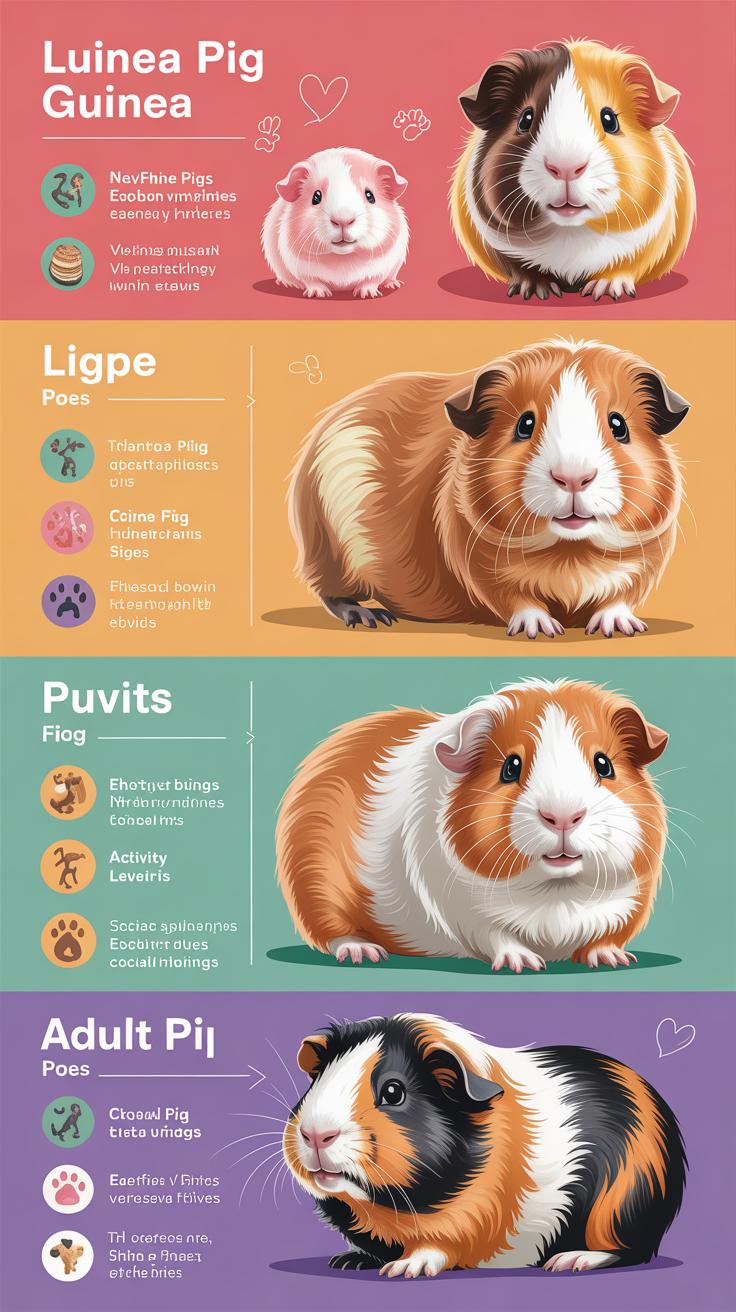
Sudden Lethargy, Hiding, And Withdrawal From Social Interaction
Guinea pigs are prey animals that hide pain instinctively. Sudden lethargy is a primary indicator of severe underlying distress. A healthy pig moves with purpose and responds to environmental stimuli. If your pet stops running for food or remains huddled in a corner, its metabolic rate may be dropping. This change signalizes that the body is diverting energy to fight infection or systemic failure.
Social withdrawal marks a critical shift in herd behavior. Guinea pigs usually seek safety in groups. A pig that isolates itself or ignores its cage mates faces significant health risks. This behavior often points to respiratory infections or dental pain. You must track these changes across life stages. Younger pigs show faster decline while seniors may hide symptoms longer. Monitor movement patterns daily to catch these subtle shifts early.
Head Tilting, Loss Of Balance, And Circling As Neurological Red Flags
Neurological symptoms require immediate medical intervention to prevent permanent damage. A head tilt often indicates a severe inner ear infection or a parasitic load. This condition disrupts the vestibular system and impacts coordination. You will notice the pig struggling to keep its head level. Left untreated, these infections can move to the brain. Proper diagnosis involves checking for inflammation or fluid buildup inside the ear canal.

Loss of balance and circling suggest advanced neurological impairment or a potential stroke. The pig may walk in repetitive loops or fall over while grooming. These signs often link to E. cuniculi or other central nervous system pathogens. High heat also causes these symptoms through heatstroke. You must act fast when a pig loses its upright posture. Use a flat surface to test its righting reflex and gait immediately.
Skin Teeth And Foot Problems That Require Guinea Pig Veterinary Care
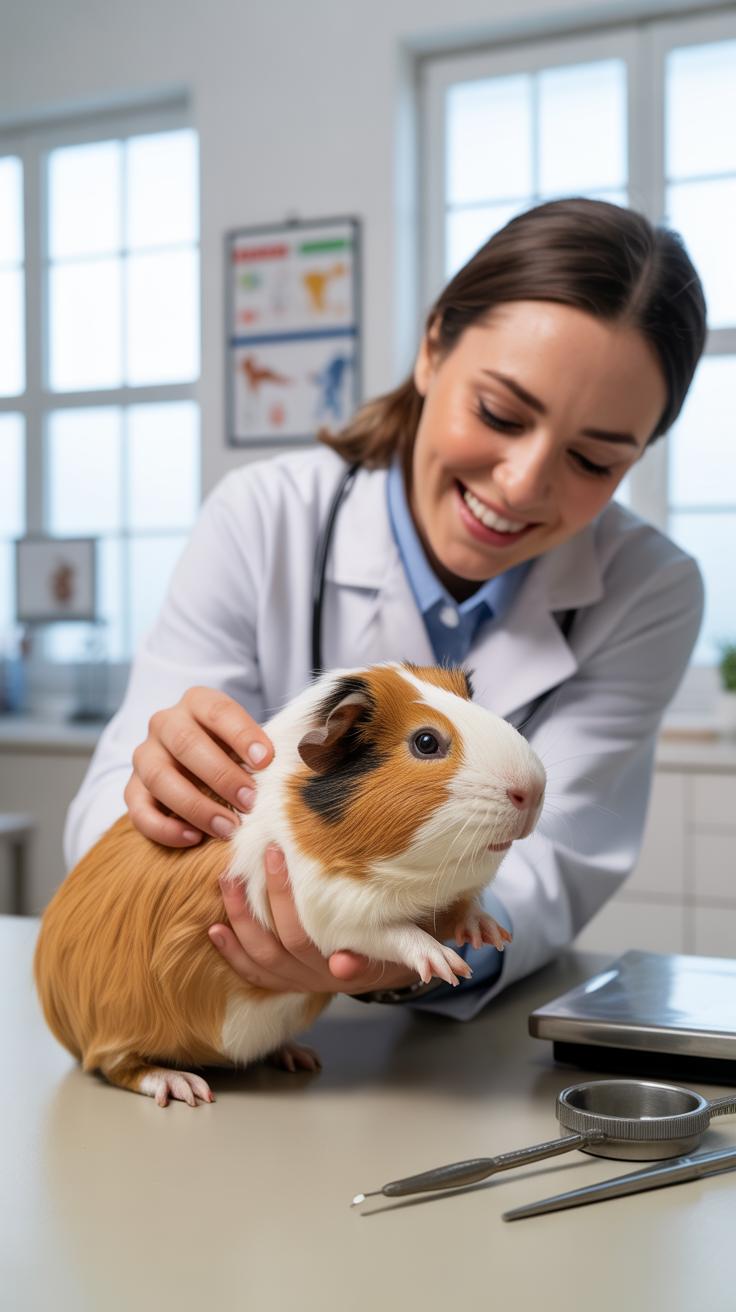
Overgrown Teeth, Drooling, And Difficulty Chewing As Dental Warning Signs
Guinea pig teeth grow continuously throughout their lives. They must chew hay constantly to wear down these teeth. If the teeth misalign, they become overgrown and sharp. This condition is called malocclusion. It causes pain and prevents the animal from eating. You will see the guinea pig pick up food and then drop it. This is a critical tactical warning sign for owners.
Drooling is another major indicator of dental distress. Wet fur around the chin or neck suggests the animal cannot swallow properly. This moisture often leads to secondary skin infections. Rapid weight loss follows dental failure because the guinea pig’s metabolism is very fast. You must track their weight weekly with a digital scale. Dental issues require professional filing by a vet specialized in exotic pets.
Bumblefoot, Skin Mites, And Lesions That Should Not Be Ignored
Bumblefoot is a bacterial infection of the foot pads. It often stems from wire flooring or dirty bedding. You will notice swelling, redness, or open sores on the bottom of the feet. If you ignore this, the infection spreads to the bone. This leads to permanent lameness or death. Keep the cage floor flat and dry to prevent this painful condition from developing.
Skin mites cause intense itching and hair loss. Guinea pigs with mites often scratch until they create open wounds or lesions. Significant hair loss usually appears on the back or hindquarters first. High stress or poor diet allows these parasites to take over. You must treat the entire herd if one animal shows signs. Consult a vet for specific anti-parasitic medication to stop the infestation.
When And How To Act On Guinea Pig Illness Warning Signs A Guinea Pig Care Action Plan
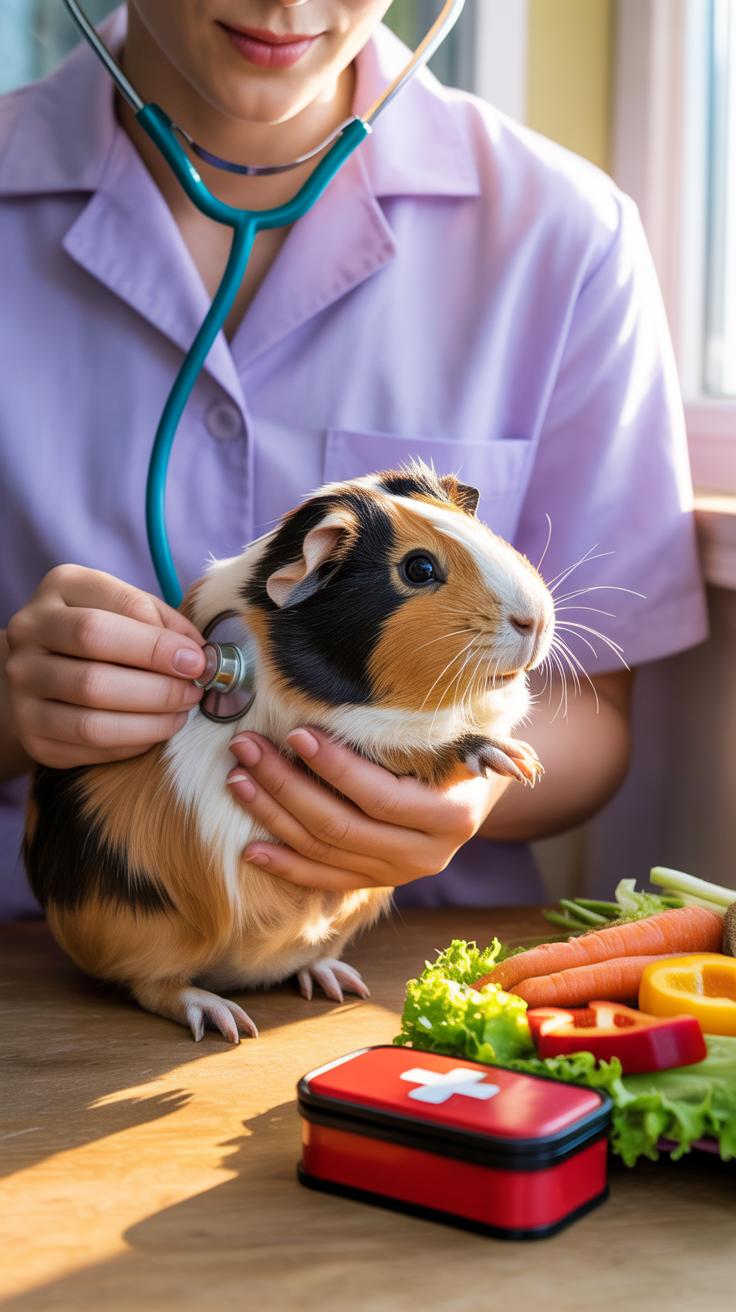
How To Conduct A Weekly At Home Health Check On Your Guinea Pig
Consistent monitoring prevents minor issues from becoming fatal. Guinea pigs hide pain to survive. You must track their physical condition every seven days to catch subtle changes early. Use a digital scale to record their exact weight in grams. Significant shifts in weight often serve as the first indicator of internal distress or dental problems that impact eating habits.
- Weight Records: Use a digital kitchen scale to track mass in grams. A loss of thirty grams is a concern. A loss of sixty grams requires a vet visit. Most illnesses cause rapid weight drops.
- Eye and Nose Inspection: Check for any cloudy discharge or crust around the lids and nostrils. Healthy eyes stay clear and bright. Fluid or mucus indicates a respiratory infection. These infections spread fast and kill quickly.
- Dental Alignment: Ensure the front incisors meet evenly and do not overgrow. Misaligned teeth prevent the animal from chewing. Drooling or wet chin fur signals serious dental disease. This condition requires professional filing by a qualified vet.
- Coat and Skin: Part the fur to check for flakes or sores. Look for bald patches or moving pests. Healthy skin remains smooth and free of irritation. Parasites cause intense stress and secondary infections if left untreated.
- Foot Pad Health: Examine the bottom of all four paws for redness or swelling. Rough bedding causes sores known as bumblefoot. These infections can reach the bone without intervention. Keep the cage floor dry and soft.
Run your hands over the entire body to feel for new lumps or cysts. Check the rump area for cleanliness to ensure digestion remains normal. Clean ears with a damp cloth if you see dark wax. Document every finding in a dedicated logbook. Compare current data against previous weeks to identify trends. Immediate action based on these checks saves lives.
When To Call The Vet Immediately Versus When To Monitor At Home
Laboring to breathe or sitting hunched with puffed fur demands an emergency vet trip. Guinea pigs have high metabolic rates and crash fast. If the animal stops eating for twelve hours, its digestive system begins to shut down. This state is called GI stasis. It is a medical emergency. Do not wait for the next day to seek professional help for these symptoms.
- Respiratory Distress: Listen for clicking or wheezing sounds during breaths. Guinea pigs are prone to pneumonia. This condition progresses from a sniffle to death in under forty-eight hours. Professional antibiotics are the only effective treatment.
- GI Stasis: Observe the cage for a lack of droppings or very small, dry waste. If the pig refuses pellets and hay, the gut has stopped moving. This condition causes painful gas and organ failure. It is almost always fatal without help.
- Severe Lethargy: Watch for a lack of movement when you approach the cage. A healthy pig reacts to sounds or treats. If they remain limp or unresponsive, they are in shock. This indicates an advanced stage of a serious illness.
- Blood in Urine: Check the bedding for red or pink stains. This signals a urinary tract infection or bladder stones. Stones are common in older pigs and cause extreme pain. Surgery or specific medication is necessary to resolve the blockage.
- Eye Injuries: Look for squinting or a clouding of the cornea. Scratches from hay can lead to ulcers quickly. These are painful and can lead to the loss of the eye. A vet must provide specialized drops to heal the surface.
Minor issues like small crusts or slight skin itching allow for short-term monitoring. Ensure the environment is clean and the diet is perfect. If the condition does not improve in twenty-four hours, call the clinic. Always choose an exotic animal specialist over a general vet. General vets often lack the training required to treat small rodent physiology and specific medication sensitivities.
Frequently Asked Questions

How can I tell if my guinea pig is starting to feel unwell?
Because they are prey animals, guinea pigs are masters at hiding discomfort. You must stay vigilant for subtle guinea pig illness warning signs, such as a sudden lack of energy, crusty eyes, or rough, puffed-up fur. If your usually social pet begins hiding in a corner or refuses their favorite leafy greens, it is a major red flag that requires immediate attention from an exotic animal veterinarian.
What is the best way to monitor my guinea pig’s health daily?
The most practical way to track health is by performing a weekly “nose-to-tush” check and weighing them on a kitchen scale. Weight loss is often the first of the guinea pig illness warning signs to appear, sometimes before they even stop eating. Check that their nose is dry, eyes are clear, and their droppings are firm and oval-shaped. Consistent monitoring helps you catch potential issues before they become life-threatening.
Are there low-cost ways to prevent sickness if I am on a budget?
Prevention is the most affordable way to manage pet health. You can significantly reduce the risk of illness by providing a constant supply of high-quality timothy hay and a daily dose of Vitamin C through fresh bell peppers. Keeping their habitat clean and draft-free prevents respiratory infections, which are common and costly to treat. Regular home health checks help you avoid expensive emergency vet bills by catching problems early.