Understanding Why You Have A Limping Dog An Overview Of Dog Limping Causes
The Difference Between Gradual Onset And Sudden Limping In Dogs
Sudden onset limping happens instantly after a specific event. This usually indicates an acute injury like a broken bone, torn ligament, or a deep paw pad cut. You will see the dog stop using the leg immediately. This requires fast action to prevent further tissue damage. Do not wait for symptoms to improve if the dog cannot bear any weight at all.
Gradual onset limping develops slowly over weeks or months. This pattern typically points toward chronic conditions like osteoarthritis or hip dysplasia. The dog might seem stiff in the morning but move better after warming up. You must track these subtle changes in gait. Chronic issues require long-term management strategies rather than emergency surgery. Monitoring the speed of onset helps your veterinarian narrow down the diagnostic path.
Why Identifying The Affected Leg Matters For Diagnosis
Identifying the specific leg helps determine the likely anatomical cause. Front leg limping often relates to elbow dysplasia or shoulder strain. Back leg limping frequently signals cranial cruciate ligament tears or hip issues. Watch how the dog shifts its weight while standing still. A dog will lean away from the painful limb to find relief. This tactical observation provides the primary data needed for a physical exam.
Verifying the correct leg prevents misdiagnosis during home monitoring. Sometimes a dog compensates for pain in one leg by overusing another. This creates a secondary limp that masks the original injury. You must watch the head movement to find the source. The head usually goes up when the painful front leg hits the ground. Correct identification ensures the vet x-rays the right joint and starts the proper treatment.

Dog Limping Front Leg Causes Specific To The Forelimb
Common Injuries And Conditions Affecting The Canine Forelimb
Front leg lameness often stems from acute trauma or repetitive strain. The forelimbs carry roughly sixty percent of a dog’s total body weight. This heavy load makes the wrists and paws vulnerable to sprains and fractures. High impact activities like jumping or sudden pivots cause most soft tissue tears. You will see a limp immediately after the injury occurs in these specific cases.
Foreign objects frequently lodge in the paw pads or between toes. Thorns and glass cause sharp pain that forces a dog to favor the limb. Check the carpal pad for abrasions or burns from hot pavement. Nerve damage in the neck can also radiate pain down the leg. This condition mimics a physical leg injury but requires a neurological assessment instead of orthopedic surgery.
Elbow Dysplasia And Shoulder Problems In The Dog Limping Front Leg
Elbow dysplasia is a leading cause of chronic front leg limping in large breeds. This condition involves several developmental abnormalities within the joint. Bones do not fit together perfectly, which leads to painful grinding and inflammation. Owners often notice stiffness after the dog rests or wakes up. Early detection is critical to slow the progression of irreversible joint damage and bone spurs.

Shoulder issues often involve the tendons or ligaments rather than the bone itself. Medial shoulder instability occurs when the support structures stretch or tear. This often happens to active dogs or athletes during intense work. Chronic inflammation in the shoulder joint can lead to significant muscle wasting over time. Surgery or physical therapy are common paths to restore mobility and reduce the daily pain levels.
Ligament Tear In Dogs How A Torn Ligament Causes Limping
What Is A Cranial Cruciate Ligament Tear And Why Is It So Common In Dogs
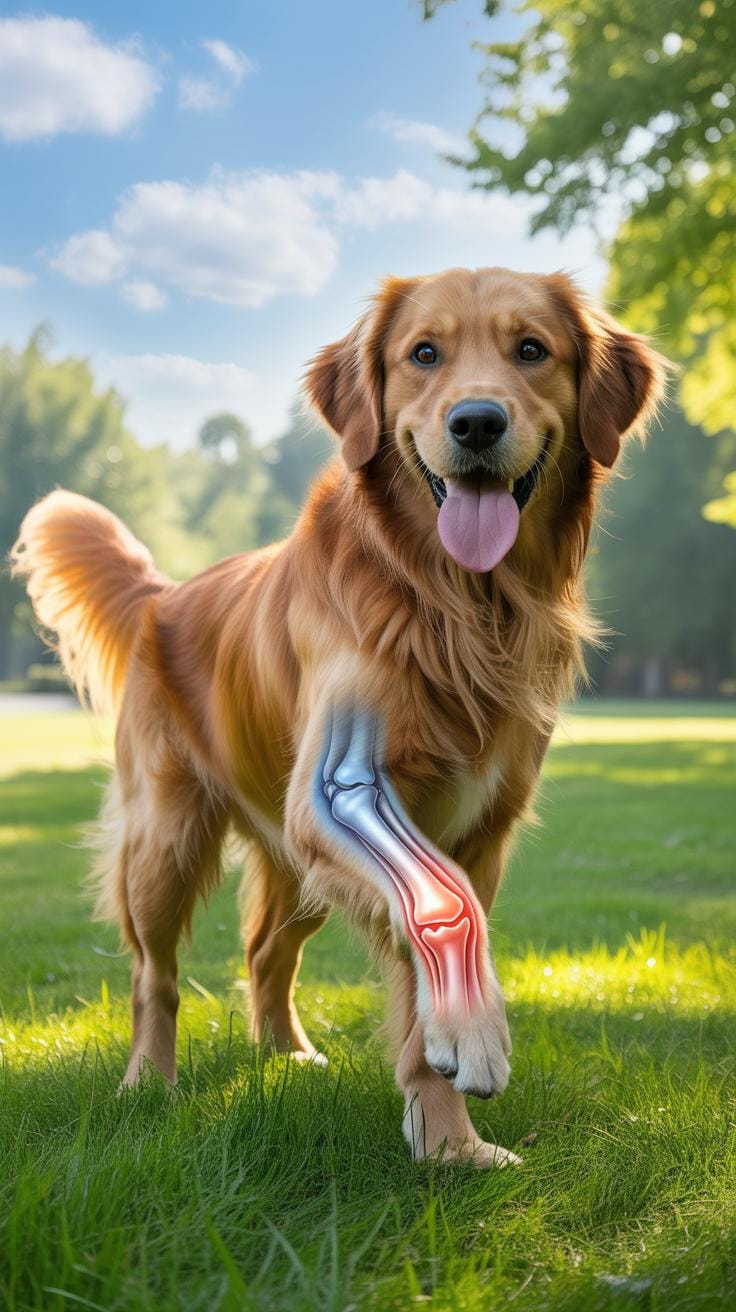
The Cranial Cruciate Ligament or CCL connects the femur to the tibia. It stabilizes the knee joint and prevents the shin bone from sliding forward. Most dog limping causes stem from this specific injury. Unlike humans who tear ligaments through sudden trauma, dogs usually experience slow degradation. The ligament fibers weaken over months of activity until a minor movement causes a complete rupture.
Biological conformation and weight drive most CCL failures. Certain breeds possess a steep tibial plateau angle that puts constant tension on the ligament. Obesity accelerates this wear by forcing the CCL to work harder during every step. When the ligament fails, the joint becomes unstable. This instability creates immediate pain and inflammation. Over time, the lack of support leads to bone rubbing on bone and chronic arthritis.
When your faithful companion falters, your patient care becomes the bridge that helps them walk beside you once again. Even a slowing pace is a beautiful journey when traveled with the one you love.
How To Treat Cruciate Ligament Injury In Dogs: Surgery Rest And Rehabilitation
Surgery remains the gold standard for restoring mobility in dogs with torn ligaments. Procedures like TPLO or TTA change the biomechanics of the knee. These surgeries reshape the bone to remove the need for a ligament. This approach offers the fastest return to function and prevents further joint damage. Low impact activity and strict crate rest are mandatory for several weeks following any surgical intervention.

Conservative management focuses on rest and physical therapy for dogs that cannot undergo surgery. This path requires months of restricted movement and specialized braces. Veterinarians use laser therapy and underwater treadmills to build muscle without stressing the joint. Weight loss is the most critical factor here. Reducing the load on the injured limb helps the body compensate. However, non surgical paths often result in permanent arthritis and recurring limp.
Lump On A DogS Leg When A Growth Could Be Behind Your DogS Limping
Benign Vs. Malignant Lumps On Dog Legs: What Dog Owners Should Know
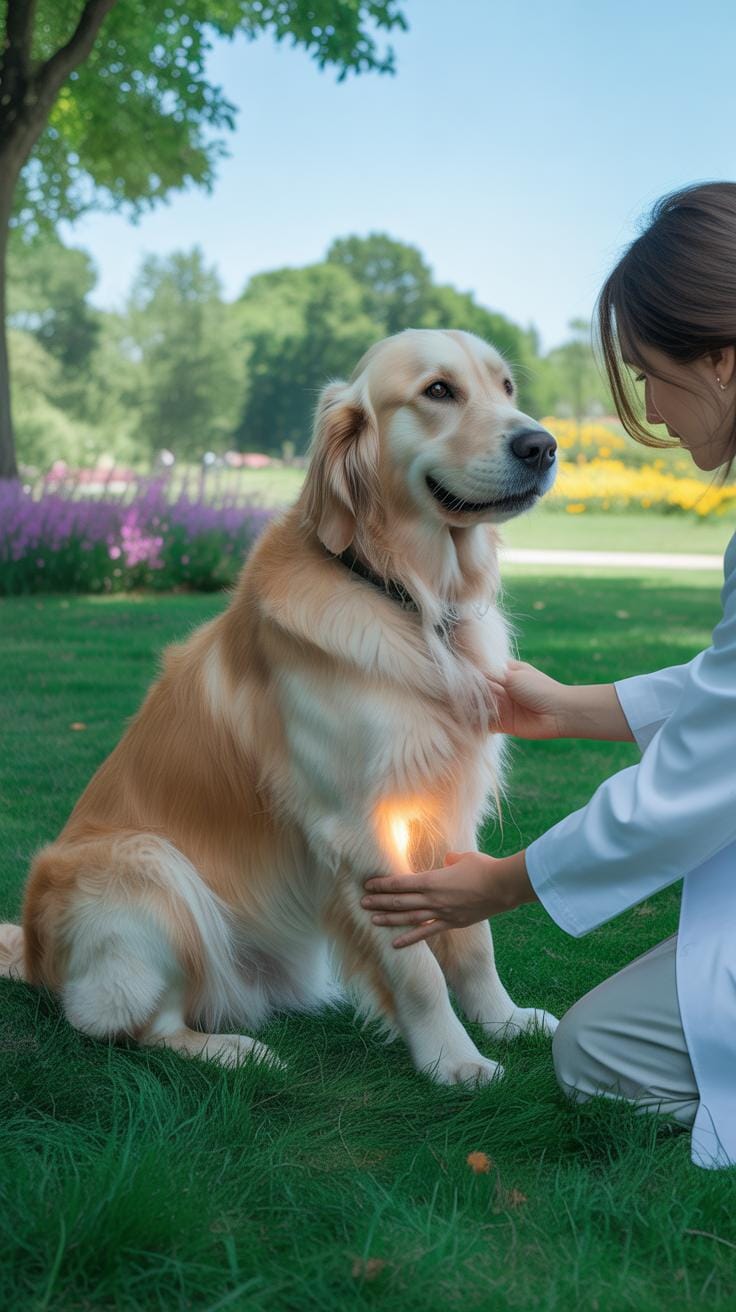
Visible lumps on a dog’s limb often cause mechanical lameness. Benign growths like lipomas are fatty masses that sit under the skin. These rarely spread but can restrict joint movement if they grow large. Sebaceous cysts and skin tags also fall into this category. While these masses are not cancerous, their physical size still interferes with how a dog walks and balances.
Malignant tumors present a higher risk to your dog’s mobility and life. Mast cell tumors and soft tissue sarcomas often feel firm and fixed to the underlying bone or muscle. These growths invade healthy tissue and cause significant pain during movement. Early detection remains the only way to differentiate between harmless fat and dangerous cancer. A veterinarian must perform a fine needle aspirate to confirm the pathology.
Bone Tumors And Soft Tissue Masses That Affect Dog Limbs And Mobility
Osteosarcoma is the most common primary bone tumor in dogs. It typically occurs near the knee or shoulder joints of large breeds. This cancer weakens the bone structure from the inside out. This leads to sudden, severe limping or even a pathological fracture. The pain is intense because the tumor stretches the sensitive outer layer of the bone. Prompt imaging is vital to diagnose this condition.

Soft tissue masses also disrupt gait by pressing on nerves or blood vessels. Nerve sheath tumors cause chronic, progressive limping that often mimics arthritis. These masses are difficult to see but result in muscle wasting over time. Owners often mistake the early signs for a simple sprain or aging. You must monitor any new swelling on the leg that lasts more than two weeks or causes a limp.
Dog Leg Shaking Alongside Limping What The Combination Could Signal
Neurological And Muscular Causes Of Dog Leg Shaking And Limping Together
Neurological issues often cause both trembling and gait abnormalities. Nerve compression in the spine or neck disrupts signals to the limbs. This interference creates muscle weakness and involuntary twitching. Degenerative myelopathy or intervertebral disc disease typically presents these symptoms. You will see the dog struggle to place its paws correctly. The shaking signifies that the motor neurons are failing to maintain constant muscle tension during movement.
Metabolic or muscular disorders also trigger this specific combination. Low calcium or blood sugar levels impact how muscles contract and relax. This chemical imbalance leads to tremors and physical instability. Overexertion causes muscle fatigue which looks like shaking while the dog favors the limb. Chronic conditions like myasthenia gravis affect the connection between nerves and muscles. These systemic issues require a veterinary diagnosis to identify the exact source.
Pain Related Trembling: How Discomfort In Dog Limbs Manifests As Shaking
Shaking often serves as a primary physical response to intense local pain. When a dog experiences a fracture or ligament tear, the surrounding muscles go into spasms. These spasms appear as visible tremors or leg shaking. The dog tries to stabilize the joint through rapid micro-contractions. This reaction happens because the body is under extreme stress. It indicates that the injury is likely acute and requires immediate medical attention.

Adrenaline and cortisol levels spike when a dog feels significant discomfort. This chemical rush causes generalized shivering or localized leg twitching. The dog limps to avoid weight-bearing while the shaking signals high distress levels. Chronic arthritis can also cause this when the dog stands for too long. The muscles tire out quickly because they are working harder to protect a painful joint. Watch for these signs to assess pain severity.
Arthritis Hip Dysplasia And Other Chronic Dog Limping Causes
How Canine Osteoarthritis Develops And Why It Leads To Persistent Limping
Osteoarthritis occurs when the protective cartilage in a joint wears down over time. This friction causes bones to rub directly against each other. The process triggers permanent inflammation and structural damage. Large breeds often face higher risks due to body weight. Older dogs show signs through stiff movements after resting. This condition ranks as the leading cause of chronic pain and mobility loss in adult dogs.
Limping signals the body is offloading weight to reduce pain in a specific limb. Owners notice this most during cold weather or after long walks. The joint capsule thickens and produces less lubricating fluid. This lack of cushioning makes every movement harder. Managing the condition requires weight control and anti-inflammatory support. Physical therapy helps maintain muscle mass. Early detection prevents secondary injuries in healthy legs that overcompensate.
Hip And Elbow Dysplasia: Inherited Conditions That Impact Dog Limbs Over Time
Dysplasia is a genetic skeletal disorder where joints do not fit together correctly. The ball and socket in the hip or the bones in the elbow grow at different rates. This misalignment causes loose joints and abnormal grinding. Puppies as young as four months may show a swaying gait. Over time, this instability leads to early-onset arthritis. Selective breeding helps reduce these hereditary risks in purebred dogs.

Elbow dysplasia involves three distinct bone issues that prevent a smooth joint surface. Owners usually see limping in the front legs. Hip dysplasia typically affects the rear legs and causes a bunny hop running style. Both conditions require a veterinary diagnosis through X-rays. Treatment varies from surgical correction to specialized exercise routines. Ignoring these mechanical failures causes permanent disability. Proactive management preserves the quality of life for your dog.
When To See A Vet Recognizing The Warning Signs Behind A Limping Dog
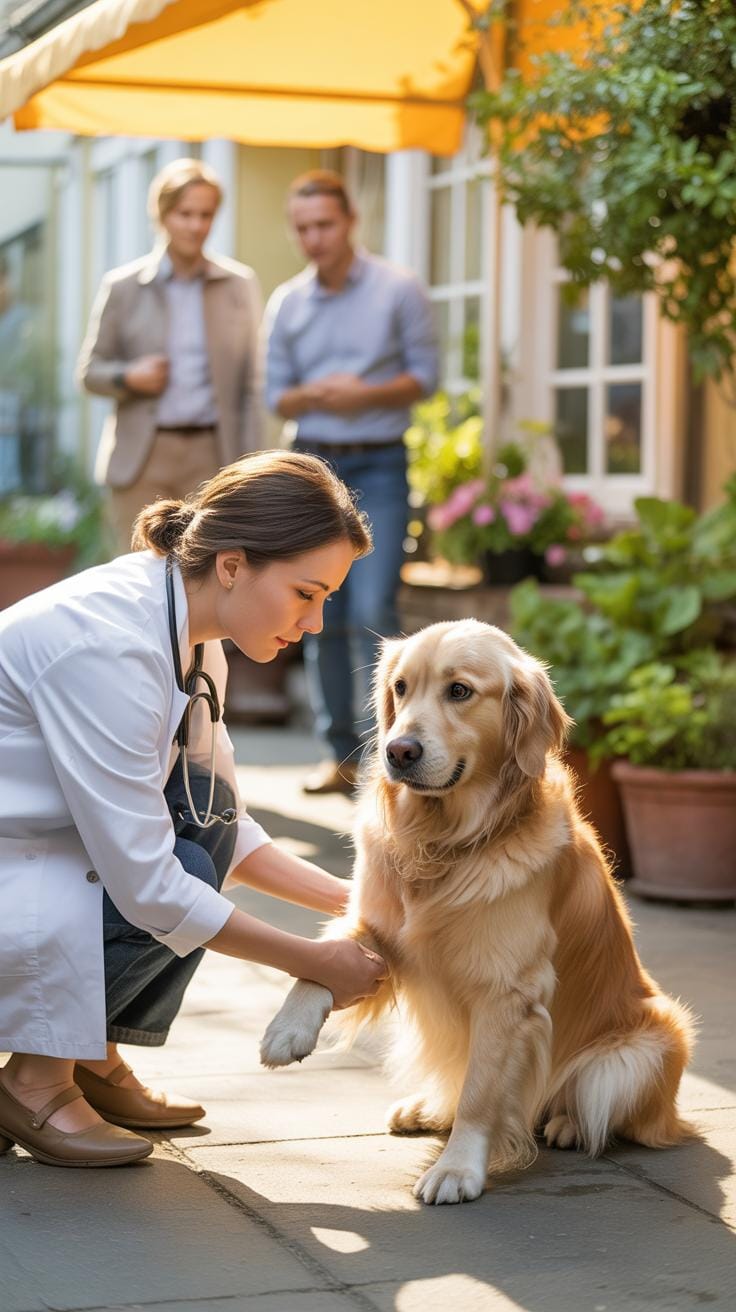
Emergency Red Flags That Mean Your Dog Needs Immediate Veterinary Care
Limping often signals a minor strain but certain indicators demand immediate clinical intervention. You must distinguish between a slow gait and a medical emergency. Delaying treatment for severe trauma leads to permanent mobility loss or systemic infection. Observe your dog for acute distress or physical deformities. If the animal cannot stand or shows signs of shock, go to an emergency clinic.
- Dangling Limb: A leg hanging at an unnatural angle suggests a complete bone fracture or joint dislocation. This requires immediate stabilization and imaging to prevent nerve damage or improper healing. Mechanical failure of the skeletal structure is a high priority emergency.
- Excessive Bleeding: Open wounds accompanying a limp indicate external trauma that may involve deep arterial damage. Uncontrolled blood loss leads to shock and death. Pressure must be applied while transporting the dog to a surgeon for wound debridement and closure.
- Severe Swelling: Rapid inflammation and heat in a limb suggest a snake bite, acute infection, or major tissue rupture. Massive swelling can cut off circulation to the distal limb. Veterinarians must administer anti inflammatories or antivenom to prevent tissue necrosis and permanent loss of function.
- Inability to Move: If your dog is dragging its hind legs or cannot rise, the issue is likely neurological. Spinal cord compression or disc herniation requires surgical consultation within hours. Fast action often determines whether the dog will ever walk again.
- Vocalizing Pain: Continuous whining, growling, or snapping when touched indicates high level physical agony. Dogs instinctively hide pain to avoid showing weakness. Overt vocalization means the pain has surpassed their coping threshold and requires professional grade analgesics and a diagnostic workup.
Non emergency limping usually resolves within twenty four hours of rest. If the lameness persists beyond this window, schedule a standard appointment. Do not administer human pain medication like ibuprofen or acetaminophen. These drugs are toxic to dogs and cause organ failure. Professionals must determine the cause before starting any chemical treatment plan. Document the specific time the limping started to help the vet.
What To Expect During A Veterinary Examination For Dog Limping Causes
The veterinarian starts with a visual gait analysis to identify which limb is affected. They watch the dog walk and trot on a flat surface. This reveals head bobbing or hip hiking patterns. The doctor then performs a physical palpation of the entire limb. They check every joint for heat, swelling, and decreased range of motion to pinpoint the exact location of the pain.

Tactical diagnostics follow the physical exam to confirm the internal cause of the limp. The vet usually orders radiographs to look for fractures, bone tumors, or arthritis. If they suspect a ligament tear, they may perform a drawer test on the knee. Advanced cases require blood work to rule out Lyme disease or other inflammatory conditions. You will leave with a specific diagnosis and a structured recovery plan.
At Home Care And Prevention Tips For Dog Limping Causes
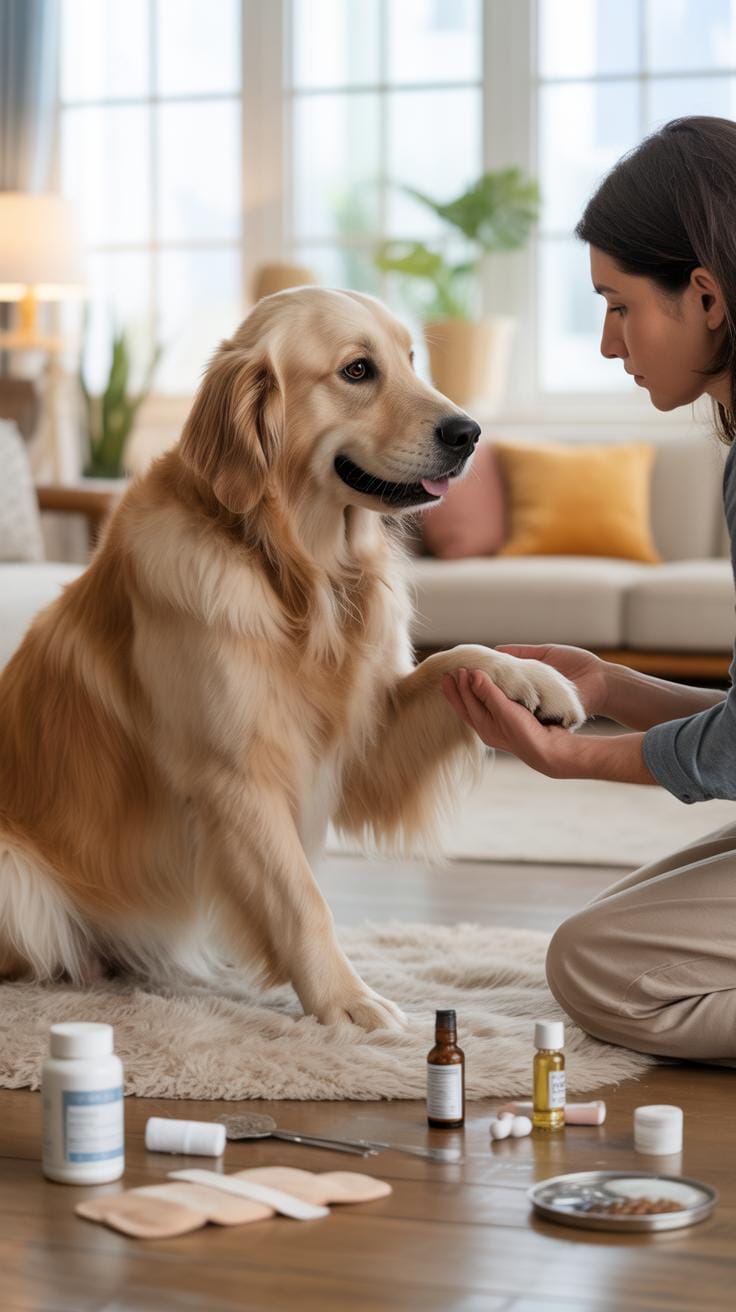
Safe At Home Steps You Can Take While Monitoring A Limping Dog
Immediate action stabilizes the injury and prevents further tissue damage. Confine your dog to a small area to stop them from running or jumping. Check the paws for visible debris like thorns or glass shards. Use a flashlight to inspect the webs between toes. If you see swelling apply a cold pack for fifteen minutes to reduce the internal inflammation.
- Restraint: Keep your dog on a short leash even during bathroom breaks to prevent sudden movements. High activity levels turn minor strains into major ligament tears. Use a crate if the dog refuses to stay settled on a bed.
- Paw Inspection: Clear any foreign objects stuck in the pads or between the toes using sterilized tweezers. Look for cracked nails or chemical burns from sidewalk salts. Small wounds require cleaning with mild soap and warm water immediately.
- Temperature Therapy: Apply ice packs wrapped in towels to swollen joints for ten to fifteen minutes several times daily. Cold therapy constricts blood vessels and numbs the pain receptors. Avoid using heat on new injuries as it increases local swelling.
- Height Adjustments: Use ramps or lift your dog to avoid the impact of stairs and furniture. Impact force from jumping causes repetitive stress on weakened joints. Minimizing vertical movement protects the carpus and hock joints during the initial healing phase.
- Medication Safety: Never administer human pain relievers like ibuprofen or acetaminophen to your dog. These drugs cause liver failure and gastrointestinal ulcers in canines. Only use medications specifically prescribed by a veterinarian for your pet’s current weight and condition.
Documentation helps your veterinarian reach an accurate diagnosis during the clinical exam. Note exactly when the limp started and which leg the dog favors. Record if the lameness improves or worsens after a period of rest. This history narrows down the list of potential dog limping causes. Contact a professional if the dog cannot bear any weight at all.
Long Term Prevention: Diet, Exercise, And Joint Health For Your Dog’S Limbs
Weight management is the primary defense against orthopedic disease. Excess body fat places mechanical stress on the cruciate ligaments and hip joints. Lean dogs live longer and experience fewer instances of degenerative joint disease. Monitor the rib cage to ensure your dog maintains an ideal body condition score. Consult your vet to calculate daily caloric needs based on activity levels.

Controlled exercise strengthens the muscles that support the skeletal frame. Low-impact activities like swimming or walking on soft grass build stability without jarring the joints. Avoid weekend warrior syndrome where a sedentary dog performs intense physical work on Saturdays. Consistent daily movement keeps the synovial fluid circulating within the joints. Proper nail trimming also ensures correct foot placement and prevents secondary structural misalignment.
Frequently Asked Questions

Why has my dog suddenly started limping after playing outside?
It is common for pet owners to worry when their furry friend suddenly favors one leg. Potential dog limping causes range from minor issues like a broken toenail or a thorn in the paw pad to more serious injuries like a strained muscle or a ligament tear. Carefully monitor your pet’s behavior and check their paws for visible debris or redness to determine if the issue requires an immediate trip to your local veterinarian.
How should I check my dog’s leg to identify the source of the pain?
To investigate dog limping causes at home, start by gently feeling the affected limb from the toes upward. Look for swelling, heat, or sensitive spots while watching your dog’s reaction. Gently flex each joint to check for a limited range of motion. If your dog whimpers or tries to pull away, stop immediately. Always prioritize safety and comfort, as a dog in pain may accidentally nip even their favorite human.
Are there affordable ways to manage my dog’s minor mobility issues at home?
If the injury is minor, you can often manage recovery without expensive equipment. Start by enforcing strict stall rest and preventing jumping on furniture or stairs. Using a warm compress on sore muscles and adding non-slip rugs to hardwood floors can significantly help with stability during healing. However, if the limp persists for more than twenty-four hours, professional medical advice is the safest and most cost-effective way to prevent long-term complications.