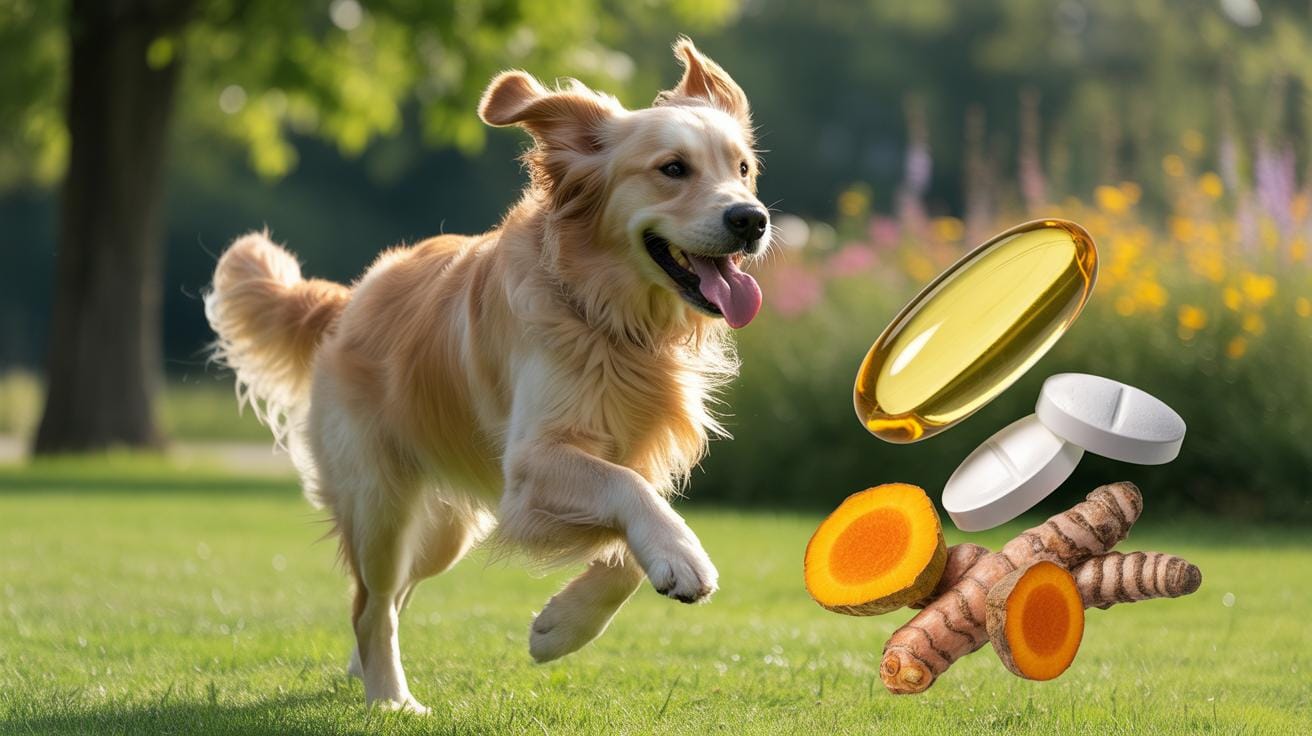
Understanding Dog Joints And Why They Break Down Over Time
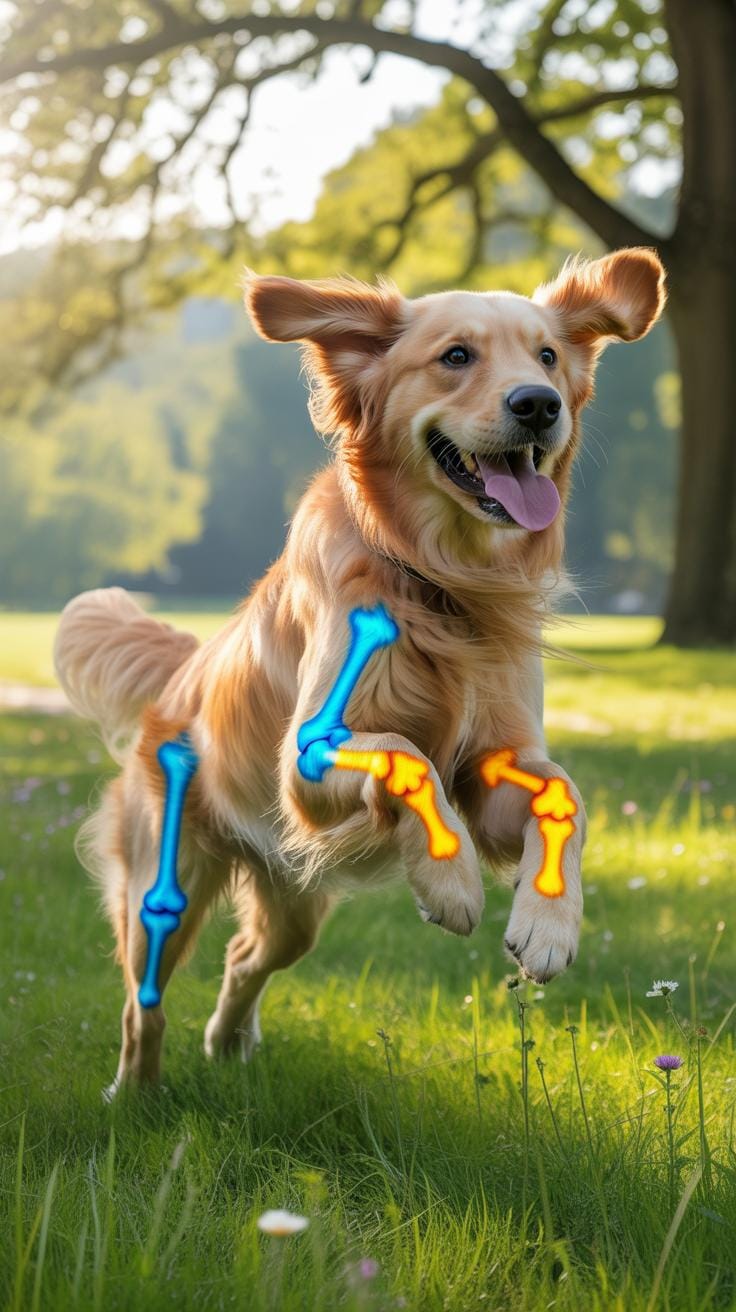
The Anatomy Of Dog Joints And How They Support Movement
Dog joints function as mechanical levers that facilitate movement and absorb impact. Most mobile joints are synovial joints. These consist of two bone ends covered in smooth articular cartilage. A fibrous capsule surrounds the joint and contains synovial fluid. This fluid acts as a lubricant to reduce friction during activity. Ligaments connect bones to provide stability and prevent dislocation during high-speed maneuvers.
Cartilage serves as the primary shock absorber within the joint structure. It lacks blood vessels and nerves. It relies on the surrounding fluid for nutrients and waste removal. This lack of direct blood supply makes self-repair difficult once damage occurs. Healthy cartilage remains firm and elastic. It distributes mechanical loads evenly across the bone surface. When this protective layer thins, bone rubs against bone, causing immediate inflammation.
Common Causes Of Joint Deterioration In Dogs Across Different Life Stages
Joint breakdown occurs through mechanical wear or biological failure. In puppies, rapid growth or poor nutrition can cause developmental issues like hip dysplasia. Large breeds face higher risks due to their heavy frames. Excessive exercise on hard surfaces during growth phases creates micro-trauma. This trauma disrupts normal bone formation and weakens the joint foundation. Early structural flaws often lead to chronic conditions later in life.
Aging dogs experience wear and tear known as osteoarthritis. This is a degenerative process. Over time, the body produces less collagen and lubricating fluid. Obesity accelerates this decline by adding constant pressure to the joints. Genetic predispositions also dictate how fast a dog loses mobility. Inflammation becomes a cycle. Damaged tissue releases enzymes that further break down healthy cartilage. Managing weight and activity levels remains the most effective way to slow this process.

Recognizing The Signs Of Joint Pain And Mobility Issues In Your Dog For Better Pet Wellness

Behavioral And Physical Warning Signs That Your Dog May Be Experiencing Joint Discomfort
Dogs instinctively hide physical weakness to survive. You must watch for subtle changes in their daily routine. Reluctance to climb stairs or jump into a car suggests significant discomfort. Stiffness after rest often indicates inflammation or osteoarthritis. Pay close attention to how your dog stands up from a lying position. Slow movements or favoring one limb reveal localized pain and reduced range of motion.
Behavioral shifts are equally telling indicators of chronic pain. An active dog might stop playing or show irritability when touched near the hips or spine. Licking or chewing at specific joints serves as a self-soothing mechanism for localized irritation. You may notice your dog lagging behind on walks they previously enjoyed. These signs confirm that mechanical wear is impacting the dog’s comfort and requires immediate tactical intervention.
When To Consult Your Veterinarian About Your Dog’S Joint Health
Professional diagnosis is necessary when mobility issues persist for more than forty-eight hours. Home observation cannot distinguish between simple muscle strain and degenerative joint disease. A veterinarian uses physical exams and radiographs to identify the exact cause of lameness. Prompt clinical evaluation prevents minor inflammation from becoming permanent cartilage damage. Early intervention allows for a wider range of effective treatment options and better long-term outcomes.

Schedule a consultation immediately if you notice sudden vocalization or an inability to support weight. These acute symptoms often signal a ligament tear or severe neurological issue rather than simple aging. Your vet will establish a baseline for joint health through blood work and imaging. This data directs the selection of specific dog joint pain supplements. Do not guess with over-the-counter products until a professional confirms the underlying condition.
Glucosamine For Dogs The Gold Standard In Joint Supplement Support
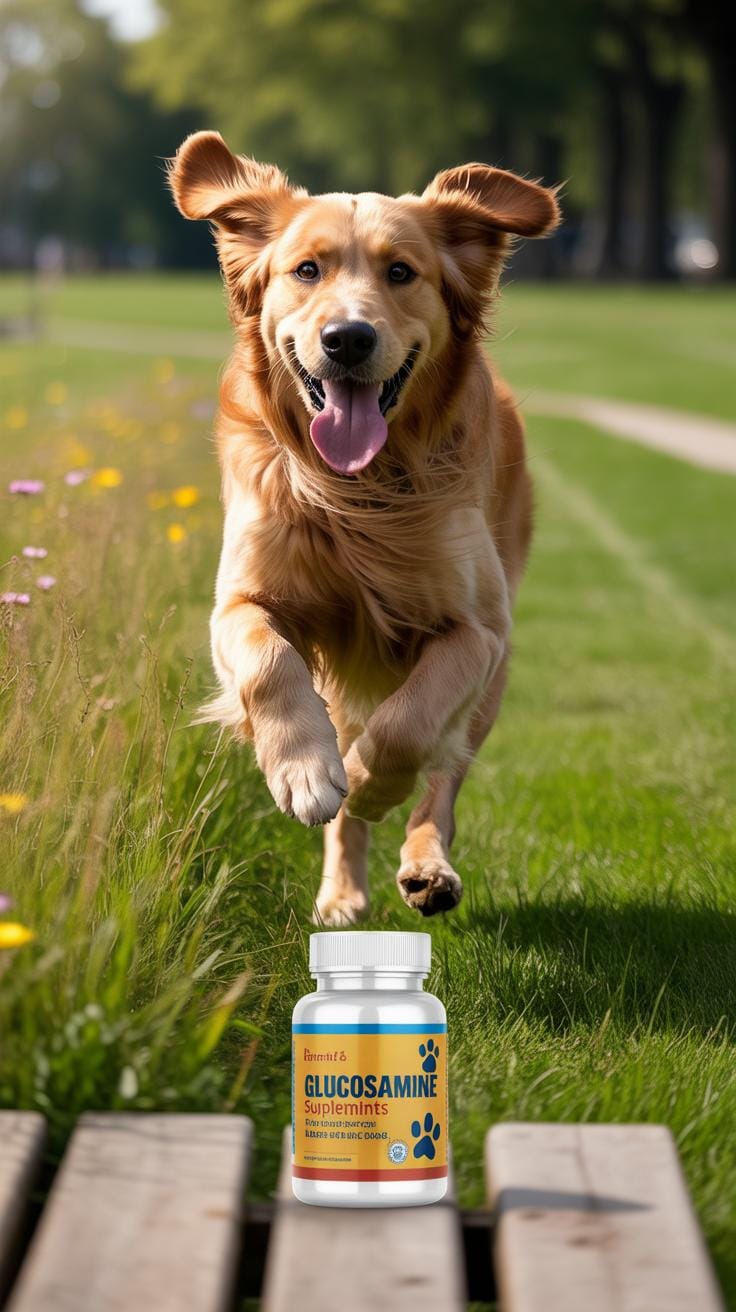
How Glucosamine Works To Rebuild And Protect Cartilage In Dog Joints
Glucosamine is a natural compound found in healthy cartilage. It acts as a primary building block for glycosaminoglycans. These molecules form the structural matrix of joint tissues. When dogs age, their bodies produce less glucosamine. This deficiency leads to thinning cartilage and bone friction. Supplementing helps the body maintain the thick cushion needed for smooth movement and long term stability.
This compound also stimulates the production of synovial fluid. Synovial fluid acts as a lubricant for the joints. It reduces friction during physical activity. Glucosamine helps keep this fluid viscous and effective. Continuous use supports the repair of damaged connective tissues. It stops the enzymes that break down cartilage over time. Proper application ensures the joint stays flexible and resistant to daily wear.
Recommended Glucosamine Dosages And Forms Available For Dogs
Effective dosing depends on the weight and activity level of the dog. Most veterinarians suggest a loading dose for the first six weeks. This initial high dose builds up the levels in the bloodstream quickly. A typical starting point is fifteen milligrams per pound of body weight. After the loading phase, you drop to a lower maintenance dose. This keeps the joints supported without wasting excess product.

Manufacturers offer glucosamine in several distinct formats for easy delivery. Tablet and chewable forms are common because they allow for precise measurement. Liquid supplements offer faster absorption and mix easily into standard dog food. Glucosamine sulfate and glucosamine hydrochloride are the two main types used. Hydrochloride is more concentrated and pure. Always check the label to ensure the sourcing comes from reputable shellfish or corn based origins.
Top Dog Supplements For Joint Pain Ingredients That Are Backed By Science
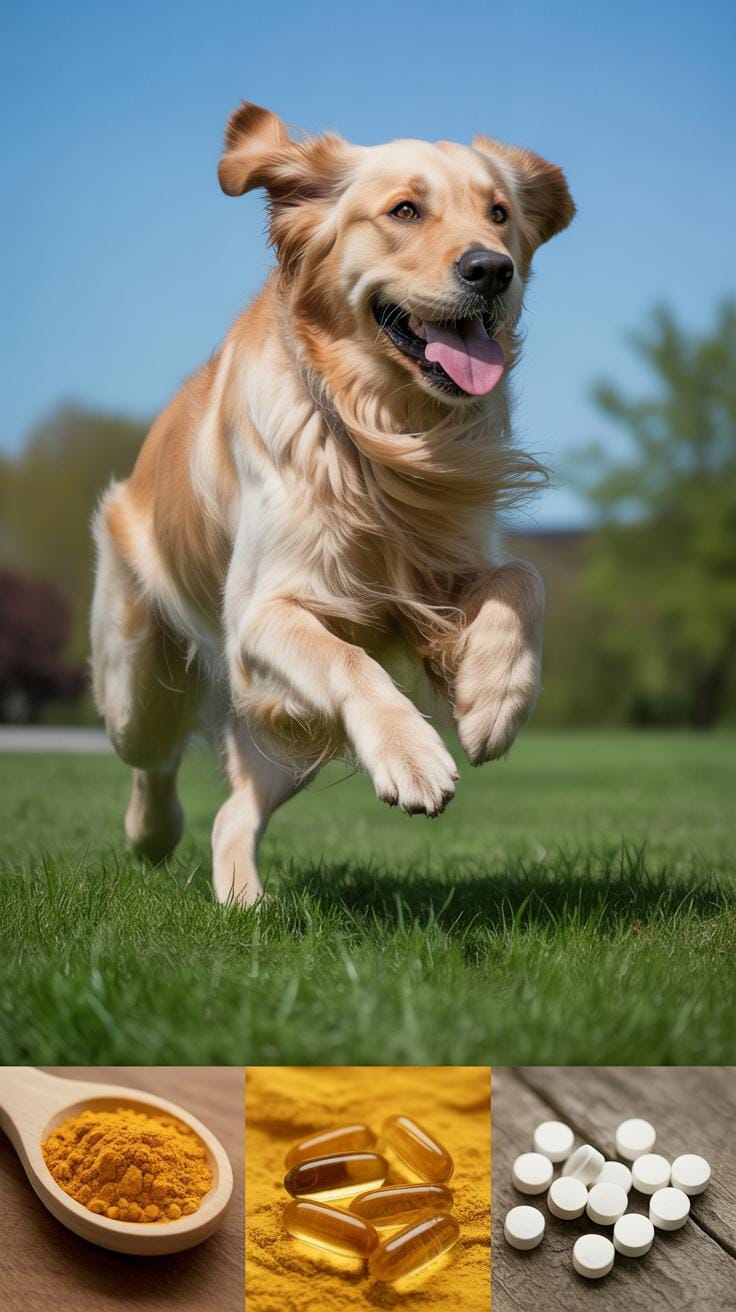
Chondroitin, MSM, And Omega 3 Fatty Acids: How Each Ingredient Targets Joint Inflammation
Chondroitin sulfate inhibits the enzymes that break down cartilage in dog joints. It works by retaining water in the connective tissue to maintain elasticity and shock absorption. Combining it with glucosamine often yields better results than using it alone. This ingredient provides the building blocks for repair. It prevents the rapid thinning of cartilage that leads to bone on bone friction.
MSM provides biologically active sulfur to reduce oxidative stress in the cells. It acts as a natural analgesic by blocking pain impulses along nerve fibers. Omega-3 fatty acids from fish oil suppress the production of pro-inflammatory cytokines. These fats change the cell membrane composition to lower overall systemic inflammation. Regular intake reduces morning stiffness and improves the physical gait of older dogs.
What To Look For On A Dog Supplement Label To Ensure Quality And Efficacy
Labels must state the exact milligrams of active ingredients per tablet or scoop. Manufacturers often hide low dosages behind proprietary blends to save money on raw materials. You must verify the source of the proteins and oils to avoid heavy metal contamination. Check for a National Animal Supplement Council seal on the bottle. This seal proves the company follows strict production standards.
- NASC Quality Seal: The National Animal Supplement Council seal indicates a manufacturer passed independent audits. It ensures the facility follows rigorous labeling requirements and reports adverse events accurately. Brands without this seal often lack third-party oversight on their production lines.
- Specific Milligram Counts: High-quality labels list the exact weight of each active ingredient like Glucosamine or Chondroitin. Avoid products that use the term proprietary blend to hide low concentrations of expensive materials. You need to know the dose to ensure it matches the clinical requirements for your dog.
- EPA and DHA Content: Omega-3 supplements should break down the specific amounts of EPA and DHA per serving. Total fish oil weight is a useless metric if the concentration of these specific fatty acids is too low to fight inflammation. Focus on high EPA levels for the best joint support.
- Source Transparency: Look for labels that name the specific source of ingredients like cold-water fish or green-lipped mussels. Vague terms like animal derivatives indicate low-grade fillers that provide little nutritional value. Transparent sourcing protects your dog from toxins often found in cheap, processed industrial byproducts.
- Inactive Ingredient List: Check the bottom of the label for binders, sugars, and artificial colors. Fillers like grain flour or corn syrup can trigger inflammation in sensitive dogs. Choose products that use minimal, natural inactive ingredients to deliver the functional components without adding unnecessary caloric load.

Bioavailability determines how much of the supplement actually reaches the joint tissues. Some brands use cheap synthetic forms that the dog’s body cannot absorb effectively. Look for ingredients like chelated minerals or stabilized oils that resist oxidation. If the label does not specify the form of the ingredient, it is likely the cheapest version available. Quality supplements prioritize absorption rates over low manufacturing costs.
Natural Supplements For Dogs Plant Based And Holistic Options For Joint Relief

Turmeric, Boswellia, And Green Lipped Mussel: Nature’S Anti Inflammatory Powerhouses For Dogs
Turmeric contains curcumin which blocks enzymes that cause swelling and pain. Active curcumin has low absorption rates in dogs. Manufacturers must add black pepper or fats to increase bioavailability. Scientific studies show that regular dosing reduces dependence on non steroidal anti inflammatory drugs. This root works by targeting the same molecular pathways as common pharmaceutical painkillers without the same digestive risks.
Boswellia serrata yields acids that stop leukotriene production in the body. These compounds cause chronic inflammation in canine joints. Green lipped mussel provides a unique mix of omega three fatty acids and glycosaminoglycans. These nutrients lubricate the joint capsule and repair damaged cartilage. Combining these three ingredients creates a synergistic effect. They work better together than they do as isolated compounds in a diet.
The Safety Profile Of Natural Supplements And What Every Pet Owner Should Know Before Using Them
Natural does not mean safe in every dosage. High doses of turmeric can thin the blood and cause surgical complications. Some plant extracts interact poorly with heart medications or diabetes treatments. Owners must verify the source and purity of every botanical ingredient. Many raw herbs contain heavy metals or pesticides from poor soil. Laboratory testing ensures the product contains no harmful contaminants.

Consult a veterinarian before adding these to a senior dog’s regimen. Liver and kidney function must be strong enough to process these concentrated extracts. Some dogs suffer from gastrointestinal upset when starting new plant based oils. Introduce one supplement at a time to monitor for allergic reactions or diarrhea. Strict adherence to weight based dosing prevents toxicity. Reliable brands provide clear certificates of analysis for their batches.
Healthy Joints Start Early Preventive Supplementation For Young And Active Dogs
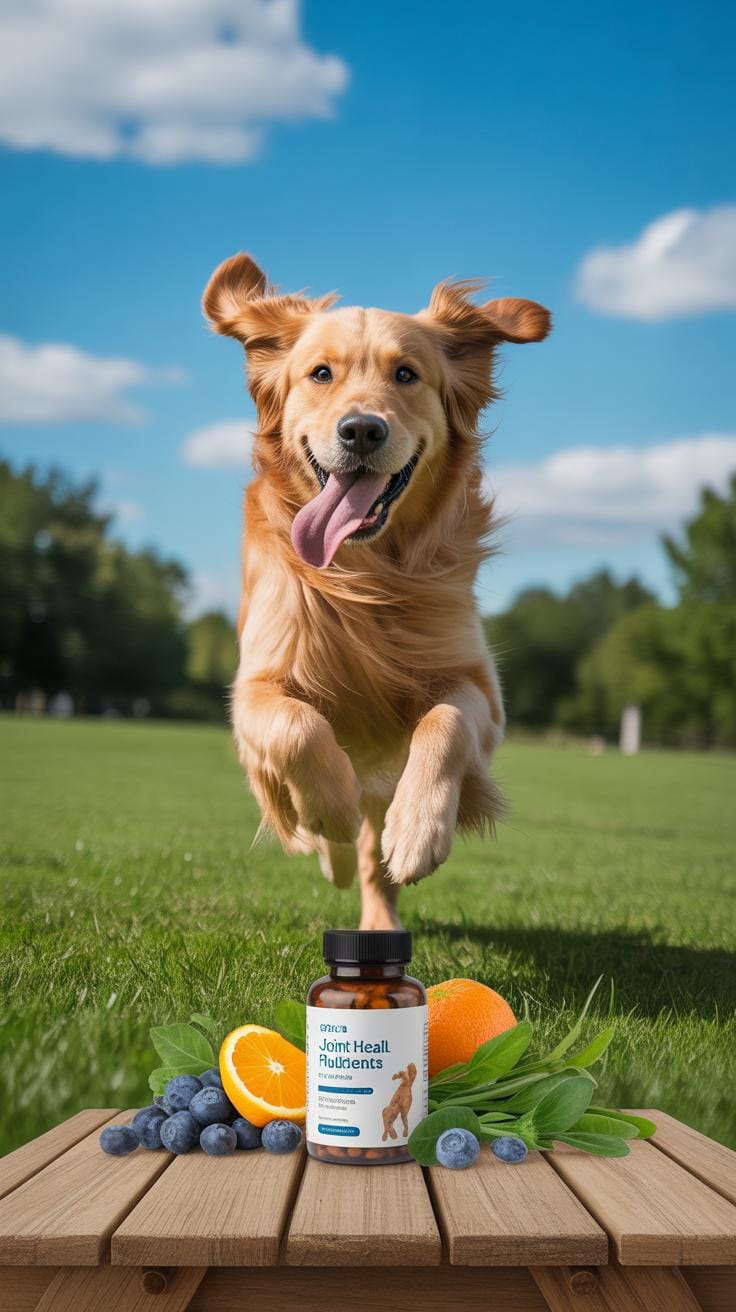
Why Starting Joint Support Supplements Before Symptoms Appear Can Make A Long Term Difference
Joint wear begins long before a dog limps. Cartilage acts as a shock absorber. Once this tissue wears down, it does not grow back. Early supplementation provides the raw materials needed to maintain cartilage density. Glucosamine and chondroitin support the structural integrity of the joint capsule. Starting early creates a biological buffer. This delay helps prevent the onset of chronic inflammation.
Waiting for symptoms means you are managing damage instead of preventing it. Young dogs often mask pain until the condition is advanced. Proactive care ensures synovial fluid stays thick and lubricated. This reduces friction during high-impact movement. Consistent dosing in early years preserves range of motion. You save money on future veterinary bills by investing in joint health during the developmental stage.
Breed Specific Joint Risks And Which Dogs Benefit Most From Early Supplementation
Large and giant breeds face the highest risk of structural failure. Great Danes, Mastiffs, and German Shepherds grow rapidly. This speed puts extreme stress on developing growth plates and soft tissues. These breeds often suffer from hip and elbow dysplasia due to genetic factors. Supplementing these dogs during their first two years helps stabilize joint development. Stronger connective tissues mitigate genetic predispositions.

Active working dogs also require immediate support regardless of size. Herding breeds and agility competitors put thousands of miles on their joints. These impact forces cause micro-trauma in the cartilage. Breeds like Corgis and Dachshunds have long spines and short legs. This anatomy creates mechanical stress on the back and joints. Early intervention protects these specific vulnerabilities. Target your supplement strategy based on these known mechanical risks.
Dog Pain Relief Beyond Supplements Combining Nutrition Exercise And Therapy For Dog Joints Care
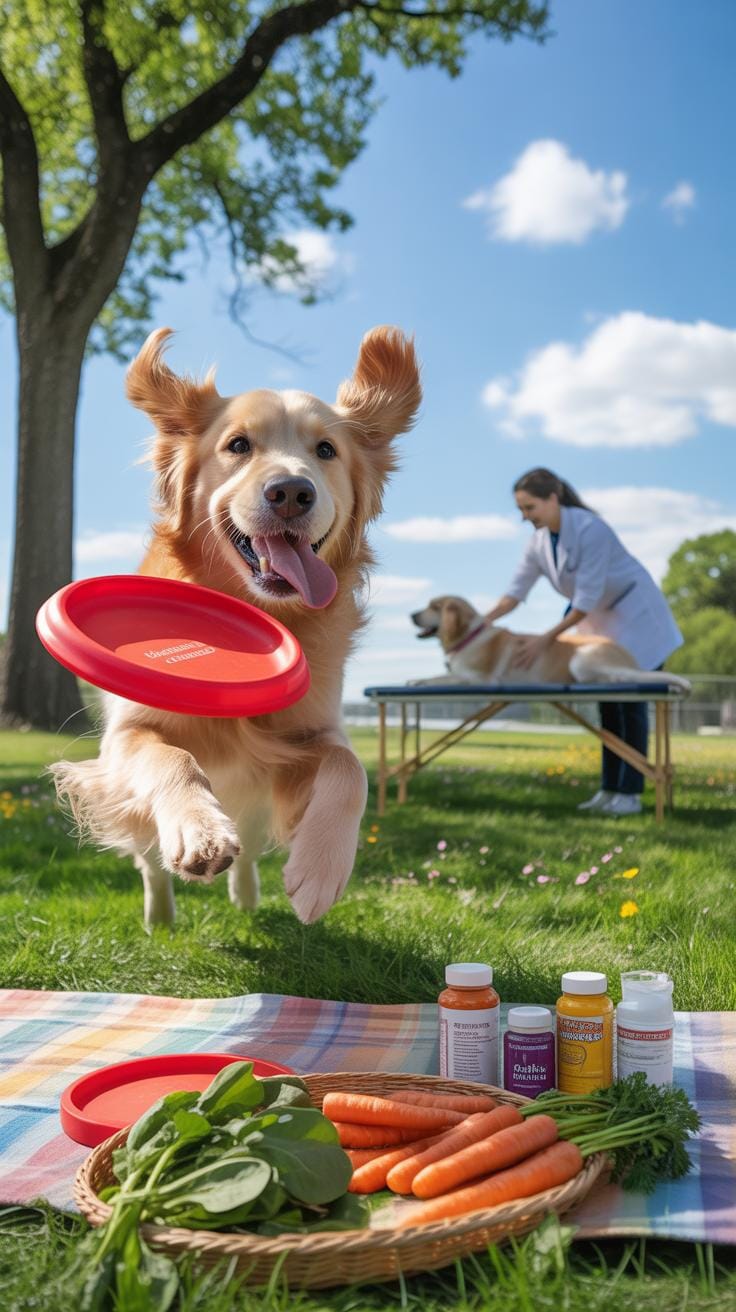
How Weight Management And Low Impact Exercise Directly Reduce Joint Stress In Dogs
Excess weight creates a cycle of destruction for canine joints. Fat tissue produces pro-inflammatory cytokines that chemically break down cartilage. Every extra pound increases the mechanical load on the hips and stifles. This pressure accelerates wear on the joint surfaces. Maintaining a lean body condition score is the most effective way to slow osteoarthritis. Owners must prioritize caloric restriction to protect long-term mobility.
Low-impact exercise builds muscle without damaging the bone structure. Controlled leash walks on soft surfaces improve joint stability by strengthening supporting ligaments. Avoid high-impact activities like jumping or sharp turns that cause micro-fractures in aging cartilage. Consistent and short sessions are better than long weekend hikes. Proper movement keeps the synovial fluid circulating. This fluid delivers essential nutrients to the cartilage and removes metabolic waste products effectively.
Complementary Therapies Such As Hydrotherapy And Physiotherapy That Work Alongside Supplements
Hydrotherapy uses water resistance and buoyancy to restore range of motion. Underwater treadmills allow dogs to walk without bearing their full body weight. This reduces the impact on inflamed joints while building necessary muscle mass. Warm water also increases blood flow to stiff tissues. This therapy helps dogs regain confidence in their movement. It provides a controlled environment for recovery that land-based exercise cannot match safely.

Physiotherapy utilizes targeted manual techniques to improve joint health. Professionals use massage and stretching to reduce muscle tension and prevent contractures. Laser therapy and electrical stimulation can also manage pain and inflammation at the cellular level. These treatments work in tandem with supplements to maximize functional recovery. Consistent therapy sessions prevent the compensatory injuries that often occur when dogs shift weight away from painful limbs. Use these tactics together for results.
Dog Health Care How To Safely Introduce And Monitor Joint Supplements In Your DogS Routine

Step By Step Guide To Introducing A New Joint Supplement Into Your Dog’S Daily Diet
Correct introduction prevents gastrointestinal upset and allows the body to adapt to concentrated active ingredients. Start by consulting your veterinarian to confirm the dosage based on your dog’s current weight and health status. Never start a full dose immediately. Rapid introduction of glucosamine or chondroitin often causes diarrhea or vomiting. Slow integration ensures the metabolic system processes the nutrients without rejection or discomfort.
- Consult Your Veterinarian: Expert oversight ensures the selected supplement does not interfere with existing medications. Your vet will provide a baseline physical exam to document mobility issues before you start the regimen.
- Verify Dose by Weight: Read the label carefully to find the correct milligrams per pound. Use a digital scale for accuracy if the supplement is a powder or liquid. Overdosing can lead to toxicity or digestive distress.
- Start with Half Portions: Administer half of the recommended daily dose for the first seven days. This trial period allows you to observe how your dog reacts to the new ingredients. Watch for any signs of allergic reactions or stomach pain.
- Mix with Regular Meals: Integrate the supplement directly into wet or dry food during their usual feeding time. Food acts as a buffer for the digestive lining. This method also ensures your dog consumes the entire dose without spitting it out.
- Monitor for Adverse Reactions: Check for changes in stool consistency, appetite, or energy levels during the first two weeks. If you notice persistent vomiting or lethargy, stop the supplement immediately. Report these specific symptoms to your veterinary professional for guidance.
Transition to the full recommended dose after a successful one-week trial at half strength. Consistency is the most important factor for success with joint health products. Administer the supplement at the same time every day to maintain steady blood levels of the active compounds. Do not skip days or double doses. Results take time so you must remain patient through the initial loading phase of the product.
Because their lives are so short, we must make every step they take a joyful one. Providing our old friends the support they need to move comfortably is the greatest gift we can give for all the years they have given us.
Tracking Your Dog’S Progress And Knowing When To Adjust Supplement Dosages
Active monitoring requires objective data rather than vague observations. Record your dog’s activity levels and physical limitations in a dedicated journal before starting the supplement. Note specific behaviors such as their ability to climb stairs, jump into the car, or rise from a nap. After four weeks, compare current movements against these initial notes. Quantitative tracking removes emotional bias and reveals if the current dosage is actually working.

Adjust the dosage only after consulting your veterinarian or seeing a sustained plateau in mobility. Many joint supplements require a loading dose for the first month followed by a smaller maintenance dose. If your dog experiences a flare-up or injury, a temporary increase might be necessary. Conversely, if weight loss reduces the load on the joints, you may decrease the dosage. Always base these changes on physical evidence and professional advice.
Comparing The Best Dog Joint Pain Supplements Formats Brands And Value For Pet Owners
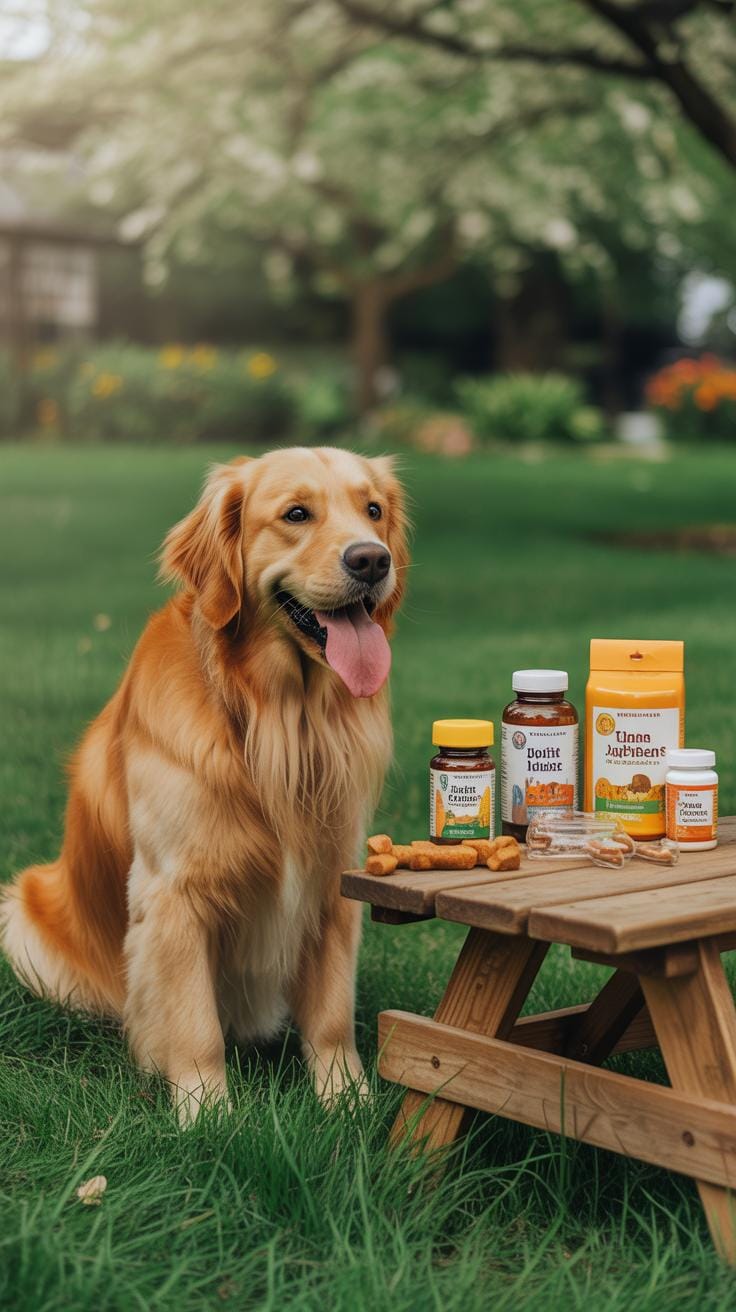
Chews, Powders, Liquids, And Capsules: Choosing The Right Supplement Format For Your Dog
Soft chews dominate the market because they act as treats. Most owners find these easiest for daily dosing. However, chews often contain starches, sugars, and preservatives to maintain texture and shelf life. These additives can cause digestive upset or weight gain in sensitive dogs. Monitor the caloric density of chews if your dog is on a strict weight management plan for joint health.
Powders and liquids offer higher purity and faster absorption rates. You mix these directly into meals to bypass picky eaters. Liquids often use a pump system for precise dosing based on body weight. Capsules provide the most stable environment for active ingredients because they prevent oxidation. You must hide capsules in food or use a pill pocket to ensure your dog swallows the entire dose.
Key Questions To Ask Your Vet Before Purchasing Any Dog Joint Pain Supplement
Ask your veterinarian about specific ingredient concentrations rather than broad brand names. Request a breakdown of the therapeutic dosage for glucosamine and chondroitin based on your dog’s current weight. Inquire if the supplement has undergone third-party testing for purity. Many products contain heavy metals or lack the advertised amount of active ingredients. Verify which clinical trials support the specific formulation you plan to buy.
Discuss potential drug interactions if your dog already takes non-steroidal anti-inflammatory drugs. Some supplements can thin the blood or affect liver enzymes when combined with prescription medications. Ask your vet to prioritize ingredients based on your dog’s specific stage of joint disease. Early-stage wear requires different support than late-stage osteoarthritis. Get a clear timeline on when you should expect to see visible mobility improvements.
Frequently Asked Questions

How do I know if my dog needs joint supplements?
Recognizing the early signs of discomfort is key to maintaining your pet’s quality of life. If you notice your dog hesitating before climbing stairs, struggling to stand up after naps, or lagging behind during walks, they may be experiencing stiffness. Starting high-quality dog joint pain supplements early can help support cartilage health and reduce inflammation, ensuring your furry friend stays active and comfortable as they transition into their senior years.
What is the best way to administer joint supplements to a picky eater?
Many dog joint pain supplements come in flavored soft chews that act like treats, making them easy to administer. If your dog is extra finicky, you can crush tablet forms into their favorite wet food or use a pill pocket to hide the scent. Consistency is vital for seeing results, so try incorporating the supplement into their breakfast routine to ensure they never miss a dose of these essential nutrients.
Can I find effective joint support for my dog on a tight budget?
Absolutely! You don’t always need premium boutique brands to see a difference in mobility. Many affordable options contain the same clinically proven active ingredients like glucosamine, chondroitin, and MSM. To save money, look for bulk containers or concentrated liquid formulas that offer a lower cost per serving. Always prioritize purity and quality standards over fancy packaging to ensure your dog gets the most effective relief for their specific needs.