Himalayan Cat Breed Facts Understanding The Breed Behind The Eyes
The Origins And Physical Traits That Define The Himalayan Cat Breed
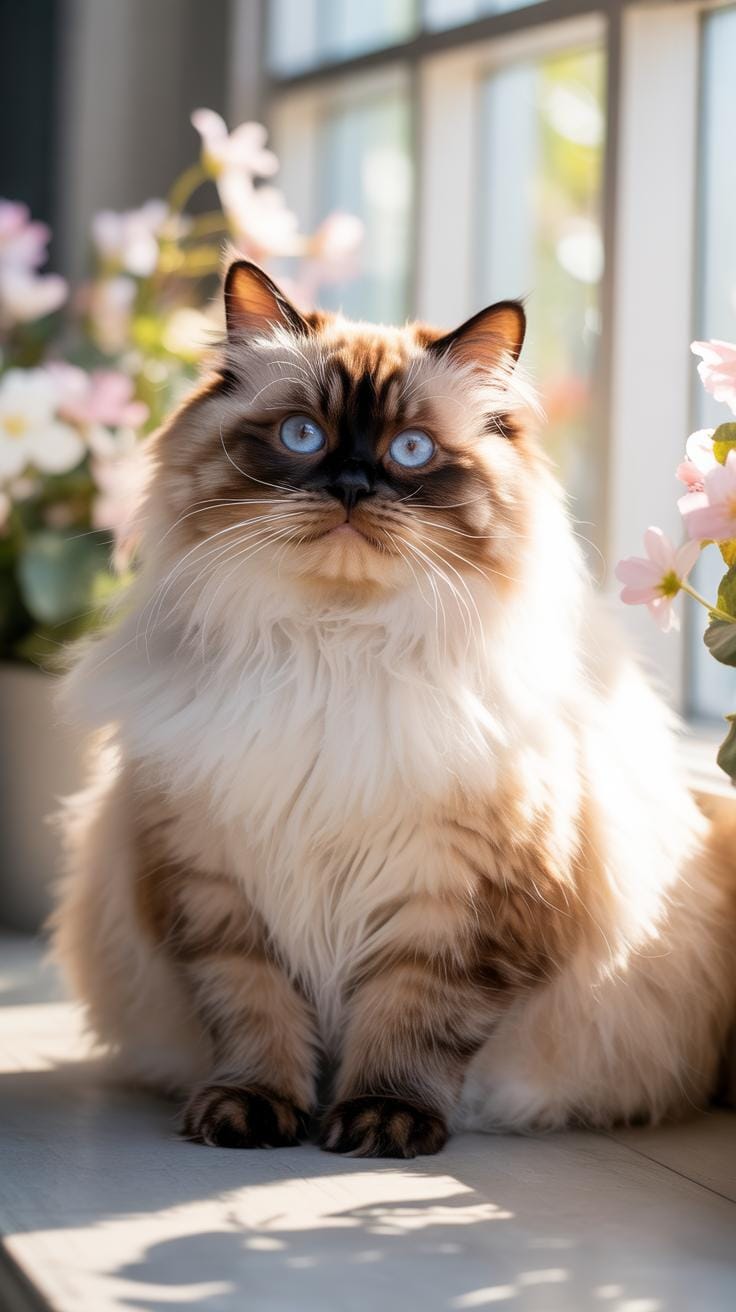
Breeders created the Himalayan cat by crossing Persian and Siamese breeds during the 1931-1950 period. This intentional cross aimed to combine the long coat of the Persian with the color points of the Siamese. These cats possess a heavy-boned body and a distinctive round head. Their genetic makeup dictates specific physical traits that require constant maintenance. Every anatomical feature stems from these two foundation breeds.
The Himalayan belongs to the brachycephalic category. This term identifies animals with short, wide skulls and flat faces. Their large, round eyes sit prominently on the face. Breeders select for these traits to meet breed standards. However, these physical features create structural challenges for the animal. Owners must understand that the breed’s beauty results from a skeletal structure that deviates significantly from a wild cat’s anatomy.
How The Himalayan’S Flat Face Directly Impacts Its Eye Health
Brachycephalic architecture compresses the nasal passages and tear ducts. In a healthy cat, tear ducts drain fluid into the nose. The Himalayan’s flat face kinks these ducts. Fluid cannot flow through the narrow channels. Therefore, tears spill out over the eyelids and onto the fur. This process causes constant moisture on the skin. You must recognize this as a mechanical failure of the facial structure.
Chronic moisture leads to skin fold dermatitis and bacterial growth. The shallow eye sockets also prevent the eyelids from closing fully over the eyeball. This exposure increases the risk of corneal ulcers and dryness. Surface debris sticks to the wet fur and creates a breeding ground for infection. Proper care requires you to intervene where natural drainage fails. Failure to manage this moisture results in physical pain for the cat.
Himalayan Cat Facts Why This Breed Is Especially Prone To Eye Issues
The Role Of Brachycephalic Anatomy In Chronic Tearing And Discharge
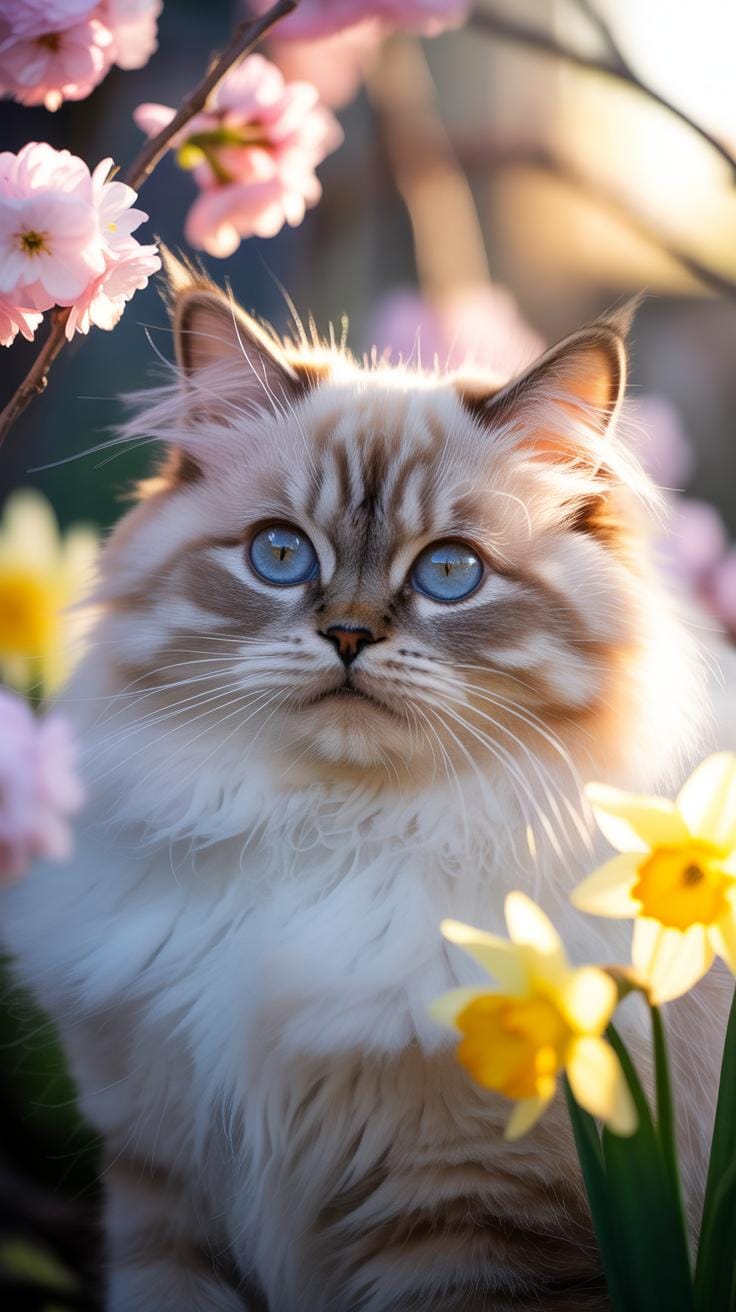
Himalayan cats possess a brachycephalic skull structure. This means they have a flat face and a short nose. Breeders selected these traits to create a specific look. This bone structure compresses the internal nasal passages and prevents normal drainage. Fluids that should flow through the nose instead overflow onto the face. You will see this as constant wetness and brown staining around the eyes.
The shallow eye sockets push the eyeballs forward. This exposure leaves the surface of the eye vulnerable to air and dust. Eyelids often fail to close completely over the protruding globe. This lack of closure causes the tear film to evaporate too quickly. The body responds by overproducing tears to protect the eye. This cycle creates a permanent environment for bacterial growth and skin irritation.
Genetic Factors That Make Himalayan Cats More Vulnerable To Eye Conditions
Selective breeding for the flat faced look introduced specific genetic defects. Many Himalayans suffer from entropion where the eyelids fold inward. This causes the eyelashes to rub directly against the cornea. Every blink creates micro scratches on the eye surface. If you ignore this, the cat develops painful corneal ulcers. These ulcers can lead to permanent blindness or the loss of the eye.

Himalayans carry a high risk for primary glaucoma and progressive retinal atrophy. These inherited conditions affect the internal pressure and light sensing cells of the eye. Genetic predispositions also include malformed tear ducts that are narrow or entirely blocked. You cannot fix these structural issues with topical creams alone. Management requires a strict daily cleaning routine to prevent secondary infections from trapped moisture and debris.
What Causes Watery Eyes In Cats A Closer Look At Tear Overproduction
Common Medical And Environmental Triggers Behind Excessive Tearing In Cats
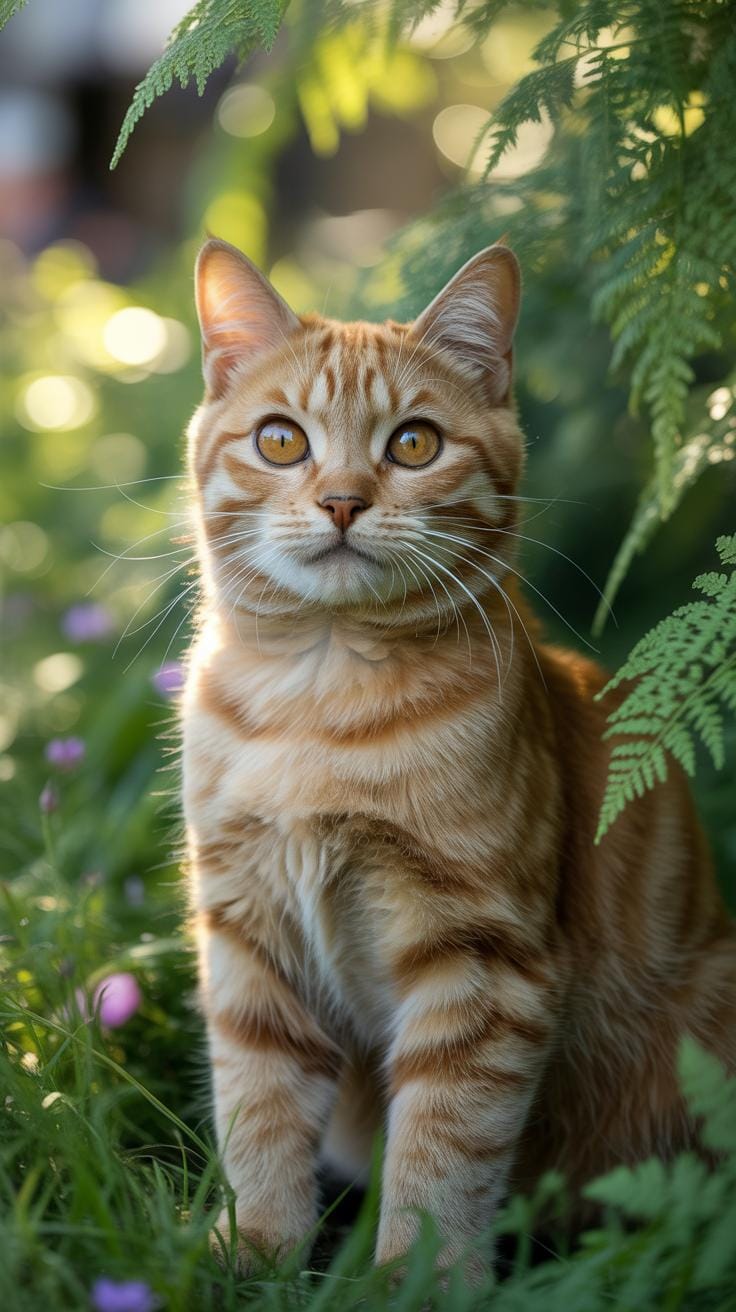
Himalayan cats suffer from chronic eye wetness due to their specific biology. Dust and strong scents irritate their delicate eyes easily. Cigarette smoke or harsh cleaning chemicals trigger a defense response. This response forces the tear glands to work harder. The cat produces excess moisture to flush out these irritants. You must identify these triggers in your home to reduce constant tearing.
Medical issues also cause significant watering. Bacterial infections and viral outbreaks like feline herpesvirus are common culprits. These conditions inflame the eye tissues and increase fluid production. Scratches on the cornea from rough play or grooming also lead to heavy tearing. Watch for yellow or green discharge. These colors indicate an infection that requires immediate medical treatment from a professional veterinarian.
How Blocked Or Narrow Tear Ducts Contribute To Watery Eyes In Himalayans
The skull shape of the Himalayan cat creates physical drainage problems. Selectively breeding for flat faces causes shortened nasal passages. This structure often kinks the nasolacrimal ducts. Tears cannot flow naturally from the eyes into the nose. Instead of draining away, the fluid spills over the eyelids and onto the face. This creates the dark stains you see on their fur.

Narrow or totally blocked ducts prevent effective moisture management. Scar tissue from past infections can also seal these tiny tubes shut. When the drainage system fails, the eye remains constantly bathed in fluid. This standing moisture provides a breeding ground for bacteria and yeast. You must manually clean the area daily because the cat’s body cannot pass the fluid through the proper internal channels.
How To Care For Cat Eyes Building A Safe Daily Eye Care Routine
What To Look For During Your Daily Visual Check Of Your Himalayan’S Eyes
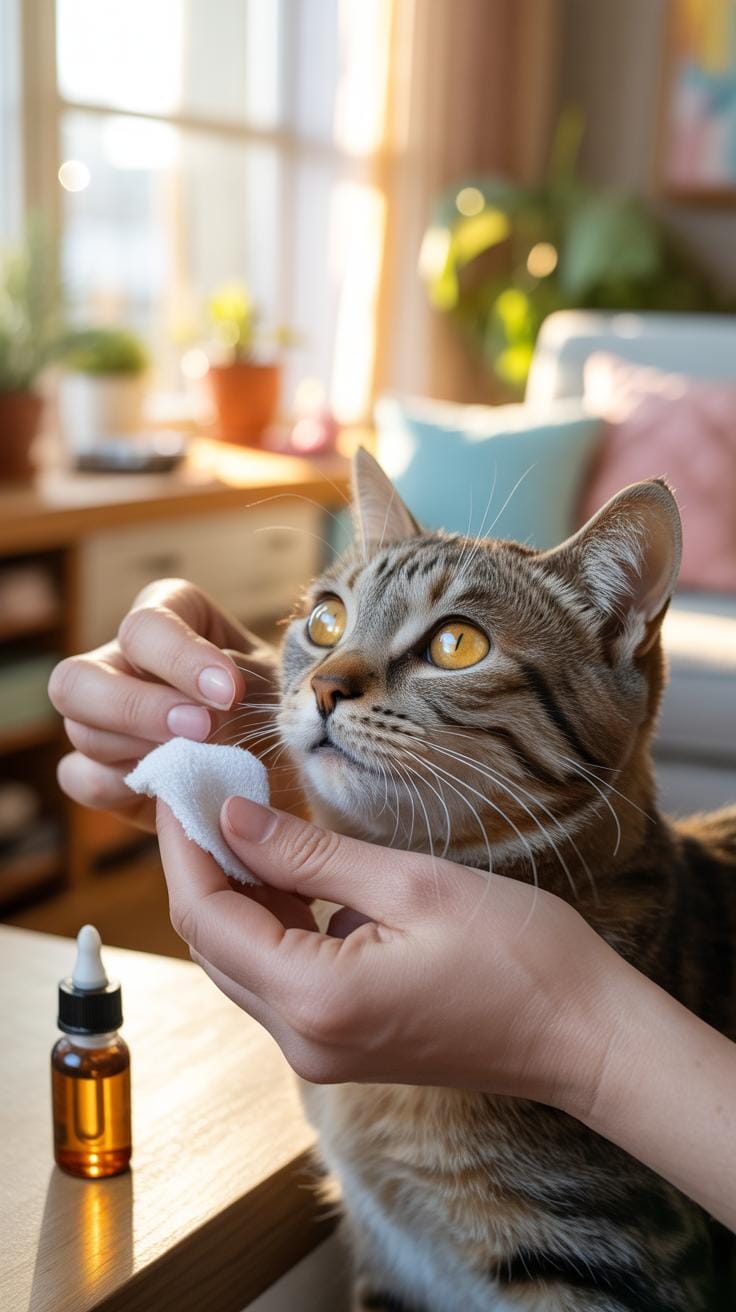
Himalayans have flat faces and large eyes. This physical shape makes them prone to irritation. You must check their eyes every morning for clarity. Healthy eyes look bright and moist without excess filmy buildup. Watch for redness on the white parts of the eye. Check the eyelids for swelling or rolling inward. This structural issue can cause the eyelashes to scratch the cornea surface.
Identify changes in discharge color immediately. Clear fluid is normal for this breed due to their bone structure. Yellow or green discharge indicates a bacterial infection. Look for squinting or frequent blinking. These signs signal pain or a possible ulcer. Examine the fur around the eyes for dampness. Persistent moisture leads to skin rot and fungal growth. Catching these signs early prevents permanent vision loss and expensive surgery.
Daily Eye Care Habits That Help Prevent Tear Stains Before They Form
Prevention is more effective than trying to remove existing stains. Staining happens when porphyrins in the tears sit on the fur and oxidize. You must remove this fluid before it dries and hardens. Consistent cleaning keeps the fur dry and neutralizes the pH levels. High-quality facial hygiene prevents the dark red or brown marks common in brachycephalic breeds. Use specific tools to avoid damaging the eye.
- Distilled Water: Use distilled water on a lint-free pad to wipe the face. Tap water often contains minerals like iron that worsen staining. Distilled water provides a clean base for removing debris without adding chemical irritants or heavy minerals to the fur.
- Stainless Steel Bowls: Switch from plastic to stainless steel or ceramic food bowls. Plastic scratches easily and traps bacteria that transfer to the cat’s face during feeding. Clean bowls reduce the risk of contact dermatitis and localized infections that cause excess tearing.
- Cotton Rounds: Use flat cotton rounds instead of cotton balls. Fibers from loose cotton balls can break off and enter the eye. These fibers cause scratches and irritation. Flat rounds stay intact while you apply gentle pressure to the tear ducts and eye corners.
- Face Combs: Use a fine-tooth flea comb to gently remove hardened crust from the inner corners. This mechanical removal prevents the buildup from matting the fur. Always comb away from the eye globe to avoid accidental injury. This keeps the area clear and ventilated.
- Physical Drying: Blot the area dry with a clean cloth after every cleaning session. Moisture trapped in the dense Persian-style coat breeds bacteria and yeast. Keeping the skin dry is the most important step in stopping the chemical reaction that creates visible tear stains.

Consistent timing improves the cat’s cooperation and the treatment results. Perform these tasks after the cat eats or wakes up from a nap. These are the times when tear production is highest. Reward the cat with a high-protein treat to build a positive association. This routine ensures the Himalayan remains comfortable and maintains a clean appearance. Proper daily maintenance reduces the need for harsh chemical whitening agents later.
How To Clean Cat Eyes Safe And Effective Techniques For Himalayans
Choosing The Right Supplies For Safely Cleaning Your Cats Eye Area
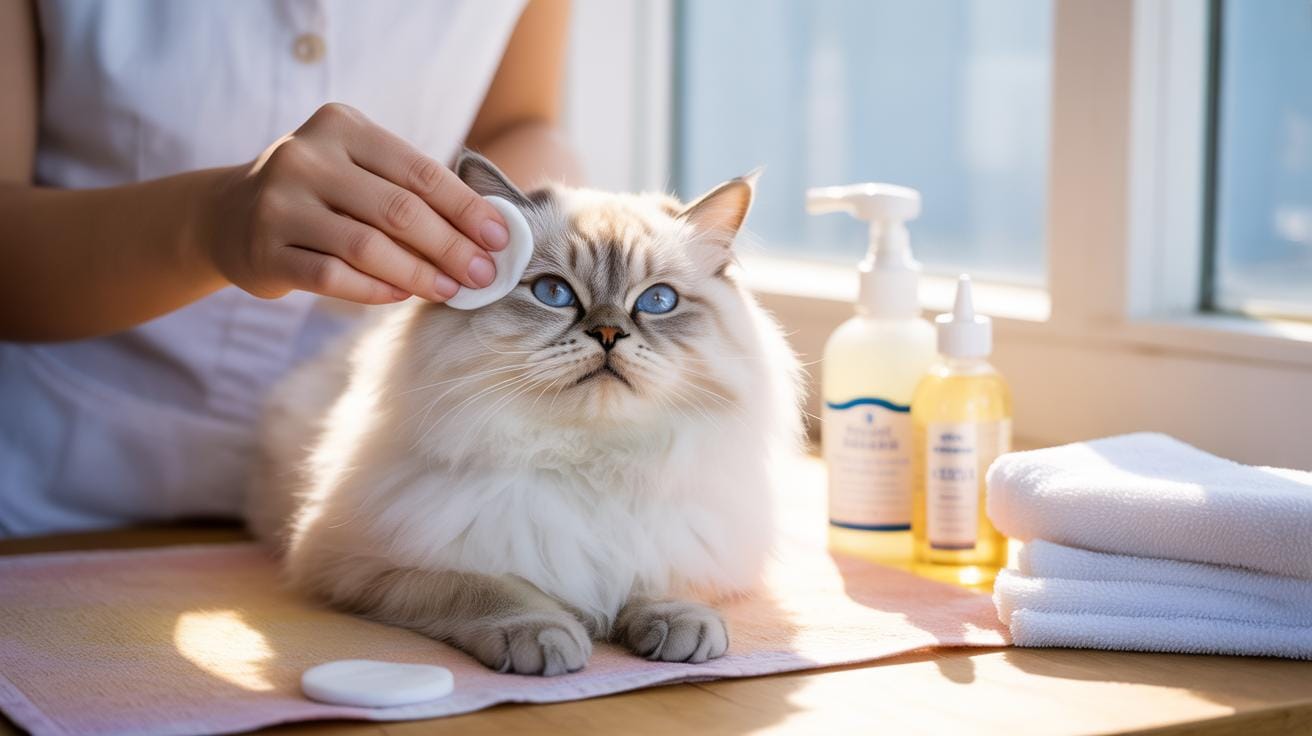
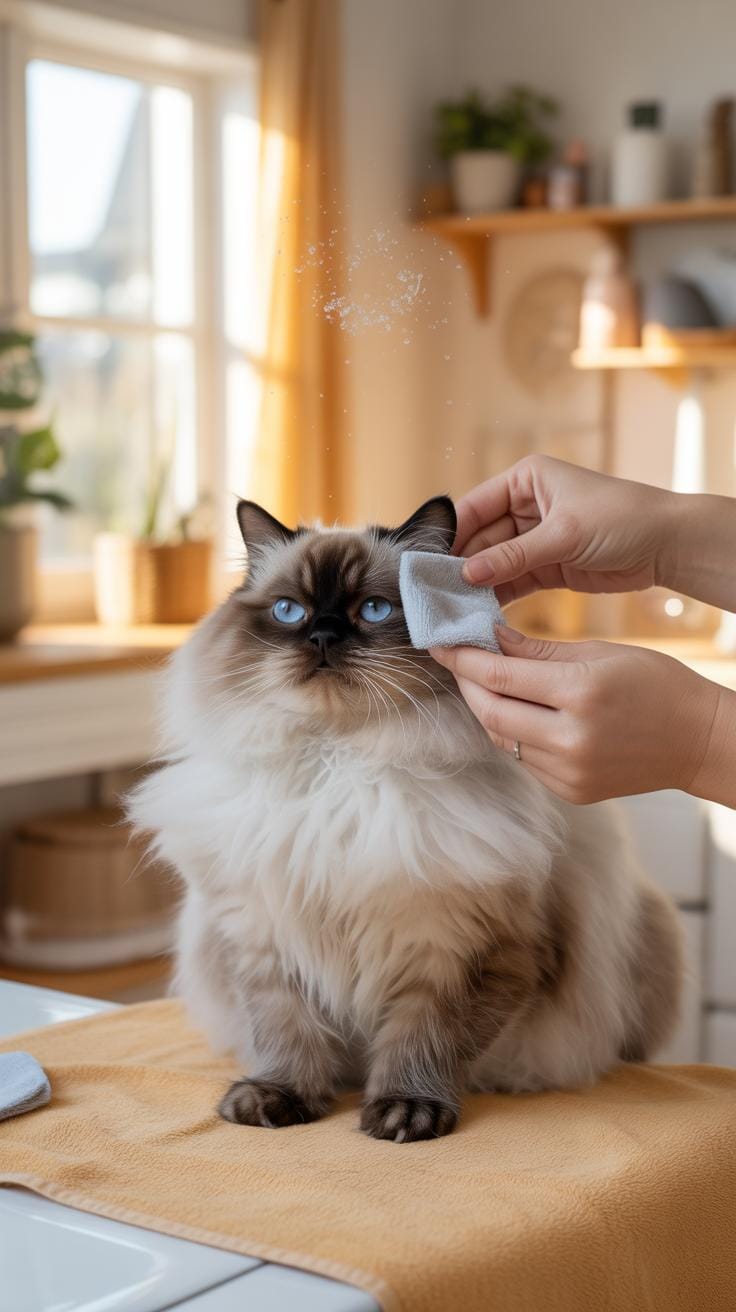
Himalayan cats have flat faces and narrow tear ducts. This anatomy causes frequent overflow and staining. You must select supplies that do not shed fibers or irritate the cornea. Avoid standard cotton balls because loose threads can scratch the eye surface. Use soft lint-free cloths or medical-grade gauze pads. These materials remain intact while absorbing moisture and lifting debris from the skin folds.
Boiled water cooled to room temperature serves as the safest cleaning base. Sterile saline solution is another reliable option for loosening stubborn crusts. Do not use hydrogen peroxide or harsh soaps near the eyes. These chemicals cause chemical burns and permanent ocular damage. Invest in high-quality tear stain removers only if they lack bleach or antibiotics. Professional groomers prefer pH-balanced formulas that match feline physiology.
A Step By Step Method For Gently Wiping Away Discharge And Crust
Cleaning must occur daily to prevent bacterial growth and skin dermatitis. Start by washing your hands to remove pathogens. Approach the cat from behind or the side to minimize stress. Hold the head firmly but gently. If the feline resists, wrap it in a towel to secure the limbs. This prevents scratching and ensures you can focus on the delicate eye area without sudden movements.
- Moisten the Applicator: Saturate a lint-free pad with warm sterile saline or pre-boiled water. Ensure the pad is wet enough to soften debris but not dripping excessively. Excess liquid can run into the ear canal or nose and cause discomfort for the cat.
- Soften the Debris: Press the moist pad against the dried crust underneath the eye for fifteen seconds. Do not scrub or pull at the hair. The moisture breaks down the proteins in the tear film. This allows the hardened gunk to slide off the fur without causing pain.
- Wipe Outward: Move the pad from the inner corner of the eye toward the ear. Always wipe away from the nose to prevent pushing bacteria back into the tear duct. Use a clean section of the pad for every stroke. This stops the spread of existing infections.
- Dry the Folds: Use a fresh dry cloth to remove all moisture from the facial creases. Himalayan skin folds trap water easily. Damp skin leads to fungal infections and deep red yeast staining. Keeping the area dry is just as important as the initial cleaning process.
- Inspect the Surface: Look for signs of redness or cloudiness while the cat is still held. Check if the discharge is clear or yellow. Healthy tears are clear. Yellow or green fluid indicates a bacterial infection. Consistent inspection helps you catch medical issues before they require surgery.

Avoid touching the eyeball directly with any cleaning tool. Use a separate cloth for each eye to prevent cross-contamination. If the cat has active swelling or squinting, stop the procedure and consult a veterinarian. Regular maintenance reduces the need for aggressive scrubbing later. Clean eyes improve the cat’s vision and overall comfort. Consistency is the primary factor in successful Himalayan eye health management.
How To Treat Cat Watery Eyes When Home Care Is Not Enough
Recognizing The Warning Signs That Watery Eyes Require Veterinary Attention
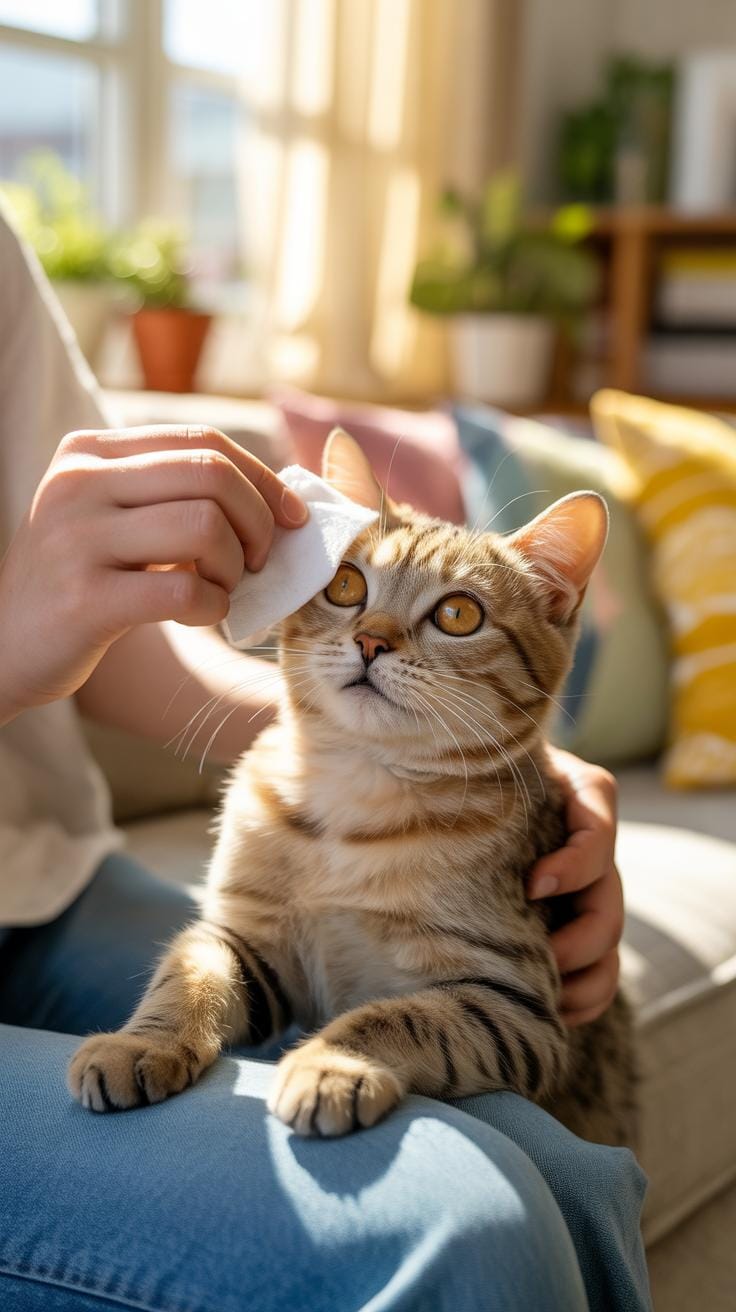
Clear discharge is normal for the brachycephalic Himalayan. You must act when the fluid changes color or consistency. Yellow or green discharge indicates a bacterial infection. Look for squinting or a clouding of the cornea. These signs suggest a painful corneal ulcer. Constant pawing at the face also indicates distress. Immediate intervention prevents permanent ocular damage or vision loss in your cat.
Monitor the tissue surrounding the eye. Red, swollen conjunctiva signals inflammation or an allergic reaction. Watch for a change in the cat’s behavior. Lethargy or a loss of appetite often accompanies severe respiratory infections. If the eye stays shut or looks recessed, seek professional help. Home cleaning cannot fix structural issues or deep infections. Early detection reduces treatment costs and keeps the cat comfortable.
To look into the clear, bright eyes of a Himalayan is to see a reflection of your own devotion and gentle care. Keeping their gaze crystalline ensures that the beauty of their soul always shines through without shadow.
Veterinary Treatment Options Commonly Used For Chronic Tearing In Himalayan Cats
Veterinarians often prescribe topical antibiotics to treat secondary infections. These drops or ointments kill bacteria and reduce inflammation. If the cat has a corneal ulcer, the doctor may use atropine to manage pain. For viral cases like feline herpes, providers use L-lysine or antiviral medications. These treatments target the root cause of the discharge. Proper diagnosis ensures you do not waste time on ineffective remedies.

Structural problems require different tactics. Many Himalayas have blocked tear ducts due to their flat faces. A vet can flush these ducts under sedation to restore drainage. In extreme cases, surgeons perform eyelid surgery to correct inward-turning lashes. This procedure stops the constant irritation of the eyeball. Medical management keeps these issues from becoming chronic. Follow the vet’s schedule strictly to see clinical results.
Cat Eye Infection Home Remedy What Is Safe And What To Avoid
Gentle And Vet Approved Home Remedies That Can Support Eye Health
Safe home care for Himalayan cats focuses on hygiene and comfort. Use a clean cloth dampened with lukewarm distilled water. Wipe away discharge moving from the inner corner outward. This prevents bacterial buildup in deep facial folds. High-quality saline solutions without preservatives are also safe for flushing debris. Use these methods only to manage daily drainage and minor irritation before an infection starts.
Proper grooming keeps the ocular area dry and inhibits fungal growth. Frequent wiping reduces the risk of ulcerative keratitis caused by constant moisture. If the eye appears red or painful, stop all home treatments immediately. These steps support health but do not cure active bacterial infections. Professional diagnosis ensures the cat receives necessary antibiotic drops. Manual cleaning remains the most effective way to prevent long-term staining issues.
Household Products And DIY Treatments That Are Dangerous For Cat Eyes
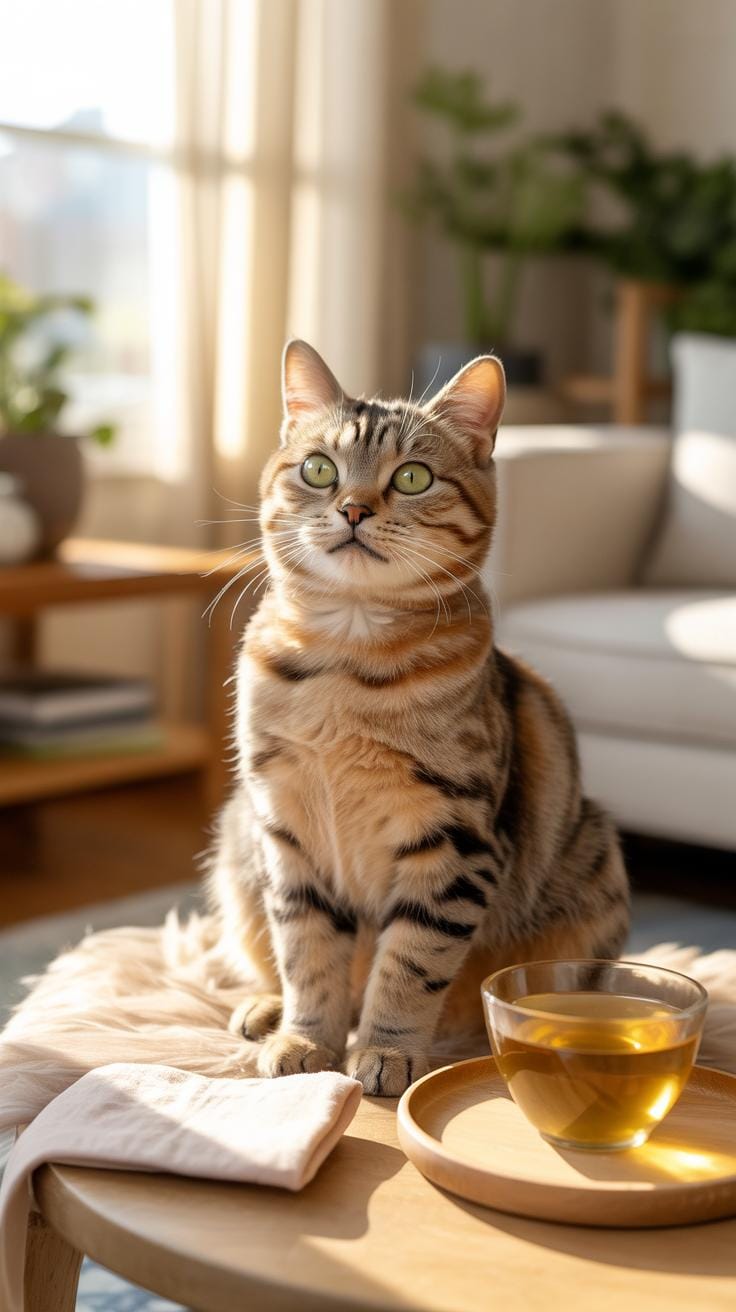
Never put organic substances like apple cider vinegar or lemon juice in a cat eye. These acids cause chemical burns and permanent corneal damage. Colloidal silver and herbal teas also lack clinical backing for safety. Many owners mistakenly use human eye drops containing vasoconstrictors. These drugs can cause systemic toxicity or mask serious underlying conditions. Avoid all oil-based products as they clog tear ducts and trap bacteria.

Do not use hydrogen peroxide or rubbing alcohol near the face. One slip causes agonizing pain and potentially blindness. Boric acid solutions are common in cheap tear stain removers but pose significant risks if ingested or misused. Himalayan cats have flat faces that make their eyes vulnerable to trauma. Irritating chemicals trigger inflammation and worsen existing ulcers. Stick to sterile water and professional veterinary products to protect the sight of your pet.
Preventing Tear Stains In Himalayan Cats Long Term Strategies That Work
How Diet, Hydration, And Grooming Habits Influence Tear Stain Severity
High quality food reduces tear stain intensity. Many commercial cat foods contain artificial dyes and high mineral content. These additives exit the body through tears and saliva. Switching to a grain free diet with low mineral levels limits the porphyrins that cause red stains. Pure water also matters. Tap water minerals often react with facial fur. Use filtered water to prevent these chemical reactions.
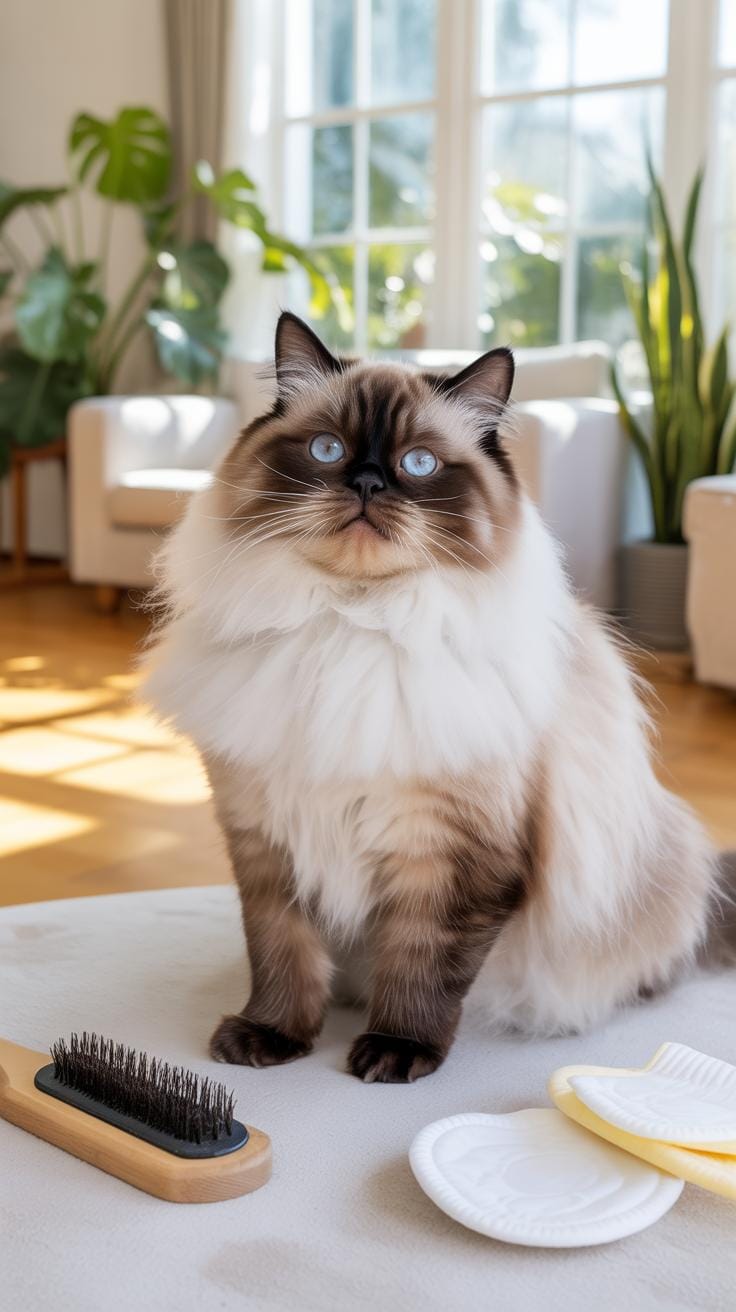
Daily grooming determines how long moisture sits on the skin. Long facial fur traps tears and creates a breeding ground for bacteria. Trim the hair around the eyes regularly to prevent irritation. Wipe the area twice a day with a clean damp cloth. This habit stops the oxidation process before it colors the fur. Consistent moisture management is the only way to prevent permanent fur discoloration in this breed.
The Link Between Allergens, Air Quality, And Recurring Tear Stains In Himalayans
Air quality directly impacts tear production in brachycephalic breeds. Dust and strong scents irritate the sensitive ocular tissues of a Himalayan. This irritation forces the eye to produce excess tears to flush out particulates. Use HEPA air filters to remove dander and pollen from the home. Avoid using aerosol sprays or heavy perfumes near the cat. Clean air reduces the baseline inflammation of the tear ducts.
Litter type often causes chronic weeping. Clay litters produce fine dust that settles in the eyes during digging. This mechanical irritation leads to constant discharge and staining. Switch to low dust or paper based litters to protect the eyes. Check for seasonal environmental triggers like grass or mold. Keeping the cat indoors during high pollen counts prevents allergic flare ups. Controlled environments minimize the need for medical intervention.
Himalayan Cat Eye Infections Identifying Managing And Preventing Them
How To Tell The Difference Between Normal Discharge And A True Eye Infection
Himalayan cats produce daily discharge due to their brachycephalic facial structure. Normal discharge appears clear or slightly tinted rust-brown when it dries. This result occurs because of porphyrins in the tears. The base of the eye remains white and the cat shows no discomfort. Routine cleaning manages this buildup easily. If the discharge stays thin and watery, it is likely just standard drainage.
An actual infection changes the color and consistency of the fluid. Look for yellow or green pus that appears thick. Watch for redness in the conjunctiva or cloudiness over the cornea. Your cat may squint or paw at its face frequently. These signs indicate bacterial or viral issues like feline herpesvirus. Foul smells or swollen eyelids require immediate medical attention from a licensed veterinarian.
Preventive Measures That Reduce The Risk Of Recurring Eye Infections In Himalayans
Prevention starts with extreme hygiene protocols. You must wipe the facial folds every day using a sterile saline solution or specialized eye wipes. This prevents bacteria from breeding in the moist crevices near the nose. Keeping the long facial hair trimmed also stops physical irritation of the eyeball. Irritated eyes produce more fluid and create a cycle of infection. Clean surroundings reduce airborne dust.
Manage the environment to limit allergens and pathogens. Use low-dust cat litter to protect the sensitive ocular membranes from grit. High-quality nutrition supports the immune system to fight off latent viral flare-ups. Ensure your cat stays up to date on respiratory vaccinations. These actions lower the chance of secondary bacterial infections. Consistent care reduces the need for aggressive antibiotic treatments and keeps the eyes clear.
Cat Care For Himalayans Partnering With Your Vet For Lifelong Eye Health
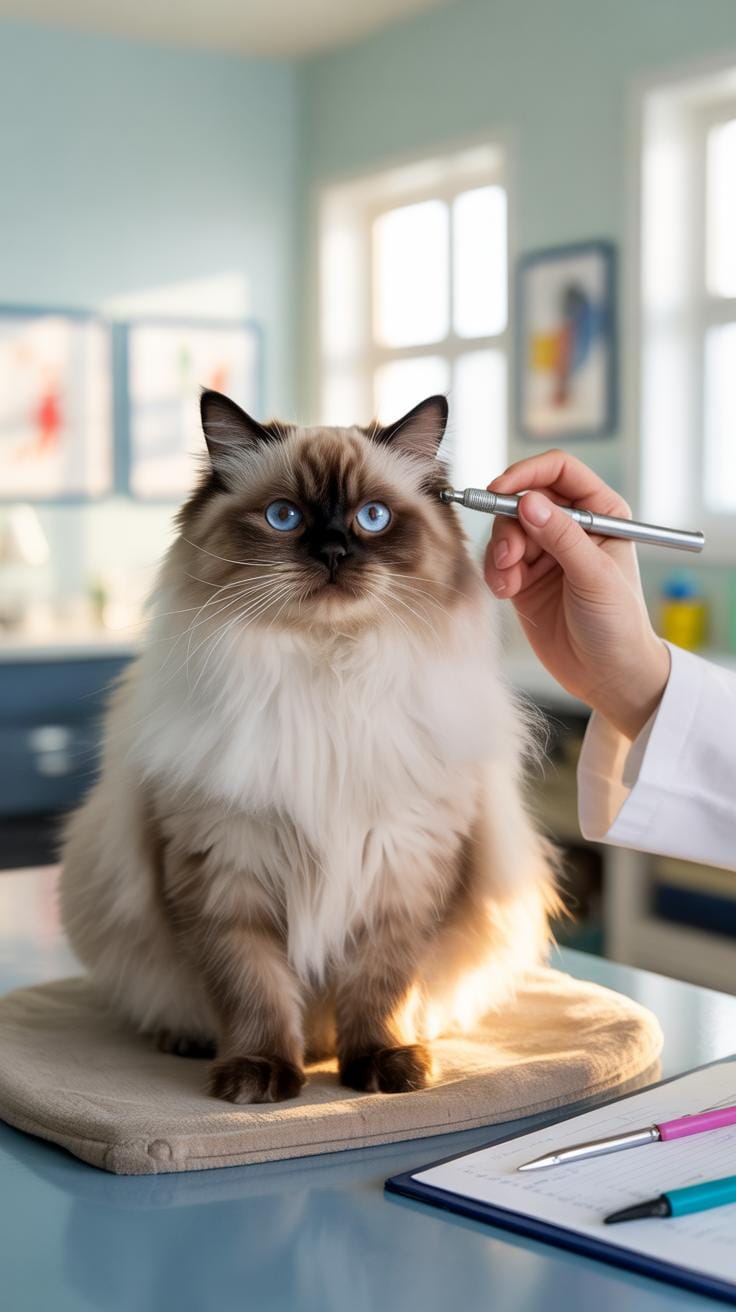
How Routine Veterinary Checkups Help Catch Eye Problems Before They Escalate
Himalayan cats possess a unique skull structure known as brachycephaly. This physical trait causes shallow eye sockets and narrowed tear ducts. Regular vet visits allow professionals to monitor these areas for early signs of trouble. A vet identifies corneal ulcers or feline herpesvirus flares before they cause permanent damage. Early detection prevents minor irritation from turning into a costly surgical necessity for your cat.
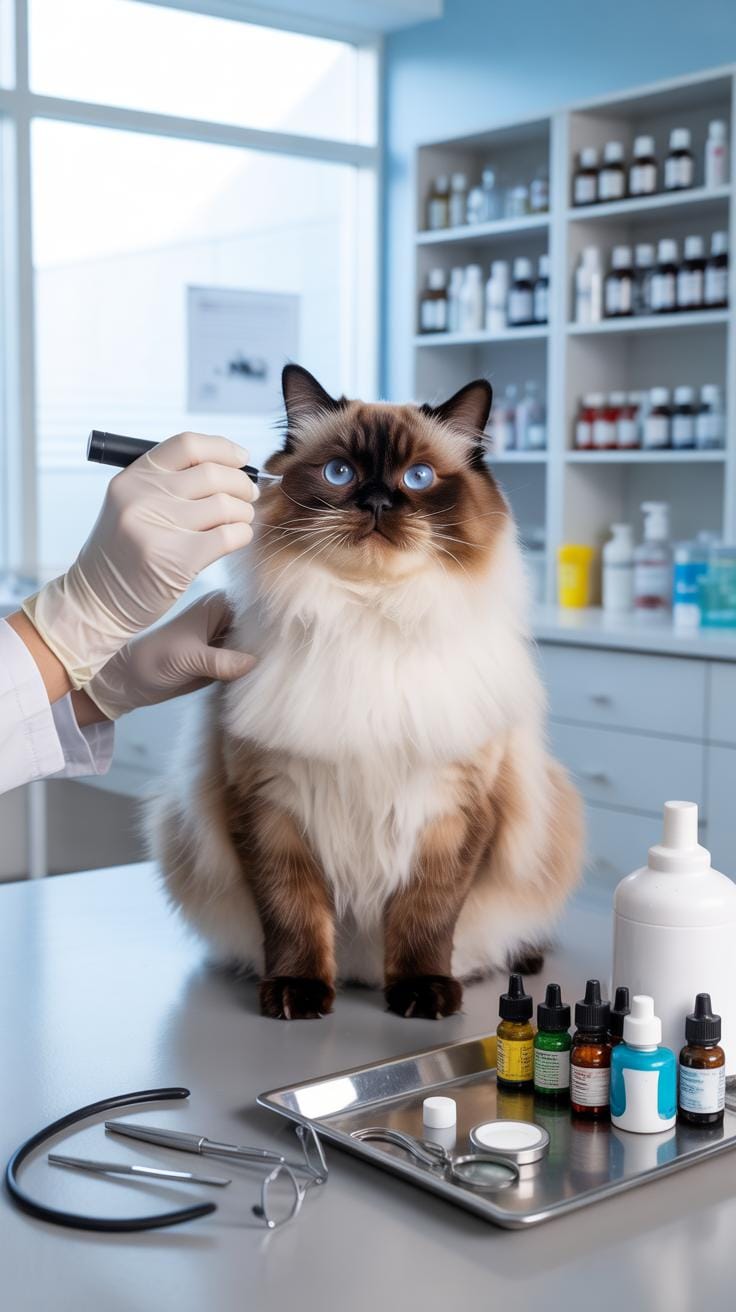
Professional screening involves checking eye pressure and tear production levels. Vets use stained drops to find microscopic scratches on the eye surface. These scratches often occur because Himalayan eyes protrude more than other breeds. Regular exams ensure the clear protective layer stays healthy. Catching issues early reduces the risk of vision loss and chronic pain. You save money by treating small problems now instead of emergencies later.
Creating A Personalized Eye Care Plan With Your Vet For Your Himalayan Cat
Ask your vet to design a specific cleaning schedule based on your cat’s anatomy. Some Himalayans produce more discharge than others due to their specific facial folds. The vet will recommend the best saline solutions or medicated wipes for your animal. This plan should include instructions on how to properly trim hair around the eyes. Correct hair management prevents physical irritation of the sensitive corneal tissue.
A tactical eye care plan also involves nutrition and environment. Your vet might suggest supplements that improve eye health or reduce inflammation. They will evaluate your home for irritants like dust or strong scents that trigger tearing. Follow the vet’s prescribed routine exactly to maintain clear skin folds and bright eyes. Consistent partnership with a medical expert ensures your Himalayan enjoys a high quality of life without eye discomfort.
Frequently Asked Questions

Why do Himalayan cats require so much extra attention for their eyes?
Because of their flat facial structure, or brachycephalic features, Himalayans have shortened tear ducts that often overflow. This leads to excessive drainage, which can cause dark staining and painful skin irritation if left unmanaged. Consistent Himalayan cat eye care is essential because their large, protruding eyes are more vulnerable to dust and debris, making them prone to chronic discharge and secondary bacterial infections that can affect their long-term vision.
What is the best way to clean my Himalayan’s eye area safely at home?
To practice effective Himalayan cat eye care, use a soft, lint-free cloth or a cotton round dampened with lukewarm distilled water. Gently wipe from the inner corner outward, being careful not to touch the eyeball itself. Use a fresh section of the cloth for each eye to prevent spreading bacteria. Monthly trimming of the long fur around their eyes can also help minimize irritation and reduce the buildup of sticky discharge.
Can I manage my cat’s tear staining using affordable household items?
Yes, you can maintain eye health without expensive specialty products. Plain saline solution or filtered water works beautifully for daily cleaning. To naturally discourage staining, switch to stainless steel or ceramic food bowls, as plastic often harbors bacteria that contribute to facial staining. These simple, low-cost swaps are highly effective for preventative care, ensuring your cat stays comfortable and clean without requiring a large investment in high-end chemical whitening treatments.