
What The Secrets Of Joyful Pet Ownership Actually Look Like For Real Pet Owners
How Happy Pet Owners Think About Their Relationship With Their Animals
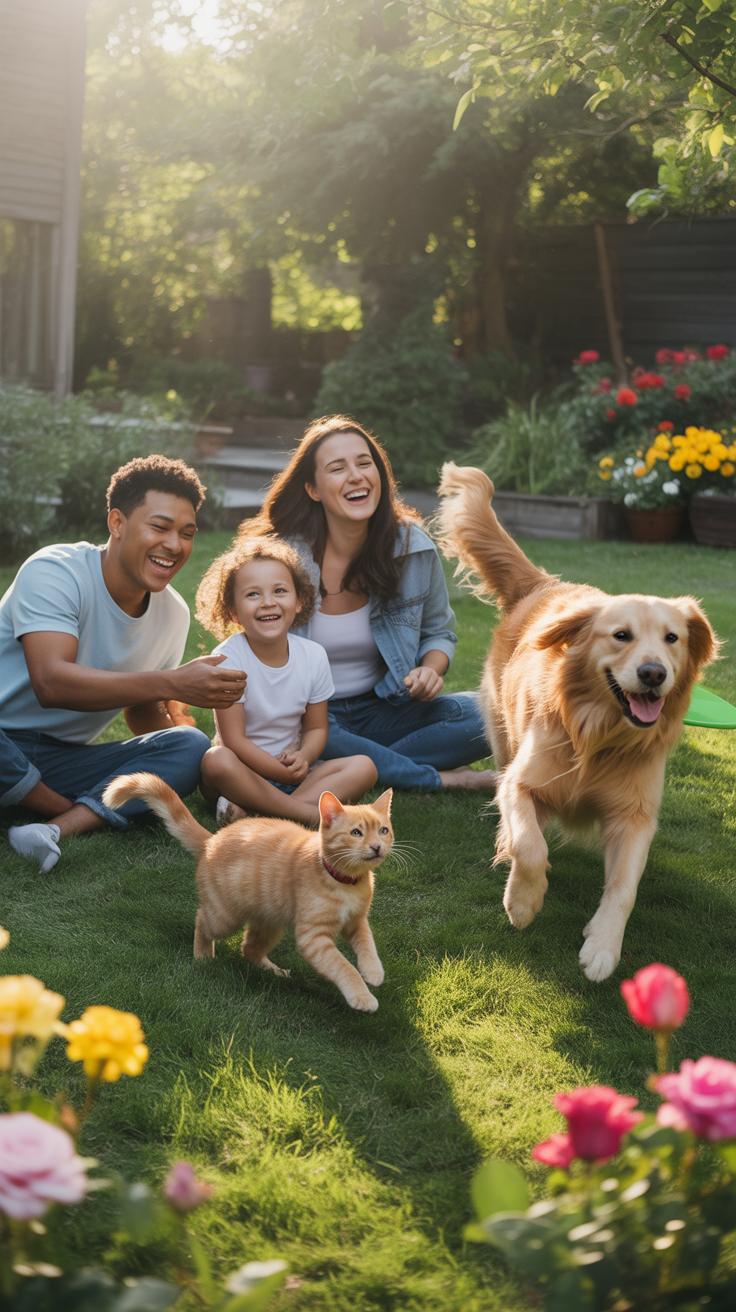
Joyful pet owners treat the relationship as a partnership with clear boundaries. They view the animal as a different species with unique biological needs rather than a human in a fur coat. This objective perspective reduces frustration when a pet acts on natural instincts. Owners who understand animal behavior avoid taking misbehavior personally. They focus on clear communication through consistent signals and rewards.
Successful owners prioritize shared activity over passive cohabitation. They integrate the animal into a structured lifestyle that promotes mental and physical health. This mindset values the quality of engagement over the quantity of time spent together. By respecting the animal’s nature, the owner creates a stable environment. This stability fosters trust and reduces stress for both parties. Real joy comes from this mutual reliability.
The Mindset Shifts That Separate Thriving Pet Owners From Struggling Ones
Thriving owners shift from a reactive mindset to a proactive one. They do not wait for problems to emerge before taking action. Instead, they study breed traits and individual temperaments to predict needs. This proactive stance eliminates the exhaustion found in struggling households. These owners see training as a lifelong process rather than a one-time event. Constant learning keeps the relationship dynamic and healthy.
Struggling owners often view pet care as a series of chores and expenses. Thriving owners see these tasks as the foundation of a high-functioning system. They automate routine decisions to reduce decision fatigue. This allows them to focus on the emotional benefits of ownership. They accept that animals have bad days just like people do. Patience becomes a tool for long-term success rather than a burden to carry.

Best Friends First How The Strongest Pet Owners Build Deep Bonds With Their Animals

The Science Behind The Human Animal Bond And Why It Matters For Both Species
Scientific research confirms that positive interactions between humans and pets trigger the release of oxytocin. This hormone lowers blood pressure and reduces cortisol levels in both species. The biological feedback loop creates a measurable physiological calm. Dogs and cats have evolved alongside humans for thousands of years to interpret our social cues. This deep biological connection serves as the foundation for long term mental health and stability.
The human animal bond is not just a feeling. It is a documented survival mechanism. Domesticated animals rely on human facial expressions and tone of voice to navigate their environment. When you provide consistent social signals, the animal feels secure. This security prevents behavioral issues rooted in anxiety or fear. A stable relationship maximizes the cognitive potential of the pet and improves the owner’s cardiovascular health during daily life.
Daily Bonding Habits That Happy Pet Owners Practice Without Even Thinking About It
Successful pet owners use micro interactions to maintain their connection throughout the day. They do not wait for a single long walk or play session. Instead, they utilize short bursts of eye contact and physical touch to reinforce the bond. These small moments build a predictable environment for the animal. Predictability reduces stress and increases the level of trust the pet has in its owner’s leadership.

Training serves as an essential communication tool rather than a chore. Tactical owners use positive reinforcement to teach new behaviors daily. This mental stimulation keeps the pet engaged and prevents boredom. Clear communication prevents frustration on both sides of the relationship. When an animal understands what you want, it performs better. This clarity leads to a more joyful and less stressful living situation for everyone involved.
Healthy Pets Are No Accident The Proactive Habits Behind Vibrant Animal Wellbeing
Nutrition Exercise And Enrichment Keep Pets Physically And Mentally Healthy
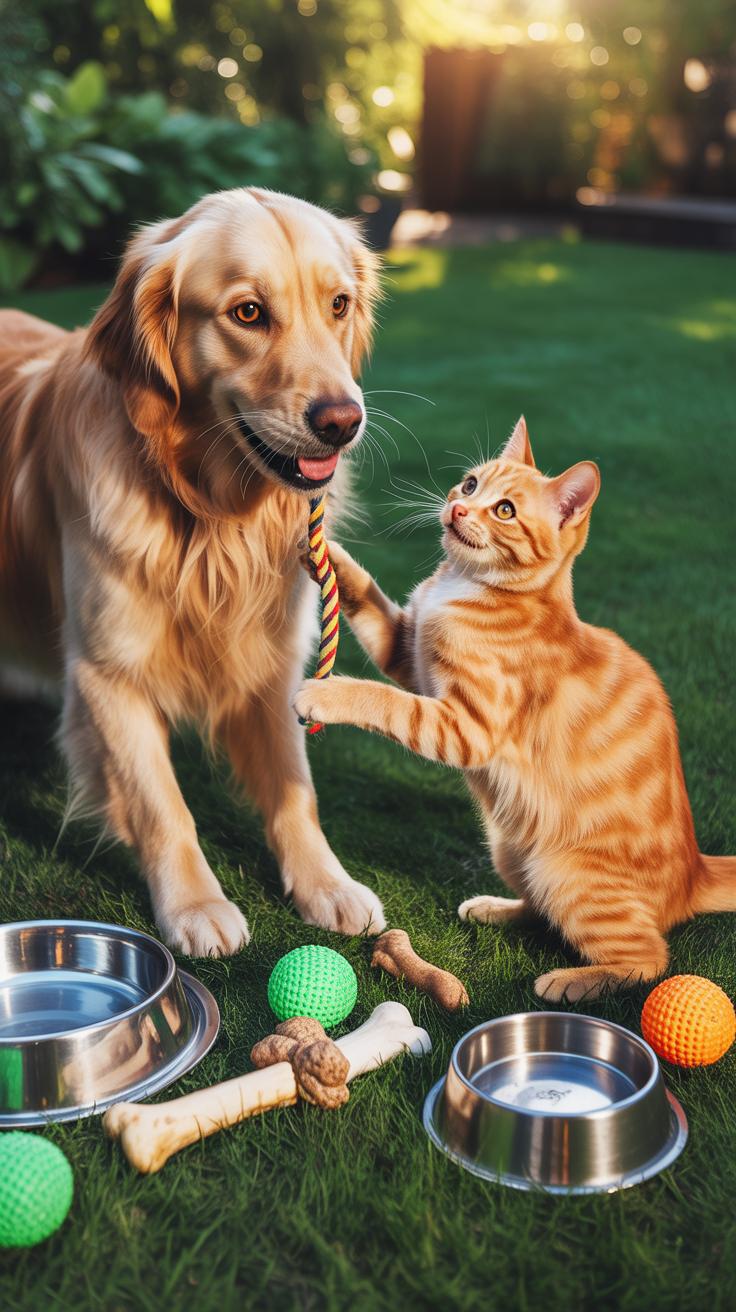
Diet dictates long term biology. Joyful owners select high quality proteins and avoid fillers like corn or soy. They match caloric intake to activity levels to prevent obesity. This avoids joint pain and metabolic disease. Proper nutrition fuels the brain and stabilizes mood. It is the first line of defense against chronic illness. Every meal must serve a specific biological purpose for the animal.
Mental stimulation is as vital as physical movement. Dogs and cats need jobs to reduce stress. Foraging toys and scent work activate natural instincts. This prevents destructive behavior caused by boredom. Physical exercise must be consistent and rigorous based on breed needs. A tired pet is a calm pet. Owners who prioritize these daily habits see fewer behavioral issues and lower vet bills.
Why Preventive Care At Home Is The Foundation Of A Long And Healthy Pet Life
Daily health checks catch problems before they become expensive emergencies. Owners must inspect eyes, ears, and paws regularly. Maintaining dental health is critical because oral bacteria can damage the heart and kidneys. Brushing teeth or using vet approved wipes prevents systemic infection. Consistent grooming also allows for the early detection of lumps or skin issues. These small actions save lives over time.

Control the environment to minimize health risks. Joyful owners keep toxic plants and chemicals out of reach. They monitor weight changes and water consumption daily. Rapid shifts in these areas signal underlying medical issues. Early intervention is the primary secret to longevity. You cannot rely solely on annual vet visits. Real health happens in the home through vigilant observation and fast action on minor symptoms.
Veterinary Care Is Non Negotiable For Pet Owners Who Want Happy Long Lived Animals
Why Routine Vet Visits Catch Problems Before They Become Serious Or Costly
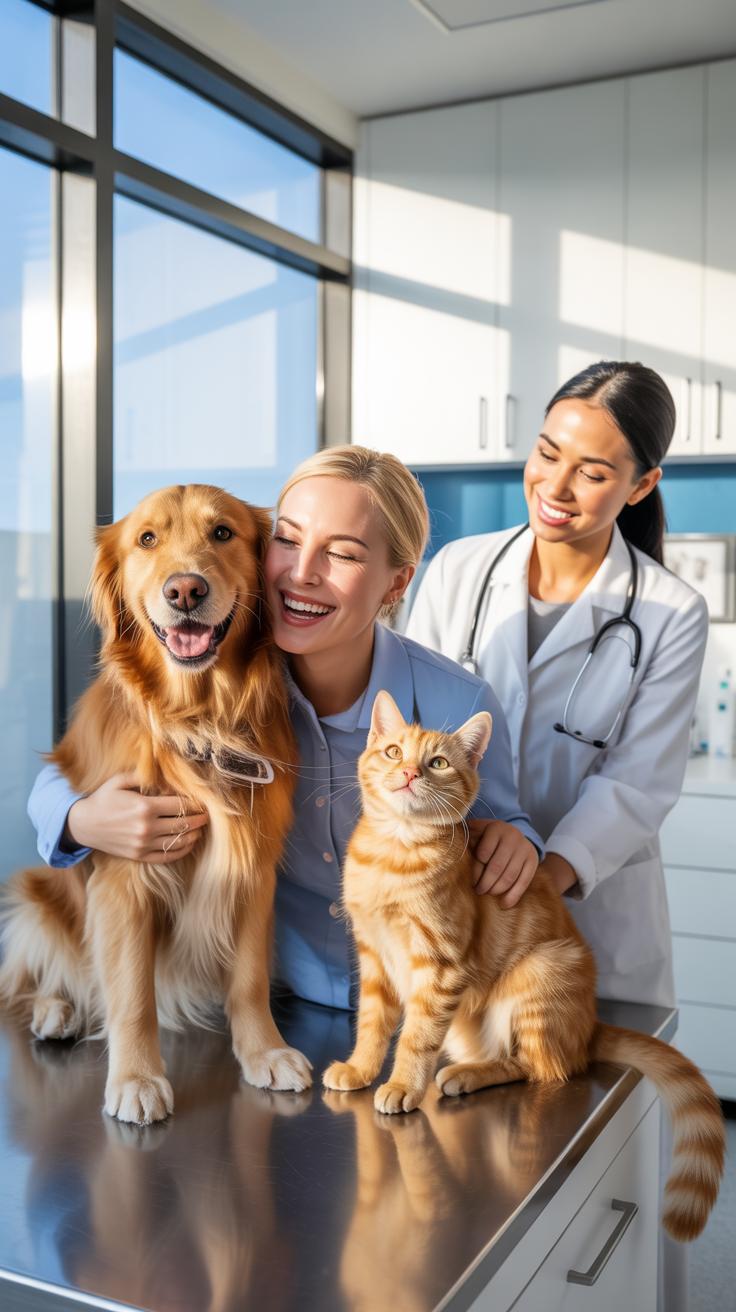
Routine examinations identify silent diseases before symptoms emerge. Cats and dogs age faster than humans. A single missed year equals seven years of health changes. Regular blood work and physical exams detect early kidney failure or heart issues. Early detection allows for cheaper medical interventions. Preventive care stops minor issues from turning into expensive emergency room visits during late stages.
Proactive pet owners prioritize wellness exams to track baseline health levels. Knowing what is normal for your pet helps identify slight deviations. Veterinarians check for dental disease and weight gain during these visits. Both issues shorten lifespans if ignored. Treating a small infection costs less than surgery for a chronic condition. Consistent medical oversight ensures the animal remains comfortable and active throughout its entire life.
How To Build A Trusting Relationship With Your Veterinarian For Better Pet Outcomes
Choose a veterinarian based on communication style and medical standards. Establish a primary clinic to keep all records in one place. Accurate medical histories help doctors make faster diagnoses. Share specific observations about your pet’s daily behavior. Clear data helps the vet identify trends. A honest partnership ensures you receive the best advice for your specific budget and lifestyle constraints.

Ask direct questions about treatment plans and long-term risks. Follow through on prescribed medications and follow-up appointments. Reliability builds professional respect from the clinic staff. They prioritize clients who demonstrate commitment to animal welfare. Good relationships lead to better care during crises. You need a team that knows your pet’s temperament and history. This collaboration is the foundation for successful pet ownership and animal longevity.
Pet Wellness Goes Beyond The Physical Emotional And Mental Health Matter Too
Understanding Behavioral Signals That Tell You Your Pet Is Emotionally Thriving
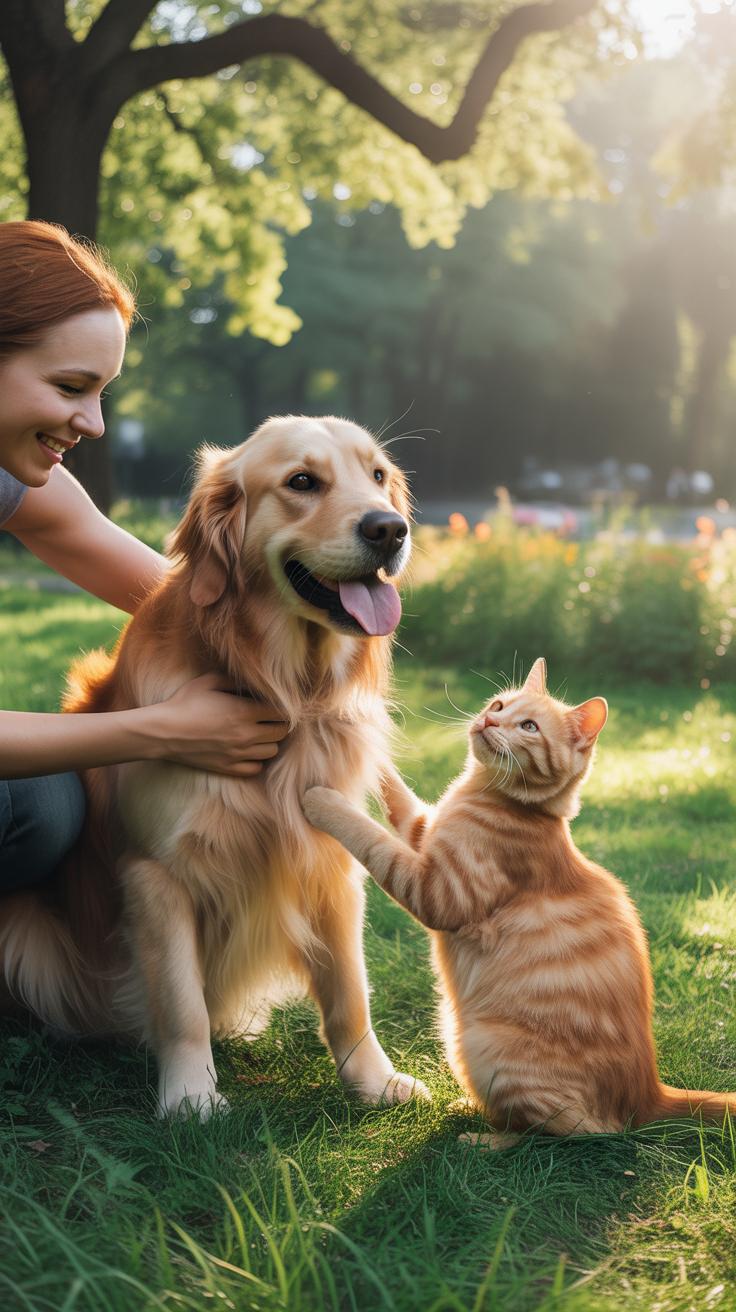
Emotional health manifests through consistent behavioral patterns. A thriving pet displays relaxed body language and predictable sleep cycles. For dogs, this include soft eyes and a loose tail wag. For cats, it means regular self-grooming and upright tail posture. These animals engage with their surroundings without fear or constant hyper-vigilance. They seek social contact on their own terms and show interest in new stimuli.
Owners must track changes in baseline behaviors to assess mental states. Decreased appetite or sudden hiding often signals emotional distress rather than physical illness. High-quality social engagement indicates a secure attachment bond. An emotionally stable pet recovers quickly from minor stressors like loud noises or visitors. Observing these daily routines allows you to measure fulfillment. Success means the animal feels safe enough to rest deeply and play often.
How Mentally Stimulating Environments Reduce Stress And Improve Pet Quality Of Life
Boredom creates chronic stress in domestic animals. A stagnant environment leads to destructive chewing, excessive barking, or self-mutilation. You must provide outlets for natural instincts like foraging, hunting, or problem-solving. Use food puzzles and scent work to engage their brains. These activities release dopamine and lower cortisol levels. A tired brain leads to a calm body. Active mental engagement prevents cognitive decline as pets age.

Environmental enrichment must change regularly to remain effective. Rotate toys to maintain novelty and prevent habituation. Use vertical space for cats to mimic natural climbing behaviors. Introduce scent markers or various textures for dogs to investigate. These small changes force the brain to process new information. Strategic environmental design reduces anxiety and limits behavioral problems. It transforms a simple living space into a functional habitat that supports emotional well-being.
Introducing Pets To A New Environment What Happy Owners Do To Ease The Transition
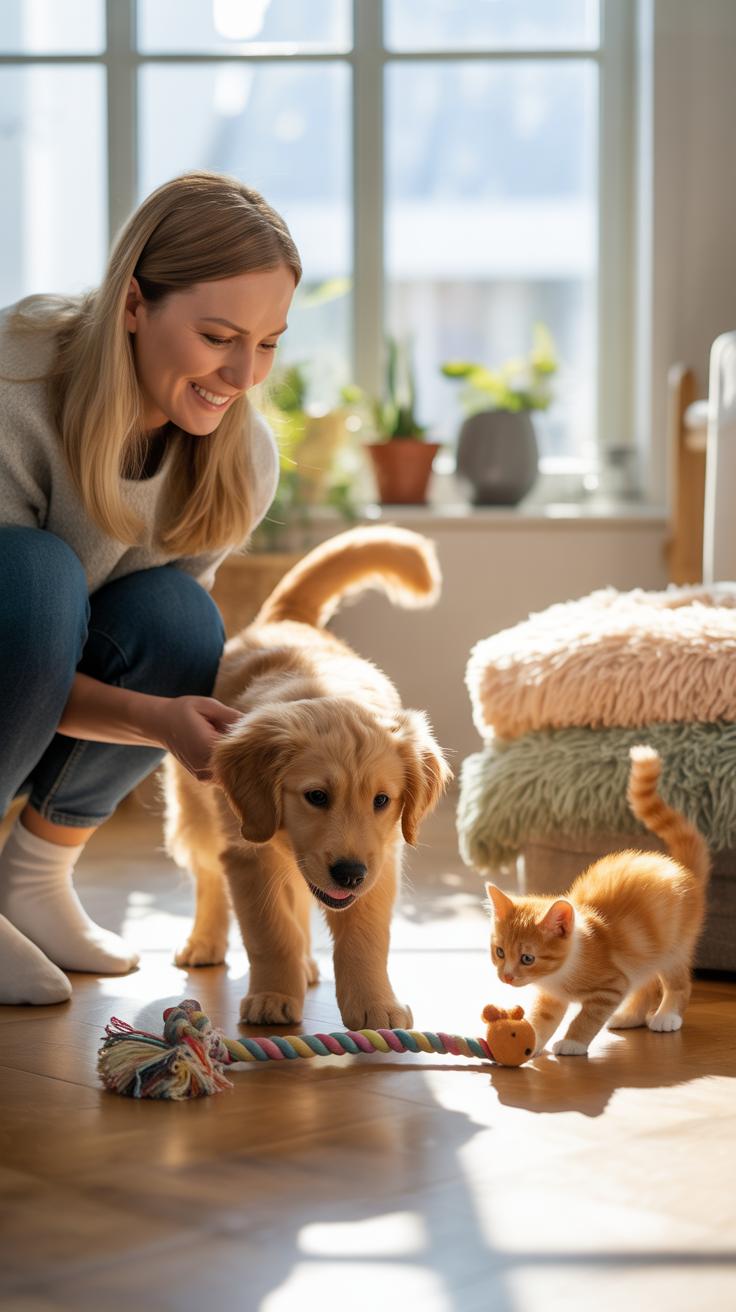
The Right Way To Introduce A Pet To A New Home Without Causing Unnecessary Anxiety
Successful owners limit a pet to a single room during the first twenty-four hours. This prevents sensory overload. Animals rely on scent to map their surroundings. A large house overwhelms their processing capacity. High cortisol levels hinder long-term bonding and sleep. You must place food and water in this initial room immediately. This builds a positive association with the new space.
Keep the environment quiet. Turn off loud televisions and music. Avoid inviting guests over for the first week. New pets view strangers as threats until they feel secure in their territory. Handle the animal only when it approaches you first. Forcing physical contact increases stress and can lead to defensive aggression. Let the pet explore the room perimeter at its own pace.
How Consistent Routines And Safe Spaces Help Pets Settle Into A New Environment Faster
Predictability reduces fear. Feed the pet and walk it at the exact same times every day. This structure regulates the animal’s internal clock and biological functions. Consistency allows the pet to stop scanning for threats. They learn when to expect resources. This shift from survival mode to domestic comfort happens faster when the schedule never varies. You provide the security they lost.

Designate a permanent safe space like a crate or a corner bed. This area must remain off limits to children and other household members. The pet needs a retreat where it feels untouchable. Use familiar scents from previous locations if possible. Unwashed blankets carry pheromones that lower heart rates. A dedicated zone provides the psychological anchor needed to build confidence in the rest of the house.
Pet Care Tips That Truly Happy Owners Swear By And Practice Every Single Day

The Non Negotiable Daily Habits That Keep Pets Healthy, Happy, And Well Adjusted
Routine provides the structural foundation for animal behavior and health. Animals rely on predictable schedules to manage their internal biological clocks and stress levels. Consistent daily actions prevent behavioral issues before they start. High-functioning owners prioritize these recurring tasks to ensure their pets remain physically sound and mentally stable. These habits reduce long-term medical costs and enhance the overall bond between the owner and the animal.
- Consistent Feeding Schedules: Delivering meals at the same time every day regulates digestion and prevents food-related anxiety. It allows the owner to monitor appetite changes immediately. Sudden loss of appetite often serves as the first indicator of underlying medical issues or internal pain.
- Intentional Physical Exercise: Daily movement maintains cardiovascular health and prevents obesity-related complications like arthritis or diabetes. Active pets release pent-up energy that otherwise manifests as destructive behavior. Exercise requirements vary by breed and age but remain a daily necessity for all species.
- Targeted Dental Hygiene: Brushing teeth daily prevents periodontal disease and systemic infections. Bacteria in the mouth can travel through the bloodstream to damage the heart and kidneys. Simple tactile intervention saves thousands of dollars in professional veterinary dental cleanings over the lifetime of the pet.
- Predictable Potty Breaks: Scheduled outdoor time or litter box maintenance ensures hygiene and prevents house-training regressions. It allows owners to inspect waste for signs of parasites or illness. Regularity reduces stress on the bladder and kidneys while maintaining a clean living environment for everyone involved.
- Mental Enrichment Activities: Using puzzle toys or training sessions stimulates the brain and prevents boredom. Cognitive decline in older pets slows down with regular mental engagement. It builds confidence in the animal and provides a constructive outlet for natural instincts like hunting, foraging, or problem-solving.
Structured habits eliminate the guesswork from pet ownership. You become attuned to the baseline behavior of your pet. This awareness allows for rapid intervention when something feels wrong. Daily discipline ensures the pet feels secure in their environment. Owners who follow these strict protocols report higher satisfaction levels because their pets are easier to manage and live longer lives without chronic issues.
How Staying Educated And Curious Makes You A More Confident And Effective Pet Owner
Continuous learning differentiates mediocre owners from exceptional ones. The veterinary field and animal behavior science evolve quickly with new research. Staying informed on nutrition and safety prevents accidental poisonings or health declines. You must read scientific studies and follow expert advice rather than relying on outdated myths. An educated owner can communicate effectively with professionals and make better choices for their pet’s long-term wellness.

Confidence comes from understanding the biology and psychology of your animal. Knowledge allows you to interpret body language signals accurately. This prevents bite incidents or stressful social interactions. It also helps you identify high-quality food brands and avoid marketing scams. When you understand the “why” behind an animal’s needs, you provide better care. Education turns reactive pet ownership into proactive management, leading to a much more peaceful and joyful household.
Dog Care Done Right What The Happiest Dog Owners Understand About Canine Needs
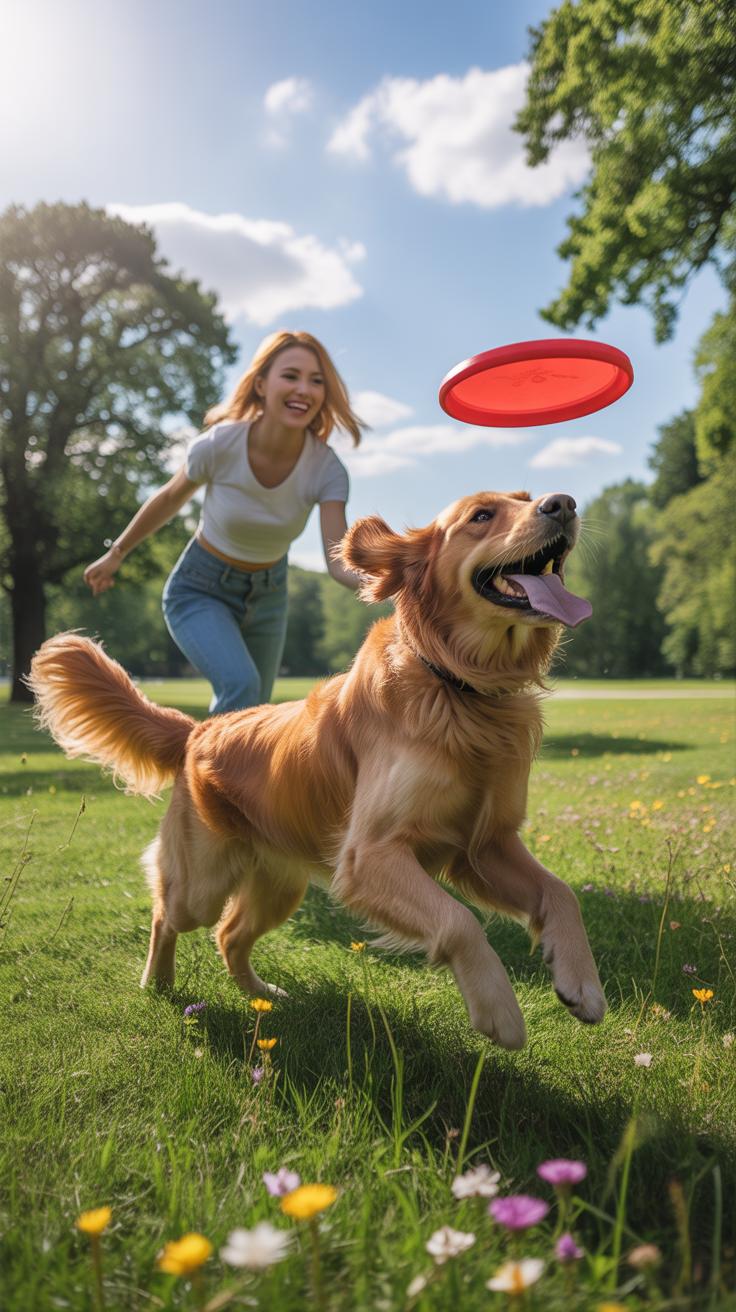
The Core Physical And Social Needs Of Dogs That Every Owner Must Consistently Meet
Dogs require more than basic food and shelter to thrive. Biologically, they need high-protein diets and regular physical exertion to maintain metabolic health. Joint mobility and cardiovascular strength depend on daily movement. These animals are also pack-oriented by nature. They rely on social touch and proximity to humans to regulate their stress levels. Consistent routines ground their behavior and prevent anxiety.
Physical health fails without mental stimulation. Dogs possess high cognitive intelligence that requires work. You must provide puzzles, scent work, or varied environments to prevent boredom. Boredom often leads to destructive habits or aggression. Happy owners view exercise as a non-negotiable health requirement. They prioritize social interaction to satisfy the dog’s instinctual need for belonging. This creates a stable and predictable home life.
The greatest secret to a joyful life is found in the simple, quiet moments spent in the company of a devoted animal. True happiness is not in owning a pet, but in sharing a soul.
Training As A Form Of Love: How Positive Reinforcement Builds Confident, Happy Dogs
Positive reinforcement training uses rewards to encourage desired behaviors. This method relies on operant conditioning to shape how a dog thinks. You reward the good and ignore the bad. This builds a clear communication bridge between you and the animal. It removes the fear often found in older, punishment-based methods. Confident dogs understand exactly what you expect of them. They do not live in constant stress.

Training should happen in short and frequent sessions. Consistency is the most important factor in long-term success. Using high-value treats or play builds a strong bond. It establishes you as a provider of good things. This relationship prevents many behavioral issues before they start. Well-trained dogs enjoy more freedom because they are reliable in public. This lifestyle gives both the owner and the dog more joy and less conflict.
Dog Owners Who Thrive The Community Support And Self Care Behind Their Success

Why The Happiest Dog Owners Lean On Community, Classes, And Peer Support Networks
Isolation leads to owner burnout and inconsistent training. High-performance dog owners join structured classes or local clubs to gain external perspective. These groups provide immediate feedback on handling skills and animal behavior. Peer networks offer a library of shared experiences that help you solve problems faster. Access to experts prevents small behavioral issues from becoming permanent household habits.
Community involvement creates a schedule of accountability for the owner. Active participation in dog sports or neighborhood groups builds social bonds for both species. These networks provide reliable referrals for veterinarians, groomers, and pet sitters. Knowing who to trust reduces ownership stress and financial risk. Shared knowledge ensures you use proven methods rather than guessing. Success in dog ownership requires a tactical village.
How Caring For Yourself Makes You A Better, More Present Owner For Your Dog
A stressed owner transmits high cortisol levels to their dog through body language and tone. Managing your own health and mental state is a tactical requirement for effective leadership. If you are exhausted or frustrated, your dog will react with anxiety or defiance. Prioritizing your well-being ensures you remain calm during training sessions. A stable owner creates a stable environment.
- Sleep Hygiene: Proper rest improves your reaction time and patience during training. A tired owner misses subtle behavioral cues and responds poorly to challenges. Consistent sleep ensures you have the energy for necessary daily exercise routines.
- Physical Fitness: Maintaining your own mobility allows you to handle your dog safely in various environments. Strength and stamina make long walks and active play sustainable. Your physical health directly dictates the activity level your dog can enjoy.
- Stress Management: Use breathing techniques or meditation to lower your baseline tension. Dogs sense physiological changes in humans and mirror that energy. Lowering your stress levels prevents the dog from entering a state of hyper-vigilance or fear.
- Time Blocking: Schedule specific times for your own hobbies and rest away from the dog. Constant focus on the pet leads to resentment and fatigue. Taking breaks helps you return to your dog with renewed focus and genuine enthusiasm.
- Nutritional Health: Eating well maintains the mental clarity needed for complex decision making. Sharp cognitive function helps you navigate emergency medical situations or sudden behavioral shifts. Your diet impacts your overall ability to provide consistent care every day.
Self-care is not a luxury for pet owners. It is a fundamental part of the management strategy. Your dog relies on your ability to make sound decisions and maintain a routine. When you ignore your own needs, the quality of care drops. Functional owners recognize that their personal health is the foundation of their dog’s safety. Invest in yourself to protect your pet.
Frequently Asked Questions

What is the most important factor in finding joy with a new pet?
The foundation of a rewarding relationship starts with realistic expectations and lifestyle alignment. One of the biggest secrets of joyful pet ownership is choosing an animal whose energy levels match your daily routine. When you prioritize a compatible temperament over aesthetics, you reduce household friction. This harmony allows you to focus on bonding and emotional connection, turning the initial transition period into a deeply fulfilling life-changing experience for both of you.
How can I create a more positive daily routine with my pet?
To unlock the secrets of joyful pet ownership, focus on “quality over quantity” during your daily interactions. Instead of distracted walks, practice mindful engagement and interactive play that stimulates your pet’s natural instincts. Establishing consistent rituals, such as a dedicated morning grooming session or a specific evening wind-down time, creates a sense of security. These predictable moments of affection strengthen your communication and ensure your pet feels like a valued family member.
Can I experience the benefits of pet ownership on a tight budget?
Absolutely! Happiness isn’t defined by expensive designer toys or luxury organic treats. Truly happy owners focus on essential care and creative enrichment that costs very little. You can build a strong bond through DIY agility courses at home, free local park visits, and homemade enrichment puzzles. Prioritizing preventative healthcare and spending dedicated time together are the most effective ways to ensure a happy life without overextending your personal finances.