Understanding The Natural Climbing Instincts Behind Cat Wall Furniture

Why Cats Are Hardwired To Climb And Seek Elevated Spaces
Domestic cats descend from the Near Eastern wildcat. These ancestors lived in diverse habitats with many predators. High ground provided a strategic advantage for survival. Climbing allowed them to scan for prey while staying safe from larger ground hunters. This biological drive remains in modern pets. A wall mounted cat climbing shelf mimics these natural rocky outcrops and high tree branches.
Vertical movement is a core motor skill for felines. Their musculoskeletal system is built for powerful jumping and steady balancing. Owners must provide outlets for these behaviors to prevent furniture destruction. Without a designated climbing path, cats will use bookshelves or curtains. High vantage points offer a sense of security and environmental control. This is a hardwired requirement for feline mental health.
How Vertical Space Reduces Stress And Promotes Feline Wellbeing
Vertical space creates a hierarchy in multi-cat households. Cats use height to establish social rank without physical fighting. A high shelf allows a timid cat to observe the room safely. It removes them from the path of dogs or children. This distance lowers cortisol levels and prevents anxiety-related behaviors. Proper placement of wall furniture expands the total usable living area in small homes.
Adding shelves increases the complexity of the indoor environment. Boredom leads to depression and weight gain in indoor cats. Climbing burns calories and maintains muscle tone. Strategic shelf placement encourages active play and natural hunting leaps. A well-designed wall system gives the cat a private retreat. This sense of ownership reduces territorial marking and excessive vocalization. Elevated paths solve many common behavioral issues effectively.

Planning Your Cat Wall Shelves Layout Before You Buy Anything

Mapping Out A Safe And Functional Shelf Path Along Your Walls
Effective layouts utilize vertical territory to reduce feline stress and territorial conflict. You must create a continuous path without dead ends. A cat trapped at the end of a shelf by a rival cannot escape. This leads to physical fights and falls. Design a circular flow that allows cats to traverse the room without touching the floor. Identify existing furniture like desks or bookshelves to act as mounting points.
Strategic placement follows the natural movement of the cat. Space shelves to allow for easy jumping and landing. Most healthy cats can jump between four and six feet horizontally. However, the wall mounted cat climbing shelf requires closer spacing for safety. Aim for twelve to eighteen inches of vertical distance between levels. This ensures older cats or less agile breeds can navigate the system without straining their joints or muscles.
Measuring Wall Space And Accounting For Ceiling Height And Cat Size
Measure your total wall length and height before purchasing any hardware. You must locate the wall studs using a high quality stud finder. Most residential studs are sixteen inches apart. Your shelf brackets must align with these studs to support the weight of a jumping cat. A ten pound cat exerts triple its body weight in force when landing. Planning for this load prevents wall damage and pet injury.

Account for the physical size of your cat when choosing shelf depth. Larger breeds like Maine Coons require platforms at least twelve inches deep for stable resting. The top shelf should sit at least eighteen inches below the ceiling. This gap provides enough head clearance for the cat to sit upright. Measure the reach of your cat when standing on hind legs. Use these dimensions to set the height of the first entry step.
Choosing The Right Materials For Your Cat Climbing Shelves

Guidance What Wood Types And Surface Textures Work Best For Cat Shelves
Solid wood offers the best structural integrity for a wall mounted cat climbing shelf. Pine is a cost-effective choice for light to medium cats because it holds screws well. Hardwoods like oak or maple provide superior durability for larger breeds or high-traffic paths. Avoid particle board because it crumbles under the repeated stress of jumping. Low-VOC finishes ensure the wood remains safe for cats.
Surface texture prevents slips and injuries during high-speed leaps. Bonded cork provides excellent natural grip and cleans easily with a damp cloth. Sisal carpet remains the industry standard for traction and scratching needs. Avoid high-pile carpets because claws can get stuck during rapid movement. Rubberized inserts offer a modern alternative that provides high friction without the shedding associated with natural fibers.
Essential Hardware And Mounting Supplies You Need To Gather First
Mounting hardware determines the safety of your installation. You must match your fasteners to the specific wall type in your home. Drywall requires heavy-duty anchors if you cannot find a stud. Masonry walls need specialized bits and concrete screws. High-quality steel brackets prevent the shelf from sagging or shearing off the wall under the dynamic weight of a jumping cat.
- Heavy-Duty Brackets: Use powder-coated steel or reinforced wooden brackets. These must support at least fifty pounds to account for the force generated when a cat lands from a height. Low-profile brackets offer a cleaner look while maintaining structural strength for the shelf.
- Toggle Bolts: Use these when you cannot align the shelf with a wall stud. They expand behind the drywall to create a secure anchor point. Standard plastic anchors often pull out under the constant vibration and weight shifts of an active animal.
- Wood Screws: Select high-grade screws that are long enough to penetrate the bracket and at least 1.5 inches into the wall stud. Use countersunk heads so the screw sits flush with the bracket surface. This prevents any sharp edges from snagging the cat.
- Level and Stud Finder: A magnetic or electronic stud finder is mandatory for a safe install. Physical studs provide the only reliable support for heavy climbing systems. A torpedo level ensures the shelf is perfectly horizontal so the cat feels stable while walking.
- Construction Adhesive: Apply a bead of high-strength adhesive between the shelf board and the bracket. This adds an extra layer of security against wobbling. It significantly reduces the noise produced when the cat jumps on or off the wooden surface.

Organize your tools before you start the installation process. Check the weight rating on every package of anchors or screws you purchase. Mismatched hardware leads to wall damage and pet injury. Tighten all connections by hand to avoid stripping the threads in the wall or the wood. Test the stability of the shelf with manual pressure before allowing your cat to climb.
Step By Step Guide To A Safe Cat House DIY Wall Shelf Installation

How To Locate Wall Studs And Anchor Shelves For Maximum Load Safety
Standard wall mounted cat climbing shelf units require a solid connection to the building frame. Use a stud finder to locate vertical wood members behind the drywall. Most homes feature studs spaced sixteen inches apart. Mark the center of each stud before drilling. This ensures the mounting screws bite into solid wood rather than just fragile gypsum board. Only wood screws provide the shear strength needed for active jumping.
Drywall anchors serve as a secondary option if stud alignment is impossible. Use heavy duty toggle bolts or zinc self-drilling anchors for these scenarios. Avoid plastic expansion plugs as they fail under the dynamic weight of a cat in motion. Check the load rating of each anchor before installation. Ensure the total weight capacity exceeds five times the actual weight of the cat. Proper anchoring prevents the shelf from pulling out during high speed leaps.
By building upward, you create a sanctuary where your companion can rediscover their wild heart and watch over the home with quiet contentment. Every shelf is a step toward a world designed just for their joy and wonder.
Spacing And Staggering Shelves So Cats Can Jump Comfortably Between Levels
Vertical spacing determines if a cat can move safely between shelves. Place levels twelve to eighteen inches apart for average adult cats. Senior cats or smaller breeds require tighter spacing of eight to ten inches. Measure the distance from the top of one shelf to the base of the next. This gap allows the animal to transition without overextending its joints. Proper height prevents long term injury and ensures frequent use.

Horizontal staggering prevents the cat from being trapped on a single path. Offset shelves by at least five inches to create a staircase effect. This layout allows for natural upward climbing and easy downward descent. Avoid placing shelves directly on top of each other. A staggered configuration provides enough landing surface for the cat to regain balance. Good design uses the wall area to mimic natural climbing routes found in the wild.
Designing A Cohesive Cat Room Decor Aesthetic Around Your Cat Shelves

Matching Shelf Finishes And Colors To Your Existing Interior Style
Choose shelf materials that align with your current furniture. Modern minimalist homes benefit from sleek white acrylic or light birch plywood. Use dark walnut or stained oak for mid-century modern or traditional spaces. Industrial styles work best with raw metal brackets and reclaimed wood planks. Consistency in wood grain and hardware finish prevents the wall mounted cat climbing shelf from looking like an afterthought.
Select colors based on your wall tone. Matching the shelf color to the paint creates a seamless look. This camouflages the structure in small rooms. To make the climbing path a focal point, use high-contrast colors like black shelves on white walls. Always choose non-toxic stains and low-VOC paints. These protect your cat while maintaining the integrity of your interior design palette.
Incorporating Plants Artwork And Lighting Around Your Cat Shelves
Integrate non-toxic greenery to soften the vertical lines of the shelves. Use spider plants or Boston ferns on nearby high surfaces. Keep these out of the direct climbing path to avoid spills. Placing plants near the shelves creates a natural jungle feel for the cat. Ensure all pots are heavy or secured with adhesive putty. This prevents accidental falls during high-speed chases.

Arrange framed art around the shelves to treat the system like an accent wall. Leave enough clearance so the cat does not bump the frames. Use battery-operated LED puck lights under the shelves for better visibility at night. This highlights the architectural shape of the wall mounted cat climbing shelf. Position floor lamps to avoid casting harsh shadows on the jumping surfaces. Consistent lighting improves safety and visual appeal.
Building A Multi Level Cat Climbing Wall That Encourages Active Play

How To Create Climbing Routes With Varied Heights And Landing Zones
Effective wall mounted cat climbing shelf layouts prioritize vertical flow and escape routes. You must stagger shelf heights to match your cat’s physical reach and athletic ability. High landing zones provide a sense of security and territorial control. Ensure each shelf offers enough surface area for a full body turn. Avoid dead ends by creating circular paths that prevent cornering in multi-cat homes.
Space shelves twelve to eighteen inches apart vertically. This distance allows cats to jump safely without overexerting joints. Horizontal spacing should facilitate a comfortable stride rather than a full leap. Use a staggered brick pattern for the most efficient climb. Secure each unit directly into wall studs to handle the force of impact. Proper placement reduces the risk of falls during high speed chases.
Adding Ramps, Bridges, And Tunnels To Expand Your Cat Climbing Wall
Ramps and bridges connect isolated shelves to create a continuous track. Ramps support older cats or those with limited mobility by providing steady inclines. Use high friction materials like sisal or carpet on these surfaces to prevent slipping. Bridges add a dynamic element because they move slightly under weight. These components turn a static wall into a functional gym that encourages frequent movement.

Tunnels and cubbies provide essential hiding spots within the climbing system. Position these elements at the highest points of the wall to satisfy the feline instinct for elevation. Ensure tunnels have large openings to prevent trapped heat and allow quick exits. Use heavy duty brackets to support the extra weight of enclosed units. Integration of these features maximizes the usable square footage of your living space.
Selecting And Installing The Perfect Cat Wall Perch For Resting Spots

What Makes A Good Cat Wall Perch: Size, Padding, And Positioning
A wall mounted cat climbing shelf destined for resting must hold the animal entire body comfortably. Cats require enough surface area to stretch their limbs fully during sleep. Small steps work for travel but fail as beds. Choose a perch at least 12 inches deep and 18 inches long. Solid wood or heavy duty plywood offers the best structural integrity for heavy sleepers.
Surface texture dictates how long a cat stays on the shelf. Use replaceable carpet inserts or felt pads for traction and comfort. Secure these materials with industrial strength fasteners rather than toxic glues. Position the resting perch at the highest point of your climbing system. Cats feel safest when they can observe the entire room from a high and stable vantage point.
Placing Perches Near Windows To Maximize Your Cat’S Entertainment
Install your wall mounted cat climbing shelf near a window to provide visual stimulation. This setup acts as a lookout post for outdoor activity. Ensure the perch sits level with or slightly below the window sill. This height allows the cat to see out without straining. Keep the perch far enough from the glass to prevent the cat from hitting the pane.

Natural sunlight helps cats regulate their body temperature during rest periods. Check the window seals for cold drafts before you drill your holes into the studs. Use heavy duty brackets to handle the momentum of a jumping cat. Avoid placing shelves near flimsy blinds or cords that create entanglement risks. A secure perch in a sunny spot reduces feline boredom and minimizes furniture destruction.
Creating An Enriching Cat Playground With Interactive Shelf Add Ons

Toys, Scratching Posts, And Sisal Elements To Attach To Your Cat Playground
Strategic shelf design integrates functional textures directly into the vertical path. Sisal rope remains the industry standard for durability and grip. Wrap vertical support pillars or flat shelf surfaces in high grade sisal to facilitate natural scratching behaviors. This protects your furniture while strengthening the cat’s claws. Ensure all attachments use non toxic adhesives or mechanical fasteners that do not snag claws.
Tactical placement of dangling toys increases the utility of a wall mounted cat climbing shelf. Heavy duty elastic cords or natural jute twine work best for suspending items. Position these elements near landing platforms rather than narrow transit bridges. This prevents the cat from losing balance during high energy play. Securely anchor every attachment point to prevent the hardware from pulling loose under the weight of a jumping cat.
How To Rotate And Refresh Play Elements To Keep Your Cat Engaged Long Term
Cats habituate to their environment quickly and lose interest in static objects. You must rotate interactive elements every three to four weeks to maintain high engagement levels. Swap hanging feathers for felt balls or different textured fabrics. Changing the scent or the resistance of the toys triggers the cat’s predatory drive. This simple management task prevents the wall system from becoming a decorative piece of wood.

Moveable scratching pads provide another layer of variety for your vertical system. Modular designs allow you to switch internal components without removing the entire shelf from the wall. Replace worn sisal segments with cork or carpet inserts to provide new tactile feedback. Consistent updates force the cat to re-evaluate the space. This mental stimulation is just as important as the physical exercise the climbing wall provides.
Training Your Cat To Use A New Wall Mounted Cat Climbing Shelf System
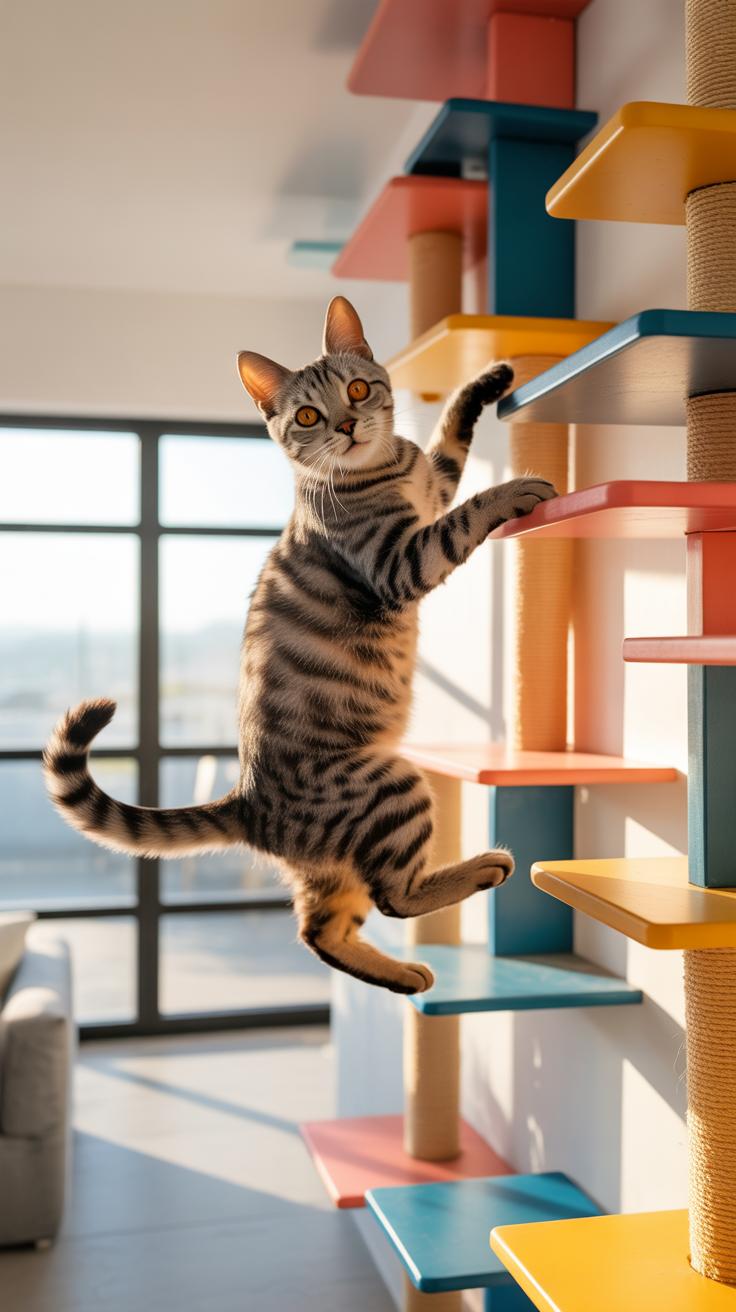
Introducing Shelves Gradually Using Treats And Positive Reinforcement
Do not force your cat onto the wall mounted cat climbing shelf. Forcing creates a negative association with the height. Place high value treats on the lowest levels first. Let the cat discover the reward through natural curiosity. Use a feather wand to lure the cat upward one step at a time. This builds muscle memory and spatial confidence without stress or pressure.
Consistently reward the cat when they reach the top shelf. This reinforces the destination as a safe and beneficial zone. Repeat this drill daily for ten minutes. Use short sessions to prevent mental fatigue or boredom. Once the cat moves between levels without hesitation, reduce the food rewards. The elevated view becomes the primary reward. Successful training relies on patience and repetition.
Common Reasons Cats Avoid New Shelves And How To Overcome Them
New systems often smell like factory adhesives or shipping materials. This unfamiliar scent triggers a flight response in territorial animals. Cats also avoid surfaces that feel unstable under their weight. If a shelf wobbles during the first jump, the cat will likely never return to it. Ensure every bracket is anchored into a wall stud for maximum rigidity and safety.
- Lack of Traction: Smooth wood or laminate surfaces are slippery. Cats cannot grip these materials during a jump. Install self-adhesive carpet pads or sisal mats to provide necessary friction. This prevents falls and builds feline confidence.
- Poor Spacing: If the vertical or horizontal gap is too wide, the cat feels at risk. Young cats can jump further than seniors. Adjust the distance based on your cat’s specific age and physical reach to ensure accessibility.
- Negative Dead Ends: A shelf system with only one way up and down creates a trap. In multi-cat homes, one cat can block another. Add a second exit point or a circular path to reduce social tension and territorial guarding.
- Insecure Mounting: Vibrations or clicking sounds indicate loose hardware. Cats have sensitive paws and feel these micro-movements immediately. Tighten all screws and check the load capacity of your wall anchors. Solid mounting is the foundation of frequent use.
- Improper Placement: Placing shelves near loud appliances or high-traffic doors creates stress. Cats use high ground to relax and observe. Move the system to a quiet corner where the cat feels in control of the surrounding environment and visual field.
Analyze the environment if the cat remains on the floor. Look for obstacles like nearby curtains or furniture that might impede the flight path. Remove any deterrents that make the climbing route feel cluttered or dangerous. Watch your cat’s body language for signs of hesitation at specific levels. Adjust those specific points to streamline the path. Consistent observation leads to a high-utility climbing system.
Maintaining And Safety Checking Your Cat Climbing Shelves Over Time
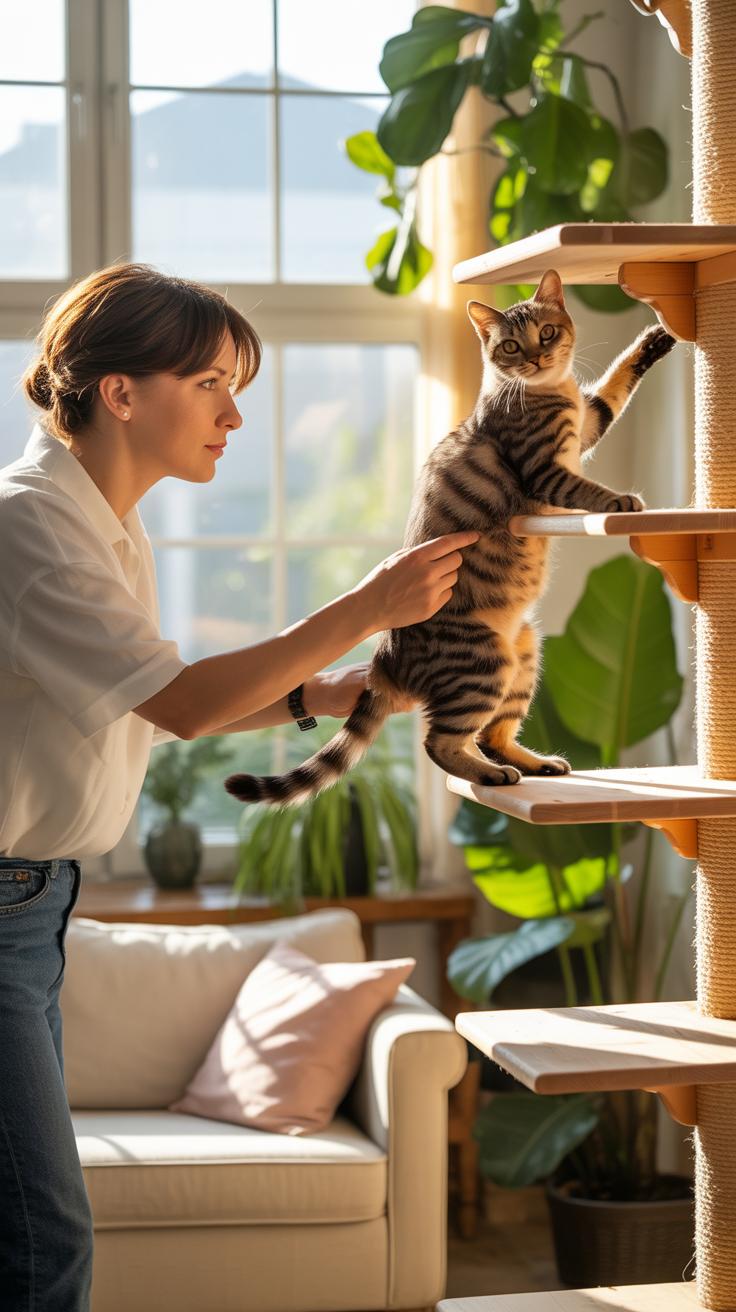
How Often To Inspect Brackets, Screws, And Surface Wear On Each Shelf
Perform a full structural audit every three months. Vibration from jumping and landing loosens hardware over time. Look for gaps between the shelf bracket and the drywall. Verify that screws remain flush against the metal. Check if the shelf wobbles when you apply downward pressure. Early detection prevents a dangerous collapse during high-speed play. Stability is the only metric that matters for safety.
Examine the traction surfaces for signs of fraying or peeling. Sisal and carpet pads often lose grip after heavy use. Replace worn adhesive strips immediately to prevent your cat from slipping. Look at the wood for cracks or splinters near the mounting points. Sustained weight causes fatigue in low-grade materials. If a shelf sags or the wall shows cracking, remove the unit and find a stud.
Cleaning Methods And Non Toxic Products Safe For Cat Wall Furniture
Vacuum all fabric surfaces weekly to remove fur and dander. Use a handheld tool with a brush attachment for deep reach. Cats spend significant time grooming on these shelves. Accumulated dust contributes to poor air quality and respiratory issues. If the shelf uses wood finishes, wipe them with a damp microfiber cloth. Stick to natural cleaners like diluted white vinegar or castile soap.
Avoid bleach or ammonia because these chemicals irritate feline paws and noses. Strong scents can even cause cats to stop using the wall. Use an enzyme-based cleaner for vomit or urine stains to break down odors. Ensure the wood is completely dry before allowing the cat back on the shelf. Damp wood becomes slippery and can harbor mold in humid environments. Maintenance extends the equipment life.
Frequently Asked Questions

Are wall-mounted cat shelves safe for heavy cats?
Absolutely, as long as they are installed correctly. When choosing a wall mounted cat climbing shelf for a larger breed, prioritize solid wood or heavy-duty metal brackets over plastic components. The most critical safety factor is securing the shelf directly into wall studs rather than relying solely on drywall anchors. This ensures the structure can handle the force of a heavy cat jumping and landing repeatedly during play.
How far apart should I space the shelves for optimal climbing?
For a comfortable climbing flow, space each wall mounted cat climbing shelf approximately 10 to 18 inches apart vertically. Horizontally, a gap of 12 to 16 inches allows your cat to leap confidently without overextending. Consider your cat’s age and agility; senior cats benefit from shorter, staggered distances that resemble a staircase, while younger, energetic cats enjoy larger gaps that challenge their natural athletic abilities and coordination.
Can I create a cat climbing wall on a budget?
You don’t need to spend a fortune to create a vertical playground. Many owners repurpose sturdy IKEA furniture or basic wooden floating shelves by adding affordable DIY upgrades. To make a standard shelf feline-friendly, simply wrap the surface in sisal rope or glue down scraps of carpet to provide necessary grip. This DIY approach allows you to customize the layout to your home’s aesthetic while keeping your project costs low.