Understanding The Wet Vs Dry Cat Food Comparison The Basics

How Wet Cat Food Is Made And What It Contains
Manufacturers create wet cat food by blending raw or frozen meat ingredients with water, fats, and grains. They add essential vitamins and minerals to ensure a complete diet. The mixture undergoes a heating process to cook the proteins and kill bacteria. This process ensures the food is safe and shelf stable until the consumer opens the sealed container.
The final product contains high moisture levels, usually between 75 and 80 percent. This liquid content mimics the natural diet of wild felines. The airtight packaging, such as cans or pouches, prevents spoilage without needing heavy preservatives. This high water content helps cats maintain hydration and supports kidney function. It provides a dense source of animal protein with fewer carbohydrates than kibble.
What Is Dry Food For Cats And How Does It Differ In Composition
Dry cat food, or kibble, uses an extrusion process to create hard nuggets. Manufacturers mix dry and wet ingredients into a dough and then cook it under high pressure. They force the dough through a die to create specific shapes. After cooking, the pieces go into a dryer to remove almost all moisture. This leaves the final product very shelf stable.
Kibble usually contains only 6 to 10 percent water. It requires higher levels of starches or carbohydrates to hold its shape during the extrusion process. These binders often include corn, wheat, or peas. While dry food offers convenience and lower costs, it contains more calories per gram than wet food. The lack of water means cats must drink significantly more liquid from other sources.

Breaking Down Cat Nutrition What Your Cat Actually Needs

Essential Macronutrients: Protein, Fat, And Carbohydrates For Cats
Cats are obligate carnivores. Their bodies require animal tissues to survive. High protein levels drive muscle maintenance and enzyme production. Unlike dogs, cats use protein for daily energy instead of just growth. They lack the metabolic pathways to digest high amounts of carbohydrates. Excessive carbs often lead to obesity and diabetes because cats cannot process glucose efficiently.
Fat provides the most concentrated energy source for felines. It carries essential fatty acids like arachidonic acid which cats cannot make themselves. These fats support skin health and kidney function. Quality cat food must prioritize animal fats over plant oils. A correct balance ensures the cat stays lean while maintaining high energy levels. Always check the first three ingredients for clear animal sources.
Vitamins, Minerals, And Taurine: The Micronutrients Cats Cannot Live Without
Taurine is a critical amino acid found only in animal protein. Cats cannot synthesize it in their bodies. Without enough taurine, cats suffer from heart failure and blindness. This is a non-negotiable requirement for any feline diet. Most commercial foods add synthetic taurine to meet safety standards. Natural sources include muscle meat, heart tissue, and organs. Check labels to ensure taurine is present.

Vitamins and minerals regulate every chemical reaction in a cat. Vitamin A and Vitamin D are vital but must come from animal sources. Cats cannot convert beta-carotene from carrots into Vitamin A. Calcium and phosphorus ratios must remain balanced to protect bone density and kidney health. Too much of certain minerals can cause painful bladder stones. Stick to formulas that meet established nutritional profiles for consistency.
Hydration And Health Why Wet Cat Food Has A Moisture Advantage

How Low Water Intake Contributes To Feline Urinary And Kidney Issues
Cats evolved from desert dwellers. They have a low thirst drive because their ancestors obtained moisture from prey. In modern cats, this lack of thirst leads to chronic dehydration when eating dry kibble. Dehydration makes urine highly concentrated. Concentrated urine allows minerals to clump together easily. These clumps form crystals and stones that irritate the bladder lining or cause life-threatening blockages.
Long-term dehydration puts immense strain on the kidneys. These organs must filter waste with very little fluid. This constant stress contributes to chronic kidney disease over time. Once the kidneys lose function, they cannot recover. Maintaining high water intake is the primary way to flush the system. Water dilutes the urine and reduces the concentration of inflammatory materials. Consistent hydration protects the urinary tract from these predictable medical failures.
Why Wet Food Helps Cats Stay Naturally Hydrated Throughout The Day
Wet cat food consists of approximately 75 percent water. This moisture content mimics the natural diet of a wild feline. When a cat eats wet food, it consumes its daily water requirement during mealtime. This method is more efficient than relying on a water bowl. Most cats do not drink enough standing water to compensate for the dryness of kibble. Wet food ensures hydration happens automatically.

The high moisture content improves digestion and nutrient absorption. It creates a larger volume of food without adding extra calories. This helps the cat feel full while keeping the blood and tissues hydrated. Hydrated cats have better temperature regulation and smoother waste elimination. Choosing wet food provides a steady stream of moisture to the body. This approach prevents the peaks and valleys of hydration levels found in kibble-fed cats.
Dry Cat Food Convenience Dental Claims And Caloric Density Explained
The Real Truth About Dry Food And Dental Health In Cats
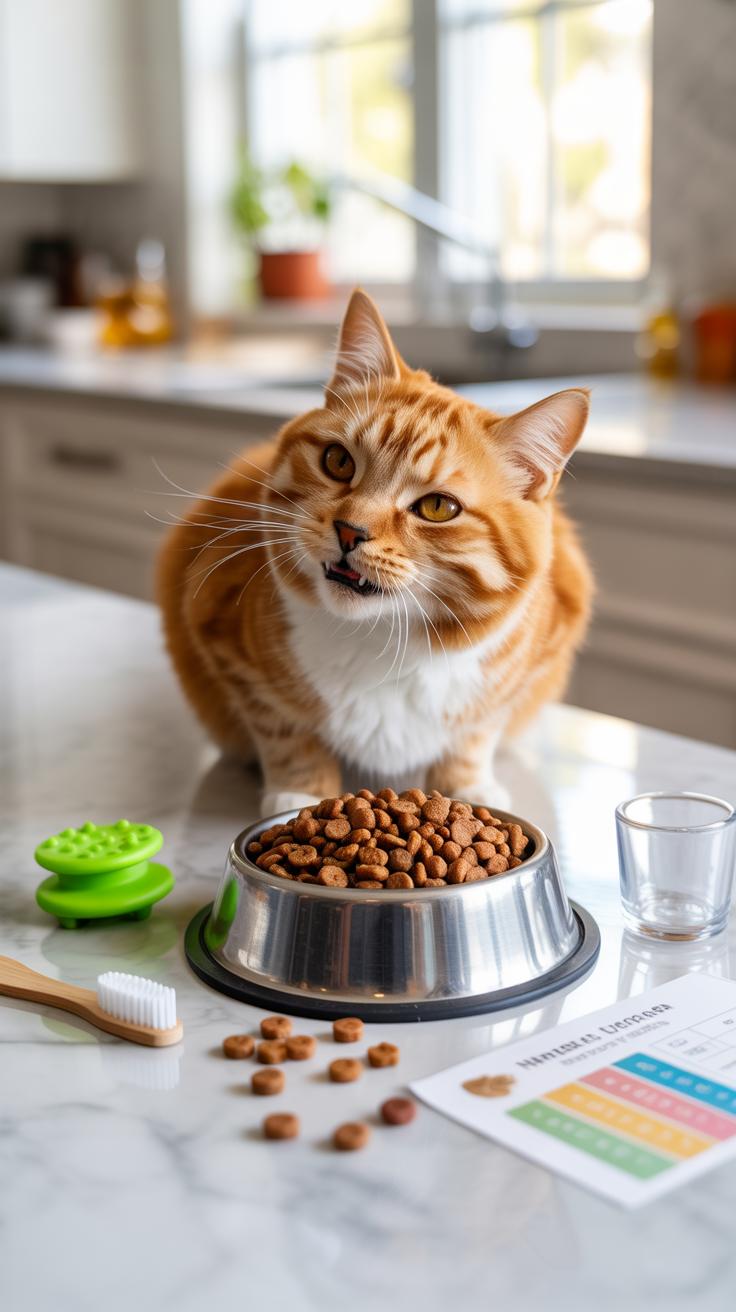
Most dry kibble provides zero dental benefits for cats. Conventional kibble is small and brittle. It shatters instantly when the tooth hits it. This creates a fine powder that sticks to the gum line. This residue actually promotes plaque buildup rather than removing it. You cannot rely on standard dry food to clean teeth. Owners often mistake crunching sounds for effective mechanical cleaning action.
Only specific Veterinary Oral Health Council approved diets help with dental hygiene. These specialized kibbles use a larger shape and a fiber matrix. This structure forces the tooth to sink into the nugget before it breaks. This creates a scrubbing effect on the tooth surface. Unless you buy these specific prescription formulas, assume your cat’s dry food is not helping their oral health at all.
Choosing between the crunch of kibble and the richness of paté is simply another way we whisper I love you at every mealtime. Whether the bowl is filled with moisture or crunch, the healthiest choice is always the one served with a gentle stroke and a devoted heart.
Shelf Life, Storage, And Feeding Convenience Of Dry Cat Food
Dry food offers unmatched logistical advantages for busy owners. You can leave it in a bowl for twenty four hours without it spoiling. This makes free feeding possible for many households. It contains very little moisture which prevents immediate bacterial growth at room temperature. The manufacturing process uses high heat extruders to create a stable product. This stability allows for bulk purchasing and easier handling.

Proper storage determines the safety of the nutrients. Dry food contains fats that turn rancid when they hit oxygen. You must keep the bag closed or use an airtight container. Keep the food in its original packaging to protect it from light. High caloric density means cats need smaller portions to meet their energy needs. This makes dry food the most cost effective option for feeding.
Best Wet Cat Food Options What To Look For On The Label

How To Read Ingredient Lists And Guaranteed Analysis On Wet Cat Food
Ingredient labels list items by weight before processing. High moisture content in wet food means the first ingredient must be a specific animal protein. Avoid generic terms like meat meal or poultry byproduct. These vague terms hide low quality sources. Look for named species like chicken or beef to ensure biological value. Labels provide the raw data needed to calculate actual nutrient density for your cat.
The guaranteed analysis shows minimum percentages of protein and fat. It also shows maximum percentages of fiber and moisture. You must convert these numbers to a dry matter basis to compare brands fairly. Wet food typically contains 75 to 80 percent water. Subtract the moisture content from 100 to find the dry matter. Divide the protein percentage by this result to find the true protein level.
Top Ingredients That Make The Best Wet Cat Food Nutritionally Superior
Wet food excels because it mimics the natural prey of cats. High quality recipes focus on muscle meat and organs. These provide essential amino acids like taurine that cats cannot produce themselves. Proper wet food lacks the heavy starch binders found in kibble. This profile supports a healthy metabolism and prevents obesity. Read labels to find high moisture and animal fat levels for optimal feline health.
- Named Animal Proteins: Specific meats like turkey, salmon, or chicken provide the essential building blocks for feline muscle. Avoid generic animal or meat labels. Specificity ensures you know exactly what protein source your cat consumes for better allergy management and digestion.
- Organ Meats: Hearts and livers provide concentrated doses of taurine and vitamin A. These nutrients support cardiac health and vision. Natural organs offer these vitamins in a highly bioavailable form compared to synthetic supplements. Including organs mimics a natural ancestral diet for superior nutrition.
- Animal Fats: Cats rely on animal fats for energy and healthy skin. Sources like chicken fat or salmon oil provide omega fatty acids. These fats improve palatability without using artificial flavors. They also help the cat absorb fat soluble vitamins efficiently during the digestion process.
- Low Glycemic Binders: Quality wet foods avoid corn, wheat, and soy fillers. They use minimal amounts of guar gum or agar-agar only for texture. Low carbohydrate content prevents blood sugar spikes and weight gain. This ensures the cat burns protein for energy instead of storing excess sugar.
- Added Taurine: This critical amino acid prevents dilated cardiomyopathy and retinal degeneration in cats. While found in meat, cooking processes can reduce its levels. Reputable brands add extra taurine to guarantee the food meets safety standards. It is a non-negotiable requirement for any complete feline diet.

Compare the calorie density against the protein percentage. Superior wet foods provide most calories from protein and fat rather than carbohydrates. Check for an AAFCO adequacy statement on the label. This confirms the food meets basic nutritional requirements for a specific life stage. Use these facts to filter out marketing fluff and choose the most effective fuel for your cat.
Best Cat Food For Weight Management Wet Vs Dry Calorie Considerations

Why High Carbohydrate Content In Dry Food Can Lead To Feline Obesity
Dry cat food requires starches and grains to create the crunchy kibble shape. Manufacturers use ingredients like corn, wheat, or peas as structural binders. These fillers increase the total carbohydrate load significantly. Cats lack the physiological drive to process high levels of sugar. Their bodies prioritize protein and fat for energy. Excess carbohydrates quickly convert into stored body fat instead of fuel.
Obesity occurs when cats consume more energy than they expend. Kibble is calorie dense and easy to overeat. Many owners leave dry food out for free choice feeding. This habit leads to constant grazing and spikes in blood glucose. Chronic high blood sugar triggers insulin resistance and weight gain. Switching to a low carb diet halts this cycle. Removing unnecessary fillers helps maintain a lean body mass.
Using Wet Food As A Portion Controlled Strategy For Healthy Cat Weight
Wet food simplifies weight management through high moisture content. Water adds significant volume to the meal without adding calories. This bulk helps the cat feel full faster and reduces begging behavior. Most canned diets contain less than ten percent carbohydrates on a dry matter basis. This profile aligns with the natural metabolic needs of a carnivore. You get better satiety with fewer total calories.

Portion control is easier with canned food because the units are pre measured. You can easily track the exact number of ounces a cat consumes daily. Unlike dry kibble, wet food does not sit well in a bowl all day. This encourages distinct meal times rather than mindless grazing. Scheduled feedings allow you to adjust intake based on activity levels. Precise feeding prevents the gradual weight creep common in indoor cats.
Kitten Food Needs Should Kittens Eat Wet Food Dry Food Or Both

Nutritional Requirements That Make Kitten Food Different From Adult Cat Food
Kittens grow at a rapid rate during their first year of life. They require significantly higher caloric intake than adult cats to support bone development and tissue growth. Their diet must contain more protein and fat to provide steady energy. They also need specific ratios of calcium and phosphorus. These minerals ensure their skeletal structure forms correctly without becoming brittle or weak over time.
Amino acids like taurine are non-negotiable for heart and eye health. Kittens also need DHA, an omega-3 fatty acid found in mother’s milk, for brain and vision development. Adult cat food lacks these concentrated levels of nutrients and can lead to growth stunting or health deficiencies. Manufacturers formulate kitten-specific recipes to meet these dense requirements. Always check for a nutritional adequacy statement confirming the food meets growth standards.
Transitioning Kittens From Wet To Dry Food Safely And Gradually
Kittens typically begin the weaning process at four weeks of age. Start by offering wet food or a slurry of dry food soaked in warm water. Their deciduous teeth are small and cannot easily crack hard kibble. Wet food provides the soft texture they need while keeping them hydrated. Proper hydration is critical because kittens lose fluids faster than adult cats and can dehydrate quickly.

Introduce dry kibble slowly once the kitten reaches eight to ten weeks. Mix small amounts of dry food into their wet meals to get them used to the texture. Increase the proportion of dry food over seven to ten days. This gradual shift prevents digestive upset and diarrhea. Observe their eating habits. Ensure they continue to drink plenty of water if you move them toward a mostly dry diet.
Feeding A Healthy Cat When To Choose Wet Dry Or A Mixed Diet

Medical Conditions That May Make Wet Or Dry Food The Better Choice
Cats with chronic kidney disease or urinary crystals need wet food. High moisture content flushes the kidneys and dilutes urine. This prevents painful stones and slows renal failure. Cats have a low thirst drive. They rarely drink enough water from a bowl to compensate for dry kibble. Wet food provides the hydration necessary to maintain basic metabolic functions in sick cats.
Diabetic cats benefit from wet food because it contains fewer carbohydrates. Dry food requires starch to hold its shape during the extrusion process. These carbs spike blood sugar levels and make insulin management difficult. Conversely, cats with dental issues may require specific veterinary dry diets. These kibbles use mechanical scraping to reduce plaque buildup on teeth. Always prioritize hydration for cats with systemic internal health issues.
Practical Tips For Combining Wet And Dry Cat Food In A Daily Feeding Routine
Mixed feeding provides a balance between hydration and dental health. Most owners prefer the convenience of dry food during the day and wet food at night. This approach ensures your cat receives adequate moisture while enjoying the shelf stability of kibble. You must calculate the total calories to prevent weight gain. Use a gram scale for accuracy instead of measuring cups.
- Caloric Balance: Determine the total daily caloric needs of your cat first. Split this target between the two food types to avoid overfeeding. Giving a full portion of both leads to obesity and related metabolic diseases.
- Schedule Consistency: Feed wet food at the same time every morning or evening. Cats thrive on predictable routines which reduces stress. Leave dry food in a timed feeder or puzzle toy for daytime mental stimulation and consistent calorie intake.
- Hydration Boost: Add a small amount of warm water to the dry kibble. This increases the moisture content and enhances the natural aroma of the food. It bridges the gap between the two textures and helps cats that drink very little water.
- Storage Safety: Remove any uneaten wet food after thirty minutes to prevent bacterial growth. Keep dry food in an airtight container to stop fats from turning rancid. Proper storage maintains the nutritional integrity and flavor profile of both commercial diet types.
- Texture Transition: Introduce new textures slowly over a seven day period. Mix small amounts of the new food into the current diet. This prevents digestive upset and helps picky eaters accept the change in mouthfeel without rejecting the entire meal.
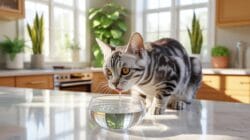
Monitor your cat’s body condition score when starting a mixed diet. Adjust the ratios if you notice weight fluctuations or changes in coat quality. High quality wet food contains more protein per calorie than dry food. This helps maintain lean muscle mass as the cat ages. Veterinary professionals recommend this hybrid approach for long term health. It offers the best benefits from both nutritional delivery systems.
Cost Quality And Value Making The Best Cat Food Choice For Your Budget
Comparing The Long Term Cost Of Feeding Wet Food Vs Dry Cat Food Daily
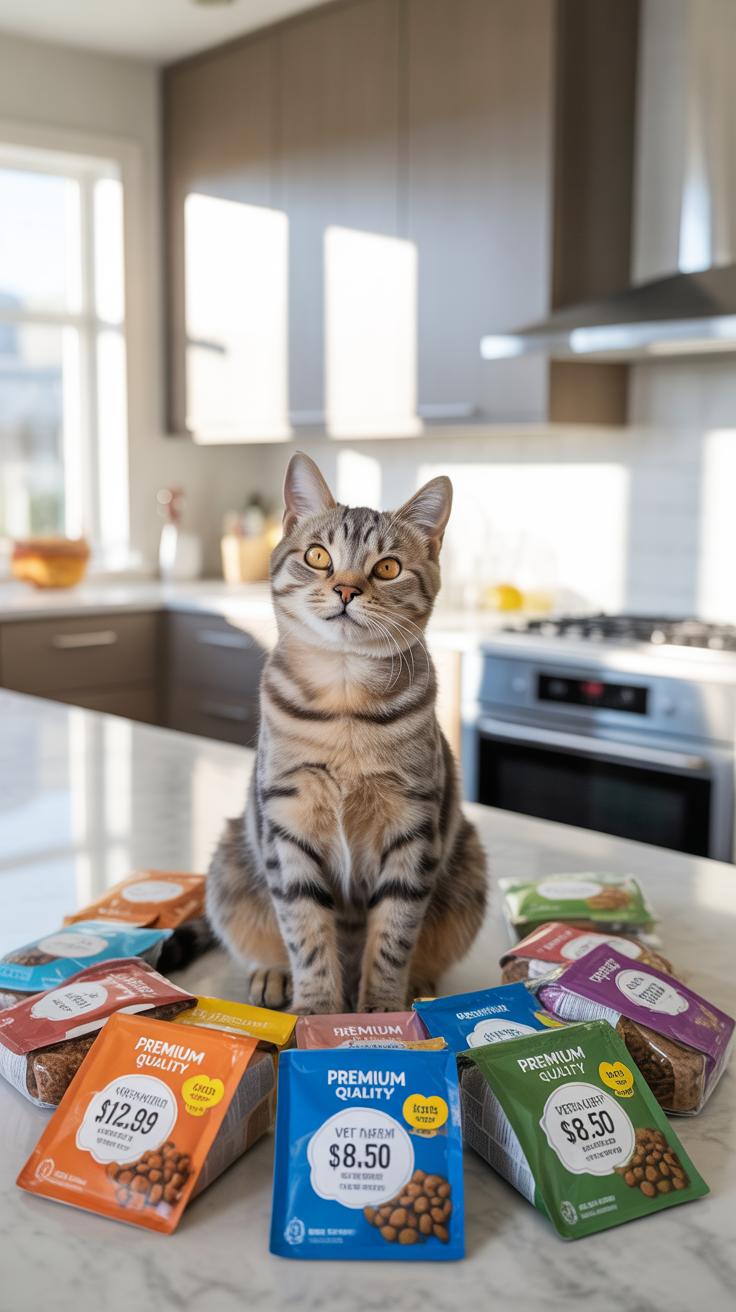
Dry food costs less per calorie than wet food. Kibble has low water content and high caloric density. You pay for macronutrients rather than moisture. Bulk bags reduce the price per pound significantly. Many owners choose dry food to save money on daily feedings. This choice lowers immediate monthly expenses. However, you must weigh these savings against potential future veterinary bills.
Wet food costs three to four times more per serving. You pay for high water content and animal proteins. Shipping heavy cans increases logistics costs which manufacturers pass to you. Despite the high price, wet food supports kidney health. Proper hydration prevents expensive medical procedures like crystal removal. Investing in wet food now often prevents massive healthcare costs later. Balance your budget by using both types.
How To Evaluate Quality And Nutritional Value Without Overspending
Read the ingredient label to find the best value. Look for specific named meats like chicken or beef. Avoid generic terms like meat by-products or poultry meal. High-quality food contains fewer fillers like corn, wheat, or soy. These fillers provide empty calories that require larger portions. Buying nutrient-dense food means your cat eats less to stay full. This efficiency saves money over time.
Compare the cost per gram of protein rather than price per bag. Cheap brands often have low digestibility. Cats excrete more waste when eating low-grade ingredients. Premium foods have high bioavailability. Your cat absorbs more nutrients from every bite. This leads to smaller stools and better health. Focus on the first five ingredients to ensure quality. Smart spending targets biological needs over marketing gimmicks.
Frequently Asked Questions

Is wet food or dry food better for my cat’s overall health?
Both options offer distinct nutritional advantages depending on your pet’s specific needs. Wet food provides essential hydration and high protein content, which is excellent for kidney health. Conversely, kibble is convenient and helps reduce plaque buildup. Most veterinarians suggest a wet vs dry cat food comparison based on your cat’s age and medical history, as many owners find that a balanced “mixed feeding” approach offers the best of both worlds.
How can I successfully transition my cat from dry kibble to wet food?
Transitioning requires patience to avoid digestive upset. Start by mixing a small spoonful of wet food into their regular kibble. Over ten days, gradually increase the wet portion while decreasing the dry. Performing a consistent wet vs dry cat food comparison during this period helps you monitor their appetite and stool quality. If your cat is picky, try warming the wet food slightly to enhance its aroma and make it more enticing.
Which type of cat food is more cost-effective for a multi-cat household?
Dry food is generally the most budget-friendly option because it is shelf-stable, can be purchased in bulk, and has a lower cost per serving. While wet food provides superior moisture, it is more expensive and spoils quickly once opened. To manage costs without sacrificing nutrition, many families use high-quality kibble as the primary calorie source while supplementing with smaller portions of canned food to ensure their cats stay properly hydrated.