The Science Behind Why Small Animals Are Calming To The Human Brain
How Visual Stimuli From Small Animals Trigger The Parasympathetic Nervous System
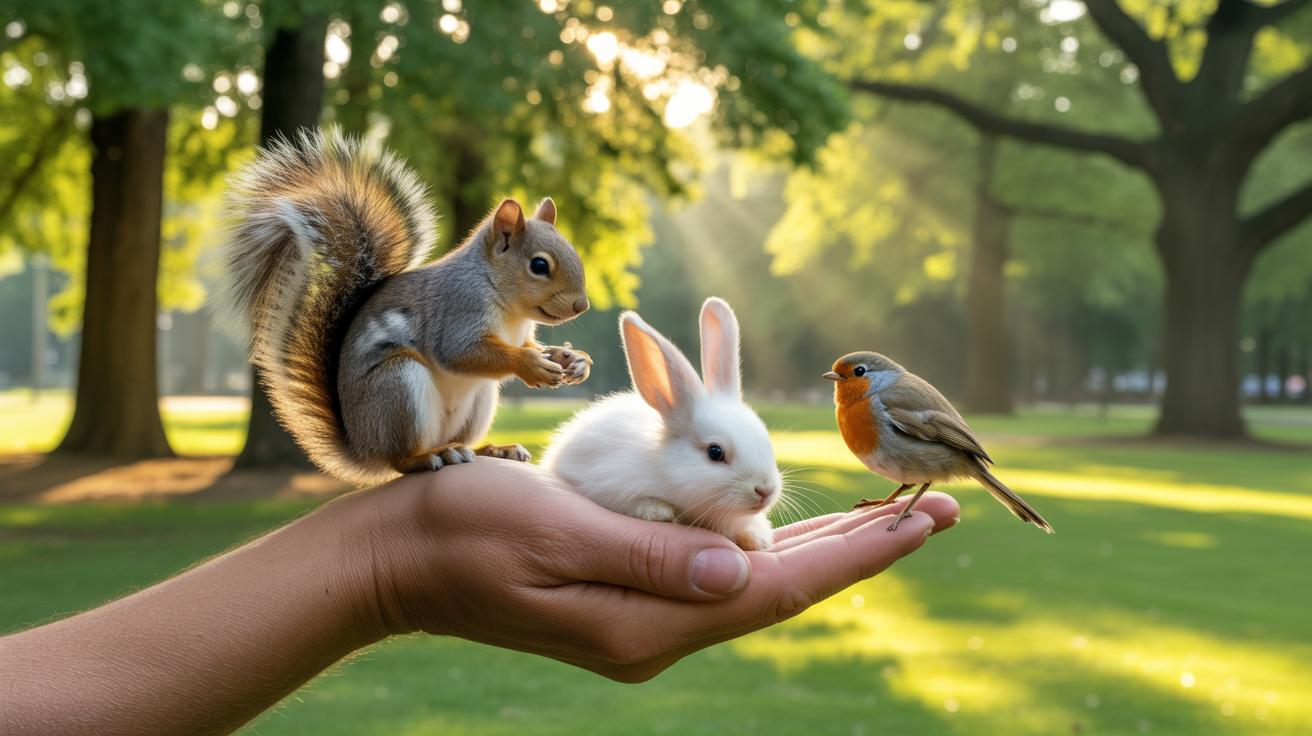
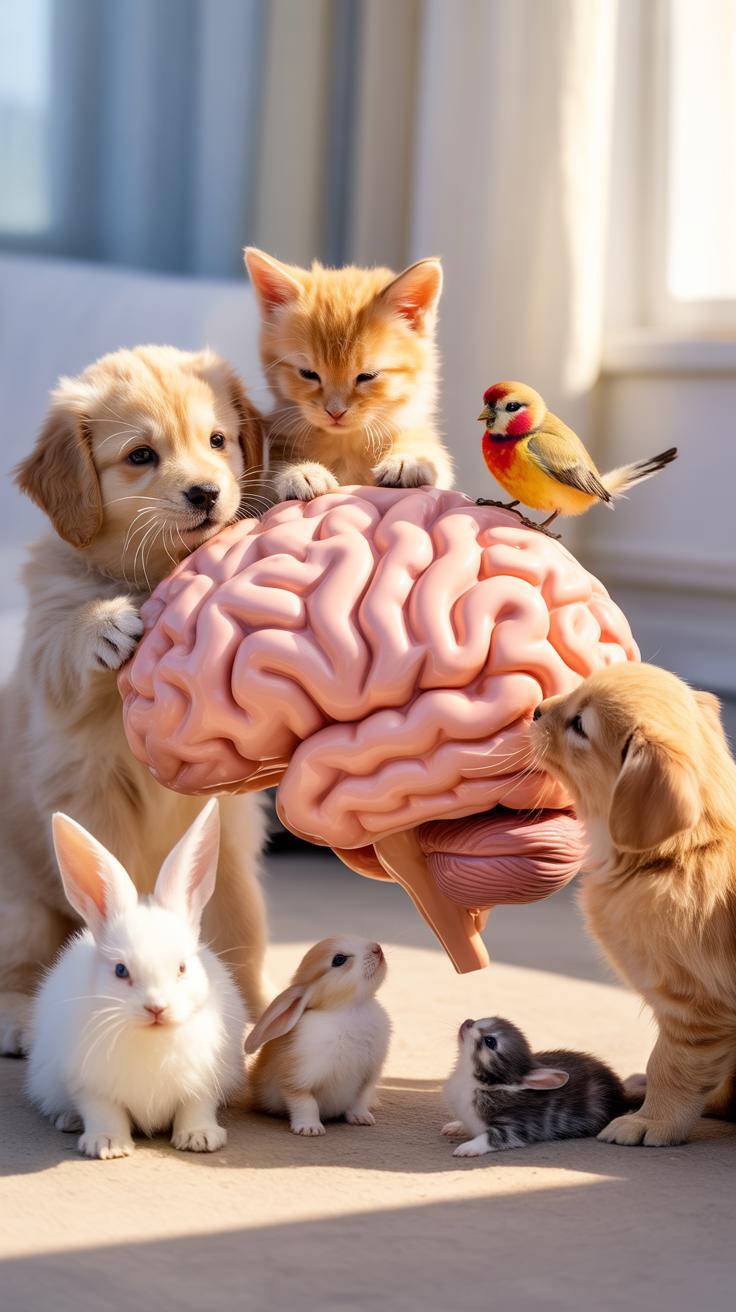
Visual cues from small animals activate the parasympathetic nervous system through the release of oxytocin. This chemical shifts the body from a state of high alert to a state of rest. Humans react instinctively to features like large eyes and rounded faces. Experts call this the baby schema. These traits signal a lack of threat to the primitive brain.
The brain processes these visual signals and slows the heart rate. Blood pressure drops as the body stops producing adrenaline. This biological response happens almost instantly upon seeing a small animal. The physical reaction proves that calmness is not just a feeling. It is a measurable shift in your nervous system. Deep relaxation follows this visual recognition because the brain feels safe.
What Neuroimaging Studies Reveal About Watching Animals And Reduced Cortisol Levels
Functional MRI scans show that looking at small animals decreases activity in the amygdala. This region of the brain manages your fear response. When the amygdala quiets down, the brain produces less cortisol. High cortisol causes chronic stress and fatigue. Neuroimaging proves that animal imagery disrupts these stress cycles effectively. The brain centers for reward and pleasure light up during these sessions.
These studies confirm that viewing small animals lowers physiological stress markers in minutes. Lower cortisol levels allow the prefrontal cortex to function better. This means you can think more clearly and make better decisions. The data shows that even short digital interactions provide these benefits. Modern science backs the idea that watching small animals provides a tactical advantage for mental recovery.

Cat Facts Fascinating Biological Traits That Make Cats Uniquely Soothing
The Frequency Of A Cat’S Purr And Its Documented Therapeutic Effects On Humans
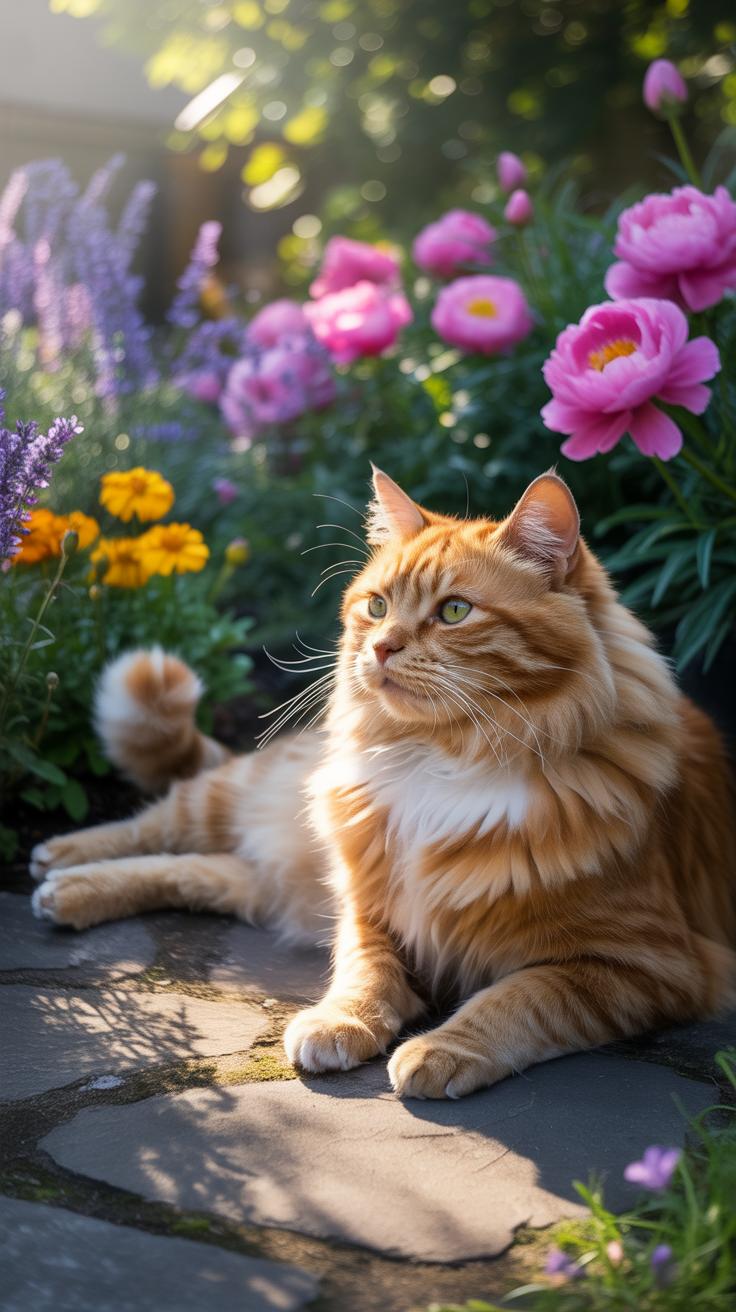
Cats purr within a consistent frequency range of 25 to 150 Hertz. Scientific research confirms these specific frequencies improve bone density and promote tendon healing. Human bodies respond to these vibrations by lowering blood pressure and reducing heart rates. This biological interaction creates a physical feedback loop that stabilizes the human nervous system. The sound provides a steady sensory input that clears mental noise.
The purr acts as a natural haptic therapy tool for owners. Medical studies show that living with a cat reduces the risk of heart attack by nearly one-third. The vibration triggers the release of endorphins in humans which masks pain and lowers perception of physical stress. This involuntary response happens because the human brain associates the low-frequency hum with stability. It is a predictable and rhythmic biological mechanism.
Why A Cat’S Slow Blinking And Gentle Movements Signal Safety To Our Nervous System
A cat’s slow blink serves as a visual signal of extreme trust and lack of threat. Predators in the wild maintain intense eye contact to prepare for an attack. When a cat narrows its eyes and closes them slowly, it communicates a complete absence of aggression. Humans process this visual cue as a sign of environmental safety. This communication style lowers the observer’s cortisol levels immediately.

Cats move with refined economy of motion and quiet precision. Violent or erratic movements trigger the human startle response and increase alertness. The fluid and predictable physical path of a cat provides a grounding effect for the viewer. Watching these controlled movements helps synchronize the observer’s breathing and mental state. The animal’s physical composure serves as a tactical anchor for the human mind in high-stress environments.
Cat Behavior Explained Understanding Why Watching Cats Lowers Anxiety
Predictable Routines In Cat Behavior And Why They Create A Sense Of Calm In Observers
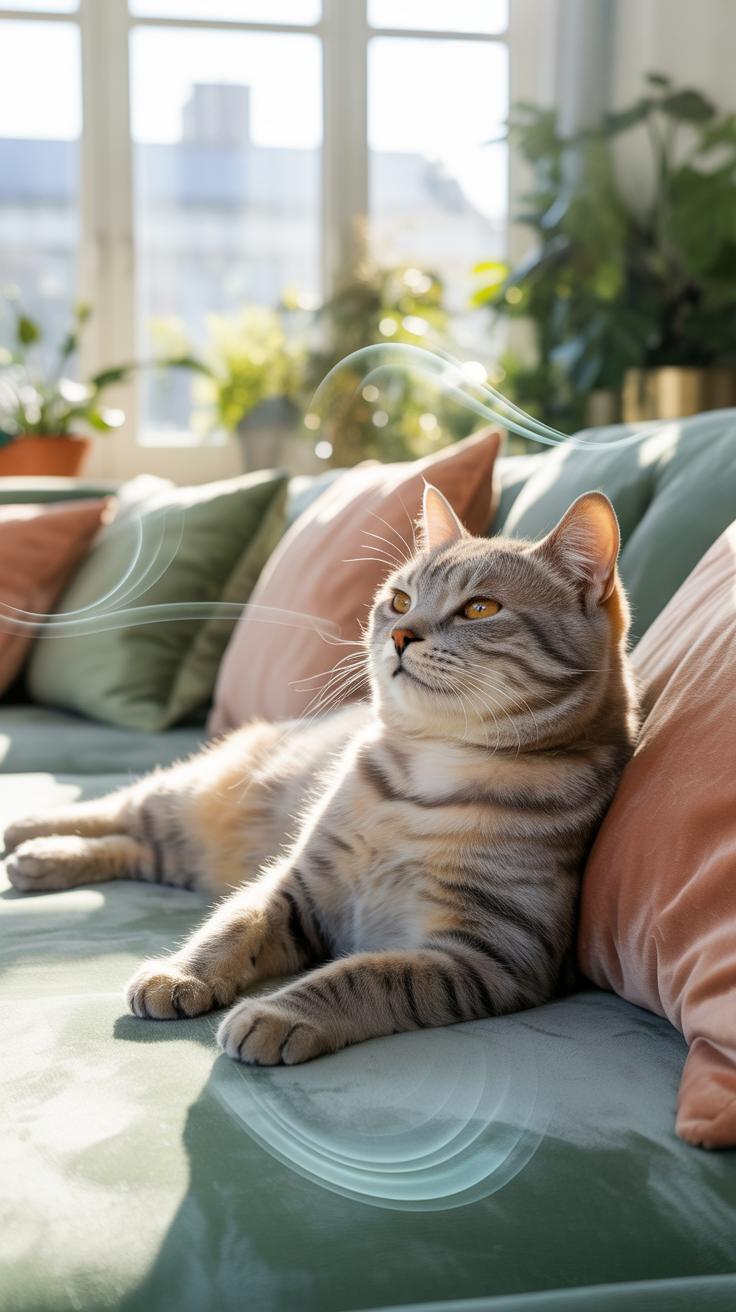
Cats follow strict biological rhythms called circadian patterns. They hunt, eat, and groom at specific intervals. This repetition provides a reliable external structure for the human observer. When you watch a cat perform these tasks, your brain registers a stable environment. Predictability signals safety to your nervous system. You stop scanning for threats because the animal acts according to a fixed schedule.
Observing these routines triggers a psychological effect known as social buffering. The cat remains calm during its daily rituals. This composure transfers to the human viewer through emotional contagion. Your heart rate lowers as you mirror the animal’s relaxed state. Consistency in cat behavior reduces the cognitive load on your brain. You do not have to guess what happens next. This certainty shuts down the stress response.
Nature has a way of quieting the mind through its smallest creatures, reminding us that life is meant to be gentle. When we look into the eyes of a small animal, we rediscover a primal sense of peace and belonging that the world often makes us forget.
The Role Of Feline Body Language In Communicating Peace And Non Threat To Humans
Feline body language uses specific physical cues to signal a lack of aggression. A cat displays a slow blink to show trust and comfort. This gesture indicates the animal feels safe enough to close its eyes. When a cat exposes its belly or keeps its ears forward, it signals a non-threatening presence. Humans interpret these visual signals as indicators of a secure and peaceful environment.

Low-intensity movements like rhythmic purring and soft treading create a meditative atmosphere. These physical actions produce steady, low-frequency sounds and vibrations. Research shows these specific frequencies can lower blood pressure in humans. Watching a cat relax its muscles forces the human brain to mimic that relaxation. By observing an animal that is not in a fight-or-flight state, your own body ends its stress cycle.
Animal Help How Interaction With Small Animals Supports Mental Health Outcomes

Research Backed Benefits Of Animal Assisted Therapy Using Small Animals In Clinical Settings
Clinical studies prove that small animals like rabbits and guinea pigs improve patient engagement. Therapists use these animals to break down social barriers during sessions. Patients often find it easier to discuss trauma while holding a small creature. This presence creates a safe environment for emotional processing. Professionals apply these methods in hospitals and schools to manage acute anxiety and developmental disorders.
The physical contact with small animals triggers a chemical response in the brain. It increases the production of oxytocin while reducing cortisol levels. This hormonal shift happens quickly during structured therapy sessions. Researchers observe that small animals are less intimidating than larger animals for many patients. This makes them ideal tools for pediatric care and elderly patients with cognitive decline.
How Even Brief Exposure To Small Animals Can Measurably Lower Blood Pressure And Heart Rate
Short interactions with small animals provide immediate cardiovascular benefits. Scanning a room for a small pet forces the brain to focus on the present moment. This focused attention slows the heart rate and stabilizes breathing patterns. Scientific monitors show that blood pressure drops within minutes of stroking a small animal. These physiological changes occur even if the interaction lasts under five minutes.

Visual observation alone can trigger a relaxation response in the human nervous system. Watching a small animal move helps regulate autonomic functions. It shifts the body from a fight or flight state to a rest and digest state. This mechanical process requires no conscious effort from the observer. Hospitals often use small animal exhibits to calm patients before surgery or stressful medical procedures.
Calming Cat Strategies How Cats Self Regulate And What We Can Learn From Them
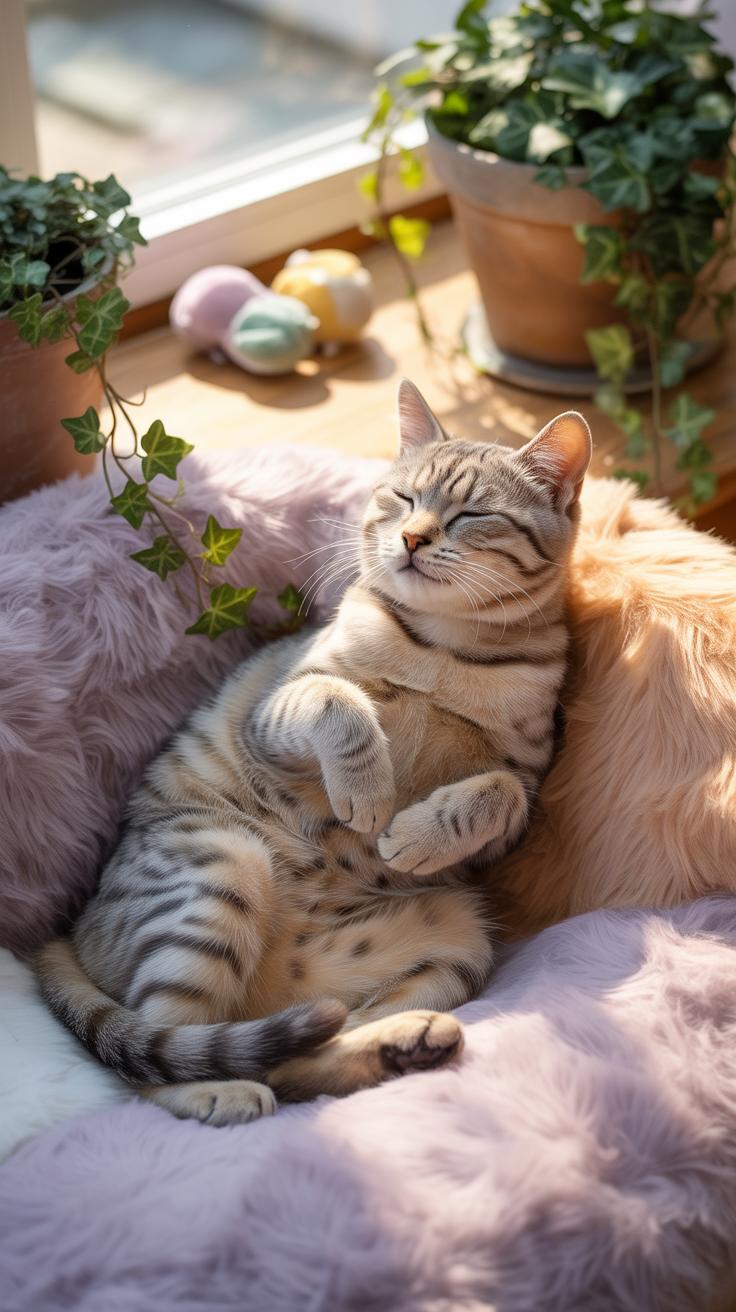
The Mindfulness Parallel: How Observing A Cats Stillness Encourages Present Moment Awareness
Cats operate as obligate predators. This role requires intense focus and energy conservation. When a cat sits still, it engages in total environmental scanning or deep rest. Owners who observe this behavior often mirror the feline state. This process is called social buffering. It lowers the human heart rate. Watching a cat exist in the now forces the human brain to stop future-based worrying.
Tactical mindfulness does not require meditation. It requires a focal point. A cat provides this point through its rhythmic breathing and lack of movement. Humans are hardwired to notice small animal movements for survival. When that movement is slow and steady, it signals safety to the human nervous system. You stop the fight or flight response by synching your rhythm to the cats steady state.
Why Cats Sleep Up To 16 Hours A Day And How Their Rest Habits Calm Anxious Owners
Cats sleep up to sixteen hours daily to support their metabolic needs. They utilize a polyphasic sleep cycle. This means they take multiple short naps instead of one long block. This constant state of rest creates a quiet environment. Anxious owners benefit from this predictable stillness. The presence of a sleeping animal reduces cortisol levels in the room. It signals that no immediate threats exist.

Frequent rest is a survival strategy, not laziness. Cats prioritize recovery to maintain peak physical performance. Owners learn to associate the cat’s nap with a safe zone. This visual cue helps break the cycle of constant productivity and high stress. When you see a cat sleeping deeply, your brain acknowledges a low-vulnerability environment. Use this signal to regulate your own breathing and lower your blood pressure.
DIY Cat Calming Treats Supporting Your CatS Wellbeing To Maximize Their Soothing Presence
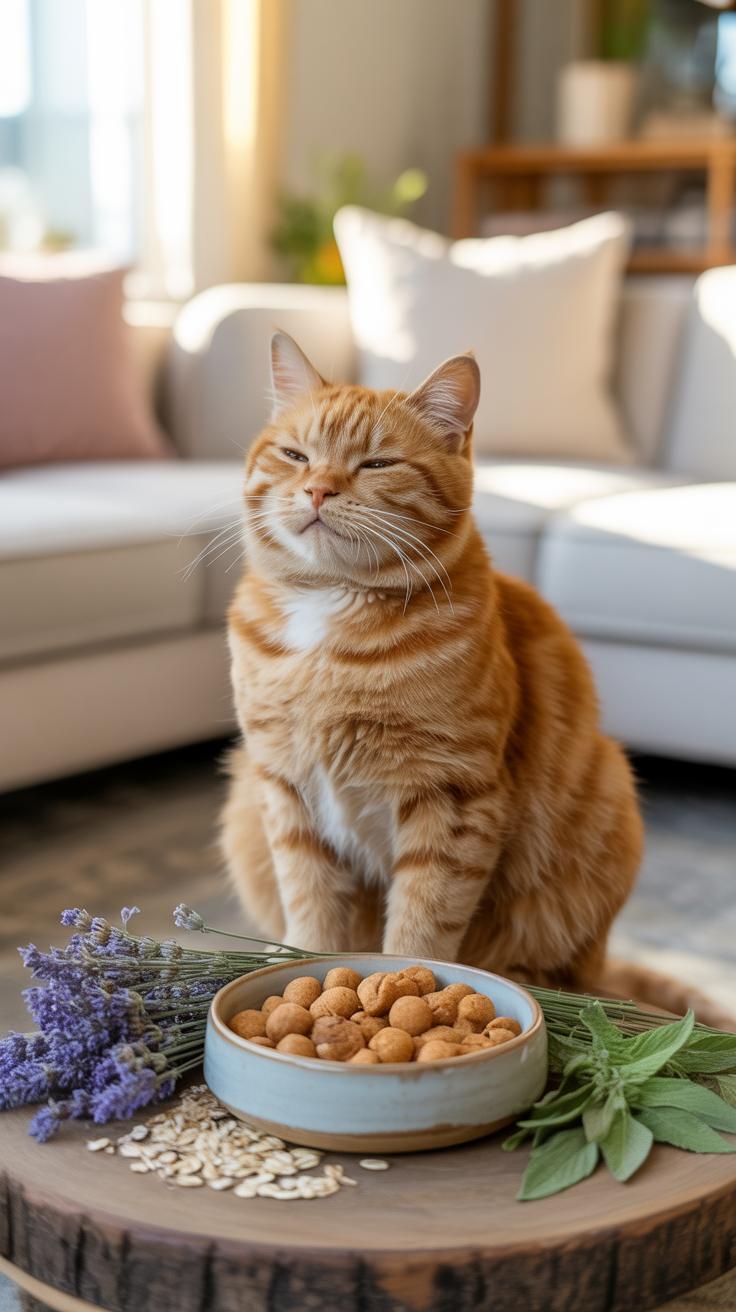
Safe And Simple Ingredients To Use When Making Homemade Calming Treats For Cats
Pet owners can control nutritional intake by preparing treats at home. Focus on ingredients that support the feline nervous system without using fillers or artificial preservatives. Cats require high protein bases to remain interested in the snack. You must avoid toxic additives like grapes, onions, or chocolate. These homemade options provide a cost-effective way to manage your pet’s daily anxiety levels.
- Valerian Root: This herb acts as a natural sedative for most cats. It targets the same receptors as catnip but often results in a more relaxed state. Use small amounts of dried root mixed into wet protein bases for maximum effectiveness.
- Chamomile Powder: Dried chamomile flowers possess anti-anxiety properties. Ensure the powder is pure and free from stems or leaves that could cause irritation. This ingredient helps soothe the digestive tract while lowering overall cortisol levels in your pet.
- L-Theanine: This amino acid occurs naturally in green tea but must be administered as a pure supplement for cats. It promotes relaxation without causing drowsiness. It works by increasing dopamine and GABA levels in the feline brain during stressful events.
- Plain Canned Pumpkin: High fiber content regulates digestion and provides a solid base for other supplements. Fiber helps stabilize blood sugar which prevents energy crashes and irritability. Always verify the label to ensure it contains zero added sugars or spices.
- Freeze-Dried Chicken: Quality protein serves as the primary attractant for cats. Using pure meat ensures the cat consumes the calming agents without rejecting the treat. It provides essential taurine which supports heart health and neurological function during stressful periods.
Combine these ingredients into small, bite-sized portions to avoid overfeeding. Store the treats in an airtight container to maintain freshness and potency of the herbs. Consistency is key when using natural supplements to alter behavior. Observe your cat’s reactions to each new ingredient to ensure no allergies exist. Proper dosing creates a reliable tool for keeping your cat level-headed.
How A Calm And Contented Cat Creates A More Peaceful Environment For Stressed Owners
A relaxed cat behaves predictably and avoids disruptive actions like excessive vocalization or destructive scratching. Domestic cats mirror the emotional states of their owners through a process called emotional contagion. When the cat remains still and quiet, it sends a biological signal of safety to the human. This lack of chaos allows the owner to focus on their own stress recovery.

Biofeedback occurs when a human interacts with a tranquil animal. Rhythmic purring and slow breathing patterns from a calm cat can lower a human’s heart rate. This physical groundedness makes the environment feel more stable and controlled. By investing in the cat’s mental health, the owner secures a reliable source of passive stress relief. A peaceful pet transforms the home into a recovery zone.
Cat Health Care And Cat Care Tips Keeping Your Small Animal Healthy To Sustain The Stress Relief Bond
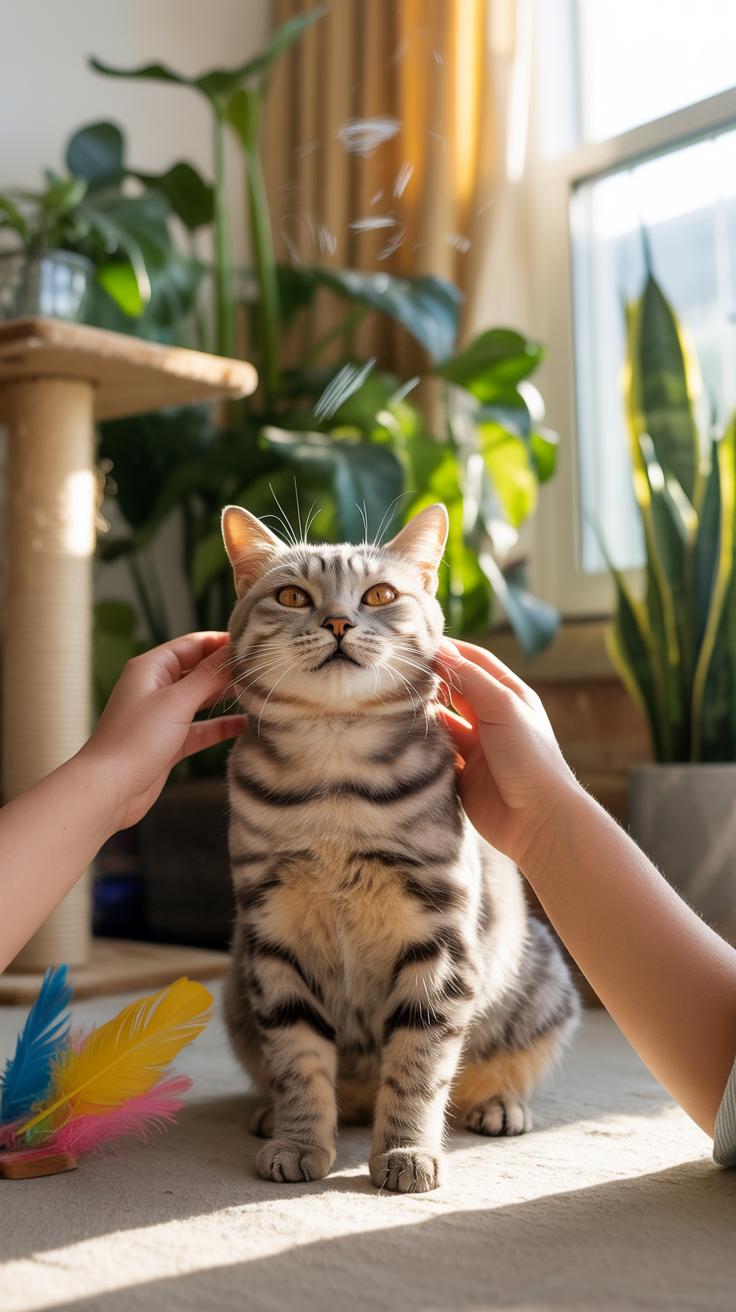
Key Preventive Cat Health Care Practices That Keep Your Cat Relaxed And Stress Free
Preventive care stops small issues from becoming major stressors for both the cat and the owner. Routine dental checks prevent oral pain that causes irritability. Parasite control for fleas and ticks eliminates physical discomfort that triggers restless behavior. A cat in physical pain cannot provide a calming presence. You must proactive about hygiene and environment to maintain a peaceful domestic setting.
Grooming serves as a strategic bonding tool that lowers cortisol in humans. Brushing removes excess fur and prevents painful matting in the cat. This physical interaction reinforces the social bond and keeps the animal approachable. Clean litter boxes reduce environmental stress and territorial anxiety. A well-maintained environment ensures the cat remains a consistent source of comfort rather than a source of domestic tension.
How Regular Veterinary Visits And Proper Nutrition Directly Impact Your Cat’S Calming Behavior
Veterinary checkups catch silent illnesses like hyperthyroidism or kidney disease early. These conditions often cause agitation or excessive vocalization in cats. A sick animal creates a high-stress environment for the caregiver. Regular blood work and physical exams ensure the cat remains physically able to interact. Sustaining the animal’s health is the only way to sustain the human biological benefit of their company.

Nutrition dictates the brain chemistry of your pet. High-quality proteins and essential fatty acids support cognitive function and emotional stability. Avoid fillers that cause blood sugar spikes and subsequent crashes. These fluctuations lead to erratic and stressful behaviors. Feed consistent meals to regulate the cat’s internal clock. A predictable feeding schedule creates a predictable and calm pet that effectively reduces your daily stress.
Kitten Care And Early Bonding Why Starting Young Strengthens The Human Animal Calming Connection
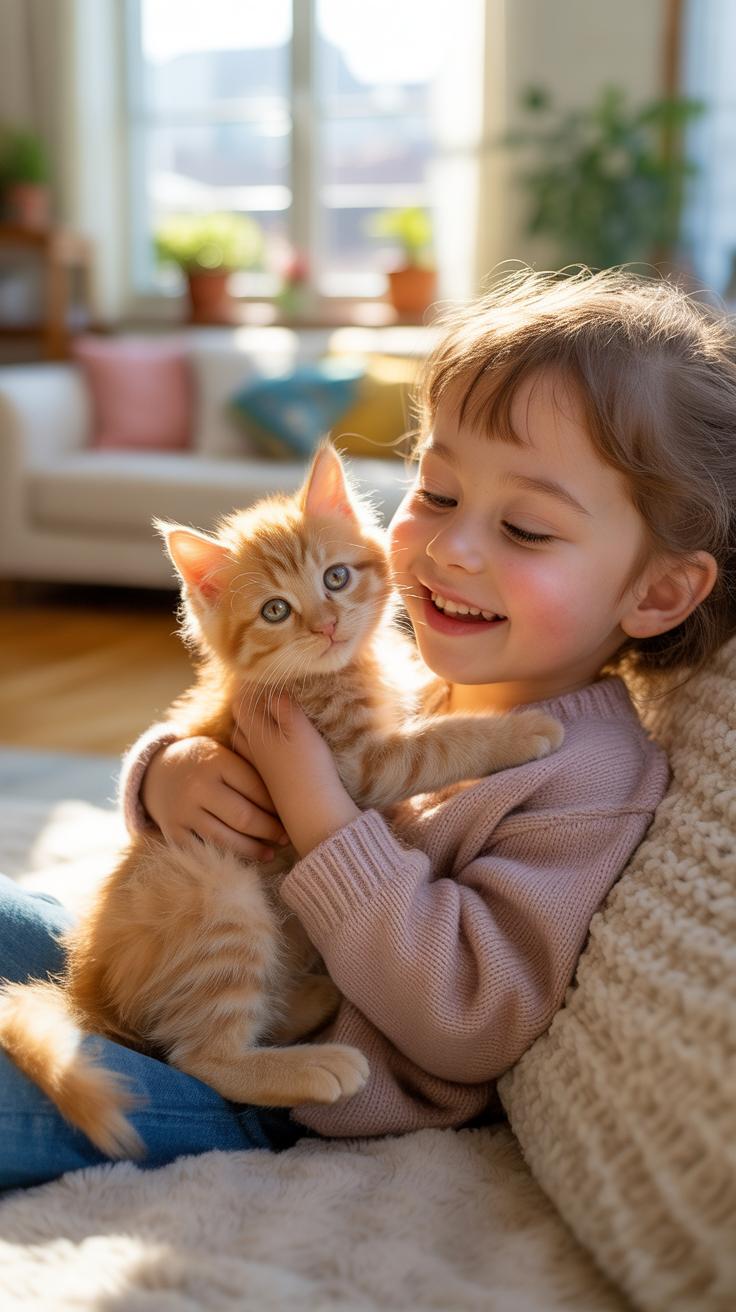
The Critical Socialization Window In Kittens And How It Shapes A Lifelong Calming Companion
Kittens experience a critical socialization period between two and seven weeks of age. During this window, their brains are highly plastic. They learn to identify humans as safe. Positive handling during this time reduces their future fear response. A cat that lacks early human contact develops a permanent high-stress baseline. This makes them less effective as calming companions for owners later.
Early exposure to touch and sound creates a predictable animal. A well-socialized kitten grows into an adult cat with lower cortisol levels. This stability allows the owner to experience deeper relaxation during contact. You are training the kitten to remain calm in your presence. This early investment ensures the cat provides emotional regulation rather than adding chaos to the home environment.
Gentle Kitten Care Routines That Build Trust And Reinforce Stress Relieving Interactions For Owners
Consistent care routines establish a feedback loop of calm between the owner and the kitten. Daily tasks like grooming and feeding create a predictable structure. This structure lowers the kitten’s anxiety. It also forces the human to slow down and focus on a single task. This focused attention triggers the release of oxytocin in both species, lowering heart rates immediately.
- Scheduled Feeding: Providing food at the same time daily builds security. The kitten learns to rely on the owner for survival. This reliability fosters a deep sense of trust. It eliminates erratic behavior caused by hunger or uncertainty about resources.
- Tactile Grooming: Using a soft brush mimics a mother cat’s tongue. This physical contact desensitizes the kitten to touch. It allows the owner to practice rhythmic, repetitive motions. These motions are proven to reduce human blood pressure and muscle tension levels.
- Low Intensity Play: Controlled play with wand toys develops the kitten’s hunting instincts safely. It prevents aggressive biting or scratching habits. For the owner, observing these natural movements provides a visual distraction. Focused observation of small movements helps shift the brain away from stressful thoughts.
- Predictable Handling: Picking up the kitten gently and frequently reinforces physical safety. The animal learns to relax when held. A cat that enjoys being held provides more opportunities for therapeutic physical contact. This contact is the primary mechanism for the human-animal calming effect.
- Quiet Time Association: Sitting near the kitten without active interaction teaches passive bonding. The kitten learns that your presence is a signal for rest. This creates a peaceful environment where both parties can recharge. It establishes the kitten as a symbol of tranquility in the household.

Trust is a tactical asset in stress management. A kitten that trusts its owner will seek out contact during high-stress moments. These routines turn a high-energy animal into a reliable source of peace. By managing the kitten’s environment through care, you control your own stress triggers. The bond formed through early care creates a permanent, bio-mechanical tool for emotional grounding.
Pet Hacks Practical Ways To Maximize The Stress Reducing Power Of Living With Small Animals
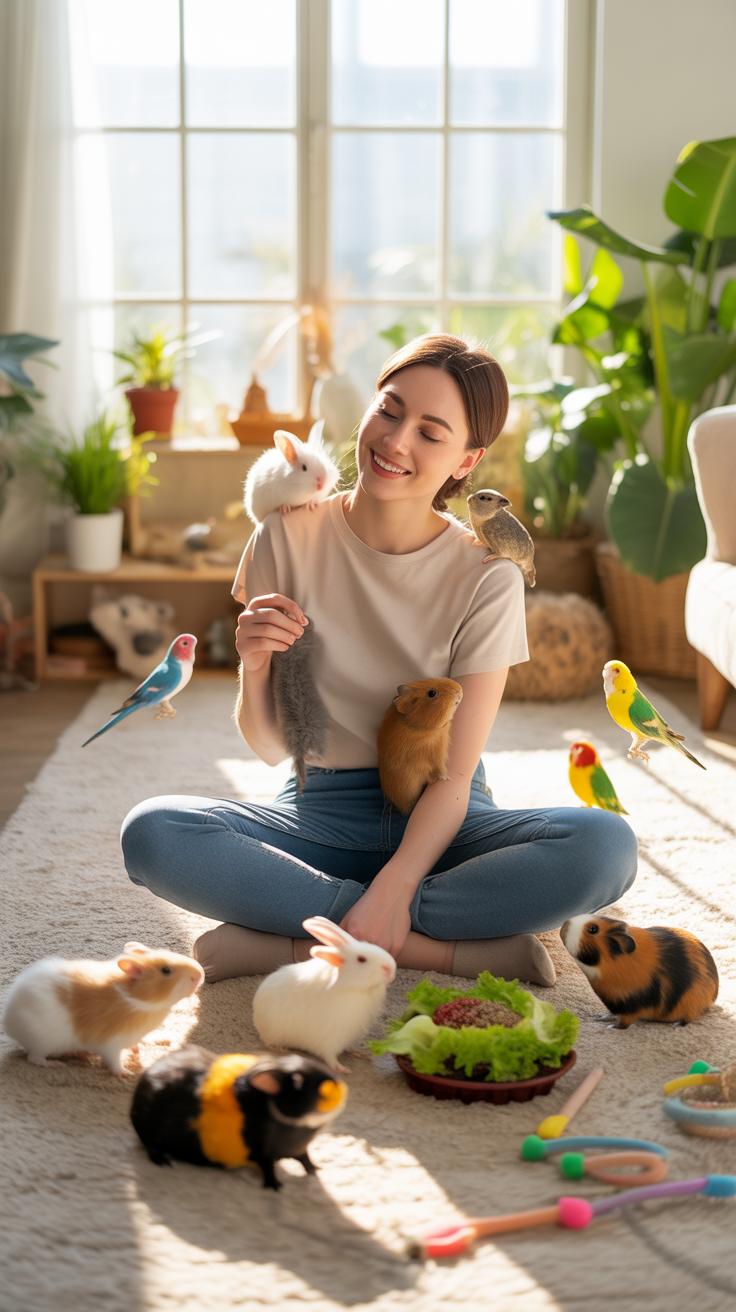
Setting Up Your Home Environment To Encourage Calm Animal Behavior And A Relaxing Atmosphere
Strategic habitat placement dictates your stress levels. Position enclosures in low traffic areas to prevent startling the animal. Use natural substrates like aspen or hemp to minimize chemical odors. Proper insulation and soundproofing around the cage reduce animal anxiety. A calm animal carries a lower heart rate. This biological state mirrors in the observer. You must create a quiet zone to facilitate mutual relaxation.
Lighting plays a critical role in circadian rhythm regulation. Use full spectrum bulbs that mimic natural daylight cycles. Avoid harsh blue light during evening hours. Proper thermal gradients prevent animal distress. Use digital thermostats to maintain precise temperatures. A stable environment prevents erratic pet behavior. When the animal feels secure, its movements become fluid and predictable. Predictable animal motion lowers human cortisol levels effectively.
Daily Micro Habits With Your Small Animal That Science Says Can Meaningfully Reduce Chronic Stress
Physical contact triggers immediate oxytocin release. Schedule five minutes of focused handling every morning. Use slow and deliberate movements to establish trust. Avoid loud noises or sudden gestures during this period. Small animals respond to steady vibrations and soft textures. This tactile interaction lowers your blood pressure. Consistent handling creates a predictable routine for the brain. Routine reduces the cognitive load associated with daily anxiety.
Passive observation provides visual rest. Spend ten minutes watching your pet forage without interacting. This practice engages your soft fascination. Soft fascination allows the prefrontal cortex to recover from heavy tasks. Focus on the rhythmic chewing or grooming motions of the animal. These repetitive patterns act as a natural sedative. You clear mental clutter by focusing on these simple biological actions. This habit breaks the cycle of chronic stress.
Frequently Asked Questions

Why does looking at cute small animals make us feel so much better?
When we view images or videos of tiny creatures, our brains trigger a release of oxytocin and dopamine. This biological response is often linked to “baby schema,” where features like large eyes and round faces signal a need for care. This instinctual reaction explains why small animals are calming, as it lowers cortisol levels and heart rates, providing an immediate sense of emotional warmth and psychological relief after a long day.
How can I incorporate images of small animals into my daily stress-management routine?
To reap the benefits, consider setting a rotating slideshow of hamsters, kittens, or bunnies as your desktop wallpaper or smartphone lock screen. Dedicating just five minutes during your lunch break to watch nature documentaries or “cute animal” compilations can significantly improve your focus. Many people find that why small animals are calming is rooted in these micro-breaks, which reset the nervous system and prevent mental burnout during high-pressure work tasks.
Are there low-cost ways to interact with small animals if I cannot afford a pet?
You don’t need to own an animal to experience their therapeutic effects. Visiting local animal shelters to volunteer or spending time at a community cat cafe are affordable ways to enjoy their presence. Even bird watching in a local park or setting up a small bird feeder outside your window can provide the same soothing benefits. These accessible activities offer a perfect glimpse into why small animals are calming without any financial burden.