What Is That Gurgling Stomach Sound Coming From Your Dog
The Science Behind Borborygmi: Why Dog Stomachs Make Noise
Borborygmi is the clinical term for the sounds produced by gas and fluid moving through the gastrointestinal tract. Smooth muscles in the stomach and intestines contract in a wave like motion called peristalsis. These contractions push food, liquid, and air forward during the digestive process. When the digestive tract is empty, these muscular movements echo within the hollow organ walls and create audible sounds.
Air enters the system when a dog gulps food or pants heavily. Most of this gas moves into the small and large intestines. Bacteria then break down food particles and release more gases like hydrogen and methane. The combination of these gases and liquid digestive juices creates the gurgling sounds you hear. This process is a standard mechanical function of the canine body required for effective nutrient absorption.
Normal Vs. Concerning Gurgling: How To Tell The Difference
Normal stomach gurgling occurs most often before or after a meal. These sounds are typically quiet and disappear once the dog finishes digesting. A healthy dog remains active and maintains a steady appetite despite the noise. If the sounds are faint and infrequent, the digestive system is likely functioning correctly. You do not need to intervene if your dog acts completely normal and shows no distress.
Concerning gurgling is loud enough to hear from across a room. These intense sounds often signal underlying issues like dietary indiscretion, parasites, or inflammatory bowel disease. Watch for accompanying symptoms like lethargy, vomiting, or diarrhea. If your dog refuses to eat or hunches its back in pain, the noise indicates a serious medical problem. Constant and loud vibrations require a professional veterinary assessment to rule out physical obstructions.

Common Causes Of A Dog With Stomach Ache And Loud Gurgling

Dietary Indiscretion: When Your Dog Eats Something They Should Not
Dietary indiscretion occurs when a dog consumes non-food items or spoiled organic matter. Scavenging through trash or finding rotted food outdoors introduces foreign bacteria and toxins into the digestive tract. This invasion disrupts the normal balance of the gut microbiome. The intestines react by moving faster to expel the irritants. This increased movement creates the loud fluid sounds known as borborygmi.
These noises often signal that the body is attempting to process difficult substances. Rapid muscle contractions in the intestinal walls push gas and liquid past obstructions or through inflamed areas. While some cases resolve after the dog eliminates the culprit, others lead to severe inflammation. Observe your dog for signs of lethargy or repetitive vomiting. These symptoms indicate that the dietary mishap requires immediate professional medical intervention.
Hunger, Gas, And Swallowed Air As Triggers For Stomach Noises
An empty stomach is a frequent cause of loud gurgling. When the gastrointestinal tract is clear of food for several hours, the brain signals the muscles to begin cleaning cycles. These contractions move lingering debris and bacteria toward the colon. Because the stomach is mostly empty, the sound of air moving through the pipes echoes more loudly. This is a normal physiological process of digestion.

Swallowed air also contributes to significant noise levels. Dogs that eat too quickly often gulp air along with their kibble. This excess gas trapped in the stomach or small intestine must move through the system to exit. As these large air pockets travel through narrow intestinal loops, they create audible vibrating sounds. Slowing down your dog at mealtime reduces the volume of air and minimizes the resulting noise.
Recognizing The Symptoms Of Dog Stomach Upset Beyond The Noise

Physical Signs To Watch For: Vomiting, Diarrhea, And Bloating
Dog stomach gurgling often precedes visible physical illness. If your dog vomits more than once, the situation is no longer a simple digestive glitch. Persistent vomiting leads to rapid dehydration and electrolyte imbalance. Diarrhea further indicates that the digestive tract is moving too fast to absorb nutrients or water. Watch the stool for blood or mucus as these signs indicate severe colon inflammation.
Bloating is the most dangerous physical symptom. A distended abdomen feels hard to the touch and looks like a swallowed balloon. This often signals Gastric Dilatation-Volvulus where the stomach twists on its axis. This condition cuts off blood flow and becomes fatal within hours. If you see a swollen belly alongside gurgling, seek immediate emergency veterinary care. You cannot treat true bloat at home.
Behavioral Changes That Signal Your Dogs Digestive Distress
Dogs communicate pain through specific posture shifts. A dog experiencing intense abdominal pressure often assumes the prayer position. They lower their front legs to the floor while keeping their rear end raised. This action attempts to stretch the digestive tract and relieve gas pressure. If your dog refuses to lie down or paces restlessly, they are likely feeling significant internal cramping or sharp gas pains.

Lethargy and appetite loss also signal trouble. A healthy dog usually maintains high motivation for food. Refusing a meal means the digestive system is overwhelmed. You might notice your dog licking their lips or gulping air repeatedly. These actions indicate nausea or an attempt to settle an upset stomach. Constant panting without physical exertion also signals that the gurgling has escalated into actual physiological stress.
Dog Stomach And Digestive Problems That May Cause Persistent Gurgling
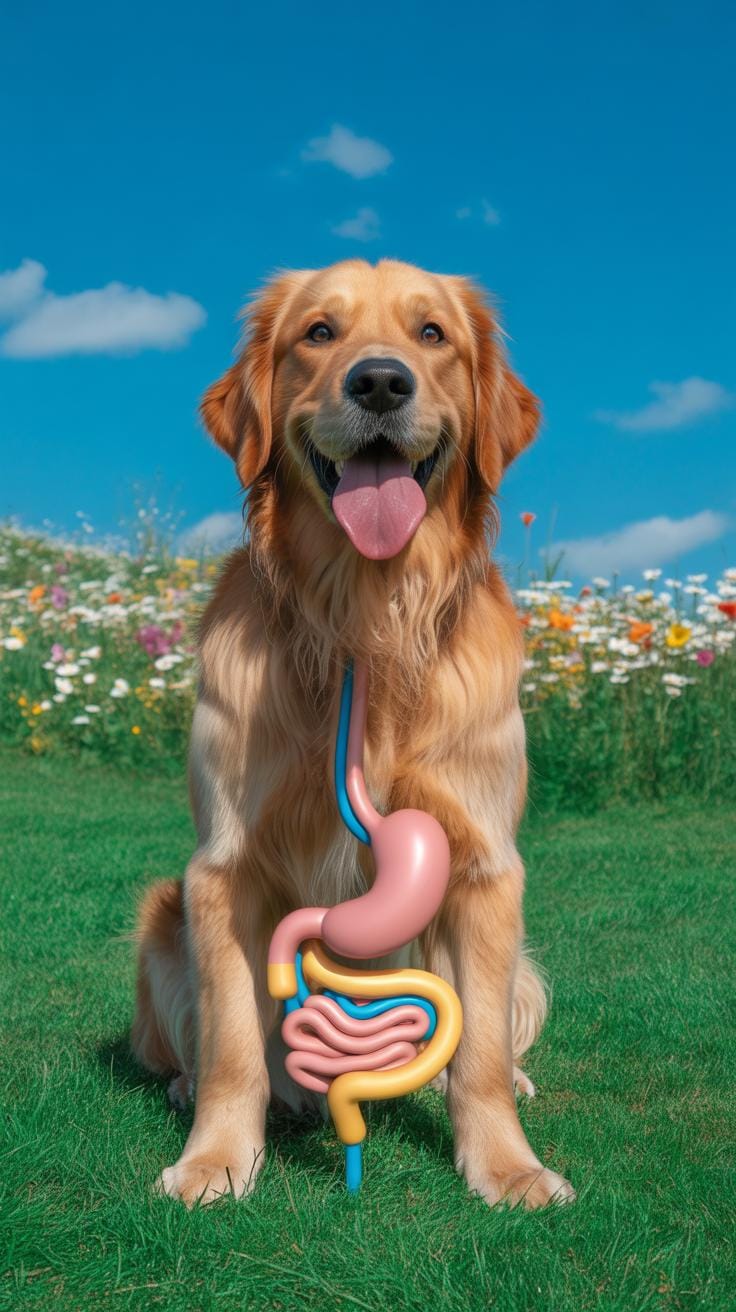
Inflammatory Bowel Disease And Gastrointestinal Infections In Dogs
Inflammatory Bowel Disease occurs when inflammatory cells invade the stomach or intestinal walls. This chronic condition disrupts normal muscle contractions. Irregular movement causes gas and fluids to move unpredictably. This creates loud, persistent gurgling sounds known as borborygmi. A dog with this condition often feels discomfort. The gut remains in a constant state of irritation. This prevents proper food transit and nutrient absorption.
Bacterial or viral infections also trigger intense digestive noise. Pathogens like Salmonella or Giardia irritate the lining of the gut. The body reacts by increasing intestinal motility to flush out the invaders. Fast movement of liquid and gas produces sharp, audible sounds. These noises usually appear alongside diarrhea or vomiting. High frequency gurgling indicates the digestive system is working too hard to process internal waste.
Intestinal Parasites And Their Role In Chronic Stomach Noises
Parasites like roundworms and hookworms live in the intestinal tract. These organisms consume nutrients and disrupt the natural flow of digestion. They cause physical obstructions and irritate the delicate bowel lining. This irritation leads to excess gas production and fluid buildup. You will hear loud gurgling as the intestines work around the parasitic load. These noises are a direct result of mechanical interference in the gut.

Chronic stomach noises often signal a heavy worm burden in the gastrointestinal system. Parasites change the chemical balance of the intestines. This change produces more gas than a healthy gut does. The sound comes from this gas moving through constricted spaces. If the gurgling lasts for days, check for other symptoms like weight loss or a bloated belly. Regular deworming protocols prevent these physical disruptions and the resulting noise.
How To Help A Dog With Stomach Ache At Home Safely
The Bland Diet Approach: Rice, Boiled Chicken, And Temporary Fasting
Start by removing all food for twelve to twenty four hours. This fast allows the gastrointestinal system to rest and reset. Only healthy adult dogs should fast this long. Puppies and small breeds need more frequent monitoring due to blood sugar risks. Do not remove water during this time. Fasting stops the active digestion process and calms excessive muscular contractions in the intestines.
Introduce a bland diet once the gurgling subsides and the dog stops vomiting. Combine boiled white rice with skinless, boneless chicken breast. Use a ratio of two parts rice to one part protein. Avoid any seasonings, oils, or butter. Feed small portions every four hours instead of one large meal. This reduces the mechanical load on the stomach while providing necessary glucose and energy.
A dog’s belly rumbles are just the cozy echoes of a life well-fed and a heart full of trust. In every soft murmur, we hear the gentle rhythm of a companion who finds peace right by our side.
Hydration And Rest: Simple Steps To Soothe A Gurgling Stomach
Hydration is the primary concern during a digestive flare. Gas buildup and loud gurgling often signal irritation that leads to fluid loss. Provide fresh, filtered water in small amounts. If the dog drinks too fast, offer ice cubes to slow consumption. Dehydration causes electrolyte imbalances that worsen stomach cramping. Check the gums frequently to ensure they remain moist and pink rather than tacky.

Physical rest prevents the stomach from twisting and reduces stress on the digestive tract. High activity after eating can exacerbate gas production and cause discomfort. Keep the dog in a quiet, climate controlled area away from noise. Limiting movement helps the body redirect energy toward healing the gut lining. Maintain this environment for at least one full day after the loud gurgling stops completely.
What To Give A Dog For Upset Stomach Safe Options And What To Avoid
Vet Approved Remedies And Supplements For Dog Digestive Relief
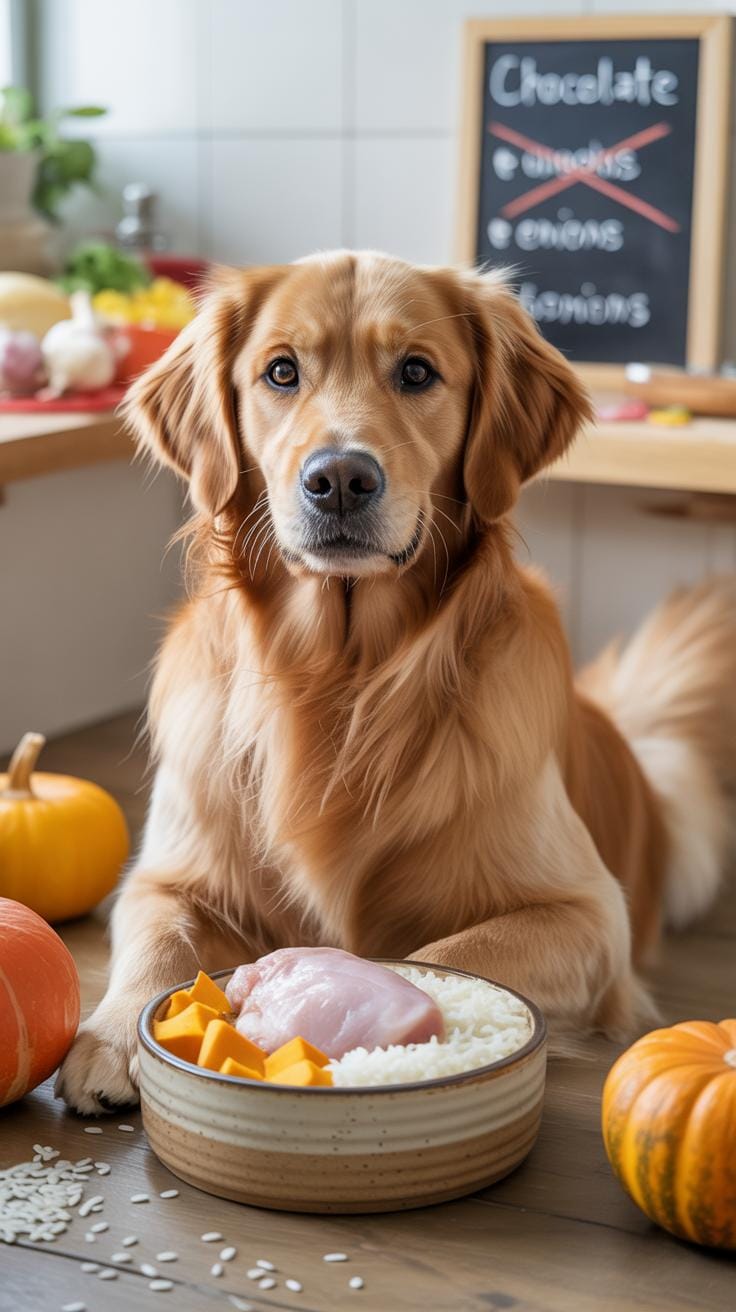
When dog stomach gurgling occurs, focus on soothing the intestinal lining. Fasting is the first step for healthy adult dogs. Stop all food for twelve to twenty-four hours to let the gut rest. Provide small amounts of water or ice cubes to prevent dehydration. Once the noise subsides, introduce bland foods slowly. Monitor your dog for changes in energy or appetite.
- Plain Canned Pumpkin: Use only pure pumpkin puree without added spices or sugars. The high soluble fiber content absorbs excess water in the digestive tract. It helps regulate bowel movements and provides immediate relief for minor gastric upset.
- Probiotic Supplements: Administer specific canine strains like Enterococcus faecium to restore healthy gut flora. These supplements crowd out harmful bacteria that cause gas and loud gurgling noises. Use powders or chewables designed specifically for dogs rather than human versions.
- Boiled Chicken and Rice: Combine skinless, boneless chicken with plain white rice in a one-to-three ratio. This mixture is easy to digest and provides necessary energy without overworking the stomach. Feed small portions several times a day to test tolerance.
- Low-Sodium Broth: Offer beef or chicken broth with no added onions, garlic, or salt. Broth encourages hydration when a dog refuses plain water. It also provides electrolytes and minerals lost during periods of digestive distress or mild diarrhea.
- Slippery Elm Bark: This herbal supplement contains mucilage that coats and lubricates the digestive tract. It reduces inflammation in the stomach lining and intestines. Consult a veterinarian for the correct dosage based on your dog’s specific weight and health history.
Digestive enzymes and vet-prescribed medications balance the pH of the stomach. Some owners use over-the-counter anti-gas medications containing simethicone, but only under professional guidance. These drugs break down gas bubbles to reduce pressure and noise. Always check the ingredient list for xylitol, which is toxic. Professional intervention is required if gurgling persists alongside vomiting or a painful, rigid abdomen.
Human Foods And Medications That Are Dangerous For Dogs With Stomach Issues
Avoid giving your dog table scraps or fatty foods when they have an upset stomach. High-fat items like bacon or butter trigger pancreatitis, which causes severe pain and internal damage. Dairy products like milk or cheese often worsen gas because many dogs lack the lactase enzyme. Spices and seasonings can irritate the esophagus and stomach lining, leading to further gastric distress.

Never administer human pain relievers like ibuprofen or naproxen to a dog. These medications cause rapid stomach ulceration and kidney failure in canines. Avoid Pepto-Bismol unless specifically directed by a vet, as it contains salicylates similar to aspirin. Grapes, raisins, onions, and garlic are also strictly off-limits. These items cause oxidative damage to red blood cells or acute renal failure even in small doses.
How To Treat Dog Stomach Issues When A Vet Visit Is Necessary
Red Flag Symptoms That Require Immediate Veterinary Attention
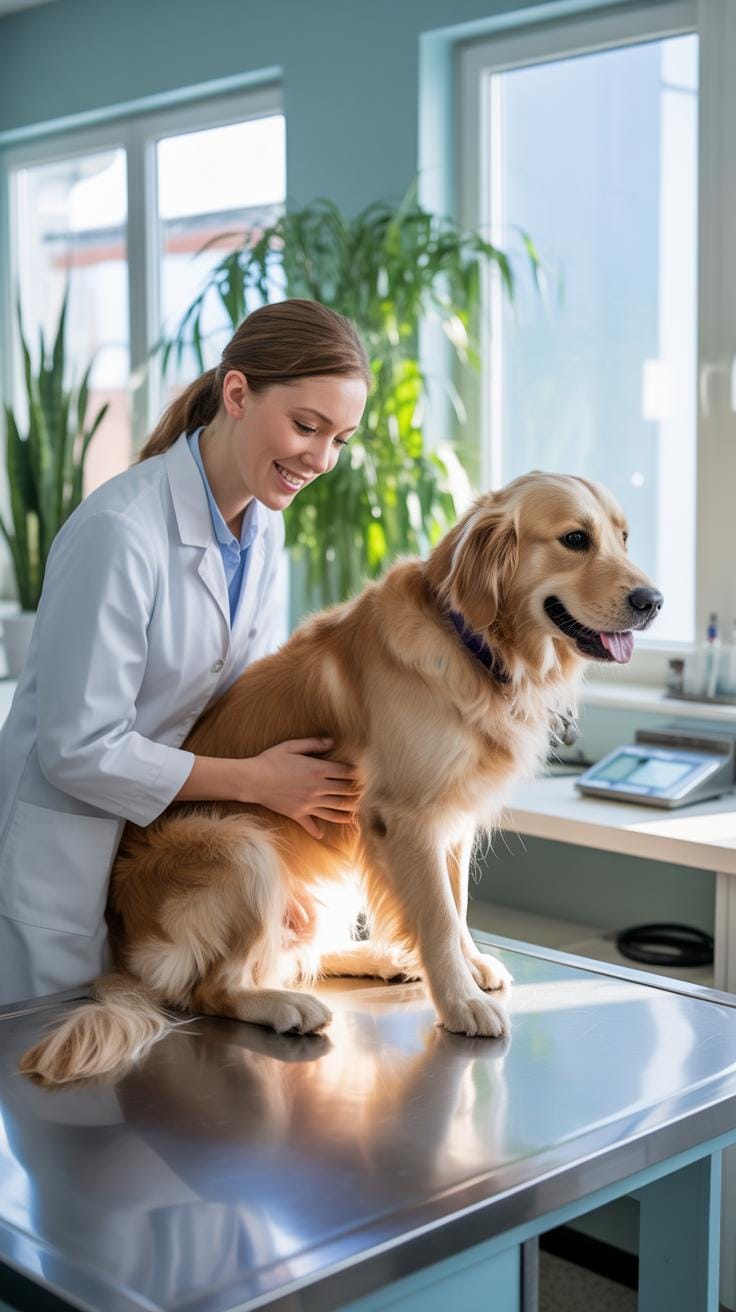
Loud stomach noises often represent normal digestion, but specific secondary symptoms signal a medical emergency. You must monitor your dog for behavioral changes that indicate physical distress. Rapid onset of symptoms suggests an acute issue like a blockage or toxic ingestion. Owners should act fast when the gurgling accompanies physical pain or inability to keep food down. Ignoring these signs leads to severe dehydration or organ failure.
- Projective Vomiting: Frequent or violent vomiting prevents the dog from retaining fluids and electrolytes. This symptom often points to a physical blockage in the digestive tract or severe inflammation. You must seek help if the dog cannot hold down water for more than twelve hours.
- Abdominal Distension: A bloated or hard stomach is a critical red flag for Gastric Dilatation-Volvulus. This condition involves the stomach twisting on its axis and cutting off blood flow. It is a fatal emergency that requires immediate surgical intervention to save the animal.
- Extreme Lethargy: Significant drops in energy levels show the body is struggling with a systemic issue. If your dog refuses to move or does not respond to your voice, the digestive noise is not routine. This state often follows internal infection or severe metabolic imbalances.
- Bloody Stool: Dark, tarry stools or bright red blood indicate internal bleeding or severe mucosal damage. This sign suggests parvovirus, hemorrhagic gastroenteritis, or ingestion of a sharp foreign object. You cannot treat these conditions at home because they require professional stabilization and medication.
- Empty Retching: If a dog tries to vomit but nothing comes out, it is a sign of a blocked airway or twisted stomach. This unproductive retching is a classic indicator of bloat. Every minute counts in these scenarios to prevent tissue death and shock.
Assess the gum color of your dog if gurgling persists with these red flags. Pale or blue gums indicate a lack of oxygen or poor circulation. Tactical intervention prevents long term damage to the intestinal lining. Do not wait for symptoms to disappear on their own. Early clinical assessment reduces the risk of expensive surgeries or permanent digestive damage. Your dog relies on quick action when these flags appear.
Diagnostic Tests Your Vet May Use To Identify The Root Cause
Vets start with a physical exam to feel for masses or gas buildup in the abdomen. They check for pain responses when applying pressure to the stomach area. Routine blood work follows to look for elevated white blood cell counts. This data reveals if an infection causes the loud noises. Chemistry panels also check liver and kidney function to rule out metabolic diseases.

If blood work is inconclusive, the vet uses imaging tools like X-rays or ultrasound. X-rays show if the dog swallowed a foreign object or if the stomach is full of gas. Ultrasound provides a clear view of the intestinal wall thickness and movement. These tools allow the vet to see the physical structure of the digestive system. Accurate diagnosis ensures the treatment targets the correct underlying medical problem.
How To Help A Dog With An Upset Stomach Prevention And Long Term Care
Dietary Habits And Feeding Routines That Support A Healthy Dog Gut
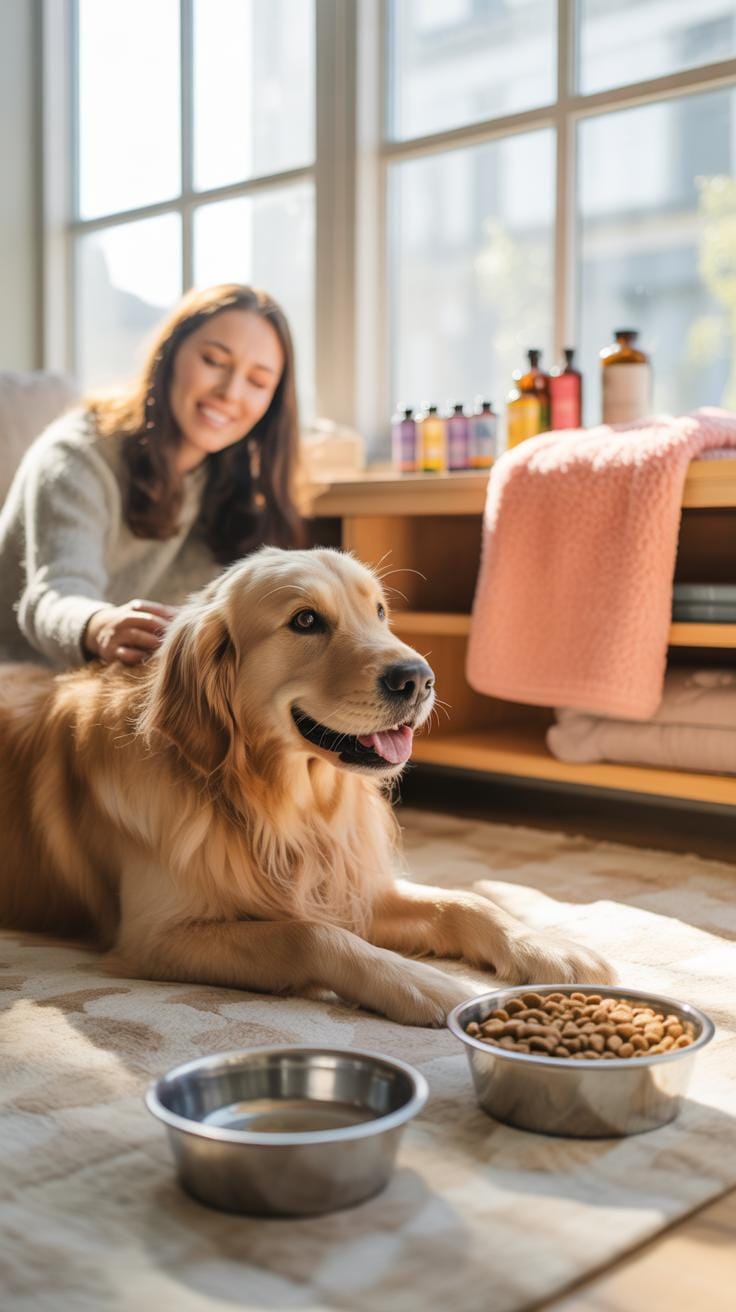
Consistency stabilizes the canine digestive system and prevents gas buildup. Feed your dog at the same times every day to regulate stomach acid production. Rapid eating causes air ingestion, leading to loud gurgling and bloat risk. Use slow-feeder bowls to force smaller bites. High-quality protein sources reduce fermentation in the colon. Avoid sudden brand changes, as these disrupt the gut microbiome balance.
Transition between different dog foods over seven to ten days. Gradually mix increasing amounts of new food with the old variety. This method prevents acute diarrhea and stomach distress. Limit table scraps and high-fat treats that trigger pancreatitis. Measure portions carefully to prevent obesity, which puts pressure on internal organs. Clean water must stay available to help fiber move through the digestive tract efficiently.
Probiotics Routine Vet Checkups And Lifestyle Tips For Digestive Wellness
Probiotics introduce beneficial bacteria into the intestinal tract to improve nutrient absorption. Use supplements specifically formulated for dogs rather than human versions. These microbes outcompete harmful bacteria and reduce gas-related noises. Routine veterinary exams identify underlying issues like parasites or inflammatory bowel disease before they become chronic. Blood work and fecal tests catch hidden infections that cause regular stomach gurgling and discomfort.

Manage your dog’s stress levels to protect their digestive health. High anxiety triggers the release of cortisol, which slows down digestion and causes loose stools. Provide daily exercise to stimulate natural gut motility. Avoid strenuous activity immediately after large meals to prevent gastric torsion. Monitor your dog’s stool quality daily for changes in color or consistency. Accurate observation allows for faster intervention when digestive problems occur.
Frequently Asked Questions

Is it normal for my dog’s stomach to make loud gurgling sounds?
It is often perfectly normal for your pet to experience occasional digestive sounds, medically known as borborygmi. Just like in humans, dog stomach gurgling occurs as gas and fluids move through the intestines during digestion. If your dog is acting fine, eating well, and has normal bowel movements, these bubbly noises are likely just a sign of a healthy metabolism processing their most recent meal or a bit of swallowed air.
What should I do at home if my dog’s stomach starts gurgling loudly?
If you notice frequent dog stomach gurgling, try offering smaller, more frequent meals to prevent gas buildup from eating too quickly. Encourage your dog to rest after eating and ensure they have access to fresh water. You might also try a gentle walk to help move trapped gas through their system. However, if the noises are accompanied by lethargy, vomiting, or a painful abdomen, you should contact your veterinarian immediately for professional advice.
Are there any affordable ways to prevent stomach noises without expensive vet visits?
Absolutely! You can often reduce digestive upset by slowing down fast eaters with a budget-friendly slow-feeder bowl or even a large stone placed in their dish. Adding a spoonful of plain, unsweetened canned pumpkin or a dollop of fat-free yogurt to their food provides natural fiber and probiotics that support gut health. These simple lifestyle adjustments are cost-effective methods to keep your dog’s digestive system quiet and comfortable without a high price tag.