Can Dogs Eat Avocado Understanding The Basic Safety Question

Why So Many Dog Owners Ask About Avocado
Pet owners frequently ask this question because avocado contains a toxin called persin. This fungicidal toxin appears in the leaves, bark, skin, and pit of the fruit. Most domestic animals like horses, goats, and birds suffer severe reactions to persin. These reactions often lead to heart failure or death. Dog owners see these warnings and naturally worry about the safety of their pets.
The confusion stems from conflicting online reports regarding canine toxicity levels. Some sources claim any amount kills a dog while others suggest small portions are harmless. Nutritionists also highlight the beneficial fats and vitamins found in the flesh. This creates a gap between high quality nutrition and potential chemical poisoning. Owners need clear data to navigate these mixed messages regarding the health of their canine companions.
The Short Answer: Is Avocado Safe Or Dangerous For Dogs?
Dogs generally tolerate persin better than most other livestock or avian species. The flesh contains the lowest concentration of this toxin and is usually safe in small amounts. However, you must avoid the skin, leaves, and pit entirely. These parts contain high levels of persin that cause gastrointestinal upset. Feeding the flesh alone rarely leads to poisoning but carries other significant physiological risks.
Safety extends beyond chemical toxicity to physical and dietary hazards. The large pit poses a lethal choking risk or a dangerous intestinal blockage. The high fat content also triggers pancreatitis in sensitive dogs or certain breeds. While a small piece of flesh might not poison your dog, the overall risks often outweigh the nutritional benefits. Stick to safer fruits to avoid emergency veterinary visits and costly procedures.

What Is Persin The Toxic Compound Found In The Avocado Plant
How Persin Affects Dogs At A Biological Level
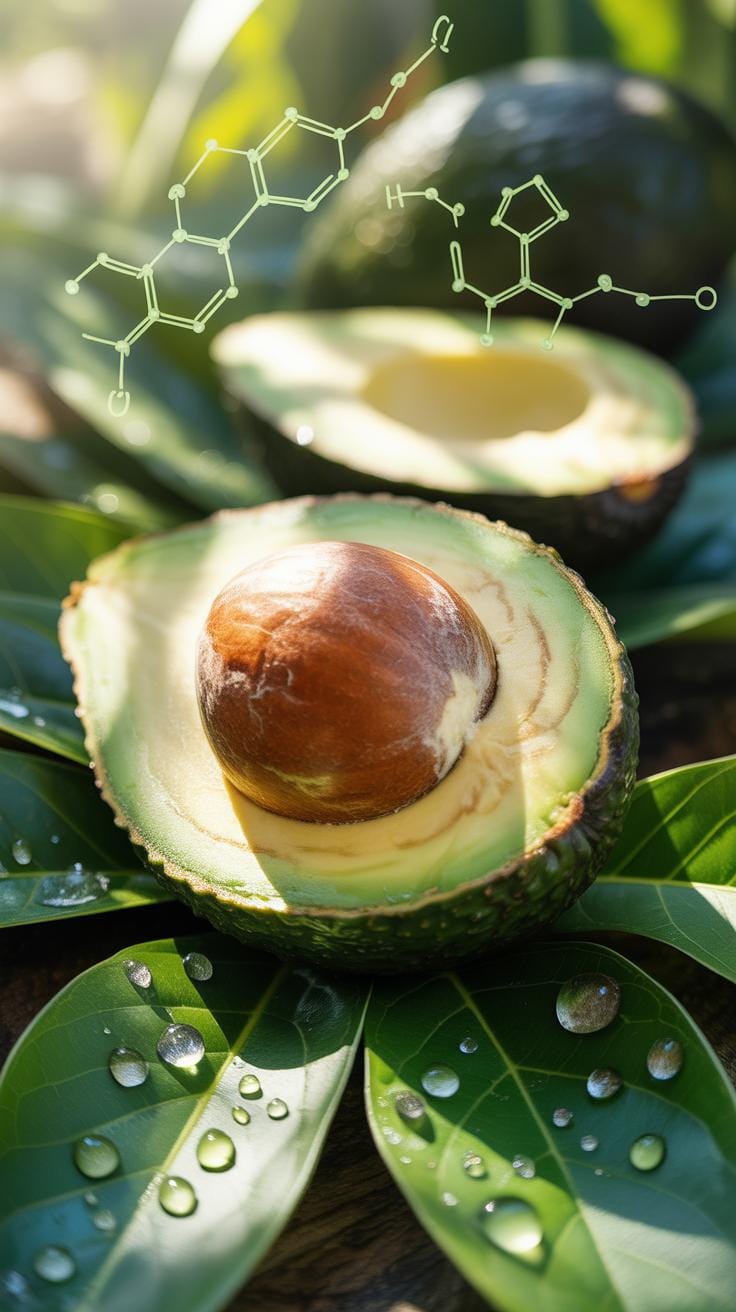
Persin is a fungicidal toxin found within the avocado fruit and plant. This organic compound disrupts cellular function in many animal species. While highly lethal to birds and horses, dogs show a natural resistance to its effects. Most dogs can process small amounts without systemic failure. The compound primarily causes gastrointestinal distress rather than immediate organ shutdown in healthy canines.
Symptoms of persin exposure in dogs include vomiting and diarrhea. High concentrations of the toxin can lead to myocardial damage or fluid accumulation around the heart and lungs. This biological reaction is rare in dogs but remains a serious risk. Smaller breeds face higher danger due to their lower body mass. Prompt veterinary care addresses these symptoms before they escalate into life-threatening respiratory issues.
Which Parts Of The Avocado Contain The Most Persin?
The avocado plant concentrates persin in specific areas to deter pests. The highest levels of the toxin exist in the leaves, bark, and stems. These parts pose the greatest risk to animals grazing in orchards. The pit also contains significant amounts of persin. Dogs that chew on these structures ingest concentrated doses of the toxin quickly. This can lead to severe stomach irritation.

The flesh of a ripe avocado contains the lowest levels of persin. Domestic dogs typically handle the fruit pulp well in small quantities. However, the skin of the fruit remains a high-risk zone. Its tough texture holds more toxin than the soft interior. Owners should exclude all non-flesh components from a dog’s diet. Keeping dogs away from whole trees ensures they do not ingest the more dangerous parts.
Dog Eating Avocado Recognizing The Signs Of A Toxic Reaction
Common Symptoms To Watch For After A Dog Eating Avocado Incident
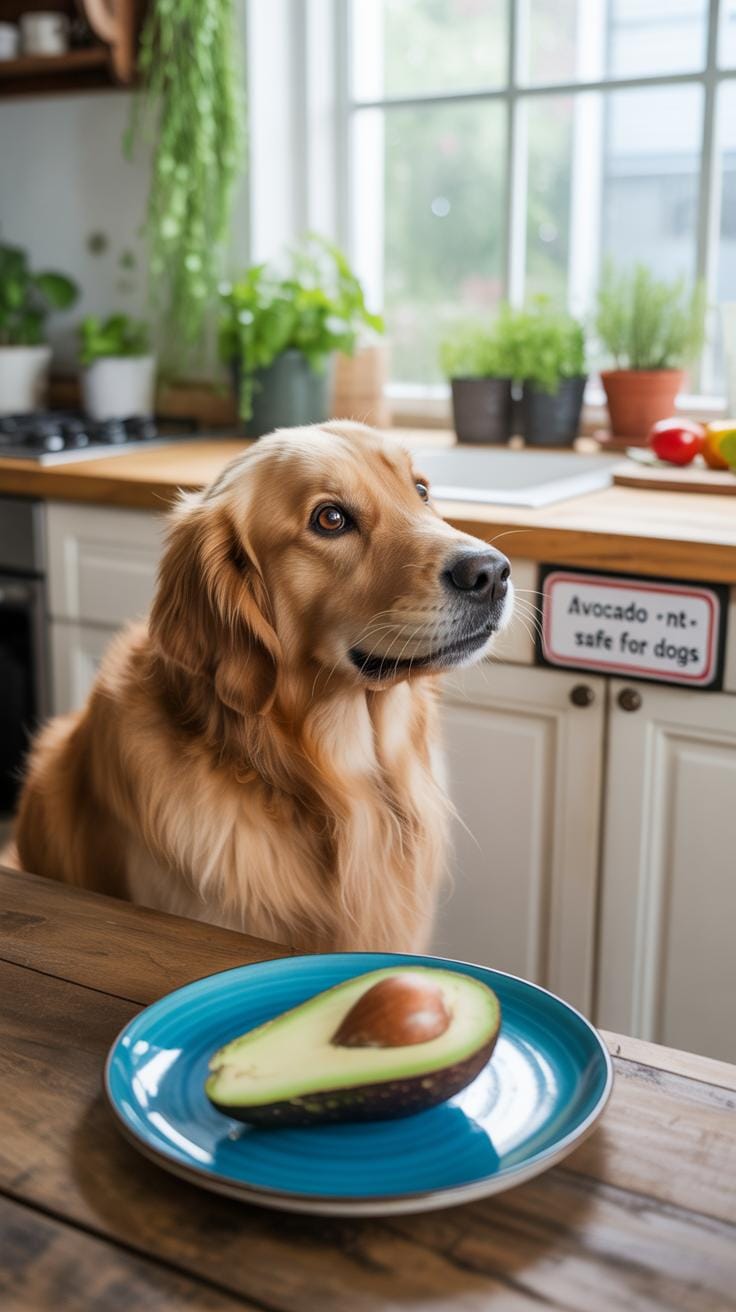
Persin is a fungicidal toxin found in every part of the avocado plant. While most dogs possess a higher natural resistance than birds or horses, ingestion still causes physiological distress. Owners must monitor their dogs for gastrointestinal upset immediately after consumption. Symptoms typically appear within twelve hours as the body attempts to purge the foreign substance through the digestive tract.
- Vomiting: The stomach lining reacts to the persin toxin or high fat content. Dogs will expel food or bile shortly after eating the fruit. This is the primary sign of acute gastric irritation in most canines.
- Diarrhea: The intestinal tract speeds up to remove the irritates. Loose or watery stools indicate that the digestive system is under stress. Persistent diarrhea can lead to dangerous levels of dehydration if you leave it untreated.
- Abdominal Pain: Dogs may arch their backs or whine when touched near the belly. This discomfort often stems from inflammation in the pancreas or stomach. It shows the body is struggling to process the dense avocado fats.
- Inappetence: A dog suffering from avocado toxicity will refuse their regular meals. The internal nausea makes them lose interest in food and water. This refusal is a clear signal of internal distress and potential digestive blockage.
- Lethargy: Significant energy drops occur as the immune system focuses on the toxin. The dog may seem unusually tired or refuse to move. This lack of stamina often accompanies the more visible digestive symptoms during the reaction.
Pancreatitis is a severe risk due to the exceptionally high fat levels in the fruit. This condition involves painful inflammation of the pancreas and requires medical intervention. Fatalities are rare from the toxin itself but common from secondary issues like choking or obstruction. Watch your dog closely for any shift in behavior or physical comfort during the first twenty-four hours.
When To Call Your Veterinarian Immediately
Immediate veterinary contact is mandatory if you suspect your dog swallowed the large central pit. The pit does not break down in the stomach and poses a lethal choking hazard. It frequently becomes lodged in the esophagus or the intestinal tract. Surgery is often the only way to remove these solid obstructions before they cause a permanent rupture.

Rapid breathing or a swollen abdomen indicates a high-priority emergency situation. These signs suggest the dog is experiencing fluid accumulation or a severe allergic reaction. Do not wait for symptoms to resolve on their own if the dog appears or sounds distressed. Quick action prevents the escalation of toxic effects and ensures the vet can stabilize the dog through fluid therapy.
The Avocado Pit Danger A Choking And Blockage Risk For Your Avocado Dog
Why The Avocado Pit Is A Physical Hazard Beyond Toxicity
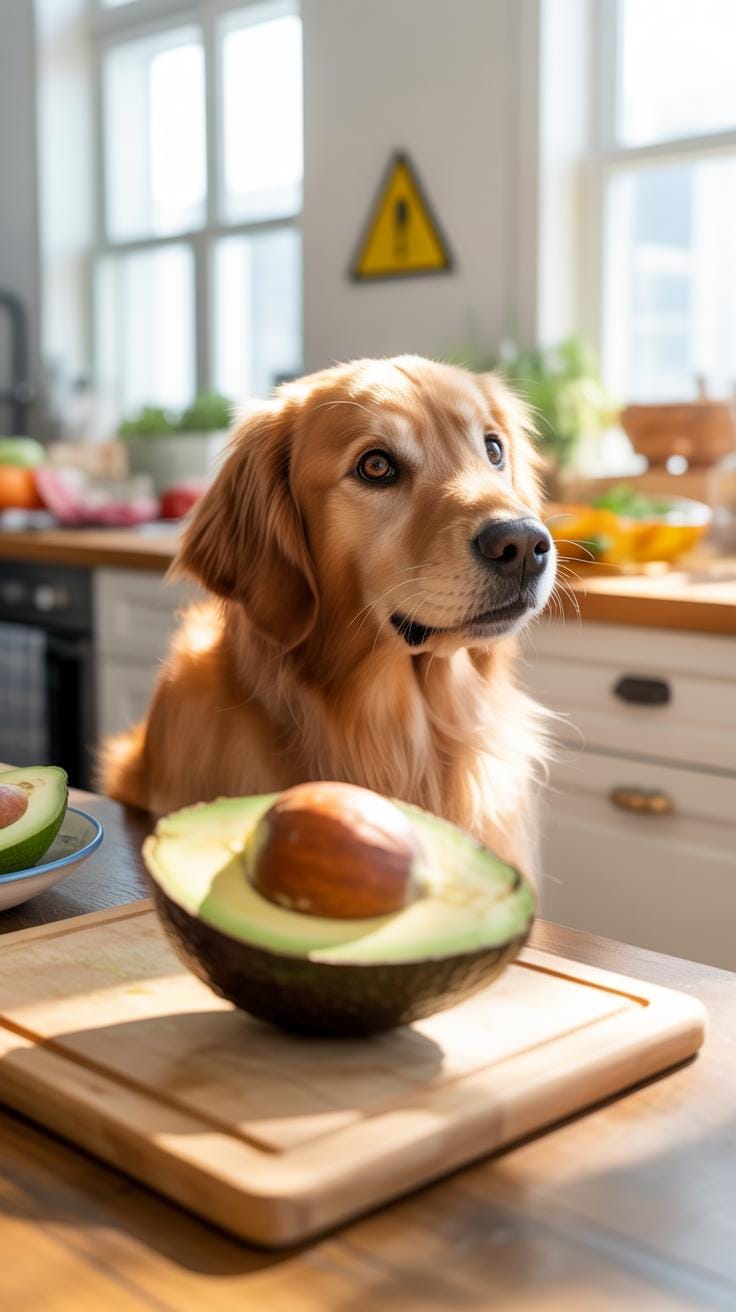
The avocado pit is a large and dense object that poses a lethal physical threat to dogs. Its shape and smooth surface make it easy for a dog to swallow during play or scavenging. Once swallowed, the pit can lodge in the throat and cut off the airway. This immediate choking hazard requires rapid intervention to prevent suffocation and death.
If the pit clears the throat, it often becomes stuck in the intestinal tract. Dogs cannot digest the hard material of a seed this size. The pit frequently creates a total gastrointestinal blockage that stops all movement of food and waste. This condition is a surgical emergency. The obstruction restricts blood flow to the gut and can lead to rapid organ failure.
What To Do If Your Dog Has Swallowed An Avocado Pit
Contact a veterinarian immediately if you suspect your dog swallowed a pit. Time is the most critical factor in these cases. Note the exact time of the incident and any signs of distress. Watch for gagging, retching, or a sudden loss of appetite. Do not wait for symptoms to appear. Early detection allows the vet to use less invasive removal methods.

Avoid inducing vomiting at home unless a professional gives you specific instructions. Forcing a large pit back up the esophagus can cause it to wedge in the throat. The medical team will likely perform x-rays or an ultrasound to find the pit. They will decide if the dog needs endoscopy or abdominal surgery. Keep the dog calm and restricted until you reach the clinic.
Can Dogs Eat Avocado Flesh Breaking Down The Pulp Risk
Is The Avocado Flesh As Dangerous As The Skin And Pit?
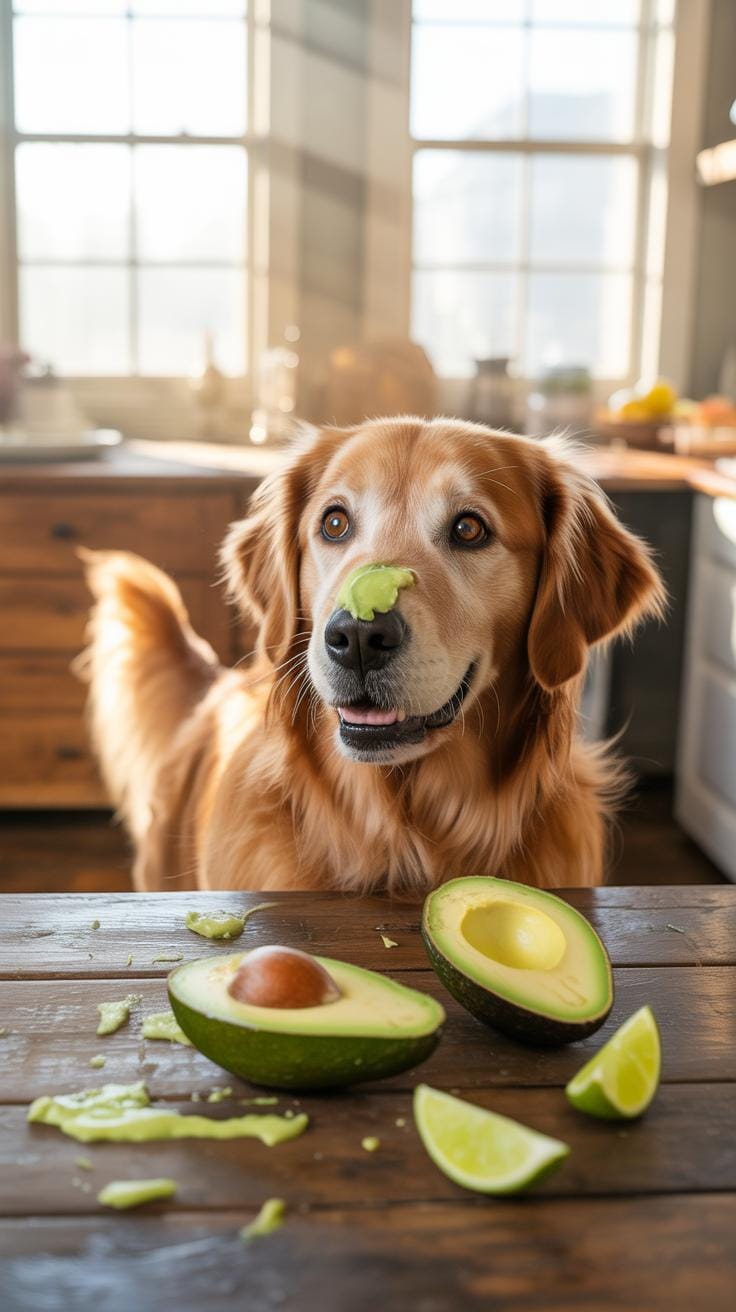
The avocado flesh contains the lowest concentration of persin compared to the skin and pit. Dogs possess a natural resistance to this toxin unlike birds or horses. Most healthy dogs can digest small portions of the green pulp without immediate poisoning. The primary danger of the flesh is not acute toxicity but metabolic stress. Veterinary data shows that the pulp is relatively safe for canine consumption.
Owners must distinguish between the fruit meat and the protective layers. Persin leaches from the pit and skin into the flesh as the fruit ripens. This process increases the toxin levels in very soft avocados. You should only feed firm and fresh sections of the fruit. Avoid the brownish areas touching the pit or skin. These parts contain higher chemical concentrations that irritate the canine digestive tract.
Small Amounts Vs. Large Amounts: Does Quantity Matter?
Quantity is the deciding factor for canine safety when feeding avocado flesh. Small pieces provide healthy fats and vitamins that support skin health. However, the high caloric density creates a significant risk for weight gain and obesity. Excess fat intake triggers the pancreas to overproduce digestive enzymes. This reaction can lead to pancreatitis which is a painful and life-threatening condition for most dog breeds.

Large servings of avocado flesh also lead to gastrointestinal distress. Symptoms include vomiting, diarrhea, and stomach pain due to the rich oil content. Dogs have shorter digestive tracts than humans and struggle with high-fat plant matter. Limit intake to a few thin slices or a small spoonful. Monitoring your dog for adverse reactions after consumption is crucial. Stop feeding immediately if the dog shows signs of lethargy or discomfort.
Healthy Fats For Dogs Can Avocado Ever Contribute Positively To Dog Nutrition
The Role Of Healthy Fats For Dogs In A Balanced Canine Diet
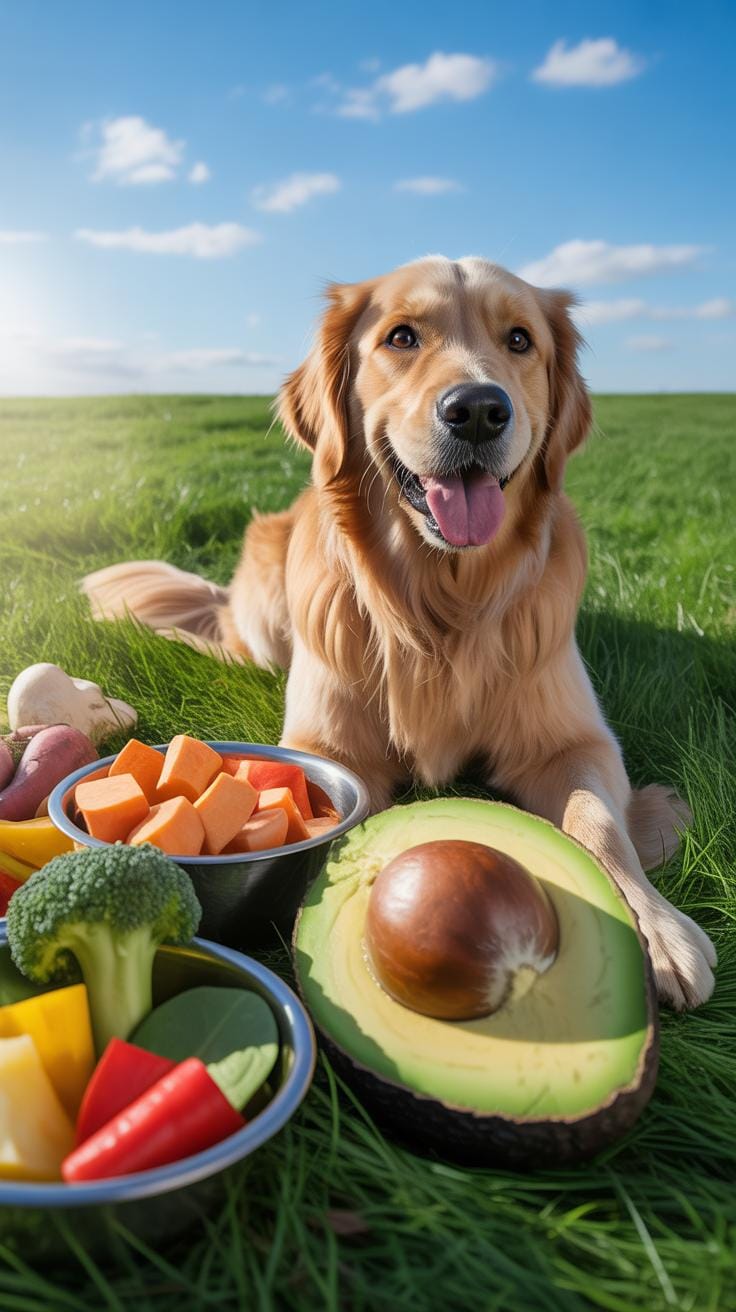
Fats provide the most concentrated source of energy for dogs. They carry fat soluble vitamins like A, D, E, and K through the body. Dogs need these lipids to maintain cell membrane integrity. Essential fatty acids support brain function and reduce inflammation. Without proper fat intake, a dog will develop dry skin and a weak immune system. These nutrients keep the coat shiny and the skin supple.
A balanced diet requires a specific ratio of omega fatty acids. Canine biology excels at processing animal fats for quick fuel. High quality fats also make food more palatable for picky eaters. You must monitor total fat intake to prevent weight gain or pancreatitis. Efficiency is the goal when selecting fat sources. Choose fats that offer the highest nutritional density without adding unnecessary toxins to the daily meal plan.
True love means protecting our faithful companions from the hidden dangers in our kitchen, ensuring every treat is as safe as it is sweet. The smallest bite of avocado isn’t worth risking the heart that beats only for you.
Safer Alternatives To Avocado That Provide Healthy Fats For Dogs
Avocado contains persin which can cause digestive upset in some dogs. Its high fat content also poses a risk for pancreatitis. You should look for cleaner sources of omega fatty acids. Fish oil provides direct EPA and DHA benefits without the risks associated with fruit. These marine lipids support heart health and joint mobility. They offer a more targeted nutritional profile for the canine domestic diet.

Coconut oil and flaxseed provide plant based lipid options for dogs. Small amounts of olive oil can also improve skin health. These alternatives do not contain the large pits that cause intestinal blockages. Use consistent measurements to avoid caloric surplus. Reliable fat sources ensure your dog gains the benefits of energy and coat health safely. Focus on ingredients with a proven track record of safety and digestibility in veterinary science.
Avocado Dog Treats What The Commercial Pet Food Industry Says
How Some Avocado Dog Treats Use Processed Avocado Safely
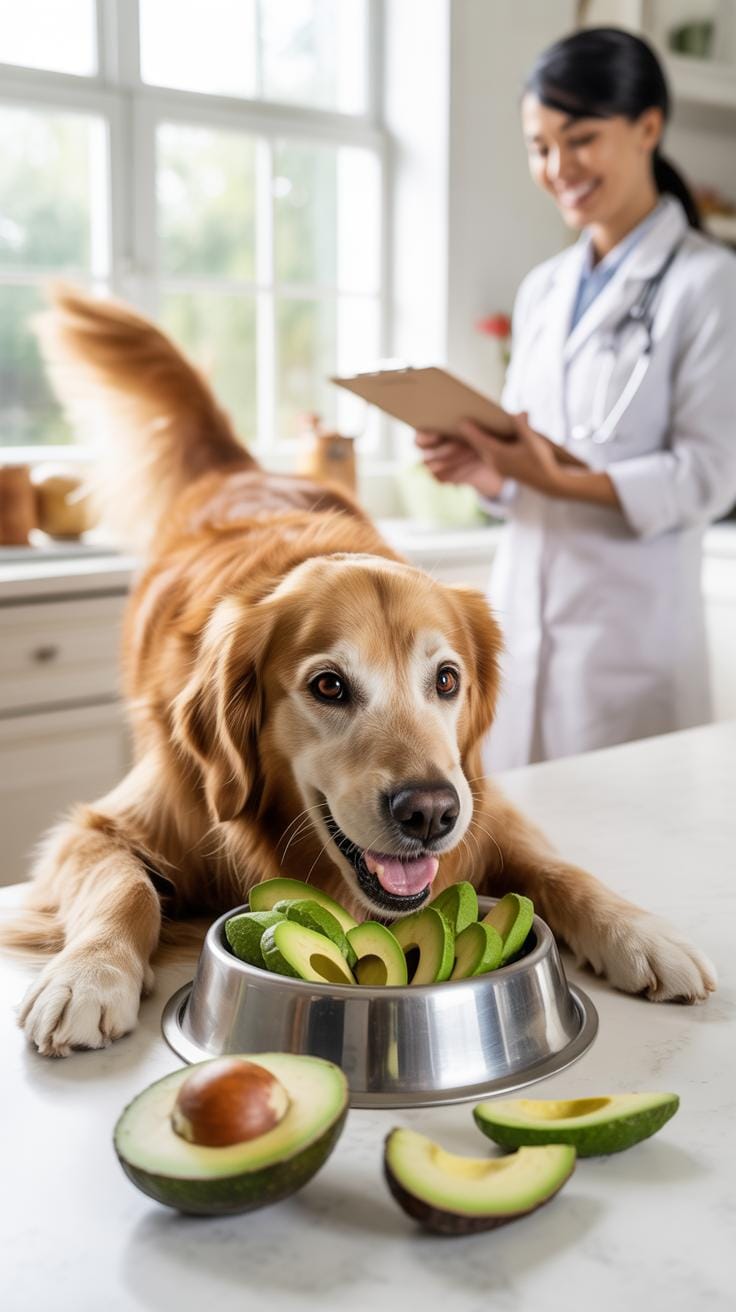
Commercial pet food manufacturers use processed avocado meal and oil because they offer high nutritional value without the inherent risks of the raw plant. These companies refine the fruit to remove toxic persin concentrations found in the skin and leaves. They focus on the nutrient-dense flesh and fat. This extraction process ensures that the finished treat contains beneficial fatty acids while remaining safe for daily canine consumption.
Manufacturers must follow strict safety protocols to ensure no pit fragments enter the production line. Processed avocado oil provides vitamins A, B6, and E which support coat health and skin elasticity. High-heat processing further stabilizes these ingredients for shelf life. By isolating the healthy fats from the dangerous plant parts, the industry converts a controversial fruit into a functional ingredient that promotes heart health and reduces inflammation.
Reading Labels On Avocado Dog Treats: What To Look For And Avoid
Pet owners must scrutinize the ingredient panel to distinguish between high-quality avocado extracts and low-grade fillers. Look for specific terms like avocado meal or avocado oil rather than vague plant byproducts. Precise labeling indicates the manufacturer controls the sourcing and processing of the fruit. Avoid products that do not specify which part of the avocado they use or those that include unnecessary chemical preservatives.
- Avocado Oil: This refined lipid source provides essential fatty acids and lacks the toxin persin. It serves as a concentrated energy source that improves the absorption of fat-soluble vitamins in the canine digestive tract.
- Avocado Meal: This ingredient consists of dried and ground avocado flesh. It provides a reliable source of fiber and potassium without the choking hazards or intestinal blockage risks associated with raw avocado pits or skins.
- Guaranteed Analysis: Check this section for high crude fat percentages derived from avocado sources. Correct levels of omega-3 and omega-6 fatty acids are critical for maintaining a dog’s waterproof coat and healthy skin barrier.
- Preservative Types: Select treats that use natural tocopherols like Vitamin E instead of synthetic chemicals. Natural preservatives maintain the integrity of avocado fats and prevent the oil from becoming rancid or toxic over time on the shelf.
- Country of Origin: Identify where the avocado is sourced and processed. Manufacturers operating under strict food safety regulations ensure the fruit is cleaned and pitted correctly before it enters the grinding and mixing stage of production.

Verification of the ingredient list prevents accidental exposure to foreign contaminants or poor-quality fats. Choose brands that perform third-party testing for toxin levels to ensure maximum safety. Healthy treats should prioritize the pulp and oil while strictly excluding any ground leaves or stems. Consistent label monitoring ensures you provide the nutritional benefits of avocado while eliminating the physiological risks found in the raw, unprocessed plant.
Dog Nutrition 101 Where Avocado Fits In The Bigger Dietary Picture
Core Principles Of Dog Nutrition And Why Some Human Foods Are Problematic
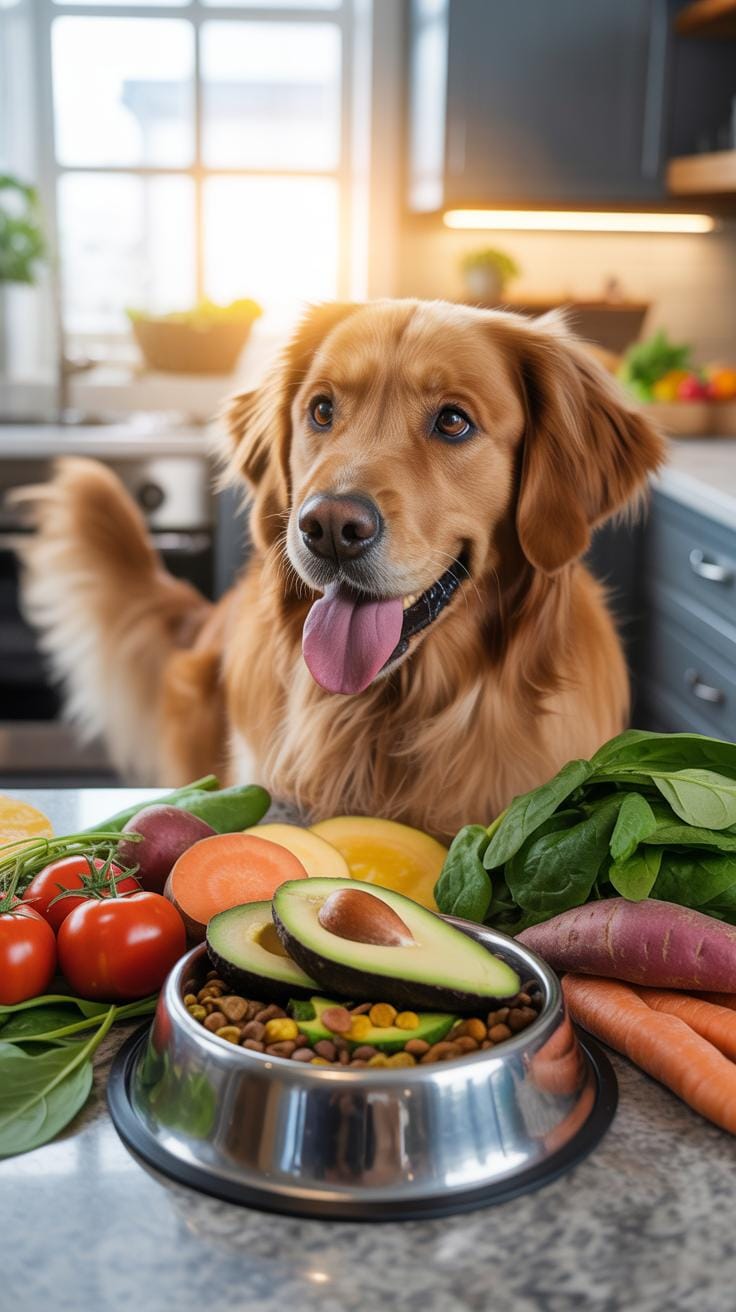
Dogs require a specific balance of proteins, fats, and carbohydrates to maintain health. Their digestive systems differ significantly from human biology. Humans evolved to process a wide variety of plant toxins that can overwhelm a dog. High fat levels or specific compounds like persin in avocados can trigger digestive distress or pancreatitis. You must prioritize nutrient density over caloric volume when selecting supplemental foods.
Human foods cause problems because they often contain concentrated fats or chemical compounds that canine organs cannot process efficiently. Many fruits and vegetables offer vitamins but carry risks of toxicity or physical obstruction. A dog’s small intestine and liver work at different speeds than yours. Adding human snacks disrupts their tight caloric needs. Only feed items that serve a clear nutritional purpose without introducing metabolic stress.
How A Veterinarian Guided Approach To Dog Nutrition Keeps Your Dog Safe
Veterinarians use clinical data to determine if a specific food suits your dog’s unique profile. Factors like age, weight, and existing conditions dictate what your dog can handle. A professional assessment eliminates the guesswork found in online forums. They evaluate the risk of ingredients like avocado based on the individual animal. This systematic approach prevents chronic health issues caused by improper long term feeding habits.

Consulting a expert ensures you avoid common pitfalls like nutrient imbalances. Veterinarians analyze the calorie to nutrient ratio of every snack you introduce. This keeps your dog at an ideal weight and protects vital organs from unnecessary strain. Strategic feeding relies on facts rather than trends. Trusting a professional ensures your dog receives a diet that extends its life and optimizes daily energy levels.
Avocado And Other Animals Is Avocado Toxic Beyond Dogs

How Avocado Toxicity Varies Across Different Animal Species
Persin levels determine the danger of avocado across the animal kingdom. Most livestock and birds suffer severe reactions to this fungicidal toxin. Cattle and horses develop mastitis or heart failure after eating leaves or bark. Small birds like canaries and parrots face high mortality rates from respiratory distress. The toxin targets heart tissues and mammary glands in these sensitive species.
Rabbits and goats show extreme vulnerability to all parts of the avocado plant. Ingestion often leads to fluid accumulation around the lungs and heart. This congestion causes rapid death in many instances. While some animals tolerate the fruit flesh, the foliage remains universally dangerous to most herbivores. You must keep these animals away from avocado orchards to prevent sudden herd loss.
Why Dogs And Cats Face Greater Avocado Risks Than Some Other Animals
Dogs and cats occupy a middle ground of sensitivity compared to birds or livestock. They possess a natural resistance to the lethal cardiac effects of persin. However, they face mechanical risks that other animals do not encounter. Their digestive tracts often struggle with the large, dense pits. This creates a high risk of fatal choking or internal blockages during standard feeding sessions.
The high fat content in avocados poses a separate metabolic threat to canines and felines. Their pancreases cannot always process concentrated plant fats efficiently. This can trigger painful inflammation known as pancreatitis. While a bird might die from heart failure, a dog is more likely to suffer from acute gastric distress or surgery. You must manage these specific anatomical and metabolic vulnerabilities carefully.
Can Dogs Eat Avocado Based Products Like Guacamole Or Avocado Oil
Guidance Why Guacamole Is Especially Dangerous For Dogs Due To Added Ingredients
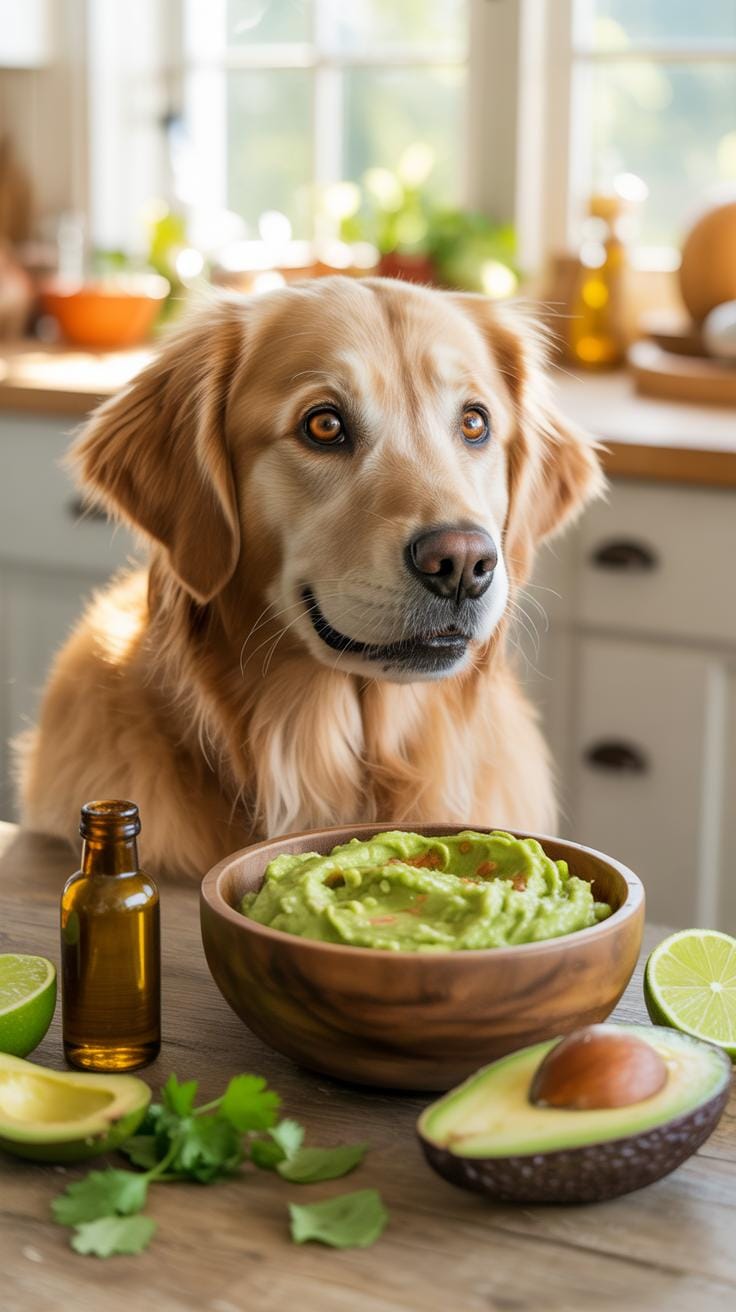
Guacamole presents a high level of danger to dogs because it contains toxic additives. While avocado flesh has low persin levels, common guacamole ingredients like onions and garlic cause oxidative damage to red blood cells. This damage leads to hemolytic anemia, which is a life-threatening condition for any canine. You must never feed store-bought or homemade guacamole to your dog under any circumstances.
Manufacturers and home cooks also use heavy amounts of salt, lime juice, and spicy peppers in their recipes. High sodium intake causes dehydration and potential salt poisoning in small animals. Citric acid from limes irritates the digestive tract and leads to severe stomach upset. These combined ingredients create a chemical profile that is far more hazardous than the avocado fruit itself. Keep all dips away from pets.
Guidance Is Avocado Oil A Safer Option Or Should It Also Be Avoided?
Avocado oil is generally safer than the whole fruit because the extraction process removes most persin. This toxin resides primarily in the leaves, skin, and pit of the plant. High-quality avocado oil consists mainly of healthy fats and vitamin E. Some pet owners use it as a coat supplement. However, you must still monitor the total fat intake to prevent serious health issues.
The primary risk with avocado oil is the high caloric density and fat content. Dogs that consume too much oil face a significant risk of developing pancreatitis. This inflammatory condition causes intense pain and requires immediate veterinary intervention. Use avocado oil only in small, controlled amounts if you choose to include it. Always consult a professional before adding concentrated fats to a canine diet.
Frequently Asked Questions

Is it actually toxic for dogs to consume avocado?
While many people worry that the answer to can dogs eat avocado is a hard no, the reality is more nuanced. Avocados contain persin, a fungicidal toxin that is dangerous to many livestock animals but mostly mild for canines. The primary dangers for your pup are the high fat content, which can lead to pancreatitis, and the large central pit, which poses a significant choking hazard or intestinal blockage risk.
How can I safely prepare a small amount of avocado for my dog?
If you decide to share this superfood, preparation is key. First, ensure the fruit is ripe. You must completely remove the skin, stems, and the pit, as these contain the highest concentrations of persin. Only offer your pet a teaspoon of the plain green flesh. When asking can dogs eat avocado safely, remember to never add garlic, onions, or salt, which are common in human recipes like guacamole.
Is avocado oil a more affordable and safer alternative for pet owners?
If fresh produce feels too expensive or risky, avocado oil is a budget-friendly way to provide healthy fats for your dog’s coat. Because the oil is refined, it typically contains no persin, making it safer than the whole fruit. Simply drizzle a tiny amount over their kibble. It offers the same skin-supporting vitamin E and omega fatty acids without the immediate choking hazards associated with buying and slicing fresh fruit.