
What Is A Dog Skin Rash And Why Does It Happen

Defining A Dog Skin Rash: More Than Just Irritated Skin
A dog skin rash is a visible sign of inflammation or trauma to the dermis. It presents as redness, bumps, or patches on the body. You will often see these marks on the belly, armpits, or ears where the skin is thin. This condition is not a single disease. It is a biological response to an internal or external stimulus. Identification is the first step toward effective treatment.
Veterinarians classify these rashes based on their appearance and location. Common signs include papules, which are small red bumps, or pustules that contain fluid. Hot spots are another form where the skin becomes raw and moist from constant licking. Ignoring these signs leads to secondary bacterial infections. You must view the rash as a symptom of an underlying issue rather than a standalone problem.
Common Triggers Behind Skin Rashes In Dogs
Environmental allergens act as the primary cause for most canine skin eruptions. Pollen, grass, and dust mites trigger an overactive immune response. When these particles touch the skin, they cause immediate localized inflammation. Flea allergy dermatitis is another major factor. A single bite from a flea can cause a systemic reaction in sensitive dogs. This leads to intense itching and self-inflicted skin damage.
Internal factors like food sensitivities also manifest as skin issues. Certain proteins or grains cause systemic inflammation that surfaces as a rash. High moisture levels in thick coats can trap bacteria and fungi. This creates an ideal environment for yeast infections to grow. Hormonal imbalances or autoimmune disorders may also be the root cause. You must isolate the specific trigger to stop the cycle of irritation and prevent recurrence.

Recognizing The Symptoms Dog With Itchy Skin And Other Warning Signs

Early Signs Your Dog May Have A Skin Rash
Early detection of a skin rash prevents secondary infections. Look for subtle changes in skin pigment or texture. Redness often appears first on the belly, armpits, or between the toes. You might see small bumps or fluid filled blisters. These marks indicate localized inflammation. Check for thinning hair or bald patches. These signs mean the skin barrier is already under significant stress.
Dry skin often feels rough or scaly to the touch. You may notice white flakes on your dogs coat. This dander signifies a lack of moisture or a reaction to an irritant. Crusty sores suggest the rash is progressing. Immediate inspection of these physical markers is vital for effective dog skin rash treatment. Catching the issue early stops the spread to other body parts.
Healing starts with a gentle touch and the quiet wisdom of home, turning the sting of an itch into the warmth of a bond renewed. When our companions are ill, the simplest comforts are often the most profound medicines for their weary skin.
Behavioral Changes That Signal Skin Discomfort In Dogs
Behavioral shifts are reliable indicators of physical pain or irritation. A dog with itchy skin will lick its paws or legs constantly. This action is a self soothing mechanism. You might notice your dog rubbing its face against the carpet or furniture. This friction provides temporary relief from the burning sensation of a rash. Frequent head shaking often points to irritation around the ears.

Excessive scratching is the most common tactical sign of a problem. Dogs may use their teeth to chew at specific spots on their rump or base of the tail. This compulsive grooming leads to raw skin and open wounds. Pay attention to sudden irritability or restlessness. A dog in physical distress cannot settle down easily. Watch for these shifts to identify the need for clinical intervention.
What Does Heat Rash Look Like On Dogs And How Is It Identified
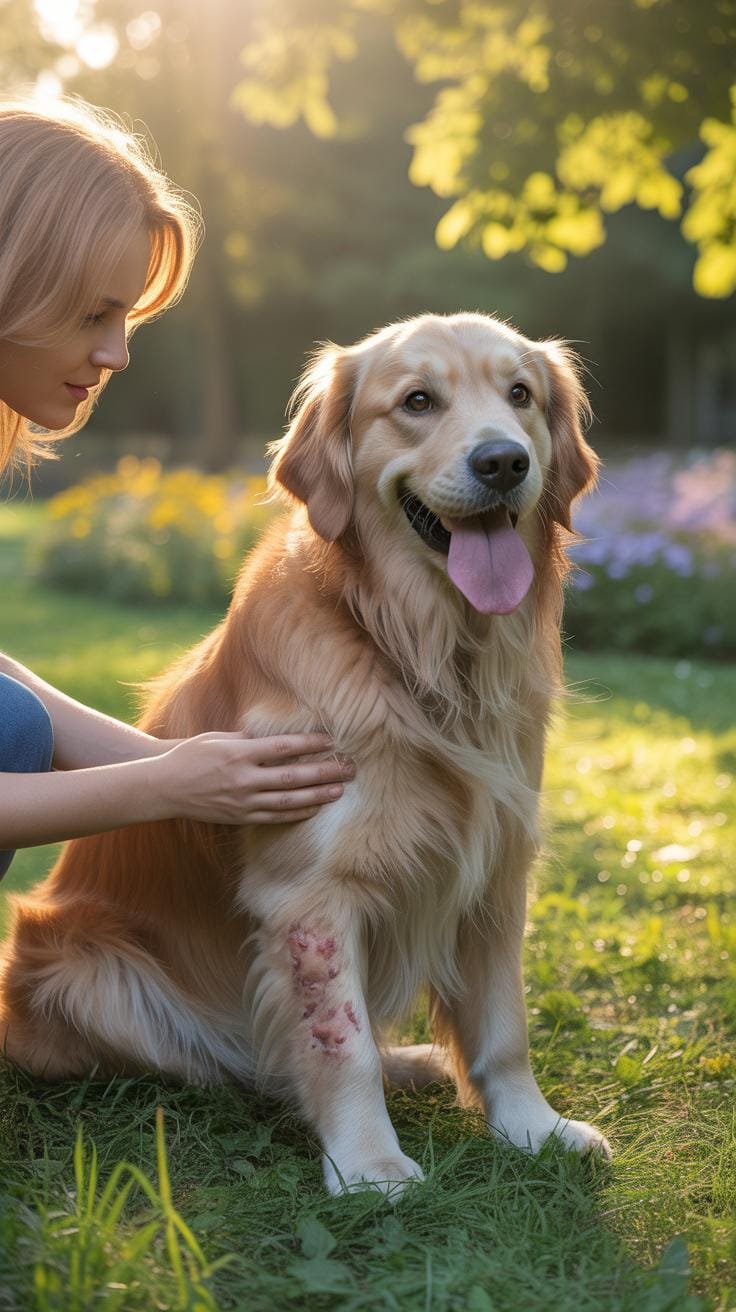
Visual Signs Of Heat Rash In Dogs: Redness, Pimples, And Swelling
Heat rash appears primarily as red, tender skin in areas with little hair. You will see small red bumps or pimples often concentrated on the belly, groin, or under the legs. These spots indicate that sweat and bacteria have trapped heat against the skin. The affected area often feels warm to your touch. Your dog will likely scratch or lick these spots constantly.
The rash progresses quickly if the dog stays in a hot environment. Swelling occurs as the skin becomes more irritated and inflamed. In severe cases, these small bumps may leak fluid or develop into sores. You must check the skin daily during summer months to catch these signs early. Identifying redness before it turns into open blisters is critical for effective dog skin rash treatment.
Breeds Most Susceptible To Heat Rash And Why
Brachycephalic breeds face the highest risk of heat rash due to poor cooling systems. This group includes Bulldogs, Pugs, and Boxers with short muzzles. These dogs cannot pant efficiently to lower their body temperature. As their internal heat rises, their skin reacts faster to external environmental stressors. Their heavy skin folds also trap moisture and heat, creating a perfect environment for bacterial growth and rashes.

Large dogs with thick double coats also struggle in high humidity. Breeds like Saint Bernards and Huskies trap heat under their dense fur. This insulation prevents the skin from breathing and keeps moisture locked against the surface. Obesity increases this risk for any breed because extra fat layers retain more heat. You must monitor these specific types of dogs closely whenever the temperature exceeds seventy-five degrees.
Bumps On Dogs Skin Causes Types And What To Watch For
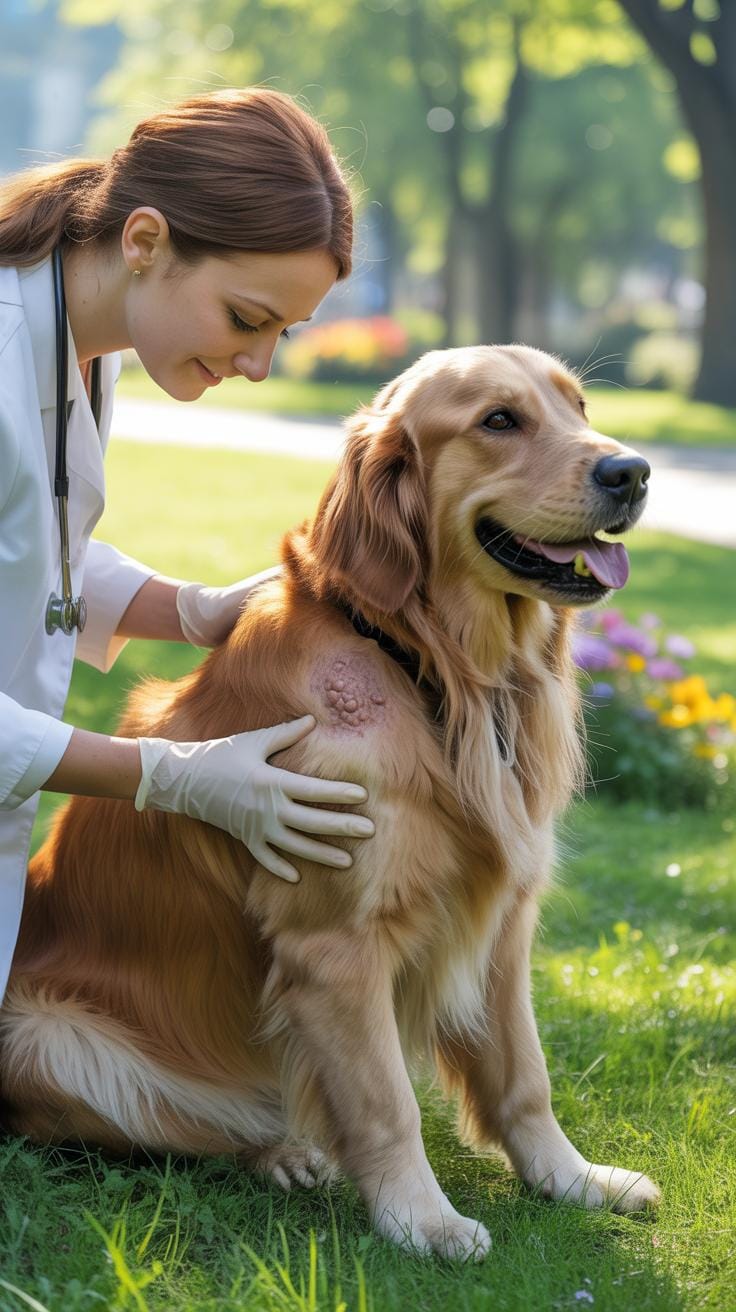
Distinguishing Harmless Bumps From Concerning Skin Growths
Owners must first assess the texture and movement of any new lump. Benign growths like lipomas often feel soft and move freely under the skin. These fatty tumors usually do not cause pain or redness. Sebaceous cysts also appear commonly and feel like small hard grains. You should monitor these for size changes but they rarely require urgent medical intervention or aggressive surgery.
Rapid growth or changes in color signal a serious problem. Hard lumps that attach firmly to the underlying tissue require immediate professional biopsy. These fixed masses often indicate malignant tumors like mast cell disease or sarcomas. Check the edges of the bump for irregular borders or open sores. If the skin breaks or bleeds without an injury, call a veterinarian to rule out cancer.
Allergic Reactions And Insect Bites As Common Causes Of Bumps
Hives and wheals appear suddenly as raised red welts on the body. These bumps usually stem from environmental triggers or food allergies. They cause intense itching and spread across the chest or back within minutes. You can often manage these at home if the dog breathes normally. Look for external triggers like new shampoos or seasonal pollen that cause these histamine responses in the skin.

Bites from fleas, ticks, or spiders create localized swelling and small firm nodules. A single flea bite can cause a large hot spot if the dog has a saliva allergy. Ticks leave a hard lump that persists for weeks after removal. Check the center of the bump for a puncture mark or a crusty scab. Target these areas with topical antiseptics to prevent secondary bacterial infections.
Rash On Dogs Belly Why This Area Is Especially Vulnerable

Why The Belly Is A Prime Location For Skin Rashes In Dogs
The canine abdomen lacks the dense fur coat found on the back and neck. This thin hair layer offers minimal protection against external threats. Physical barriers are weak in this region. Bacteria and fungi capitalize on the direct access to the skin surface. Friction from walking through vegetation further compromises the skin barrier. Vulnerability increases when the immune system cannot defend this exposed tissue.
Heat and moisture trap easily in the groin and belly folds. These dark and warm conditions favor rapid microbial growth. Friction between the legs and the torso creates micro-tears in the skin. Pathogens enter these small openings to cause localized infections. Constant contact with various floor surfaces also irritates the delicate tissue. The anatomical position makes the belly a primary target for environmental stressors.
Contact Dermatitis And Environmental Irritants Affecting The Belly Area
Contact dermatitis occurs when the belly touches harsh chemicals or allergens. Fertilizers and pesticides on lawns trigger immediate inflammatory responses. Household floor cleaners also leave residues that irritate the skin while the dog rests. This direct contact bypasses the protective outer hair layer. The skin turns red and itchy as the body reacts to these foreign substances. This reaction remains localized to the contact point.

Secondary infections often follow the initial chemical irritation. Dogs lick and scratch the area to soothe the discomfort. This trauma introduces staphylococcal bacteria into the damaged skin layers. Chronic exposure to irritants leads to thickening of the skin and hair loss. You must identify the physical source of the irritation to stop the cycle. Removing the environmental trigger is the only way to ensure long-term healing for the dog.
Dog Rash Pictures How Visual Identification Can Help You Act Faster
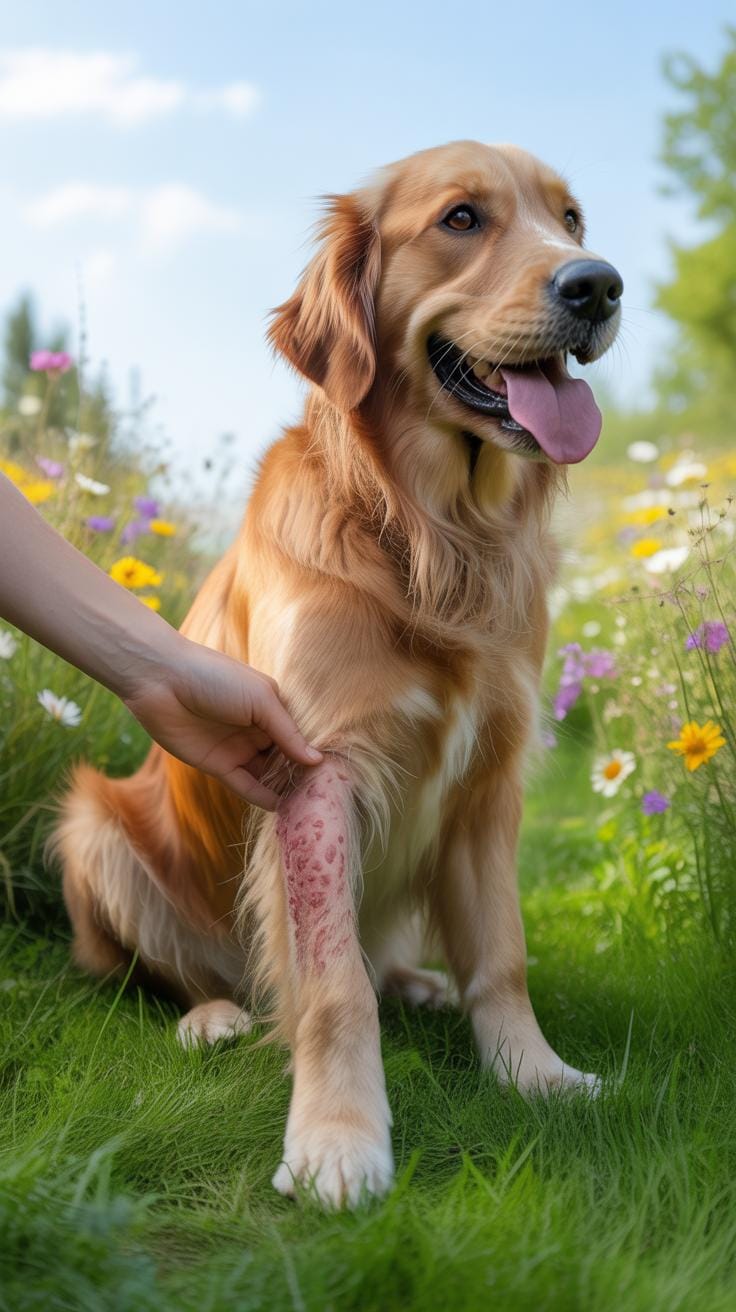
Using Visual References To Compare And Identify Your Dog’S Rash Type
Visual references provide a baseline for assessing skin irritation. You must categorize the rash by its appearance immediately. Look for distinct patterns like circular red rings which often indicate ringworm infections. Check for raised fluid filled bumps that suggest bacterial folliculitis. Identifying these specific visual markers helps you narrow down the potential cause from allergies to parasites without wasting time on generalized treatments.
Compare your dog’s skin to high resolution images of common conditions. Note the color and texture of the affected area. Hot spots appear moist and raw while yeast infections often look greasy and dark. Documentation remains critical for tracking progress. Take clear photos every twelve hours to see if the rash spreads or changes shape. Accurate visual tracking prevents you from missing his subtle signs of worsening inflammation.
When Dog Rash Pictures Can And Cannot Replace A Vet Diagnosis
Pictures serve as a triage tool rather than a final answer. You can use images to rule out obvious external parasites like fleas or ticks. They also help you decide if a situation requires an emergency visit or a standard appointment. Photos capture the state of the skin before the dog licks or scratches the area. This preserves the original appearance of the rash for professional review.

Never rely solely on photos for internal issues or systemic infections. A picture cannot detect microscopic mites or deep tissue bacteria. Most skin conditions require physical scrapings or blood tests for confirmation. If the rash accompanies lethargy or loss of appetite you must skip the pictures and see a vet. Use visual aids to communicate better with experts but do not use them to skip necessary medical testing.
Red Papular Rash On Dog Causes And What The Skin Is Telling You
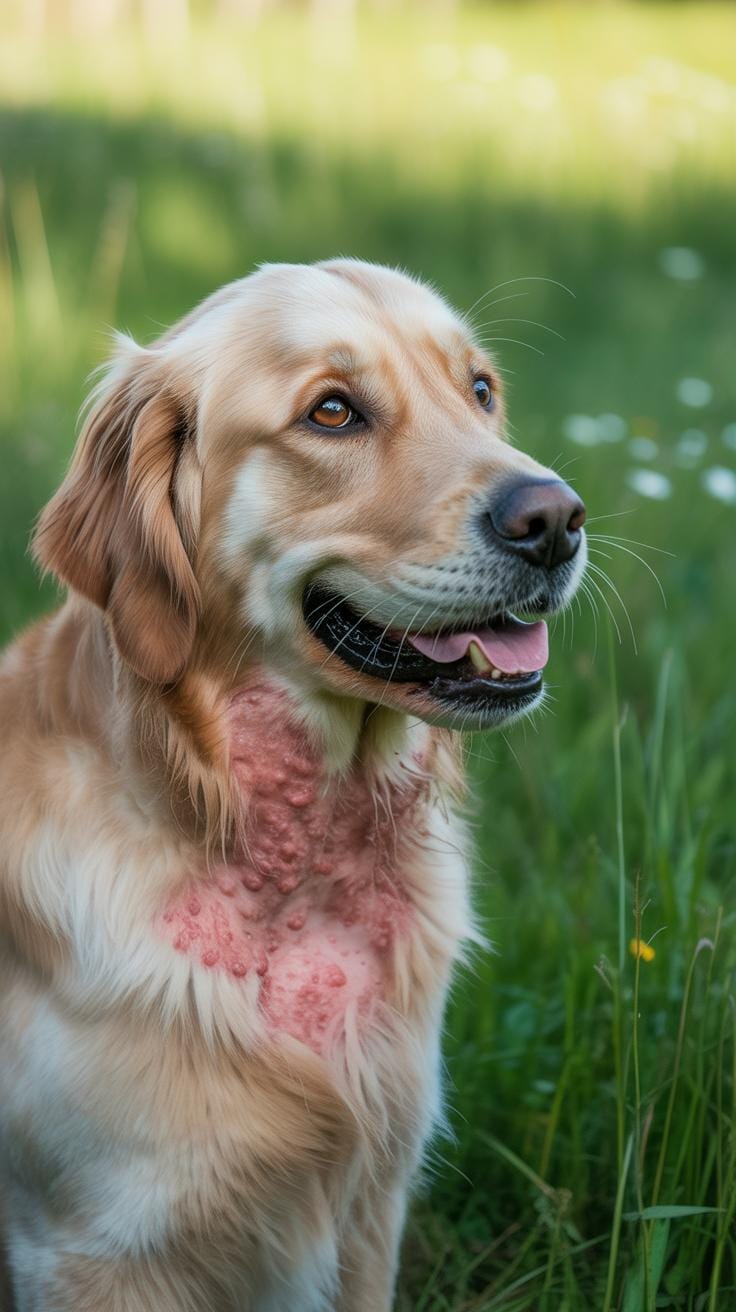
What Is A Papular Rash And How Does It Differ From Other Rash Types
A papular rash consists of small and solid raised bumps on the skin surface. These bumps do not contain fluid or pus. You can feel them when you run your hand over the dog. They differ from macules because macules are flat spots. They also differ from vesicles which are blisters filled with clear liquid. Recognition of this texture is the first step in diagnosis.
Papules occur when cells or inflammatory debris build up in the skin layers. This reaction signals that the immune system is responding to a local irritant or systemic trigger. While a general rash looks like broad redness, papules appear as distinct and individual points. If left untreated, these bumps can merge or transform into crusty lesions. Tracking the shape and firmness help define the underlying issue quickly.
Bacterial Folliculitis And Other Infections Linked To Red Papular Rashes
Bacterial folliculitis is the most common cause of red papules in dogs. This condition occurs when bacteria like Staphylococcus pseudintermedius infect the hair follicles. The infection causes the follicle to swell and turn red. You will often see these bumps on the belly or inner thighs where hair is thin. This specific pattern points directly to a breakdown in the skin barrier or immune defense.

Other infections like fungal ringworm or parasitic mites can also trigger papular eruptions. Sarcoptic mange often starts as small red bumps before spreading across the body. These invaders irritate the skin and force an inflammatory response. Distinguishing between bacteria and parasites is critical for choosing the right medication. Effective dog skin rash treatment requires identifying the specific organism causing the inflammation to prevent further spread or deep tissue damage.
Dog Dry Skin Remedy Natural And Vet Approved Solutions

The Connection Between Dry Skin And Recurring Rashes In Dogs
Dry skin breaks the natural protective barrier of a dog. This barrier keeps bacteria and allergens out. When the skin dries, it cracks and creates tiny entry points for pathogens. These invaders cause inflammation and secondary infections. You will notice redness and bumps soon after the dryness begins. Managing moisture is the first step to preventing these chronic skin issues.
Persistent dryness leads to intense itching called pruritus. The dog scratches to find relief but actually damages the skin further. This cycle of trauma causes more inflammation and thicker skin patches. These areas become hot spots for yeast and bacteria to grow. You must resolve the dryness to stop the rash from returning. Healthy skin maintains a lipid seal that prevents infection.
Top Natural Remedies And Moisturizing Treatments For Dog Dry Skin
Topical treatments and diet changes restore hydration to the skin. Modern veterinary science supports the use of specific oils and natural compounds. These materials replace lost lipids and soothe raw areas. You should choose ingredients that penetrate the skin layers. Avoid human lotions containing alcohol or perfumes. These harsh chemicals strip away natural oils and make the rash worse.
- Colloidal Oatmeal Baths: Fine ground oats suspended in water create a protective film on the skin. This coating binds to the skin and provides a barrier against external irritants. It reduces redness and calms the urge to scratch immediately after application.
- Virgin Coconut Oil: This oil contains lauric acid which has antimicrobial properties. You can apply it topically to dry patches or add small amounts to food. It hydrates the skin and helps kill surface bacteria that trigger recurring rashes and localized infections.
- Omega-3 Fatty Acids: Supplements like fish oil or krill oil work from the inside out. These fatty acids strengthen the cellular membranes of the skin. Regular intake reduces systemic inflammation and improves the overall quality of the coat and moisture retention levels.
- Aloe Vera Gel: Pure gel from the plant cools the skin and reduces heat. It contains enzymes that help heal damaged tissue and decrease swelling. Ensure the product is free from aloin because that component is toxic to dogs if they lick it.
- Vitamin E Oil: This antioxidant protects skin cells from oxidative damage. You can apply it directly to cracked or dry areas like the paws or nose. It promotes faster healing of the skin barrier and prevents dryness from turning into a full rash.

Proper hydration requires a tactical approach to bathing. Over-bathing removes essential sebum and causes the skin to flake. Use lukewarm water and soap-free shampoos to preserve the moisture balance. After bathing, pat the dog dry instead of rubbing. High heat from blow dryers will damage the skin barrier. Consistency with these moisturizing habits prevents future outbreaks and maintains skin health.
Itchy Dogs Relief Proven Home Treatments For Dog Skin Rash
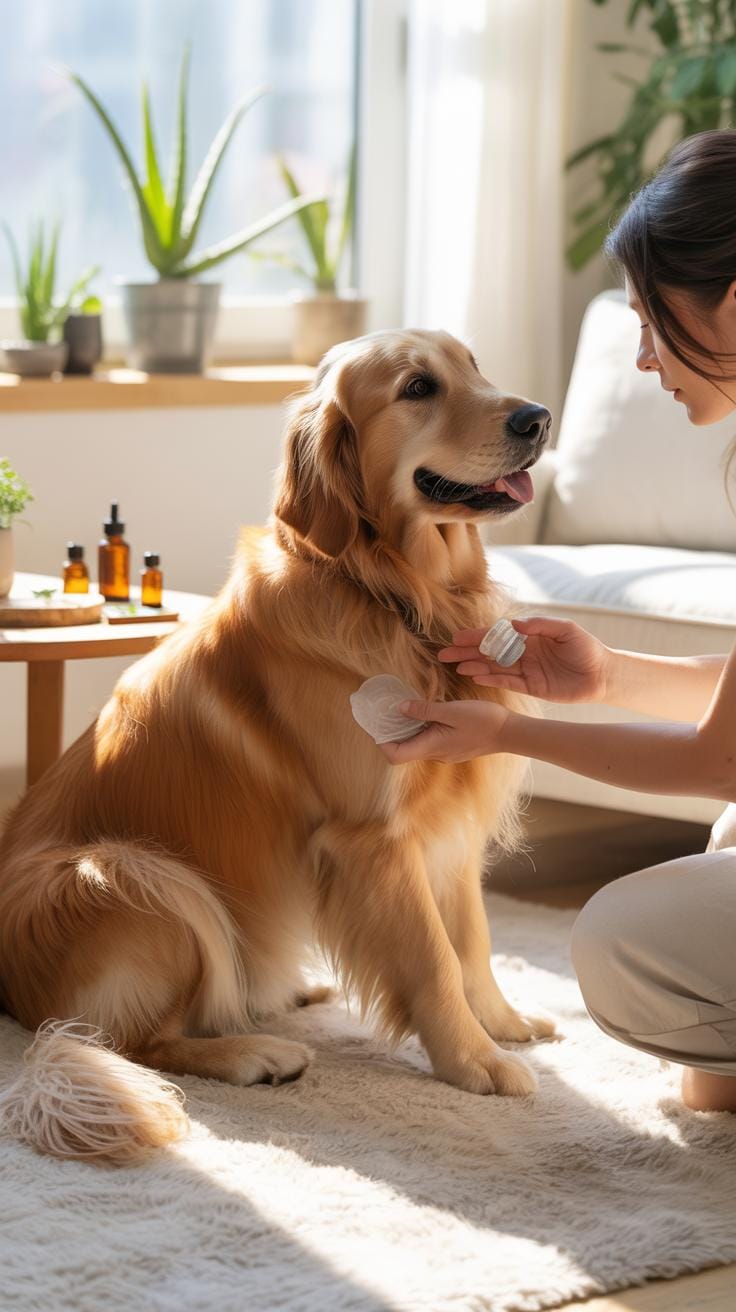
Safe And Effective Home Remedies To Soothe A Dog Skin Rash
Home treatment focuses on reducing inflammation and removing external triggers. You must identify the physical symptoms before applying any topical solution. Cool water provides immediate relief by constricting blood vessels and slowing the itch reflex. Regular cleaning prevents secondary bacterial infections from taking hold. Use these specific tools to manage localized irritation while monitoring for systemic changes in the animal.
- Colloidal Oatmeal Baths: This fine powder suspends in water to coat the skin. It contains avenanthramides that reduce redness and itching naturally. Use lukewarm water and let the dog soak for ten minutes. Rinse thoroughly to prevent residue buildup which can cause further irritation later.
- Apple Cider Vinegar Spray: Mix equal parts water and organic apple cider vinegar in a spray bottle. This solution balances skin pH and kills mild yeast or bacterial growth. Do not apply this to open wounds or raw skin because the acidity causes intense stinging and pain.
- Coconut Oil Application: High concentrations of lauric acid give this oil antimicrobial properties. Rub a small amount into dry or flaky areas to restore the lipid barrier. It works well for localized crusting or small patches of irritation. Dogs can safely lick this oil without facing internal toxicity.
- Epsom Salt Soaks: Dissolve two tablespoons of salt per gallon of water for paw irritations. This mineral compound reduces swelling and draws out minor toxins through the skin. It works best for dogs that lick their feet constantly due to grass allergies. Ensure the dog does not drink the salt water.
- Chamomile and Green Tea: Brew tea bags and let them cool completely in the refrigerator. Apply the cold bags directly to hot spots for a several minutes. The tannins and antioxidants reduce surface heat and calm the nerves. This method treats specific small areas without requiring a full bath or mess.
Effective cooling stops the scratch-itch cycle which prevents the dog from breaking the skin surface. Persistent licking introduces oral bacteria that lead to staph infections or deep dermatitis. Apply these remedies two times per day for maximum impact on healing. If the rash spreads or develops a foul odor you must stop home care immediately. Consistent application ensures the moisture barrier stays intact during the recovery process.
What To Avoid When Treating A Dog Skin Rash At Home
Never apply human medications containing hydrocortisone or lidocaine without specific veterinary approval. Dogs frequently lick their skin and ingest topical treatments. Human products often contain chemicals that are toxic to the canine digestive system or liver. Zinc oxide is particularly dangerous and causes severe red blood cell damage if eaten. Stick to pet-safe formulations to prevent an accidental poisoning event in your household.
Avoid using harsh shampoos or dish soaps that strip natural oils from the fur. These detergents destroy the protective acid mantle and make the skin more vulnerable to allergens. Do not apply undiluted essential oils like tea tree or peppermint directly to the rash. These concentrated oils can cause chemical burns or neurological distress in smaller breeds. Maintain a conservative approach to avoid worsening a simple allergic reaction through improper chemical exposure.
When To See A Vet Knowing The Limits Of Home Dog Skin Rash Treatment

Red Flags That Mean Your Dogs Rash Requires Professional Medical Attention
Home remedies work for minor irritations but fail against deep infections. You must watch for specific red flags that signal a serious medical issue. Pus, green discharge, or a foul smell indicates a bacterial or fungal infection. These conditions require prescription antibiotics or antifungals. If the rash spreads rapidly across the body, home care is no longer safe. You need a professional diagnosis immediately.
Behavioral changes also dictate when to stop home treatment. Extreme lethargy, loss of appetite, or fever means the skin issue is systemic. If your dog creates open wounds through constant scratching, they risk sepsis. Blood on the skin or fur is a clear sign of trauma. Stop all topical treatments and call a vet. Delaying professional help often leads to more expensive and invasive medical procedures.
What To Expect At The Vet And How Skin Rashes Are Clinically Diagnosed
Vets begin the diagnostic process with a physical exam and a detailed history. They look for patterns in the hair loss or redness. The primary tool for diagnosis is a skin scraping. This involves collecting surface cells to check for mites or parasites under a microscope. Vets also use a Wood lamp to find specific fungal infections like ringworm. This fast process identifies the core cause.
Advanced cases require more invasive testing like a skin biopsy or allergy blood tests. Cytology helps the vet identify the exact type of bacteria or yeast present. This data allows the doctor to prescribe targeted medication rather than broad-spectrum drugs. You should expect a treatment plan involving medicated shampoos, oral pills, or injections. Following the vet’s specific protocol ensures the rash does not return.
Frequently Asked Questions

How can I tell if my dog has a skin rash or just an itch?
It is common for dogs to scratch occasionally, but a true rash usually presents with visible physical changes to the skin. Look for persistent redness, small bumps, scaling, or patches of hair loss. If your pet is constantly licking or biting a specific area, it is likely a sign of irritation. Identifying these early symptoms allows you to start an effective dog skin rash treatment before a secondary infection develops.
What is the best way to apply an oatmeal bath for my dog’s irritation?
An original colloidal oatmeal bath is a fantastic soothing dog skin rash treatment you can do at home. Simply grind plain, unflavored oats into a fine powder and stir them into warm bathwater until it looks milky. Let your dog soak for about ten to fifteen minutes while gently massaging the mixture into the affected areas. Rinse thoroughly with lukewarm water and pat their sensitive skin dry with a soft, clean towel.
Are there affordable household items I can use to soothe my dog’s skin?
You don’t always need expensive creams to provide relief. Pure coconut oil is a budget-friendly option that possesses natural antibacterial and antifungal properties; simply rub a small amount onto dry or crusty spots. Additionally, cooled organic chamomile or green tea bags can be used as a compress on localized red patches. These accessible pantry staples provide excellent temporary relief while keeping your pet comfortable without breaking the bank on specialty supplies.