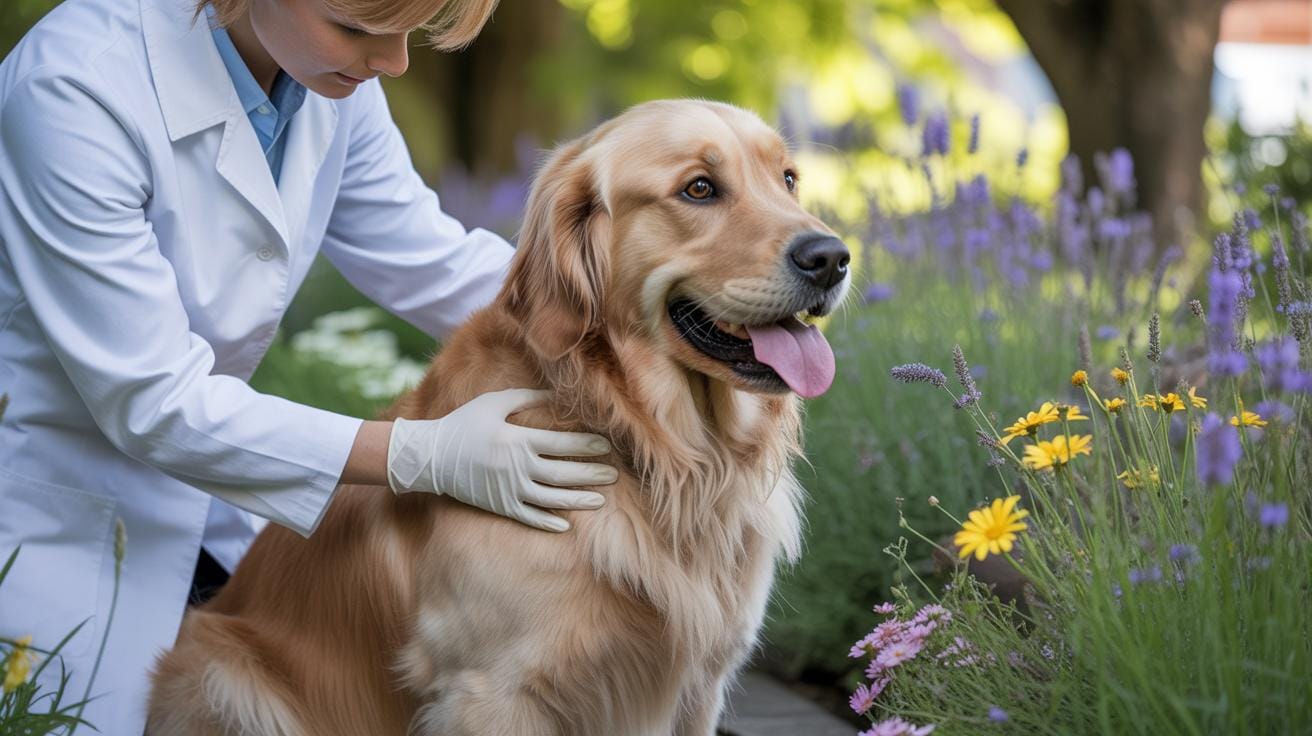
Understanding Yeast Infection In Dogs What It Actually Is
The Role Of Malassezia In Canine Skin Health
Malassezia pachydermatis is the primary yeast species found on canine skin. It exists as a normal part of the skin flora in most healthy dogs. This organism usually lives in the ear canals, anal sacs, and mucosal surfaces. It relies on the natural oils of the skin to survive. In a balanced state, the immune system prevents this fungus from multiplying beyond safe levels.
A healthy dog maintains a stable relationship with this yeast through constant immune surveillance. The skin barrier acts as a physical shield while chemical signals regulate the yeast population. Under normal conditions, Malassezia does not cause itching or inflammation. It remains a commensal organism, meaning it lives on the host without causing harm. Problems only start when the delicate skin environment shifts or the immune response fails.
How A Normal Skin Fungus Becomes A Problem
Yeast becomes a pathogen when it transitions from a controlled population to an overgrowth. This shift usually happens because of an underlying medical trigger. Factors like allergies or hormonal imbalances change the skin chemistry. Excessive moisture or heat can also create a breeding ground for the fungus. Once the environment changes, the yeast colonizes the skin surface rapidly and triggers a strong inflammatory response.
Overgrowth leads to the release of inflammatory proteases and toxins that damage the skin barrier. The dog reacts by scratching, which further breaks the skin and allows more inflammation to occur. This cycle creates the classic signs of redness, odor, and thickening of the skin. Veterinary professionals view yeast not as a primary disease but as a secondary symptom of a deeper physiological or environmental issue.

Recognizing Yeast Dogs Skin Symptoms Early And Advanced Signs
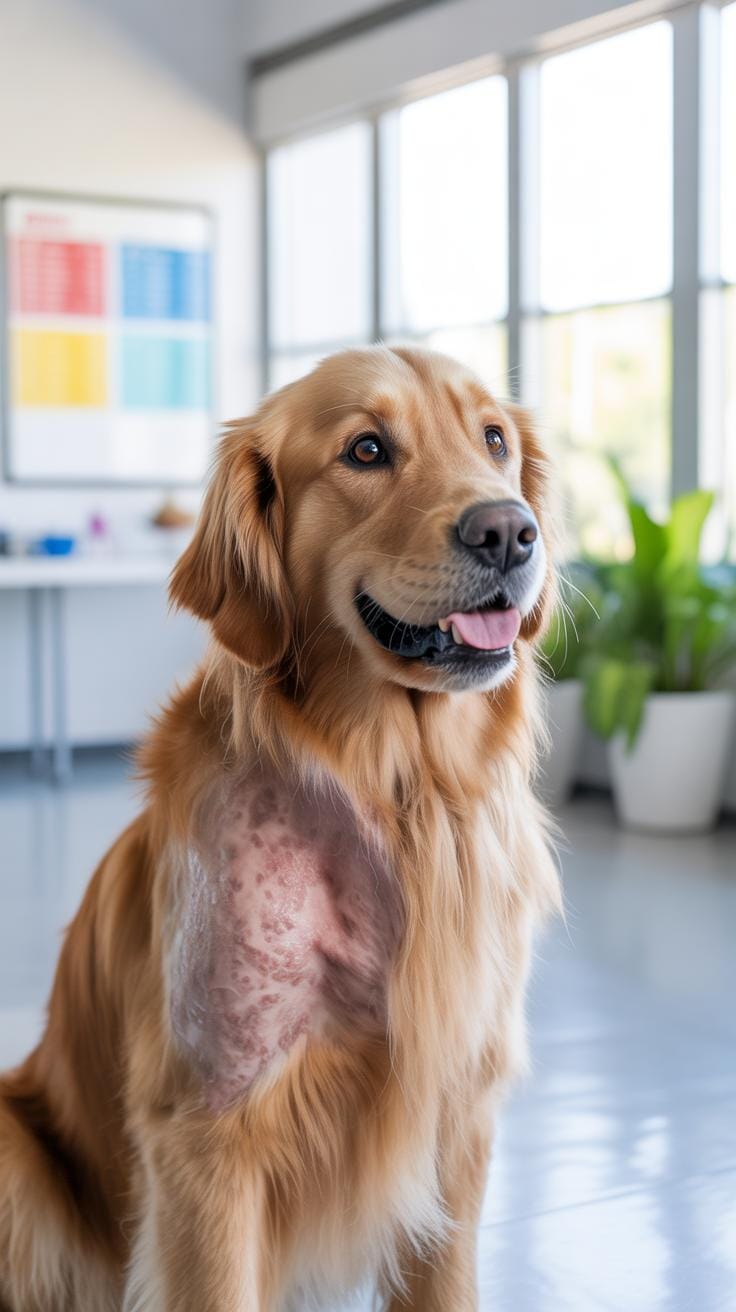
Common Physical Signs To Look For On Your Dog’S Skin And Coat
Yeast dermatitis manifests through visible changes in skin pigmentation and texture. You will first notice pink or red inflammation in localized areas. This often progresses to hyperpigmentation where the skin turns gray or black. Malassezia pachydermatis fungi thrive in moist creases. Check the paws, armpits, and groin for thickened skin that feels like elephant hide. This thickening indicates a chronic infection rather than a temporary irritation.
The coat often becomes greasy or develops an oily sheen. This happens because the yeast organism disrupts the normal lipid barrier on the skin surface. You will likely notice a distinct pungent odor similar to fermented cheese or corn chips. This smell occurs when the yeast breaks down natural skin oils. Dry flaky scales may also appear. These flakes often stick to the hair shafts near the skin surface.
Behavioral Clues That Your Dog May Have A Skin Yeast Infection
Persistent itching serves as the primary behavioral indicator of a yeast overgrowth. Dogs will rub their bodies against furniture or carpets to find relief. You will see frantic scratching at the ears or neck areas. Unlike seasonal allergies, yeast infections cause intense and constant discomfort. The dog might focus its attention on specific spots for long durations. This behavior often leads to secondary bacterial infections from self-trauma.

Watch for obsessive licking or chewing of the paws. Dogs do this because the warm spaces between toes provide an ideal breeding ground for yeast. Over time, the saliva staining turns the fur a reddish brown color. You might also notice the dog tilting its head or shaking it frequently. This suggests the infection has moved into the ear canals. Constant discomfort often leads to irritability or lethargy in your pet.
Where Yeast In Dogs Skin Most Commonly Appears On The Body
High Risk Body Areas Including Ears Paws And Skin Folds
Yeast infections concentrate in areas with high friction and low airflow. The external ear canal is the primary site for overgrowth due to its deep L-shaped structure. Paws also face high risk because Malassezia yeast thrives between the toes and around the nail beds. Rubbing and licking in these areas often signal a localized infection. Tactical observation focuses on these specific physical anatomical hotspots first.
Facial folds and neck creases provide the perfect environment for yeast to colonize. Brachycephalic breeds often suffer more due to deep skin pockets around the nose and eyes. Groin and armpit areas also facilitate rapid yeast expansion because skin touches skin constantly. Owners must check these hidden gaps regularly. Effective management requires identifying these high-risk zones before the infection spreads to the rest of the dog’s trunk.
Why Moisture And Warmth Create Ideal Conditions For Yeast Growth
Malassezia yeast is an opportunistic fungus that requires a specific microclimate to bloom. High humidity and body heat trigger rapid reproduction of the organisms. When a dog sweats or gets wet, the moisture stays trapped against the skin. This creates a biological incubator that allows the yeast to outcompete healthy bacteria. Controlling the surface temperature and dryness level is essential for preventing outbreaks.
Saliva and environmental water accelerate the breakdown of the skin barrier. Licking a localized itch introduces more moisture and feeds the cycle of growth. Once the natural oils on the skin become damp, they turn into a food source for the fungus. Keeping a dog dry is a strategic necessity for long-term health. Strategic drying after walks or baths kills the primary driver of yeast overgrowth.
Root Causes Of Yeast Infection Dogs Why It Happens
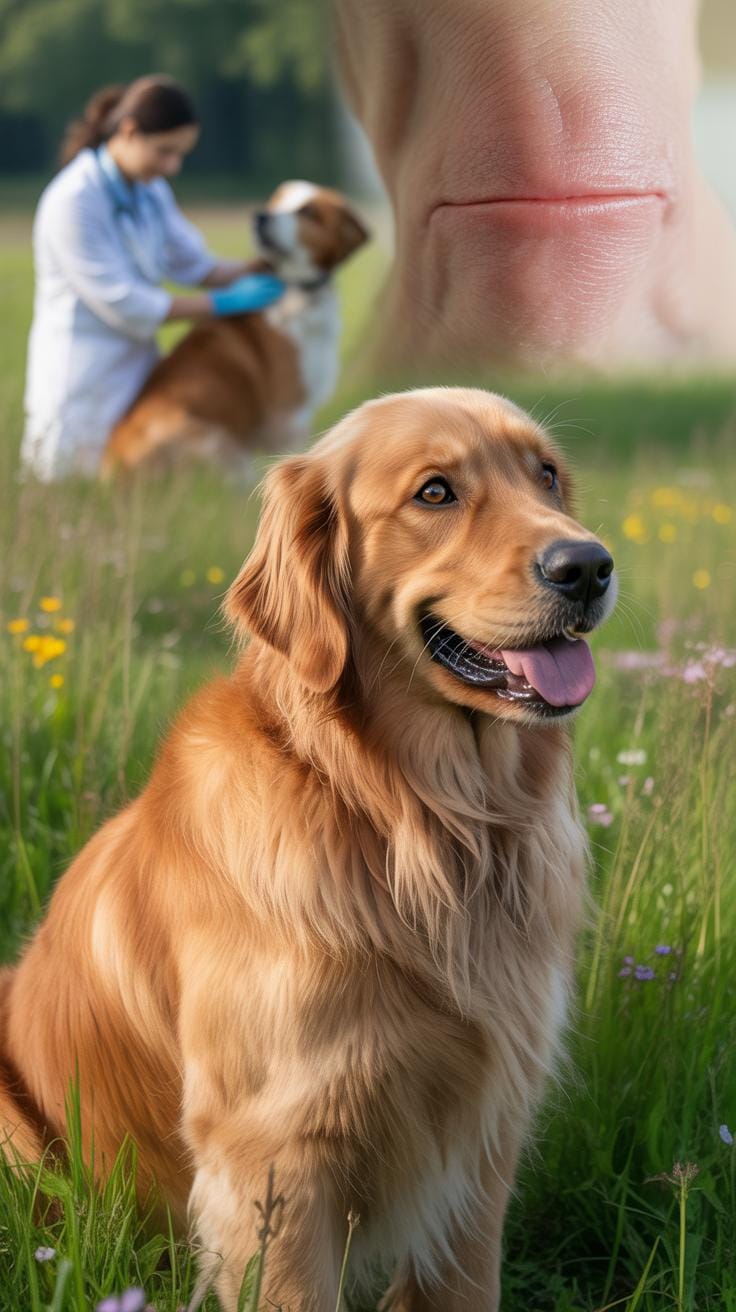
Allergies, Diet, And Immune System Imbalances As Triggers
Allergies act as the primary catalyst for yeast overgrowth in dogs. Environmental allergens like pollen or dust cause skin inflammation. This inflammation breaks down the natural skin barrier and increases moisture levels. Yeast thrives in these damp conditions. Food allergies further complicate this by triggering systemic reactions. When the skin defense system fails, Malassezia pachydermatis fungi multiply rapidly and colonize the surface.
Diet plays a critical role in managing yeast populations. High-carbohydrate diets provide the sugars that feed yeast organisms. Low-quality ingredients can weaken the immune response over time. An imbalanced immune system cannot regulate the normal microbes living on the skin. When the body stays in a constant state of irritation, the yeast takes over. Maintaining a strong immune system prevents the opportunistic spread of these fungal colonies.
How Antibiotic Use And Hormonal Disorders Contribute To Overgrowth
Antibiotics often cause unintended consequences for canine skin health. These drugs kill harmful bacteria but also eliminate beneficial bacteria. These “good” bacteria normally compete with yeast for resources and space on the skin. Without this competition, yeast grows without restraint. Frequent or long-term antibiotic cycles create an environment where fungal populations explode. This shift in the microbiome makes the dog vulnerable to chronic skin infections.

Hormonal imbalances provide another foundational cause for yeast issues. Disorders like hypothyroidism or Cushing’s disease alter the skin’s chemistry. These conditions change oil production and thin the skin layers. Higher oil levels offer more food for yeast to consume. When hormones remain unregulated, the skin cannot maintain its acidic balance. You must address the underlying endocrine disorder to stop the cycle of recurring yeast infections effectively.
Dog Breeds Most Prone To Yeast Overgrowth On The Skin
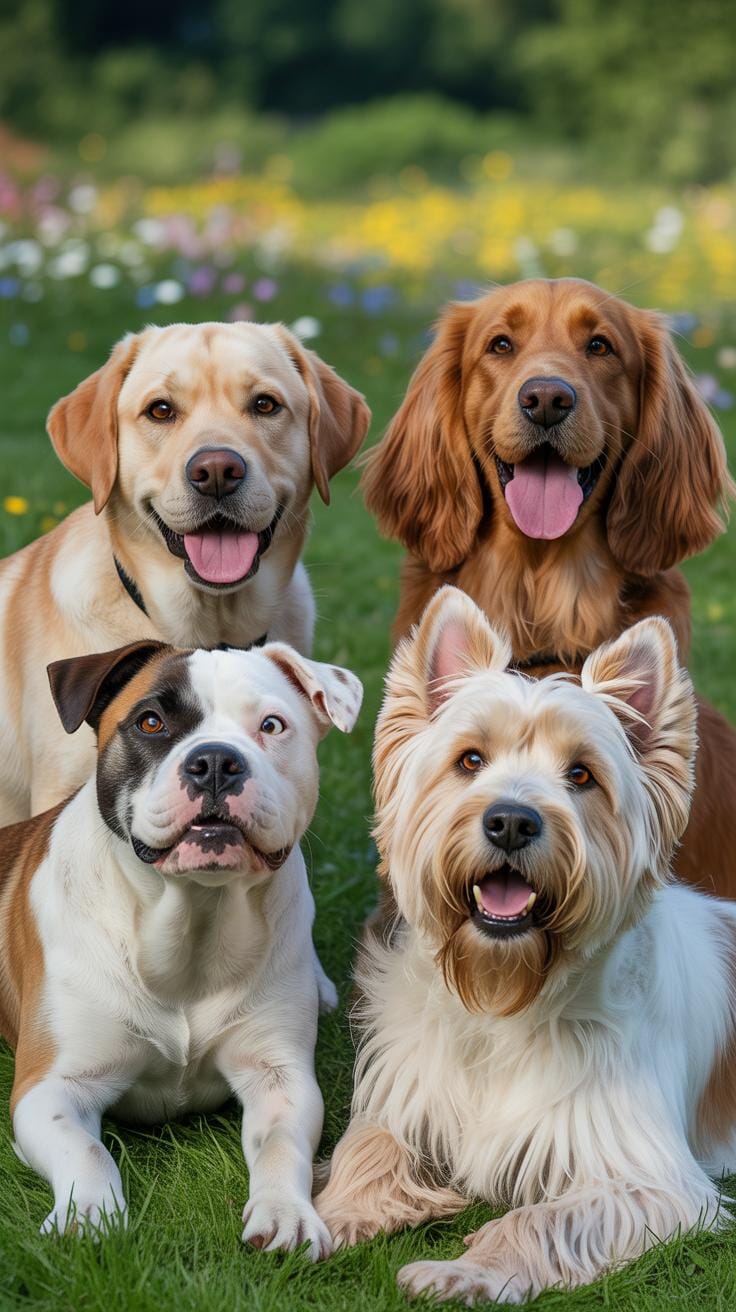
Breeds With Skin Folds And Floppy Ears At Highest Risk
Anatomy dictates risk levels for yeast infections. Breeds with deep skin folds or heavy ear flaps create the ideal environment for Malassezia pachydermatis to thrive. These areas trap heat and moisture while blocking airflow. When sweat and oils accumulate in these pockets, the yeast population explodes. Owners of these specific breeds must perform daily checks to manage the local microbiome.
- English Bulldog: Deep facial and tail folds trap moisture and organic debris. These pockets lack airflow and stay warm, creating a perfect breeding ground for yeast colonies to expand rapidly along the skin surface.
- Basset Hound: Long, heavy ears block the ear canal from receiving fresh air. This anatomical trait traps humidity inside the ear, leading to chronic yeast overgrowth that often spreads to the surrounding neck skin.
- Cocker Spaniel: These dogs possess a high density of oil-producing glands. The combination of excess sebum and heavy, hanging ears makes them highly susceptible to both cutaneous and internal ear canal yeast infections throughout their lives.
- French Bulldog: Similar to other brachycephalic breeds, their skin folds and tight tail pockets are high-risk zones. Friction between skin surfaces in these folds causes micro-trauma, allowing yeast to colonize the damaged tissue more easily.
- West Highland White Terrier: This breed has a documented genetic link to skin issues. They often suffer from epidermal dysplasia, which compromises the skin barrier. Once the barrier fails, yeast takes advantage of the weakened defenses to multiply.
Environmental factors exacerbate these anatomical risks. Humidity and high temperatures increase the moisture levels found within skin folds. Grooming habits play a critical role in prevention. If you do not dry these specific areas thoroughly after bathing or swimming, you invite fungal growth. Tactical maintenance involves keeping these high-risk zones dry and clean to prevent the yeast from reaching pathogenic levels.
Why Genetic Predisposition Affects A Dog’S Susceptibility
Genetics determine the quality of a dog’s skin barrier and immune response. Some breeds inherit a tendency for overactive sebaceous glands. These glands produce excessive oil, which serves as the primary food source for yeast. If a dog’s DNA programs it to produce more sebum, that dog will stay in a perpetual state of high risk for fungal blooms.

Furthermore, hereditary allergies like atopy weaken the skin’s natural defenses. When a dog has a genetic predisposition to allergies, their immune system overreacts to environmental triggers. This reaction causes inflammation and breaks down the protective layers of the skin. A compromised skin barrier cannot regulate yeast populations. This allows common fungi to transform from harmless residents into aggressive, itchy infections.
How To Treat Yeast Infection In Dogs Veterinary Options
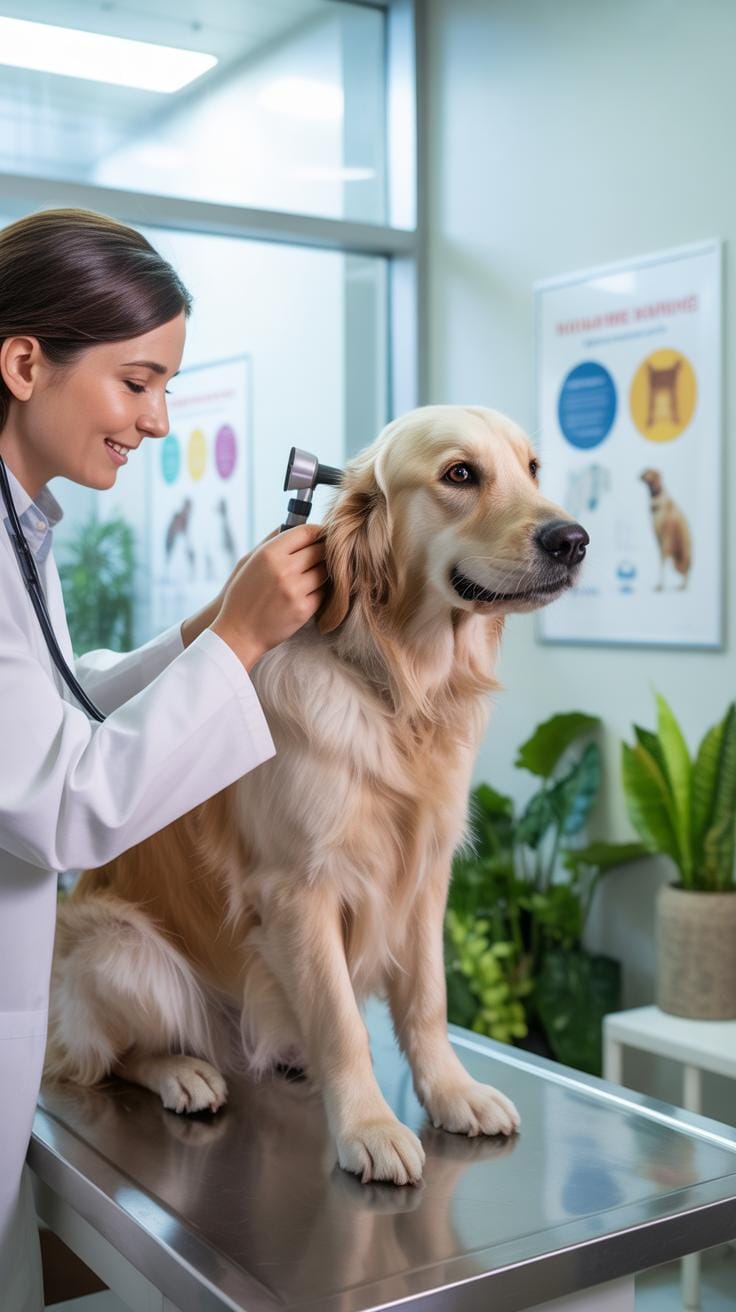
Prescription Antifungal Medications And Medicated Shampoos
Veterinarians prescribe oral antifungal drugs for systemic or severe infections. These medications stop yeast from growing at a cellular level. Common choices include ketoconazole, itraconazole, or fluconazole. Doctors select these based on the dog’s weight and health history. You must complete the full course even if skin looks better. Stopping early allows the yeast to return stronger than before.
Topical therapy serves as the first line of defense for localized issues. Medicated shampoos usually contain chlorhexidine and miconazole to kill fungal cells on contact. You must leave these shampoos on the skin for ten full minutes to work. Creams and wipes also target high-moisture areas like ear canals and paw pads. Veterinary-grade topicals penetrate the skin deeper than any over-the-counter retail product.
The healing process begins the moment you notice the scratch and the scent of corn chips, replacing irritation with the soothing touch of care. Through proper bathing and a watchful eye, we restore the velvet softness of the companions who have always walked by our side.
What To Expect During Diagnosis And Veterinary Treatment
A vet starts with a skin cytology to confirm a yeast overgrowth. They press a clear slide or tape against the infected area. They stain the sample and look at it under a microscope. This identifies the specific fungus and rules out bacterial infections or mites. This physical proof ensures you use the right medication. Guessing often leads to expensive and dangerous treatment errors.

Treatment plans usually last three to six weeks depending on severity. Your vet will schedule follow-up exams to check progress. They often perform blood tests to ensure oral meds do not stress the liver. You must identify the underlying trigger like allergies or thyroid issues. Yeast is almost always a secondary symptom of a deeper problem. Solving the root cause prevents the infection from coming back.
Dog Yeast Infection Skin Remedies Safe At Home Support Options
Vet Approved Home Care Practices To Soothe Affected Skin
Topical management is the primary goal for controlling yeast on the skin surface. Use a medicated shampoo containing chlorhexidine or ketoconazole twice weekly. Focus on high moisture areas like paw pads and skin folds where yeast thrives. Thoroughly dry the skin after every bath or outdoor walk. Damp skin provides the perfect environment for Malassezia organisms to multiply and cause inflammation.
Mechanical removal of yeast buildup reduces the local fungal load. Use gentle wipes on ears and paws daily to disrupt the biofilm. Diluted apple cider vinegar rinses may restore the natural acidic pH of the skin barrier. Maintaining an acidic environment makes it difficult for yeast to survive and spread. Always consult a veterinarian before applying any solution to raw or broken skin to prevent further irritation.
Dietary Adjustments That May Help Reduce Yeast Flare Ups
Diet plays a critical role in managing systemic yeast issues and skin health. High-carb diets convert to simple sugars that feed yeast populations in the gut and on the skin. Reducing starch and sugar intake limits the fuel available for fungal overgrowth. Focus on high-quality proteins and healthy fats to strengthen the skin barrier. This dietary shift helps the immune system better regulate fungal levels.
- Eliminate Simple Carbs: Remove white rice, potatoes, and corn from the diet. These ingredients break down into glucose rapidly. High blood sugar levels promote fungal growth across the body and within skin folds.
- Add Omega-3 Fatty Acids: Incorporate fish oil or krill oil to reduce skin inflammation. These fatty acids strengthen the lipid barrier of the skin. A strong barrier prevents yeast from penetrating deeper into the dermal layers.
- Introduce Probiotics: Use specific canine probiotic strains like Lactobacillus to balance gut flora. A healthy microbiome prevents yeast from dominating the digestive tract. This systemic balance eventually reflects in better skin health and fewer infections.
- Limit Seasonal Fruit: Avoid feeding high-sugar fruits like bananas or watermelons during active flare-ups. Even natural sugars can contribute to the internal environment that allows yeast to flourish. Opt for low-glycemic vegetables like steamed broccoli or green beans instead.
- Include Coconut Oil: Add small amounts of organic coconut oil to meals for its lauric acid content. Lauric acid has natural antifungal properties that may help combat yeast from the inside out. Start with small doses to avoid digestive upset.

Elimination diets help identify hidden triggers that cause skin inflammation and secondary yeast infections. Many dogs with chronic yeast issues suffer from underlying food sensitivities. Removing common allergens like chicken or beef can lower the overall inflammatory response. Once the body is no longer distracted by food reactions, it can effectively manage the yeast. Consistent dietary discipline is necessary for long-term success.
Yeast Remedies For Dogs Prevention Strategies That Work
Grooming Habits And Hygiene Routines To Keep Yeast In Check
Moisture promotes Malassezia overgrowth on canine skin. You must dry your dog thoroughly after every bath or swim. Focus on the paws, armpits, and skin folds where water traps easily. Use a high-velocity dryer on a cool setting to remove deep moisture from the undercoat. Damp fur creates a humid microclimate that triggers rapid fungal reproduction and leads to chronic skin irritation.
Maintain a strict schedule for cleaning ears and paws. Use a veterinarian-approved drying agent to flush the ear canals weekly. This prevents wax buildup that feeds yeast colonies. Trim the hair between paw pads to improve airflow and reduce trapped debris. Bacteria and fungi thrive in dark, wet spaces. Diligent mechanical cleaning removes the biological fuel these organisms need to colonize your dog.
Environmental And Lifestyle Changes To Reduce Recurrence
Control the indoor environment to limit allergen exposure and humidity. Dust mites and pollen often trigger the allergic reactions that damage the skin barrier. Cracked skin allows yeast to invade the deeper tissue layers. Use high-quality air filters and vacuum frequently to keep irritants low. Keeping your home cool reduces the sweat and sebum production that fuels fungal growth on the skin.

Monitor dietary intake to manage systemic inflammation. High-carb diets can elevate blood sugar levels and feed yeast populations from the inside out. Transition to low-glycemic foods to stabilize the skin chemistry. Avoid frequent chemical exposures that strip protective oils. A strong natural skin barrier is the best defense against infection. Consistency in these lifestyle habits stops the cycle of recurrence before it starts.
When Dog Yeast Infection Skin Issues Require Urgent Veterinary Care
Warning Signs That Indicate A Secondary Bacterial Infection
Yeast thrives in moist environments but often invites opportunistic bacteria to the site. You must watch for a shift in symptoms. Look for yellow or green discharge leaking from the skin. Foul odors change from a musty corn chip smell to a sharp rot scent. This indicates a staphylococcal infection. Bacteria penetrate the skin barrier through scratches caused by constant itching and biting.
Observe the skin for raised bumps or fluid filled pustules. These lesions signal that the infection moved deeper into the hair follicles. Fever and lethargy in your dog suggest a systemic response to the pathogens. Do not wait for these signs to worsen. Bacterial complications require antibiotics alongside antifungal treatments. Delaying care leads to painful deep pyoderma. Seek a professional diagnosis to identify the specific bacterial strain.
Long Term Management For Dogs With Chronic Yeast Skin Conditions
Chronic yeast issues stem from underlying triggers like allergies or endocrine disorders. You cannot rely on temporary fixes for recurring flare ups. Management requires a strict routine of medicated bathing and environmental control. Use shampoos containing ketoconazole or chlorhexidine twice weekly during active periods. Focus on drying the skin completely after every bath. Moisture remains the primary enemy in the fight against Malassezia overgrowth.
Dietary oversight plays a critical role in long term success. Many dogs suffer from food sensitivities that weaken the skin immune response. Switch to limited ingredient diets or hydrolyzed proteins if your vet suspects allergies. Regular ear cleanings prevent yeast from migrating to the ear canals. Consistency determines the outcome. You must track triggers like high humidity or seasonal pollen. Proactive maintenance stops the cycle of inflammation and infection.
Frequently Asked Questions

How can I tell if my dog has a yeast infection on their skin?
Identifying a dog yeast infection skin issue usually begins with noting a distinct, musty odor similar to corn chips or mold. You should also watch for persistent scratching, greasy or oily fur, and visible redness in warm crevices like ear canals and paw pads. If the skin appears thickened or elephant-like in texture, it is a strong sign that a yeast overgrowth has become a chronic problem for your pet.
What are the best ways to treat a dog’s yeast infection at home?
Management starts with keeping the affected areas dry and clean using veterinary-approved antifungal shampoos containing ketoconazole or chlorhexidine. Bathe your pet twice weekly, ensuring the lather sits for ten minutes to penetrate the fur. Additionally, cleaning your pet’s paws after walks and using medicated wipes can help control a dog yeast infection skin flare-up by removing environmental allergens that trigger the body’s inflammatory response and subsequent yeast production.
Are there any affordable or natural remedies to help manage yeast issues?
While professional diagnosis is important, you can support skin health on a budget by incorporating a spoonful of plain, unsweetened yogurt or probiotics into your dog’s diet to balance internal flora. Apple cider vinegar diluted with equal parts water also acts as a natural rinse to restore skin pH. These accessible steps help create an inhospitable environment for fungi, potentially reducing the frequency of veterinary visits for recurring skin irritations.