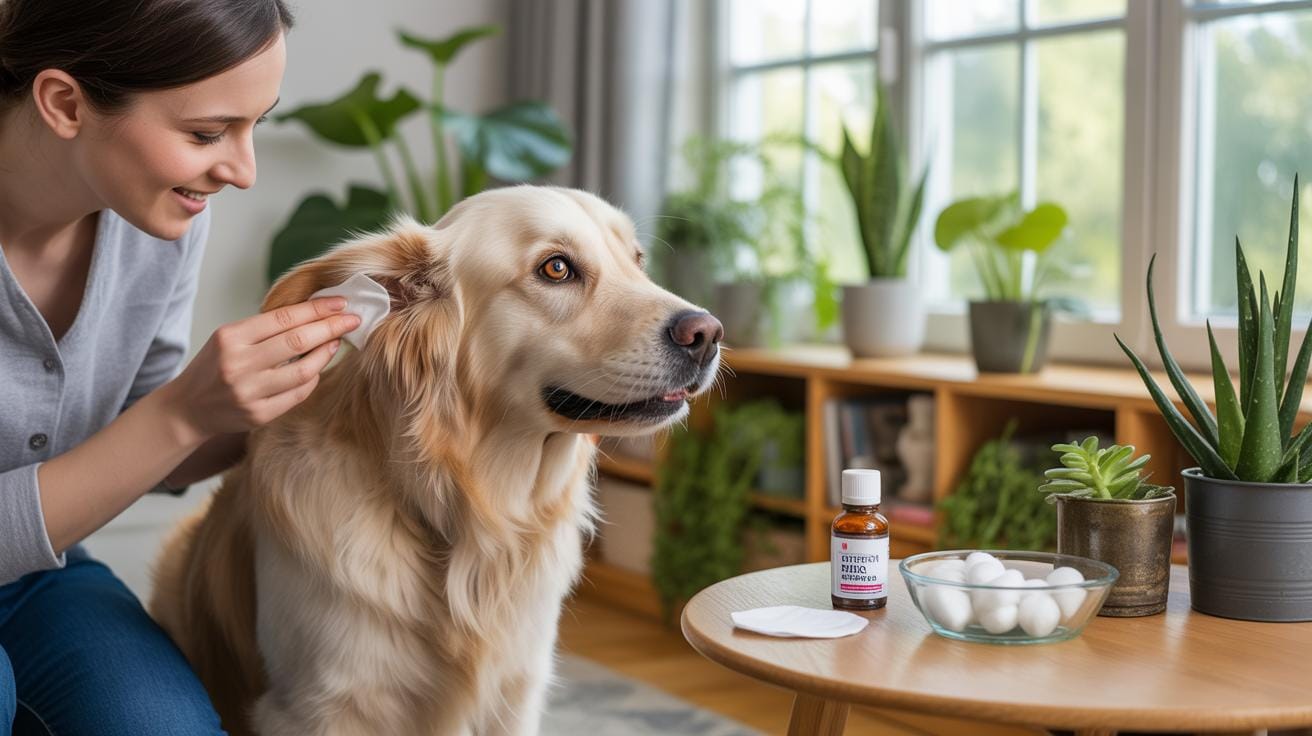
Understanding Dog Ear Infections What Every Pet Owner Should Know
What Causes Ear Infections In Dogs And Why They Are So Common
Dog ear canals have an L-shape structure. This vertical and horizontal bend traps moisture and debris easily. Bacteria and yeast thrive in this dark, warm environment. Common triggers include allergies to food or pollen. These allergies cause skin inflammation. Once the skin barrier breaks down, microorganisms multiply rapidly. Floppy ears further restrict airflow and worsen the problem.
Excessive moisture from swimming or bathing also sparks infection. Moisture softens the skin inside the ear canal. This makes it vulnerable to pathogens already present on the skin. Breeds with narrow canals or heavy hair growth face the highest risk. Regular cleaning prevents buildup from becoming a clinical issue. Understanding these anatomical weaknesses helps you manage your dog’s long-term ear health effectively.
How To Recognize The Early Warning Signs Of Dogs Ears Infection
Early detection prevents deep tissue damage. Watch for frequent head shaking or localized scratching. Dogs often rub their ears against furniture or the floor to relieve pressure. You might notice a distinct, sour odor emanating from the ear canal. Redness and swelling of the outer flap indicate active inflammation. Catching these signs early stops the infection before it reaches the eardrum.
Physical discharge is a primary indicator of trouble. Look for brown, yellow, or bloody waxy buildup within the canal. The texture might appear crusty or unusually greasy. Your dog may flinch or show aggression when you touch their head. This sensitivity signals pain and requires immediate attention. Monitor these behavioral changes closely to decide when a home remedy is appropriate or if professional intervention is required.

Types Of Dog Ear Infections Bacterial Yeast And Beyond
The Difference Between Bacterial And Yeast In Dogs Ears Infections
Bacterial infections often stem from Staphylococcus or Pseudomonas. These microbes thrive in warm, moist environments. You will notice yellow or green discharge. The ear canal often smells putrid. Bacteria can cause rapid tissue damage if left alone. Vets use cytology to identify the specific strain. This step ensures the treatment kills the right pathogen. Without this data, home remedies often fail or mask deeper issues.
Yeast infections involve Malassezia pachydermatis. This fungus lives naturally on dog skin but grows out of control. It creates a distinct smell like corn chips or stale bread. The discharge looks brown and waxy. Inflammation causes intense itching and redness. Yeast thrives on sugar and moisture. Reducing ear humidity is the primary goal for long term management. Many dogs suffer from both yeast and bacteria simultaneously.
Which Dog Breeds Are Most Prone To Chronic Dog Ear Infections
Basset Hounds and Cocker Spaniels face the highest risks. Their long, heavy ears trap moisture against the skull. This creates a perfect incubator for microbes. These breeds often have narrow ear canals. Natural airflow is almost nonexistent. Hair growth inside the canal further blocks drainage. Owners must clean these ears weekly to prevent buildup. Anatomy dictates the frequency of infection in these specific breeds.

Retrievers and Poodles also struggle with chronic issues. Water often enters the ears during swimming or bathing. These dogs frequently have thick coats that retain dampness. Allergic reactions often manifest as ear inflammation in these groups. Skin allergies weaken the physical barrier of the ear canal. This allows opportunistic infections to take root easily. Consistent drying after every water exposure is a mandatory preventative tactic for these highly active dogs.
Vet Approved Dog Ear Remedies You Can Safely Use At Home
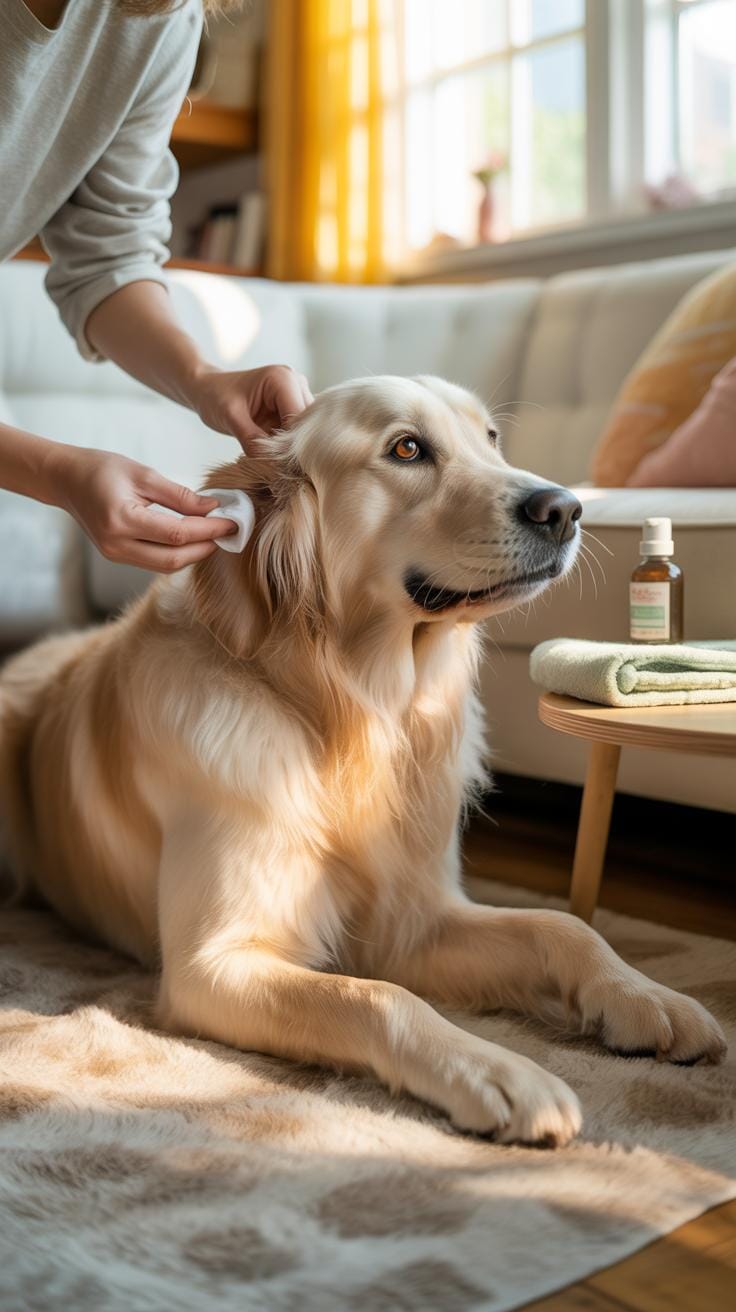
Diluted Apple Cider Vinegar As A Dog Ear Infection Home Remedy: What The Evidence Says
Apple cider vinegar contains acetic acid. This acid creates an environment that stops yeast and bacteria from growing. You must dilute it with equal parts distilled water. Never use it on red or raw skin. The acid will sting open wounds and cause your dog pain. Veterans use this mixture to maintain a healthy pH balance in the ear canal.
Apply the solution to a cotton ball. Wipe the visible part of the inner ear gently. Do not pour the liquid directly into the ear canal. This prevents moisture buildup deep inside. Excess moisture often leads to more infections. Use this method only for mild redness or waxy buildup. Stop immediately if you see discharge or if the dog shows discomfort.
Coconut Oil And Its Antimicrobial Properties For Mild Dog Ear Infections
Coconut oil contains lauric acid. This fatty acid provides natural antibacterial and antifungal properties. It works best for cooling minor irritation and breaking down waxy buildup. You should melt the oil until it reaches a liquid state. Ensure it is room temperature before application. Heat can burn the sensitive skin of the ear. This remedy focuses on moisture and soothing.
Use a small amount of liquid oil on a clean cloth. Rub the surface of the ear flap to soothe dry skin. It serves as a barrier against external irritants. Do not use this as a primary treatment for deep inner ear infections. Oil can trap heat and debris if used excessively. Stick to light coatings on the outer ear area for the best results.
How To Treat Dog Ear Yeast Infection With Safe Home Solutions
DIY Dog Ear Yeast Infection Remedies That Are Backed By Veterinary Guidance
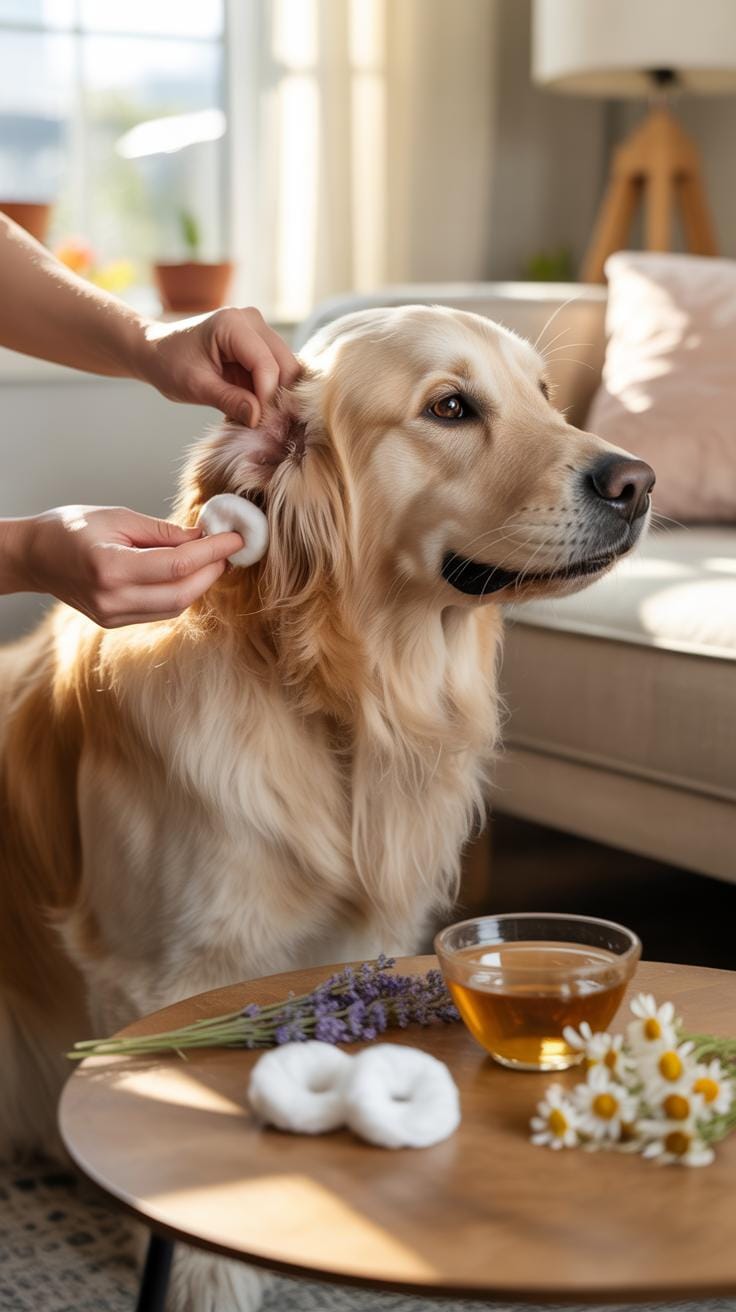
Yeast thrives in dark, moist environments. Effective home remedies focus on altering the pH balance of the ear canal to stop fungal growth. You must ensure the eardrum is intact before applying any liquid. Vets recommend cleaning the outer ear canal to remove debris that feeds yeast. Always dry the ear thoroughly after any treatment to prevent moisture buildup.
- Apple Cider Vinegar Solution: Mix equal parts organic apple cider vinegar and filtered water. The acetic acid lowers the ear pH and kills fungal spores. Apply with a cotton ball only to the visible parts of the ear. Avoid this if the skin is raw or bleeding.
- Medical Grade Coconut Oil: This oil contains lauric acid which has natural antifungal properties. Melt the oil to a liquid state and rub a small amount onto the inner flap. It helps soothe inflammation while fighting the underlying yeast colony.
- Witch Hazel: Choose an alcohol free version to prevent stinging and irritation. This natural astringent removes excess oils and dries out the ear canal quickly. It is highly effective for dogs that swim often or have heavy, floppy ears.
- Specific Ear Flush: Use a solution containing boric acid or ketoconazole as a primary ingredient. These compounds specifically target Malassezia pachydermatis, the most common yeast found in canine ears. Flush the ear and massage the base to loosen stubborn wax.
- Aloe Vera Gel: Use pure aloe to calm red and itchy tissue after cleaning. It provides a protective barrier and reduces the urge for the dog to scratch. Preventing self trauma is critical to stop secondary bacterial infections from forming.
Consistent application is the key to success with these solutions. Clean the ears once daily for seven days or until the brown discharge stops. If the ear smells like fermented bread or corn chips, yeast is present. Monitor your dog for signs of pain or loss of balance. Stop home treatment if symptoms worsen or the dog develops a head tilt.
Why Diet And Gut Health Play A Role In Recurring Yeast In Dogs Ears
Yeast infections in ears are often a symptom of systemic issues. High carbohydrate diets provide the sugars that yeast needs to multiply rapidly. If your dog has chronic ear issues, check the starch content in their food. Ingredients like potatoes, corn, and peas can spike blood sugar. Reducing these ingredients can starve the yeast and prevent it from returning.

Gut health dictates the strength of the immune system. When the gut microbiome is out of balance, yeast overgrowth can spread to the ears and paws. Adding probiotics and digestive enzymes to a dog’s meals improves their natural defense. Strong gut flora prevents the opportunistic fungus from taking over. Address the internal environment to stop the cycle of recurring external infections.
How To Treat Pet Ear Infections A Step By Step Home Cleaning Guide
How To Properly Clean Your Dog’S Ear Canal Without Causing Harm
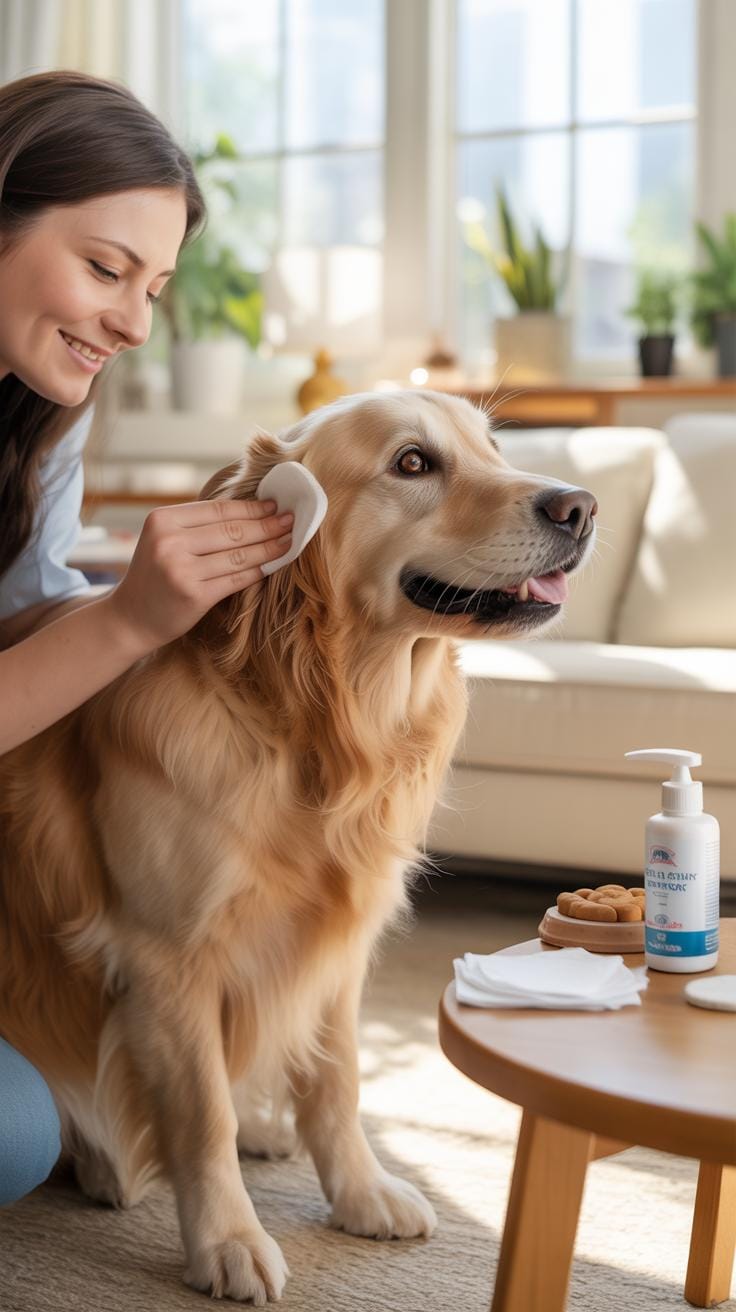
Efficient cleaning requires direct access to the ear canal. Place your dog in a corner to prevent backing away. Hold the ear flap upward to straighten the L-shaped canal. This position ensures the cleaning solution reaches the deeper horizontal canal where debris collects. Use only a veterinarian-approved cleanser rather than water or vinegar. Proper restraint reduces the risk of accidental injury during the process.
- Fill the Canal: Squirt the cleaning solution directly into the ear canal until you see the liquid start to pool at the opening. This volume ensures that the fluid reaches the bottom of the vertical canal to loosen deep debris and waxy buildup effectively.
- Massage the Base: Grip the cartilage at the base of the ear and massage it for thirty seconds. You should hear a squishing sound as the liquid breaks up stubborn wax. This mechanical action is necessary because you cannot reach the inner canal with your fingers safely.
- Shake It Out: Allow your dog to shake its head vigorously. This natural reflex uses centrifugal force to pull loosened debris and excess fluid out of the deep canal toward the outer ear. Hold a towel nearby to catch the spray and protect your clothing during this step.
- Wipe the Opening: Use a clean cotton ball or gauze pad to wipe away the visible discharge from the outer ear flap and the top of the canal. Only clean what you can see. Removing the gunk prevents it from sliding back down into the canal and causing reinfection.
- Dry Thoroughly: Excess moisture creates a breeding ground for yeast and bacteria. Use a dry cloth to remove any remaining liquid from the outer folds of the ear. Keep the dog in a dry environment for one hour after cleaning to ensure any deep moisture evaporates naturally.
Always reward your dog after the cleaning session to build a positive association. Frequent cleanings can irritate the skin so follow a schedule based on the severity of the wax buildup. If you notice blood or if the dog screams in pain stop immediately. These signs indicate a ruptured eardrum or a severe infection that requires professional medical intervention rather than home care.
What To Avoid When Cleaning A Dog Ear At Home: Common Mistakes Pet Owners Make
Never use cotton swabs inside the ear canal. Swabs push wax and bacteria deeper against the eardrum rather than removing them. This can cause a secondary infection or even rupture the delicate tympanic membrane. Deep probing often causes permanent hearing loss or severe pain for the animal. Stick to cotton balls and liquid cleansers to move debris outward through natural head shaking.

Avoid using hydrogen peroxide or rubbing alcohol as a dog ear infection home remedy. These substances are too harsh for the sensitive skin inside the ear. Alcohol causes intense stinging on inflamed tissue while peroxide leaves behind water which fuels yeast growth. If the ear smells like yeast or looks bright red skip the home remedies. These symptoms require a professional diagnosis and prescription medication to resolve.
Natural Ingredients Used In Dog Ear Remedies And How They Work
Witch Hazel, Aloe Vera, And Other Plant Based Ear Infection Soothers For Dogs
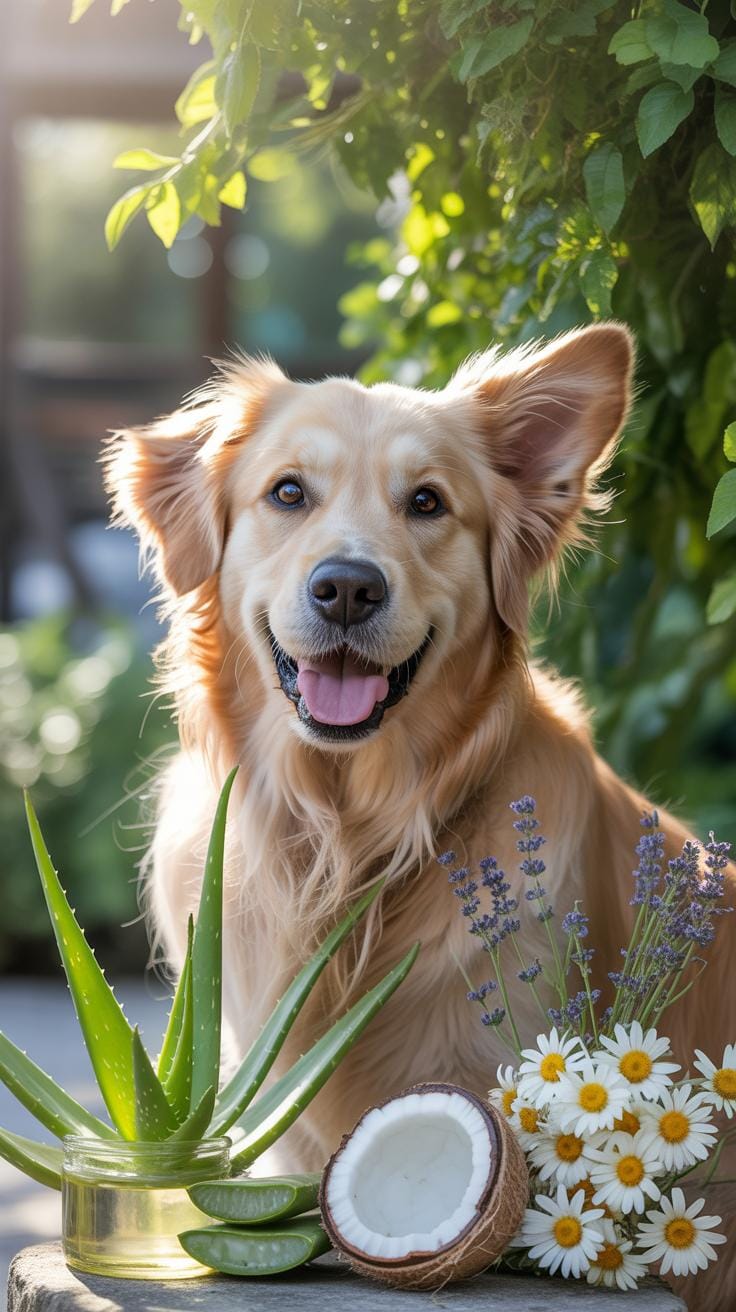
Witch hazel acts as a powerful natural astringent for a dog ear infection home remedy. It removes excess moisture from the ear canal without harsh chemicals. This drying action stops yeast and bacteria from growing in damp spots. You must use alcohol-free witch hazel to avoid stinging the skin. It works best for cleaning wax buildup and soothing mild redness before an infection starts.
Aloe vera provides immediate relief for inflamed ear flaps and outer canals. The gel contains enzymes that reduce swelling and pain on contact. It creates a cooling barrier on irritated skin. High quality aloe vera helps heal small scratches caused by constant scratching. Always choose pure aloe without added scents or dyes. This plant based tool supports the skin barrier while other ingredients target the actual pathogens.
Understanding The Limits Of Natural Dog Ear Remedies For Serious Infections
Natural remedies focus on prevention and mild maintenance. They cannot kill deep seated bacterial infections or reach the middle ear. These ingredients work by changing the pH of the ear or removing debris. If your dog has a ruptured eardrum, liquid remedies can cause permanent deafness. Do not rely on home cleaners if you see blood, thick yellow discharge, or extreme swelling in the canal.

Serious infections require prescription antibiotics or antifungal medication from a vet. Plant based solutions lack the strength to penetrate biofilms created by aggressive bacteria. Using home remedies for too long allows an infection to travel deeper into the head. Monitor your dog for balance issues or a Head tilt. These signs mean the infection has passed the point where a dog ear infection home remedy helps.
Preventing Dog Ear Infections Before They Start
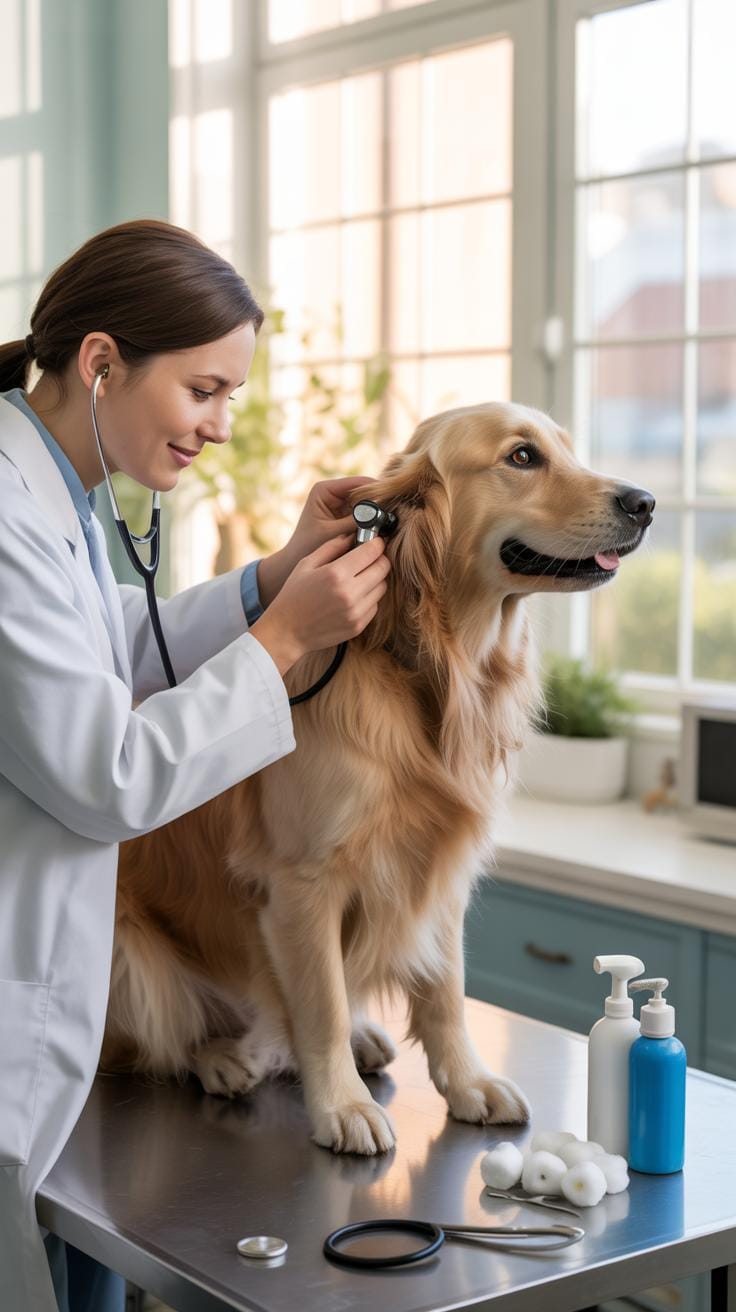
Routine Ear Care Habits That Reduce The Risk Of Ear Infections In Dogs
Prevention hinges on consistent inspection and debris removal. Owners must check ears weekly for redness or odor. You should clean the outer ear canal using a gentle, vet-approved solution. Apply the liquid and massage the base of the ear to break up wax. Use cotton balls to wipe away loose discharge. Never insert swabs into the canal as this pushes debris deeper toward the drum.
Early detection of wax buildup stops the growth of yeast and bacteria. If your dog swims, dry the ears immediately after they exit the water. Consistent maintenance creates an environment where pathogens cannot thrive. Keep the hair around the ear opening short to improve air circulation. Healthy ears should appear pink and remain free of heavy discharge. Stop the problem before the dog shows pain or discomfort.
The greatest gift we can give our loyal companions is a gentle touch and the healing wisdom that keeps their spirits high and ears clear. Veterinary-approved care at home deepens the quiet bond of a lifetime shared together.
How Moisture Allergies And Ear Shape Contribute To Dogs Ears Infection Recurrence
Physical anatomy and environmental factors dictate infection frequency. Breeds with long, floppy ears trap heat and moisture inside the canal. This dark environment acts as a breeding ground for microbes. Chronic moisture from bathing or swimming softens the skin and invites infection. You must keep the ear canal dry to maintain a healthy barrier. Anatomy is a fixed risk factor that requires constant management.

Allergies often cause internal inflammation that leads to secondary infections. Food sensitivities and environmental triggers compromise the skin lining the ear. This breakdown allows bacteria to colonize the area quickly. Manage the underlying allergy to stop the cycle of inflammation. Without addressing the root cause, infections will return regardless of cleaning. Focus on diet and environment to provide long-term relief for the animal.
When Home Remedies Are Not Enough Recognizing Serious Dog Ear Infections
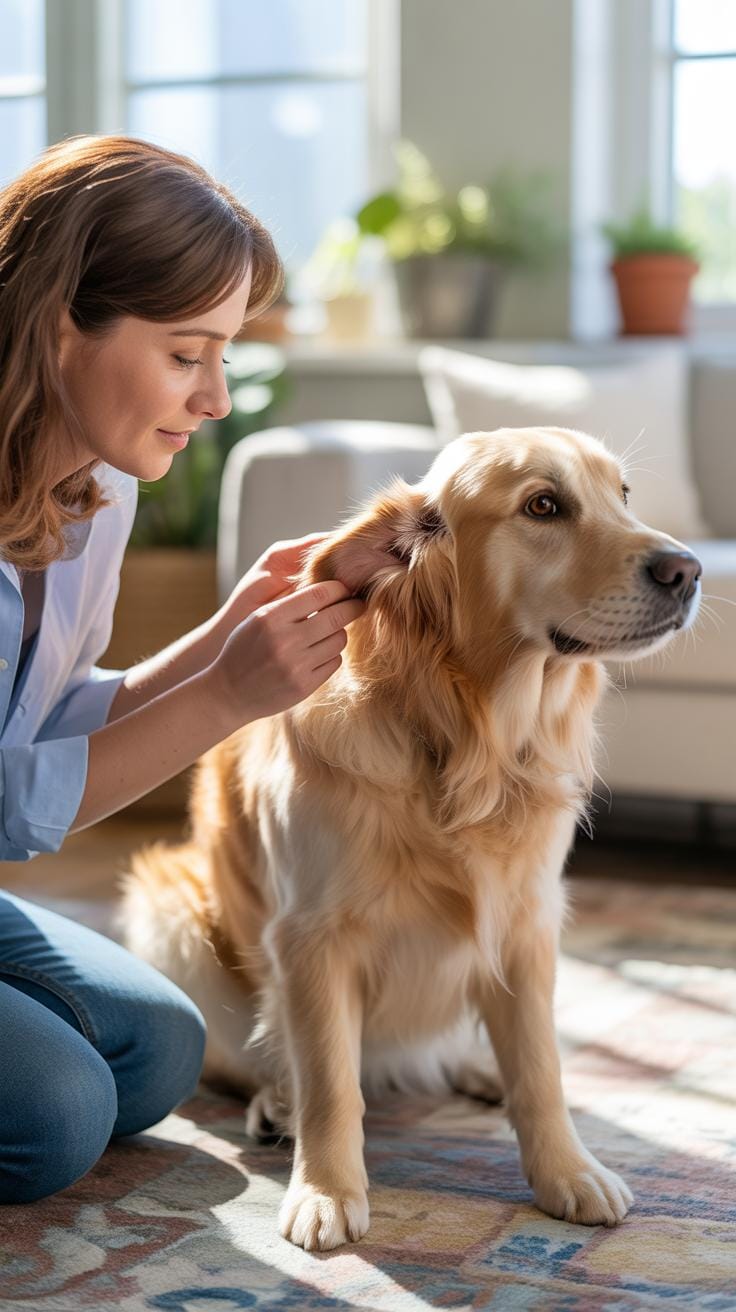
Red Flags That Mean Your Dog Ear Infection Needs Immediate Veterinary Attention
Early intervention prevents permanent hearing loss and chronic pain. You must watch for extreme symptoms that indicate deep tissue damage or neurological issues. If your dog tilts its head constantly or loses balance, the infection has likely reached the inner ear. Foul odors and dark discharge are common, but blood or pus signal a critical emergency. These signs prove that topical home solutions cannot reach the infection site effectively.
Physical changes to the ear structure require professional diagnosis immediately. Swelling that closes the ear canal prevents airflow and traps bacteria deep inside. If the ear flap feels thick or hot, a hematoma may have formed from excessive shaking. Violent scratching that causes open sores leads to secondary staph infections. You cannot treat these structural issues with vinegar or oils. Stop home care and seek a vet when the skin turns bright red.
What To Expect At The Vet When Home Treatment Has Not Resolved Dog Ear Infections
The veterinarian begins by performing a physical exam using an otoscope to see the eardrum. They must confirm the eardrum is intact before applying any medicated drops. A ruptured eardrum allows liquid to enter the middle ear, which causes nerve damage or deafness. The vet will likely take a swab sample to perform a culture or cytology. This test identifies if the culprit is yeast, bacteria, or mites.

Accuracy is the goal of a clinical diagnosis. The vet uses the cytology results to prescribe target-specific antibiotics or anti-fungal medications. They may perform a professional ear flush to remove deep debris that home washing cannot reach. In chronic cases, the vet might suggest allergy testing or blood work to find the root cause. You leave with a clear treatment plan and stronger medications than over-the-counter options provide.
Frequently Asked Questions

Can I really treat my pet’s discomfort without a prescription?
While severe issues require professional intervention, a mild dog ear infection home remedy can often provide relief for minor irritation. If you catch redness or a faint odor early, gentle cleaning can prevent the condition from worsening. Vets typically approve of using specific, soothing ingredients to manage moisture and debris, but always consult your veterinarian if you notice extreme swelling, discharge, or if your dog seems to be in significant pain.
What is the safest way to clean my dog’s ears at home?
To administer a dog ear infection home remedy safely, start by soaking a cotton ball in a vet-approved saline or organic apple cider vinegar solution. Gently wipe the visible inner flap and the entrance of the ear canal. Never use cotton swabs, as these can push debris deeper or damage the eardrum. Always reward your pup with treats afterward to ensure they remain calm and cooperative for future cleaning sessions.
Are there affordable household items that help with canine ear health?
Absolutely. Maintaining ear health doesn’t have to be expensive. Simple items like organic coconut oil, which has natural antifungal properties, or a diluted vinegar rinse can be very effective. These budget-friendly options help restore the natural pH balance of the ear environment. Regularly using these accessible ingredients helps prevent yeast buildup and waxy residue, keeping your dog comfortable without the high cost of specialized pharmaceutical cleaners or frequent clinic visits.