Understanding Dog Eyes And How They Differ From Human Eyes
The Basic Anatomy Of Dog Eyes And What Makes Them Unique
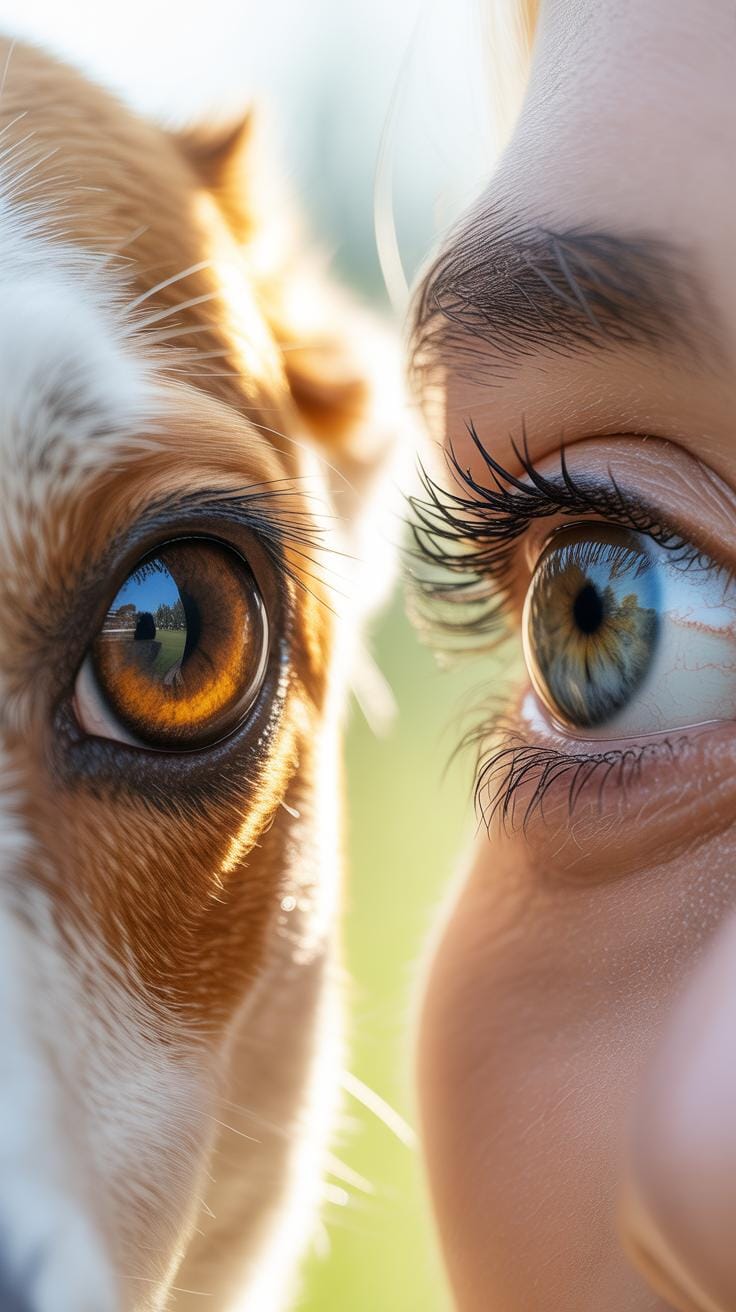
Dogs possess a specific anatomical feature called the nictitating membrane. People often call this the third eyelid. It sits at the inner corner of the eye. This membrane provides an extra layer of protection. It also helps spread tears across the cornea. You will not find this functional structure in human eyes. It acts as a primary defense during hunting or running through brush.
The canine retina contains a high concentration of rod cells. These cells allow dogs to see clearly in very low light. Behind the retina sits the tapetum lucidum. This reflective layer gives dog eyes their characteristic glow at night. Humans lack this layer entirely. Dogs sacrifice fine color detail for superior motion detection. Their eyes focus on movement rather than static objects or complex color spectrums.
How A Dogs Eye Structure Can Make Them More Prone To Redness And Irritation
Canine eyes sit lower and more forward than human eyes. This position exposes the ocular surface to environmental debris like dust and grass. Many breeds have large or protruding globes. These physical traits leave the cornea vulnerable to wind and physical trauma. Smaller eyelid openings or loose skin can also trap irritants against the eye. This structural vulnerability leads to frequent redness and inflammation.
The tear film in dogs reacts quickly to external changes. Low humidity or high wind speeds dry out the eye surface rapidly. When the eye heals from minor scratches, blood vessels dilate to transport oxygen. This process causes the visible redness you see during an exam. Domestic dogs live in environments filled with floor-level allergens. Their proximity to the ground ensures constant contact with pollutants that irritate the conjunctiva.

What Causes Red Eyes In Dogs An Overview Of Common Triggers
Environmental And External Factors That Lead To Dog Eye Redness
Foreign bodies represent the most frequent external cause of ocular redness in dogs. Dust, grass seeds, and sand irritate the corneal surface and provoke an immediate inflammatory response. The eye increases blood flow to the area to flush out the debris. This vascular expansion creates a visible red appearance. Wind and low humidity also dry the tear film, causing surface friction and irritation.
Chemical irritants in the home trigger rapid conjunctival swelling. Household cleaners, aerosol sprays, and cigarette smoke act as primary offenders. These substances disrupt the delicate pH balance of the eye and cause the blood vessels to dilate. Constant exposure leads to chronic redness and potential long term tissue damage. Owners must identify these airborne triggers to prevent recurring inflammation and secondary infections in their pets.
Internal Health Conditions That Can Cause Redness In A Dog’S Eyes
Glaucoma and uveitis are serious internal conditions that manifest as red eyes. Glaucoma happens when fluid pressure builds inside the eye globe. This pressure forces blood to the surface vessels and creates a deep red or purple hue. It is painful and leads to permanent blindness if left untreated. Uveitis involves inflammation of the inner eye structures and often signals a systemic infection or immune disorder.

Keratoconjunctivitis sicca, known as dry eye, occurs when the body fails to produce enough tears. Without adequate lubrication, the eye becomes prone to ulcers and scarring. Underlying systemic diseases like distemper or tick borne illnesses also present ocular symptoms. Redness serves as a critical diagnostic marker for these internal failures. Prompt identification of the root cause is necessary to save the dog’s vision and overall health.
Eye Infections In Dogs Bacterial Viral And Fungal Causes
How Bacterial Eye Infections Develop And What Symptoms To Watch For
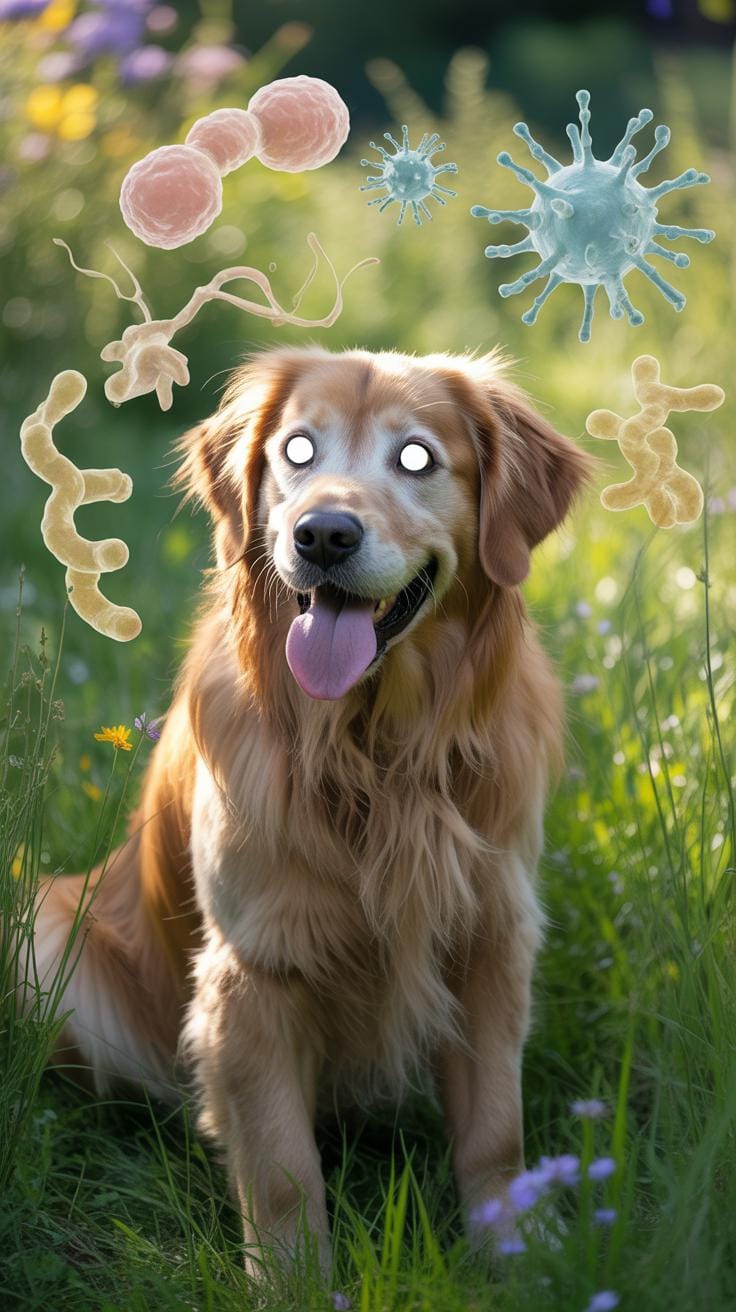
Bacterial infections often occur when the eye surface suffers damage. Scratches from plants or rough play allow pathogens like Staphylococcus or Streptococcus to enter the tissue. These bacteria multiply quickly in the moist environment of the eye. This process triggers an immediate immune response. You will see significant redness and swelling around the eyelids as the body tries to fight the invading germs.
Watch for thick yellow or green discharge. This mucus indicates a high white blood cell count fighting the bacteria. The dog will likely squint or paw at the eye due to pain. If left alone, these infections can cause deep corneal ulcers. You must act fast to stop permanent scarring. Veterinarians typically prescribe antibiotic drops to kill the specific bacteria and reduce the risk of vision loss.
Viral And Fungal Eye Infections In Dogs And How They Differ From Bacterial Ones
Viral infections usually stem from systemic issues like canine herpesvirus or distemper. Unlike bacterial infections, viral cases often affect both eyes simultaneously. The discharge stays clear and watery rather than thick and colored. Redness appears as a diffuse pink hue across the white of the eye. Viruses do not respond to antibiotics. Treatment focuses on supporting the immune system and managing secondary symptoms to prevent further injury.
Fungal infections are less common but far more dangerous. They usually enter through a puncture wound or by inhaling spores that travel through the bloodstream. These infections penetrate deep into the interior structures of the eye. You will notice extreme redness and a cloudy appearance inside the globe. Fungal cases require long term systemic medication. They often resist standard surface treatments and can lead to total blindness if ignored.
Pink Eye In Dogs What Is Conjunctivitis And Is It Contagious
Recognizing The Signs Of Conjunctivitis In Your Dog
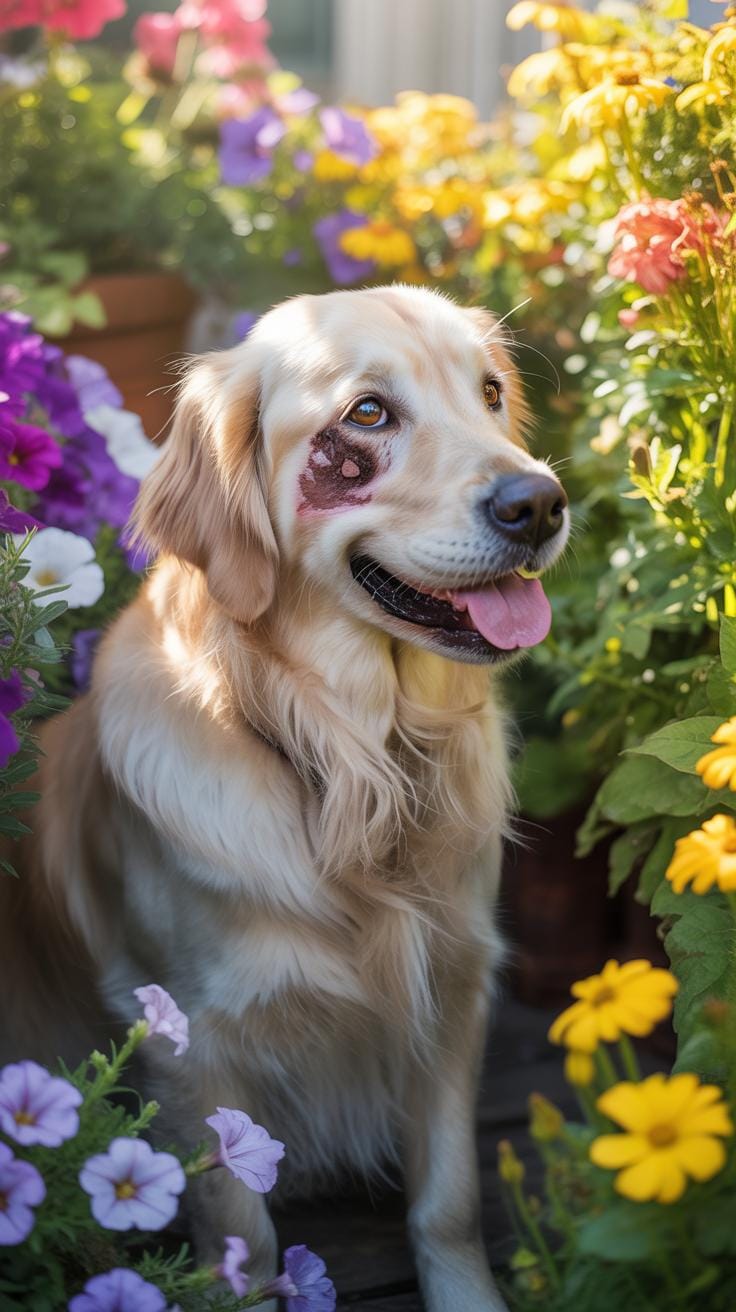
Conjunctivitis involves inflammation of the moist tissue lining the eye. You will notice the white part of the eye turning bright red or pink. The eyelids often swell and look puffy. Your dog may squint or blink repetitively because the condition causes significant physical discomfort. Look closely at the surface of the eye for these specific changes in color and tissue thickness.
Visible discharge is a primary indicator of this condition. Clear or watery fluid often suggests an allergy or a physical irritant like dust. Thick green or yellow mucus indicates a bacterial infection that requires medical intervention. Your dog might rub its face against furniture or use its paws to scratch the itchy area. Observe these behaviors to determine the severity of the inflammation.
Can Pink Eye In Dogs Spread To Other Pets Or Humans?
Contagion depends entirely on the root cause of the redness. Viral and bacterial conjunctivitis spread easily between dogs through direct contact or shared toys. If one dog has an infection, keep it away from other animals in your home. Wash your hands after touching an infected dog to prevent moving pathogens around. Allergic or injury-based conjunctivitis does not spread to other pets.

Transmission to humans is rare but possible with specific bacteria like roundworms or certain staph strains. Most canine eye infections stay within the species and do not pose a threat to people. However, maintain high hygiene standards when cleaning your dog eyes. Use separate towels for each pet to stop the spread of germs. Safety requires isolating the sick animal until a vet confirms the cause.
Why Is My DogS Eye Red Allergies And Irritants Explained
Common Allergens That Cause Red, Watery Eyes In Dogs
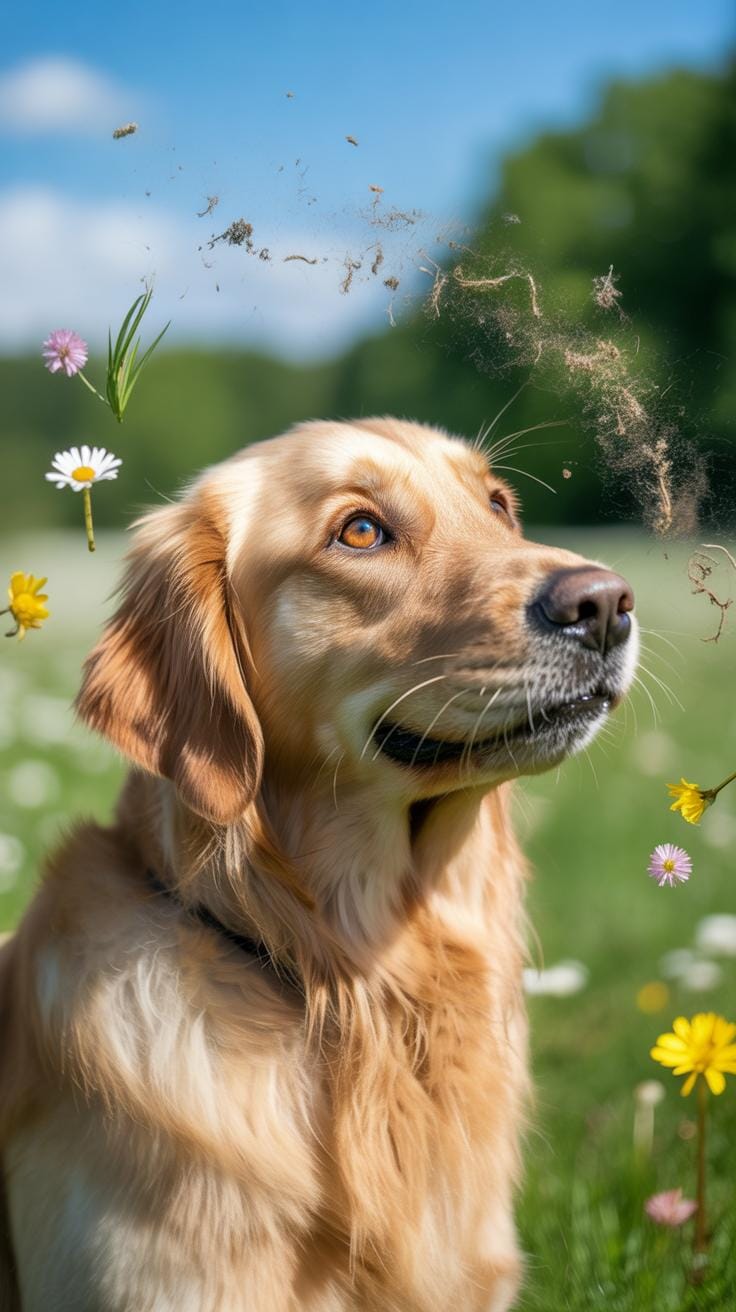
Dogs react to environmental allergens much like humans do. Pollen from trees and grasses triggers an immune response. This response causes blood vessels in the conjunctiva to swell. You will see clear discharge and frequent blinking. Dust mites and mold spores also contribute to this inflammation. These microscopic particles stay in the fur and reach the eye surface easily during daily activity.
Allergic conjunctivitis usually affects both eyes at the same time. This is a key diagnostic detail for owners. When the immune system detects a threat it releases histamines. These chemicals cause the redness and itching you observe. Frequent scratching can lead to secondary infections. Keep your dog away from tall grass during peak pollen seasons. Clean their bedding often to reduce exposure to indoor allergens.
Household And Outdoor Irritants That Trigger Eye Redness In Dogs
Chemical irritants in the home often cause sudden eye redness. Cleaning sprays and air fresheners contain volatile organic compounds. These chemicals land on the eye and strip away the protective tear film. This exposure causes immediate stinging and inflammation. Even perfumes or cigarette smoke can trigger a reaction. Physical irritants like wind and sand also damage the delicate eye surface through direct friction.

Outdoor irritants pose different risks to your dog. Salt on winter roads or lawn fertilizers can burn the cornea. These substances cause the eye to look angry and red. You might see your dog pawing at their face to find relief. Flushing the eye with a sterile saline solution can help remove these particles. Avoid using medicated drops without a vet’s approval. Identifying the specific irritant is the only way to stop recurring redness.
Dog Eye Stye Causes Symptoms And Treatment Options
What Is A Dog Eye Stye And How Does It Form On The Eyelid?
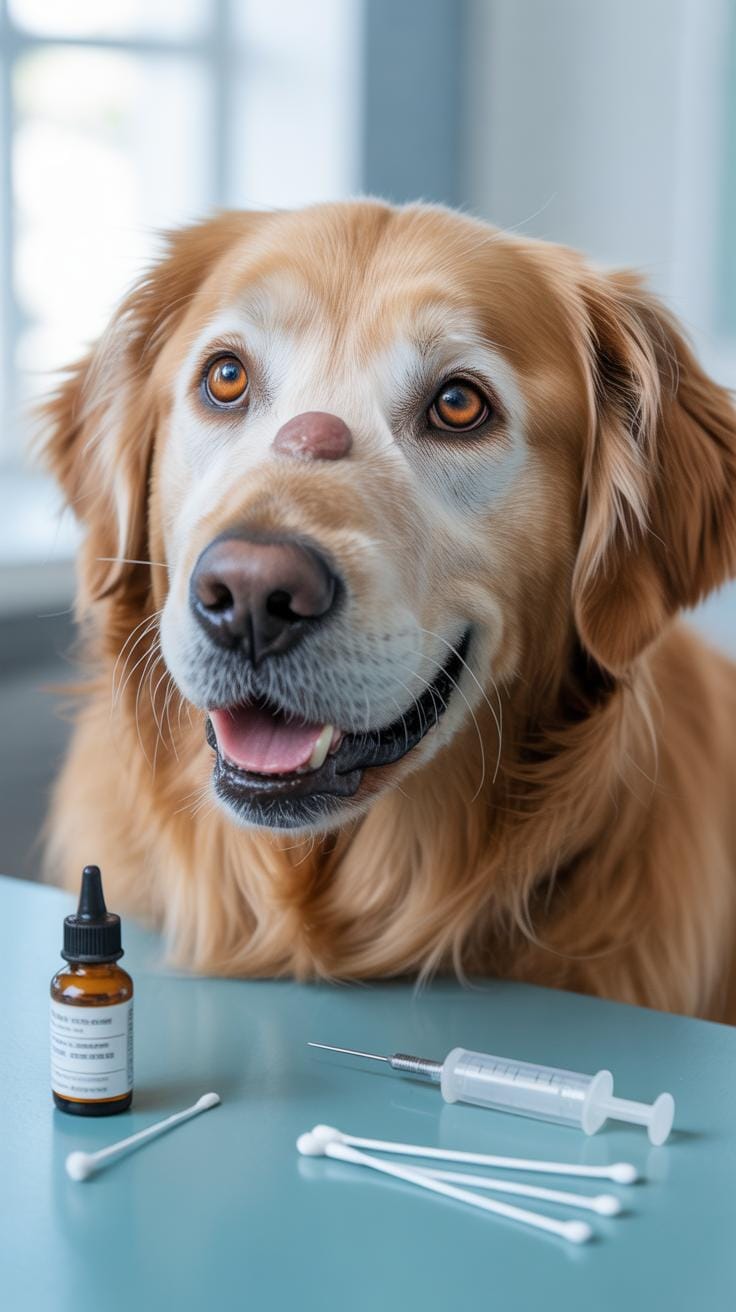
A dog eye stye is a painful red bump on the eyelid. Doctors call this a hordeolum. It forms when bacteria infect an oil gland or a hair follicle. Staphylococcus bacteria usually cause this specific infection. The gland becomes blocked and fills with pus. This blockage creates visible swelling and causes the surrounding tissue to turn bright red and feel sensitive.
The stye typically appears near the edge of the eyelid. It looks like a pimple or a small boil. You might see it on the inner or outer part of the lid. Poor eyelid hygiene or constant face rubbing increases the risk. Meibomian glands provide necessary oils for tears. When these glands clog, the eye loses its protective layer and inflammation starts appearing quickly.
How To Safely Manage A Dog Eye Stye And When To Seek Veterinary Help
You can manage mild styes at home with warm compresses. Use a clean washcloth soaked in warm water. Apply it to the closed eye for five minutes several times a day. This heat increases blood flow to the area. It helps the gland drain naturally and reduces the swelling. Never try to pop or squeeze a stye. Squeezing spreads the infection into deeper eyelid tissues.

Seek veterinary help if the stye grows larger or persists for several days. A vet must intervene if the dog cannot open its eye. Eye redness that spreads to the eyeball itself is a serious sign. Vets prescribe topical antibiotics or steroid ointments to kill the bacteria. In chronic cases, a professional must drain the bump surgically. Early medical care prevents permanent damage to the eyelid.
Serious Eye Problems In Dogs Glaucoma Uveitis And Corneal Ulcers
Understanding Glaucoma And Uveitis As Causes Of Red Eyes In Dogs
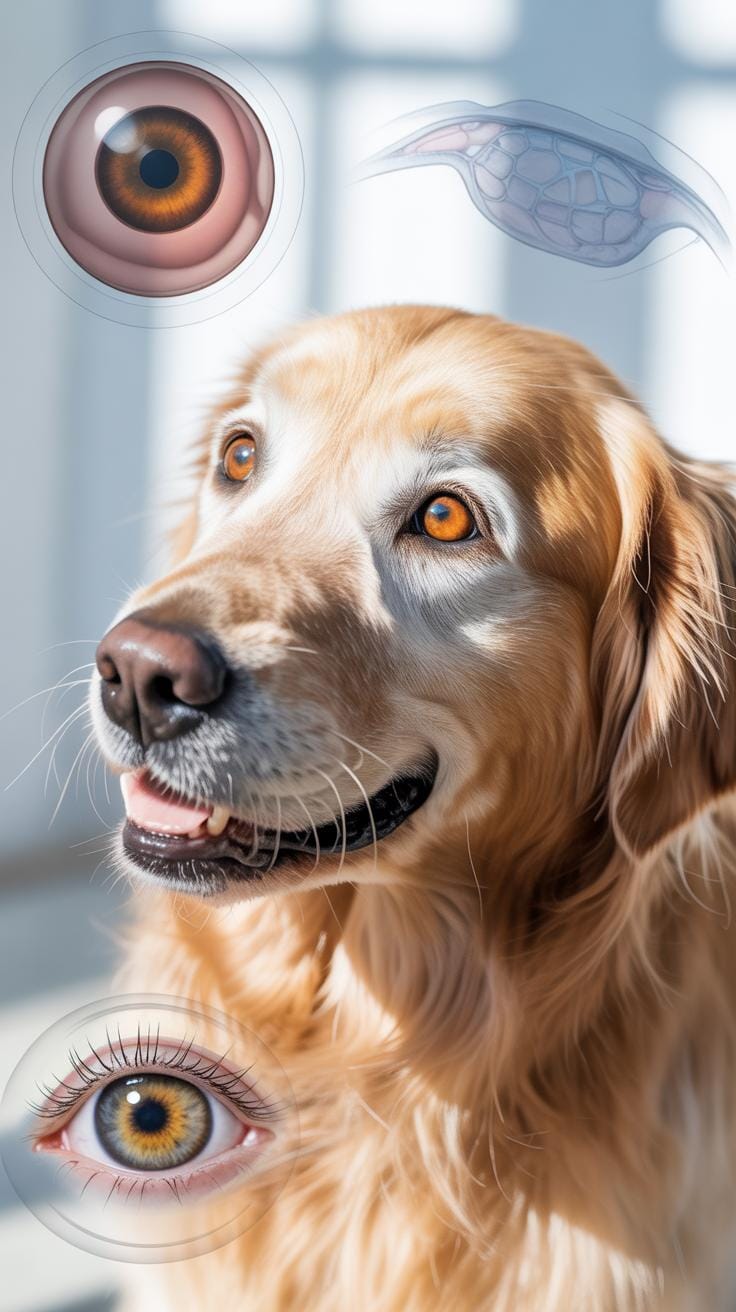
Glaucoma occurs when fluid pressure builds up inside the eye. This happens because the eye cannot drain liquid properly. High pressure damages the optic nerve and causes permanent blindness very quickly. Owners see a deep red color in the white part of the eye. The eye may also look cloudy or bulge outward. This condition causes intense pain for the dog.
Uveitis is internal inflammation of the eye. It affects the iris and surrounding tissues. This condition lowers eye pressure rather than raising it. Causes include infections, immune system issues, or cancer. The eye looks bloodshot and the pupil often appears very small. Dogs will squint and avoid bright light. You must treat this fast to prevent secondary glaucoma or lens damage.
Corneal Ulcers In Dogs: What They Are And Why They Cause Eye Redness
A corneal ulcer is an open sore on the clear front surface of the eye. Scratches from plants or chemicals often cause these wounds. When the outer layer wears away, the inner nerves become exposed. This leads to extreme pain and heavy redness. The dog will rub its face against furniture or paws. In some cases, the eye looks hazy or gray.

The redness comes from blood vessels growing toward the injury to help it heal. This process is called neovascularization. If a bacterial infection starts, the ulcer can eat through the entire cornea. This leads to a ruptured eyeball. Quick medical intervention stops the melting process. Vets use special stains to see these wounds. Never use human drops on a suspected ulcer as they cause damage.
Red Eyes In Dogs Breed Specific Risks And Predispositions
Brachycephalic Breeds And Why They Are More Vulnerable To Eye Redness
Flat-faced breeds like Pugs, Bulldogs, and Shih Tzus have shallow eye sockets. This physical structure makes their eyeballs protrude. This condition is called exophthalmos. Because the eyes bulge, the eyelids often fail to close completely over the surface. This exposure leads to rapid tear evaporation. Constant dryness causes chronic irritation and redness. These dogs cannot protect their eyes from dust or wind effectively.
These breeds also face risks from skin folds around the snout. Facial hair often rubs directly against the cornea. This mechanical irritation causes inflammation and redness. Owners must monitor these dogs for corneal ulcers. A small scratch can turn into a serious infection quickly. Structural flaws make these dogs prone to pigmentary keratitis. This condition colors the eye surface brown and impairs vision over time.
The dog is a gentleman; I hope to go to his heaven, not man’s, so I watch over his weary eyes with the tenderness he has always shown me.
Other Breeds With Genetic Predispositions To Chronic Eye Problems
Poodles and Cocker Spaniels frequently suffer from glaucoma and tear duct issues. Glaucoma increases internal eye pressure and causes deep redness. Blood vessels in the white part of the eye become engorged. You may also see cloudiness in the lens. These breeds often have genetic triggers that block fluid drainage. Failure to treat high eye pressure leads to permanent blindness. Quick action is required to save their sight.

Bloodhounds and Great Danes often have drooping lower eyelids. This condition is called ectropion. The droop exposes the sensitive inner lining of the lid. This tissue becomes red and inflamed from air exposure. Germs and debris trap easily in these open pockets. This leads to frequent conjunctivitis and thick discharge. Regular cleaning helps, but the structural trait remains a lifelong risk for these specific large breeds.
Why Are My DogS Eyes Red Steps To Assess The Situation At Home
Guidance How To Safely Examine Your Dog’S Eyes For Signs Of Redness And Irritation
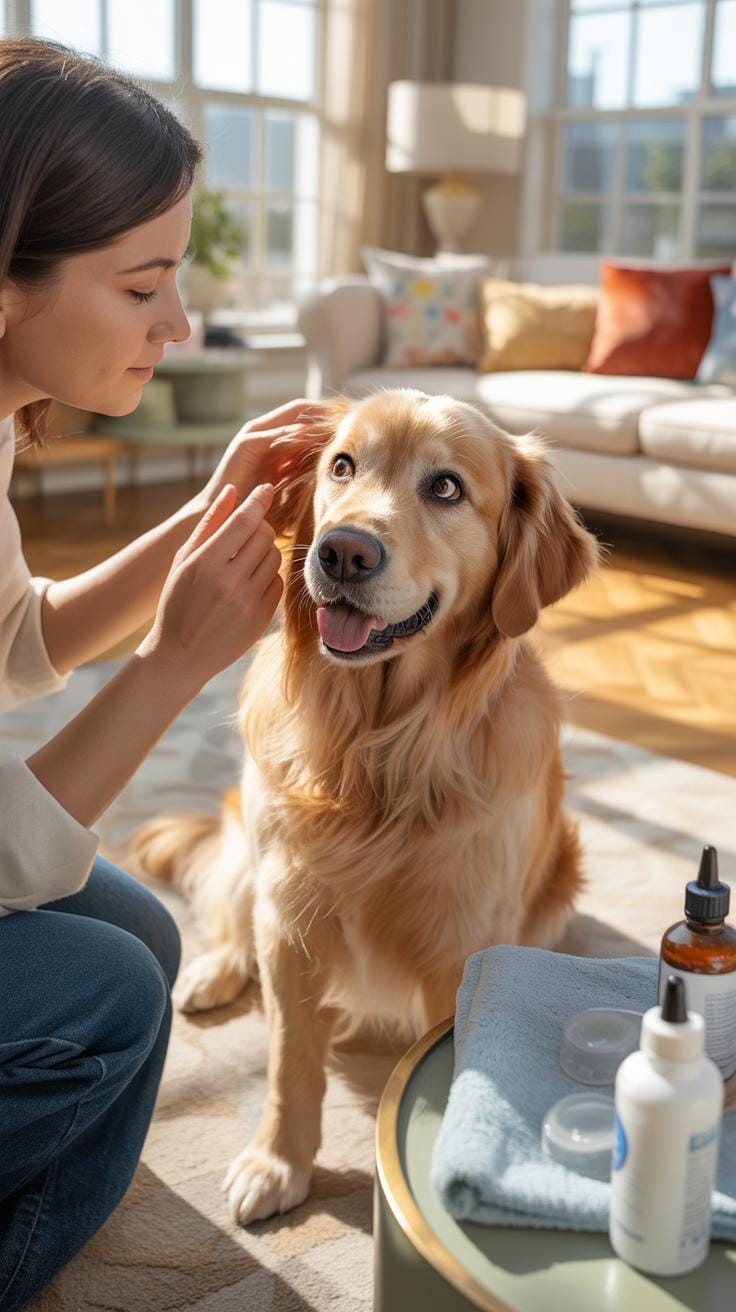
Approach your dog in a well lit room to ensure high visibility. Use a calm hand to stabilize the head without applying pressure to the neck. Gently pull the upper eyelid toward the brow and the lower lid toward the cheek. Look for changes in the white part of the eye. Check for swelling or excessive moisture around the orbital area immediately.
Examine the surface of the cornea for cloudiness or visible scratches. Note the color and consistency of any discharge present in the corners. Use a small flashlight to check for pupil response but avoid direct contact with the eye surface. Document your findings to provide a clear timeline for the vet. This data helps isolate mechanical injuries from systemic infections or chronic allergies.
Warning Signs That Mean You Should Not Wait And Must See A Vet Immediately
Prompt action prevents permanent vision loss when specific symptoms appear. Redness alone is a concern, but combined with behavioral shifts, it indicates a medical emergency. Watch for signs of deep pain or structural changes to the eyeball itself. If the dog paws at the eye relentlessly or keeps it clamped shut, the situation requires professional intervention within hours rather than days.
- Visible Eye Trauma: Physical punctures, deep scratches, or embedded debris in the cornea require emergency surgery. Delaying treatment leads to rapid bacterial infection and potential loss of the entire eye.
- Cloudiness or Blue Haze: A milky appearance over the lens or cornea suggests glaucoma or severe uveitis. High internal eye pressure causes permanent optic nerve damage if you do not lower it quickly.
- Excessive Yellow or Green Discharge: Thick mucus indicates a potent bacterial infection rather than simple allergies. This discharge often glues the eyelids shut and signals that the body cannot fight the pathogen alone.
- Bulging or Sunken Eyeball: Changes in the physical position of the eye signify behind-the-eye pressure or severe dehydration. These structural shifts often point to tumors, abscesses, or critical systemic failures.
- Constant Squinting or Blepharospasm: Involuntary blinking and keeping the eye closed mean the dog suffers from intense ocular pain. This behavior often points to corneal ulcers that can perforate the eye if left untreated.
Assess the severity of these symptoms by comparing the affected eye to the healthy one. If the dog shows lethargy or loss of appetite alongside redness, the cause is likely systemic. Do not administer human eye drops or leftover medications before the examination. These products often contain steroids that worsen specific conditions like corneal ulcers. Get a professional diagnosis to ensure correct treatment.
Preventing Dog Eye Redness Vet Recommended Tips For Long Term Eye Health
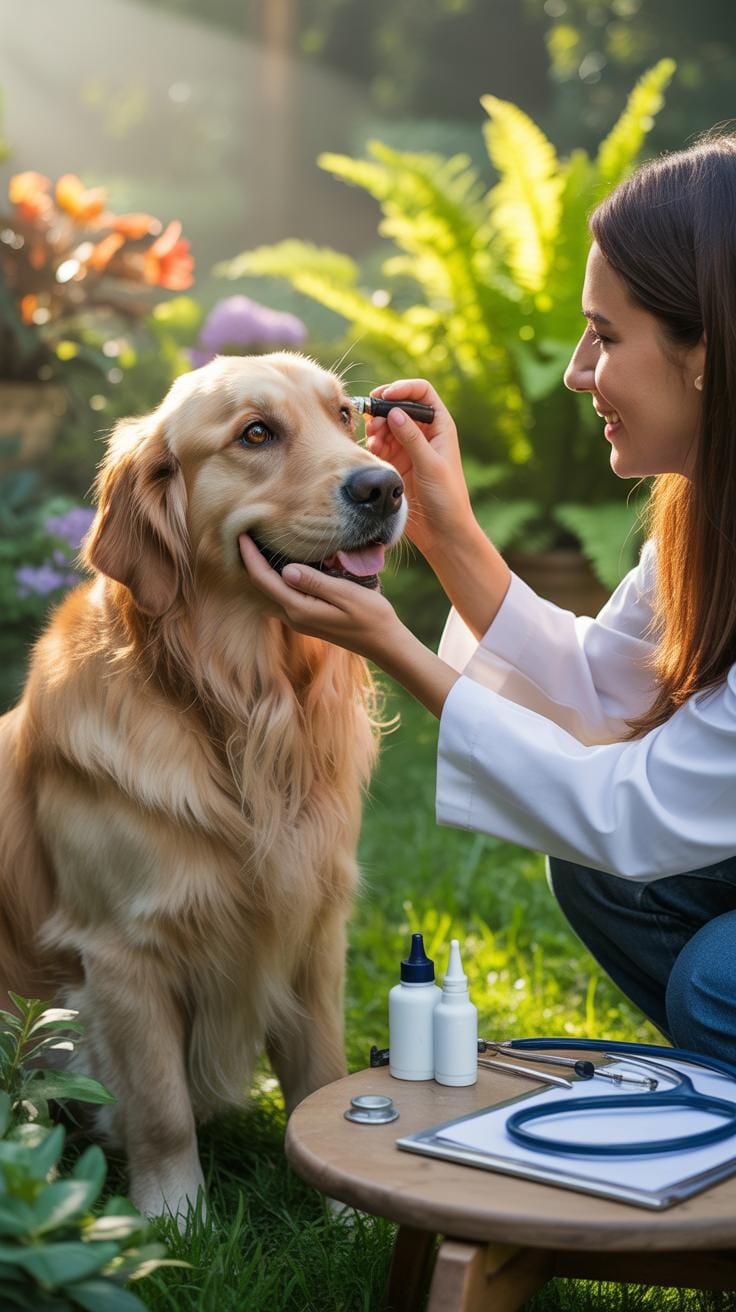
Daily Eye Care Habits That Help Keep Your Dog’S Eyes Healthy And Clear
Daily maintenance reduces the risk of infection and irritation. Owners must inspect their dog’s eyes every morning for unusual discharge or color changes. Proper hygiene prevents bacteria from building up around the ocular area. Use a damp, soft cloth to wipe away debris. This simple action stops crust from hardening and causing skin raw spots or secondary infections.
- Face Grooming: Trim long hair around the eyes using blunt-nosed safety shears. This prevents stray hairs from scratching the cornea or trapped moisture from breeding bacteria near the eyelids.
- Saline Rinses: Use a sterile saline wash after your dog plays in dusty or sandy environments. This flushes out foreign particles before they cause physical abrasions or trigger an inflammatory response.
- Protective Gear: Use dog goggles if your pet frequently rides in vehicles with open windows. High-speed wind and road debris cause dry eye and blunt force trauma to the delicate ocular surface.
- Clean Bedding: Wash your dog’s blankets and beds weekly in unscented detergent. Dust mites and dander accumulate in fabrics, leading to allergic conjunctivitis and chronic rubbing which damages the eye tissue.
- Hand Hygiene: Wash your hands before applying any eye drops or cleaning near the face. Human hands carry pathogens that easily transfer to a dog’s sensitive mucous membranes during routine care or petting.
Environmental control is equally important for ocular safety. Keep household chemicals and lawn fertilizers away from your dog’s face. Avoid using strong aerosol sprays or perfumes near your pet. These irritants cause immediate redness and chemical burns. If your dog has a flat face, pay extra attention to skin folds. Clean these folds daily to prevent deep-seated bacterial growth from reaching the eyes.
How Regular Vet Checkups Help Detect And Prevent Eye Conditions Early
Routine veterinary exams are the first line of defense against permanent vision loss. Doctors use specialized tools like ophthalmoscopes to see internal structures. They detect early signs of cataracts, glaucoma, and retinal degeneration before symptoms become obvious. Early diagnosis allows for cheaper and more effective treatments. Skipping these checks means you might miss gradual changes that lead to chronic pain.
Professional screenings also include pressure tests and tear production measurements. These baseline numbers help your vet identify shifts in health over time. Managing underlying issues like high blood pressure or diabetes prevents secondary eye complications. A vet will catch small corneal ulcers that are invisible to the naked eye. Consistent monitoring ensures your dog maintains high visual acuity and comfort throughout its entire life.
Frequently Asked Questions

Why does my dog have red eyes suddenly?
It is natural to feel concerned when you notice your pup’s eyes looking irritated. Common dog eye redness causes range from mild environmental allergies and dust irritation to more serious issues like conjunctivitis or dry eye. Sometimes, “cherry eye” or a simple scratch on the cornea can also be the culprit. Because your pet’s vision is so precious, it is always best to monitor these changes closely for any signs of discomfort.
How can I safely clean my dog’s red eyes at home?
If you notice mild discharge, you can gently wipe the area using a soft, damp cloth or a sterile saline rinse made specifically for pets. This helps clear away debris that might contribute to dog eye redness causes like pollen or dust. Avoid using human eye drops or harsh chemicals, as these can trigger further irritation. If the redness persists or your dog is squinting, schedule a professional veterinary exam immediately.
Are there any affordable ways to manage my dog’s eye irritation?
Managing eye health doesn’t always have to be expensive. Preventing irritation by keeping your dog’s face clean and trimmed can reduce the risk of infections. If the irritation is caused by seasonal allergies, your vet might recommend low-cost over-the-counter antihistamines. However, early intervention is the most budget-friendly tip, as treating a minor irritation now prevents costly emergency surgeries or long-term vision loss that can occur if symptoms are ignored.