Understanding Dog Coughing Is It Really Kennel Cough
What Causes That Distinctive Honking Cough In Dogs
The loud honking sound occurs when the upper airway becomes inflamed. This inflammation usually affects the trachea and the larynx. Several pathogens work together to cause this physical response. The most common bacteria involved is Bordetella bronchiseptica. It attaches to the cilia in the windpipe. This paralyzes the natural clearing mechanism of the throat. Without clear airways, the dog coughs to remove irritation.
Viruses also play a major role in triggering the dry cough. Parainfluenza and canine adenovirus commony weaken the immune system first. When these viruses enter the respiratory tract, they damage the lining. This damage allows bacteria to take hold more easily. The combination of viral and bacterial invaders leads to severe swelling. This narrow passage creates the high pitched honking sound when your dog tries to breathe.
How Kennel Cough Spreads And Why It Is So Contagious
Kennel cough spreads through airborne droplets released during coughing or sneezing. These microscopic particles stay in the air for long periods. Other dogs inhale these pathogens directly into their lungs. The germs also land on shared surfaces like water bowls, toys, and fences. Contact with these contaminated objects leads to rapid infection. One sick dog can quickly infect an entire group in a confined space.
High traffic areas create the most risk for healthy animals. Boarding facilities, dog parks, and grooming salons are primary zones for transmission. Poor air circulation in these buildings helps the bacteria survive longer. Stress from being in a new environment also lowers a dog’s natural defenses. This makes them more likely to catch the illness. You must isolate any coughing dog immediately to stop the spread to others.

Recognizing Kennel Cough Symptoms Before You Begin Any Treatment
The Classic Signs: What Kennel Cough Actually Looks And Sounds Like
Kennel cough presents as a harsh and dry hacking sound. Owners often mistake this sound for an object caught in the dog’s throat. This persistent cough results from inflammation in the upper airway and windpipe. Your dog will likely remain energetic and continue to eat normally during the early stages. The primary trigger for a coughing fit is physical activity or excitement.
You will notice a gagging or retching motion at the end of a coughing spell. Some dogs produce a small amount of white foam or phlegm. This discharge is not vomit but rather mucus from the respiratory tract. Throat sensitivity is a major indicator of this condition. Pressure on the neck from a collar often triggers an immediate and forceful cough from your pet.
When Symptoms Go Beyond A Cough: Warning Signs That Need A Vet
Home treatment is only safe for mild cases. You must monitor your dog for a transition from a dry hack to a wet cough. A wet sound indicates fluid or pus in the lungs. This change suggests the infection has moved into the lower respiratory system. Fever and lethargy are clear signals that the body is losing the fight against the bacteria or virus.

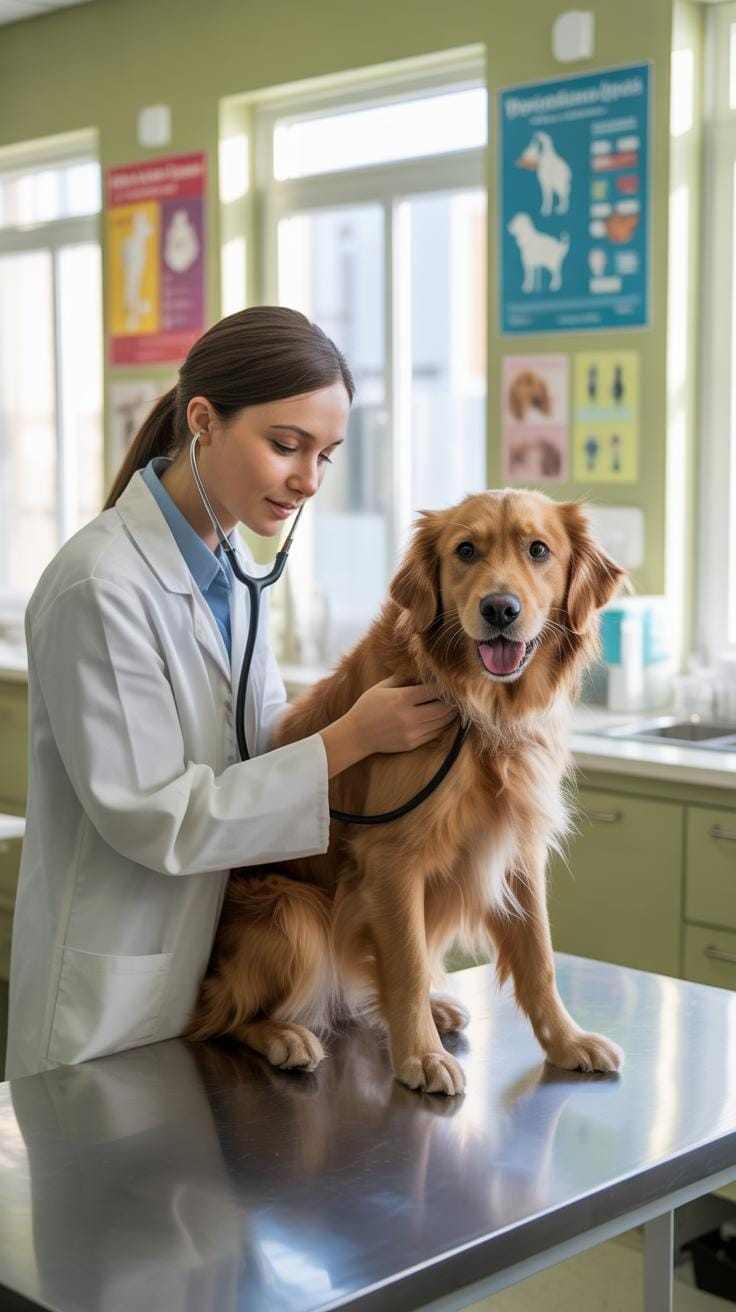
Watch for labored breathing or a rapid respiratory rate while the dog rests. Nasal discharge that appears thick or green requires immediate medical intervention. If your dog stops eating or shows signs of extreme weakness, do not attempt home care. These systemic symptoms often point toward pneumonia. Professional diagnostic tests and prescription antibiotics are necessary when the infection spreads beyond the upper airway.
Kennel Cough Home Treatment Creating The Right Recovery Environment
Why Rest And Isolation Are The Foundation Of Home Recovery
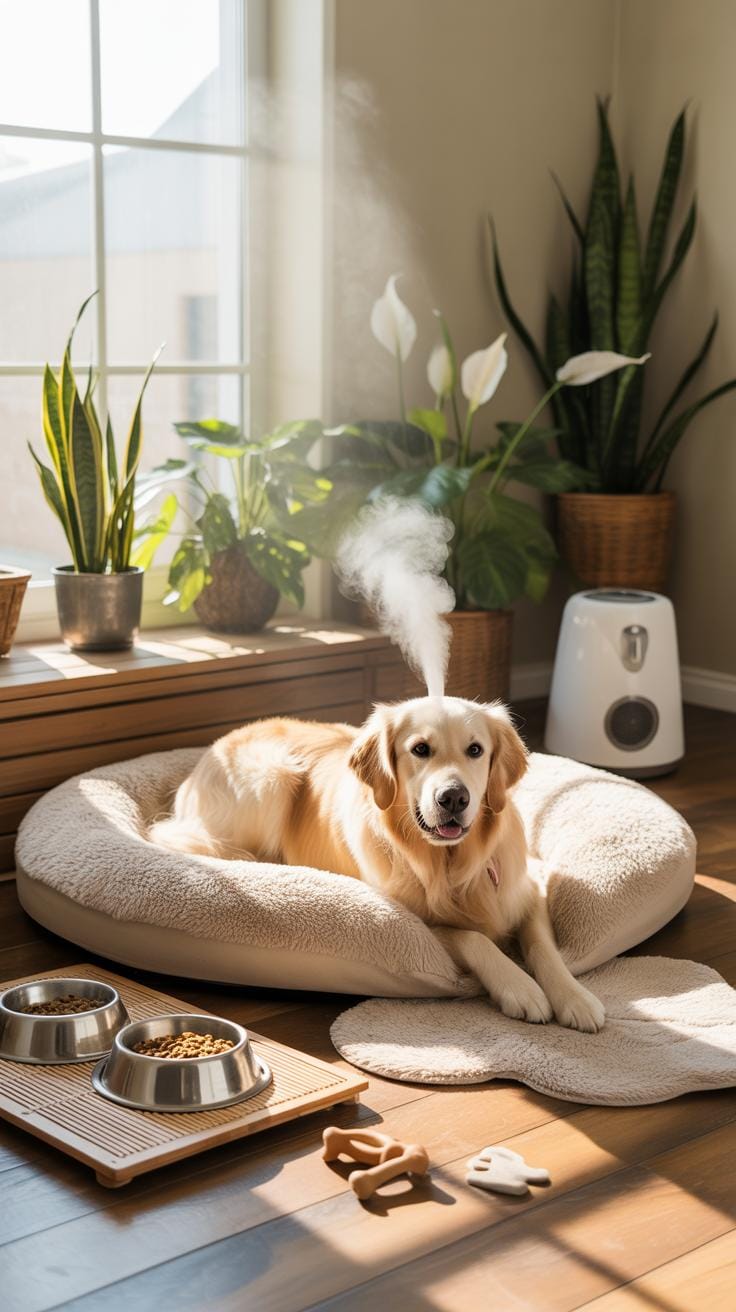
Physical exertion forces your dog to breathe faster and deeper. This rapid air movement irritates the lining of the windpipe and triggers more coughing. Rest stops this cycle of damage. Keep your dog in a quiet room away from household noise and play. Reducing excitement prevents the sudden bursts of energy that cause hacking fits. Recovery requires the body to focus entirely on its immune response.
Isolation is a tactical necessity in a multi-pet home. Kennel cough spreads through airborne droplets and shared surfaces. Separate your sick dog to stop the virus from jumping to other animals. Use different water bowls and wash your hands after every contact. Restricting movement prevents the spread of pathogens throughout your living space. This containment protects healthy pets while ensuring the infected dog stays calm and still.
How Humidity And Air Quality Affect Your Dog’S Airway Relief
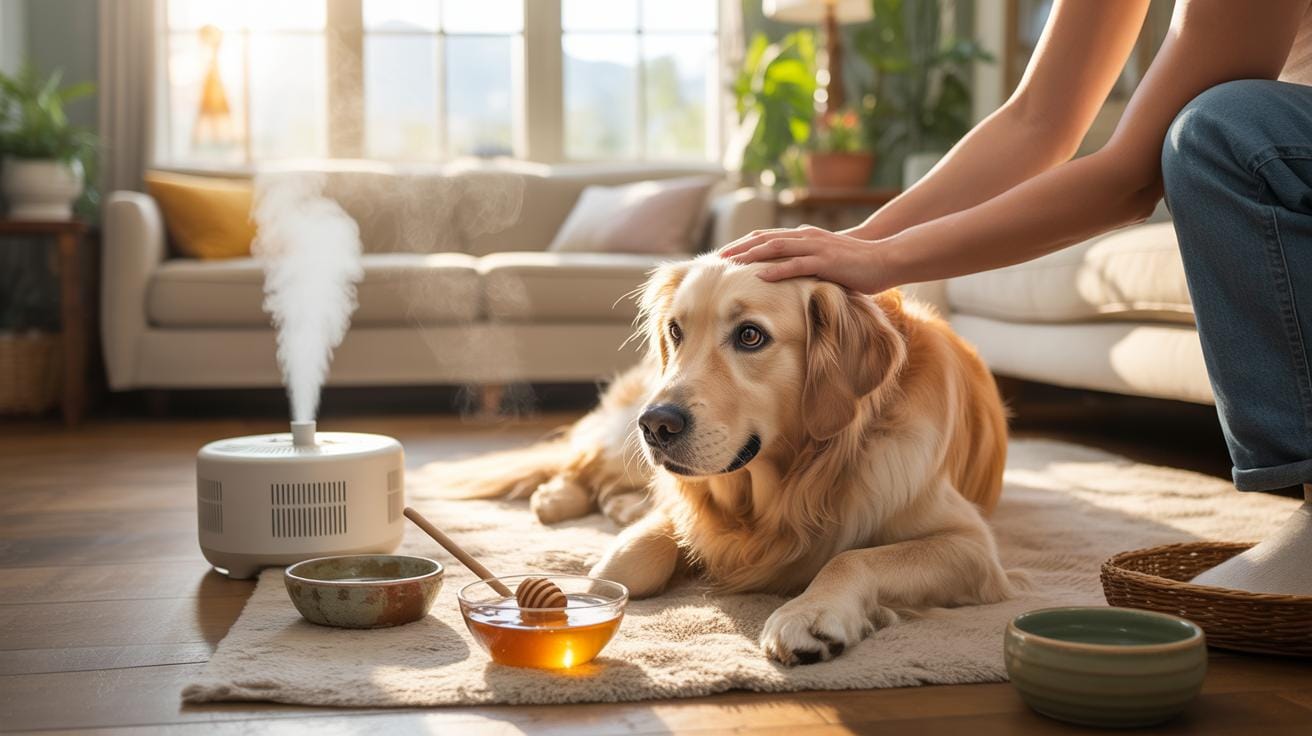
Dry air irritates an already inflamed throat. High humidity levels soothe the respiratory tract by keeping mucus membranes moist. Use a cool-mist humidifier near your dog’s sleeping area to thin out thick secretions. This makes it easier for the dog to clear their throat. If you lack a humidifier, steam from a hot shower works. Bring the dog into a steamy bathroom for fifteen minutes to provide immediate relief.

Air quality directly impacts recovery speed. Smoke, strong perfumes, and cleaning chemicals act as harsh lung irritants. These pollutants trigger the cough reflex and prolong inflammation. Clear the air of all dust and debris. Ensure your dog stays in a well-ventilated but draft-free zone. Fresh and clean air allows the damaged tissue in the trachea to heal without constant interruption. Eliminating environmental triggers is a mandatory step for recovery.
How To Treat Kennel Cough At Home Hydration And Nutrition That Support Healing
Why Keeping Your Dog Well Hydrated Speeds Up Recovery
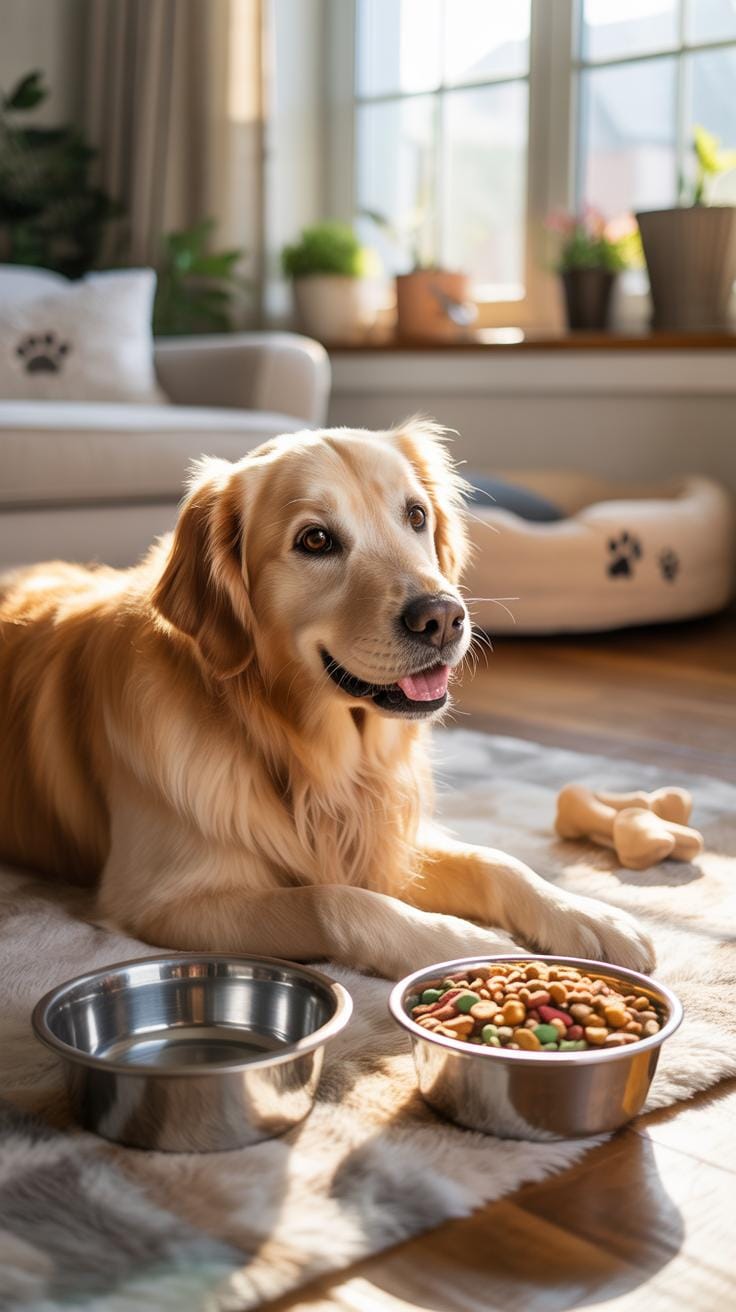
Hydration is the baseline for respiratory recovery. Water thins the mucus lining the airways. Thick mucus traps bacteria and irritates the throat, making coughs more frequent and painful. Liquid intake flushes toxins from the system and stabilizes body temperature. A hydrated dog maintains a stronger immune response. You must monitor water bowls constantly to ensure your dog drinks enough during this period.
Check for dehydration by testing skin elasticity or gum moisture. Dry gums indicate a critical need for fluids. If your dog refuses plain water, offer low-sodium chicken broth. Avoid broths with onions or garlic as these are toxic. Proper fluid levels prevent secondary infections like pneumonia. Keeping the respiratory tract moist reduces the mechanical friction caused by coughing. This simple step accelerates the entire healing timeline.
There is no better medicine for a coughing soul than the quiet comfort of home and a bowl of warm broth. Sometimes the soul of the dog is healed simply by the gentle presence of the hand that loves them.
Soft Foods And Feeding Adjustments That Are Easier On An Irritated Throat
Dry kibble is abrasive. Each swallow scrapes against an inflamed esophagus and triggers coughing fits. You must modify food consistency to reduce physical trauma. Soften existing kibble with warm water or switch to wet canned food. This change makes swallowing painless and keeps the dog interested in eating. Nutrition fuels the immune system, so maintaining caloric intake is a non-negotiable tactical requirement.

Warm food offers two specific benefits. First, it increases the aroma, which encourages eating if the dog has a stuffed nose. Second, the warmth soothes the throat tissues directly. You can also mix in a small amount of plain honey if the dog is older than one year. Honey coats the throat and provides a natural antibacterial barrier. Always prioritize high-quality proteins to give the body the tools for cellular repair.
Natural Remedies For Kennel Cough That Are Backed By Common Sense
Raw Honey As A Natural Throat Soother: What The Evidence Suggests
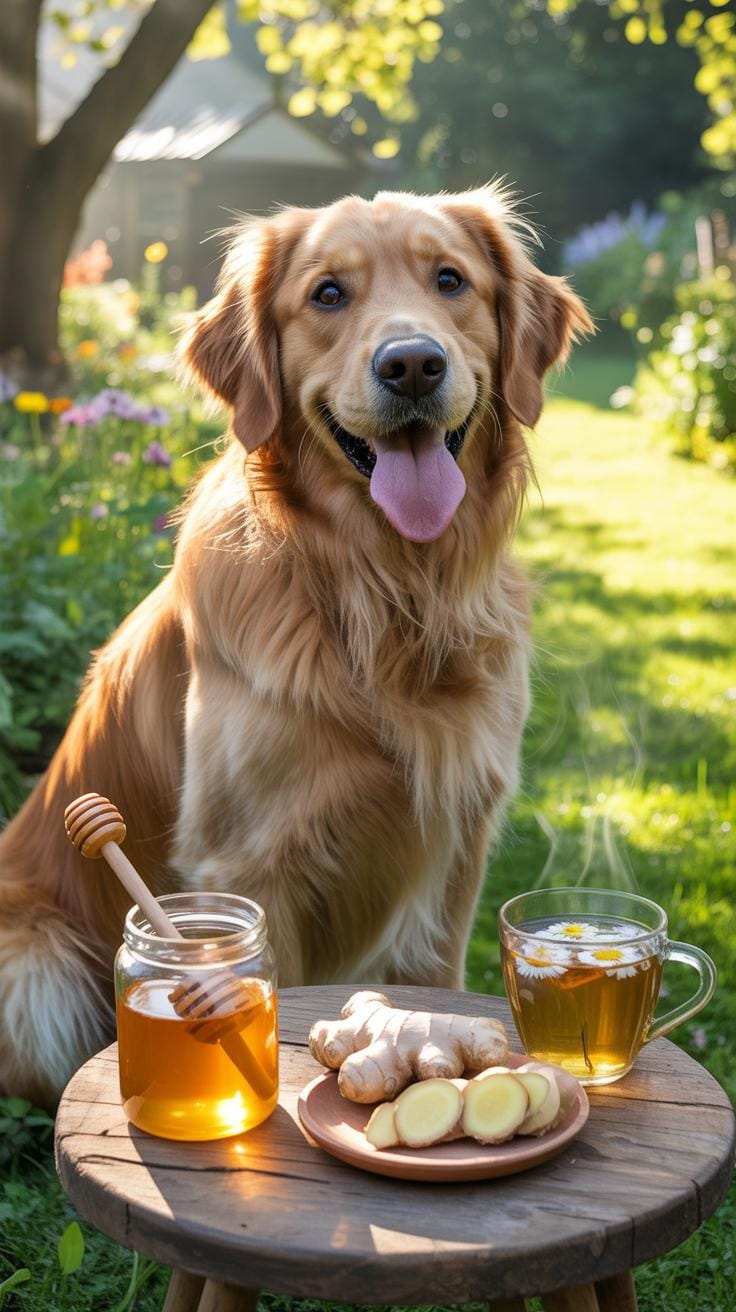
Raw honey acts as a mechanical barrier for the throat. It coats the esophagus and reduces the tickle that triggers a cough. Veterinary professionals often suggest it because it mimics human palliative care. You should use local or Manuka honey for the best results. The sugar content does not fight the virus. Instead, the thick texture provides immediate physical relief from dry irritation.
Do not give honey to puppies under one year old. Their immune systems cannot handle potential botulism spores found in raw honey. For adult dogs, a half teaspoon twice daily is sufficient. Monitor your dog for any allergic reactions or digestive changes. Honey is a supplement rather than a cure. It manages symptoms while the body fights the infection. This approach keeps the dog comfortable.
Steam Therapy And Warm Mist: A Simple Way To Ease Respiratory Irritation
Steam therapy works by increasing air moisture. Dry air worsens the inflammation in a dog’s windpipe. When a dog breathes in warm mist, the moisture loosens mucus trapped in the airways. This makes the cough more productive. You can achieve this by keeping your dog in the bathroom while you run a hot shower. Ensure the dog does not touch the hot water.

Repeat this process for fifteen minutes several times a day. Humidity thins out pulmonary secretions so the dog can clear them easily. Avoid using essential oils or diffusers during this process. Many oils are toxic to canines and irritate their lungs further. Stick to pure water vapor for the safest results. This method is free and uses existing home resources to provide rapid respiratory relief.
Kennel Cough Remedies What You Can Safely Use At Home And What To Avoid
Over The Counter Options That Are Sometimes Recommended And Why Vet Approval Matters
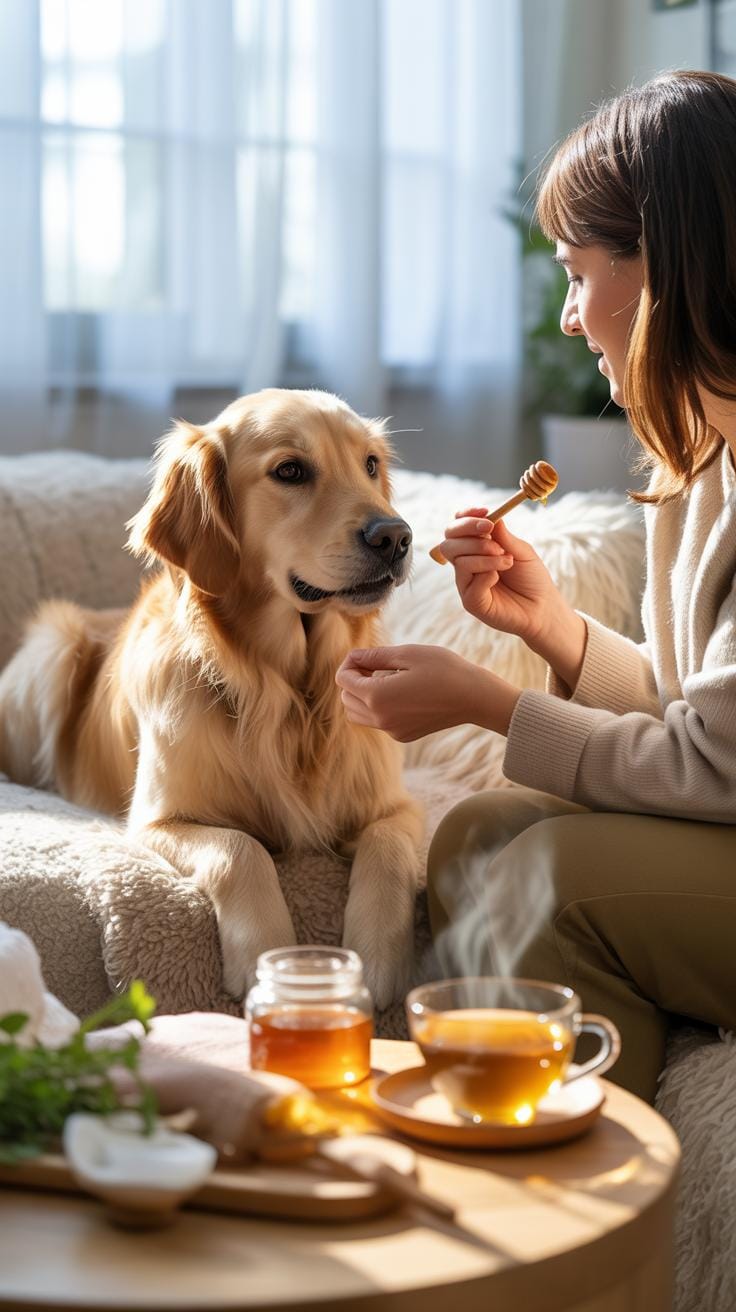
Veterinarians sometimes suggest specific over-the-counter cough suppressants to help your dog rest. These medications usually contain dextromethorphan as the active ingredient. This compound works by signaling the brain to reduce the cough reflex. You must never choose a product without professional guidance. Many human formulas contain additional ingredients that are lethal to animals. Your vet will calculate the precise dosage based on your dog’s weight.
Self-medicating your dog poses a massive risk to their health. A cough might signal pneumonia or heart failure rather than simple kennel cough. Using a suppressant on a productive cough can trap fluid in the lungs and worsen an infection. A professional exam ensures the diagnosis is correct before you start any treatment. Always confirm the exact product name and volume with a licensed vet to avoid a fatal mistake.
Common Household Items And Human Medications That Are Dangerous For Dogs
Human medicine cabinets contain several items that can kill a dog within hours of ingestion. Pain relievers and cold formulas are the most frequent causes of accidental poisoning. You must verify every ingredient on a label before any contact with your pet. Even small doses of common household drugs cause organ failure or internal bleeding. Keep these substances locked away to prevent your dog from reaching them.
- Acetaminophen: This common pain reliever causes severe liver damage in dogs and destroys their red blood cells. Even a single extra strength pill can be fatal for smaller breeds. It prevents the blood from carrying oxygen through the body.
- Ibuprofen and Naproxen: These non-steroidal anti-inflammatory drugs cause rapid stomach ulcers and kidney failure. Dogs cannot process these chemicals like humans do. Ingestion often leads to legal complications, bloody vomiting, and sudden death.
- Xylitol: This sugar substitute appears in many sugar-free gums, candies, and even some peanut butters. It causes a massive insulin surge that drops blood sugar to dangerous levels. It also leads to acute liver failure very quickly.
- Chocolate and Caffeine: These stimulants affect the central nervous system and the heart. High doses lead to tremors, seizures, and heart arrhythmias. Darker chocolate contains higher concentrations of dangerous compounds and poses a much greater risk.
- Pseudoephedrine: Found in many decongestants, this stimulant is highly toxic to dogs. It causes dangerously high blood pressure and an elevated heart rate. Dogs may become hyperactive, suffer from seizures, or experience a total cardiac collapse.

Toxic ingestion requires immediate action at an emergency veterinary clinic. Do not wait for symptoms to appear if you suspect your dog ate a dangerous substance. Bring the packaging with you so the staff can identify the chemical and dosage. Early intervention is the only way to save a dog from many of these common household poisons. Proactive safety prevents a tragedy in your home.
How To Treat Kennel Cough In Dogs Understanding The Timeline Of Recovery
How Long Kennel Cough Typically Lasts And What A Normal Recovery Looks Like
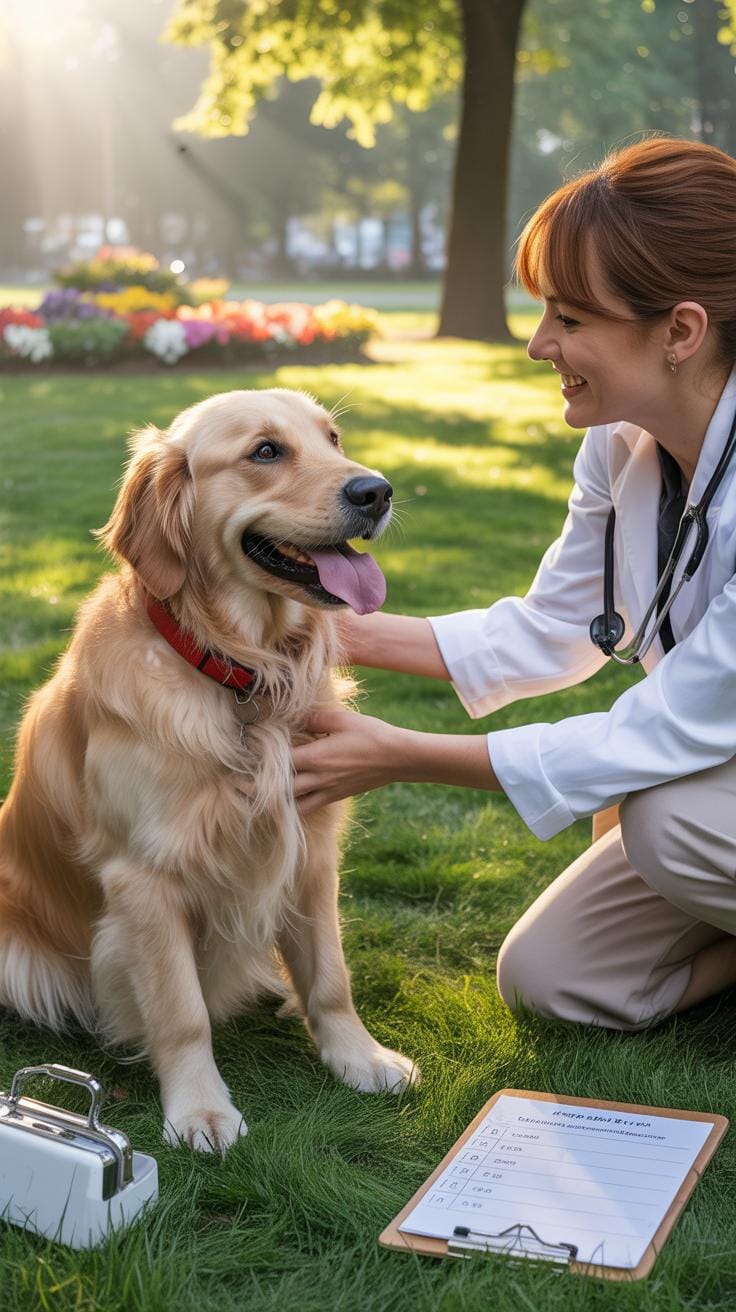
Most healthy dogs recover from kennel cough within three weeks. The virus or bacteria first irritates the lining of the respiratory tract. This causes the signature dry, hacking cough. During the first seven days, the cough is most intense. You should see a gradual decline in the frequency of coughing fits. Rest is the most critical factor during this initial phase.
A normal recovery path shows steady improvement after the first week. Your dog should maintain a clear appetite and normal energy levels. The cough may linger for ten more days as the airway tissues heal. Monitor for any change in the sound of the cough. A shift from dry to wet indicates a problem. Consistent progress means the immune system is successfully managing the infection.
When Home Treatment Is Not Enough And Antibiotics Become Necessary
Home treatment fails when the infection moves into the lower respiratory tract. You must seek veterinary care if the dog develops a fever or becomes lethargic. Refusal to eat is a major red flag. If the cough produces yellow or green mucus, the primary infection has likely turned into a secondary bacterial issue. This requires a professional diagnosis and a specific prescription.

Antibiotics target bacterial agents like Bordetella but do not kill viruses. A vet will prescribe these drugs if they suspect or confirm pneumonia. Labored breathing or a whistling sound during breaths indicates a medical emergency. Do not wait for the cough to clear on its own if the dog struggles to breathe. Professional intervention prevents permanent lung damage and ensures a faster, safer recovery process.
Kennel Cough Home Remedies Day By Day Care Tips To Help Your Dog Feel Better
Practical Daily Comfort Measures That Help Reduce Coughing Episodes
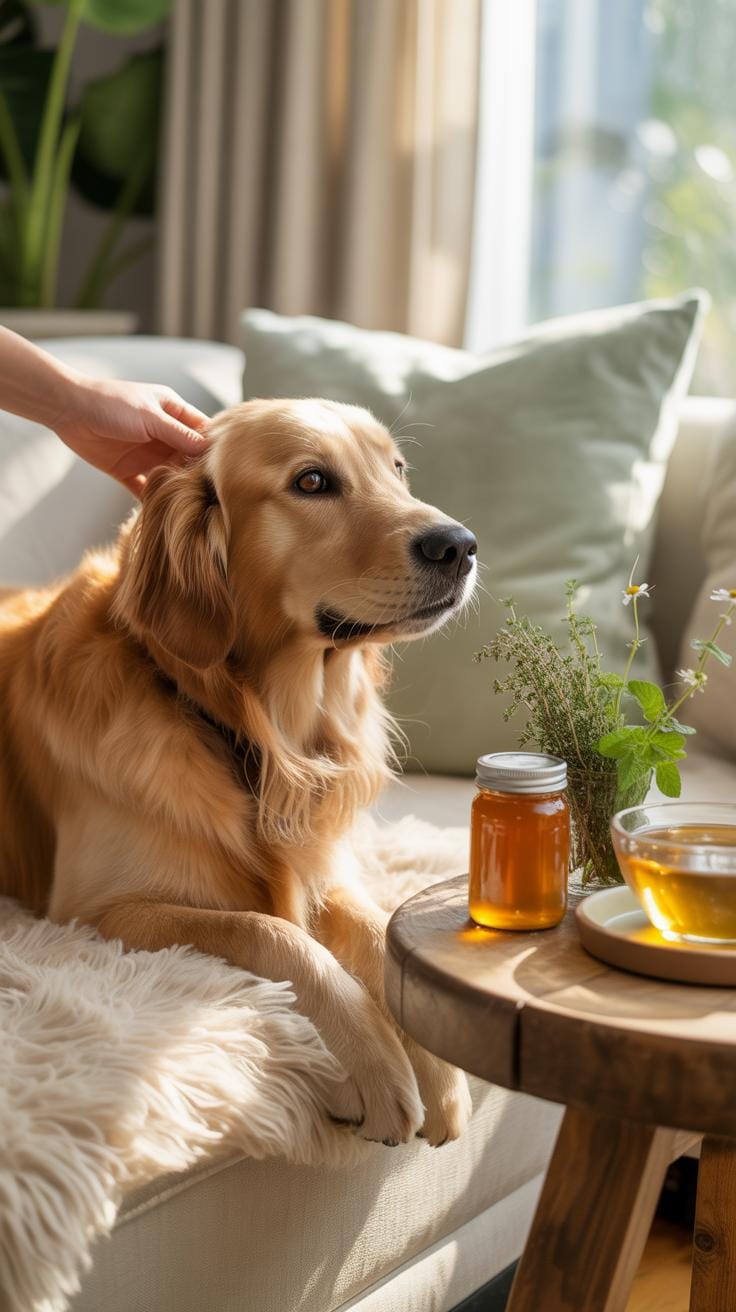
Effective home care requires immediate changes to the dog’s physical environment. Air quality and throat protection are the primary tactical goals for reducing irritation. Dry air triggers coughing fits by drying out the mucous membranes. You must manage the dog’s activity levels and physical triggers. Reducing excitement prevents the deep inhalations that cause the classic honking sound common with this respiratory infection.
- Steam Therapy: Place the dog in a bathroom with a hot shower running for fifteen minutes. The warm moisture loosens mucus in the upper respiratory tract. This helps the dog clear the path which reduces the intensity of frequent dry hacking.
- Harness Usage: Replace the neck collar with a chest harness immediately for all outdoor trips. Pressure on the trachea from a collar triggers sensitive cough receptors. A harness prevents mechanical irritation of the throat while the dog is still healing from the infection.
- Hydration Support: Add small amounts of low-sodium chicken broth or water to dry food bowls. Keeping the throat moist reduces the urge to cough throughout the day. Hydrated tissues heal faster and manage inflammation better than dry tissues under constant stress from barking or movement.
- Air Humidification: Run a cool-mist humidifier in the room where the dog sleeps. Maintaining higher humidity prevents the airway from drying out during the night. This reduces sleep interruptions for both the dog and the owner while supporting the natural cleaning process of the lungs.
- Restricted Activity: Limit all forms of exercise and high-energy play for at least ten days. Increased heart rates lead to heavier breathing which further irritates the inflamed bronchial tubes. Rest allows the immune system to focus resources on fighting the pathogen rather than recovering from exertion.
Dietary adjustments also provide immediate relief to an irritated throat. Softening kibble with warm water makes swallowing less painful and reduces localized friction. Avoid using strong chemical cleaners or perfumes in the home during this recovery phase. These airborne irritants trigger inflammation and prolong the duration of the illness. Consistent environmental control speeds up the recovery and lowers the risk of secondary infections.
How To Monitor Your Dog’S Progress Without Overreacting Or Underreacting
Tracking the recovery process requires objective data rather than emotional observation. Count the number of coughing episodes over a set four-hour window each day. Notice if the cough sounds dry and hacking or if it becomes moist and productive. A productive cough means the body is clearing out debris. Consistency in these observations helps you determine if the current home care strategy is working effectively.

Monitor the dog’s energy levels and appetite alongside the cough frequency. A dog that stops eating or becomes extremely lethargic needs professional medical intervention immediately. Expect the cough to last between ten and twenty days in most healthy adult dogs. If the symptoms do not improve after one week, contact a veterinarian for a formal assessment. Reliable tracking prevents unnecessary stress and ensures the dog receives timely care.
How To Prevent Kennel Cough From Coming Back After Recovery
Vaccination Options Available For Kennel Cough And How Effective They Are
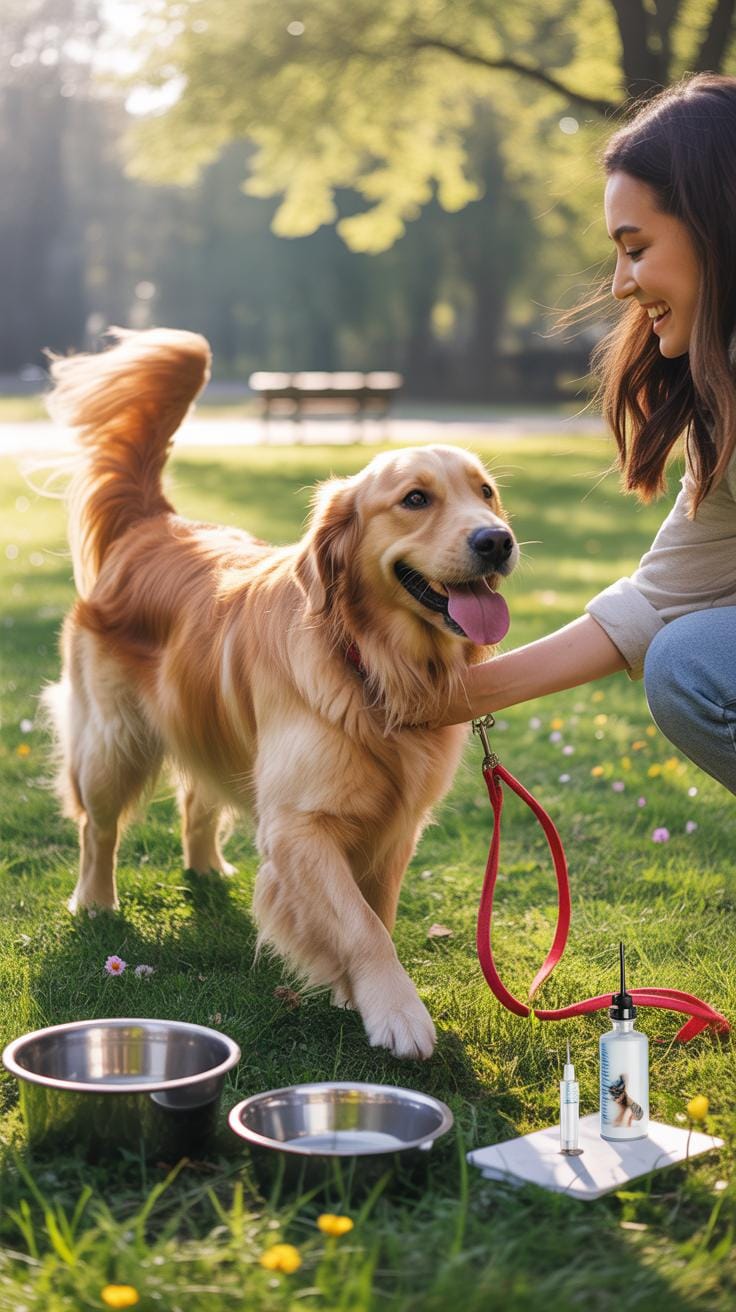
Vaccination is the primary defense against Bordetella bronchiseptica and canine parainfluenza. Owners can choose between oral, intranasal, and injectable formats. The intranasal and oral versions provide faster local immunity in the airway than the injection. These vaccines do not stop every infection because many different bacteria and viruses cause this syndrome. Think of it like a flu shot for humans.
Most boarding facilities and daycare centers require proof of vaccination every six to twelve months. High risk dogs need more frequent boosters to stay protected. These shots significantly reduce the severity of symptoms if your dog gets exposed again. A vaccinated dog clears the infection much faster than an unvaccinated one. Always consult your veterinarian to determine the best schedule based on your local area.
Lifestyle And Environment Changes That Reduce Your Dogs Risk Of Reinfection
Sanitation stops the spread of pathogens in your home and yard. Wash all food bowls, toys, and bedding in hot water and soap. Use a bleach solution or veterinary grade disinfectant on hard surfaces where the dog spent time. Germs can survive for weeks on contaminated surfaces if you do not clean them. Proper airflow also helps prevent the buildup of airborne contaminants in indoor spaces.
Limit your dog’s exposure to crowded areas like dog parks and pet stores during peak outbreak seasons. Switch from a neck collar to a harness to prevent tracheal irritation during walks. Chronic irritation makes the throat more susceptible to new infections. Keep your dog’s immune system strong with high quality nutrition and clean water. Avoiding smoke and strong chemical fumes reduces stress on the respiratory system.
Frequently Asked Questions

What are the best ways to care for a dog with kennel cough at home?
When managing kennel cough home treatment, the most important steps are rest and hydration. Keeping your dog in a stress-free, quiet environment allows their immune system to focus on recovery. You should also ensure they have constant access to fresh water to keep their throat moist. Limiting exercise is crucial, as overexertion can trigger intense coughing fits and slow down the healing process for your furry friend.
How can I use humidity to ease my dog’s persistent cough?
Creating a makeshift steam room is a highly effective kennel cough home treatment technique. Simply bring your dog into the bathroom while you run a hot shower, allowing them to breathe in the warm, moist air for about fifteen minutes. This helps soothe irritated airways and loosens mucus. Additionally, running a cool-mist humidifier near their sleeping area at night can provide continuous relief and help them sleep more soundly.
Are there low-cost pantry staples that can help soothe my dog’s throat?
Yes, you likely already have helpful remedies in your kitchen. A small spoonful of raw, local honey can act as a natural throat lubricant to suppress coughing effectively. You can also mix a little low-sodium chicken broth into their water to encourage hydration if they are feeling lethargic. These affordable solutions are excellent additions to your care routine, providing comfort without requiring an expensive trip to the specialty pet store.