What Is Dog Reverse Sneezing And How Does It Differ From A Regular Sneeze
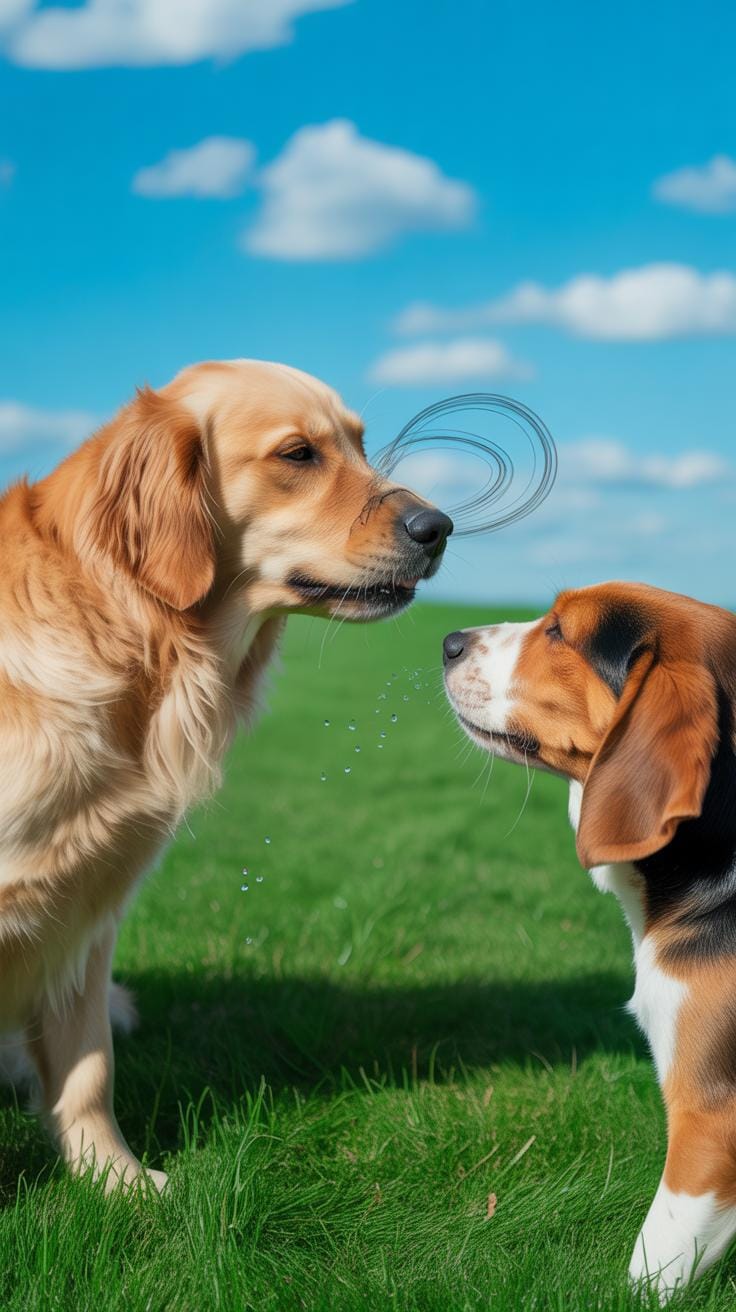
The Mechanics Behind A Reverse Sneeze In Dogs
Reverse sneezing occurs when the soft palate or throat lining becomes irritated. This irritation causes a muscle spasm in the pharynx. During this event, the dog pulls air in through the nose quickly and forcefully. This action is the opposite of a standard sneeze. Scientists officially call this reflex paroxysmal respiration. It is a common involuntary reflex meant to clear the nasopharynx.
The dog stands still and extends its neck during an episode. It makes a loud snorting or honking sound that often alarms owners. This sound happens because the dog struggles to move air past the narrow airway opening. The chest expands as the lungs work to draw air inward. These episodes usually last from seconds to a couple of minutes. The dog remains fully conscious throughout.
Regular Sneezing Vs. Reverse Sneezing: Key Differences Dog Owners Should Know
Regular sneezing serves to clear the front of the nasal passages. It involves a sudden and forceful expulsion of air through the nose and mouth. The air moves outward to remove irritants like dust or pollen. You will see the dog shake its head or drop its nose toward the ground. This reflects a simple outward pressure change to clean the respiratory entry point.
Reverse sneezing moves air in the opposite direction. The dog sucks air inward to address irritation at the back of the throat. While a regular sneeze is a quick burst, a reverse sneeze is a rhythmic series of inhalations. You can tell them apart by the direction of the air flow. Regular sneezing is an outward blast. Reverse sneezing is a series of internal gasps.

Why Does My Dog Sneeze In Reverse Common Triggers And Root Causes
Environmental And Allergen Based Triggers That Cause Reverse Sneezing
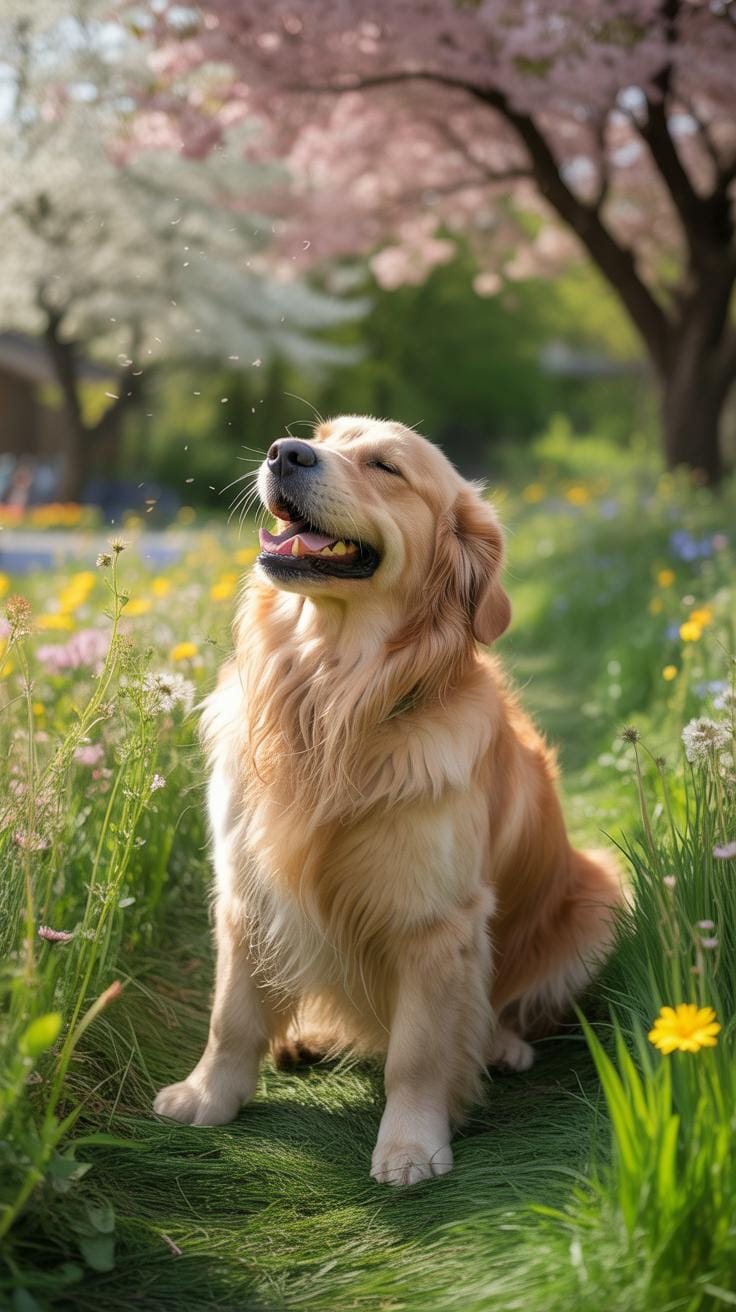
Reverse sneezing occurs when an irritant bothers the soft palate or throat. Environmental triggers act as the primary catalyst for these episodes. Common irritants include dust, strong perfumes, and household cleaning chemicals. Smoke and incense also trigger the reflex. These foreign particles enter the nasal passage and cause a temporary spasm. The dog inhales rapidly to clear the airway. This mechanical response creates the distinct honking sound.
Seasonal allergens contribute significantly to the frequency of these events. Pollen and mold spores irritate the lining of the respiratory tract. Rapid changes in temperature or sudden excitement can also spark a reaction. Eating or drinking too fast sometimes forces air or food into the nasopharynx. This blockage initiates the gagging reflex known as paroxysmal respiration. Owners must identify these specific triggers to manage the condition effectively and reduce daily episodes.
Anatomical And Physical Factors That Make Some Dogs More Prone To Reverse Sneezing
Physical structure plays a major role in which dogs experience this condition. Brachycephalic breeds suffer most often due to their unique skull shape. These dogs have shortened muzzles and elongated soft palates. The excess tissue in the back of the throat easily becomes sucked into the airway. This creates a physical obstruction during normal breathing. Short-nosed breeds face constant mechanical resistance that triggers the throat to spasm frequently.

Small dog breeds also show a higher predisposition toward reverse sneezing. Their smaller tracheas and narrow throat passages are sensitive to minor inflammation. Collapsing tracheas or dental infections can exacerbate the issue. Genetic traits determine the length and thickness of the soft palate. When the palate is too long, it interferes with the epiglottis. This interference forces the dog to gulp air in an attempt to realign the throat tissues.
Why Do Dogs Sneeze Understanding The Purpose Of Both Normal And Reverse Sneezing
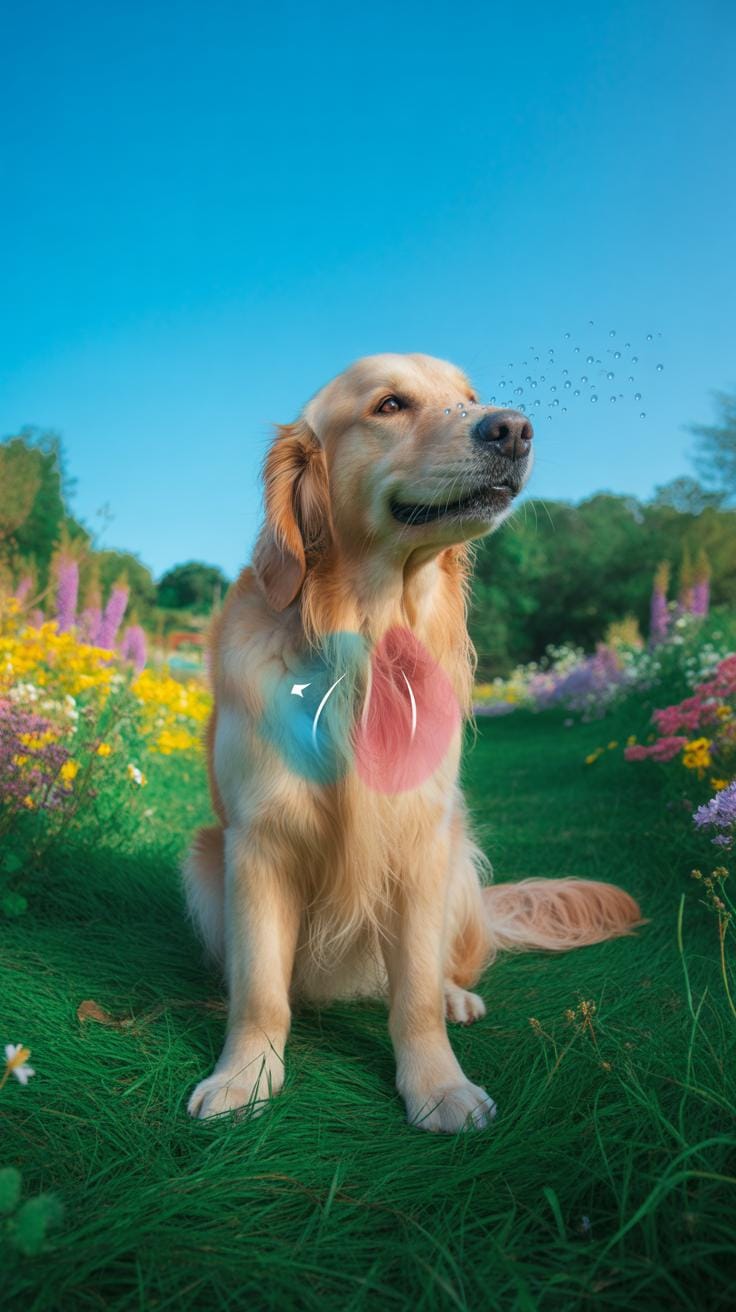
How Sneezing Functions As A Natural Airway Defense Mechanism In Dogs
A normal sneeze is a forceful expulsion of air through the nose. This reflex protects the upper respiratory system from foreign invaders. When particles like dust, pollen, or smoke enter the nasal passages, they irritate the sensitive lining. The brain receives a signal to clear the airway immediately. This rapid blast of air pushes the irritating material out of the body to prevent lung contamination.
Dogs also use sneezing as a communication tool. This often happens during play to show they are having fun. It signals that their high energy is not a threat to other animals. Whether triggered by physical debris or social cues, the biological mechanism remains the same. The body uses quick muscle contractions to drive air outward. This process keeps the nasal cavity clean and functional for scent tracking.
What The Body Is Trying To Accomplish During A Reverse Sneeze Episode
The technical term for a reverse sneeze is inspiratory paroxysmal respiration. This event occurs when the soft palate or throat area becomes irritated. Instead of pushing air out, the dog pulls air in quickly. Each intake of breath is sharp and loud. This action creates a vacuum effect. The body uses this specific pressure to realign the soft palate or pull mucus down into the digestive tract.
The primary goal is the removal of irritants located behind the nasal cavity. Common triggers include strong odors, allergies, or eating too fast. The dog stands still and extends its neck to open the airway. By forcefully inhaling, the dog attempts to clear the nasopharynx. The episode looks alarming but serves a vital maintenance role. It resolves the irritation without requiring external medical help in most healthy adult dogs.
Recognizing Reverse Sneezing In Dogs Sounds Signs And Visual Cues
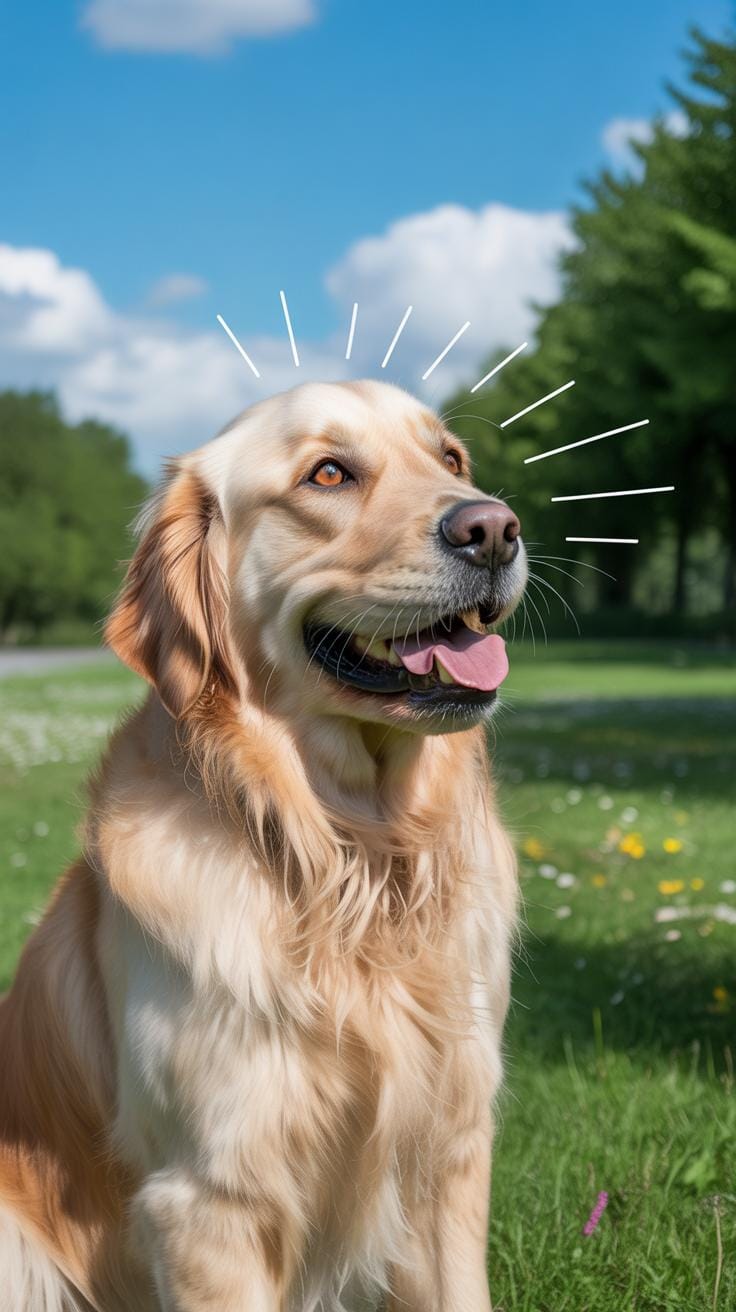
What A Reverse Sneezing Episode Looks And Sounds Like In Real Time
A reverse sneeze involves sudden and forceful inhalations through the nose. This action creates a loud snorting or honking sound. Many owners mistake this for choking or gasping for air. The dog typically stands very still with its neck extended and elbows turned outward. This posture helps the animal move more air through the nasal passages. You will see the chest expand rapidly during these sharp rhythmic bursts.
The sound occurs because the soft palate spasms or becomes irritated. This vibration produces the distinct mechanical noise associated with the condition. Unlike a regular sneeze where air goes out, the air moves inward here. The eyes may bulge slightly due to the physical effort. The dog remains conscious and alert throughout the entire event. Most dogs return to normal behavior immediately after the spasms stop without any lingering distress.
How Long Episodes Typically Last And How Frequently They Occur
Most reverse sneezing episodes are brief and resolve on their own. Each event typically lasts between thirty seconds and two minutes. The spasms stop once the irritation in the throat or nasal passage clears. You should monitor the clock to ensure the event does not exceed this common timeframe. Brief episodes do not usually require medical intervention or emergency care. The dog will breathe normally between these short sessions.

Frequency varies significantly between individual dogs and breeds. Some dogs experience this once in their lifetime while others have multiple episodes a week. Patterns often emerge based on specific triggers like excitement or pollen. If the frequency increases suddenly, it may signal an underlying health issue. Track how often these events occur to provide your vet with accurate data. Consistency is more important than the duration of a single isolated event.
Which Dog Breeds Are Most Affected By Reverse Sneezing Dog Episodes
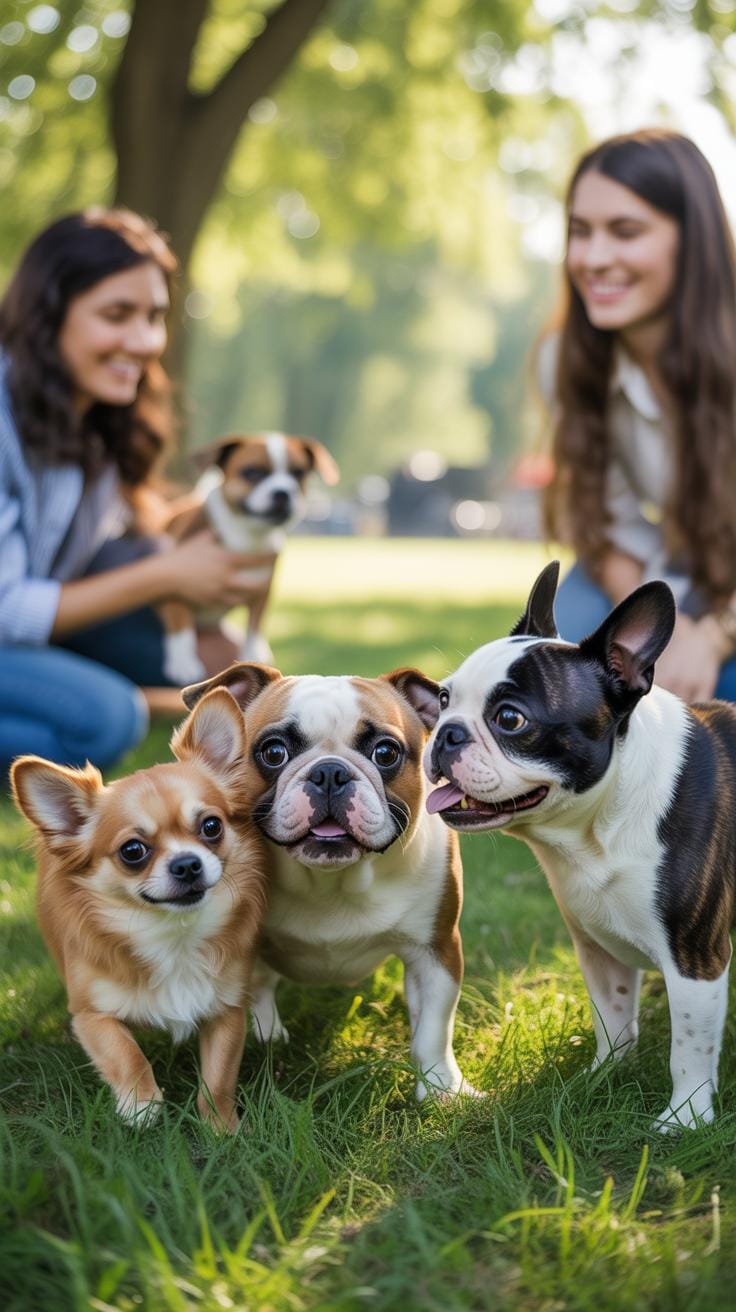
Why Brachycephalic Breeds Like Pugs And Bulldogs Are Especially Susceptible
Brachycephalic dogs have flat faces and shortened snouts. This skeletal structure forces soft tissues into a smaller space. These dogs often have an elongated soft palate. This flap of skin hangs down and obstructs the airway. It easily gets sucked into the windpipe during breathing. This irritation triggers the throat muscles to spasm. The dog must inhale sharply to clear the airway obstruction.
Poor airflow dynamics increase the frequency of these episodes. Narrow nostrils and a small windpipe create high pressure when the dog breathes. This pressure pulls on the sensitive throat lining. Physical activity or excitement makes the problem worse. Heat also adds stress to their respiratory system. Owners must watch these breeds closely. Their unique anatomy makes them the primary targets for chronic reverse sneezing episodes.
Even when your old friend’s breath hitches in those sudden, frantic sounds, remember that most storms pass as quickly as they come. In the quiet moments of worry, trust the steady rhythm of a heart that has loved you through every season.
Small And Toy Breeds That Commonly Experience Reverse Sneezing
Small and toy breeds have very narrow throats. Their airways are physically smaller than those of larger dogs. Microscopic irritants like dust or pollen stay trapped in these tight spaces longer. Chihuahuas and Yorkies frequently suffer from these spasms. Their tracheas are delicate and prone to collapses or irritation. Even slight pressure from a collar can trigger a sudden respiratory event in these dogs.

These small dogs often live indoors where allergens concentrate. Low ground clearance means they inhale more floor dust and chemical cleaners. Their size makes them more sensitive to environmental changes. Stress and rapid eating also lead to gulps of air. This air hits the back of the throat and causes a spasm. Owners should use harnesses instead of collars to reduce direct pressure on the neck area.
How To Stop Reverse Sneezing In Dogs Safe And Effective Calming Techniques
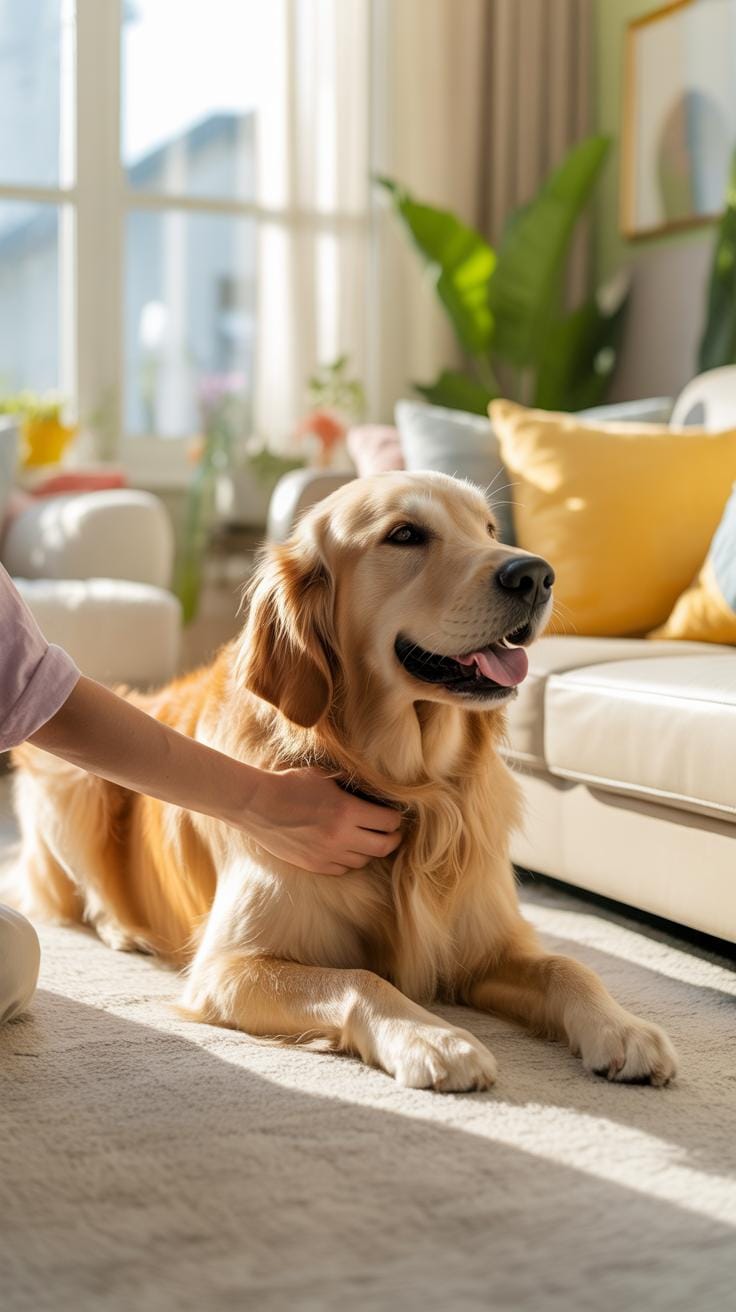
Step By Step Techniques To Help Your Dog Through A Reverse Sneezing Episode
Reverse sneezing occurs when an irritant causes a spasm in the soft palate. You must remain calm to prevent the dog from panicking. High stress levels increase heart rate and breathing speed, which only extends the duration of the episode. Tactical physical intervention focuses on clearing the irritation or forcing the dog to swallow to reset the throat muscles and stop the spasm.
- Cover the Nostrils: Briefly block both nostrils with your fingers for one or two seconds. This action forces the dog to breathe through its mouth, which often helps the soft palate drop back into its normal position and stops the spasms immediately.
- Massage the Throat: Use gentle downward strokes on the external throat area. This physical stimulation encourages the dog to swallow, which is the most natural way to reset the muscles in the nasopharynx and clear any minor localized irritation or mucus.
- Blow on the Face: Deliver a short, sharp puff of air directly toward the dog’s nose. This unexpected sensation triggers an automatic startle reflex that interrupts the rhythmic gasping. It often causes the dog to blink or swallow, effectively breaking the cycle of the sneezing fit.
- Induce Swallowing: Offer a small amount of water or a tiny treat if the dog is conscious and alert. The physical act of swallowing moves the soft palate and can dislodge whatever irritant triggered the event. Do not use large items that could cause actual choking.
- Cool Air Exposure: Move the dog toward an open window or a fan for a change in air temperature. Fresh, moving air can reduce the irritation in the nasal passages. This shift in environment often provides the sensory change needed to end the physical spasm.
Focus on the physical mechanics of the airway during these steps. Most episodes last less than a minute and do not require medical intervention. If the dog appears blue or loses consciousness, stop these techniques and seek emergency care. Otherwise, these manual methods work by overriding the involuntary muscle contractions. Consistent application of these steps minimizes the physical impact on the dog.
What You Should Never Do During A Reverse Sneezing Episode
Do not stick your fingers down the dog’s throat to clear a perceived blockage. This reaction often leads to accidental bites and causes severe tissue trauma. You risk pushing the tongue back and completely obstructing the airway. Panicking and screaming at the dog also worsens the situation. Stress makes the dog breathe harder, which pulls more air against the irritated palate and prolongs the fit.

Avoid using restrictive collars or neck leashes while the dog is actively sneezing. Pressure on the trachea increases irritation and limits air flow. Do not force the dog to run or move quickly during an episode. Physical exertion demands more oxygen and forces rapid nasal breathing. This increased airflow keeps the soft palate in a state of vibration. Keep the dog stationary and quiet until the breathing returns to normal.
Dog Sneezing Remedies And Preventive Measures To Reduce Episode Frequency
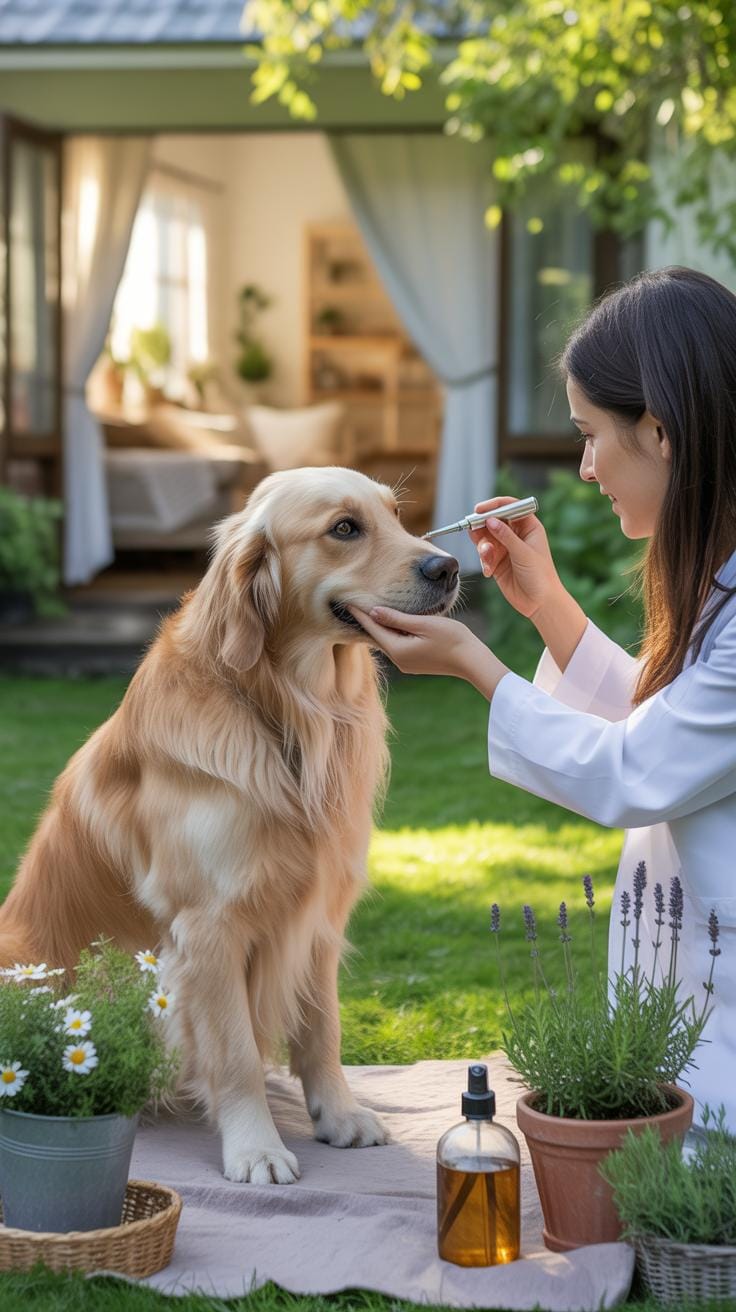
Home Adjustments And Environmental Changes That Can Help Minimize Triggers
Reverse sneezing often starts when external particles irritate the soft palate. You must eliminate airborne irritants to lower the frequency of these events. Stop using strong scents and improve air filtration immediately. These small changes reduce the physical stress on your dog’s upper respiratory system. Consistency is the only way to see a measurable drop in episodes.
- Switch to Harnesses: Traditional neck collars put direct pressure on the trachea and throat. This physical strain frequently triggers a spasm in the soft palate. Replacing a collar with a chest harness removes this mechanical irritation and prevents airway compression during walks.
- Eliminate Scented Products: Scented candles, air fresheners, and strong perfumes irritate the sensitive nasal lining. These chemicals act as immediate triggers for respiratory spasms. Removing these items from your home environment reduces the chemical load on the dog’s nasal passages.
- Manage Dust and Pollen: Dust mites and seasonal pollen are common allergens that cause inflammation. Use high-efficiency particulate air filters and vacuum frequently to keep the air clean. Lowering the allergen count prevents the allergic rhinitis that often precedes a reverse sneezing bout.
- Control Meal Speed: Dogs that eat too fast often gulp air and irritate their throats. This rapid ingestion can trigger a reverse sneeze immediately after eating. Use slow-feeder bowls to force a calmer pace and protect the throat from unnecessary irritation.
- Monitor Temperature Shifts: Moving a dog quickly from a warm house into freezing air can cause the throat to spasm. This sudden change in air temperature shocks the respiratory system. Try to acclimate the dog gradually or use a muzzle scarf to warm the air.
Keep your dog calm during high-excitement periods. Rapid breathing and over-exertion pull air quickly over the soft palate which causes it to vibrate or lock. Limit intense play if you notice a pattern of sneezing afterward. Managing the environment is more effective than treating the episode after it starts. Controlled environments produce fewer triggers and healthier dogs.
When Veterinary Treatments Or Medications May Be Recommended For Chronic Cases
Consult a veterinarian if the frequency of reverse sneezing increases or the episodes last longer. Doctors look for underlying causes like nasal mites or foreign bodies stuck in the airway. If the dog has chronic inflammation, the vet may prescribe specific medications. Professional intervention becomes necessary when the condition interferes with the dog’s ability to sleep or eat.
Veterinarians often prescribe antihistamines if allergies drive the respiratory irritation. In cases of severe inflammation, they may use anti-inflammatory drugs to soothe the soft palate. If nasal mites are the culprit, targeted parasiticides will solve the issue quickly. Always follow the clinical diagnosis rather than guessing at home. Testing ensures the dog receives the correct chemical support for its specific condition.
How To Stop A Dog From Sneezing Repeatedly When To See A Vet Without Delay
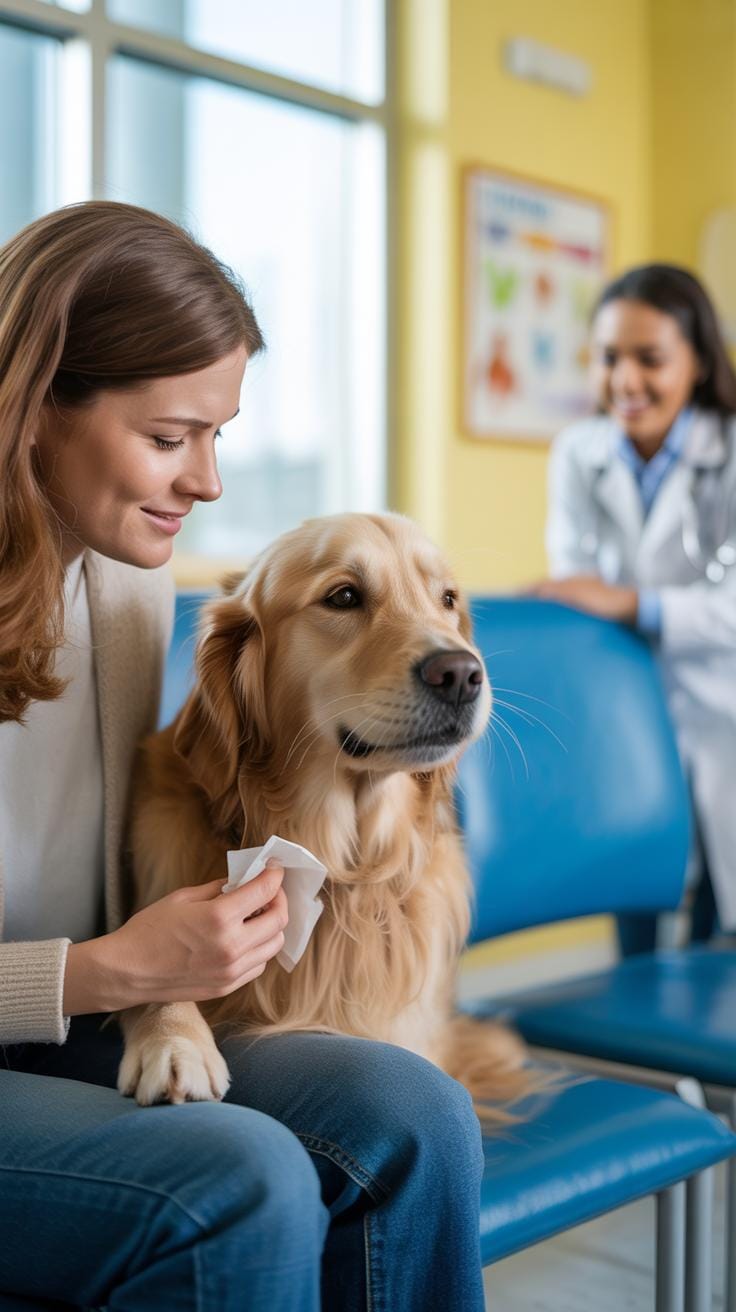
Warning Signs That Indicate Reverse Sneezing May Be Masking A Serious Condition
Most reverse sneezing ends quickly without medical help. You must watch for changes in frequency or physical appearance. Seek a vet if the dog has bloody discharge from the nose. Frequent episodes that last longer than usual also signal trouble. Watch for lethargy or a sudden loss of appetite. These signs often point to a blockage or a more severe infection rather than a simple irritant.
Monitor the sound of the dog’s breathing during normal rest. Laboring to breathe while not sneezing is a major red flag. Look for blue or pale gums during an episode. This indicates a lack of oxygen which requires emergency care. Chronic nasal discharge or facial swelling means the issue is not just a passing spasm. Real medical issues often mimic the sound of a common reverse sneeze.
How A Veterinarian Diagnoses And Rules Out Other Respiratory Conditions In Dogs
Vets start with a physical exam and a review of the dog’s history. They look for nasal mites or foreign objects like grass seeds. Small cameras called endoscopes allow vets to see inside the nasal passages. This tool confirms if a tumor or a structural defect exists. They often use X-rays to check the lungs and the upper airway for any unusual patterns or growths.
Blood tests help identify underlying allergies or systemic infections. If the vet suspects a collapsed trachea, they will perform specific imaging during the breathing cycle. This distinguishes a simple sneeze from a life-threatening airway collapse. Rhinoscopy provides the most direct look at the soft palate. High-tech scans like CT are sometimes necessary for chronic cases. Accurate diagnosis ensures the treatment matches the actual cause of the respiratory distress.
Frequently Asked Questions

What exactly is dog reverse sneezing and is it dangerous for my pet?
Dog reverse sneezing, known medically as paroxysmal respiration, is a common respiratory event where a dog rapidly pulls air into their nose rather than exhaling. While it sounds like a sudden choking or gasping fit, it is typically a harmless reflex triggered by irritants like dust or pollen. In most cases, these episodes are brief and resolve on their own without causing any long-term health issues or pain for your furry friend.
How can I help my pet stop an episode of dog reverse sneezing at home?
When you witness dog reverse sneezing, the best approach is to remain calm so your pet stays relaxed. You can gently massage their throat to encourage swallowing, which often stops the spasm. Another effective technique is to briefly cover their nostrils with your fingers for a second or two, forcing the dog to swallow and clear out whichever irritant is currently causing the tickle in their soft palate or upper airway.
Are there affordable ways to manage this condition without frequent vet visits?
Managing this condition is usually very budget-friendly because most cases require no medical intervention. You can reduce triggers for free by keeping your home vacuumed, avoiding strong perfumes, and using a harness instead of a collar to prevent throat pressure. However, if episodes become frequent, a standard vet consultation is necessary to rule out underlying allergies or mites, as early professional advice can prevent more costly respiratory treatments in the future.